Article

Kinome Profiling of NF1-Related MPNSTs in Response to Kinase Inhibition and Doxorubicin Reveals Therapeutic Vulnerabilities


1
Center for Cancer and Cell Biology, Van Andel Research Institute, Grand Rapids, MI 49503, USA
2
Helen DeVos Children’s Hospital, Spectrum Health System, Grand Rapids, MI 49503, USA
3
Bioinformatics & Biostatistics Core, Van Andel Research Institute, Grand Rapids, MI 49503, USA
4
Pathology and Biorepository Core, Van Andel Research Institute, Grand Rapids, MI 49503, USA
5
Center for Applied Proteomics and Molecular Medicine, George Mason University, Manassas, VA 22030, USA
6
Michigan State University College of Human Medicine, Grand Rapids, MI 49503, USA
*
Author to whom correspondence should be addressed.
These authors contributed equally.
Genes 2020, 11(3), 331; https://doi.org/10.3390/genes11030331
Submission received: 1 February 2020 / Revised: 27 February 2020 / Accepted: 9 March 2020 / Published: 20 March 2020
(This article belongs to the Special Issue Genomics and Models of Nerve Sheath Tumors)

Abstract

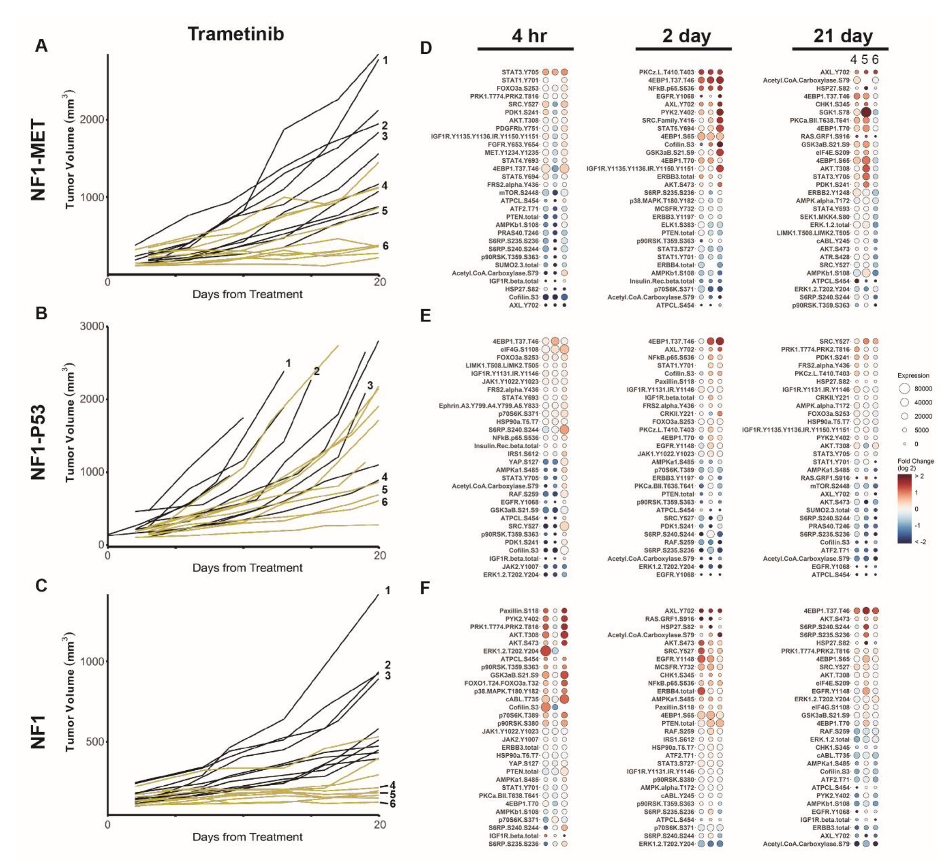
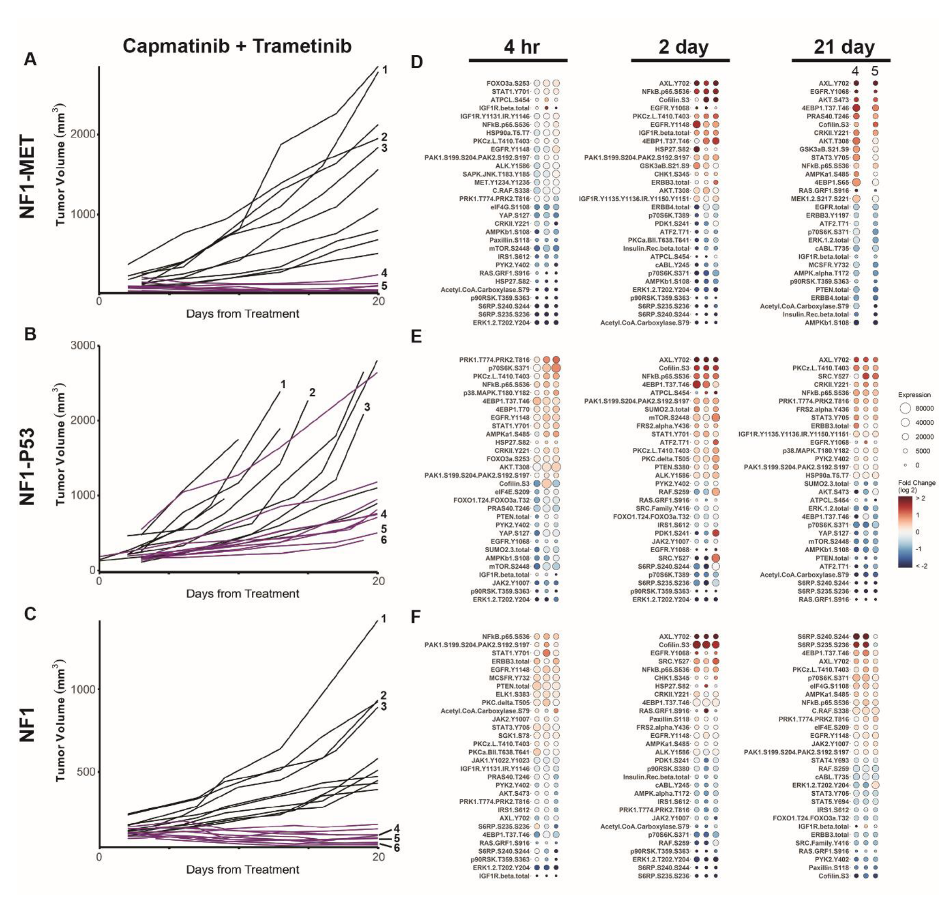
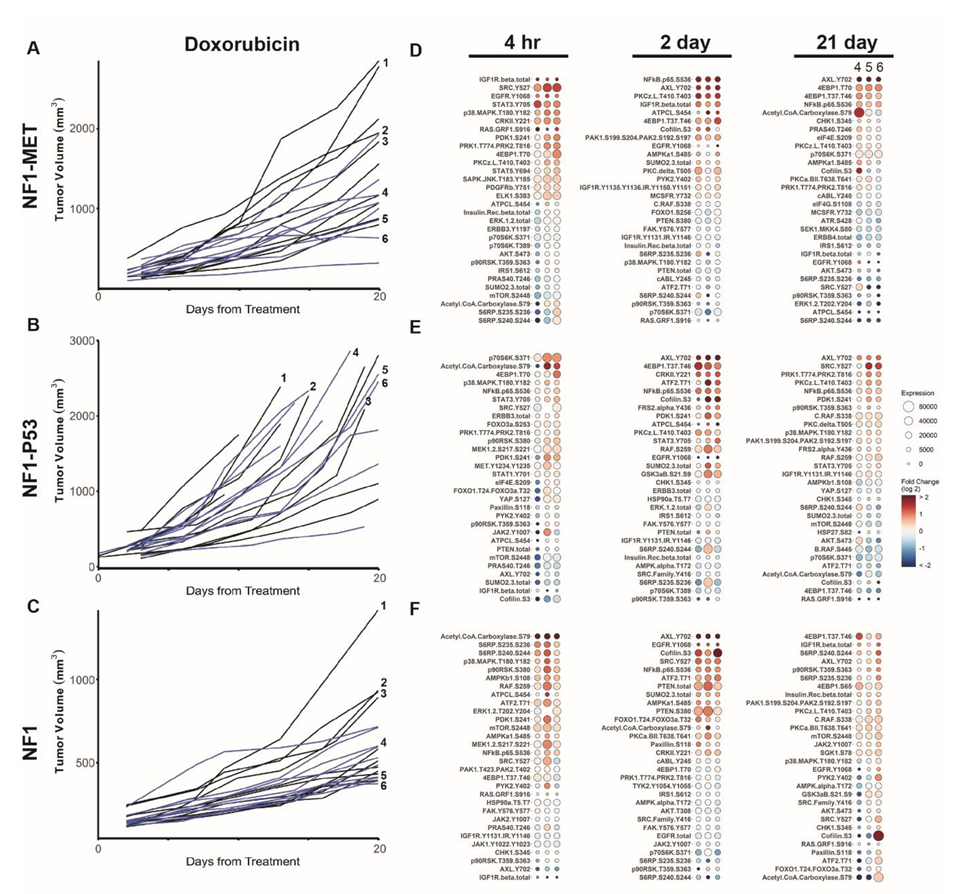
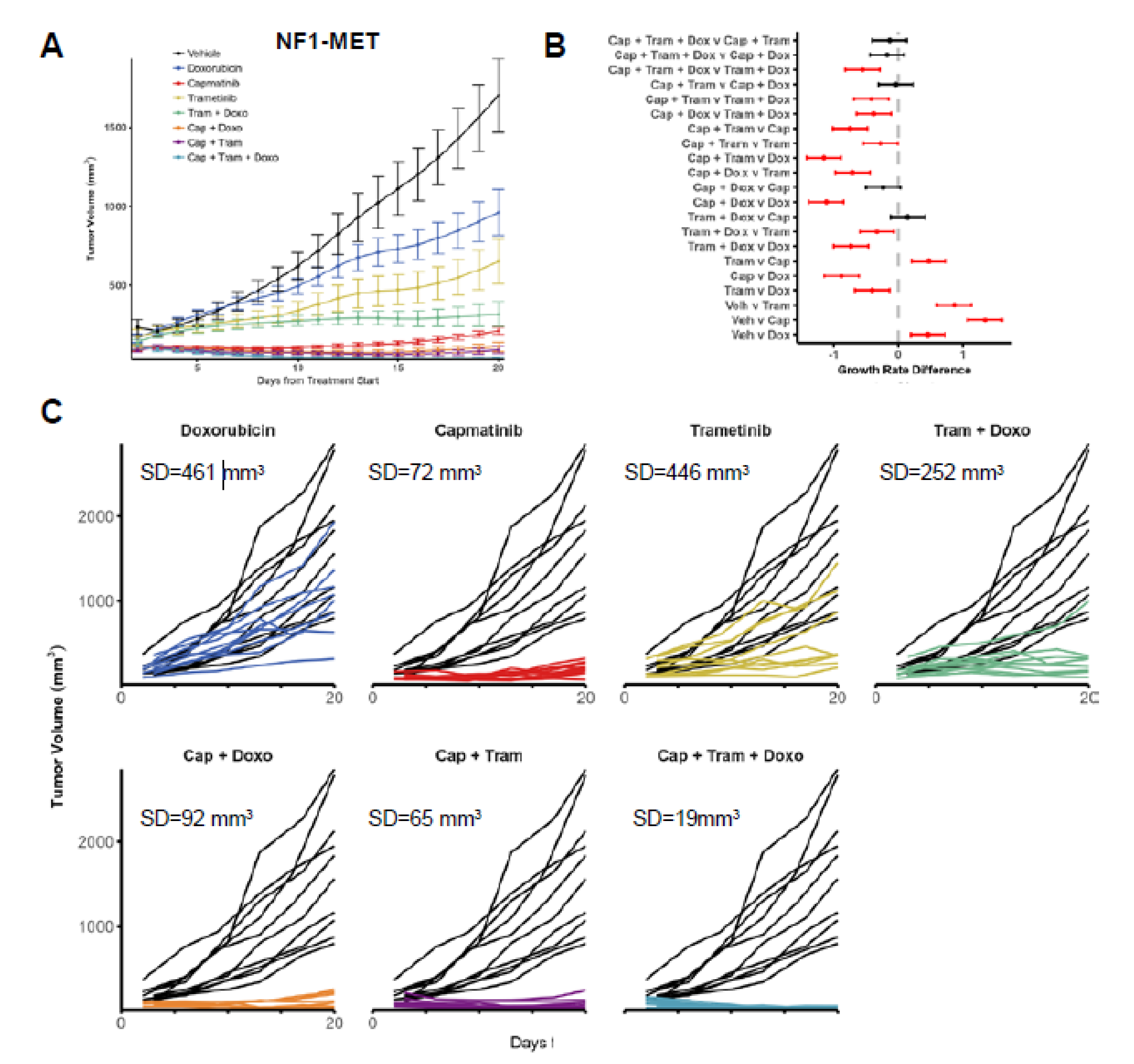
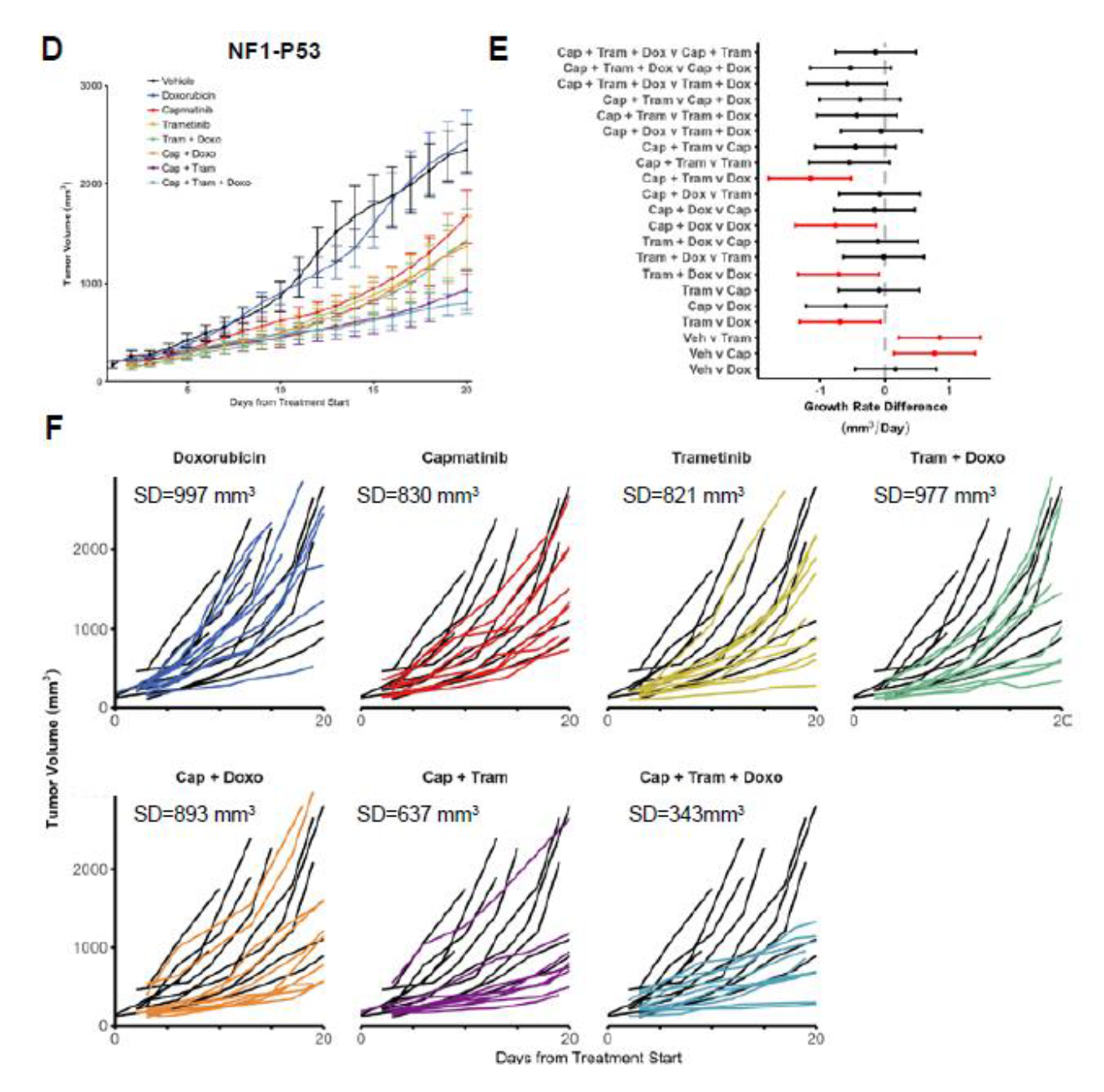
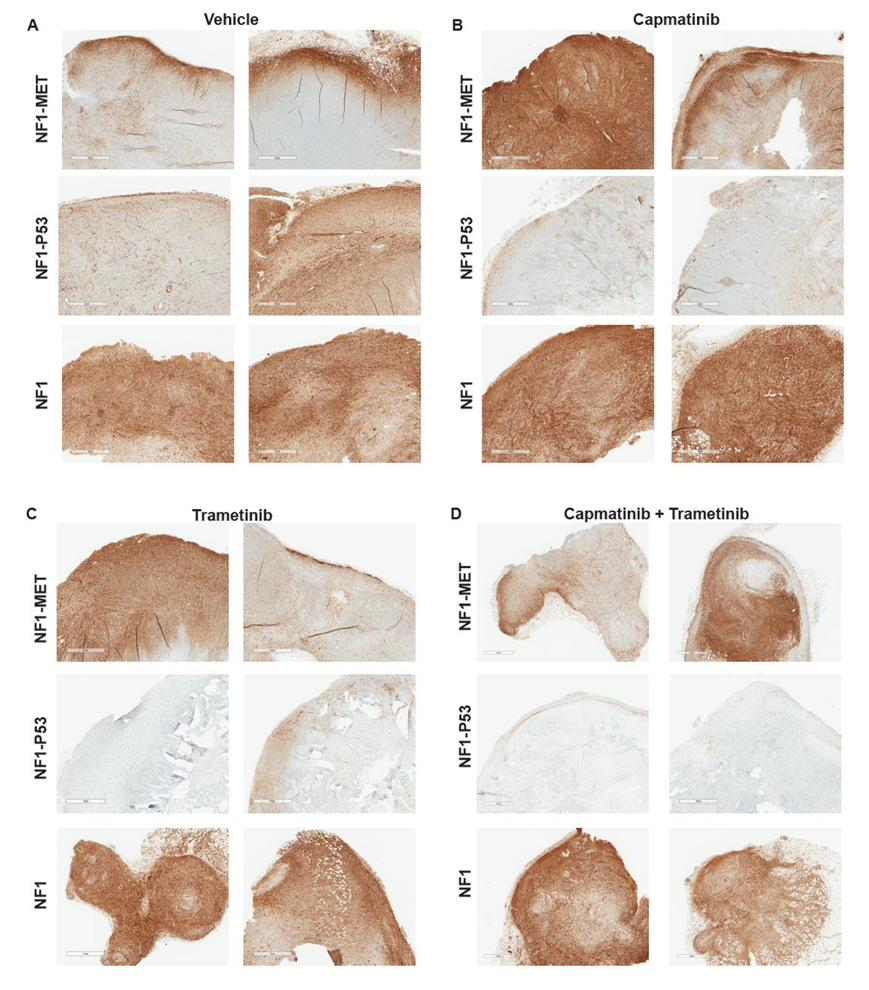
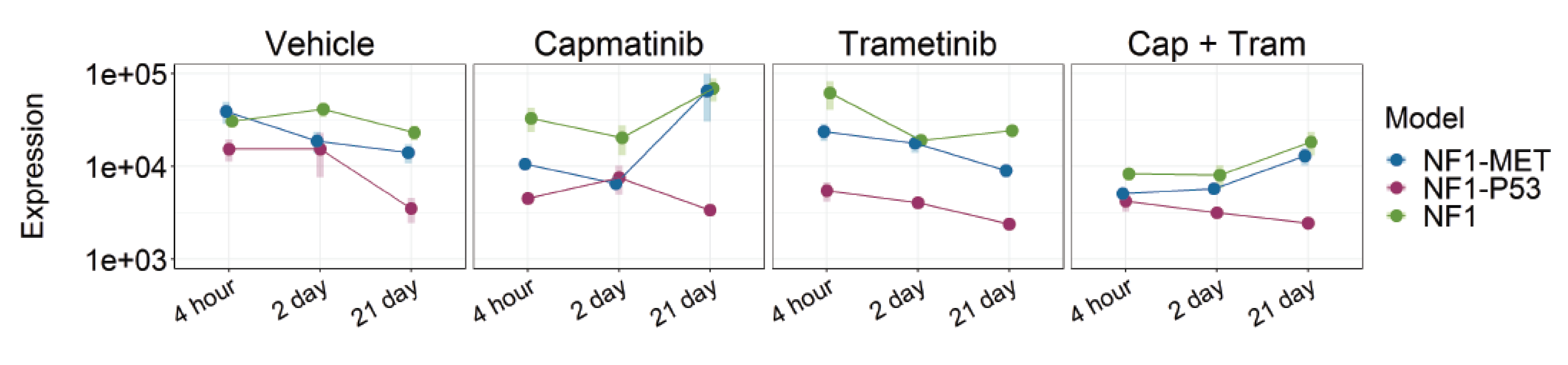
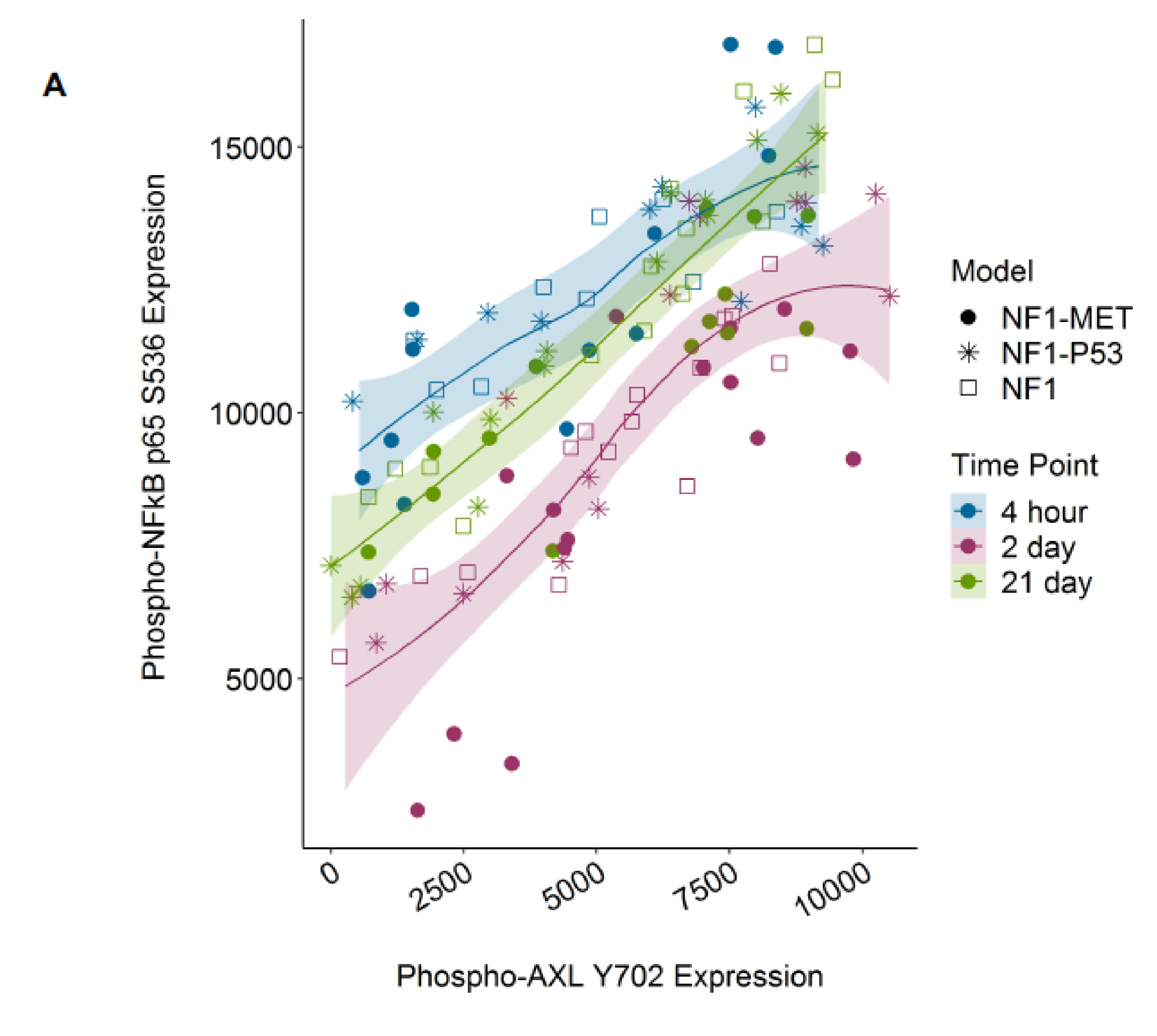
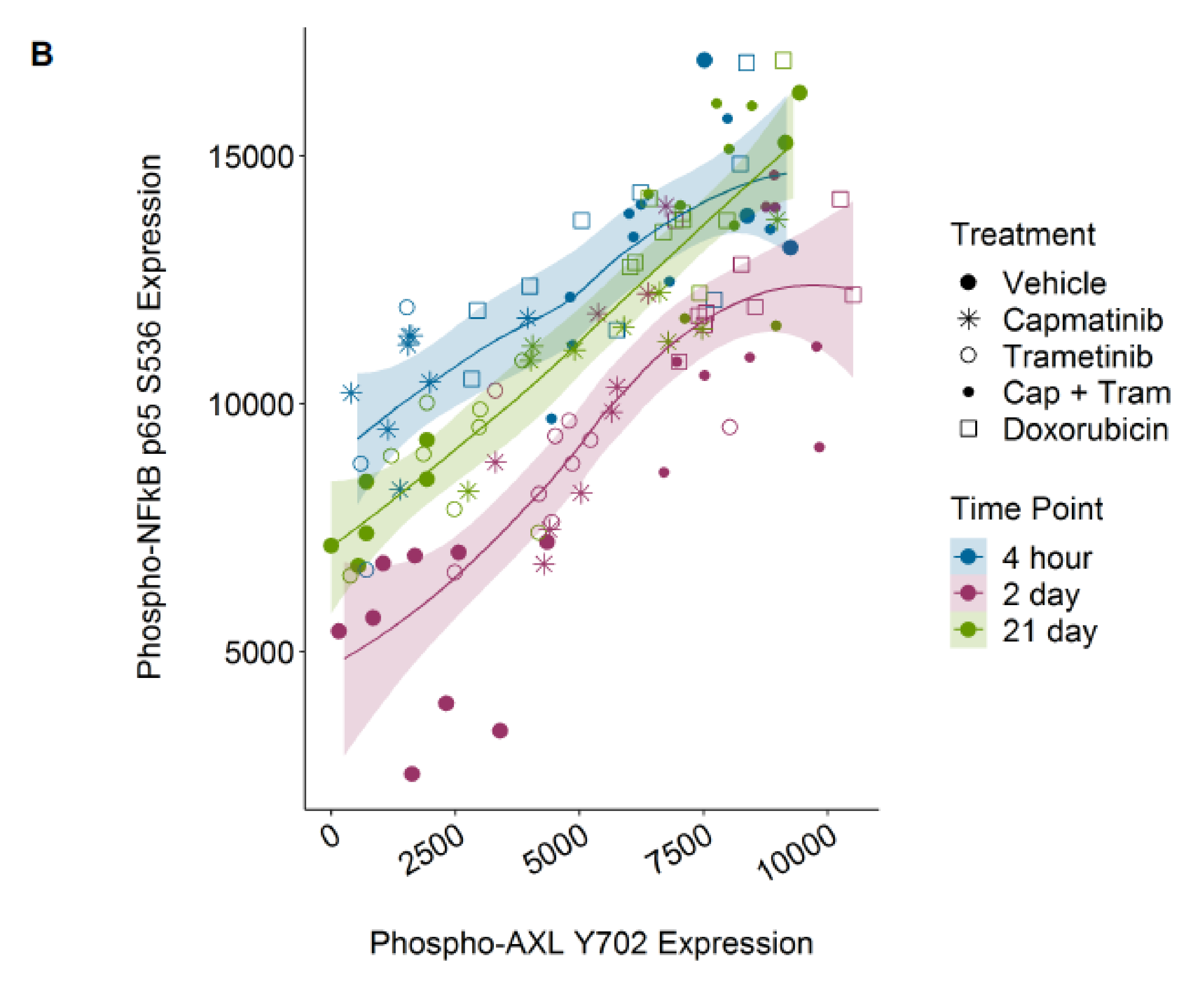
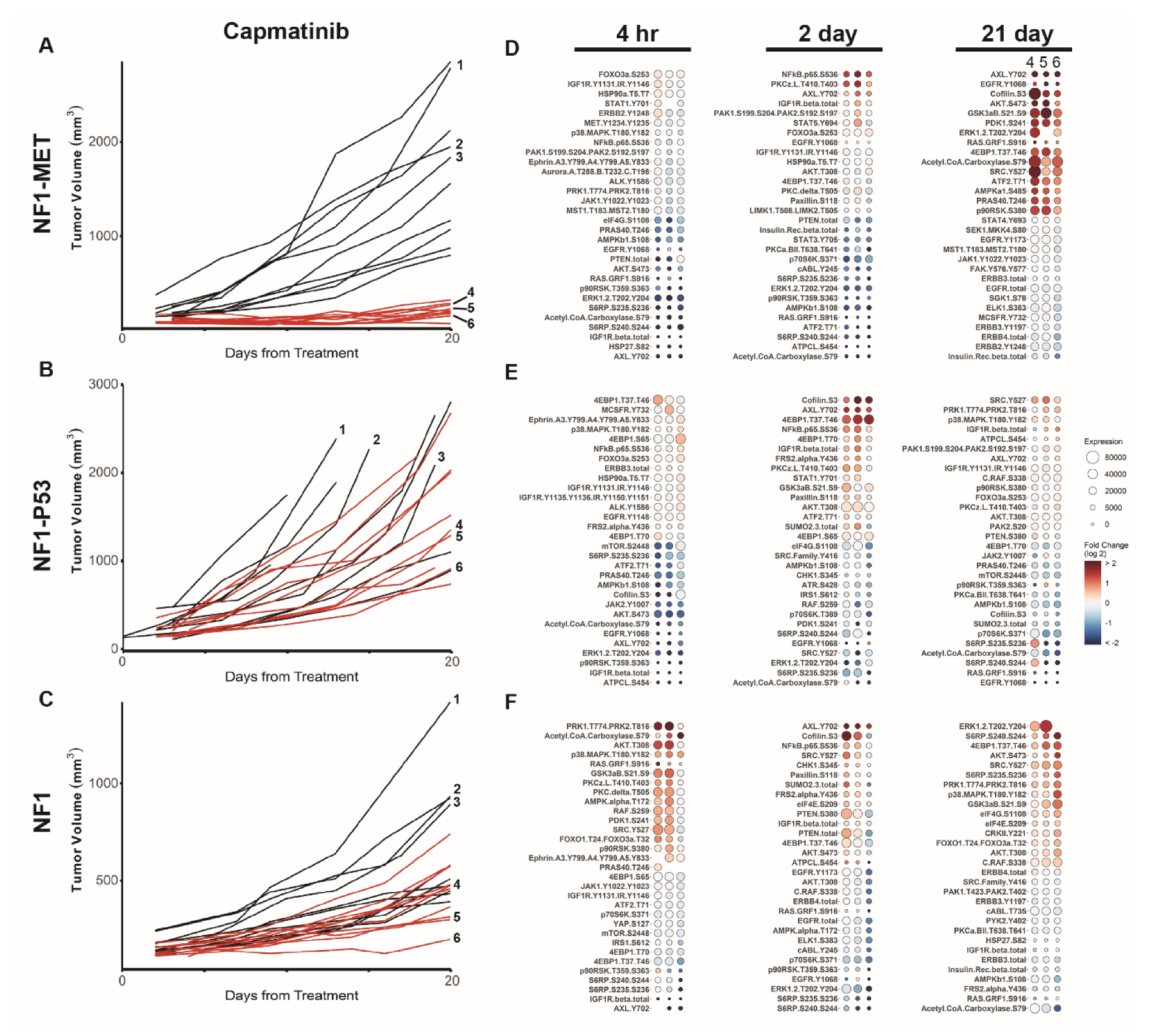
Neurofibromatosis Type 1 (NF1)-related Malignant Peripheral Nerve Sheath Tumors (MPNST) are highly resistant sarcomas that account for significant mortality. The mechanisms of therapy resistance are not well-understood in MPNSTs, particularly with respect to kinase inhibition strategies. In this study, we aimed to quantify the impact of both the genomic context and targeted therapy on MPNST resistance using reverse phase phosphoproteome array (RPPA) analysis. We treated tumorgrafts from three genetically engineered mouse models using MET (capmatinib) and MEK (trametinib) inhibitors and doxorubicin, and assessed phosphosignaling at 4 h, 2 days, and 21 days. Baseline kinase signaling in our mouse models recapitulated an MET-addicted state (NF1-MET), P53 mutation (NF1-P53), and HGF overexpression (NF1). Following perturbation with the drug, we observed broad and redundant kinome adaptations that extended well beyond canonical RAS/ERK or PI3K/AKT/mTOR signaling. MET and MEK inhibition were both associated with an initial inflammatory response mediated by kinases in the JAK/STAT pathway and NFkB. Growth signaling predominated at the 2-day and 21-day time points as a result of broad RTK and intracellular kinase activation. Interestingly, AXL and NFkB were strongly activated at the 2-day and 21-day time points, and tightly correlated, regardless of the treatment type or genomic context. The degree of kinome adaptation observed in innately resistant tumors was significantly less than the surviving fractions of responsive tumors that exhibited a latency period before reinitiating growth. Lastly, doxorubicin resistance was associated with kinome adaptations that strongly favored growth and survival signaling. These observations confirm that MPNSTs are capable of profound signaling plasticity in the face of kinase inhibition or DNA damaging agent administration. It is possible that by targeting AXL or NFkB, therapy resistance can be mitigated.
Keywords: MPNST; NF1; kinase; kinome adaptation; kinome reprogramming; MET; MEK; doxorubicin; capmatinib; tram MPNST; NF1; kinase; kinome adaptation; kinome reprogramming; MET; MEK; doxorubicin; capmatinib; tram