An Update on the Role of Androgens and Androgen Receptor in Triple-Negative Breast Cancer



Abstract
1. Introduction
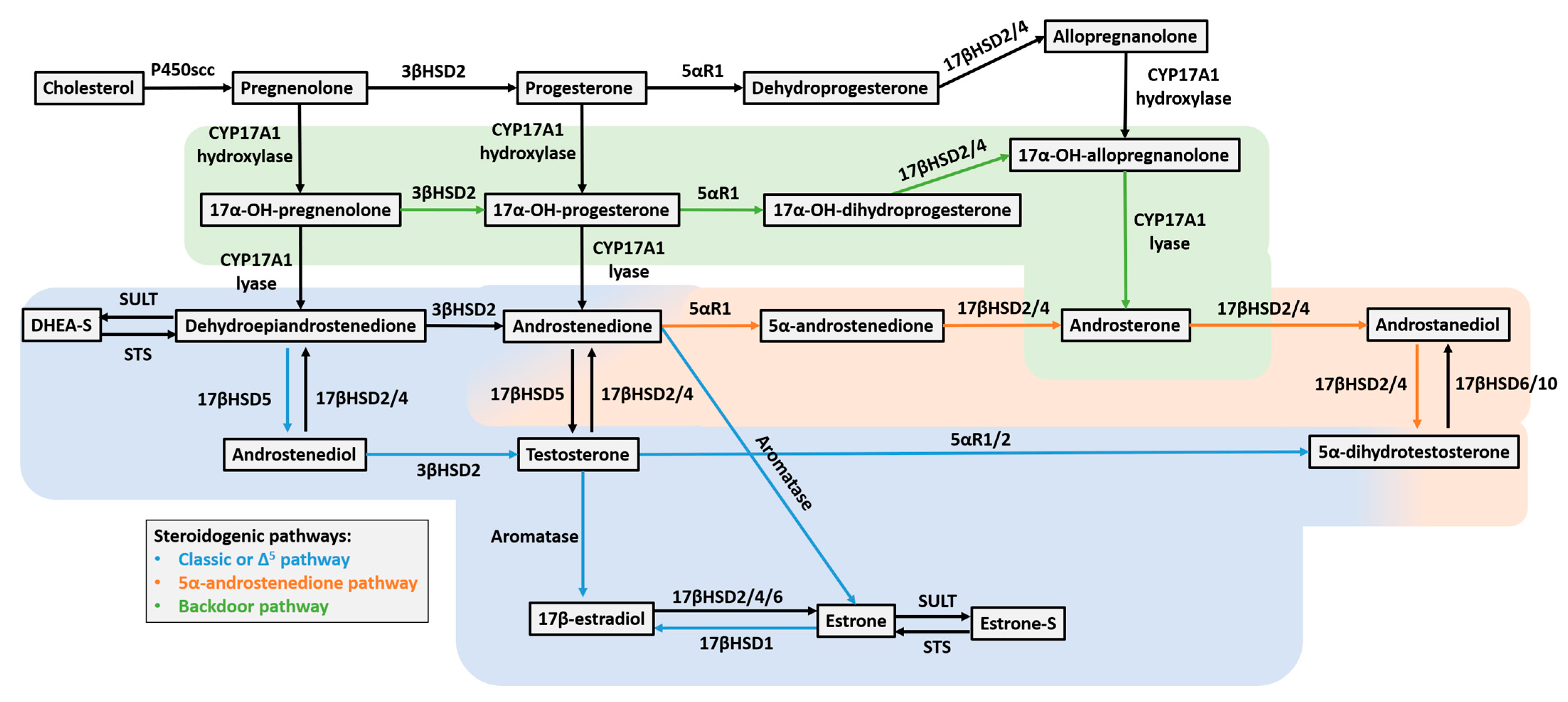
2. Steroid Hormone Biosynthesis and Androgen Signaling in Breast Tissue
2.1. Contribution of Steroidogenic Organs and Physiological Role of Androgens in the Mammary Gland: Relevance for Breast Cancer
2.2. Androgen Signaling and Its Role in Triple-Negative Breast Cancer
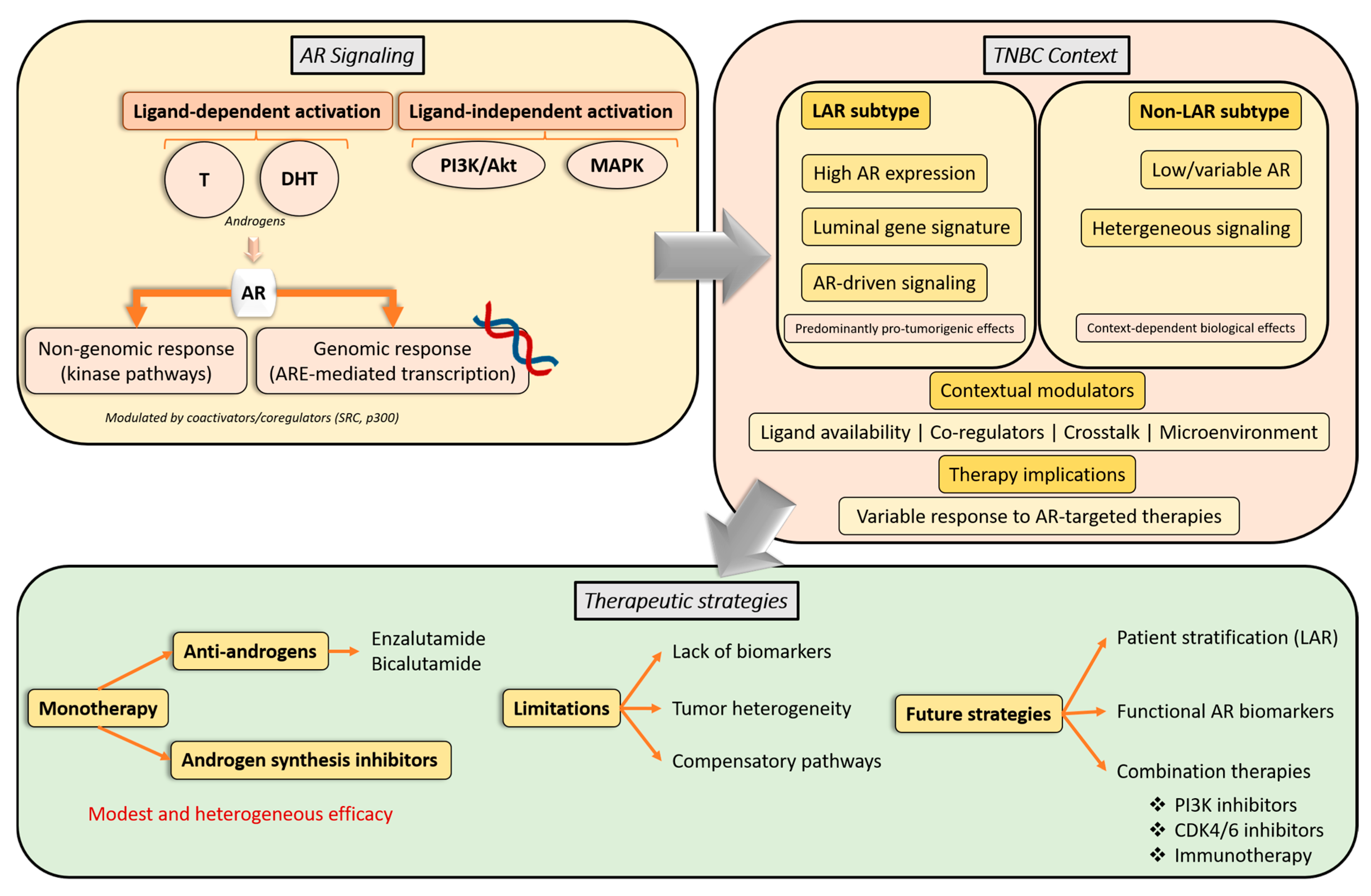
3. The Androgen Receptor in TNBC: Biological Functions and Therapeutic Potential
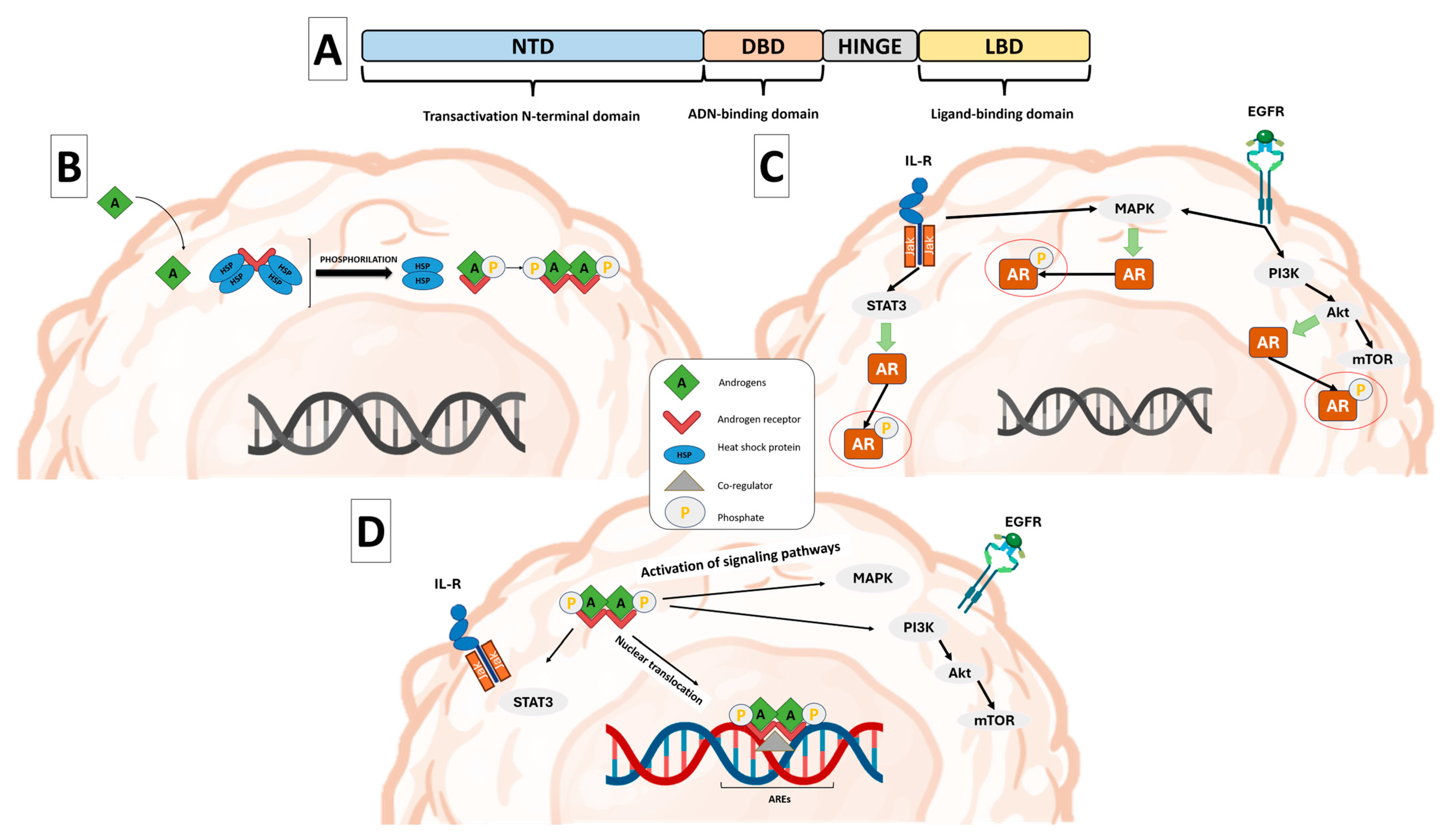
3.1. Androgen Receptor Signaling in Triple-Negative Breast Cancer
3.2. Androgen Receptor Splice Variants and Their Role in Treatment Resistance
4. Emerging Therapeutic Strategies for Triple-Negative Breast Cancer
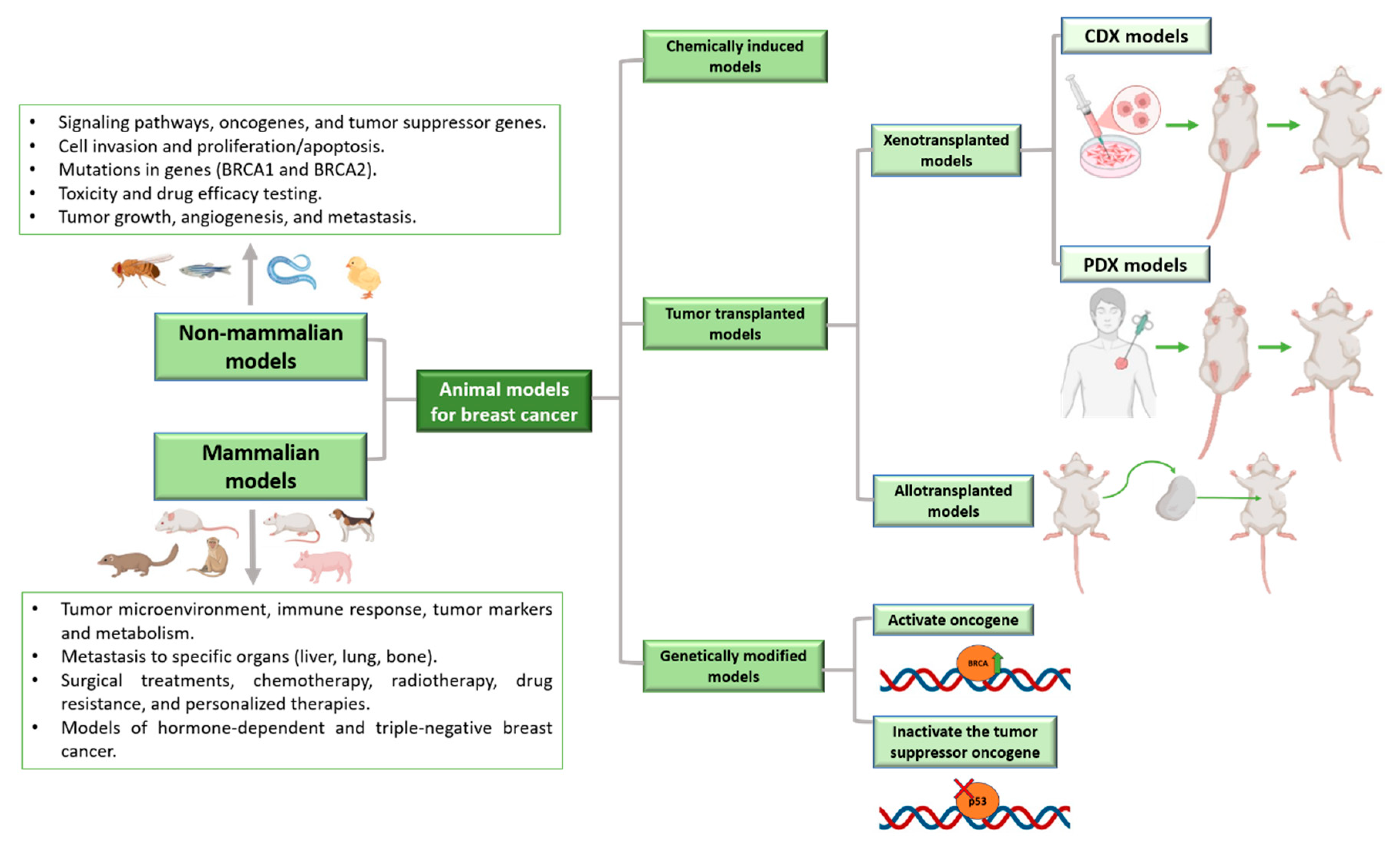
5. Innovations and Limitations in Breast Cancer Therapy: Insights from Animal Models
6. Conclusions and Future Perspectives
Author Contributions
Funding
Institutional Review Board Statement
Informed Consent Statement
Data Availability Statement
Acknowledgments
Conflicts of Interest
Abbreviations
| A4 | Androstenedione |
| AR | Androgen receptor |
| AR+ TNBC | Androgen receptor-positive triple-negative breast cancer |
| AR-V7 | Variant 7 of androgen receptor |
| AREs | Androgen response elements |
| CDX | Cell line-derived xenograft |
| DBD | DNA-binding domain |
| DHEA | Dihydroepiandrostenedione |
| DHEA-S | Dihydroepiandrostenedione Sulfate |
| DHT | Dihydrotestosterone |
| E1SO4 | Estrone sulphate |
| EGFR | Epidermal growth factor receptor |
| ERα | Estrogen receptor α |
| ERβ | Estrogen receptor β |
| GPER-1 | G protein-coupled estrogen receptor 1 |
| HER2 | Human epidermal growth factor receptor 2 |
| LAR | Luminal androgen receptor |
| LBD | Ligand-binding domain |
| MAPK | Protein kinase |
| NTD | N-terminal domain |
| pCR | Pathological complete response |
| PDX | Patient-derived xenograft |
| PFS | Progression-free survival |
| PR | Progesterone receptor |
| STAT3 | Signal transducer and activator of transcription 3 |
| Src | Proto-oncogene tyrosine–protein kinase |
| STS | Steroid sulfatase |
| TNBC | Triple-negative breast cancer |
References
- Won, K.-A.; Spruck, C. Triple-negative breast cancer therapy: Current and future perspectives (Review). Int. J. Oncol. 2020, 57, 1245–1261. [Google Scholar] [CrossRef] [PubMed]
- Karim, A.M.; Kwon, J.E.; Ali, T.; Jang, J.; Ullah, I.; Lee, Y.-G.; Park, D.W.; Park, J.; Jeang, J.W.; Kang, S.C. Triple-negative breast cancer: Epidemiology, molecular mechanisms, and modern vaccine-based treatment strategies. Biochem. Pharmacol. 2023, 212, 115545. [Google Scholar] [CrossRef]
- Vagia, E.; Mahalingam, D.; Cristofanilli, M. The landscape of targeted therapies in TNBC. Cancers 2020, 12, 916. [Google Scholar] [CrossRef]
- Vtorushin, S.; Dulesova, A.; Krakhmal, N. Luminal androgen receptor (LAR) subtype of triple-negative breast cancer: Molecular, morphological, and clinical features. J. Zhejiang Univ. Sci. B 2022, 23, 617–624. [Google Scholar] [CrossRef]
- Dieci, M.V.; Tsvetkova, V.; Griguolo, G.; Miglietta, F.; Mantiero, M.; Tasca, G.; Cumerlato, E.; Giorgi, C.A.; Giarratano, T.; Faggioni, G.; et al. Androgen receptor expression and association with distant disease-free survival in triple-negative breast cancer: Analysis of 263 patients treated with standard therapy for stage I-III disease. Front. Oncol. 2019, 9, 452. [Google Scholar] [CrossRef]
- Wang, C.; Pan, B.; Zhu, H.; Zhou, Y.; Mao, F.; Lin, Y.; Xu, Q.; Sun, Q. Prognostic value of androgen receptor in triple negative breast cancer: A meta-analysis. Oncotarget 2016, 7, 46482–46491. [Google Scholar] [CrossRef]
- Sukumar, J.; Gast, K.; Quiroga, D.; Lustberg, M.; Williams, N. Triple-negative breast cancer: Promising prognostic biomarkers currently in development. Expert Rev. Anticancer. Ther. 2021, 21, 135–148. [Google Scholar] [CrossRef] [PubMed]
- Chaudhuri, A.; Kumar, D.N.; Dehari, D.; Patil, R.; Singh, S.; Kumar, D.; Agrawal, A.K. Endorsement of TNBC biomarkers in precision therapy by nanotechnology. Cancers 2023, 15, 2661. [Google Scholar] [CrossRef] [PubMed]
- Schiffer, L.; Barnard, L.; Baranowski, E.S.; Giligan, L.C.; Taylor, A.E.; Arlt, W.; Shackleton, C.H.L.; Storbeck, K.-H. Human steroid biosynthesis, metabolism and excretion are differentially reflected by serum and urine steroid metabolomes: A comprehensive review. J. Steroid Biochem. Mol. Biol. 2019, 194, 105439. [Google Scholar] [CrossRef]
- Kater, C.E.; Giorgi, R.B.; Costa-Barbosa, F.A. Classic and current concepts in adrenal steroidogenesis: A reappraisal. Arch. Endocrinol. Metab. 2022, 66, 77–87. [Google Scholar] [CrossRef]
- Abaffy, T.; Lu, H.-Y.; Matsunami, H. Sex steroid hormone synthesis, metabolism, and the effects on the mammalian olfactory system. Cell Tissue Res. 2022, 391, 19–42. [Google Scholar] [CrossRef] [PubMed]
- Elzenaty, R.N.; Toit, T.; Flück, C.E. Basics of androgen synthesis and action. Best Pract. Res. Clin. Endocrinol. Metab. 2022, 36, 101665. [Google Scholar] [CrossRef]
- Sundström-Poromaa, I.; Comasco, E.; Summer, R.; Luders, E. Progesterone—Friend or foe? Front. Neuroendocrinol. 2020, 59, 100856. [Google Scholar] [CrossRef]
- Kasarinaite, A.; Sinton, M.; Saunders, P.T.K.; Hay, D.C. The influence of sex hormones in liver function and disease. Cells 2023, 12, 1604. [Google Scholar] [CrossRef]
- Hou, Z.; Huang, S.; Li, Z. Androgens in prostate cancer: A tale that never ends. Cancer Lett. 2021, 516, 1–12. [Google Scholar] [CrossRef]
- Xiao, C.; Wang, J.; Zhang, C. Synthesis, regulatory factors, and signaling pathways of estrogen in the ovary. Rep. Sci. 2022, 30, 350–360. [Google Scholar] [CrossRef]
- Rocha-Rodrigues, S.; Sousa, M.; Reis, P.L.; Leao, C.; Cardoso-Marinho, B.; Massada, M.; Afonso, J. Bidirectional interactions between the menstrual cycle, exercise training, and macronutrient intake in women: A review. Nutrients 2021, 13, 438. [Google Scholar] [CrossRef]
- Wang, J.; Feng, Y.; Liu, B.; Xie, W. Estrogen sulfotransferase and sulfatase in steroid homeostasis, metabolic disease, and cancer. Steroids 2023, 201, 109335. [Google Scholar] [CrossRef]
- Shiota, M.; Endo, S.; Blas, L.; Fujimoto, N.; Eto, M. Steroidogenesis in castration-resistant prostate cancer. Urol. Oncol. Semin. Orig. Investig. 2023, 41, 240–251. [Google Scholar] [CrossRef] [PubMed]
- Suminska, M.; Bogusz-Górna, K.; Wegner, D.; Fichna, M. Non-classic disorder of adrenal steroidogenesis and clinical dilemmas in 21-hydroxylase deficiency combined with backdoor androgen pathway: Mini-review and case report. Int. J. Mol. Sci. 2020, 21, 4622. [Google Scholar] [CrossRef] [PubMed]
- Dumontet, T.; Martinez, A. Adrenal androgens, adrenarche, and zona reticularis: A human affair? Mol. Cell. Endocrinol. 2021, 528, 111239. [Google Scholar] [CrossRef] [PubMed]
- Rosenfield, R. Normal and premature adrenarche. Endocr. Rev. 2021, 42, 783–814. [Google Scholar] [CrossRef] [PubMed]
- Bianchi, V.E.; Bresciani, E.; Meanti, R.; Rizzi, L.; Omeljaniuk, R.J.; Torsello, A. The role of androgens in women’s health and wellbeing. Phamacol. Res. 2021, 171, 105758. [Google Scholar] [CrossRef]
- Tang, J.; Chen, L.-R.; Chen, K.-H. The utilization of dehydroepiandrosterone as a sexual hormone precursor in premenopausal and postmenopausal women: An overview. Pharmaceuticals 2021, 15, 46. [Google Scholar] [CrossRef]
- Cussen, L.; McDonnell, T.; Bennett, G.; Thompson, C.J.; Sherlock, M.; O’Reilly, M.W. Approach to androgen excess in women: Clinical and biochemical insights. Clin. Endocrinol. 2022, 97, 174–186. [Google Scholar] [CrossRef] [PubMed]
- Karila, D.; Kerlan, V.; Christin-Maitre, S. Androgenic steroid excess in women. Endocr. Rev. 2024, 85, 142–149. [Google Scholar] [CrossRef]
- Michael, P.; Roversi, G.; Brown, K.; Sharifi, N. Adrenal steroids and resistance to hormonal blockade of prostate and breast cancer. Endocrinology 2023, 164, bqac218. [Google Scholar] [CrossRef]
- Dominguez-Lopez, I.; Yago-Aragon, M.; Salas-Huetos, A.; Tresserra-Rimbau, A.; Hurtado-Barroso, S. Effects of dietary phytoestrogens on hormones throughout a human lifespan: A review. Nutrients 2020, 12, 2456. [Google Scholar] [CrossRef]
- Hannan, F.M.; Elajnaf, T.; Vandenberg, L.N.; Kennedy, S.H.; Thakker, R.V. Hormonal regulation of mammary gland development and lactation. Nat. Rev. Endocrinol. 2023, 19, 46–61. [Google Scholar] [CrossRef]
- Chiodo, C.; Morelli, C.; Cavaliere, F.; Sisci, D.; Lanzino, M. The other side of the coin: May androgens have a role in breast cancer risk? Int. J. Mol. Sci. 2022, 23, 424. [Google Scholar] [CrossRef]
- Min-Yu, J. Research Progress in Androgen Receptor and Triple Negative Breast Cancer. Acta Acad. Med. Sin. 2023, 45, 303–310. [Google Scholar] [CrossRef]
- Li, Y.; Zhang, H.; Merkher, Y.; Chen, L.; Liu, N.; Leonov, S.; Chen, Y. Recent advances in therapeutic strategies for triple-negative breast cancer. J. Hematol. Oncol. 2022, 15, 121. [Google Scholar] [CrossRef]
- Honma, N.; Matsuda, Y.; Mikami, T. Carcinogenesis of triple-negative breast cancer and sex steroid hormones. Cancers 2021, 13, 2588. [Google Scholar] [CrossRef] [PubMed]
- Treeck, O.; Schüler-Toprak, S.; Ortmann, O. Estrogen actions in triple-negative breast cancer. Cells 2020, 9, 2358. [Google Scholar] [CrossRef]
- Alonso-Diez, A.; Caceres, S.; Peña, L.; Crespo, B.; Illera, J.C. Anti-angiogenic treatments interact with steroid secretion in inflammatory breast cancer triple-negative cell lines. Cancers 2021, 13, 3668. [Google Scholar] [CrossRef] [PubMed]
- Crespo, B.; Illera, J.C.; Silvan, G.; Lopez-Plaza, P.; Herrera de la Muela, M.; de la Puente Yagüe, M.; Diaz del Arco, C.; Illera, M.J.; Caceres, S. Androgen and estrogen β receptor expression enhances efficacy of antihormonal treatments in triple-negative breast cancer cell lines. Int. J. Mol. Sci. 2024, 25, 1471. [Google Scholar] [CrossRef] [PubMed]
- Paul, U.; Banerjee, S. The functional significance and cross-talk of non-coding RNAs in triple-negative and quadruple-negative breast cancer. Mol. Biol. Rep. 2022, 49, 6899–6918. [Google Scholar] [CrossRef]
- Caceres, S.; Monsalve, B.; Alonso-Diez, A.; Crespo, B.; Illera, M.J.; de Andres, P.J.; Silvan, G.; Illera, J.C. Blocking estrogen synthesis leads to different hormonal responses in canine and human triple-negative inflammatory breast cancer. Cancers 2021, 13, 4967. [Google Scholar] [CrossRef]
- Zerdan, M.B.; Ghorayeb, T.; Saliba, F.; Allam, S.; Zerdan, M.B.; Yaghi, M.; Bilani, N.; Jaafar, R.; Nahleh, Z. Triple negative breast cancer: Updates on classification and treatment in 2021. Cancers 2022, 14, 1253. [Google Scholar] [CrossRef]
- Crespo, B.; Illera, J.C.; Lopez-Plaza, P.; Herrera de la Muela, M.; Puente Yague, M.; Diaz del Arco, C.; De Andrés, P.J.; Illera, M.J.; Caceres, S. Bicalutamide Enhances Conventional Chemotherapy in In Vitro and In Vivo Assays Using Human and Canine Inflammatory Mammary Cancer Cell Lines. Int. J. Mol. Sci. 2024, 25, 7923. [Google Scholar] [CrossRef]
- Kirkby, M.; Popatia, A.M.; Lavoie, J.R.; Wang, L. The potential of hormonal therapies for treatment of triple-negative breast cancer. Cancers 2023, 15, 4702. [Google Scholar] [CrossRef] [PubMed]
- Khadela, A.; Chavda, V.P.; Soni, S.; Megha, K.; Pandya, A.J.; Vora, L. Anti-androgenic therapies targeting the luminal androgen receptor of a typical triple-negative breast cancer. Cancers 2023, 15, 233. [Google Scholar] [CrossRef]
- Aurilio, G.; Cimadamore, A.; Mazzucchelli, R.; Lopez-Beltran, A.; Verri, E.; Scarpelli, M.; Massari, F.; Cheng, L.; Santoni, M.; Montironi, R. Androgen receptor signaling pathway in prostate cancer: From genetics to clinical applications. Cells 2020, 9, 2653. [Google Scholar] [CrossRef]
- Özturan, D.; Morova, T.; Lack, N.A. Androgen receptor-mediated transcription in prostate cancer. Cells 2022, 11, 898. [Google Scholar] [CrossRef]
- Kraemer, W.J.; Ratamess, N.A.; Hymer, W.C.; Nindl, B.C.; Fragala, M.S. Growth hormone(s), testosterone, insulin-like growth factors, and cortisol: Roles and integration for cellular development and growth with exercise. Front. Endocrinol. 2020, 11, 33. [Google Scholar] [CrossRef]
- Caceres, S.; Crespo, B.; Herrera, M.; Puente, M.; Diez-Arco, M.; Alonso-Diez, A.; Illera, M.J.; Illera, J.C. Androgen receptor activation promotes tumor progression in canine and human triple negative breast cancer cell lines. Front. Vet. Sci. 2025, 12, 1677830. [Google Scholar] [CrossRef]
- Fujita, K.; Nonomura, N. Role of Androgen Receptor in Prostate Cancer: A Review. World J. Men’s Health 2018, 37, 288–295. [Google Scholar] [CrossRef] [PubMed]
- Anestis, A.; Zoi, I.; Papavassiliou, A.G.; Karamouzis, M.V. Androgen receptor in breast cancer—Clinical and preclinical research insights. Molecules 2020, 25, 358. [Google Scholar] [CrossRef]
- Lyalkin, S.A.; Verevkina, N.O.; Alekseyenko, O.O.; Syvak, L.A. Prognostic role of androgen receptor expression in patients with metastatic triple-negative breast cancer. Exp. Oncol. 2020, 42, 140–143. [Google Scholar] [CrossRef] [PubMed]
- Liu, Y.-X.; Zhang, K.-J.; Tang, L.-L. Clinical significance of androgen receptor expression in triple-negative breast cancer—An immunohistochemistry study. Oncol. Lett. 2018, 15, 10008–10016. [Google Scholar] [CrossRef]
- Gucalp, A.; Traina, T.A. Targeting the androgen receptor in triple-negative breast cancer. Curr. Probl. Cancer 2016, 40, 141–150. [Google Scholar] [CrossRef]
- Doane, A.S.; Danso, M.; Lal, P.; Donaton, M.; Zhang, L.; Hudis, C.; Gerald, W.L. An estrogen receptor-negative breast cancer subset characterized by a hormonally regulated transcriptional program and response to androgen. Oncogene 2006, 25, 3994–4008. [Google Scholar] [CrossRef]
- Popovic, L.S.; Matovina-Brko, G.; Popovic, M.; Punie, K.; Cvetanovic, A.; Lambertini, M. Targeting triple-negative breast cancer: A clinical perspective. Oncol. Res. 2023, 31, 221–238. [Google Scholar] [CrossRef] [PubMed]
- Hickey, T.E.; Selth, L.A.; Chia, K.M.; Laven-Law, G.; Milioli, H.H.; Roden, D.; Jindal, S.; Hui, M.; Finlay-Schultz, J.; Ebrahimie, E.; et al. The androgen receptor is a tumor suppressor in estrogen receptor–positive breast cancer. Nat. Med. 2021, 27, 310–320. [Google Scholar] [CrossRef]
- Barton, V.N.; D’Amato, N.; Gordon, M.A.; Christenson, J.L.; Elias, A.; Richer, J.K. Androgen Receptor Biology in Triple Negative Breast Cancer: A Case for Classification as AR+ or Quadruple Negative Disease. Horm. Cancer 2015, 6, 206–213. [Google Scholar] [CrossRef]
- Stella, S.; Martorana, F.; Massimino, M.; Vitale, S.R.; Manzella, L.; Vigneri, P. Potential therapeutic targets for luminal androgen receptor breast cancer: What we know so far. OncoTargets Ther. 2023, 16, 235–247. [Google Scholar] [CrossRef]
- Xu, F.; Xu, K.; Fan, L.; Li, X.; Liu, Y.; Yang, F.; Zhu, C.; Guan, X. Estrogen receptor beta suppresses the androgen receptor oncogenic effects in triple-negative breast cancer. Chin. Med. J. (Engl.) 2023, 137, 338–349. [Google Scholar] [CrossRef] [PubMed]
- Song, W.; Tang, L.; Xu, Y.; Sun, Q.; Yang, F.; Guan, X. ERβ1 inhibits metastasis of androgen receptor-positive triple-negative breast cancer by suppressing ZEB1. J. Exp. Clin. Cancer Res. 2017, 36, 75. [Google Scholar] [CrossRef]
- Pascual, J.; Turner, N.C. Targeting the PI3-kinase pathway in triple-negative breast cancer. Ann. Oncol. 2019, 30, 1051–1060. [Google Scholar] [CrossRef] [PubMed]
- Zamagni, A.; Cortesi, M.; Zanoni, M.; Tesei, A. Non-nuclear AR signaling in prostate cancer. Front. Chem. 2019, 7, 651. [Google Scholar] [CrossRef]
- Mehlich, D.; Marusiak, A.A. Kinase inhibitors for precision therapy of triple-negative breast cancer: Progress, challenges, and new perspectives on targeting this heterogeneous disease. Cancer Lett. 2022, 547, 215775. [Google Scholar] [CrossRef]
- Zong, Y.; Pegram, M. Research advances and new challenges in overcoming triple-negative breast cancer. Cancer Drug Resist. 2021, 4, 517–542. [Google Scholar] [CrossRef] [PubMed]
- Sridhar, N.; Glisch, C.; Jawa, Z.; Chaudhary, L.N.; Kamaraju, S.; Burfeind, J.; Charlson, J.; Chitambar, C.R.; Jorns, J.M.; Cheng, Y.C. Androgen receptor expression in patients with triple negative breast cancer treated with neoadjuvant chemotherapy: A single institution study. J. Cancer 2022, 13, 2472–2476. [Google Scholar] [CrossRef]
- Michmerhuizen, A.R.; Lerner, L.M.; Ward, C.; Pesch, A.M.; Zhang, A.; Schwartz, R.; Wilder-Romans, K.; Eisner, J.R.; Rae, J.M.; Pierce, L.J.; et al. Androgen and oestrogen receptor co-expression determines the efficacy of hormone receptor-mediated radiosensitisation in breast cancer. Br. J. Cancer 2022, 127, 927–936. [Google Scholar] [CrossRef] [PubMed]
- Ferguson, D.C.; Mata, D.A.; Tay, T.K.Y.; Traina, T.A.; Gucalp, A.; Chandarlapaty, S.; D’Alfonso, T.M.; Brogi, E.; Mullaney, K.; Ladanyi, M.; et al. Androgen receptor splicing variant-7 in breast cancer: Clinical and pathologic correlations. Mod. Pathol. 2021, 35, 396–402. [Google Scholar] [CrossRef] [PubMed]
- Hickey, T.E.; Irvine, C.M.; Dvinge, H.; Tarulli, G.A.; Hanson, A.R.; Ryan, N.K.; Pickering, M.A.; Birrel, S.N.; Hu, D.G.; Mackenzie, P.I.; et al. Expression of androgen receptor splice variants in clinical breast cancers. Oncotarget 2015, 6, 44728–44744. [Google Scholar] [CrossRef]
- Zheng, Z.; Li, J.; Liu, Y.; Shi, Z.; Xuan, Z.; Yang, K.; Xu, C.; Bai, Y.; Fu, M.; Xiao, Q.; et al. The crucial role of AR-V7 in enzalutamide-resistance of castration-resistant prostate cancer. Cancers 2022, 14, 4877. [Google Scholar] [CrossRef]
- Loibl, S.; Poortmans, P.; Morrow, M.; Denkert, C.; Curigiano, G. Breast cancer. Lancet 2021, 397, 1750–1769. [Google Scholar] [CrossRef]
- Ben-Dror, J.; Shalamov, M.; Sonnenblick, A. The history of early breast cancer treatment. Genes 2022, 13, 960. [Google Scholar] [CrossRef]
- Fisusi, F.A.; Akala, E.O. Drug combinations in breast cancer therapy. Pharm. Nanotechnol. 2019, 7, 3–23. [Google Scholar] [CrossRef]
- McNamara, K.M.; Sasano, H. The role of 17βHSDs in breast tissue and breast cancers. Mol. Cell. Endocrinol. 2019, 489, 32–44. [Google Scholar] [CrossRef] [PubMed]
- Christenson, J.L.; O’Neill, K.I.; Williams, M.M.; Spoelstra, N.S.; Jones, K.L.; Trahan, G.D.; Reese, J.; Patten, E.T.V.; Elias, A.; Eisner, J.R.; et al. Activity of combined androgen receptor antagonism and cell cycle inhibition in androgen receptor-positive triple-negative breast cancer. Mol. Cancer Ther. 2021, 20, 1062–1071. [Google Scholar] [CrossRef] [PubMed]
- Gucalp, A.; Tolaney, S.; Isakoff, S.J.; Ingle, J.N.; Liu, M.C.; Carey, L.A.; Blackwell, K.; Rugo, H.; Nabell, L.; Forero, A.; et al. Phase II trial of bicalutamide in patients with androgen receptor-positive, estrogen receptor-negative metastatic breast cancer. Clin. Cancer Res. 2013, 19, 5505–5512. [Google Scholar] [CrossRef]
- Traina, T.A.; Miller, K.; Yardley, D.A.; Eakle, J.; Schwartzberg, L.S.; O’Shaughnessy, J.; Gradishar, W.; Schmid, P.; Winer, E.; Kelly, C.; et al. Enzalutamide for the treatment of androgen receptor-expressing triple-negative breast cancer. J. Clin. Oncol. 2018, 36, 884–890. [Google Scholar] [CrossRef] [PubMed]
- Pfizer. (2013, June–2024, February). Safety and Efficacy Study of Enzalutamide in Patients with Advanced, Androgen Receptor-positive, Triple Negative Breast Cancer (Identifier NCT01889238). ClinicalTrials.gov. Available online: https://clinicaltrials.gov/study/NCT01889238 (accessed on 14 October 2024).
- Abramson, V. (2015, May–2022, August). Taselisib and Enzalutamide in Treating Patients with Androgen Receptor Positive Triple-Negative Metastatic Breast Cancer (Identifier NCT02457910). ClinicalTrials.gov. Available online: https://clinicaltrials.gov/study/NCT02457910 (accessed on 16 October 2024).
- Yam, C. (2016, February–2024, July). Enzalutamide and Paclitaxel Before Surgery in Treating Patients with Stage I–III Androgen Receptor-Positive Triple-Negative Breast Cancer (Identifier NCT02689427). ClinicalTrials.gov. Available online: https://clinicaltrials.gov/study/NCT02689427 (accessed on 10 October 2024).
- Karuturi, M. (2019, June–2023, December). Alpelisib and Enzalutamide in Treating Patients with Androgen Receptor and PTEN Positive Metastatic Breast Cancer (Identifier NCT03207529). ClinicalTrials.gov. Available online: https://clinicaltrials.gov/study/NCT03207529 (accessed on 25 September 2025).
- Rugo, H.S. (2015, February–2020, October). Efficacy and Safety of GTx-024 in Patients with Androgen Receptor-Positive Triple Negative Breast Cancer (AR+ TNBC) (Identifier NCT02368691). ClinicalTrials.gov. Available online: https://clinicaltrials.gov/study/NCT02368691 (accessed on 28 September 2025).
- Yuan, Y. (2016, November–2024, February). Pembrolizumab and Enobosarm in Treating Patients with Androgen Receptor Positive Metastatic Triple Negative Breast Cancer (Identifier NCT02971761). ClinicalTrials.gov. Available online: https://clinicaltrials.gov/study/NCT02971761 (accessed on 30 October 2025).
- Burris, H.A.; SCRI Development Innovations, LLC. (2013, November–2022, June). Orteronel as Monotherapy in Patients with Metastatic Breast Cancer (MBC) that Expresses the Androgen Receptor (AR) (Identifier NCT01990209). ClinicalTrials.gov. Available online: https://clinicaltrials.gov/study/NCT01990209 (accessed on 30 October 2025).
- Traina, T.A.; Memorial Sloan Kettering Cancer Center. (2007, May–2021, June). Bicalutamide in Treating Patients with Metastatic Breast Cancer (Identifier NCT00468715). ClinicalTrials.gov. Available online: https://clinicaltrials.gov/study/NCT00468715 (accessed on 2 February 2026).
- Yuan, Y.; Lee, J.S.; Yost, S.E.; Frankel, P.H.; Ruel, C.; Egelston, C.A.; Guo, W.; Gillece, J.D.; Folkerts, M.; Reining, L.; et al. A phase II clinical trial of pembrolizumab and enobosarm in patients with androgen receptor-positive metastatic triple-negative breast cancer. Oncologist 2020, 26, 99-e217. [Google Scholar] [CrossRef]
- Gucalp, A. (2015, November–2025, November). Palbociclib in Combination with Bicalutamide for the Treatment of AR(+) Metastatic Breast Cancer (MBC) (Identifier NCT02605486). ClinicalTrials.gov. Available online: https://clinicaltrials.gov/study/NCT02605486 (accessed on 8 January 2026).
- Wisinski, K. (2017, March–2025, September). Ribociclib and Bicalutamide in AR+ TNBC (Identifier NCT03090165). ClinicalTrials.gov. Available online: https://clinicaltrials.gov/study/NCT03090165 (accessed on 9 January 2026).
- Neven, P.; Tegen, K.O.; Lilly, E. (2024, April–2027, December). Bicalutamide and Abemaciclib in Inoperable or Metastatic Androgen Receptor-Positive Triple-Negative Breast Cancer (ABBICAR) (Identifier NCT06365788). ClinicalTrials.gov. Available online: https://clinicaltrials.gov/study/NCT06365788 (accessed on 20 January 2026).
- Brown, V. (2015, October–2019, January). CYP17 Lyase and Androgen Receptor Inhibitor Treatment with Seviteronel Trial (INO-VT-464-006; NCT02580448) (CLARITY-01) (Identifier NCT02580448). ClinicalTrials.gov. Available online: https://clinicaltrials.gov/study/NCT02580448 (accessed on 22 February 2026).
- Michmerhuizen, A.R.; Spratt, D.E.; Pierce, L.J.; Speers, C.W. Are we there yet? Understanding androgen receptor signaling in breast cancer. npj Breast Cancer 2020, 6, 47. [Google Scholar] [CrossRef]
- Choupani, E.; Madjd, Z.; Saraygord-Afshari, N.; Kiani, J.; Hosseini, A. Combination of androgen receptor inhibitor enzalutamide with the CDK4/6 inhibitor ribociclib in triple-negative breast cancer cells. PLoS ONE 2022, 17, e0279522. [Google Scholar] [CrossRef]
- Desai, K.; McManus, J.M.; Sharifi, N. Hormonal therapy for prostate cancer. Endocr. Rev. 2021, 42, 354–373. [Google Scholar] [CrossRef]
- Gupta, G.K.; Collier, A.L.; Lee, D.; Hoefer, R.A.; Zheleva, V.; Siewertsz, L.L.; Tang-Tan, A.M.; Guye, M.L.; Chang, D.Z.; Winston, J.S.; et al. Perspectives on triple-negative breast cancer: Current treatment strategies, unmet needs, and potential targets for future therapies. Cancers 2020, 12, 2392. [Google Scholar] [CrossRef]
- Komrakova, M.; Furtwängler, J.; Hoffmann, D.B.; Lehmann, W.; Schilling, A.F.; Sehmisch, S. The selective androgen receptor modulator ostarine improves bone healing in ovariectomized rats. Calcif. Tissue Int. 2020, 106, 147–157. [Google Scholar] [CrossRef]
- Palmieri, C.; Linden, H.; Birrel, S.N.; Wheelwright, S.; Lim, E.; Schwartzberg, L.S.; Dwyer, A.R.; Hickey, T.E.; Rugo, H.S.; Cobb, P.; et al. Activity and safety of enobosarm, a novel, oral, selective androgen receptor modulator, in androgen receptor-positive, estrogen receptor-positive, and HER2-negative advanced breast cancer (Study G200802): A randomized, open-label, multicenter, multinational, parallel design, phase 2 trial. Lancet Oncol. 2024, 25, 317–325. [Google Scholar] [CrossRef]
- Yardley, D.A.; Young, R.R.; Adelson, K.B.; Silber, A.L.; Najera, J.E.; Daniel, D.B.; Peacock, N.; Finney, L.; Hoekstra, S.J.; Shastry, M.; et al. A phase II study evaluating orteronel, an inhibitor of androgen biosynthesis, in patients with androgen receptor (AR)-expressing metastatic breast cancer (MBC). Clin. Breast Cancer 2022, 22, 269–278. [Google Scholar] [CrossRef] [PubMed]
- Chen, M.-K.; Liang, Z.-J.; Luo, D.-S.; Xue, K.-Y.; Liao, D.-Y.; Li, Z.; Yu, Y.; Chen, Z.-S.; Zhao, S.-C. Abiraterone, orteronel, enzalutamide, and docetaxel: Sequential or combined therapy? Front. Pharmacol. 2022, 13, 843110. [Google Scholar] [CrossRef]
- Landry, I.; Sumbly, V.; Vest, M. Advancements in the treatment of triple-negative breast cancer: A narrative review of the literature. Cureus 2022, 14, e21970. [Google Scholar] [CrossRef] [PubMed]
- Rice, M.A.; Malhotra, S.V.; Stoyanova, T. Second-generation antiandrogens: From discovery to standard of care in castration-resistant prostate cancer. Front. Oncol. 2019, 9, 801. [Google Scholar] [CrossRef]
- Offermann, A.; Joerg, V.; Becker, F.; Roesch, M.C.; Kang, D.; Lemster, A.-L.; Tharun, L.; Behrends, J.; Merseburger, A.S.; Culig, Z.; et al. Inhibition of cyclin-dependent kinase 8/cyclin-dependent kinase 19 suppresses its pro-oncogenic effects in prostate cancer. Am. J. Pathol. 2022, 192, 813–823. [Google Scholar] [CrossRef]
- Grellety, T. Androgen receptor-positive triple negative breast cancer: From biology to therapy. Bull. Cancer 2020, 107, 506–516. [Google Scholar] [CrossRef]
- Zeng, L.; Li, W.; Chen, C.-S. Breast cancer animal models and applications. Zool. Res. 2020, 41, 477–494. [Google Scholar] [CrossRef]
- Sung, H.; Ferlay, J.; Siegel, R.L.; Laversanne, M.; Soerjomataram, I.; Jemal, A.; Bray, F. Global cancer statistics 2020: GLOBOCAN estimates of incidence and mortality worldwide for 36 cancers in 185 countries. CA Cancer J. Clin. 2021, 73, 209–249. [Google Scholar] [CrossRef]
- Fernando, W.; Coyle, K.M.; Marcato, P. Breast cancer xenograft murine models. Methods Mol. Biol. 2022, 2508, 31–44. [Google Scholar] [CrossRef] [PubMed]
- Sanmamed, M.F.; Rodriguez, I.; Schalper, K.A.; Oñate, C.; Azpilikueta, A.; Rodriguez-Ruiz, M.E.; Morales-Kastresana, A.; Labiano, S.; Perez-Gracia, J.L.; Martin-Algarra, S.; et al. Nivolumab and urelumab enhance antitumor activity of human T lymphocytes engrafted in Rag2-/-IL2Rγnull immunodeficient mice. Cancer Res. 2015, 75, 3466–3478. [Google Scholar] [CrossRef] [PubMed]
- Holen, I.; Speirs, V.; Morrissey, B.; Blyth, K. In vivo models in breast cancer research: Progress, challenges and future directions. Dis. Models Mech. 2017, 10, 359–371. [Google Scholar] [CrossRef]
- Nguyen, F.; Peña, L.; Ibisch, C.; Loussouarn, D.; Gama, A.; Rieder, N.; Belousov, A.; Campone, M.; Abadie, J. Canine invasive mammary carcinomas as models of human breast cancer. Part 1: Natural history and prognostic factors. Breast Cancer Res. Treat. 2018, 167, 635–648. [Google Scholar] [CrossRef]
- Salas, Y.; Marquez, A.; Diaz, D.; Romero, L. Epidemiological study of mammary tumors in female dogs diagnosed during the period 2002–2012: A growing animal health problem. PLoS ONE 2015, 10, e0127381. [Google Scholar] [CrossRef]
- Valdivia, G.; Alonso-Diez, A.; Perez-Alenza, D.; Peña, L. From conventional to precision therapy in canine mammary cancer: A comprehensive review. Front. Vet. Sci. 2021, 8, 623800. [Google Scholar] [CrossRef]
- Goncalves, J.P.L.; Bollwein, C.; Noske, A.; Jacob, A.; Jank, P.; Loibl, S.; Nekljudova, V.; Fasching, P.A.; Karn, T.; Marmé, F.; et al. Characterization of hormone receptor and HER2 status in breast cancer using mass spectrometry imaging. Int. J. Mol. Sci. 2023, 24, 2860. [Google Scholar] [CrossRef]
- De Andrés, P.J.; Caceres, S.; Illera, J.C.; Crespo, B.; Silvan, G.; Queiroga, F.L.; Illera, M.J.; Pérez-Alenza, M.D.; Peña, L. Hormonal homologies between canine mammary cancer and human breast cancer in a series of cases. Vet. Sci. 2022, 9, 395. [Google Scholar] [CrossRef]
- Ferreira, T.; Gama, A.; Seixas, F.; Faustino-Rocha, A.I.; Lopes, C.; Gaspar, V.M.; Mano, J.F.; Medeiros, R.; Oliveira, P.A. Mammary glands of women, female dogs and female rats: Similarities and differences to be considered in breast cancer research. Vet. Sci. 2023, 10, 379. [Google Scholar] [CrossRef] [PubMed]
- Caceres, S.; Peña, L.; de Andres, P.J.; Illera, M.J.; Lopez, M.S.; Woodward, W.A.; Reuben, J.M.; Illera, J.C. Establishment and characterization of a new cell line of canine inflammatory mammary cancer: IPC-366. PLoS ONE 2015, 10, e0122277. [Google Scholar] [CrossRef]
- Caceres, S.; Peña, L.; Lacerda, L.; Illera, M.J.; de Andres, P.J.; Larson, R.A.; Gao, H.; Debeb, B.G.; Woodward, W.A.; Reuben, J.M.; et al. Canine cell line, IPC-366, as a good model for the study of inflammatory breast cancer. Vet. Comp. Oncol. 2017, 15, 980–995. [Google Scholar] [CrossRef] [PubMed]
- Crespo, B.; Caceres, S.; Silvan, G.; Illera, M.J.; Illera, J.C. The inhibition of steroid hormones determines the fate of IPC-366 tumor cells, highlighting the crucial role of androgen production in tumor processes. Res. Vet. Sci. 2023, 161, 1–14. [Google Scholar] [CrossRef] [PubMed]
- Ravaioli, S.; Maltoni, R.; Pasculli, B.; Parrella, P.; Giudetti, A.M.; Vergara, D.; Tumedey, M.M.; Pirini, F.; Bravaccini, S. Androgen receptor in breast cancer: The “5W” questions. Front. Endocrinol. 2022, 30, 13:977331. [Google Scholar] [CrossRef] [PubMed]



| Clinical Trials of Androgen and Androgen Receptor Since 2019 to 2025 | |||||
|---|---|---|---|---|---|
| Trial (NCT) | Phase | Population | Intervention | Key Outcomes | Ref |
| NCT01889238 | II | Locally advanced or metastatic AR+ TNBC (≥10% AR) | Enzalutamide | CBR wk 16: 33.3%/24.6%. CBR wk 24: 28.2%/20.3%. PFS: 14.3/12.6 mo | [76] |
| NCT02457910 | Ib/II | Stage IV AR+ TNBC | Taselisib + Enzalutamide | CBR: 0.357% vs. 0%. PFS: 3.4 mo | [77] |
| NCT02689427 | IIb | AR+ TNBC | Enzalutamide + Paclitaxel | RCB-I: 25%; RCB-II: 33.3%; RCB-III: 25%. | [78] |
| NCT03207529 | I | AR+ TNBC AR+ BC | Alpelisib + Enzalutamide | No results reported. | [79] |
| NCT02368691 | II | Advanced AR+ TNBC | Enobosarm | CBR at wk 16: 5.6%. PFS: 1.9 mo DoR: 1.9 mo. | [80] |
| NCT02971761 | II | Metastatic AR+ TNBC | Enobosarm + Pembrolizumab | pCR: 6.25%. PR: 6.25%. CBR wk 16: 25% | [81] |
| NCT01990209 | II | Metastatic AR+ TNBC AR+ BC | Orteronel | ORR: 4.8%/0%. DCR: 4.8%/8.7%. PFS: 2 mo/1.8 mo OS: 10.2 mo/7.6 mo | [82] |
| NCT00468715 | II | Metastatic ER-/PR-/AR+ BC | Bicalutamide | CBR: 19%. PFS: 12 wk | [83] |
| NCT03055312 | III | Metastatic AR+ TNBC | Bicalutamide | No results reported. | [84] |
| NCT02605486 | I/II | HR-negative metastatic BC | Palbociclib + Bicalutamide | Ongoing. | [85] |
| NCT03090165 | II | Advanced AR+ TNBC | Ribociclib + Bicalutamide | No results reported. | [86] |
| NCT06365788 | II | Metastatic AR+ TNBC | Abemaciclib + Bicalutamide | Recruiting. | [87] |
| NCT02580448 | I/II | TNBC/HR+ BC | Seviteronel | No results reported. | [88] |
Disclaimer/Publisher’s Note: The statements, opinions and data contained in all publications are solely those of the individual author(s) and contributor(s) and not of MDPI and/or the editor(s). MDPI and/or the editor(s) disclaim responsibility for any injury to people or property resulting from any ideas, methods, instructions or products referred to in the content. |
© 2026 by the authors. Licensee MDPI, Basel, Switzerland. This article is an open access article distributed under the terms and conditions of the Creative Commons Attribution (CC BY) license.
Share and Cite
Cortes, B.C.; Queiroga, F.L.; Illera, J.C.; Ramos, S.C. An Update on the Role of Androgens and Androgen Receptor in Triple-Negative Breast Cancer. Cells 2026, 15, 834. https://doi.org/10.3390/cells15090834
Cortes BC, Queiroga FL, Illera JC, Ramos SC. An Update on the Role of Androgens and Androgen Receptor in Triple-Negative Breast Cancer. Cells. 2026; 15(9):834. https://doi.org/10.3390/cells15090834
Chicago/Turabian StyleCortes, Belen Crespo, Felisbina L. Queiroga, Juan Carlos Illera, and Sara Caceres Ramos. 2026. "An Update on the Role of Androgens and Androgen Receptor in Triple-Negative Breast Cancer" Cells 15, no. 9: 834. https://doi.org/10.3390/cells15090834
APA StyleCortes, B. C., Queiroga, F. L., Illera, J. C., & Ramos, S. C. (2026). An Update on the Role of Androgens and Androgen Receptor in Triple-Negative Breast Cancer. Cells, 15(9), 834. https://doi.org/10.3390/cells15090834