Propentofylline and Interleukin-4 Modulate Lesion-Associated Myeloid Responses and Improve Functional Recovery After Spinal Cord Injury
 , , and
Highlights
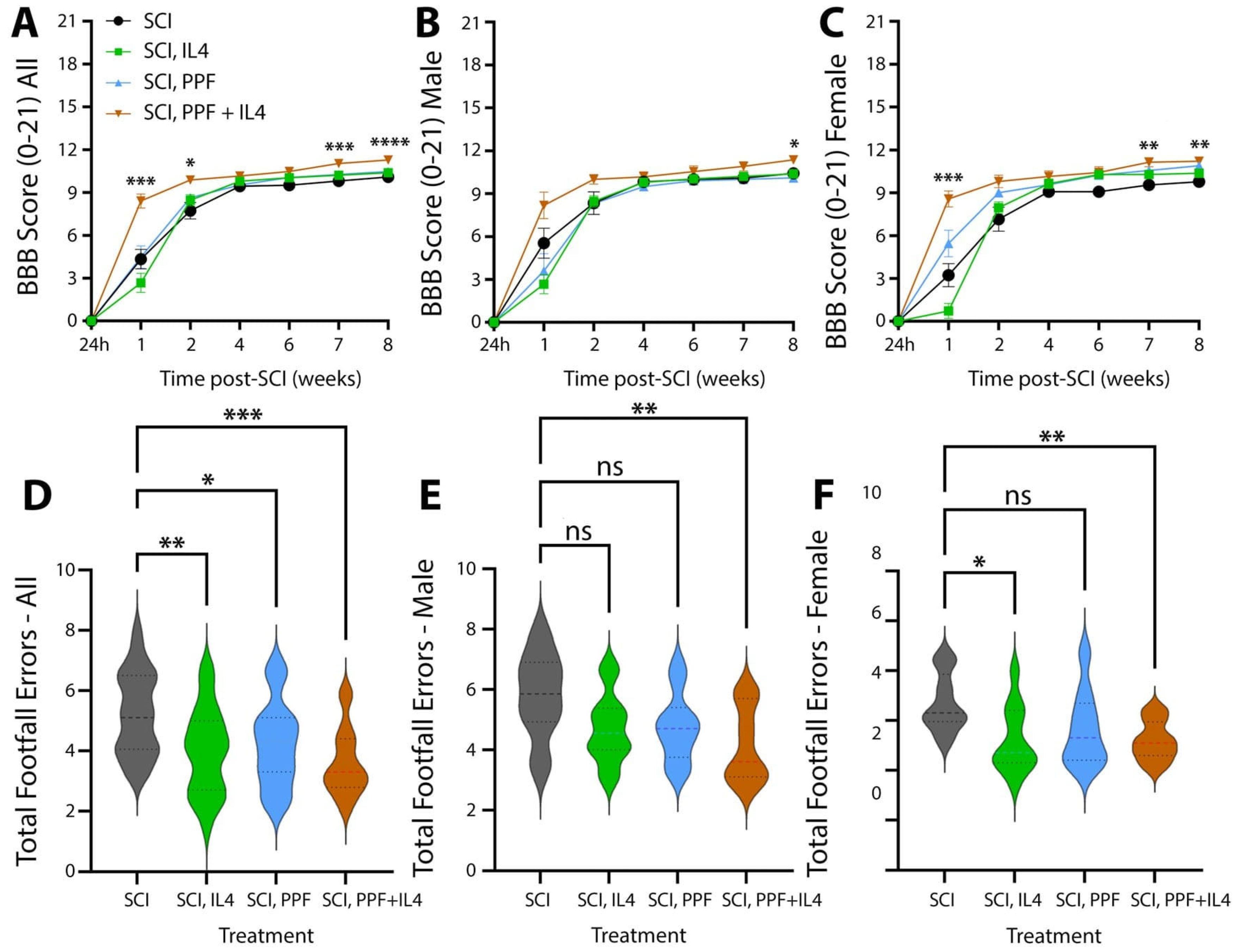
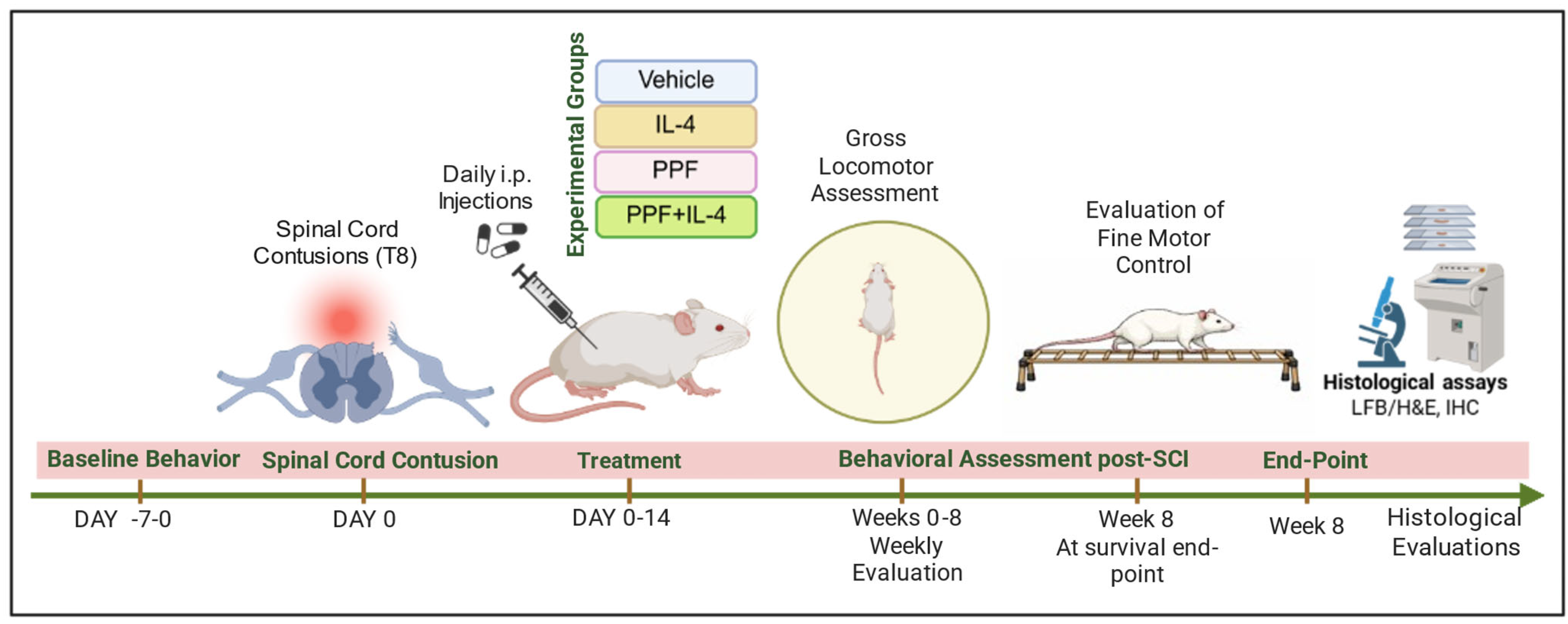
- Systemic co-treatment with propentofylline (PPF) + interleukin-4 (IL-4), started ≤1 h post-contusion; daily × 14 days, produced a greater improvement in gross (BBB) and skilled locomotion than vehicle, or either monotherapy, after thoracic SCI in adult rats.
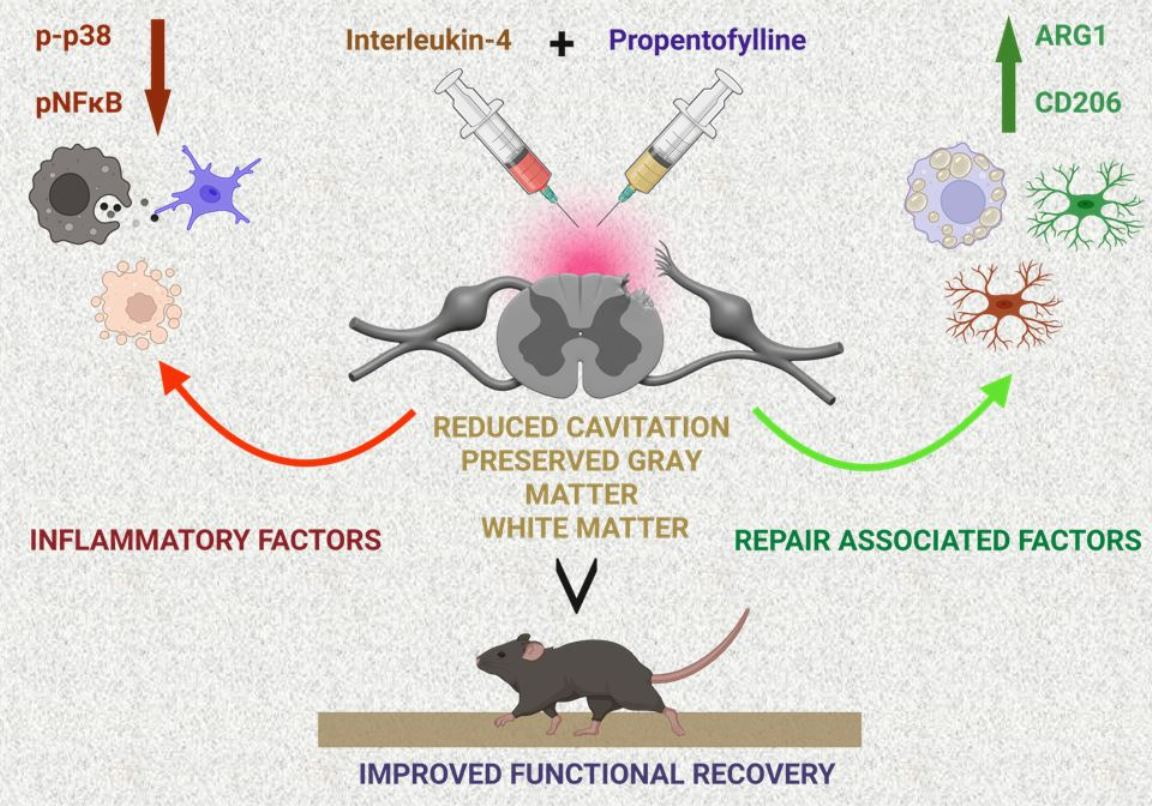
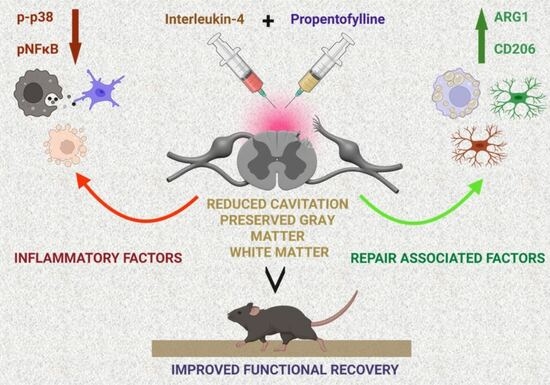
- The combination most strongly remodeled lesion-associated myeloid signaling, suppressing chronic p-p38 MAPK while sustaining the expression of reparative markers (ARG1, CD206), and was associated with reduced cavitation and trends toward greater gray and white matter preservation.
- Pairing an inflammation-dampening glial modulator, PPF, with a reparative polarizing cue, IL-4, was associated with reduced inflammatory signaling, increased repair-associated marker expression, and improved locomotor outcomes after SCI.
- Because both agents were delivered systemically using an early short-duration dosing window, the present findings justify additional preclinical investigation of this combinatorial approach, with particular emphasis on comprehensive immune profiling, safety, pharmacokinetics, and translational validation.
Abstract
1. Introduction
2. Materials and Methods
2.1. Reagents
2.2. BV2 Microglial Cell Culture
2.3. Cyclic AMP Assay
2.4. Western Blotting
2.5. Animals and In Vivo Experimental Design
2.6. Rat SCI Surgery
2.7. Drug Administration and Dosing
2.8. Functional Assessment
2.9. Tissue Processing and Histology
2.10. Immunohistochemistry
2.11. Image Analysis
2.12. Quantification and Statistical Analysis
3. Results
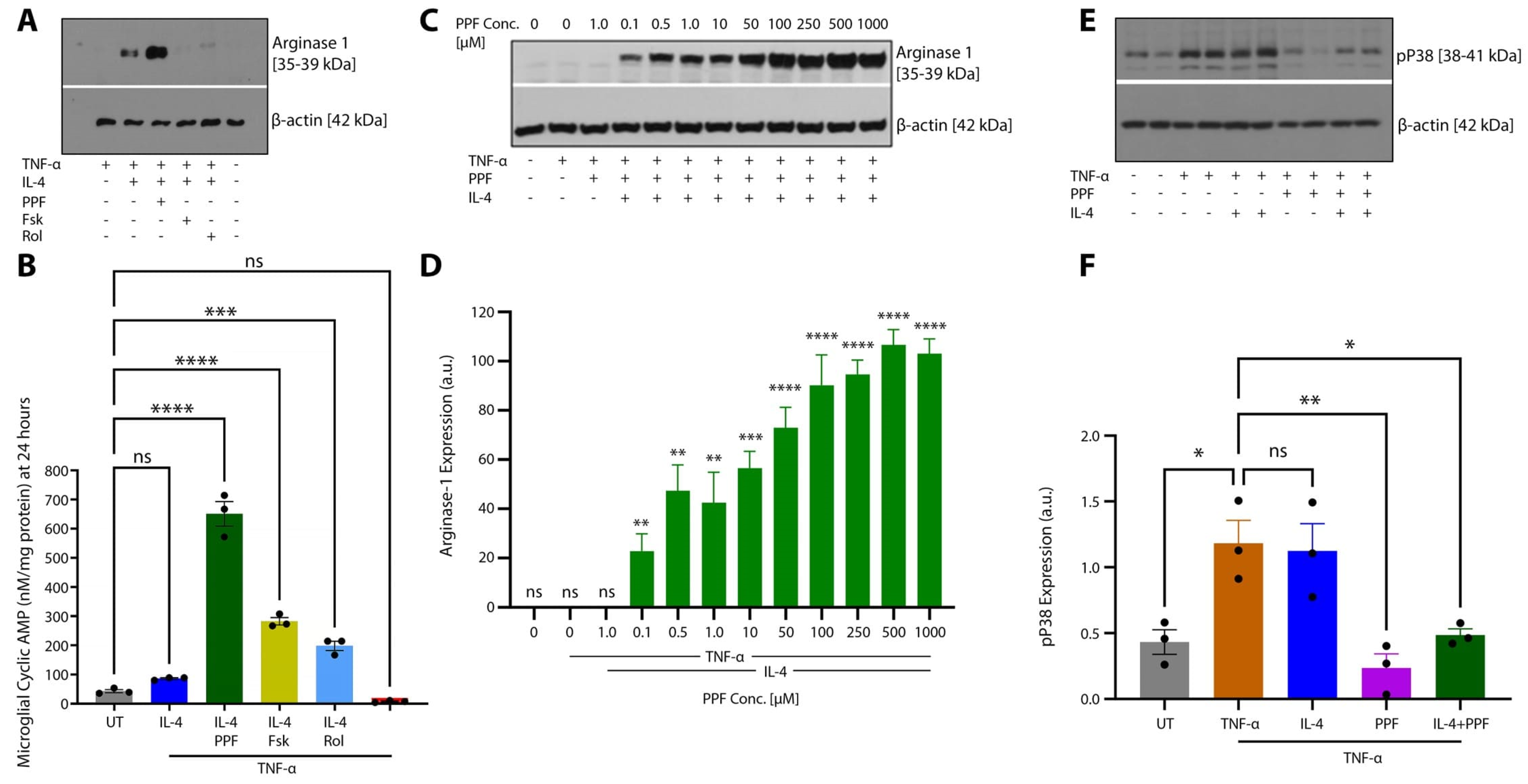
3.1. PPF Enhances IL-4 Mediated Anti-Inflammatory Polarization of Microglia.
3.2. Combined Treatment Improves Gross and Fine Locomotor Recovery Following SCI
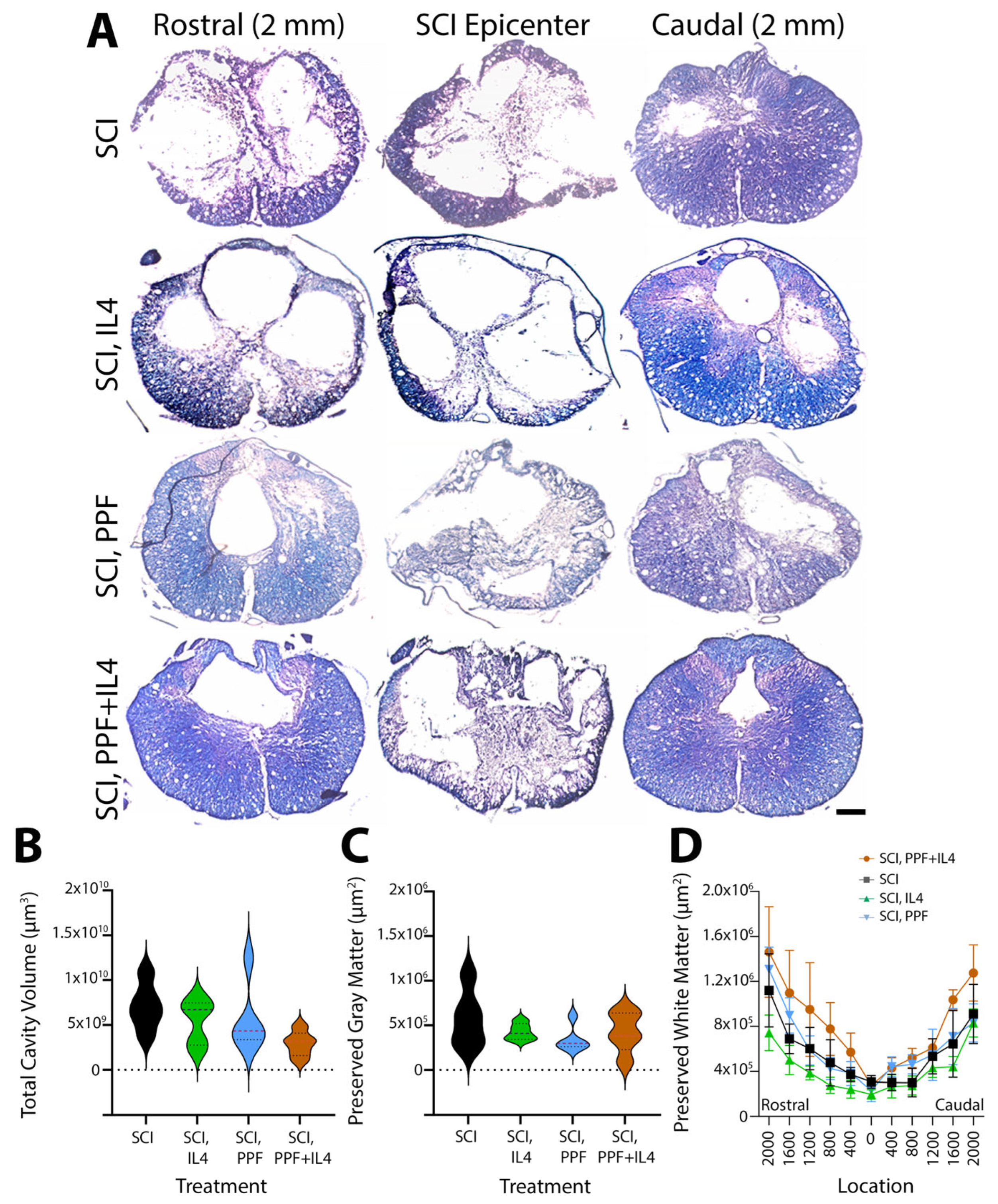
3.3. Combined Treatment Reveals a Trend for Improved Preservation of Spinal Cord Architecture and Myelin Integrity
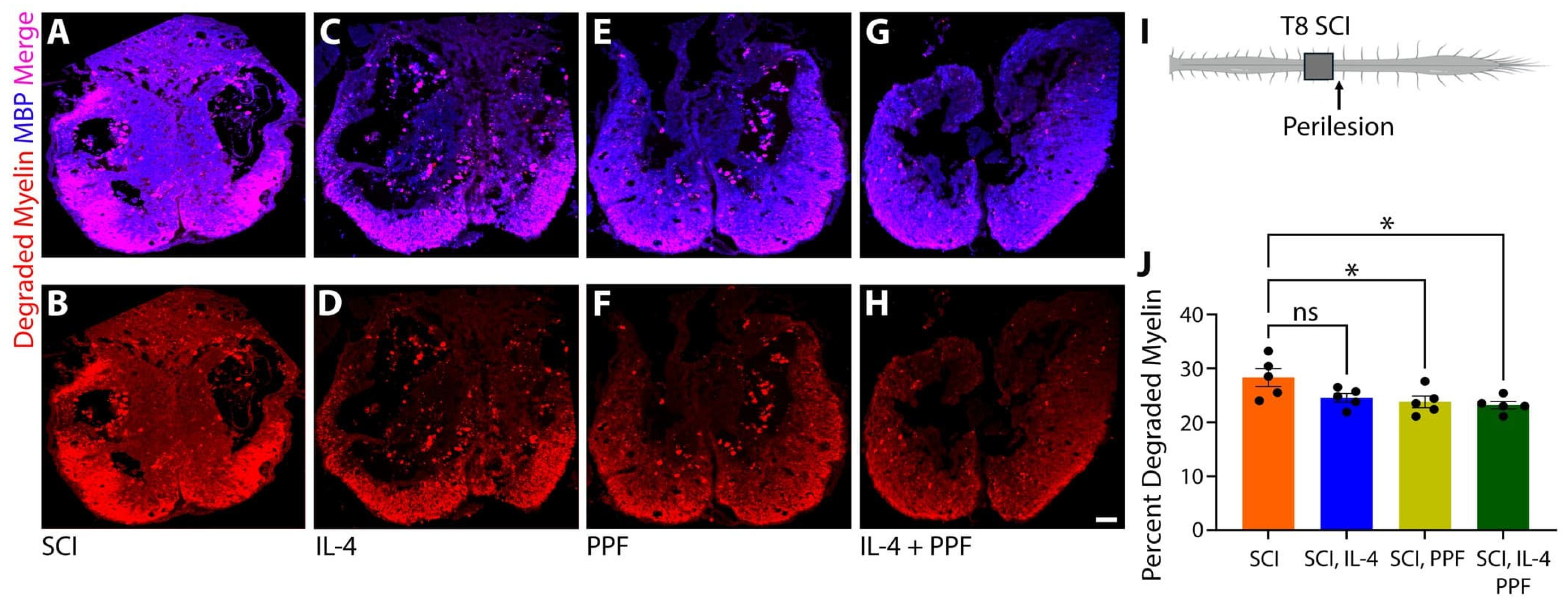
3.4. Propentofylline Treatment Reduces Degraded Myelin in the Perilesional Spinal Cord Region After SCI
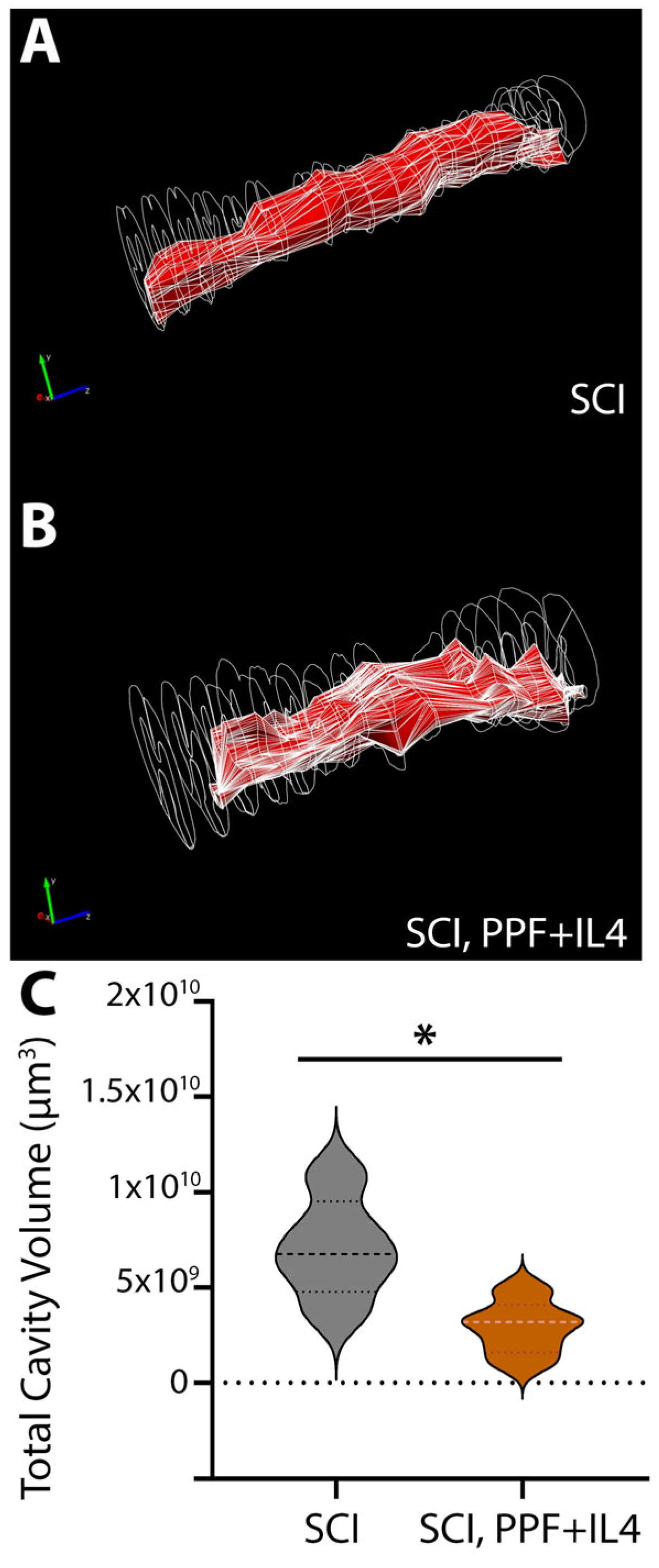
3.5. Combined Treatment Reduces Lesion Cavity Volume in Three-Dimensional Reconstructions
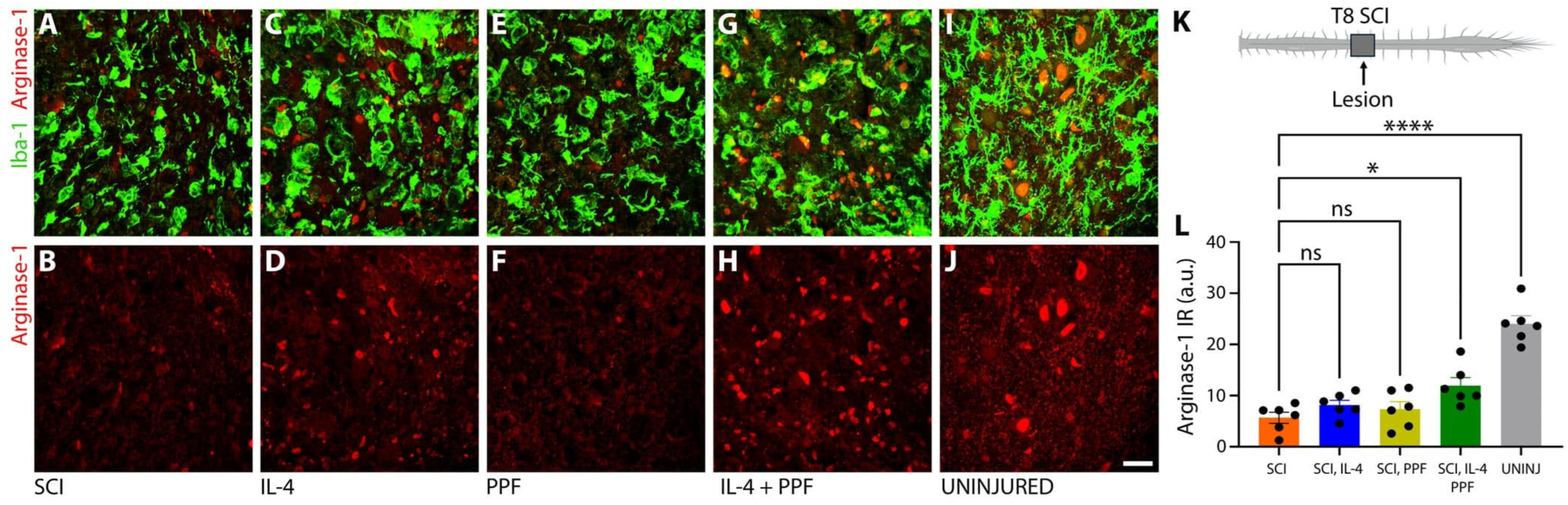
3.6. Combined IL-4 and PPF Elevate Lesion ARG1 After T8 Spinal Cord Injury
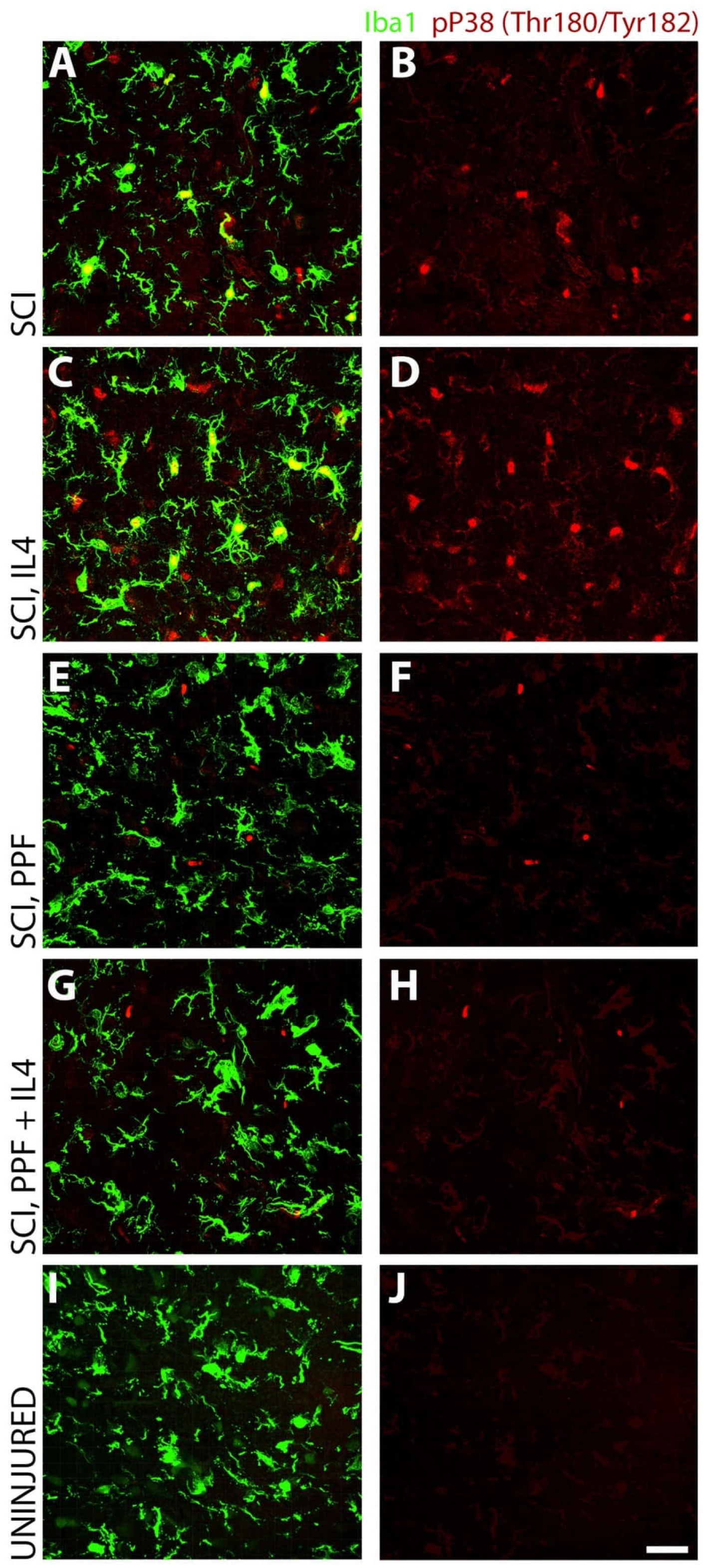
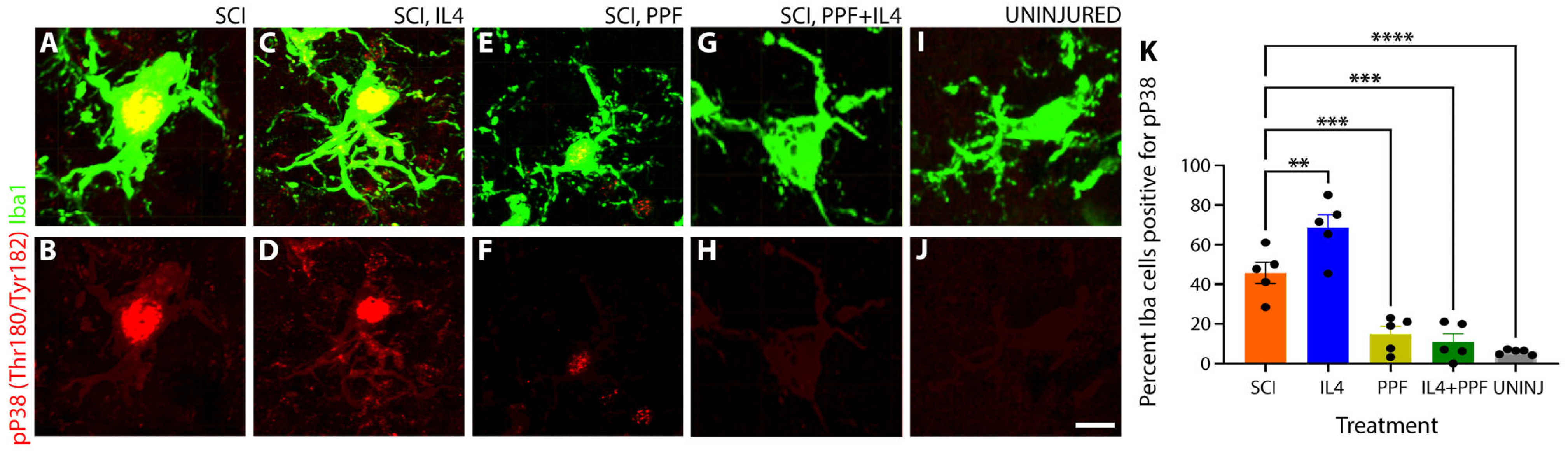
3.7. PPF Suppresses Chronic p38 MAPK Activation in Lesion-Associated Iba1+ Myeloid Cells After SCI and Maintains Low p-p38 Signaling When Combined with IL-4
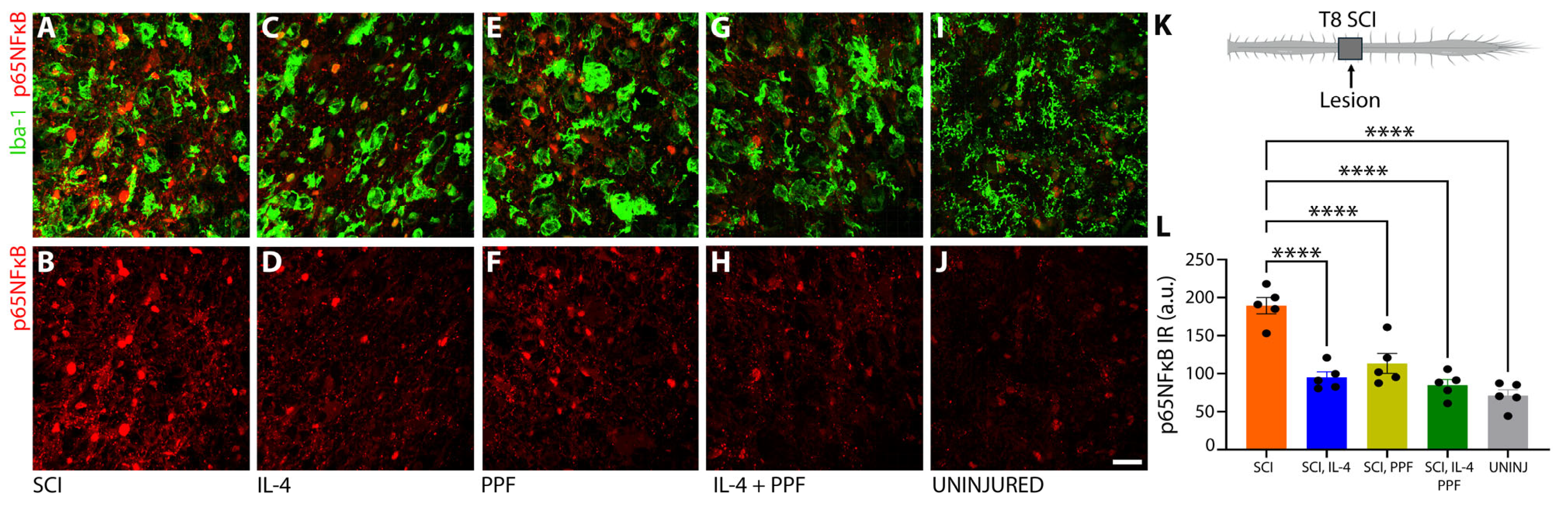
3.8. IL-4 and PPF Suppress Lesion-Associated p65 NFκB Immunoreactivity After T8 Spinal Cord Injury
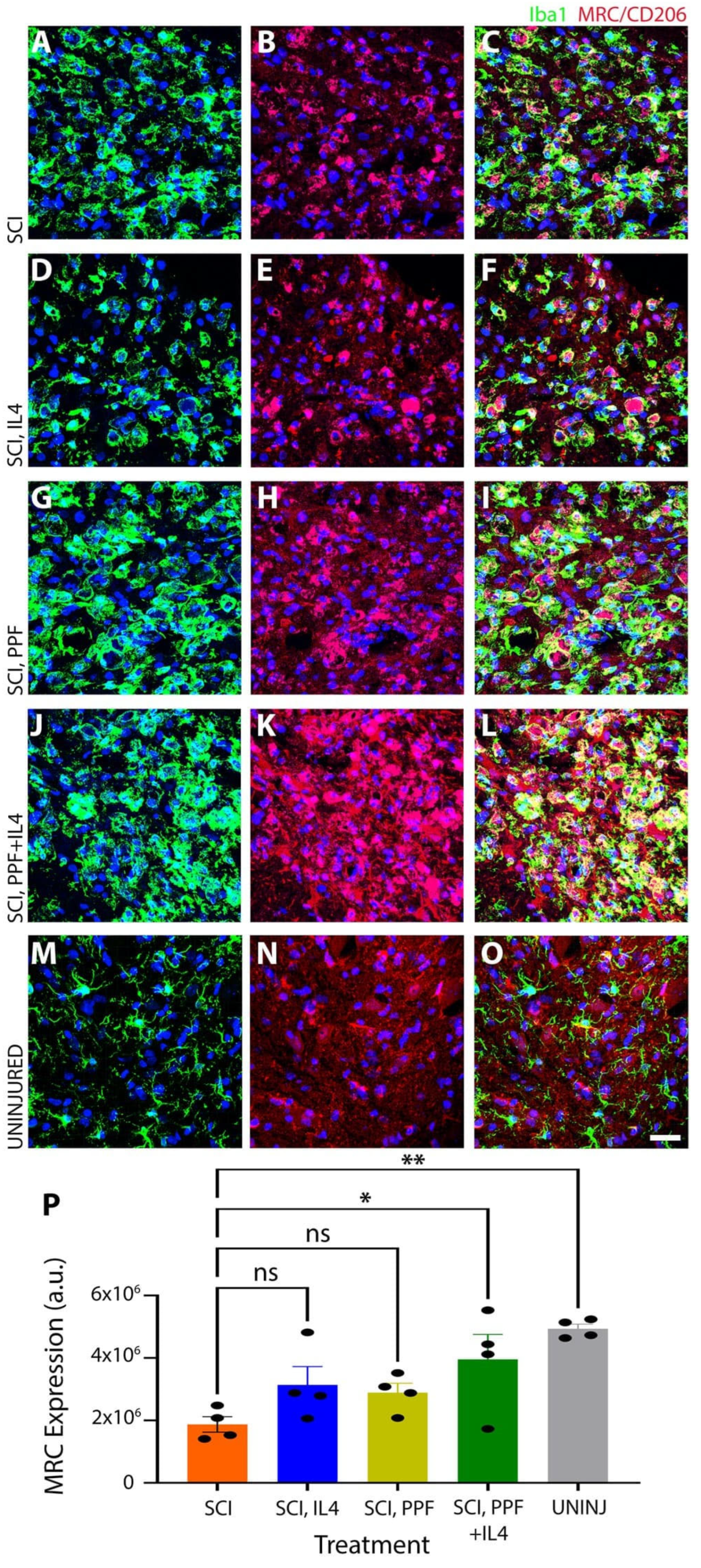
3.9. Combined PPF and IL-4 Treatment Promotes Sustained Reparative Lesion-Associated Myeloid Cell Polarization After SCI
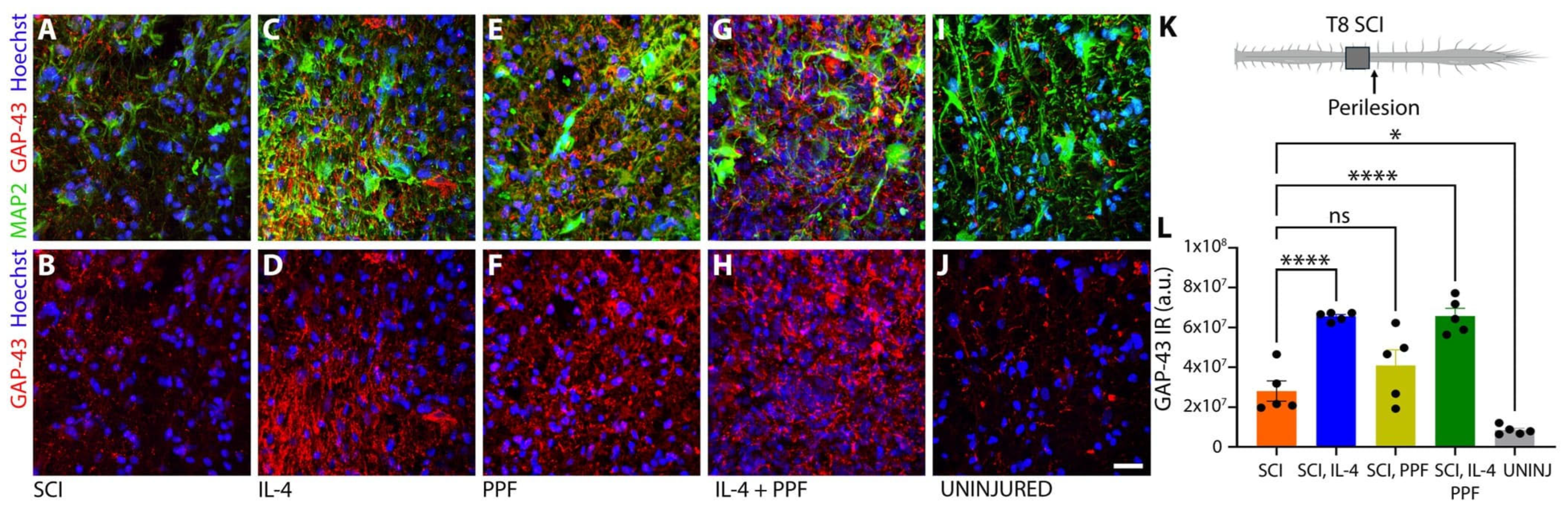
3.10. Augmented GAP-43 Immunoreactivity in Perilesional Spinal Tissue Following IL-4 or IL-4 and Propentofylline Treatment at 2 Months After T8 SCI
4. Discussion
5. Conclusions
Supplementary Materials
Author Contributions
Funding
Institutional Review Board Statement
Informed Consent Statement
Data Availability Statement
Acknowledgments
Conflicts of Interest
References
- Guest, J.; Datta, N.; Jimsheleishvili, G.; Gater, D.R., Jr. Pathophysiology, Classification and Comorbidities after Traumatic Spinal Cord Injury. J. Pers. Med. 2022, 12, 1126. [Google Scholar] [CrossRef]
- Hu, X.; Xu, W.; Ren, Y.; Wang, Z.; He, X.; Huang, R.; Ma, B.; Zhao, J.; Zhu, R.; Cheng, L. Spinal cord injury: Molecular mechanisms and therapeutic interventions. Signal Transduct. Target. Ther. 2023, 8, 245. [Google Scholar] [CrossRef] [PubMed]
- Alvi, M.A.; Pedro, K.M.; Quddusi, A.I.; Fehlings, M.G. Advances and Challenges in Spinal Cord Injury Treatments. J. Clin. Med. 2024, 13, 4101. [Google Scholar] [CrossRef]
- Yilmaz, T.; Kaptanoglu, E. Current and future medical therapeutic strategies for the functional repair of spinal cord injury. World J. Orthop. 2015, 6, 42–55. [Google Scholar] [CrossRef] [PubMed]
- Zhang, Y.; Al Mamun, A.; Yuan, Y.; Lu, Q.; Xiong, J.; Yang, S.; Wu, C.; Wu, Y.; Wang, J. Acute spinal cord injury: Pathophysiology and pharmacological intervention (Review). Mol. Med. Rep. 2021, 23, 417. [Google Scholar] [CrossRef] [PubMed]
- Anjum, A.; Yazid, M.D.; Fauzi Daud, M.; Idris, J.; Ng, A.M.H.; Selvi Naicker, A.; Ismail, O.H.R.; Athi Kumar, R.K.; Lokanathan, Y. Spinal Cord Injury: Pathophysiology, Multimolecular Interactions, and Underlying Recovery Mechanisms. Int. J. Mol. Sci. 2020, 21, 7533. [Google Scholar] [CrossRef] [PubMed]
- Alexander, J.K.; Popovich, P.G. Neuroinflammation in spinal cord injury: Therapeutic targets for neuroprotection and regeneration. Prog. Brain Res. 2009, 175, 125–137. [Google Scholar] [CrossRef]
- Hellenbrand, D.J.; Quinn, C.M.; Piper, Z.J.; Morehouse, C.N.; Fixel, J.A.; Hanna, A.S. Inflammation after spinal cord injury: A review of the critical timeline of signaling cues and cellular infiltration. J. Neuroinflamm. 2021, 18, 284. [Google Scholar] [CrossRef]
- Pineau, I.; Lacroix, S. Proinflammatory cytokine synthesis in the injured mouse spinal cord: Multiphasic expression pattern and identification of the cell types involved. J. Comp. Neurol. 2007, 500, 267–285. [Google Scholar] [CrossRef]
- Donnelly, D.J.; Popovich, P.G. Inflammation and its role in neuroprotection, axonal regeneration and functional recovery after spinal cord injury. Exp. Neurol. 2008, 209, 378–388. [Google Scholar] [CrossRef]
- Gensel, J.C.; Zhang, B. Macrophage activation and its role in repair and pathology after spinal cord injury. Brain Res. 2015, 1619, 1–11. [Google Scholar] [CrossRef]
- Xu, L.; Wang, J.; Ding, Y.; Wang, L.; Zhu, Y.J. Current Knowledge of Microglia in Traumatic Spinal Cord Injury. Front. Neurol. 2021, 12, 796704. [Google Scholar] [CrossRef]
- Ghosh, M.; Xu, Y.; Pearse, D.D. Cyclic AMP is a key regulator of M1 to M2a phenotypic conversion of microglia in the presence of Th2 cytokines. J. Neuroinflamm. 2016, 13, 9. [Google Scholar] [CrossRef] [PubMed]
- Gordon, S.; Martinez, F.O. Alternative activation of macrophages: Mechanism and functions. Immunity 2010, 32, 593–604. [Google Scholar] [CrossRef] [PubMed]
- Cherry, J.D.; Olschowka, J.A.; O’Banion, M.K. Neuroinflammation and M2 microglia: The good, the bad, and the inflamed. J. Neuroinflamm. 2014, 11, 98. [Google Scholar] [CrossRef]
- Fu, S.P.; Chen, S.Y.; Pang, Q.M.; Zhang, M.; Wu, X.C.; Wan, X.; Wan, W.H.; Ao, J.; Zhang, T. Advances in the research of the role of macrophage/microglia polarization-mediated inflammatory response in spinal cord injury. Front. Immunol. 2022, 13, 1014013. [Google Scholar] [CrossRef]
- Bradbury, E.J.; Burnside, E.R. Moving beyond the glial scar for spinal cord repair. Nat. Commun. 2019, 10, 3879. [Google Scholar] [CrossRef]
- Tran, A.P.; Warren, P.M.; Silver, J. The Biology of Regeneration Failure and Success After Spinal Cord Injury. Physiol. Rev. 2018, 98, 881–917. [Google Scholar] [CrossRef] [PubMed]
- Orr, M.B.; Gensel, J.C. Spinal Cord Injury Scarring and Inflammation: Therapies Targeting Glial and Inflammatory Responses. Neurotherapeutics 2018, 15, 541–553. [Google Scholar] [CrossRef]
- Park, J. Immunomodulatory Strategies for Spinal Cord Injury. Biomed. J. Sci. Tech. Res. 2022, 45, 36467–36470. [Google Scholar] [CrossRef]
- Fenn, A.M.; Hall, J.C.; Gensel, J.C.; Popovich, P.G.; Godbout, J.P. IL-4 signaling drives a unique arginase+/IL-1beta+ microglia phenotype and recruits macrophages to the inflammatory CNS: Consequences of age-related deficits in IL-4Ralpha after traumatic spinal cord injury. J. Neurosci. 2014, 34, 8904–8917. [Google Scholar] [CrossRef] [PubMed]
- Lima, R.; Monteiro, S.; Lopes, J.P.; Barradas, P.; Vasconcelos, N.L.; Gomes, E.D.; Assuncao-Silva, R.C.; Teixeira, F.G.; Morais, M.; Sousa, N.; et al. Systemic Interleukin-4 Administration after Spinal Cord Injury Modulates Inflammation and Promotes Neuroprotection. Pharmaceuticals 2017, 10, 83. [Google Scholar] [CrossRef] [PubMed]
- Francos-Quijorna, I.; Amo-Aparicio, J.; Martinez-Muriana, A.; Lopez-Vales, R. IL-4 drives microglia and macrophages toward a phenotype conducive for tissue repair and functional recovery after spinal cord injury. GLIA 2016, 64, 2079–2092. [Google Scholar] [CrossRef]
- Alhalabi, O.T.; Heene, S.; Zheng, G.; Heller, R.; Schubert, T.; Luzarowski, M.; Zha, X.; Walter, J.; Hansen-Palmus, L.; Biglari, B.; et al. Systemic Interleukin-4 Application Promotes Functional Recovery and Reprograms Neuroinflammatory and Molecular Responses after Spinal Cord Injury in Rats. Theranostics 2026, 16, 4726–4744. [Google Scholar] [CrossRef]
- Nascimento, D.; Ferreira, A.; Cruz, C.D. Immune Activation Following Spinal Cord Injury: A Review Focused on Inflammatory Changes in the Spinal Cord. Int. J. Mol. Sci. 2025, 26, 9624. [Google Scholar] [CrossRef] [PubMed]
- Gwak, Y.S.; Crown, E.D.; Unabia, G.C.; Hulsebosch, C.E. Propentofylline attenuates allodynia, glial activation and modulates GABAergic tone after spinal cord injury in the rat. Pain 2008, 138, 410–422. [Google Scholar] [CrossRef]
- Sweitzer, S.; De Leo, J. Propentofylline: Glial modulation, neuroprotection, and alleviation of chronic pain. In Methylxanthines. Handbook of Experimental Pharmacology; Springer: Berlin/Heidelberg, Germany, 2011; pp. 235–250. [Google Scholar] [CrossRef]
- Tawfik, V.L.; Nutile-McMenemy, N.; Lacroix-Fralish, M.L.; Deleo, J.A. Efficacy of propentofylline, a glial modulating agent, on existing mechanical allodynia following peripheral nerve injury. Brain Behav. Immun. 2007, 21, 238–246. [Google Scholar] [CrossRef]
- Jacobs, V.L.; Landry, R.P.; Liu, Y.; Romero-Sandoval, E.A.; De Leo, J.A. Propentofylline decreases tumor growth in a rodent model of glioblastoma multiforme by a direct mechanism on microglia. Neuro-Oncology 2012, 14, 119–131. [Google Scholar] [CrossRef]
- Blasi, E.; Barluzzi, R.; Bocchini, V.; Mazzolla, R.; Bistoni, F. Immortalization of murine microglial cells by a v-raf/v-myc carrying retrovirus. J. Neuroimmunol. 1990, 27, 229–237. [Google Scholar] [CrossRef]
- Henn, A.; Lund, S.; Hedtjarn, M.; Schrattenholz, A.; Porzgen, P.; Leist, M. The suitability of BV2 cells as alternative model system for primary microglia cultures or for animal experiments examining brain inflammation. ALTEX 2009, 26, 83–94. [Google Scholar] [CrossRef]
- Bayat, A.H.; Pearse, D.D.; Singh, P.K.; Ghosh, M. Comparative Profiling of Mouse and Human Microglial Small Extracellular Vesicles Reveals Conserved Core Functions with Distinct miRNA Signatures. Cells 2026, 15, 184. [Google Scholar] [CrossRef] [PubMed]
- Ghosh, M.; Garcia-Castillo, D.; Aguirre, V.; Golshani, R.; Atkins, C.M.; Bramlett, H.M.; Dietrich, W.D.; Pearse, D.D. Proinflammatory cytokine regulation of cyclic AMP-phosphodiesterase 4 signaling in microglia in vitro and following CNS injury. GLIA 2012, 60, 1839–1859. [Google Scholar] [CrossRef]
- Ghosh, M.; Aguirre, V.; Wai, K.; Felfly, H.; Dietrich, W.D.; Pearse, D.D. The interplay between cyclic AMP, MAPK, and NF-κB pathways in response to proinflammatory signals in microglia. Biomed. Res. Int. 2015, 2015, 308461. [Google Scholar] [CrossRef]
- Ghosh, M.; Lee, J.; Burke, A.N.; Strong, T.A.; Sagen, J.; Pearse, D.D. Sex Dependent Disparities in the Central Innate Immune Response after Moderate Spinal Cord Contusion in Rat. Cells 2024, 13, 645. [Google Scholar] [CrossRef]
- Pearse, D.D.; Bastidas, J.; Izabel, S.S.; Ghosh, M. Schwann Cell Transplantation Subdues the Pro-Inflammatory Innate Immune Cell Response after Spinal Cord Injury. Int. J. Mol. Sci. 2018, 19, 2550. [Google Scholar] [CrossRef]
- Ghosh, M.; Tuesta, L.M.; Puentes, R.; Patel, S.; Melendez, K.; El Maarouf, A.; Rutishauser, U.; Pearse, D.D. Extensive cell migration, axon regeneration, and improved function with polysialic acid-modified Schwann cells after spinal cord injury. GLIA 2012, 60, 979–992. [Google Scholar] [CrossRef] [PubMed]
- Sweitzer, S.M.; Schubert, P.; DeLeo, J.A. Propentofylline, a glial modulating agent, exhibits antiallodynic properties in a rat model of neuropathic pain. J. Pharmacol. Exp. Ther. 2001, 297, 1210–1217. [Google Scholar] [CrossRef] [PubMed]
- Cross, A.J.; Jones, J.A.; Baldwin, H.A.; Green, A.R. Neuroprotective activity of chlormethiazole following transient forebrain ischaemia in the gerbil. Br. J. Pharmacol. 1991, 104, 406–411. [Google Scholar] [CrossRef]
- Basso, D.M.; Beattie, M.S.; Bresnahan, J.C. Graded histological and locomotor outcomes after spinal cord contusion using the NYU weight-drop device versus transection. Exp. Neurol. 1996, 139, 244–256. [Google Scholar] [CrossRef] [PubMed]
- Ghosh, M.; Elwardany, O.; Pan, X.; Saigh, S.J.; Pearse, D.D. Removal or inhibition of transglutaminase 2 decreases cellular stress, supporting tissue preservation, and recovery after SCI. Acta Neuropathol. Commun. 2025, 14, 27. [Google Scholar] [CrossRef]
- Pearse, D.D.; Lo, T.P.; Cho, K.S.; Lynch, M.P.; Garg, M.S.; Marcillo, A.E.; Sanchez, A.R.; Cruz, Y.; Dietrich, W.D. Histopathological and behavioral characterization of a novel cervical spinal cord displacement contusion injury in the rat. J. Neurotrauma 2005, 22, 680–702. [Google Scholar] [CrossRef] [PubMed]
- Lo, T.P.; Cho, K.S.; Garg, M.S.; Lynch, M.P.; Marcillo, A.E.; Koivisto, D.L.; Stagg, M.; Abril, R.M.; Patel, S.; Dietrich, W.D.; et al. Systemic hypothermia improves histological and functional outcome after cervical spinal cord contusion in rats. J. Comp. Neurol. 2009, 514, 433–448. [Google Scholar] [CrossRef] [PubMed]
- Si, Q.; Nakamura, Y.; Ogata, T.; Kataoka, K.; Schubert, P. Differential regulation of microglial activation by propentofylline via cAMP signaling. Brain Res. 1998, 812, 97–104. [Google Scholar] [CrossRef] [PubMed]
- DeLeo, J.; Schubert, P.; Kreutzberg, G.W. Protection against ischemic brain damage using propentofylline in gerbils. Stroke 1988, 19, 1535–1539. [Google Scholar] [CrossRef]
- Gwak, Y.S.; Unabia, G.C.; Hulsebosch, C.E. Activation of p-38α MAPK contributes to neuronal hyperexcitability in caudal regions remote from spinal cord injury. Exp. Neurol. 2009, 220, 154–161. [Google Scholar] [CrossRef]
- Landry, R.P.; Jacobs, V.L.; Romero-Sandoval, E.A.; DeLeo, J.A. Propentofylline, a CNS glial modulator does not decrease pain in post-herpetic neuralgia patients: In vitro evidence for differential responses in human and rodent microglia and macrophages. Exp. Neurol. 2012, 234, 340–350. [Google Scholar] [CrossRef]
- Keegan, A.D.; Leonard, W.J.; Zhu, J. Recent advances in understanding the role of IL-4 signaling. Fac. Rev. 2021, 10, 71. [Google Scholar] [CrossRef]
- Monteiro, J.P.; Alves, M.G.; Oliveira, P.F.; Silva, B.M. Structure-Bioactivity Relationships of Methylxanthines: Trying to Make Sense of All the Promises and the Drawbacks. Molecules 2016, 21, 974. [Google Scholar] [CrossRef]
- Kwon, O.S.; Chung, Y.B.; Kim, M.H.; Hahn, H.G.; Rhee, H.K.; Ryu, J.C. Pharmacokinetics of propentofylline and the quantitation of its metabolite hydroxypropentofylline in human volunteers. Arch. Pharm. Res. 1998, 21, 698–702. [Google Scholar] [CrossRef]
- Shechter, R.; London, A.; Varol, C.; Raposo, C.; Cusimano, M.; Yovel, G.; Rolls, A.; Mack, M.; Pluchino, S.; Martino, G.; et al. Infiltrating blood-derived macrophages are vital cells playing an anti-inflammatory role in recovery from spinal cord injury in mice. PLoS Med. 2009, 6, e1000113. [Google Scholar] [CrossRef]
- Lloyd, A.F.; Martinez-Muriana, A.; Davis, E.; Daniels, M.J.D.; Hou, P.; Mancuso, R.; Brenes, A.J.; Sinclair, L.V.; Geric, I.; Snellinx, A.; et al. Deep proteomic analysis of microglia reveals fundamental biological differences between model systems. Cell Rep. 2024, 43, 114908. [Google Scholar] [CrossRef]
- Yvanka de Soysa, T.; Therrien, M.; Walker, A.C.; Stevens, B. Redefining microglia states: Lessons and limits of human and mouse models to study microglia states in neurodegenerative diseases. Semin. Immunol. 2022, 60, 101651. [Google Scholar] [CrossRef]
- Kittner, B.; Rossner, M.; Rother, M. Clinical trials in dementia with propentofylline. Ann. N. Y. Acad. Sci. 1997, 826, 307–316. [Google Scholar] [CrossRef]
- Frampton, M.; Harvey, R.J.; Kirchner, V. Propentofylline for dementia. Cochrane Database Syst. Rev. 2003, CD002853. [Google Scholar] [CrossRef]
- Rother, M.; Erkinjuntti, T.; Roessner, M.; Kittner, B.; Marcusson, J.; Karlsson, I. Propentofylline in the treatment of Alzheimer’s disease and vascular dementia: A review of phase III trials. Dement. Geriatr. Cogn. Disord. 1998, 9, 36–43. [Google Scholar] [CrossRef]
- Marcusson, J.; Rother, M.; Kittner, B.; Rossner, M.; Smith, R.J.; Babic, T.; Folnegovic-Smalc, V.; Moller, H.J.; Labs, K.H. A 12-month, randomized, placebo-controlled trial of propentofylline (HWA 285) in patients with dementia according to DSM III-R. Dement. Geriatr. Cogn. Disord. 1997, 8, 320–328. [Google Scholar] [CrossRef]
- Simon, K.E.; Gruen, M.E.; Olby, N.J. Current practices for diagnosis and management of Canine Cognitive Dysfunction Syndrome in the United States. Front. Vet. Sci. 2025, 12, 1685430. [Google Scholar] [CrossRef] [PubMed]
- Prendiville, J.; Thatcher, N.; Lind, M.; McIntosh, R.; Ghosh, A.; Stern, P.; Crowther, D. Recombinant human interleukin-4 (rhu IL-4) administered by the intravenous and subcutaneous routes in patients with advanced cancer—A phase I toxicity study and pharmacokinetic analysis. Eur. J. Cancer 1993, 29, 1700–1707. [Google Scholar] [CrossRef] [PubMed]
- Whitehead, R.P.; Lew, D.; Flanigan, R.C.; Weiss, G.R.; Roy, V.; Glode, M.L.; Dakhil, S.R.; Crawford, E.D. Phase II trial of recombinant human interleukin-4 in patients with advanced renal cell carcinoma: A southwest oncology group study. J. Immunother. 2002, 25, 352–358. [Google Scholar] [CrossRef] [PubMed]



| Primary Antibody | Host | Company | Catalog Number | Dilution |
|---|---|---|---|---|
| Anti-Arginase 1 | Rabbit | GeneTex (Irvine, CA, USA) | CTX109242 | 1:100 |
| Anti-MRC1 | Rabbit | Sigma-Aldrich (St. Louis, MO, USA) | HPA045134 | 1:100 |
| anti-Phospho-p38 MAPK (Thr180/Tyr182) (D3F9) | Rabbit | Cell Signaling Technology (Danvers, MA, USA) | 4511S | 1:400 |
| Phospho-p38 MAPK (Thr180/Tyr182) | Rabbit | Cell Signaling Technology | 9211 | 1:1000 |
| Anti-Iba1 | Goat | Abcam (Waltham, MA, USA) | ab5076 | 1:500 |
| Chicken Polyclonal to Iba1 | Chicken | EnCor Biotechnology (Gainesville, FL, USA) | CPCA-Iba1 | 1:1000 |
| Rabbit Polyclonal Antibody to Growth-Associated Protein 43 | Rabbit | EnCor Biotechnology | RPCA-GAP43 | 1:1000 |
| Chicken Polyclonal Antibody to Microtubule-Associated Protein | Chicken | EnCor Biotechnology | CPCA-MAP2 | 1:2000 |
| Degraded Myelin Basic Protein | Rabbit | Millipore Sigma (St. Louis, MO, USA) | AB5864 | 1:1000 |
| Myelin Basic Protein | Chicken | EnCor Biotechnology | CPCA-MBP | 1:2500 |
| Anti-β-Actin (ACTB) Antibody | Mouse | Millipore Sigma (St. Louis, MO, USA) | A1978 | 1:10,000 |
Disclaimer/Publisher’s Note: The statements, opinions and data contained in all publications are solely those of the individual author(s) and contributor(s) and not of MDPI and/or the editor(s). MDPI and/or the editor(s) disclaim responsibility for any injury to people or property resulting from any ideas, methods, instructions or products referred to in the content. |
© 2026 by the authors. Licensee MDPI, Basel, Switzerland. This article is an open access article distributed under the terms and conditions of the Creative Commons Attribution (CC BY) license.
Share and Cite
Ghosh, M.; Bayat, A.-H.; Garvey, K.S.; Oshinusi, T.; Leon, T.D.; Sagen, J.; Pearse, D.D. Propentofylline and Interleukin-4 Modulate Lesion-Associated Myeloid Responses and Improve Functional Recovery After Spinal Cord Injury. Cells 2026, 15, 625. https://doi.org/10.3390/cells15070625
Ghosh M, Bayat A-H, Garvey KS, Oshinusi T, Leon TD, Sagen J, Pearse DD. Propentofylline and Interleukin-4 Modulate Lesion-Associated Myeloid Responses and Improve Functional Recovery After Spinal Cord Injury. Cells. 2026; 15(7):625. https://doi.org/10.3390/cells15070625
Chicago/Turabian StyleGhosh, Mousumi, Amir-Hossein Bayat, Keeley S. Garvey, Tolani Oshinusi, Thomas De Leon, Jacqueline Sagen, and Damien D. Pearse. 2026. "Propentofylline and Interleukin-4 Modulate Lesion-Associated Myeloid Responses and Improve Functional Recovery After Spinal Cord Injury" Cells 15, no. 7: 625. https://doi.org/10.3390/cells15070625
APA StyleGhosh, M., Bayat, A.-H., Garvey, K. S., Oshinusi, T., Leon, T. D., Sagen, J., & Pearse, D. D. (2026). Propentofylline and Interleukin-4 Modulate Lesion-Associated Myeloid Responses and Improve Functional Recovery After Spinal Cord Injury. Cells, 15(7), 625. https://doi.org/10.3390/cells15070625