Review

A Comprehensive Review of Modern Cancer Therapies Utilizing Oncolytic Viruses

by
Michał Sułek
and
Agnieszka Szuster-Ciesielska
*
Department of Virology and Immunology, Institute of Biological Sciences, Maria Curie-Skłodowska University, Akademicka 19, 20-033 Lublin, Poland
*
Author to whom correspondence should be addressed.
Cells 2025, 14(22), 1825; https://doi.org/10.3390/cells14221825
Submission received: 22 October 2025 / Revised: 14 November 2025 / Accepted: 18 November 2025 / Published: 20 November 2025

Abstract

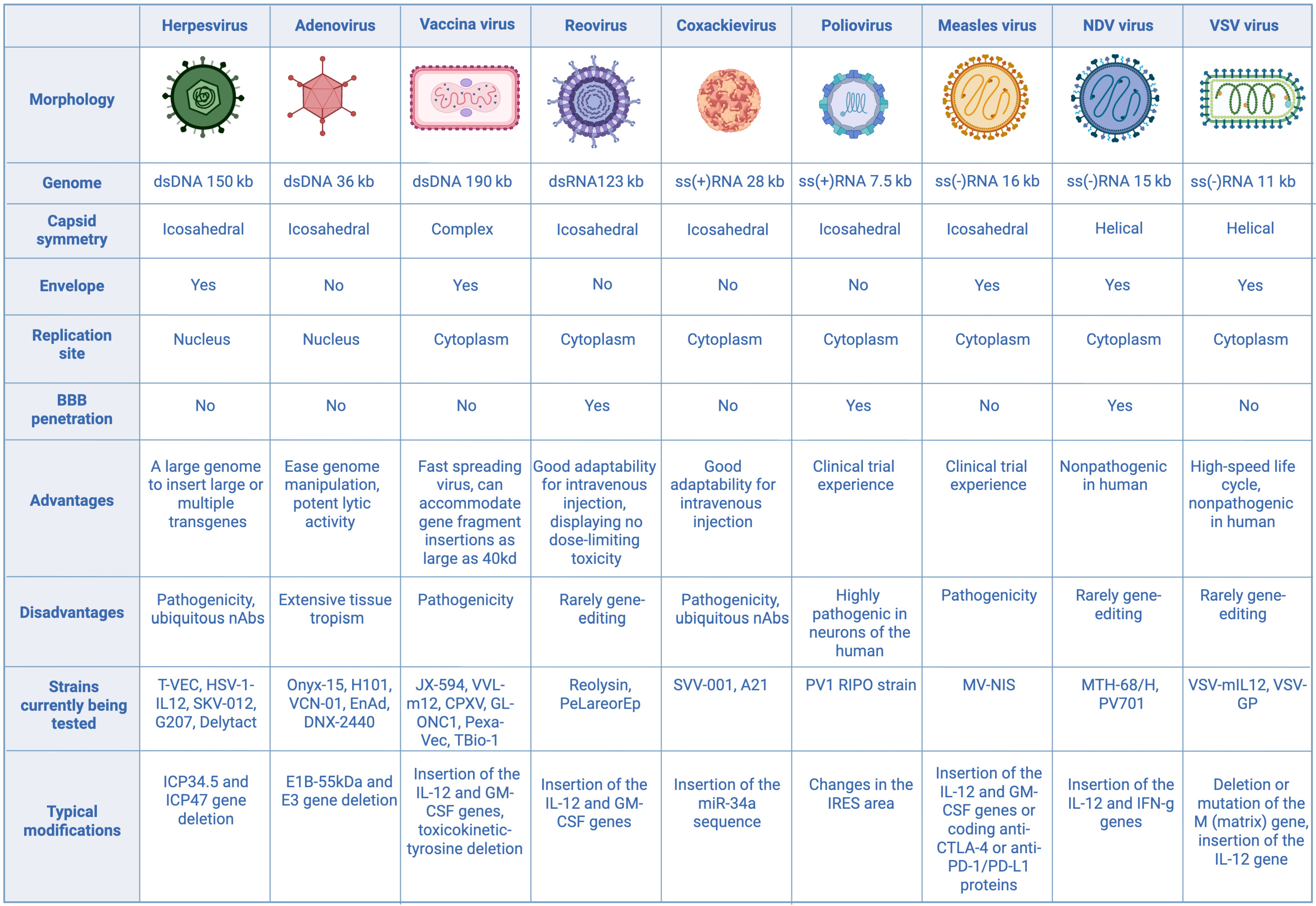
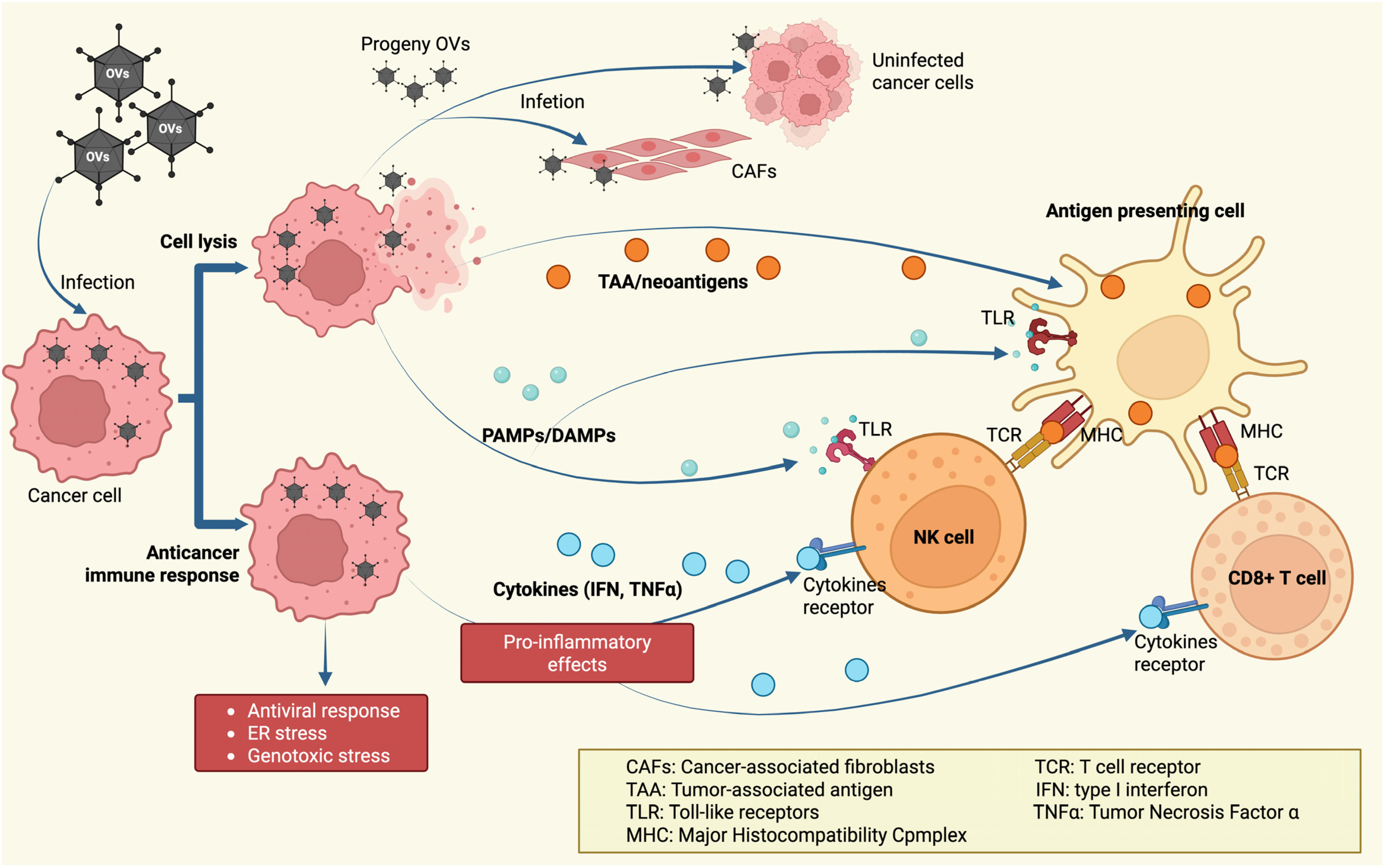
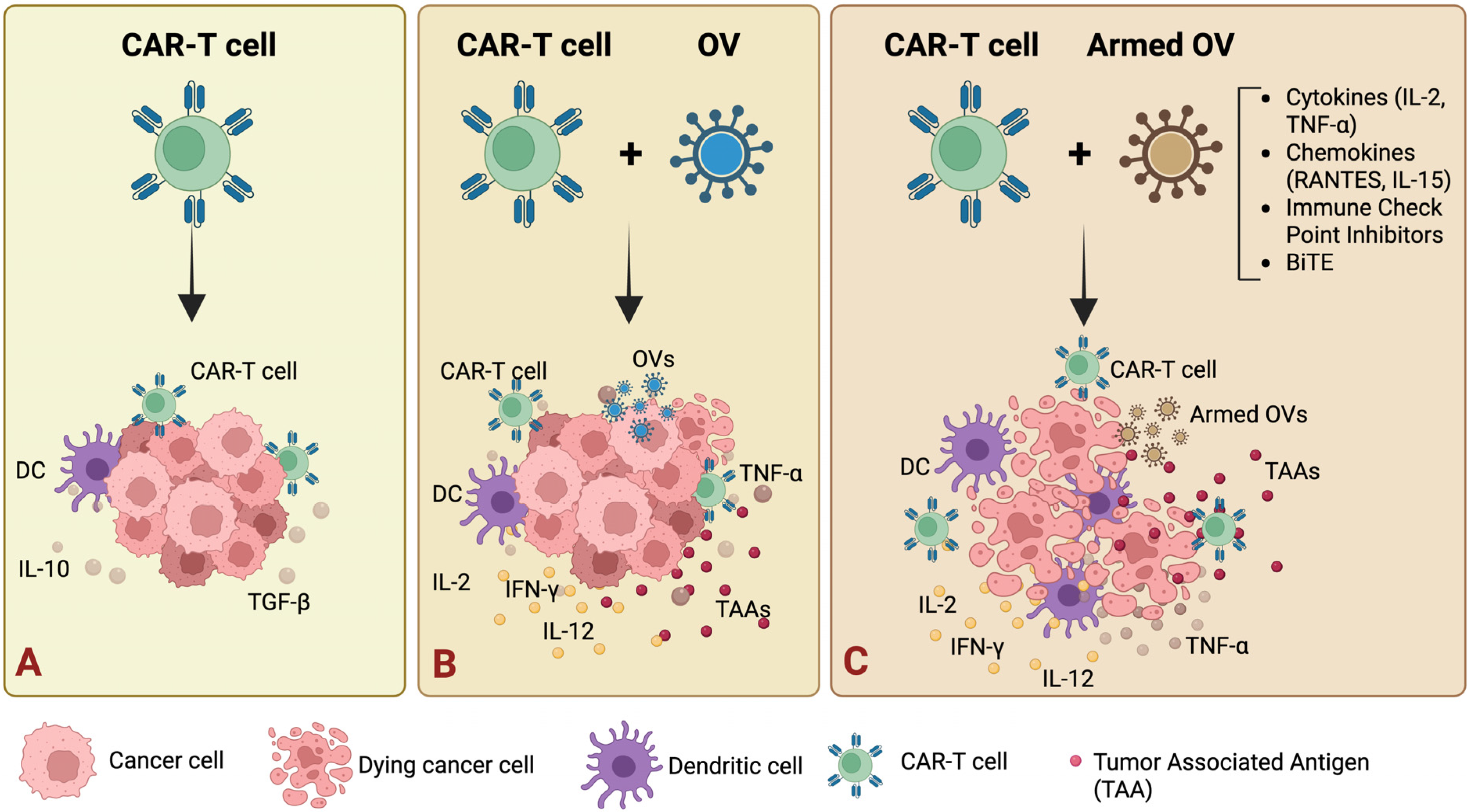
Oncolytic viruses (OVs) are gaining traction as advanced tools in cancer therapy. They are distinguished by their ability to destroy malignant cells while sparing normal tissue specifically. In addition to their direct tumor-lysing properties, an essential benefit of oncolytic virus therapy is its capacity to activate both the innate and adaptive immune systems. To enhance these therapeutic actions, many OVs have been genetically engineered to encode immune-modulating factors that reestablish or strengthen antitumor immune responses. Recent studies show that combining OVs with other forms of immunotherapy—such as immune checkpoint inhibitors, CAR-T cells, specific T-cell receptor therapies, or autologous tumor-infiltrating lymphocytes—offers significant advances in cancer treatment. This article reviews how OVs work, discusses strategies to enhance their immunogenicity further, and presents the latest rational combinations of oncolytic viruses with other immunotherapies based on current preclinical and clinical research.
Keywords: oncolytic viruses; tumor treatment; immune checkpoint inhibitors; CAR-T cells oncolytic viruses; tumor treatment; immune checkpoint inhibitors; CAR-T cells