Article

Calcineurin-Dependent Homeostatic Response of C. elegans Muscle Cells upon Prolonged Activation of Acetylcholine Receptors

by
Franklin Florin
1,
Benjamin Bonneau
1,2,
Luis Briseño-Roa
1,3,
Jean-Louis Bessereau
1,† and
Maëlle Jospin
1,*,†
1
Institut NeuroMyoGène, CNRS UMR-5284, INSERM U-1314, MeLiS, Université Lyon, Université Claude Bernard Lyon 1, F-69008 Lyon, France
2
Institut Curie, CNRS UMR3347, INSERM U1021, Université Paris-Saclay, F-91405 Orsay, France
3
Medetia Pharmaceuticals, Institut Imagine, F-75015 Paris, France
*
Author to whom correspondence should be addressed.
These authors contributed equally to this work.
Cells 2023, 12(17), 2201; https://doi.org/10.3390/cells12172201
Submission received: 31 July 2023 / Revised: 29 August 2023 / Accepted: 30 August 2023 / Published: 3 September 2023
(This article belongs to the Special Issue Caenorhabditis elegans: Cell Biology and Physiology)

Abstract

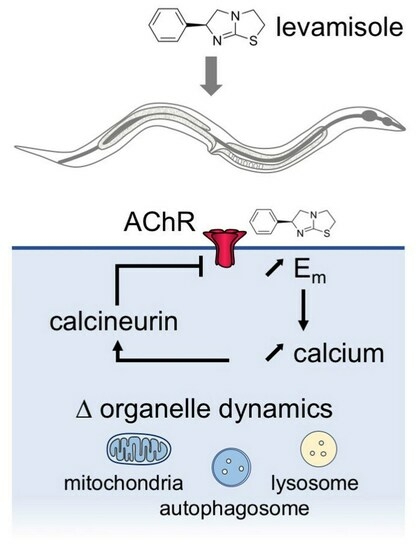
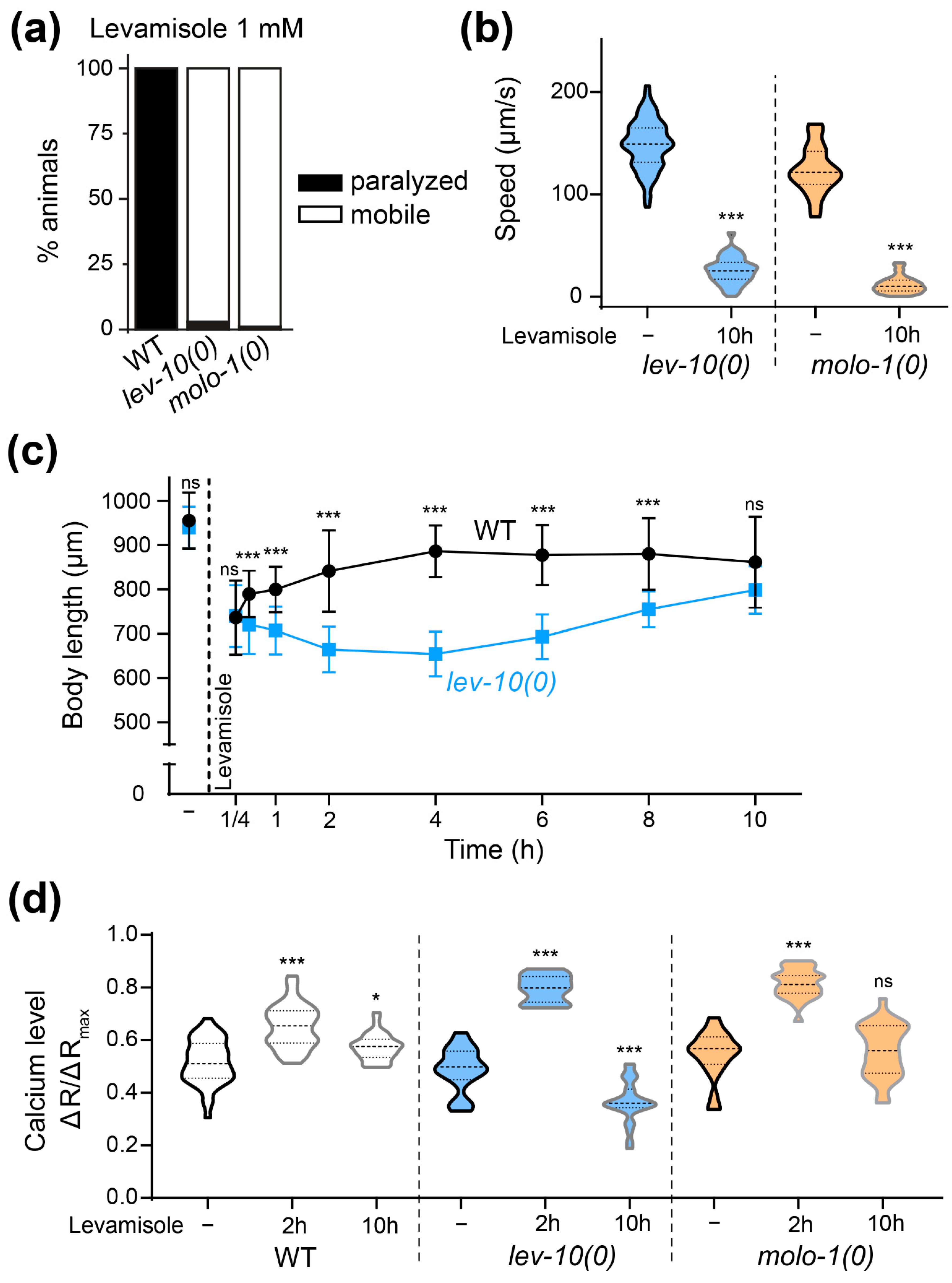
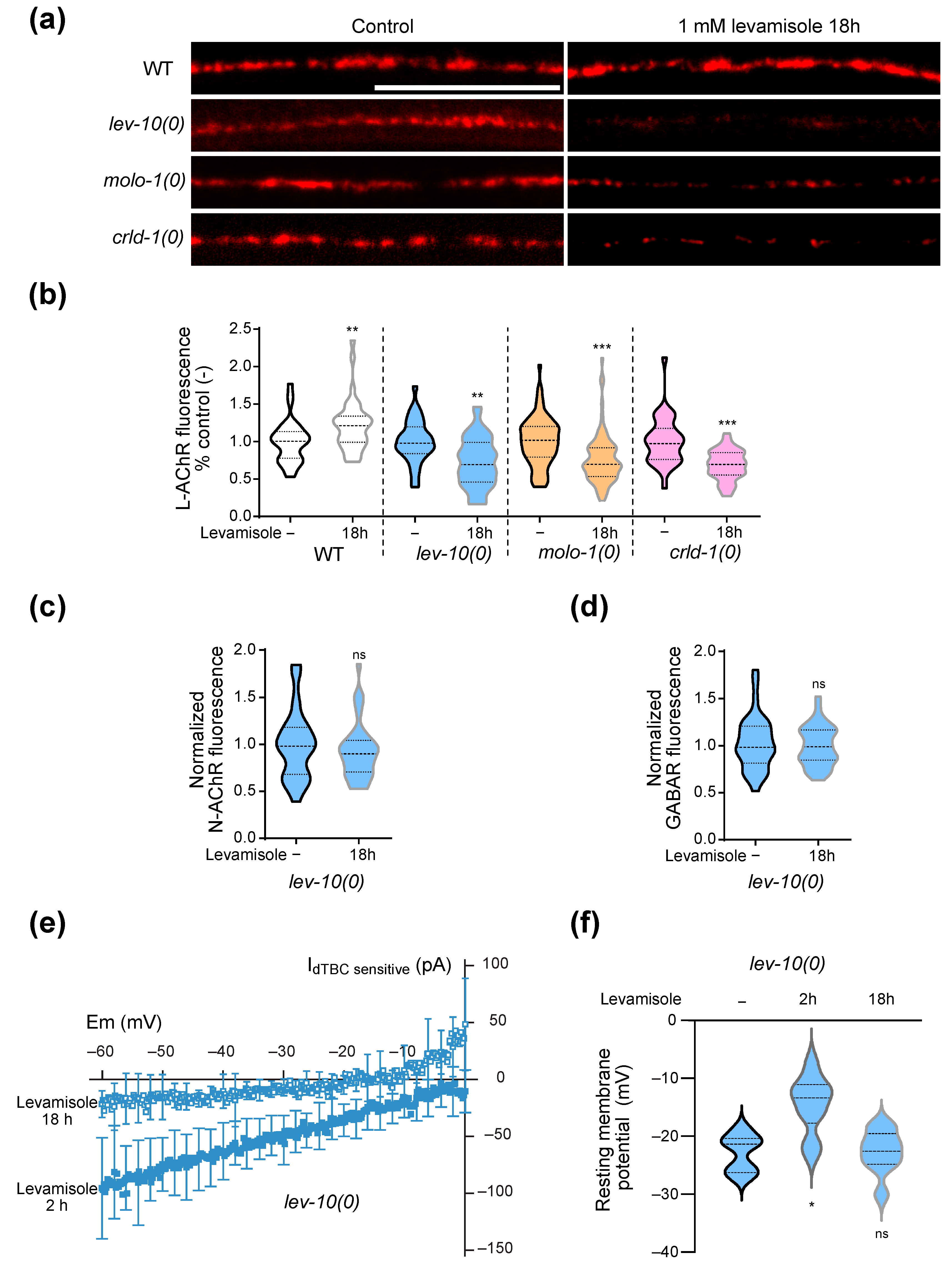
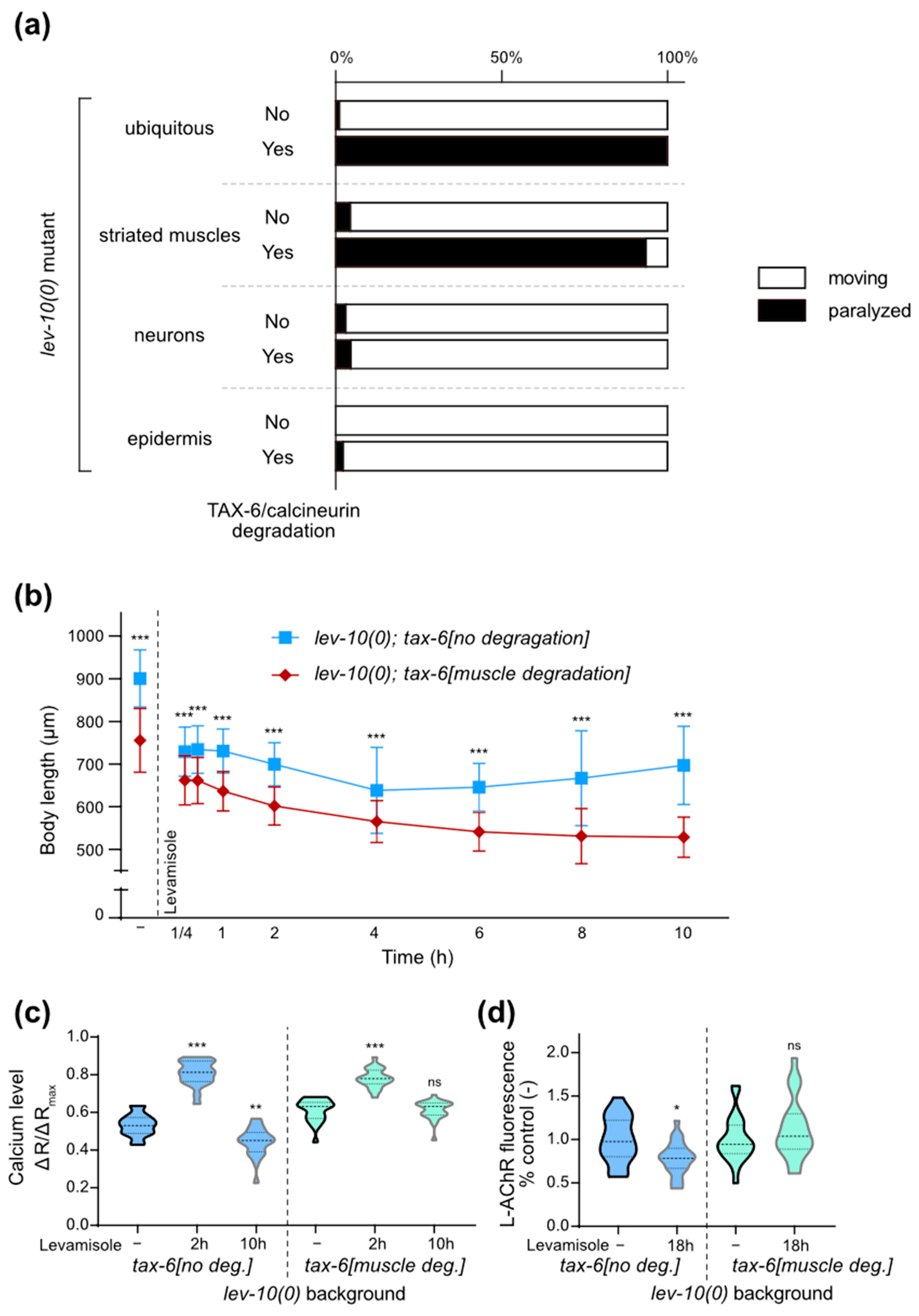
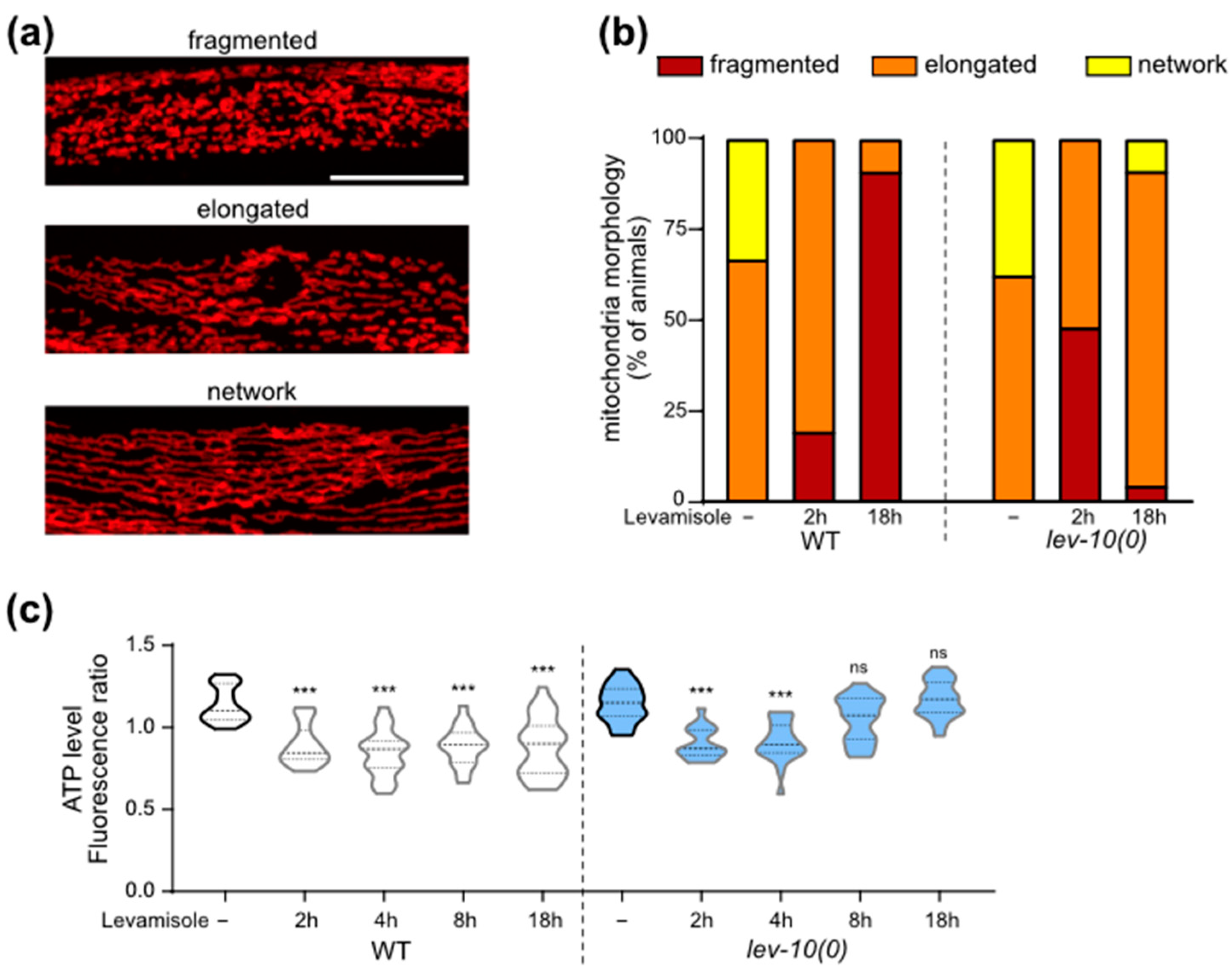
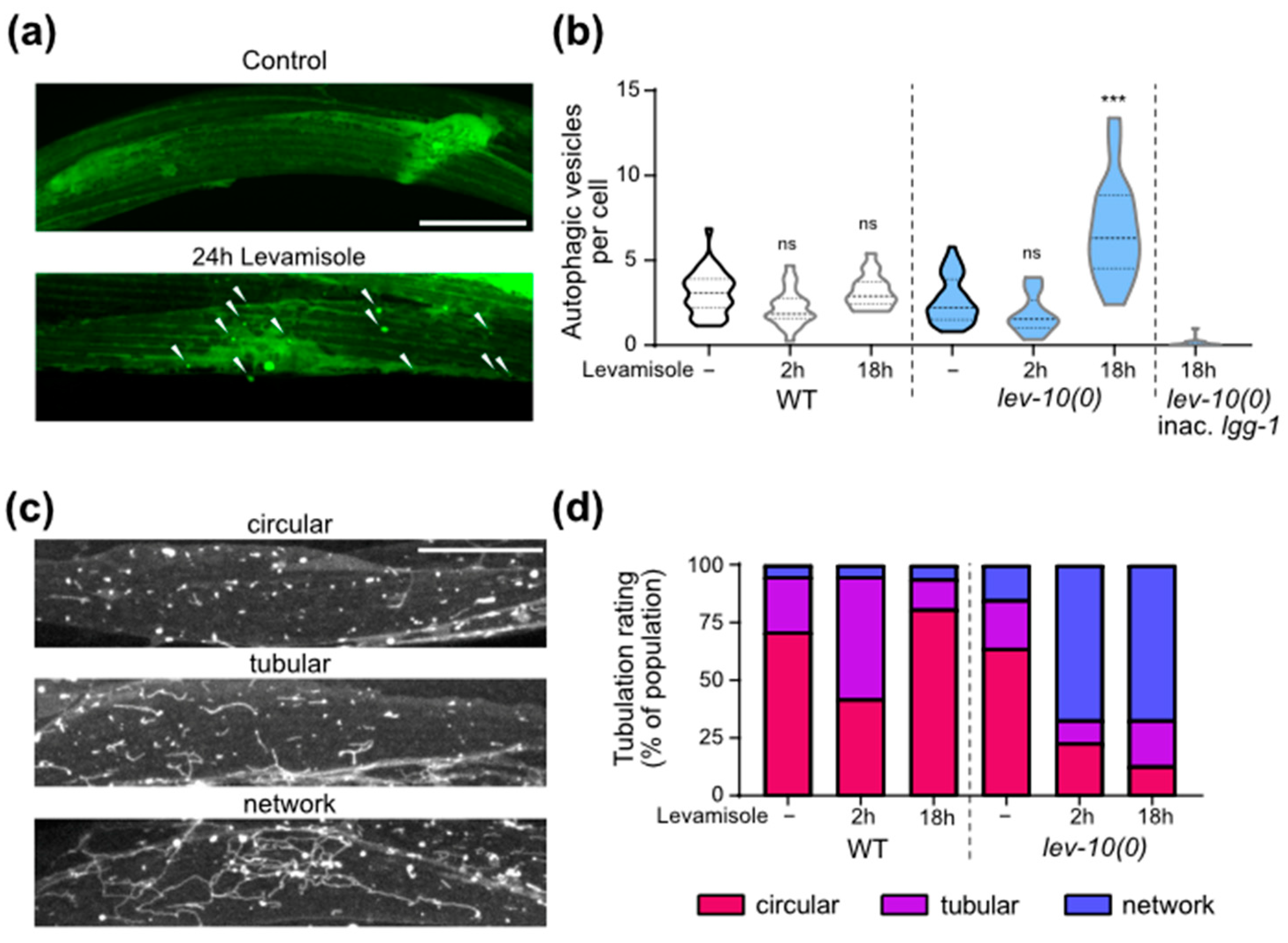
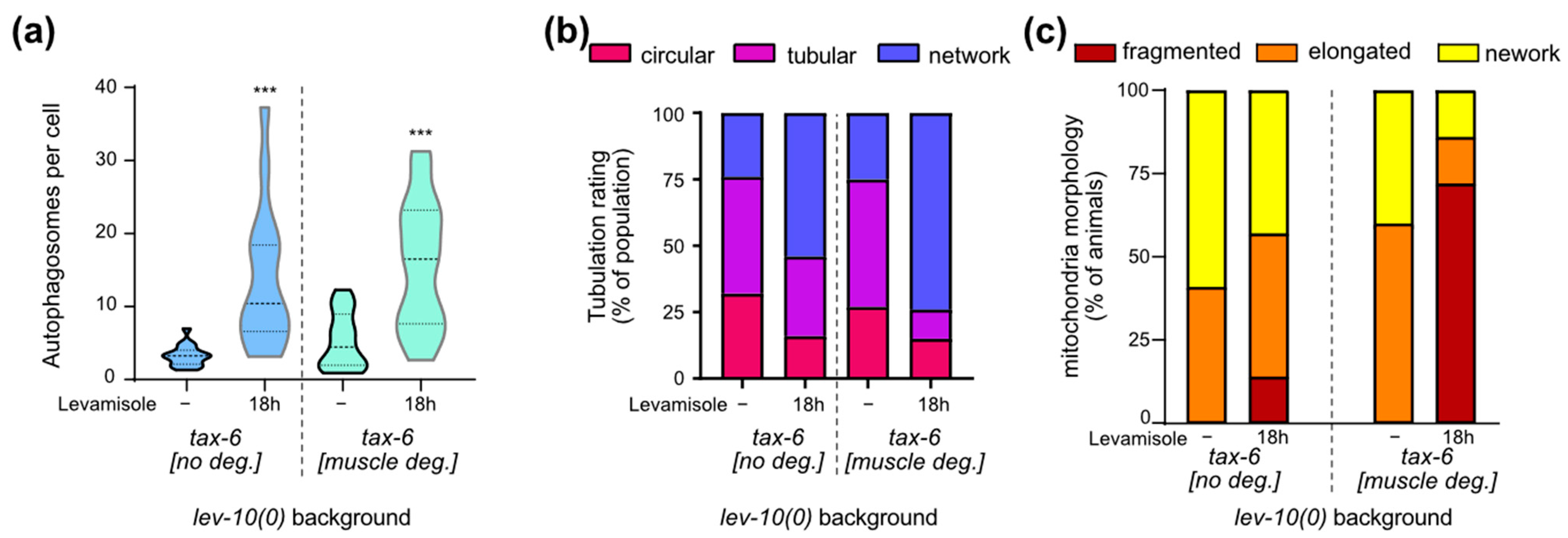
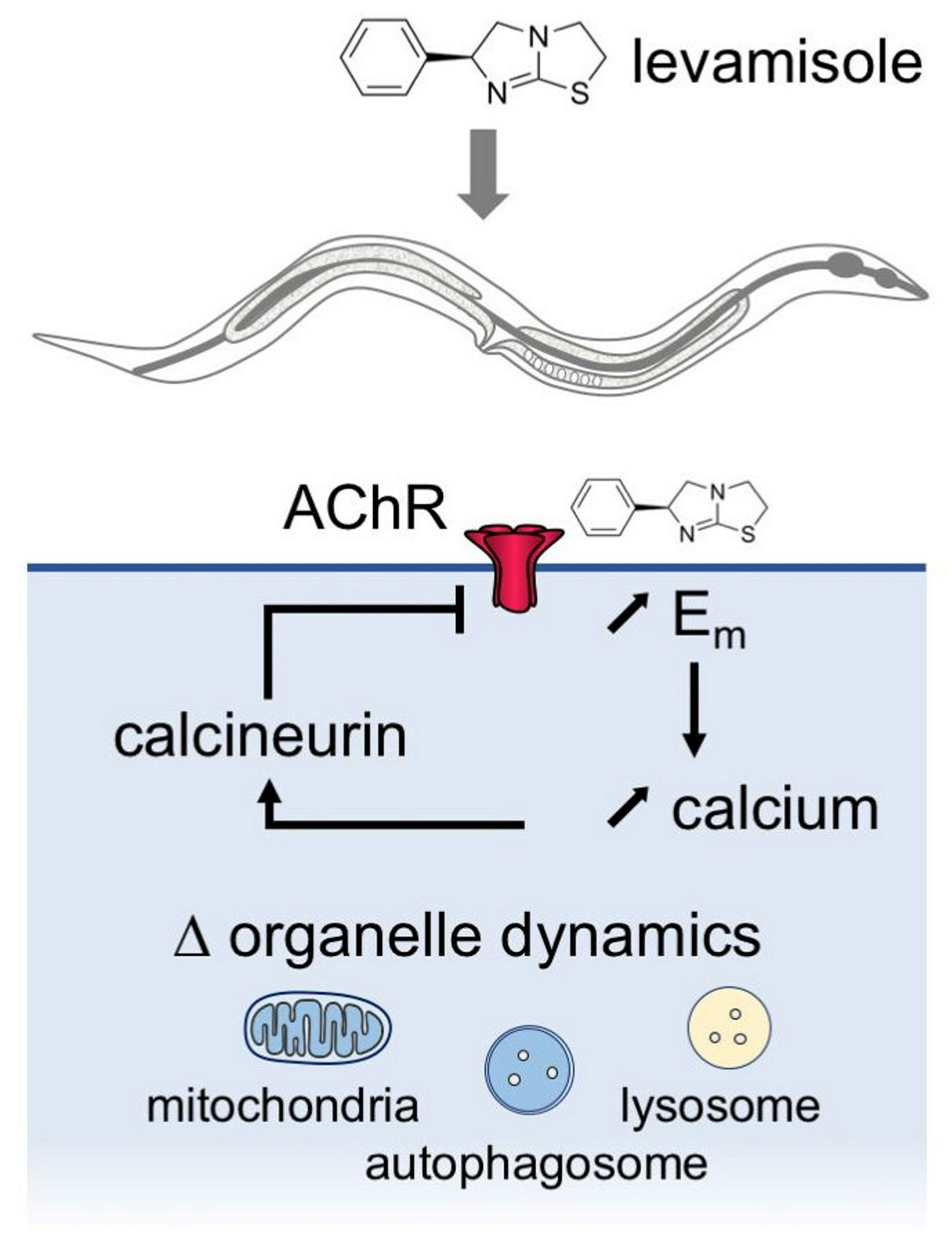
Pharmacological adaptation is a common phenomenon observed during prolonged drug exposure and often leads to drug resistance. Understanding the cellular events involved in adaptation could provide new strategies to circumvent this resistance issue. We used the nematode Caenorhabditis elegans to analyze the adaptation to levamisole, an ionotropic acetylcholine receptor agonist, used for decades to treat nematode parasitic infections. Genetic screens in C. elegans identified “adapting mutants” that initially paralyze upon exposure to levamisole as the wild type (WT), but recover locomotion after a few hours whereas WT remain paralyzed. Here, we show that levamisole induces a sustained increase in cytosolic calcium concentration in the muscle cells of adapting mutants, lasting several hours and preceding a decrease in levamisole-sensitive acetylcholine receptors (L-AChR) at the muscle plasma membrane. This decrease correlated with a drop in calcium concentration, a relaxation of the animal’s body and a resumption of locomotion. The decrease in calcium and L-AChR content depends on calcineurin activation in muscle cells. We also showed that levamisole adaptation triggers homeostatic mechanisms in muscle cells including mitochondria remodeling, lysosomal tubulation and an increase in autophagic activity. Levamisole adaptation thus provides a new experimental paradigm for studying how cells cope with calcium stress.
Keywords: calcium; muscle; homeostasis; calcineurin; acetylcholine receptor; C. elegans calcium; muscle; homeostasis; calcineurin; acetylcholine receptor; C. elegans
Graphical Abstract