Article

Bioinformatic Analysis Revealed the Essential Regulatory Genes and Pathways of Early and Advanced Atherosclerotic Plaque in Humans


1
Key Laboratory for Pharmacology and Translational Research of Traditional Chinese Medicine of Nanchang, Centre for Translational Medicine, Jiangxi University of Chinese Medicine, Nanchang 330006, China
2
Jiangxi Key Laboratory of Traditional Chinese Medicine for Prevention and Treatment of Vascular Remodeling Diseases, Nanchang 330006, China
3
Department of Cardiovascular Sciences and Centre for Metabolic Disease Research, Lewis Katz School of Medicine, Temple University, Philadelphia, PA 19140, USA
4
Institute of Gynecology and Obstetrics of traditional Chinese Medicine, Jiangxi University of Chinese Medicine, Nanchang 330006, China
*
Author to whom correspondence should be addressed.
Cells 2022, 11(24), 3976; https://doi.org/10.3390/cells11243976
Submission received: 27 October 2022 / Revised: 1 December 2022 / Accepted: 5 December 2022 / Published: 8 December 2022
(This article belongs to the Collection Cellular and Molecular Mechanisms of Atherosclerosis)

Abstract

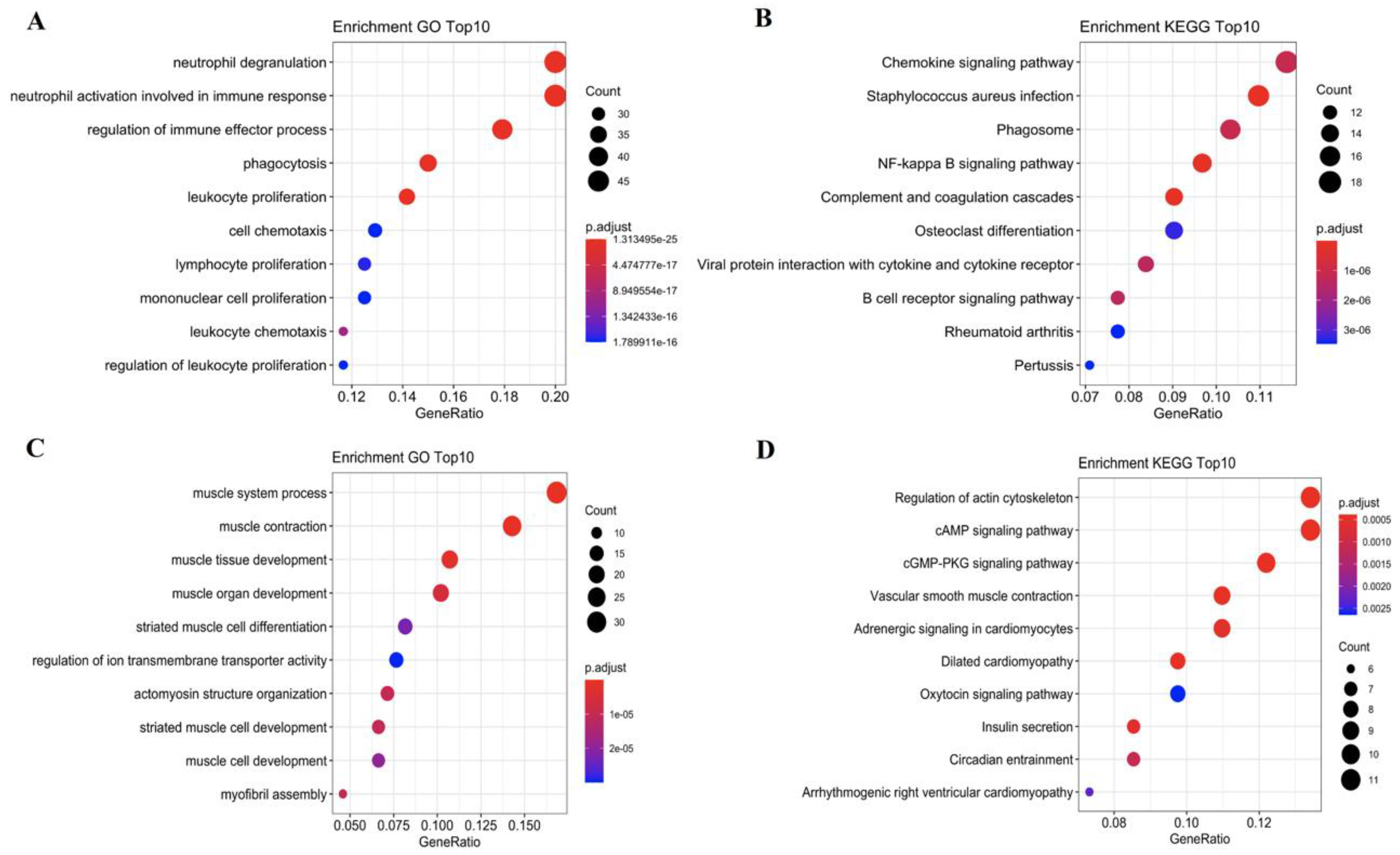
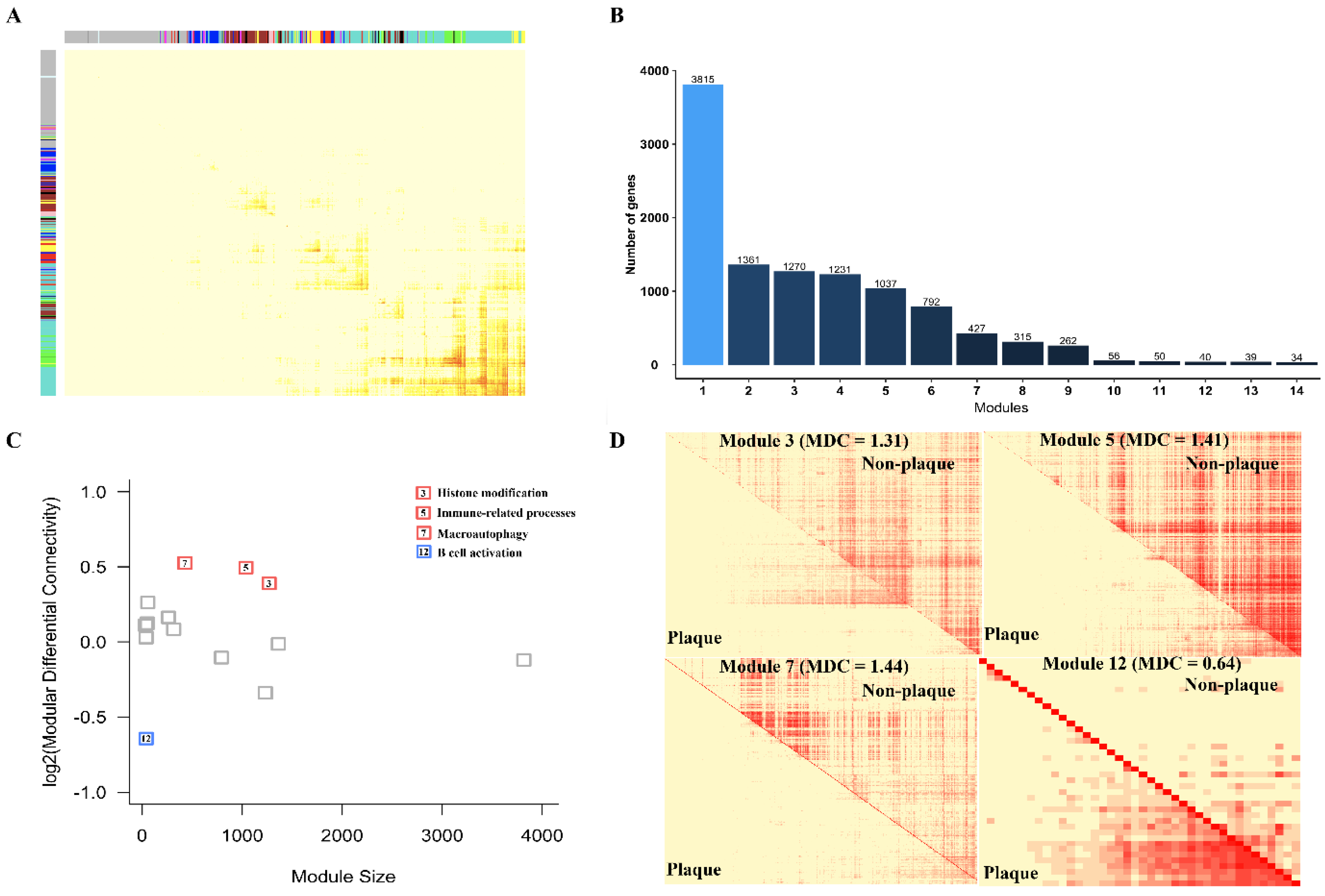
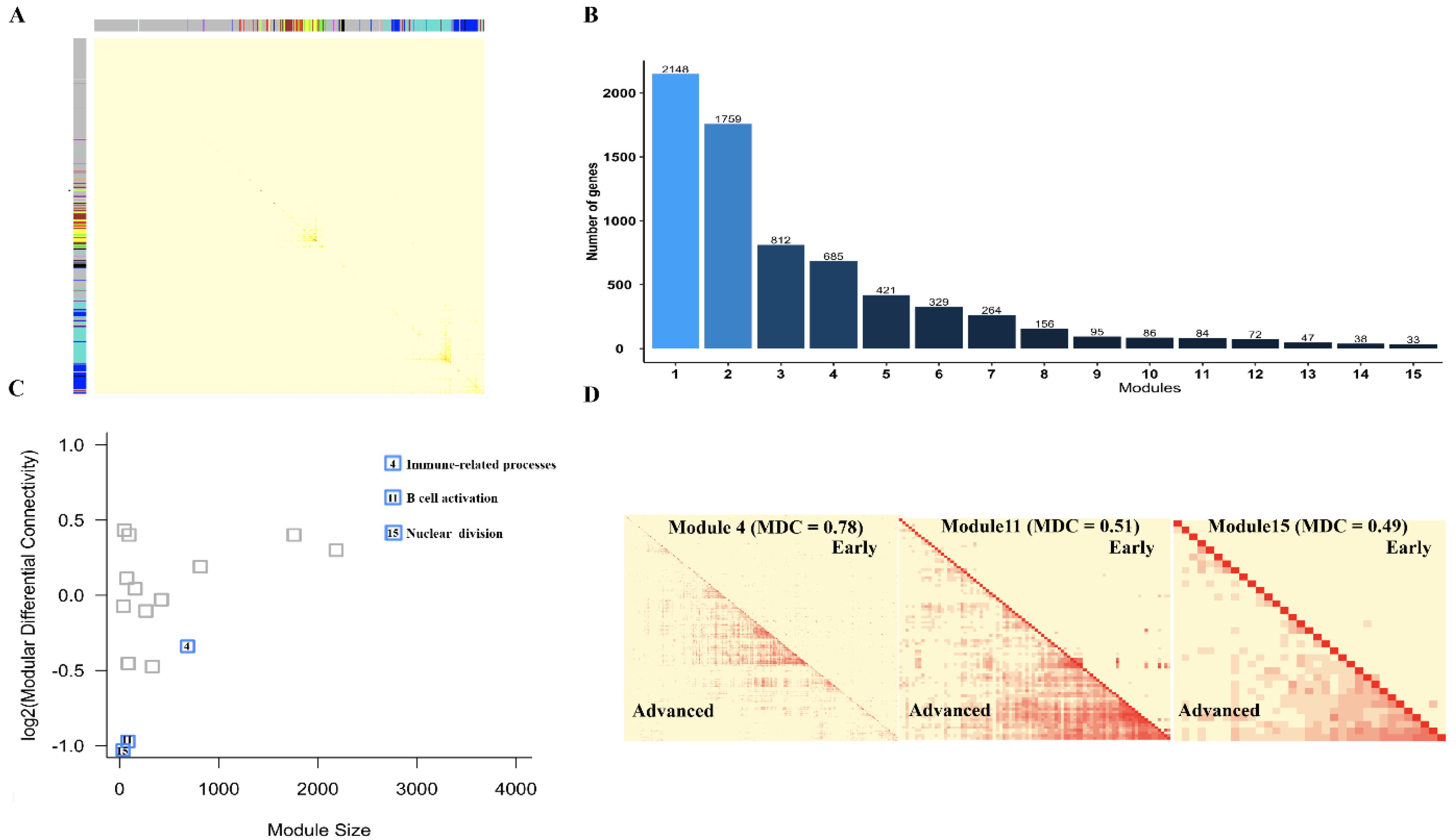
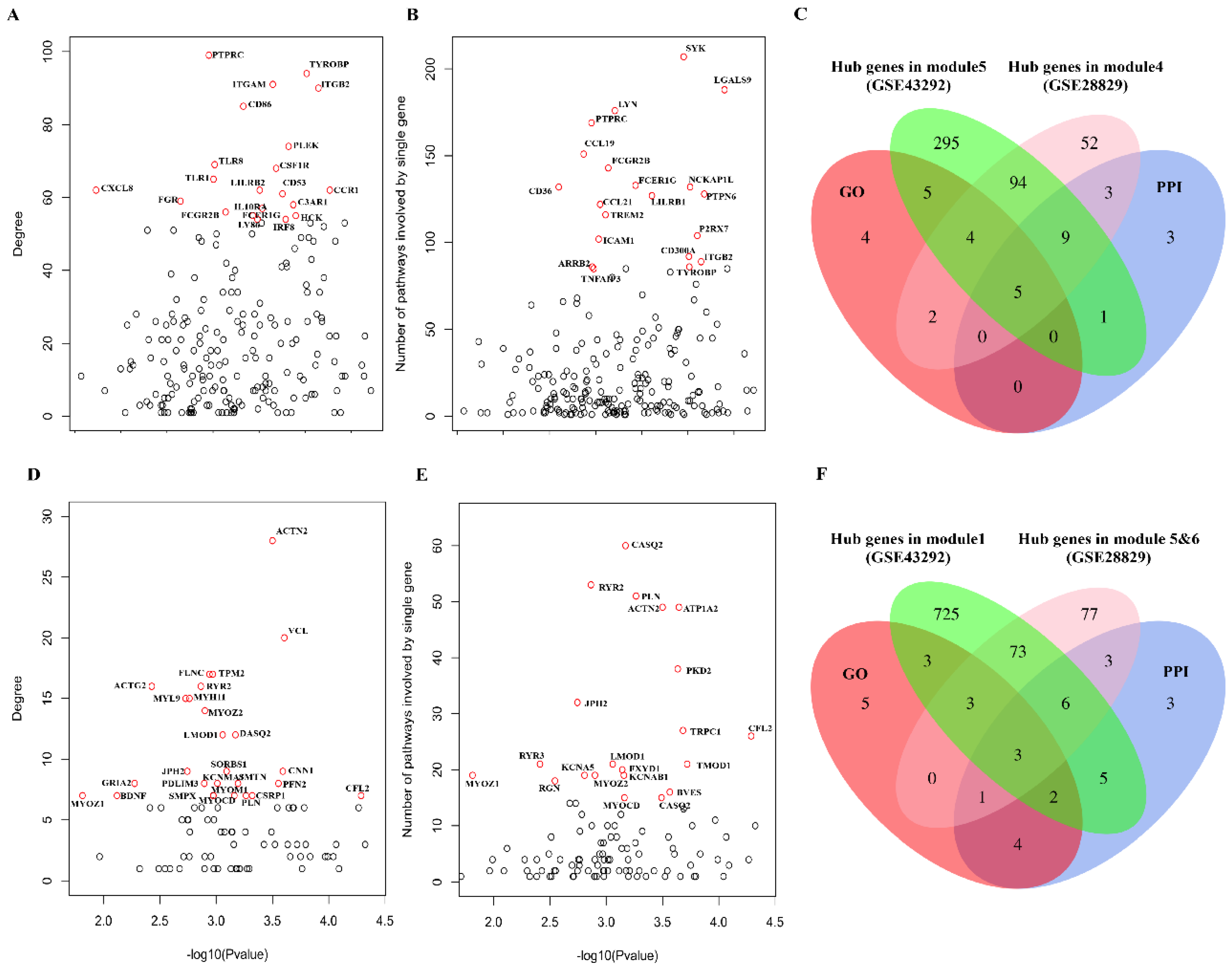
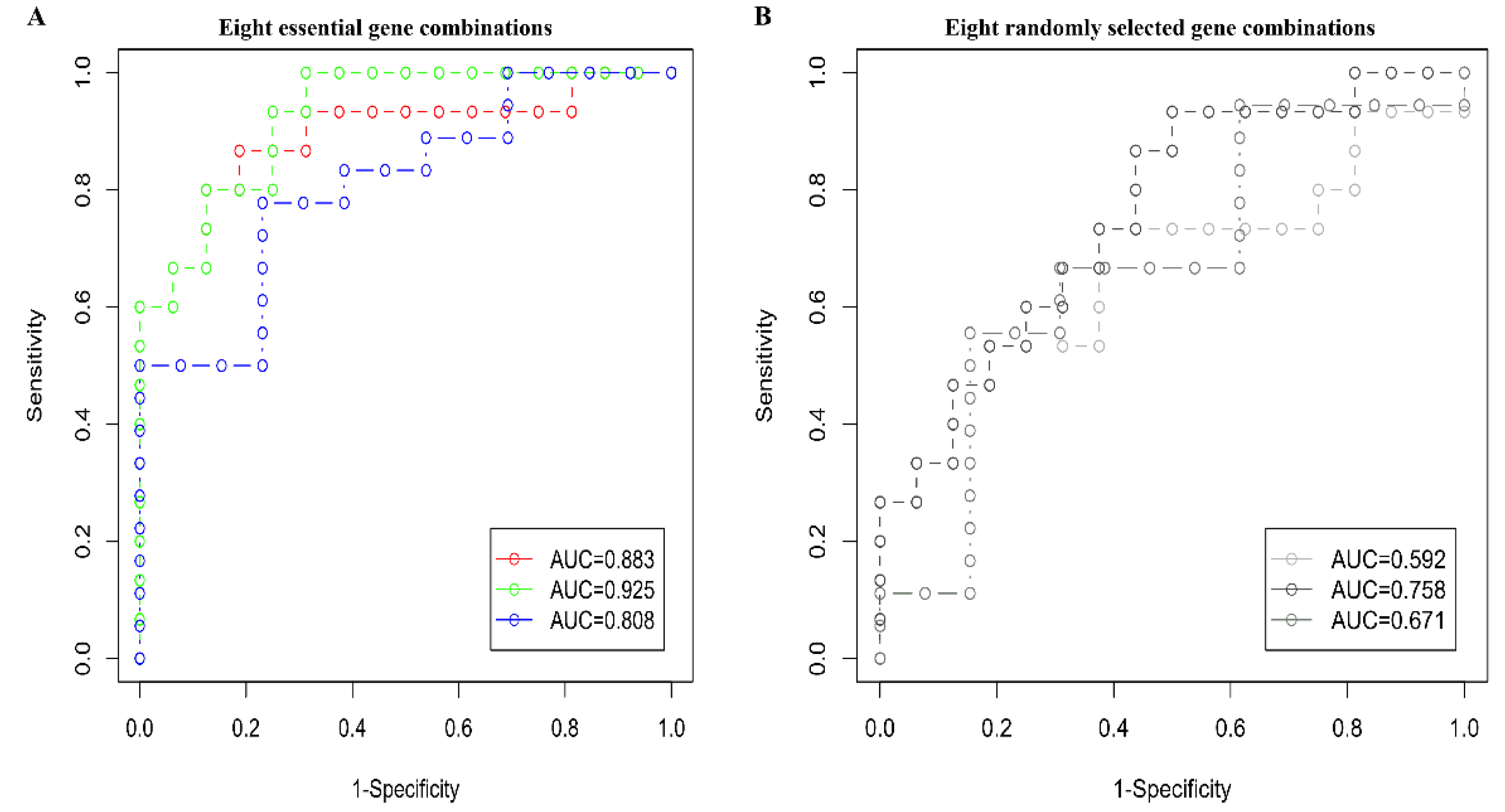
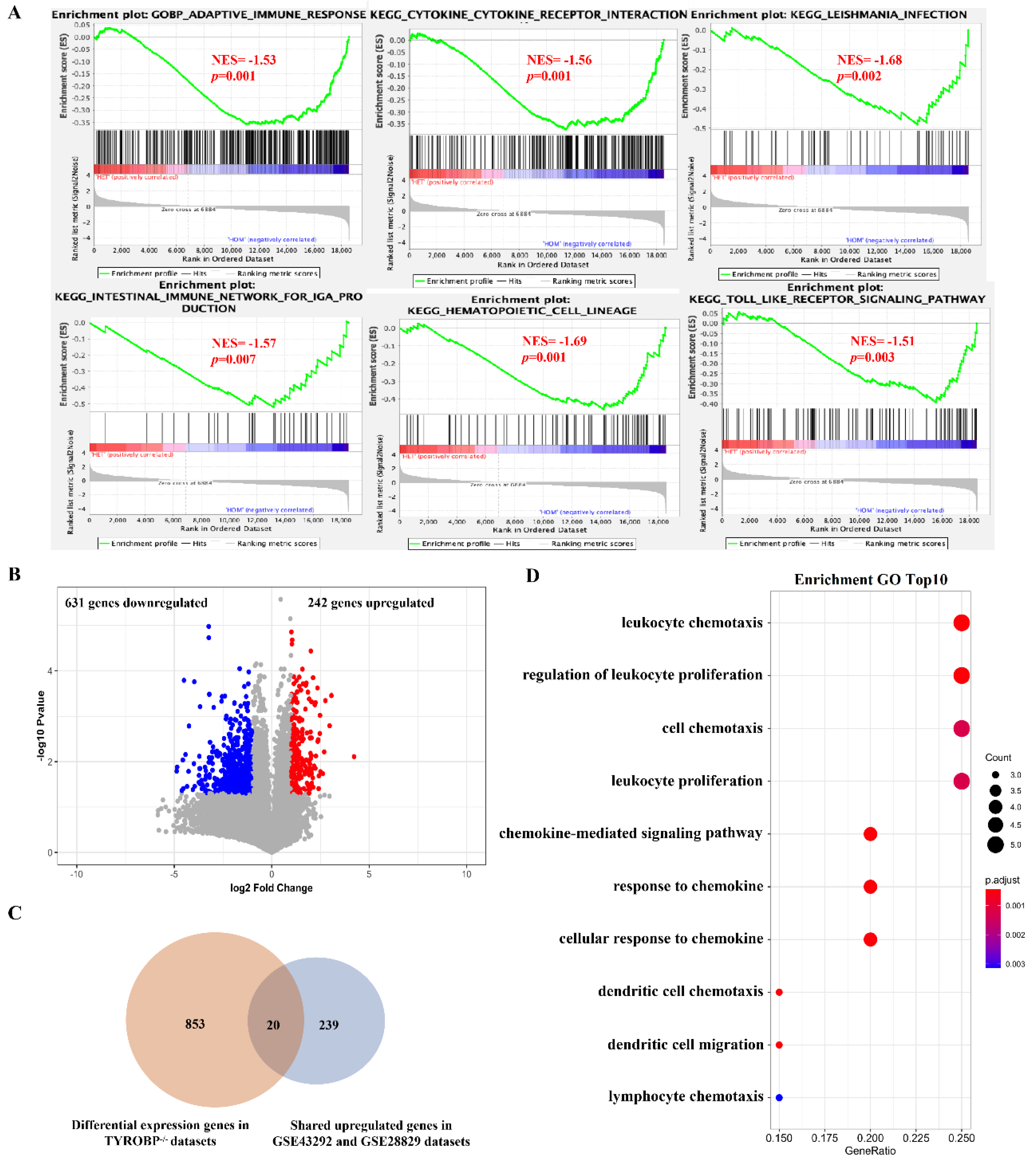
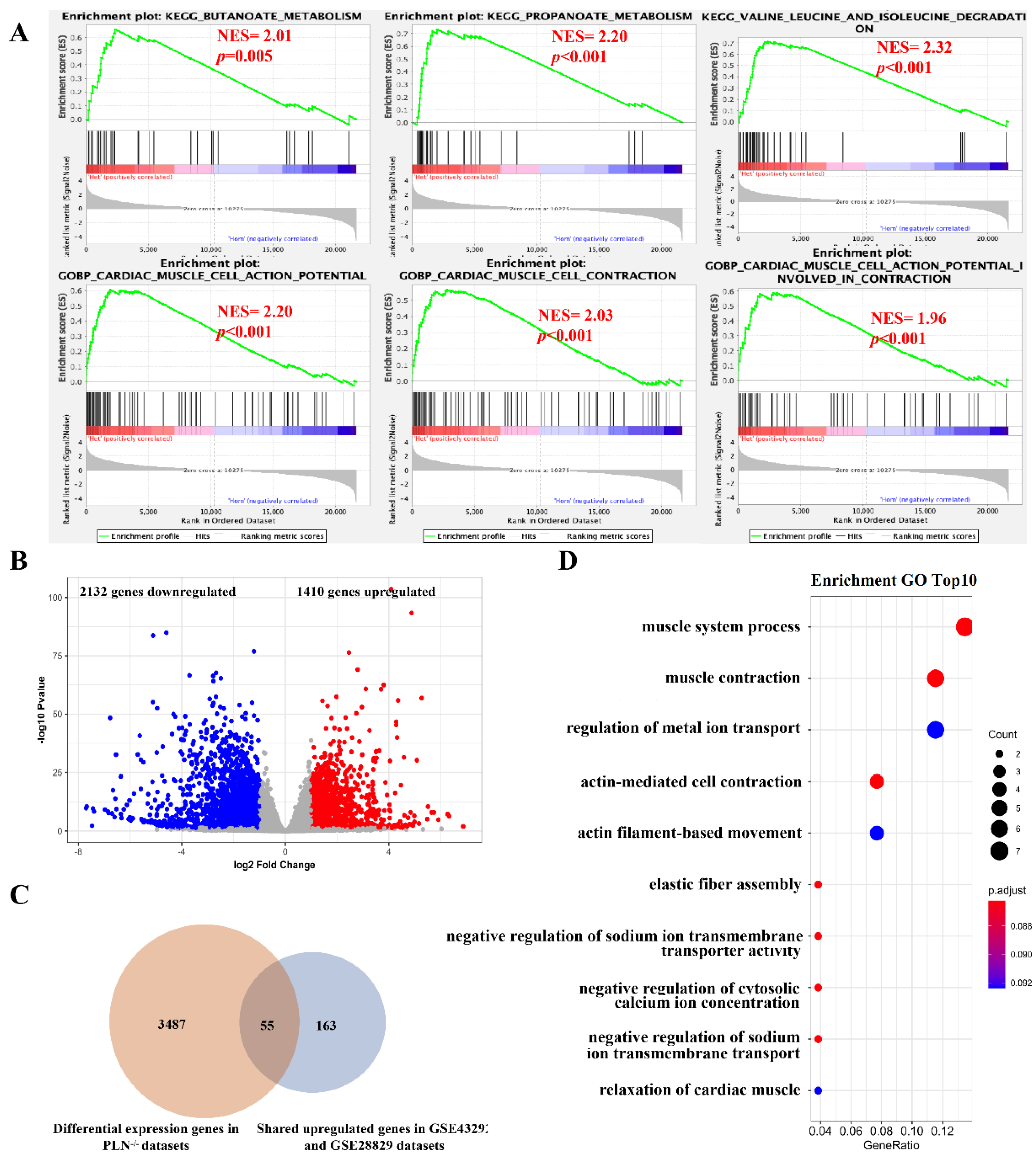
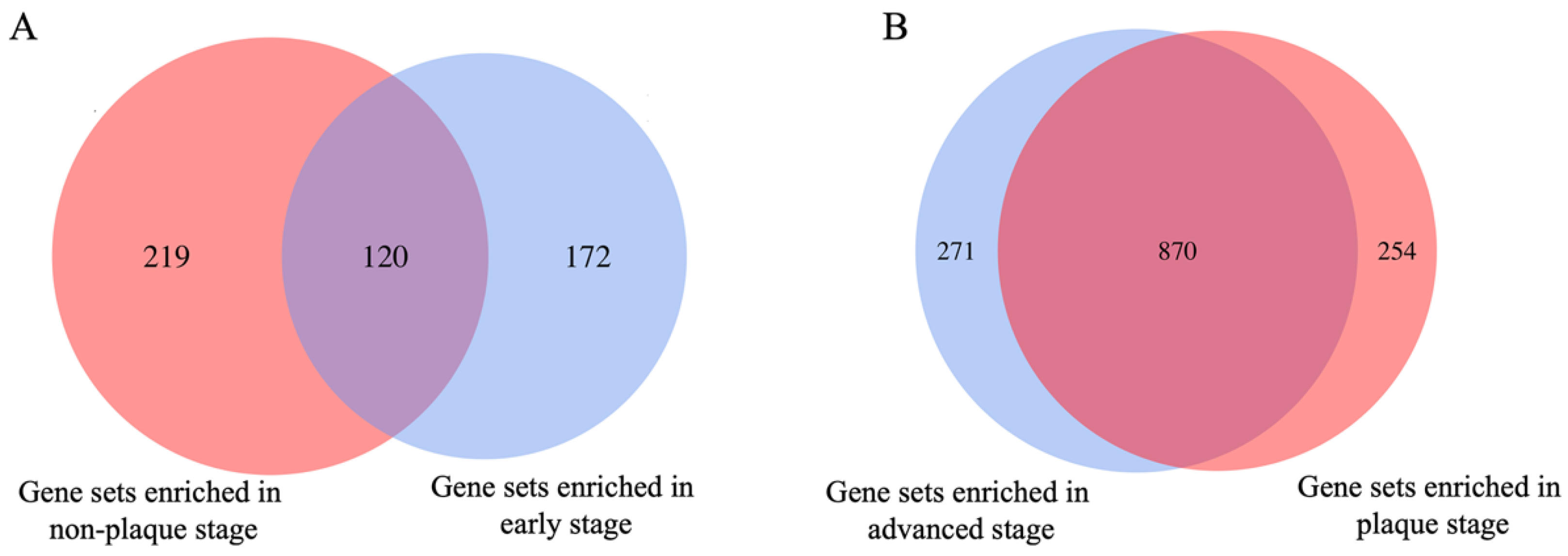
Atherosclerosis (AS) is a lipid-induced, chronic inflammatory, autoimmune disease affecting multiple arteries. Although much effort has been put into AS research in the past decades, it is still the leading cause of death worldwide. The complex genetic network regulation underlying the pathogenesis of AS still needs further investigation to provide effective targeted therapy for AS. We performed a bioinformatic microarray data analysis at different atherosclerotic plaque stages from the Gene Expression Omnibus database with accession numbers GSE43292 and GSE28829. Using gene set enrichment analysis, we further confirmed the immune-related pathways that play an important role in the development of AS. We are reporting, for the first time, that the metabolism of the three branched-chain amino acids (BCAAs; leucine, isoleucine, and valine) and short-chain fatty acids (SCFA; propanoate, and butanoate) are involved in the progression of AS using microarray data of atherosclerotic plaque tissue. Immune and muscle system-related pathways were further confirmed as highly regulated pathways during the development of AS using gene expression pattern analysis. Furthermore, we also identified four modules mainly involved in histone modification, immune-related processes, macroautophagy, and B cell activation with modular differential connectivity in the dataset of GSE43292, and three modules related to immune-related processes, B cell activation, and nuclear division in the dataset of GSE28829 also display modular differential connectivity based on the weighted gene co-expression network analysis. Finally, we identified eight key genes related to the pathways of immune and muscle system function as potential therapeutic biomarkers to distinguish patients with early or advanced stages in AS, and two of the eight genes were validated using the gene expression dataset from gene-deficient mice. The results of the current study will improve our understanding of the molecular mechanisms in the progression of AS. The key genes and pathways identified could be potential biomarkers or new drug targets for AS management.
Keywords: atherosclerosis; microarray data; bioinformatics; gene network; gene connectivity atherosclerosis; microarray data; bioinformatics; gene network; gene connectivity