Article

The Potential for Placental Activation of PPARγ to Improve the Angiogenic Profile in Preeclampsia


by
Brooke Grimaldi
1,
Hamid-Reza Kohan-Ghadr
1 and
Sascha Drewlo
2,3,*
1
Department of Obstetrics, Gynecology and Reproductive Biology, College of Human Medicine, Michigan State University, Grand Rapids, MI 49503, USA
2
Biological Sciences Platform, Sunnybrook Health Sciences Centre, Sunnybrook Research Institute, Toronto M4N 3M5, Canada
3
Department of Obstetrics and Gynecology, Temerty Faculty of Medicine, University of Toronto, Toronto M5G 1E2, Canada
*
Author to whom correspondence should be addressed.
Cells 2022, 11(21), 3514; https://doi.org/10.3390/cells11213514
Submission received: 13 October 2022 / Revised: 31 October 2022 / Accepted: 1 November 2022 / Published: 6 November 2022
(This article belongs to the Special Issue The Role of PPARs in Disease II)

Abstract

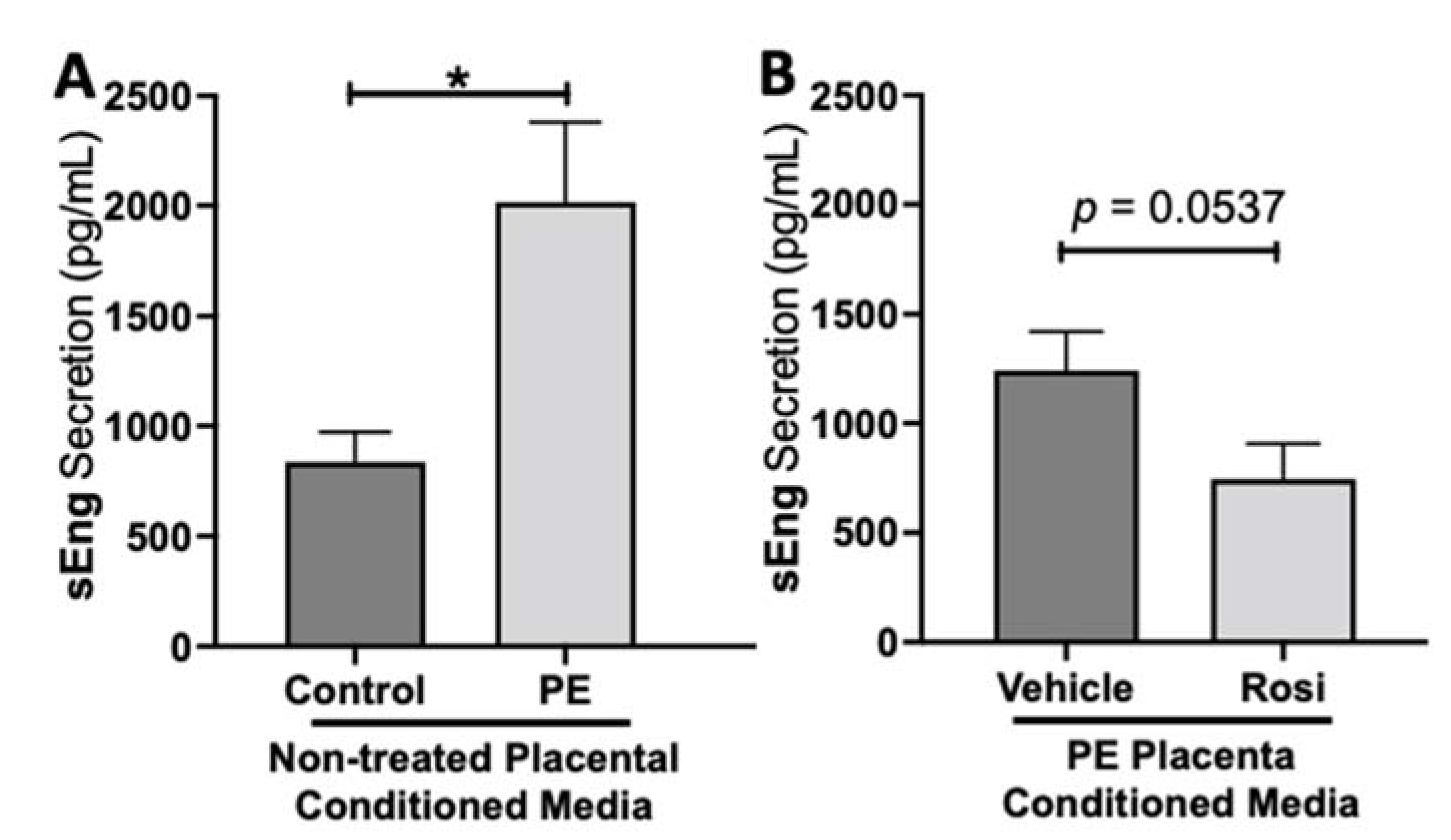
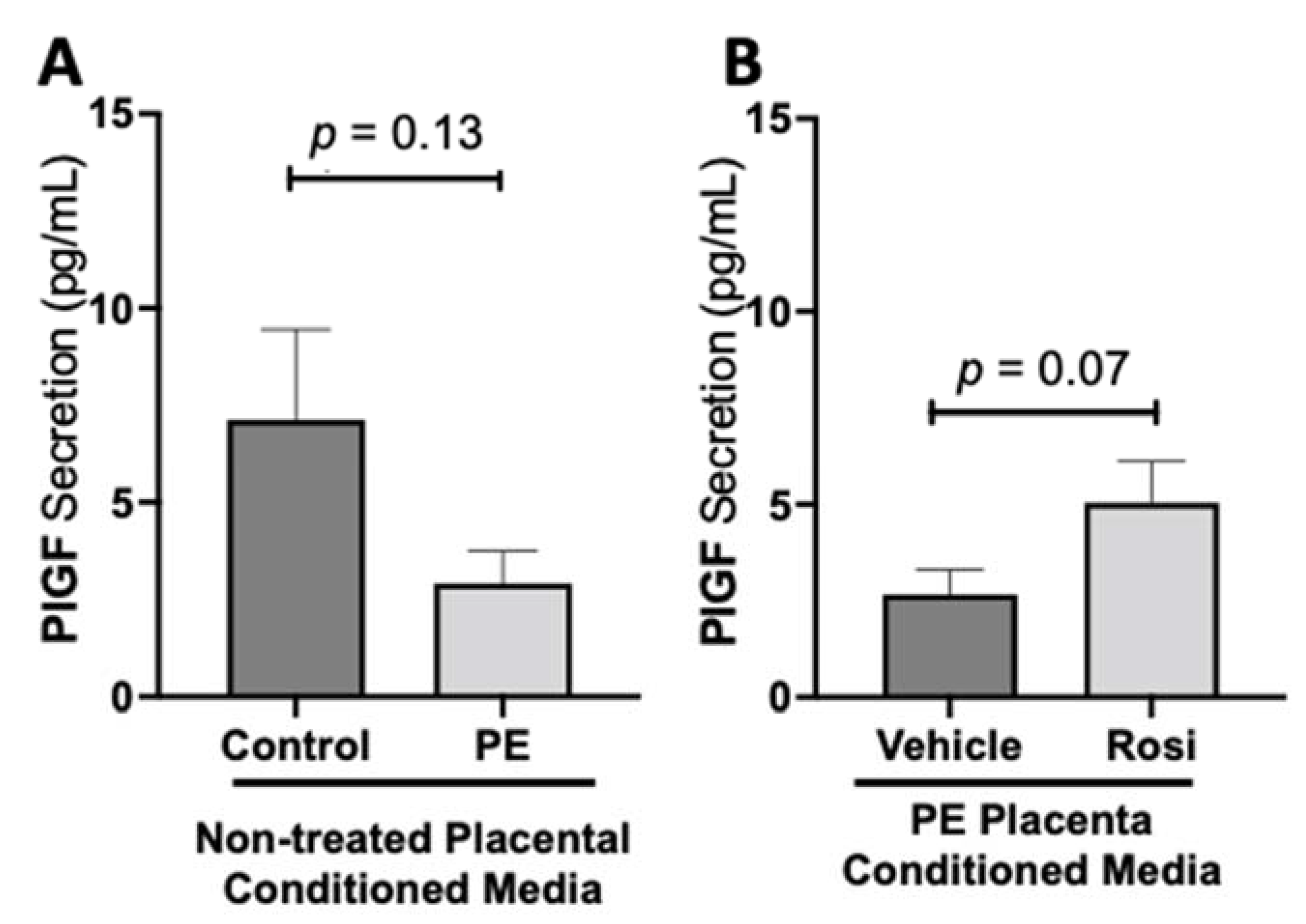
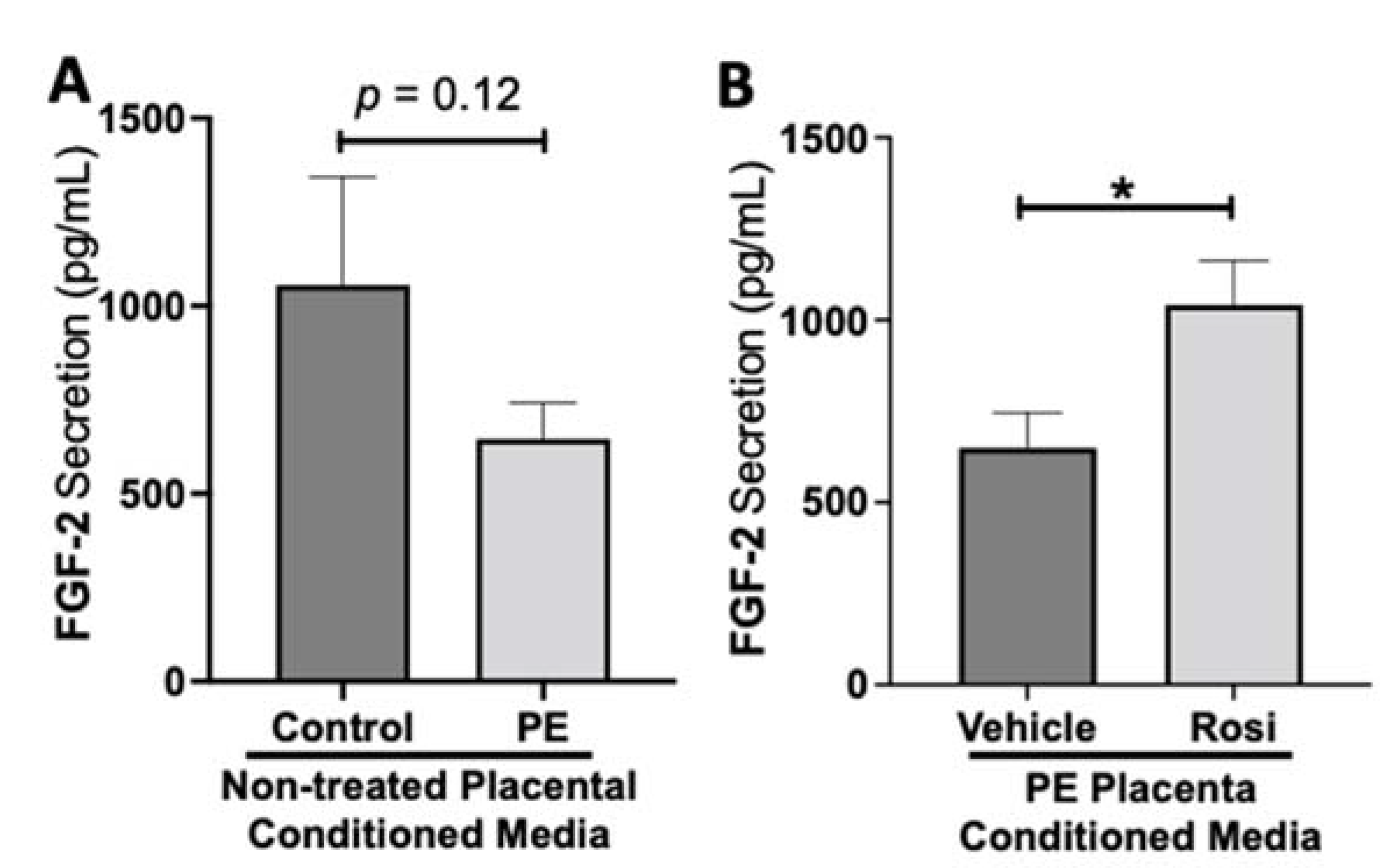
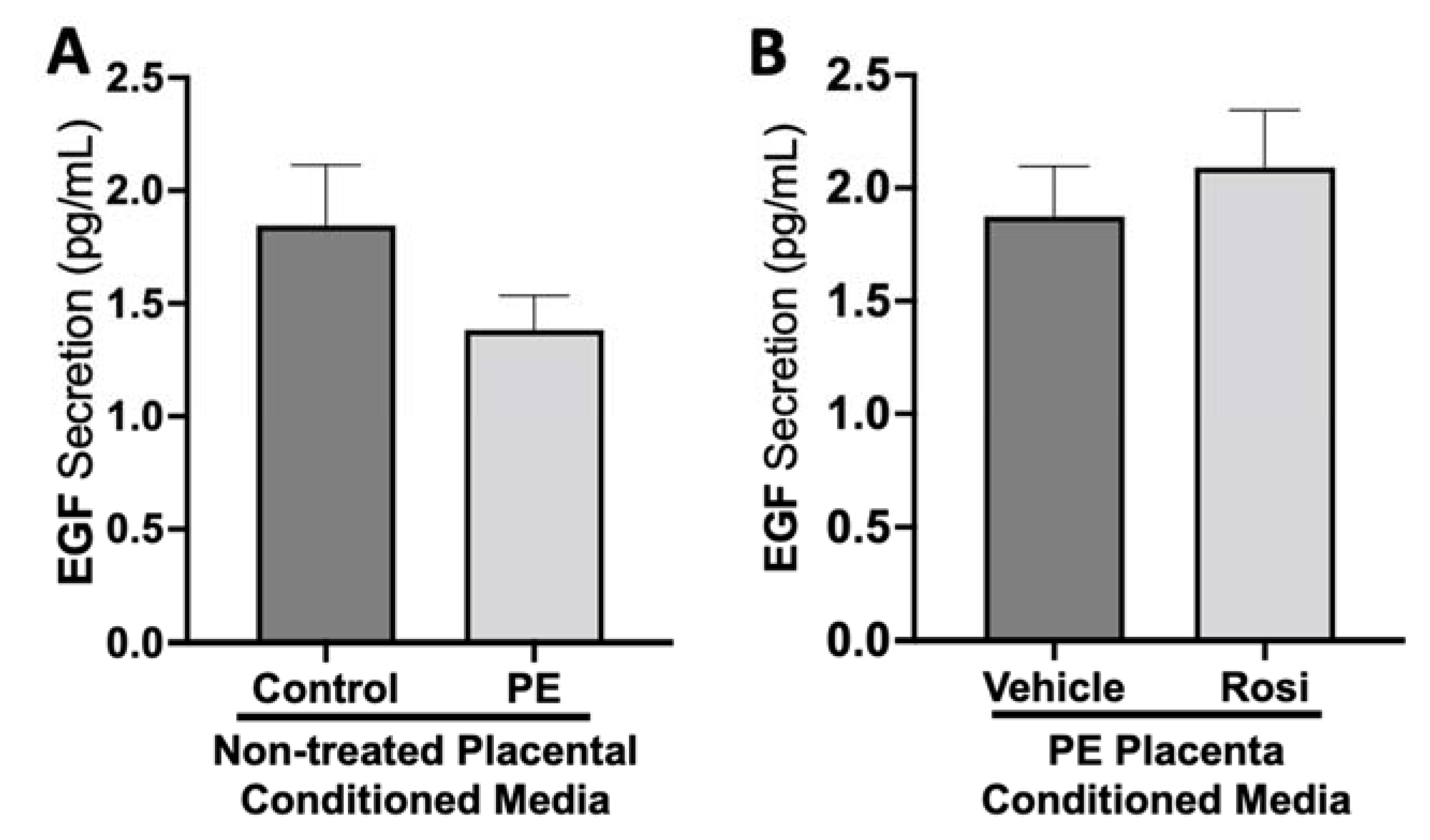
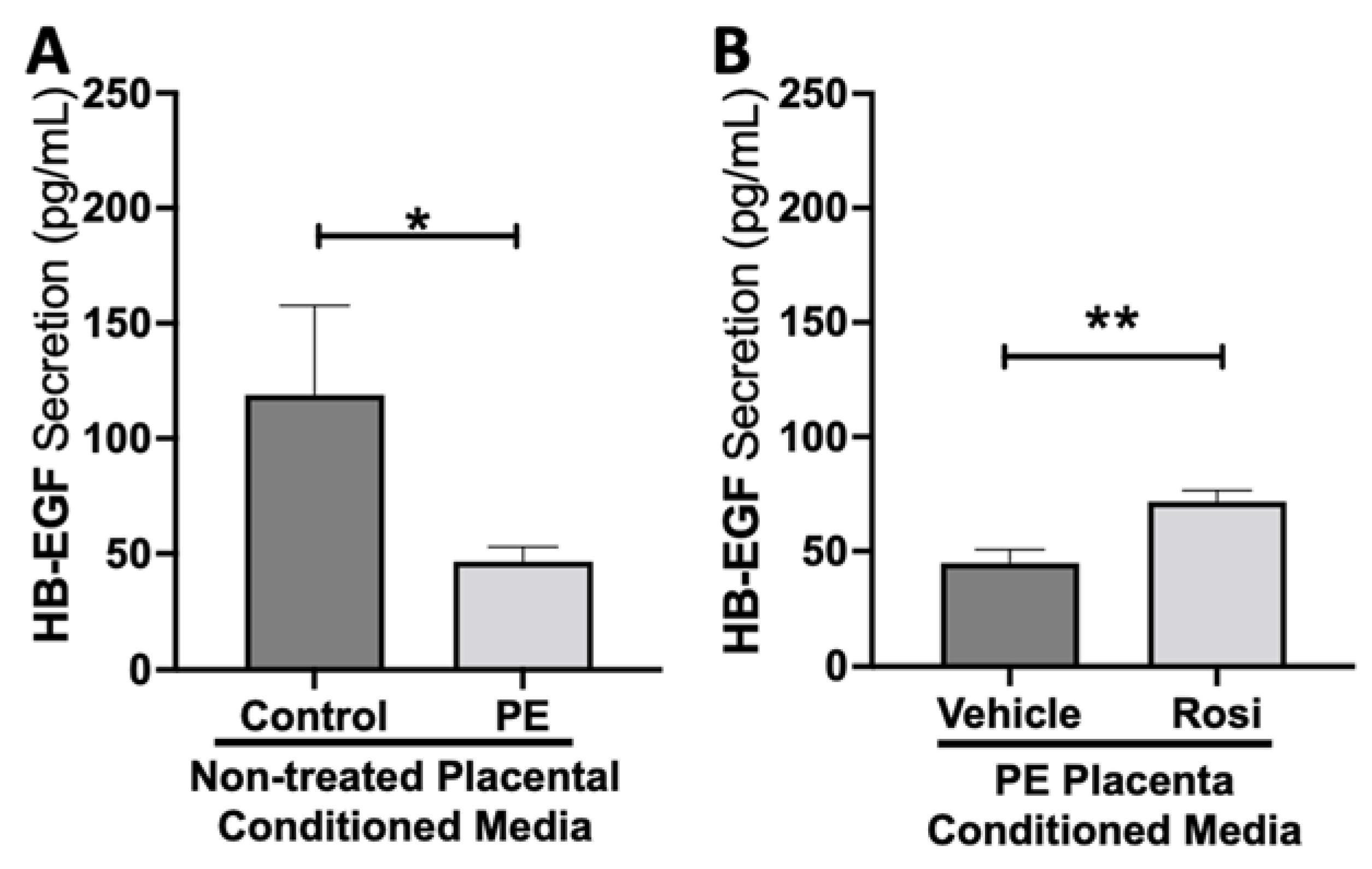
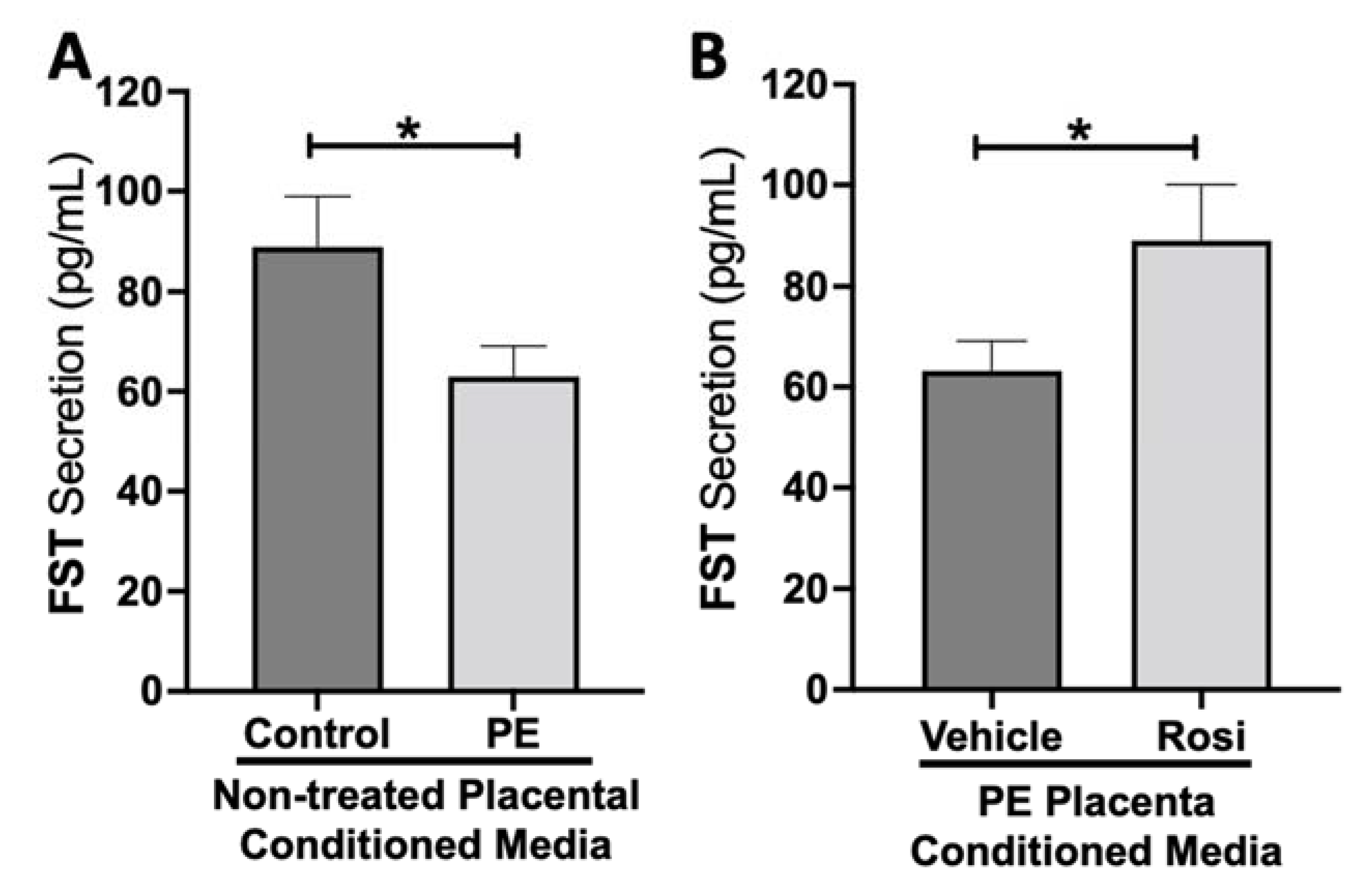
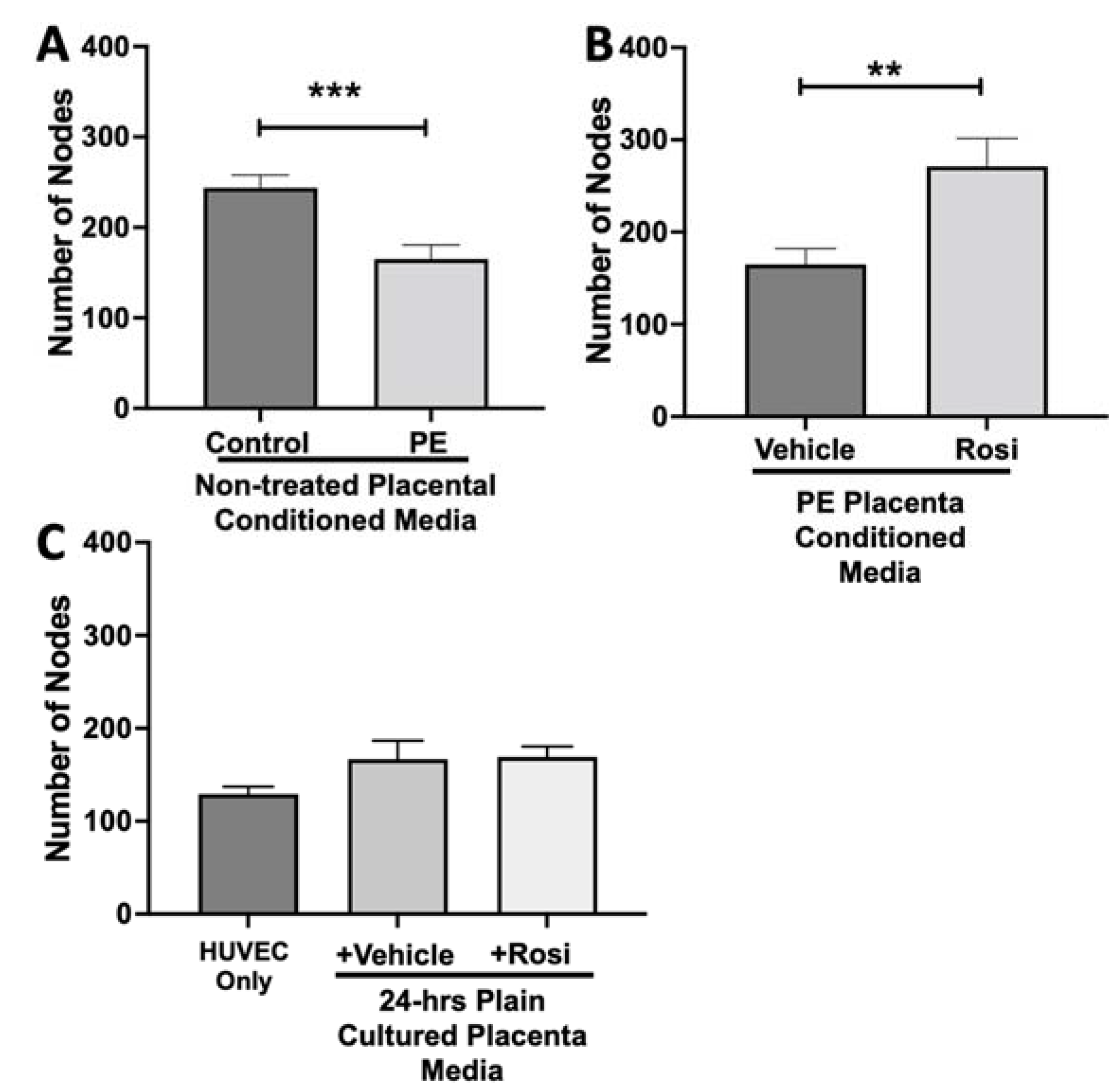
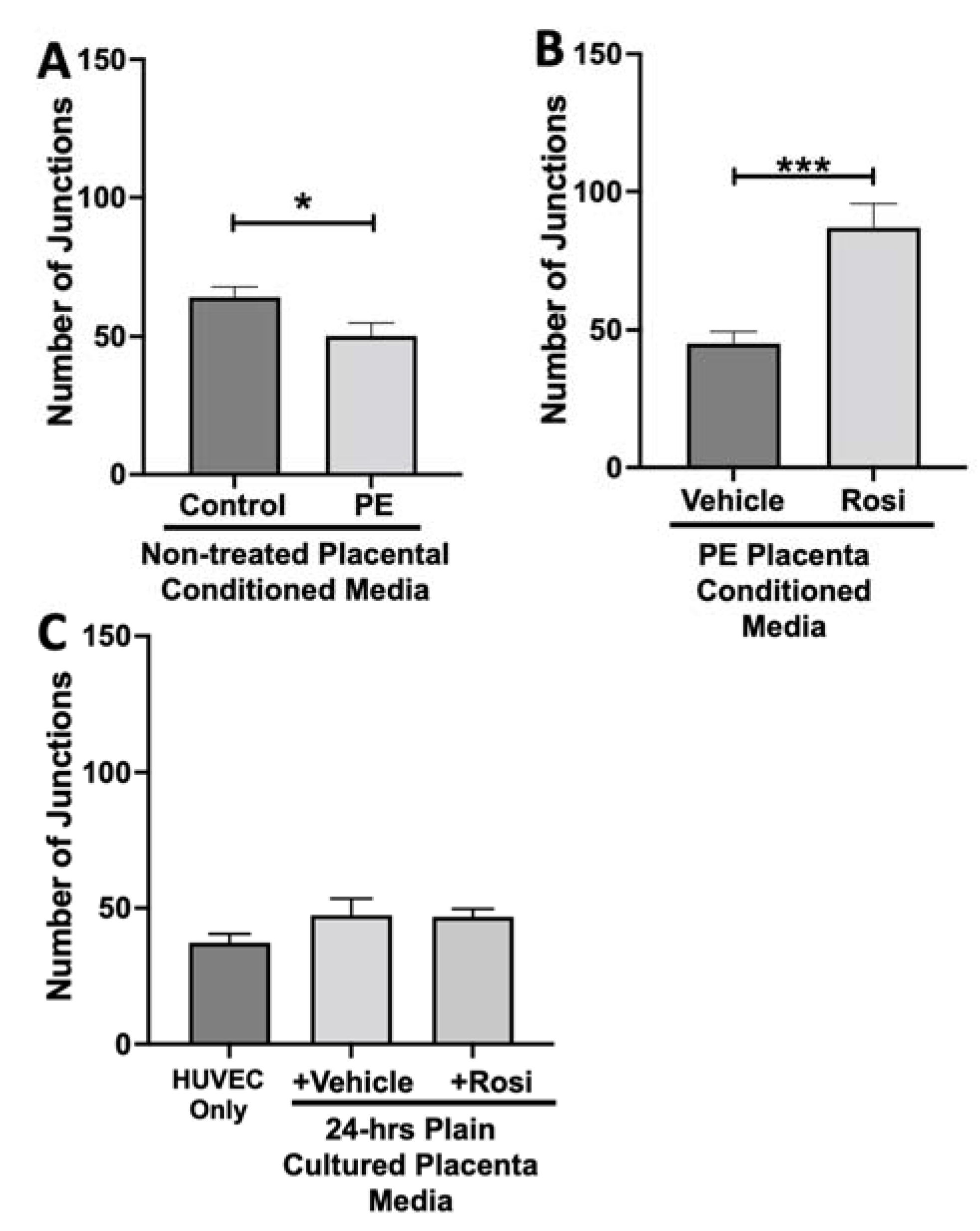
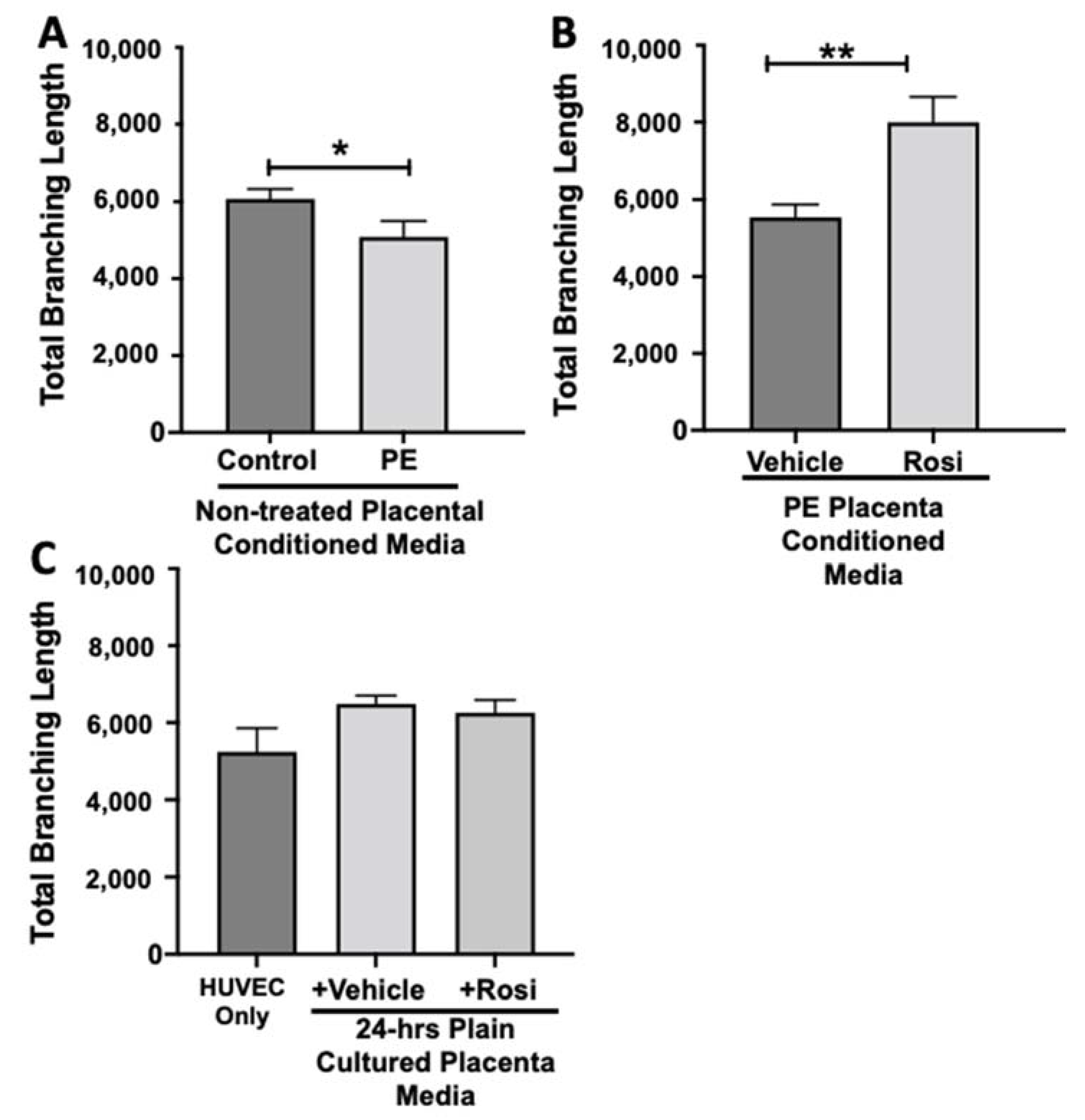
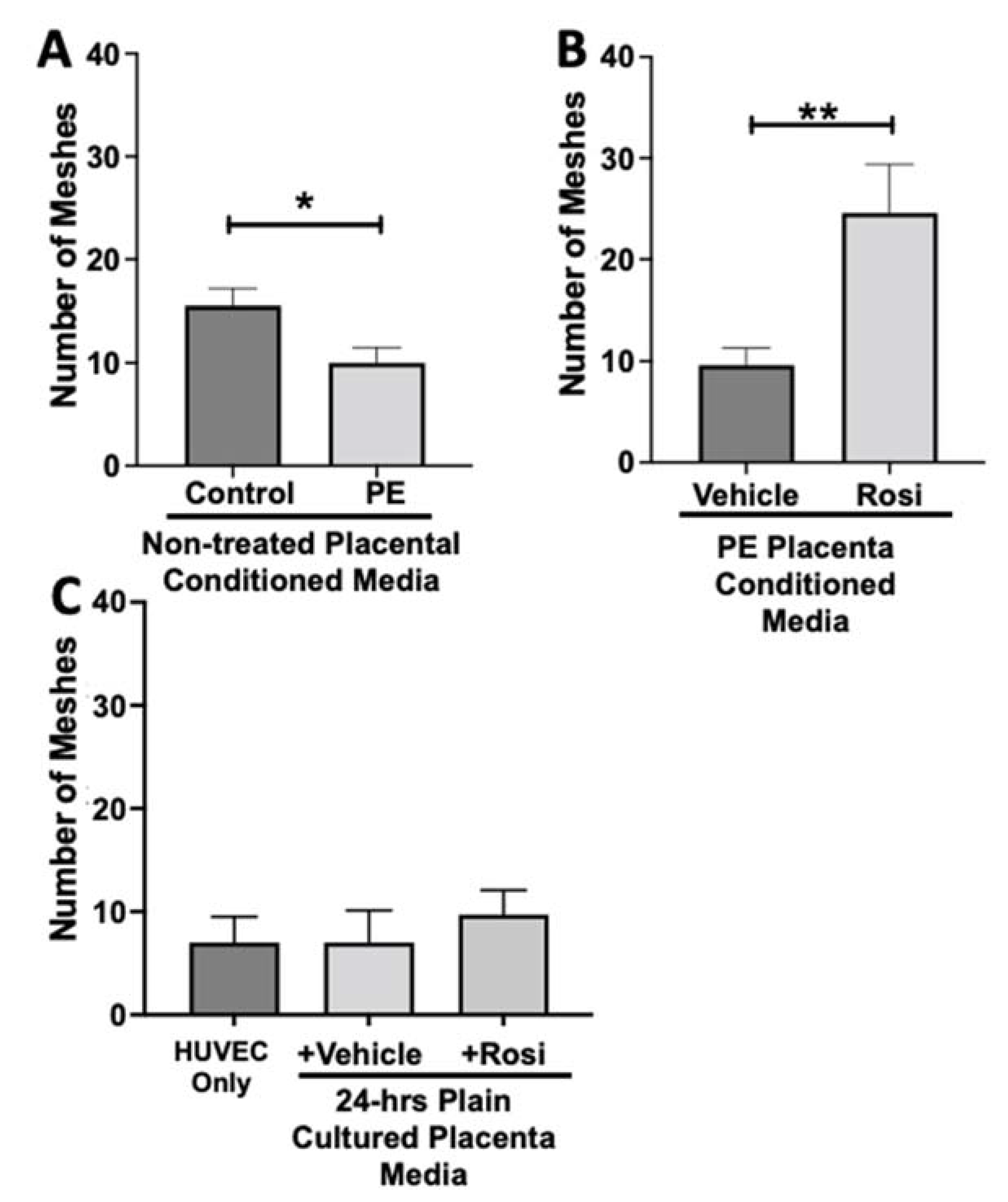
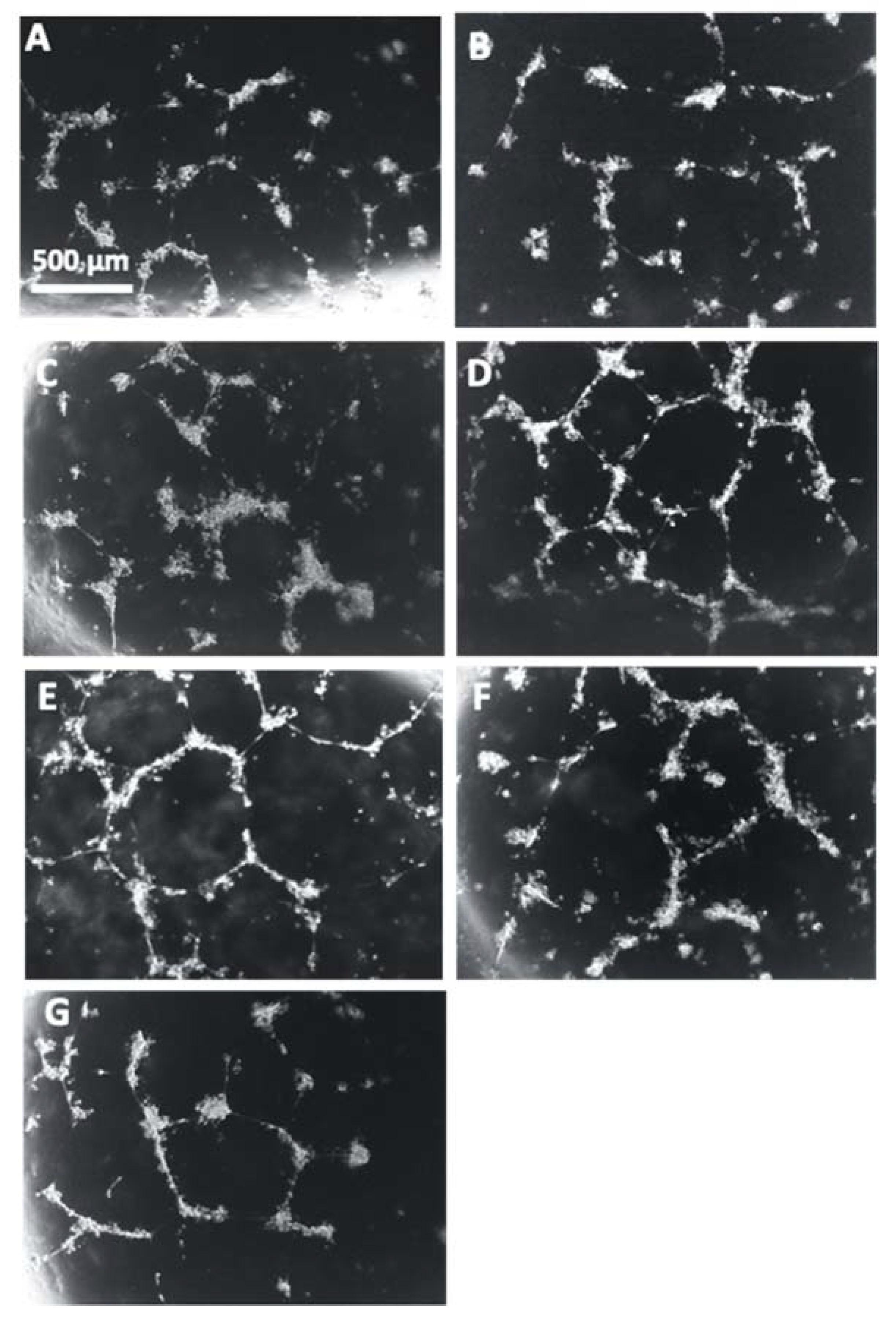
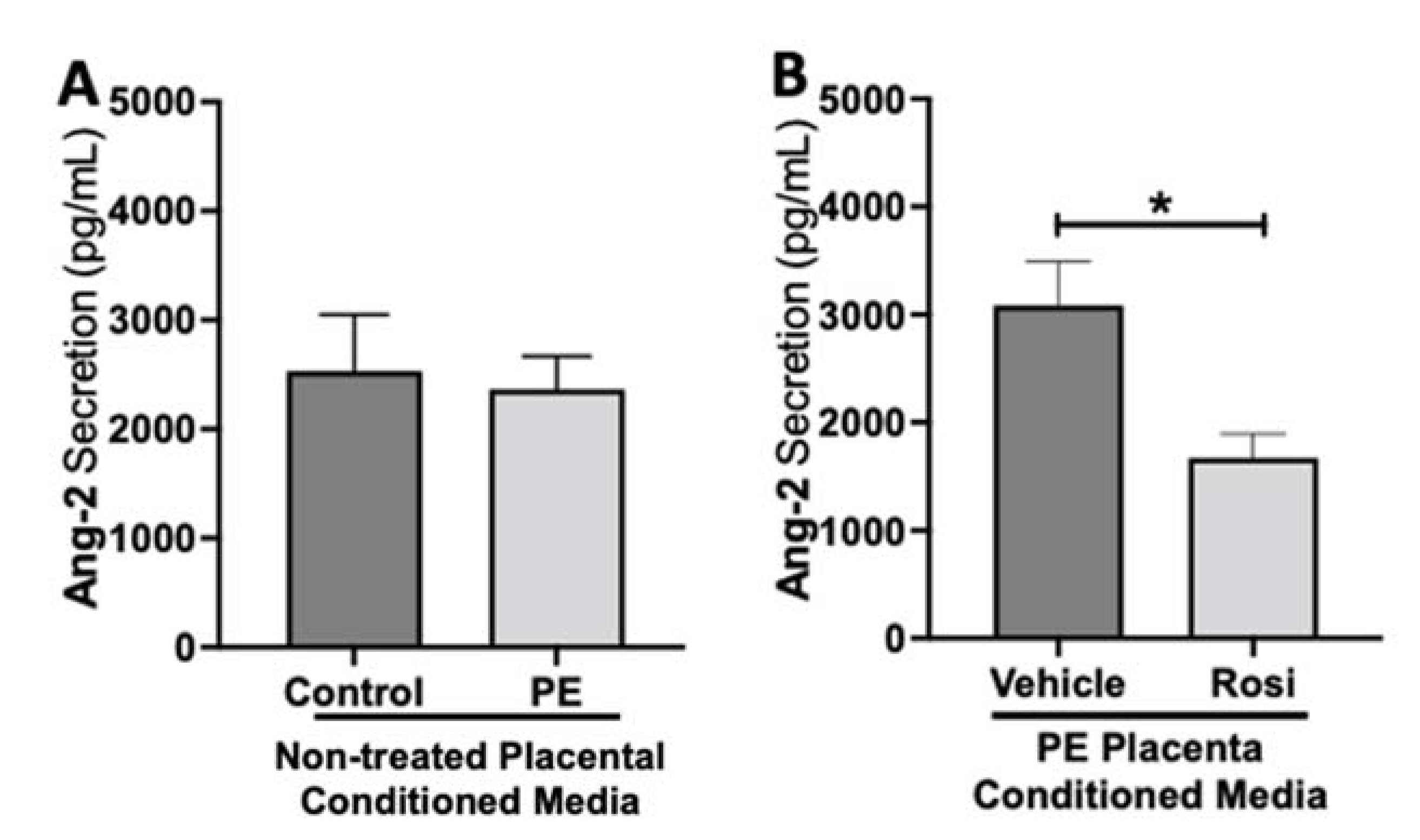
Preeclampsia (PE) is one of the most common causes of maternal-fetal morbidity and mortality world-wide. While the underlying causes of PE remain elusive, aberrant trophoblast differentiation and function are thought to cause an imbalance of secreted angiogenic proteins resulting in systemic endothelial dysfunction and organ damage in the mother. The placental dysfunction is also characterized by a reduction of the transcription factor, peroxisome proliferator activated receptor γ (PPARγ) which normally promotes trophoblast differentiation and healthy placental function. This study aimed to understand how placental activation of PPARγ effects the secretion of angiogenic proteins and subsequently endothelial function. To study this, healthy and PE placental tissues were cultured with or without the PPARγ agonist, Rosiglitazone, and a Luminex assay was performed to measure secreted proteins from the placenta. To assess the angiogenic effects of placental activation of PPARγ, human umbilical vein endothelial cells (HUVECs) were cultured with the placental conditioned media and the net angiogenic potential of these cells was measured by a tube formation assay. This is the first study to show PPARγ’s beneficial effect on the angiogenic profile in the human preeclamptic placenta through the reduction of anti-angiogenic angiopoietin-2 and soluble endoglin and the upregulation of pro-angiogenic placental growth factor, fibroblast growth factor-2, heparin-binding epidermal growth factor, and follistatin. The changes in the angiogenic profile were supported by the increased angiogenic potential observed in the HUVECs when cultured with conditioned media from rosiglitazone-treated preeclamptic placentas. The restoration of these disrupted pathways by activation of PPARγ in the preeclamptic placenta offers potential to improve placental and endothelial function in PE.
Keywords: placenta; preeclampsia; PPARγ; angiogenesis placenta; preeclampsia; PPARγ; angiogenesis