Review

Role of Reductive versus Oxidative Stress in Tumor Progression and Anticancer Drug Resistance

1
College of Pharmacy, Keimyung University, Daegu 42691, Korea
2
Department of Chemistry, College of Convergence and Integrated Science, Kyonggi University, Suwon, Gyeonggi-do 16227, Korea
3
Research Institute of Pharmaceutical Sciences, Seoul National University, Seoul 08826, Korea
4
Department of Molecular Medicine and Biopharmaceutical Sciences, Graduate School of Convergence Science and Technology, Seoul National University, Seoul 08826, Korea
5
Cancer Research Institute, Seoul National University, Seoul 03080, Korea
*
Authors to whom correspondence should be addressed.
Cells 2021, 10(4), 758; https://doi.org/10.3390/cells10040758
Submission received: 16 February 2021 / Revised: 20 March 2021 / Accepted: 26 March 2021 / Published: 30 March 2021
(This article belongs to the Special Issue Redox Signaling in Physiological and Pathological Conditions)

Abstract

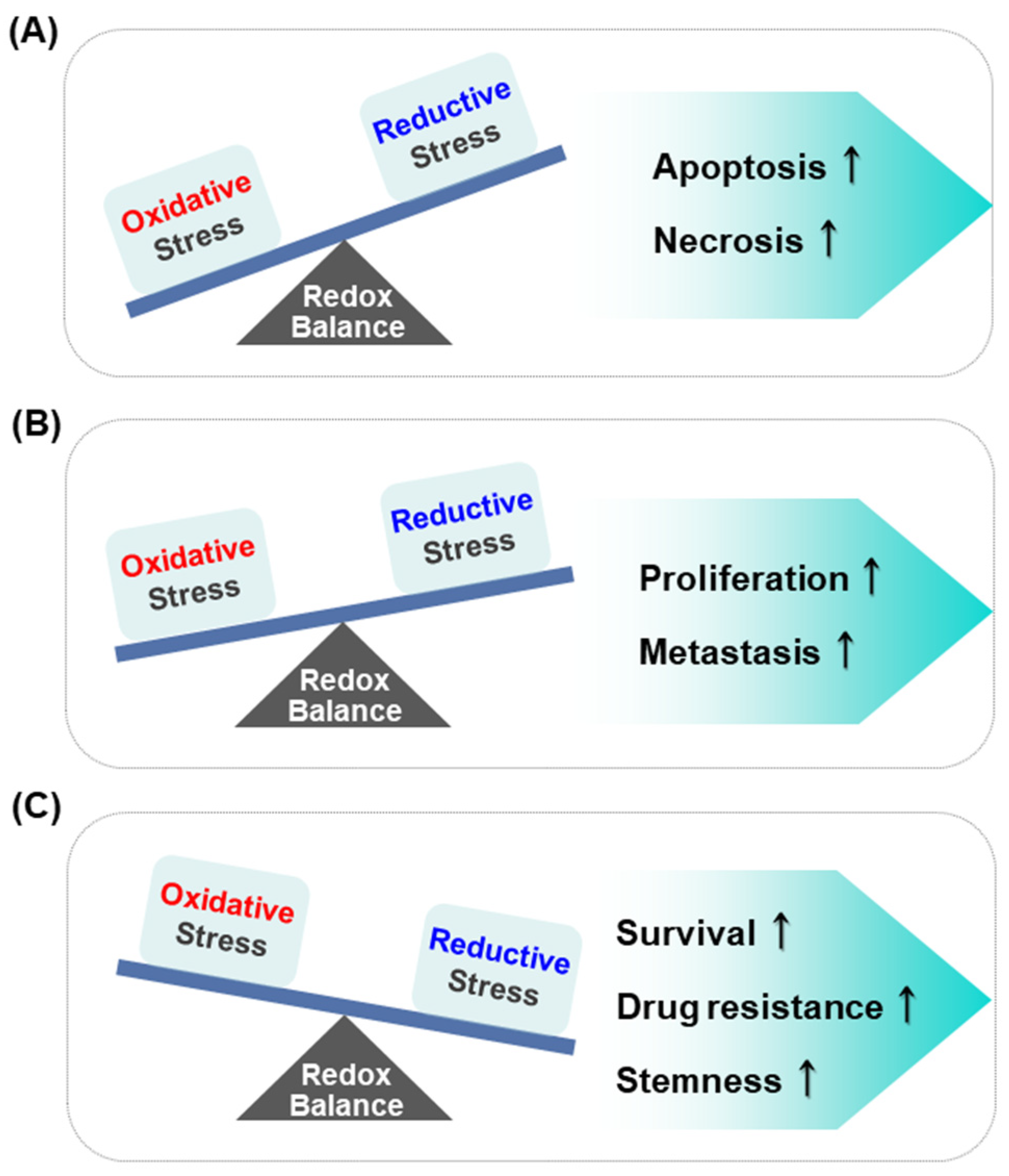
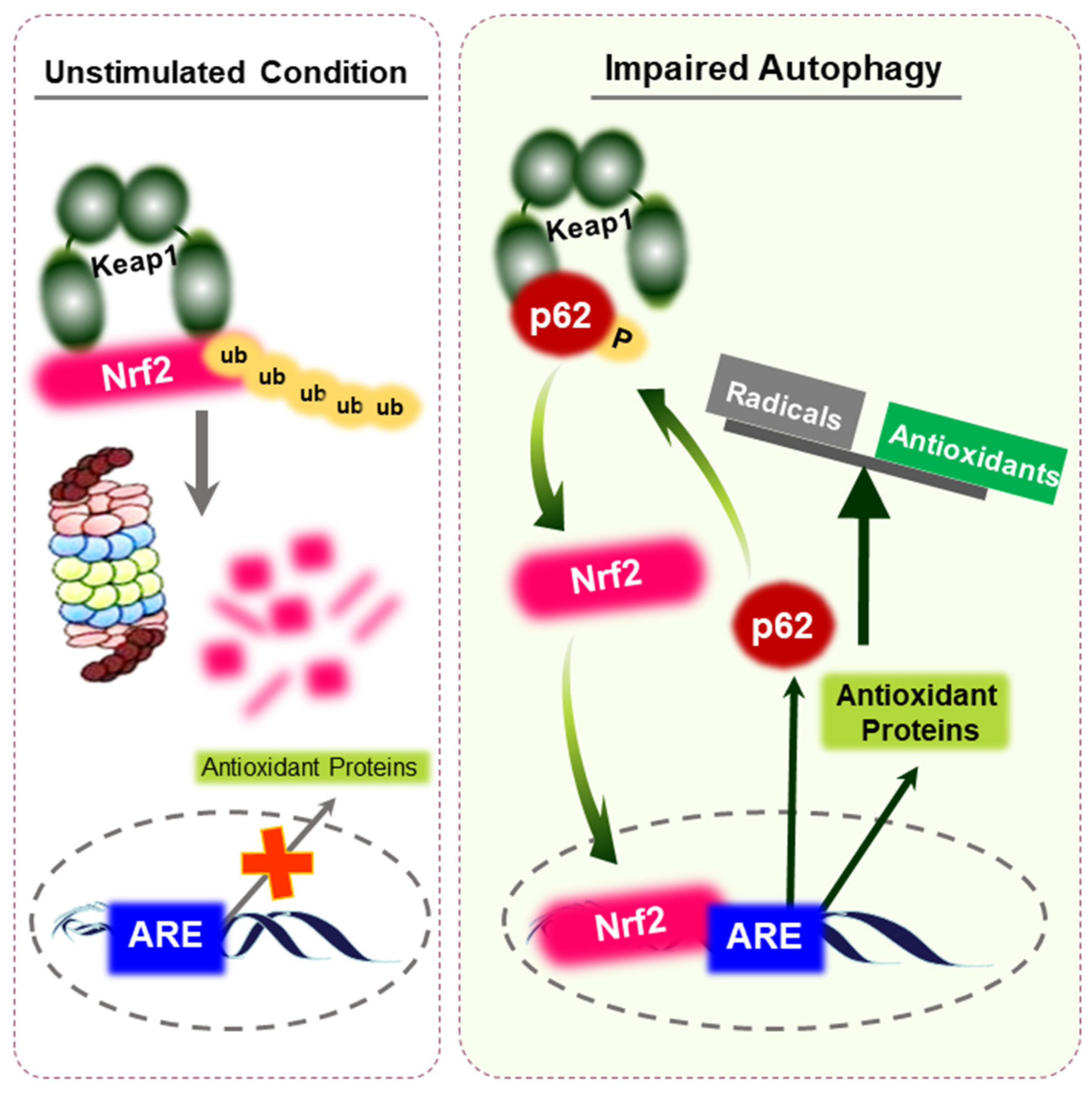
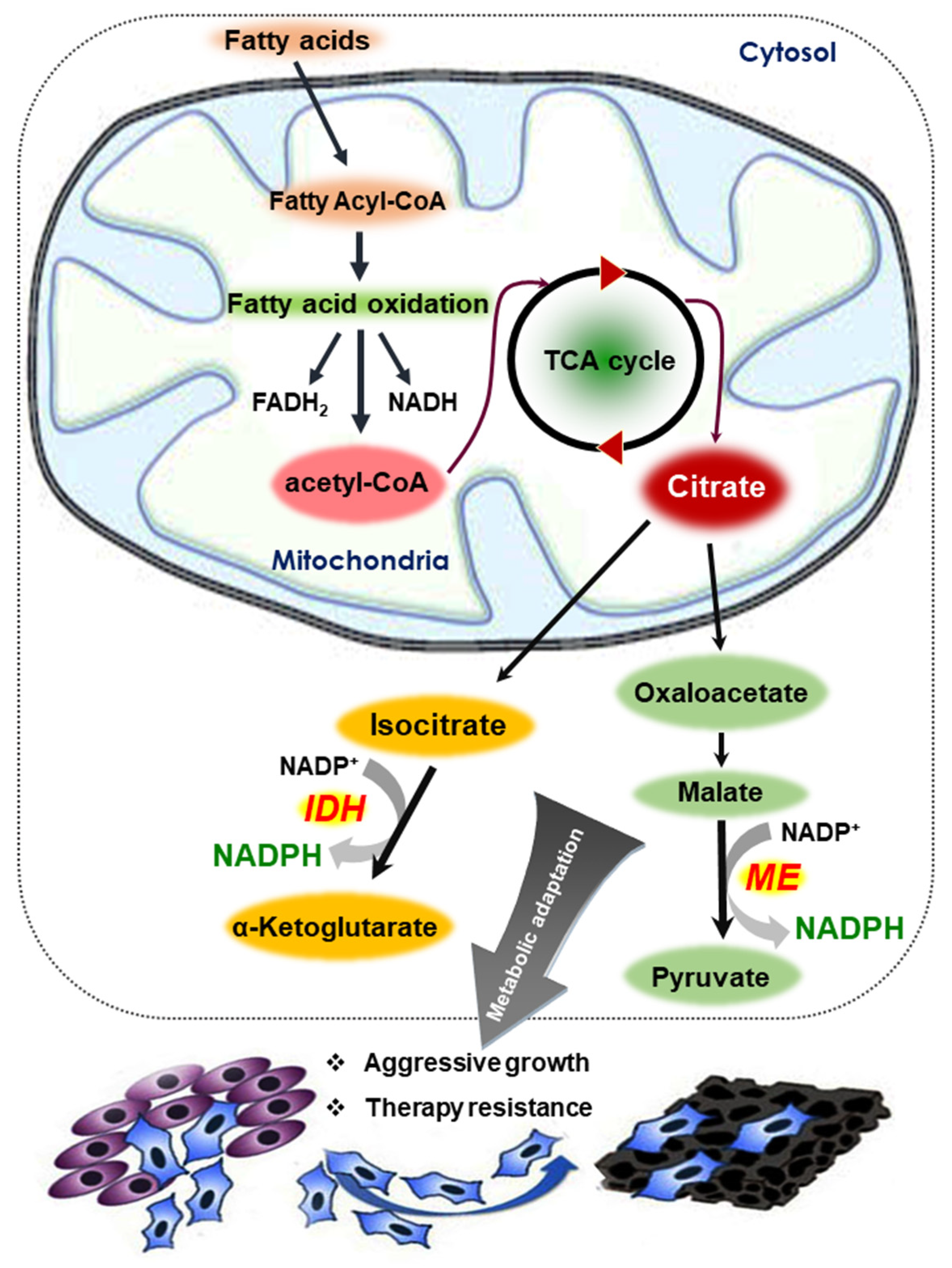
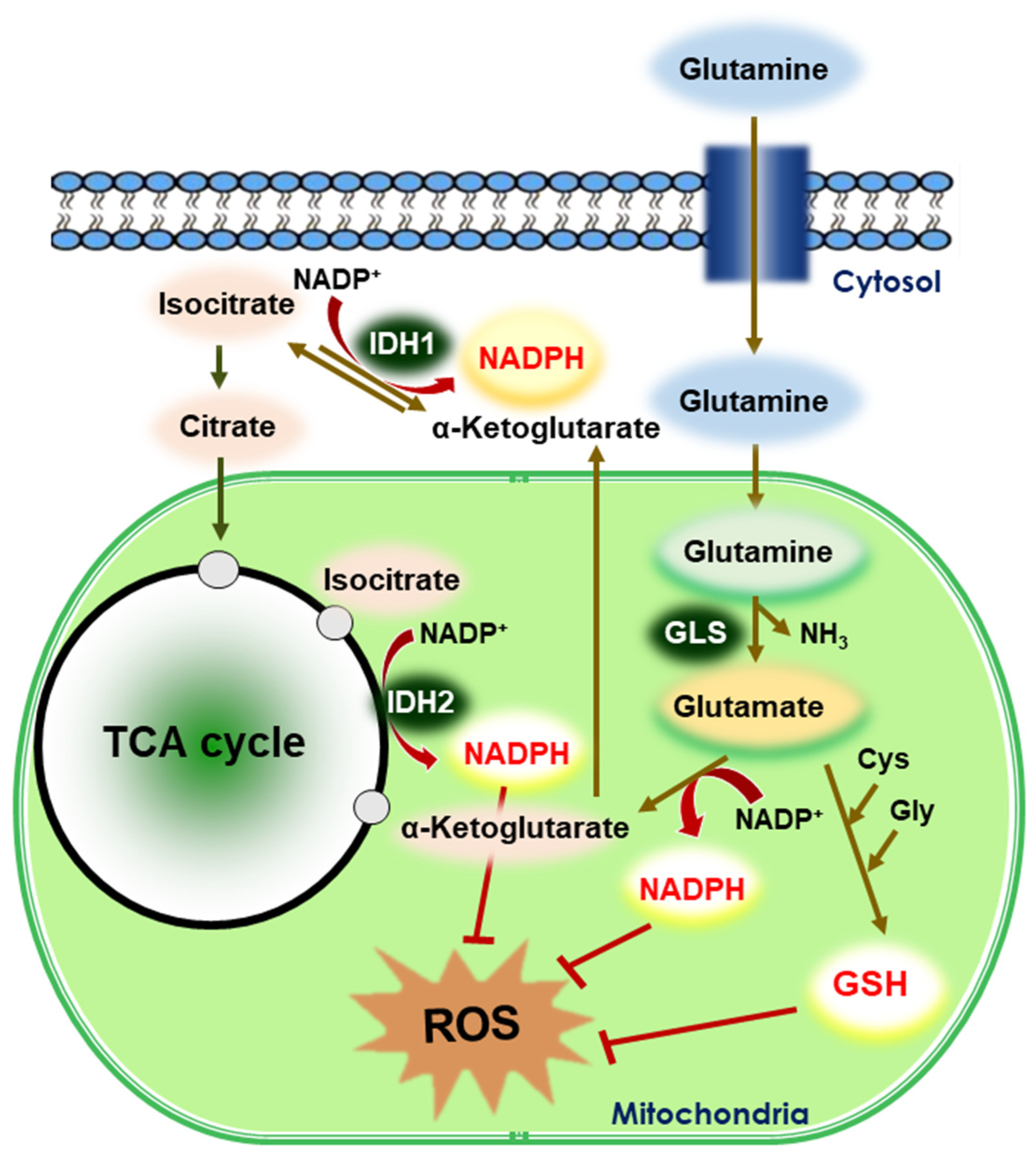
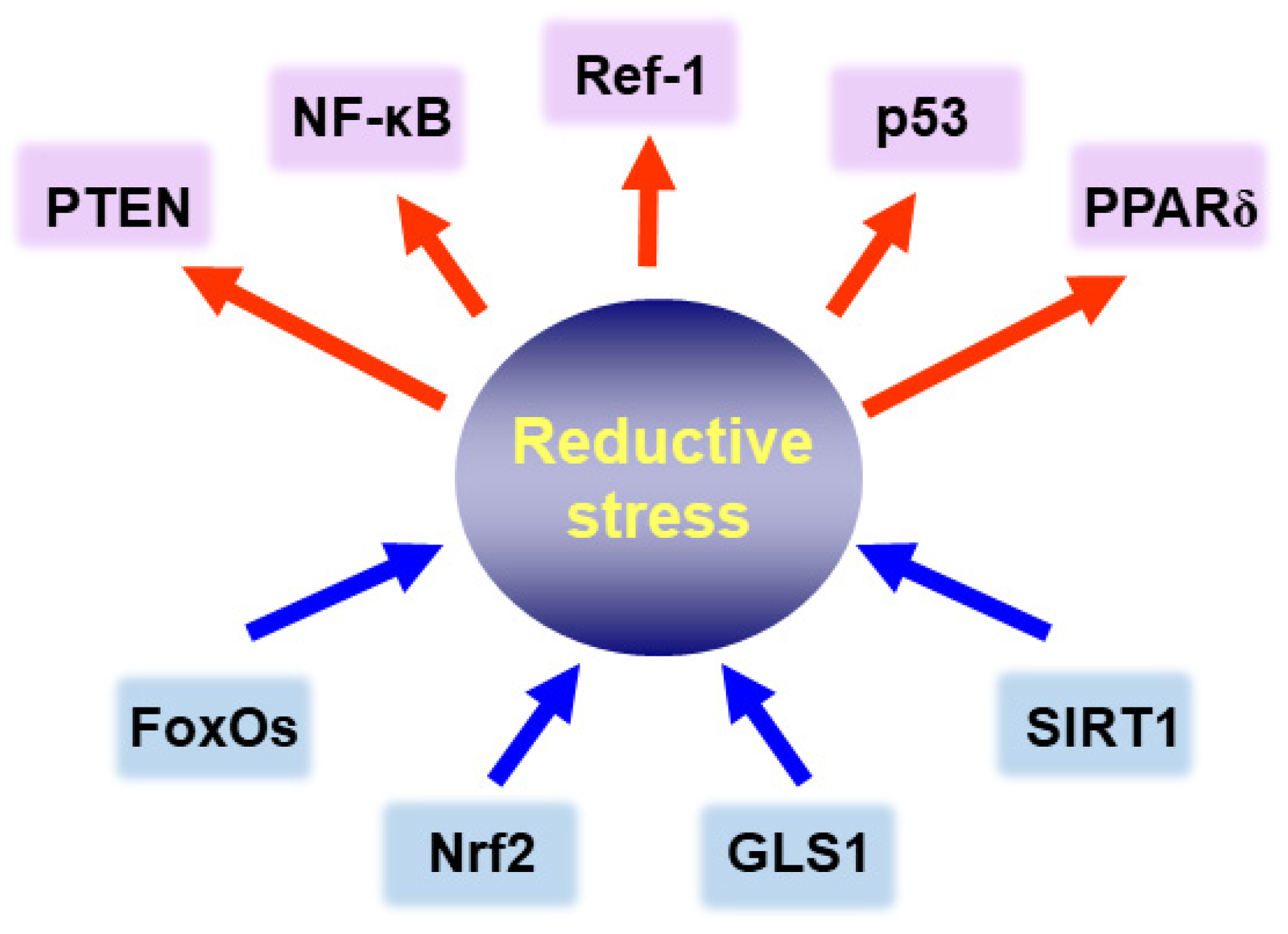
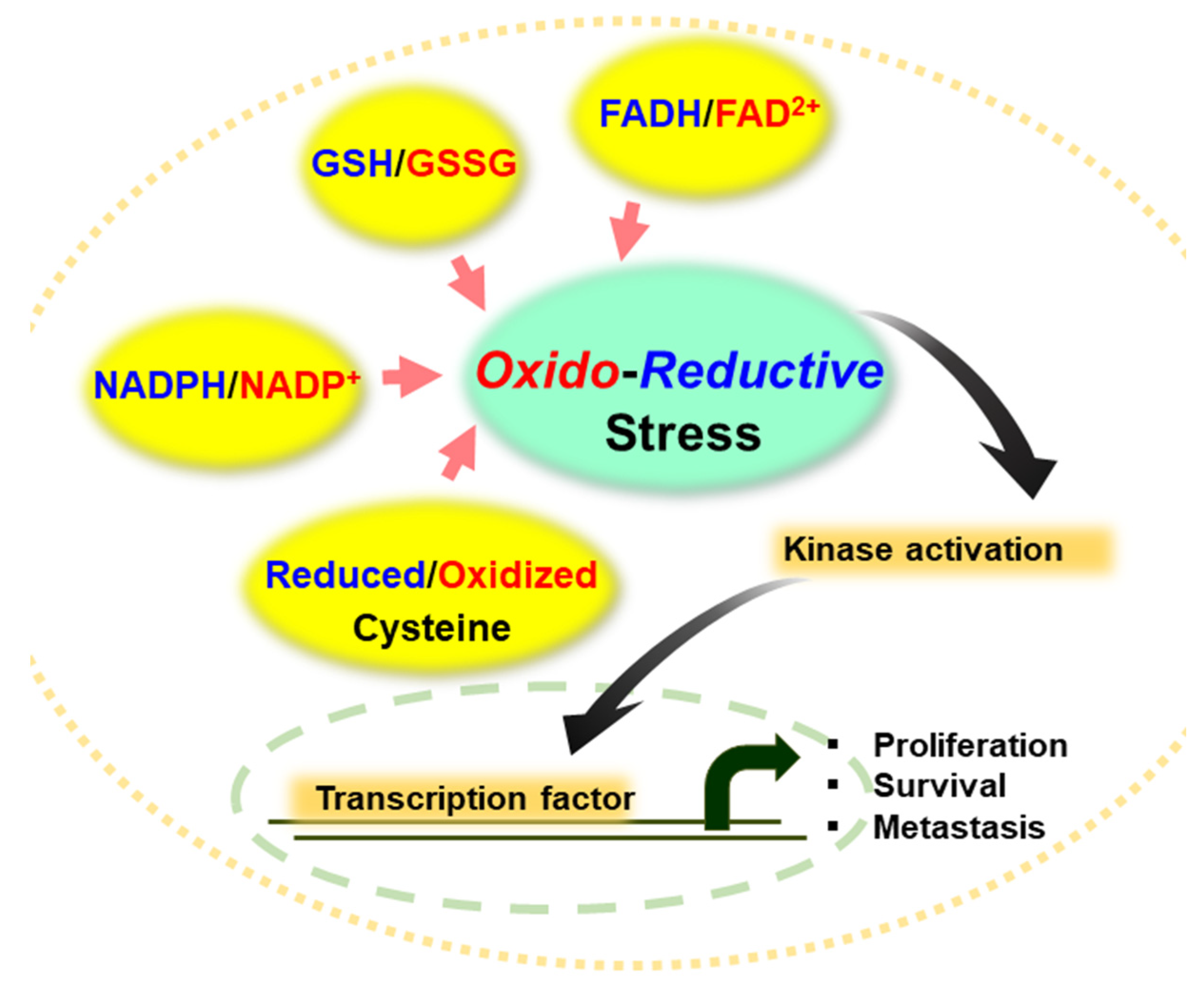
Redox homeostasis is not only essential for the maintenance of normal physiological functions, but also plays an important role in the growth, survival, and therapy resistance of cancer cells. Altered redox balance and consequent disruption of redox signaling are implicated in the proliferation and progression of cancer cells and their resistance to chemo- and radiotherapy. The nuclear factor erythroid 2 p45-related factor (Nrf2) is the principal stress-responsive transcription factor that plays a pivotal role in maintaining cellular redox homeostasis. Aberrant Nrf2 overactivation has been observed in many cancerous and transformed cells. Uncontrolled amplification of Nrf2-mediated antioxidant signaling results in reductive stress. Some metabolic pathways altered due to reductive stress have been identified as major contributors to tumorigenesis. This review highlights the multifaceted role of reductive stress in cancer development and progression.
Keywords: reductive stress; ROS; antioxidant; Nrf2; homeostasis; redox balance; cancer progression reductive stress; ROS; antioxidant; Nrf2; homeostasis; redox balance; cancer progression