Article

Single-Cell Transcriptomics Reveals the Expression of Aging- and Senescence-Associated Genes in Distinct Cancer Cell Populations


by
Dominik Saul
1,2,3,* and
Robyn Laura Kosinsky
4,*
1
Division of Endocrinology, Mayo Clinic, Rochester, MN 55902, USA
2
Robert and Arlene Kogod Center on Aging, Mayo Clinic, Rochester, MN 55902, USA
3
Department of Trauma, Orthopedics and Reconstructive Surgery, Georg-August-University of Goettingen, 37073 Goettingen, Germany
4
Division of Gastroenterology and Hepatology, Mayo Clinic, Rochester, MN 55902, USA
*
Authors to whom correspondence should be addressed.
Cells 2021, 10(11), 3126; https://doi.org/10.3390/cells10113126
Submission received: 21 September 2021 / Revised: 31 October 2021 / Accepted: 9 November 2021 / Published: 11 November 2021
(This article belongs to the Special Issue Molecular-Cellular Basis of Ageing and Cancer)

Abstract

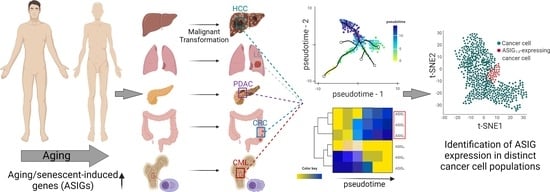
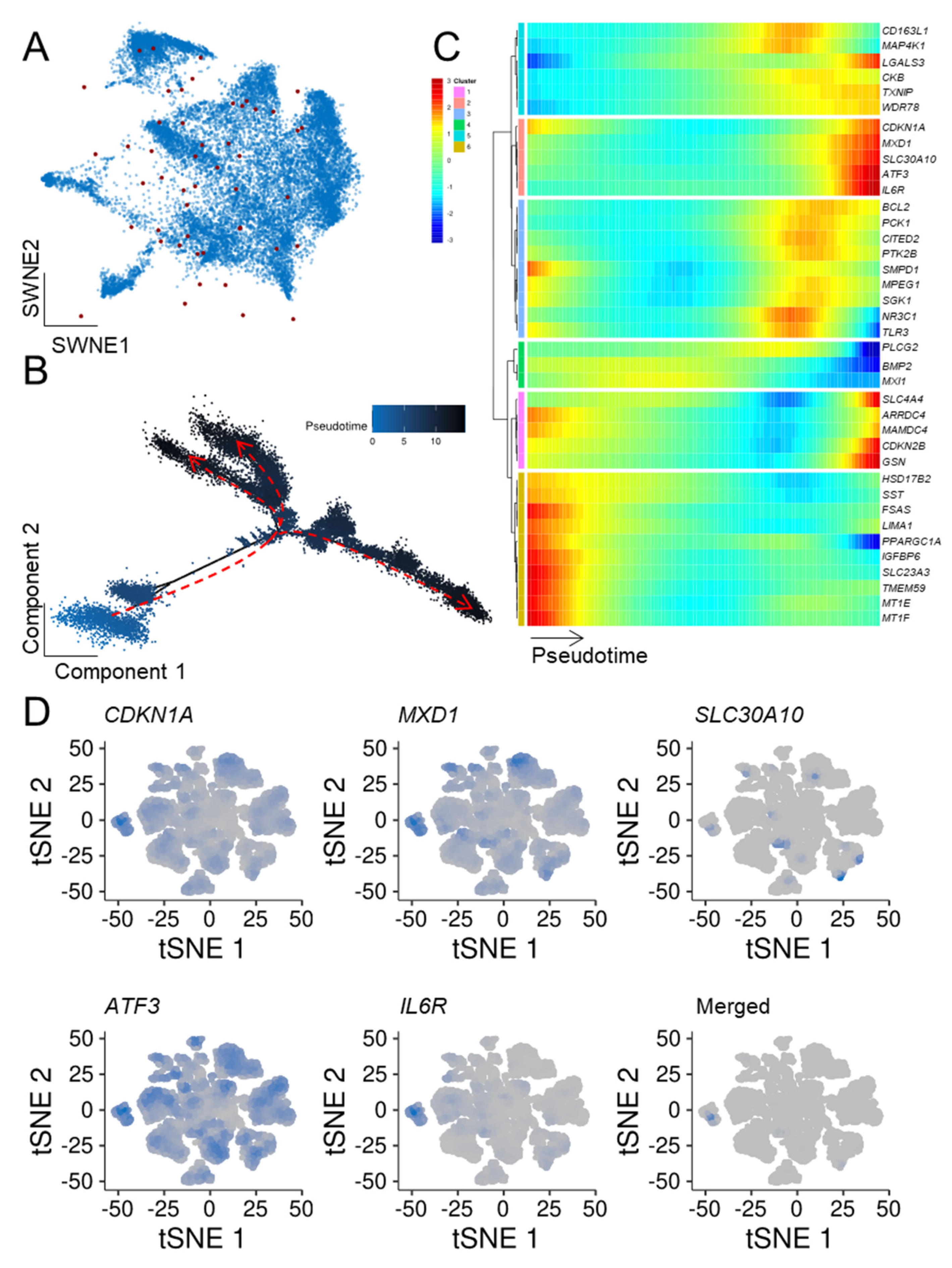
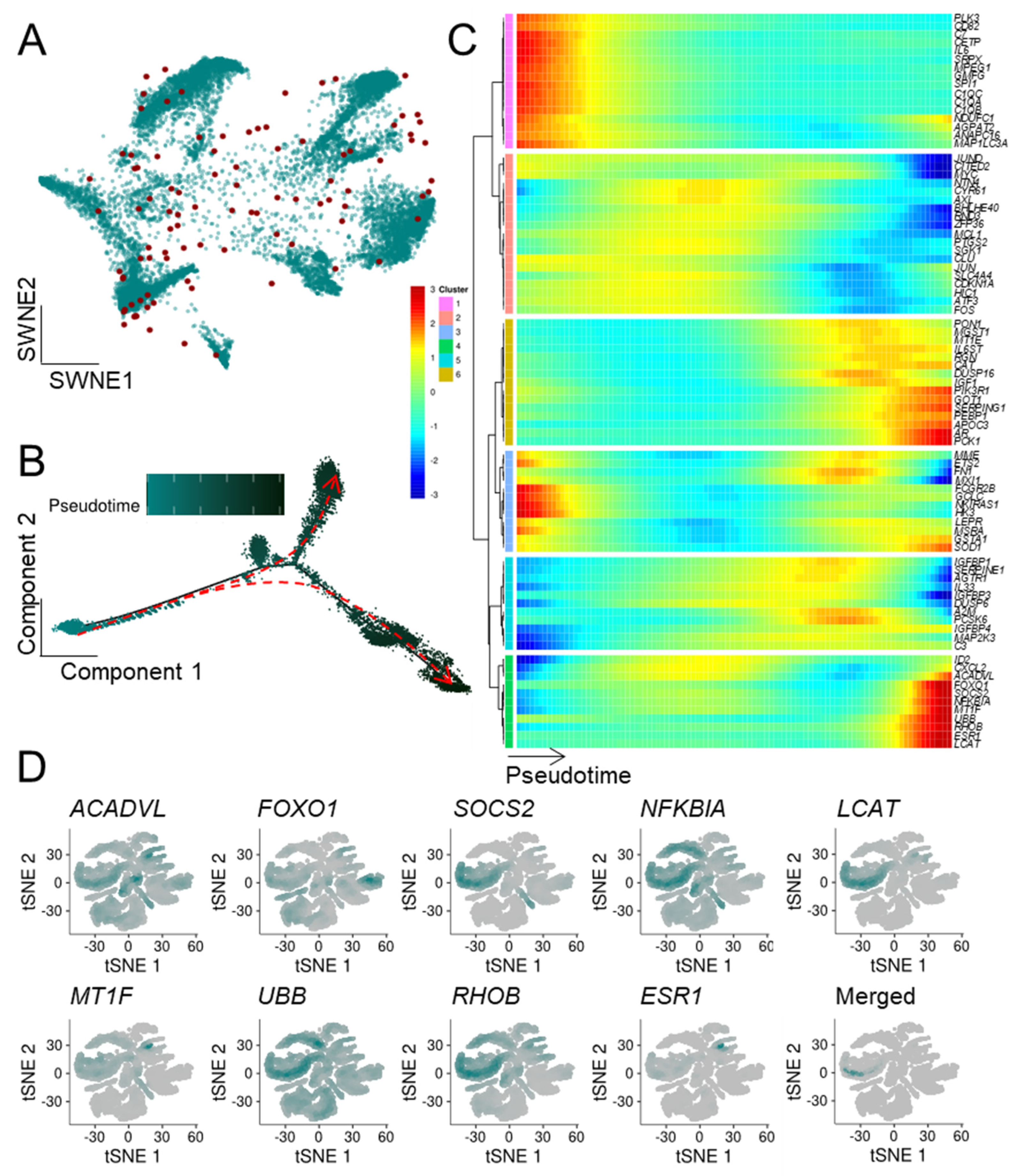
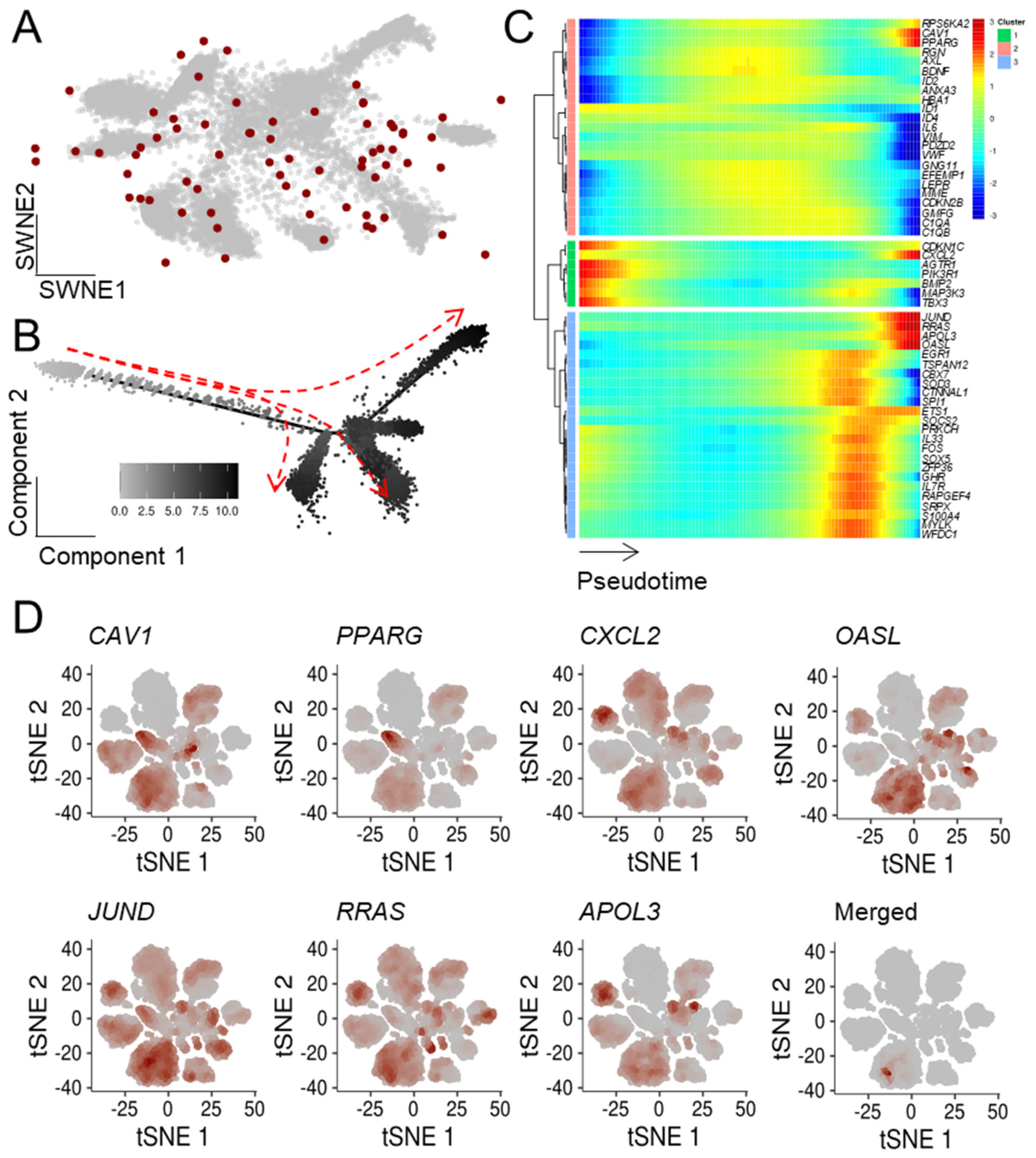
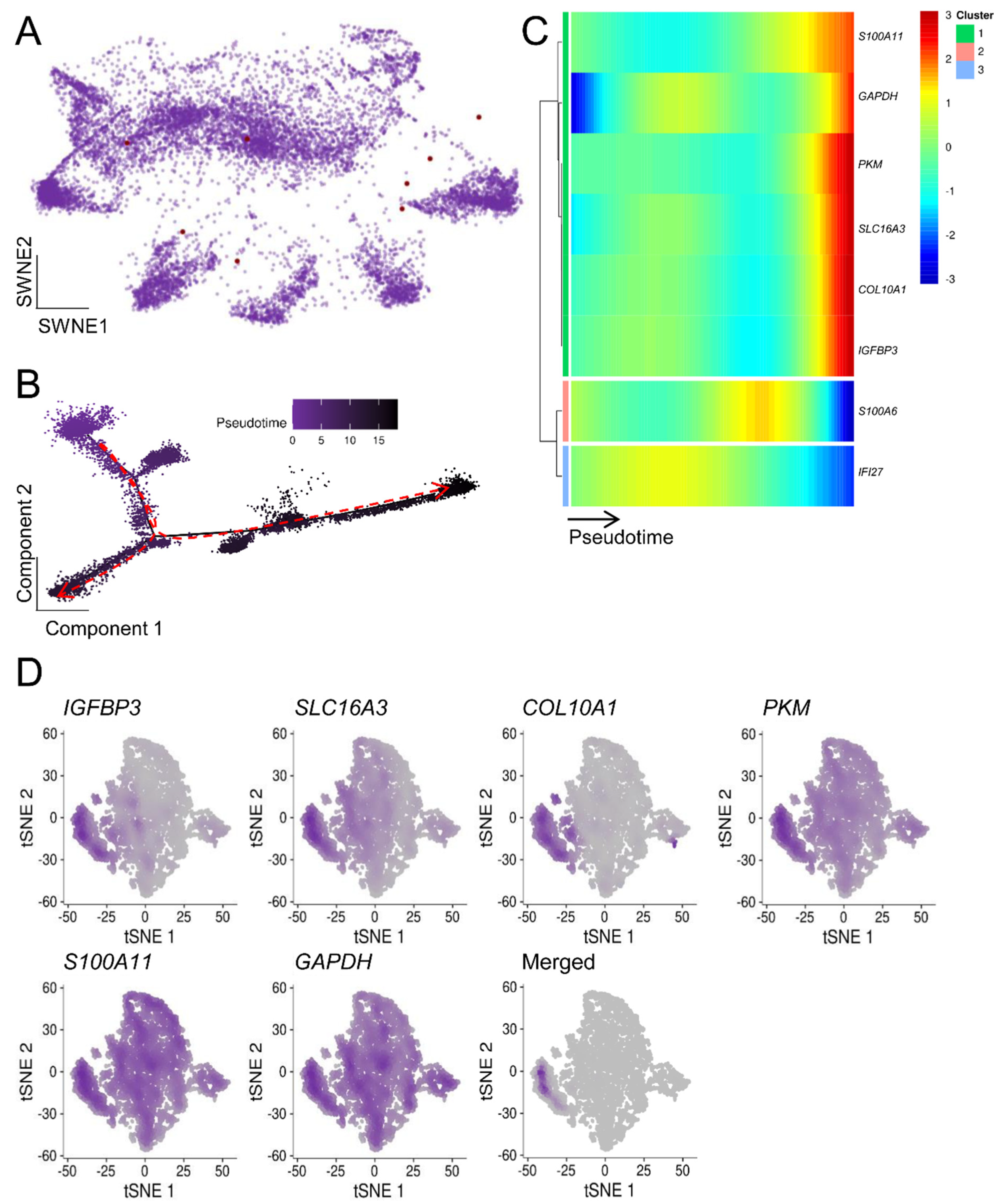
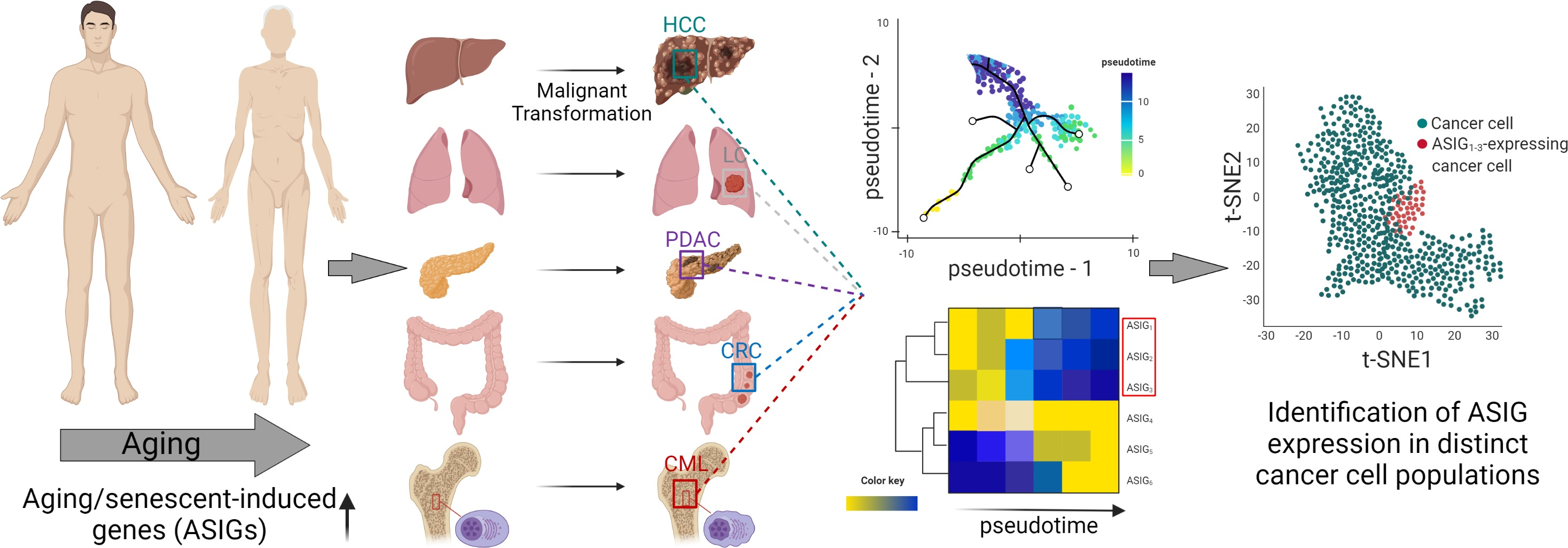
The human aging process is associated with molecular changes and cellular degeneration, resulting in a significant increase in cancer incidence with age. Despite their potential correlation, the relationship between cancer- and ageing-related transcriptional changes is largely unknown. In this study, we aimed to analyze aging-associated transcriptional patterns in publicly available bulk mRNA-seq and single-cell RNA-seq (scRNA-seq) datasets for chronic myelogenous leukemia (CML), colorectal cancer (CRC), hepatocellular carcinoma (HCC), lung cancer (LC), and pancreatic ductal adenocarcinoma (PDAC). Indeed, we detected that various aging/senescence-induced genes (ASIGs) were upregulated in malignant diseases compared to healthy control samples. To elucidate the importance of ASIGs during cell development, pseudotime analyses were performed, which revealed a late enrichment of distinct cancer-specific ASIG signatures. Notably, we were able to demonstrate that all cancer entities analyzed in this study comprised cell populations expressing ASIGs. While only minor correlations were detected between ASIGs and transcriptome-wide changes in PDAC, a high proportion of ASIGs was induced in CML, CRC, HCC, and LC samples. These unique cellular subpopulations could serve as a basis for future studies on the role of aging and senescence in human malignancies.
Keywords: cancer; aging; single-cell sequencing; gene expression; transcriptomics; next-generation sequencing; senescence cancer; aging; single-cell sequencing; gene expression; transcriptomics; next-generation sequencing; senescence
Graphical Abstract