Review

Non-Thermal Plasma as Novel Environmentally Friendly Agricultural Biotechnology for Seed Treatment and Stimulation of Early Plant Growth


by
Iuliana Motrescu
1,2,*,†,
Constantin Lungoci
1,†,
Camelia Elena Luchian
1,†,
Cristina Mihaela Rimbu
1,
Mihai Alexandru Ciolan
1,3,
Anca Elena Calistru
1,2,
Liviu-Dan Miron
1 and
Gerard Jitareanu
1,2
1
“Ion Ionescu de la Brad” Iasi University of Life Sciences, 3 Sadoveanu Alley, 700490 Iasi, Romania
2
Research Institute for Agriculture and Environment, “Ion Ionescu de la Brad” Iasi University of Life Sciences, 9 Sadoveanu Alley, 700490 Iasi, Romania
3
Research Center on Advanced Materials and Technologies, Department of Exact and Natural Science, Institute of Interdisciplinary Research, Alexandru Ioan Cuza University of Iasi, 11 Carol I Blv., 700506 Iasi, Romania
*
Author to whom correspondence should be addressed.
These authors contributed equally to this work.
Agronomy 2026, 16(7), 731; https://doi.org/10.3390/agronomy16070731
Submission received: 6 March 2026 / Revised: 25 March 2026 / Accepted: 30 March 2026 / Published: 31 March 2026
(This article belongs to the Special Issue High-Voltage Plasma Applications in Agriculture)

Abstract

Modern agriculture faces significant challenges, such as population growth, the reduction in productive agricultural land, and, most importantly, climate change. To address these issues, non-thermal plasma treatment of seeds and plants has emerged as a promising alternative to conventional chemical-based methods. This advanced technology, a powerful chemical reactor in the gas phase, has various applications, from stimulating seed germination and plant growth to controlling pathogens. The effects of non-thermal plasma on seeds include morphological and chemical changes in the seed coat, increased permeability and water uptake, and the activation of some internal biochemical mechanisms. Studies have demonstrated improvements in germination, plant development, and the activation of internal biochemical mechanisms with the intensified production of secondary metabolites. Non-thermal plasma also contributes to reducing the microbial load, providing an effective and environmentally friendly method of disinfection. This review synthesises the current knowledge on non-thermal plasma sources used in plasma agricultural applications for seed treatments, emphasising that in some cases the exposure of seeds to such discharge stimulates germination and also promotes early seedling growth. In addition, it highlights reported biochemical and nutraceutical improvements, including changes in antioxidant capacity, phenolic content and other bioactive compounds which add considerable value to the resulting plants. Finally, the decontamination potential is discussed, along with results discussing the potential of NTP to decontaminate seeds, associated with an extension to the shelf-life of products and identifying key challenges and research gaps for implementing this technology in agricultural practices. The integration of this technology into modern agriculture, including vertical farms and hydroponic systems, opens up the prospect for more sustainable and productive agriculture. However, scaling up the process and optimising processing parameters remain important challenges that require further attention, research and technological development.

1. Introduction

Modern agriculture is facing increasing pressure due to increased population, a decrease in productive agricultural land and climate change. Farmers are responding to these changes by overusing chemical fertilisers and pesticides, practices that have cumulative negative effects on human and animal health, degrade soil quality and affect the entire balance of the agricultural ecosystem [1,2]. From this perspective, it is essential to identify technologies that support crop production without amplifying these adverse effects. The treatment of seeds using non-thermal plasma is being investigated as an environmentally friendly alternative to conventional practices.
Non-thermal plasma (NTP), also called cold plasma due to its low processing temperature, has emerged in the past decade as a novel green agricultural biotechnology, having significant promise for stimulating various properties of the plants after seed treatment [3,4,5,6,7,8]. Obtained by applying electrical energy to a gas, usually air, it is a partially ionised gas, a powerful chemical reactor due to the production of reactive oxygen and nitrogen species (RONS), ultraviolet (UV) photons, and charged and uncharged energised particles, all while keeping the temperature near room temperature [9]. These features make it suitable for low-temperature applications, in which the temperature of the processed material needs to be kept low to prevent degrading. Thus, NTP is good for polymer treatments, biological media treatments such as in plasma medicine where living tissues are exposed to NTP, or in plasma agricultural applications for treating the surface of seeds, plants, fruits, meat, other food products, etc. [7,8,10,11,12,13,14,15,16].
There are many advantages of NTP over conventional seed treatments. Traditional methods often rely on chemical treatments such as fungicides, pesticides or thermal techniques that can damage seed viability or leave harmful residues behind [17]. In contrast, NTP operates at near-ambient temperatures and leverages physical and chemical processes that enhance germination and growth parameters while being environmentally friendly and residue-free, and it is a method of disinfection without chemical solutions. This approach aligns well with the goals of sustainable agriculture, as it supports increased crop productivity without expanding chemical inputs or energy consumption [18]. Moreover, the ability to finely tune plasma generation parameters such as voltage, gas mixture, and exposure time allows for tailored treatments optimised for specific crop species and conditions, thus enhancing efficiency and reducing waste [5,19].
Enhancing germination and early seedling growth is critical because these early developmental stages strongly influence overall crop yield and agricultural productivity. Rapid and uniform germination ensures vigorous seedlings capable of successful establishment, especially under stress conditions such as drought or pathogen pressure. However, conventional seed treatment methods often face challenges including inconsistent efficacy, environmental concerns, and damage to seedling vigour. Therefore, innovative technologies like NTP that can activate biochemical and physical processes in seeds offer a promising way to address these limitations [12]. The biological processes that trigger germination and growth are complex, involving water uptake (imbibition), metabolic activation, nutrient mobilisation, and hormonal regulation. NTP’s ability to modulate these factors positions it as a valuable tool in accelerating crop establishment [9,19,20]. Studies have demonstrated that all the factors inside NTP (e.g., radicals, electric field, charged particles) have synergistic effects on the surface modifications and internal biochemical shifts that stimulate seed metabolism [21].
The focus of this discussion is to highlight how NTP treatments enhance germination and subsequent seedling growth. Some key aspects that we discuss include understanding the critical parameters such as voltage, exposure duration, and gas composition, which determine the balance between stimulation and inhibitory effects. One must note that while NTP generally enhances germination, excessive exposure or inappropriate parameter settings can lead to detrimental outcomes— effects that unfortunately are sometimes not reported. Additionally, species-specific responses necessitate customised protocols for different crops [9,22,23]. Much of the current research is directed at elucidating the underlying molecular mechanisms, optimising treatment conditions, and improving scalability for introducing this technology in agriculture. Identifying these gaps helps refine the practical application of NTP for diverse agricultural uses [5,9]. The aspects on which we focus are schematically represented in Figure 1.
Besides the direct non-thermal plasma treatments, plasma activated water (PAW) and plasma activated media (PAM) have been recognised as important tools in agricultural applications, allowing the reactive nitrogen and reactive oxygen species to be delivered via irrigation or a nutritional medium, with the direct exposure of seeds or plants to the discharge [24,25]. Studies show that PAW can significantly stimulate seed germination and early seed growth, improve the development of roots, stimulate physiological processes, and demonstrate an antimicrobial activity [26,27].

2. Methodology

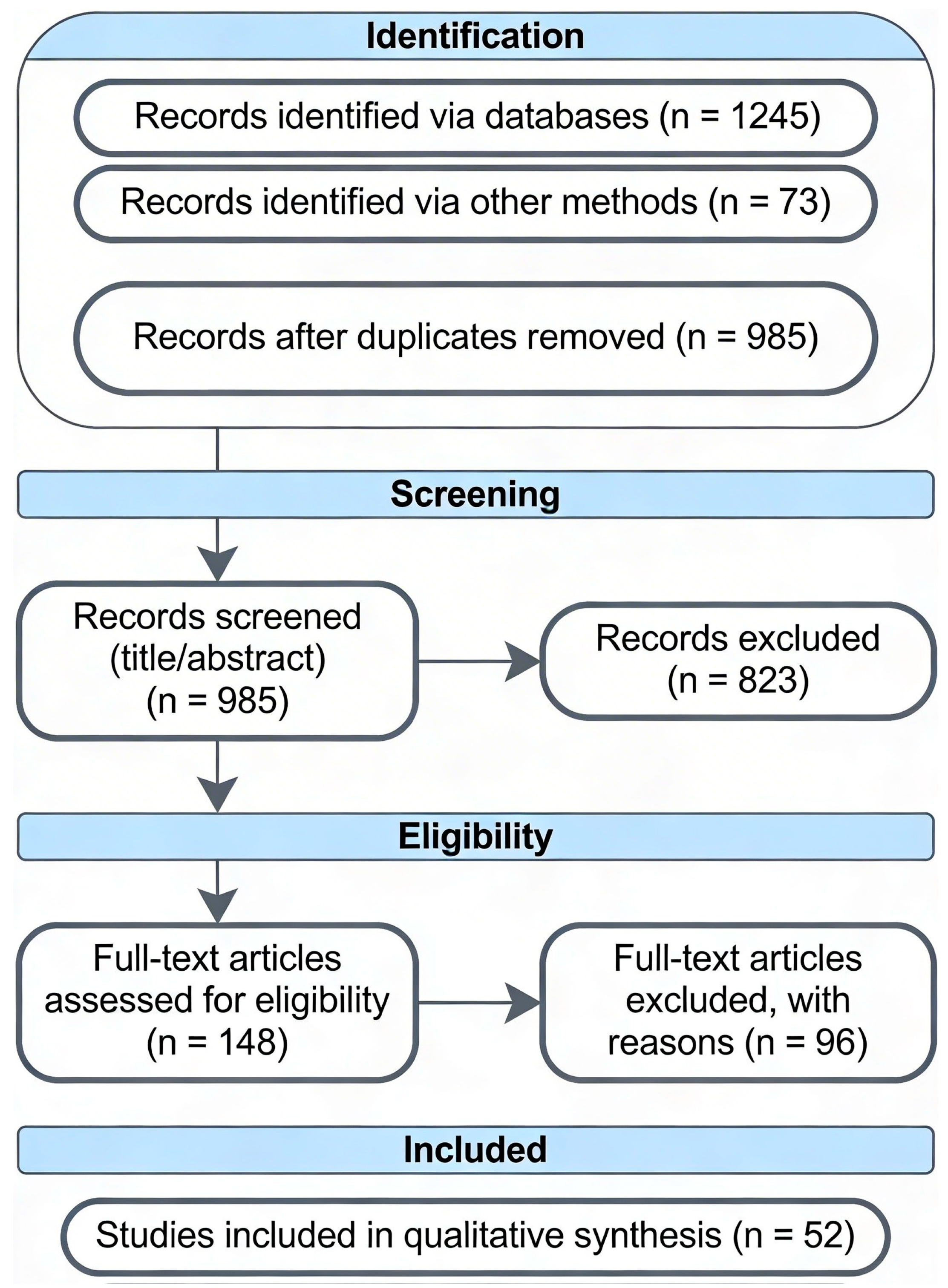
We conducted a systematic review following the PRISMA 2020 statement and used the associated flow diagram to present the study selection process. Web of Science Core Collection, Scopus, PubMed, MDPI, and ScienceDirect databases were searched from January 2000 to 24 February 2026 for experimental studies which evaluate the non-thermal plasma (NTP) applied to seeds or sprouts. We combined terms related to the intervention, such as “non-thermal plasma” and “cold plasma”, with plant and growth terms such as “seeds”, “sprout”, “microgreens”, “germination”, and specific crop names. The references of relevant reviews and book chapters were also searched to identify additional studies.
We considered eligible studies that (i) investigated seeds or sprouts of agricultural plant species; (ii) applied non-thermal plasma as a pre-sowing or early sprout treatment; (iii) compared the outcomes with a control sample; and (iv) reported quantitative data for germination, sprout growth, physiological and biochemical parameters, or microbial safety. We excluded studies using thermal plasmas, those limited to non-plant substrates, works that describe device physics without presenting biological outcomes, and reviews, editorials, and conference abstracts without full data.
A total of 1245 records were identified in the databases, and 73 via other methods; 312 duplicate records were removed, and 21 for other reasons (e.g., did not concern plant plasma agriculture). A flow diagram of the filtering process is shown in Figure 2. After carefully screening the references and removing ineligible reports, 52 studies were included in the qualitative synthesis. Most of these studies evaluated direct non-thermal plasma exposure of seeds, with a smaller subset focusing on plasma-activated water. Across species, NTP in small-to-moderate doses generally stimulated the germination process and early sprout growth compared with untreated seeds kept as control, while long exposures tended to inhibit these traits. Several studies reported stimulation of bioactive compound production with an increase in antioxidant capacity and phenolic content, alongside a reduction in the microbial load from the seed surfaces, suggesting that NTP can simultaneously modulate several physiological traits and aid disinfection. However, there is limited heterogeneity in plasma sources, dose metrics, and plant species, optimal parameters being highly dependent on the device used and plant species [5,9,19,28,29,30]. In line with the still limited and often correlative nature of the current existing evidence from the analysed studies, we try to distinguish between physical and chemical surface modifications, broader physiological associations, and hypothesised molecular mechanisms reported with direct or indirect evidence, all of which should be seen as proposed framework rather than universally established causal pathways.

3. Non-Thermal Plasma Sources for Agricultural Applications

Non-thermal plasma sources can be classified according to their operational principles and discharge mechanisms. The main types commonly used for agricultural applications are pulsed corona, dielectric barrier discharge (DBD), corona discharge, radio frequency plasma (RF), microwave plasma (MW), and glow discharge plasma. Each of these categories has distinct attributes and is employed in diverse agricultural applications. Pulsed corona discharge involves non-thermal plasma applying a high voltage on a sharp electrode, thereby ionising adjacent gas molecules or atoms. Its inherent characteristics often result in operation within non-homogeneous media, which can constrain its direct applicability in specific scenarios due to the reduced processing area. Dielectric barrier discharge (DBD) is distinguished by the inclusion of a dielectric material situated between the electrodes, a configuration that facilitates the generation of non-equilibrium plasma under atmospheric pressure conditions. This discharge can be produced in many electrode configurations, with surface or volume discharging, exhibiting low energy consumption, which positions them as a potentially advantageous option for agricultural applications [9,31,32,33,34]. Radio frequency (RF) plasma employs high-frequency electrical pulses to ionise gases, thereby generating a comparatively low-temperature plasma characterised by a high concentration of reactive species. This technique’s adaptability stems from its capacity to operate across a range of pressures and ion energy levels, rendering it suitable for diverse applications [21,35,36]. Microwave plasma, produced by electromagnetic radiation within the 300 MHz to 300 GHz frequency range, ionises gas molecules, mostly under low-pressure conditions, but also at atmospheric pressure [37,38]. This technique facilitates food pasteurisation or sterilisation at reduced temperatures and shorter durations when contrasted with conventional methods. However, low-pressure systems have the drawback of using vacuum systems that are not so suitable for plasma agriculture applications, being expensive and having a high energy consumption and small processing volume. Glow discharge plasma, which functions at low pressures, emits light between cathode and anode electrodes. The distinctive illumination pattern, which varies with gas pressure and the distance between the electrodes, allows for the precise manipulation of plasma properties. The same low-pressure issues apply as well.
A key parameter is also the gas used for producing the discharge. The most advantageous discharge reduces the costs of operation in atmospheric air. However, using a noble gas might improve discharge properties, such as uniformity, the distribution of reactive species, and energy. Other gases commonly used are nitrogen, oxygen, argon, helium or mixtures thereof. Important parameters are also the voltage, frequency, power, and treatment time, the biological responses being generally non-linear with the variations in these parameters.
There is no ideal plasma source for agricultural treatments, and there is a lot of room for innovation depending on the targeted outcome. Most plasma sources used and studied by the researchers might find no applicability in the industry, due mostly to the lack of upscaling of the treatments. However, it is still important to study such configurations in order to get a better insight into the interaction mechanisms between non-thermal plasma and biological media in plasma agriculture applications.

4. Effects on Seed Germination After NTP Treatments

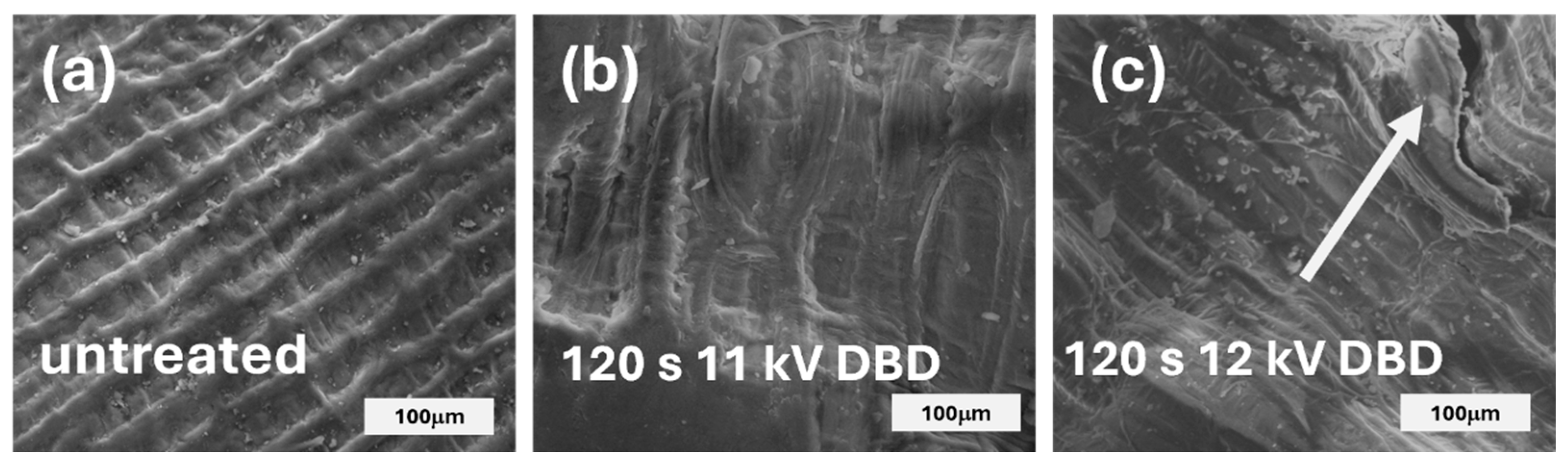
Exposure of the seeds to NTP triggers a series of physicochemical changes on the seed coat; not only this, it also has the least direct effect on the germination process. The intense interaction between all plasma components, especially the reactive species generated in plasma and the organic material of the seed coat, produces both morphological and functional changes. Surface imaging performed with scanning electron microscopy (SEM) evidenced increased roughness, and the appearance of pores and thin cracks in some cases, indicating a strong etching process at the micro- and nanometric scale [6,9,39,40,41]. An example is given in Figure 3. Wheat seeds were treated in a surface dielectric barrier discharge (same configuration as in [6,9]). It is clear that the surface of the seeds is strongly etched, and, in some conditions, cracks appear (see Figure 3c). Reactive oxygen species (ROS) interact with the biopolymers in the pericarp, introducing hydrophilic functional groups that lead to the change in surface energy [36]. This transformation reduces the initial hydrophobicity of the seed coat and allows a greater amount of water to rapidly penetrate the embryo, a fact proven by the increased water uptake capacity of the seeds [31,42,43]. Reactive nitrogen species (RNS) can also attach to the surface and functionalise it, as in the case of polymers with nitrate or amine groups, modifying the chemical properties of the pericarp in a way that can promote the subsequent mobilisation of essential nutrients [44].
In some species, such as legumes, that are tolerant to mechanical stress, plasma not only increases the permeability of the seed coat, but it also shortens the period required for mechanical dormancy to be broken. Some dormant or low-viability seeds such as Arabidopsis, legumes, coriander, watermelon, and mustard often show an increased germination percentage from about 50–60% in controls to up to 90–99% after NTP treatment of the seeds [20,28,45,46,47,48]. Reducing the rigidity of the outer wall creates favourable conditions for a rapid transition to the active metabolic stage [40]. At the micro-level, these changes involve the partial breakdown of the outer layer of cells of the tegument and an increase in the intracellular spaces. At the same time, the UV radiation might contribute to the photolysis of some superficial pigmentary or protein components, which reduces any chemical inhibition. Plasma also has some effect on the electrostatic charging of the seed surface, which can attract or repel polar molecules such as water and mineral ions in the nutritional solutions used afterwards [32].
In some cases, the elemental analysis post-treatment indicated some variations in the surface’s inorganic composition such as an increase in relative oxygen and nitrogen content, which has been correlated with a decrease in surface organic carbon, suggesting the integration of reactive groups and the elimination of hydrophobic organic fractions, most probably as a result of the interaction of the surface with reactive oxygen and nitrogen species [32,34].
One of the first outcomes of seed treatments using NTP is the stimulation of germination. Studies show that NTP is able to significantly increase the germination rate, uniformity, and early seedling growth in various crops. For example, the treatment of wheat seeds increased germination by up to 22%, as well as seedling vigour and the activities of some antioxidant enzymes, resulting overall in up to a 27% increase in grain yield [12].
Several studies have quantified the beneficial effects of NTP treatments on the germination percentage and speed of many crop seeds. For example, alfalfa seeds subjected to different NTP voltage conditions exhibited up to a 50% increase in sprout growth, indicating significant improvement in germination performance in optimised protocols [6]. Wheat seeds treated with low-pressure dielectric barrier discharge (LPDBD) plasma exhibited a 14.74% increase in the germination rate compared to untreated controls, highlighting the ability of plasma to enhance germination speed and uniformity [12]. This germination benefit was correlated with physical changes such as microcracks in the seed coat and biochemical activation of some processes in the resulting sprouts.
In mung bean, the application of a novel atmospheric cold plasma system resulted in a great increase in the germination rate from 86.67% to 91.67% after only 40 s of treatment. This rapid enhancement was attributed to significant modifications of the seed’s surface morphology which led to an increased water uptake as a result of the increased surface area and porosity without altering the chemical structure of the seeds [4]. These studies show that the effectiveness of NTP treatments varies across different species but also point out the critical role of fine-tuning treatment parameters to maximise the benefits.
The duration and voltage of plasma exposure critically influence germination; in some conditions it is accelerated while in others it is inhibited. Extended exposure or overly high voltages can cause damage to the seed surface or internal tissues, leading to decreased germination rates [33]. Thus, optimisation is crucial. Variations in plasma generation methods, ranging from atmospheric to low-pressure systems, and the choice of feeding gases such as air, oxygen, or argon, further affect the outcomes, necessitating careful selection depending on the seed type [36,44]. Differences in plasma configurations, such as dielectric barrier discharge versus transient spark discharge, also influence efficacy and safety margins. Protocols must therefore be validated for each crop species and seed lot to achieve reproducible and beneficial results.
Case studies for legumes such as alfalfa, mung bean, and pea have demonstrated enhanced germination and seedling vigour following NTP treatment. Legumes benefit notably from increased antioxidant defence systems and improved imbibition dynamics. Correspondingly, cereal crops like wheat have shown biochemical activations aligned with increased germination rates and seedling health. For both legumes and cereals, studies report parallel increases in the length of the roots and shoots. This differentiation in response underscores the need for tailored plasma treatment protocols based on seed morphology, coat properties, and physiological requirements unique to the crop species (Table 1). These findings collectively pave the way for integrating NTP technology into seed technology for both leguminous and cereal crop improvement, as well as for other species.
The stimulation of seed germination following NTP treatment of the seeds seems to be the result of a series of physicochemical and biochemical processes induced by plasma-generated species on the seed coat and internal metabolic mechanisms within seeds. The initial phase of the treatment involves physical alterations to the seed coat. Exposure to reactive species, mainly oxygen and nitrogen radicals, and energetic particles in the plasma can increase the seed surface porosity through microcrack formation, etching, and the localised removal of surface materials. The result is a measurable decrease in the water contact angle of the seed surface, facilitating water imbibition, which is the initial critical step for activating seed metabolism. Enhanced permeability also improves gas exchange, allowing oxygen to penetrate and support respiration during germination [5]. Studies on wheat seeds treated with NTP have shown a cracked seed periphery which contributes to increased imbibition rates [12]. In mung bean seeds, atmospheric cold plasma significantly increased the specific surface area and total pore volume, suggesting enhanced water absorption and nutrient exchange potential—key factors improving germination speed and uniformity [4]. Facilitating water penetration, the internal osmotic pressure required to break the tegument is achieved faster, allowing the radicle to mechanically pierce the coat.
At the biochemical level, the reactive oxygen and nitrogen species produced by NTP seem to act as redox messengers inside the embryonic cells once they have passed through the protective layers, triggering a cascade of physiological responses within the seed. For example, ROS like hydrogen peroxide (H2O2) serve dual roles: as damaging agents at high concentrations but also as essential secondary messengers at controlled levels, priming antioxidant enzyme systems and activating enzymes responsible for mobilising stored nutrients such as starch and proteins [4]. Antioxidant enzymes such as catalase (CAT) and superoxide dismutase (SOD) are upregulated following plasma exposure, mitigating oxidative stress that may otherwise impair germination. This enzymatic upregulation has been documented in plasma-treated wheat where increases in CAT and SOD activities were accompanied by an enhanced expression of associated genes (TaCAT, TaSOD), thus contributing to improved physiological functions critical for seedling growth [4]. The metabolic activation also extends to pathways involved in the breakdown of reserve nutrients, providing necessary energy and substrates for embryonic development [5].
Hormonal regulation seems to be another vital mechanism influenced by NTP treatment. NTP can increase the activities of key enzymes supporting the metabolic switch from quiescent to actively germinating seeds [20,30,40]. Plasma treatment has been shown to reduce the levels of abscisic acid (ABA), a hormone that enforces seed dormancy and inhibits germination. Concurrently, an increase in gibberellins (GAs), which promote seed germination and growth, has been observed. Such hormonal shifts relieve dormancy and stimulate processes like enzyme production and cell elongation [20,49]. For example, in sunflower seeds treated with radio frequency cold plasma and electromagnetic fields, gibberellin contents increased substantially whereas ABA levels decreased by more than 50%, promoting faster germination and increased seedling vigour [21]. Another important mechanism associated with plasma-stimulated germination is the adaptation of gene expression involved in the synthesis and activation of hydrolytic enzymes. Experimental determinations for different species have confirmed that short exposures to plasma can stimulate the seeds to germinate faster and increase the percentage of germinated seeds by around 50% compared with untreated seeds [33]. Furthermore, the resulting plants show increased uniformity in the initial development stages, which is essential when the crop needs synchronisation for optimal harvesting. NTP can induce the expression of genes related to photosynthesis and stress tolerance, which underpin later stages of plant development beyond germination. Such genomic modulations hint at a lasting effect of plasma treatment on the plant’s physiological performance [18].
In the case of using PAW, it appears to stimulate germination through reactive species-triggered signalling, and improved water and nutrient uptake [50,51]. PAW contains hydrogen peroxide, nitrogen oxides that act as signalling molecules, stimulating germination and triggering hormonal pathways that favour the germination process and plant growth [50]. PAW can also lead to increased water absorption, due to its higher redox potential, altered surface tension, and reactive species content that interact with the seed coat [31,52].
Table 1. Results of non-thermal plasma processing of seeds in different conditions.
Plasma SourceSpeciesResultsReference
Plasma jetTomato-increased imbibition rate
-stimulated germination by up to 69%
-increased shoot length (by up to 35.6%), root length (by up to 13%) and dry weight (up to 30%)
-decreased malondialdehyde, ascorbate; increased proline (by up to 480%), chlorophyll concentrations
-increased gene expression
-increased stress tolerance to drought
[10]
Plasma-activated nutrient solution using gliding arcBasil-increased plant length (up to 45%), fresh and dry weight, and chlorophyll contents
-stimulated essential oil profile
[53]
Dielectric barrier dischargeCotton-improved germination, seed hydrophilicity, water absorption[42]
Low-pressure dielectric barrier dischargeWheat-cracks in the seed coat
-improved germination (by up to 14.74%), root and shoot length, dry weight (by up to 98.04%), chlorophyll concentration (by 27.1%), catalase activity in leaves and roots
-increased grain yield by 27.06%, soluble protein, total soluble sugar, mean fat content (by up to 70.62%), NO concentrations in leaves
[12]
Dielectric barrier dischargeMung bean-increase in germination rates (up to 91.67%), specific surface area and total pore volume of the seeds; increased seedling length, water uptake
-cracks and pores on the surface of the seeds
[4]
Radio frequency cold plasmaWheat-no significant change in the germination behaviour
-stimulated growth of the plants (plant height 21.8%, root length 11%, fresh weight 7%, stem diameter 9%, leaf area 13%, and leaf thickness 25.5%), yield (5.89%)
[35]
Dielectric barrier dischargeGinseng-no significant change in germination
-increased root length
-bactericidal and fungicidal effects on Kocuria spp., Variovorax spp., Pseudomnas spp., Coniochaeta, Pyrenochaeta, Fusarium, Clonostachys, C. destructans; some species were not affected: Humicola spp., Mortierella hyaline.
[14]
Radio frequency cold plasmaSunflower-decreased mean germination time, increased germination (by 16%); stimulation effect on the expression of proteins mostly involved in photosynthetic pathways or their regulation[21]
Dielectric barrier dischargeNasturtium-increased water uptake, stimulated germination
-oxidation of the seed surface
[31]
Dielectric barrier dischargeAlfalfa-strong etching of the seed surface
-in some conditions, the growth of the plants is stimulated, with a slight increase in chlorophyll pigments and a decrease in flavonoid and polyphenol contents.
[6]
Dielectric barrier dischargeFenugreek-faster germination
-stimulated growth (by up to 50%)
-stimulated production of chlorophyll pigments, antioxidant compounds
[9]
Dielectric barrier dischargeCress
Broccoli
-increased hydrophilicity, average stem length (9%), root length (38%), and chlorophyll pigments[22]
Cold plasmaBarley -stimulated germination, water uptake, especially in the gas phase, and oxidation of the seed surface[32]
Dielectric barrier dischargeBarley-accelerated germination
-no damage to the seed surface; increased oxidation of the seed surface, ion enrichment of treated seeds (K, Ca, Na, N, P)
[54]
Plasma-activated water in a dielectric barrier dischargeTomato-increased plant size, number of flowers, tomato biomass[51]
Low-pressure radio frequency plasma
Dielectric barrier discharge
Plasma jet
Sunflower-atmospheric pressure plasma was more effective in stimulating water uptake, germination, and plant growth[36]
Low-pressure radio frequency plasmaCowpea-deep cracking of the seed surface
-enhanced germination, forage yield under normal and medium salinity
-enhanced dry matter degradability level
-enhanced ammonia concentration
[39]
Dielectric barrier dischargeSoybean-enhanced germination potential (from 1.18 to 66.97%), germination index (from 0.50 to 60.09%), germination rate (from 1.78 to 32.17%), seedling length (from 2.70 cm to 78.13 cm), root length (from 2.87 cm to 56.13 cm) and seedling dry weight (from 1.80 g to 36.63 g), increased CAT activity (from 0.40- to 4.01-fold) compared to control treatment[40]
Dielectric barrier dischargePepper-stimulated germination and growth in some conditions, but also inhibited these traits in other conditions[33]
Plasma-activated water Lettuce-stimulation of growth, chlorophyll content production, and dry weight[25]
Dielectric barrier dischargeQuinoa-oxidation of seed surface
-no structural damage to seed surface
-no influence on germination
-slight impact on the fresh biomass
[34]
Dielectric barrier dischargeBok choy-increased dry weight by about 80.5%
-stimulated chlorophyll contents, total soluble protein, and nitrogen uptake
-increased concentrations of NO in the roots
[7]
Dielectric barrier dischargeMaize-inactivation of Aspergillus flavus, Alternaria alternata, and Fusarium culomorum from the surface of the seeds
-enhanced water uptake, growth
[43]
Cold atmospheric plasmaMung bean-stimulated germination and growth
-no drastic changes in seed surfaces
[44]

5. Effects on Seedling Growth After Seed Treatments with NTP

Beyond germination, the effects of non-thermal plasma on the growth and subsequent development of plant seedlings and microgreens manifest through a combination of accelerated physiological processes, and morphological and biochemical adjustments. In the first days after emergence, microplants obtained from treated seeds develop larger leaves, reflecting improved photosynthetic efficiency and increased light energy conversion capacity, which reduces the time required for the microgreens to reach commercial size, increasing the dry weight of the plants [7]. Starting from the initial changes described in Section 4, plant growth from seeds treated with cold plasma enters an early vegetative phase with an increased rate of biomass accumulation. At the same time, NO contributes to the early differentiation of conductive tissues, which optimises the transport of water and nutrients to growing organs [55]. UV radiation emitted simultaneously with the reactive fluxes can photochemically activate pigment-structural precursors of photosystems before the leaf apparatus fully matures, accelerating the transition to the autotrophic phase [56]. Following this, there is an increase in the activities of respiratory enzymes, with a faster mobilisation of the seed reserves, which supports early growth; sometimes it is accompanied by an increase in the concentrations of photosynthetic pigments, especially under moderate NTP treatment [8,20,21,30].
All these are supported by a rapid activation of the metabolic systems responsible for photosynthesis, respiration, and the synthesis of secondary metabolites, which creates the conditions for healthier, more vigorous, and more resistant plants [51]. Morphological improvements include increased seedling height and root and shoot length, supporting better early vigour. Enhanced biomass accumulation has been observed during early developmental phases, contributing to superior nutrient uptake and photosynthetic capacity. For example, wheat plants derived from air plasma-treated seeds showed significant increases not only in germination but also in leaf chlorophyll concentrations and biomass accumulation, indicating improved physiological vigour [35]. Similarly, alfalfa sprouts treated under optimised NTP conditions developed longer shoots, demonstrating stimulated growth aligned with physical and biochemical seed modifications [6].
Physiological enhancements underpin these morphological improvements. The plasma-induced elevation of antioxidant enzymes reduces oxidative damage that can compromise growth and make the plant more resistant to stress. The increased water absorption and nutrient uptake, resulting from plasma-etched seed surfaces and pore formation, sustain metabolic processes vital for seedling development. Metabolic pathway modulation following plasma treatment enhances energy availability and the biosynthesis of key molecules essential for growth. Reactive oxygen and nitrogen species (RONS) generated in plasma function as signalling molecules, stimulating glycolysis and the tricarboxylic acid (TCA) cycle, thereby increasing ATP production during the seed’s initial metabolic reactivation [10,11,51]. Concurrently, the pentose phosphate pathway is activated, resulting in elevated nicotinamide adenine dinucleotide phosphate (NADPH) levels, which contribute to maintaining redox equilibrium and provide reducing equivalents for anabolic processes, such as fatty acid and nucleotide biosynthesis [23]. Furthermore, plasma-induced redox signalling also augments amino acid metabolism and protein synthesis, while enhanced lipid biosynthesis facilitates membrane formation, a critical process for cell division and elongation during the establishment of seedlings [8,21]. These metabolic alterations collectively contribute to an improved cellular energy balance, increased biosynthetic capacity and stress resilience, accelerating germination and seedling growth across a range of crop species [42,43]. Studies in mung bean highlight improved water exchange and seed coat permeability that directly translate to accelerated radial growth without compromising the seed’s chemical integrity [4]. Together, these factors promote a faster transition from seed to seedling stages with stimulated biomass accumulation.
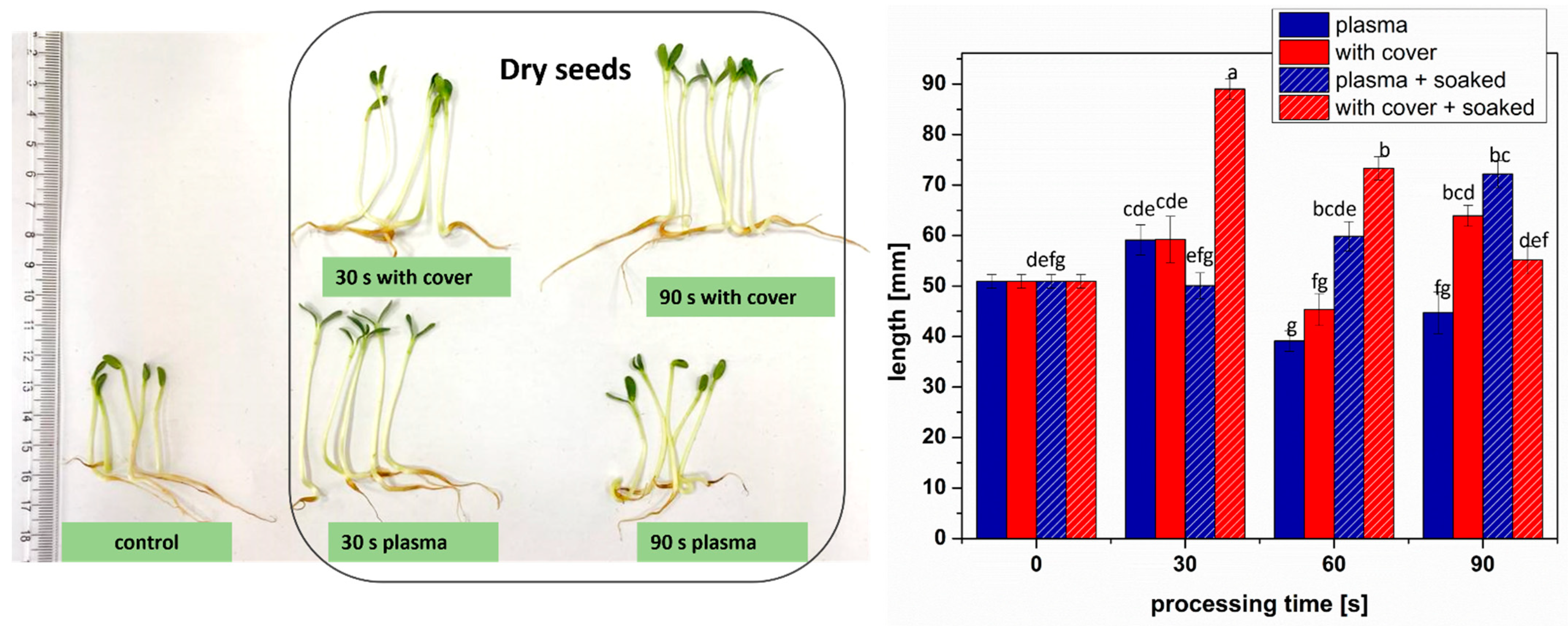
However, growth enhancement varies notably across species and treatment conditions. Investigations using plasma-activated water (PAW) irrigation in vegetables such as tomato, Swiss chard, and cabbage revealed differential responses, with some species exhibiting substantial height increases and others showing no significant effects or even negative growth effects under certain PAW conditions [57,58]. The outcomes are determined by factors including substrate volume, plasma intensity during water activation, and species-specific traits [27]. This variability reinforces the requirement for customised treatment regimens and rigorous optimisation to maximise early growth benefits while avoiding detrimental effects. Experiments on alfalfa showed that moderate durations and well-dosed concentrations led to the emergence of viable seedlings in a shorter time compared to untreated control, along with an increase in the levels of the bioactive compounds such as flavonoids, an aspect that adds nutraceutical value to the final product [6]. Similar effects have been reported in fenugreek: rapid emergence combined with an increase in the average size of the microplants (as seen in Figure 4) was combined with a stimulation of antioxidant compounds [9].
Regarding the treatment modality, direct plasma exposure of seeds has been widely studied, producing modifications at the seed surface and internal changes. Conversely, plasma-activated water (PAW) irrigation offers an alternative that delivers reactive species indirectly through the root environment, sometimes producing species-specific growth responses. For example, plasma-activated media (water or nutrient solution) induced height increases in tomato and cabbage but inhibited growth in lettuce and basil, highlighting the need to optimise the composition and dosage of such plasma-activated solutions to individual species requirements [25,53]. Because PAW accumulates nitrates and nitrites under the influence of reactive nitrogen species, it can also function as a nitrogen fertiliser, supporting growth and seedling biomass [52] (Srisonphan, 2025). Other strategies include the use of only reactive species produced by NTP, since these proved to have a crucial role in the observed modifications [6,9,22]. Instead of using PAW, some researchers suggested the use of so-called artificial PAW, which is obtained just by mixing the main stable components of PAW (e.g., H2O2, O3, HNO2, and HNO3). The experiments show that the artificial PAW has the same effects as PAW regarding the stimulation of wheat germination and early plant growth [59].

6. Biochemical and Nutraceutical Improvements

Another contribution to shortening the cultivation period comes from the correlation between primary and secondary metabolism: carbohydrates produced rapidly through efficient photosynthesis support the accelerated biosynthesis of secondary metabolites involved in protecting the seedlings against abiotic or biotic stresses. At the biochemical and molecular levels, NTP treatment activates antioxidant defence systems that protect seeds and seedlings from oxidative stress incurred during germination and early growth. Increased activities of catalase and superoxide dismutase have been consistently recorded, which detoxify ROS and stabilise cellular environments, supporting healthy development [40]. These reactive species-related signals may prime the seedling’s intrinsic stress resilience mechanisms, affording better adaptation to biotic and abiotic stressors during early establishment [11].
NTP also modulates phytohormone content, a critical determinant of seed dormancy release and growth promotion. Gibberellins, which encourage seed germination via endosperm weakening and the stimulation of growth-related genes, increase post-plasma treatment, while inhibitory abscisic acid levels decline, easing dormancy restrictions. NTP treatment thus shifts the hormonal balance favourably for rapid germination and seedling establishment [60]. Moreover, gene network analyses indicate the induction of photosynthetic genes and stress tolerance pathways lasting into seedling stages, suggesting that plasma exposure confers not just transient but potentially durable enhancements to plant metabolism [61].
In addition to hormonal modulation, plasma treatments activate enzymes involved in the mobilisation of nutrient reserves, such as amylases and proteases, facilitating the provision of energy and building blocks for cell division and elongation. Secondary metabolite profiles, including polyphenols and flavonoids with antioxidant properties, have been altered, contributing not only to enhanced vigour but also improved nutraceutical qualities in sprouts, such as in the case of fenugreek [9]. Wheat treated with LPDBD plasma demonstrated biochemical changes associated with improved seed vigour and metabolic activation supporting seedling nutrition [12].
Plasma-induced chemical and nutraceutical improvements observed in seeds and early plant tissues are increasingly interpreted through redox-mediated signalling mechanisms initiated by plasma-generated RONS. Non-thermal plasmas generate a complex mixture of short- and long-life RONS which can interact with the seed coat, alter the surface chemistry and permeability, and trigger endogenous ROS/RNS production within the embryonic tissues [4,43,44]. High concentrations of these species produce detrimental effects, but lower concentrations seem to act as secondary messengers that transiently modulate cellular redox homeostasis, thereby activating Ca2+-dependent signalling, MAPK cascades, and redox-sensitive transcription factors known to regulate the primary metabolism and secondary metabolite biosynthesis [8,10,51]. Such signalling events have been correlated with the enhanced accumulation of nutraceutical compounds, including phenols, flavonoids, antioxidant enzymes, and photosynthetic pigments, as reported in plasma-treated sprouts, microgreens, and seedlings [6,9,12,56,62]. These responses are commonly described as plasma-induced priming effects, whereby mild oxidative and nitrosative stimuli enhance metabolic readiness and stress resilience without causing irreversible oxidative damage [3,8,23].
Nitric oxide (NO) is crucial in mediating plant reactions to non-thermal plasma treatments, mainly due to its role as a reactive nitrogen-signalling molecule produced during plasma discharge. The exposure to plasma generates NO and related reactive nitrogen species, which are involved in redox signalling and also interact with reactive oxygen species derived from plasma, thus influencing cellular redox homeostasis and subsequent physiological responses [11,23]. In plants, NO is a well-known secondary messenger implicated in seed germination, root development, and stress adaptation; moreover, its accumulation induced by plasma exposure has been associated with increased antioxidant enzyme activity and enhanced tolerance to abiotic stresses, such as salinity and drought [8,40]. Furthermore, nitric oxide (NO) is recognised for its involvement in phytohormone signalling pathways, including those of abscisic acid, gibberellins, and auxins, thereby influencing the plasma-induced regulation of dormancy release, early seedling vigour, and growth enhancement [21,51]. These signalling interactions lend support to the notion of plasma-induced priming, wherein subtle nitrosative and oxidative signals trigger defence-related pathways, thus preparing plants for forthcoming environmental stressors [8,11]. Consequently, these observations collectively establish nitric oxide as a crucial mediator, connecting plasma-generated reactive chemistry with physiological and adaptive plant responses within the context of plasma-based agricultural applications. Nevertheless, we must emphasise that direct causal links between specific plasma-generated RONS, defined molecular targets, and downstream nutraceutical outcomes remain to be further analysed, as most studies rely on correlative biochemical markers rather than validated pathways. This is a critical limitation and also constitutes an important direction for future mechanistic research. In some species such as fenugreek, stevia, and alfalfa, NTP-primed seedlings or sprouts had higher concentrations of phenols, flavonoids, antioxidants or some other nutraceutical compounds, the responses being highly dependent on the processing conditions [6,9,60,63]. In fenugreek, a short direct exposure to NTP of the dry seeds roughly tripled the total flavonoid concentration in the resulting sprouts compared with those obtained from untreated seeds [9]. The sprouts obtained from pre-soaked seeds treated with the intensified action of the reactive species exhibited the largest increase in total polyphenols and overall antioxidant activity, indicating that both seed water status and reactive species confinement are important to trigger such responses [9]. Reviews on NTP-primed seeds highlight that such increases arise from the metabolic adjustments: ROS/RNS signals from plasma reprogram the gene expression and enzyme activities, boosting the synthesis of antioxidant compounds under suitable stress intensity [21]. In alfalfa, seeds treated in NTP produced sprouts with altered flavonoid and polyphenol profiles and antioxidant activity: some conditions mildly enhanced these traits, while others were neutral or even inhibitory, underlining the fact that NTP often behaves as a stressor with a narrow beneficial window [6].

7. Decontamination and Extension of the Shelf-Life

Non-thermal plasma plays a significant role in extending the shelf-life of agricultural products following seed treatment by leveraging its unique physicochemical properties for microbial decontamination, nutritional preservation, and the enhancement of product quality without the application of high temperatures. Reducing the microbial load by exposing seeds and plant material to non-thermal plasma is a complex process, in which the most important plasma components seem to be the reactive species and UV radiation. Their action is associated with pathogen inactivation without compromising the viability of the biological material. The effectiveness of this type of treatment derives from the combination of chemical oxidation, the photochemical action of UV, and physical effects on the surface [14,32,64,65,66,67].
NTP treatment is highly effective at inactivating a broad spectrum of microorganisms present on seeds, including bacteria, fungi, and viruses [68]. This ensures that plants grown from plasma-treated seeds begin their development with significantly reduced initial pathogen loads, which in turn decreases the risk of disease transmission to subsequent food products, reducing risks for consumers as well. By preventing early and latent microbial contamination, the post-harvest longevity of crops (such as cereals, legumes, and millets) is improved, as the incidence of spoilage organisms is greatly reduced in the supply chain. Furthermore, NTP is capable of reducing or inactivating toxin-producing and pathogenic microbes on seeds and grains, which is crucial since fungal contaminants and their mycotoxins pose a persistent risk in stored products and often survive through conventional seed processing steps. This microbial inactivation achieved with NTP directly translates to prolonged safe storage and reduced spoilage rates during post-harvest handling and distribution [68,69]. The effect combines UV emission, reactive oxygen and nitrogen species, and charged particles that damage microbial cell walls, membranes and nucleic acids [23,63,70].
Unlike conventional thermal processing, which can damage sensitive nutrients, proteins, and physiological structures, NTP enables the preservation of the nutritional and sensorial quality of seeds and derived products. This is important for products like millets, where high heat can degrade essential vitamins and antioxidants. Non-thermal techniques such as cold plasma maintain the raw, unprocessed characteristics of food, thus supporting shelf-life by preventing nutrient degradation and extending the period during which the product remains safe and attractive for consumption.
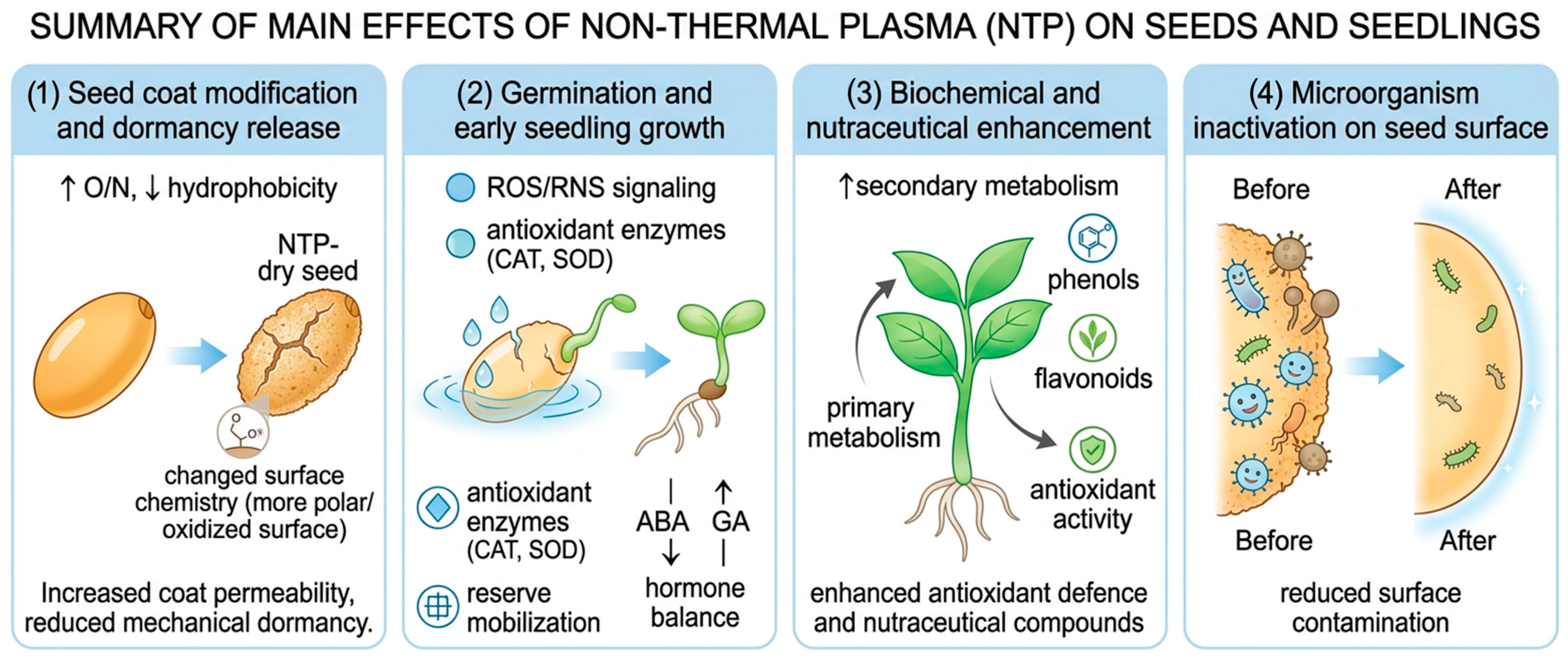
NTP induces physicochemical changes in seed coats and grains, such as increased hydrophilicity and surface wettability, which not only improve water uptake and vigour during seedling growth but can also enhance post-harvest resistance to environmental stressors. This leads to improved stability in the resulting crop products, thereby reducing quality loss and waste during storage. Additionally, plasma-generated reactive species can modify the chemical environment on the product’s surface, leading to the deactivation of spoilage enzymes and the extension of post-harvest freshness, further contributing to a longer shelf-life [71]. Figure 5 shows the effects discussed including the inactivation of microorganisms from the surface of the seeds.

8. Conclusions, Challenges, and Considerations

NTP treatments are highly dependent on factors related to the plasma source (e.g., the type of plasma, discharge gas, discharge voltage, processing time) and plant species as well. In some cases, the same conditions that stimulated some features in the case of one species can lead to inhibitory effects for another species, including reduced viability or biochemical responses. The efficacy of NTP treatment hinges on the careful optimisation of various parameters critical to achieving desirable outcomes. Voltage intensity and power settings must be adjusted to elicit sufficient reactive species generation without causing thermal or oxidative damage. Treatment duration must also be finely balanced, with excessive exposure leading to inhibitory effects, similar to the intense action of a eustress factor. The composition of feed gases (air, oxygen, argon, etc.) influences the types and concentrations of reactive species produced, impacting seed surface interaction and biochemical signalling.
The electrode design and plasma generation configuration also affect treatment uniformity and effectiveness. For example, the choice between atmospheric plasma and low-pressure plasma configurations influences reactive species diffusion, seed exposure homogeneity, and operational scalability. Dose–response studies are critical to establish stimulation thresholds and inhibition points, enabling the development of standardised protocols for different crop seeds.
Species-specific factors further complicate the application of NTP. The seed size, coat morphology, and intrinsic physiological properties dictate its sensitivity to plasma treatment. Comparative investigations reveal varied thresholds for beneficial effects and damage among crops such as alfalfa, wheat, and mung bean, necessitating tailored treatment regimes.
The mechanisms of action are partially understood, and many aspects still need to be figured out. There is also room for standardisation, although, considering the multitude of NTP sources and discharge conditions, this remains a delicate issue to be addressed.
While non-thermal plasma presents numerous advantages, it is not devoid of challenges and limitations. Excessive exposure, elevated voltages, or prolonged treatment times can result in seed coat damage, DNA fragmentation, and deleterious oxidative stress, leading to reduced germination rates or abnormal seedling development. At a fundamental level, the understanding of the molecular pathways triggered by plasma-generated reactive species remains incomplete. While signalling via ROS and RNS is acknowledged, the downstream gene networks, metabolite interactions, and long-term effects on entire plant life cycles necessitate further integrated omics investigations. Understanding these mechanisms is essential to fully harness plasma technology’s benefits and mitigate adverse effects. Future research focusing on multi-disciplinary approaches combining molecular biology, plant physiology, and plasma physics will be vital.
Another aspect mandatory for increased agricultural impact is the scalability of the devices, which implies the scale of the treatment and the number of seeds processed. In most cases this might be a problem, mostly when using low-pressure systems or discharge of small volumes, such as plasma jet. On the other hand, trying to figure out the mechanisms, it was shown that only reactive species produced in NTP could lead to the same stimulatory effects in some cases, which makes the scalability of the processing easier.
Relative to the environmental and user impacts, NTP is a chemical-free technology, aligned with sustainable and green agriculture goals. It was proven already as a great tool, able to reduce the use of pesticides for increasing crop yield and improving stress resilience, thus having far-reaching effects on food security and safety.
From the standpoint of sustainable and eco-friendly agriculture, NTP embodies a clean alternative to chemical seed treatments and pesticides, thereby reducing environmental contamination and chemical residues in food systems. The technology aligns with climate resilience strategies by enhancing crop stress tolerance and yield stability. The possibility of integrating NTP with emerging innovations such as nanotechnology and machine learning-driven protocol optimisation further amplifies its potential as a cornerstone of modern precision agriculture.
In summary, non-thermal plasma has been emerging not as a “one-size-fits-all” solution, but as an agricultural biotechnology that can be finely tuned and whose success depends on matching the discharge type and treatment conditions to the biological particularities of each targeted crop species. In optimum conditions, NTP and its derivatives such as PAW can reliably stimulate germination and seedling growth, and increase the stress resilience of plants while reducing chemical inputs, which closely aligns with the sustainability goals of modern agriculture. Therefore, we recommend that future work should prioritise the standardised reporting of treatment parameters, designing multi-disciplinary studies that investigate the interaction mechanisms, and developing scalable systems so that NTP can move from the lab to the field.

Author Contributions

Conceptualization, I.M., C.L. and C.E.L.; methodology, I.M., C.L. and C.E.L.; formal analysis, I.M., C.L., C.E.L., M.A.C., C.M.R., A.E.C. and L.-D.M.; resources, I.M. and G.J.; data curation, I.M., C.L., C.E.L., M.A.C., A.E.C., C.M.R. and L.-D.M.; writing—original draft preparation, I.M., C.L., C.E.L., A.E.C., L.-D.M. and G.J.; writing—review and editing, I.M., C.L. and C.E.L. All authors have read and agreed to the published version of the manuscript.

Funding

This work was supported by a grant of the Ministry of Research, Innovation and Digitalization, CNCS-UEFISCDI, project number PN-IV-P2-2.1-TE-2023-1383, within PNCDI IV.

Data Availability Statement

No new data were created or analysed in this study.

Conflicts of Interest

The authors declare no conflicts of interest.

Abbreviations

The following abbreviations are used in this manuscript:
NTPNon-thermal plasma
RONSReactive oxygen and nitrogen species
UVultraviolet
DBDDielectric barrier discharge
RFRadiofrequency
MWMicrowave
ROSReactive oxygen species
RNSReactive nitrogen species
LPDBDLow-pressure dielectric barrier discharge
CATCatalase
SODSuperoxide dismutase
ABAAbscisic acid
GAsgibberellins
TCATricarboxylic acid
NADPHnicotinamide adenine dinucleotide phosphate
PAWPlasma-activated water
NONitric oxide
DNAdeoxyribonucleic acid

References

  1. Bravo-Garcia, J.; Blanco-Velazquez, F.J.; Gonzalez-Penaloza, F.A.; Alonso-Martin, F.; Tamm, K.; Frick, F.; Winker, G.; Batollini, F.; Iglesisas, A.; Alemu, M.H.; et al. Soil health and business models: A review and analysis carried out in the NOVASOIL project. J. Appl. Life Sci. Environ. 2025, 58, 245–286. [Google Scholar] [CrossRef]
  2. Pahalvi, H.N.; Rafiya, L.; Rashid, S.; Nisar, B.; Kamili, A.N. Chemical Fertilizers and Their Impact on Soil Health. In Microbiota and Biofertilizers; Dar, G.H., Bhat, R.A., Mehmood, M.A., Hakeem, K.R., Eds.; Springer: Cham, Switzerland, 2021; Volume 2. [Google Scholar] [CrossRef]
  3. Biruntha, M.; Menaka, C.; Yuvaraja, A.; Vanitha, C.; Ramjegathesh, R. Advancing seed quality through cold plasma technology: A sustainable approach for agricultural enhancement. Plant Sci. Today 2025, 12, 1–11. [Google Scholar] [CrossRef]
  4. Jangra, S.; Mishra, A.; Mishra, R.; Pandey, S.; Prakash, R. Transformative impact of atmospheric cold plasma on mung bean seeds: Unveiling surface characteristics, physicochemical alterations, and enhanced germination potential. AIP Adv. 2024, 14, 075215. [Google Scholar] [CrossRef]
  5. Luchian, C.E.; Lungoci, C.; Ciolan, M.A.; Rimbu, C.M.; Miron, L.D.; Motrescu, I. Changes induced in seeds as a result of non-thermal plasma treatment in plasma agriculture applications. Appl. Sci. 2025, 15, 10366. [Google Scholar] [CrossRef]
  6. Motrescu, I.; Lungoci, C.; Calistru, A.E.; Luchian, C.E.; Gocan, T.M.; Rimbu, C.M.; Bulgariu, E.; Ciolan, M.A.; Jitareanu, G. Non-thermal Plasma (NTP) Treatment of Alfalfa Seeds in Different Voltage Conditions Leads to Both Positive and Inhibitory Outcomes Related to Sprout Growth and Nutraceutical Properties. Plants 2024, 13, 1140. [Google Scholar] [CrossRef]
  7. Veerana, M.; Ketya, W.; Choi, E.H.; Park, G. Non-thermal plasma enhances growth and salinity tolerance of bok choy (Brassica rapa subsp. chinensis) in hydroponic culture. Front. Plant Sci. 2024, 15, 1445791. [Google Scholar] [CrossRef]
  8. Veerana, M.; Mumtaz, S.; Rana, J.N.; Javed, R.; Panngom, K.; Ahmed, B.; Akter, K.; Choi, E.H. Recent Advances in Non-Thermal Plasma for Seed Germination, Plant Growth, and Secondary Metabolite Synthesis: A Promising Frontier for Sustainable Agriculture. Plasma Chem. Plasma Process. 2024, 44, 2263–2302. [Google Scholar] [CrossRef]
  9. Motrescu, I.; Lungoci, C.; Ciolan, M.A.; Jitareanu, G. Non-thermal plasma (NTP) treatment of Trigonella foenum-graecum L. seeds stimulates the sprout growth and the production of nutraceutical compounds. BMC Plant Biol. 2024, 24, 33. [Google Scholar] [CrossRef]
  10. Adhikari, B.; Adhikari, M.; Ghimire, B.; Adhikari, B.C.; Park, G.; Choi, E.H. Cold plasma seed priming modulates growth, redox homeostasis and stress response by inducing reactive species in tomato (Solanum lycopersicum). Free Radic. Biol. Med. 2020, 156, 57–69. [Google Scholar] [CrossRef]
  11. Adhikari, B.; Pangomm, K.; Veerana, M.; Mitra, S. Plant disease control by non-thermal atmospheric-pressure plasma. Front. Plant Sci. 2020, 11, 77. [Google Scholar] [CrossRef] [PubMed]
  12. Hasan, M.; Sohan, S.R.; Sajib, S.A.; Hossain, M.F.; Miah, M.; Maruf, M.M.H.; Khalid-Bin-Ferdaus, K.M.; Kabir, A.H.; Talukder, M.R.; Rashid, M.M.; et al. The effect of low-pressure dielectric barrier discharge (LPDBD) plasma in boosting germination, growth, and nutritional properties in wheat. Plasma Chem. Plasma Proces. 2022, 42, 339–362. [Google Scholar] [CrossRef]
  13. Fernandes, F.A.N.; Rodrigues, S. Cold plasma technology for sustainable food production: Meeting the United Nations sustainable development goals. Sustain. Food Technol. 2025, 3, 32–53. [Google Scholar] [CrossRef]
  14. Lee, Y.; Lee, Y.Y.; Kim, Y.S.; Balaraju, K.; Mok, Y.S.; Yoo, S.J.; Jeon, Y. Enhancement of seed germination and microbial disinfection on ginseng by cold plasma treatment. J. Ginseng Res. 2021, 45, 519–526. [Google Scholar] [CrossRef]
  15. Motrescu, I.; Nagatsu, M. Nanocapillary atmospheric plasma jet: A tool for ultrafine maskless surface modification at atmospheric pressure. ACS Appl. Mater. Interfaces 2016, 8, 12528–12533. [Google Scholar] [CrossRef]
  16. Motrescu, I.; Ogino, A.; Nagatsu, M. Micro-patterning of functional groups onto polymer surface using capillary atmospheric pressure plasma jet. J. Polym. Sci. Technol. 2012, 25, 529–534. [Google Scholar] [CrossRef]
  17. Pal, P.; Sehgal, H.; Joshi, M.; Arora, G.; Simek, M.; Lamba, R.P.; Maurya, S.; Pal, U.N. Advances in using nonthermal plasmas for healthier crop production: Toward pesticide and chemical fertilizer-free agriculture. Planta 2025, 261, 109. [Google Scholar] [CrossRef]
  18. Bilea, F.; Garcia-Vaquero, M.; Magureanu, M.; Mihaila, I.; Mildaziene, V.; Mozetic, M.; Pawlat, J.; Primc, G.; Puac, N.; Robert, E.; et al. Non-Thermal Plasma as Environmentally-Friendly Technology for Agriculture: A Review and Roadmap. Crit. Rev. Plant Sci. 2024, 43, 428–486. [Google Scholar] [CrossRef]
  19. Waskow, A.; Howling, A.; Furno, I. Mechanism of Plasma-Seed Treatments as a Potential Seed Processing Technology. Front. Phys. 2021, 9, 617345. [Google Scholar] [CrossRef]
  20. Cui, D.; Yin, Y.; Wang, J.; Wang, Z.; Ding, H.; Ma, R.; Jiao, Z. Research on the Physio-Biochemical Mechanism of Non-Thermal Plasma-Regulated Seed Germination and Early Seedling Development in Arabiodopsis. Front. Plant Sci. 2019, 10, 01322. [Google Scholar] [CrossRef] [PubMed]
  21. Mildaziene, V.; Aleknaviciute, V.; Zukiene, R.; Pauzaite, G.; Nauciene, Z.; Filatova, I.; Lyushkevich, V.; Haimi, P.; Tomosune, I.; Baniulis, D. Treatment of Common Sunflower (Helianthus annus L.) Seeds with Radio-frequency Electromagnetic Field and Cold Plasma Induces Changes in Seed Phytohormone Balance, Seedling Development and Leaf Protein Expression. Sci. Rep. 2019, 9, 6437. [Google Scholar] [CrossRef]
  22. Motrescu, I.; Ciolan, M.A.; Calistru, A.E.; Jitareanu, G. Germination and Growth Improvement of Some Micro-Greens under the Influence of Reactive Species Produced in a Non-Thermal Plasma (NTP). Agronomy 2023, 13, 150. [Google Scholar] [CrossRef]
  23. Staric, P.; Vogel-Mikus, K.; Mozetic, M.; Junkar, I. Effects of Nonthermal Plasma on Morphology, Genetics and Physiology of Seeds: A Review. Plants 2020, 9, 1736. [Google Scholar] [CrossRef] [PubMed]
  24. Antoni, V.; Cortese, E.; Navazio, L. Plasma-activated water to foster sustainable agriculture: Evidence and quest for the fundamentals. Plants People Planet 2025, 7, 1596–1603. [Google Scholar] [CrossRef]
  25. Stoleru, V.; Burlica, R.; Mihalache, G.; Dirlau, D.; Padureanu, S.; Teliban, G.C.; Astanei, D.; Cojocaru, A.; Beniuga, O.; Patras, A. Plant growth promotion effect of plasma activated water on Lactuca sativa L. cultivated in two different volumes of substrate. Sci. Rep. 2020, 10, 20920. [Google Scholar] [CrossRef]
  26. Darmanin, M.; Kozak, D.; de Oliveira Mallia, J.; Blundell, R.; Gatt, R.; Valdramidis, V.P. Generation of plasma functionalized water: Antimicrobial assessment and impact on seed germination. Food Control 2020, 113, 107168. [Google Scholar] [CrossRef]
  27. Sivachandiran, L.; Khacef, A. Enhanced seed germination and plant growth by atmospheric pressure cold air plasma: Combined effect of seed and water treatment. RSC Adv. 2017, 7, 1822–1832. [Google Scholar] [CrossRef]
  28. Guragain, R.P.; Kierzkowska-Pawlak, H.; Fronczak, M.; Kedzierska-Sar, A.; Subedi, D.P.; Tyczkowski, J. Germination improvement of fenugreek seeds with cold plasma: Exploring long-lasting effects of surface modification. Sci. Hortic. 2024, 324, 112619. [Google Scholar] [CrossRef]
  29. Holubová, Ľ.; Kyzek, S.; Ďurovcová, I.; Fabová, J.; Horváthová, E.; Ševčovičová, A.; Gálová, E. Non-Thermal Plasma—A New Green Priming Agent for Plants? Int. J. Mol. Sci. 2020, 21, 9466. [Google Scholar] [CrossRef]
  30. Šerá, B.; Scholtz, V.; Jirešová, J.; Khun, J.; Julák, J.; Šerý, M. Effects of Non-Thermal Plasma Treatment on Seed Germination and Early Growth of Leguminous Plants—A Review. Plants 2021, 10, 1616. [Google Scholar] [CrossRef]
  31. Molina, R.; Lopez-Santos, C.; Gomez-Ramirez, A.; Vilchez, A.; Espinos, J.P.; Gonzalez-Felipe, A.R. Influence of irrigation conditions in the germination of plasma treated Nasturtium seeds. Sci. Rep. 2018, 8, 16442. [Google Scholar] [CrossRef]
  32. Perea-Brenes, A.; Gomez-Ramirez, A.; Lopez-Santos, C.; Oliva-Ramirez, M.; Molina, R.; Cotrino, J.; Garcia, J.L.; Cantos, M.; Gonzalez-Felipe, A.R. Comparative analysis of the germination of barley seeds subjected to drying, hydrogen peroxide, or oxidative air plasma treatments. Plasma Process. Polym. 2022, 19, e2200035. [Google Scholar] [CrossRef]
  33. Sriruksa, C.; Sawangrat, C.; Sansongsiri, S.; Boonyawan, D.; Thanapornpoonpong, S.N. Influence of Seed Coat Integrity on the Response of Pepper Seeds to Dielectric Barrier Discharge Plasma Treatment. Plants 2025, 14, 1938. [Google Scholar] [CrossRef]
  34. Tatarcan, B.; Pohoata, V.; Gerber, I.C.; Mihalache, G.; Mihaila, I.; Dobromir, M.; Soroaga, L.V.; Topala, I. Effects of long-duration non-thermal plasma treatment on quinoa seeds: Surface chemistry, mesoscale morphology and germination under optimal and saline conditions. Food Biosci. 2025, 68, 106709. [Google Scholar] [CrossRef]
  35. Jiafeng, J.; Xin, H.; Ling, L.; Jiangang, L.; Hanliang, S.; Qilai, X.; Renhong, Y.; Yuanhua, D. Effect of cold plasma treatment on seed germination and growth of wheat. Plasma Sci. Technol. 2014, 16, 54–58. [Google Scholar] [CrossRef]
  36. Sarapirom, S.; Yu, L.D. Low-pressure and atmospheric plasma treatment of sunflower seeds. Surf. Coat. Technol. 2021, 406, 126638. [Google Scholar] [CrossRef]
  37. Weihe, T.; Yao, Y.; Stachowiak, J.; Ehlbeck, J.; Schnabel, U. Microwave plasmas in food safety. A review. Inn. Food Sci. Emerg. Technol. 2024, 96, 103774. [Google Scholar] [CrossRef]
  38. Wiktor, A.; Hrycak, B.; Jasiński, M.; Rybak, K.; Kieliszek, M.; Kraśniewska, K.; Witrowa-Rajchert, D. Impact of Atmospheric Pressure Microwave Plasma Treatment on Quality of Selected Spices. Appl. Sci. 2020, 10, 6815. [Google Scholar] [CrossRef]
  39. Saudy, H.S.; Hamed, M.F.; El-Mageed, T.A.A.; El-Bordeny, N.E.; Madkour, M.A.; Shokry, M.H.; Gouda, G.F.; Jaremko, M.; Emwas, A.H.; Elgendy, A.T. Utilization of plasma as an ameliorator for forage productivity and in vitro traits of cowpea cultivated in salty soil. Sci. Rep. 2025, 15, 20322. [Google Scholar] [CrossRef] [PubMed]
  40. Sayahi, K.; Sari, A.H.; Hamidi, A.; Nowruzi, B.; Hassani, F. Evaluating the impact of Cold plasma on Seedling Growth properties, seed germination, and soybean antioxidant enzyme activity. BMC Biotechnol. 2024, 24, 93. [Google Scholar] [CrossRef]
  41. Wang, Y.; Yao, Q.; Li, X.; Yin, L.; Zhang, Z.; Zhou, X. Study of the Effects of Plasma Pretreatment on the Microstructure of Peanuts. Appl. Sci. 2024, 14, 7752. [Google Scholar] [CrossRef]
  42. De Groot, G.J.J.B.; Hundt, A.; Murphy, A.B.; Bange, M.P.; Mai-Prochnow, A. Cold plasma treatment for cotton seed germination improvement. Sci. Rep. 2018, 8, 14372. [Google Scholar] [CrossRef]
  43. Zahoranova, A.; Hoppanova, L.; Simoncicova, J.; Tucekova, Z.; Medvecka, V.; Hudecova, D.; Kalinakova, B.; Kovacik, D.; Cernak, M. Effect of Cold Atmospheric Pressure Plasma on Maize Seeds: Enhancement of Seedlings Growth and Surface Microorganisms Inactivation. Plasma Chem. Plasma Process. 2018, 38, 969–988. [Google Scholar] [CrossRef]
  44. Zhou, R.; Zhou, R.; Zhang, X.; Zhuang, J.; Yang, S.; Bazaka, K.; Ostrikov, K. Effects of Atmospheric-Pressure N2, He, Air, and O2 Microplasmas on Mung Bean Seed Germination and Seedling Growth. Sci. Rep. 2016, 6, 32603. [Google Scholar] [CrossRef] [PubMed]
  45. Gurgain, R.P.; Baniya, H.B.; Gurgain, D.P.; Pradhan, S.P.; Subedi, D.P. From seed to sprout: Unveiling the potential of non-thermal plasma for optimizing cucumber growth. Heliyon 2023, 9, e21460. [Google Scholar] [CrossRef]
  46. Kobayashi, M.; Yamaguchi, S.; Kusano, S.; Kumagai, S.; Ito, T. Non-thermal atmospheric-pressure plasma exposure as a practical method for improvement of Brassica juncea seed germination. J. Biotechnol. 2024, 392, 103–108. [Google Scholar] [CrossRef] [PubMed]
  47. Ling, L.; Jiafeng, J.; Jiangang, L.; Xin, H.; Hanliang, S.; Yuanhua, D. Effects of cold plasma treatment on seed germination and seedling growth of soybean. Sci. Rep. 2014, 4, 5859. [Google Scholar] [CrossRef]
  48. Lotfy, K. Effects of Cold Atmospheric Plasma Jet Treatment on the Seed Germination and Enhancement Growth of Watermelon. Open J. Appl. Sci. 2017, 7, 705–719. [Google Scholar] [CrossRef][Green Version]
  49. Leti, L.I.; Gerber, I.C.; Mihaila, I.; Galan, P.M.; Strajeru, S.; Petrescu, D.E.; Cimpeanu, M.M.; Topala, I.; Gorgan, D.L. The Modulatory Effects of Non-Thermal Plasma on Seed’s Morphology, Germination and Genetics—A Review. Plants 2022, 11, 2181. [Google Scholar] [CrossRef]
  50. Chalise, R.; Tamang, A.; Kattel, A.; Sharma, S.; Basnet, S.; Khanal, R. Impact of plasma-activated water on germination, growth, and production of green leafy vegetables. AIP Adv. 2024, 14, 065318. [Google Scholar] [CrossRef]
  51. Priatama, R.A.; Pervitasari, A.N.; Park, S.; Park, S.J.; Lee, Y.K. Current Advancements in the Molecular Mechanism of Plasma Treatment for Seed Germination and Plant Growth. Int. J. Molec Sci. 2022, 23, 4609. [Google Scholar] [CrossRef]
  52. Srisonphan, S.; Tephiruk, N.; Homkanchan, S.; Puttha, J.; Suwannarat, S.; Teerakawanich, N. Synergistic DBD Plasma and plasma-activated water enhance sunflower seed surface wettability and germination. Res. Eng. 2025, 26, 105434. [Google Scholar] [CrossRef]
  53. Date, M.B.; Rivero, W.C.; Tan, J.; Specca, D.; Simon, J.E.; Salvi, D.A.; Karwe, M.V. Growth of Hydroponic Sweet Basil (O. basilicum L.) Using Plasma-Activated Nutrient Solution (PANS). Agriculture 2023, 13, 443. [Google Scholar] [CrossRef]
  54. Perea-Brenes, A.; Ruiz-Pino, N.; Yubero, F.; Garcia, J.L.; Gonzales-Elipe, A.R.; Gomez-Ramirez, A.; Prados, A.; Lopez-Santos, C. Ion Mobility and Segregation in Seed Surfaces Subjected to Cold Plasma Treatments. J. Agric. Food Chem. 2025, 73, 6486–6499. [Google Scholar] [CrossRef]
  55. Khan, M.; Al Azzawi, T.N.I.; Ali, S.; Yun, B.-W.; Mun, B.-G. Nitric Oxide, a Key Modulator in the Alleviation of Environmental Stress-Mediated Damage in Crop Plants: A Meta-Analysis. Plants 2023, 12, 2121. [Google Scholar] [CrossRef]
  56. Angeles, R.; Carvalho, J.; Hernangez-Martinez, I.; Morales-Ibarria, M.; Frandinho, J.C.; Reis, M.A.M.; Lebrero, R. Harnessing nature’s palette: Exploring photosynthetic pigments for sustainable biotechnology. New Biotechnol. 2025, 85, 84–102. [Google Scholar] [CrossRef]
  57. Locatelli, S.; Triolone, S.; De Bonis, M.; Zanin, G.; Nicoletto, C. Non-Thermal Plasma-Activated Water Enhances Nursery Production of Vegetables: A Species-Specific Study. Agronomy 2025, 15, 209. [Google Scholar] [CrossRef]
  58. Priatama, R.A.; Beak, H.K.; Park, S.; Song, I.; Park, S.J.; Kim, S.B.; Lee, Y.L. Tomato yield enhancement with plasma-activated water as an alternative nitrogen source. BMC Plant Biol. 2025, 25, 668. [Google Scholar] [CrossRef]
  59. Jirešová, J.; Scholtz, V.; Julák, J.; Šerá, B. Comparison of the Effect of Plasma-Activated Water and Artificially Prepared Plasma-Activated Water on Wheat Grain Properties. Plants 2022, 11, 1471. [Google Scholar] [CrossRef]
  60. Mildaziene, V.; Ivankov, A.; Sera, B.; Baniulis, D. Biochemical and Physiological Plant Processes Affected by Seed Treatment with Non-Thermal Plasma. Plants 2022, 11, 856. [Google Scholar] [CrossRef] [PubMed]
  61. Shahabi, Z.M.; Nasibi, F.; Noori, H. Cold plasma technology as a pre-treatment for seed priming enhances germination and reduces salinity stress in Prosopis koelziana. Sci. Rep. 2025, 15, 26250. [Google Scholar] [CrossRef] [PubMed]
  62. Ghasempour, M.; Iranbakhsh, A.; Ebadi, M.; Ardebili, Z.O. Seed priming with cold plasma improved seedling performance, secondary metabolism, and expression of deacetylvindoline O-acetyltransferase gene in Catharanthus roseus. Contrib. Plasma Phys. 2020, 60, e201900159. [Google Scholar] [CrossRef]
  63. Sera, B.; Mildaziene, V. Effects of Non-Thermal Plasma Treatment on Plant Physiological and Biochemical Processes, Second Edition. Plants 2026, 15, 546. [Google Scholar] [CrossRef]
  64. Butscher, D.; Zimmermann, D.; Schuppler, M.; von Rohr, P.R. Plasma inactivation of bacterial endospores on wheat grains and polymeric model substrates in a dielectric barrier discharge. Food Control 2016, 60, 636–645. [Google Scholar] [CrossRef]
  65. Gupta, R.K.; Shams, R.; Bahndral, A.; Dash, K.K.; Pawase, P.A.; Shaikh, A.M.; Bela, K. Effectiveness of various plasma treatments on nutrient retention and food quality: A comprehensive review of applications and impact. Appl. Food Res. 2025, 5, 101422. [Google Scholar] [CrossRef]
  66. Kang, M.H.; Veerana, M.; Eom, S.; Uhm, H.S.; Ryu, S.; Park, G. Plasma mediated disinfection of rice seeds in water and air. J. Phys. D Appl. Phys. 2020, 53, 214001. [Google Scholar] [CrossRef]
  67. Sramkova, P.; Kostolani, D.; Kyzek, S.; Bathoova, M.; Durcanyova, S.; Stupavska, M.; Galova, E.; Zahoranova, A.; Svubova, R. Extending shelf life: Cold plasma as a tool to preserve long-term germination potential of pea seeds. Sci. Rep. 2025, 15, 35001. [Google Scholar] [CrossRef] [PubMed]
  68. Molina-Hernandez, J.B.; Grande-Tovar, C.D.; Neri, L.; Delgado-Ospina, J.; Rinaldi, M.; Cordero-Bueso, G.A.; Chaves-Lopez, C. Enhancing postharvest food safety: The essential role of non-thermal technologies in combating fungal contamination and mycotoxins. Front. Microbiol. 2025, 16, 1543716. [Google Scholar] [CrossRef]
  69. Lisboa, H.M.; Pasquali, M.B.; dos Anjos, A.I.; Sarinho, A.M.; de Melo, E.D.; Andrade, R.; Batista, L.; Lima, J.; Diniz, Y.; Barros, A. Innovative and Sustainable Food Preservation Techniques: Enhancing Food Quality, Safety, and Environmental Sustainability. Sustainability 2024, 16, 8223. [Google Scholar] [CrossRef]
  70. Scholtz, V.; Sera, B.; Khun, J.; Sery, M.; Julak, J. Effects of Nonthermal Plasma on Wheat Grains and Products. J. Food Qual. 2019, 2019, 7917828. [Google Scholar] [CrossRef]
  71. Shishir, M.R.I.; Kamal, M.M.; Karim, N.; Saifullah, M.; Khan, S.; Zhang, K.; Marappan, G.; Aalim, H.; Hashim, S.B.H.; Zhai, X.; et al. Cold plasma and integrated approaches for fresh produce preservation: Mechanisms, quality attributes, challenges, and future directions. Trends Food Sci. Technol. 2025, 159, 104988. [Google Scholar] [CrossRef]
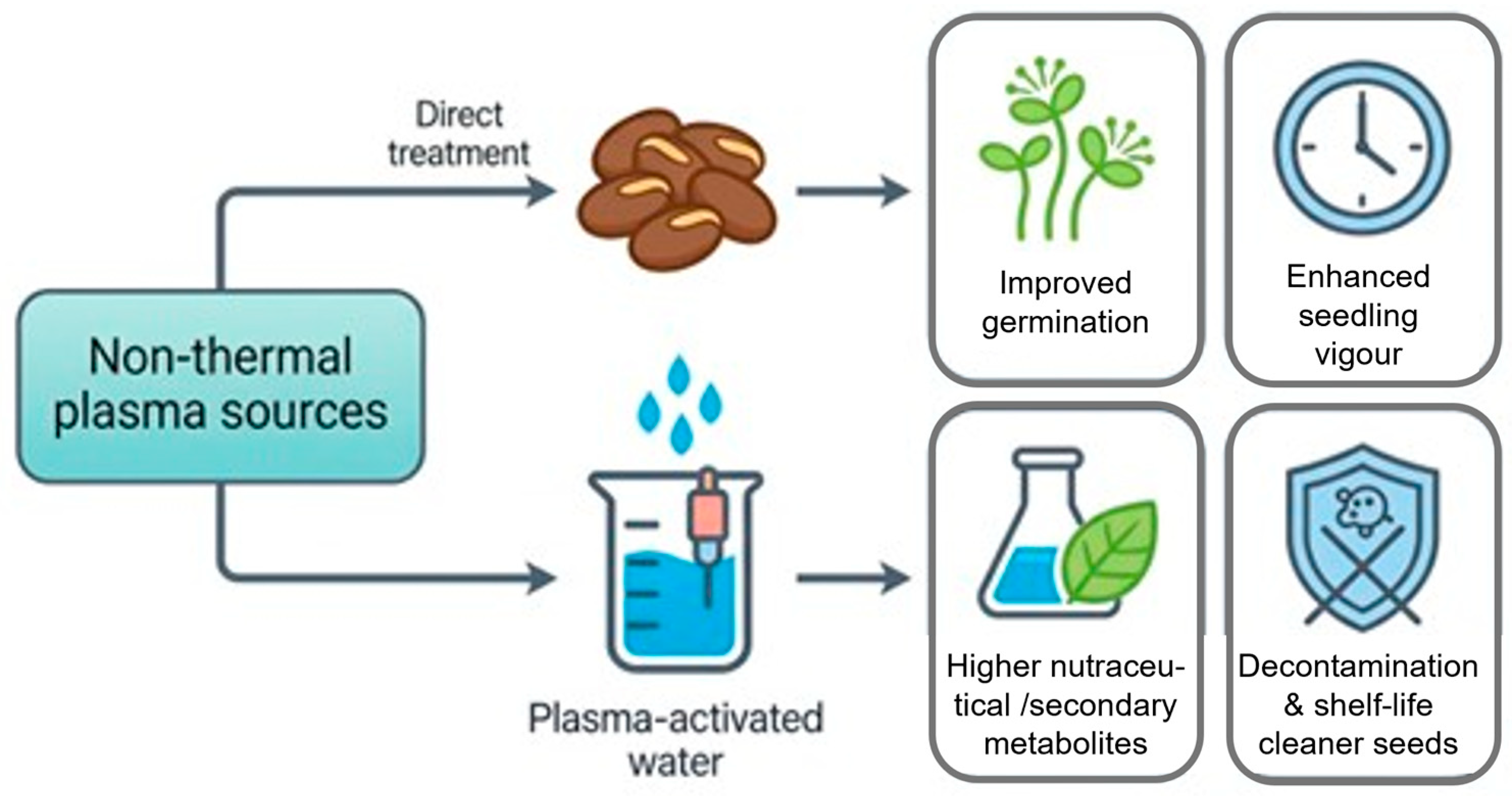
Figure 1. Schematic of non-thermal plasma applications as an agricultural biotechnology.
Agronomy 16 00731 g001
Figure 2. PRISMA 2020 systematic review flow diagram showing the choices and filtering of references based on their relevance.
Agronomy 16 00731 g002
Figure 3. Microstructure of wheat seed coat for wheat that is (a) untreated, (b) treated for 120 s in DBD ignited with 11 kV HV, and (c) treated for 120 s in DBD ignited with 12 kV HV, respectively. The arrow indicates cracks formed as a result of plasma treatment.
Agronomy 16 00731 g003
Figure 4. Fenugreek microplants (left) grown from untreated seeds and dry seeds treated in non-thermal plasma in different conditions (with cover—closed package, and plasma—directly exposed to the discharge) and length of the microplants (right) after treatment in different conditions for dry and pre-soaked seeds (adaptation from 9) (significant differences at 0.05 level are indicated in letters).
Agronomy 16 00731 g004
Figure 5. Schematic summary representation of the main aspects reviewed regarding the effects of non-thermal plasma on seeds and seedlings.
Agronomy 16 00731 g005
Disclaimer/Publisher’s Note: The statements, opinions and data contained in all publications are solely those of the individual author(s) and contributor(s) and not of MDPI and/or the editor(s). MDPI and/or the editor(s) disclaim responsibility for any injury to people or property resulting from any ideas, methods, instructions or products referred to in the content.