Article

Impact of Phytoplankton Biomass on the Growth and Development of Agricultural Plants
by
Jurga Jankauskienė
1,*,
Kornelija Janušaitienė
2,
Jūratė Karosienė
2,
Ričardas Paškauskas
2,
Sigita Jurkonienė
1,* and
Rima Mockevičiūtė
1
1
Laboratory of Plant Physiology, State Scientific Research Institute Nature Research Centre, Akademijos Str. 2, 08412 Vilnius, Lithuania
2
Laboratory of Algology and Microbial Ecology, State Scientific Research Institute Nature Research Centre, Akademijos Str. 2, 08412 Vilnius, Lithuania
*
Authors to whom correspondence should be addressed.
Agronomy 2025, 15(5), 1120; https://doi.org/10.3390/agronomy15051120

Submission received: 4 April 2025 / Revised: 29 April 2025 / Accepted: 29 April 2025 / Published: 30 April 2025
(This article belongs to the Section Soil and Plant Nutrition)

Abstract

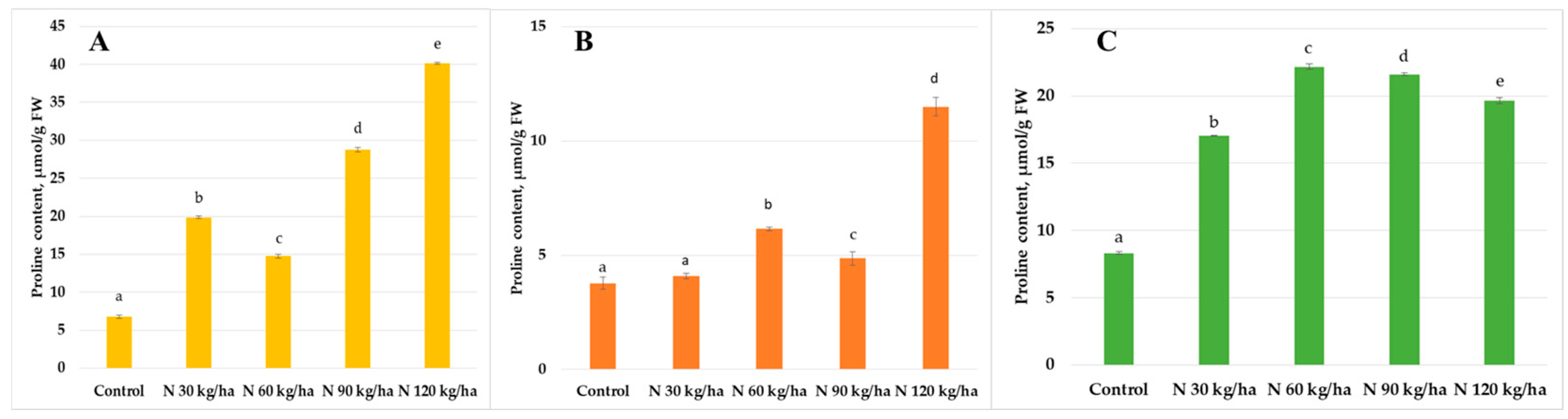
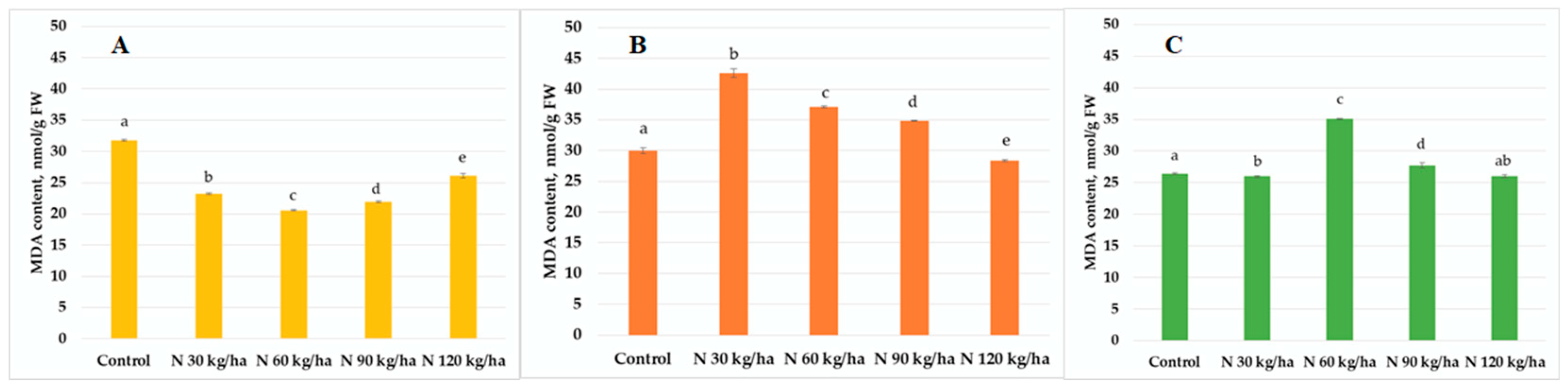
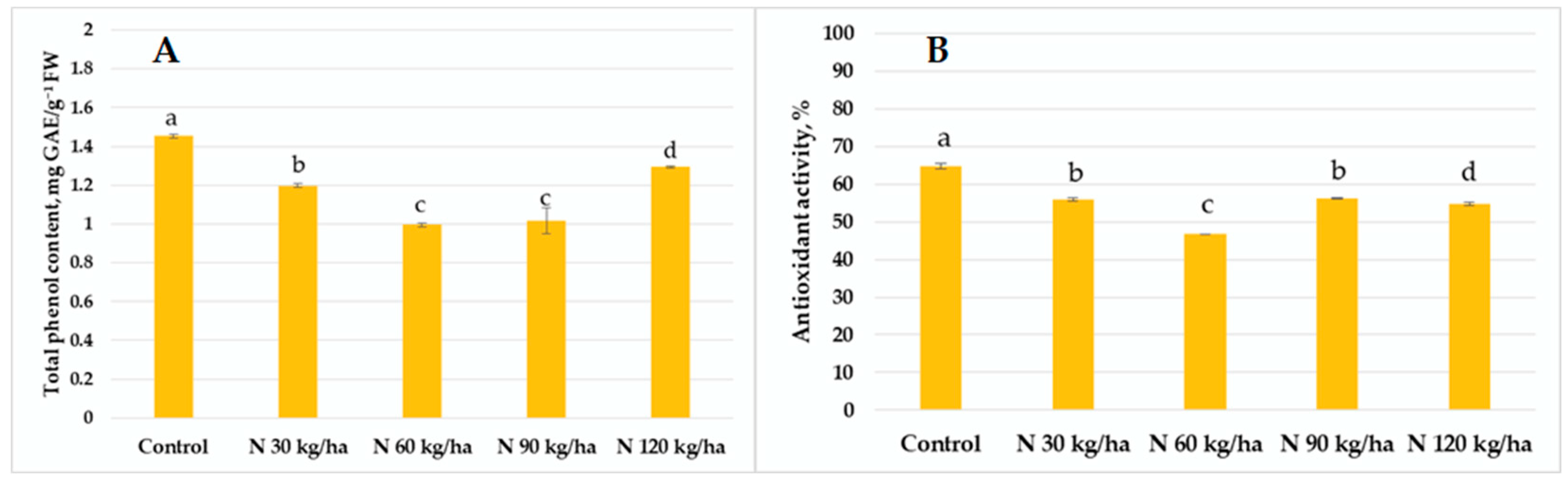
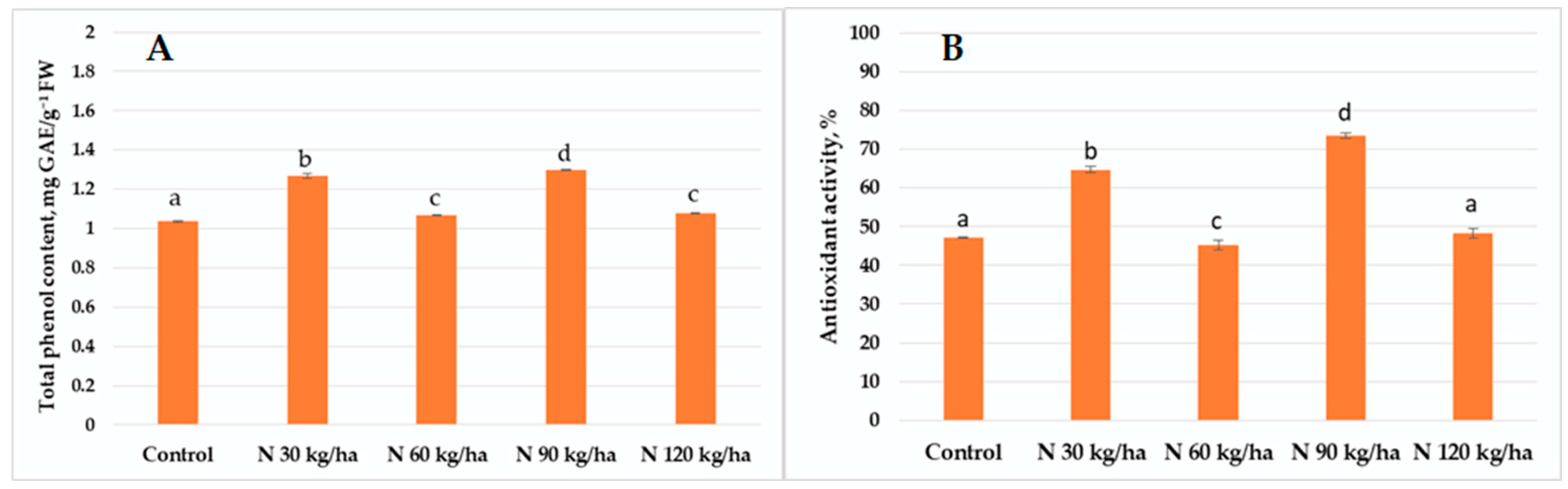
The agricultural sector plays one of the pivotal roles in fulfilling the objectives set forth by the EU Green Deal. However, the extensive use of synthetic fertilizers has contributed to nutrient over-enrichment in aquatic ecosystems, promoting eutrophication due to excess nitrogen inputs from fertilizers. This phenomenon is a key driver of rapid and excessive algal blooms in rivers, lakes, and seas. In this study, three globally cultivated crop species—oilseed rape (Brassica napus L.), common wheat (Triticum aestivum L.), and pea (Pisum sativum L.)—were selected for experimental analysis, including the assessment of biochemical parameters such as proline content, lipid peroxidation levels, hydrogen peroxide production, total phenol content, and antioxidant activity, which were evaluated to determine the potential of phytoplankton biomass as a substitute for synthetic fertilizers. Various quantities of lyophilized phytoplankton biomass, collected from the Curonian Lagoon, a biologically productive and ecologically sensitive brackish water body in the southeastern Baltic region, were incorporated into the growth substrates of the studied plants. The findings indicate that utilizing excess phytoplankton biomass can serve not only as a plant growth biostimulant but also as a sustainable alternative to synthetic fertilizers, thereby contributing to improved water quality and more environmentally responsible agricultural practices.
Keywords: biofertilizer; phytoplankton biomass; plant biostimulant; sustainable agriculture; osmolytes; oxidative stress; crop growth biofertilizer; phytoplankton biomass; plant biostimulant; sustainable agriculture; osmolytes; oxidative stress; crop growth