Review

Bio-Inspired Polymeric Structures with Special Wettability and Their Applications: An Overview

1
Institute of Resources and Environmental Engineering, Shanxi University, 92 Wucheng Road, Xiaodian District, Taiyuan 030006, Shanxi, China
2
Shanxi Collaborative Innovation Center of High Value-Added Utilization of Coal-Related Wastes, Taiyuan 030006, Shanxi, China
3
Department of Chemical Engineering, University of Waterloo, 200 University Avenue West, Waterloo, ON N2L 3G1, Canada
4
Waterloo Institute for Nanotechnology, University of Waterloo, 200 University Avenue West, Waterloo, ON N2L 3G1, Canada
*
Authors to whom correspondence should be addressed.
Polymers 2017, 9(12), 725; https://doi.org/10.3390/polym9120725
Submission received: 23 October 2017 / Revised: 8 December 2017 / Accepted: 14 December 2017 / Published: 17 December 2017
(This article belongs to the Collection Polymeric Adhesives)

Abstract

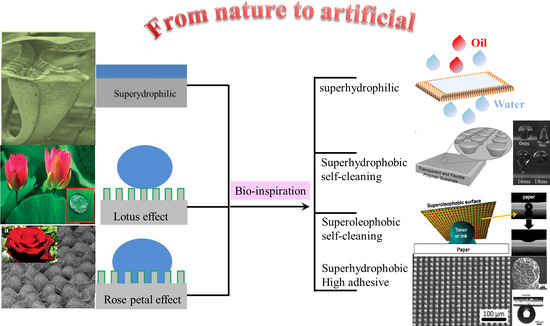
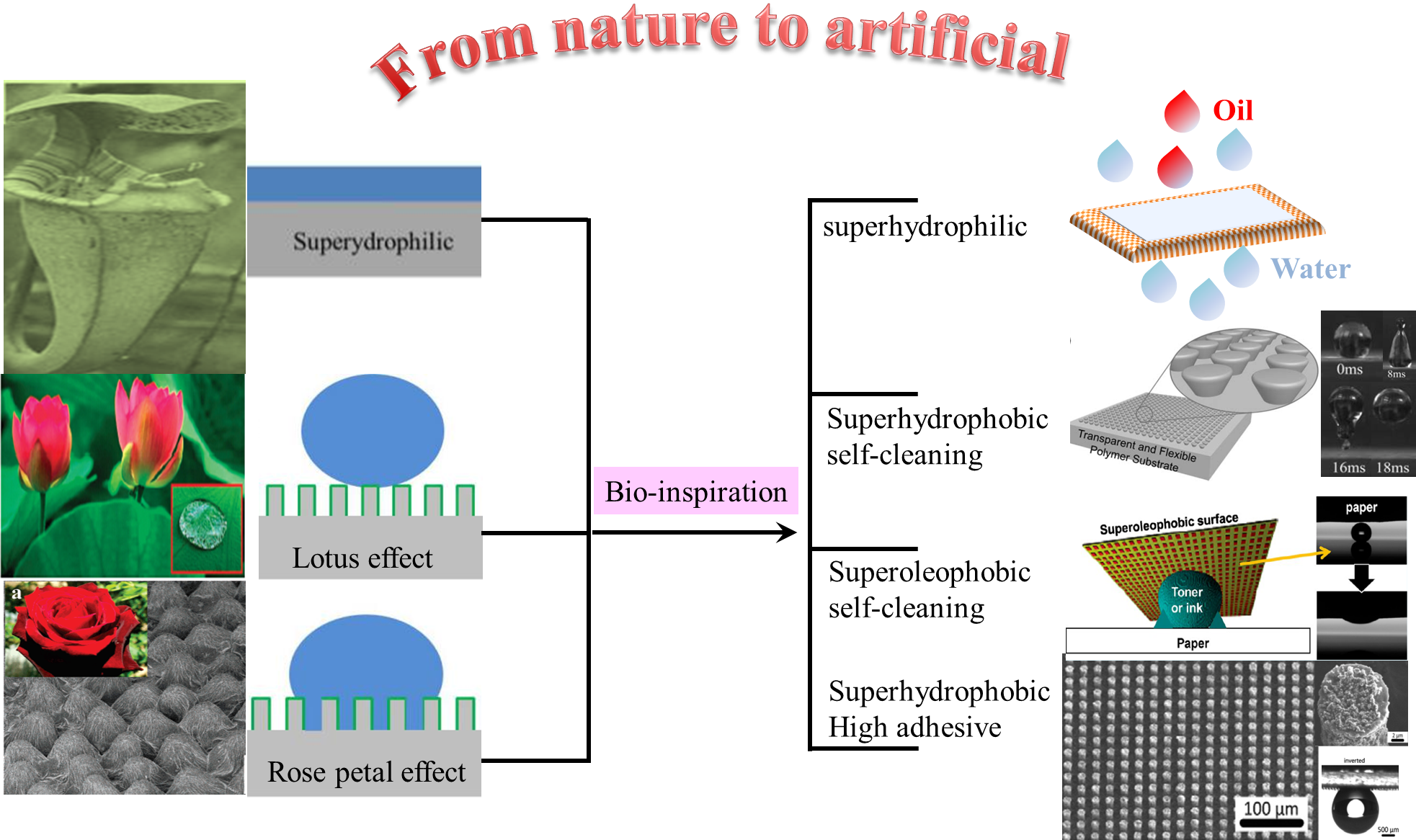
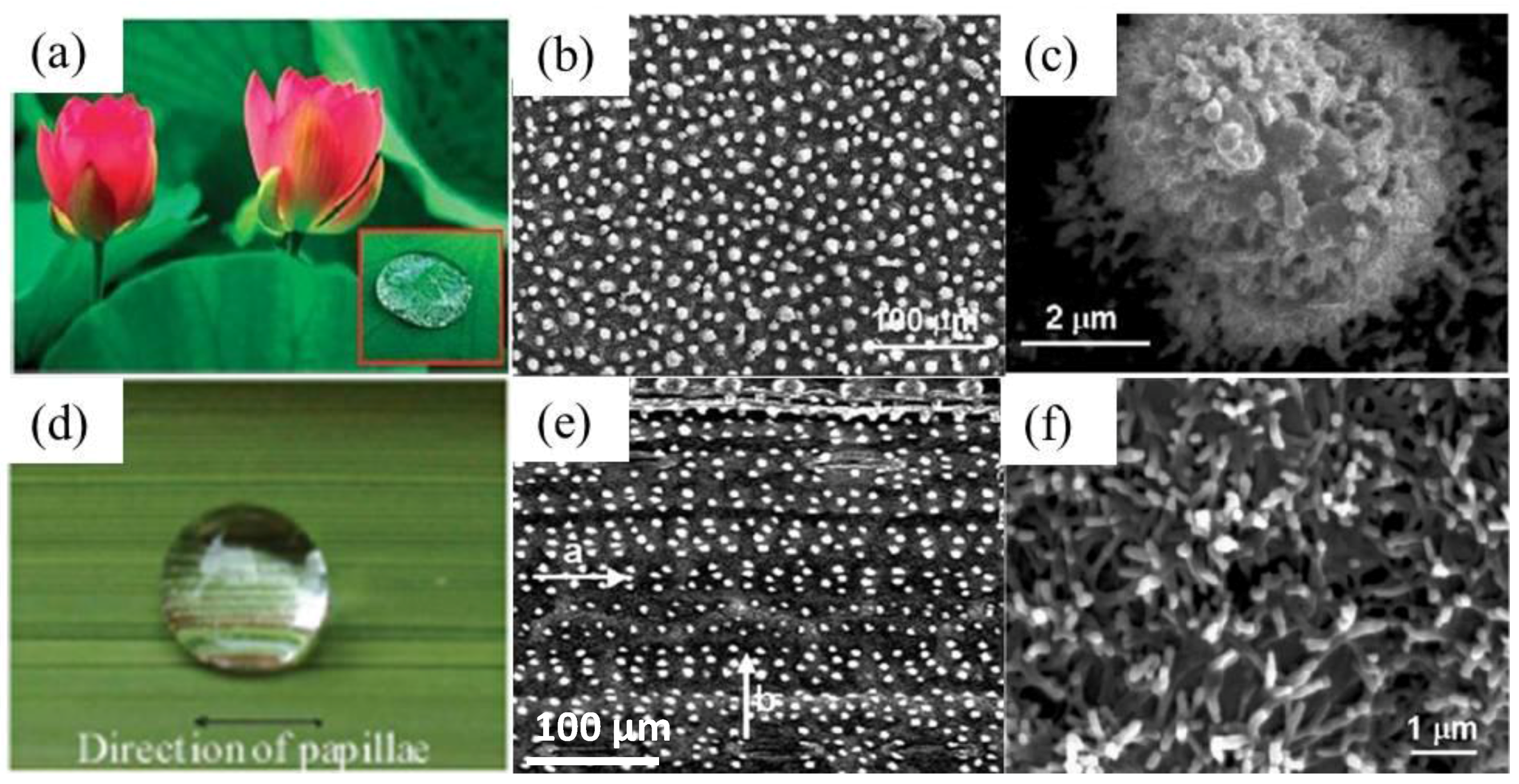
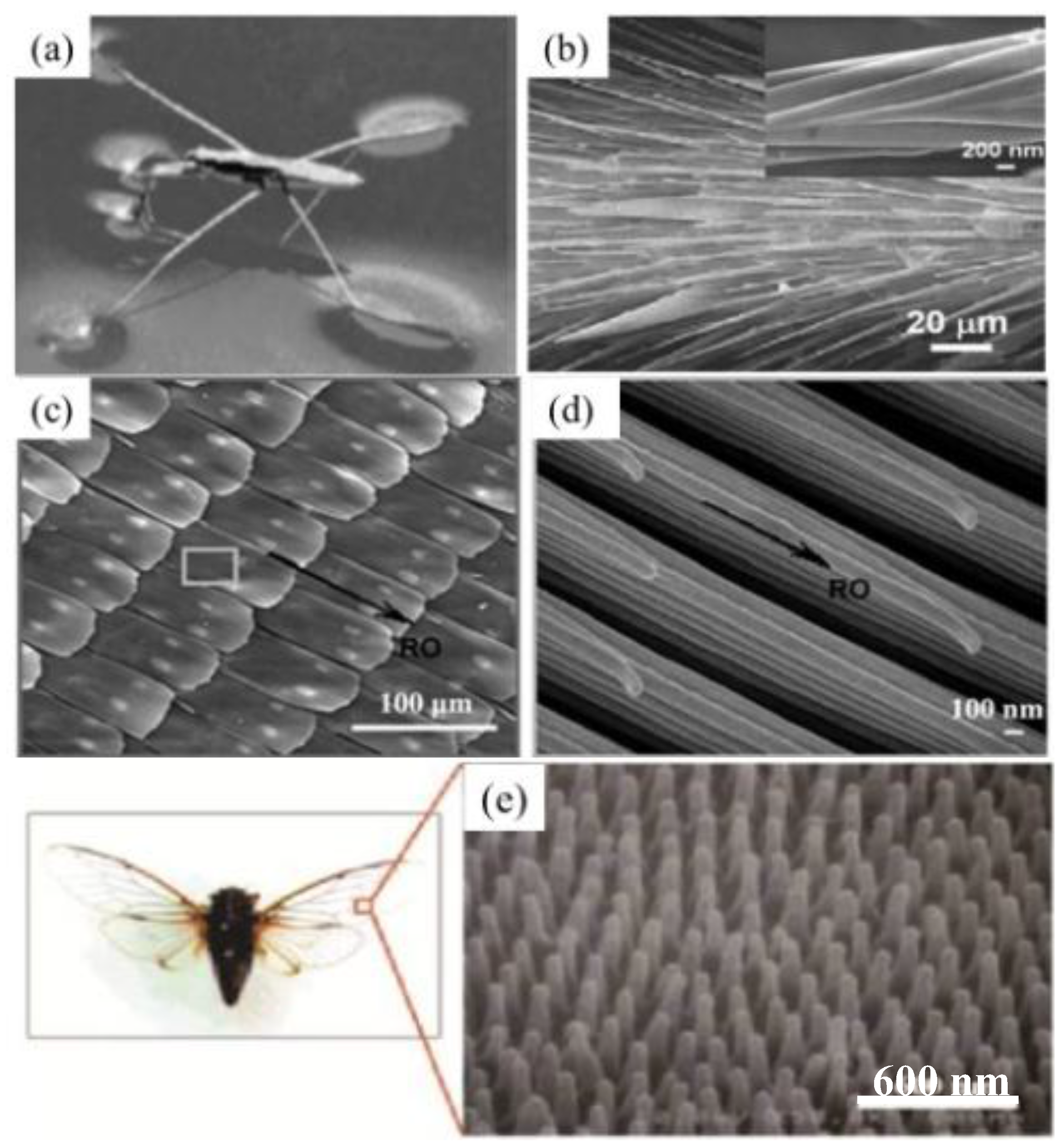
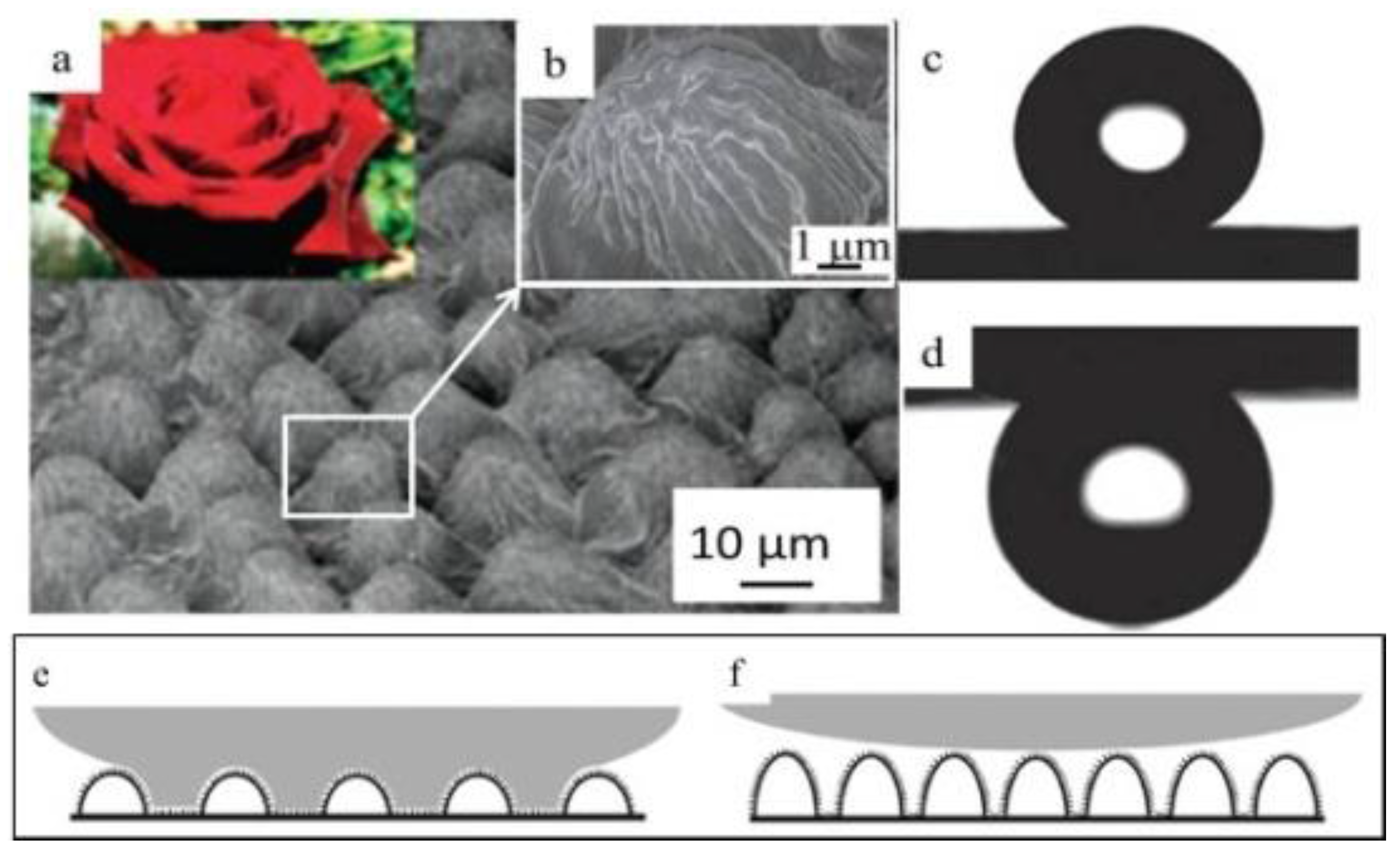
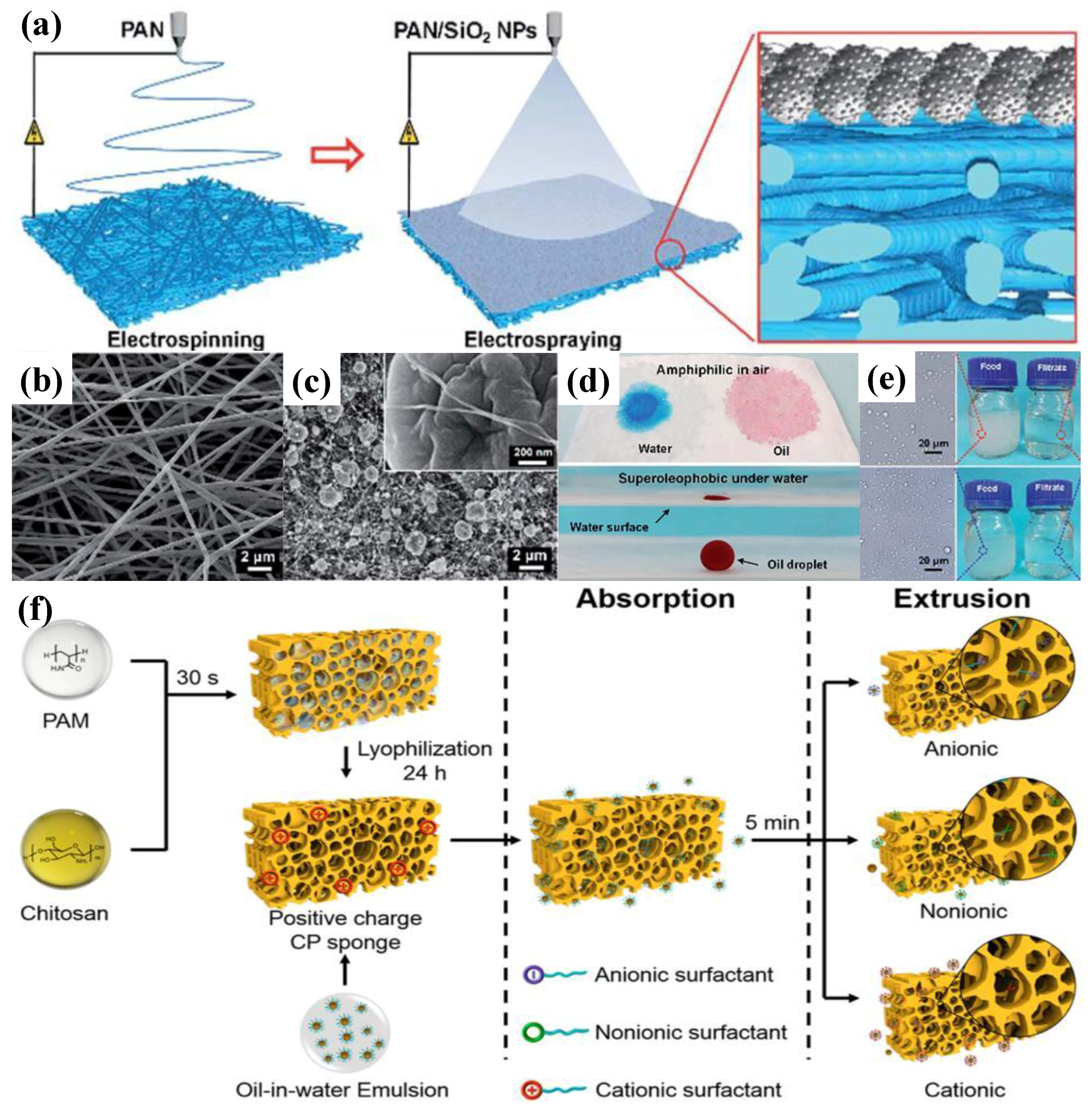
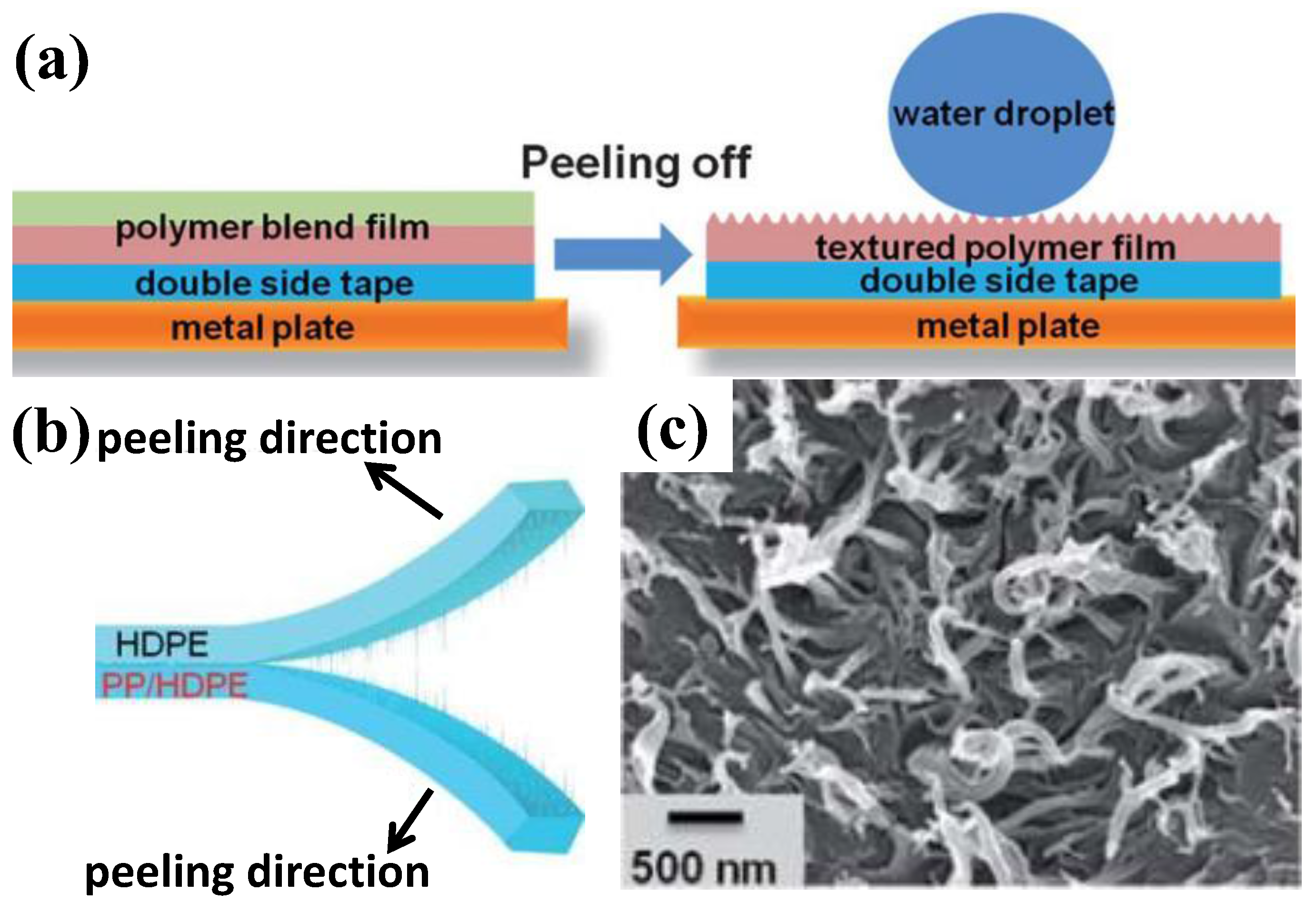
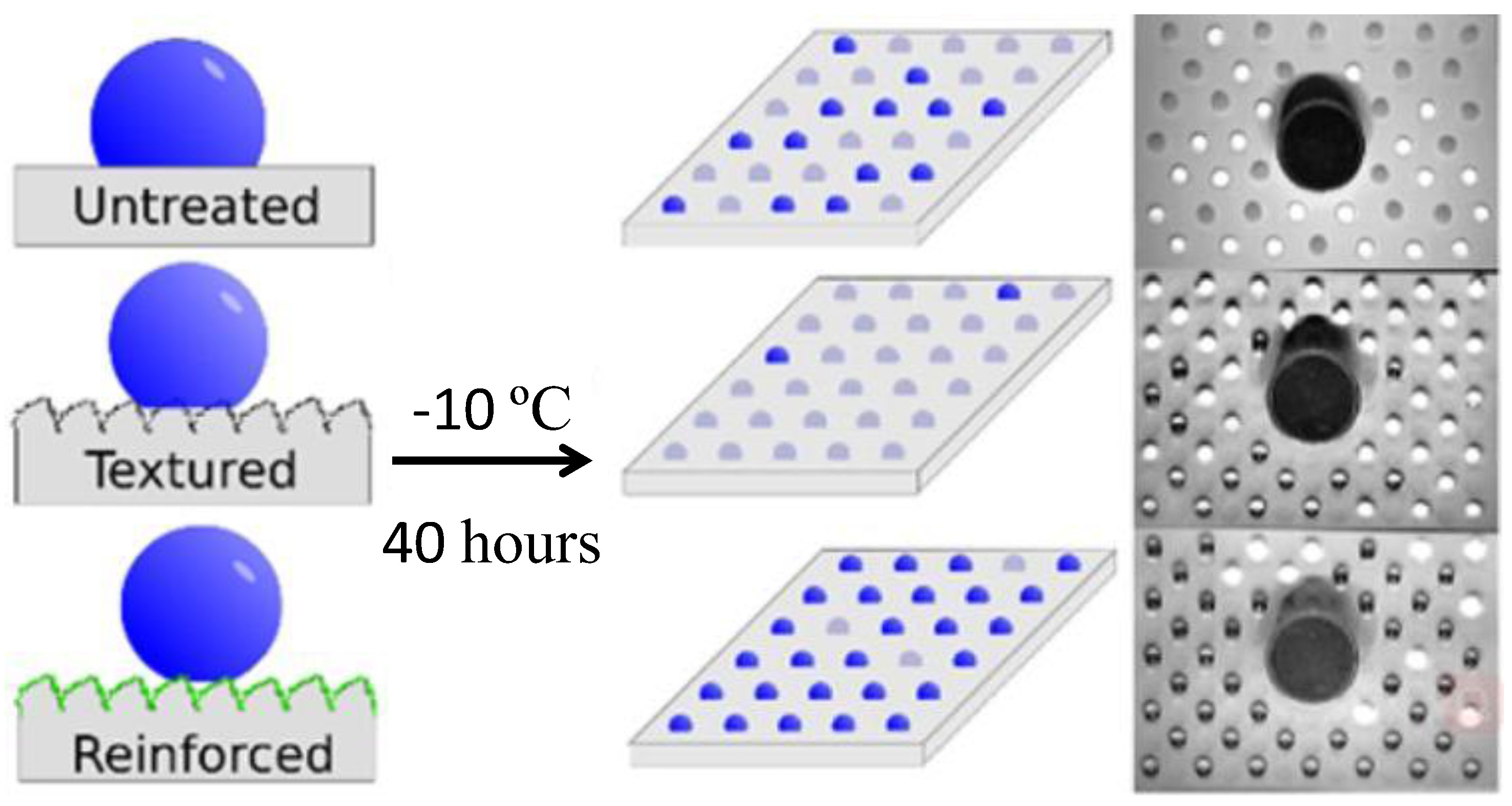
It is not unusual for humans to be inspired by natural phenomena to develop new advanced materials; such materials are called bio-inspired materials. Interest in bio-inspired polymeric superhydrophilic, superhydrophobic, and superoleophobic materials has substantially increased over the last few decades, as has improvement in the related technologies. This review reports the latest developments in bio-inspired polymeric structures with desired wettability that have occurred by mimicking the structures of lotus leaf, rose petals, and the wings and shells of various creatures. The intrinsic role of surface chemistry and structure on delivering superhydrophilicity, superhydrophobicity, and superoleophobicity has been extensively explored. Typical polymers, commonly used structures, and techniques involved in developing bio-inspired surfaces with desired wettability are discussed. Additionally, the latest applications of bio-inspired structures with desired wettability in human activities are also introduced.
Keywords: bio-inspired; polymeric structures; superhydrophilicity; superhydrophobicity; superoleophobicity bio-inspired; polymeric structures; superhydrophilicity; superhydrophobicity; superoleophobicity
Graphical Abstract