Article

Crack Development and Healing in Guar Gum Polymer–Modified Silty Clay Under Natural Wetting–Drying Cycles

1
College of Civil Engineering, Hebei University of Architecture, Zhangjiakou 075000, China
2
Hebei Provincial Engineering Technology Innovation Center for Transportation Infrastructure in Cold Regions, Zhangjiakou 075000, China
*
Author to whom correspondence should be addressed.
Polymers 2026, 18(1), 13; https://doi.org/10.3390/polym18010013
Submission received: 4 November 2025 / Revised: 14 December 2025 / Accepted: 18 December 2025 / Published: 20 December 2025
(This article belongs to the Section Polymer Applications)

Abstract

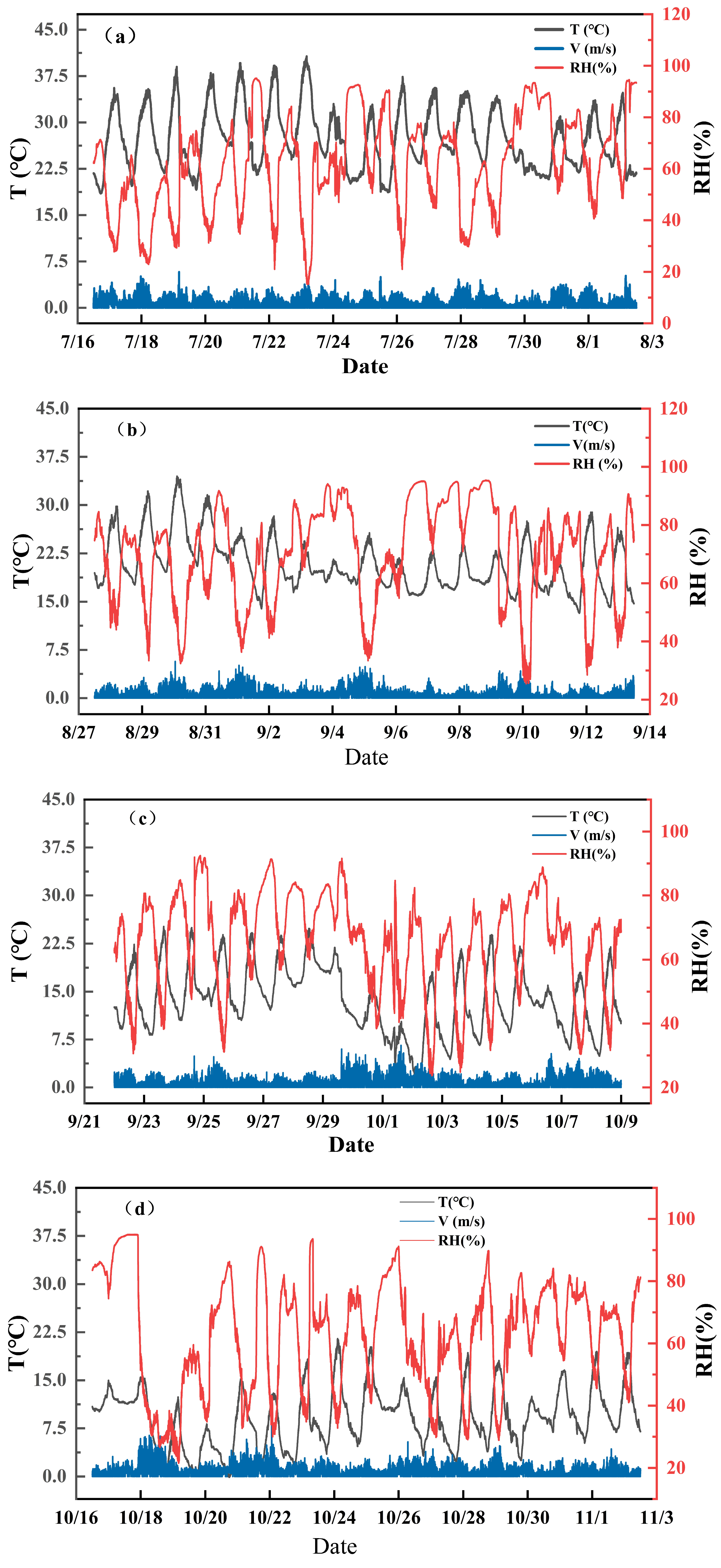
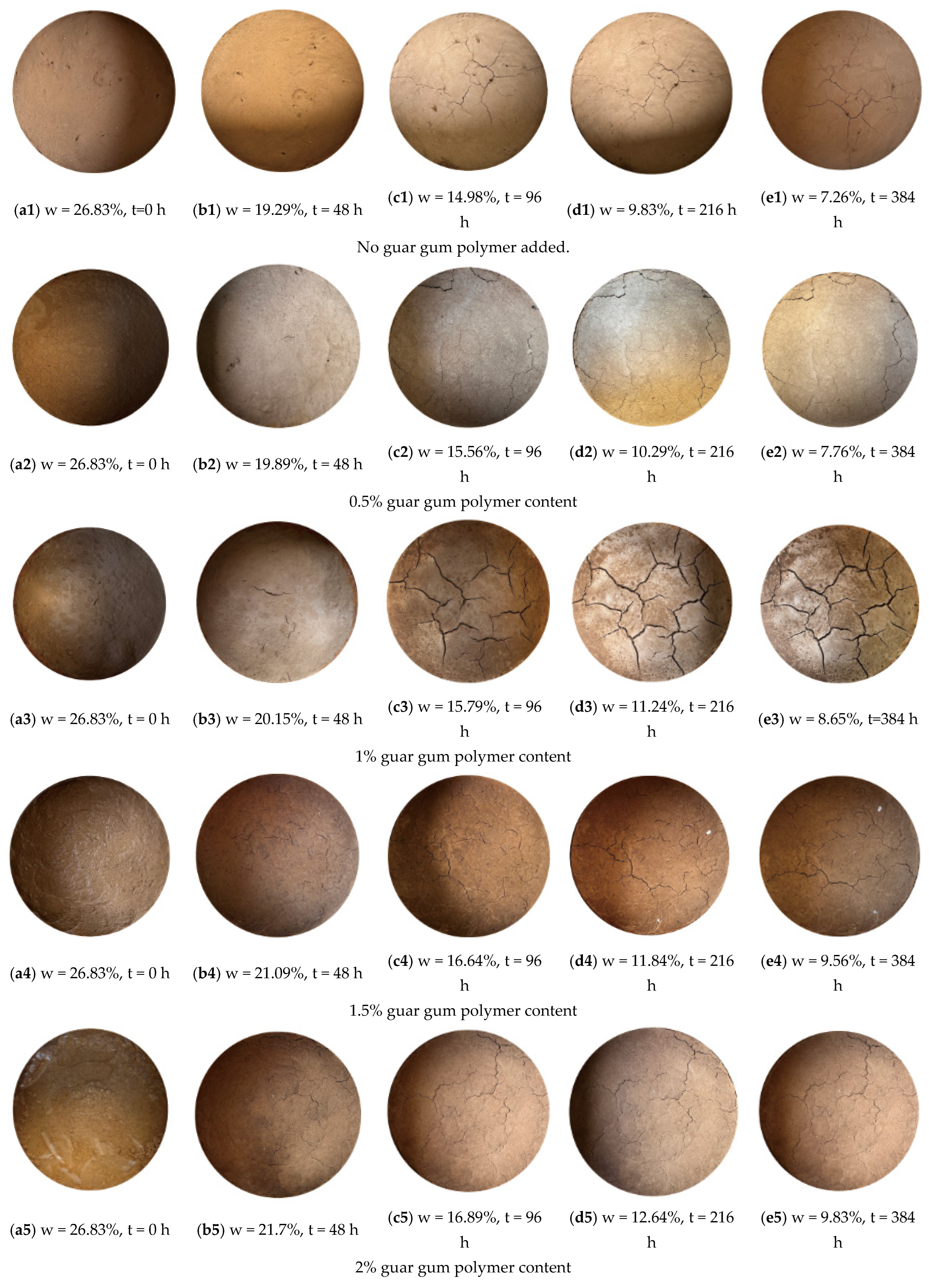
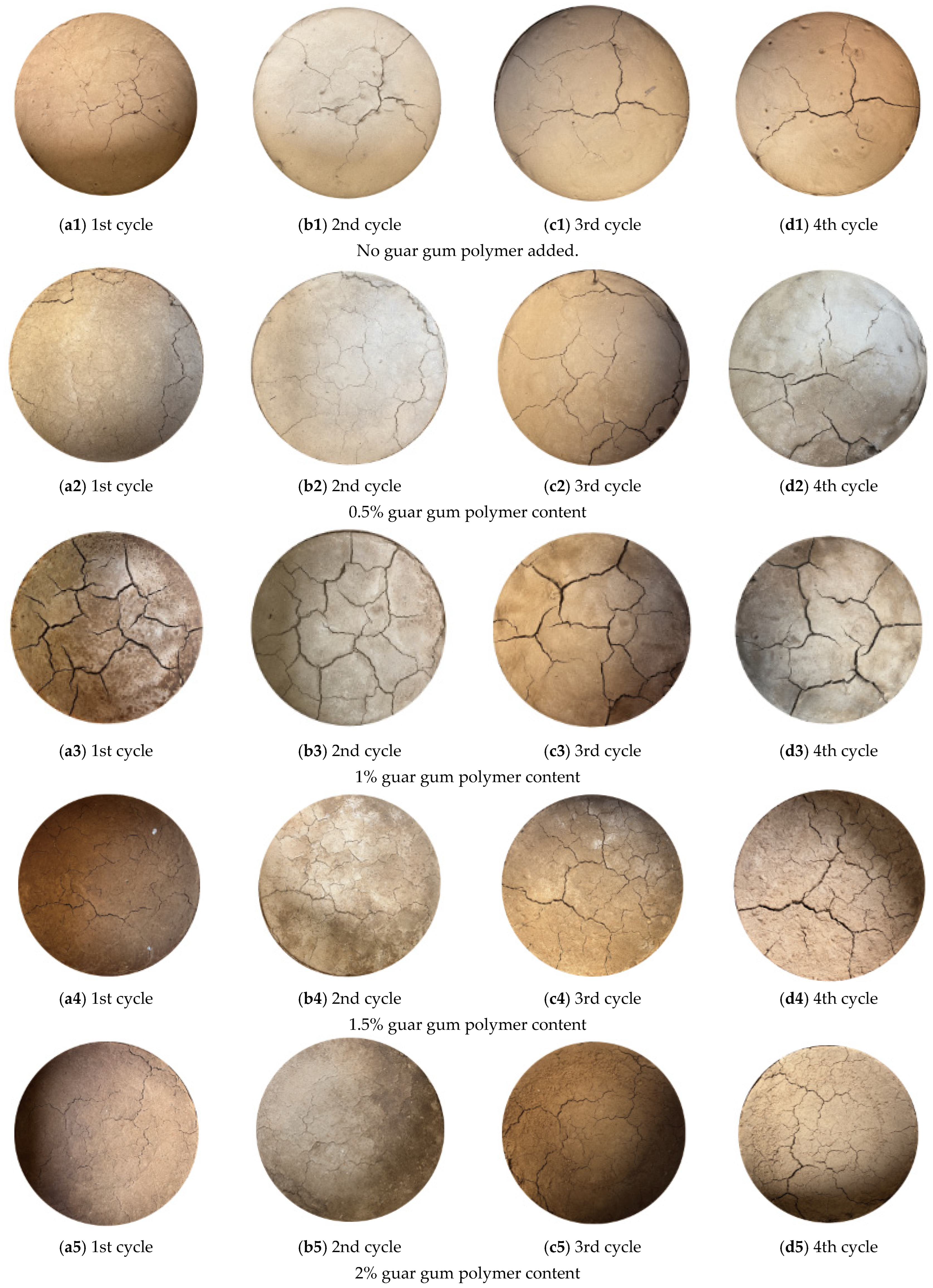
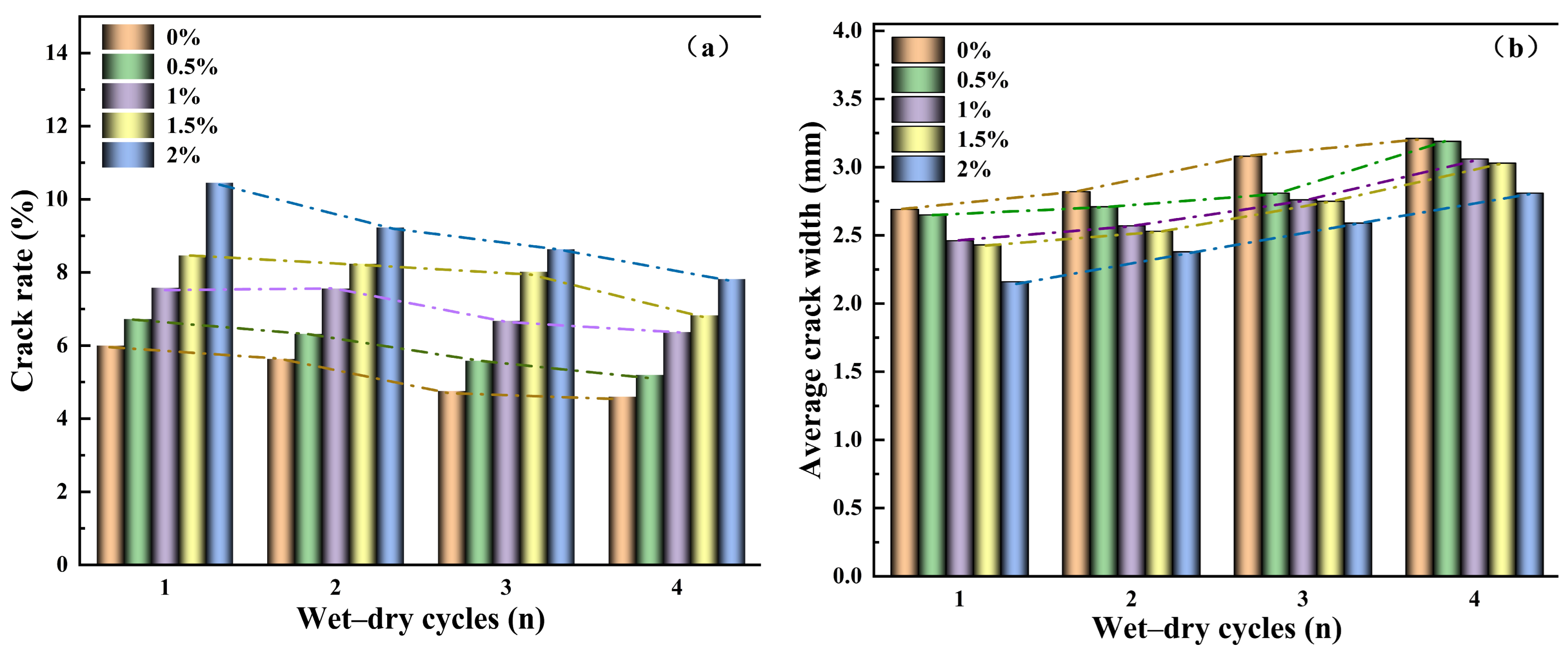
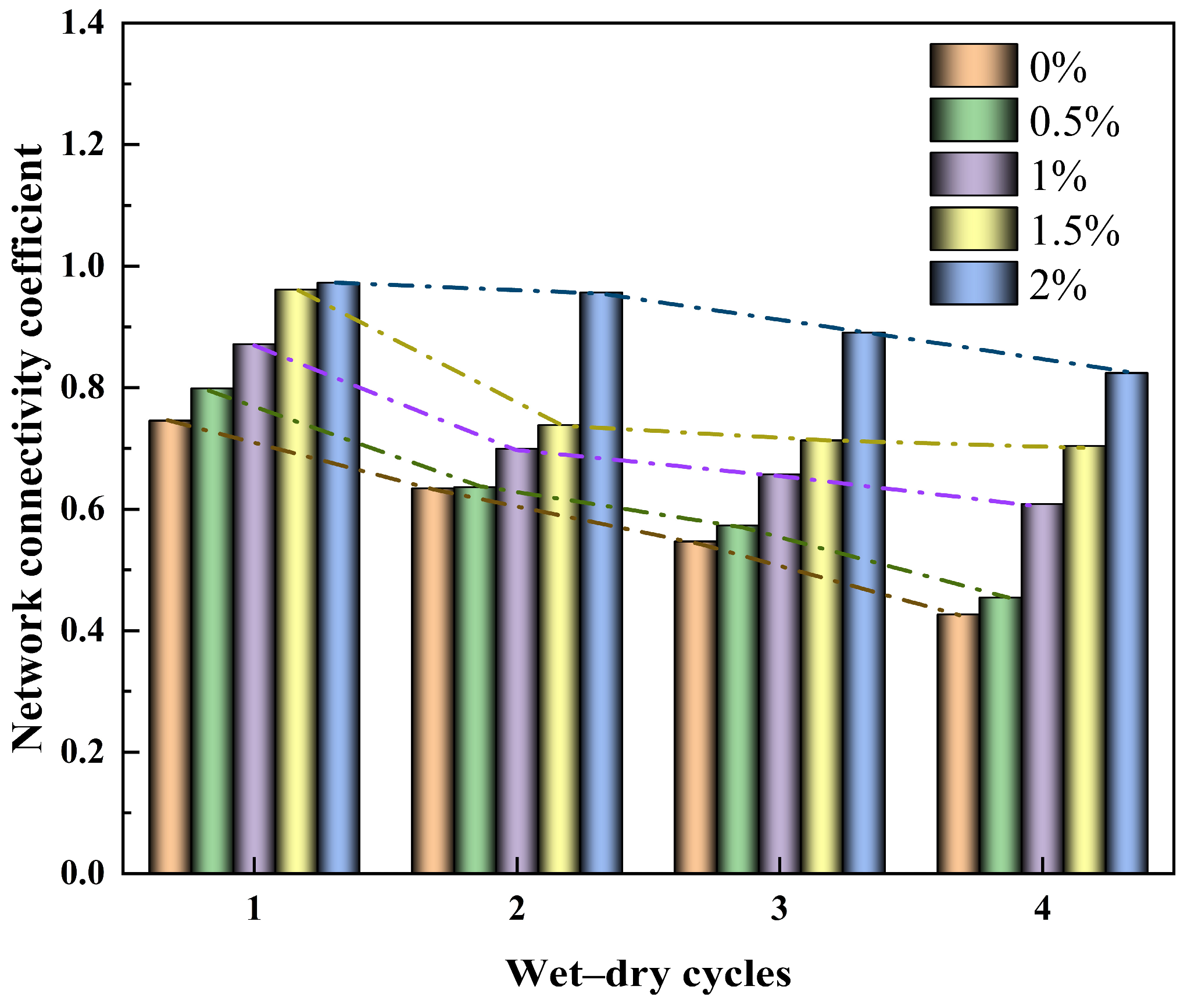
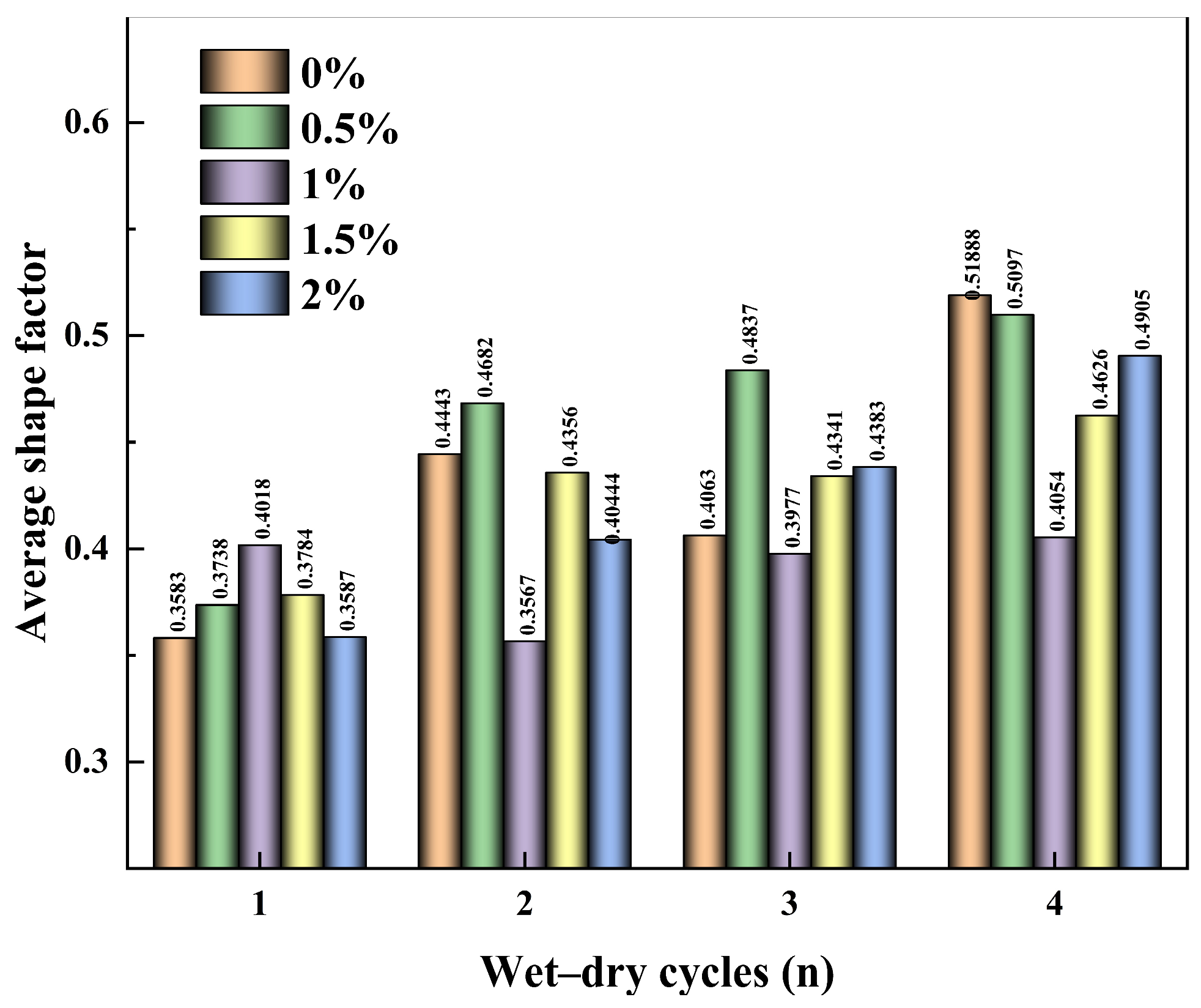
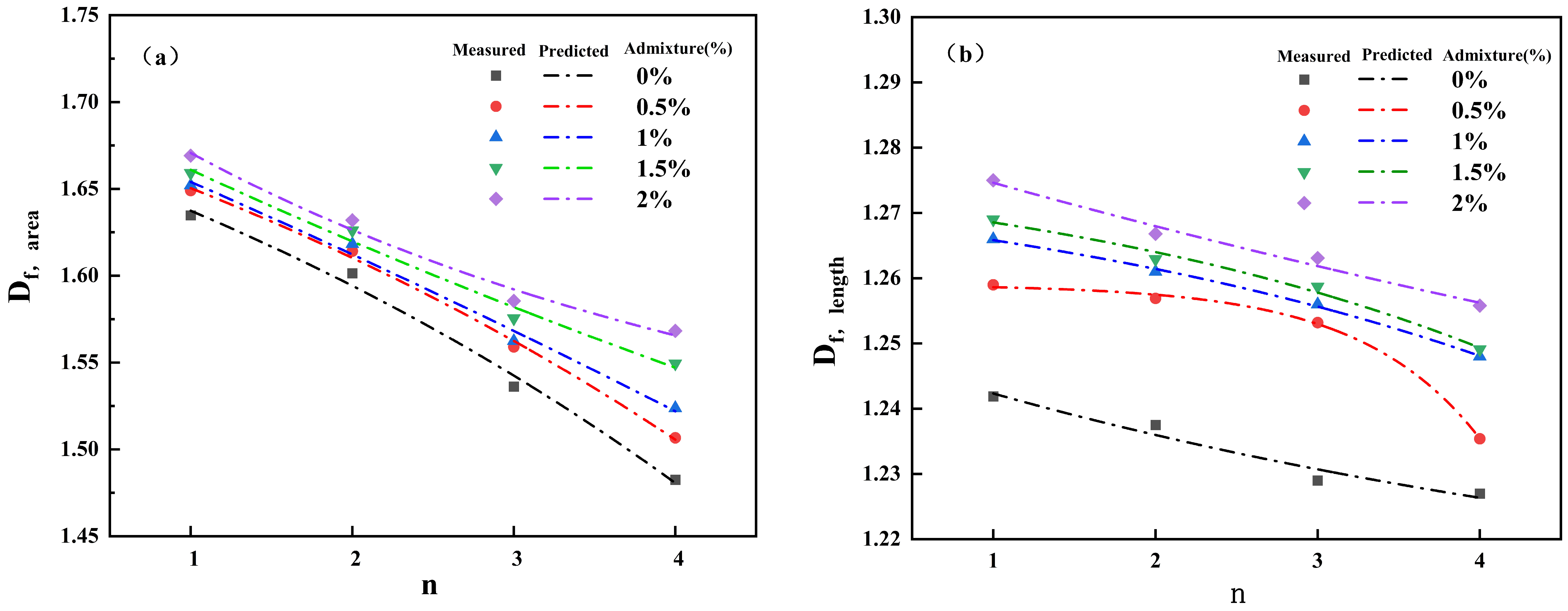
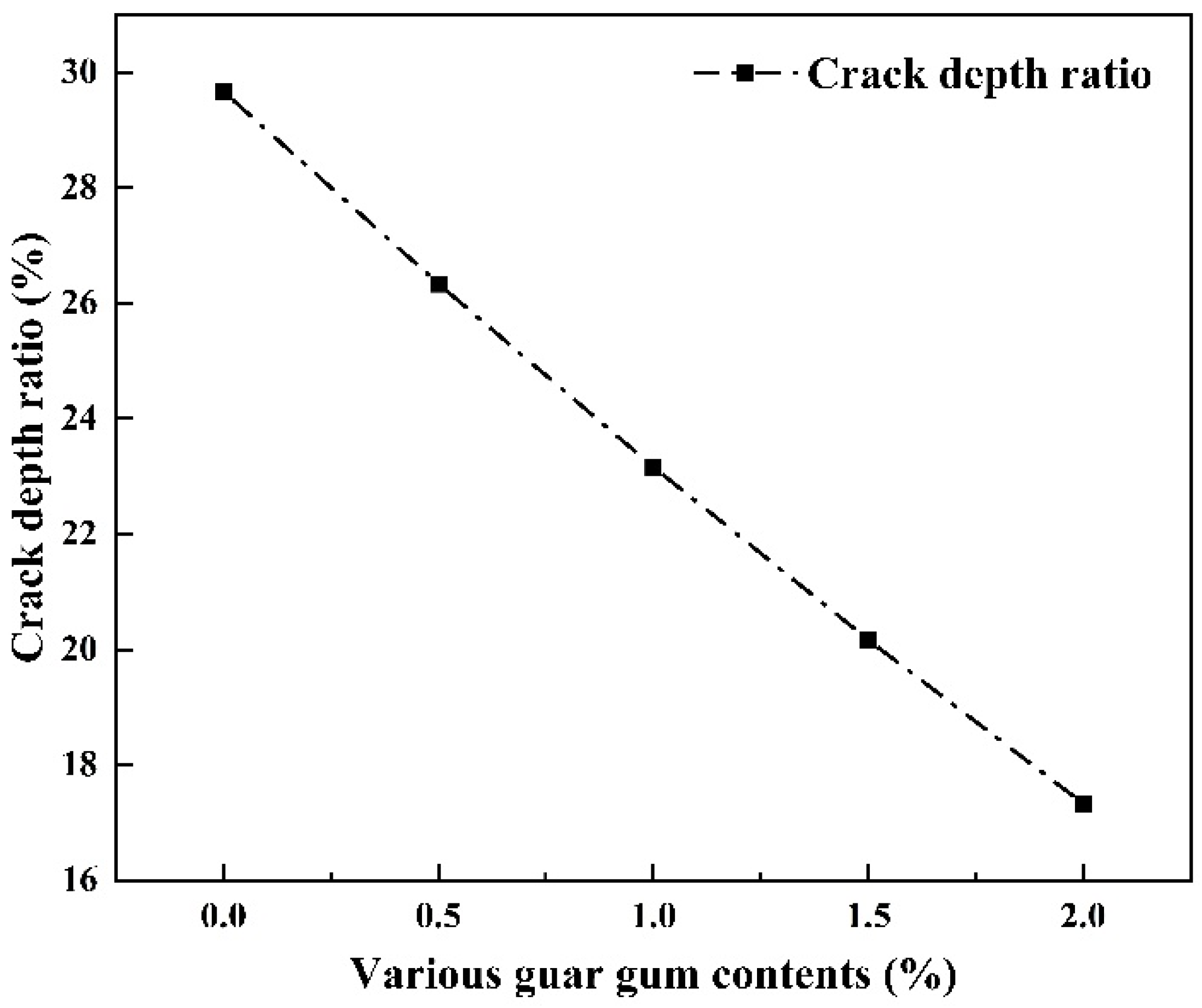
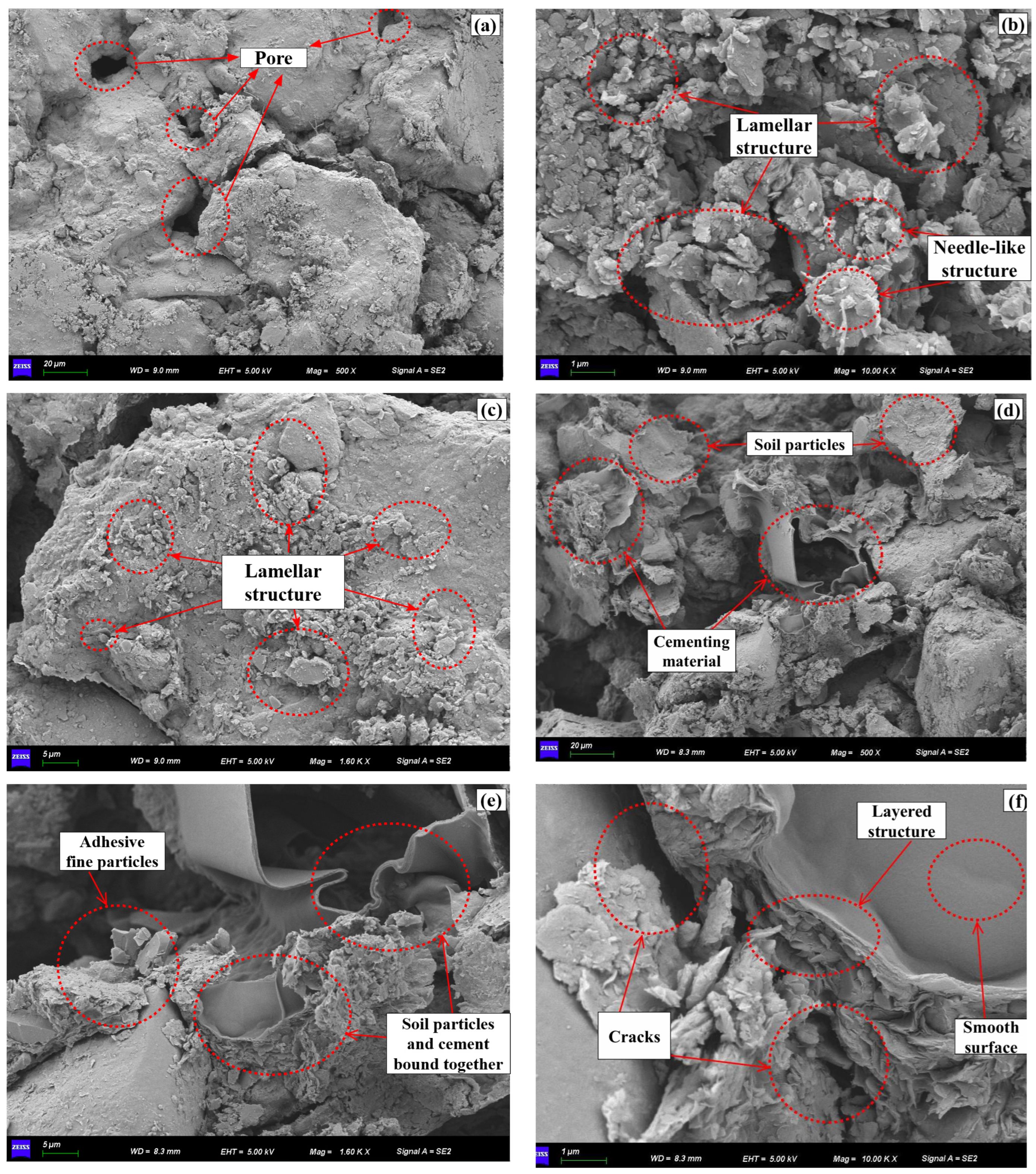
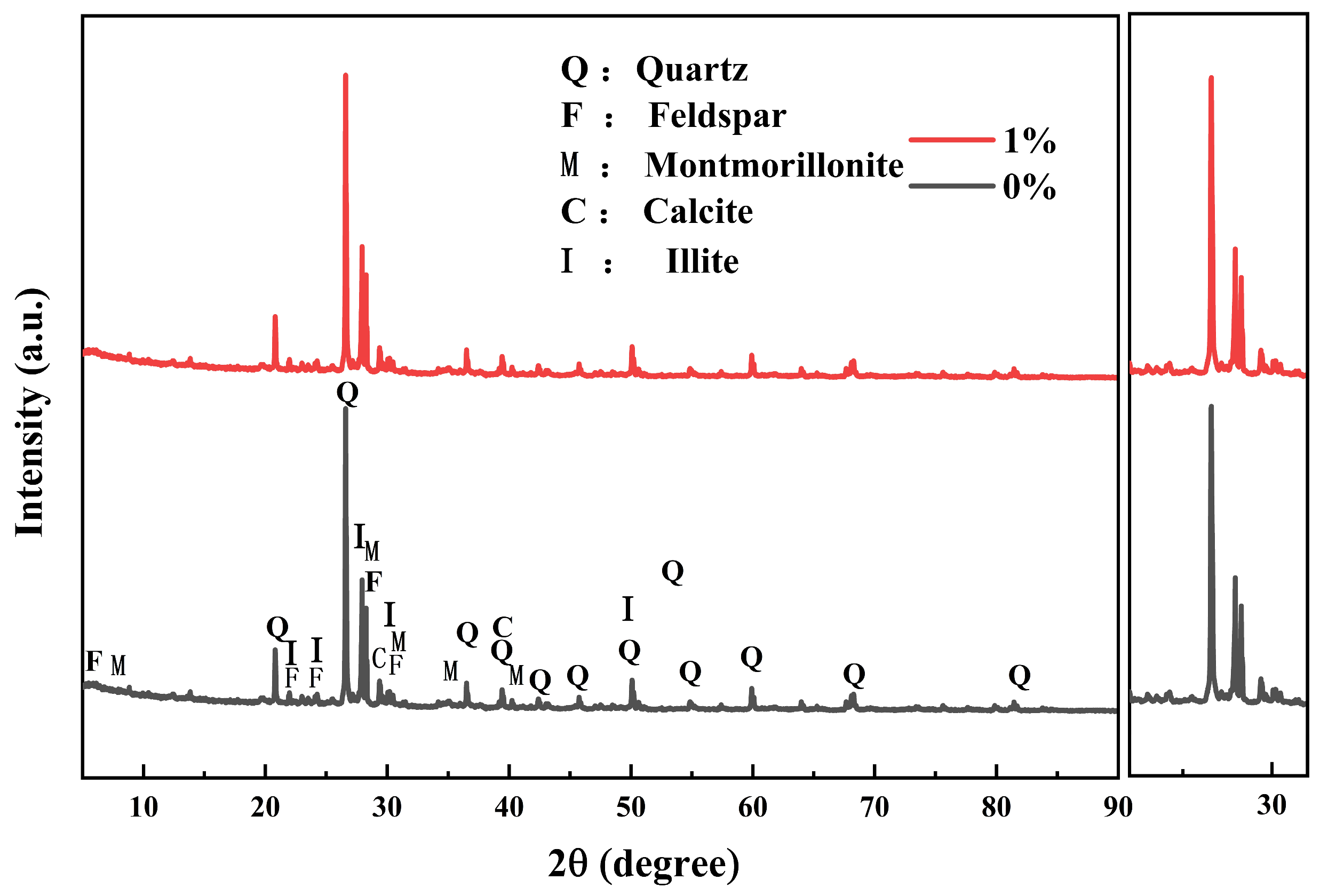
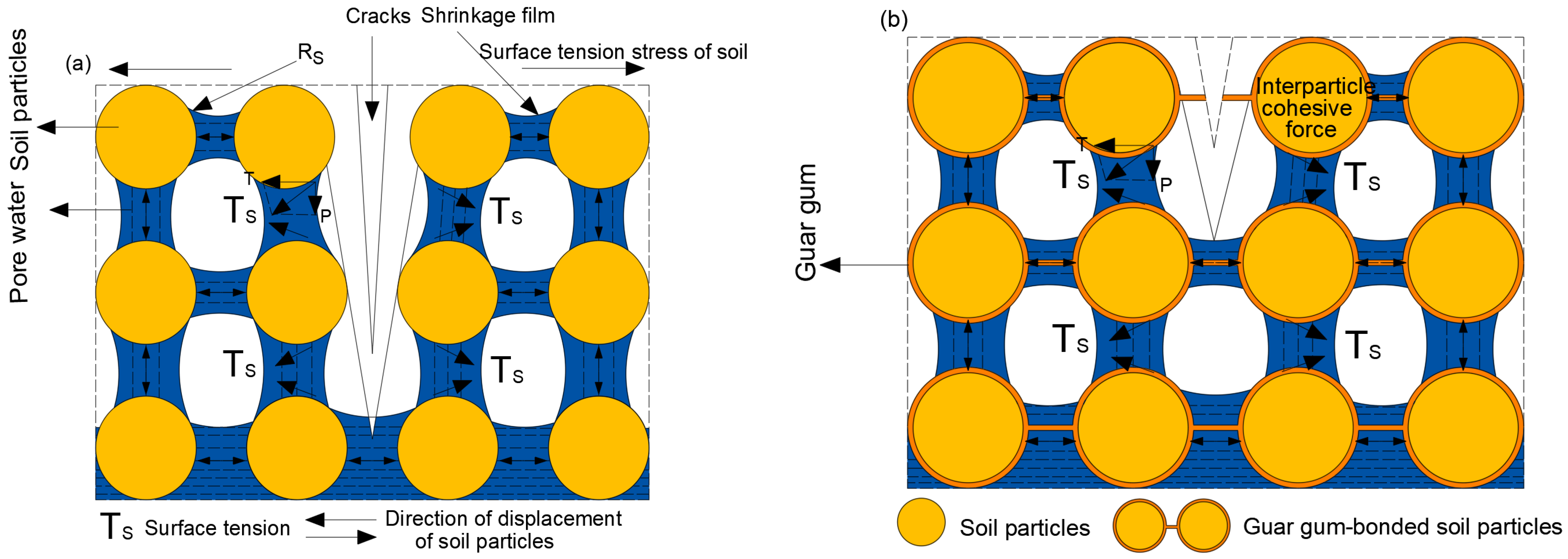
This study investigates the evolution characteristics of fissure networks in cohesive soils under wetting–drying cycle conditions with varying guar gum content. Four wetting–drying cycles were conducted under outdoor natural conditions, with real-time monitoring of changes in the surface crack network during drying and wetting. Geometric parameters—including surface crack density, width, connectivity coefficient, shape coefficient, and crack depth ratio—were quantitatively analyzed using digital image processing software. Scanning electron microscopy (SEM) and X-ray diffraction (XRD) were employed to reveal the mechanisms of microstructural improvement. Results indicate that as wetting–drying cycles increase, the fracture network progressively simplifies, with fracture density and fractal dimension decreasing while fracture width increases. The incorporation of guar gum reduced the crack depth ratio to approximately 0.62 times that of undamaged soil. The average crack width decreased from 2.69 mm to 2.16 mm during the fourth wet-dry cycle, whilst the connectivity coefficient and shape coefficient stabilized. SEM analysis indicated that guar gum promoted “bonded bridging” structures between soil particles, while XRD results confirmed no alteration in the mineral composition of the soil. The study demonstrates that the addition of guar gum enhances soil crack resistance and stability, providing theoretical support for the ecological protection of clayey slopes.
Keywords: wetting–drying cycles; guar gum polymer; connectivity coefficient; crack depth ratio; microstructure wetting–drying cycles; guar gum polymer; connectivity coefficient; crack depth ratio; microstructure