Comprehensive Analysis of Chlorine-Induced Aging in High-Density Polyethylene: Insights into Structural, Thermal, and Mechanical Degradation Mechanisms
 , ,
, ,  , ,
, ,  and
and
Abstract
1. Introduction
2. Materials and Methods
2.1. Design of Experiments
2.2. Aging Procedure
2.3. Tensile Testing
2.4. XRD Analysis
2.5. FT-IR Analysis
2.6. Thermal Analysis
3. Results and Discussion
3.1. Tensile Test Results
3.2. XRD Results
3.3. FTIR Analysis Results
3.4. Thermal Analysis Results
3.4.1. TGA Analysis Results
3.4.2. DSC Analysis Results
3.4.3. Antioxidant Loss
3.5. Statistical Analysis Results
4. Conclusions
- HDPE undergoes significant chemical, structural, thermal, and mechanical degradation in chlorinated aqueous environments, with deterioration strongly accelerated at elevated temperatures.
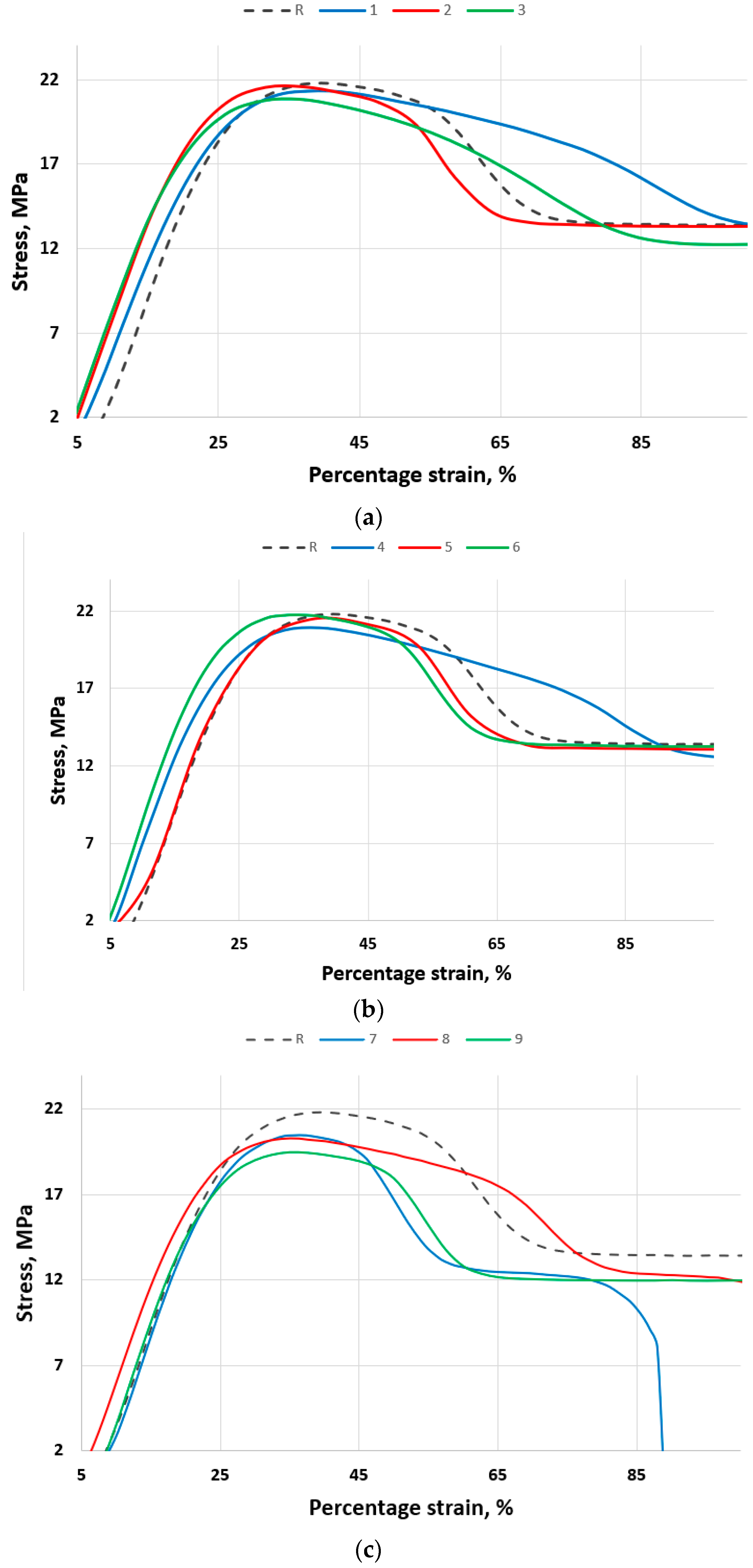
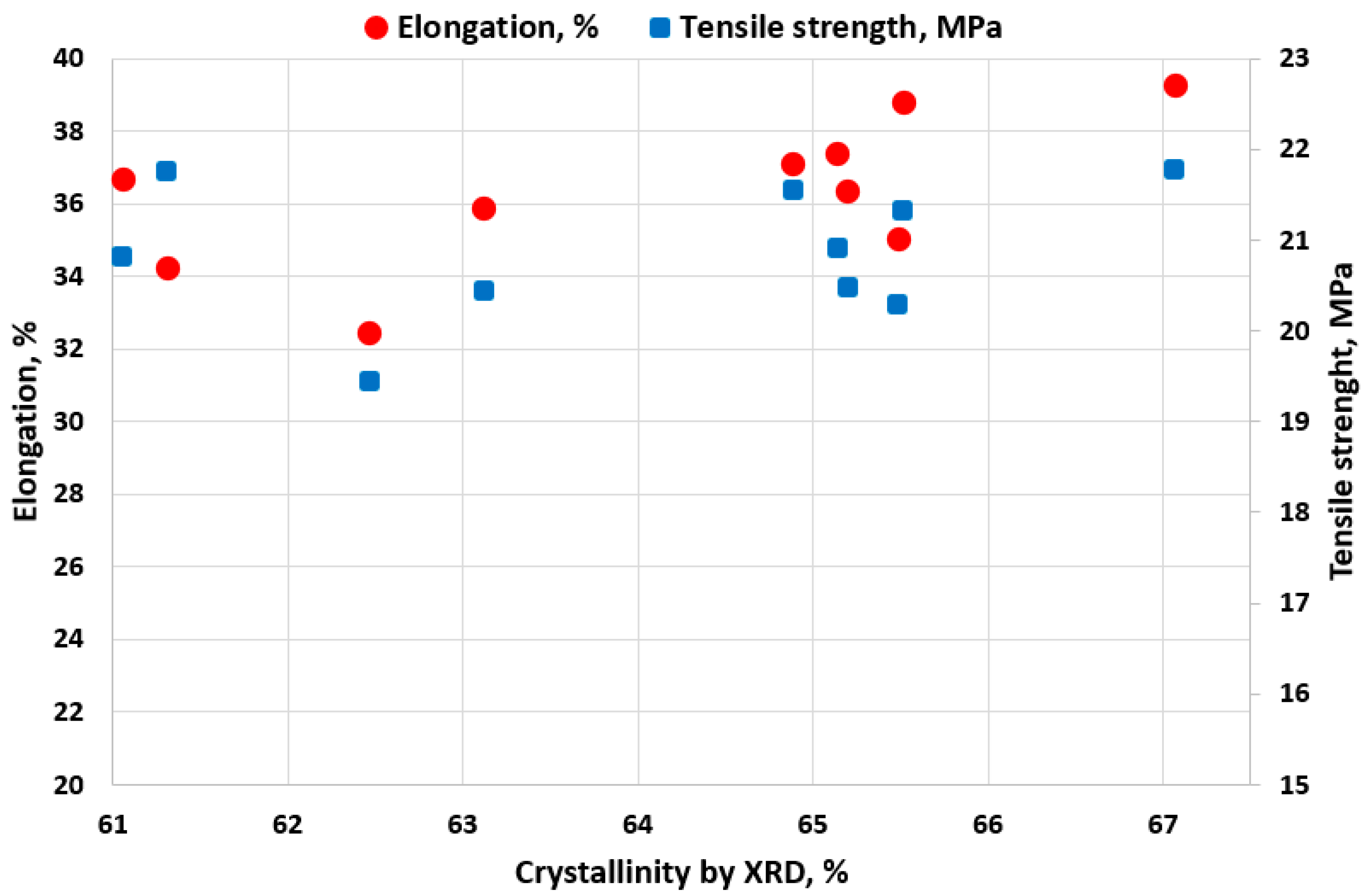
- Mechanical performance deteriorates sharply, with tensile tests showing a transition from ductile to brittle behavior. Samples aged at 60 °C and 20 ppm chlorine exhibited almost complete loss of post-yield deformation and premature failure, despite peak stresses remaining close to the reference (~22 MPa).
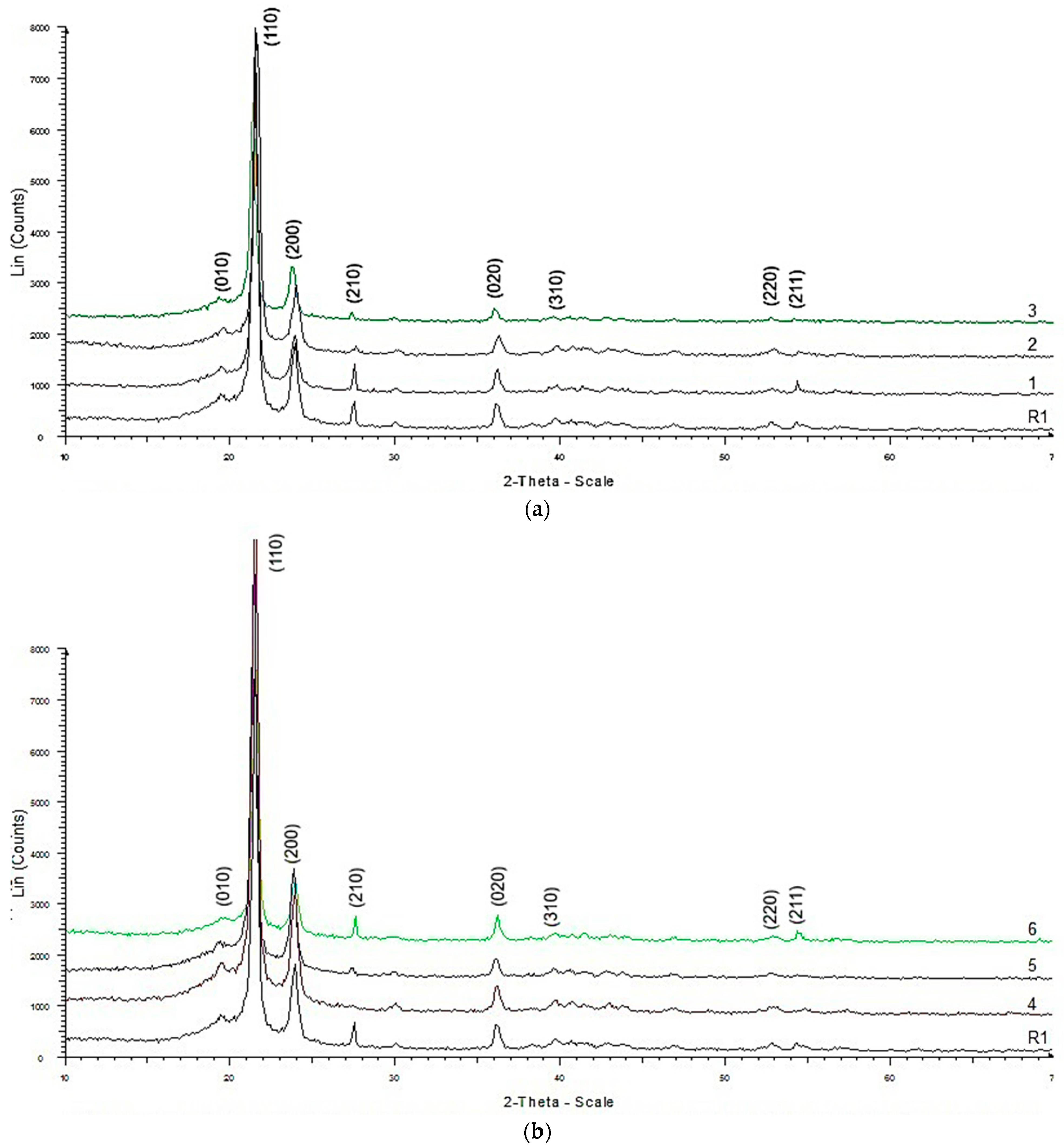
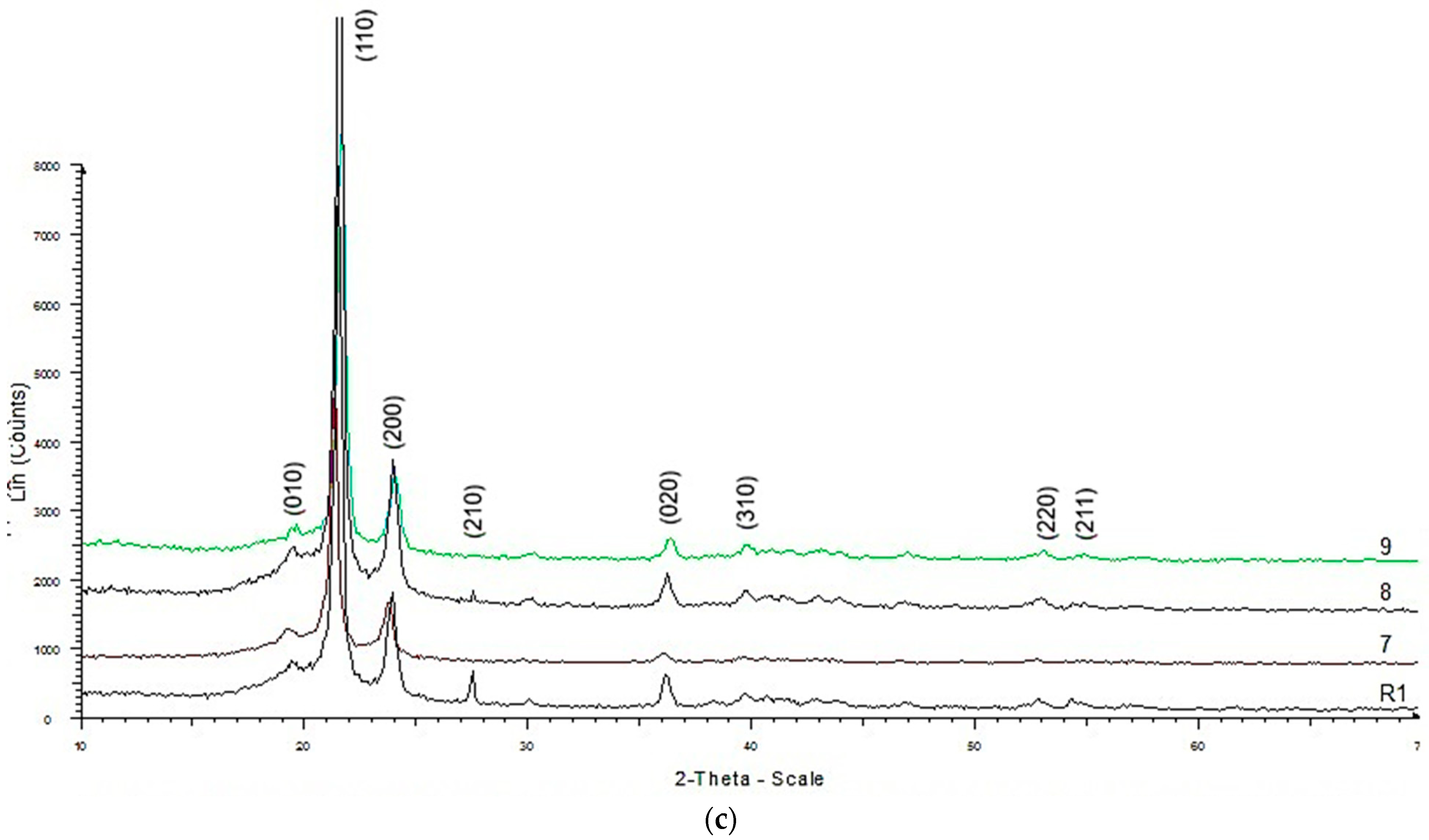
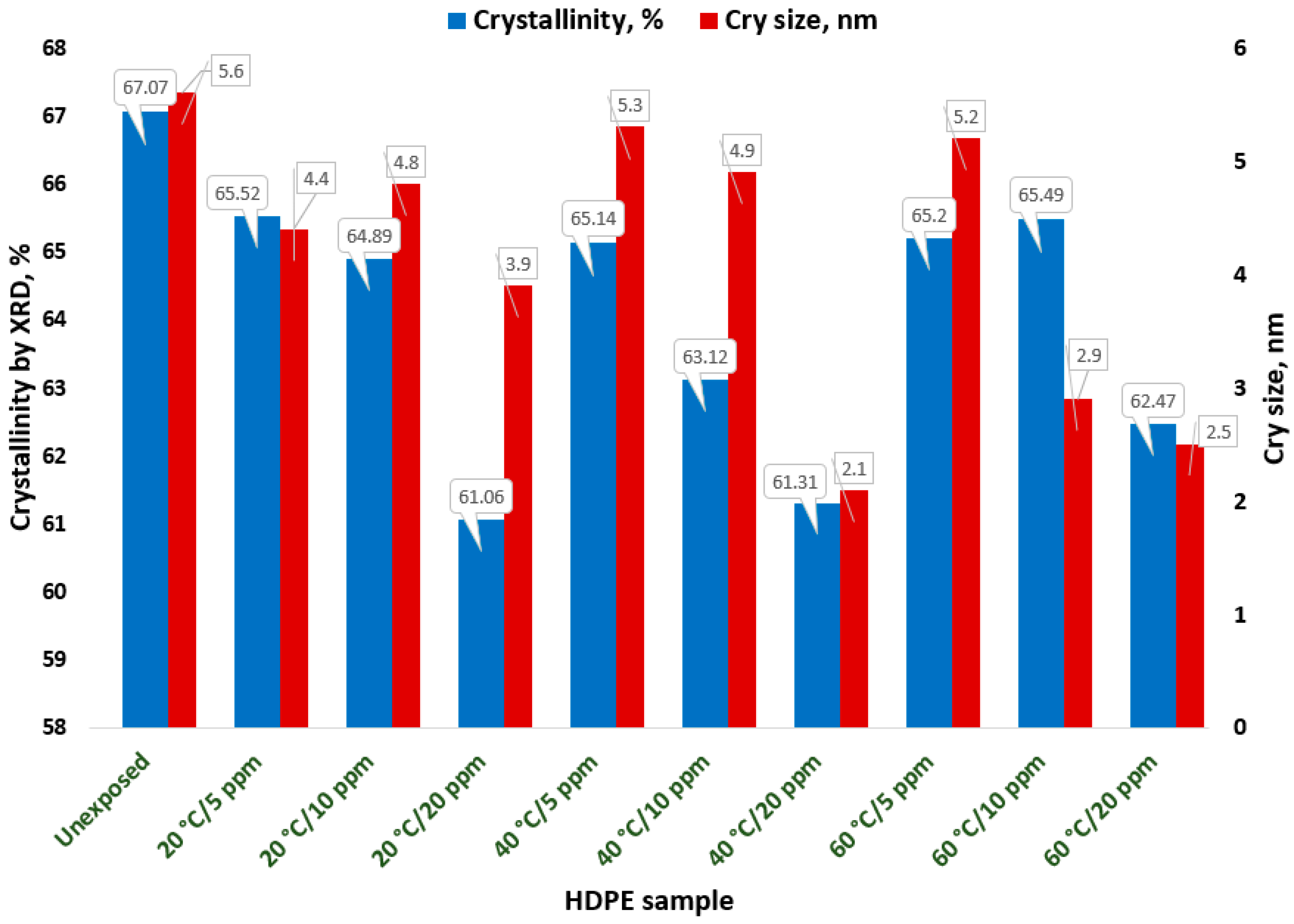
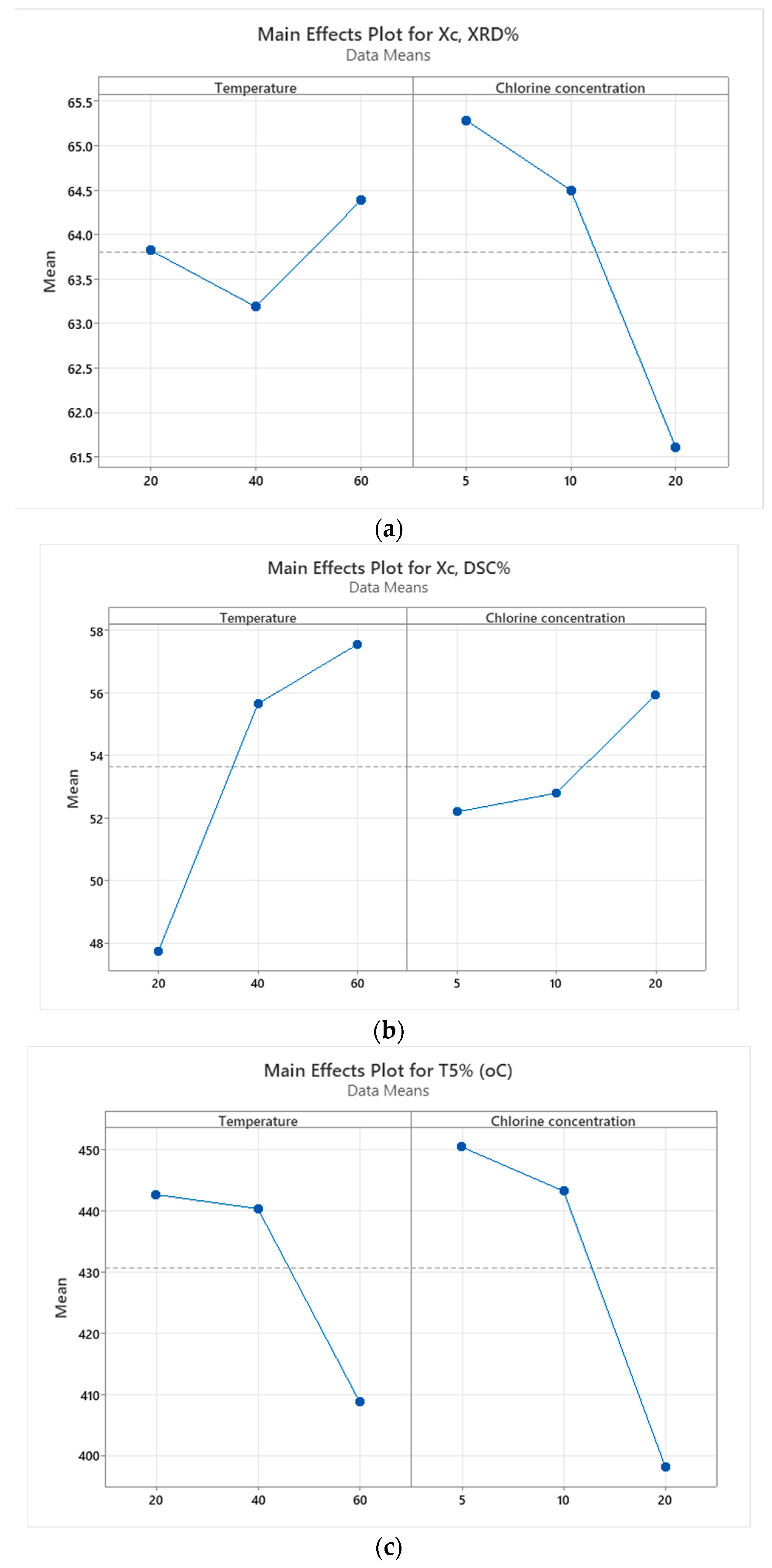
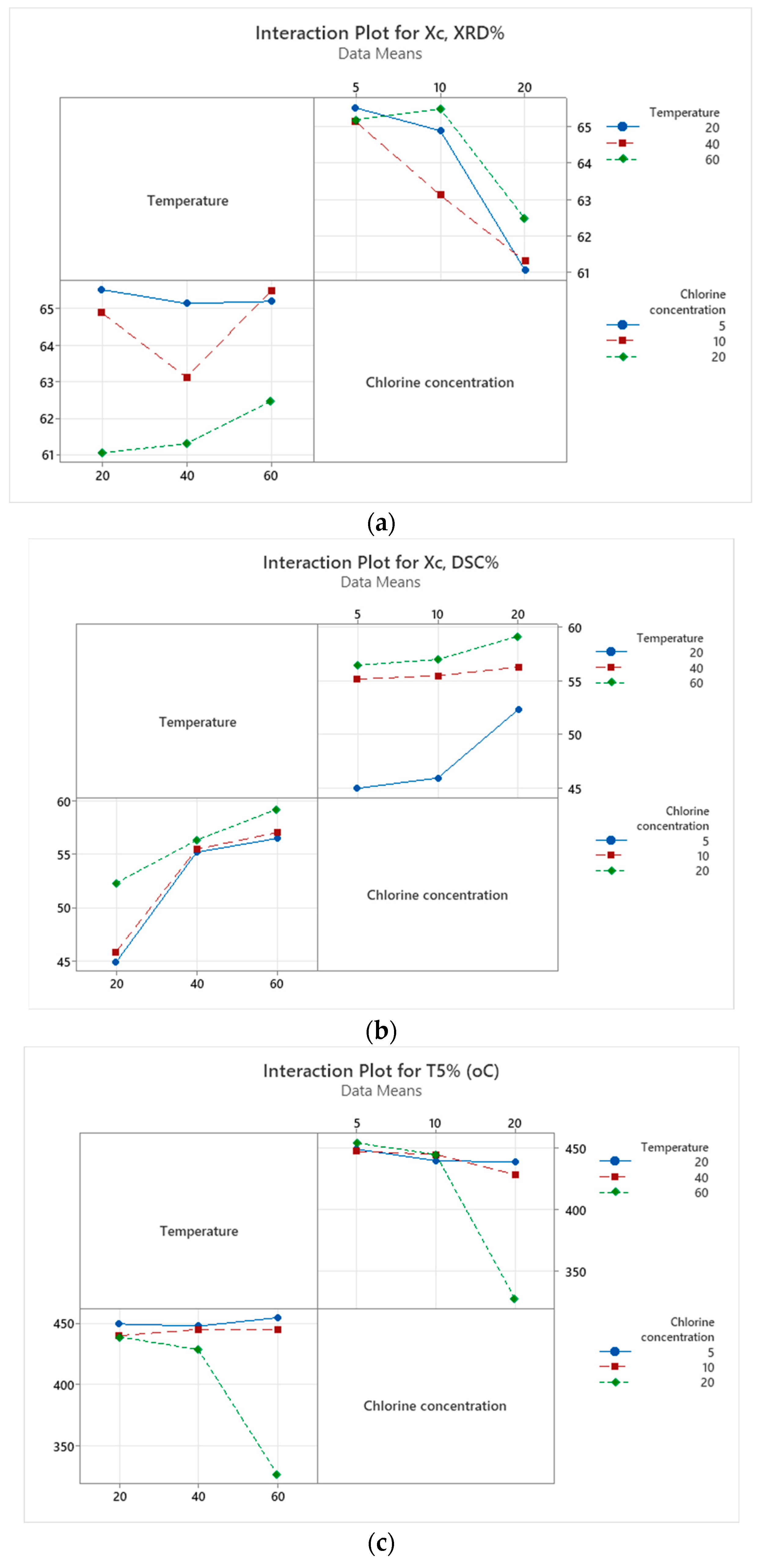
- Structural degradation was confirmed by XRD, with crystallinity decreasing from 67.07% (reference) to ~61% at high chlorine levels, and crystallite size shrinking from 5.60 nm to 2.10–2.50 nm, indicating loss of molecular ordering in surface layers.
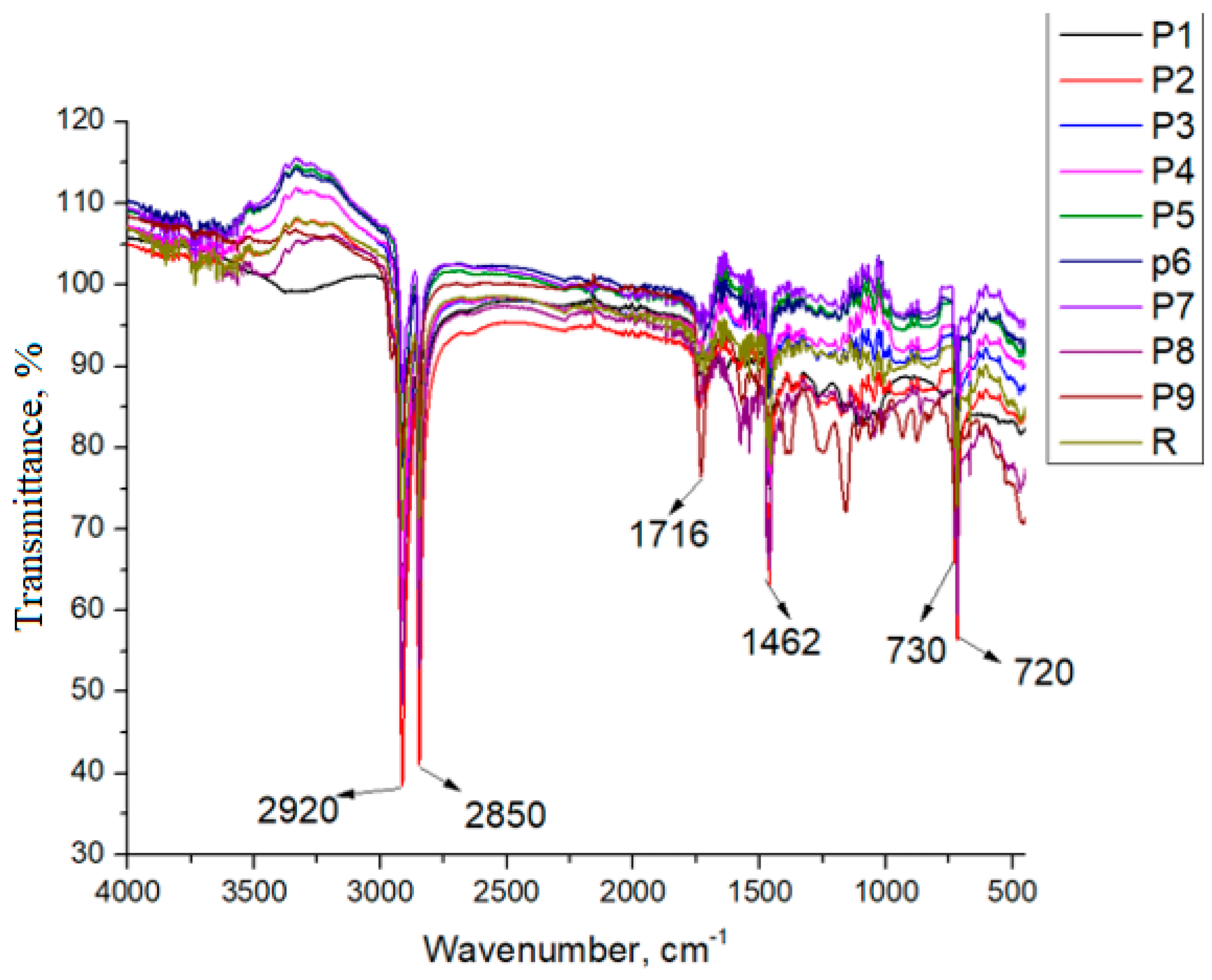
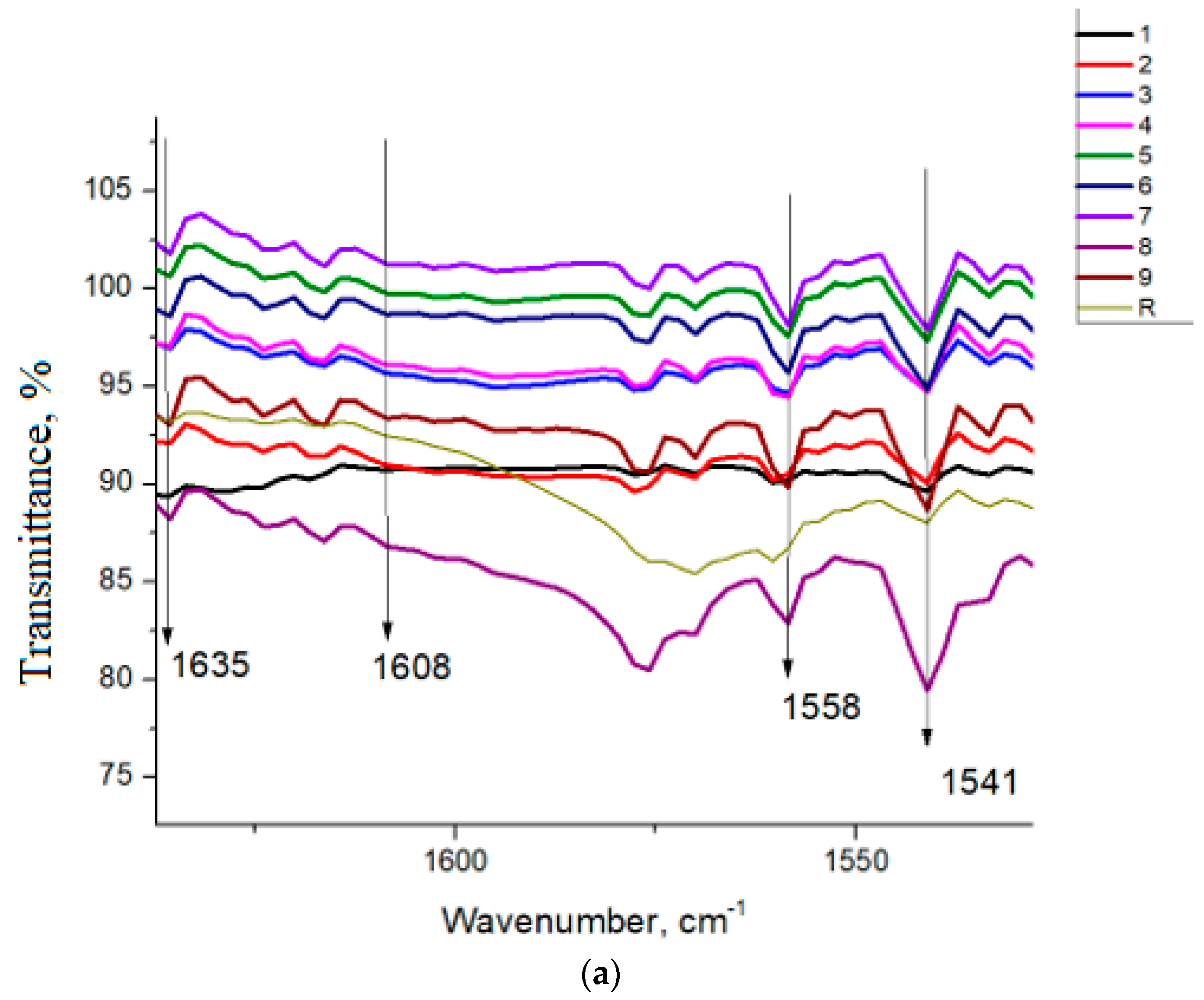
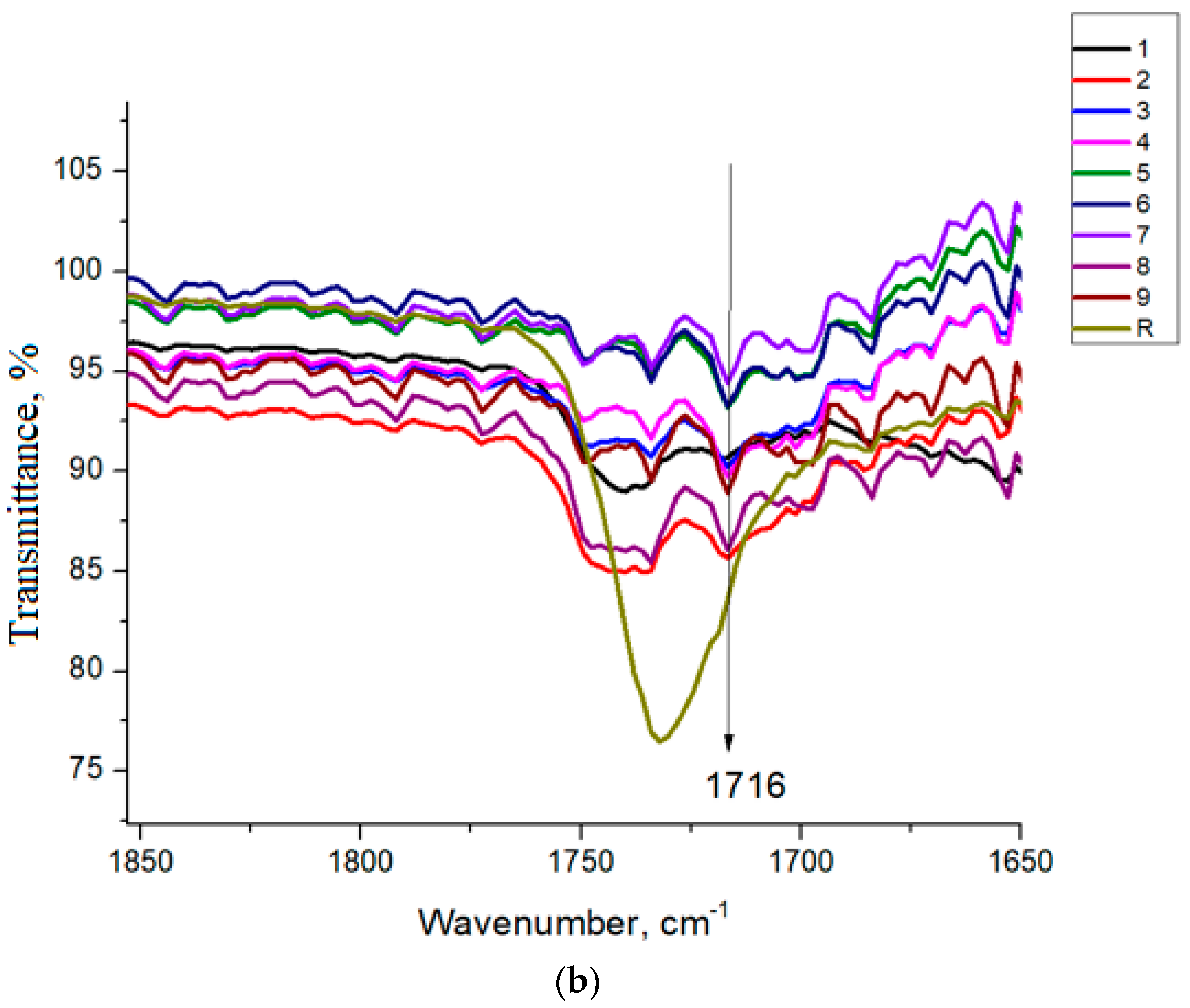
- Chemical changes identified by FTIR revealed progressive oxidation, including a pronounced increase in the carbonyl band (1716 cm−1) and the formation of additional oxygenated species, consistent with chlorine-induced chain scission.
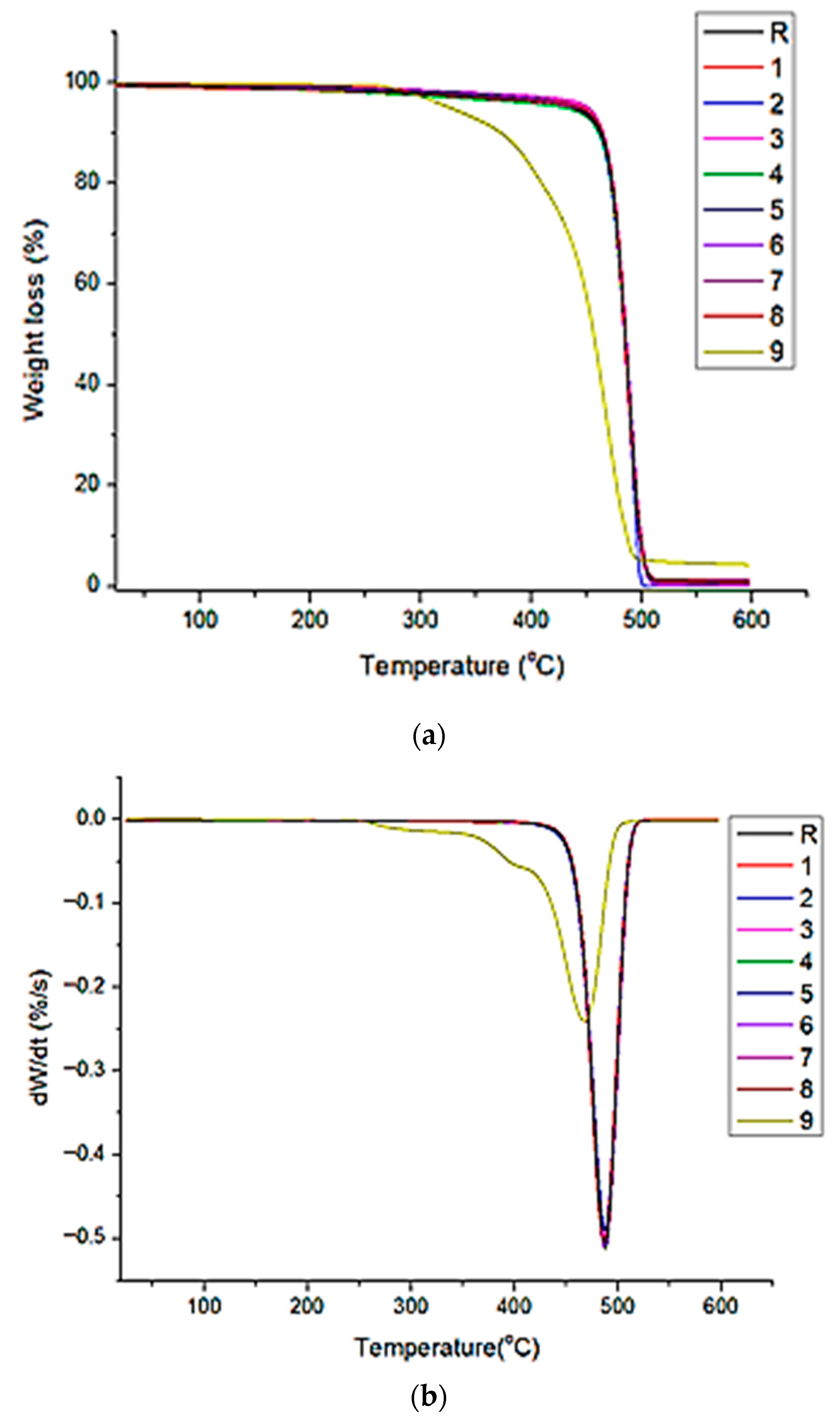
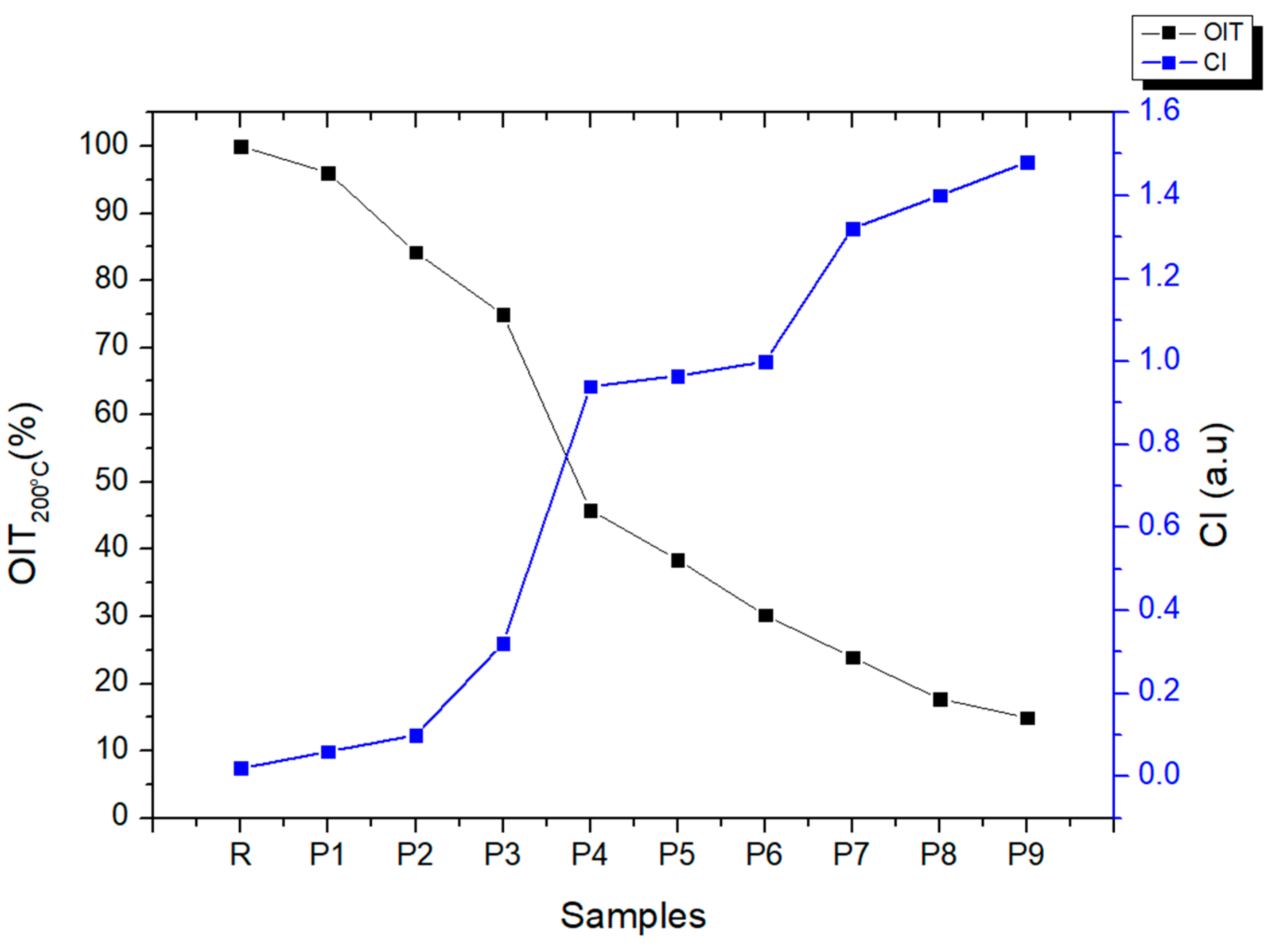
- Thermal stability decreased substantially, as TGA showed T5% dropping from 450 °C (reference) to 326.99 °C under the most aggressive aging conditions, along with the appearance of a secondary degradation peak at 398 °C.
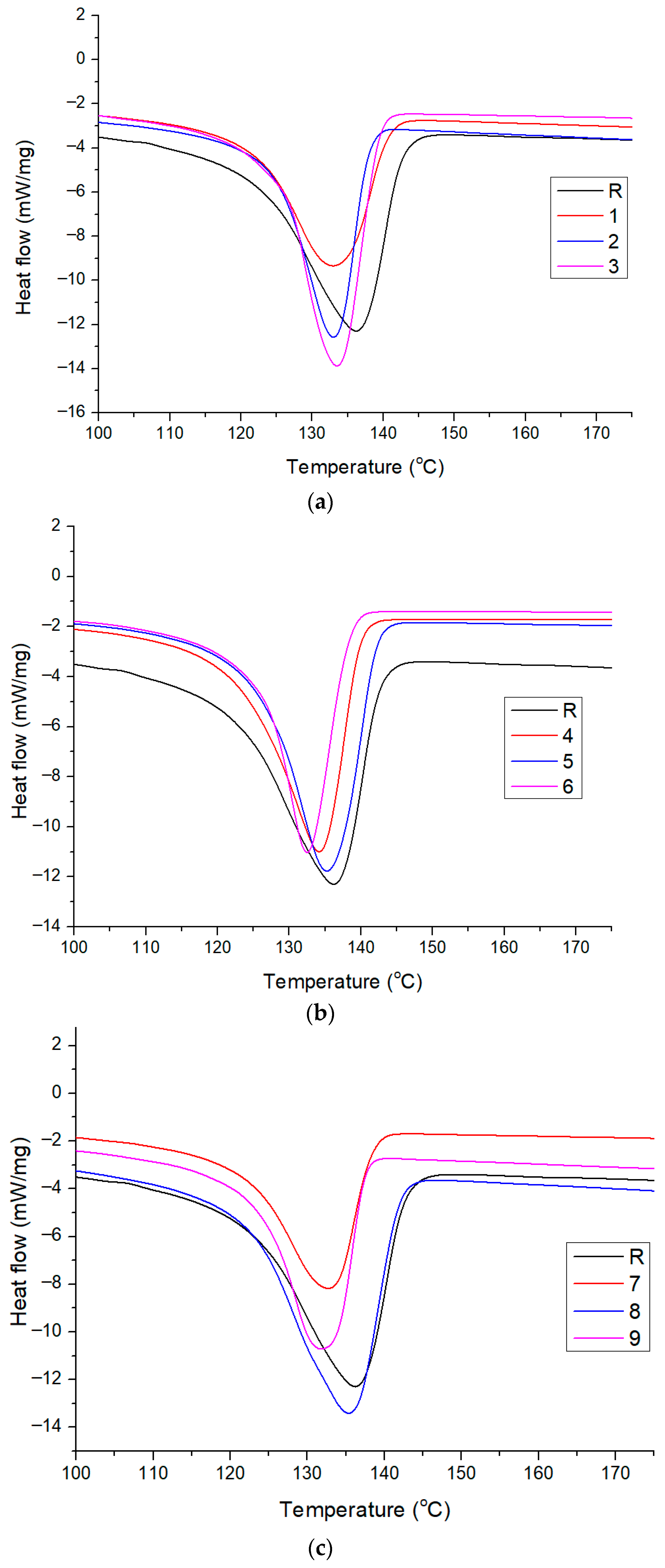
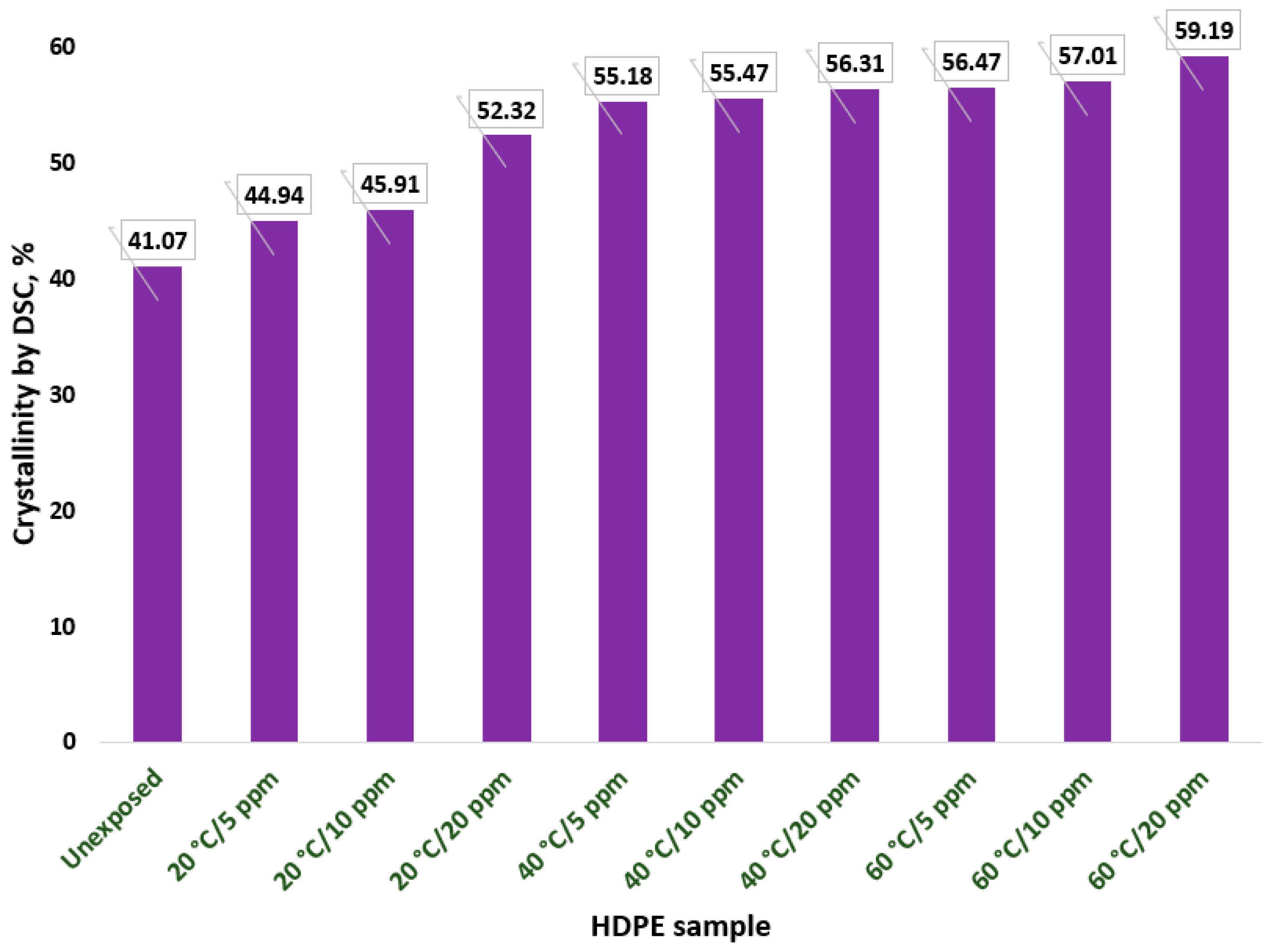
- DSC analysis indicated reductions in melting temperature (from 136.32 °C to 131.67 °C) and crystallinity changes up to 59.19%, reflecting the breakdown of amorphous regions and recrystallization of shorter chain fragments.
- Collectively, the results demonstrate that chlorine aging drives coupled thermo-oxidative and structural degradation mechanisms that reduce HDPE’s toughness, accelerate embrittlement, and diminish its ability to withstand mechanical loads.
- The pronounced loss of thermal stability, increased oxidation, and reduced structural order highlight the vulnerability of HDPE components in chlorinated water systems, especially at high temperatures, underscoring the need for careful control of disinfectant concentration and operating temperature.
- These findings support the development of improved lifetime prediction models for HDPE infrastructure exposed to chlorinated environments.
Limitations and Future Work
Author Contributions
Funding
Institutional Review Board Statement
Informed Consent Statement
Data Availability Statement
Conflicts of Interest
References
- Barbosa, M.L.S.; Costa, R.D.F.S.; Silva, F.J.G.; Sousa, S.R.; Pinto, A.G.; Ferreira, B.O. Studying the Degradation of Three Polymers under Different Chlorine Concentrations and Exposure Times. Polymers 2023, 15, 3931. [Google Scholar] [CrossRef] [Scilit]
- Whelton, A.J.; Dietrich, A.M. Critical Considerations for the Accelerated Ageing of High-Density Polyethylene Potable Water Materials. Polym. Degrad. Stab. 2009, 94, 1163–1175. [Google Scholar] [CrossRef] [Scilit]
- Ghabeche, W.; Alimi, L.; Chaoui, K. Degradation of Plastic Pipe Surfaces in Contact with an Aggressive Acidic Environment. Energy Procedia 2015, 74, 351–364. [Google Scholar] [CrossRef] [Scilit]
- Kriston, I.; Földes, E.; Staniek, P.; Pukánszky, B. Dominating Reactions in the Degradation of HDPE during Long Term Ageing in Water. Polym. Degrad. Stab. 2008, 93, 1715–1722. [Google Scholar] [CrossRef] [Scilit]
- Bredács, M.; Frank, A.; Bastero, A.; Stolarz, A.; Pinter, G. Accelerated Aging of Polyethylene Pipe Grades in Aqueous Chlorine Dioxide at Constant Concentration. Polym. Degrad. Stab. 2018, 157, 80–89. [Google Scholar] [CrossRef] [Scilit]
- Lancioni, N.; Parlapiano, M.; Sgroi, M.; Giorgi, L.; Fusi, V.; Darvini, G.; Soldini, L.; Szeląg, B.; Eusebi, A.L.; Fatone, F. Polyethylene Pipes Exposed to Chlorine Dioxide in Drinking Water Supply System: A Critical Review of Degradation Mechanisms and Accelerated Aging Methods. Water Res. 2023, 238, 120030. [Google Scholar] [CrossRef] [Scilit]
- Hassinen, J. Deterioration of Polyethylene Pipes Exposed to Chlorinated Water. Polym. Degrad. Stab. 2004, 84, 261–267. [Google Scholar] [CrossRef]
- Samarth, N.B.; Mahanwar, P.A. Study and Characterization of LDPE/Polyolefin Elastomer and LDPE/EPDM Blend: Effect of Chlorinated Water on Blend Performance. Adv. Manuf. Polym. Compos. Sci. 2017, 3, 62–72. [Google Scholar] [CrossRef] [Scilit]
- Mendes, L.C.; Rufino, E.S.; De Paula, F.O.C.; Torres, A.C., Jr. Mechanical, Thermal and Microstructure Evaluation of HDPE after Weathering in Rio de Janeiro City. Polym. Degrad. Stab. 2003, 79, 371–383. [Google Scholar] [CrossRef] [Scilit]
- Valadez-Gonzalez, A.; Cervantes-Uc, J.M.; Veleva, L. Mineral Filler Influence on the Photo-Oxidation of High Density Polyethylene: I. Accelerated UV Chamber Exposure Test. Polym. Degrad. Stab. 1999, 63, 253–260. [Google Scholar] [CrossRef] [Scilit]
- Gulmine, J.V.; Akcelrud, L. Correlations between Structure and Accelerated Artificial Ageing of XLPE. Eur. Polym. J. 2006, 42, 553–562. [Google Scholar] [CrossRef] [Scilit]
- Gulmine, J.V.; Janissek, P.R.; Heise, H.M.; Akcelrud, L. Degradation Profile of Polyethylene after Artificial Accelerated Weathering. Polym. Degrad. Stab. 2003, 79, 385–397. [Google Scholar] [CrossRef] [Scilit]
- Guadagno, L.; Naddeo, C.; Vittoria, V.; Camino, G.; Cagnani, C. Chemical and Morphologial Modifications of Irradiated Linear Low Density Polyethylene (LLDPE). Polym. Degrad. Stab. 2001, 72, 175–186. [Google Scholar] [CrossRef] [Scilit]
- Kowalska, B.; Klepka, T.; Kowalski, D. Influence of Chlorinated Water on Mechanical Properties of Polyethylene and Polyvinyl Chloride Pipes. In Proceedings of the 3rd International Conference on Design, Construction, Maintenance, Monitoring and Control of Urban Water Systems (UW 2016), Venice, Italy, 27 June 2016; pp. 63–74. [Google Scholar]
- Majewski, K.; Cosgriff, E.P.; Mantell, S.C.; Bhattacharya, M. Fracture Properties of HDPE Exposed to Chlorinated Water. In Proceedings of the 2018 Society of Plastics Engineers Annual Technical Conference, Orlando, FL, USA, 7–10 May 2018. [Google Scholar]
- Castagnetti, D.; Scirè Mammano, G.; Dragoni, E. Effect of Chlorinated Water on the Oxidative Resistance and the Mechanical Strength of Polyethylene Pipes. Polym. Test. 2011, 30, 277–285. [Google Scholar] [CrossRef] [Scilit]
- Lavoie, F.L.; Bueno, B.D.S.; Lodi, P.C. Influence of the Degradation on the Stress Cracking Values of High-Density Polyethylene (HDPE) Geomembranes after Different Exposures. Electron. J. Geotech. Eng. 2012, 17, 3097–3104. [Google Scholar]
- Dear, J.P.; Mason, N.S. Effect of Chlorine on Polyethylene Pipes in Water Distribution Networks. Proc. Inst. Mech. Eng. Part L J. Mater. Des. Appl. 2006, 220, 97–111. [Google Scholar] [CrossRef] [Scilit]
- Abdelaal, F.B.; Morsy, M.S.; Rowe, R.K. Long-Term Performance of a HDPE Geomembrane Stabilized with HALS in Chlorinated Water. Geotext. Geomembr. 2019, 47, 815–830. [Google Scholar] [CrossRef] [Scilit]
- How Much Residual Chlorine Should Be in Drinking Water. Available online: https://www.boquinstrument.com/how-much-residual-chlorine-should-be-in-drinking-water.html (accessed on 4 December 2025).
- Teava PEHD,PE100, Pentru Apa Potabila, Ø90 Mm, PN10, SDR17|MatHaus. Available online: https://mathaus.ro/p/teava-pehdpe100-pentru-apa-potabila-%C3%B890-mm-pn10-sdr17/000000000010801125?srsltid=AfmBOorllW1CbsmNZ74SXVMmMQdg3rCtAS1h27PSbNguZdsLFi8qdFpv (accessed on 4 December 2025).
- Available online: https://static1.squarespace.com/static/60d11d3f47c3db025db30bcb/t/6108d4de5bc6b55da8e66261/1627968735004/PE100+TDS.pdf (accessed on 4 December 2025).
- ASTM D1238-23; Standard Test Method for Melt Flow Rates of Thermoplastics by Extrusion Plastometer. ASTM International: West Conshohocken, PA, USA, 2023.
- ASTM D792-20; Standard Test Methods for Density and Specific Gravity (Relative Density) of Plastics by Displacement. ASTM International: Montgomery County, PA, USA, 2020.
- ASTM D2240-15; Standard Test Method for Rubber Property—Durometer Hardness. ASTM International: West Conshohocken, PA, USA, 2021.
- Chem Resist. High Density Polyethylene (PE100-RC). Available online: https://www.chemresist.com/resources/high-density-polyethylene-pe100-rc/ (accessed on 4 December 2025).
- ASTM D638-14; Standard Test Method for Tensile Properties of Plastics. ASTM International: West Conshohocken, PA, USA, 2022.
- Su, L.; Zou, J.; Dong, S.; Hao, N.; Xu, H. Influence of Different β-Nucleation Agents on Polylactic Acid: Structure, Morphology, and Dynamic Mechanical Behavior. RSC Adv. 2017, 7, 55364–55370. [Google Scholar] [CrossRef] [Scilit]
- Tarani, E.; Arvanitidis, I.; Christofilos, D.; Bikiaris, D.N.; Chrissafis, K.; Vourlias, G. Calculation of the Degree of Crystallinity of HDPE/GNPs Nanocomposites by Using Various Experimental Techniques: A Comparative Study. J. Mater. Sci. 2023, 58, 1621–1639. [Google Scholar] [CrossRef] [Scilit]
- Tarani, E.; Tara, M.; Samiotaki, C.; Zamboulis, A.; Chrissafis, K.; Bikiaris, D.N. Preparation and Characterisation of High-Density Polyethylene/Tannic Acid Composites. Polymers 2024, 16, 3398. [Google Scholar] [CrossRef] [Scilit] [PubMed]
- Lu, X.F.; Hay, J.N. Isothermal Crystallization Kinetics and Melting Behaviour of Poly(Ethylene Terephthalate). Polymer 2001, 42, 9423–9431. [Google Scholar] [CrossRef] [Scilit]
- Elanmugilan, M.; Sreekumar, P.A.; Singha, N.; De, S.K.; Al-Harthi, M. Natural Weather Aging of Low Density Polyethylene: Effect of Prodegradant Additive. Plast. Rubber Compos. 2014, 43, 347–353. [Google Scholar] [CrossRef] [Scilit]
- Fujii, T.; Hirabayashi, H.; Matsui, Y.; Igawa, K.; Honma, H.; Yamada, K. Influence of Residual Chlorine and Pressure on the Degradation of Water Pipes of Polyethylene of Raised Temperature. Polym. Degrad. Stab. 2021, 194, 109760. [Google Scholar] [CrossRef] [Scilit]
- Wang, L.; Qi, Z.; Yang, C.; Ding, X.; Deng, Q.; Yang, B.; Hu, N. Experimental and Numerical Investigation on Mechanical Properties Change of HDPE in Various Aging Conditions. npj Mater. Degrad. 2025, 9, 54. [Google Scholar] [CrossRef] [Scilit]
- Devilliers, C.; Fayolle, B.; Laiarinandrasana, L.; Oberti, S.; Gaudichet-Maurin, E. Kinetics of Chlorine-Induced Polyethylene Degradation in Water Pipes. Polym. Degrad. Stab. 2011, 96, 1361–1368. [Google Scholar] [CrossRef] [Scilit]
- Bunn, C.W. The Crystal Structure of Long-Chain Normal Paraffin Hydrocarbons. The “Shape” of the <CH2 Group. Trans. Faraday Soc. 1939, 35, 482–491. [Google Scholar] [CrossRef] [Scilit]
- Peeters, M.; Goderis, B.; Vonk, C.; Reynaers, H.; Mathot, V. Morphology of Homogeneous Copolymers of Ethene and 1-Octene. I. Influence of Thermal History on Morphology. J. Polym. Sci. B Polym. Phys. 1997, 35, 2689–2713. [Google Scholar] [CrossRef]
- Hsieh, Y.-L.; Hu, X.-P. Structural Transformation of Ultra-High Modulus and Molecular Weight Polyethylene Fibers by High-Temperature Wide-Angle X-Ray Diffraction. J. Polym. Sci. B Polym. Phys. 1997, 35, 623–630. [Google Scholar] [CrossRef] [Scilit]
- Alsaygh, A.A.; Al-hamidi, J.; Alsewailem, F.D.; Al-Najjar, I.M.; Kuznetsov, V.L. Characterization of Polyethylene Synthesized by Zirconium Single Site Catalysts. Appl. Petrochem. Res. 2014, 4, 79–84. [Google Scholar] [CrossRef] [Scilit]
- Aggarwal, S.; Sajwan, M.; Singh, R. Crystallinity of Hdpe Pipes by Dsc, Xrd and Ftir Spectroscopy-a Forensic Comparison. Indian J. Criminol. Crim. 2008, 29, 141–148. [Google Scholar]
- Wu, X.; Pu, L.; Xu, Y.; Shi, J.; Liu, X.; Zhong, Z.; Luo, S.-N. Deformation of High Density Polyethylene by Dynamic Equal-Channel-Angular Pressing. RSC Adv. 2018, 8, 22583–22591. [Google Scholar] [CrossRef] [Scilit] [PubMed]
- Majewski, K.; Mantell, S.C.; Bhattacharya, M. Relationship between Morphological Changes and Mechanical Properties in HDPE Films Exposed to a Chlorinated Environment. Polym. Degrad. Stab. 2020, 171, 109027. [Google Scholar] [CrossRef] [Scilit]
- Zhu, B.; Liu, J.; Wang, T.; Han, M.; Valloppilly, S.; Xu, S.; Wang, X. Novel Polyethylene Fibers of Very High Thermal Conductivity Enabled by Amorphous Restructuring. ACS Omega 2017, 2, 3931–3944. [Google Scholar] [CrossRef] [Scilit]
- Stein, R.S. The X-ray Diffraction, Birefringence, and Infrared Dichroism of Stretched Polyethylene. II. Generalized Uniaxial Crystal Orientation. J. Polym. Sci. 1958, 31, 327–334. [Google Scholar] [CrossRef] [Scilit]
- Holmes, D.R.; Palmer, R.P. The Orientation of the Crystalline and Amorphous Regions in Polyethylene Film. J. Polym. Sci. 1958, 31, 345–358. [Google Scholar] [CrossRef] [Scilit]
- Stuart, B.H. Infrared Spectroscopy: Fundamentals and Applications, 1st ed.; Analytical Techniques in the Sciences; Wiley: Hoboken, NJ, USA, 2004; ISBN 978-0-470-85427-3. [Google Scholar]
- Zerbi, G.; Gallino, G.; Del Fanti, N.; Baini, L. Structural Depth Profiling in Polyethylene Films by Multiple Internal Reflection Infra-Red Spectroscopy. Polymer 1989, 30, 2324–2327. [Google Scholar] [CrossRef] [Scilit]
- Mallapragada, S.K.; Narasimhan, B. Infrared Spectroscopy in Analysis of Polymer Crystallinity. In Encyclopedia of Analytical Chemistry; Meyers, R.A., Ed.; Wiley: Hoboken, NJ, USA, 2000; ISBN 978-0-471-97670-7. [Google Scholar]
- Gardette, M.; Perthue, A.; Gardette, J.-L.; Janecska, T.; Földes, E.; Pukánszky, B.; Therias, S. Photo- and Thermal-Oxidation of Polyethylene: Comparison of Mechanisms and Influence of Unsaturation Content. Polym. Degrad. Stab. 2013, 98, 2383–2390. [Google Scholar] [CrossRef] [Scilit]
- Khan, I.A.; Lee, K.H.; Lee, Y.-S.; Kim, J.-O. Degradation Analysis of Polymeric Pipe Materials Used for Water Supply Systems under Various Disinfectant Conditions. Chemosphere 2022, 291, 132669. [Google Scholar] [CrossRef] [Scilit] [PubMed]
- Kaur Brar, P.; Dhir, A.; Örmeci, B. Impact of Treatment Chemicals on the Morphology and Molecular Structure of Microfibers and Microplastic Films in Wastewater. Water Sci. Technol. 2023, 88, 2201–2214. [Google Scholar] [CrossRef] [Scilit] [PubMed]
- Bottone, A.; Boily, J.; Shchukarev, A.; Andersson, P.L.; Klaminder, J. Sodium Hypochlorite as an Oxidizing Agent for Removal of Soil Organic Matter before Microplastics Analyses. J. Environ. Qual. 2022, 51, 112–122. [Google Scholar] [CrossRef] [Scilit]
- Costa, C.; Fernandes, A.; Munoz, M.; Ribeiro, M.; Silva, J. Analyzing HDPE Thermal and Catalytic Degradation in Hydrogen Atmosphere: A Model-Free Approach to the Activation Energy. Catalysts 2024, 14, 514. [Google Scholar] [CrossRef] [Scilit]
- Torres, A.H.U.; d’Almeida, J.R.M.; Habas, J.-P. Aging of HDPE Pipes Exposed to Diesel Lubricant. Polym.-Plast. Technol. Eng. 2011, 50, 1594–1599. [Google Scholar] [CrossRef] [Scilit]
- Zanasi, T.; Fabbri, E.; Pilati, F. Qualification of Pipe-Grade HDPEs: Part I, Development of a Suitable Accelerated Ageing Method. Polym. Test. 2009, 28, 96–102. [Google Scholar] [CrossRef] [Scilit]
- Uheida, A.; Mejía, H.G.; Abdel-Rehim, M.; Hamd, W.; Dutta, J. Visible Light Photocatalytic Degradation of Polypropylene Microplastics in a Continuous Water Flow System. J. Hazard. Mater. 2021, 406, 124299. [Google Scholar] [CrossRef] [Scilit] [PubMed]
- Ghadami Karder, H.; Pircheraghi, G.; Rezaei Ghare Baghlar, A. Degradation of High-Density Polyethylene (HDPE) Exposed to Chlorine Dioxide-Containing Water: The Effect of Co-Monomer and Crystalline Structure. Polym. Degrad. Stab. 2025, 232, 111154. [Google Scholar] [CrossRef] [Scilit]
- Nguyen, K.Q.; Cousin, P.; Mohamed, K.; Robert, M.; Benmokrane, B. Effects of Exposure Conditions on Antioxidant Depletion, Tensile Strength, and Creep Modulus of Corrugated HDPE Pipes Made With or Without Recycled Resins. J. Polym. Environ. 2022, 30, 3959–3973. [Google Scholar] [CrossRef] [Scilit]
- Wang, Y.; Ren, H.; Yan, Y.; He, S.; Wu, S.; Zhao, Q. Hindered Phenolic Antioxidants as Heat-Oxygen Stabilizers for HDPE. Polym. Polym. Compos. 2021, 29, 1403–1411. [Google Scholar] [CrossRef] [Scilit]
- ASTM D3895-19; Standard Test Method for Oxidative-Induction Time of Polyolefins by Differential Scanning Calorimetry. ASTM International: West Conshohocken, PA, USA, 2019.



| Parameter | Level | ||
|---|---|---|---|
| 1 | 2 | 3 | |
| Temperature, °C | 20 | 40 | 60 |
| Chlorine concentration, ppm | 5 | 10 | 20 |
| Exp. No. | Temperature, °C | Chlorine Concentration, ppm |
|---|---|---|
| 1 | 20 | 5 |
| 2 | 20 | 10 |
| 3 | 20 | 20 |
| 4 | 40 | 5 |
| 5 | 40 | 10 |
| 6 | 40 | 20 |
| 7 | 60 | 5 |
| 8 | 60 | 10 |
| 9 | 60 | 20 |
| Property | Value | Unit | Test Method |
|---|---|---|---|
| Melt Index | 0.3 | g/10 min | ASTM D1238 [23] @190 °C, 5 kg |
| Melt Index | 0.8 | g/10 min | ASTM D1238 [23] @190 °C, 21.6 kg |
| Density | 0.961 | g/cm3 | ASTM D792 [24] |
| Durometer Hardness | 63 | Shore D | ASTM D2240 [25] |
| Degree of crystallinity [26] | 60 … 80 | % |
| Specimen | Tensile Strength at Yield, MPa | Elongation at Yield, % |
|---|---|---|
| Unexposed (R) | 21.77 | 39.28 |
| 1 | 21.33 | 38.78 |
| 2 | 21.54 | 37.09 |
| 3 | 20.82 | 36.68 |
| 4 | 20.9 | 37.38 |
| 5 | 20.44 | 35.85 |
| 6 | 21.76 | 34.24 |
| 7 | 20.48 | 36.36 |
| 8 | 20.29 | 35.04 |
| 9 | 19.44 | 32.45 |
| Sample | a (Å) | b (Å) | c (Å) | Cry Size (nm) | Xc,XRD % |
|---|---|---|---|---|---|
| R | 7.409 | 4.949 | 2.650 | 5.60 | 67.07 |
| 1 | 7.404 | 4.957 | 2.544 | 4.40 | 65.52 |
| 2 | 7.390 | 4.997 | 2.529 | 4.80 | 64.89 |
| 3 | 7.408 | 4.982 | 2.506 | 3.90 | 61.06 |
| 4 | 7.385 | 4.999 | 2.513 | 5.30 | 65.14 |
| 5 | 7.401 | 4.974 | 2.517 | 4.90 | 63.12 |
| 6 | 7.509 | 4.896 | 2.610 | 2.10 | 61.31 |
| 7 | 7.391 | 4.959 | 2.591 | 5.20 | 65.20 |
| 8 | 7.415 | 4.931 | 2.611 | 2.90 | 65.49 |
| 9 | 7.429 | 4.867 | 2.683 | 2.50 | 62.47 |
| Sample | Maximium Degradation Temperature (Td) (°C) | T5% (°C) | T50% (°C) | T95% (°C) | Tm (°C) | Xc (%) |
|---|---|---|---|---|---|---|
| R | 489 | 450.10 | 486.3 | 501.8 | 136.45 | 41.07 |
| 1 | 487.33 | 449.28 | 485.4 | 500.93 | 136.32 | 44.94 |
| 2 | 487.00 | 439.78 | 485.42 | 500.9 | 133.40 | 45.91 |
| 3 | 487.00 | 438.80 | 484.54 | 499.12 | 132.78 | 52.32 |
| 4 | 488.50 | 447.53 | 486.3 | 502.43 | 134.52 | 55.18 |
| 5 | 487.17 | 444.90 | 485.4 | 501.1 | 134.34 | 55.47 |
| 6 | 487.00 | 428.51 | 484.54 | 500.9 | 133.00 | 56.31 |
| 7 | 487.33 | 454.40 | 485.42 | 502.5 | 133.78 | 56.47 |
| 8 | 486.50 | 444.90 | 484.54 | 501.8 | 133.16 | 57.01 |
| 9 | 469.17 | 326.99 | 456.89 | 491.66 | 131.67 | 59.19 |
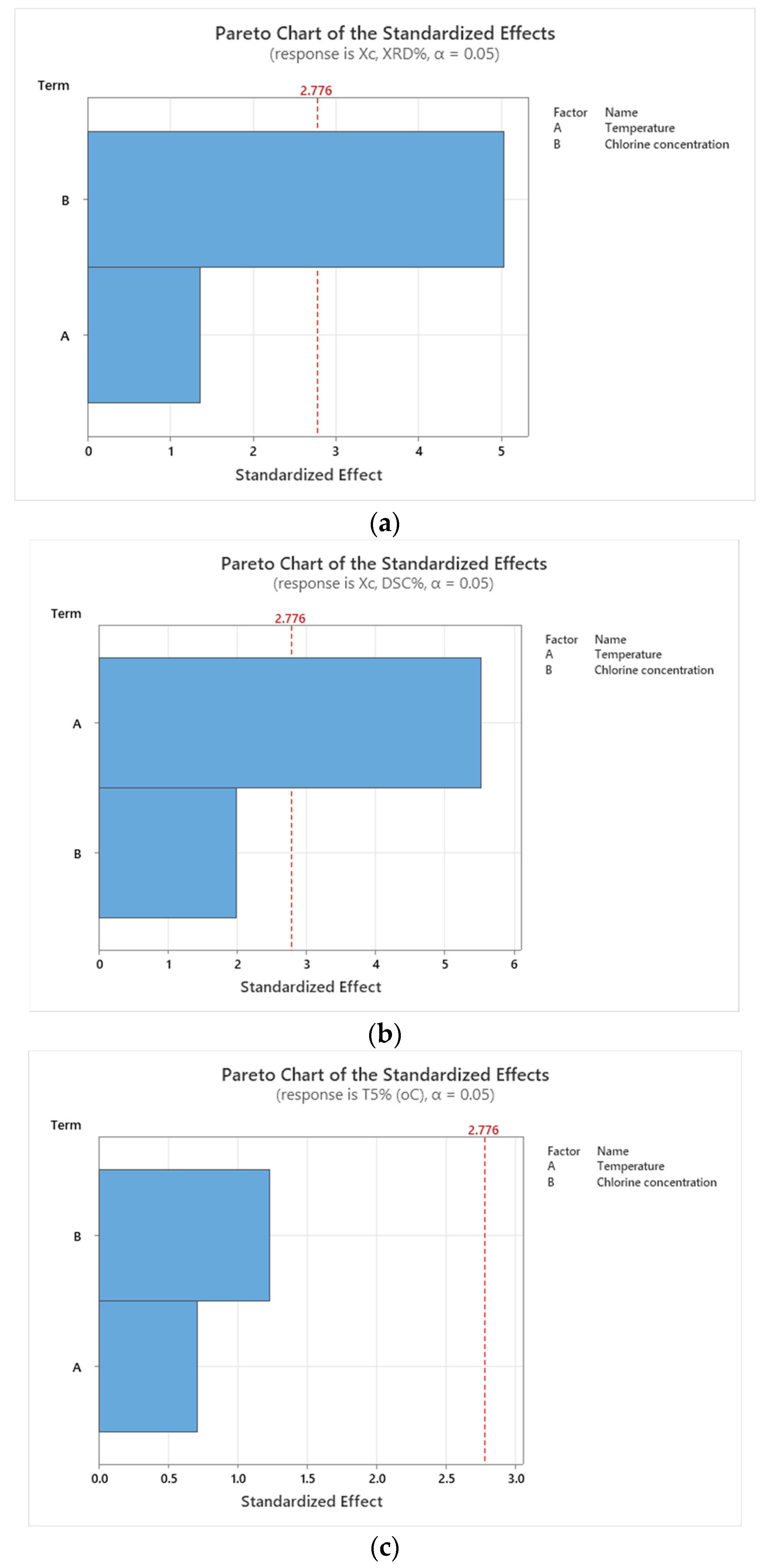
| Response | R2 | Factor | F-Value | p-Value | Contribution |
|---|---|---|---|---|---|
| Xc (XRD) | 92.13% | Temperature | 2.05 | 0.244 | 8.06% |
| Chlorine concentration | 21.26 | 0.007 | 84.07% | ||
| Xc (DSC) | 93.63% | Temperature | 25.86 | 0.005 | 81.52% |
| Chlorine concentration | 3.81 | 0.119 | 12.11% | ||
| T5% | 100% | Temperature | 0.78 | 0.519 | 17.17% |
| Chlorine concentration | 1.74 | 0.286 | 38.56% | ||
| 2-way interaction Temperature Chlorine concentration | - | - | 44.26% |
Disclaimer/Publisher’s Note: The statements, opinions and data contained in all publications are solely those of the individual author(s) and contributor(s) and not of MDPI and/or the editor(s). MDPI and/or the editor(s) disclaim responsibility for any injury to people or property resulting from any ideas, methods, instructions or products referred to in the content. |
© 2025 by the authors. Licensee MDPI, Basel, Switzerland. This article is an open access article distributed under the terms and conditions of the Creative Commons Attribution (CC BY) license.
Share and Cite
Sirbu, E.-E.; Tănase, M.; Diniță, A.; Călin, C.; Brănoiu, G.; Banu, I. Comprehensive Analysis of Chlorine-Induced Aging in High-Density Polyethylene: Insights into Structural, Thermal, and Mechanical Degradation Mechanisms. Polymers 2026, 18, 14. https://doi.org/10.3390/polym18010014
Sirbu E-E, Tănase M, Diniță A, Călin C, Brănoiu G, Banu I. Comprehensive Analysis of Chlorine-Induced Aging in High-Density Polyethylene: Insights into Structural, Thermal, and Mechanical Degradation Mechanisms. Polymers. 2026; 18(1):14. https://doi.org/10.3390/polym18010014
Chicago/Turabian StyleSirbu, Elena-Emilia, Maria Tănase, Alin Diniță, Cătălina Călin, Gheorghe Brănoiu, and Ionuț Banu. 2026. "Comprehensive Analysis of Chlorine-Induced Aging in High-Density Polyethylene: Insights into Structural, Thermal, and Mechanical Degradation Mechanisms" Polymers 18, no. 1: 14. https://doi.org/10.3390/polym18010014
APA StyleSirbu, E.-E., Tănase, M., Diniță, A., Călin, C., Brănoiu, G., & Banu, I. (2026). Comprehensive Analysis of Chlorine-Induced Aging in High-Density Polyethylene: Insights into Structural, Thermal, and Mechanical Degradation Mechanisms. Polymers, 18(1), 14. https://doi.org/10.3390/polym18010014