1. Introduction
Synthetic dyes released from textile, leather, and other industrial processes represent a persistent environmental challenge owing to their chemical stability and potential toxicity [
1]. Traditional wastewater treatment methods, such as adsorption and coagulation, often fall short in achieving complete mineralization of such contaminants, prompting the exploration of advanced oxidation processes [
2]. Among these, semiconductor photocatalysis has gained attention for its ability to harness light energy to generate reactive species that can degrade organic pollutants under mild conditions. Photocatalytic activity is largely governed by a material’s capability to absorb light, generate electron–hole pairs, and facilitate charge separation before recombination [
3]. Although conventional oxide semiconductors such as TiO
2 exhibit high stability, their wide bandgaps limit absorption to the ultraviolet region, which contains a small fraction of the solar spectrum [
4]. Conversely, metal sulfide semiconductors generally possess narrower bandgaps and stronger visible-light absorption, enabling them to utilize solar radiation more effectively for photochemical reactions. This intrinsic property has motivated extensive research into the use of sulfide materials, such as ZnS, CdS, CuS, CoS, and FeS, for dye degradation under visible illumination [
5]. Compared with other oxide systems, sulfide nanostructures have demonstrated appreciable activity in decomposing various organic dyes owing to their tunable electronic structures and enhanced light-harvesting capabilities [
6].
Individual studies have reported significant dye degradation using sulfide-based materials. For example, copper sulfide nanoparticles can decompose various dyes, such as crystal violet (CV), methylene blue, and rhodamine B with high efficiency, demonstrating the effectiveness of sulfide semiconductors across a range of dye chemistries [
7]. Similarly, ternary and composite sulfide systems, such as Bi
2S
3 combined with other semiconductors (e.g., FeWO
4 and CoS
2), achieved high methylene blue degradation under visible-light, underscoring how multicomponent sulfide structures can enhance charge separation and photocatalytic performance [
8]. Moreover, reviews on Bi
2S
3-based nanocomposites highlight the potential of heavier metal sulfides for organic pollutant degradation, addressing both visible-light response and stability challenges [
9]. Binary sulfide semiconductors, such as CdS and ZnS, have been extensively studied for visible-light-driven dye degradation, revealing that narrower bandgaps often correlate with enhanced photocatalytic performance [
10]. Transition metal sulfides such as NiS have also shown involvement in degrading synthetic dyes, indicating the broad applicability of sulfide semiconductor systems [
11]. Heterojunctions involving CuS and related sulfides effectively improve charge separation and dye degradation efficiency, highlighting the importance of composite design strategies [
12,
13]. Fallatah et al. [
14] developed rGO/NiIn
2S
4 composite for the visible-light degradation of CV dyes. Although pristine NiIn
2S
4 demonstrated notable photocatalytic activity, it is unstable under prolonged visible-light irradiation. Incorporating rGO significantly enhanced photocatalytic efficiency and structural durability by improving charge-transfer and suppressing photocorrosion through strong interfacial interactions. This study demonstrates that graphene-based hybridization is an effective strategy for improving both the activity and stability of sulfide photocatalysts under visible light. Sk Mehebub Rahaman et al. [
15] investigated Sm
2S
3 nanosphere-based Pickering emulsions for the efficient photocatalytic degradation of CV dye. By stabilizing oil–water emulsions with in situ hydrophobized Sm
2S
3 nanoparticles, the system significantly enhanced local dye concentration at the photocatalyst interface, leading to nearly complete CV degradation under optimized conditions. In addition, the Pickering emulsion approach facilitated the synthesis of PANI@Sm
2S
3 spherical nanocomposites, demonstrating that emulsion-mediated strategies can simultaneously improve photocatalytic efficiency and facilitate the formation of functional sulfide-based hybrid materials. Khadim Hussain et al. [
16] reported that FeS nanoparticles supported on Fuller’s Earth (FeS@FE) can remove CV dye primarily through adsorption, achieving approximately 80% removal under alkaline conditions. The strong adsorption performance was credited to chemisorption and electrostatic interactions arising from surface iron oxyhydroxide species.
Despite their potential, rapid recombination of photogenerated electrons and holes and photocorrosion remain critical challenges for different sulfide photocatalysts, often limiting long-term performance [
14,
15,
16]. Strategies to mitigate these issues, such as morphological control, heterojunction design, and the development of ternary or multicomponent systems, have shown promise in enhancing light absorption, facilitating charge-transfer, and increasing active surface areas [
17,
18]. The hierarchical design of photocatalyst structures can also provide abundant surface sites and internal light-scattering effects that improve photoreactivity.
The methanol oxidation reaction (MOR) is significant in electrocatalytic energy conversion, particularly in direct methanol fuel cells, where methanol is anodically oxidized to release electrons for electricity generation. MOR typically suffers from slow kinetics and high overpotentials, challenges that have historically limited the efficiency of conventional catalysts such as platinum and its alloys because of cost and susceptibility to intermediate-induced poisoning [
19,
20,
21]. Measures to address these issues have been directed toward non-precious metal catalysts, such as transition metal sulfides, which offer abundant active sites, tunable electronic structures, and improved conductivity relative to oxides, making them attractive alternatives for MOR studies [
19]. Recent research highlights that sulfide-based materials can achieve competitive methanol oxidation performance in alkaline media, demonstrating enhanced current responses and durability compared with some traditional systems [
20]. Within this context, this study explores In
2MnS
4 microflowers as a non-precious electrocatalyst for MOR, examining their electrochemical behavior and stability in methanol-containing electrolytes.
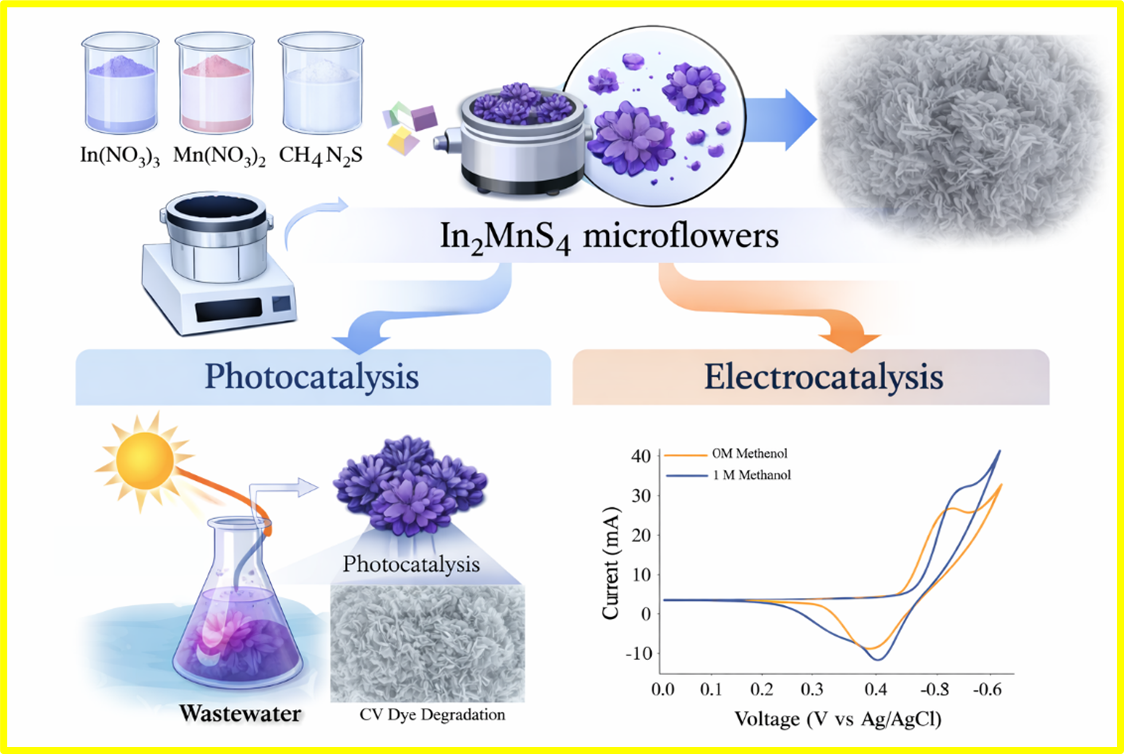
In this study, hierarchical In2MnS4 microflowers were synthesized via a facile hydrothermal route and evaluated for their ability to degrade CV dye under visible-light irradiation. Structural, optical, and electrochemical characterizations were conducted to elucidate the relationship between morphological features, charge-carrier behavior, and photocatalytic activity to advance understanding of complex sulfide photocatalysts for environmental remediation.
2. Results
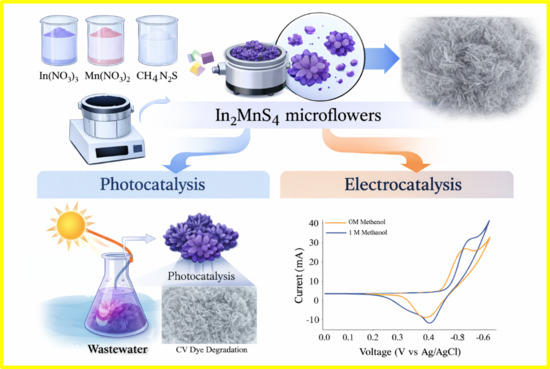
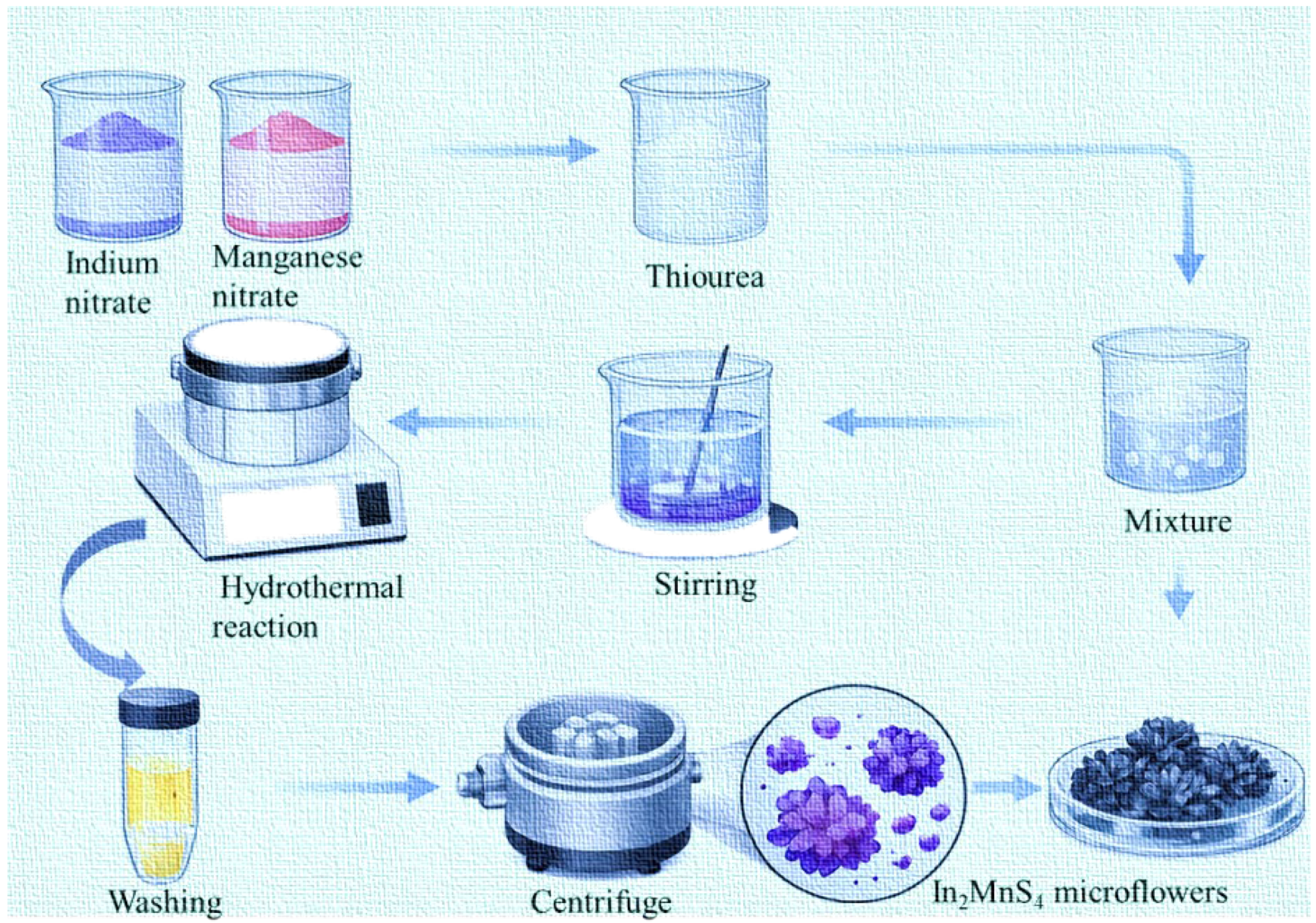
Figure 1 schematically illustrates the hydrothermal synthesis route of In
2MnS
4 microflowers. Indium nitrate and manganese nitrate are first mixed with thiourea in deionized water to form a homogeneous precursor solution. Continuous stirring ensures uniform dispersion of the metal ions and sulfur source, which is beneficial for consistent nucleation during the subsequent hydrothermal process. Upon hydrothermal treatment, thiourea gradually decomposes and releases sulfide species, enabling the in-situ formation of In
2MnS
4 nuclei through reactions between sulfide ions and In
3+/Mn
2+ ions. As the reaction proceeds, these primary nuclei grow and aggregate under hydrothermal conditions. The nanocrystallites preferentially assemble into sheet-like subunits, which further organize and radiate outward from the nucleation centers, leading to the formation of a three-dimensional flower-like architecture. Meanwhile, smaller and less stable particles gradually dissolve and redeposit onto larger crystallites via an Ostwald ripening process, contributing to improved crystallinity and well-defined hierarchical morphology. The combined effects of nucleation, anisotropic growth, self-assembly, and ripening under hydrothermal conditions ultimately result in the formation of uniform In
2MnS
4 microflowers.
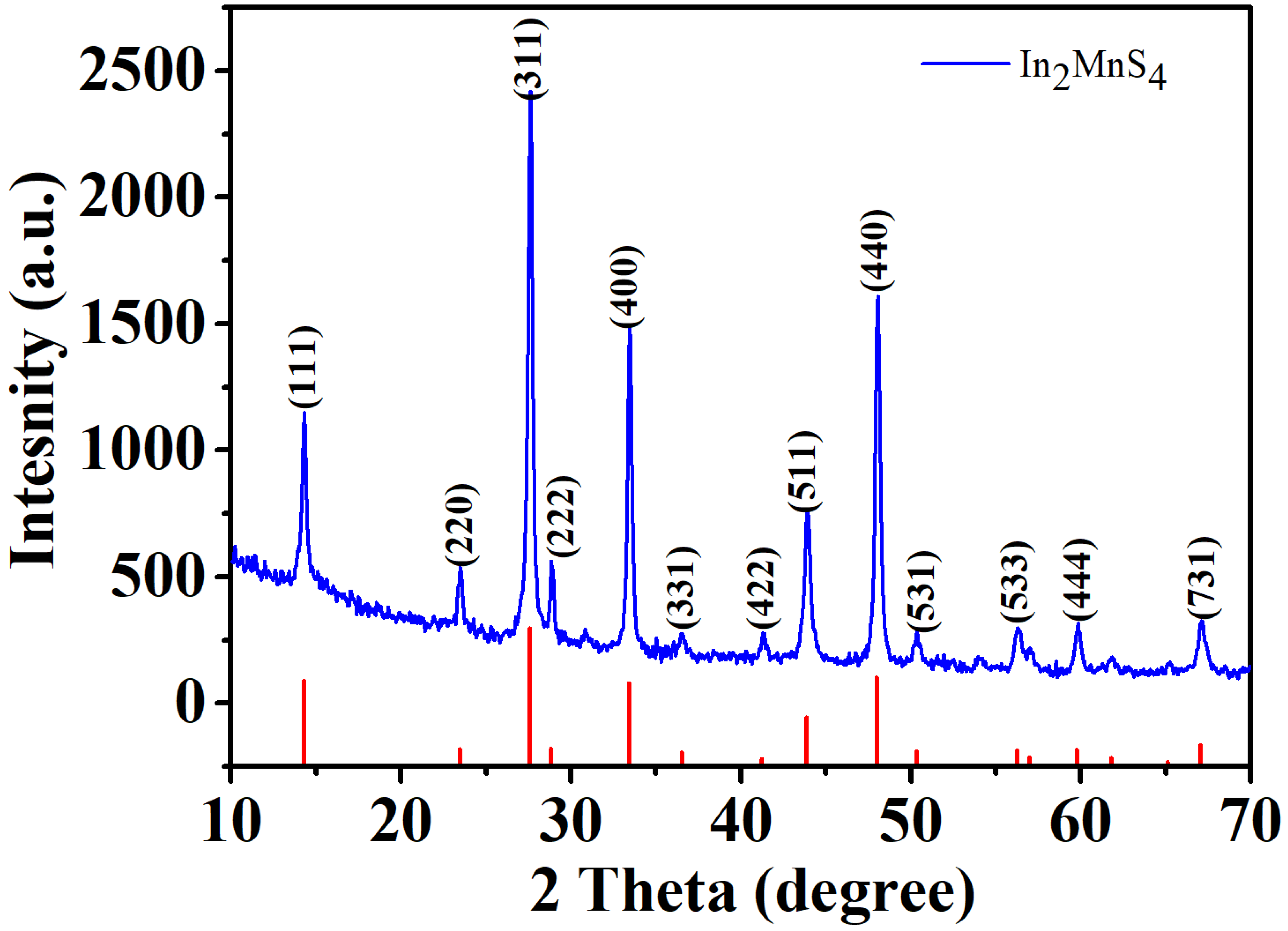
Figure 2 confirms the crystalline formation of In
2MnS
4. The XRD pattern exhibits distinct diffraction peaks at 2θ values of 14.3°, 23.4°, 27.8°, 28.8°, 33.4°, 36.54°, 41.26°, 43.89°, 48.01°, 50.36°, 56.28°, 59.77°, and 67.01°, which can be indexed to the (111), (220), (311), (222), (400), (331), (422), (511), (440), (531), (533), (444), and (731) planes, respectively. These peaks align well with JCPDS file No. 03-065-7474, signifying the formation of the intended crystalline phase. The diffraction peaks are sharp and intense, indicating good crystallinity. The measured reflections match well with the reference peak positions, demonstrating that the product corresponds to the targeted In
2MnS
4 phase. Importantly, no additional diffraction peaks attributable to common impurity phases, such as In
2S
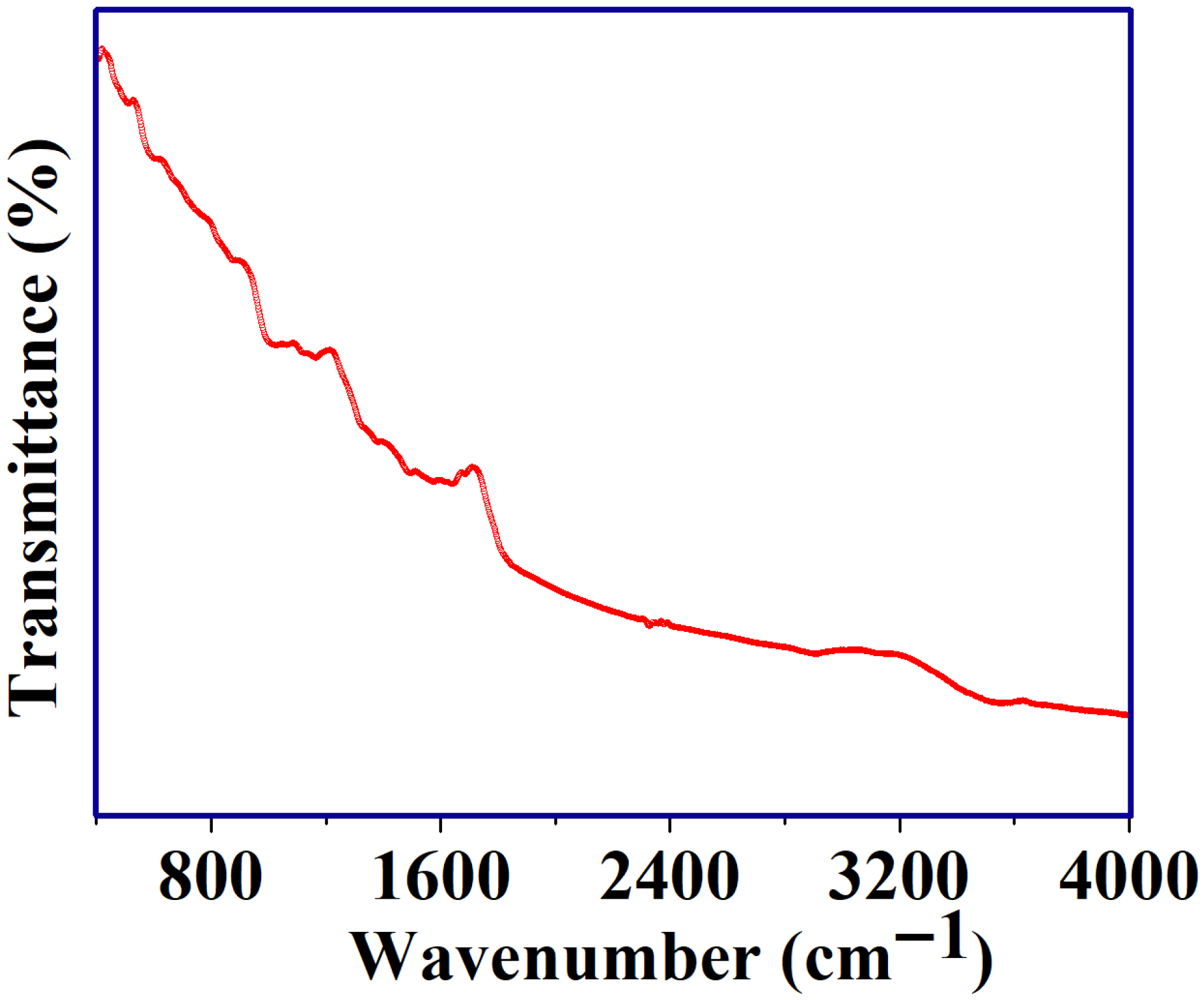
3, MnS, or oxide/hydroxide species, are observed in the synthesized microflowers. The strong dominant peak also implies a well-developed crystalline framework after hydrothermal growth. The FTIR spectrum of the In
2MnS
4 microflowers (
Figure 3), recorded in the 800–4000 cm
−1 range, predominantly represents vibrations related to surface species rather than intrinsic lattice modes. The broad band appearing between 3200 and 3600 cm
−1 can be assigned to O-H stretching vibrations originating from surface-adsorbed moisture and hydroxyl groups, while the absorption feature observed near 1600–1650 cm
−1 corresponds to the bending vibration of physically adsorbed water molecules. In addition, weak and broad features in the 1100–1400 cm
−1 region may arise from trace surface-bound species, such as residual nitrate or carbonate groups formed during synthesis or upon exposure to ambient air; however, their low intensity indicates that these species make a negligible contribution to the bulk structure. Notably, the fundamental metal–sulfur lattice vibrations are expected to occur below approximately 600 cm
−1 and therefore lie outside the measured spectral window, meaning that FTIR analysis in this range does not directly confirm the formation of the sulfide lattice.
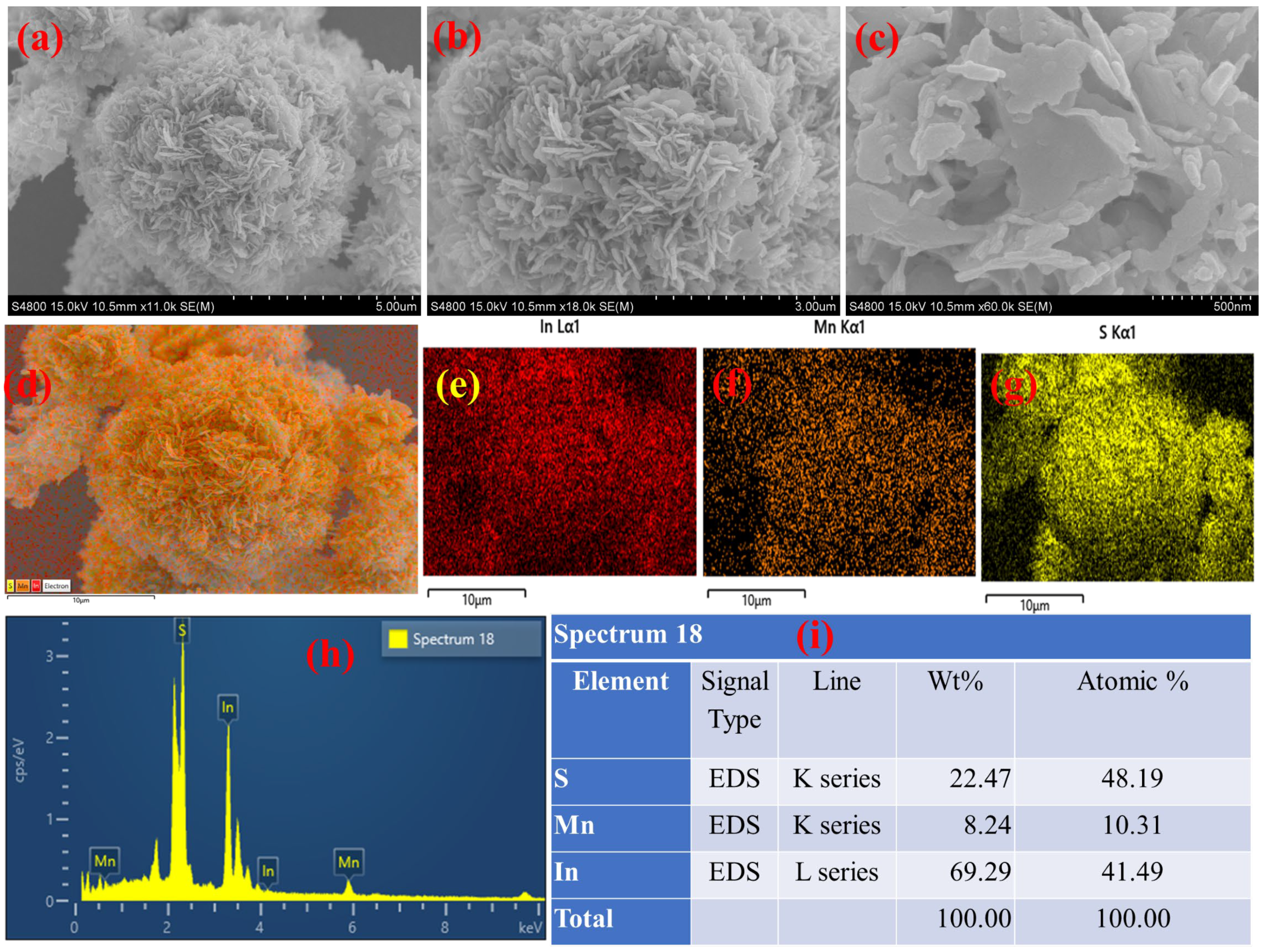
Figure 4a–c show that In
2MnS
4 forms well-defined microflower-like structures composed of densely packed nanosheet/nanoplate “petals.” This hierarchical morphology is beneficial for photocatalysis because it can provide (i) more accessible active sites, and (ii) improved light-harvesting through internal scattering within the flower-like framework. The elemental mapping images (
Figure 4d–g) confirm that In, Mn, and S are spatially well-distributed across the microflower, indicating uniform incorporation of Mn within the sulfide matrix rather than severe segregation. The EDX spectrum (
Figure 4h) further verifies the presence of the expected elements (In, Mn, and S) without clear signals of unwanted metallic contaminants. The quantitative EDX table (
Figure 4i) supports a composition dominated by In and S, with Mn as the third component. Small deviations from ideal stoichiometry are common in EDX because of factors such as sampling depth, rough morphology, and different X-ray line sensitivities.
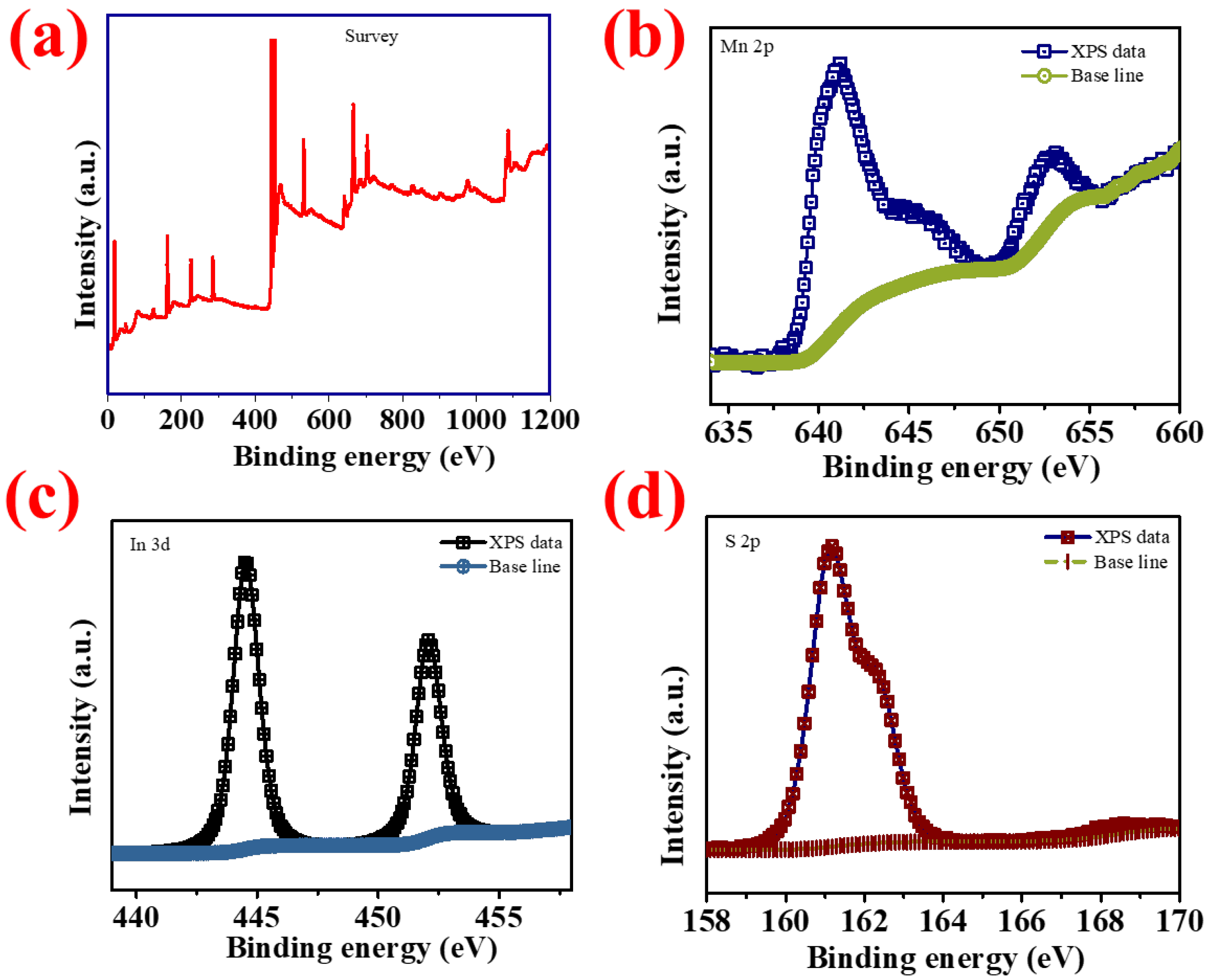
The XPS survey spectrum (
Figure 5a) demonstrates the presence of In, Mn, and S, confirming the elemental composition at the surface. In the high-resolution Mn 2p region (
Figure 5b), the characteristic doublet indicates that Mn is present in an oxidized ionic state typical for metal sulfides (rather than metallic Mn) [
22,
23]. The In 3d spectrum (
Figure 5c) shows two strong peaks, namely, In3d
5/2 and In3d
3/2, consistent with In
3+ in a sulfide environment [
24]. The S 2p region (
Figure 5d) displays the typical S 2p doublet associated with S
2−, confirming sulfide bonding. Any minor broadening/weak high-binding-energy contribution can be reasonably qualified to slight surface oxidation or adsorbed sulfur–oxygen species, which often occurs when sulfides are exposed to air.
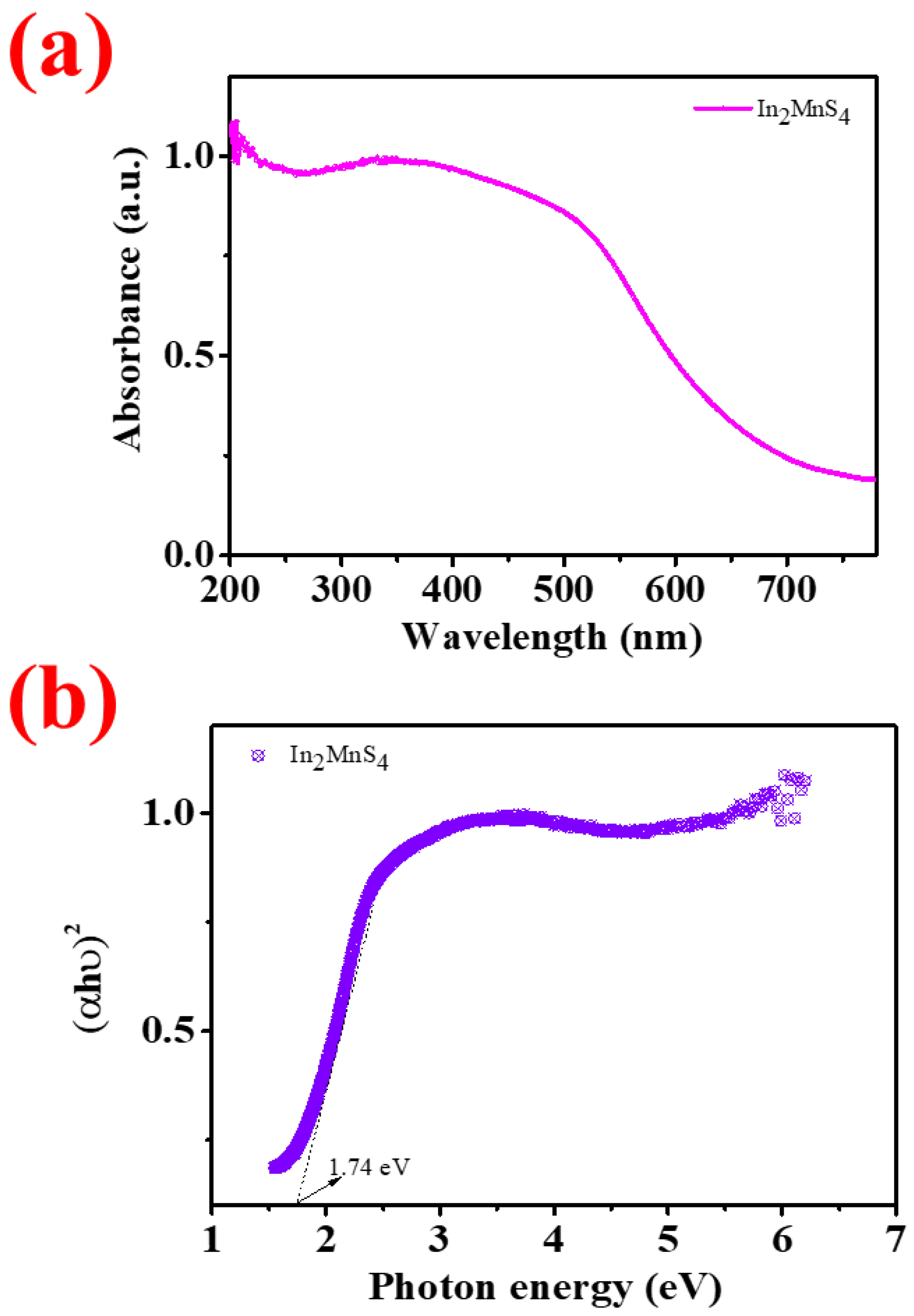
Figure 6a shows that In
2MnS
4 exhibits strong optical absorption across the UV and a substantial part of the visible region, indicating good light-harvesting ability for photocatalytic applications. The absorption edge extends into the visible range, which supports its suitability for driving dye degradation under light irradiation. The Tauc plot in
Figure 6b provides an estimated optical bandgap of 1.74 eV. This relatively narrow bandgap indicates that In
2MnS
4 can be photoexcited under visible light, enabling the generation of electron–hole pairs that participate in redox reactions [
1]. In photocatalytic dye degradation, such visible-light absorption is a key factor for improving activity because it increases the usable fraction of incident light and supports reactive species formation (e.g., •O
2− and •OH, depending on band positions and reaction conditions) [
1].
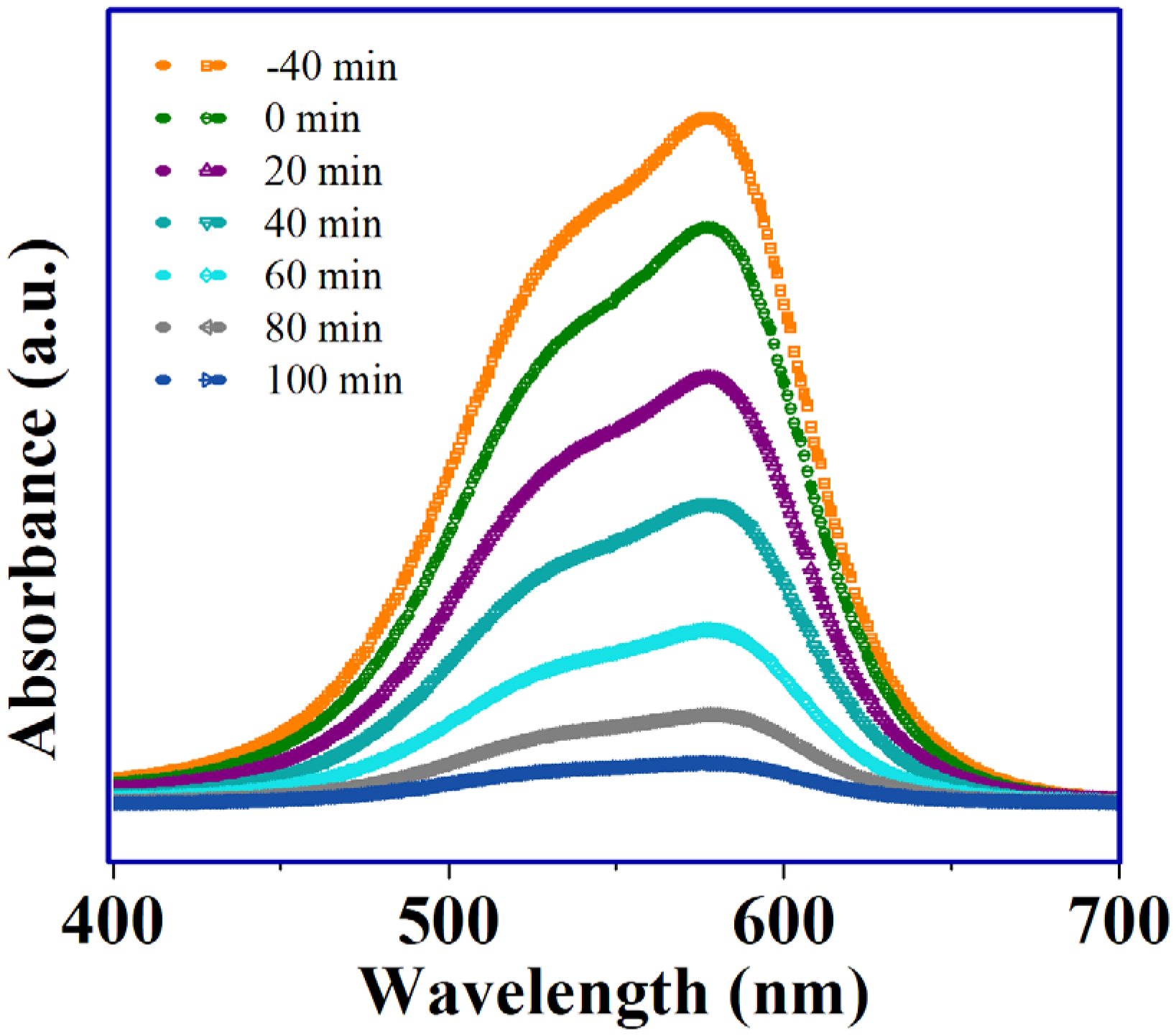
Figure 7 depicts the time-dependent UV–Vis absorption spectra of CV during treatment with In
2MnS
4 microflowers. The characteristic absorption band of CV in the visible region (around the main peak near approximately 590 nm) gradually decreases as irradiation time increases, indicating a continuous reduction in dye concentration. Importantly, the overall peak shape remains similar while the intensity drops, which is consistent with progressive dye removal rather than only a wavelength shift caused by simple adsorption. The spectrum at −40 min (before light exposure) reflects the initial dye solution, whereas the 0 min curve represents the concentration after the dark adsorption step (equilibrium stage). The modest change between −40 and 0 min indicates the contribution of adsorption; however, the major decrease occurs after light irradiation, confirming that the dominant removal pathway is photocatalytic degradation rather than adsorption.
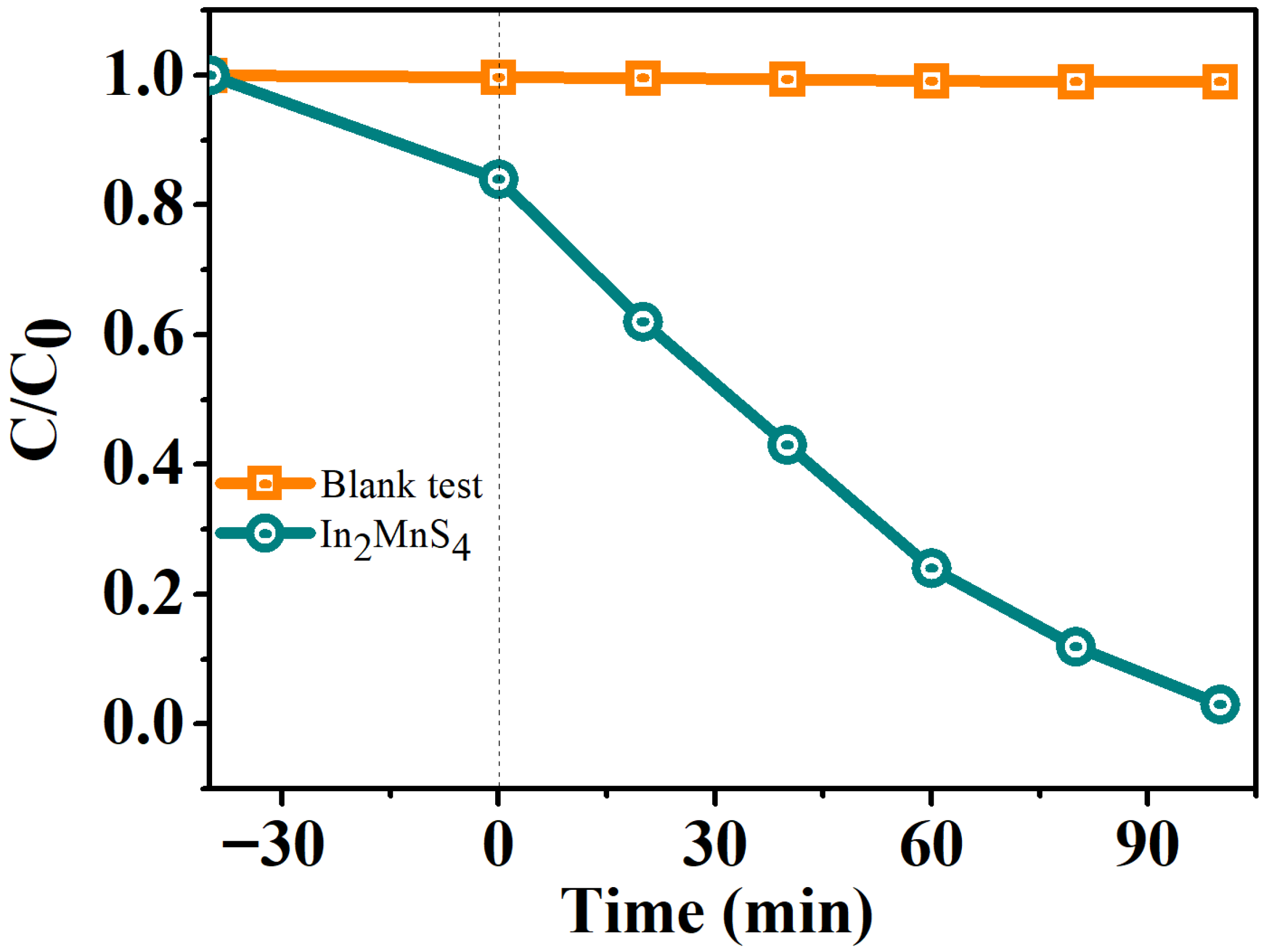
Figure 8 presents the normalized concentration profile (C/C
0) of CV as a function of time. The region from −40 to 0 min corresponds to the dark adsorption period. During this stage, C/C
0 changes only slightly, indicating limited adsorption and stabilization of dye-catalyst interaction before illumination. After the light is switched on (time = 0), C/C
0 decreases rapidly for the In
2MnS
4 system, reaching a very low residual concentration at the end of the experiment, demonstrating strong photocatalytic performance. Conversely, the blank test remains essentially constant across the entire period, which approves that CV is stable under the same irradiation conditions without a catalyst (i.e., negligible photolysis). Therefore, the observed concentration drop is attributable to photocatalytic reactions occurring on or near the In
2MnS
4 surface under light excitation.
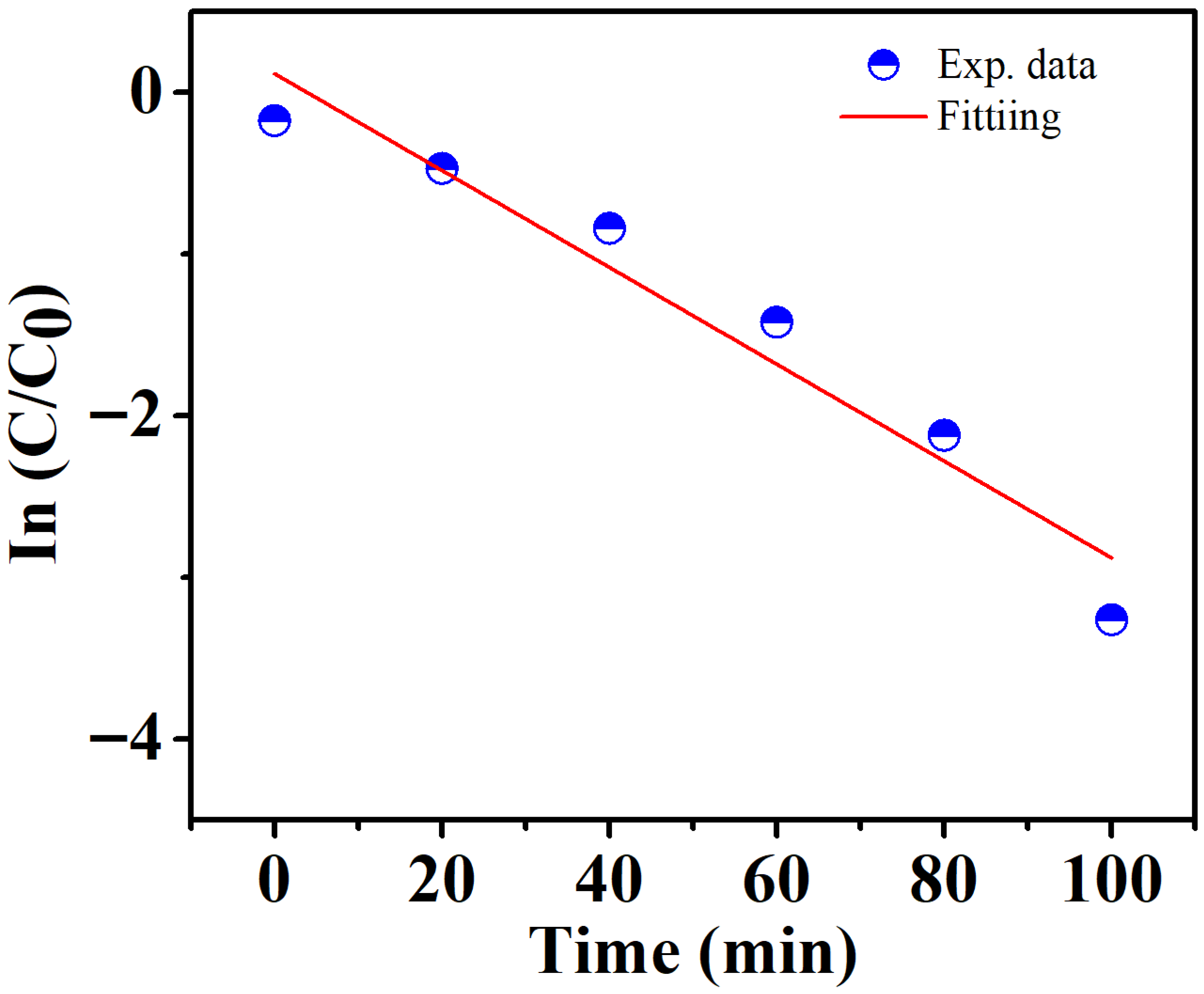
Figure 9 evaluates the degradation kinetics using a pseudo-first-order model, where ln(C/C
0) is plotted against irradiation time. The data points demonstrate an approximately linear trend, supporting pseudo-first-order behavior under the tested conditions (typical when dye concentration is low and reactive species generation is relatively steady). From the slope of the fitted line, a rate constant of k = 0.029 min
−1 is obtained. Small deviations from perfect linearity at longer times are common in dye degradation because (i) intermediate products can compete for reactive radicals, (ii) surface coverage changes as concentration decreases, and (iii) mass-transfer limitations can become more influential. Nevertheless, the overall linearity indicates that the kinetic description is reasonable and provides quantitative evidence to compare activity with other catalysts reported in the literature.
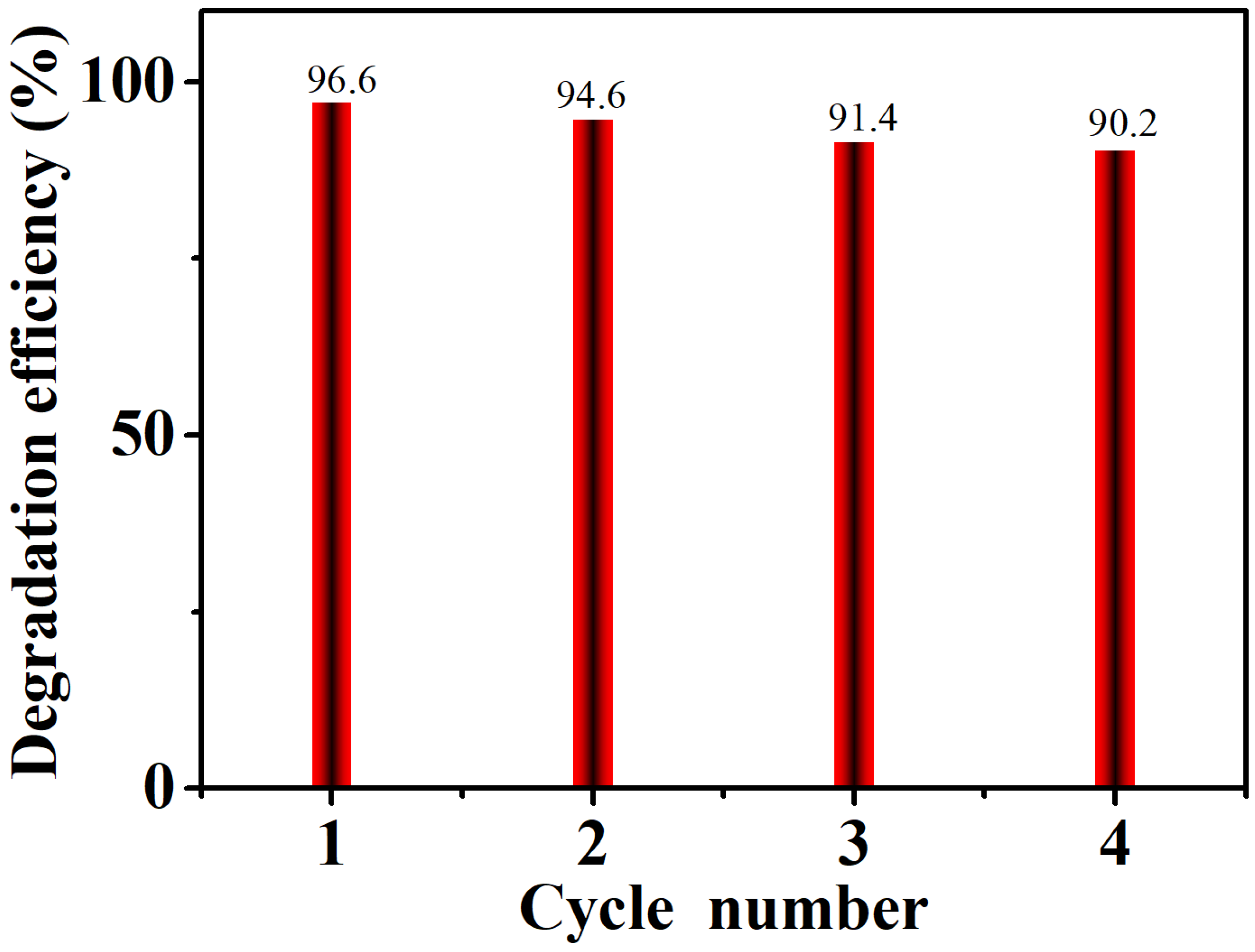
Figure 10 demonstrates the reusability of In
2MnS
4 microflowers across four consecutive cycles. The degradation efficiency remains high, decreasing only slightly from 96.6% in cycle 1 to 90.2% in cycle 4. This minor loss indicates that the catalyst retains most of its active sites and photocatalytic functionality after repeated use. The small decline can be rationally credited to practical factors, such as (i) fractional loss of catalyst mass during recovery/washing, (ii) adsorption of reaction intermediates on the surface that block active sites, or (iii) limited surface restructuring during repeated irradiation. Overall, the results indicate good operational stability and support the material’s potential for repeated wastewater treatment use.
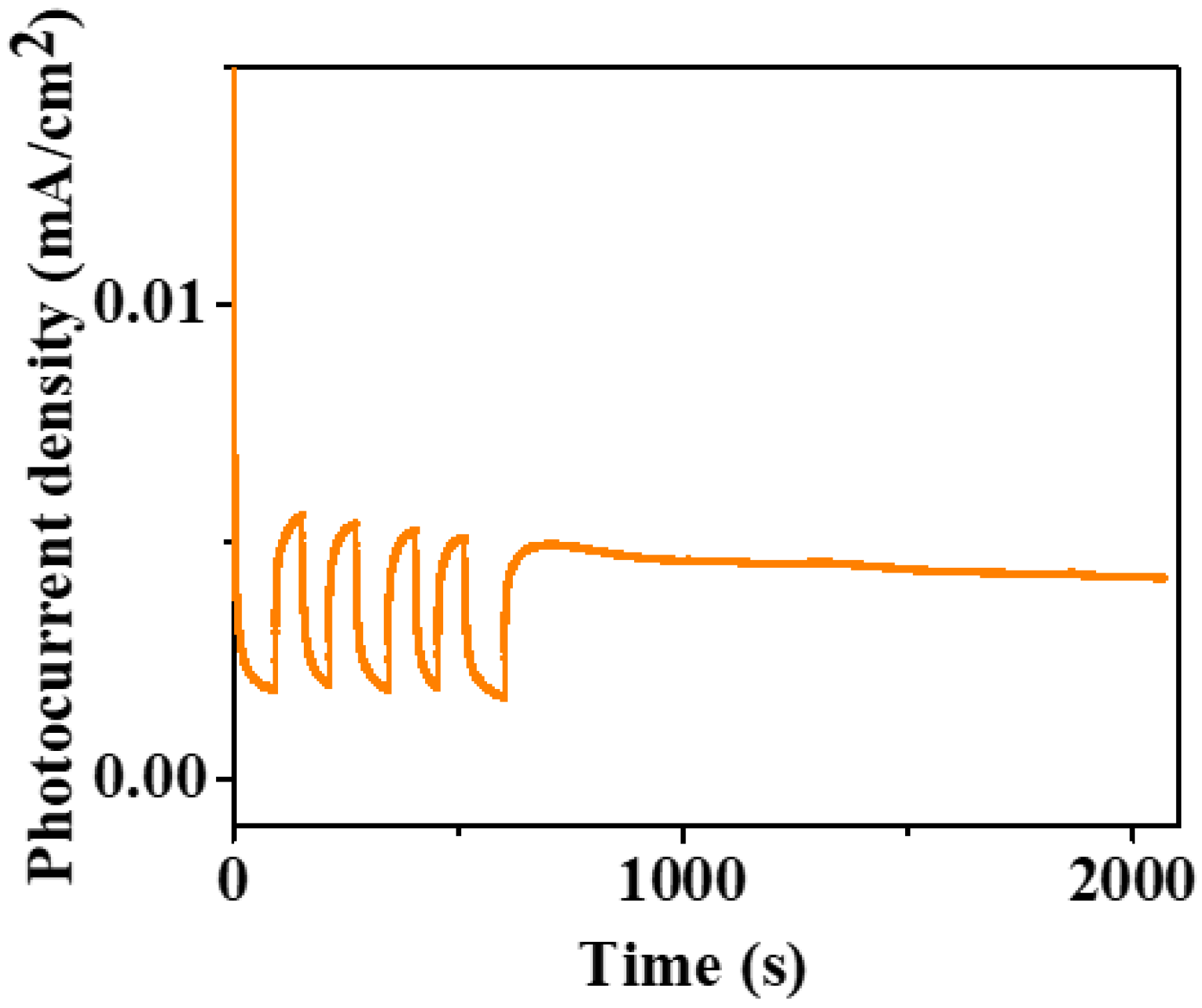
The transient photocurrent profile shown in
Figure 11 illustrates the photoresponse behavior of the In
2MnS
4 electrode under intermittent light irradiation. During light-on periods, the photocurrent rises promptly, while it decreases upon switching the light off, indicating that the observed current is generated by photoinduced charge carriers. The measured photocurrent density is approximately 2 μA/cm
2. The repeatable on-off response demonstrates the stable generation and transport of photogenerated carriers, while the relatively constant signal intensity suggests minimal short-term deactivation of the photoelectrode. Such a consistent photocurrent response implies effective charge separation and suppressed recombination, which is beneficial for photocatalytic performance during CV degradation.
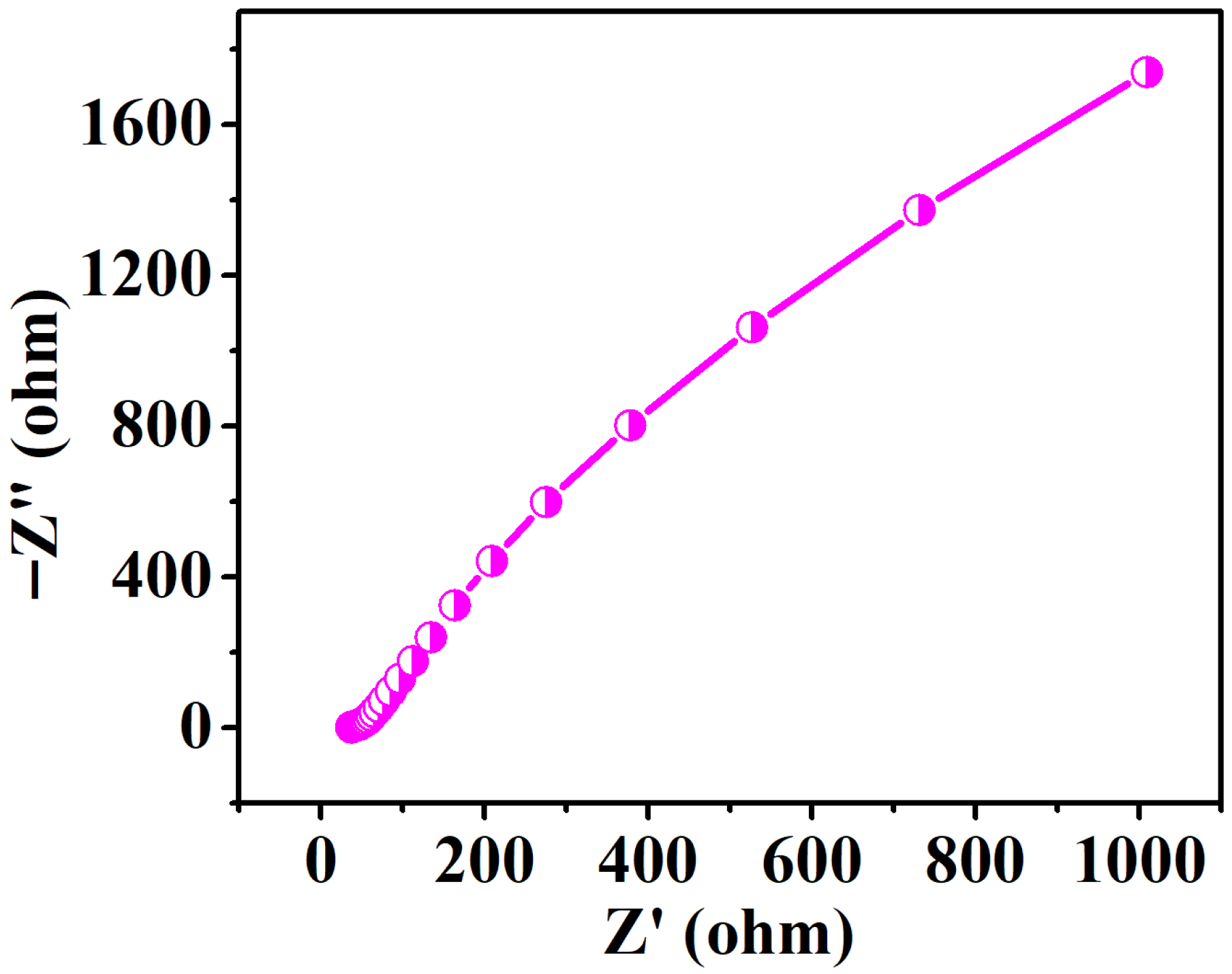
Figure 12 presents the Nyquist impedance spectrum of the In
2MnS
4 electrode. In the high-frequency region, the spectrum shows a relatively small arc, indicating lower interfacial resistance reflecting charge transfer at the electrode-electrolyte interface. As the frequency decreases, the impedance response gradually evolves into an inclined line, which is characteristic of diffusion-controlled processes related to ion transport within the electrode material. The combination of a small high-frequency arc and a pronounced low-frequency tail suggests that interfacial charge transfer is relatively efficient, while mass-transport effects become more influential at longer time scales. Overall, the impedance behavior indicates favorable charge-transport kinetics in In
2MnS
4, which is consistent with its observed photoelectrochemical and photocatalytic performance during CV degradation.
The photocatalytic performance of In
2MnS
4 microflowers toward CV dye degradation is clearly evidenced by the time-dependent UV–Vis absorption decay, where the gradual decrease in the characteristic visible absorption band indicates progressive dye decomposition under light irradiation. This spectral evolution is consistent with the normalized concentration profile (C/C
0), which shows negligible change during the dark adsorption stage but a rapid decline once illumination begins, demonstrating the dominance of photocatalysis rather than adsorption or photolysis during removal. Kinetic analysis further reveals a near-linear relationship between ln(C/C
0) and irradiation time, indicating pseudo-first-order reaction behavior by an apparent rate constant of 0.029 min
−1, reflecting efficient reaction kinetics under the applied conditions. The practical applicability of the catalyst is supported by cycling experiments, where only a minor decrease in degradation efficiency is observed over multiple runs, confirming good structural and chemical stability. Photoelectrochemical measurements provide additional insight into the charge-carrier dynamics. The reproducible photocurrent response under intermittent illumination indicates effective generation and separation of photoinduced electrons and holes. Meanwhile, EIS results reveal relatively low charge-transfer resistance and favorable interfacial transport characteristics, facilitating rapid electron migration and suppressing recombination. Collectively, these results present that the hierarchical microflower morphology and suitable electronic structure of In
2MnS
4 promote efficient light absorption, charge separation, and interfacial transfer, thereby enabling the generation of reactive species accountable for the sustained and efficient photocatalytic degradation of CV dye.
Table 1 compares the photocatalytic activity of the In
2MnS
4 microflowers with previously reported sulfur-based photocatalysts, demonstrating the competitive and promising performance of the present material.
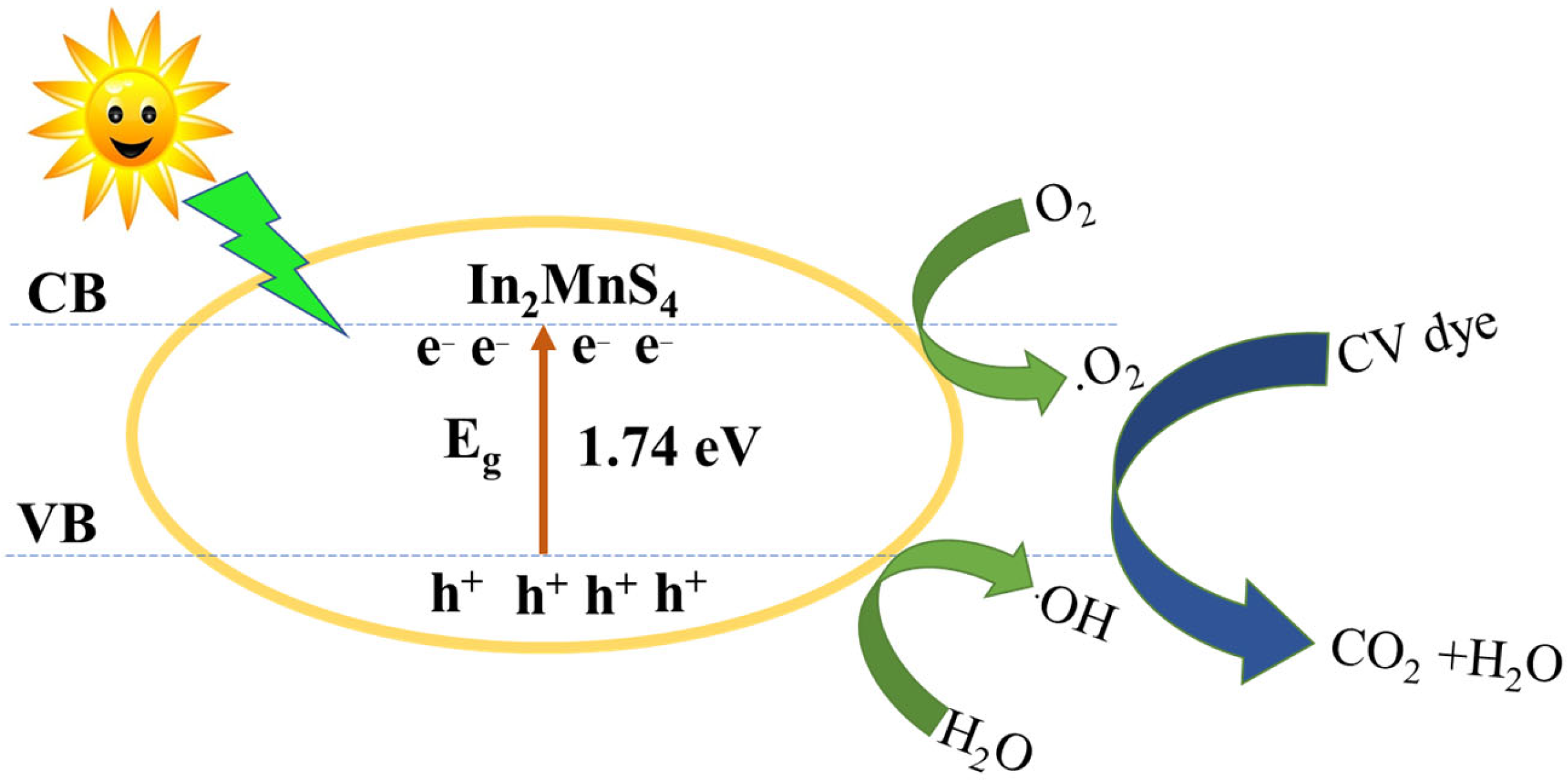
Figure 13 shows the possible photocatalytic mechanism of In
2MnS
4. Under light irradiation, In
2MnS
4 absorbs visible photons and generates electron–hole pairs owing to its narrow band gap (1.74 eV). The photoexcited electrons are promoted from the valence band to the conduction band, leaving behind holes in the valence band. The conduction band electrons react with dissolved oxygen to form reactive superoxide radical, whereas the valence band holes participate in oxidation reactions with surface-adsorbed water or hydroxyl groups, leading to hydroxyl radical formation [
25]. These highly reactive oxygen species are likely involved in attacking and breaking down CV molecules into smaller intermediates, which are further degraded and partially mineralized during the photocatalytic process. The hierarchical microflower structure of In
2MnS
4 facilitates efficient light absorption, rapid charge separation, and effective interfacial reactions, thereby enhancing the overall photocatalytic degradation efficiency.
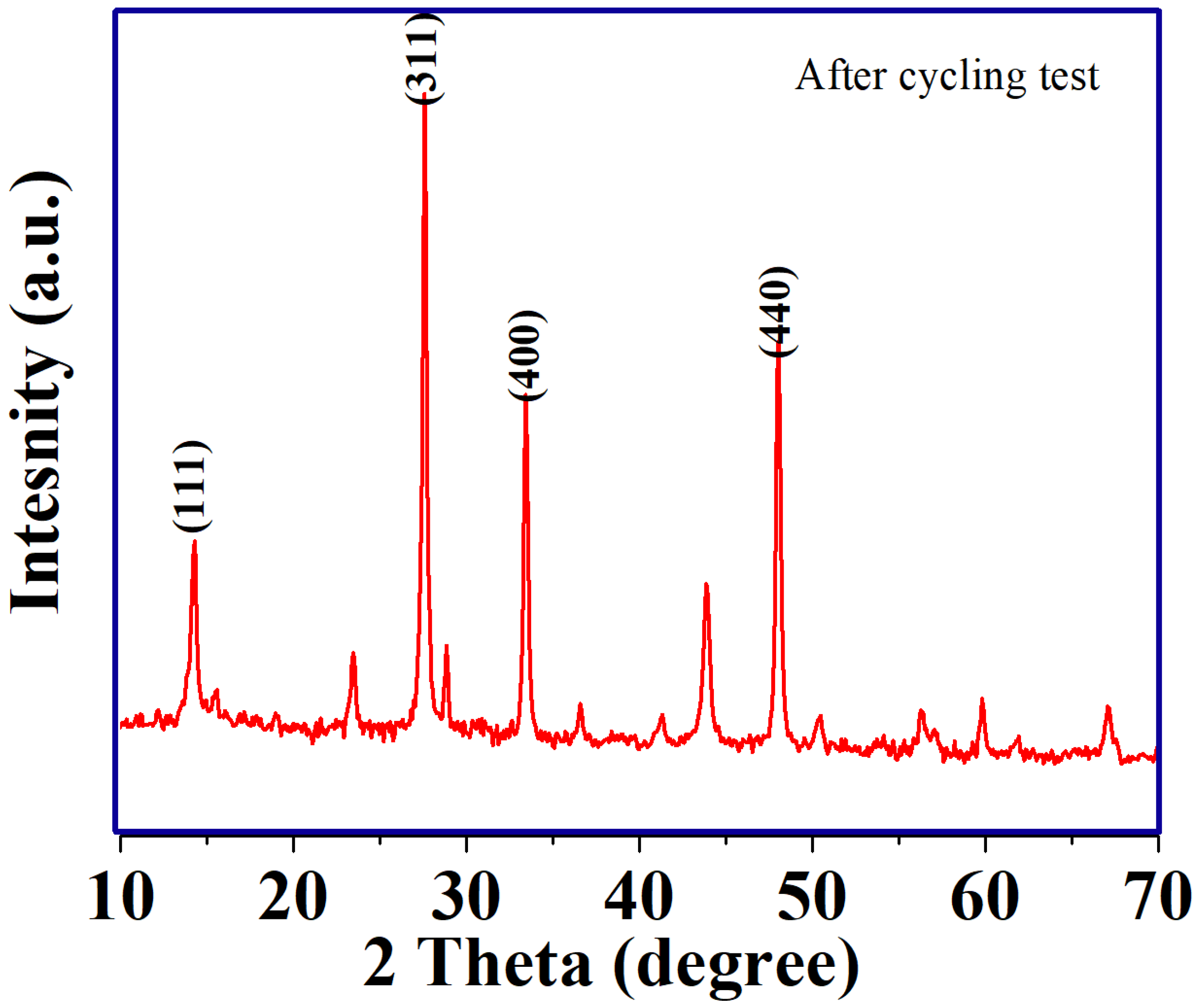
Figure 14 compares the XRD patterns of pristine In
2MnS
4 microflowers and the sample recovered after repeated electrochemical cycling. All major diffraction peaks observed in the fresh sample are well-preserved after the cycling test, and they can be indexed to the characteristic crystallographic planes of In
2MnS
4, including the reflections corresponding to the (111), (311), (400), and (440) planes. Importantly, no new diffraction peaks or noticeable peak shifts are detected after cycling, indicating that no secondary phases or structural decomposition occurred during the electrochemical process. The close similarity in peak positions and relative intensities before and after cycling demonstrates that the crystalline framework of In
2MnS
4 microflowers remains intact, confirming their high structural robustness under prolonged electrochemical operation. Minor variations in peak intensity can be attributed to surface reconstruction or slight changes in crystallite orientation induced during electrochemical cycling rather than bulk phase transformation.
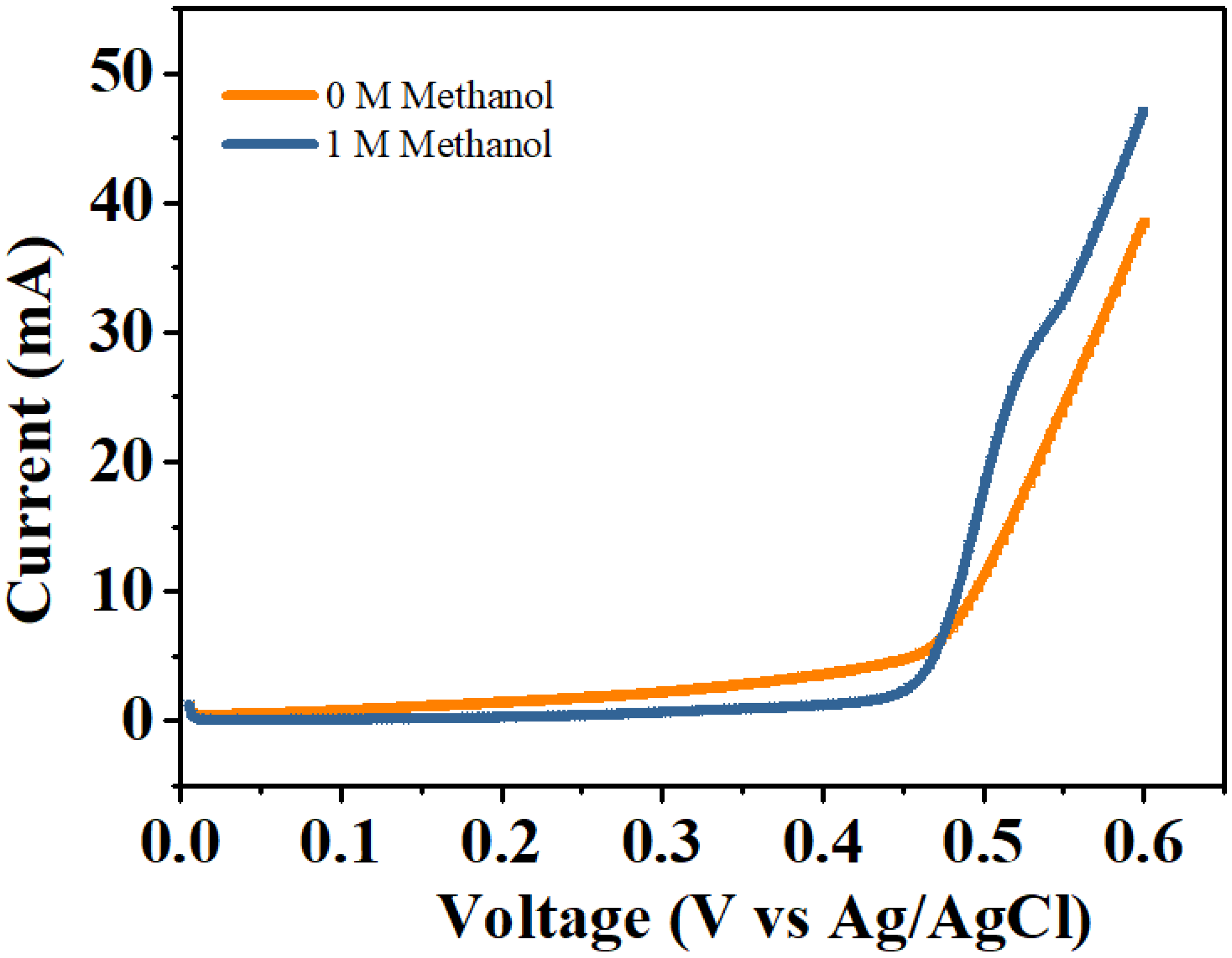
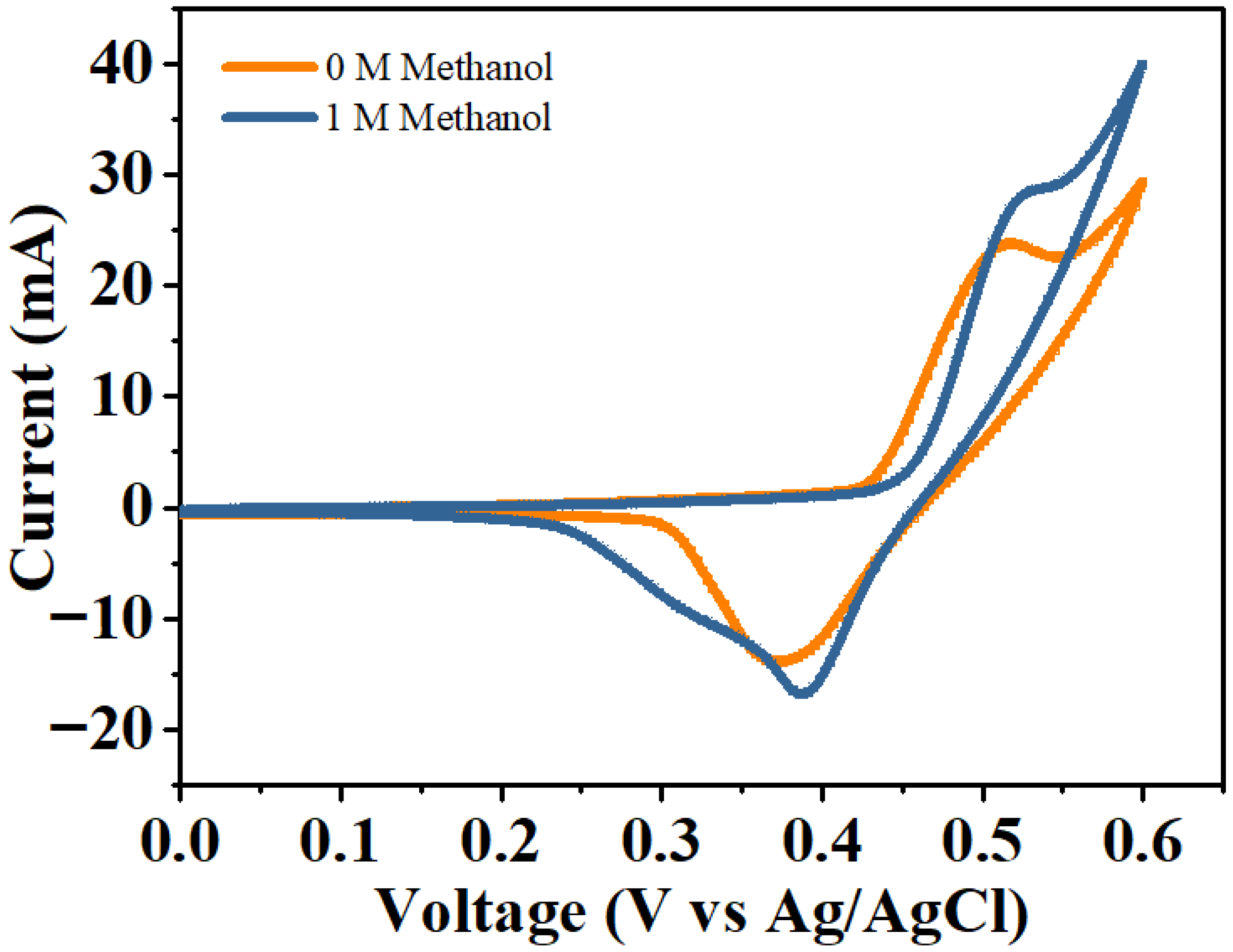
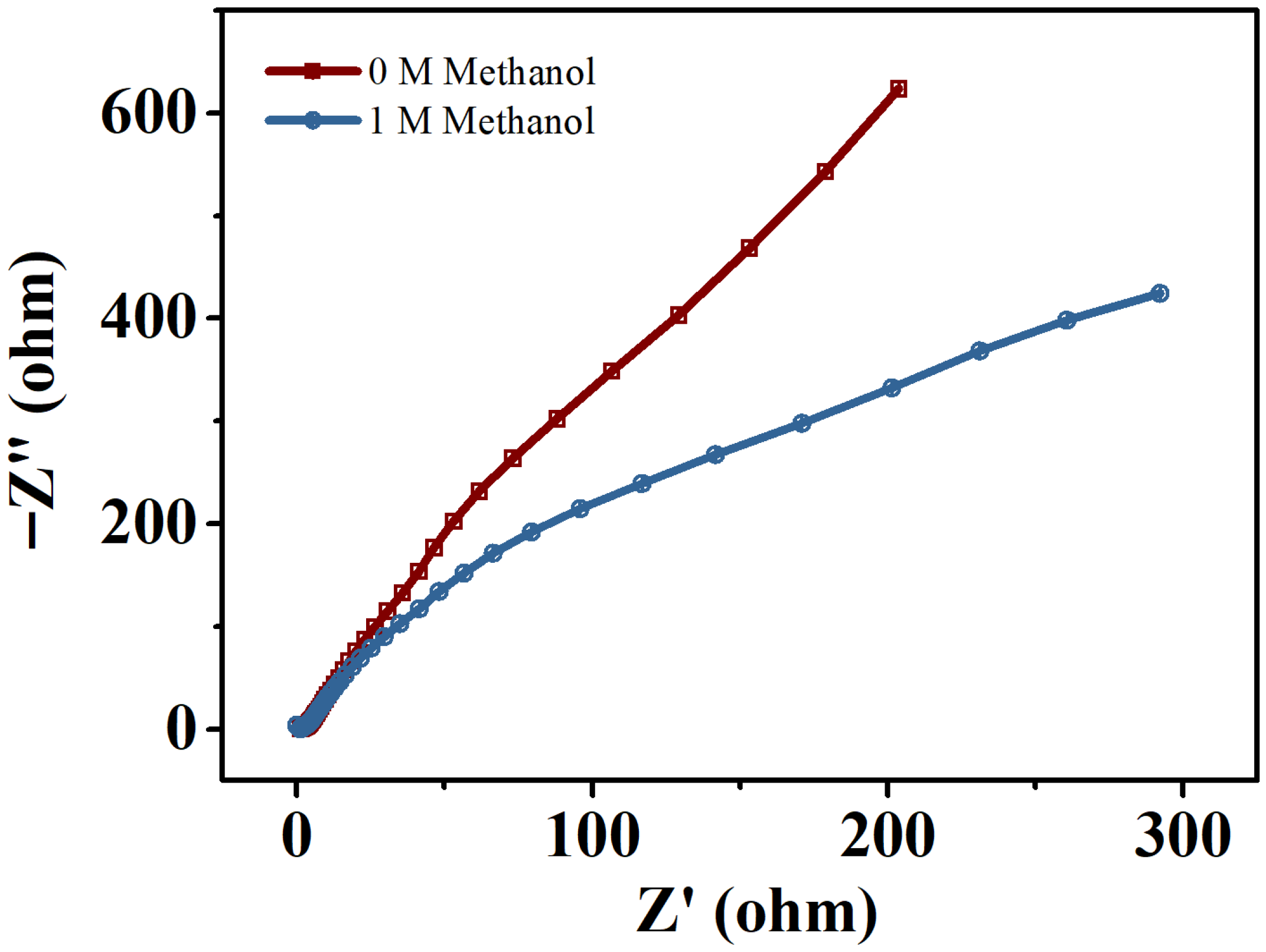
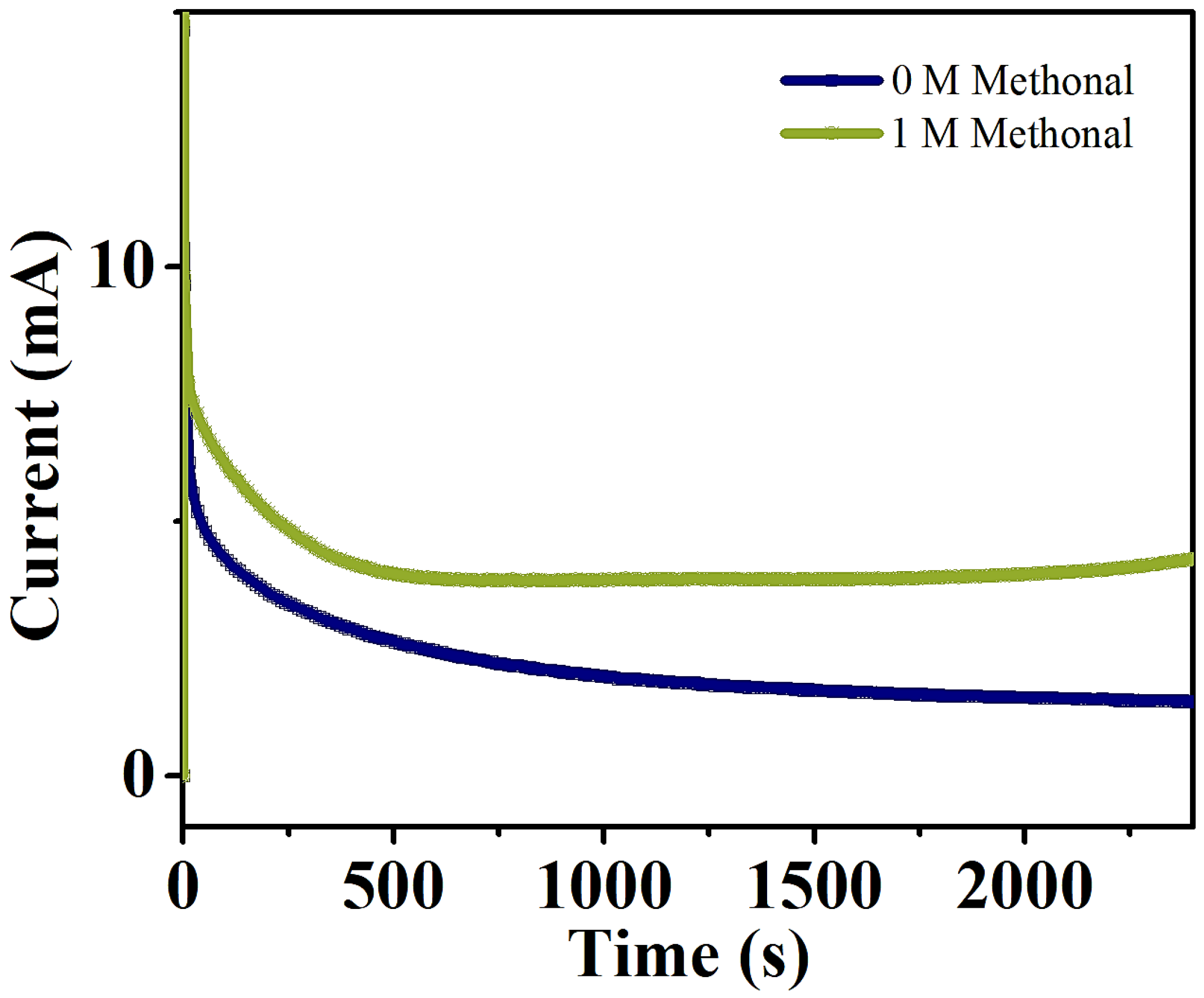
The methanol oxidation activity of In
2MnS
4 microflowers was systematically investigated using LSV, CV, EIS, and chronoamperometry in electrolytes with and without methanol. The LSV profiles (
Figure 15) reveal that, in the absence of methanol, the electrode exhibits a modest increase in current with increasing potential, corresponding primarily to background electrochemical contributions. The addition of 1 M methanol caused a sharp enhancement in anodic current at elevated potentials, indicating the activation of methanol oxidation pathways on the In
2MnS
4 surface. The pronounced increase in current density reflects improved anodic kinetics enabled by methanol participation under the applied conditions. The CV responses (
Figure 16) further confirm this behavior. Without methanol, the electrochemical response is relatively subdued, indicating limited faradaic involvement within the selected potential window. On the contrary, the presence of methanol leads to substantially amplified current responses accompanied by more distinct redox features, indicating increased electrochemical activity. The intensified anodic response implies that methanol adsorption and subsequent oxidations occur more readily on the catalyst surface, whereas changes in the cathodic branch suggest altered interfacial reactions related to methanol-derived intermediates.
Interfacial charge-transfer characteristics were evaluated through EIS measurements (
Figure 17). The Nyquist plots display typical impedance behavior comprising a depressed arc followed by a diffusion-related tail, signifying the coexistence of charge-transfer resistance and mass transport effects. Notably, the impedance spectrum recorded in the methanol-containing electrolyte shows significantly lower real and imaginary impedance values compared with the methanol-free system. This reduction indicates enhanced interfacial charge-transfer and faster electron transport, consistent with the activation of methanol oxidation reactions that facilitate electrochemical conductivity at the electrode–electrolyte interface. The durability of In
2MnS
4 microflowers during methanol oxidation was assessed by chronoamperometry (
Figure 18). Under a constant applied potential, both systems exhibit an initial decline in current, which can be allocated to capacitive effects and surface equilibration. Following this transient phase, the current stabilizes, indicating sustained electrochemical operation. Importantly, the methanol-containing electrolyte maintains a higher steady-state current over prolonged testing, demonstrating continuous catalytic activity without rapid performance decay. The stable current response highlights the structural and electrochemical robustness of In
2MnS
4 microflowers during extended methanol oxidation operation.





 ,
,