1. Introduction
Water purification and sterilization are essential challenges across diverse sectors, including the semiconductor industry, the food industry, agriculture, and even the medical field. Photocatalysts gained attention in recent years to address these challenges because photocatalysts can decompose compounds that are difficult to decompose by other water purification methods (e.g., membrane filtration and activated carbon). Furthermore, the photocatalytic reaction enables the use of sunlight, making it a safe and sustainable approach.
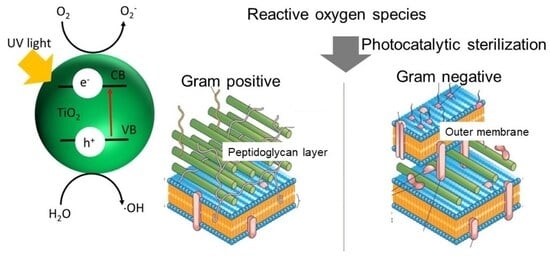
A photocatalyst absorbs ultraviolet light or sunlight to generate excited electrons and holes. These react with water and oxygen to produce reactive oxygen species (ROS) such as hydroxyl radicals (•OH) and superoxide anions (O
2•
−). These ROS oxidatively degrade organic pollutants and damage microbial cell membranes and DNA, inducing irreversible cell death [
1]. Interestingly, this bactericidal effect extends beyond bacteria (both Gram-negative and Gram-positive) to fungi, algae, protozoa, viruses, and even bacterial toxins (endotoxins and exotoxins). Photocatalysts are thus positioned as a technology with “universal bactericidal activity.”
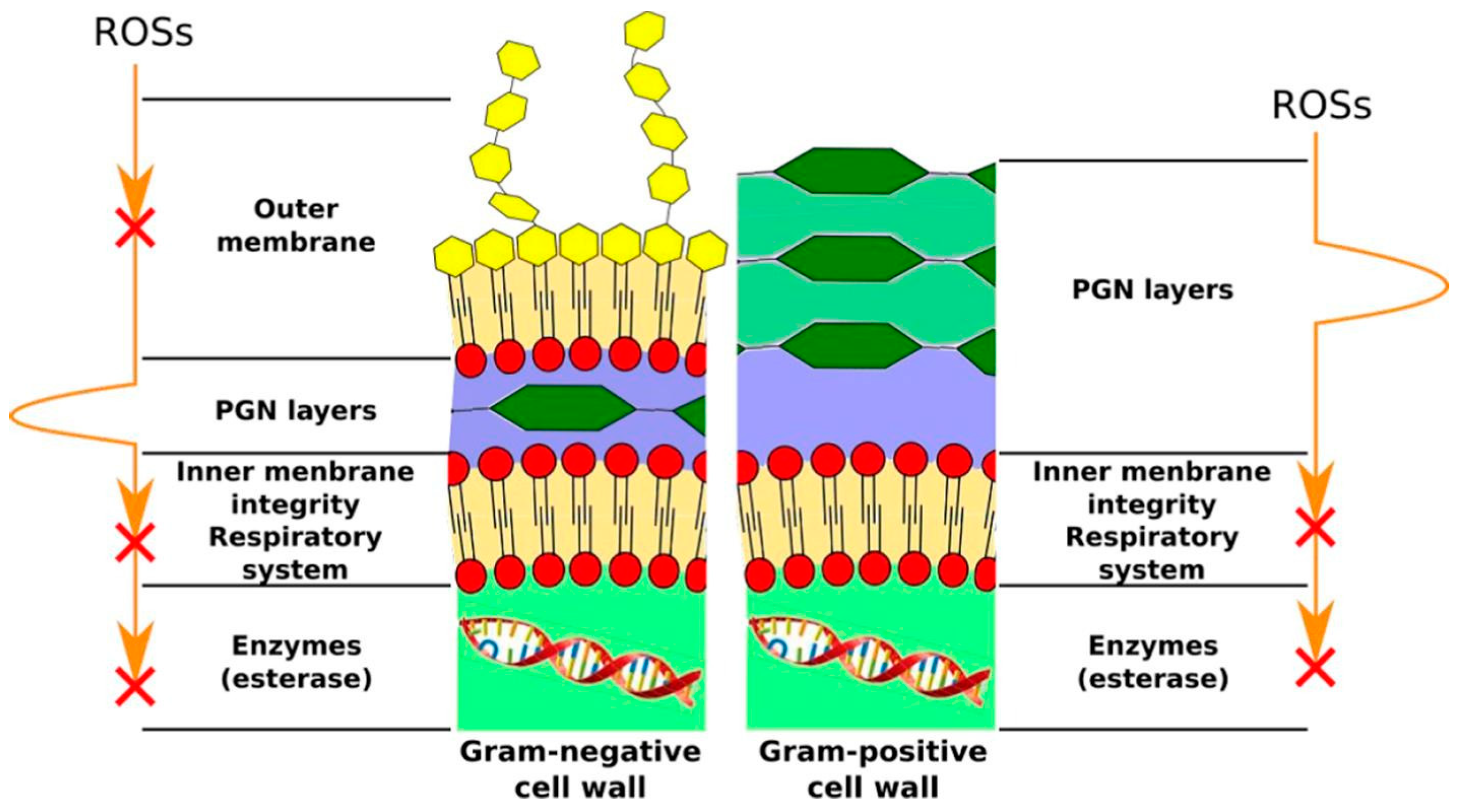
Specifically, in Gram-negative bacteria, the outer membrane lipopolysaccharide (LPS) functions as an initial defense barrier against ROS, suggesting that bactericidal action proceeds through a two-step mechanism: “outer membrane damage → inner membrane disruption → DNA damage” [
2,
3]. Gram-positive bacteria are generally more resistant to photocatalytic inactivation than Gram-negative species, mainly due to their thicker peptidoglycan layer and the absence on an outer membrane [
1].
This review examines the fundamental mechanisms and recent advances in photocatalytic water sterilization, with emphasis on differential bactericidal pathways against Gram-negative and Gram-positive bacteria. We introduce Lactobacillus casei (L. casei) as a practical model organism complementing Escherichia coli (E. coli) for rapid evaluation of Gram-positive bacterial inactivation. To address practical implementation challenges, we discuss innovative suspension-based photocatalyst systems—polystyrene bead-supported TiO2/SiO2 composites and magnetic TiO2-SiO2/Fe3O4 nanoparticles—that balance reactivity with separability. Finally, building upon these mechanistic insights, we propose integrated multi-wavelength UV strategies combining UV-C for rapid DNA damage, UV-A/TiO2 for sustained oxidative control, and Cu-doped TiO2 for visible-light-driven disinfection. These advances address diverse water treatment needs, from protecting chlorine-sensitive membranes such as reverse osmosis (RO) systems to disinfecting agricultural irrigation water and food processing streams.
While various photocatalytic materials have been explored for water disinfection, this review focuses exclusively on titanium dioxide (TiO
2) for several compelling reasons [
4,
5,
6]. First, TiO
2 exhibits exceptional biological and chemical inertness, remaining stable in aqueous environments without leaching potentially harmful components [
4,
7,
8]. This property is crucial for water treatment applications where material stability directly impacts water safety. Second, TiO
2 is non-toxic and biocompatible, with established safety profiles including FDA approval as a food additive [
9,
10,
11] and extensive use in cosmetics and pharmaceuticals [
12,
13]. Third, TiO
2 possesses strong oxidation power, generating highly reactive hydroxyl radicals (•OH) that effectively inactivate a broad spectrum of microorganisms [
8,
14]. Fourth, unlike some alternative photocatalysts, TiO
2 demonstrates remarkable photostability, resisting photo corrosion during repeated catalytic cycles, which enables long-term reusability [
15,
16,
17]. Finally, TiO
2 offers significant cost advantages due to abundant raw materials, well-established manufacturing processes, and extended operational lifetimes. These combined attributes position TiO
2 as the most practical and scalable photocatalyst for real-world water disinfection applications [
18,
19]
2. Differences in the Mechanisms of Bactericidal Action Against Gram-Negative and Gram-Positive Bacteria
The core of photocatalytic bactericidal action lies in the generation of ROS. Representative ROS include hydroxyl radicals (•OH), superoxide anions (O
2•
−), hydroperoxide (•OOH), and hydrogen peroxide (H
2O
2). The generation pathways, lifetimes, and reactivity of these ROS have been comprehensively summarized in previous studies [
4,
5,
20,
21]. It has been demonstrated that •OH exhibits strong oxidizing power and induces localized oxidative damage, whereas O
2•
− and H
2O
2 possess longer lifetimes and greater diffusivity, enabling them to attack distant targets such as cell membranes and DNA [
20]. This simultaneous generation of multiple ROS enables multi-target attacks on microbial cell membranes, proteins, and nucleic acids, delivering a “universal bactericidal effect” unattainable with conventional chemical disinfectants. Furthermore, incorporation of iron oxide nanostructures has been shown to promote efficient electron–hole separation and enhance ROS generation, thereby improving photocatalytic activity [
22]. Thus, ROS control through composite design with TiO
2 represents an important strategy for future enhancement of bactericidal performance. Controlling ROS through composite formulations with TiO
2 is thus considered a key strategy for improving future bactericidal performance.
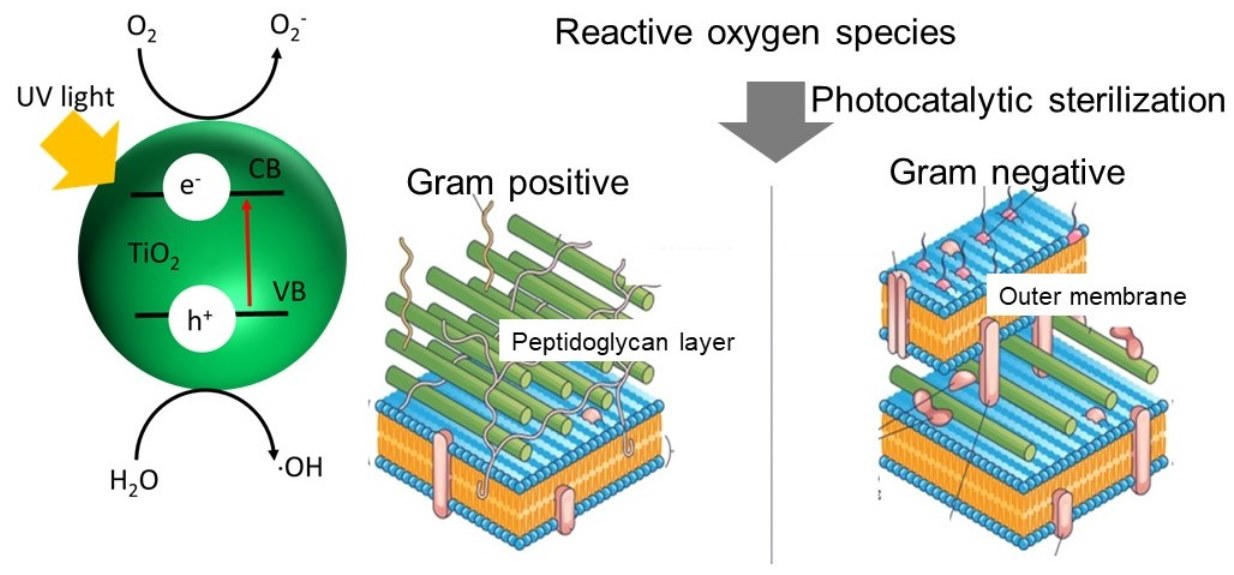
Before discussing the photocatalytic bactericidal mechanisms in detail, it is important to understand the structural differences between Gram-positive and Gram-negative bacteria, which largely determine their susceptibility to oxidative attack. As illustrated in
Figure 1, Gram-positive bacteria possess a thick peptidoglycan layer (20–80 nm) that directly surrounds the cytoplasmic membrane and contains teichoic acids, but they lack an outer membrane. In contrast, Gram-negative bacteria have a much thinner peptidoglycan layer (2–7 nm) sandwiched between an inner plasma membrane and an outer membrane containing LPS, which serves as an additional protective barrier against ROS. These structural distinctions are critical for interpreting photocatalytic inactivation mechanisms discussed in the following sections.
2.1. Photocatalytic Sterilization of Gram-Negative Bacteria
Studies targeting Gram-negative bacteria, such as the opportunistic pathogen Pseudomonas aeruginosa, have confirmed that irradiation with TiO
2 photocatalysts induces oxidative destruction of cell-membrane phospholipids, leading to loss of permeability and leakage of cytoplasmic components. Metal-doped TiO
2, such as Zr-doped variants, has shown enhanced photocatalytic activity under sunlight, demonstrating effective bactericidal performance [
24]. Similarly, Cu-doped TiO
2 nanotubes immobilized on polystyrene substrates exhibit remarkable bactericidal activity against
Legionella pneumophila when irradiated with UV-A light (365 nm, 15 W/m
2), achieving substantial bacterial reduction within 24 h [
25]. The mechanism of action involves damage to the cell membrane structure by ROS, such as hydroxyl radicals generated on the photocatalyst surface, inducing cytoplasmic leakage. Concurrently, degradation of LPS-derived endotoxins from outer membrane components progresses [
26]. These results suggest that photocatalysts achieve bactericidal effects by penetrating the outer membrane LPS layer, which is characteristic of Gram-negative bacteria, and irreversibly damaging the entire cell membrane structure. Furthermore, Ag@TiO
2 core–shell photocatalysts have been shown not only to inactivate bacteria but also to simultaneously decompose endotoxins released from dead cells. Indeed, studies using
E. coli confirmed that photocatalytic treatment not only completely inactivated cells but also reduced endotoxin concentrations from 0.41 to 0.16 EU mL
−1 within 120 min, which is below the acceptable threshold (0.25 EU mL
−1), ensuring the safety of treated water. Thus, photocatalysts distinguish themselves from conventional chemical disinfection methods by suppressing secondary inflammatory risks associated with sterilization [
26].
The outer membrane of Gram-negative bacteria contains a phospholipid bilayer and LPS, which is suggested to function as a barrier impeding ROS penetration in the initial stage [
3]. Specifically, the survival curve of
E. coli exhibited biphasicity, an initial slow phase followed by a late rapid phase, rather than a simple linear response. This reveals the protective role of the outer membrane during this initial stage. Furthermore, transient increases in LPS concentration upon light irradiation and atomic force microscopy (AFM) observations confirm that the outer membrane is initially degraded, followed by oxidative damage to the cytoplasmic membrane. Additionally, studies using
E. coli clearly demonstrated that TiO
2 photocatalysts induce peroxidation of outer membrane phospholipids (malondialdehyde production), leading to irreversible damage to the cell membrane. Specifically, Maness et al. [
2] irradiated
E. coli K-12 suspensions containing suspended TiO
2 (catalyst loading: 0.1–1.0 mg mL
−1). Overhead illumination by two 40 W black light tubes (type F40/BL-B) Sylvania (Wilmington, MA, USA) with a spectral maximum at 356 nm. This lipid peroxidation progresses concurrently with loss of respiratory activity and disruption of membrane permeability, ultimately resulting in cell death [
2]. Therefore, the bactericidal process against Gram-negative bacteria is likely not a single continuous reaction. Instead, it involves a two-step mechanism: initial outer membrane damage followed by oxidation of the inner membrane and cellular components. Thus, in the photocatalytic sterilization of Gram-negative bacteria, the presence of the outer membrane affects reaction rates and inactivation efficiency. This necessitates a reaction design that considers the structural characteristics of each bacterial species.
2.2. Photocatalytic Sterilization of Gram-Positive Bacteria
Photocatalytic bactericidal activity demonstrates high efficacy against Gram-positive bacteria, but its mechanism of action exhibits distinct characteristics compared to Gram-negative bacteria. For example, it has been reported that TiO
2 photocatalysts exhibit strong bactericidal activity against Gram-positive bacteria such as
Enterococcus faecalis (
E. faecalis), a causative agent of opportunistic infections, in aqueous environments. The mechanism of action is thought to involve ROS, such as hydroxyl radicals generated on the photocatalyst surface, damaging the cell wall structure containing a thick peptidoglycan layer. This leads to changes in membrane permeability and lipid peroxidation, ultimately resulting in cell lysis [
1].
Romero-Martínez et al. [
27] reported that combining UV-C irradiation with TiO
2 photocatalysis for
E. faecalis disinfection in ballast water reduced the D
4 (4th decimal reduction) value by 76% in freshwater and 58% in seawater compared to UV-C alone. This enhancement is attributed to ROS generated on the photocatalyst surface, which cause oxidative damage to cell walls, membranes, DNA, and repair proteins, exceeding the effects of UV-induced DNA damage alone. These findings suggest that photocatalysis can overcome the UV resistance conferred by the thick peptidoglycan layer of Gram-positive bacteria like
E. faecalis.In addition, TiO
2 photocatalysis has been demonstrated to effectively inactivate Gram-positive spores such as
Bacillus subtilis by inducing extensive lipid peroxidation. Zhang et al. [
28] reported that combined UV–TiO
2 treatment caused severe cell-membrane damage and cytoplasmic leakage, confirming that oxidative degradation of membrane lipids is the dominant mechanism for photocatalytic sterilization of spore-forming bacteria.
However, the thick peptidoglycan layer (typically 20–40 nm in
Lactobacillus species) of Gram-positive bacteria has a porous structure. This suggests that, rather than merely restricting ROS penetration, the thick peptidoglycan matrix itself may interact with photocatalytically generated ROS. Saikachi et al. [
29] demonstrated that the presence of peptidoglycan enhances photocatalytic bactericidal effects, with evidence suggesting that peptidoglycan may convert hydroxyl radicals to hydrogen peroxide during the photocatalytic reaction. In fact, Koseki et al. [
30] demonstrated that a TiO
2 particle mixture (19 ppm) exposed to fluorescent light (containing no UV rays, ~300 lux) significantly reduced the survival rate of
Staphylococcus aureus compared to controls, achieving 10.9% survival after 60 min and complete inactivation after 150 min, suggesting potential applications in maintaining sterile surgical environments.
Chung et al. [
31] investigated the factors contributing to the reduced survival rate of Gram-positive bacterium
S. aureus by TiO
2 photocatalysis from the perspective of cellular structure. Their TEM observations revealed that while cell integrity was preserved in the control group, characteristic structural changes were observed in the TiO
2-treated group. Specifically, a distinct detachment between the cell wall and the cell membrane was frequently observed, thought to result from lipid peroxidation of polyunsaturated phospholipids in the cell membrane caused by hydroxyl radicals generated by the photocatalytic reaction.
Thus, in photocatalytic sterilization of Gram-positive bacteria, the thick peptidoglycan layer functions more as a chemical target than as a physical barrier. This allows for the design of reaction systems that can achieve faster, and more efficient inactivation compared to Gram-negative bacteria.
Building upon these mechanistic differences, we next introduce L. casei as a model Gram-positive bacterium to study photocatalytic sterilization in a safe and reproducible manner.
3. Model Gram-Positive Bacterium for Photocatalytic Sterilization
Previous sections have discussed photocatalytic sterilization mechanisms for both Gram-negative and Gram-positive bacteria. However, most existing research has focused on opportunistic or pathogenic species, which require biosafety level facilities and cannot necessarily be considered safe or generalizable model systems. In photocatalytic sterilization research, both E. coli and L. casei play important and complementary roles as model bacteria. E. coli is an aerobic, Gram-negative bacterium that enables highly accurate quantification by the colony-counting method—the gold standard for sterilization evaluation. However, this approach is labor-intensive and time-consuming due to the need for long time incubation, plating and counting. On the other hand, L. casei, classified as a facultative anaerobe, can be cultured under static conditions and evaluated by turbidity measurements using a spectrophotometer, allowing efficient kinetic analysis. Thus, the choice between E. coli and L. casei should be made according to the specific experimental objectives and desired data accuracy.
The following are points that make L. casei as a model to complement the shortcomings of the aerobic bacterium E. coli. First, unlike E. coli, it is a facultative anaerobic bacterium, enabling stable growth during static culture in meat broth, which facilitates turbidity measurement using a spectrophotometer. Second, as a representative Gram-positive bacterium, L. casei possesses a simple monolayer cell wall structure suitable for analyzing oxidative damage mechanisms and dynamic modeling. Third, its GRAS (Generally Recognized as Safe) status allows safe handling without requiring special containment facilities, enabling flexible experimental design under a wide range of photocatalytic conditions. Many Gram-positive pathogens such as Staphylococcus aureus and Bacillus cereus are known to cause acute food poisoning mediated by toxins, and thus L. casei provides a safe analog for studying oxidative inactivation pathways under laboratory conditions. Finally, its ability to grow under static culture conditions facilitates quantitative evaluation of photocatalytic inactivation even without specialized equipment such as shaking incubators.
Effective photocatalytic performance on the
L. casei was shown with the TiO
2-SiO
2/Fe
3O
4 photocatalyst [
32].
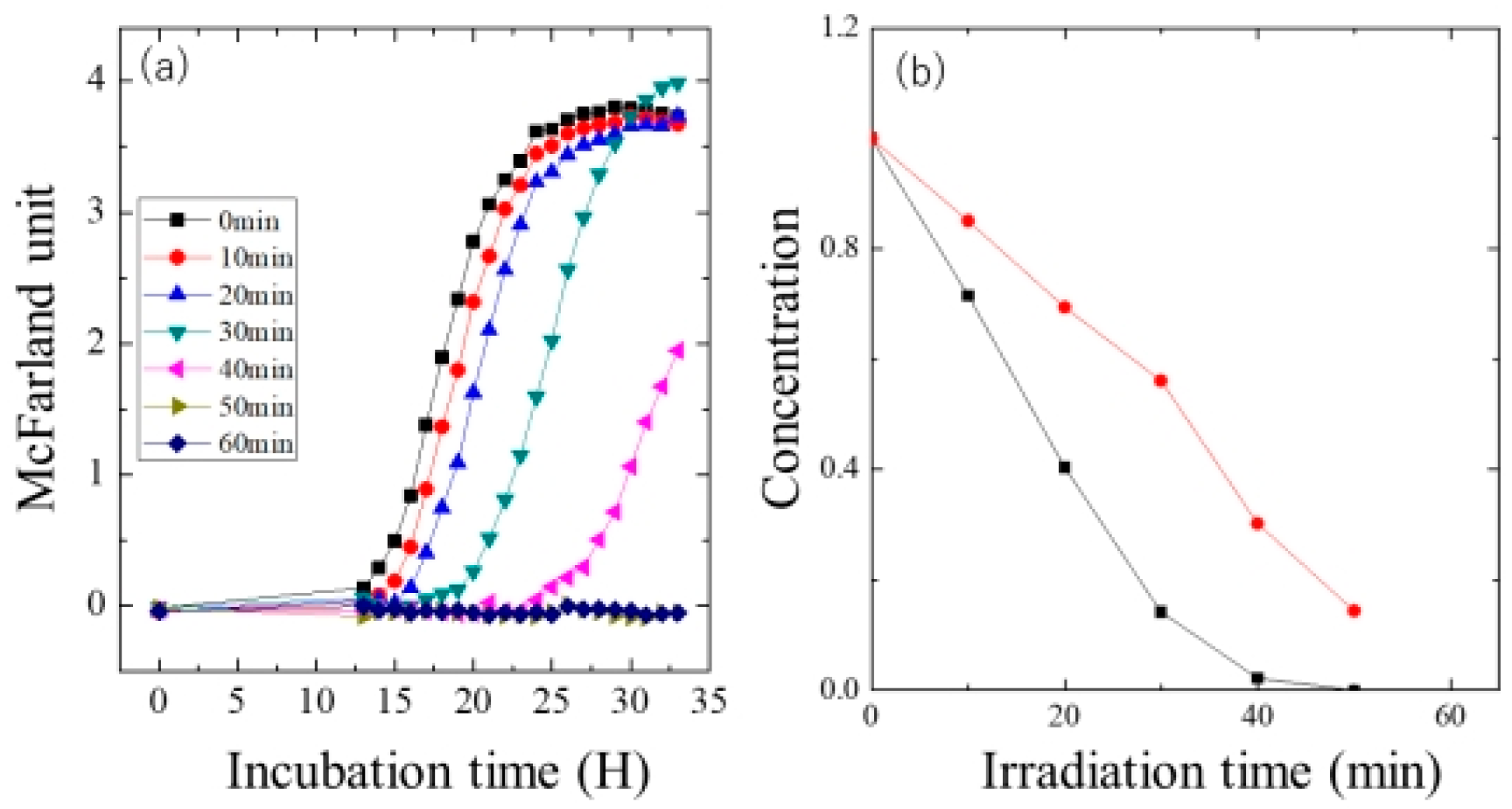
Figure 2a shows the change in McFarland turbidity of
L. casei in MRS medium as a function of incubation time under different UV irradiation durations. The McFarland unit started to increase after 10 h. The increase in the McFarland unit was delayed with the UV irradiation time, and the increase was not observed for the irradiation time of 50 min even after incubation for 4 days. During the incubation, the number of bacterial cells increased exponentially with time, through the lag phase. The delay of the increase indicated that the bacteria were killed by the UV light, and the absence of the increase for the 50 min irradiation indicated that the bacteria were completely killed by the UV light (365 nm 40 mW/cm
2).
Figure 2b shows the concentration of viable bacterial cells before incubation as a function of UV irradiation time. The number of viable bacterial cells decreased with the UV irradiation time (rate constant 0.055/min), and that was significantly enhanced in the presence of photocatalysts.
4. Light-Based Sterilization of L. casei
4.1. Mechanisms of Bacterial Killing and Repair
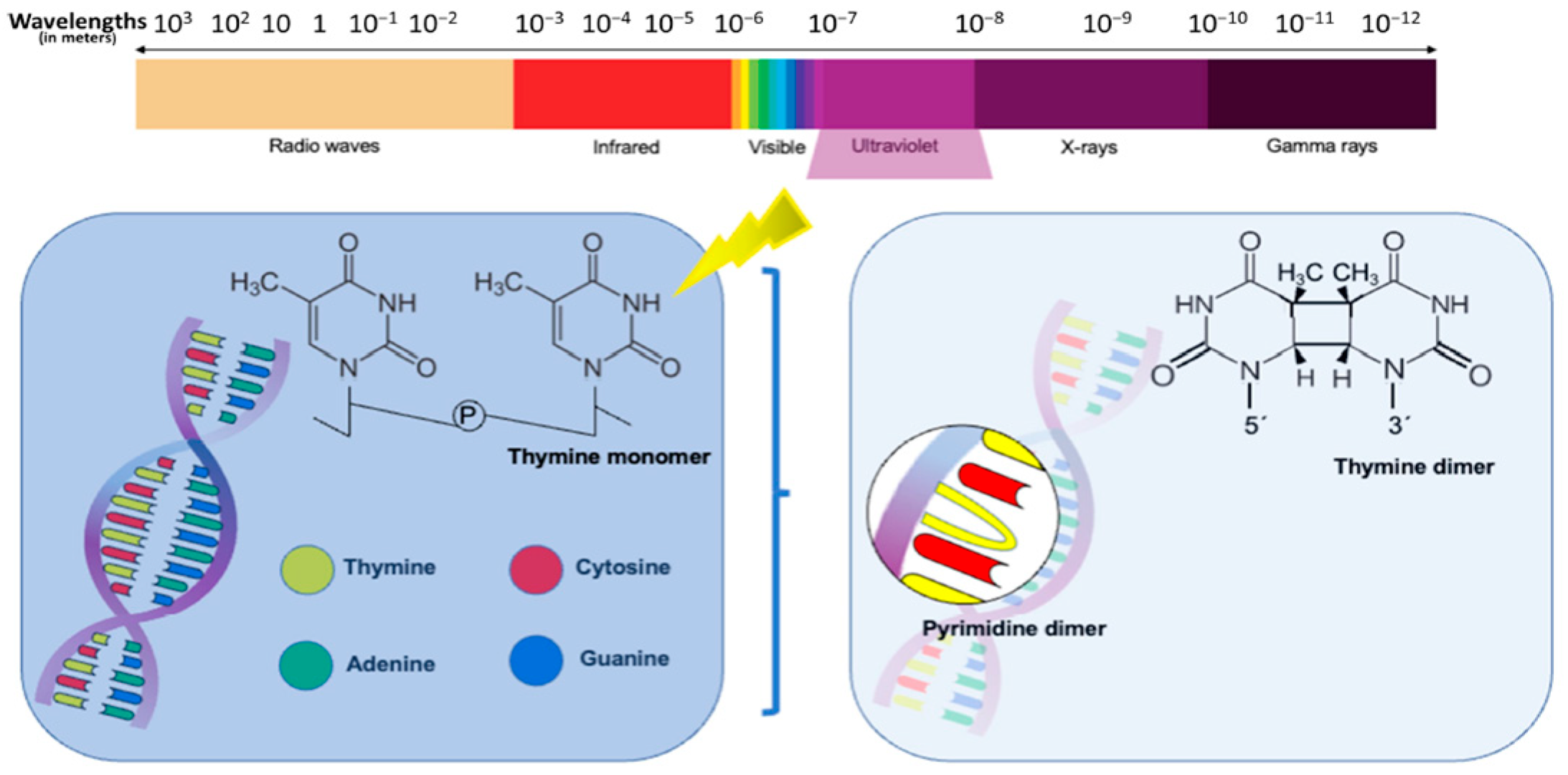
The germicidal mechanism of UV-C irradiation primarily involves direct absorption of photons by microbial DNA, resulting in the formation of cyclobutane pyrimidine dimers (CPDs) and (6–4) photoproducts, which inhibit replication and transcription (
Figure 3) [
33].
While UV-C effectively damages DNA directly at approximately 254 nm, UV-A irradiation (365 nm) alone demonstrates limited bactericidal efficacy. In our experiments, UV-A exposure failed to achieve complete sterilization of
L. casei even after 50 min of irradiation, with viable bacteria still detected at the end of the exposure period. This limitation highlights the need for enhanced sterilization strategies in the UV-A region. Photocatalytic sterilization demonstrates significantly higher efficacy compared to light-only sterilization (photolysis) by simultaneously attacking multiple intracellular targets. Photocatalysts efficiently generate ROS such as hydroxyl radicals (•OH) and superoxide anions (O
2•
−) under UV-A irradiation, causing oxidative damage to cell membranes, proteins, and DNA. This multi-target mechanism creates a synergistic effect with the direct photochemical action of UV irradiation. Research by Nakahashi et al. [
34] demonstrated that simultaneous irradiation with UV-A-LED (365 nm) and UV-C light produced a synergistic bactericidal effect on
Vibrio parahaemolyticus that was stronger than the additive effect observed with sequential irradiation, supporting the potential of combined UV wavelength approaches for water disinfection.
The TiO
2-SiO
2/Fe
3O
4 photocatalyst exemplified this synergistic effect. For the photocatalytic inactivation of
L. casei, Kiguchi et al. [
32] used 150 mL of water containing 0.12 g of TiO
2–SiO
2/Fe
3O
4 under 365 nm LED irradiation (40 mW cm
−2), achieving complete inactivation of
L. casei within 50 min under UV-A irradiation (365 nm, 40 mW/cm
2). The inactivation followed pseudo-first-order kinetics with a rate constant of 0.055 min
−1, with significant bacterial reduction observed from the early stages of reaction. This enhanced performance is attributed to the efficient generation of ROS by the photocatalyst, which enhances the direct photochemical effect of UV irradiation. These results demonstrate that photocatalytic systems enable effective sterilization using the lower-energy, safer UV-A region, offering practical advantages for food and water treatment applications. Upon UV irradiation, bacterial DNA undergoes characteristic photochemical damage, predominantly the formation of CPDs and (6–4) photoproducts. To counteract these lesions, bacteria have evolved several complementary DNA repair mechanisms. As summarized by Kciuk et al. [
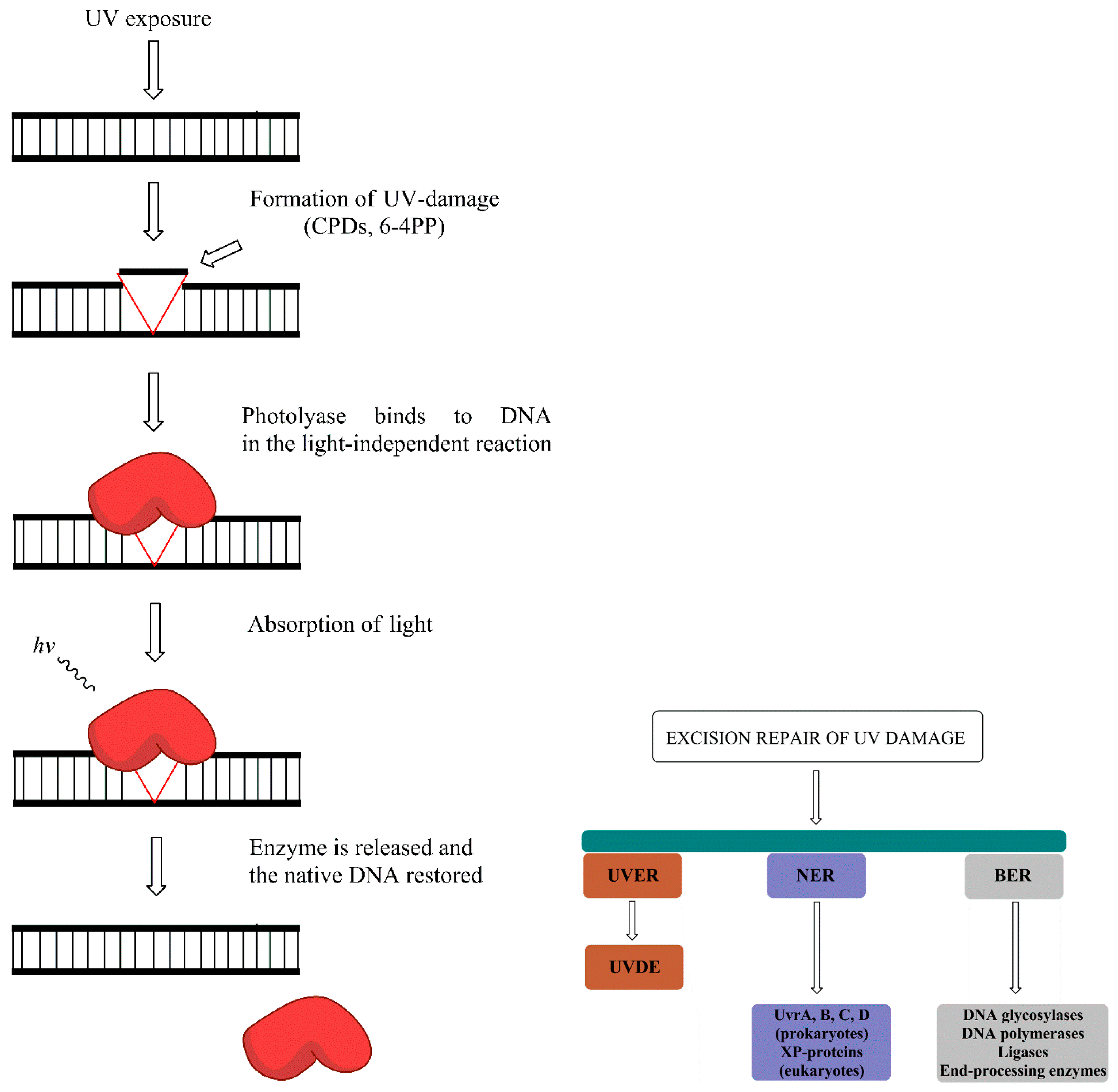
35], bacteria employ three major UV damage repair pathways: (1) direct photoreversal by photolyases, (2) UV damage endonuclease (UVDE)-mediated repair, and (3) the canonical nucleotide excision repair (NER) system. The photoreactivation pathway, mediated by CPD photolyase and (6–4) photolyase, directly cleaves the covalent bonds within CPDs and (6–4) photoproducts, respectively, using blue light energy, thereby restoring the native DNA structure without nucleotide excision (
Figure 4). This light-dependent reversal represents a highly efficient repair mechanism in many bacteria and other non-mammalian organisms.
In parallel, bacteria employ the UVDE-mediated repair (UVER) system, in which UV damage endonuclease introduces a single-strand nick 5′ to the lesion, initiating strand displacement synthesis. In contrast, the nucleotide excision repair (NER) pathway—carried out by the UvrABC complex—operates independently of light, recognizing helical distortions and excising short oligonucleotides containing the damage. Collectively, these protein-based DNA repair systems, including the photolyase-dependent photoreactivation and UvrABC-mediated NER, are essential for maintaining genomic stability under UV stress. However, UV-A exposure generates ROS that can damage cellular proteins alongside DNA, potentially affecting repair enzyme function and suppressing bacterial recovery after UV damage [
35].
Photocatalysis rapidly enhances the disruption of this protein-based repair system, delaying the repair of DNA damage induced by UV-C and significantly reducing microbial survival. This finding demonstrates that photocatalytic sterilization can achieve both “multiple target attacks via oxidative stress” and “enhanced lethal effects through DNA repair inhibition.” The theoretical underpinnings of this system are elucidated, and its construction is described in detail. The system combines photocatalysis (oxidative stress) + UV-C (direct DNA damage) + DNA repair inhibition, and its efficacy is documented.
4.2. Optical Requirements for Photocatalysts in Water Disinfection
Water disinfection occurs entirely at the photocatalyst surface; therefore, the match between the optical absorption profile of the photocatalyst and the emission spectrum of the light source is a primary determinant of the sterilization rate [
5,
6]. Conventional anatase TiO
2 absorbs mainly in the UV-A region (λ < 390 nm) [
5,
7], and thus UV-A LEDs (350–380 nm) or near-UV lamps provide the highest quantum efficiency for ROS generation. Because •OH and O
2•
− formation occurs only after band-gap excitation, insufficient spectral overlap directly reduces the apparent rate constant of bacterial inactivation. In contrast, metal- or non-metal–doped TiO
2 (e.g., Cu-doped TiO
2) extends absorption into the visible region by introducing mid-gap states and oxygen vacancies, enabling efficient utilization of solar or indoor illumination [
36,
37]. When broad-spectrum or solar light is used, visible-light-responsive photocatalysts significantly outperform pristine TiO
2 due to improved photon utilization. For example, metal-doped TiO
2 (such as Cu-doped systems) exhibits enhanced photocatalytic activity under visible light, providing sustainable bactericidal activity in low-UV environments [
38]. Thus, the “optimal photocatalyst” for water sterilization depends on the available light source.
5. Sterilization Using Two Photocatalyst Particle Suspensions
Photocatalytic water treatment can be implemented using either suspended catalyst particles or immobilized catalyst configurations. While immobilized systems eliminate the need for post-treatment catalyst separation, they typically suffer from reduced surface area and mass transfer limitations compared to slurry systems. Photocatalyst particle suspensions represent an extremely promising approach in sterilization technology. Since photocatalytic reactions are surface reactions, the movement of molecules to the catalyst surface determines reaction efficiency. In suspensions, the uniform dispersion of nanoscale particles shortens the contact distance with molecules and dramatically improves reactivity through increased specific surface area [
39]. Therefore, suspension-type photocatalysts are positioned as an ideal system capable of high sterilization performance. However, separating and recovering photocatalyst particles after use poses a major barrier to the practical application of suspensions [
40]. Polystyrene bead-based photocatalysts and magnetic photocatalyst composites have been developed to address the separation challenge in photocatalytic water treatment.
5.1. Sterilization Using Magnetic Photocatalysts
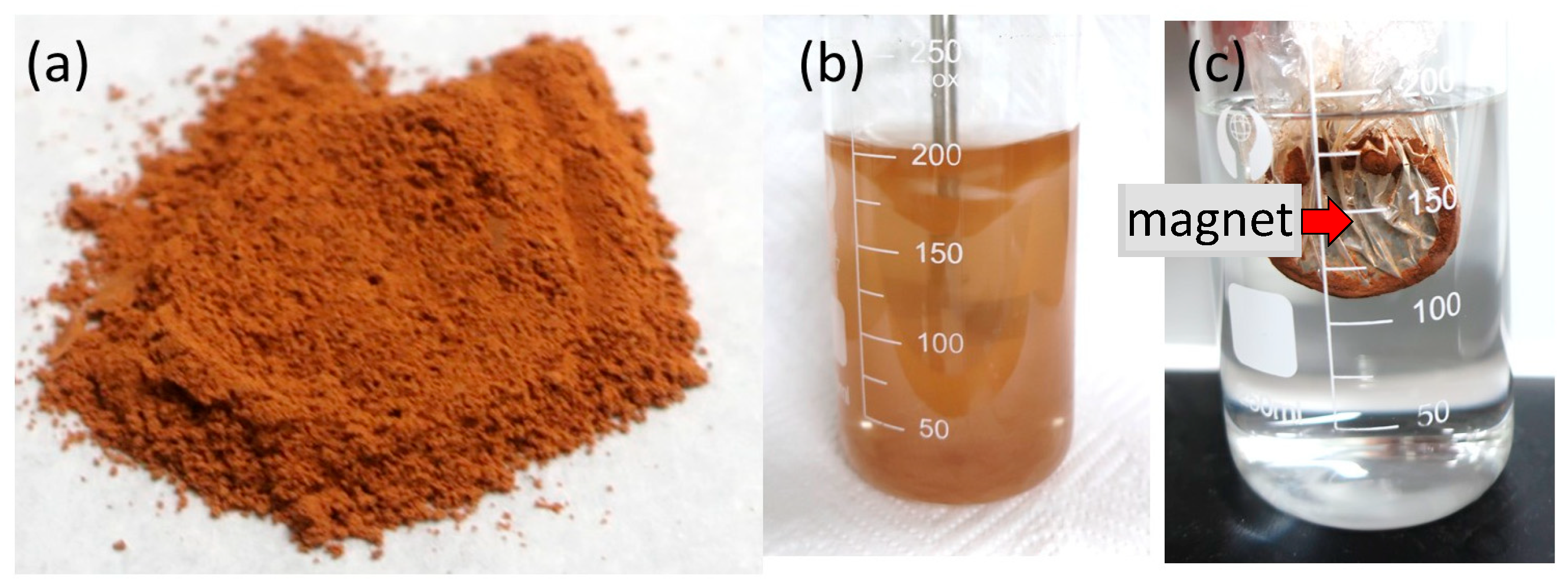
Figure 5 shows photographs of the nano-sized TiO
2–SiO
2/Fe
3O
4 magnetic photocatalyst, including its dispersion in water and rapid magnetic separation after the photocatalytic reaction. A magnetic photocatalyst is a photocatalyst, where the photocatalyst is attached to magnetic Fe
3O
4 particle. After the photocatalytic reaction, the catalyst can be separated from the water using a magnet. In magnetic photocatalysts, the particle size is crucial for achieving superparamagnetism. Bulk Fe
3O
4 is ferromagnetic, and large particles tend to aggregate due to magnetic attraction, reducing dispersion in water. When reduced to the nanoscale sizes (15–20 nm), Fe
3O
4 exhibits a single-domain magnetic moment under an external magnetic field but shows zero residual magnetization when the field is removed. This property allows easy magnetic collection and redispersion in aqueous systems, providing both operational safety and recyclability. Such nanoscale magnetic photocatalysts therefore combine high photocatalytic efficiency with facile separability, representing one of the most promising designs for sustainable sterilization technology.
The nanoTiO
2–SiO
2/Fe
3O
4 photocatalyst developed by the authors as a magnetic photocatalyst system, with a particle size of approximately 20 nm, exhibits high sterilization performance under UV irradiation. Specifically, it was reported to completely inactivate the Gram-positive model bacterium
L. casei within 50 min [
32]. Furthermore, the decomposition of triazine herbicides in water using the TiO
2–SiO
2/Fe
3O
4 photocatalyst was reported. This study demonstrated that simethrin and promethrin were completely decomposed within 240 min, eliminating the phytotoxicity of the treated water [
39].
The superior activity can be attributed to its nanoscale size, which maximizes the probability of contact between the photocatalyst surface and target microorganisms by providing an extremely high specific surface area. Moreover, the magnetic Fe3O4 core enables simple and rapid separation of the catalyst from water using an external magnet, ensuring reusability and preventing secondary contamination.
5.2. Sterilization Using Polystyrene Bead-Based Photocatalysts
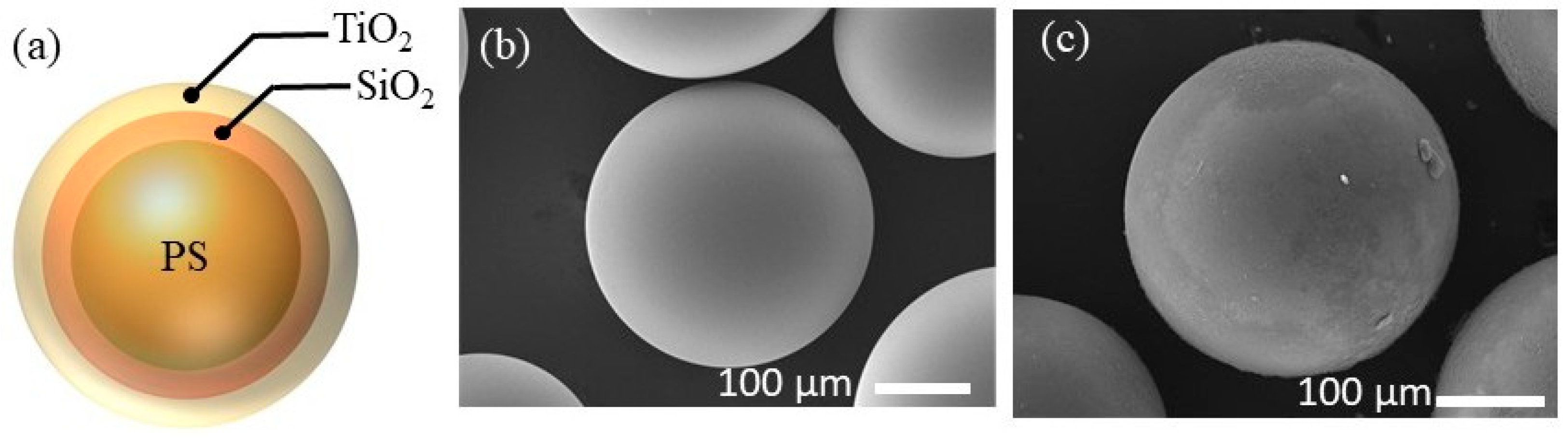
Figure 6 illustrates the structure and morphology of the TiO
2/SiO
2/PS bead-based photocatalyst, including a schematic representation and SEM images. PS bead photocatalysts are designed with a three-layer structure (TiO
2/SiO
2/PS): polystyrene (PS) serves as the substrate, a SiO
2 protective layer is formed on its surface, and TiO
2 is supported on this layer. The SiO
2 layer prevents substrate degradation caused by ROS generated by photoexcited TiO
2, ensuring long-term durability. This stability is a prerequisite for maintaining catalytic function and delivering continuous sterilization performance even under prolonged light exposure.
The specific gravity of PS (1.06) is close to that of water, allowing the entire bead to float uniformly in water with minimal water flow or bubbles. This “floating property” enables the beads to constantly drift in water, increasing opportunities for contact with bacteria. Unlike fixed-bed photocatalysts with limited contact surfaces or nanoparticle suspensions prone to separation, this design enhances encounter frequency between the catalyst surface and bacteria, boosting sterilization efficiency. The bead size is submillimeter, allowing easy separation using stainless steel wire mesh. This characteristic is critically important for sterilizing water treatment in hospitals and food processing plants. Rapid recovery and reuse of the catalyst after use maintain sterilization performance while avoiding the risk of foreign material residue. Recently, TiO
2/SiO
2/PS composite beads have demonstrated effective sterilization performance against
L. casei combining the high reactivity of dispersed photocatalysts with practical separability [
32].
Furthermore, Varnagiris et al. [
41] deposited anatase-type TiO
2 thin films onto non-expanded PS beads via magnetron sputtering and conducted inactivation experiments targeting
E. coli under UV-B irradiation. The results showed that over 90% of the bacteria were inactivated within 45 min, and high photocatalytic performance was also confirmed in a methylene blue decomposition experiment [
41]. This study demonstrates that the suspended photocatalyst is effective for both bacterial sterilization and organic matter decomposition, further supporting the practical significance of the PS bead photocatalyst.
6. Future Directions in Photocatalytic Water Sterilization: Integrated Multi-Modal Strategies
6.1. UV-C/TiO2 Photocatalysis for RO Membrane Biofouling Control: Suppressing DNA Repair Mechanisms
One particularly valuable application of photocatalytic sterilization is the protection of RO membranes. RO membrane technology is a fundamental water purification technique, but biofouling has long been recognized as a weakness of RO membrane technology. The primary cause lies in the lack of chlorine resistance in polyamide RO membranes, necessitating dechlorination treatment using activated carbon or similar methods. This creates an environment conducive to bacterial growth.
Hoek et al. [
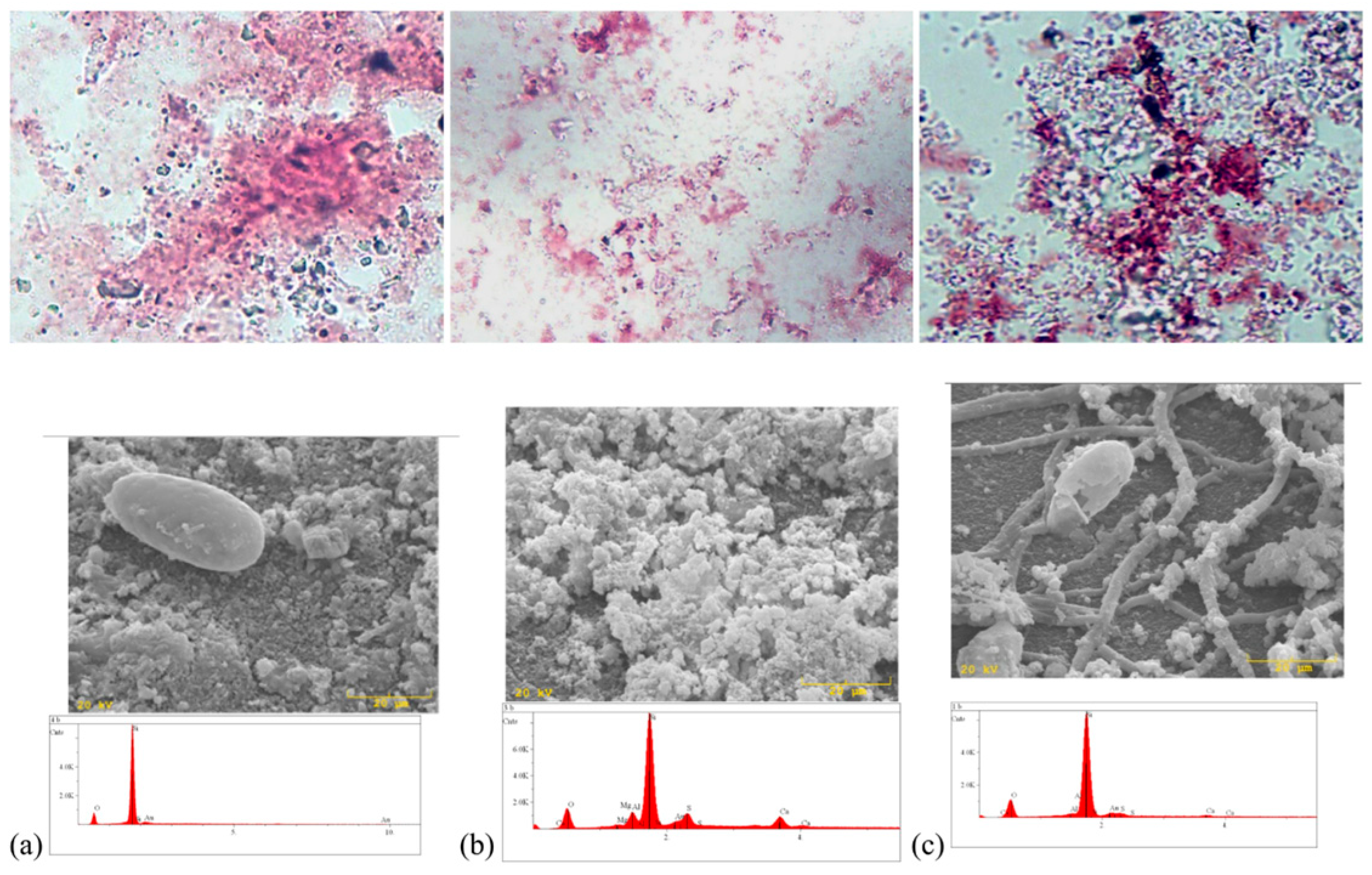
42] demonstrated that biofouling is a nearly ubiquitous problem for RO membranes, regardless of influent water origin, water quality, or pretreatment methods. Through membrane autopsy studies at a brackish groundwater RO plant, they confirmed bacterial colonization throughout the system via Gram staining and light microscopy (
Figure 7).
Addressing this biofouling problem requires an effective antimicrobial strategy that does not compromise the chlorine-sensitive polyamide membrane. Among various alternatives, UV-C irradiation (200–280 nm) provides rapid bactericidal effects by directly damaging microbial DNA through the formation of CPDs. Shang et al. [
43] demonstrated that suspending trace amounts (ca. 1 mg/L) of TiO
2 during UV-C irradiation effectively suppressed both photoreactivation and dark repair in
E. coli. More recently, Maghsoodi et al. [
44] systematically evaluated parameters governing dark and photo-repair in
E. coli following UV-C irradiation at 254 and 278 nm. They demonstrated that photoreactivation yielded higher recoveries than dark repair, but that UV-A irradiation (365–395 nm) induced a secondary bactericidal effect, reducing viable cells after 3 h of exposure. Importantly, the susceptibility of
E. coli to UV-A increased following prior UV-C dosing, indicating that UV-C pre-treatment can sensitize cells to subsequent oxidative stress under UV-A. This synergistic effect was attributed to oxidative species (•OH, H
2O
2) generated during irradiation, which inhibit DNA repair enzymes and metabolic pathways even at sublethal concentrations.
Ma and Hull [
45] investigated the effects of UV wavelength sequence and natural organic matter (NOM) on disinfection and DNA repair. They found that UV-A pretreatment (365 nm) combined with UV-C (222 or 265 nm) suppressed bacterial regrowth more effectively than UV-C alone. The study demonstrated that even though DNA repair (measured by CPD-DNA reduction) occurred during photorepair incubations, culturable
E. coli concentrations continued to decrease, suggesting that multi-wavelength UV treatment may inhibit regrowth in post-treatment environments.
The combination of UV and photocatalytic treatment offers a practical solution for protecting RO membranes from biofouling while avoiding chlorine damage. Ali et al. [
46] demonstrated that solar photocatalysis using UV/TiO
2 as a pretreatment significantly reduced membrane fouling in ultrafiltration systems treating municipal wastewater. While their study focused on UF membranes, the principles are directly applicable to RO membrane protection. Their integrated system achieved 50% TOC removal and 87.8% turbidity reduction, while transmembrane pressure (TMP)—a key indicator of membrane fouling—was reduced by 45.8% compared to ultrafiltration alone. This performance was superior to UV alone (29% TMP reduction) or UV/H
2O
2 (41% TMP reduction).
For RO membrane systems, UV/TiO2 pretreatment offers a compelling solution to the chlorine sensitivity challenge. The dual mechanism, photocatalytic oxidation of organic foulants and suppression of bacterial regrowth through DNA repair inhibition, addresses both chemical and biological fouling while preserving membrane integrity. This translates to extended membrane lifespan, reduced cleaning frequency, and sustained permeate flux. Moreover, the solar-driven nature of this process enhances its economic viability for large-scale applications where energy costs are a critical consideration.
6.2. Utilization of Visible Light in Photocatalytic Reactions via Metal Doping
Visible light utilization represents another important theme in advancing photocatalytic water sterilization [
6,
47]. While various strategies exist to extend TiO
2 photoactivity into the visible spectrum—including metal doping, non-metal doping, dye sensitization, and heterostructure formation—metal doping with copper has emerged as a particularly promising approach for practical applications.
Recent advances extend this principle through Cu-doped TiO
2, which introduces visible-light responsiveness. Substitution of Ti
4+ by Cu
2+ narrows the band gap and creates oxygen vacancies, enhancing charge separation and enabling photocatalysis under sunlight or indoor illumination [
48]. Cu-doped TiO
2 (0.5% Cu) showed enhanced photocatalytic and antibacterial activities. CuO nanoparticles reduced electron–hole recombination in TiO
2, while Cu
2+ ions triggered Fenton-like reactions with bacterial H
2O
2, increasing intracellular ROS production [
49]. Thus, Cu-doped TiO
2 serves as a visible-light-responsive and solar-driven photocatalyst, offering sustainable membrane protection through continuous, low-energy oxidative control. Moreover, noble metal modification such as Ag doping enhances the antimicrobial durability of TiO
2-based coatings. Silver incorporation provides dual benefits through enhanced light absorption in the visible range and direct antibacterial properties. The combination of silver and copper dopants in TiO
2 demonstrated improved electron–hole separation and sustained bactericidal performance under simulated solar conditions [
50].
6.3. Influence of Solar and UV Irradiation Spectra on Photocatalytic Water Disinfection: Implications for Future System Design
The efficiency of photocatalytic water disinfection strongly depends on the spectral power distribution (SPD) of the irradiation source. Natural sunlight provides a broad spectrum ranging from UV-B (280–315 nm) and UV-A (315–400 nm) to visible and near-infrared light (400–800 nm) [
8]. However, only approximately 3–5% of solar energy lies in the UV region capable of exciting pristine TiO
2 (<390 nm) [
19]. Therefore, under direct sunlight, the effective photon flux available for TiO
2 activation is intrinsically limited, and bacterial inactivation relies predominantly on the UV-A component of solar radiation [
51].
In contrast, engineered UV sources, particularly UV-A LEDs (350–380 nm) and UV-C lamps (254 or 265 nm), deliver narrow-band, high-intensity irradiation that matches the absorption edge of TiO
2 or directly targets microbial DNA [
14,
52].
UV-A efficiently excites TiO
2 to generate ROS [
3], whereas UV-C induces strong DNA damage through pyrimidine dimer formation [
53]. When combined with TiO
2, UV-C pre-irradiation enhances cellular susceptibility to ROS by inhibiting DNA-repair pathways, producing synergistic sterilization [
1].
From the perspective of future system development, the optimal photocatalyst–irradiation combination must be deliberately selected based on the available light environment [
4,
6].
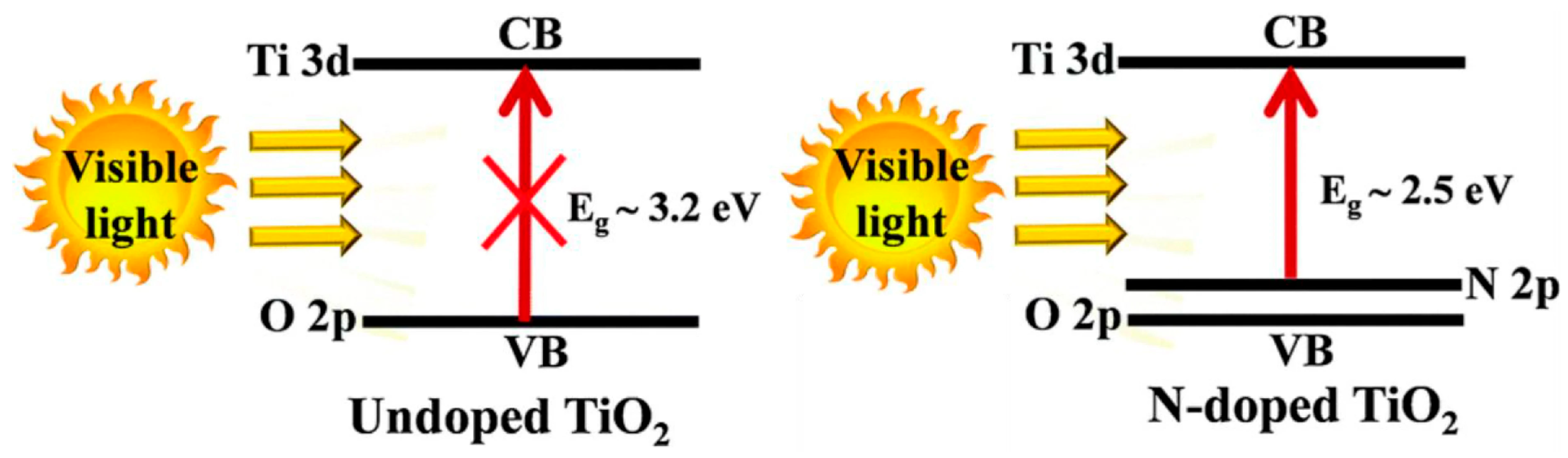
Figure 8 is an image of what happens when sunlight is used. Under sunlight, visible-light-responsive photocatalysts (e.g., Cu-doped or N-doped TiO
2) will be essential for maximizing photon utilization in the 400–550 nm region, where solar photon density is highest [
38,
47].
For engineered UV reactors, future advances will likely focus on integrating high-efficiency UV-A LEDs with tailored TiO2 composites to enhance ROS generation, while UV-C/TiO2 hybrid strategies could be further developed to exploit the complementary mechanisms of direct DNA damage and photocatalytic oxidation.
These considerations highlight that next-generation water disinfection systems will require co-design of photocatalyst materials and irradiation spectra. Matching the photocatalyst’s absorption profile with the SPD of the light source, whether solar or artificial, will be a central design principle in achieving higher disinfection kinetics and enabling scalable, energy-efficient photocatalytic water treatment technologies [
5,
6].
6.4. Influence of Material Properties, Operational Parameters, and Long-Term Stability on Future System Design
The design of next-generation photocatalytic disinfection systems must consider five critical parameter categories: (1) intrinsic photocatalyst properties, (2) operational temperature, (3) microbial load density, (4) catalyst deployment configuration, and (5) long-term catalyst stability and fouling resistance. These factors jointly determine both the instantaneous inactivation efficiency and the sustained performance over extended operation periods.
6.4.1. Photocatalyst Material Properties
Photocatalyst material parameters such as bandgap width, crystallinity, porosity, and active surface area play a central role in dictating photon absorption, charge separation, and ROS generation [
18,
19]. Narrowed bandgaps in doped TiO
2 materials enable better utilization of solar and indoor light [
38], while mesoporosity and high specific surface area increase the density of active oxidation sites and enhance microbe–catalyst contact efficiency, critical in aqueous environments where mass transfer is limiting [
3]. As future reactor designs evolve, catalyst tuning for specific irradiation spectra and high-surface-area architectures will be indispensable [
7].
6.4.2. Temperature Effects
Temperature influences photocatalytic disinfection through multiple mechanisms. However, the net effect is complex: moderate temperature increases (e.g., 25–40 °C) generally accelerate inactivation by enhancing both ROS reactivity and membrane permeability [
2,
54], whereas temperatures beyond the bacterial optimum range can compromise cellular repair mechanisms. Conversely, lower temperatures may reduce both photocatalytic efficiency and microbial metabolic vulnerability [
51]. Future integrated systems may incorporate passive or active thermal control to optimize ROS reactivity under a variety of climatic conditions, particularly in outdoor solar applications [
55].
6.4.3. Bacterial Concentration
Initial bacterial concentration fundamentally determines the ROS demand and treatment duration required for complete disinfection. Higher microbial loads increase the consumption of photogenerated radicals and prolong the time required for complete inactivation [
2,
56]. This suggests that future systems should incorporate load-dependent modulation of irradiation intensity or catalyst concentration, enabling adaptive control for variable water qualities encountered in real-world settings [
55].
6.4.4. Catalyst Deployment Configuration
The physical form of the photocatalyst, whether deployed as suspension, thin film, or ceramic composite, profoundly affects both mass-transfer efficiency and practical operability [
7,
57]. Suspensions provide maximal accessible surface area and fast disinfection kinetics but require post-treatment separation [
14,
54]. In contrast, immobilized films or ceramic structures offer operational robustness and easy recovery at the cost of reduced active surface area [
3,
58].
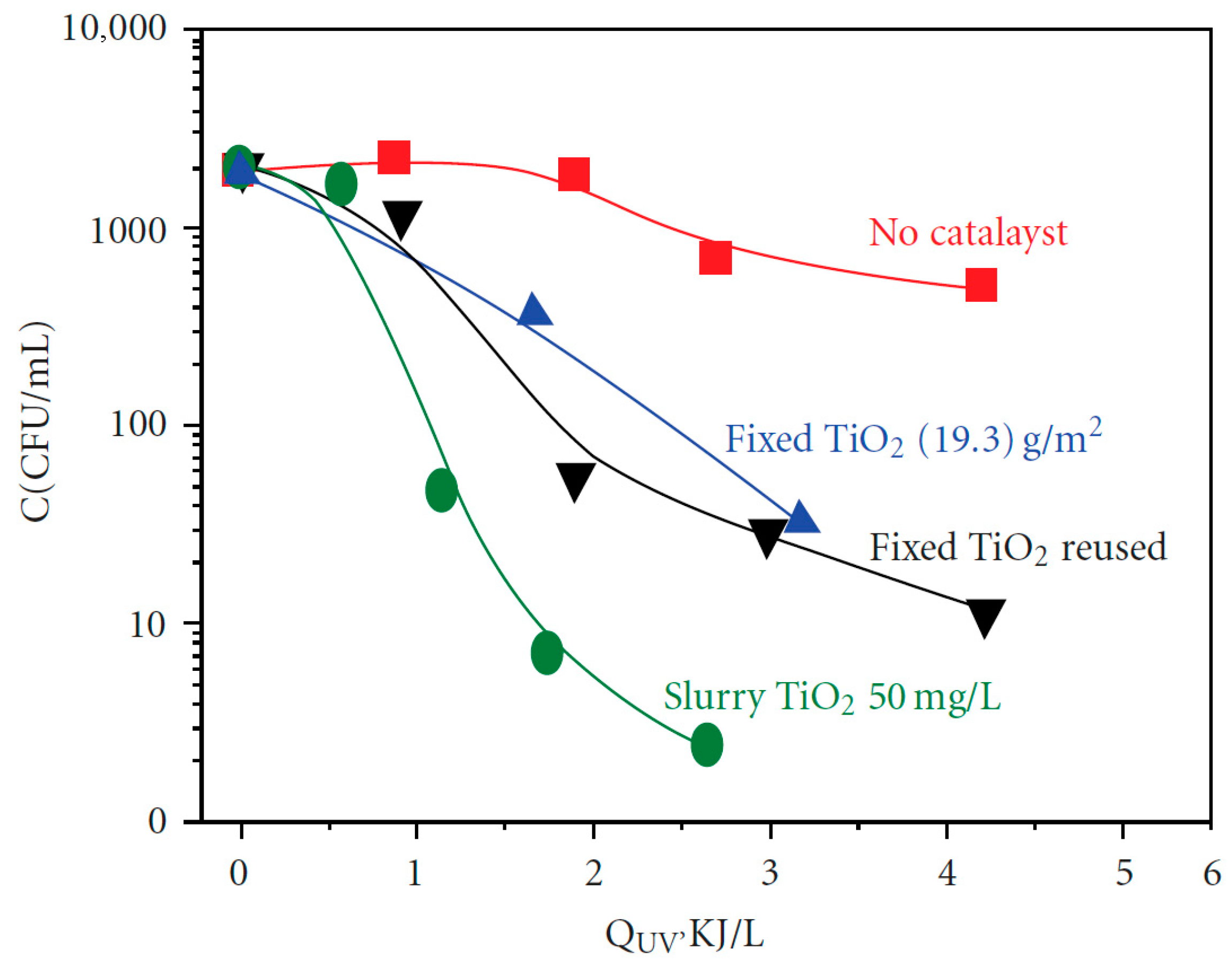
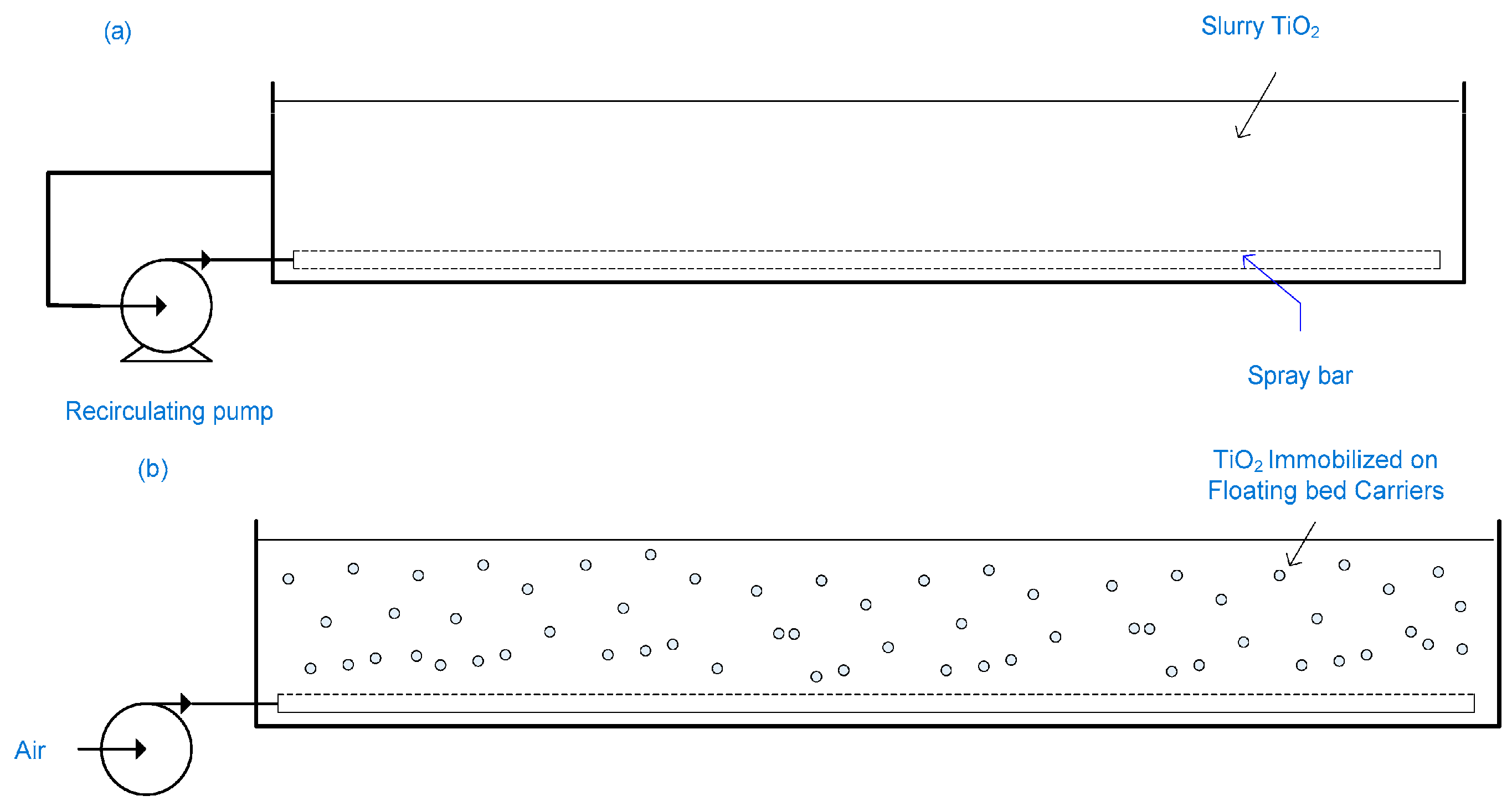
Figure 9 clearly demonstrates that the photocatalytic suspension reactor was the most efficient for
E. coli inactivation, followed by the immobilized photocatalytic reactor, with No catalyst being the least efficient treatment.
Beyond catalyst form, reactor-level configuration parameters such as illuminated area, catalyst layer thickness, and spatial placement relative to the light source strongly influence overall system performance [
59]. Abdel-Maksoud et al. [
60] demonstrated that shallow pond systems could be effectively utilized for industrial wastewater treatment, particularly in industries already employing holding ponds (
Figure 10).
Thin films minimize optical attenuation and boundary-layer resistance, whereas thicker catalyst layers increase loading but reduce photon penetration and ROS generation efficiency [
14]. Similarly, catalyst positioning within the reactor—such as wall-coated plates, internal baffles, floating surfaces, or packed structures—determines the distribution of light flux and hydrodynamic contact between microbes and catalytic sites. Increasing the illuminated surface area or reducing the optical path length can significantly enhance inactivation under both solar and LED-based irradiation conditions [
55,
60].
Future system optimization will likely integrate structured photocatalysts (e.g., porous ceramics [
7], corrugated plates, floating beads [
40], magnetic composites [
61] with geometry-tailored light delivery to simultaneously maximize contact efficiency, minimize shadowing, and support scalable reactor operation in variable water-quality environments [
51,
62].
6.4.5. Long-Term Stability, Contaminant Interference, and Fouling Resistance
Long-term operational stability represents a critical design constraint for future photocatalytic sterilization systems [
54,
55]. Photocatalyst deactivation arises from both intrinsic material degradation and contaminant-induced surface fouling, and these mechanisms ultimately determine lifetime, maintenance frequency, and economic viability [
51,
57].
(1) Intrinsic material degradation.
Although TiO
2 exhibits exceptional photochemical durability [
7], doped and composite materials may suffer from metal leaching (e.g., Fe, Cu, Ag) under acidic or high-ionic-strength conditions. Repeated irradiation–dark cycles can also induce surface restructuring or partial amorphization, reducing charge-carrier mobility and ROS yield over time [
19].
(2) Organic and biological fouling.
Natural organic matter, proteins, extracellular polymeric substances, and biofilms form passivation layers that limit microbe–catalyst contact and scavenge ROS. These forms of fouling are typically reversible through UV self-cleaning, H
2O
2 soaking, or mild acid washing [
3,
54], but regeneration requirements influence system practicality [
57].
(3) Inorganic contaminant poisoning.
Anions such as phosphate, carbonate, silicate, and cations including Fe
3+, Mn
2+, or heavy metals [
63] can irreversibly bind to or precipitate on catalyst surfaces. These species suppress hydroxyl radical formation or block active sites, representing one of the dominant failure modes for long-term water treatment [
55].
(4) Mechanical durability of immobilized catalysts.
For films, coatings, ceramics, and structured reactors, adhesion strength, abrasion resistance, and crack formation dictate mechanical stability [
58]. Flowing water, suspended solids, and cleaning cycles all accelerate mechanical wear [
57,
59].
Looking forward, next-generation systems must incorporate contaminant-specific mitigation strategies [
54], in-line catalyst health monitoring, and automated regeneration cycles [
55] to maintain performance across diverse water matrices. Economically viable sterilization technologies will require catalyst lifetimes of years, not months, under variable real-world water conditions [
51].
Collectively, these five parameter categories, catalyst properties, temperature, microbial concentration, deployment configuration, and long-term stability, define the comprehensive design space for next-generation photocatalytic water disinfection technologies [
57].
7. Commercial Photocatalytic Water Sterilizers: Market Status and Applications
7.1. Market Overview and Applications
The market for photocatalytic water sterilization systems has expanded in recent years due to increasing concern over waterborne pathogens, tighter water quality regulations, and demand for chemical-free disinfection. In contrast to chlorination, which generates disinfection by-products, or standalone UV-C systems that require higher energy input, photocatalytic reactors offer dual functions: microbial inactivation and simultaneous degradation of organic contaminants [
55].
Current applications span multiple sectors: agriculture (disinfection and pesticide degradation in hydroponics/greenhouses), medical/laboratory (chlorine-free high-purity water for devices and dental units), food processing (safe wash-water without chlorine residues), and semiconductor industry (RO pretreatment to reduce biofouling and remove trace organics) [
54].
7.2. Commercial System Configurations
Commercial photocatalytic systems are available in two main categories: stationary industrial-scale units and portable point-of-use devices.
Stationary systems typically combine (1) UV sources (UV-A LED arrays (365–385 nm) or medium-pressure mercury lamps), (2) catalysts (immobilized TiO
2 films or suspended photocatalysts with downstream separation), and (3) flow-through reactor chambers with controlled residence times. As illustrated in
Figure 9, the fundamental performance characteristics of stationary photocatalytic reactors depend strongly on the catalyst configuration. Suspension-type reactors (
Figure 10) provide the highest disinfection efficiency due to the large active surface area and enhanced mass transfer, whereas immobilized TiO
2 films exhibit moderate performance with improved operational robustness. Systems without photocatalysts show substantially lower inactivation rates. Thus, industrial stationary units typically adopt either immobilized films for stability or suspension-based configurations where high reaction rates are required. Industrial equipment requires a flow rate of 1 to 100 m
3/h. Some industrial-scale reactors developed by Guanyu Water Technology (AOT System), Guangzhou Weigu Environmental Protection Equipment Co., Ltd. (Guangzhou, China), Ecosoft Co., Ltd. (Irpin, Ukraine), and others integrate photocatalytic oxidation and UV irradiation for the treatment of wastewater, agricultural water, and industrial process water [
54].
Portable and point-of-use devices—used in households, emergency relief settings, outdoor activities, and remote communities—typically incorporate low-power UV LEDs, TiO
2-coated cartridges or microreactors, and battery or solar operation [
52].
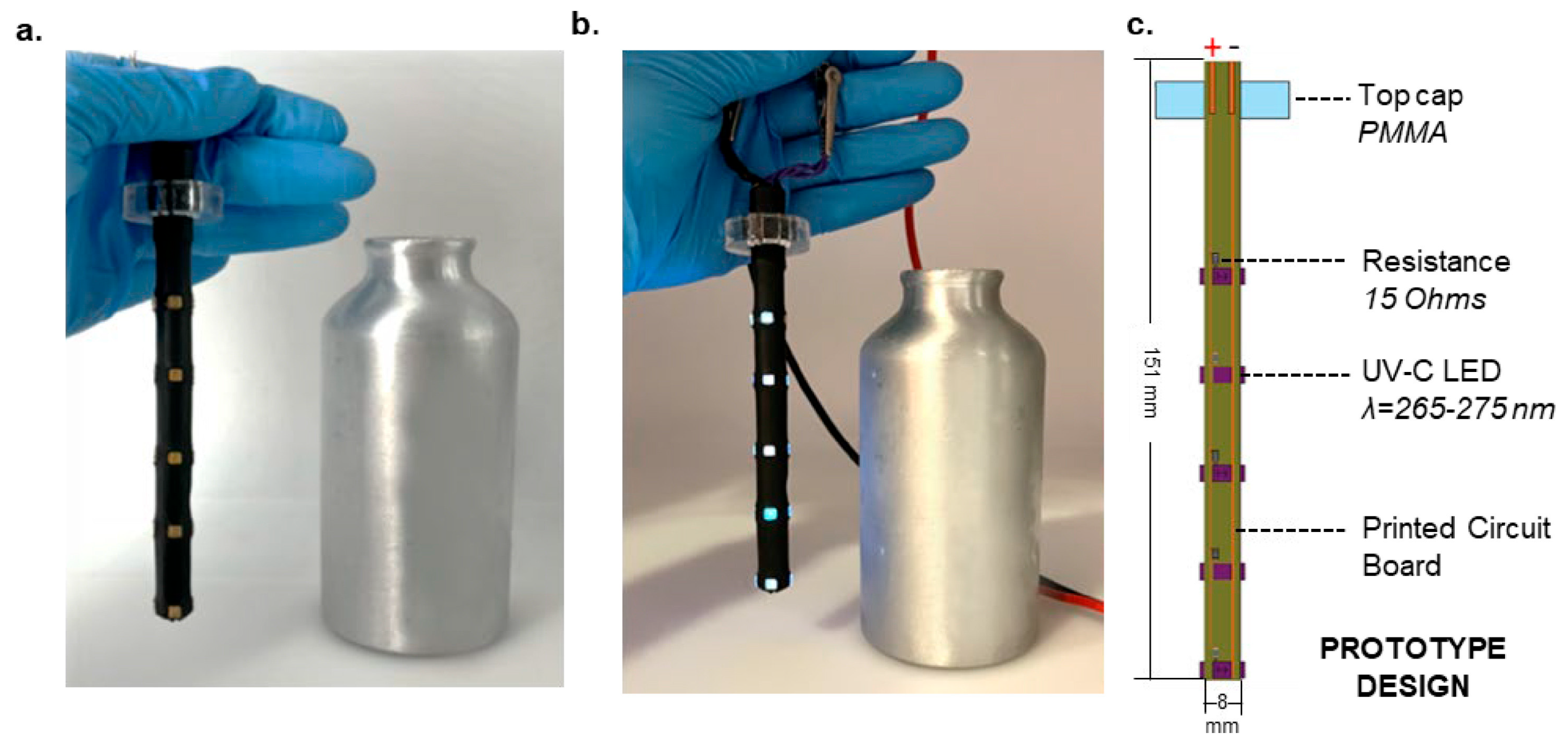
Figure 11 shows a typical portable unit integrates a TiO
2-coated reaction chamber with UV LED modules, operates on rechargeable batteries or solar panels, and produces 1-5 L/h of treated water. Recent developments in UV-C LED technology have enabled compact, portable water sterilizers with optimized pulsed radiation strategies, achieving high disinfection efficiency while minimizing energy consumption [
64].
Under UV illumination, the TiO2 surface or direct UV-C irradiation generates reactive oxygen species or directly damages microbial DNA, enabling microbial reduction to ≤10−3 of the initial population within 5-20 min per batch. Such systems are designed for decentralized water purification in field or emergency situations.
7.3. Technical Benchmarks and Performance
Commercial systems typically reduce bacterial levels to approximately 10
−3–10
−4 of their initial concentrations, with energy consumption varying by UV source and reactor design. Catalyst formats include coated substrates or recoverable suspended catalysts. Performance benchmarks vary depending on target organisms, water matrix, and residence time [
1].
7.4. Challenges and Future Outlook
Key barriers to widespread adoption include system costs, catalyst aging or fouling, a lack of standardized evaluation methods, and limited end-user awareness [
54]. Expected growth drivers include development of visible-light-responsive catalysts for reduced energy requirements, enhanced catalyst durability through advanced surface engineering, integration with existing infrastructure (e.g., RO membrane systems), regulatory acceptance for drinking water applications, and reduced manufacturing costs through economies of scale [
55].
8. Conclusions
Photocatalytic sterilization in water systems presents distinct challenges compared with air-phase disinfection. Because photocatalytic reactions occur only at the catalyst surface, the frequency of contact between microorganisms and photocatalyst particles becomes the rate-determining factor. In aqueous media, this contact probability is extremely low due to viscous resistance and diffusion limitations, making water disinfection far more difficult than air sterilization [
54,
55]. Consequently, suspension- or fluidized-bed systems, which allow continuous collision between microbes and photocatalyst particles, offer significant advantages over fixed-bed configurations. Recent developments in magnetically recoverable and polymer bead-based photocatalysts have successfully combined high reactivity with practical separability, providing a realistic pathway toward scalable implementation in water treatment [
32,
40,
41]. In addition, integration of UV-C pretreatment with UV-A/TiO
2 photocatalysis represents a highly effective strategy for comprehensive water purification. UV-C irradiation induces rapid DNA damage through pyrimidine dimer formation, while subsequent photocatalytic oxidation suppresses enzymatic repair and simultaneously decomposes organic pollutants such as triazine herbicides [
32,
33,
39,
43,
44].
Furthermore, the introduction of L. casei as a model Gram-positive bacterium and the development of a turbidity-based optical density method have significantly advanced photocatalytic sterilization research. While the conventional colony-counting method using E. coli remains the gold standard for quantitative accuracy, it requires extensive incubation time and labor. In contrast, the L. casei turbidity method enables rapid, safe, and reproducible evaluation of bacterial inactivation, allowing the direct numerical assessment of photocatalytic kinetics. This methodological innovation has greatly lowered the experimental barrier, thereby accelerating the development and comparative study of novel photocatalysts under laboratory conditions.
Taken together, these findings highlight three key directions for future research: (1) optimization of fluidized or suspension-type photocatalyst reactors to maximize microbe–catalyst contact efficiency in aqueous environments, (2) development of integrated UV-C/UV-A photocatalytic systems capable of simultaneous microbial inactivation and organic contaminant degradation, and (3) establishment of rapid, reproducible, and quantitative evaluation techniques such as the L. casei turbidity method to promote standardization and scalability in photocatalytic disinfection research. Such innovations will accelerate the realization of sustainable, chlorine-free water sterilization technologies applicable to agriculture, medical care, and semiconductor manufacturing.