Article

Preparation and Catalytic Hydrodechlorination Property of Nano Bimetallic Catalyst Pd–Ni/γAl2O3–SiO2
Faculty of Metallurgical and Energy Engineering, Kunming University of Science and Technology, Kunming 650093, China
*
Author to whom correspondence should be addressed.
Catalysts 2022, 12(4), 370; https://doi.org/10.3390/catal12040370
Submission received: 18 February 2022 / Revised: 19 March 2022 / Accepted: 22 March 2022 / Published: 24 March 2022

Abstract

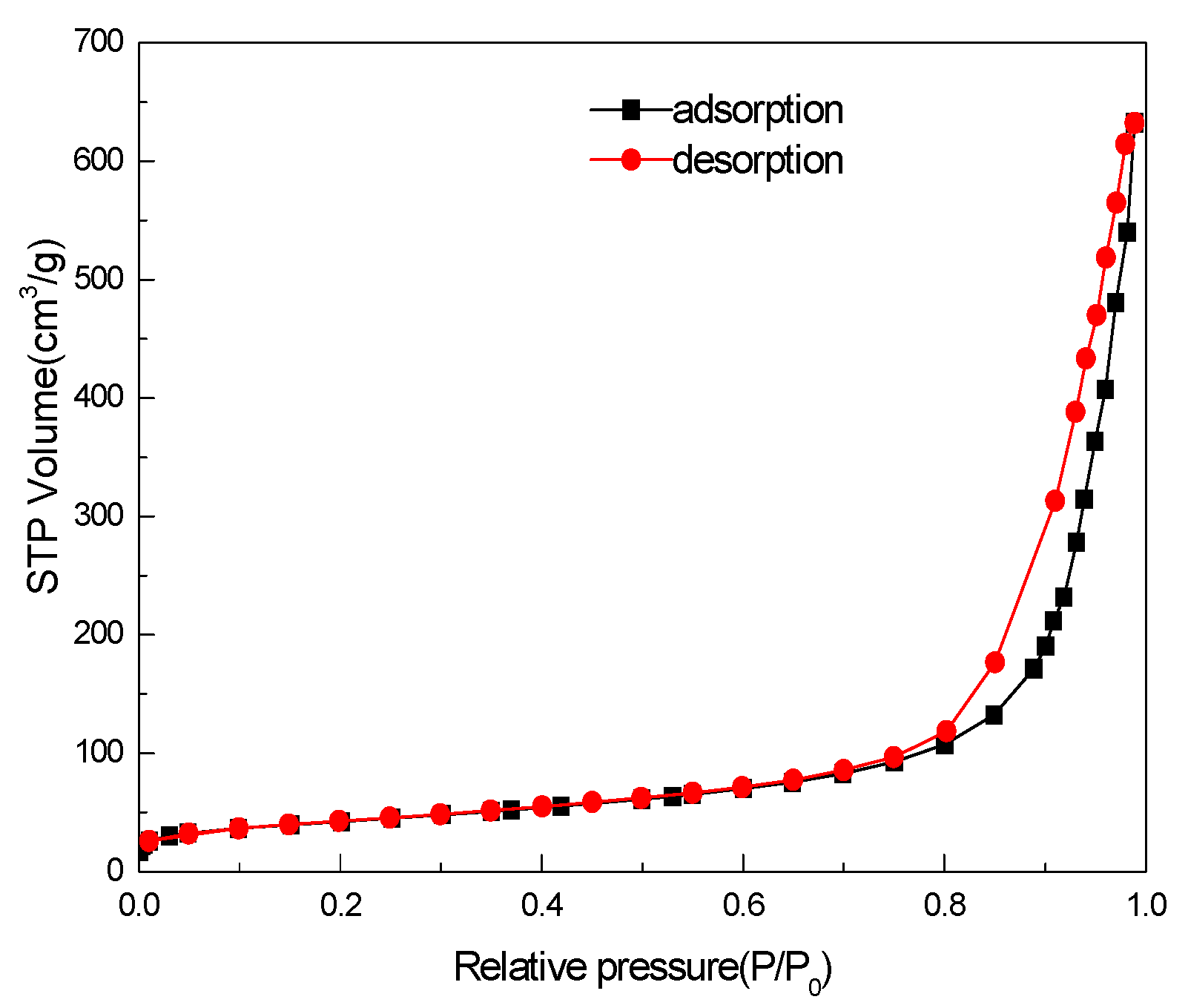
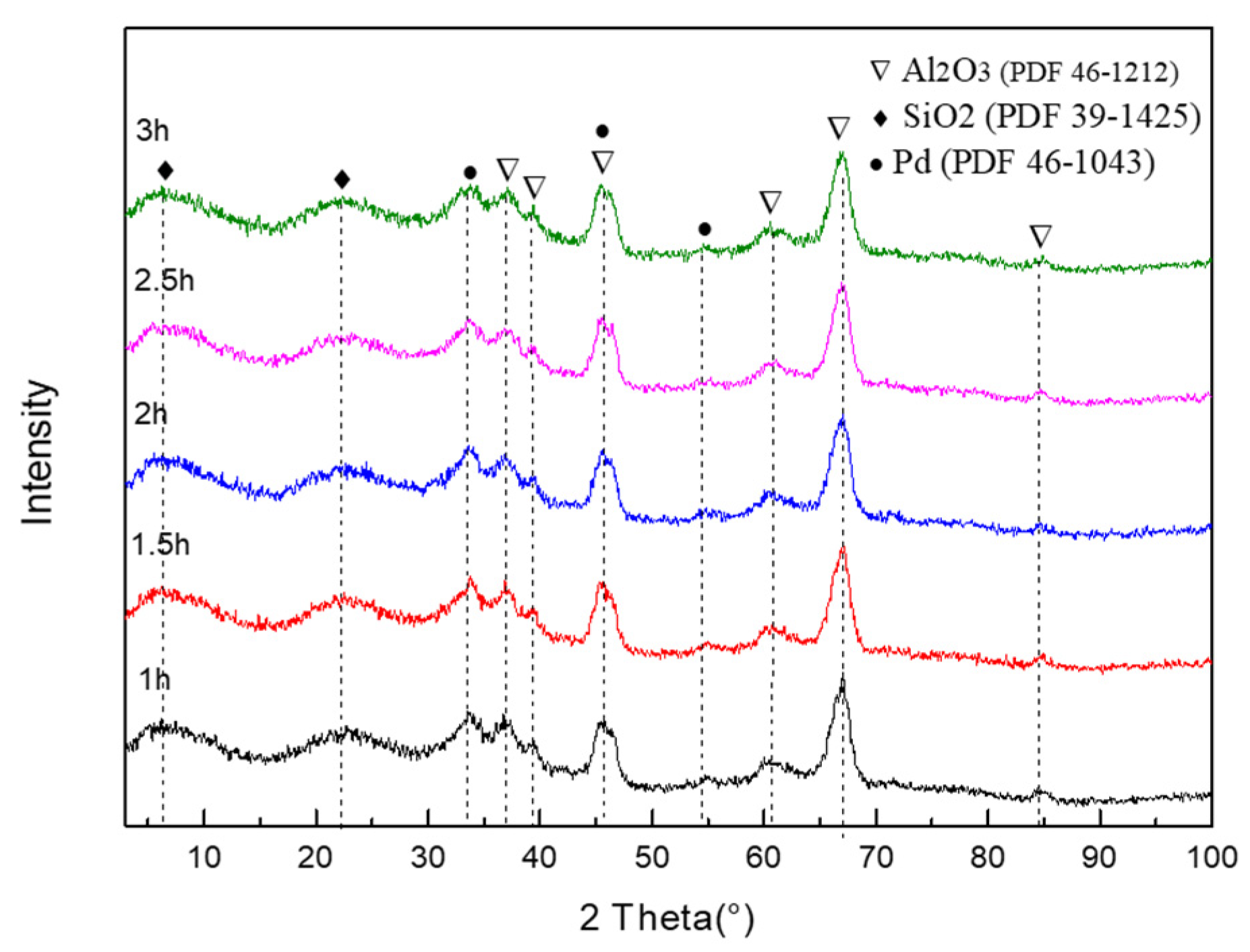
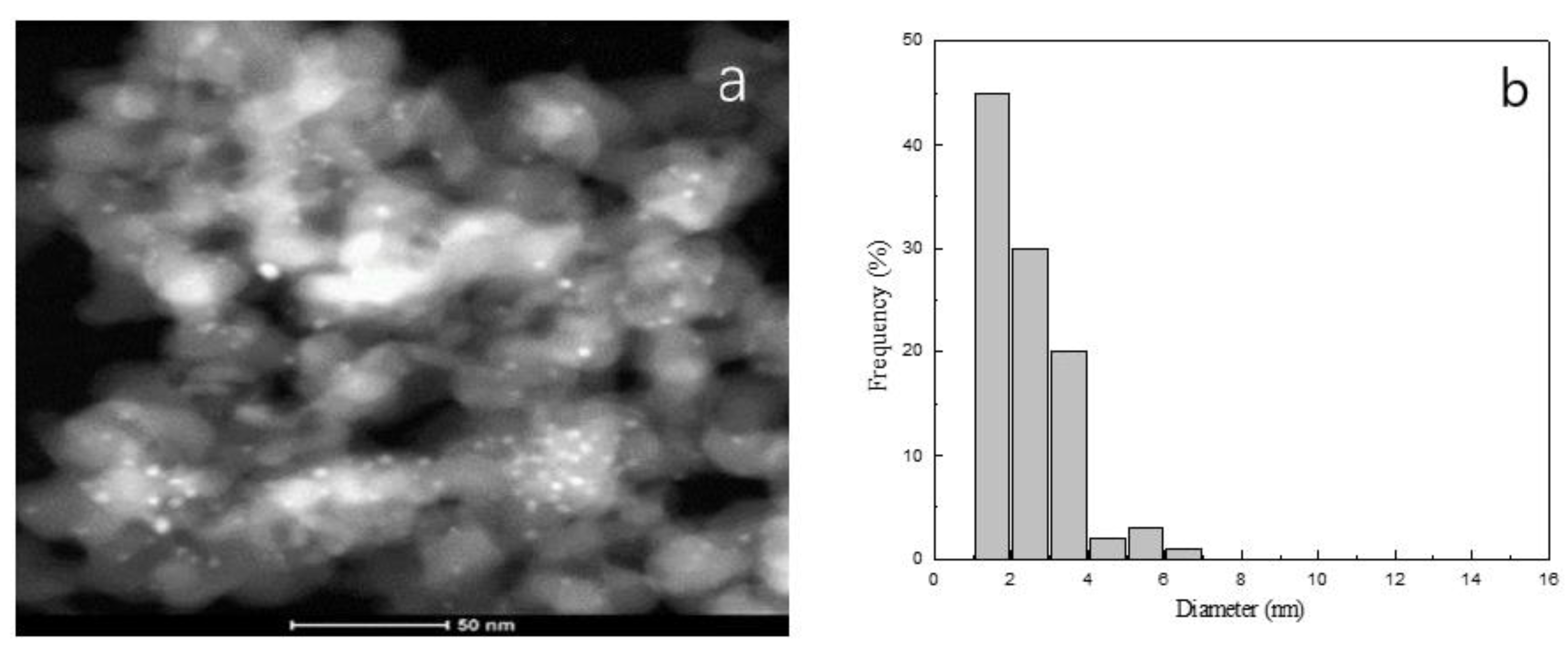
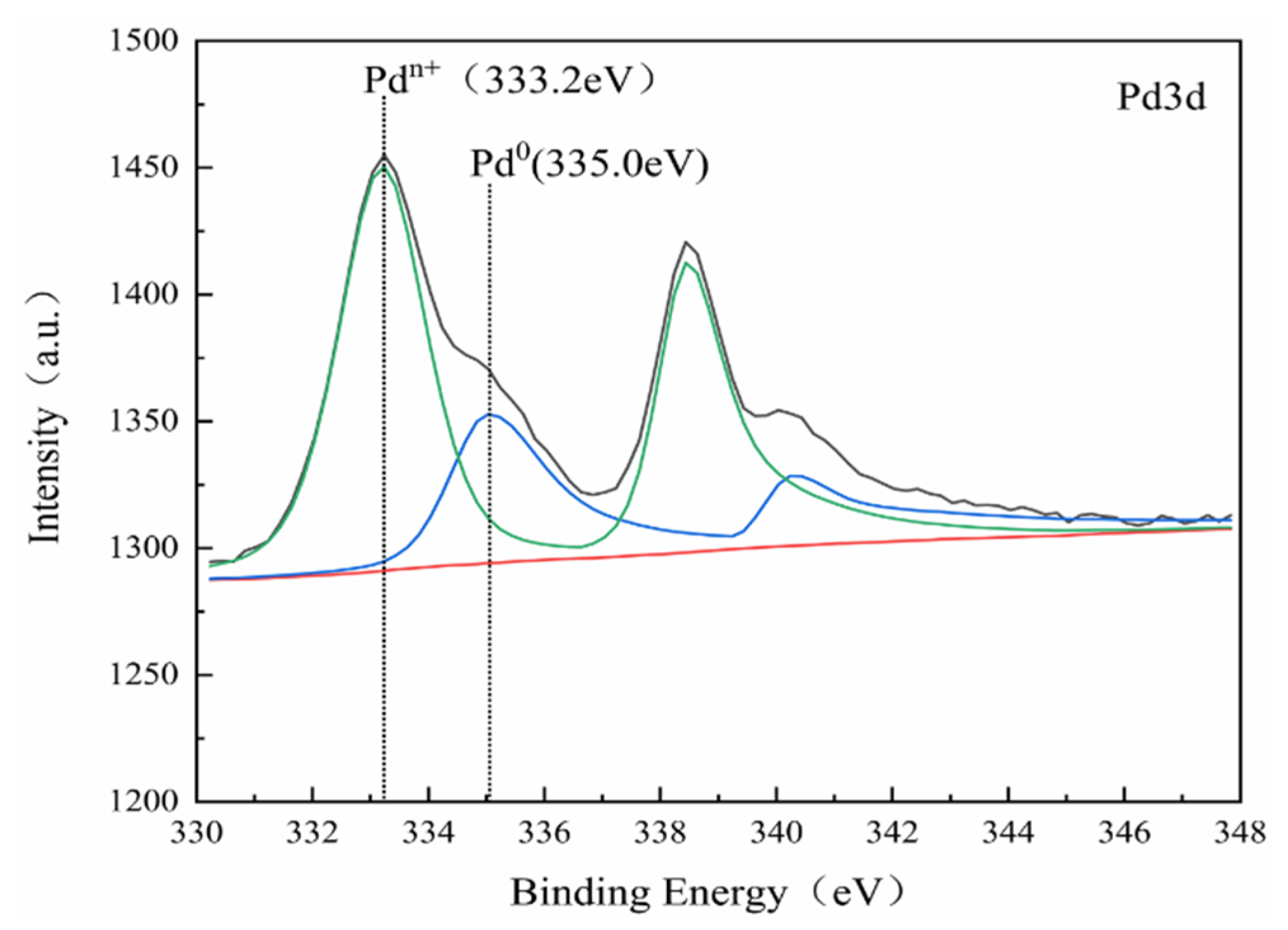
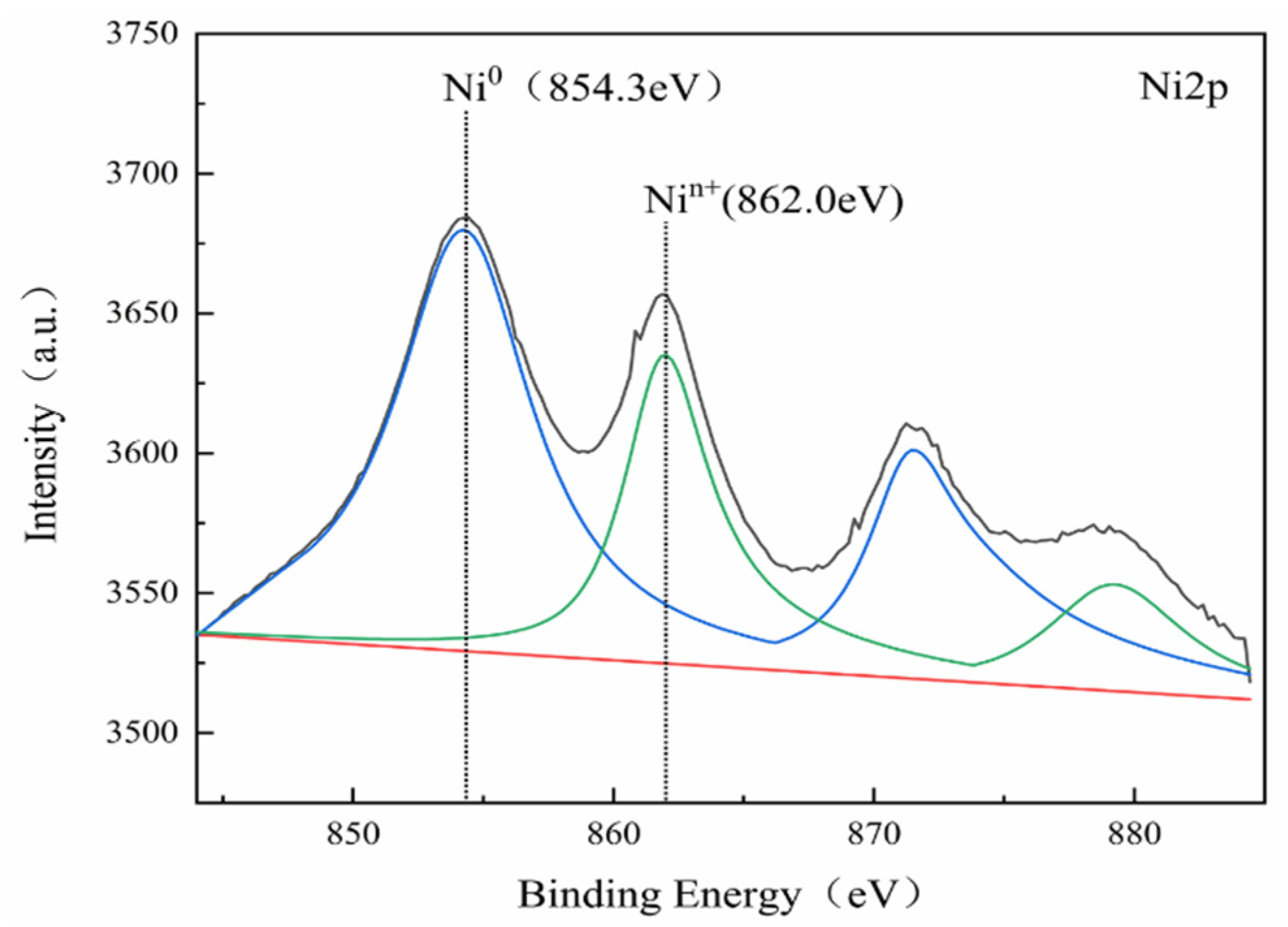
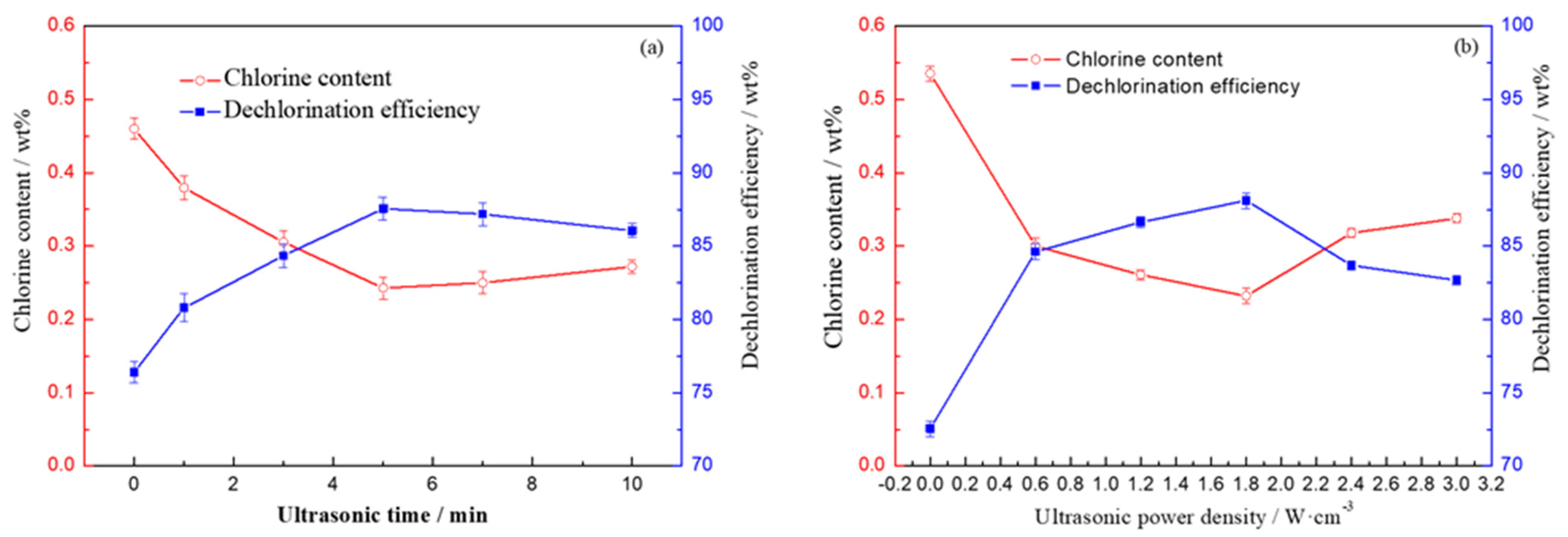
Pd–Ni bimetallic catalyst supported on a composite carrier of γAl2O3 and SiO2 was prepared by chemical precipitation methodology enhanced with an ultrasonic wave. In the present paper, the influence of dispersant, carrier, ultrasonic time and intensity on the dechlorination property of the catalysts obtained are investigated. The appearance, morphology and structure of the prepared catalysts were characterized using X-ray diffraction (XRD), scanning transmission electron microscopy (STEM), N2 adsorption–desorption isotherm and X-ray photoelectron spectroscopy spectrometer (XPS). The chemical composition of active gradients in the catalysts was tested with inductively coupled plasma-atomic emission spectrometry (ICP-AES). The metal dispersion and mean particle size of the metallic phase of the prepared catalysts were also determined with CO chemisorption. Results indicate that a nano bimetal Pd–Ni catalyst on an average particle size of 2.45 nm with a distribution range of 1–7 nm supported on a composite carrier of γAl2O3 and SiO2 can be effectively prepared, and that the chlorine content of shellac dechlorinated with the obtained catalyst is 0.18 wt%, which is lower than that reported in the previous literature, indicating the perfect dechlorination property of the catalyst.
Keywords: bimetallic catalyst; ultrasonic enhancement; catalytic hydrodechlorination; nanomaterials bimetallic catalyst; ultrasonic enhancement; catalytic hydrodechlorination; nanomaterials