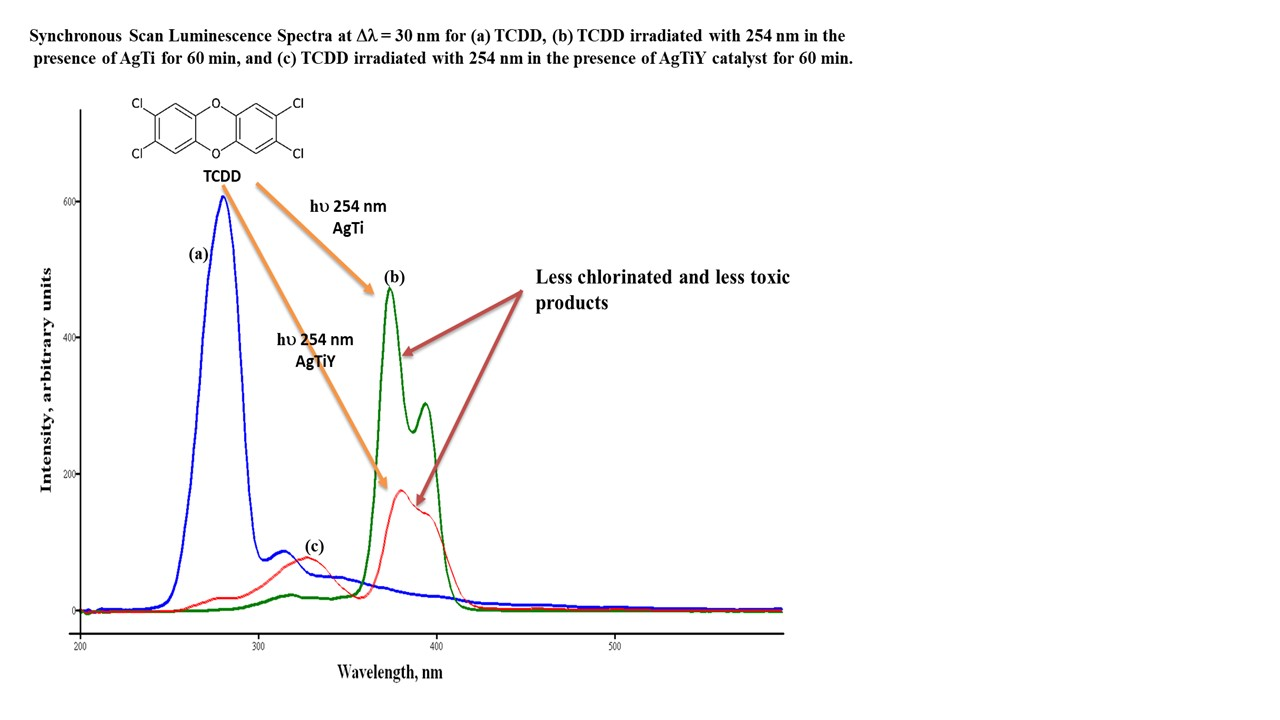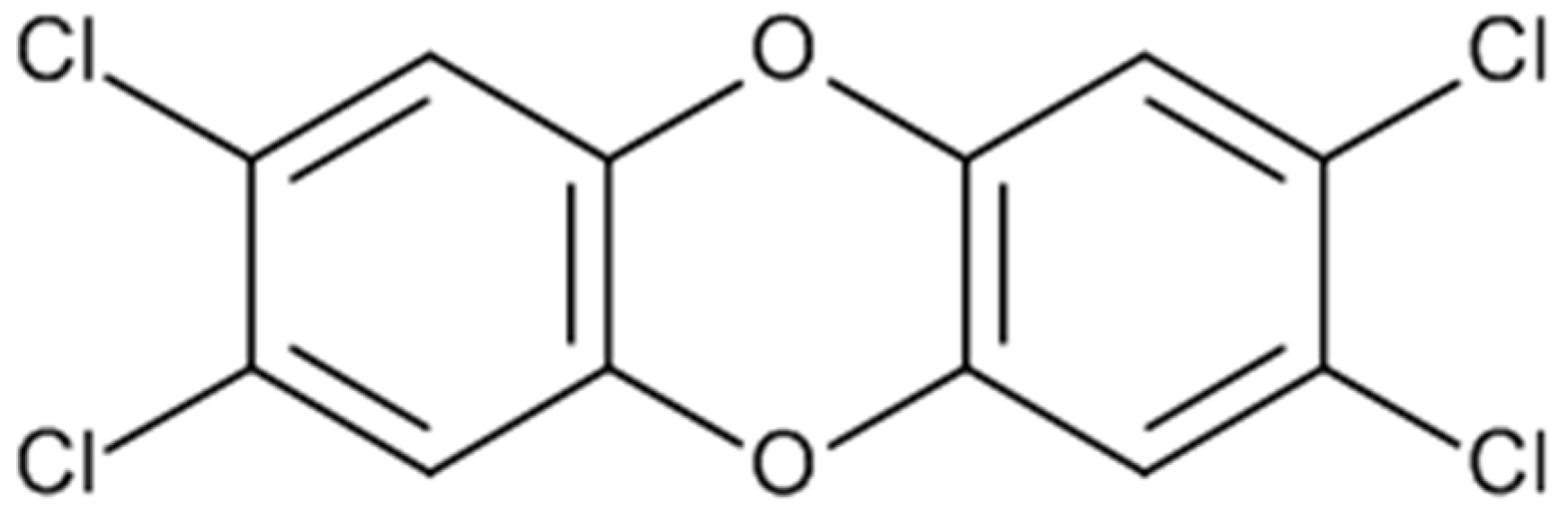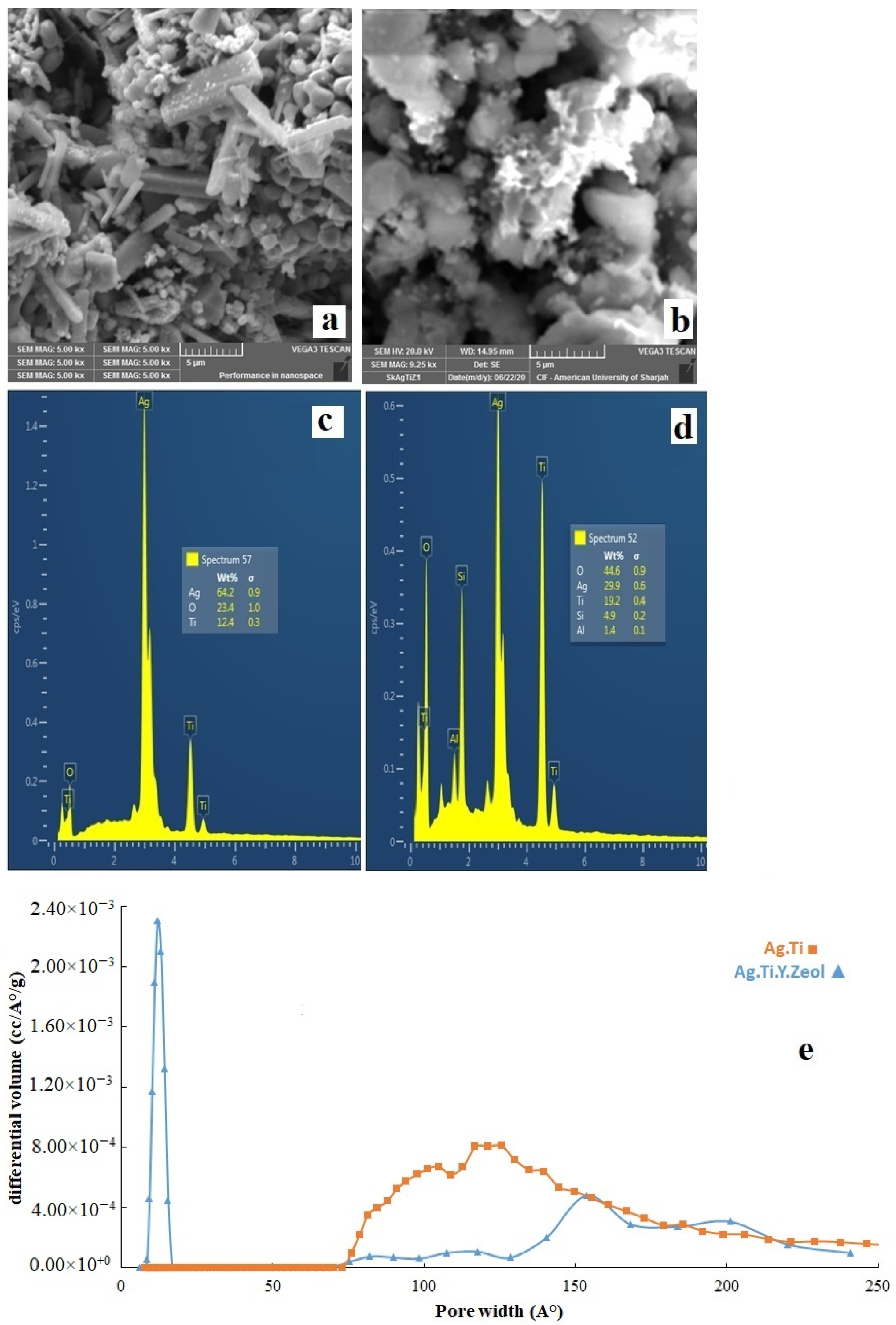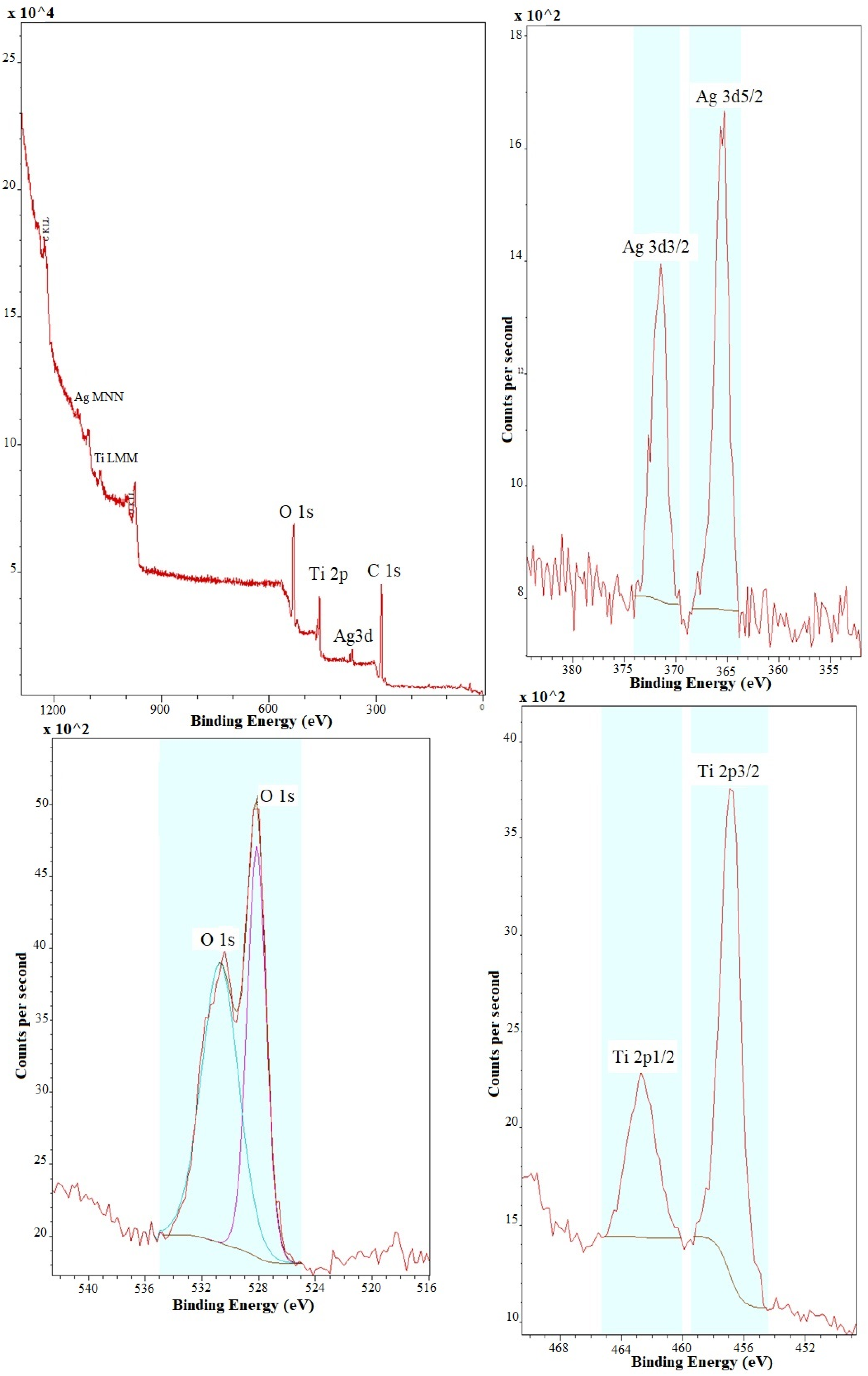
The Photocatalytic Degradation of 2,3,7,8-Tetrachlorodibenzo-p-Dioxin in the Presence of Silver–Titanium Based Catalysts



Abstract
Share and Cite
Samara, F.; Ghalayini, T.; Abu Farha, N.; Kanan, S. The Photocatalytic Degradation of 2,3,7,8-Tetrachlorodibenzo-p-Dioxin in the Presence of Silver–Titanium Based Catalysts. Catalysts 2020, 10, 957. https://doi.org/10.3390/catal10090957
Samara F, Ghalayini T, Abu Farha N, Kanan S. The Photocatalytic Degradation of 2,3,7,8-Tetrachlorodibenzo-p-Dioxin in the Presence of Silver–Titanium Based Catalysts. Catalysts. 2020; 10(9):957. https://doi.org/10.3390/catal10090957
Chicago/Turabian StyleSamara, Fatin, Thouraya Ghalayini, Nedal Abu Farha, and Sofian Kanan. 2020. "The Photocatalytic Degradation of 2,3,7,8-Tetrachlorodibenzo-p-Dioxin in the Presence of Silver–Titanium Based Catalysts" Catalysts 10, no. 9: 957. https://doi.org/10.3390/catal10090957
APA StyleSamara, F., Ghalayini, T., Abu Farha, N., & Kanan, S. (2020). The Photocatalytic Degradation of 2,3,7,8-Tetrachlorodibenzo-p-Dioxin in the Presence of Silver–Titanium Based Catalysts. Catalysts, 10(9), 957. https://doi.org/10.3390/catal10090957