Liquid Biopsy Analysis of the EV-Associated Micro-RNA Signature in Vulvar Carcinoma May Benefit Disease Diagnosis and Prognosis
by
 , , , , , , and
Friederike Borchardt
1,
Leonie Kleinholz
1,
Anna Jaeger
2,
Jana Löptien
1,
Vanessa Vohl
1,
Jolanthe Kropidlowski
1,
Klaus Pantel
1,
Eik Vettorazzi
3,
Linn Woelber
2,
Harriet Wikman
1 and
Katharina Effenberger
1,* 1
Department of Tumor Biology, University Medical Center Hamburg-Eppendorf, Martinistr. 52, 20246 Hamburg, Germany
2
Department of Gynecology, University Medical Center Hamburg-Eppendorf, 20246 Hamburg, Germany
3
Department of Medical Biometry and Epidemiology, University Medical Center Hamburg-Eppendorf, 20246 Hamburg, Germany
*
Author to whom correspondence should be addressed.
Cancers 2026, 18(3), 438; https://doi.org/10.3390/cancers18030438
Submission received: 23 December 2025
/
Revised: 23 January 2026
/
Accepted: 25 January 2026
/
Published: 29 January 2026
(This article belongs to the Special Issue Novel Approaches in the Management of Gynecological Cancers)
Simple Summary
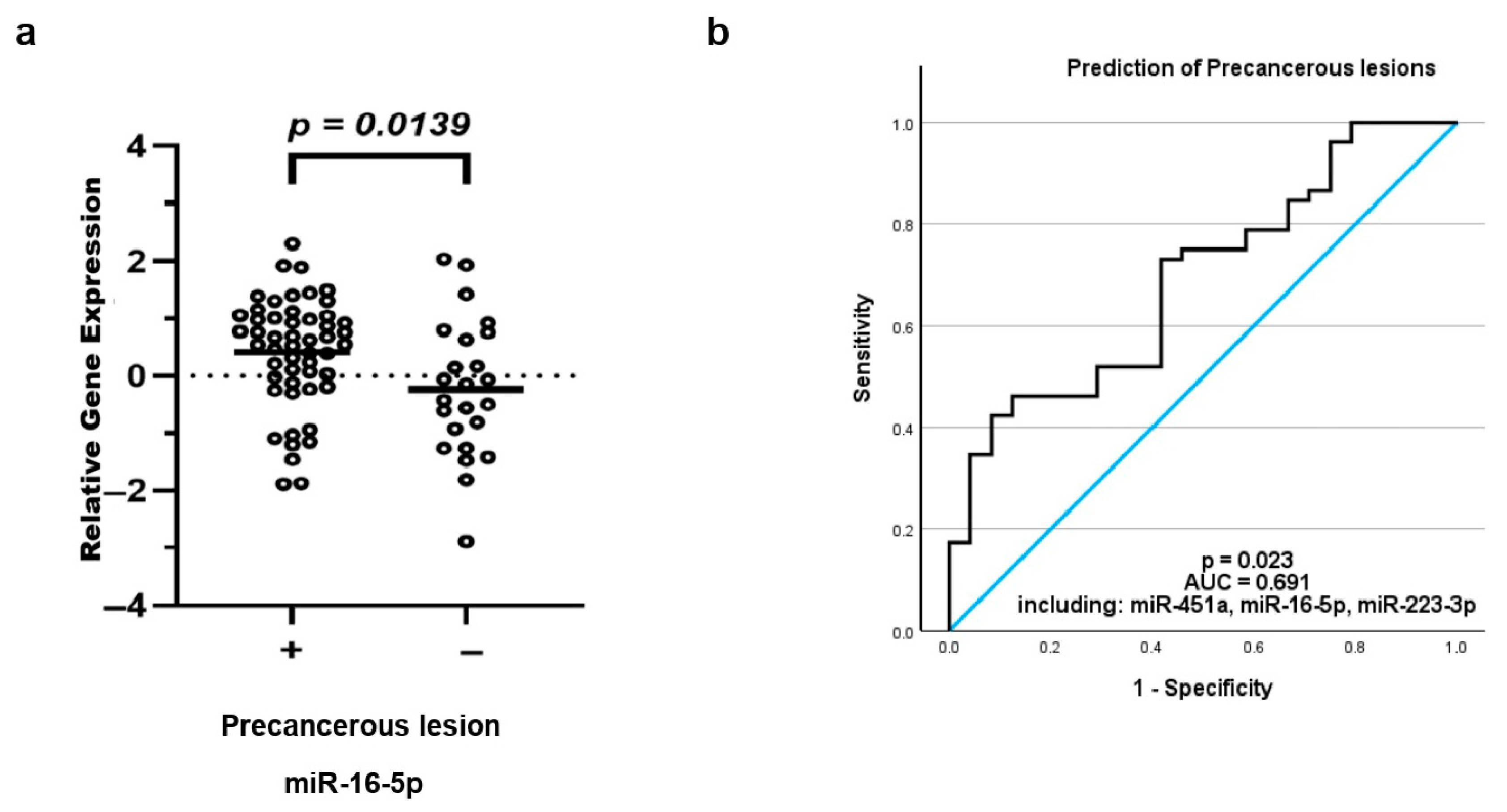
Vulvar cancer is a rare gynecological tumor, but recently it has become more common in younger people, mainly due to persistent human papillomavirus (HPV) infection. Research is limited and, to date, there are neither standardized screening tools nor diagnostic biomarkers available. Therefore, the aim of this study was to detect dysregulated extracellular vesicle–associated miRNAs, hereafter referred to as exosomal micro-RNAs (exomiRs) as a blood-based liquid biopsy marker for vulvar cancer. Using modern laboratory techniques, it was possible to identify a set of specific exomiRs which could distinguish cancer patients from healthy volunteers. Additionally, certain exomiRs were found to be associated with HPV positivity, lymph node metastasis and the presence of precursor lesions, which could be useful for risk stratification of patients. This study shows the future potential of exomiRs in the assessment of vulvar cancer and is a first step towards personalized approaches in the clinical assessment of this often-neglected disease.
Abstract
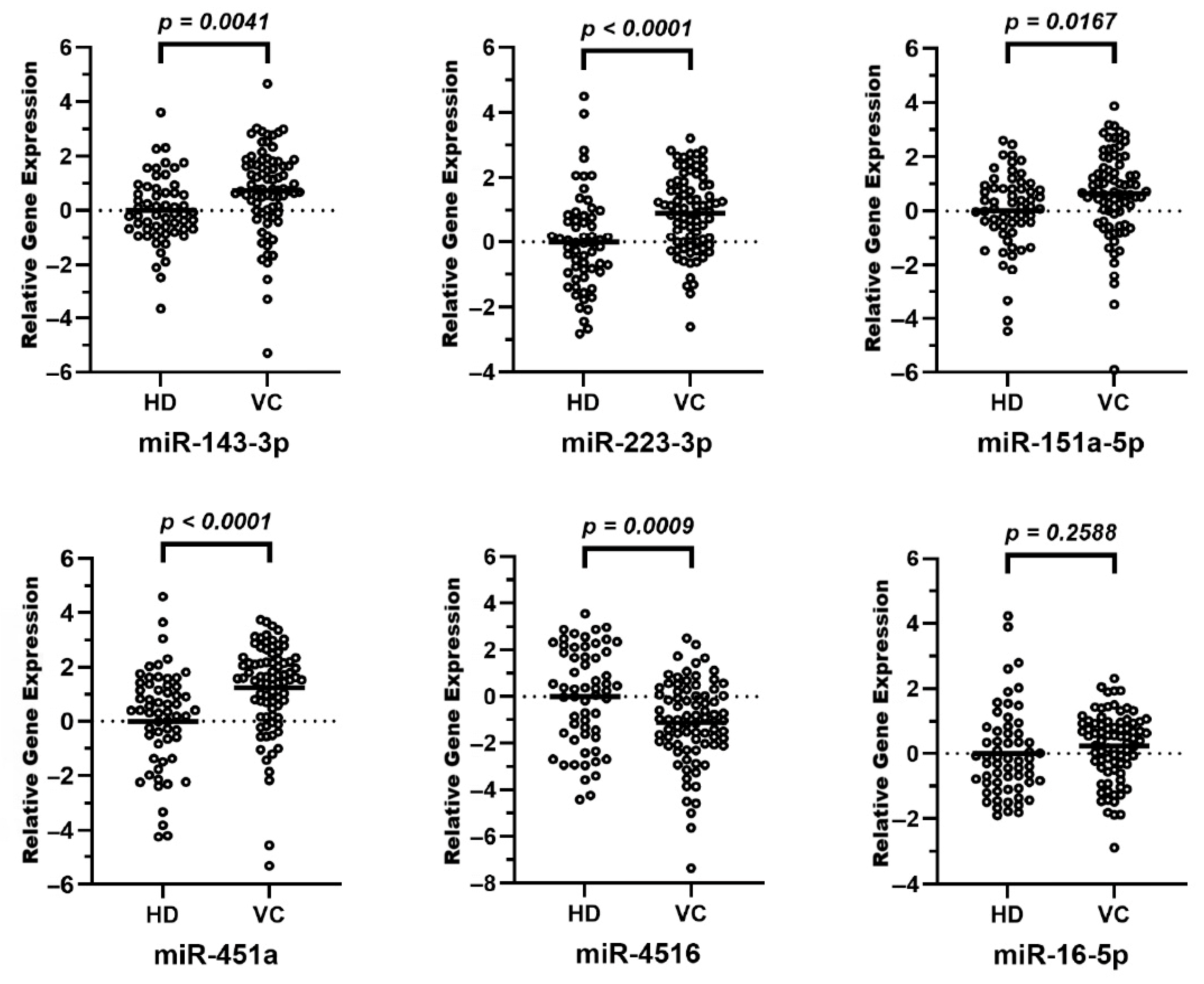
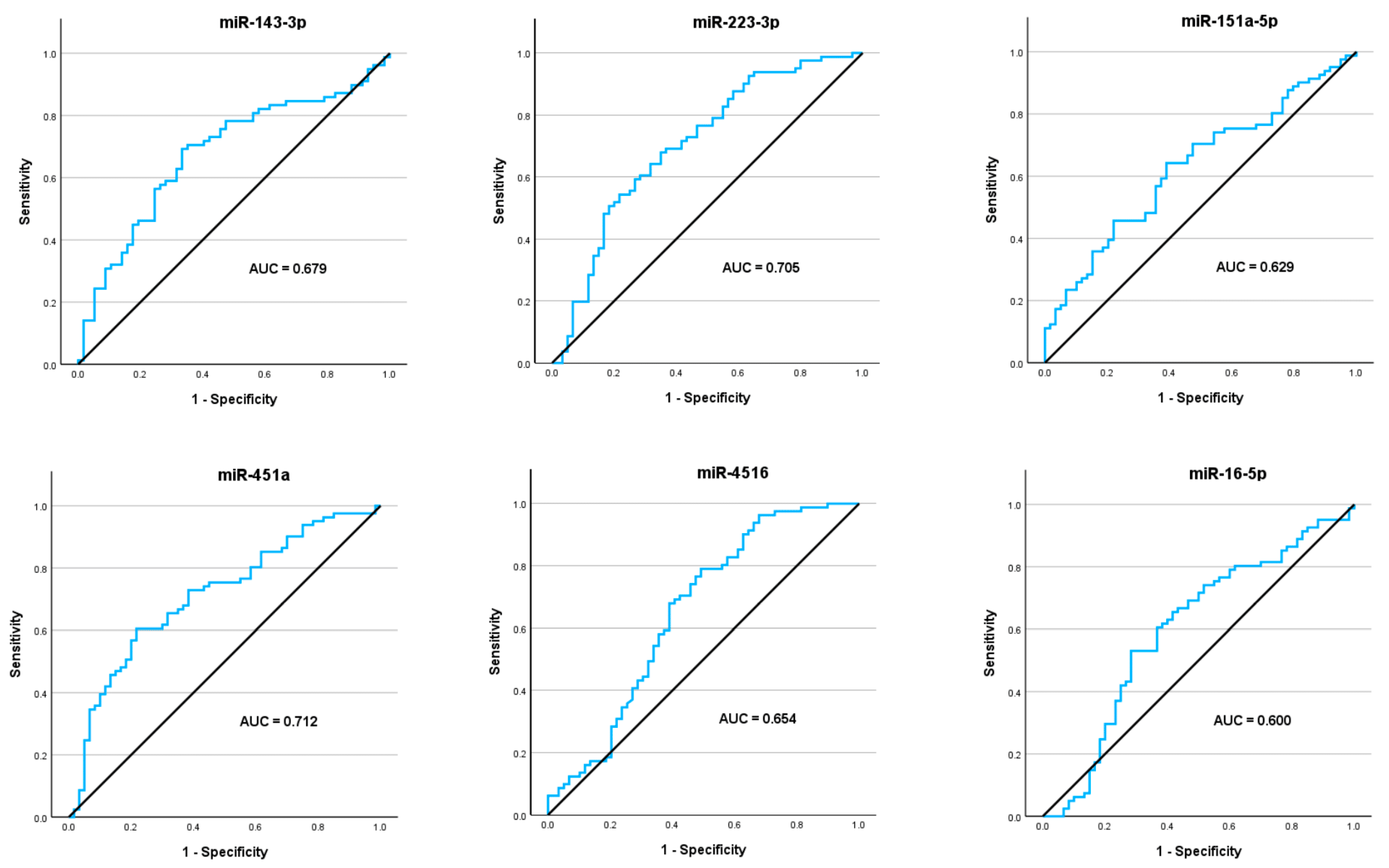
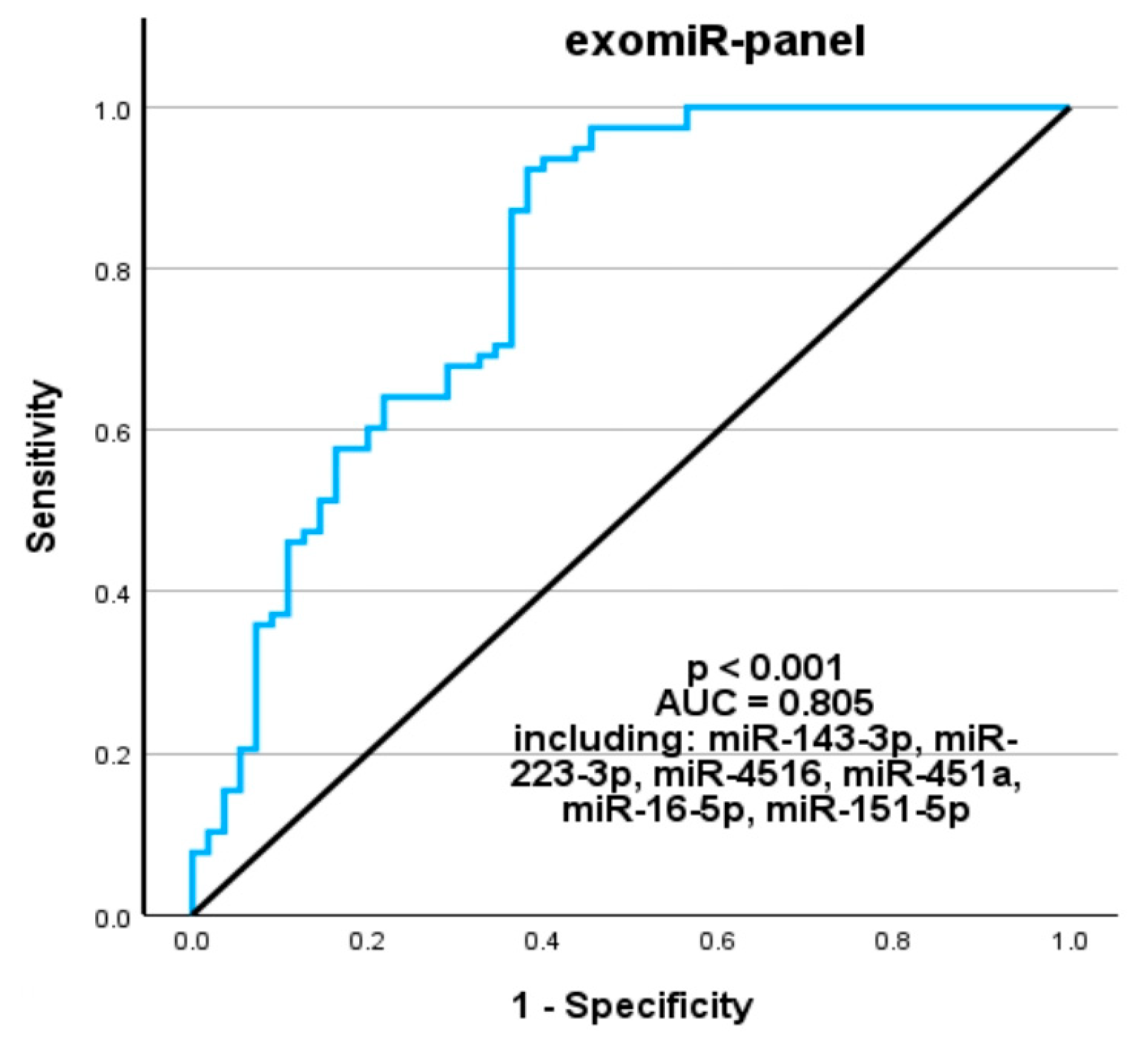
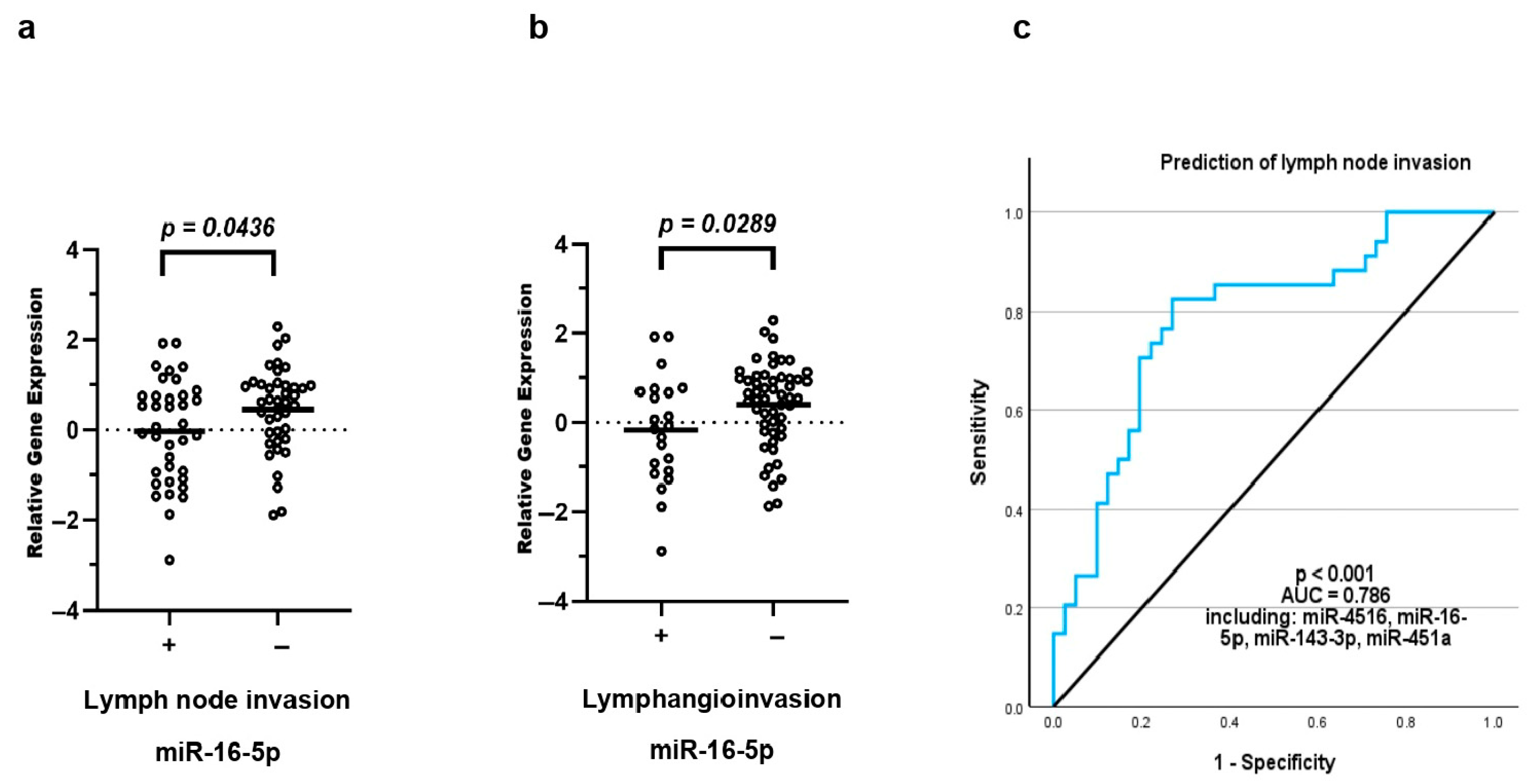
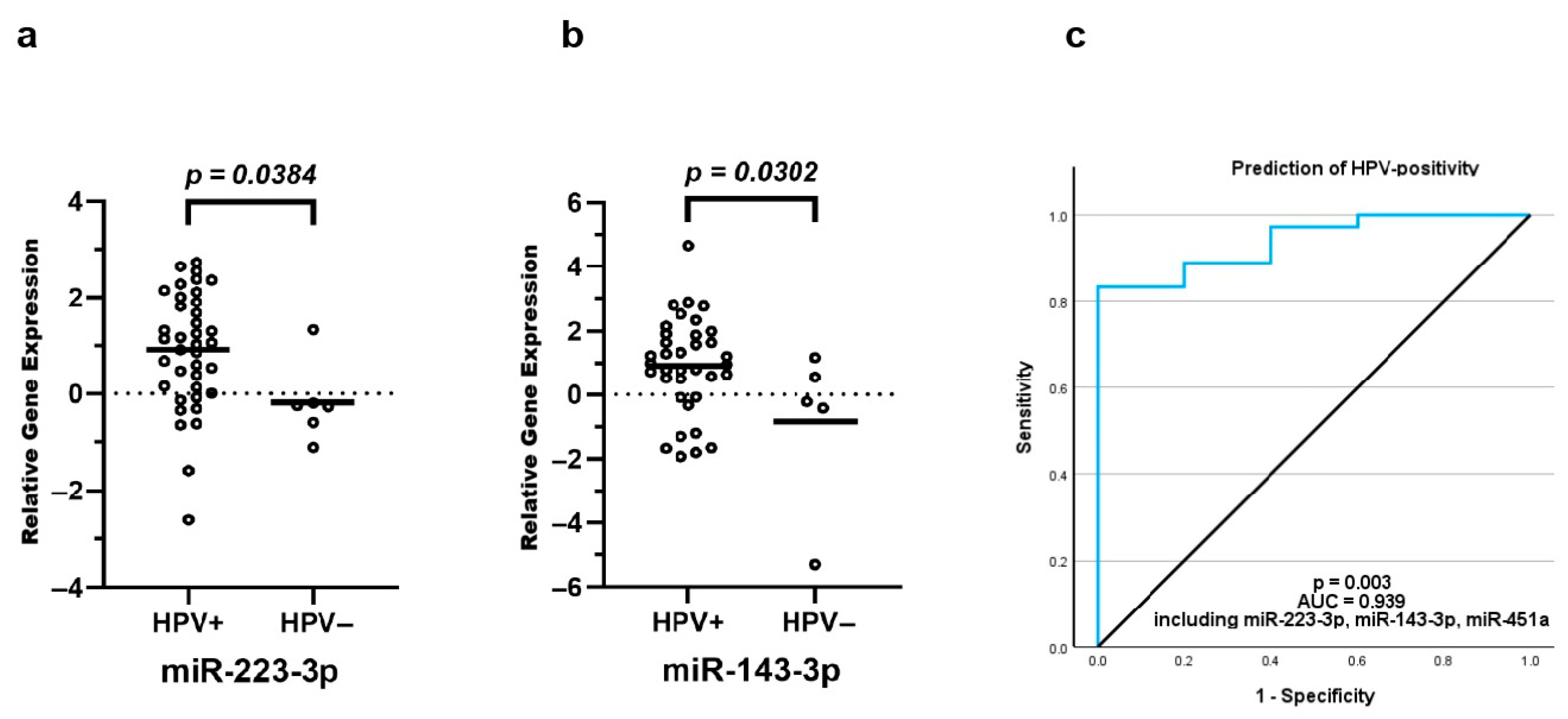
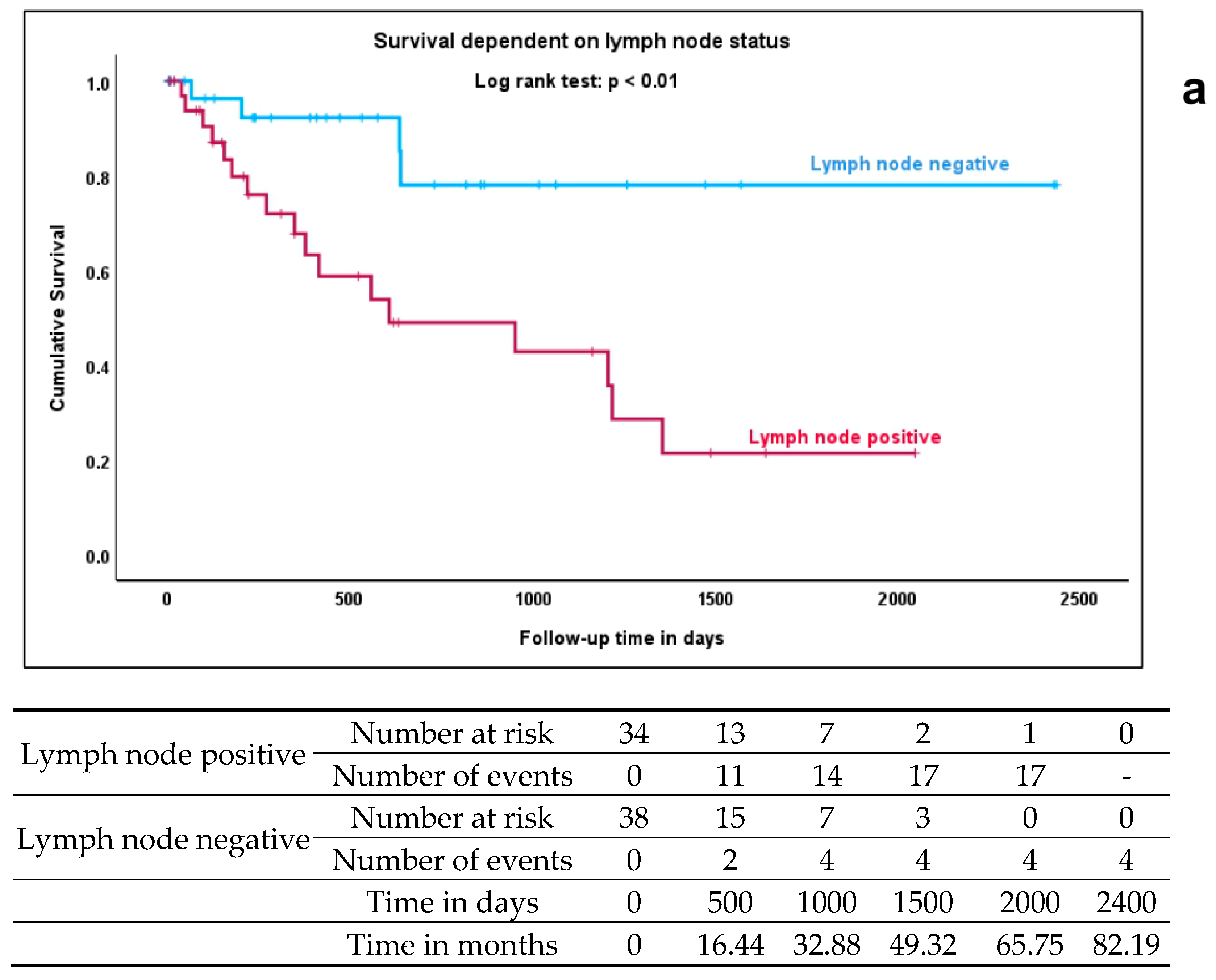
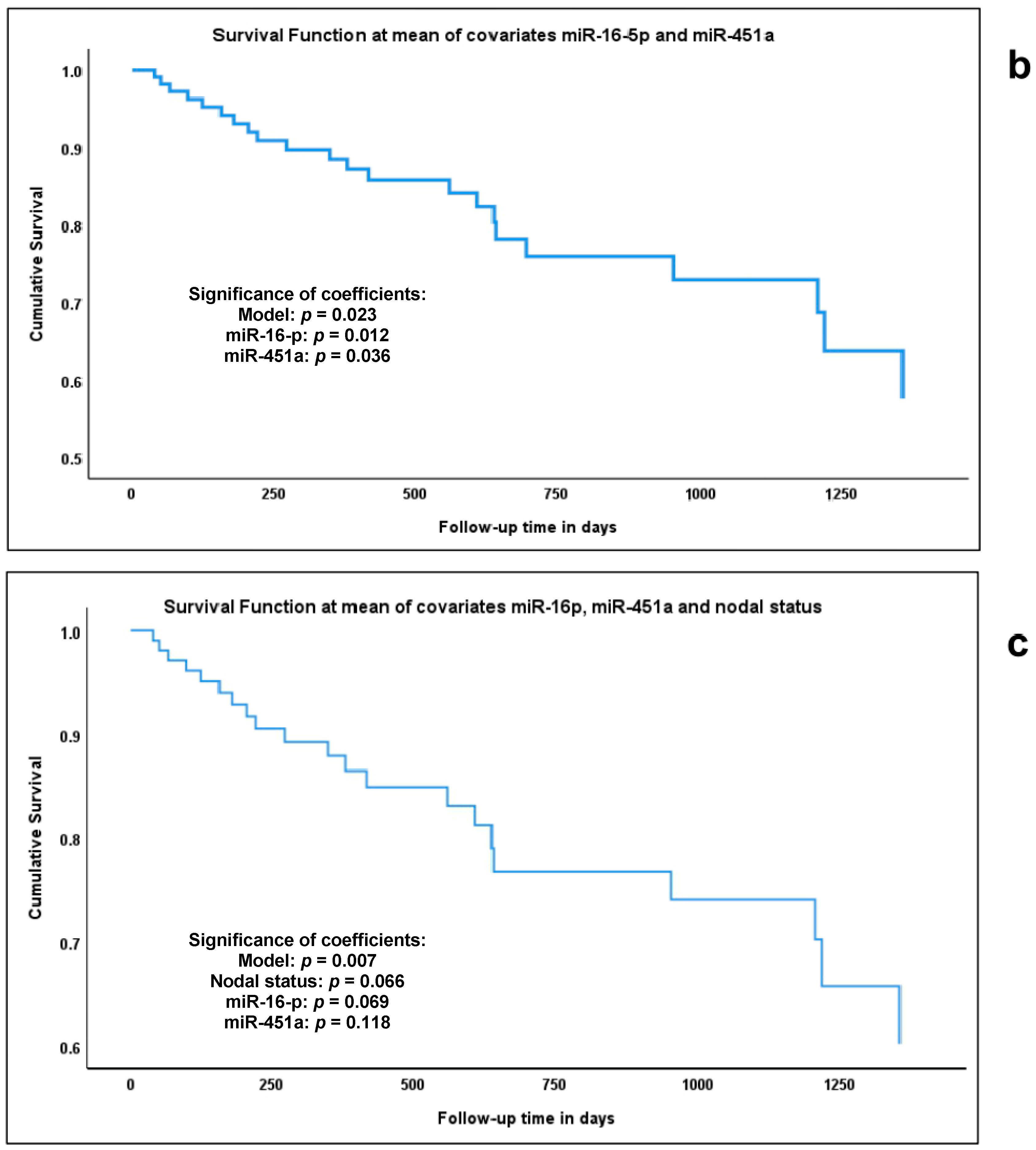
Background: Vulvar cancer mainly affects postmenopausal women, but its incidence is rising among younger individuals due to persistent HPV infection. Validated diagnostic biomarkers remain lacking, though circulating exosomal microRNAs (exomiRs) have recently emerged as promising liquid biopsy tools across various cancers. Objective: The purpose of this study was to identify a panel of dysregulated plasma-derived extracellular vesicle (EV)-associated miRNAs, hereafter referred to as exosomal micro-RNAs, as liquid biopsy markers for the detection of vulvar cancer and for assessment of HPV-positivity. Methods: Five healthy donor (HD) and 10 vulvar cancer samples underwent Next-Generation Sequencing to screen for differentially expressed exomiRs. The seven most dysregulated and four stably expressed exomiRs were subsequently analyzed in 81 cancer and 60 HD samples by qRT-PCR. Differential expression was determined by the 2−ΔΔCT method. Binary regression was used to construct an exomiR panel. HPV status was assessed using mass spectrometry. Results: Five single exomiRs showed a statistically significant dysregulation in cancer patients compared to healthy controls: miR-143-3p, miR-223-3p, miR-451a, miR-4516 and miR-151a-5p. The combination of six exomiRs resulted in a panel with superior diagnostic ability (p < 0.001; ROC-AUC = 0.805; 95% CI: 0.726–0.884) in distinguishing cancer patients from HDs. A model consisting of miR-223-3p, miR-143-3p and miR-451a could discriminate HPV-positive from -negative (p = 0.003; ROC-AUC = 0.939), and a model of miR-4516, miR-143-3p, miR-16-5p and miR-451a was predictive of lymph node positivity (p < 0.001, ROC-AUC = 0.786). Multivariate Cox regression showed that a model of downregulated miR-16-5p and upregulated miR-451a was significantly associated with poorer survival (p = 0.023). Conclusions: This study indicates the future potential of exomiRs as diagnostic and prognostic liquid biopsy markers for vulvar cancer.