Focus on the Interactive Cooperation Among Mechanotransduction and Biochemical Processes in Pancreatic Ductal Adenocarcinoma Development and Possible Adjuvant Role of Retinoic Acid for Its Treatment: A Narrative Review

 ,
,  ,
, 
 , , ,
, , ,  ,
, 
Simple Summary
Abstract
1. Introduction
2. The Concept of Malignant Microenvironment in Neoplasms and in Pancreatic Cancer
3. KRAS and TP53 Role in PDAC: Signaling and Metabolic Rewiring
3.1. KRAS Mutation and Metabolic Reprogramming
3.2. Wild-Type p53: A Metabolic Master Regulator
3.3. KRAS–p53 Cooperation in Tumor Progression
4. The Complex Interplay Among Reactive Oxygen Species, NRF2, Mitochondria, and TIGAR in Metabolic Adaptation of Malignant Pancreatic Cells
4.1. ROS Generation in Pancreatic Cancer
4.2. NRF2: A Master Regulator of Antioxidant Responses
4.3. TIGAR: Modulator of Glycolysis and ROS
4.4. ROS Buffering and Resistance to Therapy
5. PUMA- and PRMT5-Mediated Regulation of Mitochondrial Function in PDAC
5.1. PUMA: p53-Mediated Mitochondrial Apoptosis
5.2. PRMT5: Epigenetic and Metabolic Regulator
5.3. Mitochondrial Activity and Metabolic Flexibility
5.4. Therapeutic Implications
6. Oxygen Tension in Pancreatic Cells and Malignant Stroma
6.1. Baseline Oxygen Tension in Normal Pancreatic Tissue
6.2. Hypoxia and Oxygen Gradients in PDAC
6.3. Effects of Hypoxia on PDAC Metabolism and ROS Generation
6.4. Oxygen Levels in the Stroma: Interactions Among Fibroblasts and Immune Cells
6.5. Implications for Therapy
7. Retinoic Acid: Modulation of Microenvironment Composition, Redox Status in Pancreatic Cancer
7.1. Retinoic Acid Signaling in Normal Pancreas and in Pancreatic Cancer
7.2. Modulation of Redox Cell Biology by Retinoic Acid
7.3. Effects on Stromal Remodeling and CAF Biology
7.4. Therapeutic Potential in Preclinical PDAC Models
7.5. Clinical Trials of Retinoic Acid and Retinoids in PDAC
7.6. Cross-Talk Among KRAS, p53, PUMA, PRMT5, Retinoic Acid and Mitochondrial Activity
8. Discussion
9. Conclusions
Author Contributions
Funding
Institutional Review Board Statement
Informed Consent Statement
Data Availability Statement
Acknowledgments
Conflicts of Interest
Abbreviations
| AKT | Protein kinase B |
| ATP | Adenosine Triphosphate |
| BAK | Bcl-2 homologous antagonist/killer |
| BAX | Bcl-2-associated X protein |
| BCL-2 | B-cell lymphoma 2 |
| CAF | Cancer-associated Fibroblast |
| CDKN2A | Cyclin-dependent kinase inhibitor 2A, |
| ERK | Extracellular signal-regulated kinase |
| GCLC | Glutamate–cysteine ligase catalytic subunit |
| GDP | Guanosine Diphosphate |
| GTP | Guanosine Triphosphate |
| HIF-1α | Hypoxia-inducible factor 1-alpha |
| HO-1 | Heme oxygenase 1 |
| KEAP1 | Kelch-Like ECH-Associated Protein 1 |
| KRAS | Kirsten rat sarcoma viral oncogene homolog |
| mTOR | Mammalian Target of Rapamycin |
| MEK | Mitogen-activated protein kinase kinase |
| NQ01 | Nicotinamide adenine dinucleotide (phosphate) reduced:quinone oxidoreductase |
| Nrf2 | Nuclear factor erythroid 2-related factor 2 |
| p53 | Protein p53 |
| PDAC | Pancreatic ductal adenocarcinoma |
| PI3K | Phosphoinositide 3-kinase |
| PRMT5 | Protein Arginine Methyltransferase 5 |
| PUMA | p53-upregulated modulator of apoptosis |
| RA | Retinoic Acid |
| RAF | Rapidly Accelerated Fibrosarcoma |
| ROS | Reactive oxygen species |
| RXR | Retinoid X Receptors |
| SMAD4 | Mothers against decapentaplegic homolog 4 |
| TAM | Tumor-associated macrophages |
| TME | Tumor microenvironment |
| TIGAR | TP53-Induced Glycolysis and Apoptosis Regulator |
| TP53 | Tumor Protein 53 |
References
- Sarantis, P.; Koustas, E.; Papadimitropoulou, A.; Papavassiliou, A.G.; Karamouzis, M.V. Pancreatic ductal adenocarcinoma: Treatment hurdles, tumor microenvironment and immunotherapy. World J. Gastrointest. Oncol. 2020, 12, 173–181. [Google Scholar] [CrossRef] [PubMed] [PubMed Central]
- Pavlidis, E.T.; Galanis, I.N.; Pavlidis, T.E. Updates in the diagnosis and management of ductal adenocarcinoma of the pancreas. World J. Clin. Oncol. 2025, 16, 105601. [Google Scholar] [CrossRef] [PubMed] [PubMed Central]
- American Cancer Society. Cancer Facts & Figures 2024; American Cancer Society: Atlanta, GA, USA, 2024. [Google Scholar]
- Fiorino, S.; Bacchi-Reggiani, L.; Pontoriero, L.; Gallo, C.; Chili, E.; Masett, M.; Zanini, N.; Grondona, A.; Silvestri, T.; Deleonardi, G.; et al. Pancreatic carcinoma development: New etiological and pathogenetic evidence. Ital. J. Med. 2013, 7, 242–252. [Google Scholar] [CrossRef]
- Fry, L.C.; Mönkemüller, K.; Malfertheiner, P. Molecular markers of pancreatic cancer: Development and clinical relevance. Langenbeck’s Arch. Surg. 2008, 393, 883–890. [Google Scholar] [CrossRef] [PubMed]
- Gardner, G.L.; Stuart, J.A. Tumor microenvironment-like conditions alter pancreatic cancer cell metabolism and behavior. Am. J. Physiol. Cell Physiol. 2024, 327, C959–C978. [Google Scholar] [CrossRef] [PubMed]
- Yamasaki, A.; Yanai, K.; Onishi, H. Hypoxia and pancreatic ductal adenocarcinoma. Cancer Lett. 2020, 484, 9–15. [Google Scholar] [CrossRef] [PubMed]
- Stefanoudakis, D.; Frountzas, M.; Schizas, D.; Michalopoulos, N.V.; Drakaki, A.; Toutouzas, K.G. Significance of TP53, CDKN2A, SMAD4 and KRAS in Pancreatic Cancer. Curr. Issues Mol. Biol. 2024, 46, 2827–2844. [Google Scholar] [CrossRef] [PubMed] [PubMed Central]
- Waddell, N.; Pajic, M.; Patch, A.M.; Chang, D.K.; Kassahn, K.S.; Bailey, P.; Johns, A.L.; Miller, D.; Nones, K.; Quek, K.; et al. Whole genomes redefine the mutational landscape of pancreatic cancer. Nature 2015, 518, 495–501. [Google Scholar] [CrossRef] [PubMed] [PubMed Central]
- Masetti, M.; Acquaviva, G.; Visani, M.; Tallini, G.; Fornelli, A.; Ragazzi, M.; Vasuri, F.; Grifoni, D.; Di Giacomo, S.; Fiorino, S.; et al. Long-term survivors of pancreatic adenocarcinoma show low rates of genetic alterations in KRAS, TP53 and SMAD4. Cancer Biomark. 2018, 21, 323–334. [Google Scholar] [CrossRef]
- Malvi, D.; Vasuri, F.; Maloberti, T.; Sanza, V.; De Leo, A.; Fornelli, A.; Masetti, M.; Benini, C.; Lombardi, R.; Offi, M.F.; et al. Molecular Characterization of Pancreatic Ductal Adenocarcinoma Using a Next-Generation Sequencing Custom-Designed Multigene Panel. Diagnostics 2022, 12, 1058. [Google Scholar] [CrossRef]
- de Biase, D.; de Luca, C.; Gragnano, G.; Visani, M.; Bellevicine, C.; Malapelle, U.; Tallini, G.; Troncone, G. Fully automated PCR detection of KRAS mutations on pancreatic endoscopic ultrasound fine-needle aspirates. J. Clin. Pathol. 2016, 69, 986–991. [Google Scholar] [CrossRef] [PubMed]
- Hu, H.F.; Ye, Z.; Qin, Y.; Xu, X.W.; Yu, X.J.; Zhuo, Q.F.; Ji, S.R. Mutations in key driver genes of pancreatic cancer: Molecularly targeted therapies and other clinical implications. Acta Pharmacol. Sin. 2021, 42, 1725–1741. [Google Scholar] [CrossRef] [PubMed] [PubMed Central]
- Visani, M.; Acquaviva, G.; De Leo, A.; Sanza, V.; Merlo, L.; Maloberti, T.; Brandes, A.A.; Franceschi, E.; Di Battista, M.; Masetti, M.; et al. Molecular alterations in pancreatic tumors. World J. Gastroenterol. 2021, 27, 2710–2726. [Google Scholar] [CrossRef] [PubMed]
- Freed-Pastor, W.A.; Prives, C. Mutant p53: One name, many proteins. Genes Dev. 2012, 26, 1268–1286. [Google Scholar] [CrossRef] [PubMed] [PubMed Central]
- Kim, M.P.; Li, X.; Deng, J.; Zhang, Y.; Dai, B.; Allton, K.L.; Hughes, T.G.; Siangco, C.; Augustine, J.J.; Kang, Y.; et al. Oncogenic KRAS Recruits an Expansive Transcriptional Network through Mutant p53 to Drive Pancreatic Cancer Metastasis. Cancer Discov. 2021, 11, 2094–2111. [Google Scholar] [CrossRef] [PubMed] [PubMed Central]
- Fu, Y.; Liu, S.; Zeng, S.; Shen, H. The critical roles of activated stellate cells-mediated paracrine signaling, metabolism and onco-immunology in pancreatic ductal adenocarcinoma. Mol. Cancer 2018, 17, 62. [Google Scholar] [CrossRef]
- Ying, H.; Kimmelman, A.C.; Lyssiotis, C.A.; Hua, S.; Chu, G.C.; Fletcher-Sananikone, E.; Locasale, J.W.; Son, J.; Zhang, H.; Coloff, J.L.; et al. Oncogenic Kras maintains pancreatic tumors through regulation of anabolic glucose metabolism. Cell 2012, 149, 656–670. [Google Scholar] [CrossRef] [PubMed]
- Pupo, E.; Avanzato, D.; Middonti, E.; Bussolino, F.; Lanzetti, L. KRAS-Driven Metabolic Rewiring Reveals Novel Actionable Targets in Cancer. Front. Oncol. 2019, 9, 848. [Google Scholar] [CrossRef] [PubMed] [PubMed Central]
- Pavlides, S.; Whitaker-Menezes, D.; Castello-Cros, R.; Flomenberg, N.; Witkiewicz, A.K.; Frank, P.G.; Casimiro, M.C.; Wang, C.; Fortina, P.; Addya, S.; et al. The reverse Warburg effect: Aerobic glycolysis in cancer associated fibroblasts and the tumor stroma. Cell Cycle 2009, 8, 3984–4001. [Google Scholar] [CrossRef] [PubMed]
- Son, J.; Lyssiotis, C.A.; Ying, H.; Wang, X.; Hua, S.; Ligorio, M.; Perera, R.M.; Ferrone, C.R.; Mullarky, E.; Shyh-Chang, N.; et al. Glutamine supports pancreatic cancer growth through a KRAS-regulated metabolic pathway. Nature 2013, 496, 101–105, Erratum in Nature 2013, 499, 504. [Google Scholar] [CrossRef]
- Punnasseril, J.M.J.; Auwal, A.; Gopalan, V.; Lam, A.K.; Islam, F. Metabolic Reprogramming of Cancer Cells and Therapeutics Targeting Cancer Metabolism. Cancer Med. 2025, 14, e71244. [Google Scholar] [CrossRef]
- Hayes, J.D.; Dinkova-Kostova, A.T.; Tew, K.D. Oxidative Stress in Cancer. Cancer Cell 2020, 38, 167–197. [Google Scholar] [CrossRef] [PubMed] [PubMed Central]
- Storz, P. KRas, ROS and the initiation of pancreatic cancer. Small GTPases 2017, 8, 38–42. [Google Scholar] [CrossRef] [PubMed] [PubMed Central]
- Koong, A.C.; Mehta, V.K.; Le, Q.T.; Fisher, G.A.; Terris, D.J.; Brown, J.M.; Bastidas, A.J.; Vierra, M. Pancreatic tumors show high levels of hypoxia. Int. J. Radiat. Oncol. Biol. Phys. 2000, 48, 919–922. [Google Scholar] [CrossRef] [PubMed]
- Cheung, E.C.; DeNicola, G.M.; Nixon, C.; Blyth, K.; Labuschagne, C.F.; Tuveson, D.A.; Vousden, K.H. Dynamic ROS Control by TIGAR Regulates the Initiation and Progression of Pancreatic Cancer. Cancer Cell 2020, 37, 168–182.e4. [Google Scholar] [CrossRef] [PubMed]
- Fendt, S.M.; Lunt, S.Y. Dynamic ROS Regulation by TIGAR: Balancing Anti-cancer and Pro-metastasis Effects. Cancer Cell 2020, 37, 141–142. [Google Scholar] [CrossRef]
- Rapozzi, V.; Comuzzi, C.; Di Giorgio, E.; Xodo, L.E. Correction: KRAS and NRF2 drive metabolic reprogramming in pancreatic cancer cells: The influence of oxidative and nitrosative stress. Front. Cell Dev. Biol. 2025, 13, 1661525, Erratum in Front. Cell Dev. Biol. 2025, 13, 1547582. https://doi.org/10.3389/fcell.2025.1547582. [Google Scholar] [CrossRef] [PubMed] [PubMed Central]
- Villunger, A.; Michalak, E.M.; Coultas, L.; Müllauer, F.; Böck, G.; Ausserlechner, M.J.; Adams, J.M.; Strasser, A. p53- and drug-induced apoptotic responses mediated by BH3-only proteins Puma and Noxa. Science 2003, 302, 1036–1038. [Google Scholar] [CrossRef]
- Song, P.; Yang, F. Protein arginine methyltransferase 5 as a novel therapeutic target in solid tumors. Genes Dis. 2025, 13, 101796. [Google Scholar] [CrossRef] [PubMed]
- Espindola-Netto, J.M.; Iovanna, J.L. KRAS-driven metabolic rewiring in PDAC: Mitochondrial dynamics and ROS. Cancer Metab. 2020, 8, 12. [Google Scholar]
- Roufayel, R.; Younes, K.; Al-Sabi, A.; Murshid, N. BH3-Only Proteins Noxa and Puma Are Key Regulators of Induced Apoptosis. Life 2022, 12, 256. [Google Scholar] [CrossRef] [PubMed]
- Alipourgivi, F.; Su, J.; Lu, T. Cracking PRMT5: Mechanistic insights, clinical advances, and AI-driven strategies. Cancer Lett. 2025, 634, 218075. [Google Scholar] [CrossRef] [PubMed]
- Lohse, I.; Lourenco, C.; Ibrahimov, E.; Pintilie, M.; Tsao, M.S.; Hedley, D.W. Assessment of hypoxia in the stroma of patient-derived pancreatic tumor xenografts. Cancers 2014, 6, 459–471. [Google Scholar] [CrossRef] [PubMed] [PubMed Central]
- Clifford, J.W.; Caroline, H.D.; Jiang, P.; Aprill, W.; Janine, L.; Chao, S.; Galen, H.; Shepard, H.M.; Daniel, D.V.H.; Haiyong, H. Desmoplasia in Primary Tumors and Metastatic Lesions of Pancreatic Cancer. Clin. Cancer Res. 2015, 21, 3561–3568. [Google Scholar] [CrossRef] [PubMed]
- Marlene, G.; Daniel, S.; Lisa-Marie, G.; Susanne, P.; Christian, P.; Karla, Q. A microfluidic-based PDAC organoid system reveals the impact of hypoxia in response to treatment. Cell Death Discov. 2023, 9, 20. [Google Scholar] [CrossRef]
- Tang, X.H.; Gudas, L.J. Retinoids, retinoic acid receptors, and cancer. Annu. Rev. Pathol. 2011, 6, 345–364. [Google Scholar] [CrossRef]
- Taneja, A.; Menon, S.; Bhatia, V. The role of retinoic acid in cancer therapy. Cancer Lett. 2013, 341, 1–7. [Google Scholar]
- Kocher, H.M.; Sasieni, P.; Corrie, P.; McNamara, M.G.; Sarker, D.; Froeling, F.E.M.; Christie, A.; Gillmore, R.; Khan, K.; Propper, D.; et al. Study protocol: Multi-centre, randomised controlled clinical trial exploring stromal targeting in locally advanced pancreatic cancer; STARPAC2. BMC Cancer 2025, 25, 106. [Google Scholar] [CrossRef] [PubMed] [PubMed Central]
- Di Giorgio, E.; Choudhary, H.; Ferino, A.; Cortolezzis, Y.; Dalla, E.; D’Este, F.; Comelli, M.; Rapozzi, V.; Xodo, L.E. Suppression of the KRAS- NRF2 axis shifts arginine into the phosphocreatine energy system in pancreatic cancer cells. iScience 2023, 26, 108566. [Google Scholar] [CrossRef] [PubMed] [PubMed Central]
- Song, Y.; Wang, P.Y.; Zheng, Y.; Liu, C.; Wang, X.M. Expression of TIGAR and its correlation with clinicopathology, prognosis, and 18F-FDG PET/CT parameters in patients with resectable pancreatic ductal adenocarcinoma. Nucl. Med. Commun. 2021, 42, 528–534. [Google Scholar] [CrossRef] [PubMed]
- Sastre, J.; Pérez, S.; Sabater, L.; Rius-Pérez, S. Redox signaling in the pancreas in health and disease. Physiol. Rev. 2025, 105, 593–650. [Google Scholar] [CrossRef] [PubMed]
- Ingber, D.E.; Tensegrity, I. Cell structure and hierarchical systems biology. J. Cell Sci. 2003, 116, 1157–1173. [Google Scholar] [CrossRef]
- Ingber, D.E. Tensegrity II. How structural networks influence cellular information processing networks. J. Cell Sci. 2003, 116, 1397–1408. [Google Scholar] [CrossRef]
- Peerani, E.; Candido, J.B.; Maniati, E.; Tomas-Bort, E.; Sharma, S.; Clegg, J.; Kocher, H.M.; Wang, J.; Curvello, R.; Loessner, D. Matrix stiffness shapes transcriptional profiles and drug responses of pancreatic cancer cells. Acta Biomater. 2026, 210, 67–81. [Google Scholar] [CrossRef]
- Park, S.; Jung, W.H.; Pittman, M.; Chen, J.; Chen, Y. The Effects of Stiffness, Fluid Viscosity, and Geometry of Microenvironment in Homeostasis, Aging, and Diseases: A Brief Review. J. Biomech. Eng. 2020, 142, 100804. [Google Scholar] [CrossRef]
- Handorf, A.M.; Zhou, Y.; Halanski, M.A.; Li, W.J. Tissue stiffness dictates development, homeostasis, and disease progression. Organogenesis 2015, 11, 1–15. [Google Scholar] [CrossRef] [PubMed]
- Yang, D.; Liu, J.; Qian, H.; Zhuang, Q. Cancer-associated fibroblasts: From basic science to anticancer therapy. Exp. Mol. Med. 2023, 55, 1322–1332. [Google Scholar] [CrossRef] [PubMed]
- Fiorino, S.; Zippi, M.; Benini, C.; Occhigrossi, G.; Masetti, M.; Lerro, M.F.; Lazzari, A.; Lombardi, R.; Zanello, M.; Mastrangelo, L.; et al. Tissue Stiffness as a Risk of Cancer Development and Impact on Clinical Outcome in Solid Tumors; Nova Science Publishers Inc.: Hauppauge, NY, USA, 2020. [Google Scholar]
- Fiorino, S.; Bacchi-Reggiani, M.L.; Birtolo, C.; Acquaviva, G.; Visani, M.; Fornelli, A.; Masetti, M.; Tura, A.; Sbrignadello, S.; Grizzi, F.; et al. Matricellular proteins and survival in patients with pancreatic cancer: A systematic review. Pancreatology 2018, 18, 122–132. [Google Scholar] [CrossRef] [PubMed]
- Fiorino, S.; Visani, M.; Masetti, M.; Acquaviva, G.; Tallini, G.; De Leo, A.; Fornelli, A.; Ragazzi, M.; Vasuri, F.; Grifoni, D.; et al. Periostin, tenascin, osteopontin isoforms in long- and non-long survival patients with pancreatic cancer: A pilot study. Mol. Biol. Rep. 2020, 47, 8235–8241. [Google Scholar] [CrossRef]
- Liu, X.; Ye, Y.; Zhu, L.; Xiao, X.; Zhou, B.; Gu, Y.; Si, H.; Liang, H.; Liu, M.; Li, J.; et al. Niche stiffness sustains cancer stemness via TAZ and NANOG phase separation. Nat. Commun. 2023, 14, 238. [Google Scholar] [CrossRef]
- Okura, G.C.; Bharadwaj, A.G.; Waisman, D.M. The Role of Extracellular Proteases and Extracellular Matrix Remodeling in the Pre-Metastatic Niche. Biomolecules 2025, 15, 1696. [Google Scholar] [CrossRef]
- Takeishi, S.; Nakayama, K.I. To wake up cancer stem cells, or to let them sleep, that is the question. Cancer Sci. 2016, 107, 875–881. [Google Scholar] [CrossRef]
- Gilbert, H.T.J.; Mallikarjun, V.; Dobre, O.; Jackson, M.R.; Pedley, R.; Gilmore, A.P.; Richardson, S.M.; Swift, J. Nuclear decoupling is part of a rapid protein-level cellular response to high-intensity mechanical loading. Nat. Commun. 2019, 10, 4149. [Google Scholar] [CrossRef]
- Kamal, K.M.; Ghazali, A.R.; Selvarajah, G.T.; Mutalib, N.S.A.; Abu, N.; Chua, E.W.; Masre, S.F. The extracellular matrix: Structure, composition, biological functions, diseases, and therapeutic targets. Mol. Biomed. 2026, 7, 38. [Google Scholar] [CrossRef]
- Chen, Y.; Li, P.; Chen, X.; Yan, R.; Zhang, Y.; Wang, M.; Qin, X.; Li, S.; Zheng, C.; You, F.; et al. Endoplasmic reticulum-mitochondrial calcium transport contributes to soft extracellular matrix-triggered mitochondrial dynamics and mitophagy in breast carcinoma cells. Acta Biomater. 2023, 169, 192–208. [Google Scholar] [CrossRef] [PubMed]
- Mierke, C.T. Impact of the ECM on the Mechanical Memory of Cancer Cells. Cells 2025, 14, 1707. [Google Scholar] [CrossRef] [PubMed]
- Frtus, A.; Smolkova, B.; Uzhytchak, M.; Lunova, M.; Jirsa, M.; Petrenko, Y.; Dejneka, A.; Lunov, O. Mechanical Regulation of Mitochondrial Dynamics and Function in a 3D-Engineered Liver Tumor Microenvironment. ACS Biomater. Sci. Eng. 2023, 9, 2408–2425. [Google Scholar] [CrossRef]
- Santha, P.; Lenggenhager, D.; Finstadsveen, A.; Dorg, L.; Tondel, K.; Amrutkar, M.; Gladhaug, I.P.; Verbeke, C. Morphological Heterogeneity in Pancreatic Cancer Reflects Structural and Functional Divergence. Cancers 2021, 13, 895. [Google Scholar] [CrossRef]
- Callaway, M.K.; Noonan, B.J.; Schwertfeger, K.L.; Provenzano, P.P. Extracellular matrix architecture promotes immunosuppressive microenvironments in pancreatic cancer. Matrix Biol. 2025, 141, 114–126. [Google Scholar] [CrossRef] [PubMed]
- Pickett, M.R.; Kamra, M.; Castilla-Casadiego, D.A.; Noori, S.; Matsui, W.; Rosales, A.M.; Zoldan, J.; Parekh, S.H. Collagen nanofiber alignment attenuates leader-follower energetic and metabolic differences during collective migration in pancreatic cancer. Acta Biomater. 2026, 209, 183–193. [Google Scholar] [CrossRef]
- Nyga, A.; Ganguli, S.; Matthews, H.K.; Baum, B. The role of RAS oncogenes in controlling epithelial mechanics. Trends Cell Biol. 2023, 33, 60–69. [Google Scholar] [CrossRef]
- Plekhanov, A.A.; Kozlov, D.S.; Shepeleva, A.A.; Kiseleva, E.B.; Shimolina, L.E.; Druzhkova, I.N.; Plekhanova, M.A.; Karabut, M.M.; Gubarkova, E.V.; Gavrina, A.I.; et al. Tissue Elasticity as a Diagnostic Marker of Molecular Mutations in Morphologically Heterogeneous Colorectal Cancer. Int. J. Mol. Sci. 2024, 25, 5337. [Google Scholar] [CrossRef] [PubMed]
- Zu, Y.; Du, J.; Xu, Y.; Niu, M.; Hong, C.; Yang, C. Change in p53 nuclear localization in response to extracellular matrix stiffness. Smart Med. 2024, 3, e20240026. [Google Scholar] [CrossRef] [PubMed]
- Mao, B.H.; Su, B.K.; Wang, Y.J.; Tu, T.Y. Mitophagy and Ubiquitination Coordinate Context-Specific Mitochondrial Quality Control and EMT/MET Plasticity to Drive Cancer Cell Invasion. Adv. Sci. 2026, 13, e19792. [Google Scholar] [CrossRef]
- Romani, P.; Nirchio, N.; Arboit, M.; Barbieri, V.; Tosi, A.; Michielin, F.; Shibuya, S.; Benoist, T.; Wu, D.; Hindmarch, C.C.T.; et al. Mitochondrial fission links ECM mechanotransduction to metabolic redox homeostasis and metastatic chemotherapy resistance. Nat. Cell Biol. 2022, 24, 168–180. [Google Scholar] [CrossRef]
- Jiang, L.; Chen, Y.; Zhao, J.; Zhou, L.; Zhou, Q.; Jiang, H.; Lou, D.; Huang, W.; Zhang, Y. Research progress of direct and indirect KRAS-targeting protein degraders in KRAS-mutant cancers. Bioorg. Chem. 2025, 166, 109161. [Google Scholar] [CrossRef] [PubMed]
- Chappell, W.H.; Steelman, L.S.; Long, J.M.; Kempf, R.C.; Abrams, S.L.; Franklin, R.A.; Bäsecke, J.; Stivala, F.; Donia, M.; Fagone, P.; et al. Ras/Raf/MEK/ERK and PI3K/PTEN/Akt/mTOR inhibitors: Rationale and importance to inhibiting these pathways in human health. Oncotarget 2011, 2, 135–164. [Google Scholar] [CrossRef] [PubMed] [PubMed Central]
- McCubrey, J.A.; Steelman, L.S.; Abrams, S.L.; Lee, J.T.; Chang, F.; Bertrand, F.E.; Navolanic, P.M.; Terrian, D.M.; Franklin, R.A.; D’Assoro, A.B.; et al. Roles of the RAF/MEK/ERK and PI3K/PTEN/AKT pathways in malignant transformation and drug resistance. Adv. Enzym. Regul. 2006, 46, 249–279. [Google Scholar] [CrossRef] [PubMed]
- Mortazavi, M.; Moosavi, F.; Martini, M.; Giovannetti, E.; Firuzi, O. Prospects of targeting PI3K/AKT/mTOR pathway in pancreatic cancer. Crit. Rev. Oncol. Hematol. 2022, 176, 103749. [Google Scholar] [CrossRef] [PubMed]
- Ostrem, J.M.; Peters, U.; Sos, M.L.; Wells, J.A.; Shokat, K.M. K-Ras(G12C) inhibitors allosterically control GTP affinity and effector interactions. Nature 2013, 503, 548–551. [Google Scholar] [CrossRef]
- Cheng, W.; Lai, P.; Liu, X.; Wang, Y.; Du, X. Lactate as a Metabolic Regulator in the Tumor Microenvironment: Linking Immunosuppression to Epigenetic Reprogramming. Curr. Pharm. Biotechnol. 2025, 27. [Google Scholar] [CrossRef]
- Abdel Hadi, N.; Reyes-Castellanos, G.; Carrier, A. Targeting Redox Metabolism in Pancreatic Cancer. Int. J. Mol. Sci. 2021, 22, 1534. [Google Scholar] [CrossRef] [PubMed]
- Bedard, K.; Krause, K.H. The NOX family of ROS-generating NADPH oxidases: Physiology and pathophysiology. Physiol. Rev. 2007, 87, 245–313. [Google Scholar] [CrossRef]
- Liu, M.; Wang, D.; Luo, Y.; Hu, L.; Bi, Y.; Ji, J.; Huang, H.; Wang, G.; Zhu, L.; Ma, J.; et al. Selective killing of cancer cells harboring mutant RAS by concomitant inhibition of NADPH oxidase and glutathione biosynthesis. Cell Death Dis. 2021, 12, 189. [Google Scholar] [CrossRef] [PubMed]
- García, J.G.; Ansorena, E.; Izal, I.; Zalba, G.; de Miguel, C.; Milagro, F.I.J.S. Structure, regulation, and physiological functions of NADPH oxidase 5 (NOX5). Physiol. Biochem. 2023, 79, 383–395. [Google Scholar] [CrossRef] [PubMed]
- Öhlund, D.; Elyada, E.; Tuveson, D. Fibroblast heterogeneity in the cancer wound. J. Exp. Med. 2014, 211, 1503–1523. [Google Scholar] [CrossRef] [PubMed] [PubMed Central]
- Semenza, G.L. Hypoxia-inducible factors in physiology and medicine. Cell 2012, 148, 399–408. [Google Scholar] [CrossRef] [PubMed] [PubMed Central]
- Haqq, J.; Howells, L.M.; Garcea, G.; Metcalfe, M.S.; Steward, W.P.; Dennison, A.R. Pancreatic stellate cells and pancreas cancer: Current perspectives and future strategies. Eur. J. Cancer 2014, 50, 2570–2582. [Google Scholar] [CrossRef] [PubMed]
- Sherman, M.H.; Yu, R.T.; Engle, D.D.; Ding, N.; Atkins, A.R.; Tiriac, H.; Collisson, E.A.; Connor, F.; Van Dyke, T.; Kozlov, S.; et al. Vitamin D receptor-mediated stromal reprogramming suppresses pancreatitis and enhances pancreatic cancer therapy. Cell 2014, 159, 80–93. [Google Scholar] [CrossRef] [PubMed] [PubMed Central]
- Murphy, M.P. How mitochondria produce reactive oxygen species. Biochem. J. 2009, 417, 1–13. [Google Scholar] [CrossRef] [PubMed] [PubMed Central]
- Douglas, H.; Robert, A.W. Hallmarks of cancer: The next generation. Cell 2011, 144, 646–674. [Google Scholar] [CrossRef] [PubMed]
- Poh, A.R.; Ernst, M. Targeting macrophages in cancer: From bench to bedside. Front. Oncol. 2018, 8, 49. [Google Scholar] [CrossRef] [PubMed] [PubMed Central]
- Reczek, C.R.; Chandel, N.S. The Two Faces of Reactive Oxygen Species in Cancer. Annu. Rev. Cancer Biol. 2017, 1, 79–98. [Google Scholar] [CrossRef] [PubMed] [PubMed Central]
- Liu, Y.; Lu, S.; Wu, L.L.; Yang, L.; Yang, L.; Wang, J. The diversified role of mitochondria in ferroptosis in cancer. Cell Death Dis. 2023, 14, 519. [Google Scholar] [CrossRef] [PubMed]
- Jomova, K.; Alomar, S.Y.; Valko, R.; Fresser, L.; Nepovimova, E.; Kuca, K.; Valko, M. Interplay of oxidative stress and antioxidant mechanisms in cancer development and progression. Arch. Toxicol. 2025, 100, 27–73. [Google Scholar] [CrossRef] [PubMed]
- Trachootham, D.; Alexandre, J.; Huang, P. Targeting cancer cells by ROS-mediated mechanisms: A radical therapeutic approach? Nat. Rev. Drug Discov. 2009, 8, 579–591. [Google Scholar] [CrossRef] [PubMed]
- Tat, S.S.; Mandal, K.; Sharma, T.; Ghate, N.B.; Barik, G.K.; Gachhe, R.N.; Santra, M.K. The multifaceted role of PUMA in cell death pathways: Its therapeutic potential across cancer types. Cell Commun. Signal. 2025, 23, 499. [Google Scholar] [CrossRef] [PubMed] [PubMed Central]
- Mansour, M.A.; El-Salamoni, M.A.; Mostafa, H.N. Harnessing PUMA’s lethal potential: BCL-2 family dynamics and novel strategies to combat cancer recurrence. Cancer Treat. Res. Commun. 2025, 44, 100975. [Google Scholar] [CrossRef] [PubMed]
- Sarkar, S.; Dubaybo, H.; Ali, S.; Goncalves, P.; Kollepara, S.L.; Sethi, S.; Philip, P.A.; Li, Y. Down-regulation of miR-221 inhibits proliferation of pancreatic cancer cells through up-regulation of PTEN, p27(kip1), p57(kip2), and PUMA. Am. J. Cancer Res. 2013, 3, 465–477. [Google Scholar] [PubMed] [PubMed Central]
- Limbu, K.R.; Chhetri, R.B.; Oh, Y.S.; Oak, M.H.; Beak, D.J.; Park, E.Y. Oxidative stress and pancreatic cancer: A dual role in tumorigenesis and drug toxicity. Toxicol. Res. 2025, 41, 533–551. [Google Scholar] [CrossRef] [PubMed] [PubMed Central]
- Bailey, J.M.; Hendley, A.M.; Lafaro, K.J.; Pruski, M.A.; Jones, N.C.; Alsina, J.; Younes, M.; Maitra, A.; McAllister, F.; Iacobuzio-Donahue, C.A.; et al. p53 mutations cooperate with oncogenic Kras to promote adenocarcinoma from pancreatic ductal cells. Oncogene 2016, 35, 4282–4288. [Google Scholar] [CrossRef] [PubMed]
- Mello, S.S.; Flowers, B.M.; Mazur, P.K.; Lee, J.J.; Müller, F.; Denny, S.K.; Ferreira, S.; Hanson, K.; Kim, S.K.; Greenleaf, W.J.; et al. Multifaceted role for p53 in pancreatic cancer suppression. Proc. Natl. Acad. Sci. USA 2023, 120, e2211937120. [Google Scholar] [CrossRef] [PubMed] [PubMed Central]
- Bieging, K.T.; Mello, S.S.; Attardi, L.D. Unravelling mechanisms of p53-mediated tumour suppression. Nat. Rev. Cancer 2014, 14, 359–370. [Google Scholar] [CrossRef] [PubMed] [PubMed Central]
- Shen, X.; Niu, N.; Xue, J. Oncogenic KRAS triggers metabolic reprogramming in pancreatic ductal adenocarcinoma. J. Transl. Int. Med. 2022, 11, 322–329. [Google Scholar] [CrossRef] [PubMed] [PubMed Central]
- Caporali, S.; Butera, A.; Ruzza, A.; Zampieri, C.; Bantula, M.; Scharsich, S.; Ückert, A.K.; Celardo, I.; Kouzel, I.U.; Leanza, L.; et al. Selective metabolic regulations by p53 mutant variants in pancreatic cancer. J. Exp. Clin. Cancer Res. 2024, 43, 310. [Google Scholar] [CrossRef] [PubMed] [PubMed Central]
- Wang, C.A.; Hou, Y.C.; Hong, Y.K.; Tai, Y.J.; Shen, C.; Hou, P.C.; Fu, J.L.; Wu, C.L.; Cheng, S.M.; Hwang, D.Y.; et al. Intercellular TIMP-1-CD63 signaling directs the evolution of immune escape and metastasis in KRAS-mutated pancreatic cancer cells. Mol. Cancer 2025, 24, 25. [Google Scholar] [CrossRef] [PubMed] [PubMed Central]
- Panatta, E.; Zampieri, C.; Melino, G.; Amelio, I. Understanding p53 tumour suppressor network. Biol. Direct 2021, 16, 14. [Google Scholar] [CrossRef] [PubMed] [PubMed Central]
- Wang, M.; Ji, A.; Gao, R.; Hu, S. Coexistence of P53 and KRAS mutations enhances ERK1/2 signaling by inducing EGR1 expression through mutp53 and c-JUN interaction. Oncogene 2025, 44, 3787–3798. [Google Scholar] [CrossRef] [PubMed]
- Liang, C.; Shi, S.; Liu, M.; Qin, Y.; Meng, Q.; Hua, J.; Ji, S.; Zhang, Y.; Yang, J.; Xu, J.; et al. PIN1 Maintains Redox Balance via the c-Myc/NRF2 Axis to Counteract Kras-Induced Mitochondrial Respiratory Injury in Pancreatic Cancer Cells. Cancer Res. 2019, 79, 133–145. [Google Scholar] [CrossRef] [PubMed]
- Lim, J.K.M.; Leprivier, G. The impact of oncogenic RAS on redox balance and implications for cancer development. Cell Death Dis. 2019, 10, 955. [Google Scholar] [CrossRef] [PubMed] [PubMed Central]
- Mueller, S.; Engleitner, T.; Maresch, R.; Zukowska, M.; Lange, S.; Kaltenbacher, T.; Konukiewitz, B.; Öllinger, R.; Zwiebel, M.; Strong, A.; et al. Evolutionary routes and KRAS dosage define pancreatic cancer phenotypes. Nature 2018, 554, 62–68. [Google Scholar] [CrossRef] [PubMed] [PubMed Central]
- Averill-Bates, D. Reactive oxygen species and cell signaling. Review. Biochim. Biophys. Acta Mol. Cell Res. 2024, 1871, 119573. [Google Scholar] [CrossRef] [PubMed]
- Bardaweel, S.K.; Gul, M.; Alzweiri, M.; Ishaqat, A.; ALSalamat, H.A.; Bashatwah, R.M. Reactive Oxygen Species: The Dual Role in Physiological and Pathological Conditions of the Human Body. Eurasian J. Med. 2018, 50, 193–201. [Google Scholar] [CrossRef]
- Hamada, S.; Matsumoto, R.; Masamune, A. HIF-1 and NRF2; Key Molecules for Malignant Phenotypes of Pancreatic Cancer. Cancers 2022, 14, 411. [Google Scholar] [CrossRef] [PubMed] [PubMed Central]
- Ranbhise, J.S.; Singh, M.K.; Ju, S.; Han, S.; Yun, H.R.; Kim, S.S.; Kang, I. The Redox Paradox: Cancer’s Double-Edged Sword for Malignancy and Therapy. Antioxidants 2025, 14, 1187. [Google Scholar] [CrossRef] [PubMed] [PubMed Central]
- Li, G.; Qin, Y. Mitochondrial translation factor EF4 regulates oxidative phosphorylation complexes and the production of ROS. Free Radic. Res. 2018, 52, 1250–1255. [Google Scholar] [CrossRef] [PubMed]
- Malla, S.; Neupane, R.; Sood, S.; Hussein, N.; Abou-Dahech, M.; Terrero, D.; Ashby, C.R., Jr.; Babu, R.J.; Tiwari, A.K. Mitochondria as Regulators of Nonapoptotic Cell Death in Cancer. MedComm 2025, 6, e70244. [Google Scholar] [CrossRef] [PubMed] [PubMed Central]
- Tiwari, R.; Mondal, Y.; Bharadwaj, K.; Mahajan, M.; Mondal, S.; Sarkar, A. Reactive Oxygen Species (ROS) and Their Profound Influence on Regulating Diverse Aspects of Cancer: A Concise Review. Drug Dev. Res. 2025, 86, e70107. [Google Scholar] [CrossRef] [PubMed]
- Chaiswing, L.; St Clair, W.H.; St Clair, D.K. Redox Paradox: A Novel Approach to Therapeutics-Resistant Cancer. Antioxid. Redox Signal. 2018, 29, 1237–1272. [Google Scholar] [CrossRef] [PubMed] [PubMed Central]
- Park, M.N.; Choi, J.; Ribeiro, R.; Delfino, D.V.; Ko, S.G.; Kim, B. The Redox-Adhesion-Exosome (RAX) Hub in Cancer: Lipid Peroxidation-Driven EMT Plasticity and Ferroptosis Defense with HNE/MDA Signaling and Lipidomic Perspectives. Antioxidants 2025, 14, 1474. [Google Scholar] [CrossRef] [PubMed] [PubMed Central]
- Humpton, T.J.; Alagesan, B.; DeNicola, G.M.; Lu, D.; Yordanov, G.N.; Leonhardt, C.S.; Yao, M.A.; Alagesan, P.; Zaatari, M.N.; Park, Y.; et al. Oncogenic KRAS Induces NIX-Mediated Mitophagy to Promote Pancreatic Cancer. Cancer Discov. 2019, 9, 1268–1287. [Google Scholar] [CrossRef] [PubMed] [PubMed Central]
- Hung, W.C.; Lee, D.Y.; Chiang, E.I.; Syu, J.N.; Chao, C.Y.; Yang, M.D.; Tsai, S.Y.; Tang, F.Y. Docosahexaenoic acid inhibits the proliferation of Kras/TP53 double mutant pancreatic ductal adenocarcinoma cells through modulation of glutathione level and suppression of nucleotide synthesis. PLoS ONE 2020, 15, e0241186. [Google Scholar] [CrossRef] [PubMed] [PubMed Central]
- Hwang, R.F.; Moore, T.; Arumugam, T.; Ramachandran, V.; Amos, K.D.; Rivera, A.; Ji, B.; Evans, D.B.; Logsdon, C.D. Cancer-associated stromal fibroblasts promote pancreatic tumor progression. Cancer Res. 2008, 68, 918–926. [Google Scholar] [CrossRef] [PubMed] [PubMed Central]
- Kalluri, R. The biology and function of fibroblasts in cancer. Nat. Rev. Cancer 2016, 16, 582–598. [Google Scholar] [CrossRef] [PubMed]
- Sena, L.A.; Chandel, N.S. Physiological roles of mitochondrial reactive oxygen species. Mol. Cell 2012, 48, 158–167. [Google Scholar] [CrossRef] [PubMed] [PubMed Central]
- Muz, B.; de la Puente, P.; Azab, F.; Azab, A.K. The role of hypoxia in cancer progresion, angiogenesis, metastasis and resistance to therapy. Hypoxia 2015, 3, 83–92. [Google Scholar] [CrossRef] [PubMed]
- Qiao, J.; Liu, S.; Huang, Y.; Zhu, X.; Xue, C.; Wang, Y.; Xiong, H.; Yao, J. Glycolysis-non-canonical glutamine dual-metabolism regulation nanodrug enhanced the phototherapy effect for pancreatic ductal adenocarcinoma treatment. J. Colloid Interface Sci. 2024, 665, 477–490. [Google Scholar] [CrossRef] [PubMed]
- Schumacker, P.T. Reactive oxygen species in cancer cells: Live by the sword, die by the sword. Cancer Cell 2006, 10, 175–176. [Google Scholar] [CrossRef] [PubMed]
- Cordani, M.; Rumio, C.; Bontempi, G.; Strippoli, R.; Marcucci, F. Oxidative and Glycolytic Metabolism: Their Reciprocal Regulation and Dysregulation in Cancer. Cells 2025, 14, 1177. [Google Scholar] [CrossRef] [PubMed] [PubMed Central]
- Labusca, L.; Zara-Danceanu, C.M. Mitochondria and pluripotency: From established models to emerging roles in adult stem cells. Front. Bioeng. Biotechnol. 2025, 13, 1654593. [Google Scholar] [CrossRef] [PubMed] [PubMed Central]
- Mann, K.M.; Ying, H.; Juan, J.; Jenkins, N.A.; Copeland, N.G. KRAS-related proteins in pancreatic cancer. Pharmacol. Ther. 2016, 168, 29–42. [Google Scholar] [CrossRef] [PubMed]
- Viale, A.; Pettazzoni, P.; Lyssiotis, C.A.; Ying, H.; Sánchez, N.; Marchesini, M.; Carugo, A.; Green, T.; Seth, S.; Giuliani, V.; et al. Oncogene ablation-resistant pancreatic cancer cells depend on mitochondrial function. Nature 2014, 514, 628–632. [Google Scholar] [CrossRef] [PubMed] [PubMed Central]
- Chen, Z.; Chen, M.; Fu, Y.; Zhang, J. The KRAS signaling pathway’s impact on the characteristics of pancreatic cancer cells. Pathol. Res. Pract. 2023, 248, 154603. [Google Scholar] [CrossRef] [PubMed]
- Zhang, M.; Xiang, R.; Glorieux, C.; Huang, P. PLA2G2A Phospholipase Promotes Fatty Acid Synthesis and Energy Metabolism in Pancreatic Cancer Cells with K-ras Mutation. Int. J. Mol. Sci. 2022, 23, 11721. [Google Scholar] [CrossRef] [PubMed] [PubMed Central]
- Ghiglione, N.; Abbo, D.; Bushunova, A.; Costamagna, A.; Porporato, P.E.; Martini, M. Metabolic plasticity in pancreatic cancer: The mitochondrial connection. Mol. Metab. 2025, 92, 102089. [Google Scholar] [CrossRef] [PubMed] [PubMed Central]
- Poles, M.; Pacchiana, R.; Mortali, C.; Cisterna, B.; Mullappilly, N.; Celesia, A.; Danzi, F.; Gaspari, M.; Cecconi, D.; Donadelli, M.; et al. Mutant p53 affects the mitochondrial proteome, promoting mitochondrial fragmentation and OXPHOS in pancreatic ductal adenocarcinoma cells. FEBS J. 2026, 293, 156–174. [Google Scholar] [CrossRef] [PubMed]
- Capeloa, T.; Van de Velde, J.A.; d’Hose, D.; Lipari, S.G.; Derouane, F.; Hamelin, L.; Bedin, M.; Vazeille, T.; Duhoux, F.P.; Murphy, M.P.; et al. Inhibition of Mitochondrial Redox Signaling with MitoQ Prevents Metastasis of Human Pancreatic Cancer in Mice. Cancers 2022, 14, 4918. [Google Scholar] [CrossRef] [PubMed] [PubMed Central]
- Hakim, F.; Kaitsuka, T.; Raeed, J.M.; Wei, F.Y.; Shiraki, N.; Akagi, T.; Yokota, T.; Kume, S.; Tomizawa, K. High oxygen condition facilitates the differentiation of mouse and human pluripotent stem cells into pancreatic progenitors and insulin-producing cells. J. Biol. Chem. 2014, 289, 9623–9638. [Google Scholar] [CrossRef] [PubMed] [PubMed Central]
- Kaitsuka, T.; Hakim, F. Response of Pluripotent Stem Cells to Environmental Stress and Its Application for Directed Differentiation. Biology 2021, 10, 84. [Google Scholar] [CrossRef] [PubMed] [PubMed Central]
- Grubelnik, V.; Zmazek, J.; Gosak, M.; Marhl, M. The role of anaplerotic metabolism of glucose and glutamine in insulin secretion: A model approach. Biophys. Chem. 2024, 311, 107270. [Google Scholar] [CrossRef] [PubMed]
- Grubelnik, V.; Zmazek, J.; Marhl, M. The Synergistic Impact of Glycolysis, Mitochondrial OxPhos, and PEP Cycling on ATP Production in Beta Cells. Int. J. Mol. Sci. 2025, 26, 1454. [Google Scholar] [CrossRef] [PubMed] [PubMed Central]
- Khadim, R.R.; Vadivelu, R.K.; Utami, T.; Torizal, F.G.; Nishikawa, M.; Sakai, Y. Integrating Oxygen and 3D Cell Culture System: A Simple Tool to Elucidate the Cell Fate Decision of hiPSCs. Int. J. Mol. Sci. 2022, 23, 7272. [Google Scholar] [CrossRef] [PubMed] [PubMed Central]
- Ma, N.; Wang, Y.; Li, X.; Xu, M.; Tan, D. Reactive oxygen species in cancer: Mechanistic insights and therapeutic innovations. Cell Stress Chaperones 2025, 30, 100108. [Google Scholar] [CrossRef] [PubMed] [PubMed Central]
- Nakamura, H.; Takada, K. Reactive oxygen species in cancer: Current findings and future directions. Cancer Sci. 2021, 112, 3945–3952. [Google Scholar] [CrossRef] [PubMed] [PubMed Central]
- Nigam, M.; Punia, B.; Dimri, D.B.; Mishra, A.P.; Radu, A.F.; Bungau, G. Reactive Oxygen Species: A Double-Edged Sword in the Modulation of Cancer Signaling Pathway Dynamics. Cells 2025, 14, 1207. [Google Scholar] [CrossRef] [PubMed] [PubMed Central]
- Baiskhanova, D.; Schäfer, H. The Role of Nrf2 in the Regulation of Mitochondrial Function and Ferroptosis in Pancreatic Cancer. Antioxidants 2024, 13, 696. [Google Scholar] [CrossRef] [PubMed]
- Jaramillo, M.C.; Zhang, D.D. The emerging role of the Nrf2-Keap1 signaling pathway in cancer. Genes Dev. 2013, 27, 2179–2191. [Google Scholar] [CrossRef] [PubMed] [PubMed Central]
- Kensler, T.W.; Wakabayashi, N.; Biswal, S. Cell survival responses to environmental stresses via the Keap1-Nrf2-ARE pathway. Annu. Rev. Pharmacol. Toxicol. 2007, 47, 89–116. [Google Scholar] [CrossRef] [PubMed]
- Moi, P.; Chan, K.; Asunis, I.; Cao, A.; Kan, Y.W. Isolation of NF-E2-related factor 2 (Nrf2), a NF-E2-like basic leucine zipper transcriptional activator that binds to the tandem NF-E2/AP1 repeat of the beta-globin locus control region. Proc. Natl. Acad. Sci. USA 1994, 91, 9926–9930. [Google Scholar] [CrossRef]
- O’Connell, M.A.; Hayes, J.D. The Keap1/Nrf2 pathway in health and disease: From the bench to the clinic. Biochem. Soc. Trans. 2015, 43, 687–689. [Google Scholar] [CrossRef] [PubMed]
- Cykowiak, M.; Krajka-Kuźniak, V. Role of Nrf2 in Pancreatic Cancer. Antioxidants 2021, 11, 98. [Google Scholar] [CrossRef] [PubMed] [PubMed Central]
- Yan, R.; Lin, B.; Jin, W.; Tang, L.; Hu, S.; Cai, R. NRF2, a Superstar of Ferroptosis. Antioxidants 2023, 12, 1739. [Google Scholar] [CrossRef] [PubMed]
- Hayes, J.D.; Dinkova-Kostova, A.T. The Nrf2 regulatory network provides an interface between redox and intermediary metabolism. Trends Biochem. Sci. 2014, 39, 199–218. [Google Scholar] [CrossRef] [PubMed]
- Ryoo, I.G.; Lee, S.H.; Kwak, M.K. Redox Modulating NRF2: A Potential Mediator of Cancer Stem Cell Resistance. Oxid. Med. Cell Longev. 2016, 2016, 2428153. [Google Scholar] [CrossRef] [PubMed]
- Emanuele, S.; Celesia, A.; D’Anneo, A.; Lauricella, M.; Carlisi, D.; De Blasio, A.; Giuliano, M. The Good and Bad of Nrf2: An Update in Cancer and New Perspectives in COVID-19. Int. J. Mol. Sci. 2021, 22, 7963. [Google Scholar] [CrossRef] [PubMed] [PubMed Central]
- Althaiban, A.; Thyagarajan, A.; Sahu, R.P. KRAS Pathway-based Therapeutic Approaches in Pancreatic Cancer. Mini Rev. Med. Chem. 2023, 23, 953–961. [Google Scholar] [CrossRef] [PubMed]
- Choi, B.H.; Kim, J.M.; Kwak, M.K. The multifaceted role of NRF2 in cancer progression and cancer stem cells maintenance. Arch. Pharm. Res. 2021, 44, 263–280. [Google Scholar] [CrossRef] [PubMed]
- Todoric, J.; Antonucci, L.; Di Caro, G.; Li, N.; Wu, X.; Lytle, N.K.; Dhar, D.; Banerjee, S.; Fagman, J.B.; Browne, C.D.; et al. Stress-Activated NRF2-MDM2 Cascade Controls Neoplastic Progression in Pancreas. Cancer Cell 2017, 32, 824–839.e8. [Google Scholar] [CrossRef] [PubMed] [PubMed Central]
- Liou, G.Y.; Döppler, H.; Necela, B.; Edenfield, B.; Zhang, L.; Dawson, D.W.; Storz, P. Mutant KRAS-induced expression of ICAM-1 in pancreatic acinar cells causes attraction of macrophages to expedite the formation of precancerous lesions. Cancer Discov. 2015, 5, 52–63. [Google Scholar] [CrossRef] [PubMed] [PubMed Central]
- Luchkova, A.; Mata, A.; Cadenas, S. Nrf2 as a regulator of energy metabolism and mitochondrial function. FEBS Lett. 2024, 598, 2092–2105. [Google Scholar] [CrossRef] [PubMed]
- Hallis, S.P.; Kim, J.M.; Kwak, M.K. Emerging Role of NRF2 Signaling in Cancer Stem Cell Phenotype. Mol. Cells 2023, 46, 153–164. [Google Scholar] [CrossRef] [PubMed] [PubMed Central]
- Payandeh, Z.; Pirpour Tazehkand, A.; Barati, G.; Pouremamali, F.; Kahroba, H.; Baradaran, B.; Samadi, N. Role of Nrf2 and mitochondria in cancer stem cells; in carcinogenesis, tumor progression, and chemoresistance. Biochimie 2020, 179, 32–45. [Google Scholar] [CrossRef] [PubMed]
- Geng, J.; Yuan, X.; Wei, M.; Wu, J.; Qin, Z.H. The diverse role of TIGAR in cellular homeostasis and cancer. Free Radic. Res. 2018, 52, 1240–1249. [Google Scholar] [CrossRef] [PubMed]
- Chang, C.; Li, X.; Cheng, K.; Cai, Z.; Xiong, J.; Lv, W.; Li, R.; Zhang, P.; Cao, D. A Phase I Study of Gemcitabine/Nab-Paclitaxel/S-1 Chemotherapy in Patients With Locally Advanced or Metastatic Pancreatic Ductal Adenocarcinoma. Oncologist 2023, 28, e575–e584. [Google Scholar] [CrossRef] [PubMed] [PubMed Central]
- Xie, D.; Bu, C. TIGAR Alleviates Acute Pancreatitis by Suppressing Glycolysis Through the LAMP2/PI3K/Akt Axis. Biotechnol. Appl. Biochem. 2025, 73, 288–301. [Google Scholar] [CrossRef] [PubMed]
- Yang, Y.; Wu, Y.; Chen, H.; Xu, Z.; Lu, R.; Zhang, S.; Zhan, R.; Xi, Q.; Jin, Y. Research progress on the interaction between glucose metabolic reprogramming and lactylation in tumors. Front. Immunol. 2025, 16, 1595162. [Google Scholar] [CrossRef] [PubMed] [PubMed Central]
- Simon-Molas, H.; Sánchez-de-Diego, C.; Navarro-Sabaté, À.; Castaño, E.; Ventura, F.; Bartrons, R.; Manzano, A. The Expression of TP53-Induced Glycolysis and Apoptosis Regulator (TIGAR) Can Be Controlled by the Antioxidant Orchestrator NRF2 in Human Carcinoma Cells. Int. J. Mol. Sci. 2022, 23, 1905. [Google Scholar] [CrossRef] [PubMed] [PubMed Central]
- Xie, J.M.; Li, B.; Yu, H.P.; Gao, Q.G.; Li, W.; Wu, H.R.; Qin, Z.H. TIGAR has a dual role in cancer cell survival through regulating apoptosis and autophagy. Cancer Res. 2014, 74, 5127–5138. [Google Scholar] [CrossRef] [PubMed]
- Cheung, E.C.; Strathdee, D.; Stevenson, D.; Coomes, J.; Blyth, K.; Vousden, K.H. Regulation of ROS signaling by TIGAR induces cancer-modulating responses in the tumor microenvironment. Proc. Natl. Acad. Sci. USA 2024, 121, e2416076121. [Google Scholar] [CrossRef] [PubMed] [PubMed Central]
- Al Maazmi, F.I.; Bou Malhab, L.J.; ElDohaji, L.; Saber-Ayad, M. Deciphering the Controversial Role of TP53 Inducible Glycolysis and Apoptosis Regulator (TIGAR) in Cancer Metabolism as a Potential Therapeutic Strategy. Cells 2025, 14, 598. [Google Scholar] [CrossRef]
- Bensaad, K.; Tsuruta, A.; Selak, M.A.; Vidal, M.N.; Nakano, K.; Bartrons, R.; Gottlieb, E.; Vousden, K.H. TIGAR, a p53-inducible regulator of glycolysis and apoptosis. Cell 2006, 126, 107–120. [Google Scholar] [CrossRef] [PubMed]
- Yang, J.; Ren, B.; Yang, G.; Wang, H.; Chen, G.; You, L.; Zhang, T.; Zhao, Y. The enhancement of glycolysis regulates pancreatic cancer metastasis. Cell. Mol. Life Sci. 2020, 77, 305–321. [Google Scholar] [CrossRef] [PubMed] [PubMed Central]
- Rojo de la Vega, M.; Chapman, E.; Zhang, D.D. NRF2 and the Hallmarks of Cancer. Cancer Cell 2018, 34, 21–43. [Google Scholar] [CrossRef] [PubMed] [PubMed Central]
- Wang, H.; Wang, Q.; Cai, G.; Duan, Z.; Nugent, Z.; Huang, J.; Zheng, J.; Borowsky, A.D.; Li, J.J.; Liu, P.; et al. Nuclear TIGAR mediates an epigenetic and metabolic autoregulatory loop via NRF2 in cancer therapeutic resistance. Acta Pharm. Sin. B 2022, 12, 1871–1884. [Google Scholar] [CrossRef] [PubMed] [PubMed Central]
- Iessi, E.; Vona, R.; Cittadini, C.; Matarrese, P. Targeting the Interplay between Cancer Metabolic Reprogramming and Cell Death Pathways as a Viable Therapeutic Path. Biomedicines 2021, 9, 1942. [Google Scholar] [CrossRef] [PubMed] [PubMed Central]
- Rojo, A.I.; Buttari, B.; Cadenas, S.; Carlos, A.R.; Cuadrado, A.; Falcão, A.S.; López, M.G.; Georgiev, M.I.; Grochot-Przeczek, A.; Gumeni, S.; et al. Model organisms for investigating the functional involvement of NRF2 in non-communicable diseases. Redox Biol. 2025, 79, 103464, Erratum in Redox Biol. 2025, 80, 103496. https://doi.org/10.1016/j.redox.2025.103496. [Google Scholar] [CrossRef] [PubMed] [PubMed Central]
- Altanam, S.Y.; Darwish, N.; Bakillah, A. Exploring the Interplay of Antioxidants, Inflammation, and Oxidative Stress: Mechanisms, Therapeutic Potential, and Clinical Implications. Diseases 2025, 13, 309. [Google Scholar] [CrossRef] [PubMed] [PubMed Central]
- Choudhury, S.; Ghosh, S.; Gupta, P.; Mukherjee, S.; Chattopadhyay, S. Inflammation-induced ROS generation causes pancreatic cell death through modulation of Nrf2/NF-κB and SAPK/JNK pathway. Free Radic. Res. 2015, 49, 1371–1383. [Google Scholar] [CrossRef] [PubMed]
- Bai, X.; Chen, Y.; Hou, X.; Huang, M.; Jin, J. Emerging role of NRF2 in chemoresistance by regulating drug-metabolizing enzymes and efflux transporters. Drug Metab. Rev. 2016, 48, 541–567. [Google Scholar] [CrossRef] [PubMed]
- Duzgun, D.; Oltean, S. Aberrant Splicing as a Mechanism for Resistance to Cancer Therapies. Cancers 2025, 17, 1381. [Google Scholar] [CrossRef] [PubMed] [PubMed Central]
- Tarek, H.; Cho, S.S.; Hossain, M.S.; Yoo, J.C. Attenuation of Oxidative Damage via Upregulating Nrf2/HO-1 Signaling Pathway by Protease SH21 with Exerting Anti-Inflammatory and Anticancer Properties In Vitro. Cells 2023, 12, 2190. [Google Scholar] [CrossRef] [PubMed] [PubMed Central]
- Tunc, R.; Ates, I.; Yılmaz, B.; Medoro, A.; Davinelli, S.; Suzen, S.; Saso, L. Modulating Nrf2 to control lipid peroxidation and ferroptosis: Implications for cancer management. Front. Oncol. 2025, 15, 1701249. [Google Scholar] [CrossRef] [PubMed] [PubMed Central]
- Iovanna, J.; Estaras, M.; Grasso, D.; Fernández Zapico, M.E.; Neira, J.L.; Santofimia-Castaño, P. Oncogenic stress response mechanisms as new therapeutic targets in cancer treatment: A review. Medicine 2025, 104, e42857. [Google Scholar] [CrossRef] [PubMed] [PubMed Central]
- Roy, R.; Adhikary, A.; De, R.; Ghosh, S. Mitochondria-ER crosstalk via MAMS: Bridging cellular homeostasis and cancer progression. Apoptosis 2026, 31, 43. [Google Scholar] [CrossRef] [PubMed]
- Zhou, J.; Li, J.; Lu, H.; Hong, Y. Deciphering the secrets of tumor-initiating cells in pancreatic ductal adenocarcinoma microenvironment: Mechanisms and therapeutic opportunities. Front. Immunol. 2025, 16, 1614707. [Google Scholar] [CrossRef] [PubMed] [PubMed Central]
- Bhandari, K.; Aravindan, S.; Xu, C.; Fung, K.M.; Ding, W.Q. Nuclear Symmetric Dimethylarginine Staining is Indicative of Pancreatic Ductal Adenocarcinoma. Pancreas 2025, 54, e776–e785. [Google Scholar] [CrossRef] [PubMed]
- Motolani, A.; Martin, M.; Sun, M.; Lu, T. The Structure and Functions of PRMT5 in Human Diseases. Life 2021, 11, 1074. [Google Scholar] [CrossRef] [PubMed] [PubMed Central]
- Singhal, A.; Li, B.T.; O’Reilly, E.M. Targeting KRAS in cancer. Nat. Med. 2024, 30, 969–983. [Google Scholar] [CrossRef] [PubMed] [PubMed Central]
- Fricker, M.; O’Prey, J.; Tolkovsky, A.M.; Ryan, K.M. Phosphorylation of Puma modulates its apoptotic function by regulating protein stability. Cell Death Dis. 2010, 1, e59. [Google Scholar] [CrossRef] [PubMed] [PubMed Central]
- Zhang, J.; Huang, K.; O’Neill, K.L.; Pang, X.; Luo, X. Bax/Bak activation in the absence of Bid, Bim, Puma, and p53. Cell Death Dis. 2016, 7, e2266. [Google Scholar] [CrossRef] [PubMed] [PubMed Central]
- Singh, R.; Letai, A.; Sarosiek, K. Regulation of apoptosis in health and disease: The balancing act of BCL-2 family proteins. Nat. Rev. Mol. Cell Biol. 2019, 20, 175–193. [Google Scholar] [CrossRef] [PubMed] [PubMed Central]
- Hikisz, P.; Kiliańska, Z.M. PUMA, a critical mediator of cell death—One decade on from its discovery. Cell. Mol. Biol. Lett. 2012, 17, 646–669. [Google Scholar] [CrossRef] [PubMed] [PubMed Central]
- Czabotar, P.E.; Garcia-Saez, A.J. Mechanisms of BCL-2 family proteins in mitochondrial apoptosis. Nat. Rev. Mol. Cell Biol. 2023, 24, 732–748. [Google Scholar] [CrossRef] [PubMed]
- Edison, N.; Curtz, Y.; Paland, N.; Mamriev, D.; Chorubczyk, N.; Haviv-Reingewertz, T.; Kfir, N.; Morgenstern, D.; Kupervaser, M.; Kagan, J.; et al. Degradation of Bcl-2 by XIAP and ARTS Promotes Apoptosis. Cell Rep. 2017, 21, 442–454. [Google Scholar] [CrossRef] [PubMed] [PubMed Central]
- Hao, Q.; Chen, J.; Lu, H.; Zhou, X. The ARTS of p53-dependent mitochondrial apoptosis. J. Mol. Cell Biol. 2023, 14, mjac074. [Google Scholar] [CrossRef] [PubMed] [PubMed Central]
- Rassy, E.; Delaloge, S.; Slaouti, Y.; Pudlarz, T.; Lekens, B.; Boilève, A.; Michiels, S.; Karimi, M. Identifying health conditions associated with an increased risk of pancreatic ductal adenocarcinoma at medium term in nationwide electronic health records of primary care physicians. Br. J. Cancer 2025, 133, 1317–1325. [Google Scholar] [CrossRef] [PubMed] [PubMed Central]
- Yu, J.; Wang, Z.; Kinzler, K.W.; Vogelstein, B.; Zhang, L. PUMA mediates the apoptotic response to p53 in colorectal cancer cells. Proc. Natl. Acad. Sci. USA 2003, 100, 1931–1936. [Google Scholar] [CrossRef] [PubMed] [PubMed Central]
- Hong, S.H.; Lee, D.H.; Lee, Y.S.; Jo, M.J.; Jeong, Y.A.; Kwon, W.T.; Choudry, H.A.; Bartlett, D.L.; Lee, Y.J. Molecular crosstalk between ferroptosis and apoptosis: Emerging role of ER stress-induced p53-independent PUMA expression. Oncotarget 2017, 8, 115164–115178, Erratum in Oncotarget 2018, 9, 24869. https://doi.org/10.18632/oncotarget.25365. [Google Scholar] [CrossRef] [PubMed] [PubMed Central]
- Yu, J.; Zhang, L. PUMA, a potent killer with or without p53. Oncogene 2008, 27, S71–S83. [Google Scholar] [CrossRef] [PubMed] [PubMed Central]
- Gallenne, T.; Gautier, F.; Oliver, L.; Hervouet, E.; Noël, B.; Hickman, J.A.; Geneste, O.; Cartron, P.F.; Vallette, F.M.; Manon, S.; et al. Bax activation by the BH3-only protein Puma promotes cell dependence on antiapoptotic Bcl-2 family members. J. Cell Biol. 2009, 185, 279–290. [Google Scholar] [CrossRef] [PubMed] [PubMed Central]
- Liszewski, W.; Naym, D.G.; Biskup, E.; Gniadecki, R. Psoralen with ultraviolet A-induced apoptosis of cutaneous lymphoma cell lines is augmented by type I interferons via the JAK1-STAT1 pathway. Photodermatol. Photoimmunol. Photomed. 2017, 33, 164–171. [Google Scholar] [CrossRef] [PubMed]
- Xu, Y.; Hu, S.; Chen, R.; Xu, S.; Yu, G.; Ji, L. Interplay between Nrf2 and ROS in regulating epithelial-mesenchymal transition: Implications for cancer metastasis and therapy. Mol. Biol. Rep. 2025, 52, 628. [Google Scholar] [CrossRef] [PubMed] [PubMed Central]
- Mrakovcic, M.; Kleinheinz, J.; Fröhlich, L.F. p53 at the Crossroads between Different Types of HDAC Inhibitor-Mediated Cancer Cell Death. Int. J. Mol. Sci. 2019, 20, 2415. [Google Scholar] [CrossRef] [PubMed] [PubMed Central]
- Chen, D.; Guo, Z.; Yao, L.; Sun, Y.; Dian, Y.; Zhao, D.; Ke, Y.; Zeng, F.; Zhang, C.; Deng, G.; et al. Targeting oxidative stress-mediated regulated cell death as a vulnerability in cancer. Redox Biol. 2025, 84, 103686. [Google Scholar] [CrossRef] [PubMed] [PubMed Central]
- Hamard, P.J.; Santiago, G.E.; Liu, F.; Karl, D.L.; Martinez, C.; Man, N.; Mookhtiar, A.K.; Duffort, S.; Greenblatt, S.; Verdun, R.E.; et al. PRMT5 regulates DNA Repair by Controlling the Alternative Splicing of Histone-Modifying Enzymes. Cell Rep. 2018, 24, 2643–2657. [Google Scholar] [CrossRef] [PubMed] [PubMed Central]
- Feng, M.; Jiao, Q.; Ren, Y.; Liu, X.; Gao, Z.; Li, Z.; Wang, Y.; Zhao, M.; Bi, L. The interaction between UBR7 and PRMT5 drives PDAC resistance to gemcitabine by regulating glycolysis and immune microenvironment. Cell Death Dis. 2024, 15, 758. [Google Scholar] [CrossRef] [PubMed] [PubMed Central]
- Qin, Y.; Hu, Q.; Xu, J.; Ji, S.; Dai, W.; Liu, W.; Xu, W.; Sun, Q.; Zhang, Z.; Ni, Q.; et al. PRMT5 enhances tumorigenicity and glycolysis in pancreatic cancer via the FBW7/cMyc axis. Cell Commun. Signal 2019, 17, 30. [Google Scholar] [CrossRef] [PubMed] [PubMed Central]
- Lee, J.; Kim, J.; Hwang, I. PRMT5 targeting in cancer: Mechanistic insights and clinical progress. Biomed. Pharmacother. 2025, 193, 118754. [Google Scholar] [CrossRef] [PubMed]
- Xiao, W.; Chen, X.; Liu, L.; Shu, Y.; Zhang, M.; Zhong, Y. Role of protein arginine methyltransferase 5 in human cancers. Biomed. Pharmacother. 2019, 114, 108790. [Google Scholar] [CrossRef] [PubMed]
- Lin, H.; Luengo, J.I. Nucleoside protein arginine methyltransferase 5 (PRMT5) inhibitors. Bioorg. Med. Chem. Lett. 2019, 29, 1264–1269. [Google Scholar] [CrossRef] [PubMed]
- Shen, N.Y.; Ng, S.Y.; Toepp, S.L.; Ljubicic, V. Protein arginine methyltransferase expression and activity during myogenesis. Biosci. Rep. 2018, 38, BSR20171533. [Google Scholar] [CrossRef] [PubMed] [PubMed Central]
- Wang, Y.; Hu, W.; Yuan, Y. Protein Arginine Methyltransferase 5 (PRMT5) as an Anticancer Target and Its Inhibitor Discovery. J. Med. Chem. 2018, 61, 9429–9441. [Google Scholar] [CrossRef] [PubMed]
- Chen, Y.; Shao, X.; Zhao, X.; Ji, Y.; Liu, X.; Li, P.; Zhang, M.; Wang, Q. Targeting protein arginine methyltransferase 5 in cancers: Roles, inhibitors and mechanisms. Biomed. Pharmacother. 2021, 144, 112252. [Google Scholar] [CrossRef] [PubMed]
- Degorre, C.; Lohard, S.; Bobrek, C.N.; Rawal, K.N.; Kuhn, S.; Tofilon, P.J. Targeting enhances the radiosensitivity of tumor cells grown in vitro and in vivo. Sci. Rep. 2024, 14, 17316. [Google Scholar] [CrossRef] [PubMed] [PubMed Central]
- Stopa, N.; Krebs, J.E.; Shechter, D. The arginine methyltransferase: Many roles in development, cancer and beyond. Cell. Mol. Life Sci. 2015, 72, 2041–2059. [Google Scholar] [CrossRef] [PubMed] [PubMed Central]
- Yi, M.; Ma, Y.; Chen, Y.; Liu, C.; Wang, Q.; Deng, H. Glutathionylation Decreases Methyltransferase Activity of and Inhibits Cell Proliferation. Mol. Cell. Proteom. 2020, 19, 1910–1920. [Google Scholar] [CrossRef] [PubMed] [PubMed Central]
- Murugan, S.; Sewaroop, B.S.S.; Gopinath, P.; Saravanan, R.; Sundaram, S.; Shanmugasundaram, G.; Venkatraman, G.; Rayala, S.K. Pak1 dysregulates pyruvate metabolism in PDAC cells by exerting a phosphorylation-mediated regulatory effect on PDHA1. J. Biol. Chem. 2025, 301, 108409. [Google Scholar] [CrossRef] [PubMed] [PubMed Central]
- Chan, A.K.; Bruce, J.I.; Siriwardena, A.K. Glucose metabolic phenotype of pancreatic cancer. World J. Gastroenterol. 2016, 22, 3471–3485. [Google Scholar] [CrossRef] [PubMed] [PubMed Central]
- Azizzadeh, B.; Majidinia, M.; Gheysarzadeh, A. The reciprocal effects of autophagy and the Warburg effect in pancreatic ductal adenocarcinoma: An in vitro study. Med. Oncol. 2025, 42, 86. [Google Scholar] [CrossRef] [PubMed]
- Li, C.; Zhao, Z.; Zhou, Z.; Liu, R. PKM2 Promotes Cell Survival and Invasion Under Metabolic Stress by Enhancing Warburg Effect in Pancreatic Ductal Adenocarcinoma. Dig. Dis. Sci. 2016, 61, 767–773. [Google Scholar] [CrossRef] [PubMed]
- Olivares, O.; Vasseur, S. Metabolic rewiring of pancreatic ductal adenocarcinoma: New routes to follow within the maze. Int. J. Cancer 2016, 138, 787–796. [Google Scholar] [CrossRef] [PubMed]
- Kobayashi, A.; Waku, T. New addiction to the NRF2-related factor NRF3 in cancer cells: Ubiquitin-independent proteolysis through the 20S proteasome. Cancer Sci. 2020, 111, 6–14. [Google Scholar] [CrossRef] [PubMed] [PubMed Central]
- Fan, K.; Zhang, S.; Ni, X.; Shen, S.; Wang, J.; Sun, W.; Suo, T.; Liu, H.; Ni, X.; Liu, H. KRAS G12D mutation eliminates reactive oxygen species through the Nrf2/CSE/H 2S axis and contributes to pancreatic cancer growth. Acta Biochim. Biophys. Sin. 2022, 54, 1731–1739. [Google Scholar] [CrossRef] [PubMed] [PubMed Central]
- Schneider, C.; Spielmann, V.; Braun, C.J.; Schneider, G. inhibitors: Therapeutic potential in pancreatic cancer. Transl. Oncol. 2025, 55, 102366. [Google Scholar] [CrossRef] [PubMed] [PubMed Central]
- Sif, S.; Al Alawneh, M. Aberrant miRNA expression and protein arginine methyltransferase 5 (PRMT5) in cancer: A review. Biochim. Biophys. Acta Mol. Cell Res. 2025, 1872, 119923. [Google Scholar] [CrossRef] [PubMed]
- Richters, A. Targeting protein arginine methyltransferase 5 in disease. Future Med. Chem. 2017, 9, 2081–2098. [Google Scholar] [CrossRef] [PubMed]
- Sarkar, P.; Sultana, N.; Debnath, P.K.; Rouf, R.; Mubarak, M.S.; Uddin, S.J.; Popa, D.; Calina, D.; Sharifi-Rad, J. Isotretinoin as a Multifunctional Anticancer Agent: Molecular Mechanisms, Pharmacological Insights and Therapeutic Potential. Arch. Pharm. 2025, 358, e70084. [Google Scholar] [CrossRef] [PubMed]
- Lee, M.K.C.; Grimmond, S.M.; McArthur, G.A.; Sheppard, K.E. PRMT5: An Emerging Target for Pancreatic Adenocarcinoma. Cancers 2021, 13, 5136. [Google Scholar] [CrossRef] [PubMed] [PubMed Central]
- Wei, X.; Yang, J.; Adair, S.J.; Ozturk, H.; Kuscu, C.; Lee, K.Y.; Kane, W.J.; O’Hara, P.E.; Liu, D.; Demirlenk, Y.M.; et al. Targeted CRISPR screening identifies as synthetic lethality combinatorial target with gemcitabine in pancreatic cancer cells. Proc. Natl. Acad. Sci. USA 2020, 117, 28068–28079. [Google Scholar] [CrossRef]
- Du, Q.H.; Zhang, K.J.; Jiao, X.L.; Zhao, J.; Zhang, M.; Yan, B.M.; Xu, Y.B. Prognostic significance of PUMA in pancreatic ductal adenocarcinoma. J. Int. Med. Res. 2012, 40, 2066–2072. [Google Scholar] [CrossRef] [PubMed]
- Duffy, M.J.; Synnott, N.C.; O’Grady, S.; Crown, J. Targeting p53 for the treatment of cancer. Semin. Cancer Biol. 2022, 79, 58–67. [Google Scholar] [CrossRef] [PubMed]
- Sigirli, S.; Karakas, D. Fibrotic Fortresses and Therapeutic Frontiers: Pancreatic Stellate Cells and the Extracellular Matrix in Pancreatic Cancer. Cancer Med. 2025, 14, e70788. [Google Scholar] [CrossRef] [PubMed]
- Liao, Z.; Chua, D.; Tan, N.S. Reactive oxygen species: A volatile driver of field cancerization and metastasis. Mol. Cancer 2019, 18, 65. [Google Scholar] [CrossRef] [PubMed] [PubMed Central]
- Arcucci, A.; Ruocco, M.R.; Granato, G.; Sacco, A.M.; Montagnani, S. Cancer: An Oxidative Crosstalk between Solid Tumor Cells and Cancer Associated Fibroblasts. BioMed Res. Int. 2016, 2016, 4502846. [Google Scholar] [CrossRef] [PubMed] [PubMed Central]
- Farran, B.; Nagaraju, G.P. The dynamic interactions between the stroma, pancreatic stellate cells and pancreatic tumor development: Novel therapeutic targets. Cytokine Growth Factor Rev. 2019, 48, 11–23. [Google Scholar] [CrossRef] [PubMed]
- Piersma, B.; Hayward, M.K.; Weaver, V.M. Fibrosis and cancer: A strained relationship. Biochim. Biophys. Acta Rev. Cancer 2020, 1873, 188356. [Google Scholar] [CrossRef] [PubMed] [PubMed Central]
- Fraker, C.A.; Ricordi, C.; Inverardi, L.; Domínguez-Bendala, J. Oxygen: A master regulator of pancreatic development? Biol. Cell 2009, 101, 431–440, Erratum in Biol. Cell 2009, 101, 555. [Google Scholar] [CrossRef] [PubMed]
- Bonilla, M.E.; Radyk, M.D.; Perricone, M.D.; Elhossiny, A.M.; Harold, A.C.; Medina-Cabrera, P.I.; Kadiyala, P.; Shi, J.; Frankel, T.L.; Carpenter, E.S.; et al. Metabolic landscape of the healthy pancreas and pancreatic tumor microenvironment. JCI Insight 2024, 9, e180114. [Google Scholar] [CrossRef] [PubMed] [PubMed Central]
- Venditti, P.; Napolitano, G. Mitochondrial Management of ROS in Physiological and Pathological Conditions. Antioxidants 2025, 14, 43. [Google Scholar] [CrossRef] [PubMed] [PubMed Central]
- Azizoglu, D.B.; Cleaver, O. Blood vessel crosstalk during organogenesis-focus on pancreas and endothelial cells. Wiley Interdiscip. Rev. Dev. Biol. 2016, 5, 598–617. [Google Scholar] [CrossRef] [PubMed] [PubMed Central]
- Daniel, E.; Cleaver, O. Vascularizing organogenesis: Lessons from developmental biology and implications for regenerative medicine. Curr. Top. Dev. Biol. 2019, 132, 177–220. [Google Scholar] [CrossRef] [PubMed]
- Sato, H.; Hara, T.; Meng, S.; Tsuji, Y.; Arao, Y.; Saito, Y.; Sasaki, K.; Kobayashi, S.; Doki, Y.; Eguchi, H.; et al. Multifaced roles of desmoplastic reaction and fibrosis in pancreatic cancer progression: Current understanding and future directions. Cancer Sci. 2023, 114, 3487–3495. [Google Scholar] [CrossRef] [PubMed] [PubMed Central]
- Ahmad, R.S.; Eubank, T.D.; Lukomski, S.; Boone, B.A. Immune Cell Modulation of the Extracellular Matrix Contributes to the Pathogenesis of Pancreatic Cancer. Biomolecules 2021, 11, 901. [Google Scholar] [CrossRef] [PubMed] [PubMed Central]
- Onishi, H.; Kai, M.; Odate, S.; Iwasaki, H.; Morifuji, Y.; Ogino, T.; Morisaki, T.; Nakashima, Y.; Katano, M. Hypoxia activates the hedgehog signaling pathway in a ligand-independent manner by upregulation of Smo transcription in pancreatic cancer. Cancer Sci. 2011, 102, 1144–1150. [Google Scholar] [CrossRef] [PubMed]
- Vaupel, P.; Thews, O.; Kelleher, D.K. Pancreatic tumors show high levels of hypoxia: Regarding Koong et al. IJROBP 2000;48:919–922. Int. J. Radiat. Oncol. Biol. Phys. 2001, 50, 1099–1100. [Google Scholar] [CrossRef] [PubMed]
- Ohara, Y.; Liu, H.; Moreno, P.; Suzuki, S.; Hussain, S.P. Molecular, metabolic, and histological subtypes of pancreatic ductal adenocarcinoma and its tumor microenvironment: Insights into tumor heterogeneity and clinical implications. Pharmacol. Ther. 2025, 277, 108946. [Google Scholar] [CrossRef] [PubMed]
- Lagerlöf, J.H.; Kindblom, J.; Cortez, E.; Pietras, K.; Bernhardt, P. Image-based 3D modeling study of the influence of vessel density and blood hemoglobin concentration on tumor oxygenation and response to irradiation. Med. Phys. 2013, 40, 024101. [Google Scholar] [CrossRef] [PubMed]
- von Ahrens, D.; Bhagat, T.D.; Nagrath, D.; Maitra, A.; Verma, A. The role of stromal cancer-associated fibroblasts in pancreatic cancer. J. Hematol. Oncol. 2017, 10, 76. [Google Scholar] [CrossRef] [PubMed] [PubMed Central]
- Kharaishvili, G.; Simkova, D.; Bouchalova, K.; Gachechiladze, M.; Narsia, N.; Bouchal, J. The role of cancer-associated fibroblasts, solid stress and other microenvironmental factors in tumor progression and therapy resistance. Cancer Cell Int. 2014, 14, 41. [Google Scholar] [CrossRef] [PubMed] [PubMed Central]
- Zhuang, H.; Wang, S.; Chen, B.; Zhang, Z.; Ma, Z.; Li, Z.; Liu, C.; Zhou, Z.; Gong, Y.; Huang, S.; et al. Prognostic Stratification Based on HIF-1 Signaling for Evaluating Hypoxic Status and Immune Infiltration in Pancreatic Ductal Adenocarcinomas. Front. Immunol. 2021, 12, 790661. [Google Scholar] [CrossRef] [PubMed] [PubMed Central]
- Li, N.; Li, Y.; Li, Z.; Huang, C.; Yang, Y.; Lang, M.; Cao, J.; Jiang, W.; Xu, Y.; Dong, J.; et al. Hypoxia Inducible Factor 1 (HIF-1) Recruits Macrophage to Activate Pancreatic Stellate Cells in Pancreatic Ductal Adenocarcinoma. Int. J. Mol. Sci. 2016, 17, 799. [Google Scholar] [CrossRef] [PubMed] [PubMed Central]
- Fuentes, N.R.; Phan, J.; Huang, Y.; Lin, D.; Taniguchi, C.M. Resolving the HIF paradox in pancreatic cancer. Cancer Lett. 2020, 489, 50–55. [Google Scholar] [CrossRef] [PubMed] [PubMed Central]
- Basheeruddin, M.; Qausain, S. Hypoxia-Inducible Factor 1-Alpha (HIF-1α) and Cancer: Mechanisms of Tumor Hypoxia and Therapeutic Targeting. Cureus 2024, 16, e70700. [Google Scholar] [CrossRef] [PubMed] [PubMed Central]
- Erkan, M.; Reiser-Erkan, C.; Michalski, C.W.; Deucker, S.; Sauliunaite, D.; Streit, S.; Esposito, I.; Friess, H.; Kleeff, J. Cancer-stellate cell interactions perpetuate the hypoxia-fibrosis cycle in pancreatic ductal adenocarcinoma. Neoplasia 2009, 11, 497–508. [Google Scholar] [CrossRef] [PubMed] [PubMed Central]
- Estaras, M.; Gonzalez, A. Modulation of cell physiology under hypoxia in pancreatic cancer. World J. Gastroenterol. 2021, 27, 4582–4602. [Google Scholar] [CrossRef] [PubMed]
- Hao, X.; Ren, Y.; Feng, M.; Wang, Q.; Wang, Y. Metabolic reprogramming due to hypoxia in pancreatic cancer: Implications for tumor formation, immunity, and more. Biomed. Pharmacother. 2021, 141, 111798. [Google Scholar] [CrossRef] [PubMed]
- Suzuki, T.; Kishikawa, T.; Sato, T.; Takeda, N.; Sugiura, Y.; Seimiya, T.; Sekiba, K.; Ohno, M.; Iwata, T.; Ishibashi, R.; et al. Mutant KRAS drives metabolic reprogramming and autophagic flux in premalignant pancreatic cells. Cancer Gene Ther. 2022, 29, 505–518. [Google Scholar] [CrossRef] [PubMed]
- Semenza, G.L. Oxygen-dependent regulation of mitochondrial respiration by hypoxia-inducible factor 1. Biochem. J. 2007, 405, 1–9. [Google Scholar] [CrossRef] [PubMed]
- Wardyn, J.D.; Ponsford, A.H.; Sanderson, C.M. Dissecting molecular cross-talk between Nrf2 and NF-κB response pathways. Biochem. Soc. Trans. 2015, 43, 621–626. [Google Scholar] [CrossRef] [PubMed] [PubMed Central]
- Estaras, M.; Martinez-Morcillo, S.; García, A.; Martinez, R.; Estevez, M.; Perez-Lopez, M.; Miguez, M.P.; Fernandez-Bermejo, M.; Mateos, J.M.; Vara, D.; et al. Pancreatic stellate cells exhibit adaptation to oxidative stress evoked by hypoxia. Biol. Cell 2020, 112, 280–299. [Google Scholar] [CrossRef] [PubMed]
- Semenza, G.L. HIF-1 and mechanisms of hypoxia sensing. Curr. Opin. Cell Biol. 2001, 13, 167–171. [Google Scholar] [CrossRef] [PubMed]
- Gu, X.; Mu, C.; Zheng, R.; Zhang, Z.; Zhang, Q.; Liang, T. The Cancer Antioxidant Regulation System in Therapeutic Resistance. Antioxidants 2024, 13, 778. [Google Scholar] [CrossRef] [PubMed] [PubMed Central]
- Lorestani, P.; Dashti, M.; Nejati, N.; Habibi, M.A.; Askari, M.; Robat-Jazi, B.; Ahmadpour, S.; Tavakolpour, S. The complex role of macrophages in pancreatic cancer tumor microenvironment: A review on cancer progression and potential therapeutic targets. Discov. Oncol. 2024, 15, 369. [Google Scholar] [CrossRef] [PubMed] [PubMed Central]
- Bisht, V.S.; Giri, K.; Kumar, D.; Ambatipudi, K. Oxygen and metabolic reprogramming in the tumor microenvironment influences metastasis homing. Cancer Biol. Ther. 2021, 22, 493–512. [Google Scholar] [CrossRef] [PubMed] [PubMed Central]
- Mohammad, G.H.; Olde Damink, S.W.; Malago, M.; Dhar, D.K.; Pereira, S.P. Pyruvate Kinase M2 and Lactate Dehydrogenase A Are Overexpressed in Pancreatic Cancer and Correlate with Poor Outcome. PLoS ONE 2016, 11, e0151635. [Google Scholar] [CrossRef] [PubMed] [PubMed Central]
- Gao, F.; Sun, K.; Wang, S.; Zhang, X.; Bai, X. Lactate metabolism reprogramming in PDAC: Potential for tumor therapy. Biochim. Biophys. Acta Rev. Cancer 2025, 1880, 189373. [Google Scholar] [CrossRef] [PubMed]
- Halbrook, C.J.; Lyssiotis, C.A.; Pasca di Magliano, M.; Maitra, A. Pancreatic cancer: Advances and challenges. Cell 2023, 186, 1729–1754. [Google Scholar] [CrossRef] [PubMed] [PubMed Central]
- Nagana Gowda, G.A.; Lusk, J.A.; Pascua, V. Intracellular pyruvate-lactate-alanine cycling detected using real-time nuclear magnetic resonance spectroscopy of live cells and isolated mitochondria. Magn. Reson. Chem. 2024, 62, 84–93. [Google Scholar] [CrossRef] [PubMed] [PubMed Central]
- Sun, H.; Zhang, B.; Li, H. The Roles of Frequently Mutated Genes of Pancreatic Cancer in Regulation of Tumor Microenvironment. Technol. Cancer Res. Treat. 2020, 19, 1533033820920969. [Google Scholar] [CrossRef] [PubMed] [PubMed Central]
- Whittle, M.C.; Hingorani, S.R. Fibroblasts in Pancreatic Ductal Adenocarcinoma: Biological Mechanisms and Therapeutic Targets. Gastroenterology 2019, 156, 2085–2096. [Google Scholar] [CrossRef] [PubMed] [PubMed Central]
- Hollinshead, K.E.R.; Parker, S.J.; Eapen, V.V.; Encarnacion-Rosado, J.; Sohn, A.; Oncu, T.; Cammer, M.; Mancias, J.D.; Kimmelman, A.C. Respiratory Supercomplexes Promote Mitochondrial Efficiency and Growth in Severely Hypoxic Pancreatic Cancer. Cell Rep. 2020, 33, 108231. [Google Scholar] [CrossRef] [PubMed] [PubMed Central]
- Stouten, I.; van Montfoort, N.; Hawinkels, L. The Tango between Cancer-Associated Fibroblasts (CAFs) and Immune Cells in Affecting Immunotherapy Efficacy in Pancreatic Cancer. Int. J. Mol. Sci. 2023, 24, 8707. [Google Scholar] [CrossRef] [PubMed] [PubMed Central]
- Yang, S.; Liu, Q.; Liao, Q. Tumor-Associated Macrophages in Pancreatic Ductal Adenocarcinoma: Origin, Polarization, Function, and Reprogramming. Front. Cell Dev. Biol. 2021, 8, 607209. [Google Scholar] [CrossRef] [PubMed] [PubMed Central]
- Garcia Garcia, C.J.; Huang, Y.; Fuentes, N.R.; Turner, M.C.; Monberg, M.E.; Lin, D.; Nguyen, N.D.; Fujimoto, T.N.; Zhao, J.; Lee, J.J.; et al. Stromal HIF2 Regulates Immune Suppression in the Pancreatic Cancer Microenvironment. Gastroenterology 2022, 162, 2018–2031. [Google Scholar] [CrossRef]
- Abdo, E.; Ismail, M.A.; Al Hadidi, S.; Al-Mrahleh, M.; Saleh, T.; Zihlif, M.; Ababneh, N.A. Effect of cytotoxic CD8+ T-cells secretory proteins on hypoxic pancreatic cancer cells. PLoS ONE 2025, 20, e0311615. [Google Scholar] [CrossRef] [PubMed] [PubMed Central]
- Sadozai, H.; Acharjee, A.; Kayani, H.Z.; Gruber, T.; Gorczynski, R.M.; Burke, B. High hypoxia status in pancreatic cancer is associated with multiple hallmarks of an immunosuppressive tumor microenvironment. Front. Immunol. 2024, 15, 1360629. [Google Scholar] [CrossRef] [PubMed] [PubMed Central]
- Getachew, F.; Hu, J.; Benamar, M. Metabolic regulation of regulatory T cells: Mechanisms, heterogeneity, and implications in disease. Front. Immunol. 2025, 16, 1729690. [Google Scholar] [CrossRef] [PubMed] [PubMed Central]
- Abou Khouzam, R.; Lehn, J.M.; Mayr, H.; Clavien, P.A.; Wallace, M.B.; Ducreux, M.; Limani, P.; Chouaib, S. Hypoxia, a Targetable Culprit to Counter Pancreatic Cancer Resistance to Therapy. Cancers 2023, 15, 1235. [Google Scholar] [CrossRef] [PubMed] [PubMed Central]
- Helm, J.S.; Rudel, R.A. Adverse outcome pathways for ionizing radiation and breast cancer involve direct and indirect DNA damage, oxidative stress, inflammation, genomic instability, and interaction with hormonal regulation of the breast. Arch. Toxicol. 2020, 94, 1511–1549. [Google Scholar] [CrossRef] [PubMed] [PubMed Central]
- Feldmann, K.; Maurer, C.; Peschke, K.; Teller, S.; Schuck, K.; Steiger, K.; Engleitner, T.; Öllinger, R.; Nomura, A.; Wirges, N.; et al. Mesenchymal Plasticity Regulated by Prrx1 Drives Aggressive Pancreatic Cancer Biology. Gastroenterology 2021, 160, 346–361.e24. [Google Scholar] [CrossRef] [PubMed]
- Kessler, C.; Cadacio, F.; Maurer, C.; Schäfer, A.; Orben, F.; Fischer, J.C.; Schilling, D.; Fricke, L.; Rasch, S.; Demir, I.E.; et al. Development of a translational radiobiology platform using pancreatic cancer patient-derived organoids for personalized radiation oncology. Transl. Oncol. 2025, 62, 102535. [Google Scholar] [CrossRef] [PubMed] [PubMed Central]
- Chitty, J.L.; Cox, T.R. The extracellular matrix in cancer: From understanding to targeting. Trends Cancer 2025, 11, 839–849. [Google Scholar] [CrossRef] [PubMed]
- Huo, T.; Zhang, X.; Qian, M.; Nie, H.; Liang, D.; Lin, C.; Yang, Y.; Guo, W.; Lächelt, U.; Huang, R. A Space-Time Conversion Vehicle for Programmed Multi-Drugs Delivery into Pancreatic Tumor to Overcome Matrix and Reflux Barriers. Adv. Sci. 2022, 9, e2200608. [Google Scholar] [CrossRef] [PubMed] [PubMed Central]
- Vaskovich-Koubi, D.; Green Buzhor, M.; Krinsky, A.; Roth, Y.; Salomon, K.; Kleiner, R.; Sevostianov, R.; Hasin, O.; Khoury, R.; Satchi-Fainaro, R. Patient-Derived 3D-Bioprinted Models of Pancreatic Cancer: Toward Personalized Therapy and Overcoming Tumor Microenvironment Challenges. Adv. Drug Deliv. Rev. 2025, 225, 115670. [Google Scholar] [CrossRef] [PubMed]
- Parvaneh, S.; Miklós, V.; Páhi, Z.G.; Szűcs, D.; Monostori, T.; Póliska, S.; Venglovecz, V.; Pankotai, T.; Kemény, L.; Veréb, Z. Chemoresistance in Pancreatic Cancer: The Role of Adipose-Derived Mesenchymal Stem Cells and Key Resistance Genes. Int. J. Mol. Sci. 2025, 26, 390. [Google Scholar] [CrossRef] [PubMed] [PubMed Central]
- Eckert, F.; Zwirner, K.; Boeke, S.; Thorwarth, D.; Zips, D.; Huber, S.M. Rationale for Combining Radiotherapy and Immune Checkpoint Inhibition for Patients With Hypoxic Tumors. Front. Immunol. 2019, 10, 407. [Google Scholar] [CrossRef] [PubMed] [PubMed Central]
- Liu, A.; Gammon, S.T.; Pisaneschi, F.; Boda, A.; Ager, C.R.; Piwnica-Worms, D.; Hong, D.S.; Curran, M.A. Hypoxia-activated prodrug and antiangiogenic therapies cooperatively treat pancreatic cancer but elicit immunosuppressive G-MDSC infiltration. JCI Insight 2024, 9, e169150. [Google Scholar] [CrossRef] [PubMed] [PubMed Central]
- Qannita, R.A.; Alalami, A.I.; Harb, A.A.; Aleidi, S.M.; Taneera, J.; Abu-Gharbieh, E.; El-Huneidi, W.; Saleh, M.A.; Alzoubi, K.H.; Semreen, M.H.; et al. Targeting Hypoxia-Inducible Factor-1 (HIF-1) in Cancer: Emerging Therapeutic Strategies and Pathway Regulation. Pharmaceuticals 2024, 17, 195. [Google Scholar] [CrossRef] [PubMed] [PubMed Central]
- Zhou, Y.; Ma, Y.; Sheng, J.; Ma, Y.; Ding, J.; Zhou, W. Breaking Down Barriers in Drug Delivery by Stromal Remodeling Approaches in Pancreatic Cancer. Mol. Pharm. 2024, 21, 3764–3776. [Google Scholar] [CrossRef] [PubMed]
- Sarcar, B.; Li, X.; Fleming, J.B. Hypoxia-Induced Autophagy Degrades Stromal Lumican into Tumor Microenvironment of Pancreatic Ductal Adenocarcinoma: A Mini-Review. J. Cancer Treat. Diagn. 2019, 3, 22–27. [Google Scholar] [CrossRef] [PubMed] [PubMed Central]
- Zhang, Q.; Cao, Z.; Yan, S.; Chen, B.; Wu, H.; Cao, H.; Lin, C.; Liu, Z. Metabolic and immune crosstalk between cancer-associated fibroblasts and pancreatic cancer cells. J. Transl. Med. 2025, 23, 1118. [Google Scholar] [CrossRef] [PubMed] [PubMed Central]
- Bynigeri, R.R.; Jakkampudi, A.; Jangala, R.; Subramanyam, C.; Sasikala, M.; Rao, G.V.; Reddy, D.N.; Talukdar, R. Pancreatic stellate cell: Pandora’s box for pancreatic disease biology. World J. Gastroenterol. 2017, 23, 382–405. [Google Scholar] [CrossRef] [PubMed] [PubMed Central]
- Sun, L.; Zheng, M.; Gao, Y.; Brigstock, D.R.; Gao, R. Retinoic acid signaling pathway in pancreatic stellate cells: Insight into the anti-fibrotic effect and mechanism. Eur. J. Pharmacol. 2024, 967, 176374. [Google Scholar] [CrossRef] [PubMed]
- Fernandes-Silva, H.; Alves, M.G.; Garcez, M.R.; Correia-Pinto, J.; Oliveira, P.F.; Homem, C.C.F.; Moura, R.S. Retinoic Acid-Mediated Control of Energy Metabolism Is Essential for Lung Branching Morphogenesis. Int. J. Mol. Sci. 2024, 25, 5054. [Google Scholar] [CrossRef] [PubMed] [PubMed Central]
- Ademowo, O.S.; Oyebode, O.; Edward, R.; Conway, M.E.; Griffiths, H.R.; Dias, I.H.K. Effects of carotenoids on mitochondrial dysfunction. Biochem. Soc. Trans. 2024, 52, 65–74. [Google Scholar] [CrossRef] [PubMed] [PubMed Central]
- Bandral, M.; Sussel, L.; Lorberbaum, D.S. Retinoid signaling in pancreas development, islet function, and disease. Curr. Top. Dev. Biol. 2025, 161, 297–318. [Google Scholar] [CrossRef] [PubMed]
- Carazo, A.; Macáková, K.; Matoušová, K.; Krčmová, L.K.; Protti, M.; Mladěnka, P. Vitamin A Update: Forms, Sources, Kinetics, Detection, Function, Deficiency, Therapeutic Use and Toxicity. Nutrients 2021, 13, 1703. [Google Scholar] [CrossRef] [PubMed] [PubMed Central]
- Álvarez, R.; Vaz, B.; Gronemeyer, H.; de Lera, Á.R. Functions, therapeutic applications, and synthesis of retinoids and carotenoids. Chem. Rev. 2014, 114, 1–125. [Google Scholar] [CrossRef] [PubMed]
- Chronopoulos, A.; Robinson, B.; Sarper, M.; Cortes, E.; Auernheimer, V.; Lachowski, D.; Attwood, S.; García, R.; Ghassemi, S.; Fabry, B.; et al. ATRA mechanically reprograms pancreatic stellate cells to suppress matrix remodelling and inhibit cancer cell invasion. Nat. Commun. 2016, 7, 12630. [Google Scholar] [CrossRef] [PubMed] [PubMed Central]
- Mere Del Aguila, E.; Tang, X.H.; Gudas, L.J. Pancreatic Ductal Adenocarcinoma: New Insights into the Actions of Vitamin A. Oncol. Res. Treat. 2022, 45, 291–298. [Google Scholar] [CrossRef] [PubMed] [PubMed Central]
- Guan, J.; Zhang, H.; Wen, Z.; Gu, Y.; Cheng, Y.; Sun, Y.; Zhang, T.; Jia, C.; Lu, Z.; Chen, J. Retinoic acid inhibits pancreatic cancer cell migration and EMT through the downregulation of IL-6 in cancer associated fibroblast cells. Cancer Lett. 2014, 345, 132–139. [Google Scholar] [CrossRef] [PubMed]
- Vašková, J.; Stupák, M.; Vidová Ugurbaş, M.; Židzik, J.; Mičková, H. Therapeutic Uses of Retinol and Retinoid-Related Antioxidants. Molecules 2025, 30, 2191. [Google Scholar] [CrossRef] [PubMed] [PubMed Central]
- Esposito, M.; Amory, J.K.; Kang, Y. The pathogenic role of retinoid nuclear receptor signaling in cancer and metabolic syndromes. J. Exp. Med. 2024, 221, e20240519. [Google Scholar] [CrossRef] [PubMed] [PubMed Central]
- Uray, I.P.; Dmitrovsky, E.; Brown, P.H. Retinoids and rexinoids in cancer prevention: From laboratory to clinic. Semin. Oncol. 2016, 43, 49–64. [Google Scholar] [CrossRef] [PubMed] [PubMed Central]
- Kurogi, S.; Tsukamoto, Y.; Yamamura, J.; Nakada, C.; Uchida, T.; Kamiyama, N.; Nakamura, S.; Hirashita, Y.; Hirashita, T.; Kobayashi, T.; et al. Annexin A8 drives MEK inhibitor resistance, providing a druggable target for pancreatic ductal adenocarcinoma. Mol. Cancer Ther. 2026. [Google Scholar] [CrossRef] [PubMed]
- Kiningham, K.K.; Cardozo, Z.A.; Cook, C.; Cole, M.P.; Stewart, J.C.; Tassone, M.; Coleman, M.C.; Spitz, D.R. All-trans-retinoic acid induces manganese superoxide dismutase in human neuroblastoma through NF-kappaB. Free Radic. Biol. Med. 2008, 44, 1610–1616. [Google Scholar] [CrossRef] [PubMed] [PubMed Central]
- Glorieux, C.; Buc Calderon, P. Targeting catalase in cancer. Redox Biol. 2024, 77, 103404. [Google Scholar] [CrossRef] [PubMed] [PubMed Central]
- El Haddad, M.; Jean, E.; Turki, A.; Hugon, G.; Vernus, B.; Bonnieu, A.; Passerieux, E.; Hamade, A.; Mercier, J.; Laoudj-Chenivesse, D.; et al. Glutathione peroxidase 3, a new retinoid target gene, is crucial for human skeletal muscle precursor cell survival. J. Cell Sci. 2012, 125, 6147–6156. [Google Scholar] [CrossRef] [PubMed]
- Jomova, K.; Alomar, S.Y.; Alwasel, S.H.; Nepovimova, E.; Kuca, K.; Valko, M. Several lines of antioxidant defense against oxidative stress: Antioxidant enzymes, nanomaterials with multiple enzyme-mimicking activities, and low-molecular-weight antioxidants. Arch. Toxicol. 2024, 98, 1323–1367. [Google Scholar] [CrossRef] [PubMed] [PubMed Central]
- Chandimali, N.; Bak, S.G.; Park, E.H.; Lim, H.J.; Won, Y.S.; Kim, E.K.; Park, S.I.; Lee, S.J. Free radicals and their impact on health and antioxidant defenses: A review. Cell Death Discov. 2025, 11, 19. [Google Scholar] [CrossRef] [PubMed] [PubMed Central]
- Li, B.; Ming, H.; Qin, S.; Nice, E.C.; Dong, J.; Du, Z.; Huang, C. Redox regulation: Mechanisms, biology and therapeutic targets in diseases. Signal Transduct. Target. Ther. 2025, 10, 72. [Google Scholar] [CrossRef] [PubMed] [PubMed Central]
- Pervin, M.; de Haan, J.B. Dysregulated Redox Signaling and Its Impact on Inflammatory Pathways, Mitochondrial Dysfunction, Autophagy and Cardiovascular Diseases. Antioxidants 2025, 14, 1278. [Google Scholar] [CrossRef] [PubMed] [PubMed Central]
- Juszczak, M.; Tokarz, P.; Woźniak, K. Potential of NRF2 Inhibitors-Retinoic Acid, K67, and ML-385-In Overcoming Doxorubicin Resistance in Promyelocytic Leukemia Cells. Int. J. Mol. Sci. 2024, 25, 10257. [Google Scholar] [CrossRef] [PubMed] [PubMed Central]
- Kang, J.S.; Nam, L.B.; Yoo, O.K.; Keum, Y.S. Molecular mechanisms and systemic targeting of NRF2 dysregulation in cancer. Biochem. Pharmacol. 2020, 177, 114002. [Google Scholar] [CrossRef] [PubMed]
- Ngo, V.; Duennwald, M.L. Nrf2 and Oxidative Stress: A General Overview of Mechanisms and Implications in Human Disease. Antioxidants 2022, 11, 2345. [Google Scholar] [CrossRef] [PubMed] [PubMed Central]
- Cui, Q.; Wang, J.Q.; Assaraf, Y.G.; Ren, L.; Gupta, P.; Wei, L.; Ashby, C.R., Jr.; Yang, D.H.; Chen, Z.S. Modulating ROS to overcome multidrug resistance in cancer. Drug Resist. Updates 2018, 41, 1–25. [Google Scholar] [CrossRef] [PubMed]
- Song, P.; Zhao, J.; Li, F.; Zhao, X.; Feng, J.; Su, Y.; Wang, B.; Zhao, J. Vitamin A regulates mitochondrial biogenesis and function through p38 MAPK-PGC-1α signaling pathway and alters the muscle fiber composition of sheep. J. Anim. Sci. Biotechnol. 2024, 15, 18. [Google Scholar] [CrossRef] [PubMed] [PubMed Central]
- Chiu, H.J.; Fischman, D.A.; Hammerling, U. Vitamin A depletion causes oxidative stress, mitochondrial dysfunction, and PARP-1-dependent energy deprivation. FASEB J. 2008, 22, 3878–3887. [Google Scholar] [CrossRef] [PubMed] [PubMed Central]
- Xun, Z.; Lee, D.Y.; Lim, J.; Canaria, C.A.; Barnebey, A.; Yanonne, S.M.; McMurray, C.T. Retinoic acid-induced differentiation increases the rate of oxygen consumption and enhances the spare respiratory capacity of mitochondria in SH-SY5Y cells. Mech. Ageing Dev. 2012, 133, 176–185. [Google Scholar] [CrossRef] [PubMed] [PubMed Central]
- Doldo, E.; Costanza, G.; Agostinelli, S.; Tarquini, C.; Ferlosio, A.; Arcuri, G.; Passeri, D.; Scioli, M.G.; Orlandi, A. Vitamin A, cancer treatment and prevention: The new role of cellular retinol binding proteins. BioMed Res. Int. 2015, 2015, 624627. [Google Scholar] [CrossRef] [PubMed] [PubMed Central]
- Rao, E.; Hou, Y.; Huang, X.; Wang, L.; Wang, J.; Zheng, W.; Yang, H.; Yu, X.; Yang, K.; Bugno, J.; et al. All-trans retinoic acid overcomes solid tumor radioresistance by inducing inflammatory macrophages. Sci. Immunol. 2021, 6, eaba8426. [Google Scholar] [CrossRef] [PubMed] [PubMed Central]
- He, H.; Zheng, Y.; Ji, J.; Ye, C.; Sun, Y.; Peng, Y.; Zhang, Y.; Zhong, Z. Liposomal all-trans retinoic acid boosts anti-tumor immunity of radiotherapy via mitigating cancer stemness and remedying tumor microenvironment. J. Control. Release 2025, 385, 113995. [Google Scholar] [CrossRef] [PubMed]
- Shihadeh, H.; Yousef, A.; Al-Leimon, A.; Abu-Rumman, H.; Kreshan, L. Targeting stromal components in pancreatic ductal adenocarcinoma: A review. Ecancermedicalscience 2025, 19, 1996. [Google Scholar] [CrossRef] [PubMed] [PubMed Central]
- Kwon, J.Y.; Vera, R.E.; Fernandez-Zapico, M.E. The multi-faceted roles of cancer-associated fibroblasts in pancreatic cancer. Cell. Signal. 2025, 127, 111584. [Google Scholar] [CrossRef] [PubMed] [PubMed Central]
- Froeling, F.E.; Feig, C.; Chelala, C.; Dobson, R.; Mein, C.E.; Tuveson, D.A.; Clevers, H.; Hart, I.R.; Kocher, H.M. Retinoic acid-induced pancreatic stellate cell quiescence reduces paracrine Wnt-β-catenin signaling to slow tumor progression. Gastroenterology 2011, 141, 1486–1497.E14. [Google Scholar] [CrossRef] [PubMed]
- Matellan, C.; Lachowski, D.; Cortes, E.; Chiam, K.N.; Krstic, A.; Thorpe, S.D.; Del Río Hernández, A.E. Retinoic acid receptor β modulates mechanosensing and invasion in pancreatic cancer cells via myosin light chain 2. Oncogenesis 2023, 12, 23. [Google Scholar] [CrossRef] [PubMed] [PubMed Central]
- Hessmann, E.; Buchholz, S.M.; Demir, I.E.; Singh, S.K.; Gress, T.M.; Ellenrieder, V.; Neesse, A. Microenvironmental Determinants of Pancreatic Cancer. Physiol. Rev. 2020, 100, 1707–1751. [Google Scholar] [CrossRef] [PubMed]
- Luo, J.; Xiang, X.; Gong, G.; Jiang, L. Cancer-associated fibroblast-mediated immune evasion: Molecular mechanisms of stromal-immune crosstalk in the tumor microenvironment. Front. Immunol. 2025, 16, 1617662. [Google Scholar] [CrossRef] [PubMed] [PubMed Central]
- Lan, X.; Li, W.; Zhao, K.; Wang, J.; Li, S.; Zhao, H. Revisiting the role of cancer-associated fibroblasts in tumor microenvironment. Front. Immunol. 2025, 16, 1582532. [Google Scholar] [CrossRef] [PubMed] [PubMed Central]
- Greten, F.R.; Grivennikov, S.I. Inflammation and Cancer: Triggers, Mechanisms, and Consequences. Immunity 2019, 51, 27–41. [Google Scholar] [CrossRef] [PubMed] [PubMed Central]
- Bruni, S.; Mercogliano, M.F.; Mauro, F.L.; Cordo Russo, R.I.; Schillaci, R. Cancer immune exclusion: Breaking the barricade for a successful immunotherapy. Front. Oncol. 2023, 13, 1135456. [Google Scholar] [CrossRef] [PubMed] [PubMed Central]
- Sabu, A.; Yang, Y.C.; Sarma, R.R.; Ramesan, L.; Lin, Y.H.; Chiu, H.C. Targeted nanotheranostics mitigates radiation-induced fibrosis to promote immune infiltration and enhance radio-chemotherapy in pancreatic ductal adenocarcinoma. Biomater. Adv. 2025, 182, 214677. [Google Scholar] [CrossRef] [PubMed]
- Zhang, L.; Ren, S.; Li, Y.; Chen, R.; Qiu, L.; Tan, Y.; Chen, S.; Wu, H.; Mai, L.; Tan, X.; et al. Retinoic Acid Reprograms Mast Cells Toward a Proinflammatory State to Enhance Antitumor Immunity. Adv. Sci. 2025, 13, e09340. [Google Scholar] [CrossRef] [PubMed]
- Fiorino, S.; Hong, W.; de Biase, D.; Lari, F.; Sbrignadello, S.; Gallo, C.G.; Grottesi, A.; Zippi, M. Fat-soluble vitamin A, D and E in HBV and SARS-CoV-2 infections: A narrative review. Future Virol. 2026, 21, 43–69. [Google Scholar] [CrossRef]
- Lavudi, K.; Nuguri, S.M.; Olverson, Z.; Dhanabalan, A.K.; Patnaik, S.; Kokkanti, R.R. Targeting the retinoic acid signaling pathway as a modern precision therapy against cancers. Front. Cell Dev. Biol. 2023, 11, 1254612. [Google Scholar] [CrossRef]
- Fiorino, S.; Zippi, M.; Gallo, C.; Sifo, D.; Sabbatani, S.; Manfredi, R.; Rasciti, E.; Rasciti, L.; Giampieri, E.; Corazza, I.; et al. The rationale for a multi-step therapeutic approach based on antivirals, drugs and nutrients with immunomodulatory activity in patients with coronavirus-SARS2-induced disease of different severities. Br. J. Nutr. 2021, 125, 275–293. [Google Scholar] [CrossRef] [PubMed]
- Fiorino, S.; Gallo, C.; Zippi, M.; Sabbatani, S.; Manfredi, R.; Moretti, R.; Fogacci, E.; Maggioli, C.; Travasoni Loffredo, F.; Giampieri, E.; et al. Cytokine storm in aged people with CoV-2: Possible role of vitamins as therapy or preventive strategy. Aging Clin. Exp. Res. 2020, 32, 2115–2131. [Google Scholar] [CrossRef]
- Fiorino, S.; Conti, F.; Gramenzi, A.; Loggi, E.; Cursaro, C.; Di Donato, R.; Micco, L.; Gitto, S.; Cuppini, A.; Bernardi, M.; et al. Vitamins in the treatment of chronic viral hepatitis. Br. J. Nutr. 2011, 105, 982–989. [Google Scholar] [CrossRef]
- Piotrowsky, A.; Burkard, M.; Schmieder, H.; Venturelli, S.; Renner, O.; Marongiu, L. The therapeutic potential of vitamins A, C, and D in pancreatic cancer. Heliyon 2024, 11, e41598. [Google Scholar] [CrossRef] [PubMed] [PubMed Central]
- Lima, L.; de Melo, T.C.T.; Marques, D.; de Araújo, J.N.G.; Leite, I.S.F.; Alves, C.X.; Genre, J.; Silbiger, V.N. Modulation of all-trans retinoic acid-induced MiRNA expression in neoplastic cell lines: A systematic review. BMC Cancer 2019, 19, 866. [Google Scholar] [CrossRef] [PubMed] [PubMed Central]
- Balasubramanian, S.; Chandraratna, R.A.; Eckert, R. Suppression of human pancreatic cancer cell proliferation by AGN194204, an RXR-selective retinoid. Carcinogenesis 2004, 25, 1377–1385. [Google Scholar] [CrossRef] [PubMed]
- Wang, K.; Huynh, N.; Wang, X.; Baldwin, G.; Nikfarjam, M.; He, H. Inhibition of p21 activated kinase enhances tumour immune response and sensitizes pancreatic cancer to gemcitabine. Int. J. Oncol. 2018, 52, 261–269. [Google Scholar] [CrossRef] [PubMed]
- Philip, P.A.; Lacy, J.; Portales, F.; Sobrero, A.; Pazo-Cid, R.; Manzano Mozo, J.L.; Kim, E.J.; Dowden, S.; Zakari, A.; Borg, C.; et al. Nab-paclitaxel plus gemcitabine in patients with locally advanced pancreatic cancer (LAPACT): A multicentre, open-label phase 2 study. Lancet Gastroenterol. Hepatol. 2020, 5, 285–294. [Google Scholar] [CrossRef]
- Ma, Y.; Nikfarjam, M.; He, H. The trilogy of P21 activated kinase, autophagy and immune evasion in pancreatic ductal adenocarcinoma. Cancer Lett. 2022, 548, 215868. [Google Scholar] [CrossRef] [PubMed]
- Ju, S.; Singh, M.K.; Han, S.; Ranbhise, J.; Ha, J.; Choe, W.; Yoon, K.S.; Yeo, S.G.; Kim, S.S.; Kang, I. Oxidative Stress and Cancer Therapy: Controlling Cancer Cells Using Reactive Oxygen Species. Int. J. Mol. Sci. 2024, 25, 12387. [Google Scholar] [CrossRef] [PubMed] [PubMed Central]
- He, R.; Liu, Y.; Fu, W.; He, X.; Liu, S.; Xiao, D.; Tao, Y. Mechanisms and cross-talk of regulated cell death and their epigenetic modifications in tumor progression. Mol. Cancer 2024, 23, 267. [Google Scholar] [CrossRef] [PubMed] [PubMed Central]
- Grigoreva, T.A.; Romanova, A.A.; Tribulovich, V.G.; Pestov, N.B.; Oganov, R.A.; Kovaleva, D.K.; Korneenko, T.V.; Barlev, N.A. p53: The Multifaceted Roles of Covalent Modifications in Cancer. Pharmaceuticals 2024, 17, 1682. [Google Scholar] [CrossRef] [PubMed] [PubMed Central]
- Tuval, A.; Strandgren, C.; Heldin, A.; Palomar-Siles, M.; Wiman, K.G. Pharmacological reactivation of p53 in the era of precision anticancer medicine. Nat. Rev. Clin. Oncol. 2024, 21, 106–120. [Google Scholar] [CrossRef] [PubMed]
- Kocher, H.M.; Basu, B.; Froeling, F.E.M.; Sarker, D.; Slater, S.; Carlin, D.; deSouza, N.M.; De Paepe, K.N.; Goulart, M.R.; Hughes, C.; et al. Phase I clinical trial repurposing all-trans retinoic acid as a stromal targeting agent for pancreatic cancer. Nat. Commun. 2020, 11, 4841. [Google Scholar] [CrossRef] [PubMed] [PubMed Central]
- Bleul, T.; Rühl, R.; Bulashevska, S.; Karakhanova, S.; Werner, J.; Bazhin, A.V. Reduced retinoids and retinoid receptors’ expression in pancreatic cancer: A link to patient survival. Mol. Carcinog. 2015, 54, 870–879. [Google Scholar] [CrossRef] [PubMed]
- Wang, K.; Baldwin, G.S.; Nikfarjam, M.; He, H. Antitumor effects of all-trans retinoic acid and its synergism with gemcitabine are associated with downregulation of p21-activated kinases in pancreatic cancer. Am. J. Physiol.-Gastrointest. Liver Physiol. 2019, 316, G632–G640. [Google Scholar] [CrossRef] [PubMed]
- Kang, M.J.; Li, H.X.; Gan, Y.; Fang, C.; Yang, X.L.; Li, B.; Su, S. Efficacy and safety of first-line chemotherapies for patients with advanced pancreatic ductal adenocarcinoma: A systematic review and network meta-analysis. Heliyon 2024, 10, e27679. [Google Scholar] [CrossRef] [PubMed] [PubMed Central]
- Skorupan, N.; Palestino Dominguez, M.; Ricci, S.L.; Alewine, C. Clinical Strategies Targeting the Tumor Microenvironment of Pancreatic Ductal Adenocarcinoma. Cancers 2022, 14, 4209. [Google Scholar] [CrossRef] [PubMed] [PubMed Central]
- Ferreira, R.; Napoli, J.; Enver, T.; Bernardino, L.; Ferreira, L. Advances and challenges in retinoid delivery systems in regenerative and therapeutic medicine. Nat. Commun. 2020, 11, 4265. [Google Scholar] [CrossRef] [PubMed] [PubMed Central]
- Ibrahim, E.; Mansour, Y.E.; Soror, S.; Haffez, H. New Fluorescent Synthetic Retinoids as Potential RAR Agonists with Anticancer, Molecular Docking and ADME Assessments. J. Fluoresc. 2025, 35, 11103–11134. [Google Scholar] [CrossRef] [PubMed] [PubMed Central]
- Xie, G.; Cao, S.; Wang, G.; Zhang, X.; Zhang, Y.; Wu, H.; Shen, S.; Le, J.; Li, K.; Huang, Z. Vitamin A and its influence on tumour extracellular matrix. Discov. Oncol. 2025, 16, 16. [Google Scholar] [CrossRef] [PubMed] [PubMed Central]
- Wang, C.Y.; Chao, C.H. p53-Mediated Indirect Regulation on Cellular Metabolism: From the Mechanism of Pathogenesis to the Development of Cancer Therapeutics. Front. Oncol. 2022, 12, 895112. [Google Scholar] [CrossRef] [PubMed] [PubMed Central]
- Stramucci, L.; Pranteda, A.; Bossi, G. Insights of Crosstalk between p53 Protein and the MKK3/MKK6/p38 MAPK Signaling Pathway in Cancer. Cancers 2018, 10, 131. [Google Scholar] [CrossRef] [PubMed] [PubMed Central]
- Chipuk, J.E.; Green, D.R. PUMA cooperates with direct activator proteins to promote mitochondrial outer membrane permeabilization and apoptosis. Cell Cycle 2009, 8, 2692–2696. [Google Scholar] [CrossRef] [PubMed] [PubMed Central]
- Foo, B.J.; Eu, J.Q.; Hirpara, J.L.; Pervaiz, S. Interplay between Mitochondrial Metabolism and Cellular Redox State Dictates Cancer Cell Survival. Oxid. Med. Cell. Longev. 2021, 2021, 1341604. [Google Scholar] [CrossRef] [PubMed] [PubMed Central]
- Hafner, P.; Keller, S.J.; Chen, X.; Alrawashdeh, A.; Jumaa, H.; Nollmann, F.I.; Besson, S.; Kemming, J.; Gorka, O.; Das, T.; et al. Vertical RAS pathway inhibition in pancreatic cancer drives therapeutically exploitable mitochondrial alterations. Signal Transduct. Target. Ther. 2026, 11, 33. [Google Scholar] [CrossRef] [PubMed] [PubMed Central]
- Li, J.; Lim, J.Y.S.; Eu, J.Q.; Chan, A.; Goh, B.C.; Wang, L.; Wong, A.L. Reactive Oxygen Species Modulation in the Current Landscape of Anticancer Therapies. Antioxid. Redox Signal. 2024, 41, 322–341. [Google Scholar] [CrossRef] [PubMed]
- Ueda, Y.; Kiyonaka, S.; Mori, Y.; Takahashi, N. Oxidative stress in metastatic progression. Trends Cell Biol. 2025, 36, 494–506. [Google Scholar] [CrossRef] [PubMed]
- Shiau, C.; Cao, J.; Gong, D.; Gregory, M.T.; Caldwell, N.J.; Yin, X.; Cho, J.W.; Wang, P.L.; Su, J.; Wang, S.; et al. Spatially resolved analysis of pancreatic cancer identifies therapy-associated remodeling of the tumor microenvironment. Nat. Genet. 2024, 56, 2466–2478. [Google Scholar] [CrossRef] [PubMed]
- Gao, M.; Liu, Y.; Wu, J.; Zhang, P.; Liu, J.; Guo, K.; Sun, B.; Ling, S.; Wang, L. Stemness- and hypoxia-based prognostic stratification index reveals G6PD as a regulator of hypoxia-driven stemness in hepatocellular carcinoma. Front. Immunol. 2025, 16, 1669275. [Google Scholar] [CrossRef] [PubMed]
- Drizyte-Miller, K.; Engstrom, L.D.; Klomp, J.A.; Stalnecker, C.A.; Stamey, A.G.; Taylor, K.E.; Roach, M.K.; Robb, R.; Waters, L.M.; Calinisan, A.; et al. Combination of the MTA-Cooperative Inhibitor BMS-986504 and KRAS Inhibitors Is an Effective Treatment Strategy for MTAP-Deleted KRAS-Mutant Pancreatic Cancer. Cancer Res. 2025, 85, 3540–3557. [Google Scholar] [CrossRef] [PubMed] [PubMed Central]
- Krupa, K.; Fudalej, M.; Miski, H.; Włoszek, E.; Szymczak, M.; Badowska-Kozakiewicz, A.; Czerw, A.; Deptała, A. KRAS-Wild Pancreatic Cancer-More Targets than Treatment Possibilities? Cancers 2025, 17, 3769. [Google Scholar] [CrossRef] [PubMed] [PubMed Central]
- Michaeli, O.; Luz, I.; Vatarescu, M.; Manko, T.; Weizman, N.; Korotinsky, Y.; Tsitrina, A.; Braiman, A.; Arazi, L.; Cooks, T. APR-246 as a radiosensitization strategy for mutant p53 cancers treated with alpha-particles-based radiotherapy. Cell Death Dis. 2024, 15, 426. [Google Scholar] [CrossRef] [PubMed] [PubMed Central]
- Joo, K.S.; Sym, S.J.; Kim, K.M.; Khang, D. Strategies for Pancreatic Cancer-Responsive Nanodrug Platforms Targeting Tumor Hypoxic Environments. Int. J. Nanomed. 2025, 20, 13457–13488. [Google Scholar] [CrossRef] [PubMed] [PubMed Central]
- Mezquita, B.; Mezquita, C. Two Opposing Faces of Retinoic Acid: Induction of Stemness or Induction of Differentiation Depending on Cell-Type. Biomolecules 2019, 9, 567. [Google Scholar] [CrossRef] [PubMed]

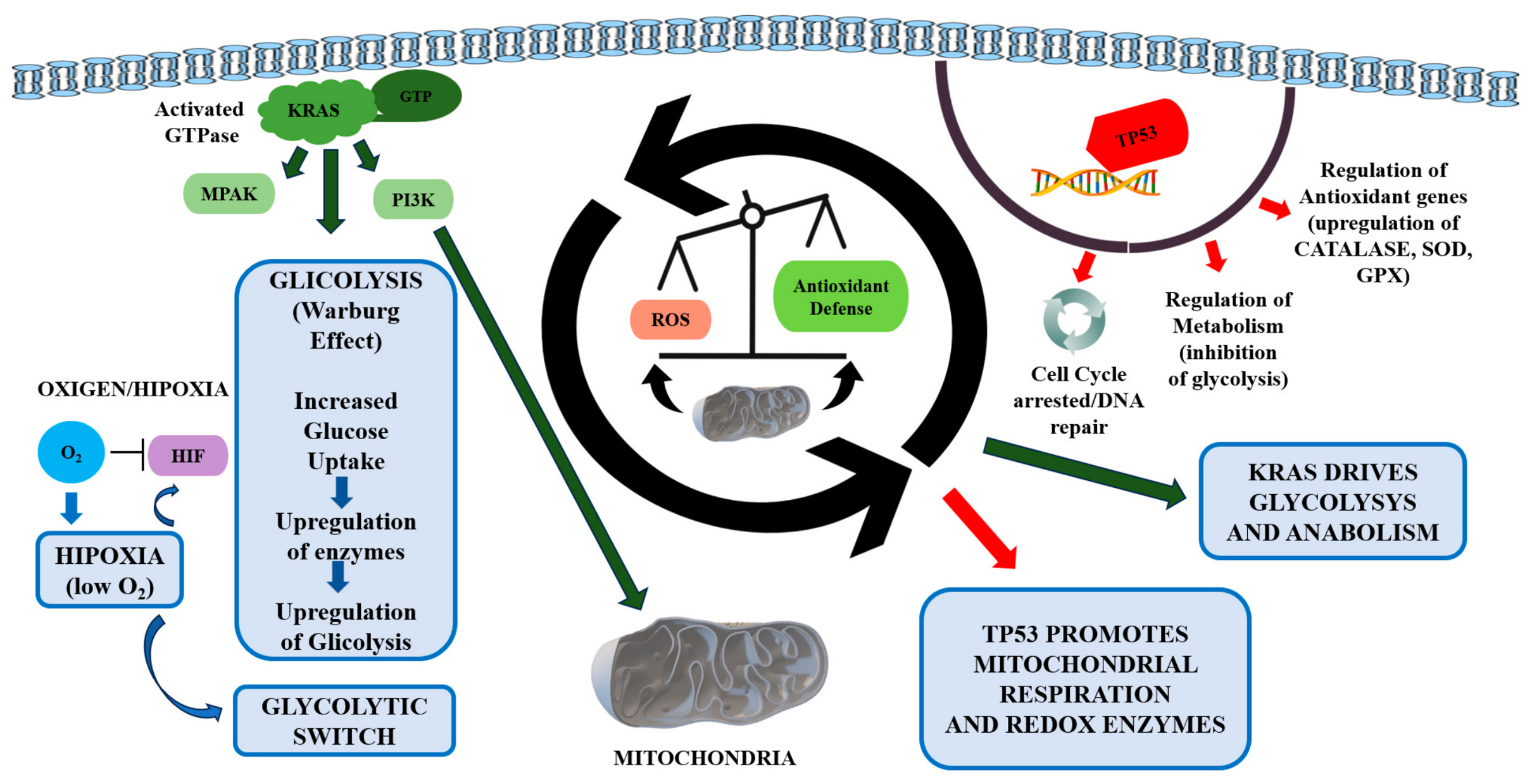


Disclaimer/Publisher’s Note: The statements, opinions and data contained in all publications are solely those of the individual author(s) and contributor(s) and not of MDPI and/or the editor(s). MDPI and/or the editor(s) disclaim responsibility for any injury to people or property resulting from any ideas, methods, instructions or products referred to in the content. |
© 2026 by the authors. Licensee MDPI, Basel, Switzerland. This article is an open access article distributed under the terms and conditions of the Creative Commons Attribution (CC BY) license.
Share and Cite
Fiorino, S.; Hong, W.; de Biase, D.; Mastrangelo, L.; Maccioni, F.; Grottesi, A.; Ambrosi, F.; Pincigher, L.; Lari, F.; Bergamini, C.; et al. Focus on the Interactive Cooperation Among Mechanotransduction and Biochemical Processes in Pancreatic Ductal Adenocarcinoma Development and Possible Adjuvant Role of Retinoic Acid for Its Treatment: A Narrative Review. Cancers 2026, 18, 1932. https://doi.org/10.3390/cancers18121932
Fiorino S, Hong W, de Biase D, Mastrangelo L, Maccioni F, Grottesi A, Ambrosi F, Pincigher L, Lari F, Bergamini C, et al. Focus on the Interactive Cooperation Among Mechanotransduction and Biochemical Processes in Pancreatic Ductal Adenocarcinoma Development and Possible Adjuvant Role of Retinoic Acid for Its Treatment: A Narrative Review. Cancers. 2026; 18(12):1932. https://doi.org/10.3390/cancers18121932
Chicago/Turabian StyleFiorino, Sirio, Wandong Hong, Dario de Biase, Laura Mastrangelo, Francesca Maccioni, Alfonso Grottesi, Francesca Ambrosi, Luca Pincigher, Federico Lari, Christian Bergamini, and et al. 2026. "Focus on the Interactive Cooperation Among Mechanotransduction and Biochemical Processes in Pancreatic Ductal Adenocarcinoma Development and Possible Adjuvant Role of Retinoic Acid for Its Treatment: A Narrative Review" Cancers 18, no. 12: 1932. https://doi.org/10.3390/cancers18121932
APA StyleFiorino, S., Hong, W., de Biase, D., Mastrangelo, L., Maccioni, F., Grottesi, A., Ambrosi, F., Pincigher, L., Lari, F., Bergamini, C., Jovine, E., & Zippi, M. (2026). Focus on the Interactive Cooperation Among Mechanotransduction and Biochemical Processes in Pancreatic Ductal Adenocarcinoma Development and Possible Adjuvant Role of Retinoic Acid for Its Treatment: A Narrative Review. Cancers, 18(12), 1932. https://doi.org/10.3390/cancers18121932