Addition of Phosphorous and IL6 to m-EASIX Score Improves Detection of ICANS and CRS, as Well as CRS Progression



1
Department of Medicine, University of Arizona, Tucson, AZ 85724, USA
2
Department of Hematology and Oncology, University of Arizona Cancer Center, Tucson, AZ 85719, USA
3
Departments of Immunobiology, Medicine, and Pathology, University of Arizona, Tucson, AZ 85724, USA
4
Department of Pediatrics, University of Arizona, Tucson, AZ 85724, USA
*
Author to whom correspondence should be addressed.
Cancers 2025, 17(6), 918; https://doi.org/10.3390/cancers17060918
Submission received: 22 January 2025
/
Revised: 27 February 2025
/
Accepted: 5 March 2025
/
Published: 7 March 2025
(This article belongs to the Special Issue CAR T Cells in Lymphoma and Multiple Myeloma)
Simple Summary
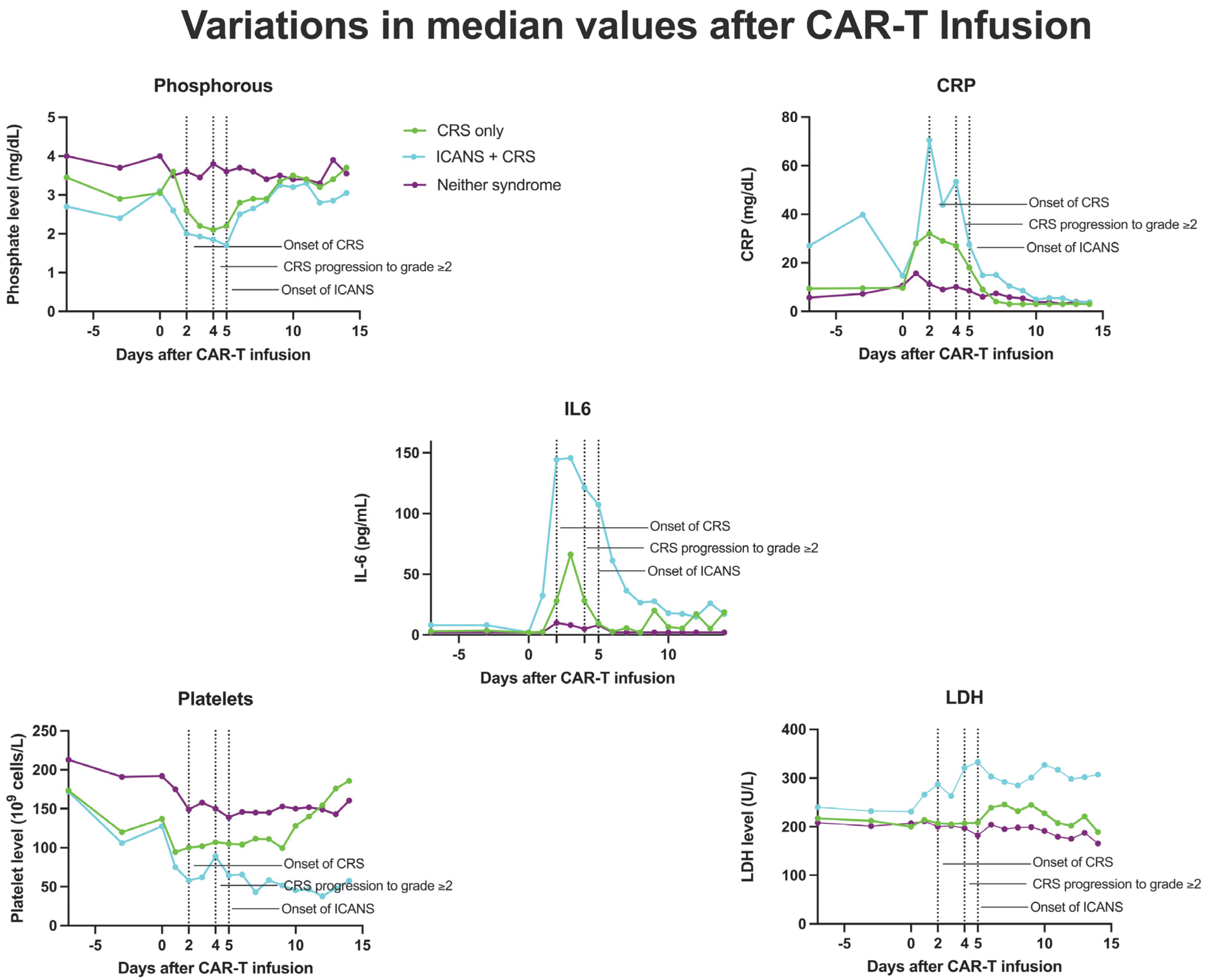
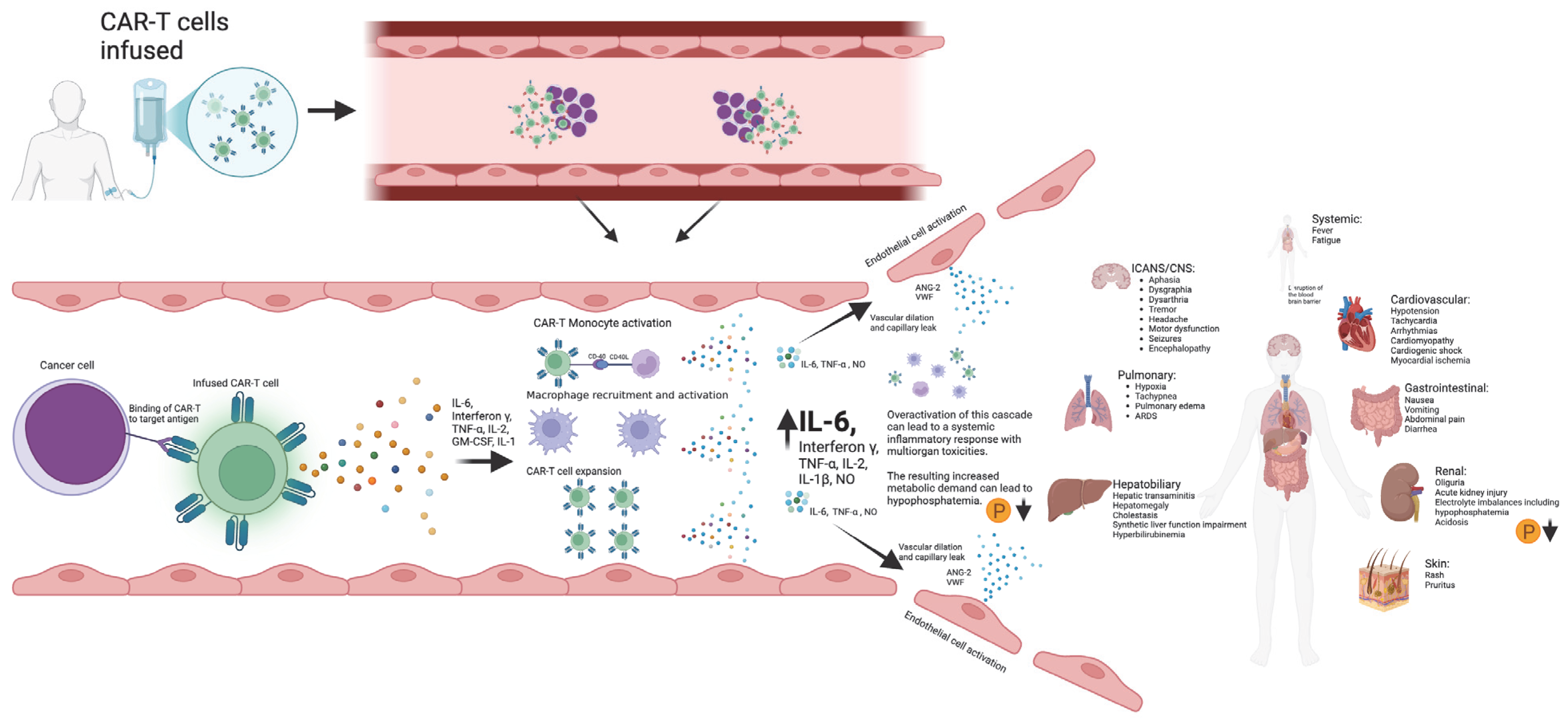
CAR-T therapy has revolutionized the treatment of B-cell malignancies. However, its increasing use has been accompanied by a rise in CAR-T-related toxicities and associated morbidity. Currently, no widely adopted clinical prediction models exist for identifying patients at risk for these toxicities. Early prediction could enable timely interventions to mitigate adverse effects. Phosphorus, an inexpensive and routinely measured lab value, has recently been shown to decline before the onset of CAR-T toxicity. Additionally, interleukins such as IL-6, though less commonly included in routine lab monitoring, have also been linked to CAR-T-related toxicity. This study builds upon existing predictive models of CAR-T toxicities by incorporating these biomarkers to enhance early detection and intervention, ultimately aiming to reduce CAR-T-associated morbidity.
Abstract
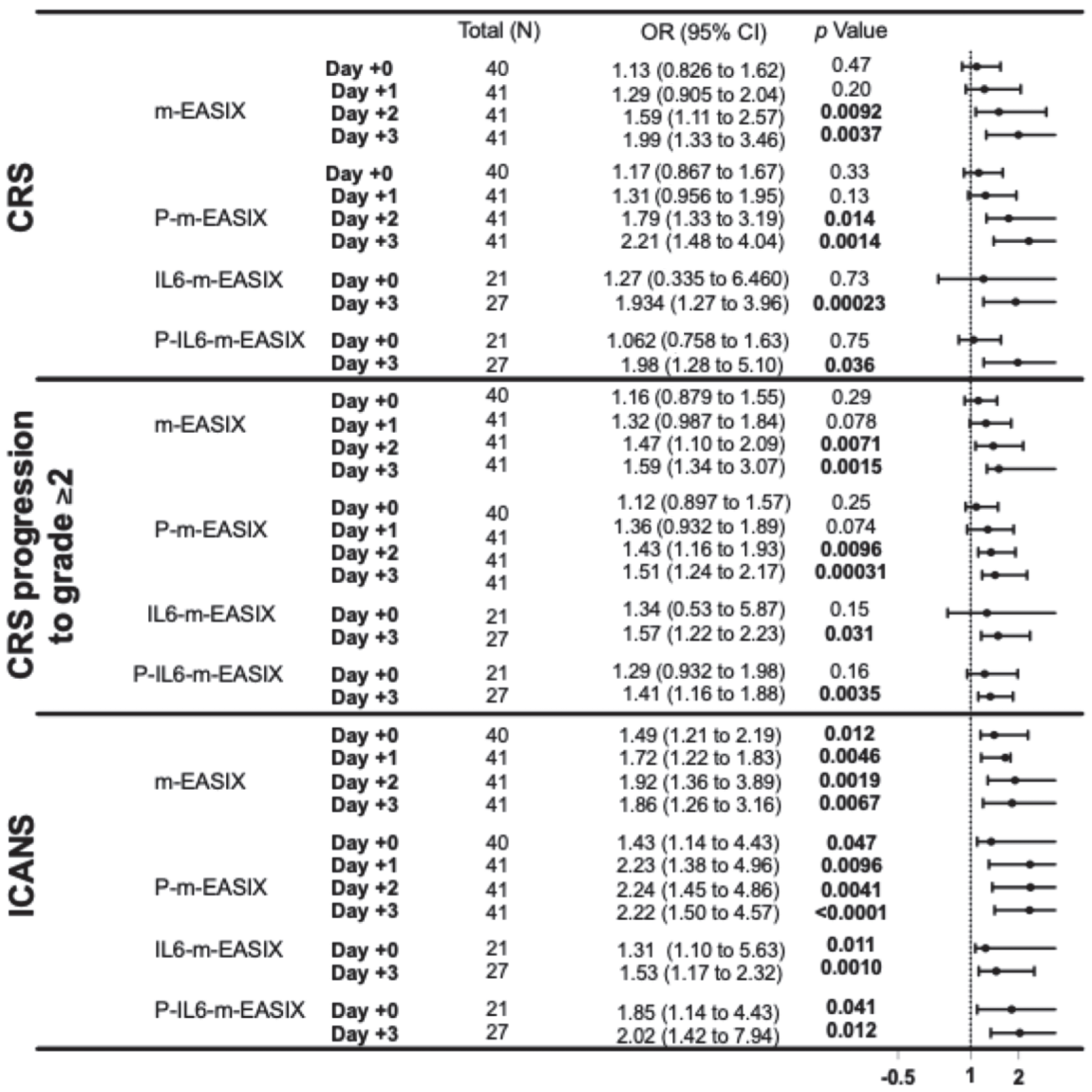
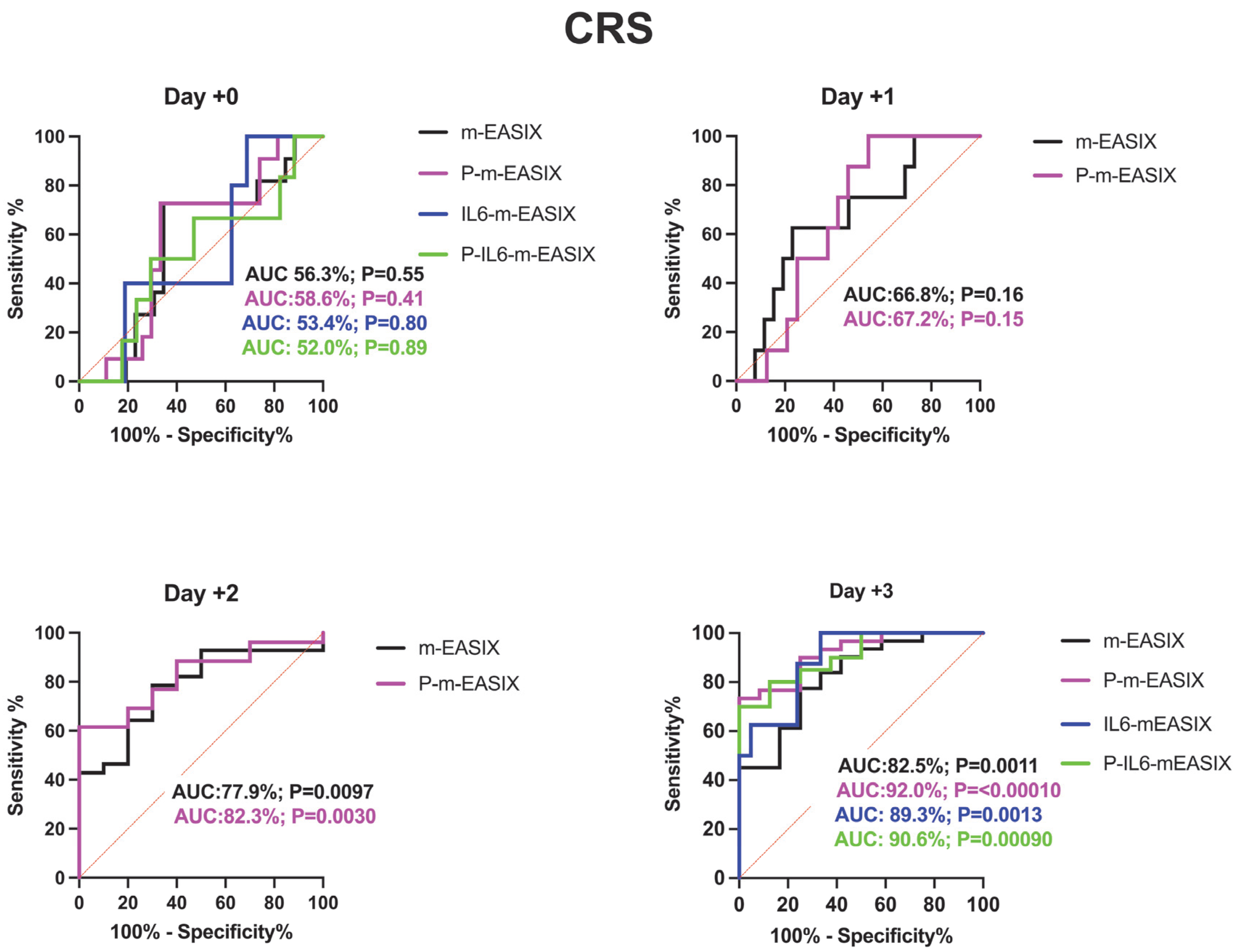
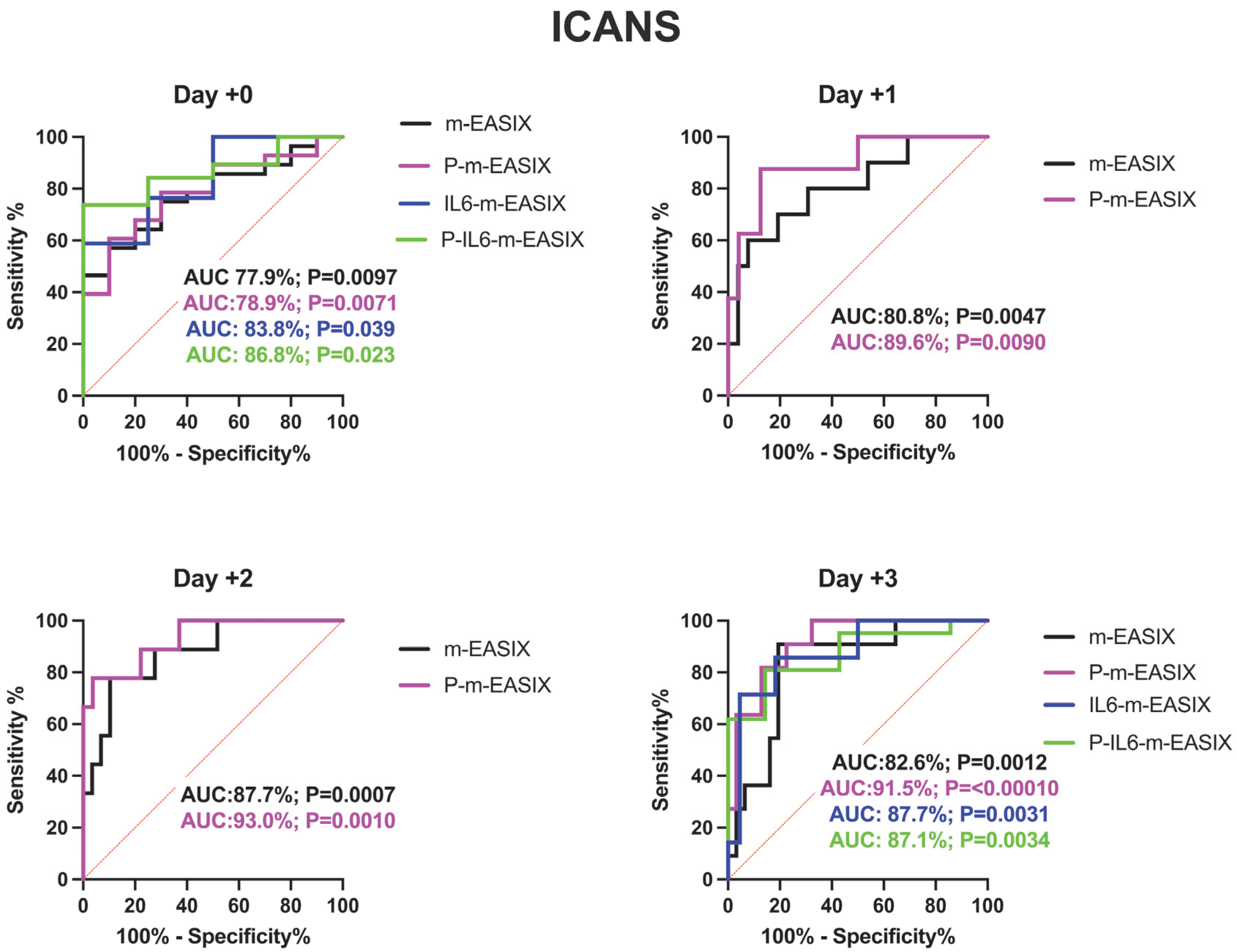
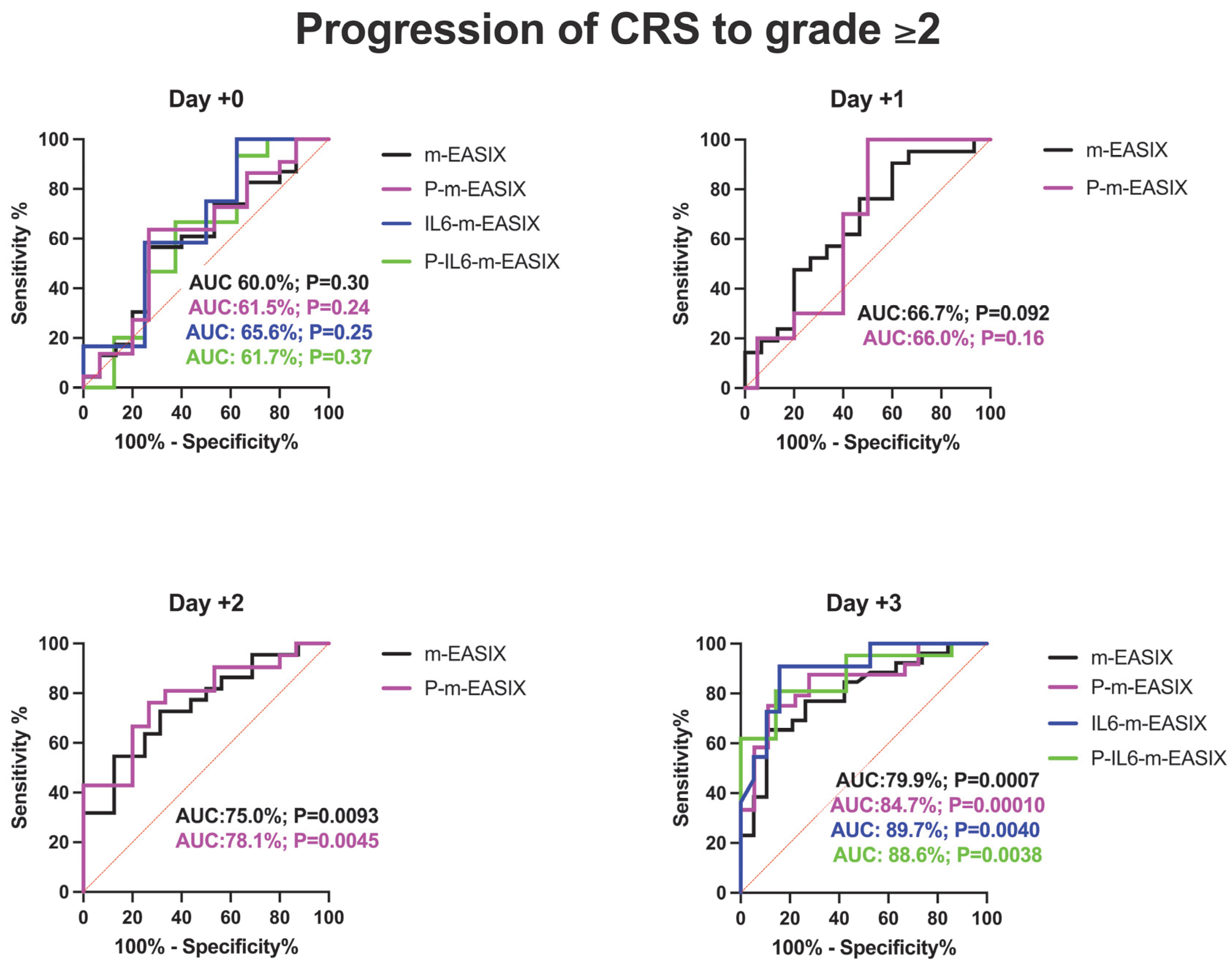
Introduction: Cytokine release syndrome (CRS) and immune cell-associated neurotoxicity syndrome (ICANS) are both serious complications of CAR-T therapy associated with endothelial dysfunction, prompting prior use of a modified version of the endothelial activation and stress index (m-EASIX) to predict the occurrence of severe ICANS and CRS. Previous studies have linked both hypophosphatemia and elevated IL6 levels to CRS and ICANS. Our study aimed to enhance the early prediction of both syndromes by integrating phosphorous and IL-6 both together and separately into the m-EASIX score. Methods: Forty-two patients with non-Hodgkin’s lymphoma presenting for CAR-T treatment were used to generate three variations in the m-EASIX score, assessing performance for the clinically actionable time points of day +0 through day +3. Results: The addition of phosphorous through the P-m-EASIX improved the predictive capabilities for the occurrence of ICANS, most notably on day +1 (AUC 89.6%; p = 0.0090, OR of 2.23; p = 0.0096) compared to the m-EASIX (AUC 80.8%; p = 0.0047, OR 1.72; p = 0.0046). The P-m-EASIX also showed enhanced predictive capabilities for the occurrence of CRS, with peak discriminatory function on day +3 (AUC 92.0%; p = <0.0001, OR 2.21; p = 0.0014). The addition of IL6 in the IL6-m-EASIX showed the highest discriminatory capacity for the prediction of CRS progression to grade ≥ 2 with peak function on day +3 (AUC 89.7%; p = 0.0040, OR 1.57; p = 0.031). Conclusions: Incorporating phosphorus levels into the m-EASIX score offered a cost-effective and straightforward method to improve the prediction of CAR-T toxicities. Larger-scale studies assessing the effectiveness of including phosphorus and IL-6 in the m-EASIX score to mitigate complications associated with CAR-T therapy are warranted.