Transduction Efficiency of Zika Virus E Protein Pseudotyped HIV-1gfp and Its Oncolytic Activity Tested in Primary Glioblastoma Cell Cultures
by
 , , ,
, , ,
Jan Patrick Formanski
1,
Hai Dang Ngo
1,
Vivien Grunwald
1,
Celine Pöhlking
1,
Jana Sue Jonas
1,
Dominik Wohlers
1,
Birco Schwalbe
2 and
Michael Schreiber
1,* 1
Department of Virology, LG Schreiber, Bernhard Nocht Institute for Tropical Medicine, 20359 Hamburg, Germany
2
Department of Neurosurgery, Asklepios Klinik Nord, Standort Heidberg, 22417 Hamburg, Germany
*
Author to whom correspondence should be addressed.
Cancers 2024, 16(4), 814; https://doi.org/10.3390/cancers16040814
Submission received: 11 January 2024
/
Revised: 12 February 2024
/
Accepted: 15 February 2024
/
Published: 17 February 2024
(This article belongs to the Special Issue Feature Papers in Section "Methods and Technologies Development")
Simple Summary
Cells from the malignant brain tumor, glioblastoma multiforme (GBM) are highly heterogeneous. After tumor removal, some tumor cells remain at the tumor-brain boundary since in the brain, surgery cannot be performed with the normally required safety margin. Thus, it is of upmost importance to develop tools able to destroy remaining tumor cells. One strategy is to develop lentiviral vectors (LVs) with high specificity for GBM cells to transfer therapeutic genes into these cells. The Zika virus (ZIKV) provides an envelope with the protein E, which has a high specificity for GBM cells, making it a prime candidate for the development of LVs; so-called ZIKV protein E coated lentiviral particles. The study demonstrates that such LVs have an efficiency and high specificity for GBM tumor cells, leaving healthy cells mostly unharmed. These LVs open up new perspectives and therapeutic options for combating tumor cells that cannot be removed through surgery.
Abstract
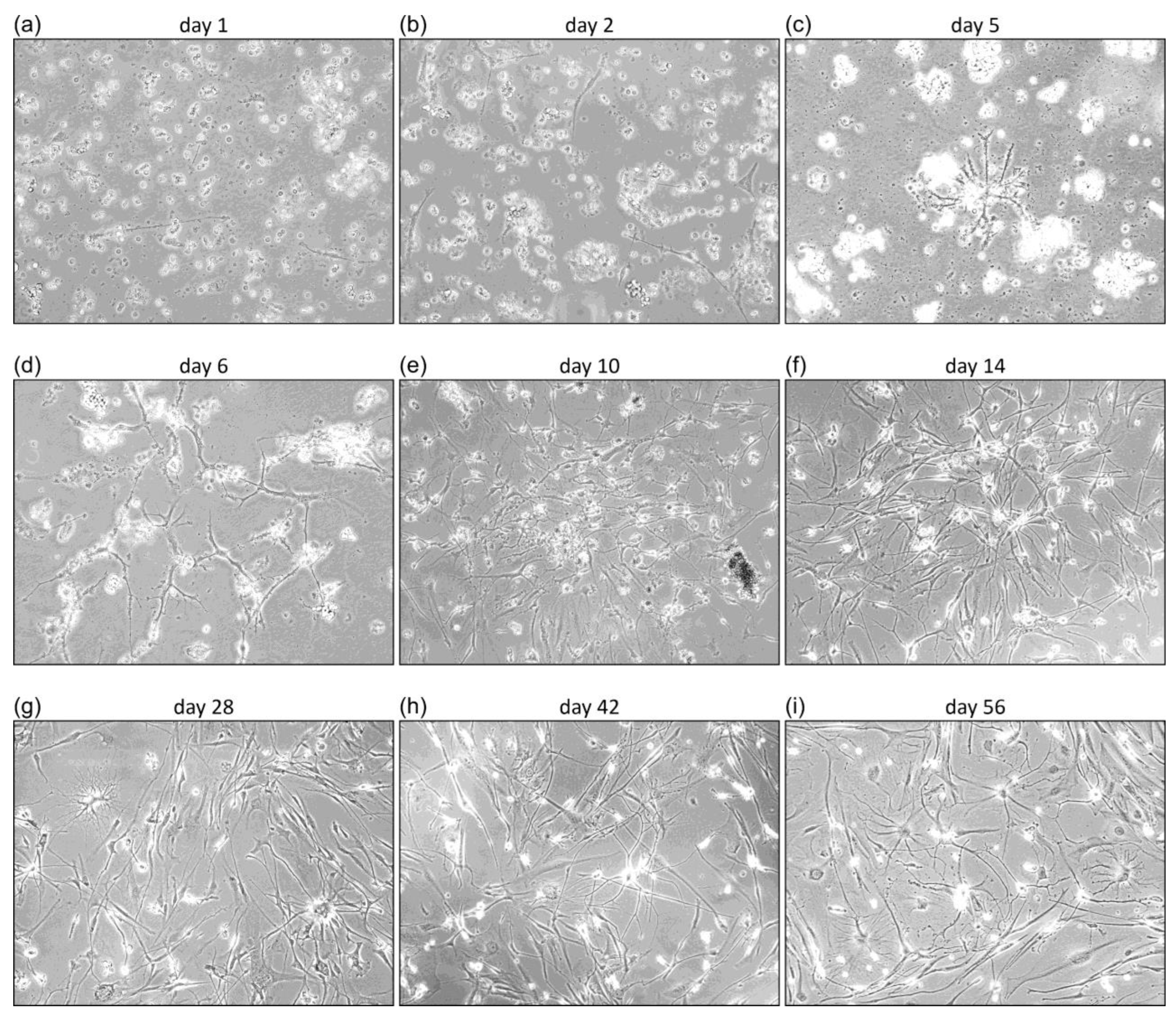
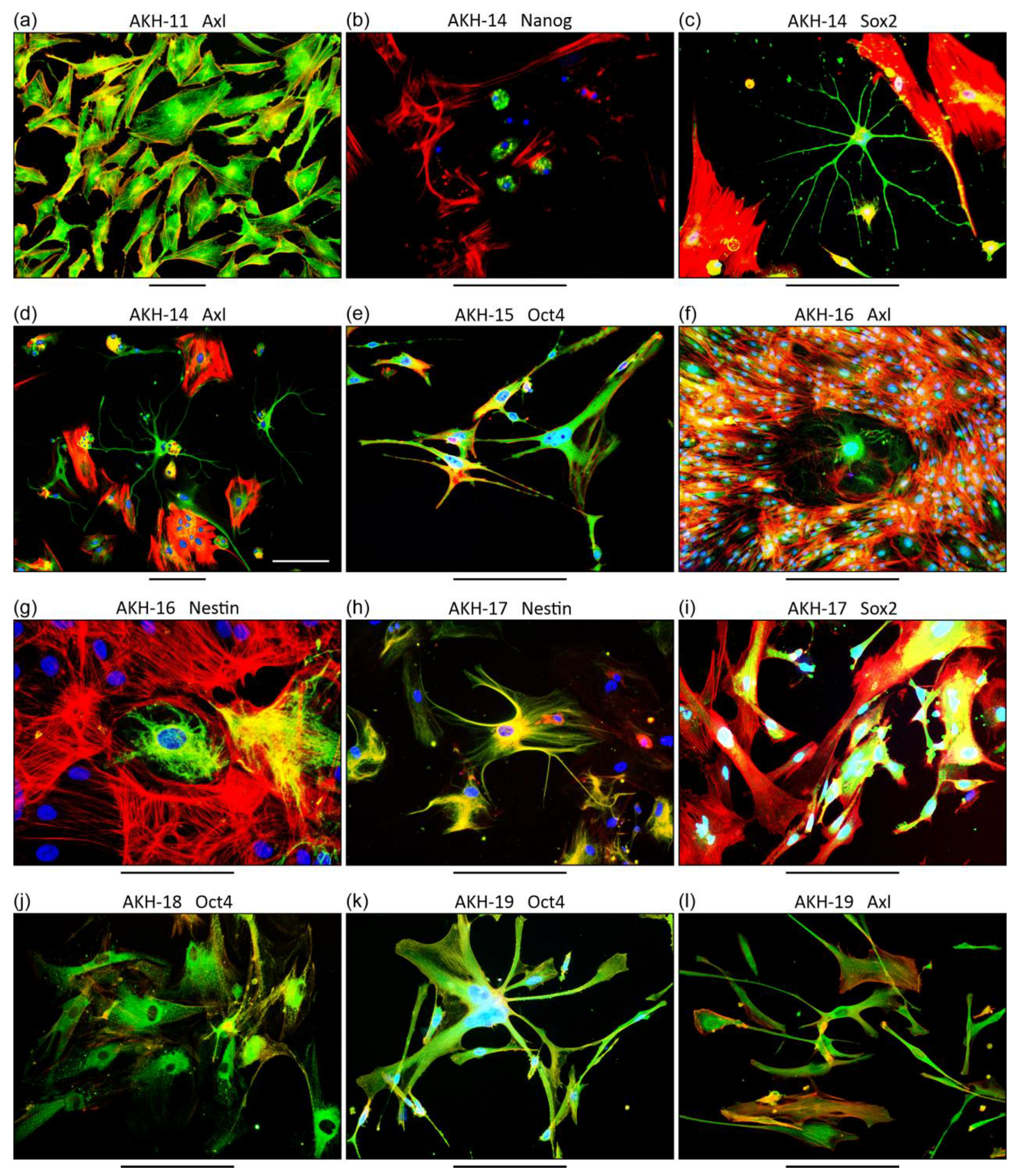
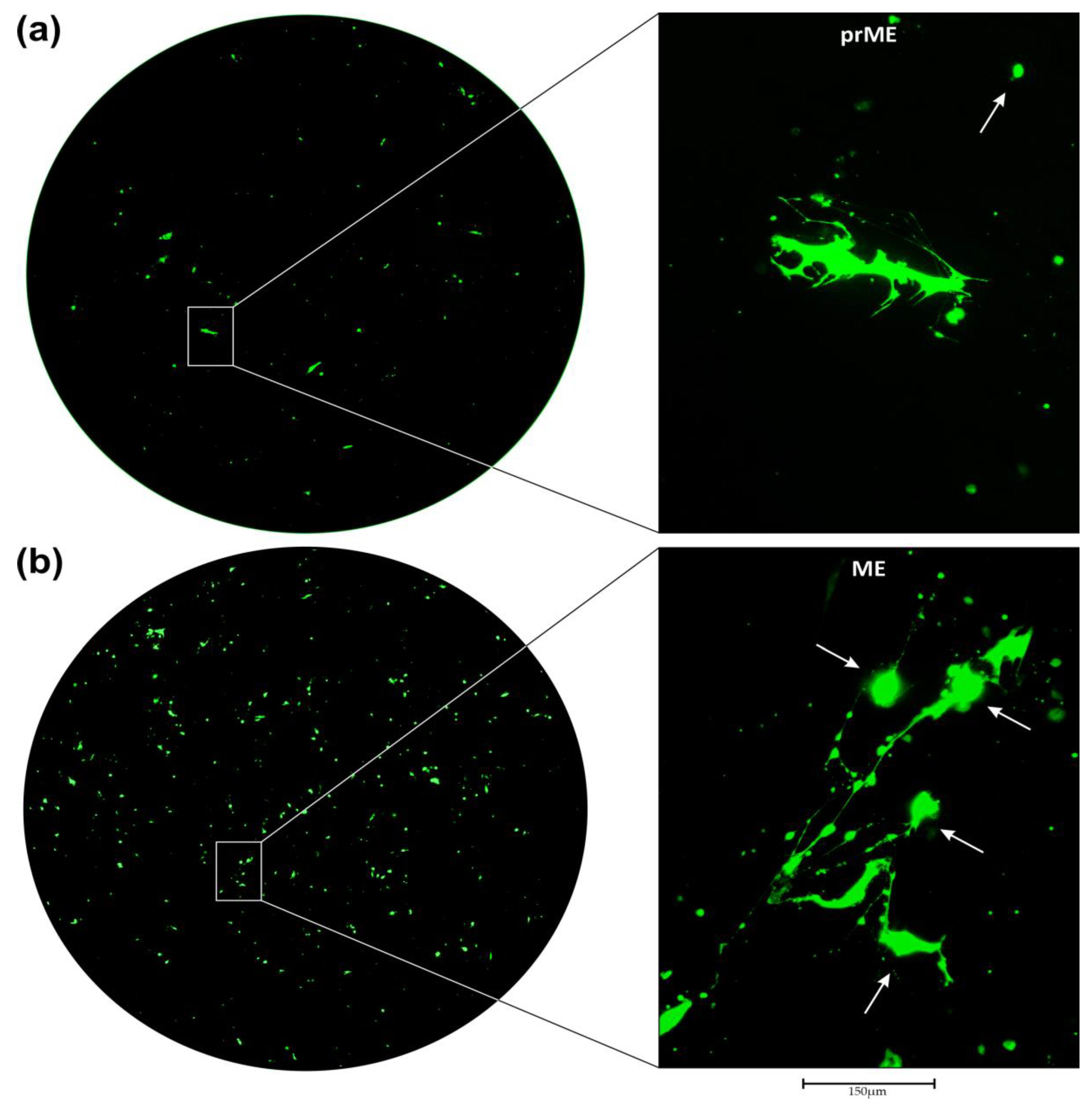
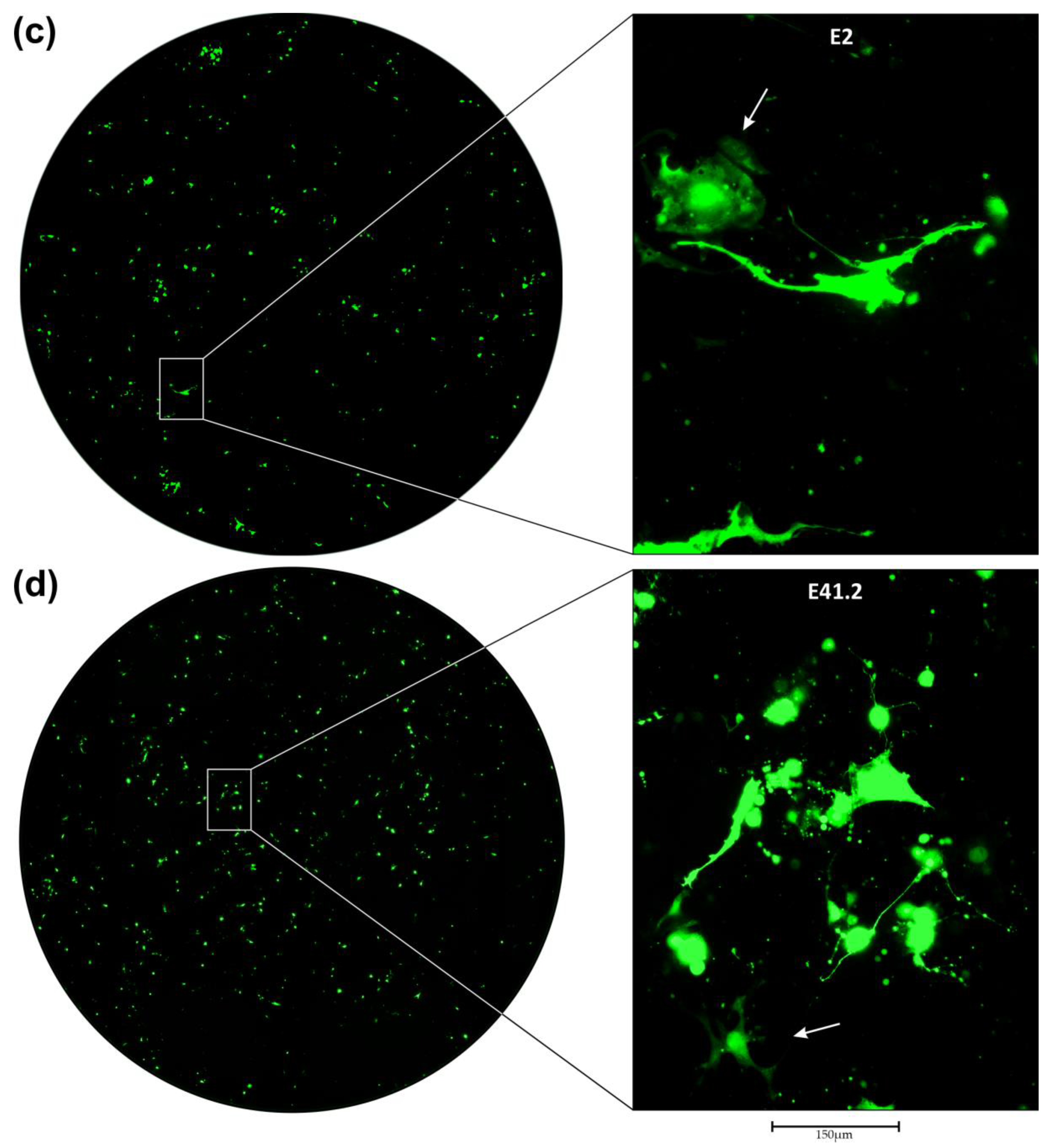
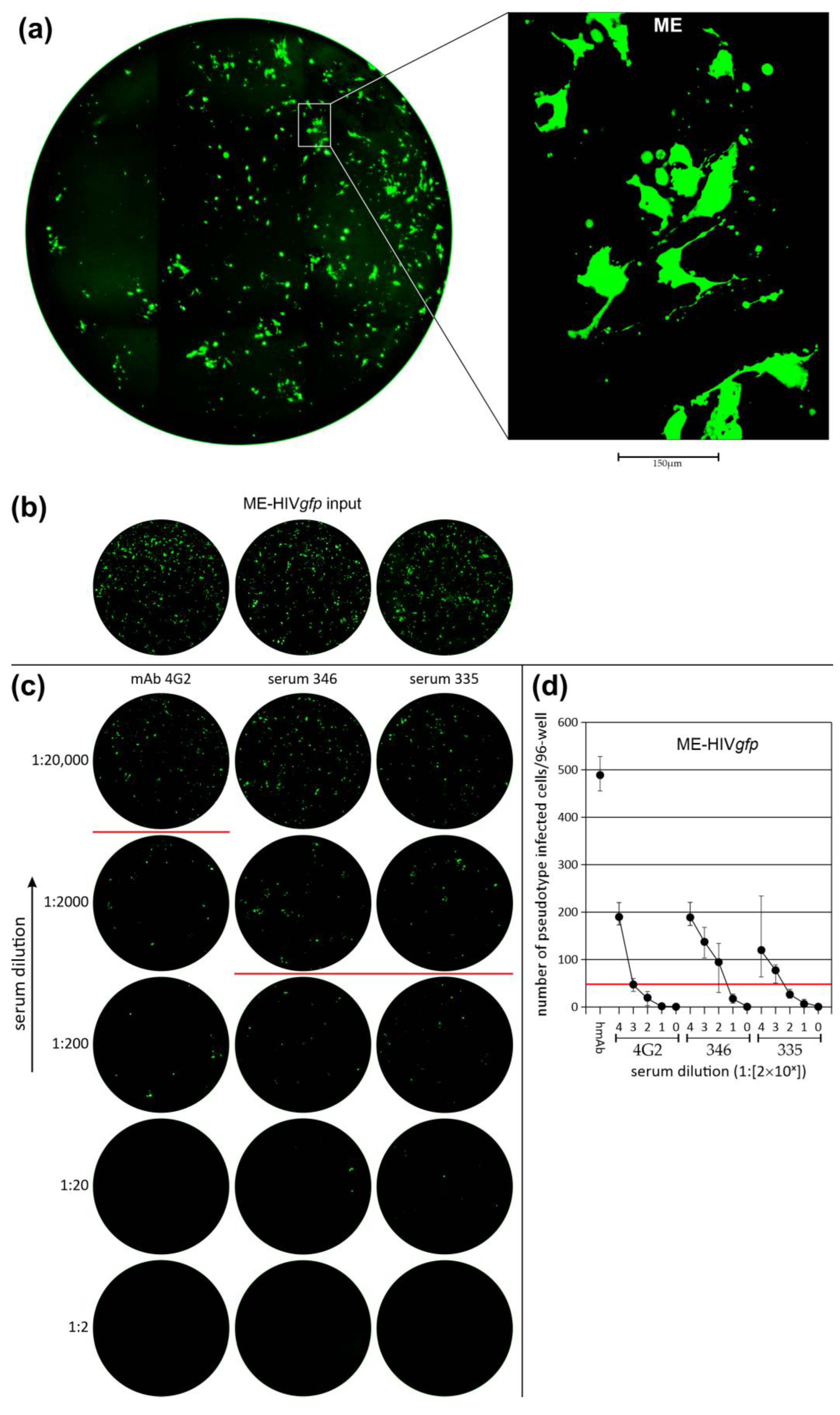
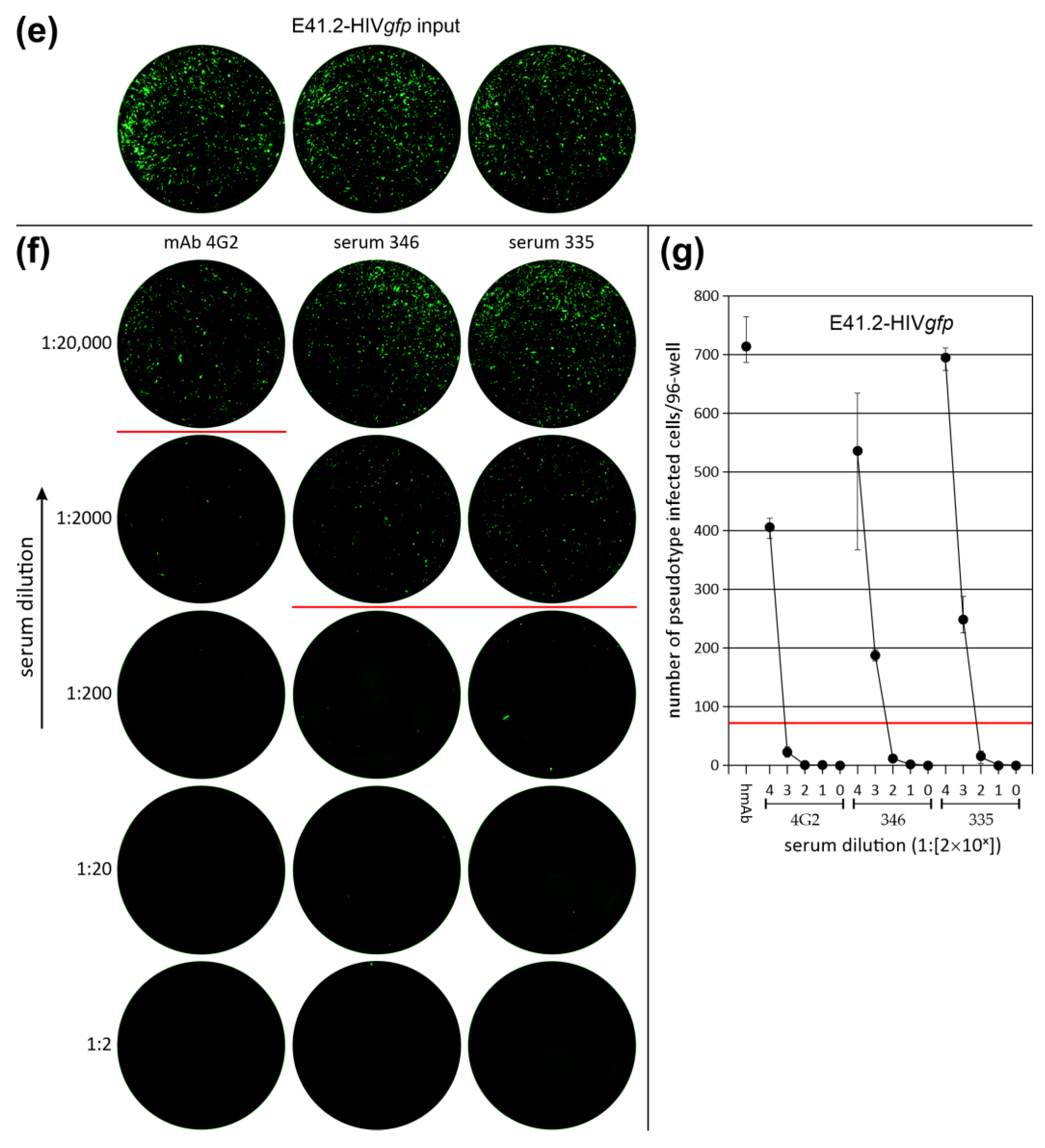
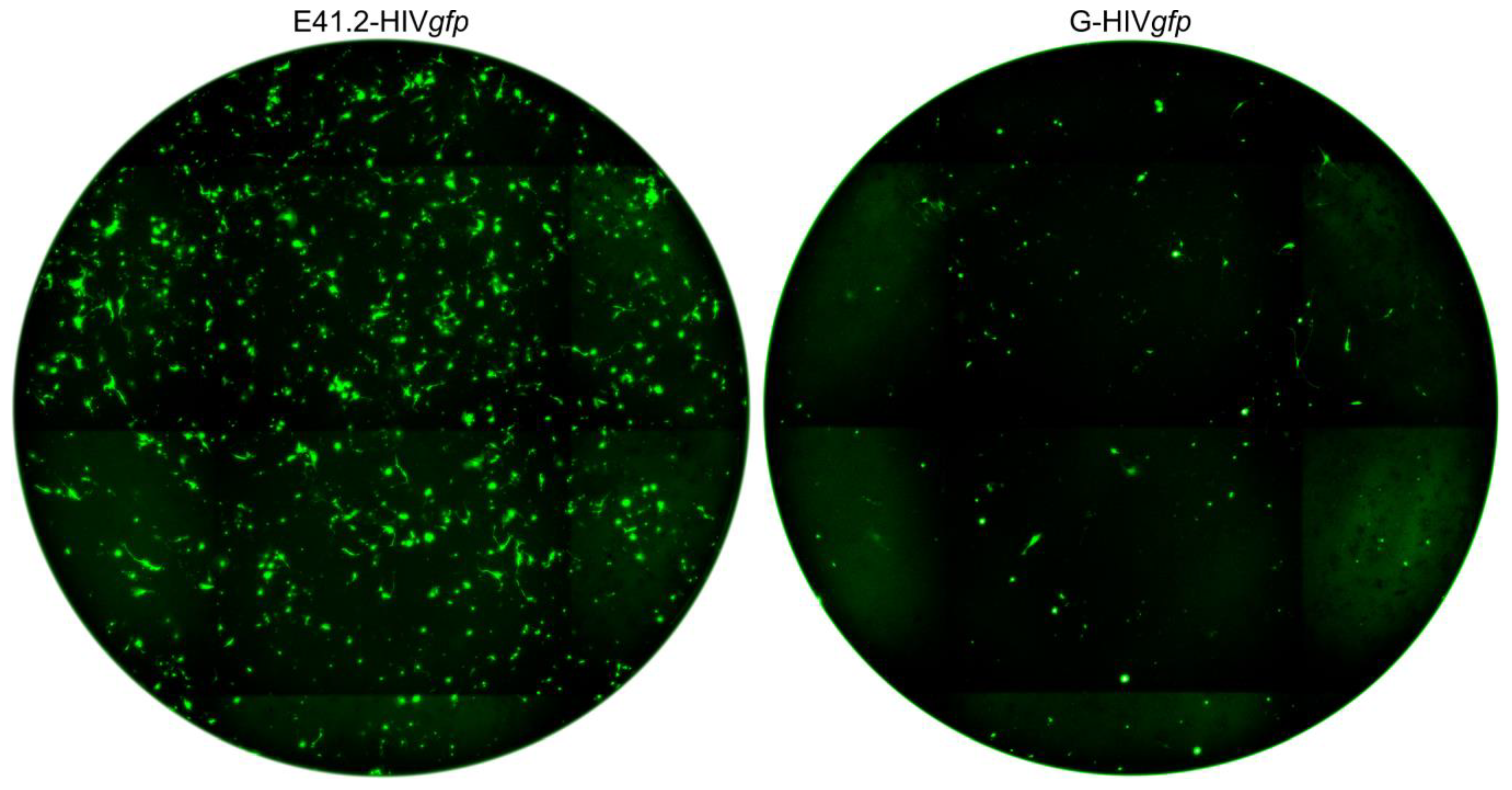
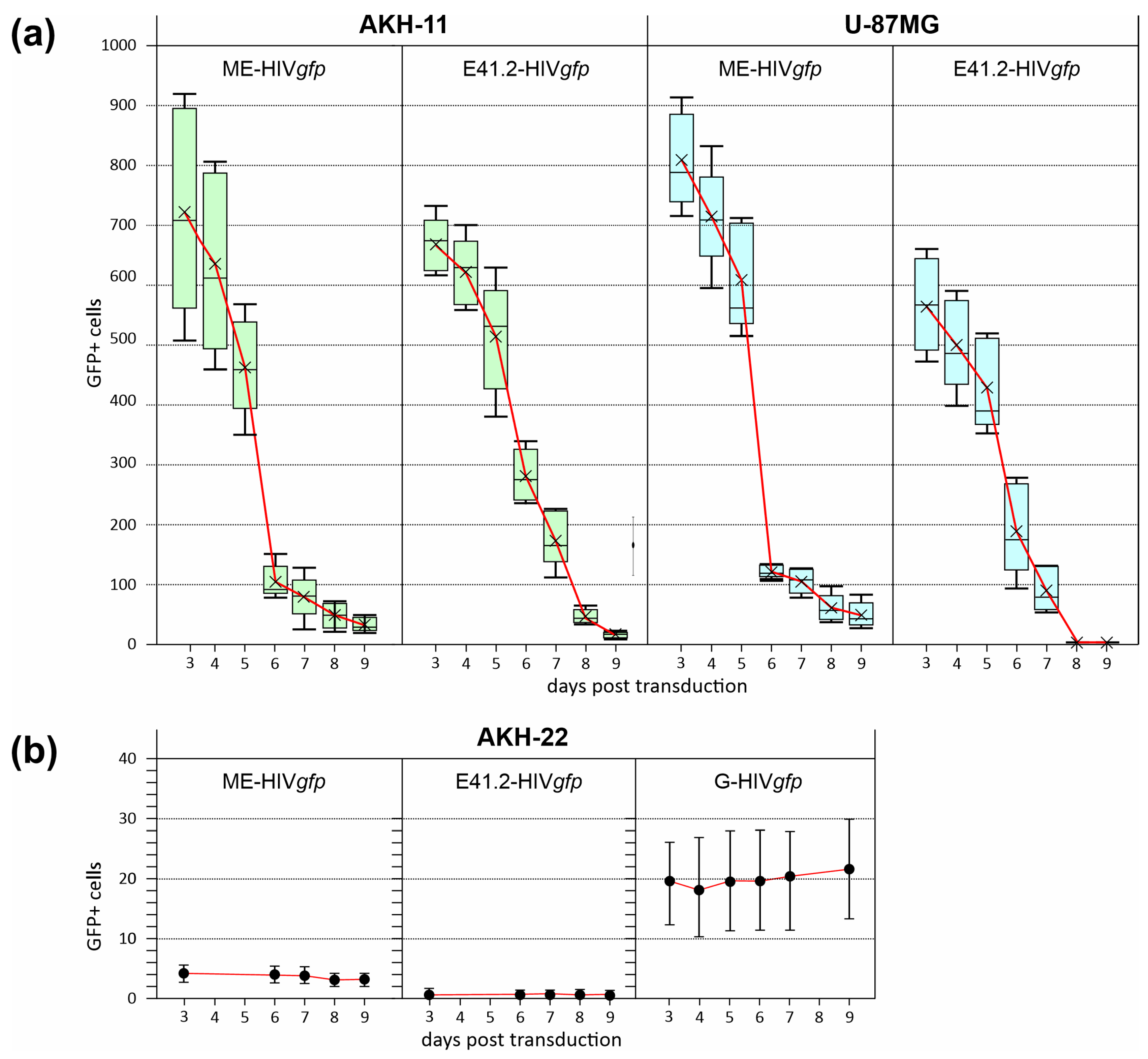
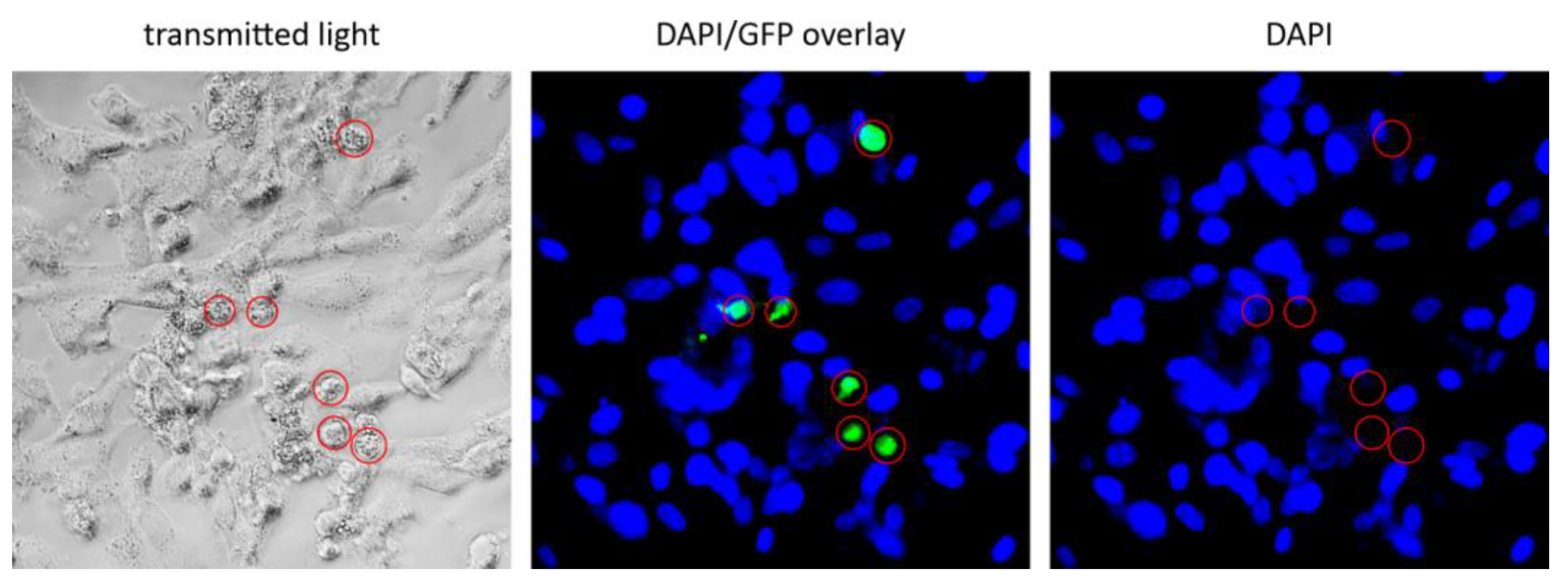
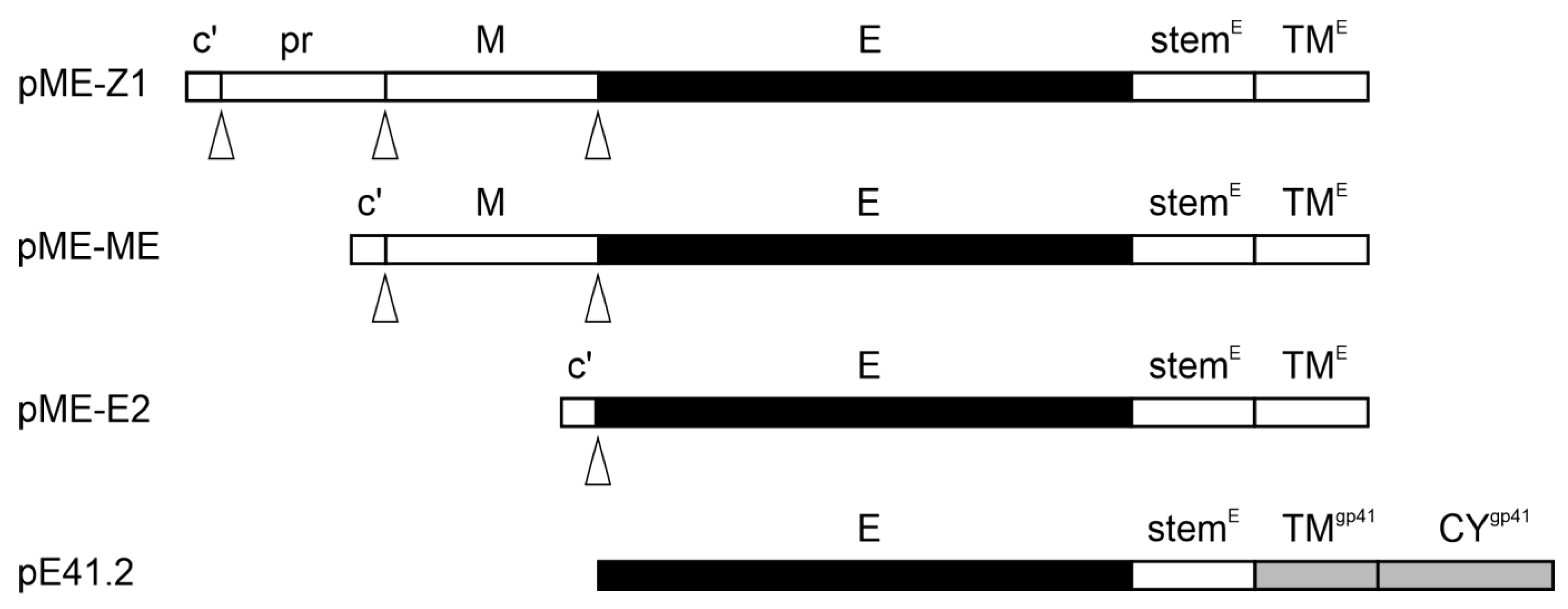
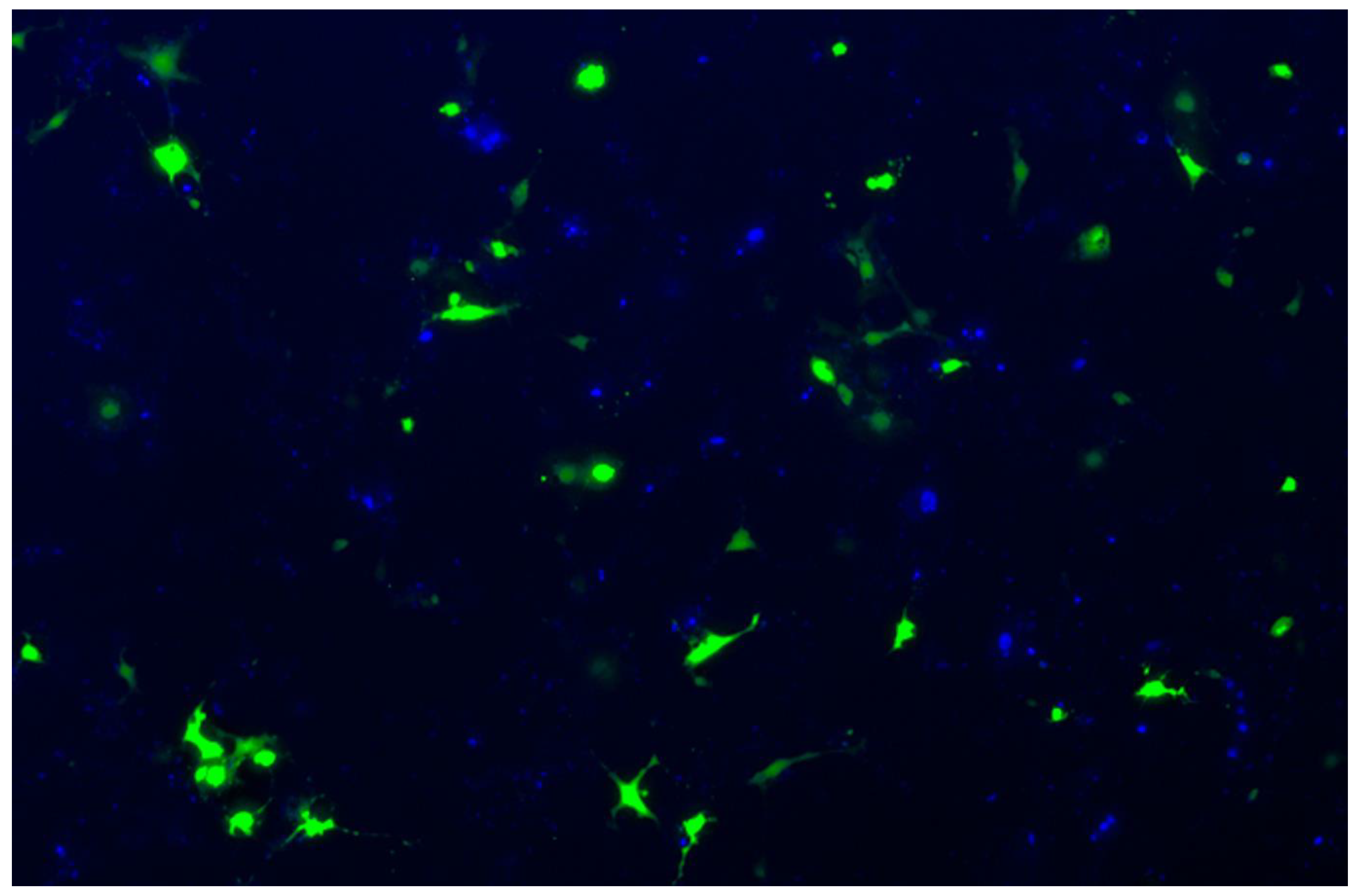
The development of new tools against glioblastoma multiforme (GBM), the most aggressive and common cancer originating in the brain, remains of utmost importance. Lentiviral vectors (LVs) are among the tools of future concepts, and pseudotyping offers the possibility of tailoring LVs to efficiently transduce and inactivate GBM tumor cells. Zika virus (ZIKV) has a specificity for GBM cells, leaving healthy brain cells unharmed, which makes it a prime candidate for the development of LVs with a ZIKV coat. Here, primary GBM cell cultures were transduced with different LVs encased with ZIKV envelope variants. LVs were generated by using the pNLgfpAM plasmid, which produces the lentiviral, HIV-1-based, core particle with GFP (green fluorescent protein) as a reporter (HIVgfp). Using five different GBM primary cell cultures and three laboratory-adapted GBM cell lines, we showed that ZIKV/HIVgfp achieved a 4–6 times higher transduction efficiency compared to the commonly used VSV/HIVgfp. Transduced GBM cell cultures were monitored over a period of 9 days to identify GFP+ cells to study the oncolytic effect due to ZIKV/HIVgfp entry. Tests of GBM tumor specificity by transduction of GBM tumor and normal brain cells showed a high specificity for GBM cells.