Repurposing Atovaquone as a Therapeutic against Acute Myeloid Leukemia (AML): Combination with Conventional Chemotherapy Is Feasible and Well Tolerated
by
 , ,
, ,
Alexandra McLean Stevens
1,*, 
Eric S. Schafer
1,
Minhua Li
2,
Maci Terrell
1,
Raushan Rashid
1,
Hana Paek
3,
Melanie B. Bernhardt
1,
Allison Weisnicht
4,
Wesley T. Smith
1,
Noah J. Keogh
1,
Michelle C. Alozie
1,
Hailey H. Oviedo
1,
Alan K. Gonzalez
1,
Tamilini Ilangovan
1,
Alicia Mangubat-Medina
5,
Haopei Wang
5,
Eunji Jo
6,
Cara A. Rabik
7,
Claire Bocchini
8,
Susan Hilsenbeck
6,
Zachary T. Ball
5,
Todd M. Cooper
9 and
Michele S. Redell
1add
Show full author list
1
Department of Pediatric Hematology/Oncology, Texas Children’s Cancer Center, Baylor College of Medicine, Houston, TX 77030, USA
2
Development, Disease Models & Therapeutics Graduate Program, Baylor College of Medicine, Houston, TX 77030, USA
3
Department of Pharmacy, Texas Children’s Hospital, Baylor College of Medicine, Houston, TX 77030, USA
4
Department of Pediatrics, Baylor College of Medicine, Houston, TX 77030, USA
5
Department of Chemistry, Rice University, Houston, TX 77005, USA
6
Duncan Comprehensive Cancer Center, Baylor College of Medicine, Houston, TX 77030, USA
7
The Sidney Kimmel Comprehensive Cancer Center, Johns Hopkins University School of Medicine, Baltimore, MD 21231, USA
8
Department of Pediatric Infectious Diseases, Baylor College of Medicine, Houston, TX 77030, USA
9
Cancer and Blood Disorders Center, Seattle Children’s Hospital, Seattle, WA 98105, USA
*
Author to whom correspondence should be addressed.
Cancers 2023, 15(4), 1344; https://doi.org/10.3390/cancers15041344
Submission received: 19 January 2023
/
Revised: 15 February 2023
/
Accepted: 15 February 2023
/
Published: 20 February 2023
(This article belongs to the Special Issue Advances in Pediatric Acute Myeloid Leukemia)
Simple Summary
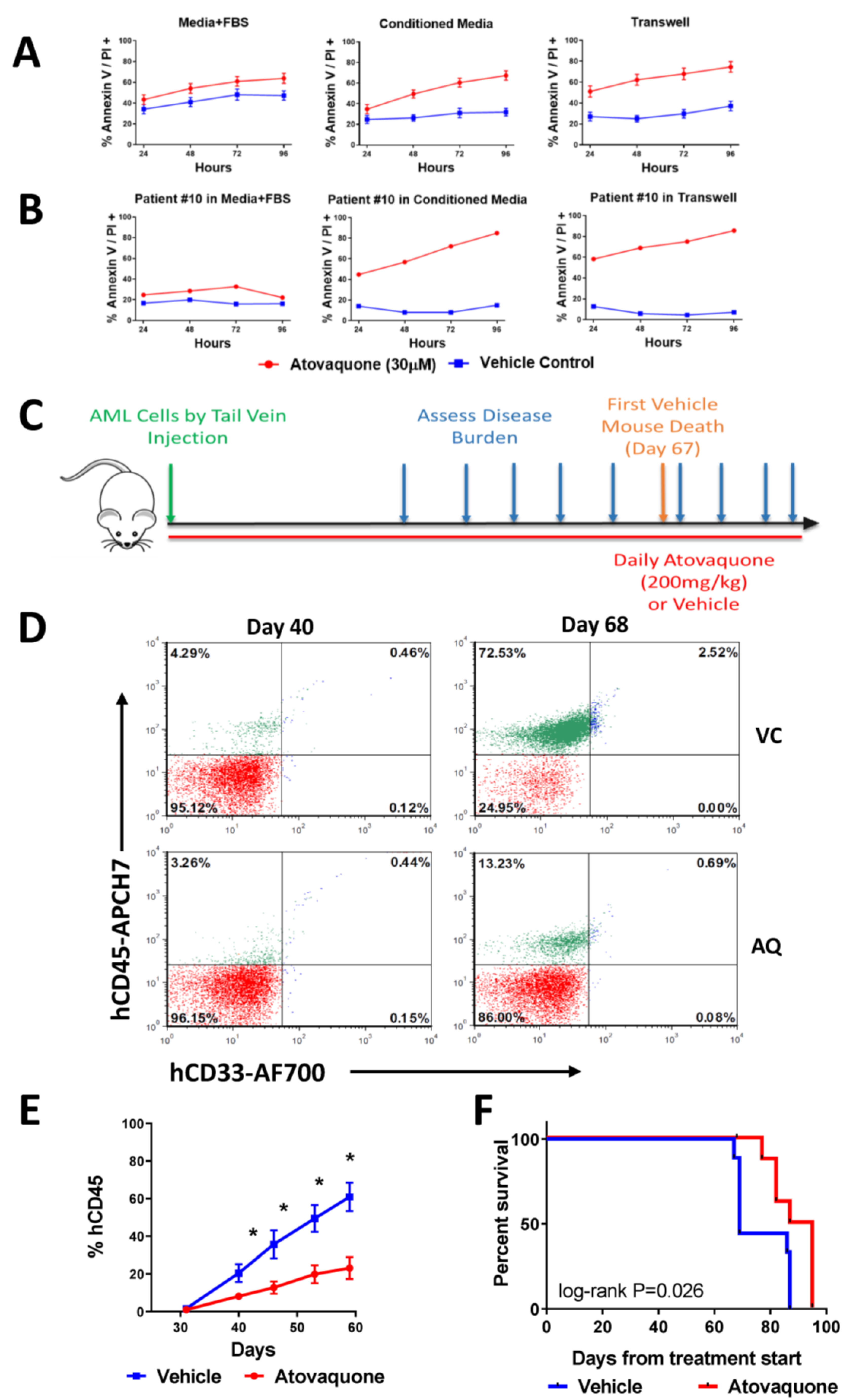
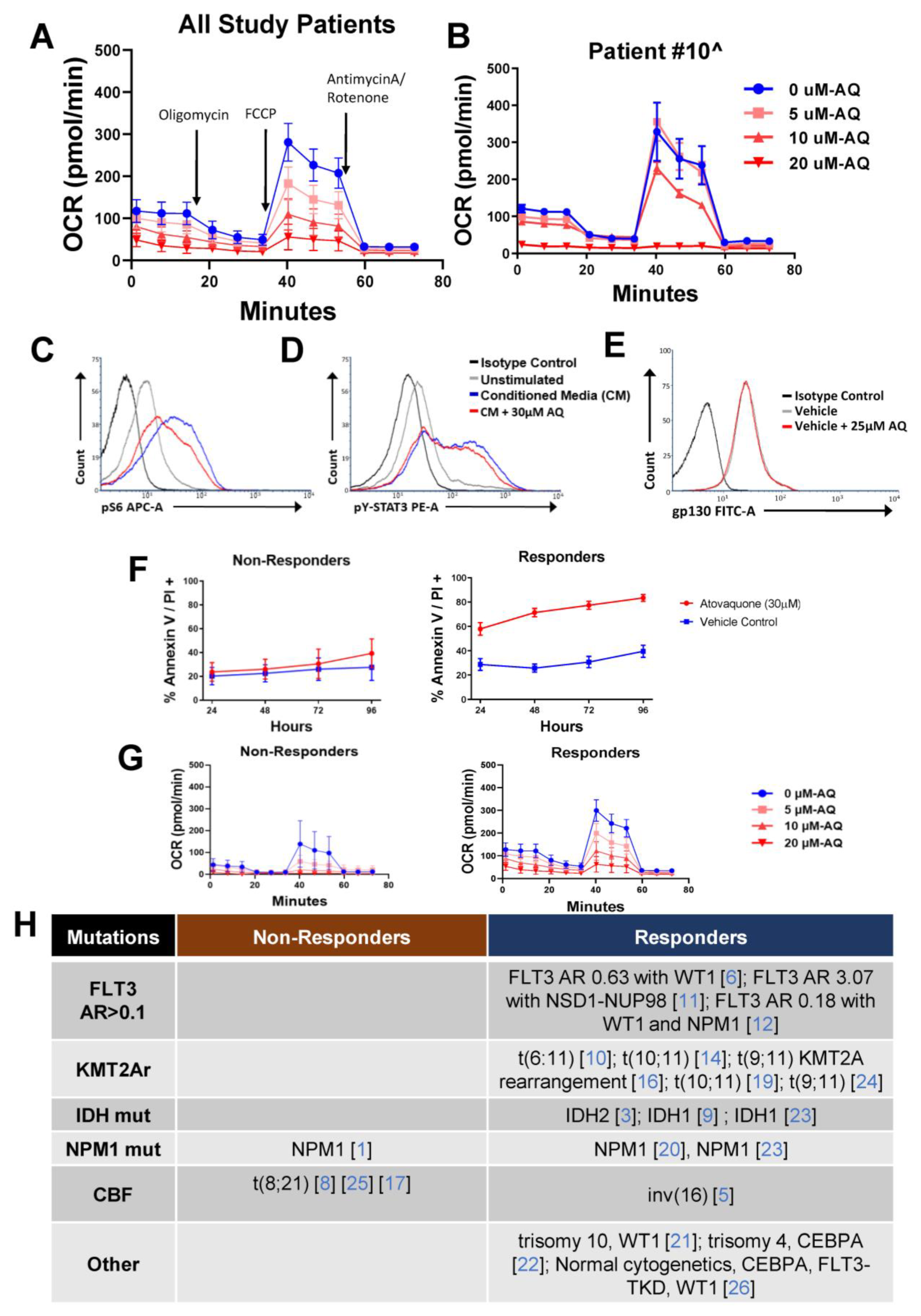
Novel well-tolerated agents are urgently needed to improve outcomes for children with acute myeloid leukemia. Atovaquone is an anti-infective agent which can be used to prevent and treat a type of pneumonia that all children with acute myeloid leukemia require prophylaxis against. In addition, atovaquone has been shown to have anti-leukemic effects. In the clinical trial described here, atovaquone is tolerated well during intensive chemotherapy with no attributable adverse events. However, perhaps due to side effects from intensive chemotherapy, plasma concentrations of atovaquone were lower than expected. Thus, for patients getting intensive leukemia-directed therapy, atovaquone plasma concentrations should be followed. Additionally, embedded correlative biology studies demonstrated that atovaquone produced anti-leukemia effects in patient samples in vitro and in patient-derived xenograft models. Our results support further study of atovaquone and other agents that target the dysregulated metabolism of acute myeloid leukemia cells.
Abstract
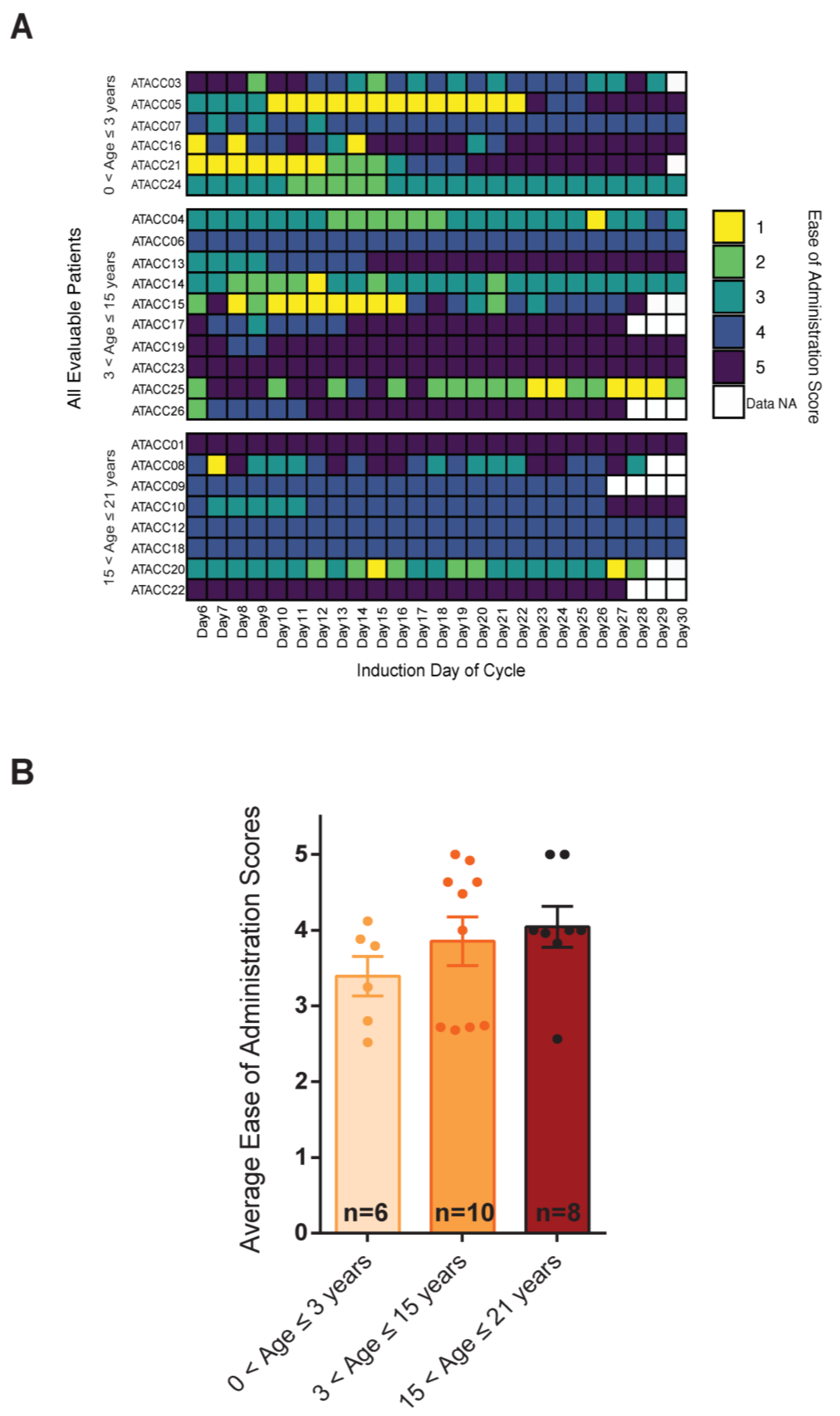
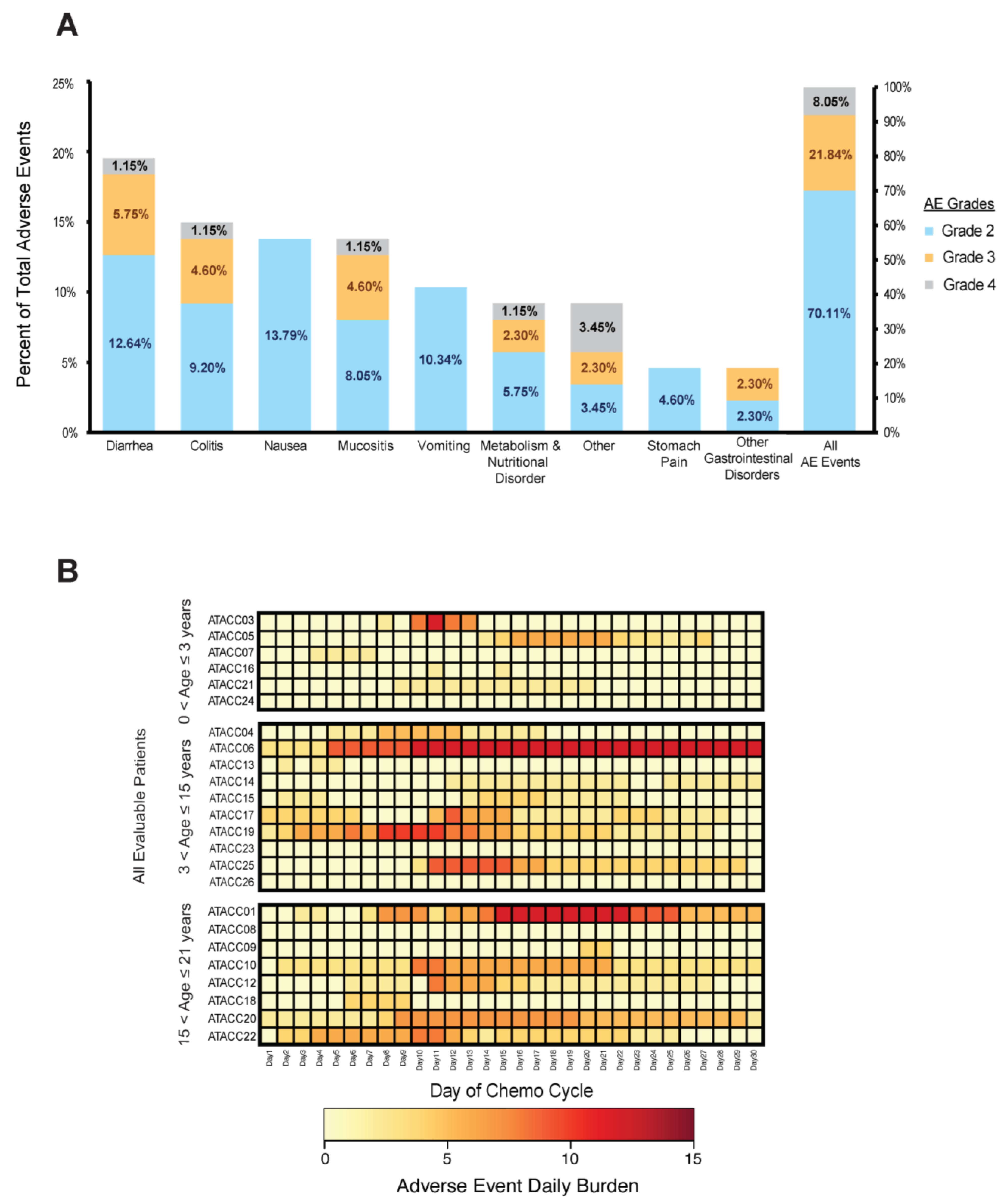
Survival of pediatric AML remains poor despite maximized myelosuppressive therapy. The pneumocystis jiroveci pneumonia (PJP)-treating medication atovaquone (AQ) suppresses oxidative phosphorylation (OXPHOS) and reduces AML burden in patient-derived xenograft (PDX) mouse models, making it an ideal concomitant AML therapy. Poor palatability and limited product formulations have historically limited routine use of AQ in pediatric AML patients. Patients with de novo AML were enrolled at two hospitals. Daily AQ at established PJP dosing was combined with standard AML therapy, based on the Medical Research Council backbone. AQ compliance, adverse events (AEs), ease of administration score (scale: 1 (very difficult)-5 (very easy)) and blood/marrow pharmacokinetics (PK) were collected during Induction 1. Correlative studies assessed AQ-induced apoptosis and effects on OXPHOS. PDX models were treated with AQ. A total of 26 patients enrolled (ages 7.2 months–19.7 years, median 12 years); 24 were evaluable. A total of 14 (58%) and 19 (79%) evaluable patients achieved plasma concentrations above the known anti-leukemia concentration (>10 µM) by day 11 and at the end of Induction, respectively. Seven (29%) patients achieved adequate concentrations for PJP prophylaxis (>40 µM). Mean ease of administration score was 3.8. Correlative studies with AQ in patient samples demonstrated robust apoptosis, OXPHOS suppression, and prolonged survival in PDX models. Combining AQ with chemotherapy for AML appears feasible and safe in pediatric patients during Induction 1 and shows single-agent anti-leukemic effects in PDX models. AQ appears to be an ideal concomitant AML therapeutic but may require intra-patient dose adjustment to achieve concentrations sufficient for PJP prophylaxis.