New Frontiers in Colorectal Cancer Treatment Combining Nanotechnology with Photo- and Radiotherapy
by
 , , , , , , , , and
Sara C. Freitas
1, 
Daniel Sanderson
2,3,
Sofia Caspani
1,
Ricardo Magalhães
1,
Belén Cortés-Llanos
4,
Andreia Granja
5,
Salette Reis
5 ,
,
João Horta Belo
1 ,
,
José Azevedo
6,
Maria Victoria Gómez-Gaviro
2,3,* and
Célia Tavares de Sousa
1,7,* 1
IFIMUP-Institute of Physics for Advanced Materials, Nanotechnology and Photonics of University of Porto, LaPMET-Laboratory of Physics for Materials and Emergent Technologies, Departamento de Física e Astronomia, Faculdade de Ciências, Universidade do Porto, Rua do Campo Alegre s/n, 4169-007 Porto, Portugal
2
Instituto de Investigación Sanitaria Gregorio Marañón (IiSGM), Doctor Esquerdo 46, 28007 Madrid, Spain
3
Departamento de Bioingeniería e Ingeniería Aeroespacial, Universidad Carlos III de Madrid, 28911 Leganés, Spain
4
Department of Medicine, Duke University, Durham, NC 27705, USA
5
LAQV, REQUIMTE, Departamento de Ciências Químicas, Faculdade de Farmácia, Universidade do Porto, R. Jorge de Viterbo Ferreira 228, 4050-313 Porto, Portugal
6
Colorectal Surgery—Champalimaud Foundation, Champalimaud Centre for the Unknown, Avenida Brasília, 1400-038 Lisboa, Portugal
7
Departamento de Física Aplicada, Facultad de Ciencias, Universidad Autonoma de Madrid (UAM), Campus de Cantoblanco, C/ Francisco Tomas y Valiente, 7, 28049 Madrid, Spain
*
Authors to whom correspondence should be addressed.
Cancers 2023, 15(2), 383; https://doi.org/10.3390/cancers15020383
Submission received: 30 November 2022
/
Revised: 19 December 2022
/
Accepted: 24 December 2022
/
Published: 6 January 2023
(This article belongs to the Special Issue Machine Learning and Radiomics Applications of MRI-Guided Treatments in Cancers)
Simple Summary
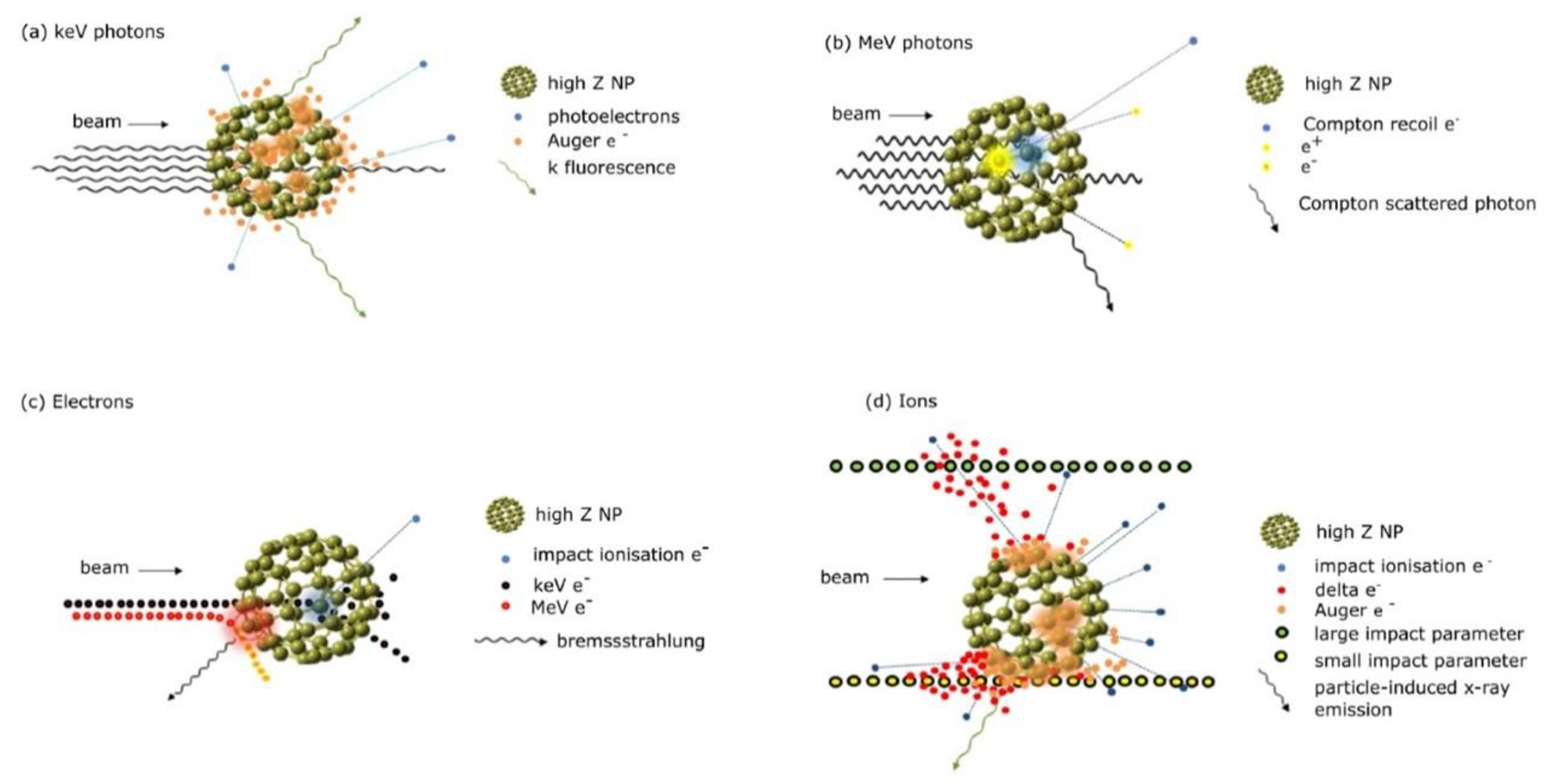
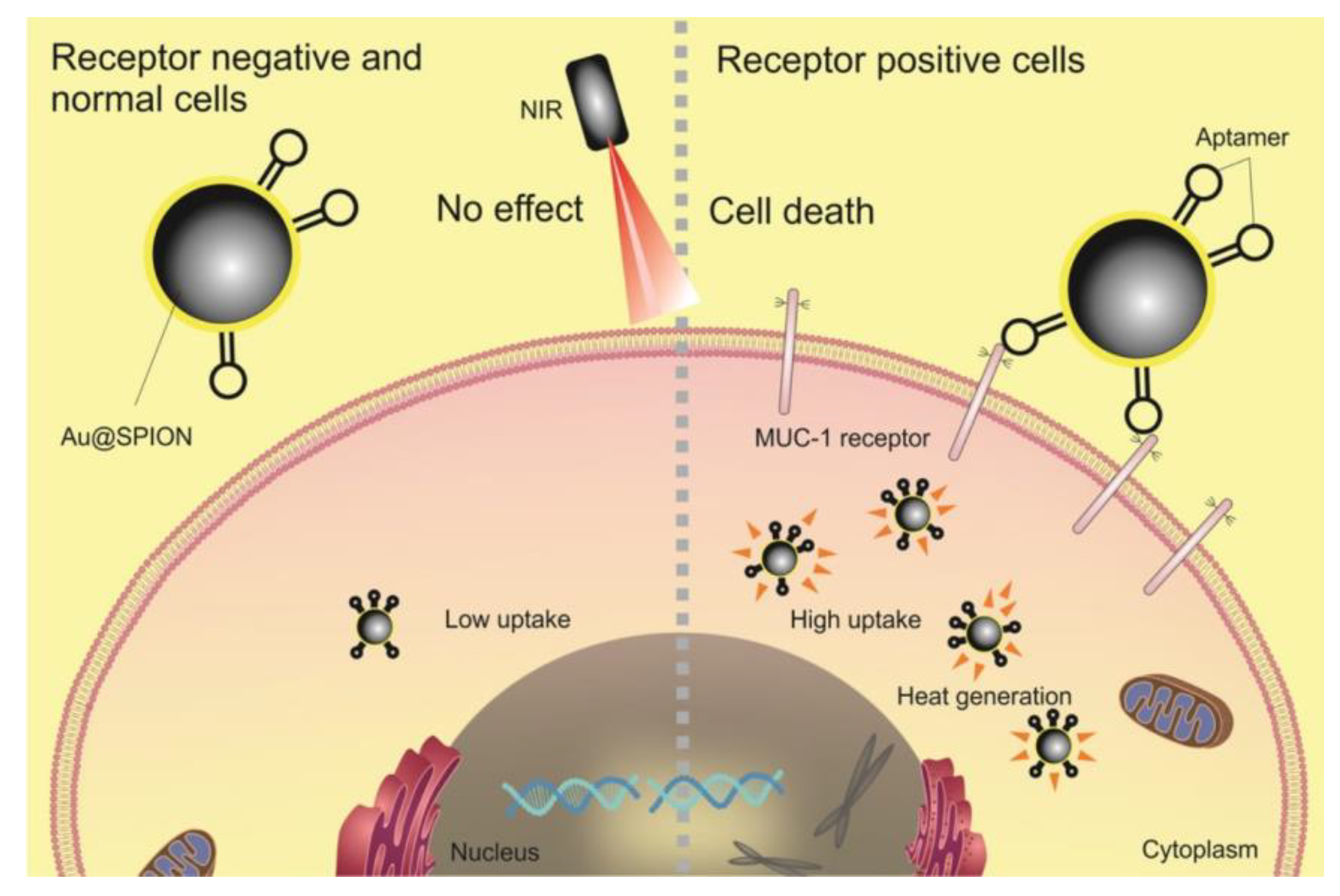
Although colorectal cancer is the third most common type of cancer, its treatment strategies still have room for improvement, as current techniques carry risks that aggressively deteriorate patients’ quality of life. Medical physics using nanotechnology tools can significantly contribute to solving this challenge. The high biocompatibility, easy functionalization, and targeting capabilities of plasmonic (gold) nanoparticles, together with their high atomic number, which provides a large X-ray absorption cross-section, makes them potential agents for enhancing cancer therapeutics as photothermal therapy agents and as radiosensitizers. Hence, the auspicious possibility of synergistically combining radio- and phototherapies is of imperative importance and must be explored to enhance their clinical application.
Abstract
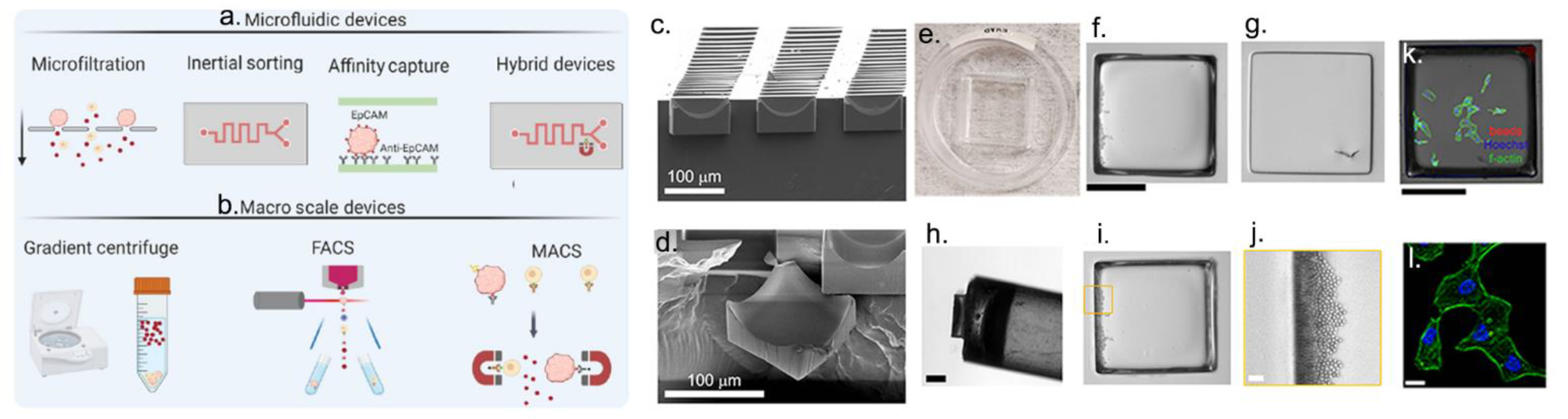
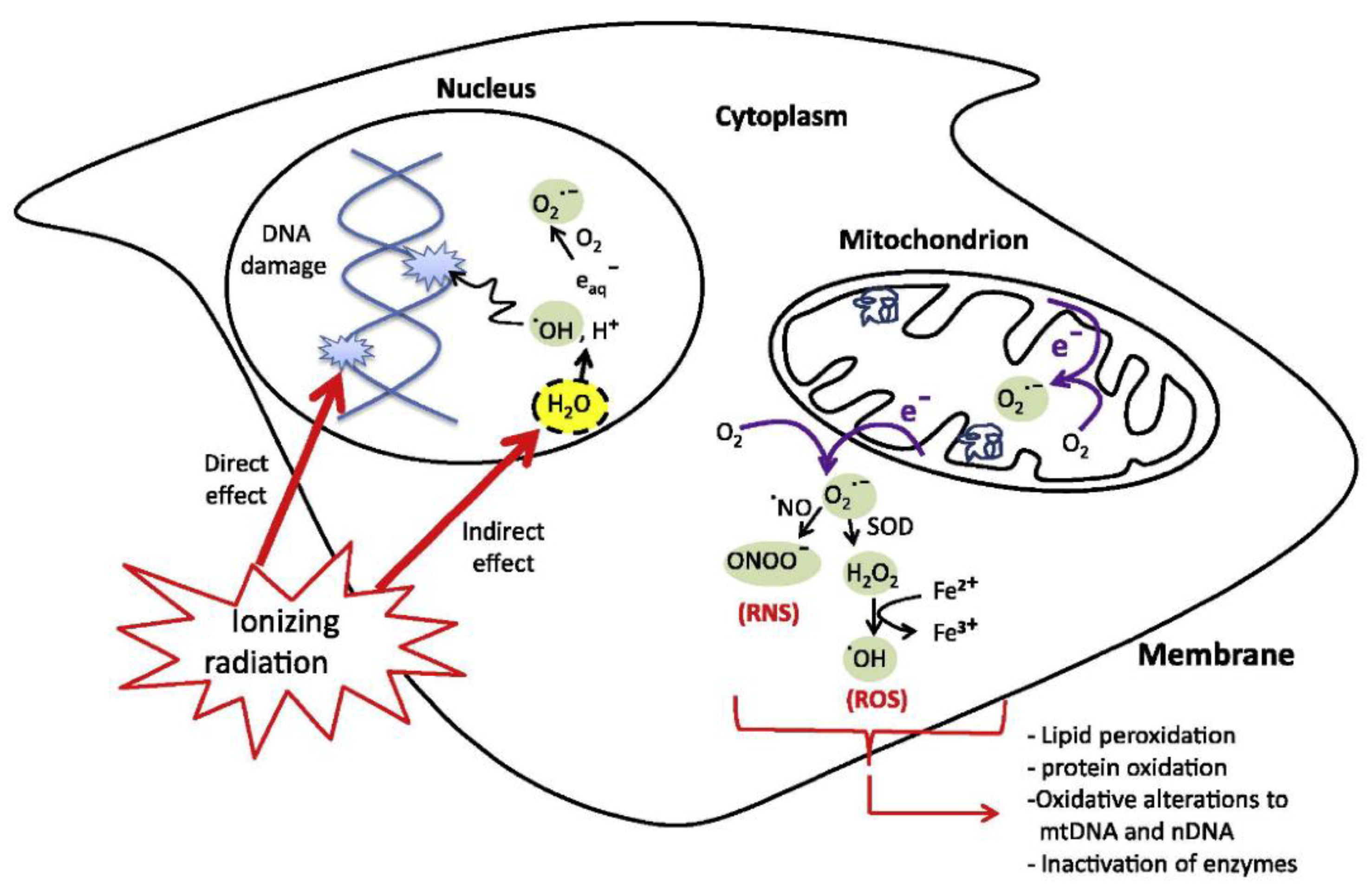
Colorectal cancer is the third most common cancer worldwide. Despite recent advances in the treatment of this pathology, which include a personalized approach using radio- and chemotherapies in combination with advanced surgical techniques, it is imperative to enhance the performance of these treatments and decrease their detrimental side effects on patients’ health. Nanomedicine is likely the pathway towards solving this challenge by enhancing both the therapeutic and diagnostic capabilities. In particular, plasmonic nanoparticles show remarkable potential due to their dual therapeutic functionalities as photothermal therapy agents and as radiosensitizers in radiotherapy. Their dual functionality, high biocompatibility, easy functionalization, and targeting capabilities make them potential agents for inducing efficient cancer cell death with minimal side effects. This review aims to identify the main challenges in the diagnosis and treatment of colorectal cancer. The heterogeneous nature of this cancer is also discussed from a single-cell point of view. The most relevant works in photo- and radiotherapy using nanotechnology-based therapies for colorectal cancer are addressed, ranging from in vitro studies (2D and 3D cell cultures) to in vivo studies and clinical trials. Although the results using nanoparticles as a photo- and radiosensitizers in photo- and radiotherapy are promising, preliminary studies showed that the possibility of combining both therapies must be explored to improve the treatment efficiency.
Keywords:
cancer; colorectal; single-cell; phototherapy; radiotherapy; gold; nanoparticles