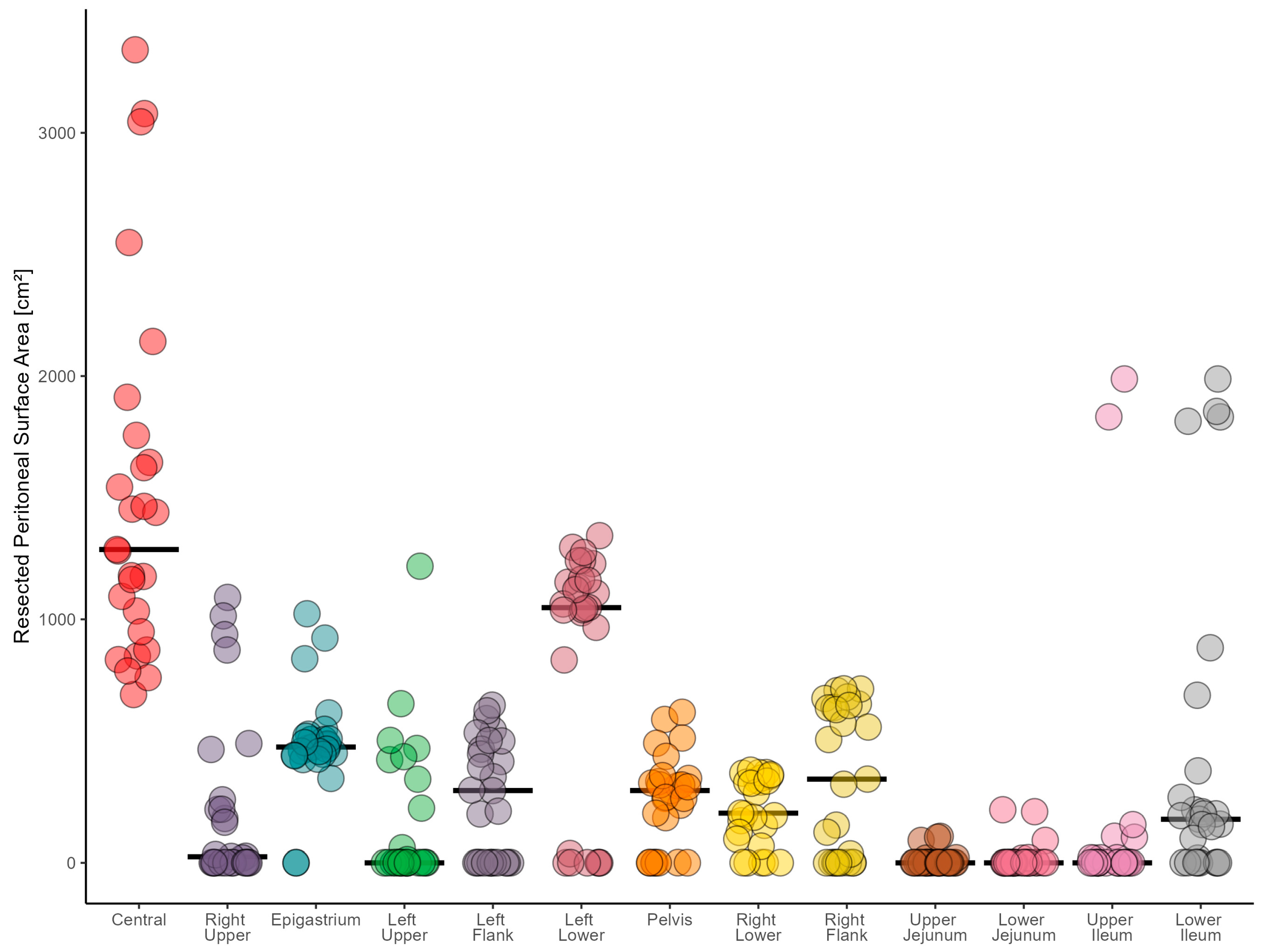
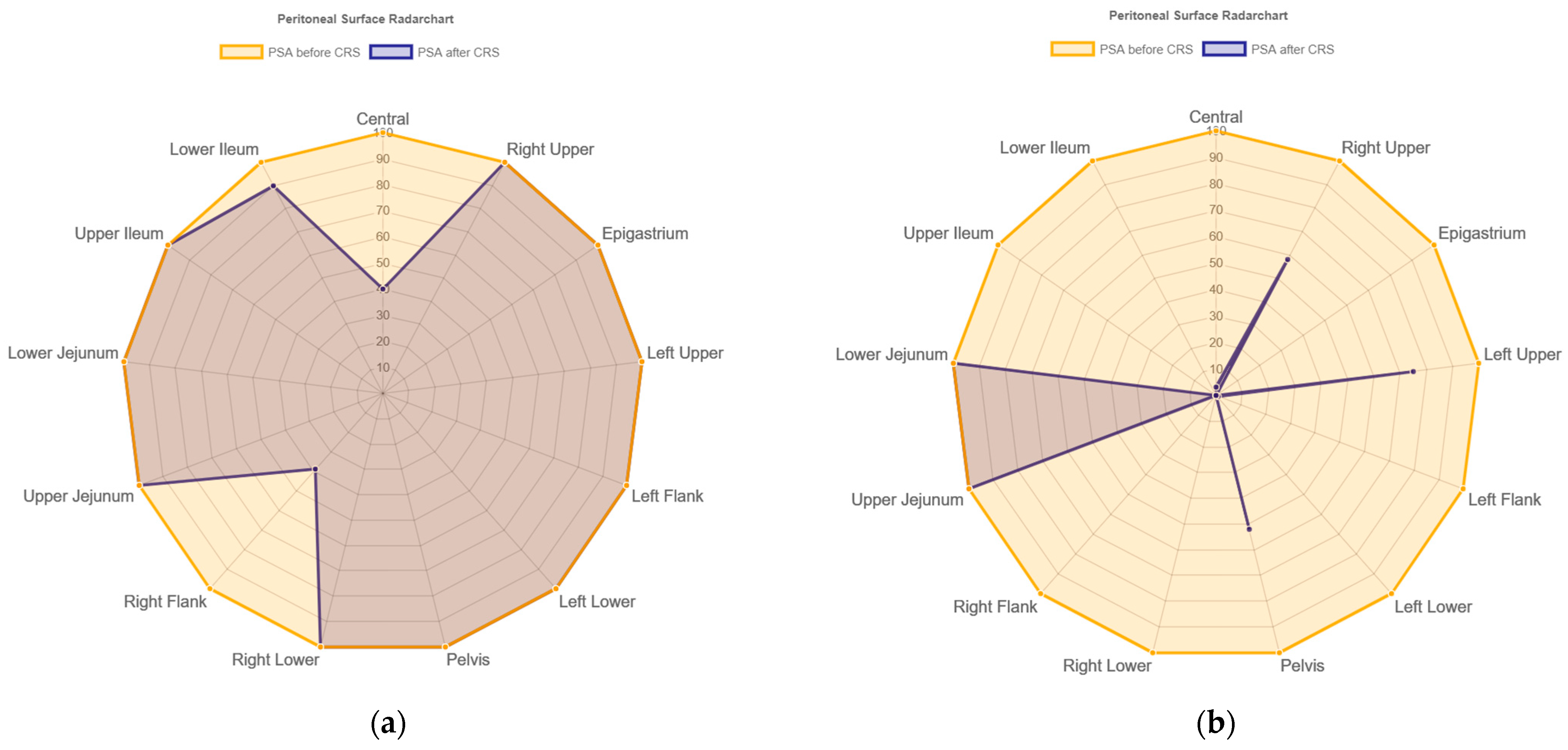
The SAlzburg PEritoneal SUrface CAlculator (SAPESUCA): The First Web-Based Application for Peritoneal Surface Area Quantification
by
 , , , , and
Tarkan Jäger
1,† ,
,
Philipp Schredl
1,†,
Daniel Neureiter
2 ,
,
Jaroslav Presl
1,
Peter Tschann
3,
Ingmar Königsrainer
3,
Andreas Pascher
4,
Klaus Emmanuel
1,
Stephan Regenbogen
1,5,6,‡ and
Jan Philipp Ramspott
1,4,*,‡ 1
Department of Surgery, Paracelsus Medical University Salzburg, 5020 Salzburg, Austria
2
Institute of Pathology, Paracelsus Medical University Salzburg, 5020 Salzburg, Austria
3
Department of General and Thoracic Surgery, Academic Teaching Hospital Feldkirch, 6800 Feldkirch, Austria
4
Department for General, Visceral and Transplant Surgery, University Hospital Muenster, 48149 Muenster, Germany
5
Department for Trauma Surgery, BG Trauma Center Murnau, 82418 Murnau, Germany
6
Department for Trauma Surgery, BG Trauma Center Ludwigshafen, University of Heidelberg, 67071 Ludwigshafen am Rhein, Germany
*
Author to whom correspondence should be addressed.
†
These authors contributed equally to this work and are co-first authors.
‡
These authors contributed equally to this work and are co-last authors.
Cancers 2023, 15(12), 3134; https://doi.org/10.3390/cancers15123134
Submission received: 16 February 2023
/
Revised: 5 May 2023
/
Accepted: 5 June 2023
/
Published: 10 June 2023
(This article belongs to the Special Issue Clinical Studies in Peritoneal Surface Malignancies)
Simple Summary
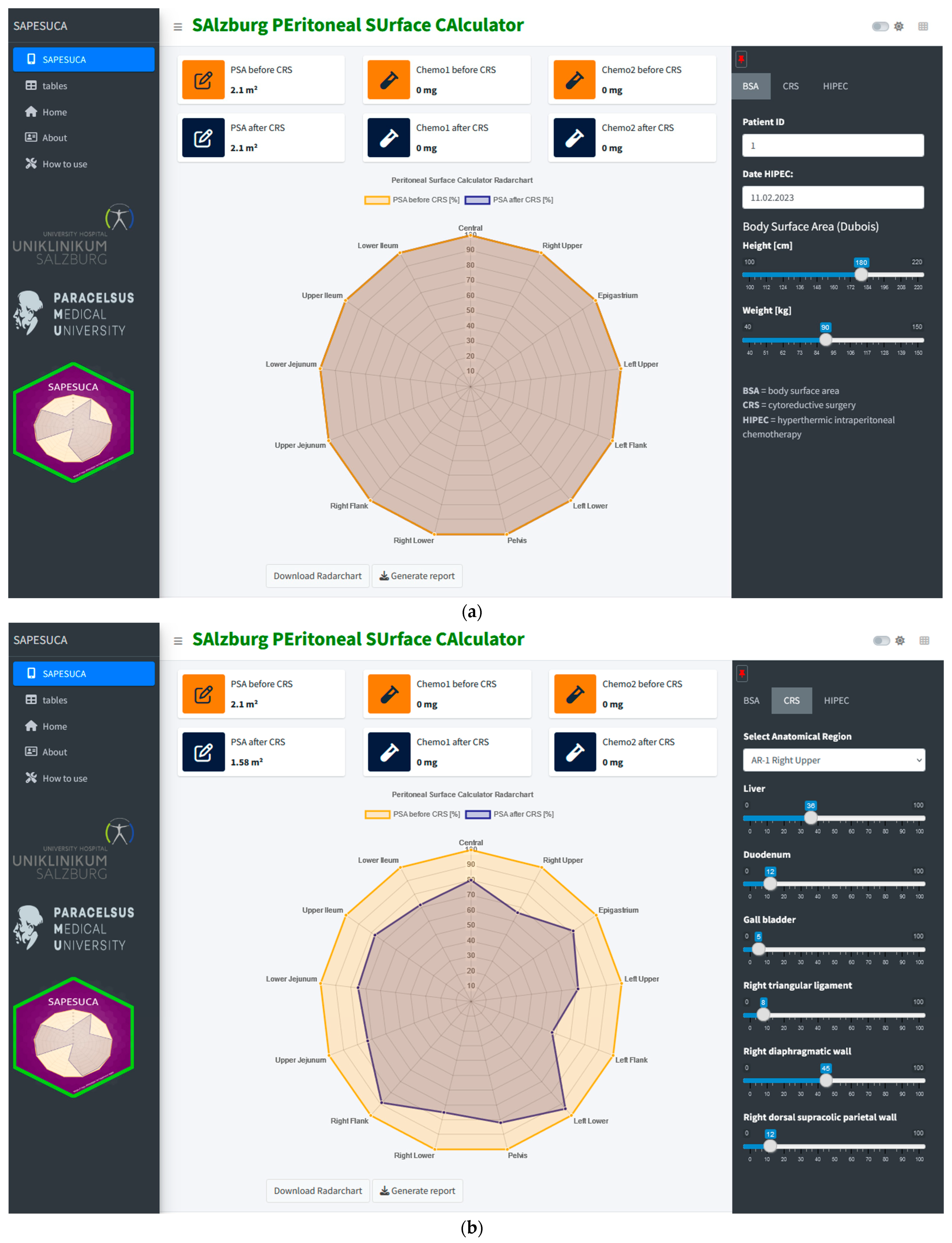
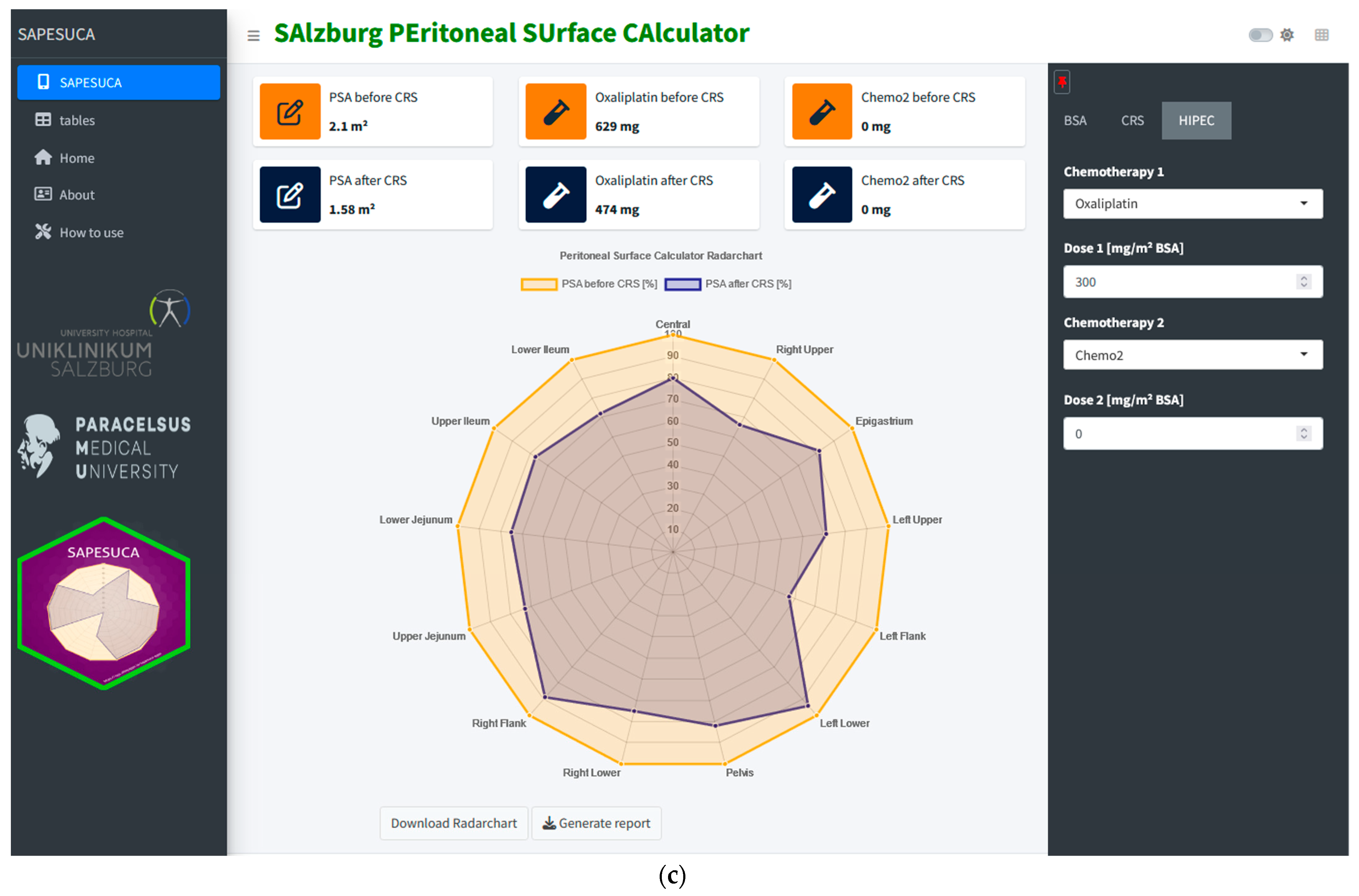
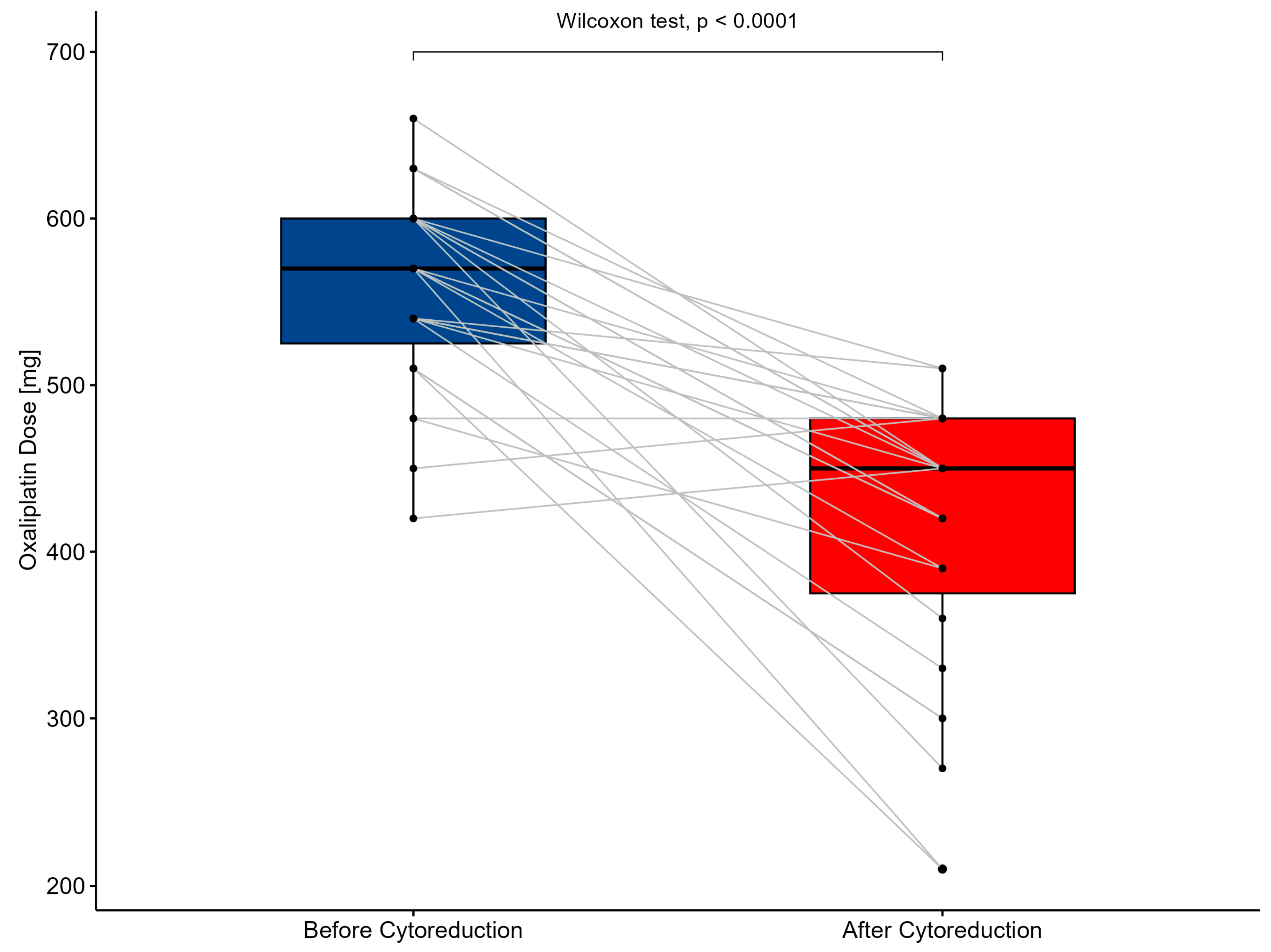
The combination of cytoreductive surgery and hyperthermic intraperitoneal chemotherapy (HIPEC) is considered a promising therapeutic strategy in selected patients with peritoneal metastases. The recent randomized phase III PRODIGE 7 trial did not show any survival benefit of adding 30-min oxaliplatin-based HIPEC to cytoreductive surgery in colorectal cancer patients with peritoneal metastases and has triggered the discussion of HIPEC application. Cytoreductive surgery goes ahead with high inter- and intra-individual resection variabilities of the affected organs and their associated peritoneal surface areas. The diverse range of HIPEC protocols with differing dosing regimens complicates uniform implementation. Moreover, a quantification of the resected and remaining peritoneal surface area during cytoreductive surgery is lacking so far. In this article, we present the first web-based app for standardized and detailed documentation of peritonectomy extent and determination of the peritoneal surface-dependent HIPEC dose: The SAlzburg PEritoneal SUrface CAlculator (SAPESUCA). SAPESUCA is one valuable contribution towards the urgently needed standardization of cytoreductive surgery and HIPEC.
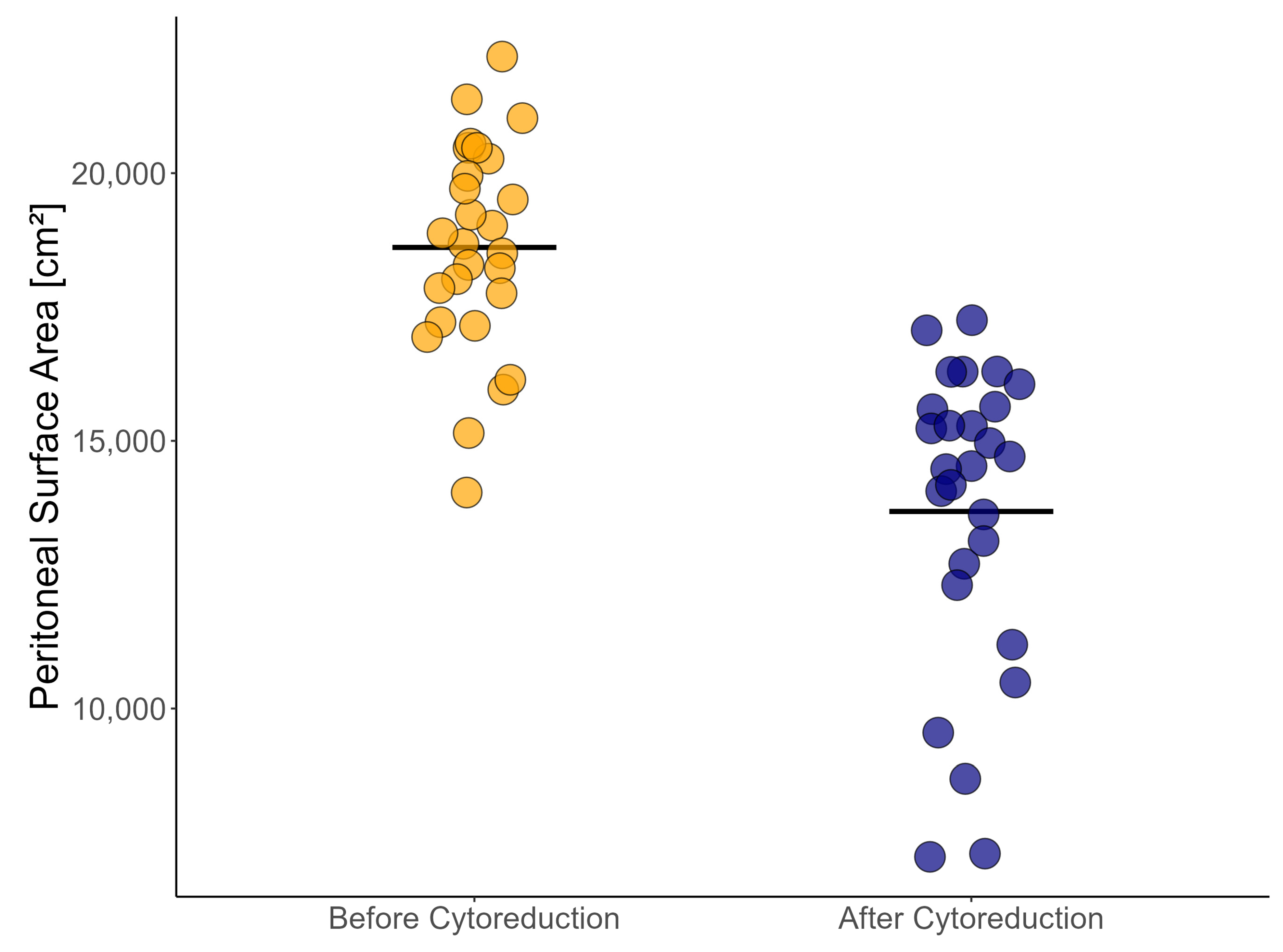
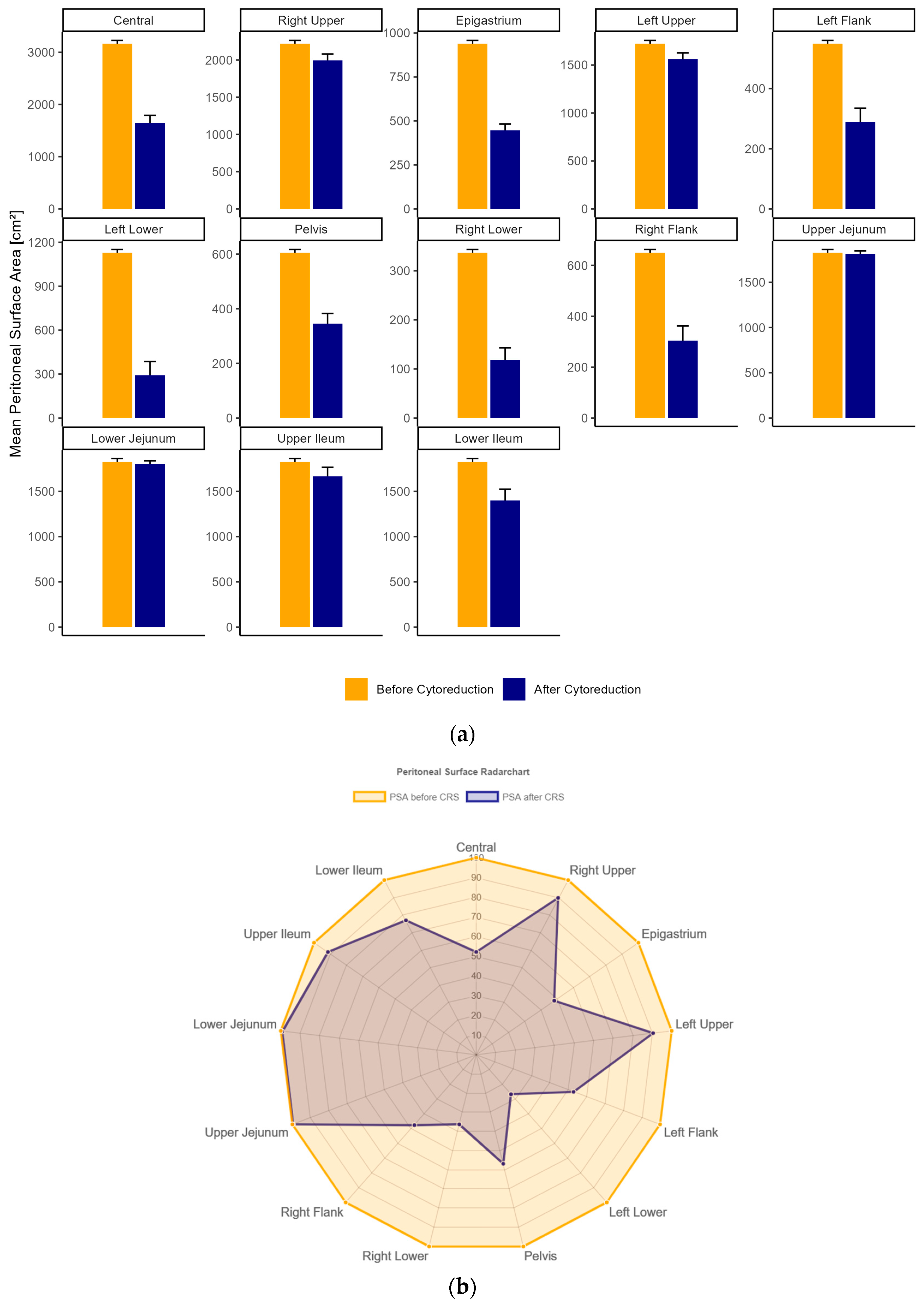
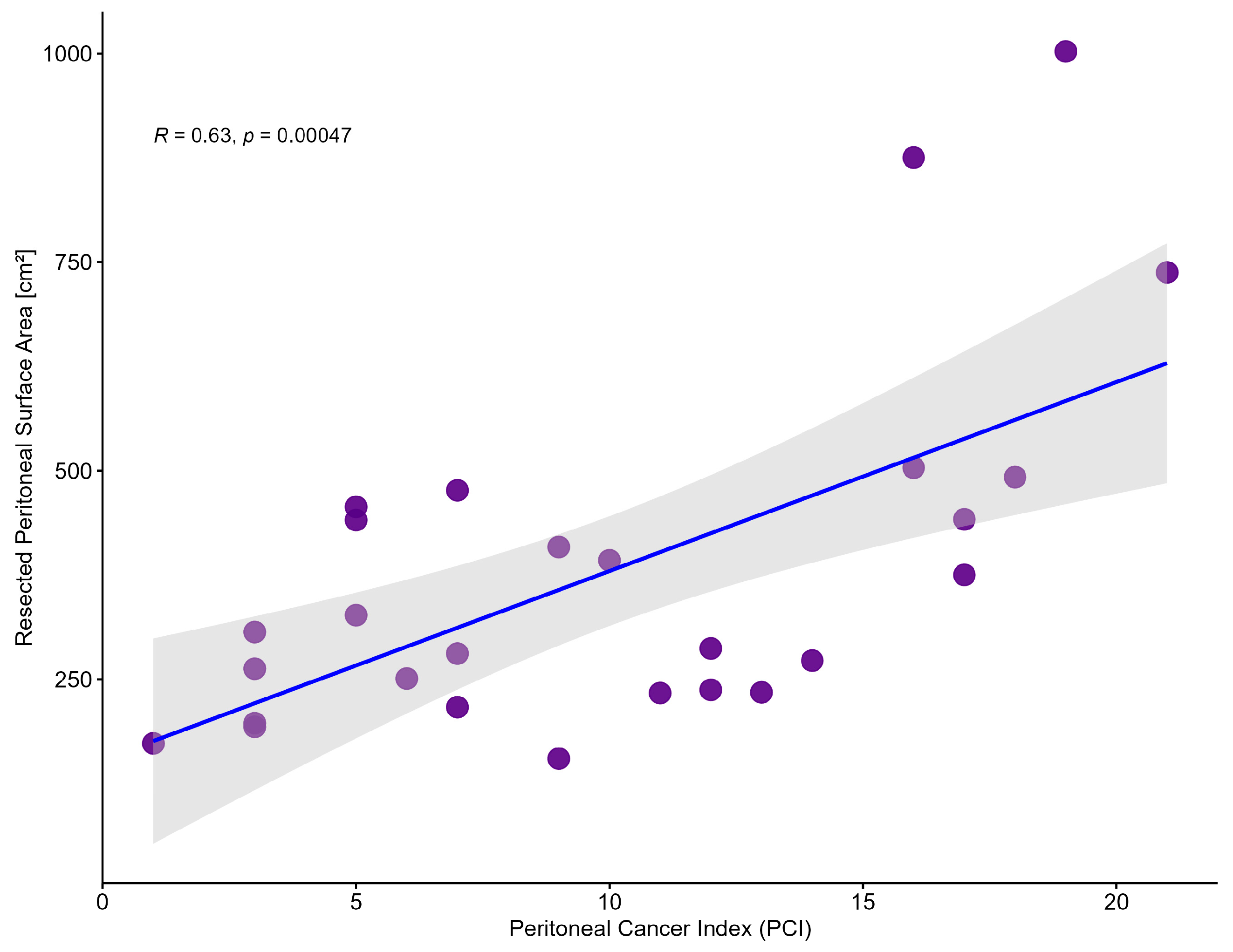
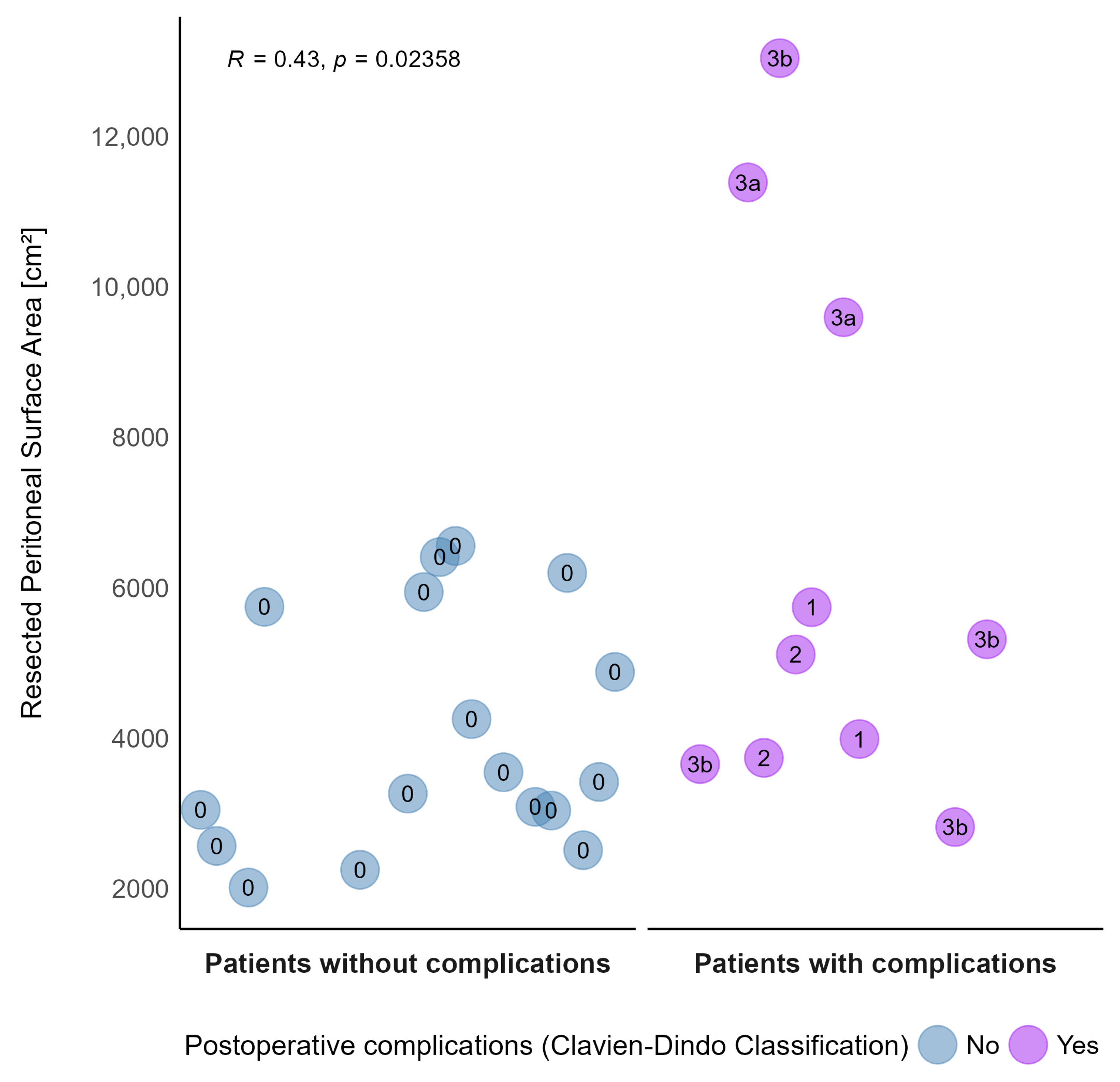
Abstract
(1) Background: Peritoneal metastasized colorectal cancer is associated with a worse prognosis. The combination of cytoreductive surgery (CRS) and hyperthermic intraperitoneal chemotherapy (HIPEC) showed promising results in selected patients, but standardization is lacking so far. We present the first tool enabling standardized peritoneal surface area (PSA) quantification in patients undergoing CRS and HIPEC: The SAlzburg PEritoneal SUrface CAlculator (SAPESUCA). (2) Methods: SAPESUCA was programmed using the R-Shiny framework. The application was validated in 23 consecutive colon cancer patients who received 27 closed oxaliplatin-based HIPECs between 2016 and 2020. The programming algorithm incorporates the patient’s body surface area and its correlated peritoneal surface area (PSA) based on the 13 Peritoneal Cancer Index (PCI) regions. (3) Results: Patients’ median age was 56 years. Median PCI was 9. SAPESUCA revealed a mean PSA of 18,613 cm2 ± 1951 of all patients before compared to 13,681 cm2 ± 2866 after CRS. The Central PCI region revealed the highest mean peritonectomy extent (1517 cm2 ± 737). The peritonectomy extent correlated significantly with PCI score and postoperative morbidity. The simulated mean oxaliplatin dose differed significantly before and after CRS (558 mg/m2 ± 58.4 vs. 409 mg/m2 ± 86.1; p < 0.0001). (4) Conclusion: SAPESUCA is the first free web-based app for standardized determination of the resected and remaining PSA after CRS. The tool enables chemotherapeutic dose adjustment to the remaining PSA.