Integrating Pharmacogenomics Data-Driven Computational Drug Prediction with Single-Cell RNAseq to Demonstrate the Efficacy of a NAMPT Inhibitor against Aggressive, Taxane-Resistant, and Stem-like Cells in Lethal Prostate Cancer
by
 , , and
Suman Mazumder
1,2,†,
Taraswi Mitra Ghosh
1,3,†,
Ujjal K. Mukherjee
4,5,
Sayak Chakravarti
1,
Farshad Amiri
6,
Razan S. Waliagha
1,
Farnaz Hemmati
6,
Panagiotis Mistriotis
6 ,
,
Salsabil Ahmed
1,2,
Isra Elhussin
7,
Ahmad-Bin Salam
7,
Windy Dean-Colomb
7,8,
Clayton Yates
7,9,10,11,12,
Robert D. Arnold
1,12 and
and
Amit K. Mitra
1,2,12,* 1
Department of Drug Discovery and Development, Harrison College of Pharmacy, Auburn University, Auburn, AL 36849, USA
2
Center for Pharmacogenomics and Single-Cell Omics (AUPharmGx), Harrison College of Pharmacy, Auburn University, Auburn, AL 36849, USA
3
Department of Urology Research, Brigham and Women’s Hospital, Harvard Medical School, Boston, MA 02215, USA
4
Department of Business Administration, University of Illinois at Urbana-Champaign, Champaign, IL 61820, USA
5
Biomedical and Translational Sciences, Carle Illinois College of Medicine, University of Illinois Urbana-Champaign, Champaign, IL 61820, USA
6
Department of Chemical Engineering, Samuel Ginn College of Engineering, Auburn University, Auburn, AL 36849, USA
7
Department of Biology and Canter for Cancer Research, Tuskegee University, Tuskegee, AL 36088, USA
8
Piedmont Hospital, Newnan, GA 30309, USA
9
Department of Pathology, Johns Hopkins University School of Medicine, Baltimore, MD 21218, USA
10
Sidney Kimmel Comprehensive Cancer Center, Johns Hopkins University School of Medicine, Baltimore, MD 21218, USA
11
Department of Urology, Johns Hopkins University School of Medicine, Baltimore, MD 21218, USA
12
UAB O’Neal Comprehensive Cancer, University of Alabama at Birmingham School of Medicine, Birmingham, AL 35233, USA
*
Author to whom correspondence should be addressed.
†
These authors contributed equally to this work.
Cancers 2022, 14(23), 6009; https://doi.org/10.3390/cancers14236009
Submission received: 22 November 2022
/
Accepted: 1 December 2022
/
Published: 6 December 2022
(This article belongs to the Collection Prostate Cancer: Pathophysiology, Pathology and Therapy)
Simple Summary
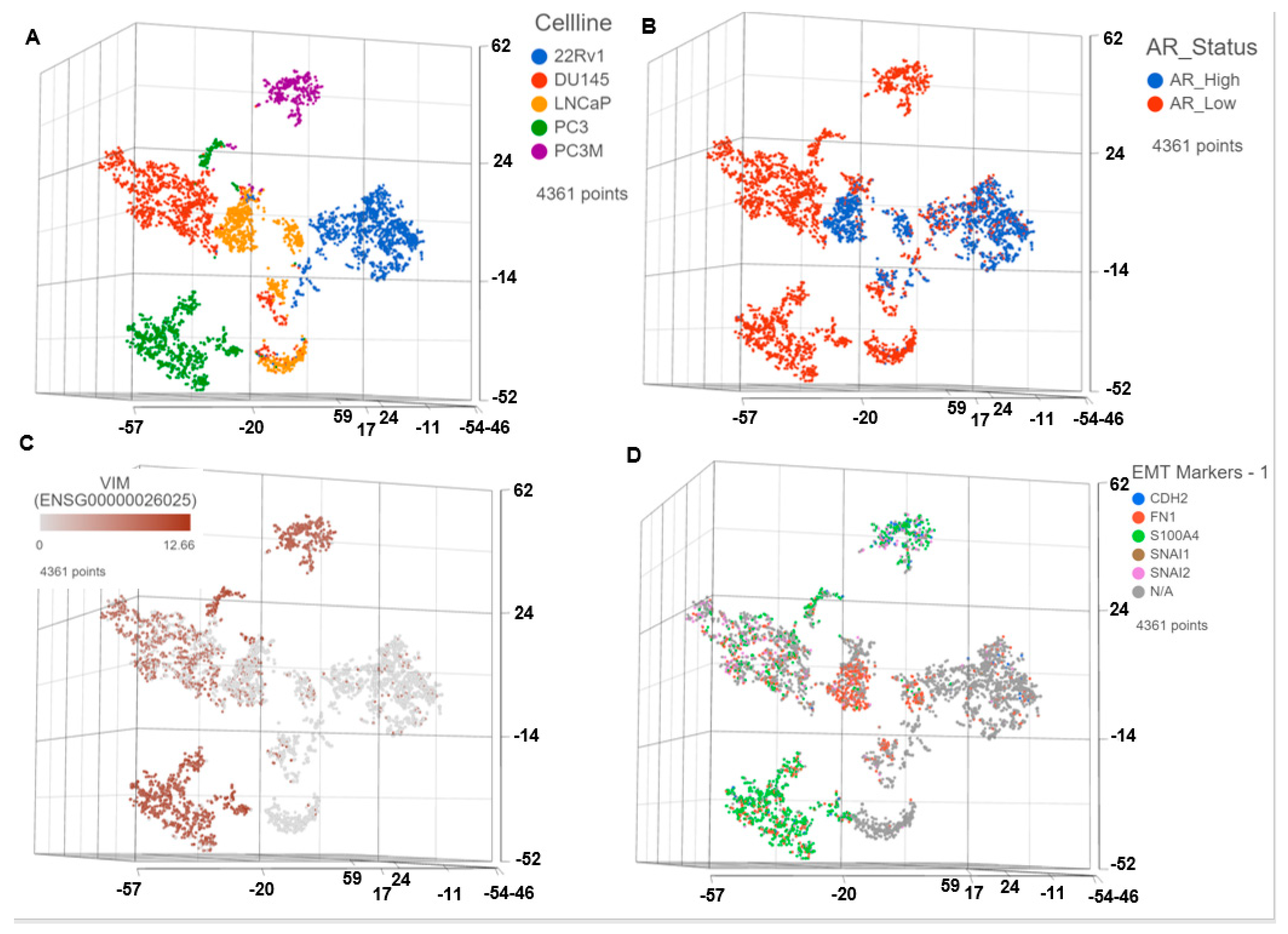
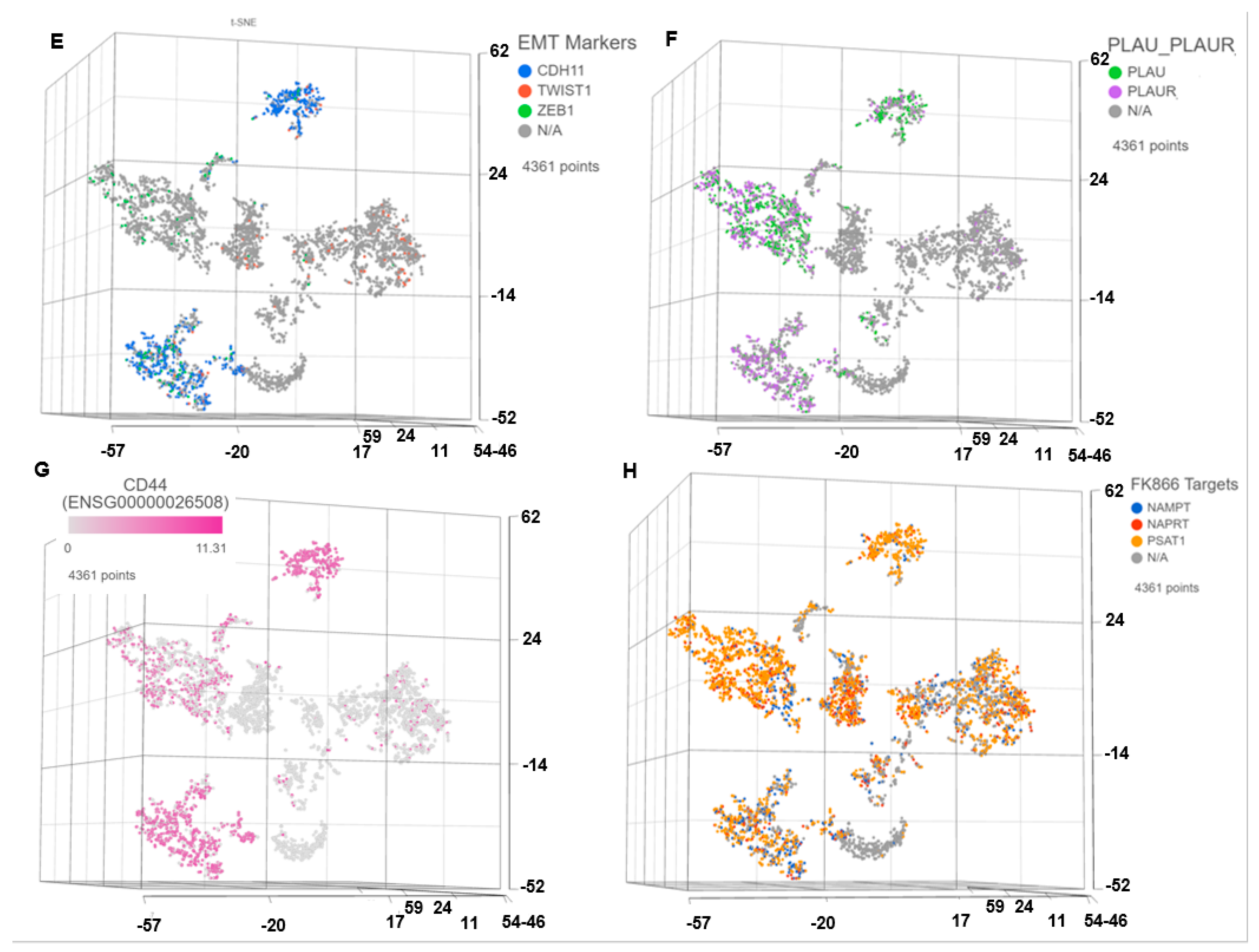
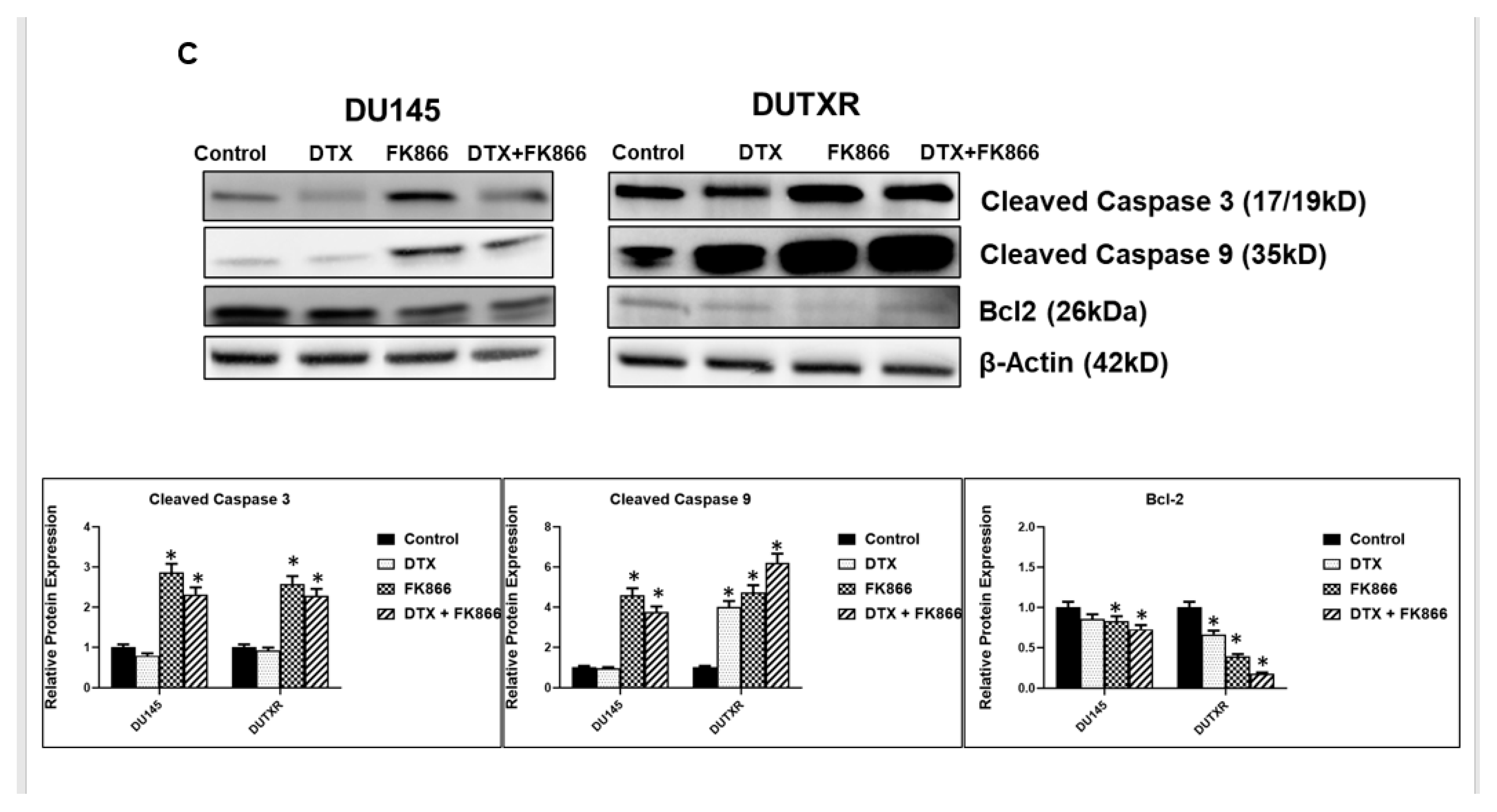
Prostate cancer (PCa) is the second most common cancer and the second leading cause of cancer deaths in US men. Resistance to standard medical castration and secondary taxane-based chemotherapy, the presence of cancer stem-like cells representing epithelial to mesenchymal transdifferentiation (EMT), and neuroendocrine (NEPC) subtypes are serious causes of concern for prostate cancer (PCa) treatment. Drug development against these advanced/lethal variants of PCa is, therefore, a significant unmet challenge. We have designed a novel computational prediction algorithm called “secDrug” that identified novel secondary drugs for the management of advanced-stage cancers. Using FK866 (a nicotinamide phosphoribosyltransferase/NAMPT inhibitor) as a proof-of-concept secDrug, we established a novel, universally applicable, preclinical drug development pipeline that incorporates bulk-tumor and single-cell RNA sequencing, microfluidics, as well as in vitro (cell line models representing clinically advanced PCa), and patient-based validation to introduce secondary drug choices to potentially circumvent subclonal aggressiveness, drug resistance, and stemness for the management of lethal subtypes of PCa.
Abstract
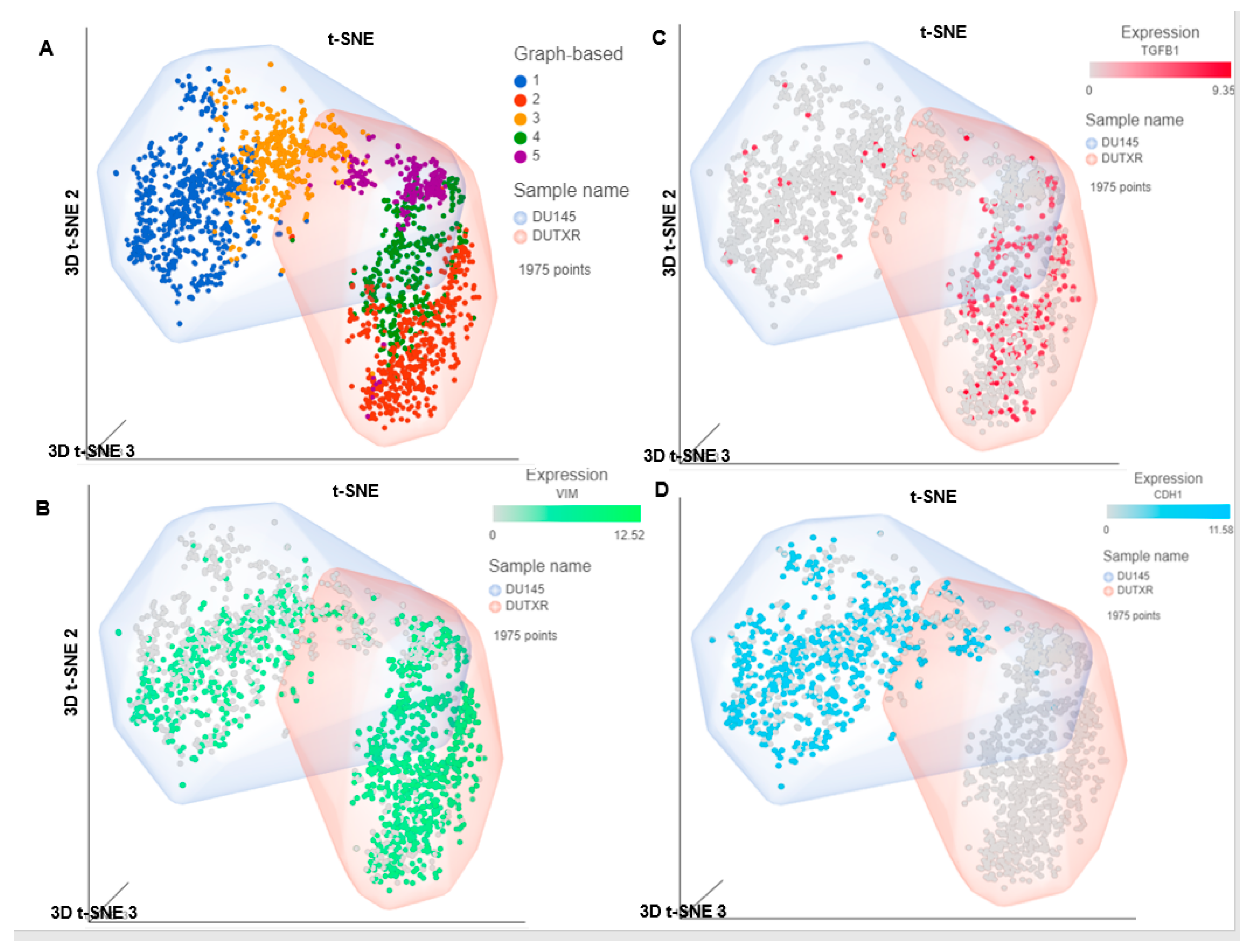
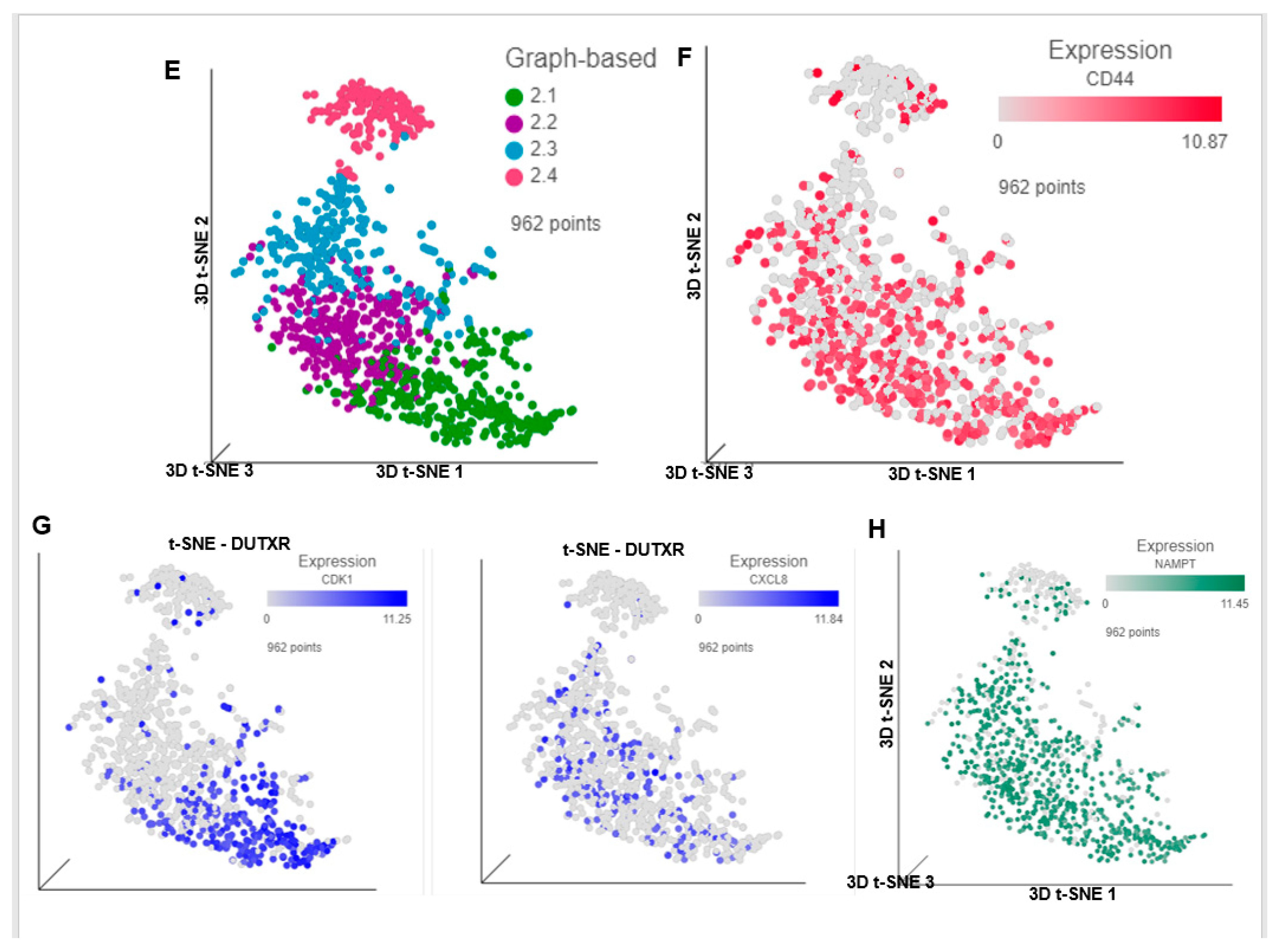
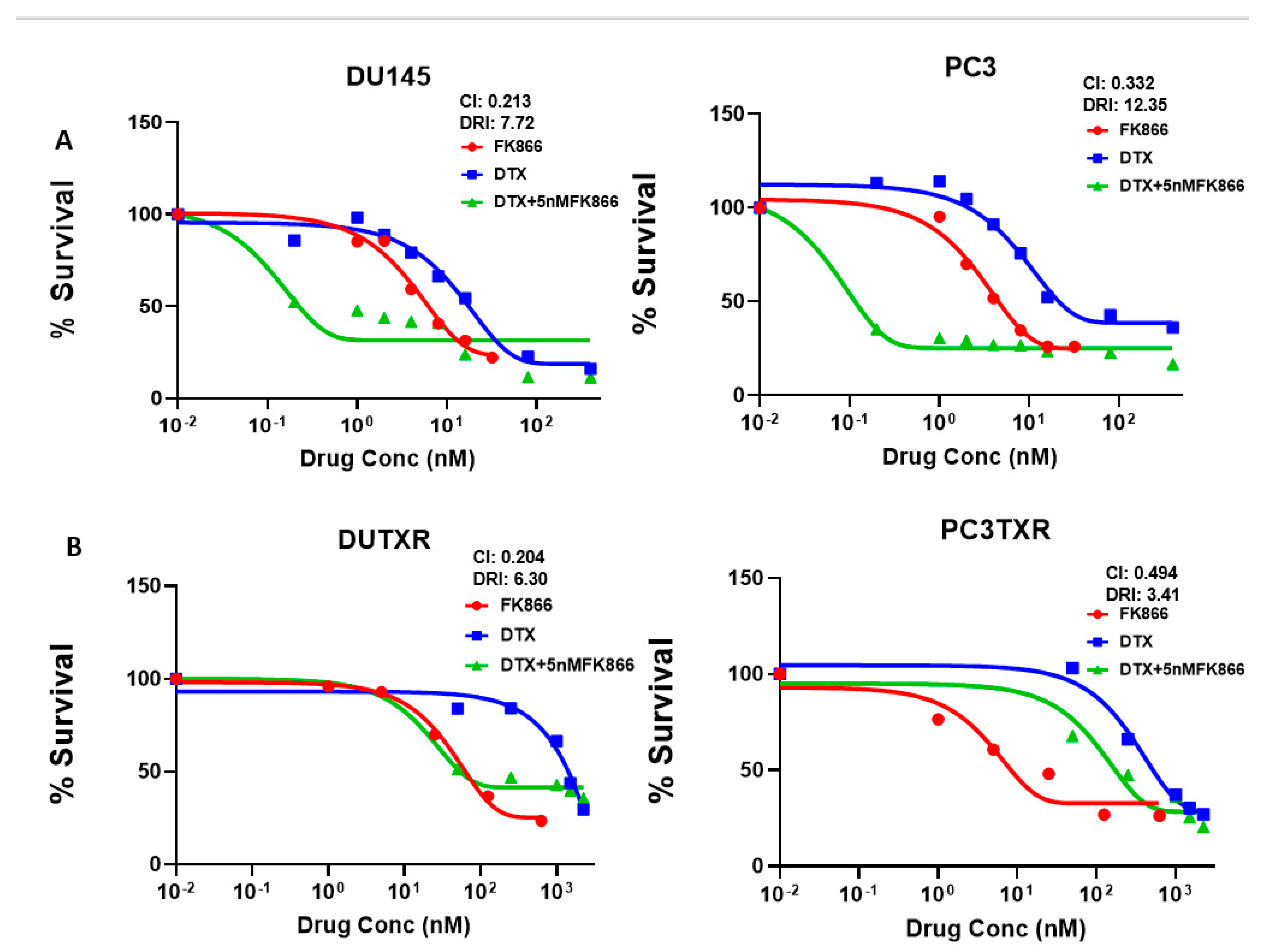
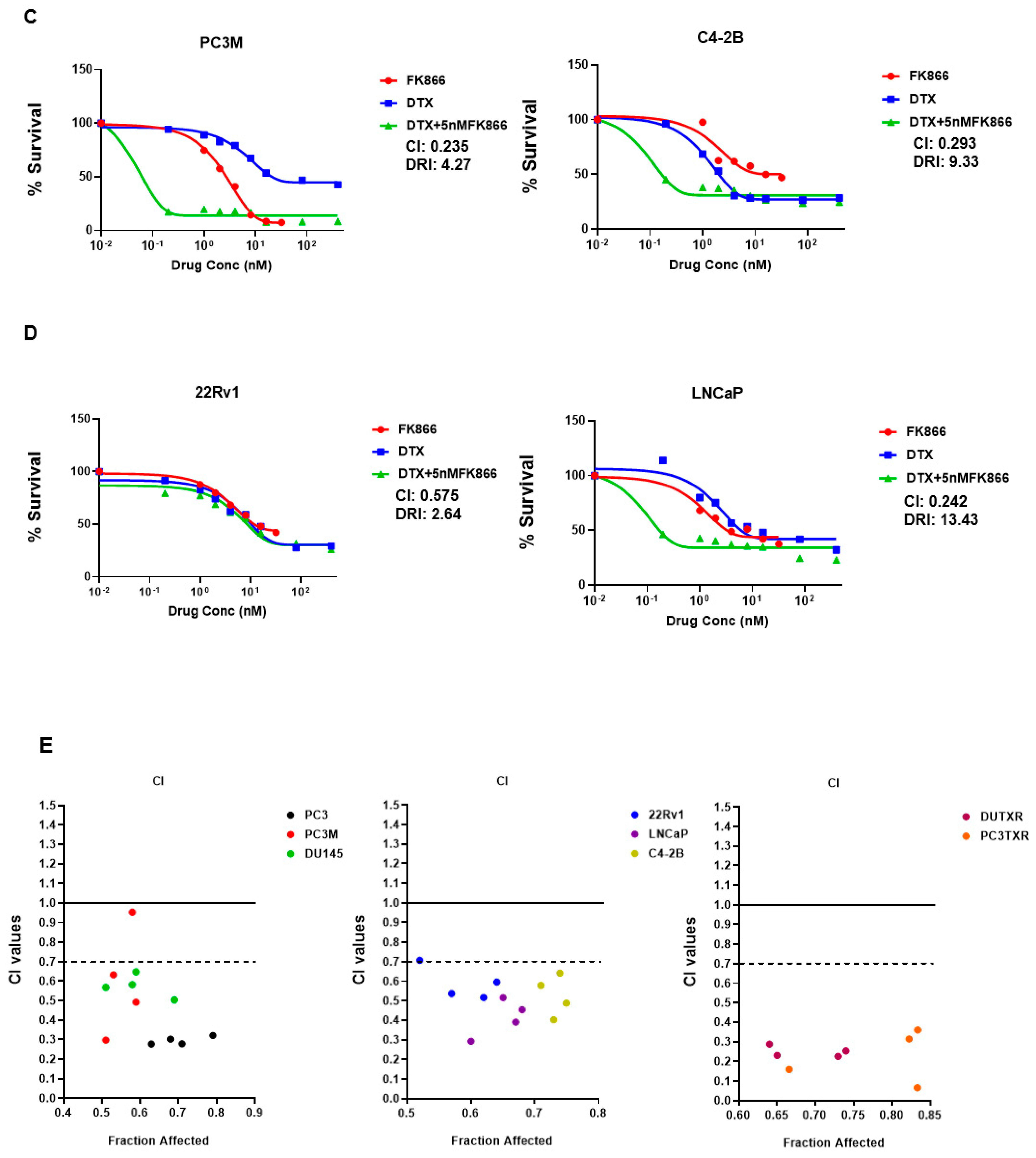
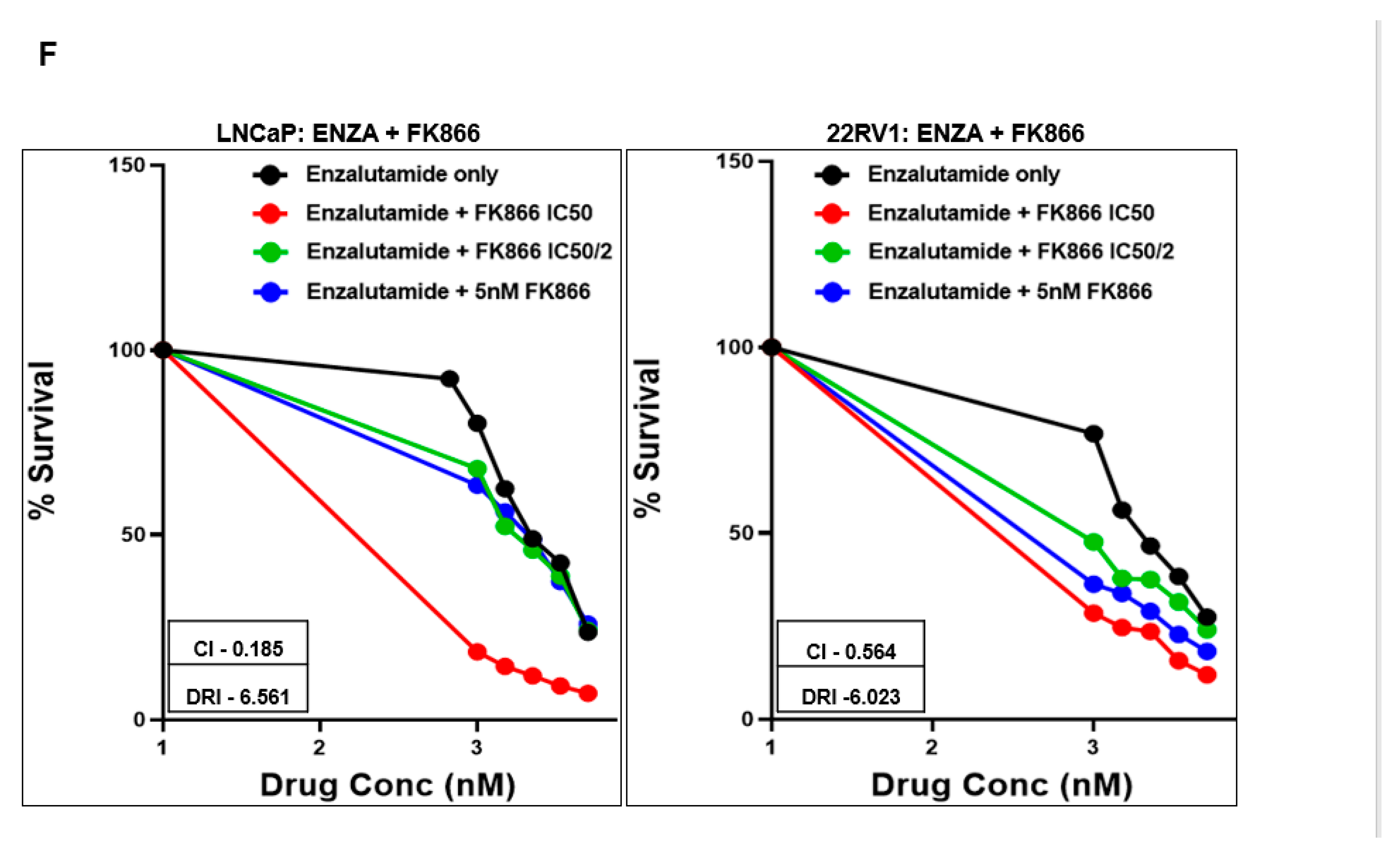
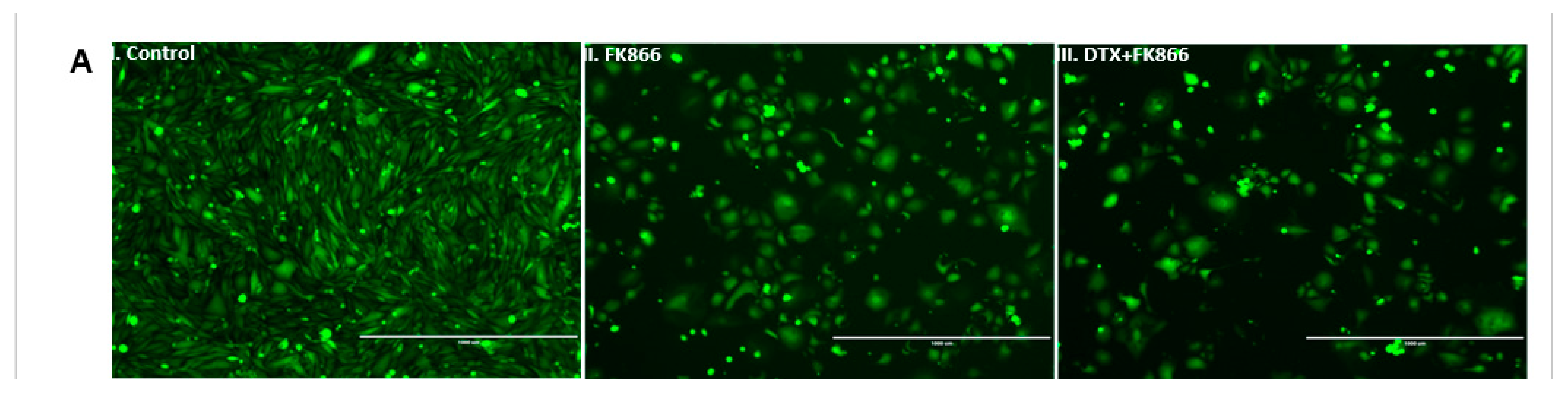
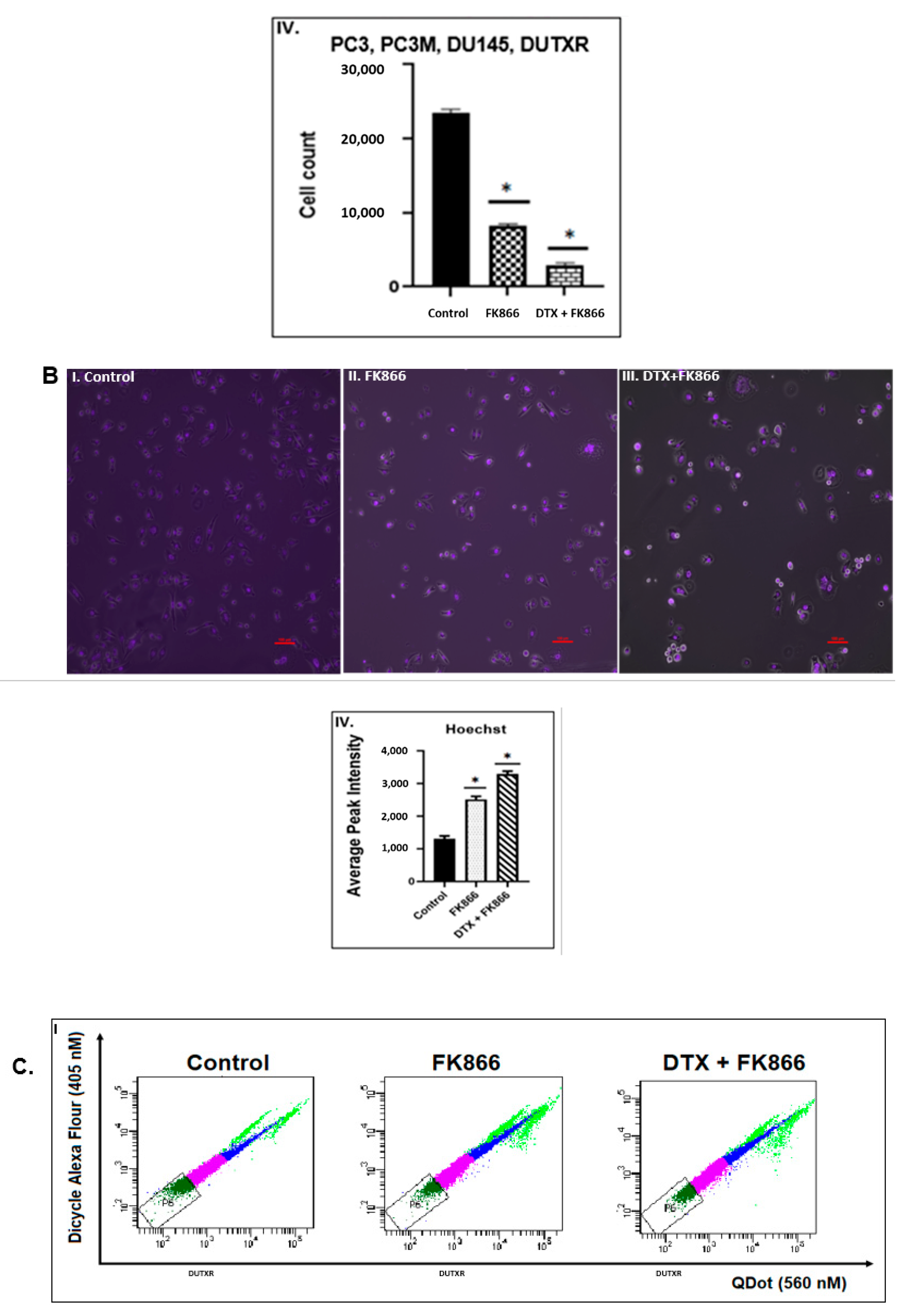
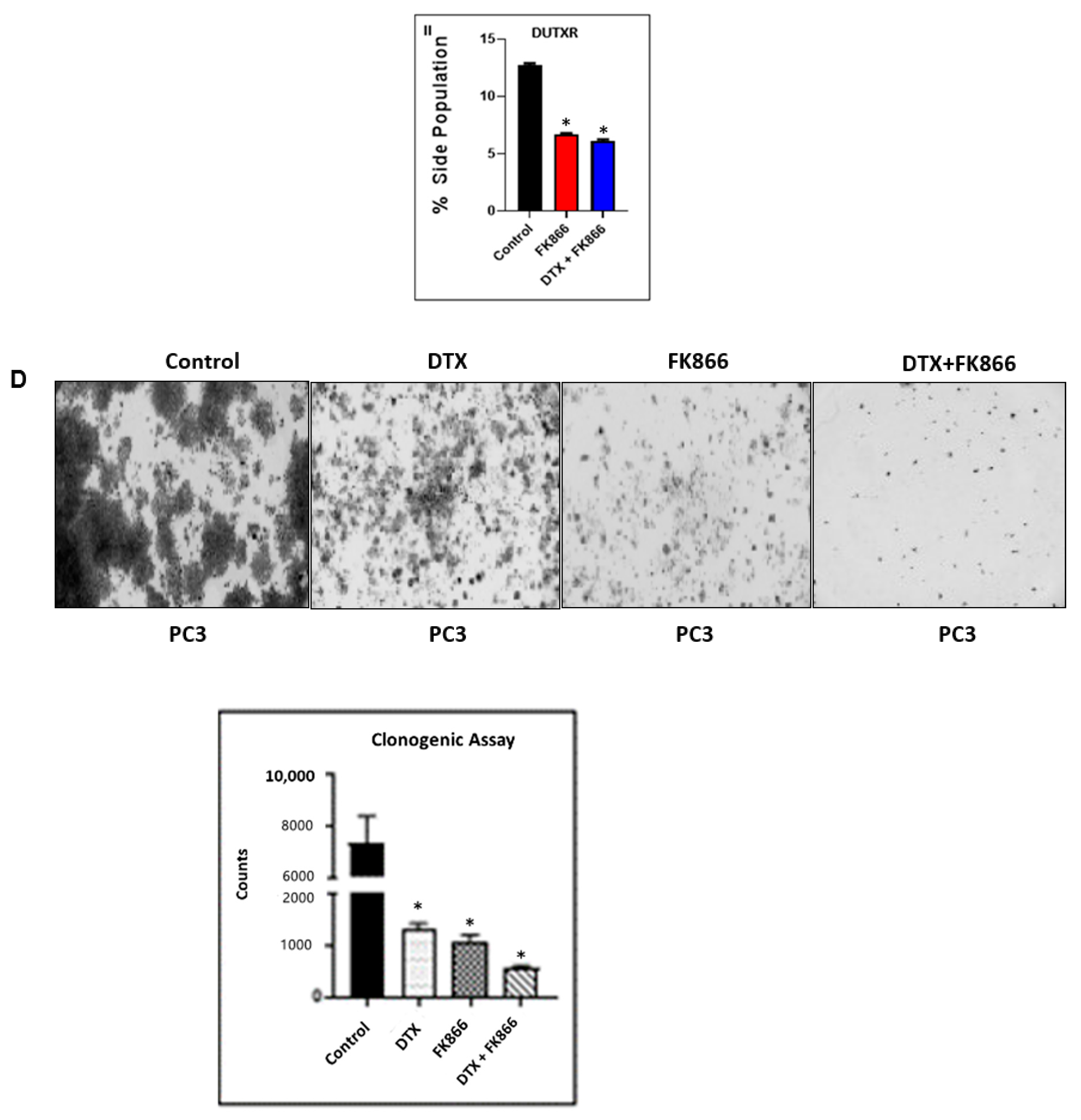
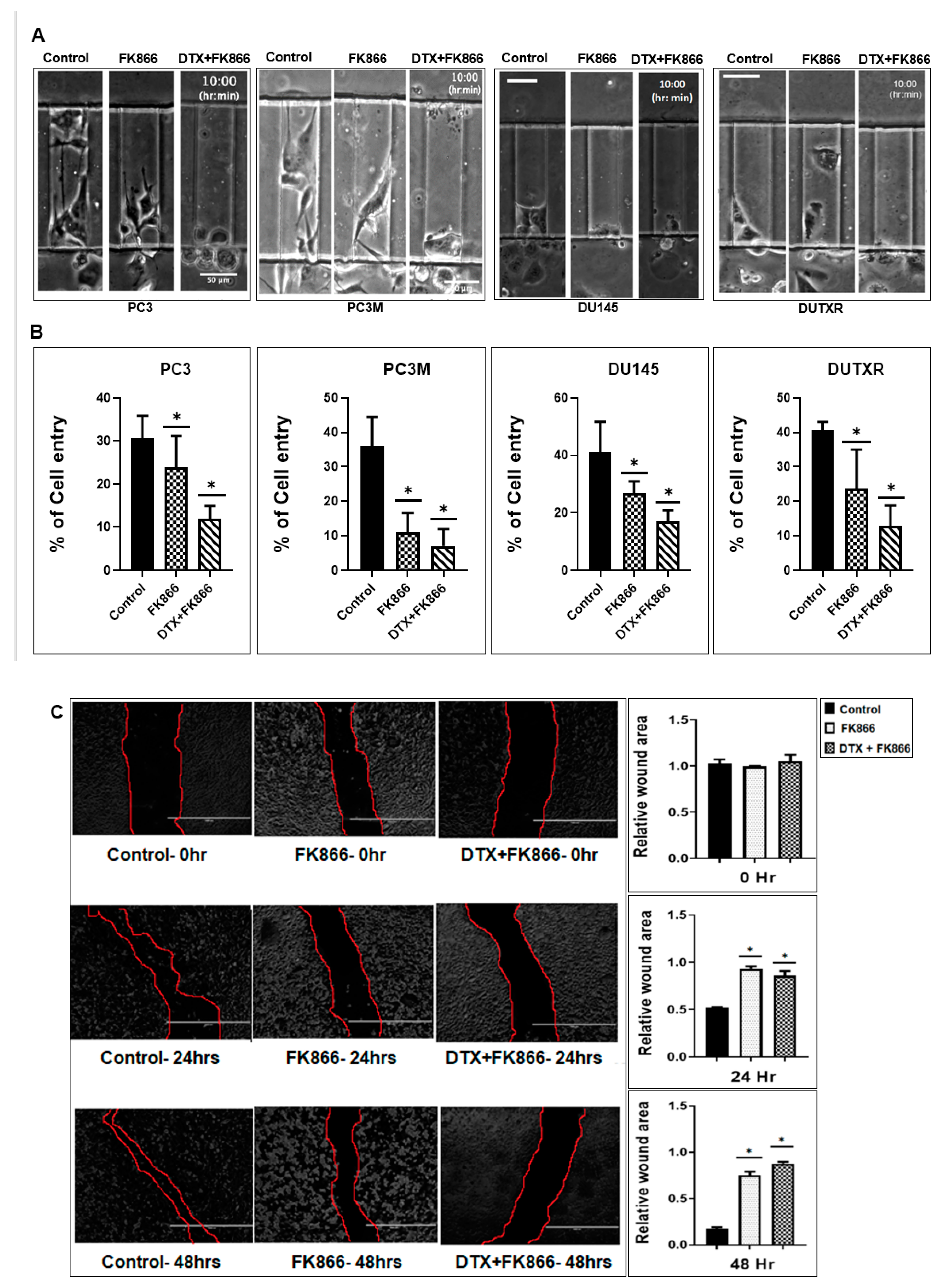
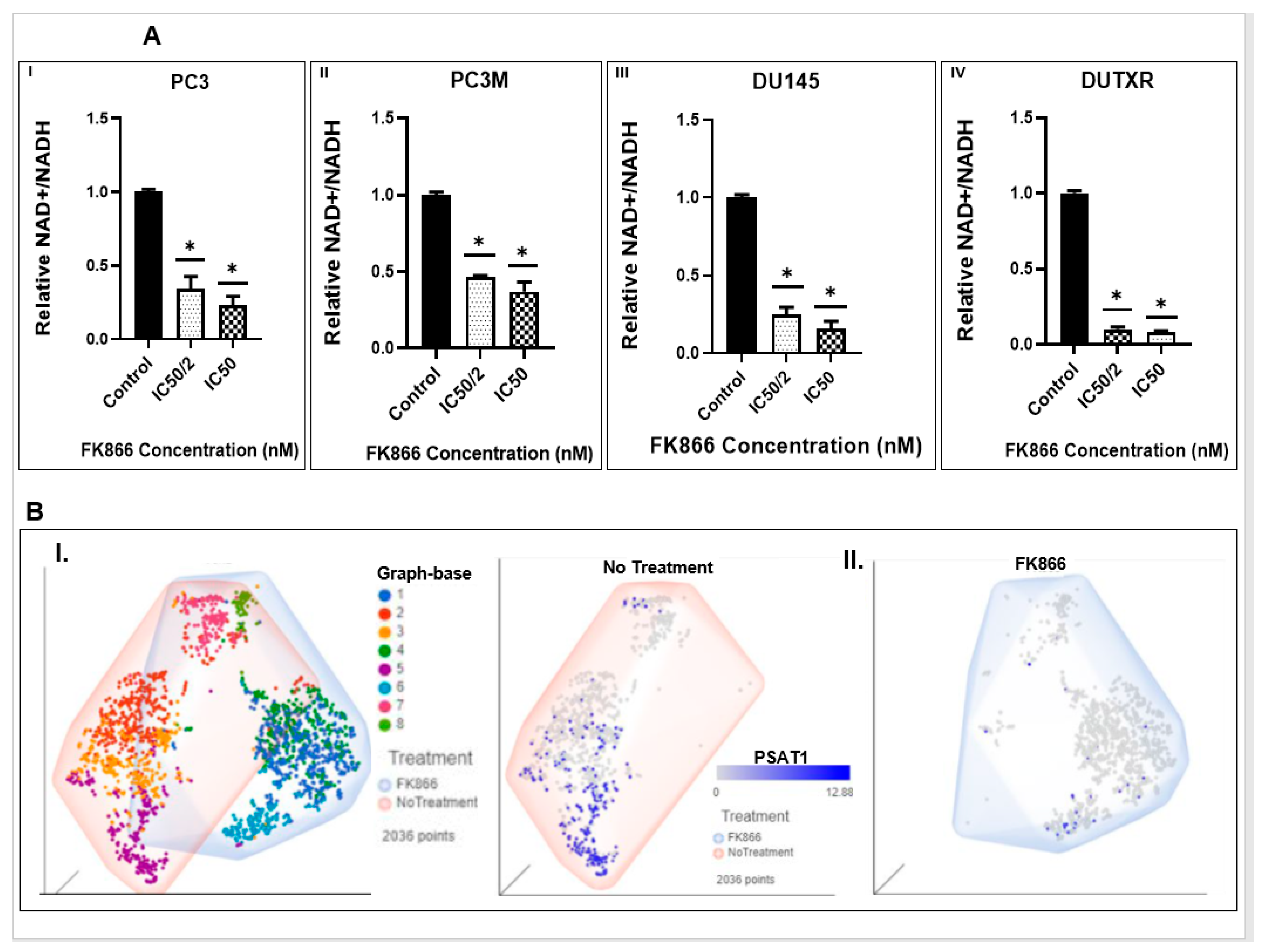
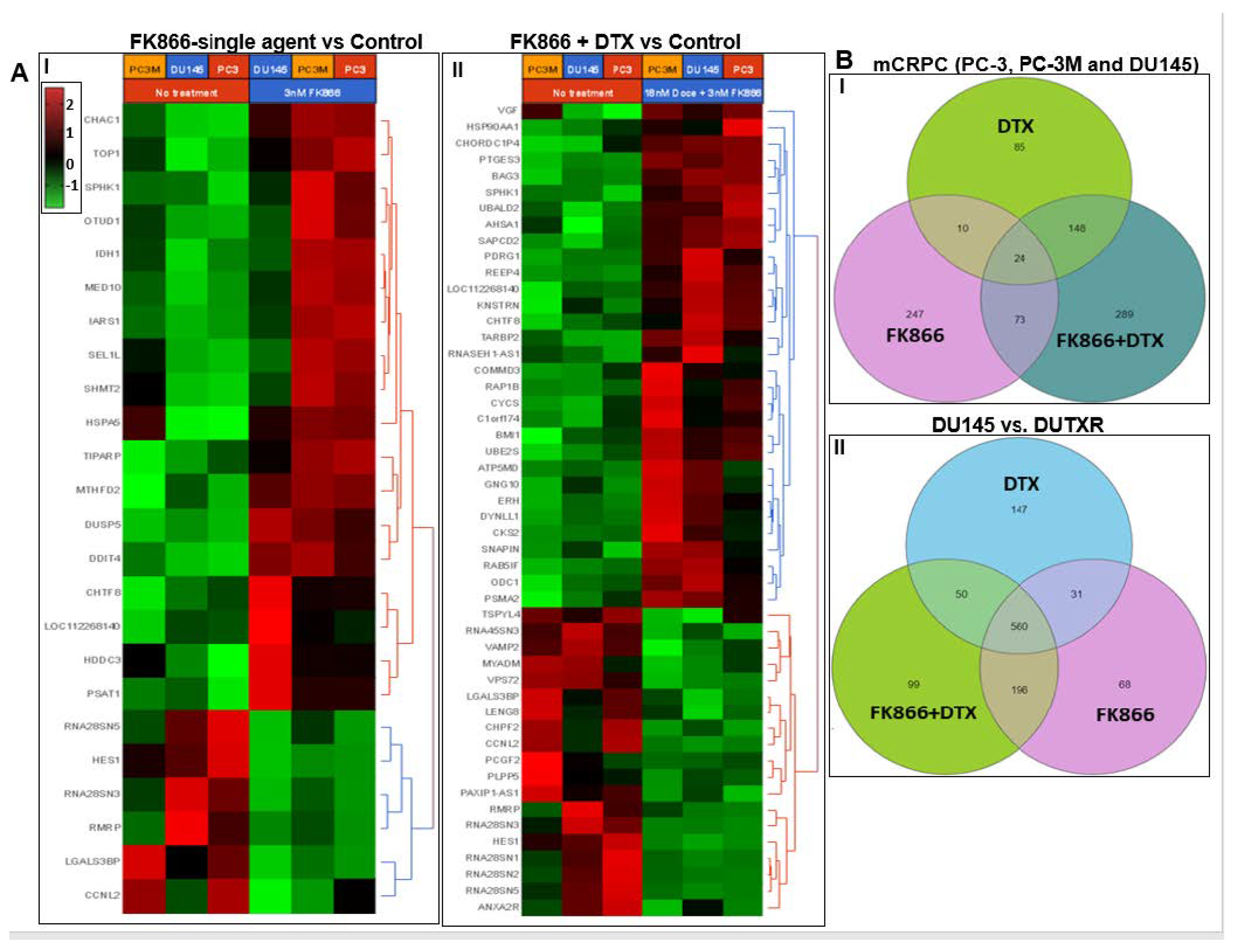
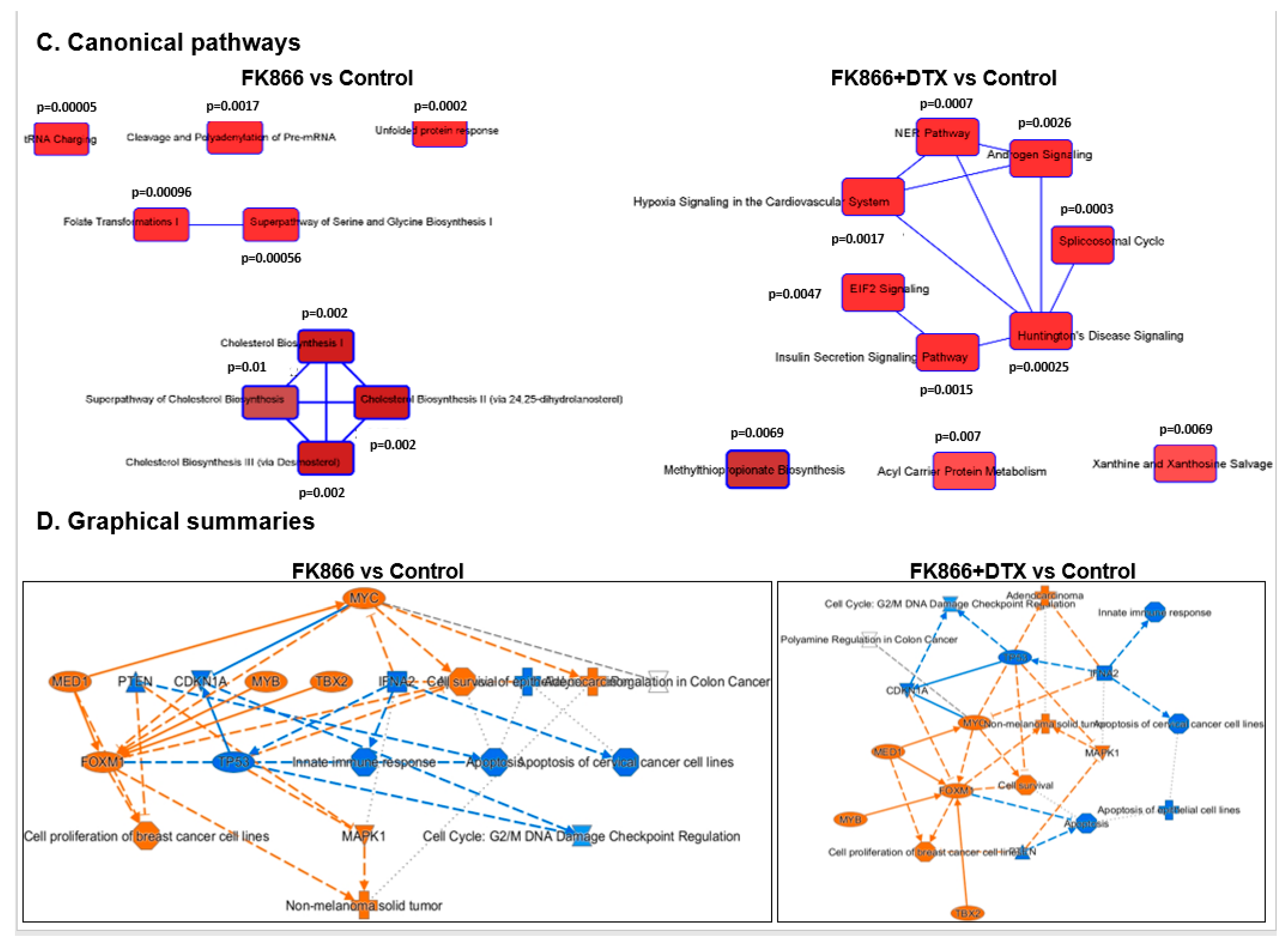
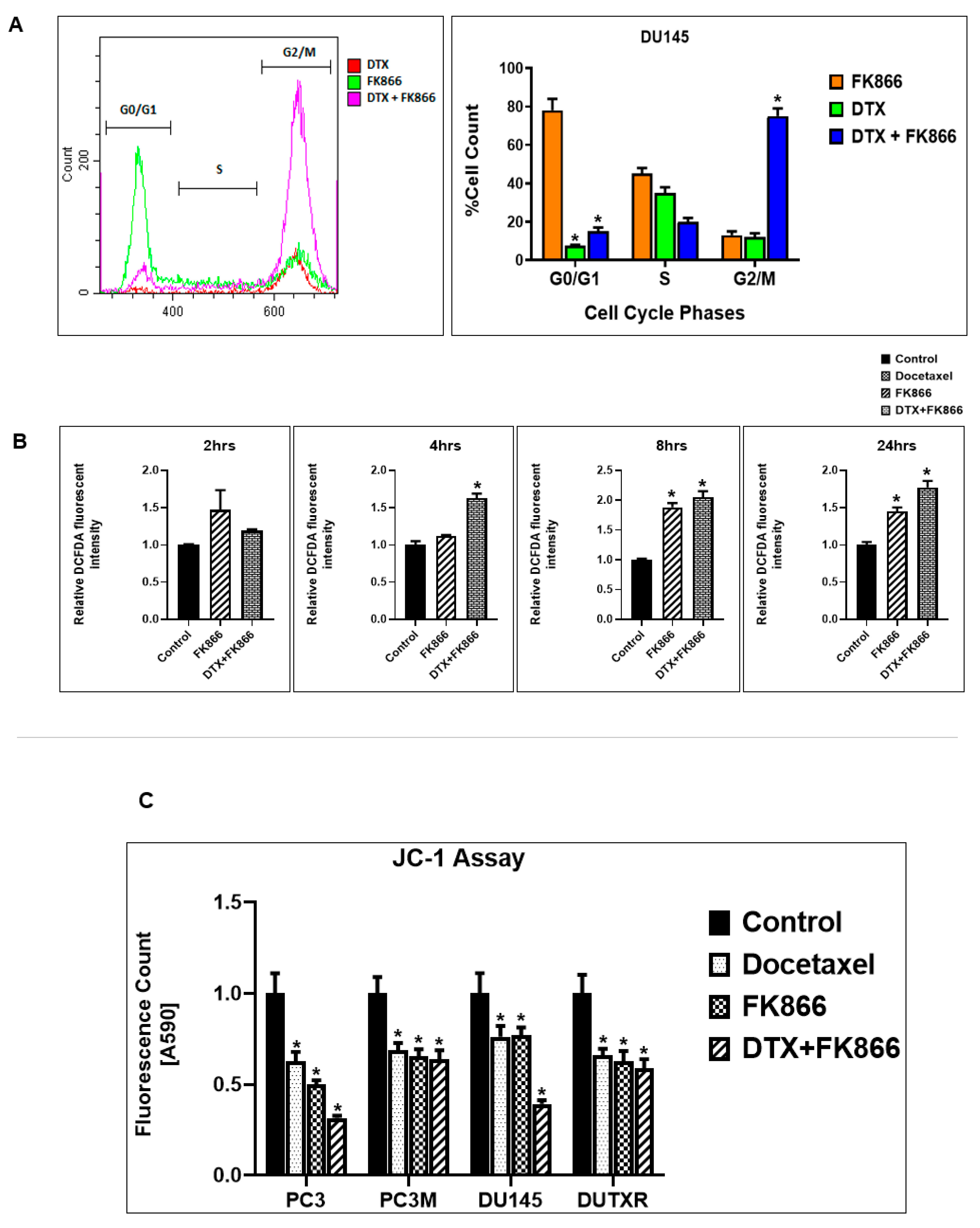
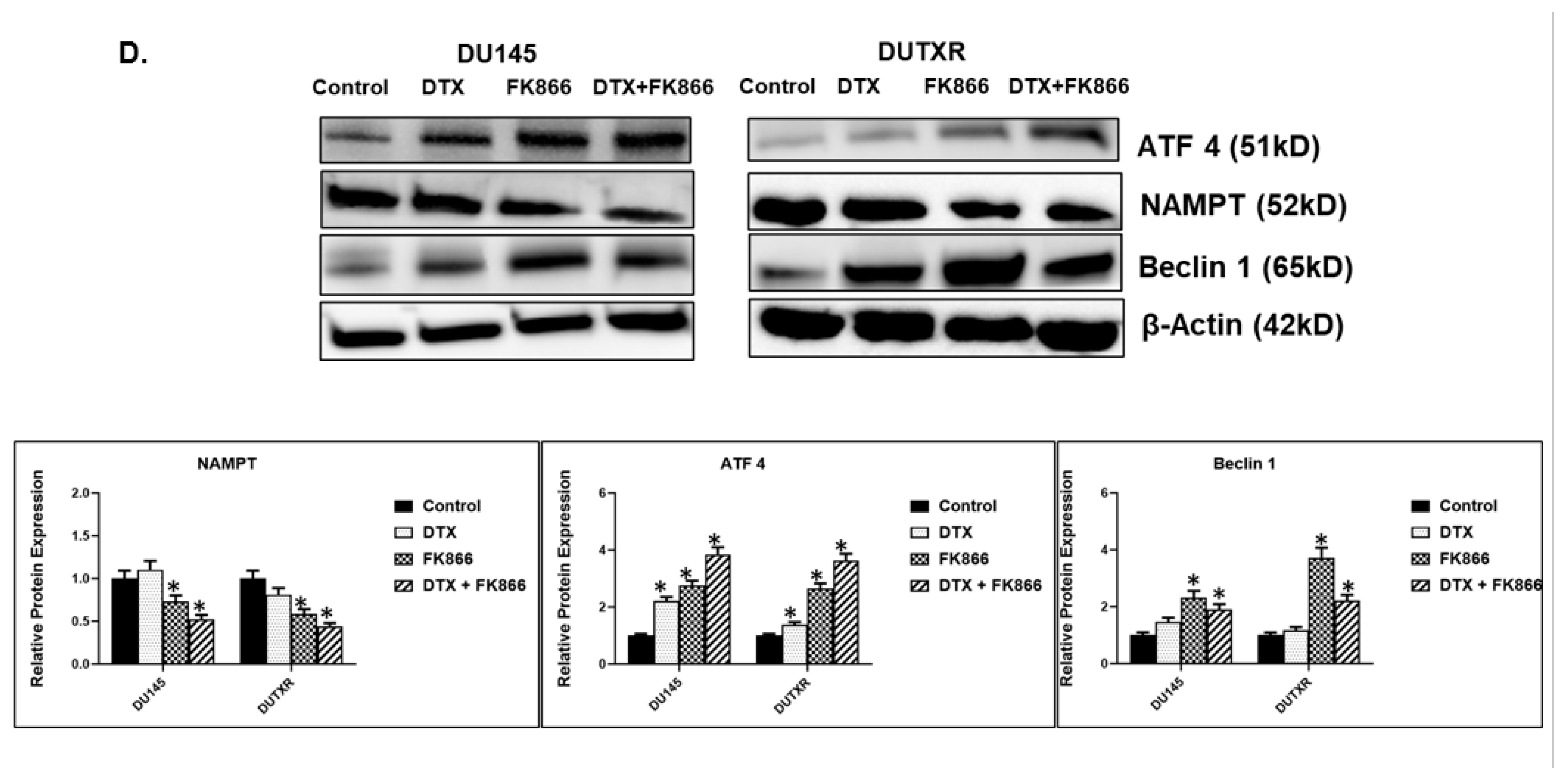
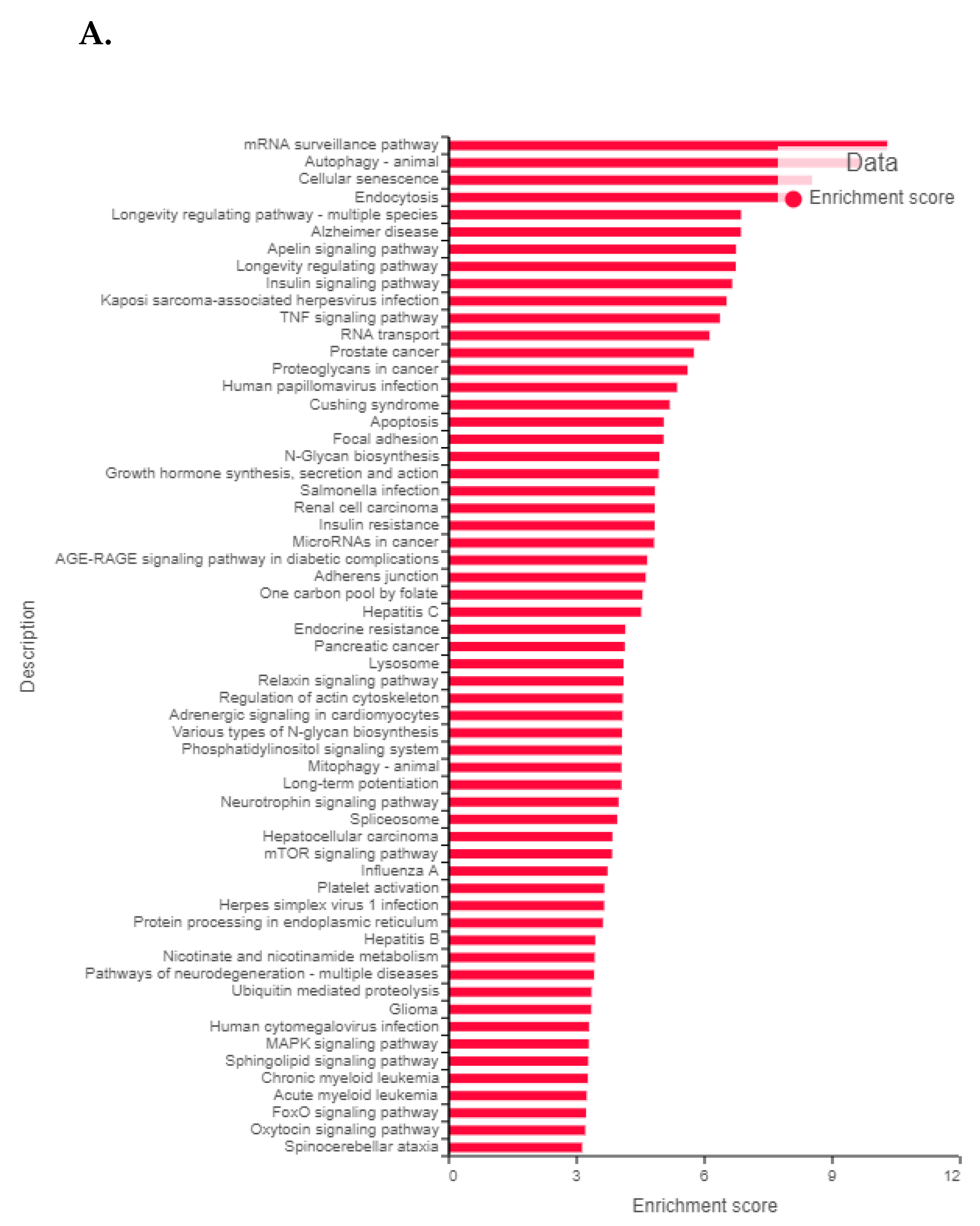
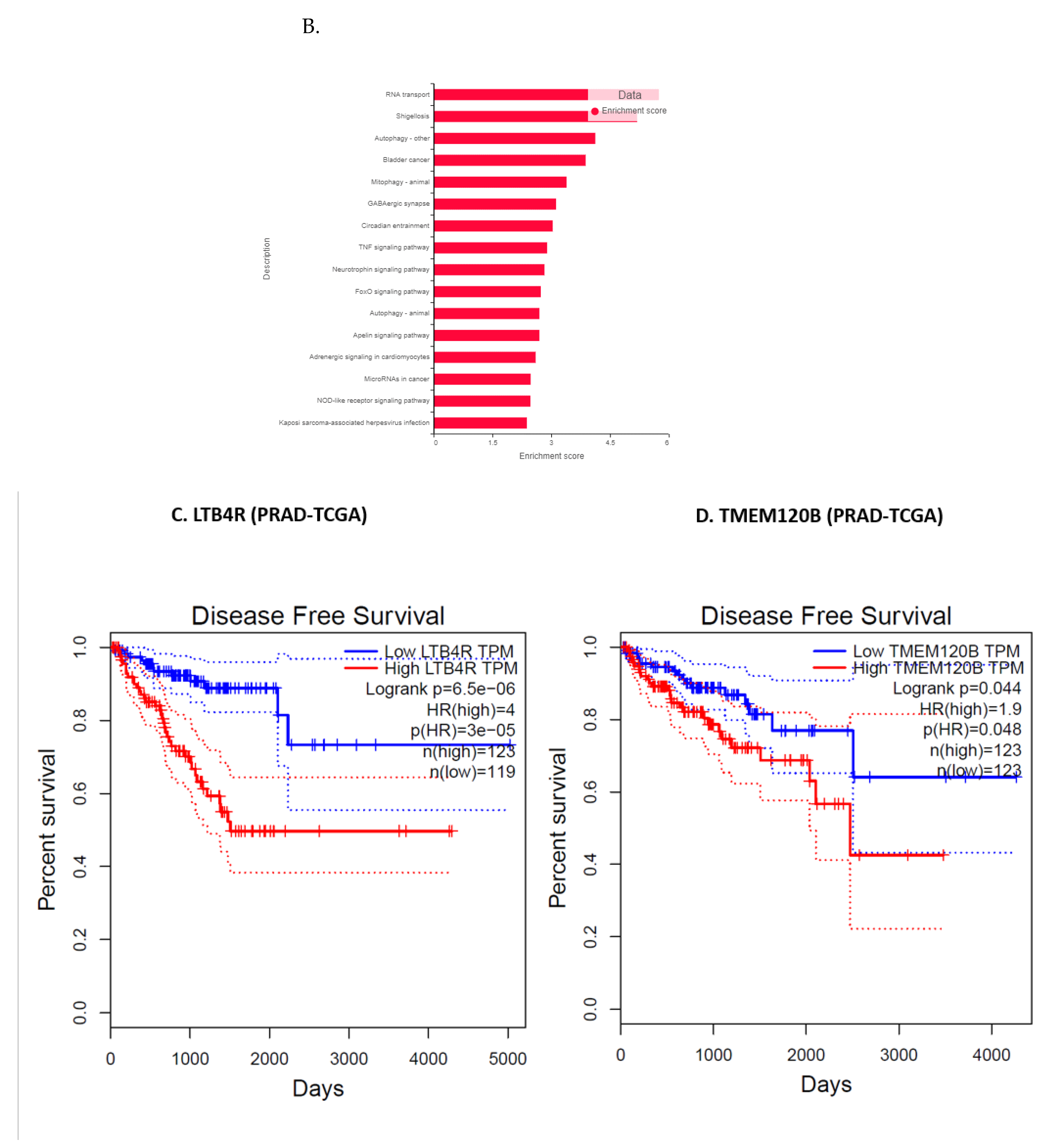
Metastatic prostate cancer/PCa is the second leading cause of cancer deaths in US men. Most early-stage PCa are dependent on overexpression of the androgen receptor (AR) and, therefore, androgen deprivation therapies/ADT-sensitive. However, eventual resistance to standard medical castration (AR-inhibitors) and secondary chemotherapies (taxanes) is nearly universal. Further, the presence of cancer stem-like cells (EMT/epithelial-to-mesenchymal transdifferentiation) and neuroendocrine PCa (NEPC) subtypes significantly contribute to aggressive/lethal/advanced variants of PCa (AVPC). In this study, we introduced a pharmacogenomics data-driven optimization-regularization-based computational prediction algorithm (“secDrugs”) to predict novel drugs against lethal PCa. Integrating secDrug with single-cell RNA-sequencing/scRNAseq as a ‘Double-Hit’ drug screening tool, we demonstrated that single-cells representing drug-resistant and stem-cell-like cells showed high expression of the NAMPT pathway genes, indicating potential efficacy of the secDrug FK866 which targets NAMPT. Next, using several cell-based assays, we showed substantial impact of FK866 on clinically advanced PCa as a single agent and in combination with taxanes or AR-inhibitors. Bulk-RNAseq and scRNAseq revealed that, in addition to NAMPT inhibition, FK866 regulates tumor metastasis, cell migration, invasion, DNA repair machinery, redox homeostasis, autophagy, as well as cancer stemness–related genes, HES1 and CD44. Further, we combined a microfluidic chip-based cell migration assay with a traditional cell migration/‘scratch’ assay and demonstrated that FK866 reduces cancer cell invasion and motility, indicating abrogation of metastasis. Finally, using PCa patient datasets, we showed that FK866 is potentially capable of reversing the expression of several genes associated with biochemical recurrence, including IFITM3 and LTB4R. Thus, using FK866 as a proof-of-concept candidate for drug repurposing, we introduced a novel, universally applicable preclinical drug development pipeline to circumvent subclonal aggressiveness, drug resistance, and stemness in lethal PCa.