Review

A Developmental Perspective on Paragangliar Tumorigenesis

by
Lavinia Vittoria Lotti
1,
Simone Vespa
2,3,
Mattia Russel Pantalone
4,
Silvia Perconti
2,3,
Diana Liberata Esposito
2,3,
Rosa Visone
2,3,
Angelo Veronese
5,
Carlo Terenzio Paties
6,
Mario Sanna
7,
Fabio Verginelli
8,
Cecilia Soderberg Nauclér
4 and
Renato Mariani-Costantini
2,3,*
1
Department of Experimental Medicine, “La Sapienza” University, Viale Regina Elena 324, 00161 Rome, Italy
2
Center of Sciences on Aging and Translational Medicine (CeSI-MeT), “G. d’Annunzio” University, Via Luigi Polacchi 11, 66100 Chieti, Italy
3
Department of Medical, Oral and Biotechnological Sciences, “G. d’Annunzio” University, Via dei Vestini 31, 66100 Chieti, Italy
4
Department of Medicine (Solna), Division of Microbial Pathogenesis, BioClinicum, Karolinska Institutet, 17164 Stockholm, Sweden
5
Department of Medicine and Aging Sciences, “G. d’Annunzio” University, Via Luigi Polacchi 11, 66100 Chieti, Italy
6
Department of Oncology-Hematology, Service of Anatomic Pathology, “Guglielmo da Saliceto” Hospital, Via Taverna 49, 29100 Piacenza, Italy
7
Skull Base Unit, “Gruppo Otologico” Piacenza-Roma, Via Antonio Emmanueli, 42, 29121 Piacenza, Italy
8
Department of Pharmacy, “G. d’Annunzio” University, Via dei Vestini 31, 66100 Chieti, Italy
*
Author to whom correspondence should be addressed.
Cancers 2019, 11(3), 273; https://doi.org/10.3390/cancers11030273

Submission received: 30 January 2019 / Revised: 20 February 2019 / Accepted: 21 February 2019 / Published: 26 February 2019
(This article belongs to the Special Issue Pheochromocytoma (PHEO) and Paraganglioma (PGL))

Abstract

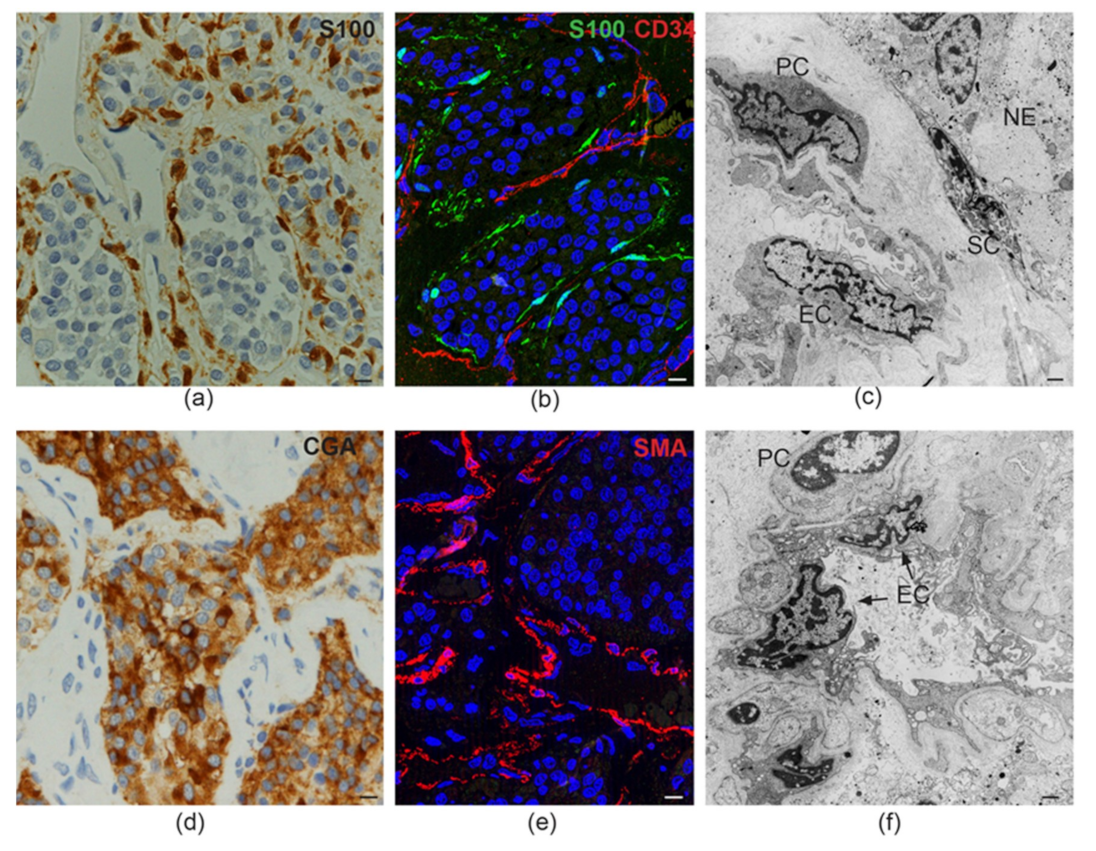
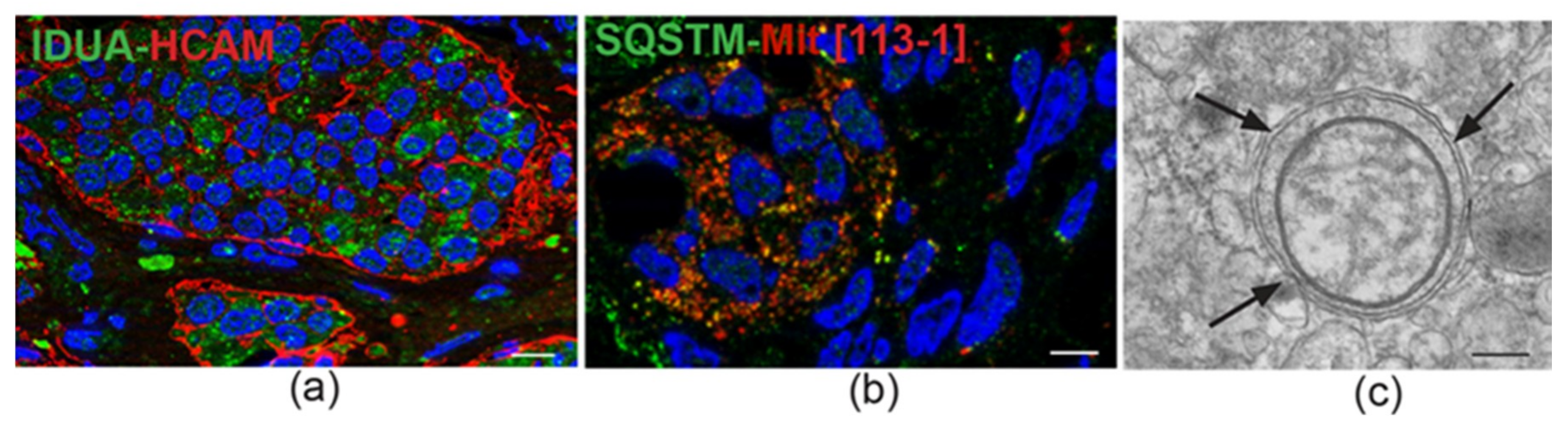
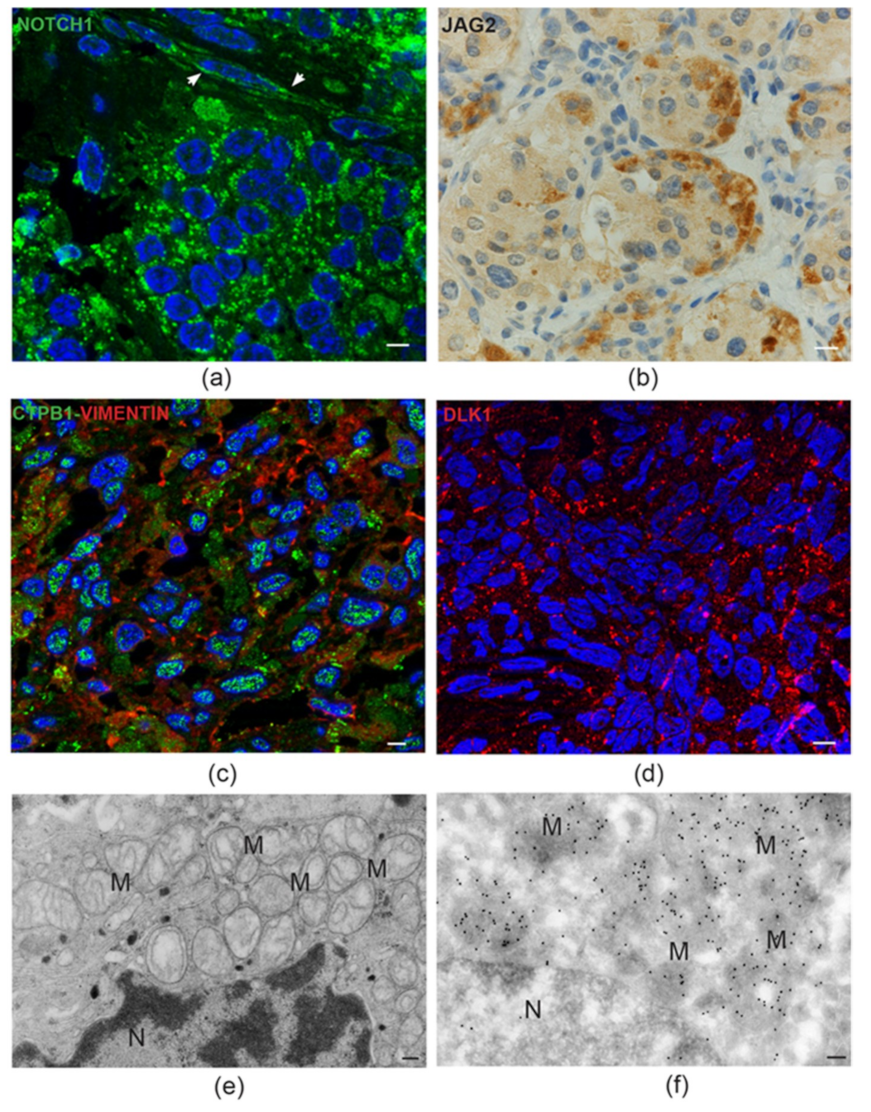
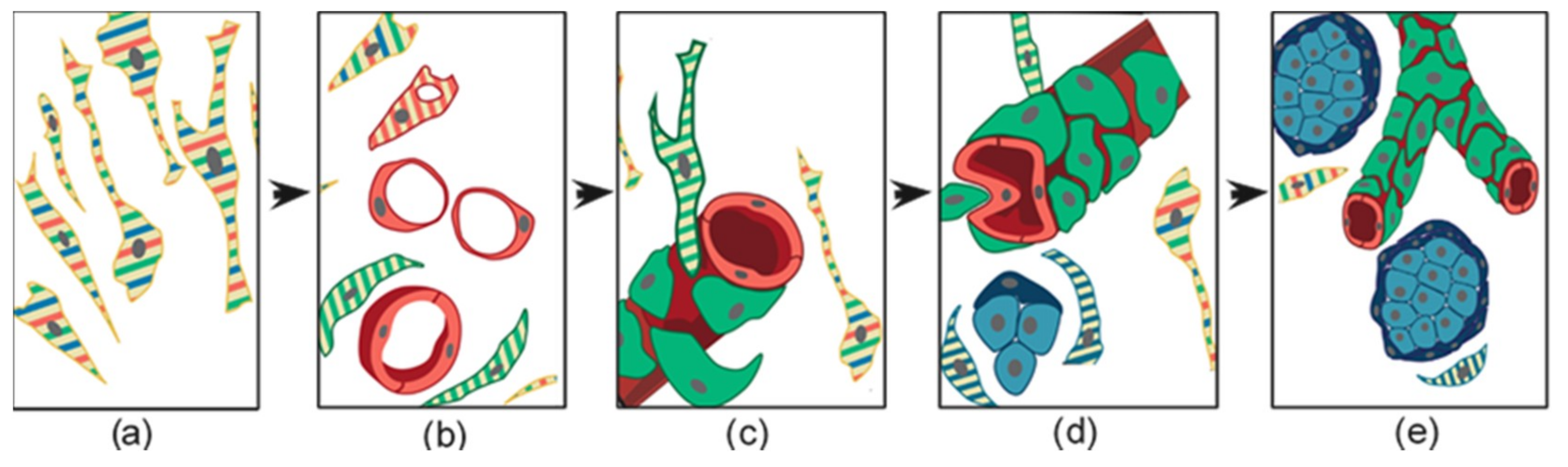
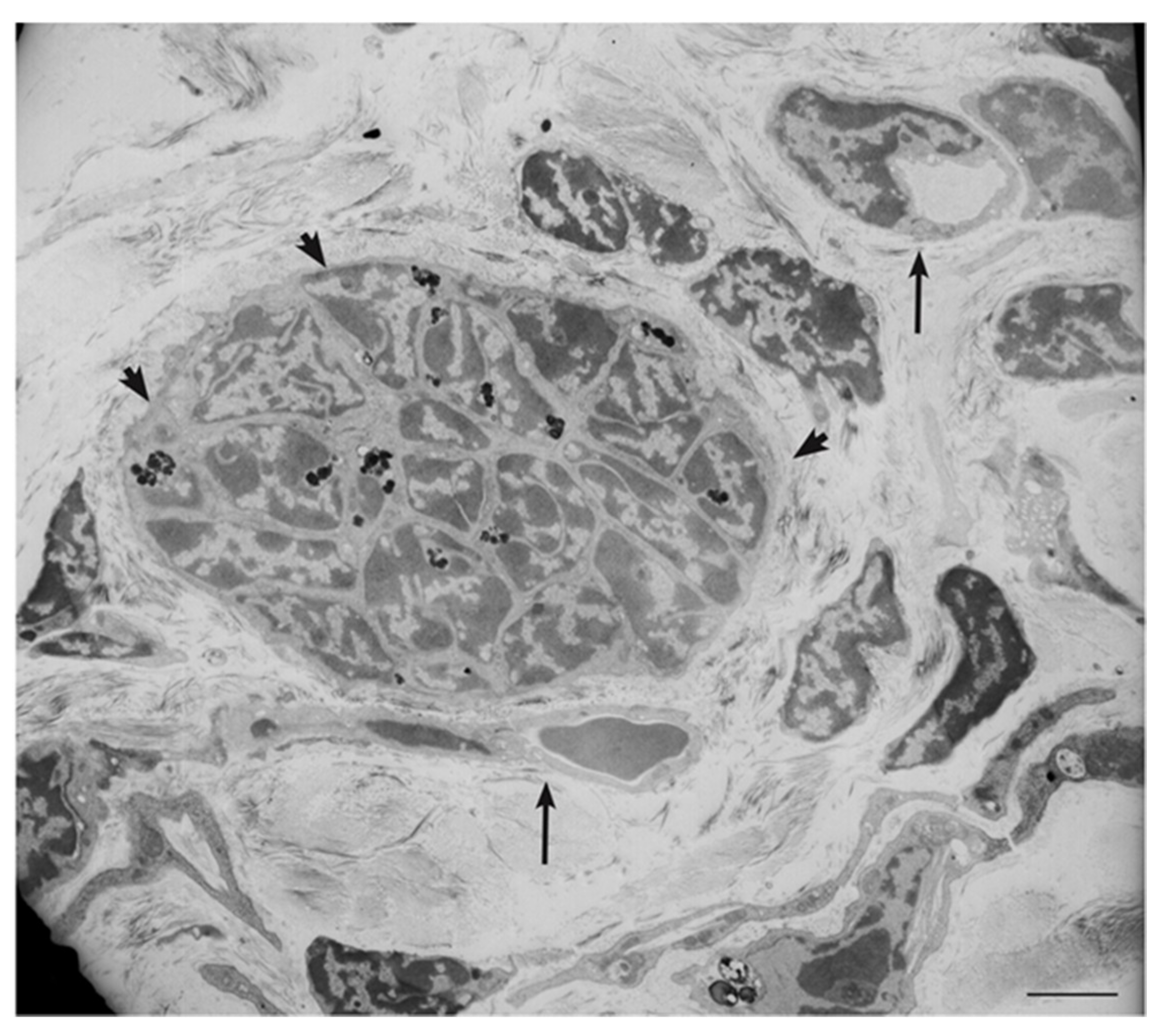
In this review, we propose that paraganglioma is a fundamentally organized, albeit aberrant, tissue composed of neoplastic vascular and neural cell types that share a common origin from a multipotent mesenchymal-like stem/progenitor cell. This view is consistent with the pseudohypoxic footprint implicated in the molecular pathogenesis of the disease, is in harmony with the neural crest origin of the paraganglia, and is strongly supported by the physiological model of carotid body hyperplasia. Our immunomorphological and molecular studies of head and neck paragangliomas demonstrate in all cases relationships between the vascular and the neural tumor compartments, that share mesenchymal and immature vasculo-neural markers, conserved in derived cell cultures. This immature, multipotent phenotype is supported by constitutive amplification of NOTCH signaling genes and by loss of the microRNA-200s and -34s, which control NOTCH1, ZEB1, and PDGFRA in head and neck paraganglioma cells. Importantly, the neuroepithelial component is distinguished by extreme mitochondrial alterations, associated with collapse of the ΔΨm. Finally, our xenograft models of head and neck paraganglioma demonstrate that mesenchymal-like cells first give rise to a vasculo-angiogenic network, and then self-organize into neuroepithelial-like clusters, a process inhibited by treatment with imatinib.
Keywords: carotid body; angiogenesis; mitochondria; neural crest; neurogenesis; paraganglioma; stem-like tumor cells; vasculogenesis; xenograft carotid body; angiogenesis; mitochondria; neural crest; neurogenesis; paraganglioma; stem-like tumor cells; vasculogenesis; xenograft