Article

Modifying Wicking Speeds in Paper-Based Microfluidic Devices by Laser-Etching


1
Department of Mechanical Engineering, University of California, Riverside, CA 92521, USA
2
Department of Bioengineering, University of California, Riverside, CA 92521, USA
3
Stem Cell Center, University of California, Riverside, CA 92521, USA
*
Author to whom correspondence should be addressed.
Micromachines 2020, 11(8), 773; https://doi.org/10.3390/mi11080773
Submission received: 17 July 2020 / Revised: 5 August 2020 / Accepted: 10 August 2020 / Published: 14 August 2020
(This article belongs to the Special Issue X-fluidics at the Micro/Nanoscale)

Abstract

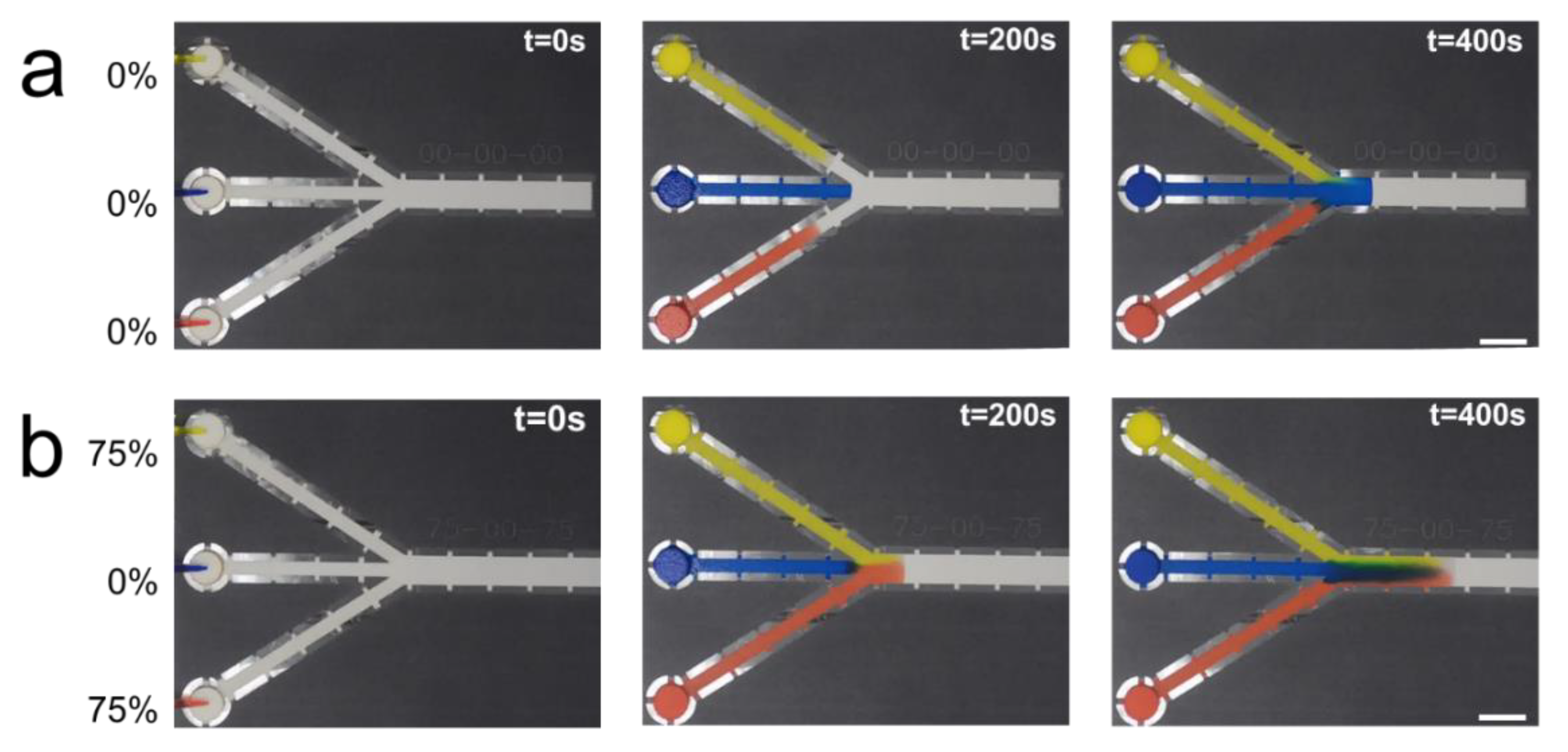
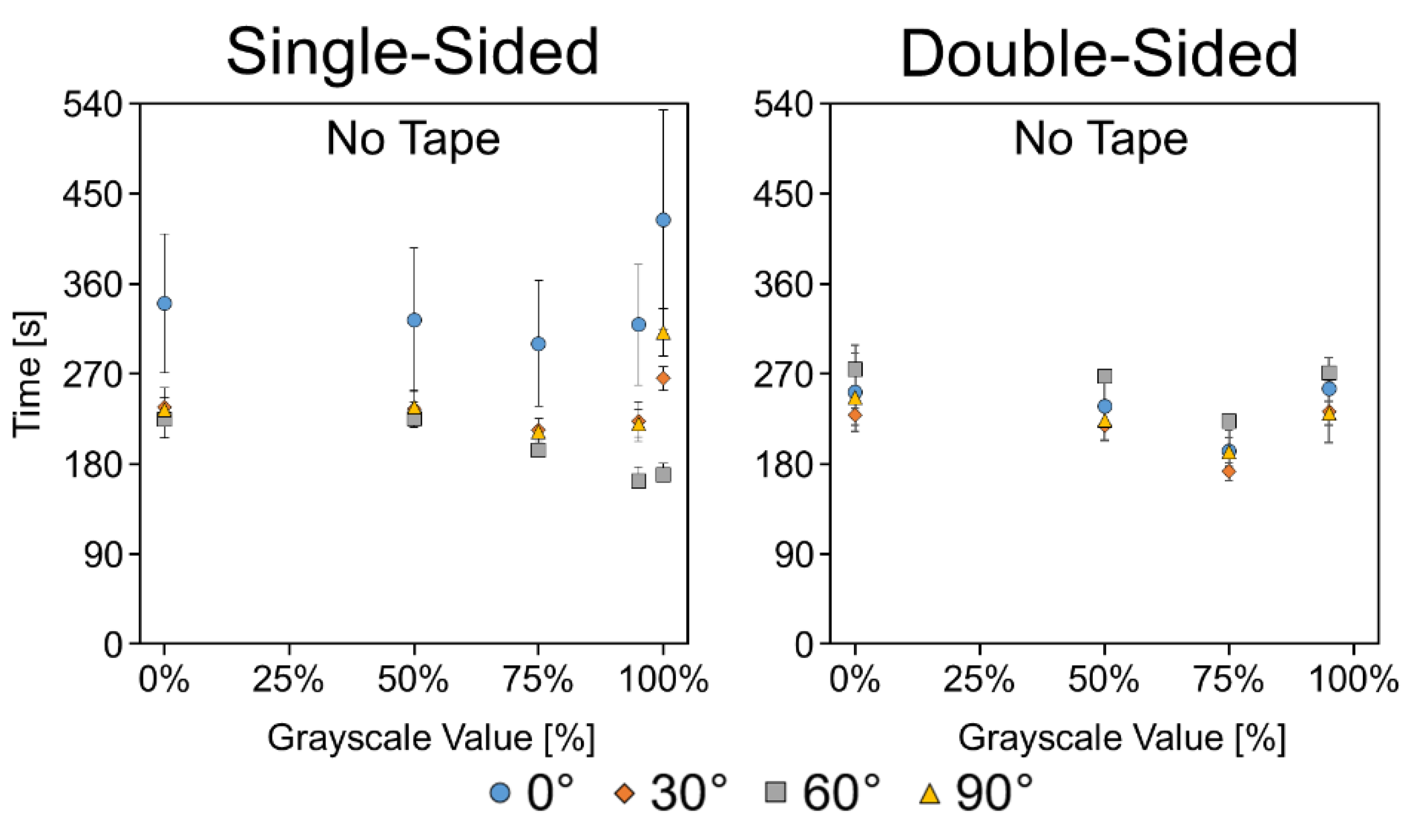
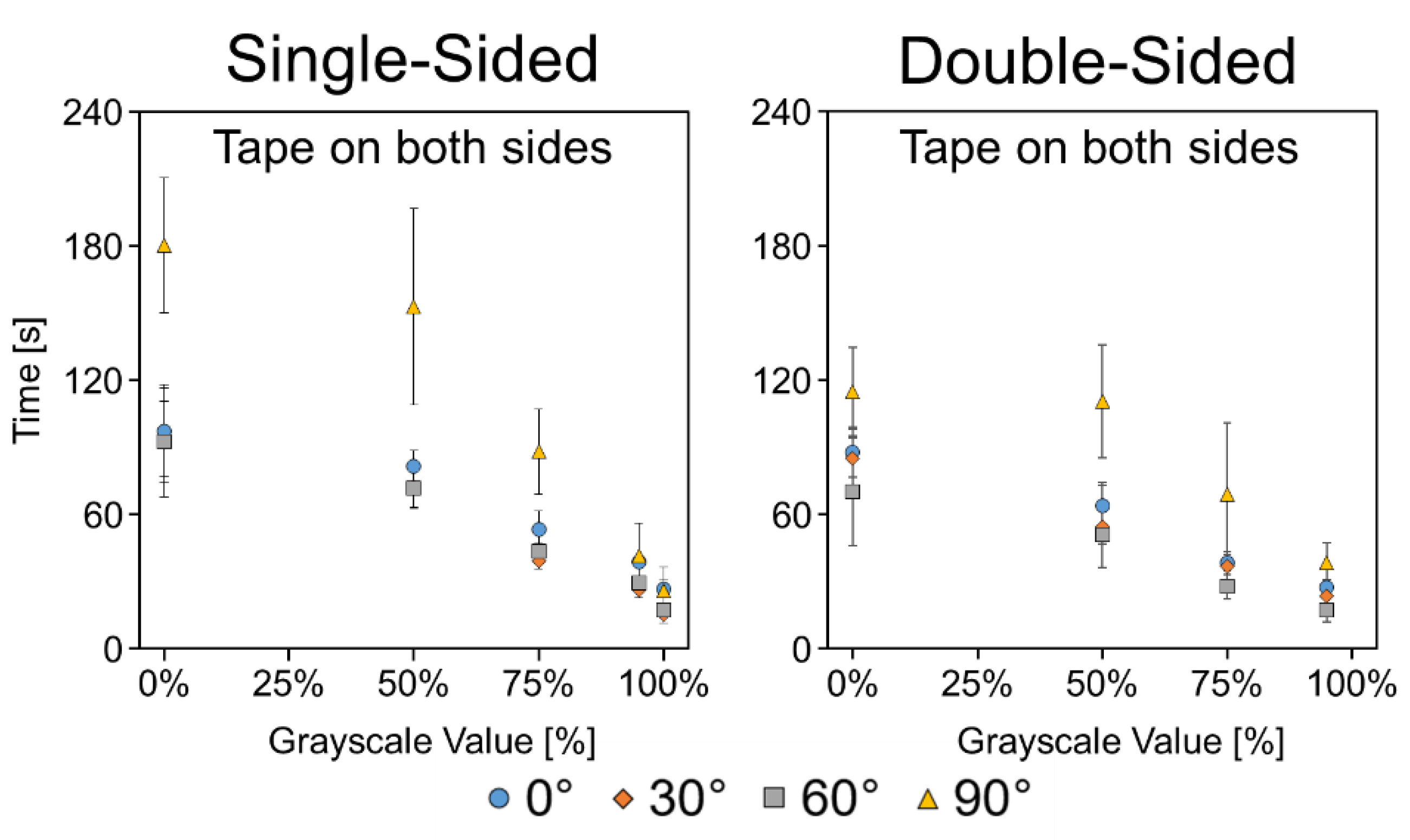
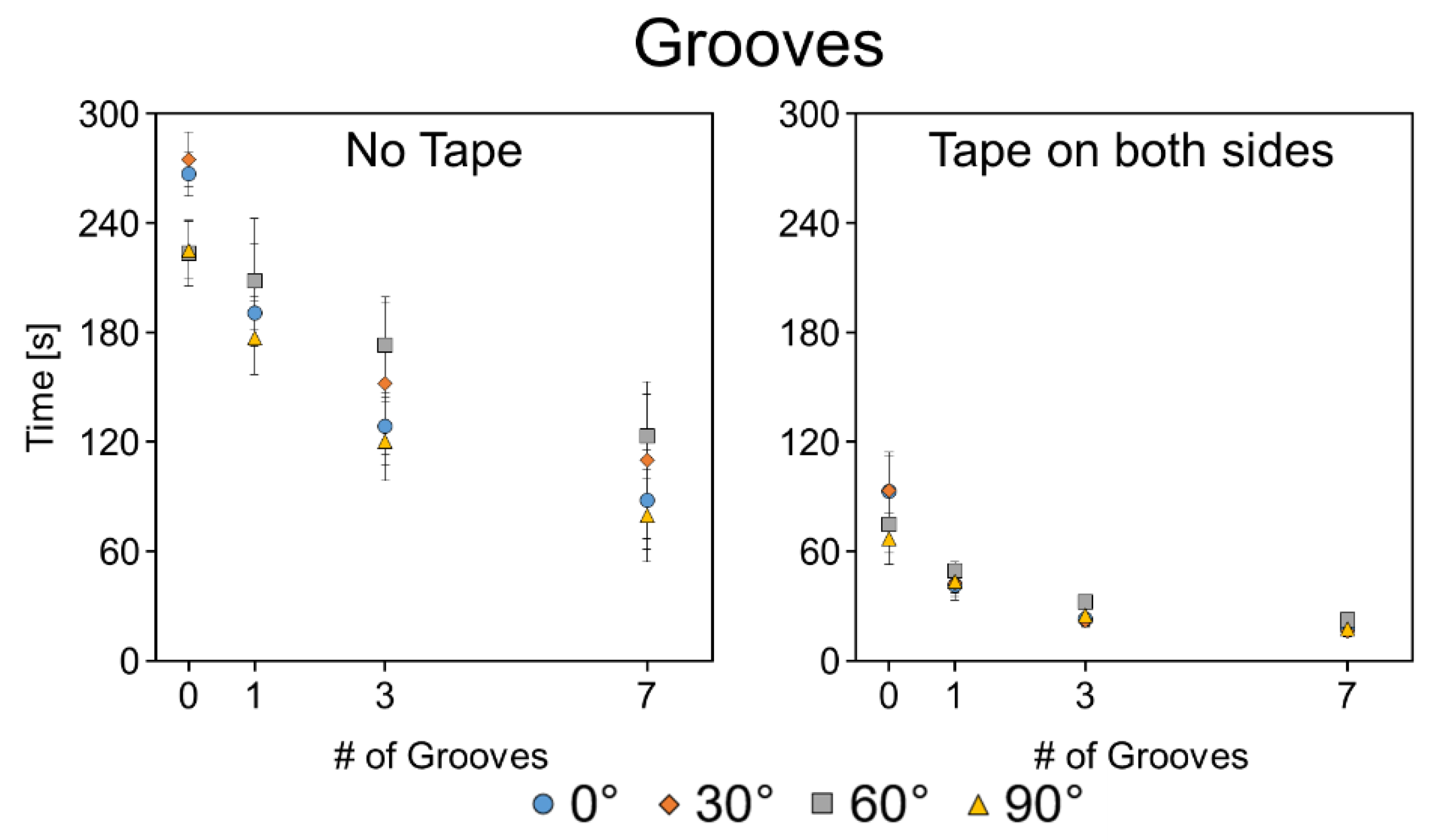
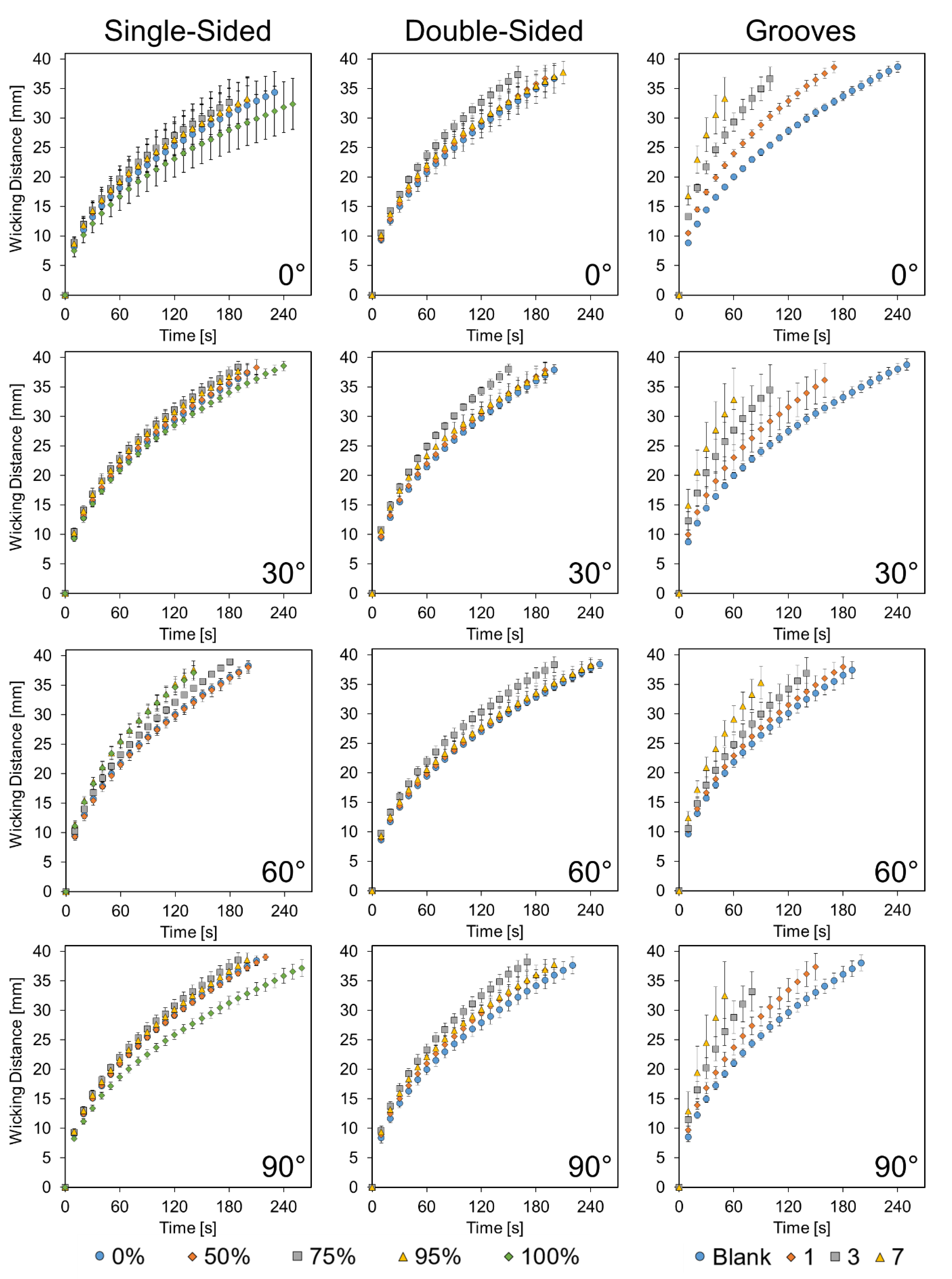
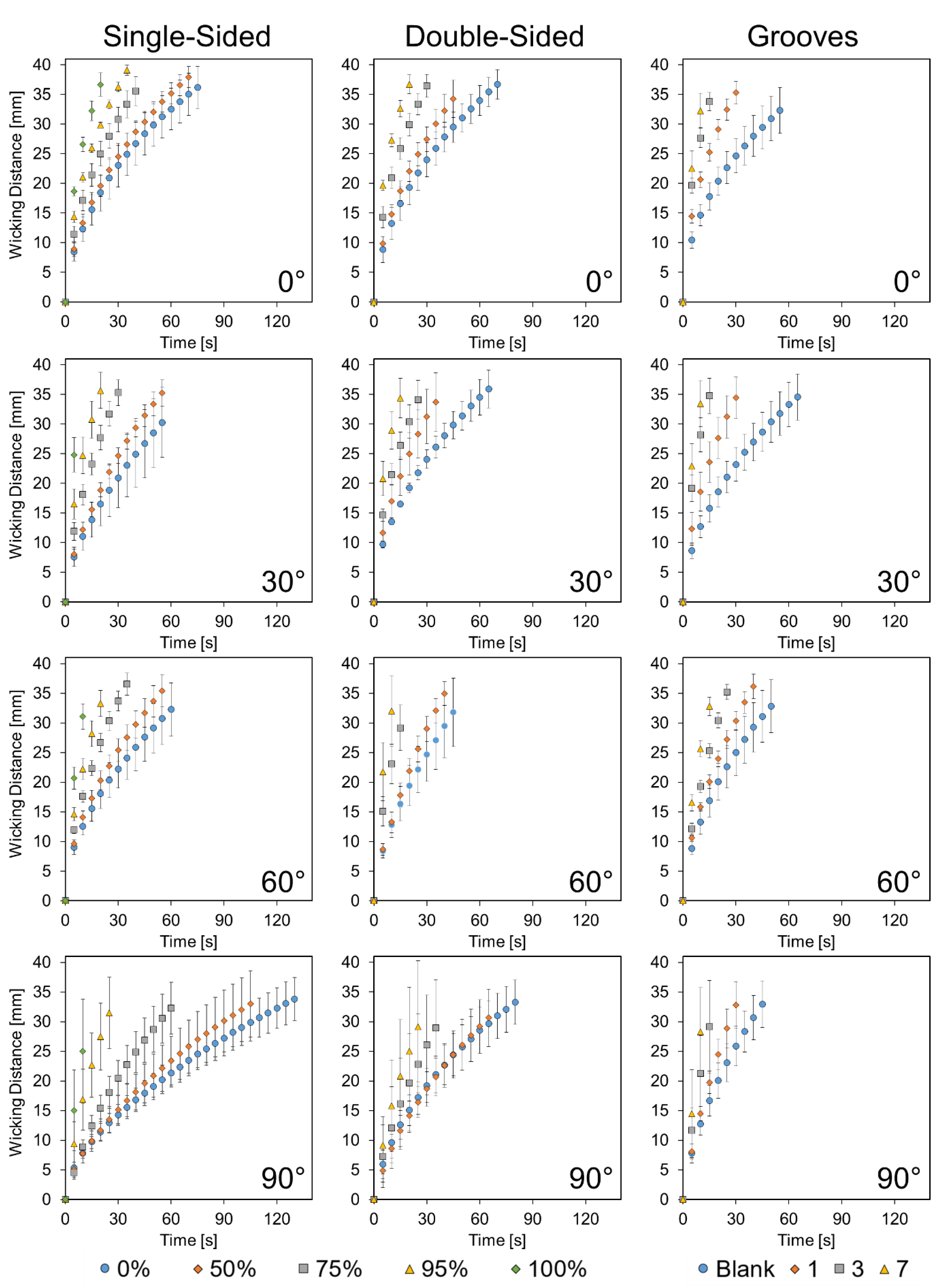
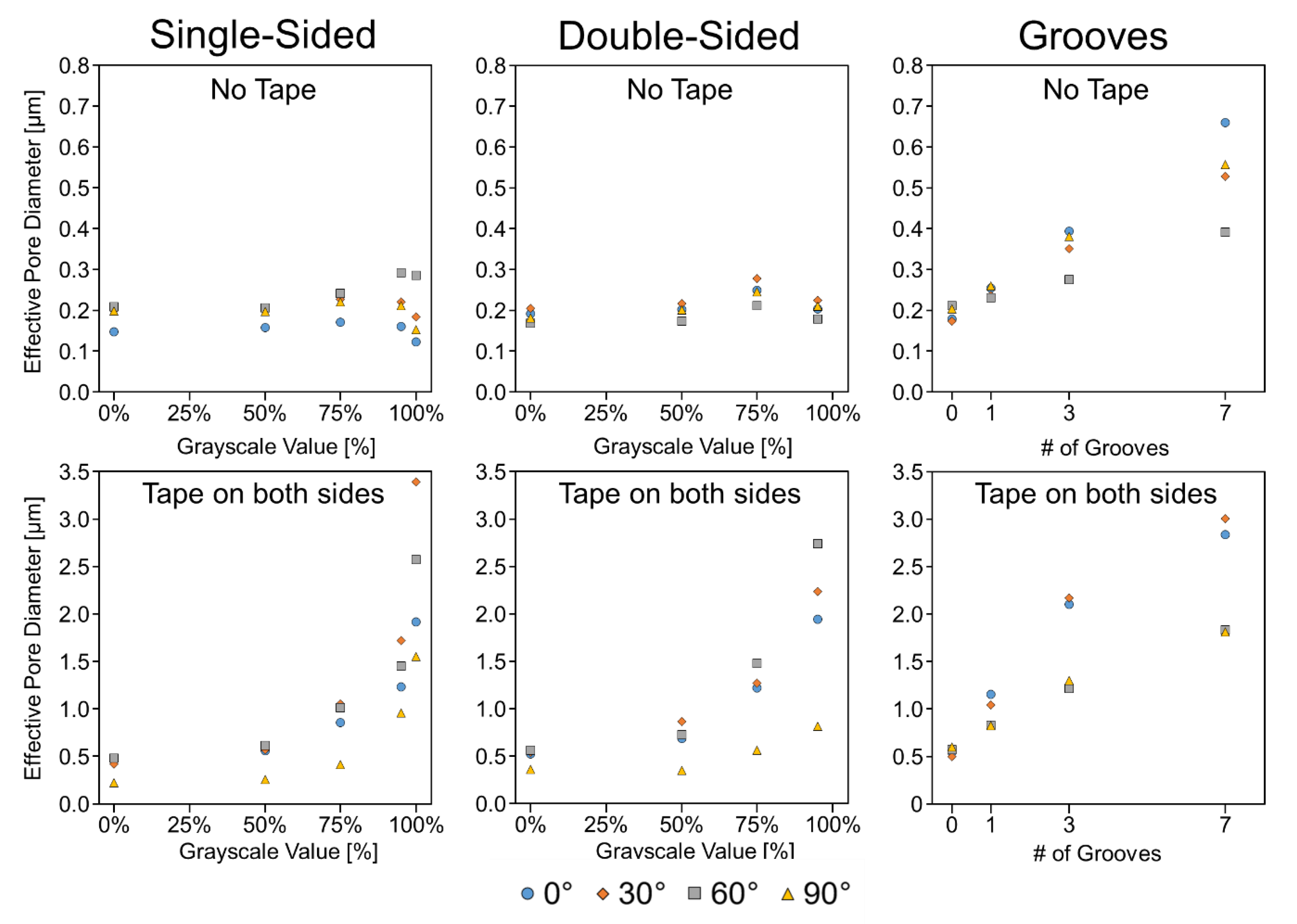
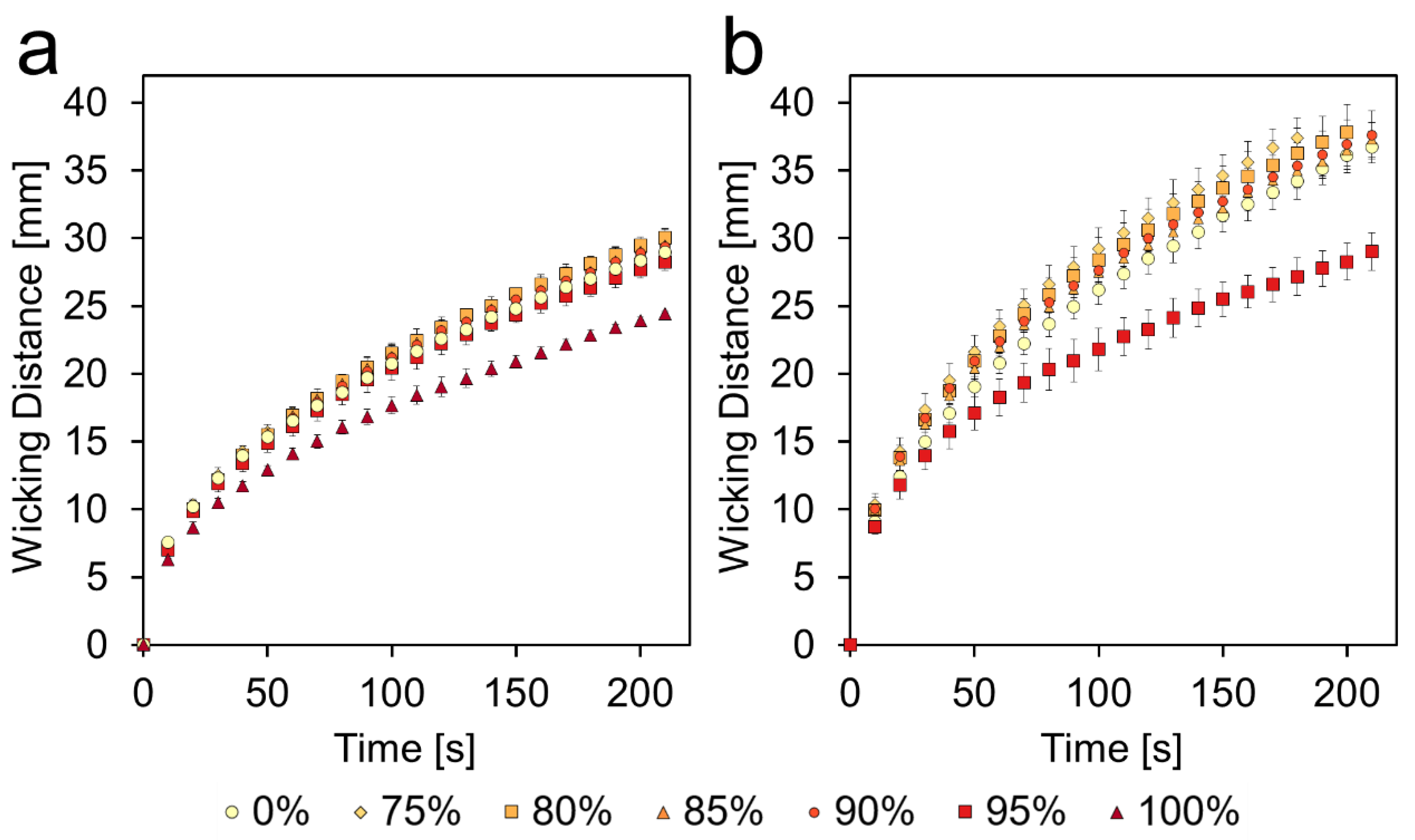
Paper-based microfluidic devices are an attractive platform for developing low-cost, point-of-care diagnostic tools. As paper-based devices’ detection chemistries become more complex, more complicated devices are required, often entailing the sequential delivery of different liquids or reagents to reaction zones. Most research into flow control has been focused on introducing delays. However, delaying the flow can be problematic due to increased evaporation leading to sample loss. We report the use of a CO2 laser to uniformly etch the surface of the paper to modify wicking speeds in paper-based microfluidic devices. This technique can produce both wicking speed increases of up to 1.1× faster and decreases of up to 0.9× slower. Wicking speeds can be further enhanced by etching both sides of the paper, resulting in wicking 1.3× faster than unetched channels. Channels with lengthwise laser-etched grooves were also compared to uniformly etched channels, with the most heavily grooved channels wicking 1.9× faster than the fastest double-sided etched channels. Furthermore, sealing both sides of the channel in packing tape results in the most heavily etched channels, single-sided, double-sided, and grooved, wicking over 13× faster than unetched channels. By selectively etching individual channels, different combinations of sequential fluid delivery can be obtained without altering any channel geometry. Laser etching is a simple process that can be integrated into the patterning of the device and requires no additional materials or chemicals, enabling greater flow control for paper-based microfluidic devices.
Keywords: paper-based microfluidics; laser-etching; wicking speeds; faster wicking paper-based microfluidics; laser-etching; wicking speeds; faster wicking