Article

Ergonomic Design and Performance Evaluation of H-Suit for Human Walking

1
Beijing Key Laboratory of Advanced Manufacturing Technology, Beijing University of Technology, Beijing 100124, China
2
School of Electromechanical Engineering, Beijing Information Science and Technology University, Beijing 100192, China
*
Author to whom correspondence should be addressed.
Micromachines 2022, 13(6), 825; https://doi.org/10.3390/mi13060825
Submission received: 11 April 2022 / Revised: 23 May 2022 / Accepted: 23 May 2022 / Published: 25 May 2022

Abstract

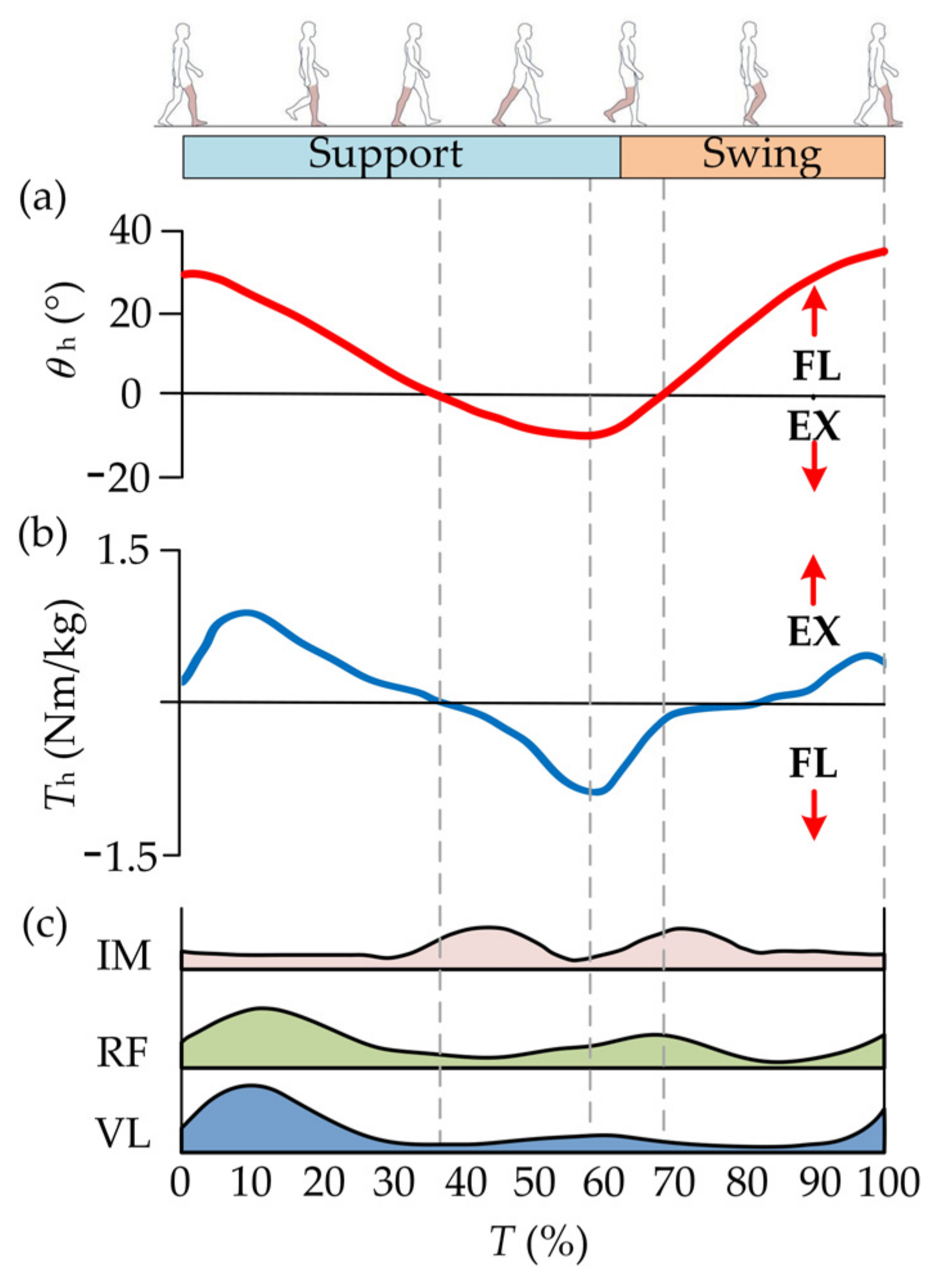
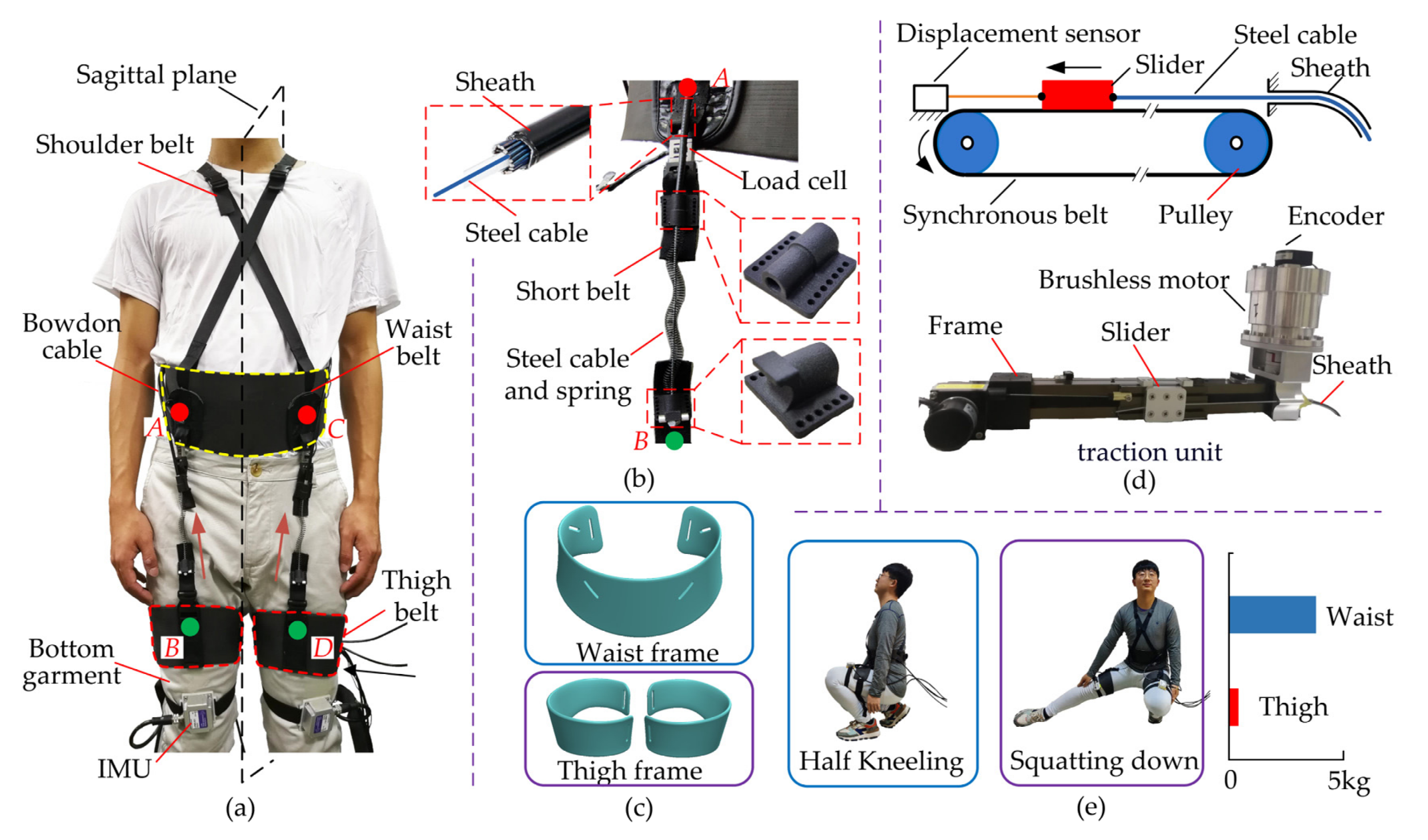
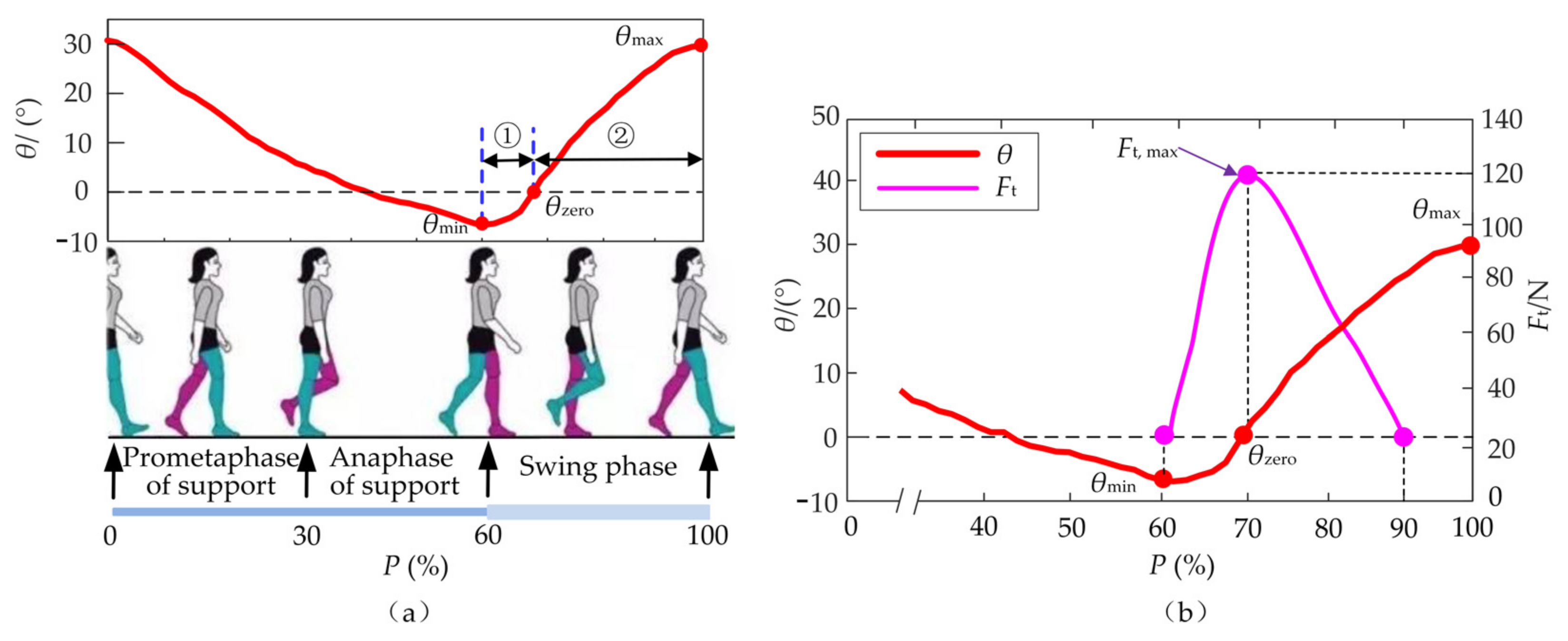
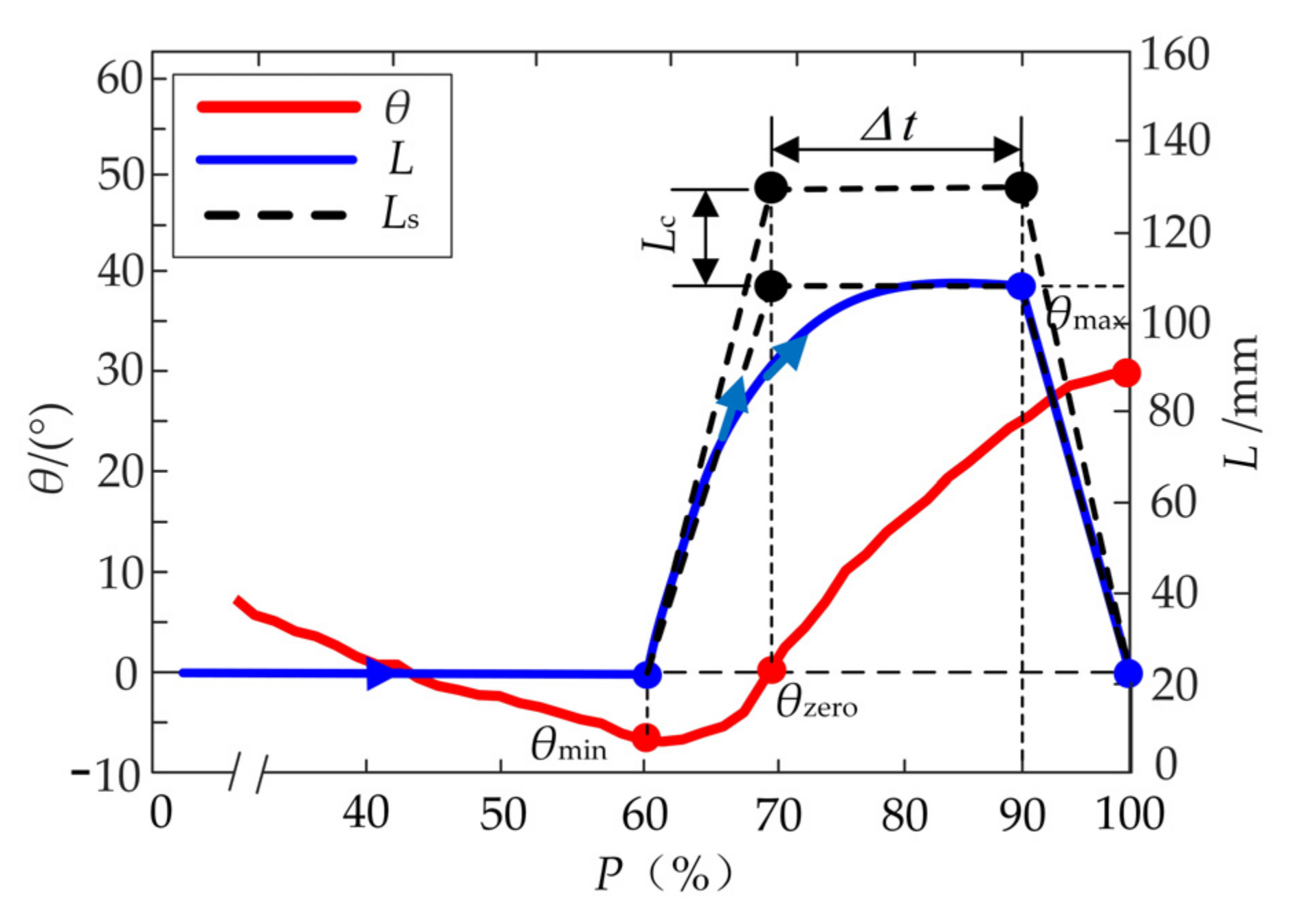
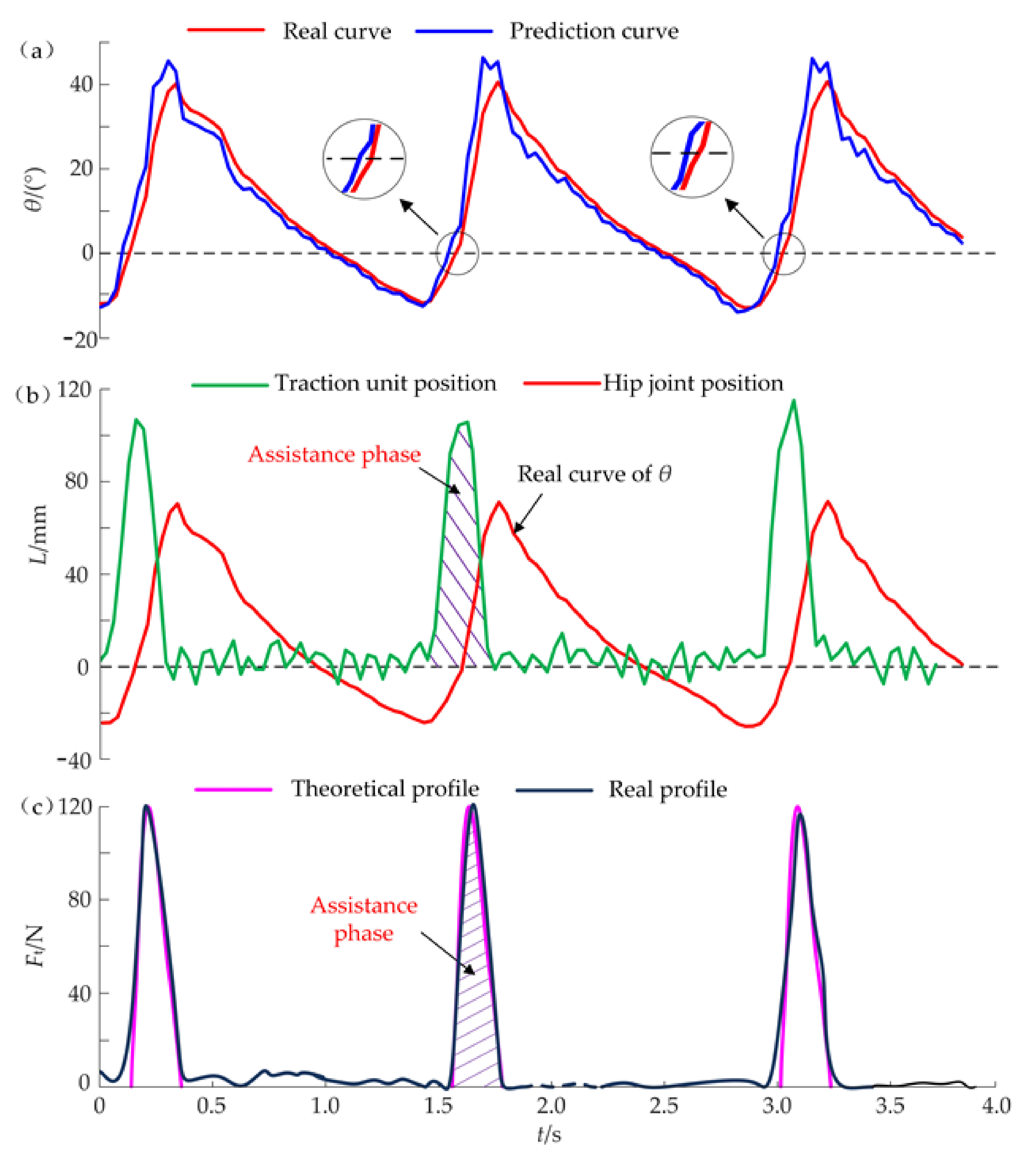
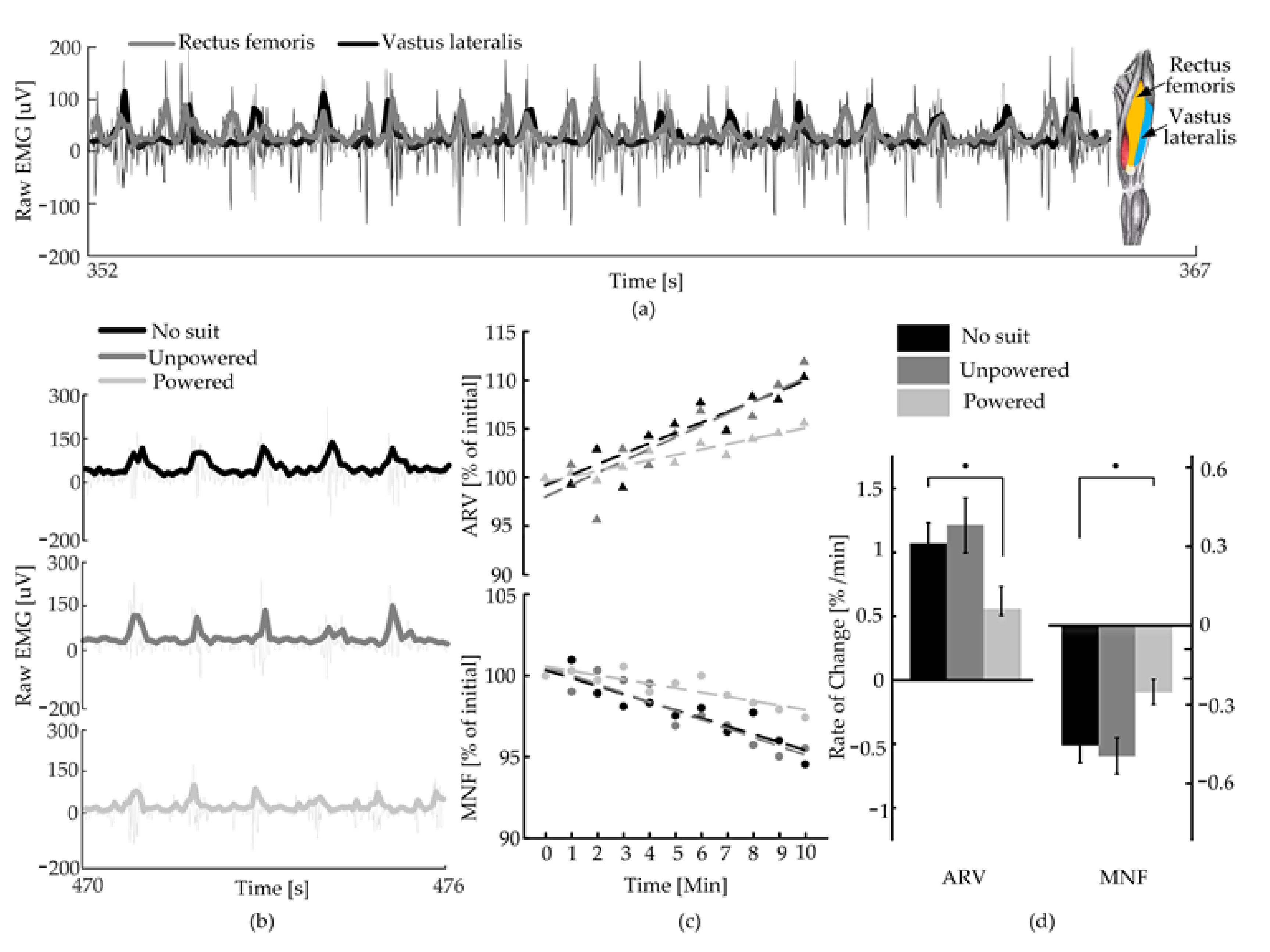
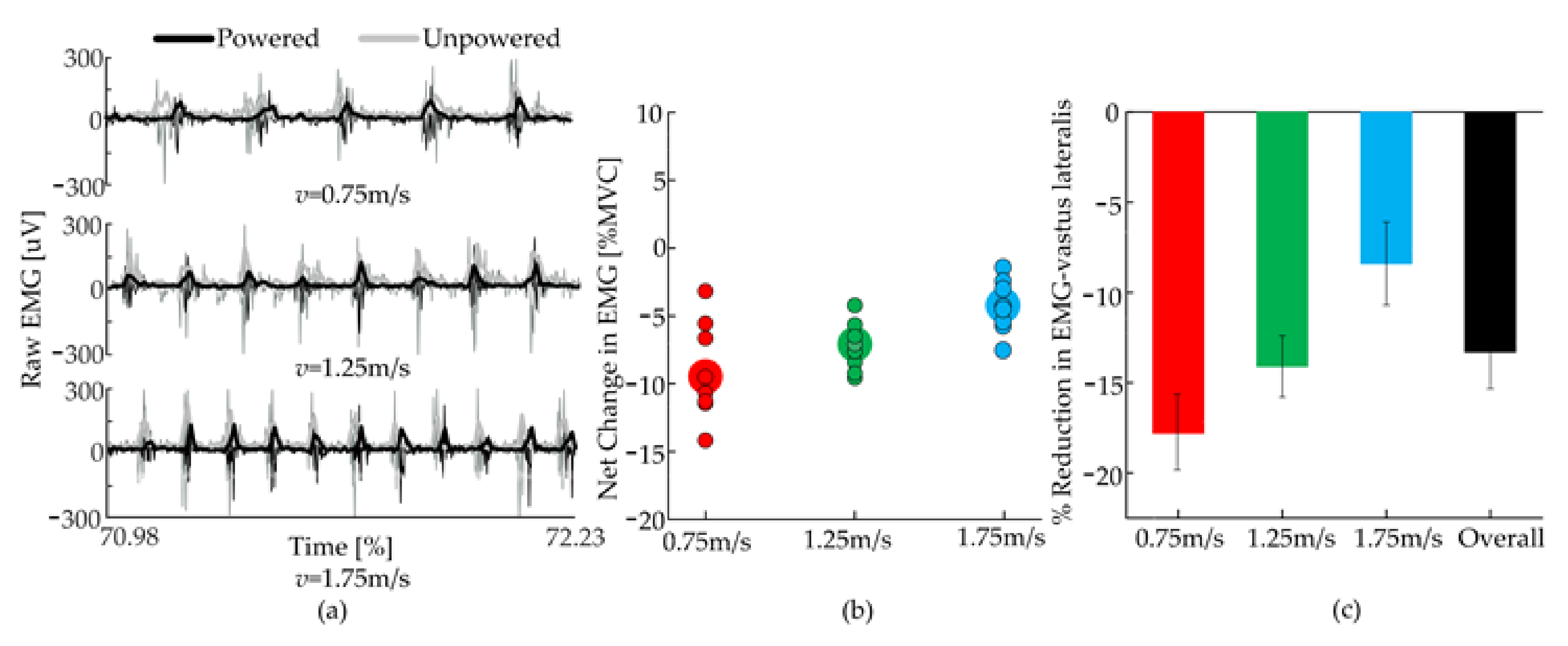
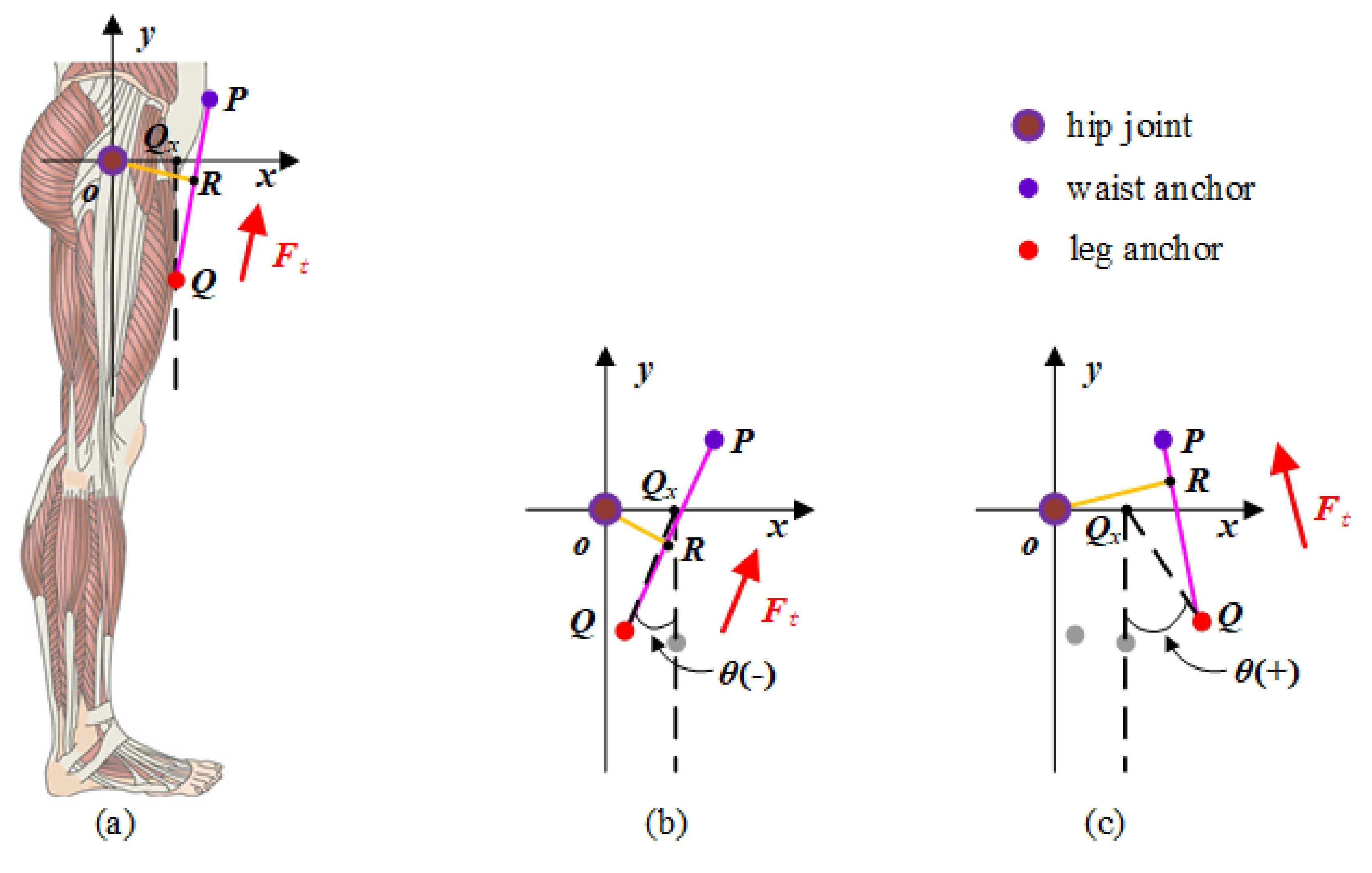
A soft exoskeleton for the hip flexion, named H-Suit, is developed to improve the walking endurance of lower limbs, delay muscle fatigue and reduce the activation level of hip flexors. Based on the kinematics and biomechanics of the hip joints, the ergonomic design of the H-Suit system is clearly presented and the prototype was developed. The profile of the auxiliary forces is planned in the auxiliary range where the forces start at the minimum hip angle, reach the maximum (120 N) and end at 90% of each gait cycle. The desired displacements of the traction unit which consist of the natural and elastic displacements of the steel cables are obtained by the experimental method. An assistance strategy is proposed to track the profile of the auxiliary forces by dynamically adjusting the compensation displacement Lc and the hold time Δt. The influences of the variables Lc and Δt on the natural gaits and auxiliary forces have been revealed and analyzed. The real profile of the auxiliary forces can be obtained and is consistent with the theoretical one by the proposed assistance strategy. The H-Suit without the drive unit has little effect on the EMG signal of the lower limbs. In the powered condition, the H-Suit can delay the muscle fatigue of the lower limbs. The average rectified value (ARV) slope decreases and the median frequency (MNF) slope increases significantly. Wearing the H-Suit resulted in a significant reduction of the vastus lateralis effort, averaged over subjects and walking speeds, of 13.3 ± 2.1% (p = 2 × 10⁻⁵).
Keywords: soft robotic suit; hip assistance; gait prediction; performance evaluation; EMG signal soft robotic suit; hip assistance; gait prediction; performance evaluation; EMG signal