Article

Investigation of 3.3 kV 4H-SiC DC-FSJ MOSFET Structures
1
Department of Engineering Science and Ocean Engineering, National Taiwan University, Taipei 10617, Taiwan
2
Advanced Research Center for Green Materials Science and Technology, National Taiwan University, Taipei 10617, Taiwan
3
Institute of Electronics Engineering, National Tsing Hua University, Hsinchu 300044, Taiwan
4
Industrial Technology Research Institute, Hsinchu 310401, Taiwan
*
Author to whom correspondence should be addressed.
Micromachines 2021, 12(7), 756; https://doi.org/10.3390/mi12070756
Submission received: 10 May 2021 / Revised: 4 June 2021 / Accepted: 22 June 2021 / Published: 27 June 2021

Abstract

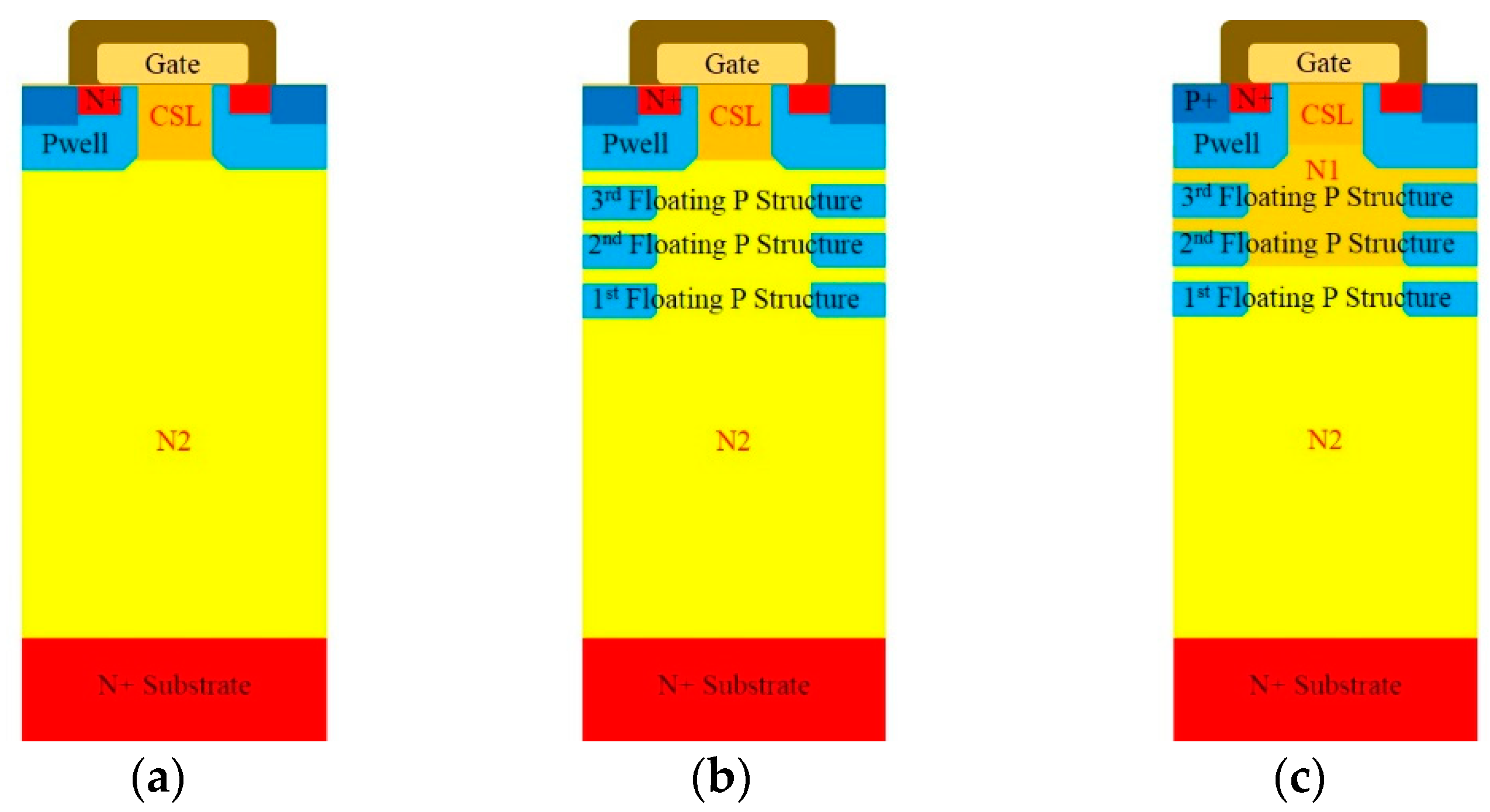
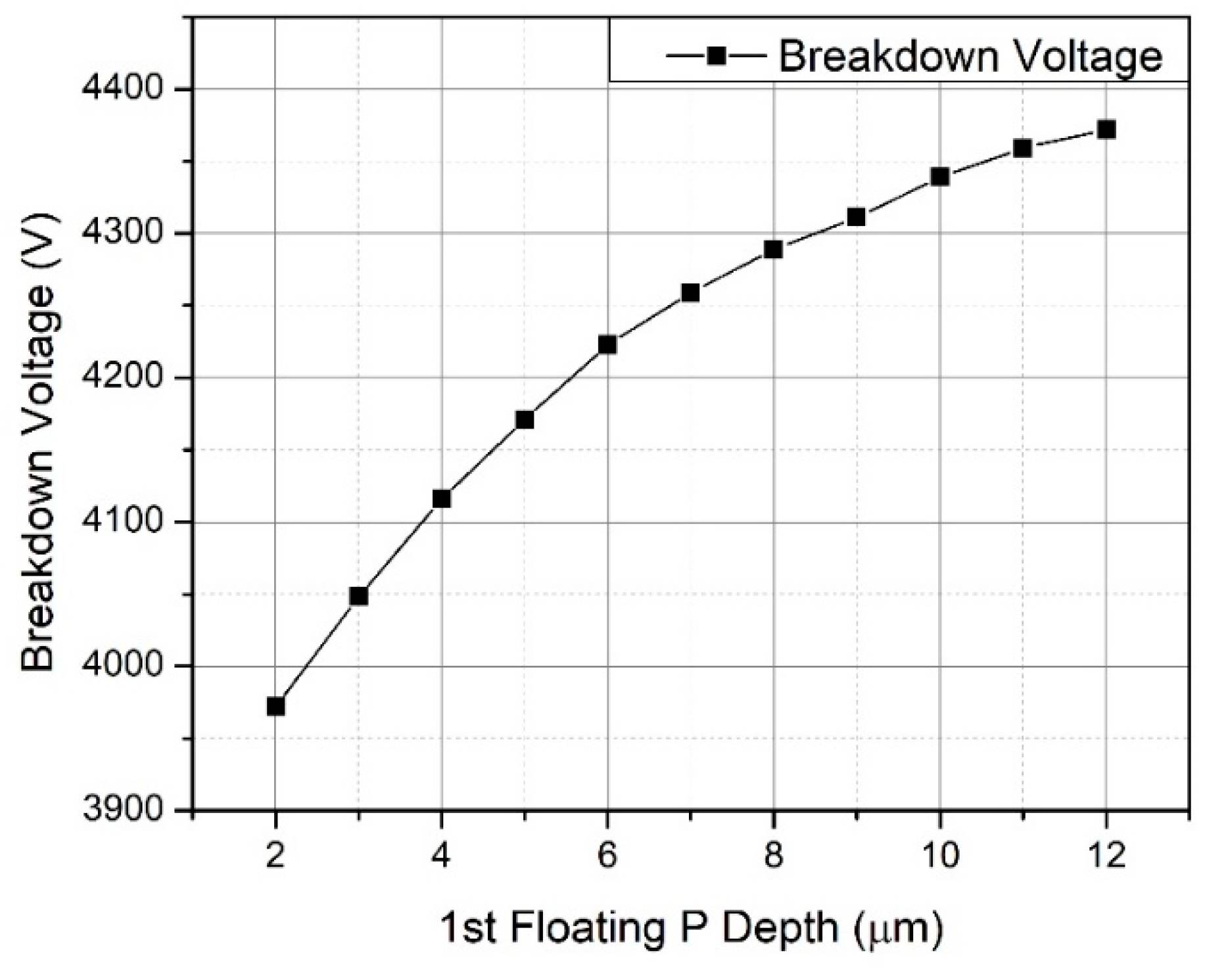
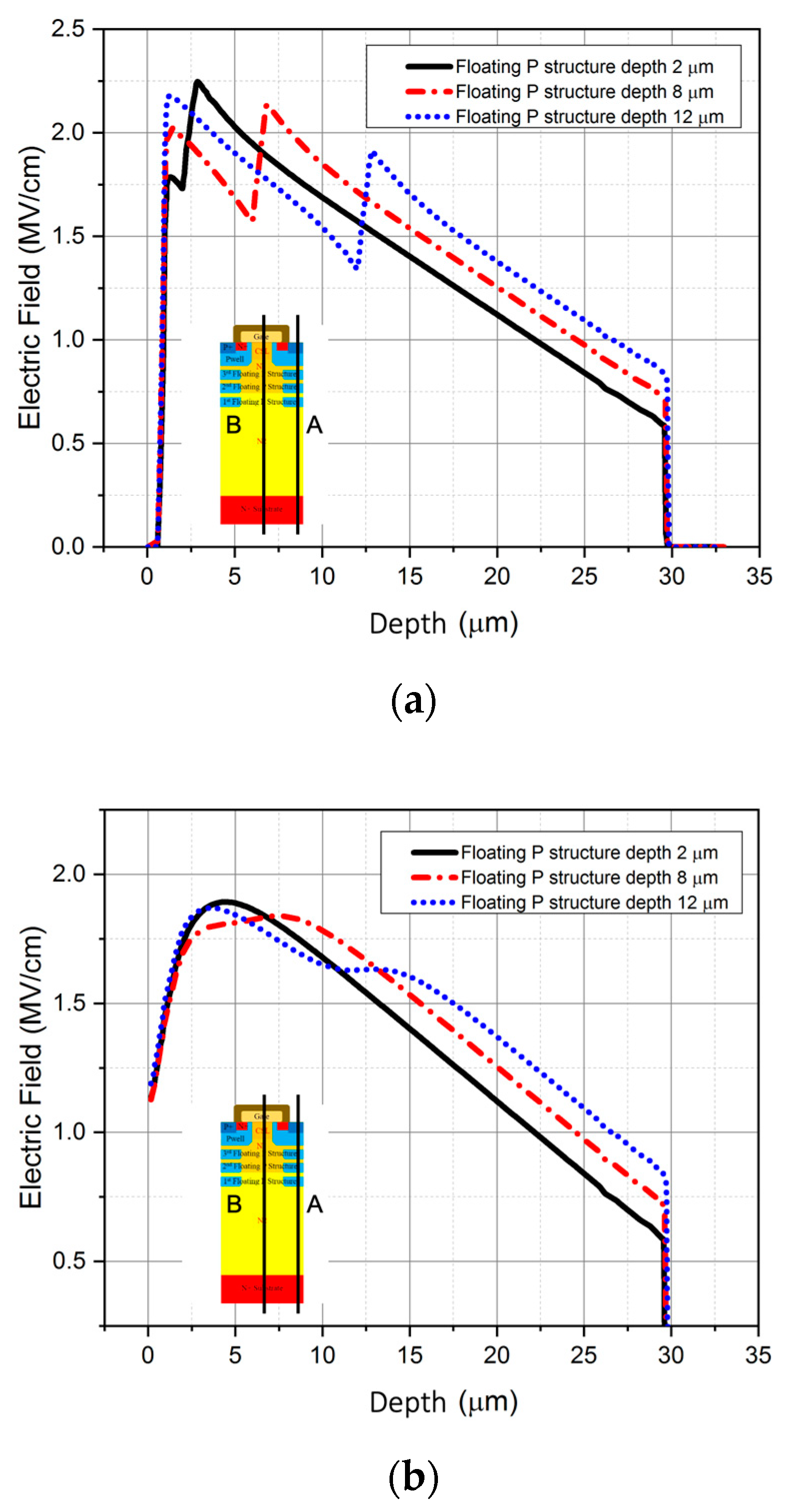
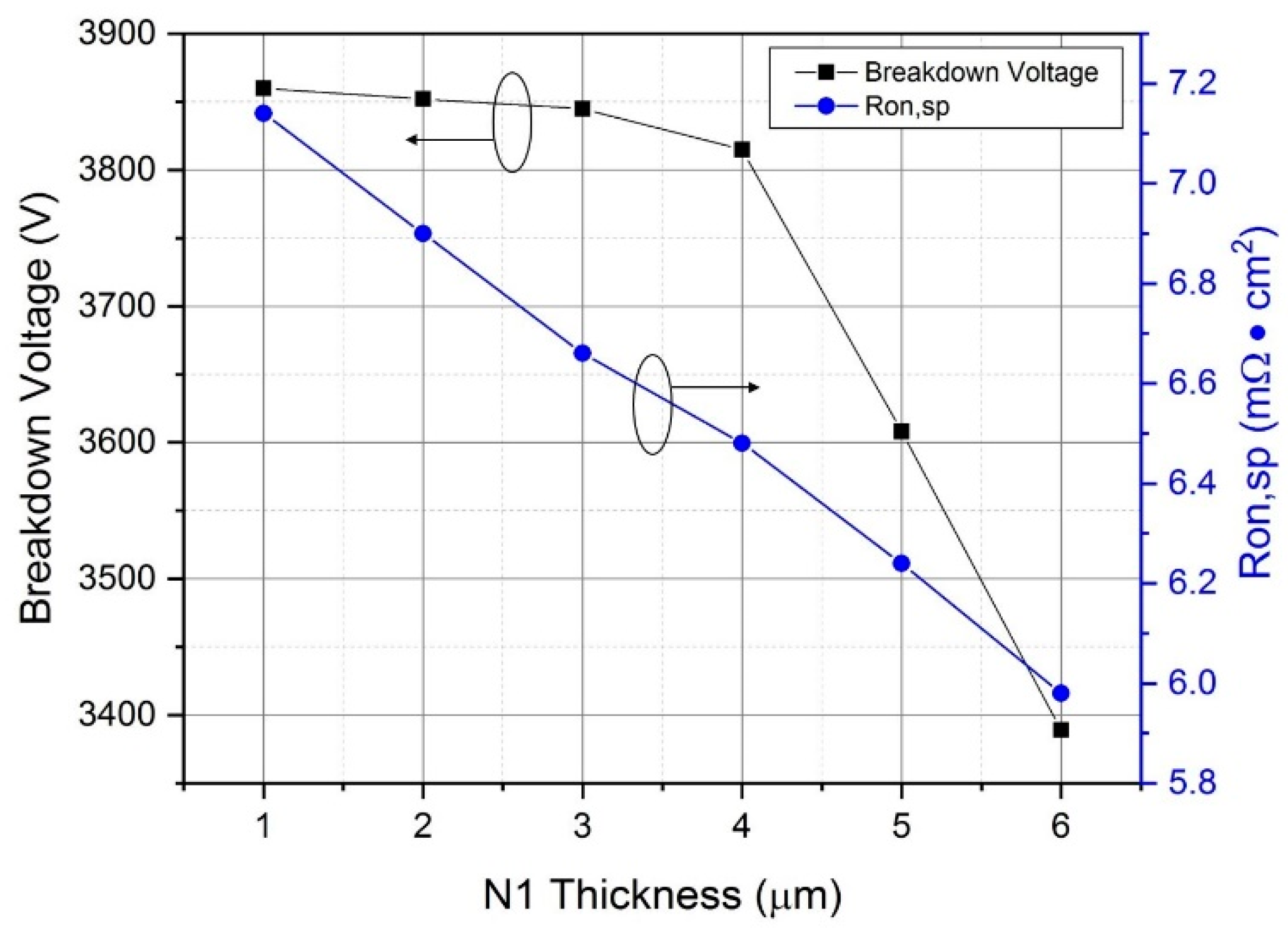
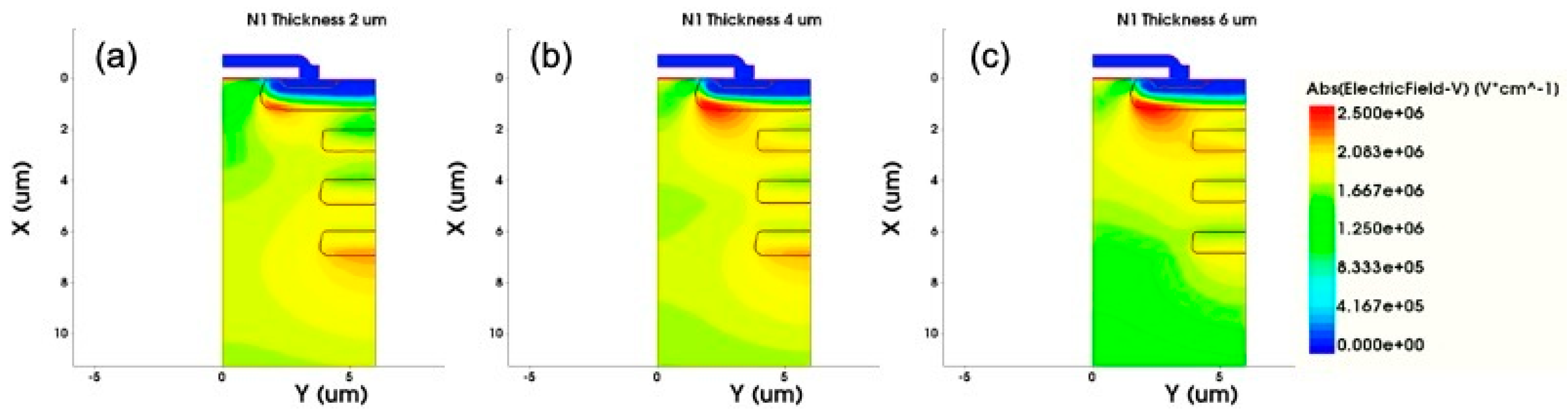
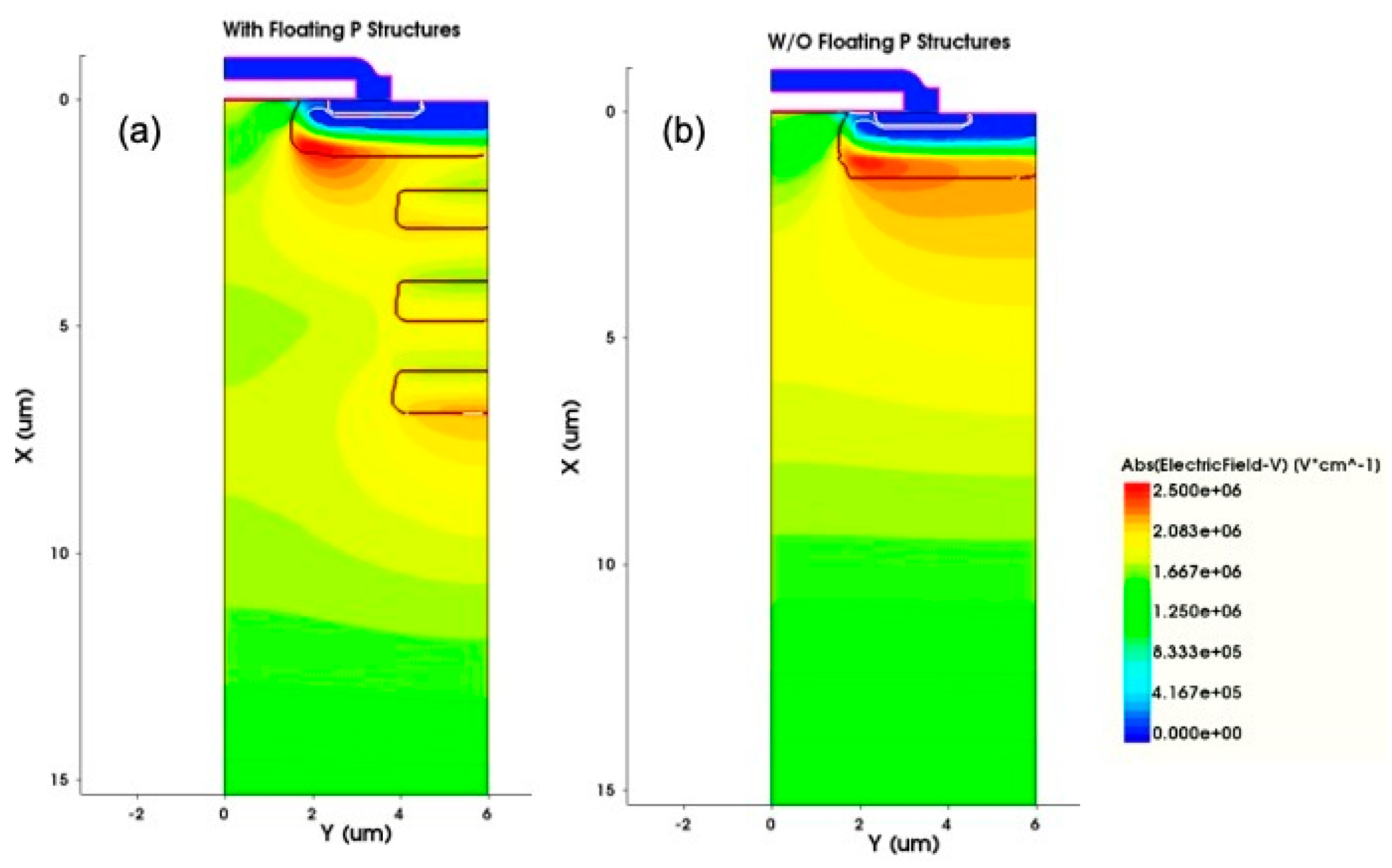
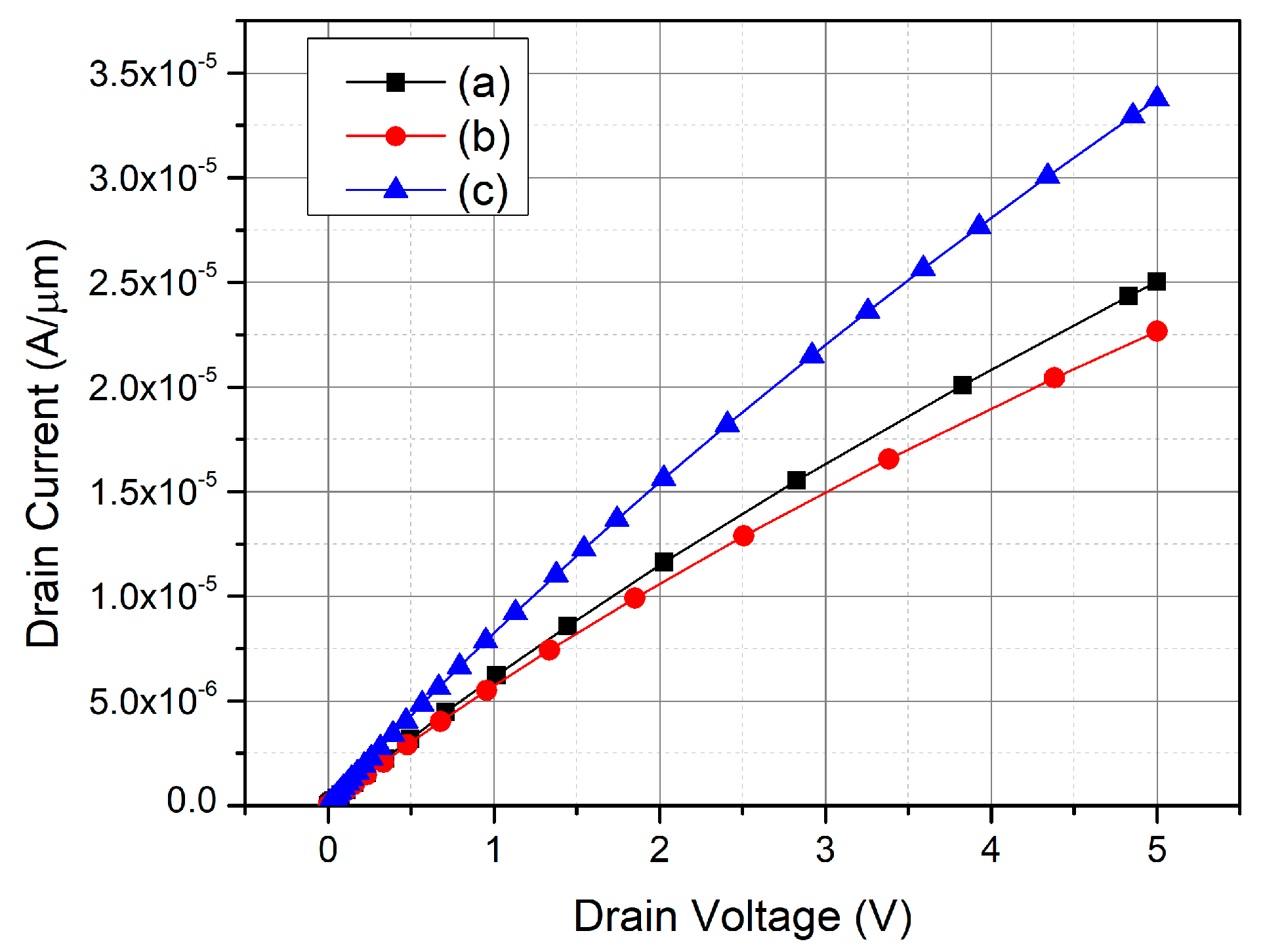
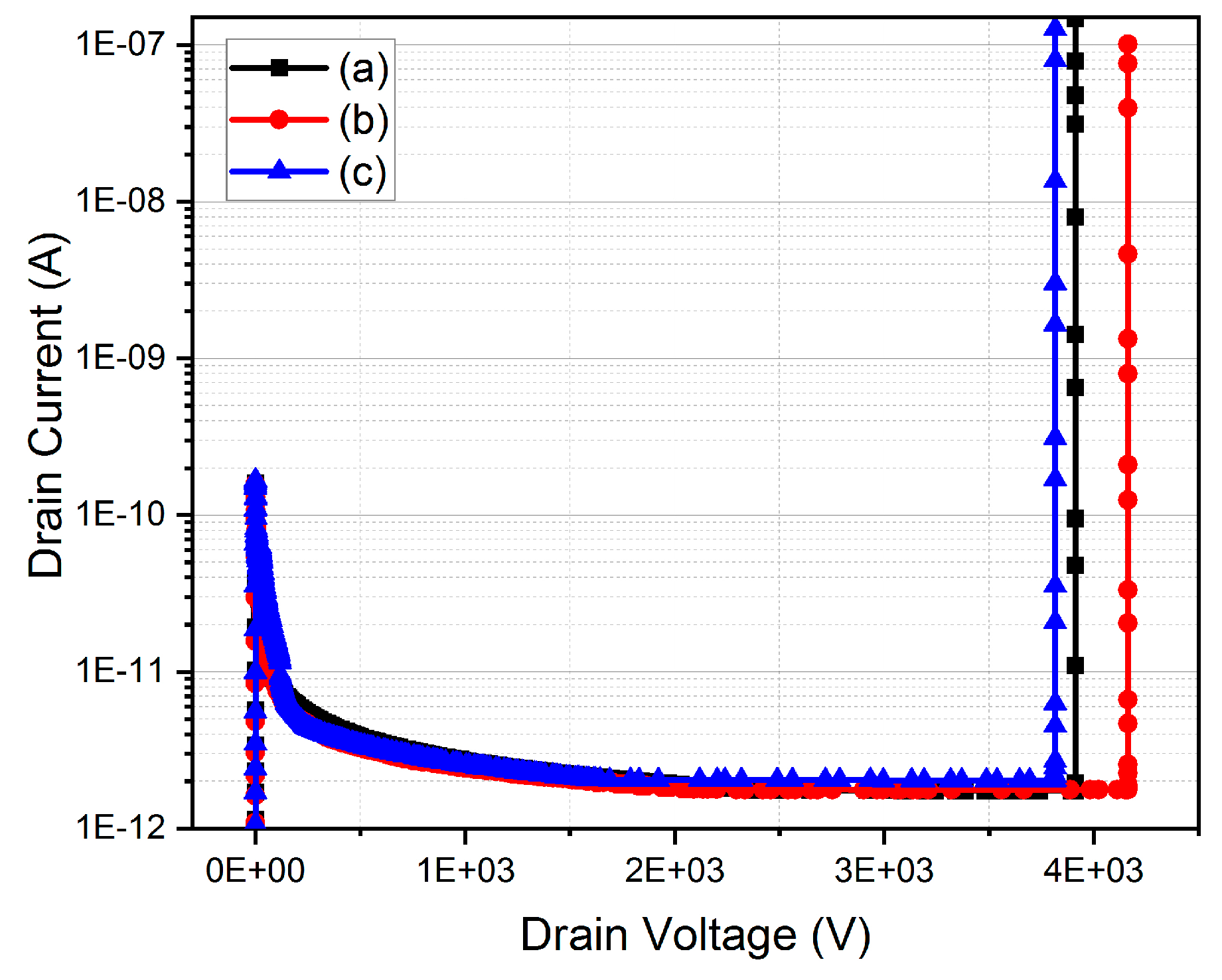
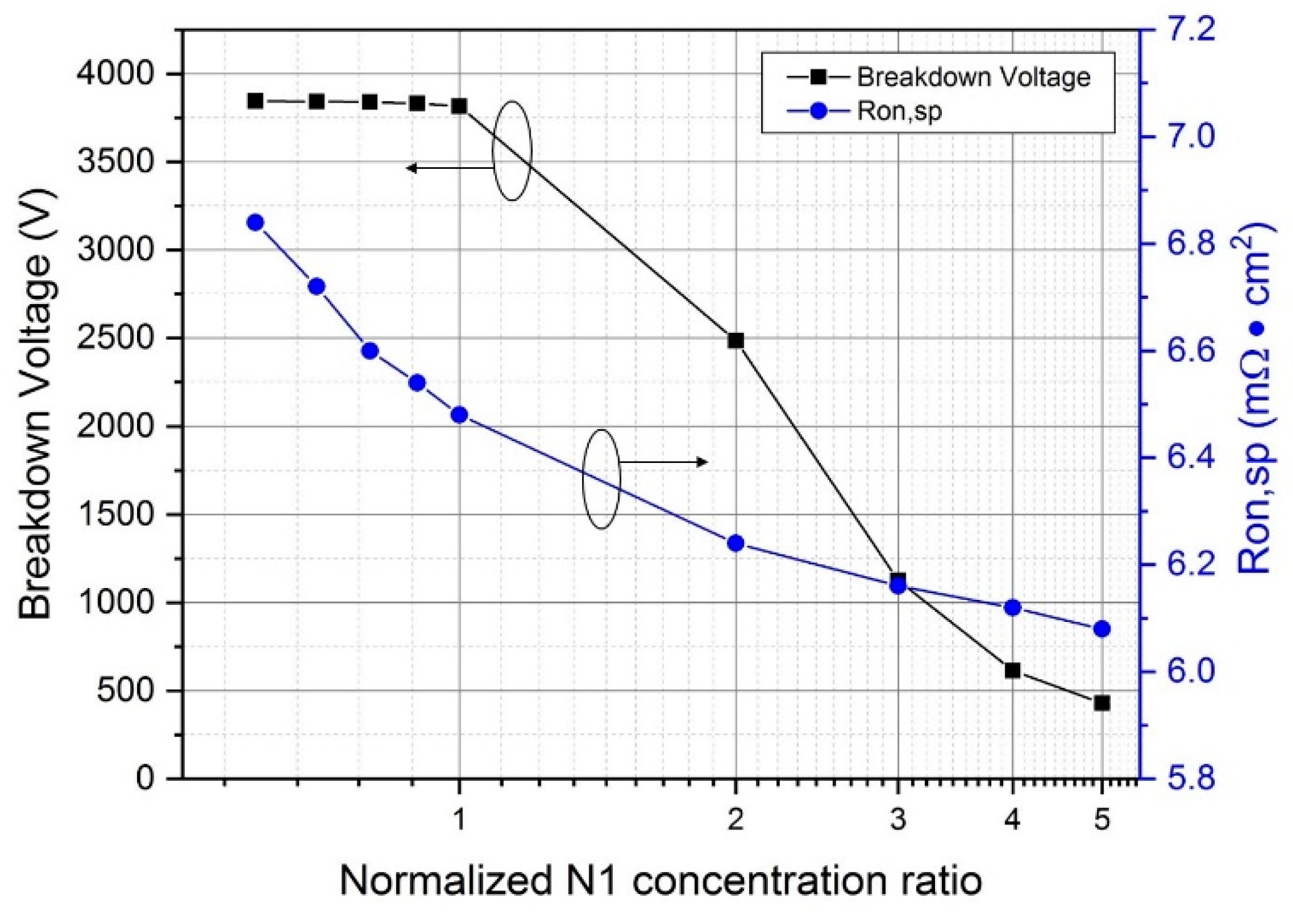
This research proposes a novel 4H-SiC power device structure—different concentration floating superjunction MOSFET (DC-FSJ MOSFET). Through simulation via Synopsys Technology Computer Aided Design (TCAD) software, compared with the structural and static characteristics of the traditional vertical MOSFET, DC-FSJ MOSFET has a higher breakdown voltage (BV) and lower forward specific on-resistance (Ron,sp). The DC-FSJ MOSFET is formed by multiple epitaxial technology to create a floating P-type structure in the epitaxial layer. Then, a current spreading layer (CSL) is added to reduce the Ron,sp. The floating P-type structure depth, epitaxial layer concentration and thickness are optimized in this research. This structure can not only achieve a breakdown voltage over 3300 V, but also reduce Ron,sp. Under the same conditions, the Baliga Figure of Merit (BFOM) of DC-FSJ MOSFET increases by 27% compared with the traditional vertical MOSFET. Ron,sp is 25% less than that of the traditional vertical MOSFET.
Keywords: silicon carbide; superjunction; breakdown voltage; specific on-resistance; MOSFET; 4H-SiC silicon carbide; superjunction; breakdown voltage; specific on-resistance; MOSFET; 4H-SiC