Natural Products in the Metabolic and Endocrine Modulation of Polycystic Ovary Syndrome: Current Perspectives
 , , , , and
Abstract
1. Introduction
2. Pathophysiology of PCOS and Therapeutic Potential of Natural Compounds
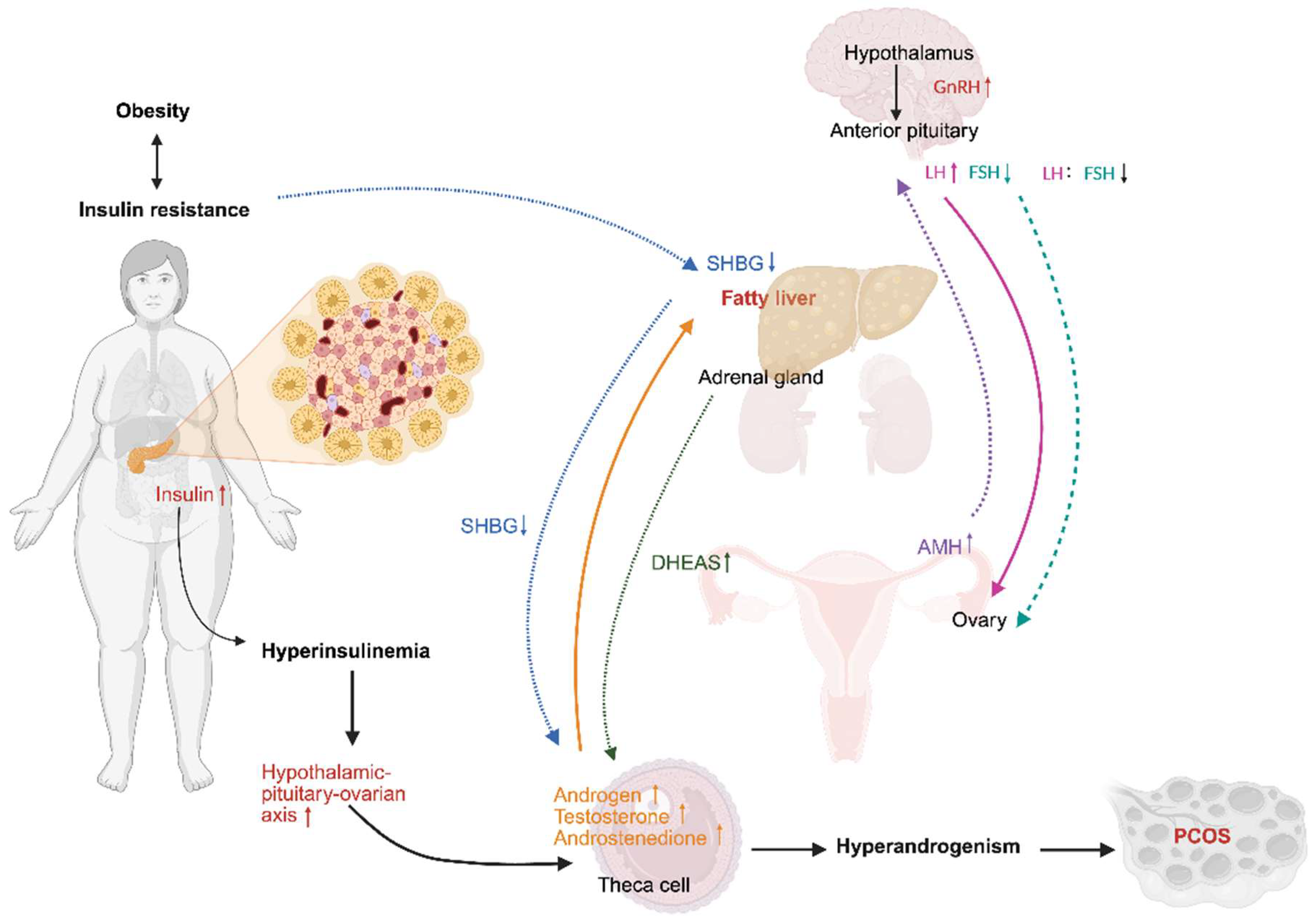
2.1. Targeting Hyperandrogenism and HPO Axis Dysregulation in PCOS
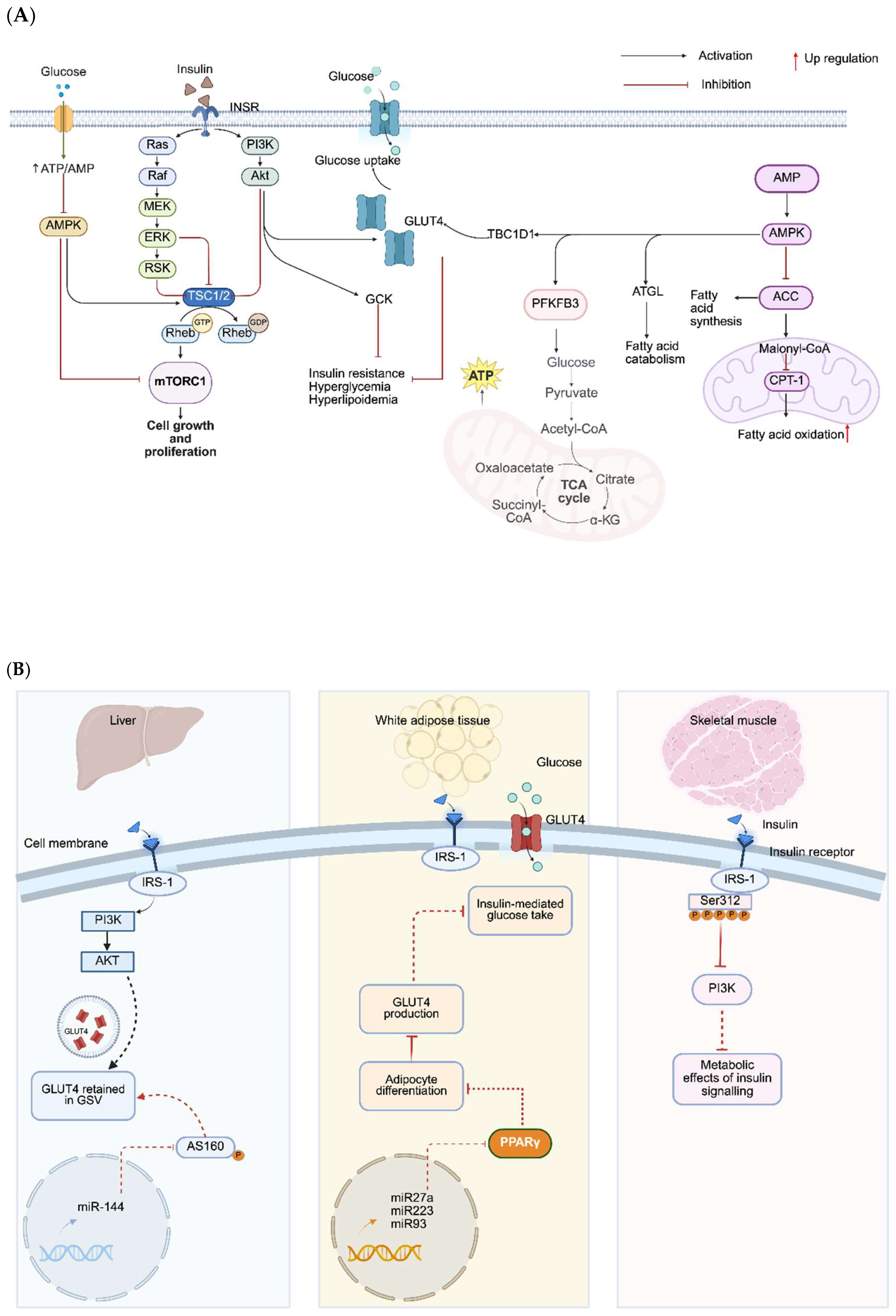
2.2. Targeting IR in PCOS
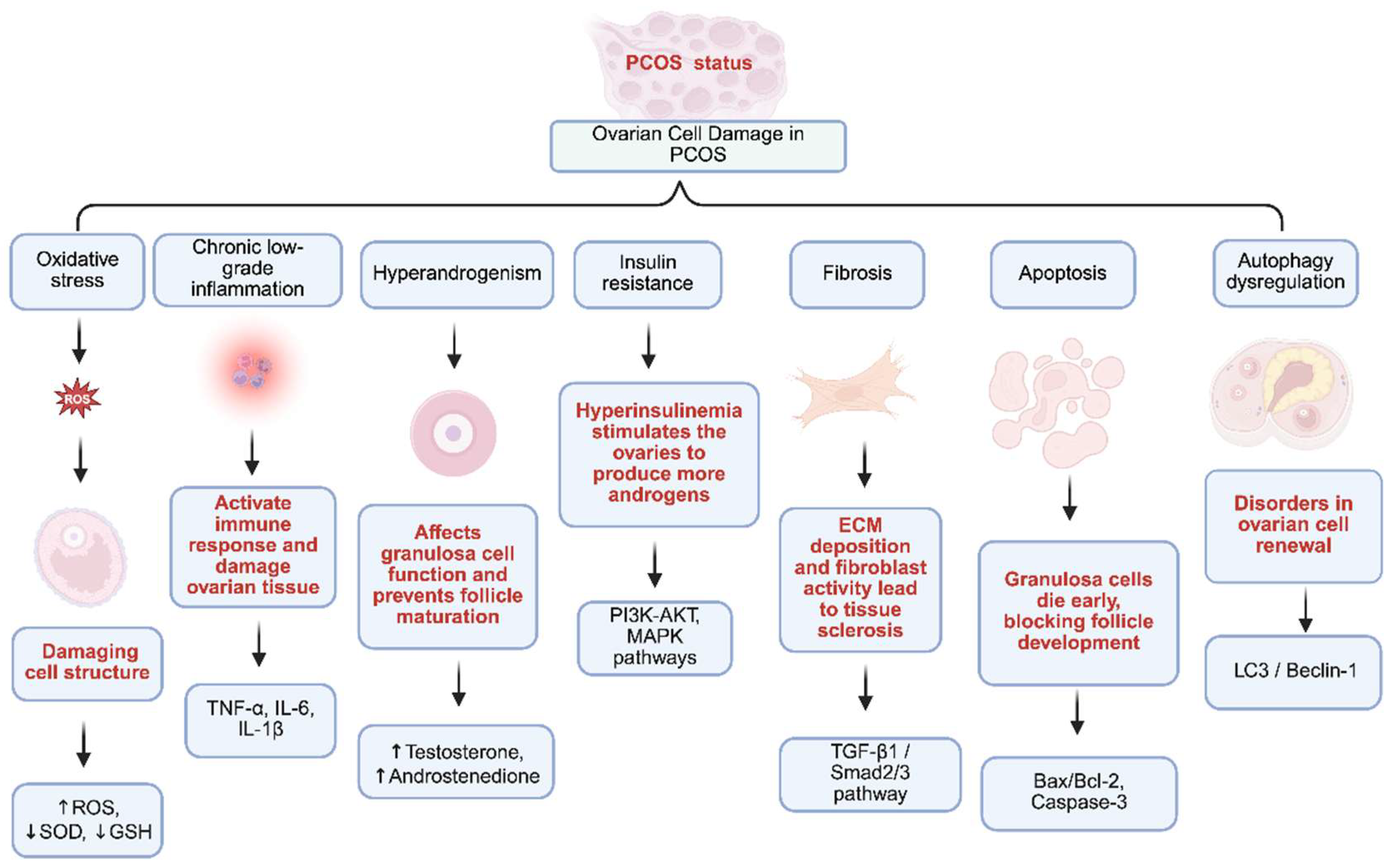
2.3. Protective Effects of Natural Products Against Multi-Cellular Damage in PCOS
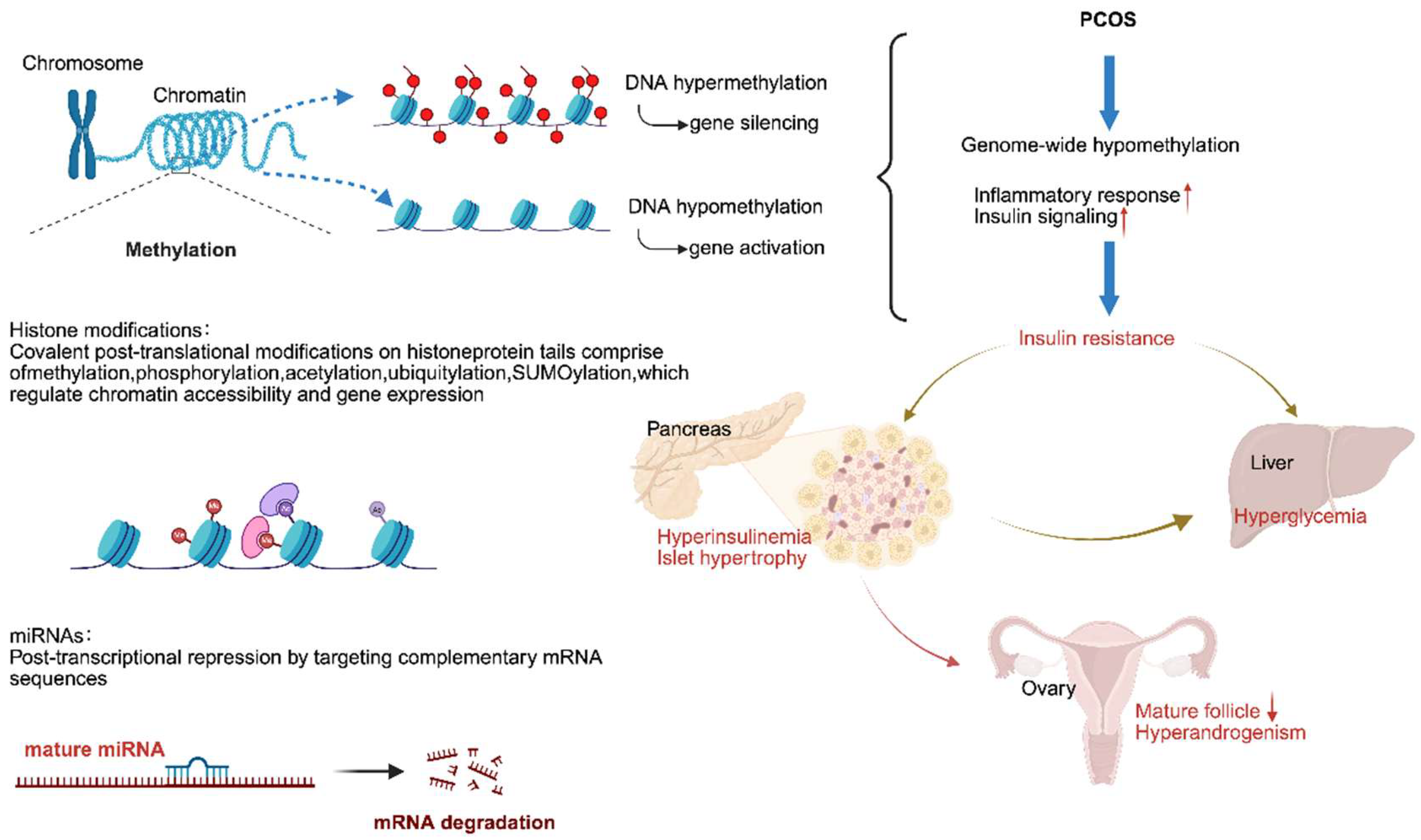
2.4. Protective Effects of Natural Products Against Epigenetic Regulation in PCOS
2.5. Mechanisms of Natural Products Against Gut Microbiota Dysbiosis in PCOS
3. A Metabolic–Reproductive Axis Perspective on Natural Products for PCOS
3.1. Targeting Hormonal Drivers of the Metabolic-Reproductive Axis
3.2. Restoring Menstrual Function via Axis Modulation
3.3. Ameliorating Dyslipidemia and Obesity Through Axis-Targeted Intervention
4. Innovative and Emerging Therapeutic Strategies of Natural Products in PCOS
4.1. The Metabolic–Endocrine Axis in PCOS: A Rationale for Natural Product Intervention
4.2. Lifestyle and Behavioral Modification: Foundations of Metabolic–Endocrine Modulation in PCOS
4.3. IR as the Metabolic–Endocrine Nexus in PCOS
4.4. Regulating Androgen Excess: Natural Products as Endocrine Modulators
4.5. Synergistic Strategies: Integrating Nutritional Supplements with Natural Products
4.6. A Holistic Perspective: Psychological Well-Being in PCOS Care
4.7. A New Paradigm: Continuous Monitoring and Multidisciplinary Care
4.8. Novel Biomarkers: Toward Precision Diagnosis and Therapy
5. Conclusions
Author Contributions
Funding
Institutional Review Board Statement
Informed Consent Statement
Data Availability Statement
Acknowledgments
Conflicts of Interest
Abbreviations
| AMPK | AMP-activated protein kinase |
| PPARγ | Peroxisome proliferator-activated receptor gamma |
| AR | Androgen receptor |
| ACC | Acetyl-CoA carboxylase |
| AMH | Anti-Müllerian hormone |
| AS160 | AKT substrate of 160 kDa |
| BMI | Body mass index |
| CBVs | Cotrending basis vectors |
| COCs | Combined oral contraceptives |
| CPT-1 | Carnitine palmitoyltransferase I |
| DNMTs | DNA methyltransferases |
| DHEAS | Dehydroepiandrosterone sulfate |
| ECM | Extracellular matrix |
| ER | Endoplasmic reticulum |
| FSH | Follicle-stimulating hormone |
| FFAs | Free fatty acids |
| GLP-1 | Glucagon-like peptide-1 |
| GLUT4 | Glucose transporter type 4 |
| GS | Glycogen synthase |
| GSK3 | Glycogen synthase kinase 3 |
| GSV | GLUT4 storage vesicle |
| GnRH | Gonadotropin-releasing hormone |
| HCG | Human chorionic gonadotropin |
| HPO | Hypothalamic–pituitary–ovarian |
| HHIP | Hedgehog interacting protein |
| HOMA-IR | Homeostatic model assessment for insulin resistance |
| IL | Interleukin |
| IR | Insulin resistance |
| IPA | Indole-3-propionic acid |
| IRS-1 | Insulin receptor substrate 1 |
| LC3 | Microtubule-associated proteins 1A/1B light chain 3B |
| LPS | Lipopolysaccharide |
| LH | Luteinizing hormone |
| MAPK | Mitogen-activated protein kinase |
| miR | microRNA |
| miRNA | microRNA |
| mRNA | messenger RNA |
| mTORC1 | Mechanistic target of rapamycin complex 1 |
| NF-κB | Nuclear factor kappa B |
| PCOS | Polycystic ovary syndrome |
| PI3K | Phosphoinositide 3-kinase |
| ROS | Reactive oxygen species |
| RISC | RNA-induced silencing complex |
| SCFAs | Short-chain fatty acids |
| SHBG | Sex hormone-binding globulin |
| SIRT1 | Sirtuin 1 |
| SOD | Superoxide dismutase |
| T2DM | Type 2 diabetes mellitus |
| TGF-β | Transforming growth factor-β |
| TNF-α | Tumor necrosis factor-α |
| TCA | Tricarboxylic acid |
| TSC1/2 | Tuberous sclerosis complex 1/2 |
| WAT | White adipose tissue |
| ZO-1 | Zonula occludens-1 |
References
- Joham, A.E.; Norman, R.J.; Stener-Victorin, E.; Legro, R.S.; Franks, S.; Moran, L.J.; Boyle, J.; Teede, H.J. Polycystic ovary syndrome. Lancet Diabetes Endocrinol. 2022, 10, 668–680, Erratum in Lancet Diabetes Endocrinol. 2022, 10, e11. [Google Scholar] [CrossRef] [Scilit] [PubMed]
- Stener-Victorin, E.; Teede, H.; Norman, R.J.; Legro, R.; Goodarzi, M.O.; Dokras, A.; Laven, J.; Hoeger, K.; Piltonen, T.T. Polycystic ovary syndrome. Nat. Rev. Dis. Primers 2024, 10, 27. [Google Scholar] [CrossRef] [Scilit] [PubMed]
- Sangaraju, S.L.; Yepez, D.; Grandes, X.A.; Talanki Manjunatha, R.; Habib, S. Cardio-Metabolic Disease and Polycystic Ovarian Syndrome (PCOS): A Narrative Review. Cureus 2022, 14, e25076. [Google Scholar] [CrossRef] [Scilit] [PubMed]
- Wekker, V.; van Dammen, L.; Koning, A.; Heida, K.Y.; Painter, R.C.; Limpens, J.; Laven, J.S.E.; Roeters van Lennep, J.E.; Roseboom, T.J.; Hoek, A. Long-term cardiometabolic disease risk in women with PCOS: A systematic review and meta-analysis. Hum. Reprod. Update 2020, 26, 942–960. [Google Scholar] [CrossRef] [Scilit]
- Teede, H.; Tay, C.T.; Laven, J.S.E.; Dokras, A.; Moran, L.J.; Piltonen, Y.; Costello, M.F.; Boivin, J.; Redman, L.; Boyle, J.; et al. International Evidence-Based Guideline for the Assessment and Management of Polycystic Ovary Syndrome 2023; Monash University: Melbourne, Australia, 2023. [Google Scholar] [CrossRef]
- Teede, H.J.; Mousa, A.; Tay, C.T.; Costello, M.F.; Brennan, L.; Norman, R.J.; Pena, A.S.; Boyle, J.A.; Joham, A.; Berry, L.; et al. Summary of the 2023 international evidence-based guideline for the assessment and management of polycystic ovary syndrome: An Australian perspective. Med. J. Aust. 2024, 221, 389–395. [Google Scholar] [CrossRef] [Scilit]
- Gao, X.; Zhao, S.; Du, Y.; Yang, Z.; Tian, Y.; Zhao, J.; Yuan, X.; Santos, B.R.; Wei, D.; Cui, L.; et al. Data-driven subtypes of polycystic ovary syndrome and their association with clinical outcomes. Nat. Med. 2025, 31, 4214–4224, Erratum in Nat. Med. 2025, 31, 4314. [Google Scholar] [CrossRef] [Scilit]
- Coelingh Bennink, H.J.T.; van Gennip, F.A.M.; Gerrits, M.G.F.; Egberts, J.F.M.; Gemzell-Danielsson, K.; Kopp-Kallner, H. Health benefits of combined oral contraceptives—A narrative review. Eur. J. Contracept. Reprod. Health Care 2024, 29, 40–52. [Google Scholar] [CrossRef] [Scilit]
- Szczuko, M.; Zapałowska-Chwyć, M.; Drozd, A.; Maciejewska, D.; Starczewski, A.; Stachowska, E. Effect of IGF-I and TNF-α on intensification of steroid pathways in women with PCOS phenotypes are not identical. Enhancement of progesterone pathway in women with PCOS increases the concentration of TNF-α. Gynecol. Endocrinol. 2016, 32, 714–717. [Google Scholar] [CrossRef] [Scilit]
- Morley, L.C.; Tang, T.; Yasmin, E.; Norman, R.J.; Balen, A.H. Insulin-sensitising drugs (metformin, rosiglitazone, pioglitazone, D-chiro-inositol) for women with polycystic ovary syndrome, oligo amenorrhoea and subfertility. Cochrane Database Syst. Rev. 2017, 11, Cd003053. [Google Scholar] [CrossRef] [Scilit]
- Saadati, S.; Mason, T.; Godini, R.; Vanky, E.; Teede, H.; Mousa, A. Metformin use in women with polycystic ovary syndrome (PCOS): Opportunities, benefits, and clinical challenges. Diabetes Obes. Metab. 2025, 27, 31–47. [Google Scholar] [CrossRef] [Scilit]
- Patel, J.; Chaudhary, H.; Chudasama, A.; Panchal, J.; Trivedi, A.; Panchal, S.; Joshi, T.; Joshi, R. Comparing the metabolomic landscape of polycystic ovary syndrome within urban and rural environments. Commun. Med. 2025, 5, 253. [Google Scholar] [CrossRef] [Scilit] [PubMed]
- Capozzi, A.; Scambia, G.; Driul, L.; Vignali, M.; Lello, S. Lifestyle and diet in PCOS. Minerva Obstet. Gynecol. 2025, 77, 341–351. [Google Scholar] [CrossRef] [Scilit] [PubMed]
- Kowalczyk, K.; Kadłubek, S.; Krużel, A.; Sikora, D.; Daniluk, J.; Madej, P. Dietary Patterns and Metabolic and Hormonal Parameters in Women with Suspected PCOS. J. Clin. Med. 2025, 14, 2708. [Google Scholar] [CrossRef] [Scilit] [PubMed]
- Mihanfar, A.; Nouri, M.; Roshangar, L.; Khadem-Ansari, M.H. Therapeutic potential of quercetin in an animal model of PCOS: Possible involvement of AMPK/SIRT-1 axis. Eur. J. Pharmacol. 2021, 900, 174062. [Google Scholar] [CrossRef] [Scilit]
- Chen, M.; He, C.; Zhu, K.; Chen, Z.; Meng, Z.; Jiang, X.; Cai, J.; Yang, C.; Zuo, Z. Resveratrol ameliorates polycystic ovary syndrome via transzonal projections within oocyte-granulosa cell communication. Theranostics 2022, 12, 782–795. [Google Scholar] [CrossRef] [Scilit]
- Zhao, H.; Xu, Y.; Xue, B.; Zhao, S.; Zhang, M.; Wu, X.K.; Wang, T.; Wen, Y.; Li, S.; Zhang, Q.; et al. Multi-ancestry genome-wide association analyses of polycystic ovary syndrome. Nat. Genet. 2025, 57, 2669–2681. [Google Scholar] [CrossRef] [Scilit]
- Wahid, S.; Ramli, M.D.C.; Fazleen, N.E.; Naim, R.M.; Mokhtar, M.H. Exploring the Therapeutic Potential of Natural Products in Polycystic Ovarian Syndrome (PCOS): A Mini-Review of Lipid Profile, Blood Glucose, and Ovarian Histological Improvements. Life 2024, 14, 150. [Google Scholar] [CrossRef] [Scilit]
- Basak, S.; Dixit, A.K.; Dey, R.K.; Puia, L.; Bora, M.; Kumar, Y.R.S.; Babu, G. An endocrinological perspective on polycystic ovarian syndrome. Mol. Cell. Endocrinol. 2025, 602, 112524. [Google Scholar] [CrossRef] [Scilit]
- Rosenfield, R.L.; Ehrmann, D.A. The Pathogenesis of Polycystic Ovary Syndrome (PCOS): The Hypothesis of PCOS as Functional Ovarian Hyperandrogenism Revisited. Endocr. Rev. 2016, 37, 467–520. [Google Scholar] [CrossRef] [Scilit]
- Kaprara, A.; Huhtaniemi, I.T. The hypothalamus-pituitary-gonad axis: Tales of mice and men. Metab. Clin. Exp. 2018, 86, 3–17. [Google Scholar] [CrossRef] [Scilit]
- Ye, W.; Xie, T.; Song, Y.; Zhou, L. The role of androgen and its related signals in PCOS. J. Cell. Mol. Med. 2021, 25, 1825–1837. [Google Scholar] [CrossRef] [Scilit] [PubMed]
- Heidarzadehpilehrood, R.; Pirhoushiaran, M.; Abdollahzadeh, R.; Binti Osman, M.; Sakinah, M.; Nordin, N.; Abdul Hamid, H. A Review on CYP11A1, CYP17A1, and CYP19A1 Polymorphism Studies: Candidate Susceptibility Genes for Polycystic Ovary Syndrome (PCOS) and Infertility. Genes 2022, 13, 302. [Google Scholar] [CrossRef] [Scilit] [PubMed]
- Panghiyangani, R.; Soeharso, P.; Andrijono; Suryandari, D.A.; Wiweko, B.; Kurniati, M.; Pujianto, D.A. CYP19A1 Gene Expression in Patients with Polycystic Ovarian Syndrome. J. Hum. Reprod. Sci. 2020, 13, 100–103. [Google Scholar] [CrossRef] [Scilit] [PubMed]
- Narinx, N.; David, K.; Walravens, J.; Vermeersch, P.; Claessens, F.; Fiers, T.; Lapauw, B.; Antonio, L.; Vanderschueren, D. Role of sex hormone-binding globulin in the free hormone hypothesis and the relevance of free testosterone in androgen physiology. Cell. Mol. Life Sci. 2022, 79, 543. [Google Scholar] [CrossRef] [Scilit]
- Silva, M.S.B.; Decoster, L.; Delpouve, G.; Lhomme, T.; Ternier, G.; Prevot, V.; Giacobini, P. Overactivation of GnRH neurons is sufficient to trigger polycystic ovary syndrome-like traits in female mice. EBioMedicine 2023, 97, 104850. [Google Scholar] [CrossRef] [Scilit]
- Zhang, S.; Jiang, N.; Liu, G.; Zhang, B.; Xu, H.; Xu, Y.; Qin, G.; Wang, Y.; Zhang, L.; Yang, B.; et al. New perspectives on polycystic ovary syndrome: Hypothalamic-sympathetic-adipose tissue interaction. J. Ovarian Res. 2025, 18, 145. [Google Scholar] [CrossRef] [Scilit]
- Yuan, J.; Li, Z.; Yu, Y.; Wang, X.; Zhao, Y. Natural compounds in the management of polycystic ovary syndrome: A comprehensive review of hormonal regulation and therapeutic potential. Front. Nutr. 2025, 12, 1520695. [Google Scholar] [CrossRef] [Scilit]
- Bertoldo, A.; Pizzol, D.; Yon, D.K.; Callegari, M.; Gobbo, V.; Cuccurese, P.; Butler, L.; Caminada, S.; Stebbing, J.; Richardson, F.; et al. Resveratrol and Female Fertility: A Systematic Review. Int. J. Mol. Sci. 2024, 25, 12792. [Google Scholar] [CrossRef] [Scilit]
- Pourteymour Fard Tabrizi, F.; Hajizadeh-Sharafabad, F.; Vaezi, M.; Jafari-Vayghan, H.; Alizadeh, M.; Maleki, V. Quercetin and polycystic ovary syndrome, current evidence and future directions: A systematic review. J. Ovarian Res. 2020, 13, 11. [Google Scholar] [CrossRef] [Scilit]
- Shen, H.R.; Xu, X.; Li, X.L. Berberine exerts a protective effect on rats with polycystic ovary syndrome by inhibiting the inflammatory response and cell apoptosis. Reprod. Biol. Endocrinol. 2021, 19, 3. [Google Scholar] [CrossRef] [Scilit]
- Wang, Z.; Nie, K.; Su, H.; Tang, Y.; Wang, H.; Xu, X.; Dong, H. Berberine improves ovulation and endometrial receptivity in polycystic ovary syndrome. Phytomedicine 2021, 91, 153654. [Google Scholar] [CrossRef] [Scilit] [PubMed]
- Li, Y.X.; Zhong, H.Z.; Wei, S.B. Ginseng and its active compounds in ovarian aging: Mechanistic basis and translational prospects. Front. Pharmacol. 2026, 17, 1755093. [Google Scholar] [CrossRef] [Scilit] [PubMed]
- Zhang, T.; He, Q.; Xiu, H.; Zhang, Z.; Liu, Y.; Chen, Z.; Hu, H. Efficacy and Safety of Coenzyme Q10 Supplementation in the Treatment of Polycystic Ovary Syndrome: A Systematic Review and Meta-analysis. Reprod. Sci. 2023, 30, 1033–1048. [Google Scholar] [CrossRef] [Scilit] [PubMed]
- Siddiqui, S.; Ahmad, R.; Aziz, T.; Khan, A.A.; Ashraf, H.; Moin, S. (-)-Epigallocatechin-3-gallate and chlorogenic acid in combination with vitamin D as a therapeutic approach for letrozole-induced polycystic ovary syndrome (PCOS) rats: Biochemical and hormonal modulation. J. Steroid Biochem. Mol. Biol. 2025, 252, 106772. [Google Scholar] [CrossRef] [Scilit]
- Najdgholami, Z.; Sedgi, F.M.; Ghalishourani, S.S.; Feyzpour, M.; Rahimlou, M. Flaxseed intervention and reproductive endocrine profiles in patients with polycystic ovary syndrome: An open-labeled randomized controlled clinical trial. Front. Endocrinol. 2025, 16, 1531762. [Google Scholar] [CrossRef] [Scilit]
- Mehraban, M.; Jelodar, G.; Rahmanifar, F. A combination of spearmint and flaxseed extract improved endocrine and histomorphology of ovary in experimental PCOS. J. Ovarian Res. 2020, 13, 32. [Google Scholar] [CrossRef] [Scilit]
- Sharafieh, G.; Salmanifarzaneh, F.; Gharbi, N.; Sarvestani, F.M.; Rahmanzad, F.; Razlighi, M.R.; Bakhtari, A.; Nazari, N. Histological and molecular evaluation of Mentha arvensis extract on a polycystic ovary syndrome rat model. JBRA Assist. Reprod. 2023, 27, 247–253. [Google Scholar] [CrossRef] [Scilit]
- Greff, D.; Juhász, A.E.; Váncsa, S.; Váradi, A.; Sipos, Z.; Szinte, J.; Park, S.; Hegyi, P.; Nyirády, P.; Ács, N.; et al. Inositol is an effective and safe treatment in polycystic ovary syndrome: A systematic review and meta-analysis of randomized controlled trials. Reprod. Biol. Endocrinol. 2023, 21, 10. [Google Scholar] [CrossRef] [Scilit]
- Raihanah, C.; Sukrasno, S.; Kurniati, N.F. Activity of isoflavone in managing polycystic ovary syndrome symptoms (Review). Biomed. Rep. 2024, 20, 80. [Google Scholar] [CrossRef] [Scilit]
- Jamilian, M.; Asemi, Z. The Effects of Soy Isoflavones on Metabolic Status of Patients with Polycystic Ovary Syndrome. J. Clin. Endocrinol. Metab. 2016, 101, 3386–3394. [Google Scholar] [CrossRef] [Scilit]
- Ghorbani Ranjbary, A.; Mehrzad, J.; Talebkhan Garoussi, M.; Zohdi, J. Long Term Oral Administration of Oregano Essence Effectively Relieves Polycystic Ovarian Rats through Endocrine and Inflammatory Balance. Evid.-Based Complement. Alternat. Med. 2022, 2022, 5303583. [Google Scholar] [CrossRef] [Scilit]
- Liang, A.; Huang, L.; Liu, H.; He, W.; Lei, X.; Li, M.; Li, S.; Liang, H.; Chen, G.; Tang, J.; et al. Resveratrol Improves Follicular Development of PCOS Rats by Regulating the Glycolytic Pathway. Mol. Nutr. Food Res. 2021, 65, e2100457. [Google Scholar] [CrossRef] [Scilit] [PubMed]
- Fadlalmola, H.A.; Elhusein, A.M.; Al-Sayaghi, K.M.; Albadrani, M.S.; Swamy, D.V.; Mamana, D.M.; El-Amin, E.I.; Ibrahim, S.E.; Abbas, S.M. Efficacy of resveratrol in women with polycystic ovary syndrome: A systematic review and meta-analysis of randomized clinical trials. Pan Afr. Med. J. 2021, 44, 134. [Google Scholar] [CrossRef] [Scilit] [PubMed]
- Chang, H.; Shi, B.; Wang, Y.; Lu, F.; Guan, M.; Wu, X. Effect and mechanism of resveratrol against polycystic ovary syndrome: A review. Front. Endocrinol. 2025, 16, 1529231. [Google Scholar] [CrossRef] [Scilit]
- Mhatre, Y.; Jadhav, P.; Malik, A.; Srivathsan, M.; Langade, D. Efficacy and safety of Shatavari root extract in women with Polycystic Ovarian Syndrome: A randomized, double-blind, placebo-controlled trial. Front. Endocrinol. 2026, 17, 1769773. [Google Scholar] [CrossRef] [Scilit]
- Dhankani, M.A.; Patil, H.J.; Dhankani, A.R. A Systematic Review: Ayurvedic Herbal Medicine for Women with Polycystic Ovary Syndrome. Med. Sci. Forum 2023, 21, 46. [Google Scholar] [CrossRef] [Scilit]
- Shamsi, M.; Ganji, A.; Mosayebi, G.; Amirhoseiny, E.S.; Shohani, S.; Ghazavi, A. Chamomile and Urtica dioica extracts improve immunological and histological alterations associated with polycystic ovarian syndrome in DHEA -induced mice. BMC Complement. Med. Ther. 2023, 23, 102. [Google Scholar] [CrossRef] [Scilit]
- Rani, R.; Sharma, A.K.; Chitme, H.R. Therapeutic Effect of Tinospora cordifolia (Willd) Extracts on Letrozole-Induced Polycystic Ovarian Syndrome and its Complications in Murine Model. Clin. Med. Insights Endocrinol. Diabetes 2023, 16, 11795514231203864. [Google Scholar] [CrossRef] [Scilit]
- Zhao, J.F.; Li, B.X.; Zhang, Q. Vitamin D improves levels of hormonal, oxidative stress and inflammatory parameters in polycystic ovary syndrome: A meta-analysis study. Ann. Palliat. Med. 2021, 10, 169–183. [Google Scholar] [CrossRef] [Scilit]
- Mohan, A.; Haider, R.; Fakhor, H.; Hina, F.; Kumar, V.; Jawed, A.; Majumder, K.; Ayaz, A.; Lal, P.M.; Tejwaney, U.; et al. Vitamin D and polycystic ovary syndrome (PCOS): A review. Ann. Med. Surg. 2023, 85, 3506–3511. [Google Scholar] [CrossRef] [Scilit]
- Hamza, A.; AlBishri, W.; Alfaris, M. Effect of Vitex agnus-castus plant extract on polycystic ovary syndrome complications in experimental rat model. Asian Pac. J. Reprod. 2019, 8, 63–69. [Google Scholar] [CrossRef] [Scilit]
- Feyzollahi, Z.; Mohseni Kouchesfehani, H.; Jalali, H.; Eslimi-Esfahani, D.; Sheikh Hosseini, A. Effect of Vitex agnus-castus ethanolic extract on hypothalamic KISS-1 gene expression in a rat model of polycystic ovary syndrome. Avicenna J. Phytomed. 2021, 11, 292–301. [Google Scholar]
- Marshall, J.C.; Dunaif, A. Should all women with PCOS be treated for insulin resistance? Fertil. Steril. 2012, 97, 18–22. [Google Scholar] [CrossRef] [Scilit] [PubMed]
- Stepto, N.K.; Cassar, S.; Joham, A.E.; Hutchison, S.K.; Harrison, C.L.; Goldstein, R.F.; Teede, H.J. Women with polycystic ovary syndrome have intrinsic insulin resistance on euglycaemic-hyperinsulaemic clamp. Hum. Reprod. 2013, 28, 777–784. [Google Scholar] [CrossRef] [Scilit] [PubMed]
- Draznin, B. Molecular mechanisms of insulin resistance: Serine phosphorylation of insulin receptor substrate-1 and increased expression of p85alpha: The two sides of a coin. Diabetes 2006, 55, 2392–2397. [Google Scholar] [CrossRef] [Scilit] [PubMed]
- Morino, K.; Neschen, S.; Bilz, S.; Sono, S.; Tsirigotis, D.; Reznick, R.M.; Moore, I.; Nagai, Y.; Samuel, V.; Sebastian, D.; et al. Muscle-specific IRS-1 Ser → Ala transgenic mice are protected from fat-induced insulin resistance in skeletal muscle. Diabetes 2008, 57, 2644–2651. [Google Scholar] [CrossRef] [Scilit]
- Alhermi, A.; Perks, H.; Nigi, V.; Altahoo, N.; Atkin, S.L.; Butler, A.E. The Role of the Liver in the Pathophysiology of PCOS: A Literature Review. Biomolecules 2025, 15, 51. [Google Scholar] [CrossRef] [Scilit]
- Bril, F.; Ezeh, U.; Amiri, M.; Hatoum, S.; Pace, L.; Chen, Y.H.; Bertrand, F.; Gower, B.; Azziz, R. Adipose Tissue Dysfunction in Polycystic Ovary Syndrome. J. Clin. Endocrinol. Metab. 2023, 109, 10–24. [Google Scholar] [CrossRef] [Scilit]
- Xu, Y.; Zhu, H.; Li, W.; Chen, D.; Xu, Y.; Xu, A.; Ye, D. Targeting adipokines in polycystic ovary syndrome and related metabolic disorders: From experimental insights to clinical studies. Pharmacol. Ther. 2022, 240, 108284. [Google Scholar] [CrossRef] [Scilit]
- Rajkhowa, M.; Brett, S.; Cuthbertson, D.J.; Lipina, C.; Ruiz-Alcaraz, A.J.; Thomas, G.E.; Logie, L.; Petrie, J.R.; Sutherland, C. Insulin resistance in polycystic ovary syndrome is associated with defective regulation of ERK1/2 by insulin in skeletal muscle in vivo. Biochem. J. 2009, 418, 665–671. [Google Scholar] [CrossRef] [Scilit]
- Diamanti-Kandarakis, E.; Dunaif, A. Insulin resistance and the polycystic ovary syndrome revisited: An update on mechanisms and implications. Endocr. Rev. 2012, 33, 981–1030. [Google Scholar] [CrossRef] [Scilit]
- Zhang, S.W.; Zhou, J.; Gober, H.J.; Leung, W.T.; Wang, L. Effect and mechanism of berberine against polycystic ovary syndrome. Biomed. Pharmacother. 2021, 138, 111468. [Google Scholar] [CrossRef] [Scilit]
- Furat Rencber, S.; Kurnaz Ozbek, S.; Eraldemir, C.; Sezer, Z.; Kum, T.; Ceylan, S.; Guzel, E. Effect of resveratrol and metformin on ovarian reserve and ultrastructure in PCOS: An experimental study. J. Ovarian Res. 2018, 11, 55. [Google Scholar] [CrossRef] [Scilit] [PubMed]
- Wang, Z.; Zhai, D.; Zhang, D.; Bai, L.; Yao, R.; Yu, J.; Cheng, W.; Yu, C. Quercetin Decreases Insulin Resistance in a Polycystic Ovary Syndrome Rat Model by Improving Inflammatory Microenvironment. Reprod. Sci. 2017, 24, 682–690. [Google Scholar] [CrossRef] [Scilit] [PubMed]
- Lentini, G.; Querqui, A.; Monti, N.; Bizzarri, M. PCOS and Inositols—Advances and Lessons We are Learning. A Narrative Review. Drug Des. Devel. Ther. 2025, 19, 4183–4199. [Google Scholar] [CrossRef] [Scilit] [PubMed]
- Wang, Y.; Wu, D.; Wang, Y.; Sun, J.; Wang, X.; Huang, Y.; Sun, M. Bioinformatics study of the potential therapeutic effects of ginsenoside Rh3 in reversing insulin resistance. Front. Mol. Biosci. 2024, 11, 1339973. [Google Scholar] [CrossRef] [Scilit]
- Guarano, A.; Capozzi, A.; Cristodoro, M.; Di Simone, N.; Lello, S. Alpha Lipoic Acid Efficacy in PCOS Treatment: What Is the Truth? Nutrients 2023, 15, 3209. [Google Scholar] [CrossRef] [Scilit]
- Li, L.; Xiao, Y.; Zhou, J.; Mo, H.; Li, X.; Li, Y.; Wang, Y.; Zhong, M. Effects of Berberine on glucolipid metabolism among dehydroepiandrosterone-induced rats of polycystic ovary syndrome with insulin-resistance. Heliyon 2024, 10, e24338. [Google Scholar] [CrossRef] [Scilit]
- Zhang, N.; Liu, X.; Zhuang, L.; Liu, X.; Zhao, H.; Shan, Y.; Liu, Z.; Li, F.; Wang, Y.; Fang, J. Berberine decreases insulin resistance in a PCOS rats by improving GLUT4: Dual regulation of the PI3K/AKT and MAPK pathways. Regul. Toxicol. Pharmacol. 2020, 110, 104544. [Google Scholar] [CrossRef] [Scilit]
- Izadi, A.; Ebrahimi, S.; Shirazi, S.; Taghizadeh, S.; Parizad, M.; Farzadi, L.; Gargari, B.P. Hormonal and Metabolic Effects of Coenzyme Q10 and/or Vitamin E in Patients with Polycystic Ovary Syndrome. J. Clin. Endocrinol. Metab. 2019, 104, 319–327. [Google Scholar] [CrossRef] [Scilit]
- Dastgheib, M.; Barati-Boldaji, R.; Bahrampour, N.; Taheri, R.; Borghei, M.; Amooee, S.; Mohammadi-Sartang, M.; Wong, A.; Babajafari, S.; Mazloomi, S.M. A comparison of the effects of cinnamon, ginger, and metformin consumption on metabolic health, anthropometric indices, and sexual hormone levels in women with poly cystic ovary syndrome: A randomized double-blinded placebo-controlled clinical trial. Front. Nutr. 2022, 9, 1071515. [Google Scholar] [CrossRef] [Scilit]
- Zarezadeh, M.; Musazadeh, V.; Foroumandi, E.; Keramati, M.; Ostadrahimi, A.; Mekary, R.A. The effect of cinnamon supplementation on glycemic control in patients with type 2 diabetes or with polycystic ovary syndrome: An umbrella meta-analysis on interventional meta-analyses. Diabetol. Metab. Syndr. 2023, 15, 127. [Google Scholar] [CrossRef] [Scilit]
- Hajimonfarednejad, M.; Nimrouzi, M.; Heydari, M.; Zarshenas, M.M.; Raee, M.J.; Jahromi, B.N. Insulin resistance improvement by cinnamon powder in polycystic ovary syndrome: A randomized double-blind placebo controlled clinical trial. Phytother. Res. 2018, 32, 276–283. [Google Scholar] [CrossRef] [Scilit] [PubMed]
- Ahmadi Asouri, S.; Asemi, R.; Aghadavod, E.; Jamilian, M. The effect of coenzyme Q10 intake on metabolic profiles in women candidates for in-vitro fertilization: A randomised trial. Ann. Med. Surg. 2024, 86, 3378–3384. [Google Scholar] [CrossRef] [Scilit] [PubMed]
- Heshmati, J.; Moini, A.; Sepidarkish, M.; Morvaridzadeh, M.; Salehi, M.; Palmowski, A.; Mojtahedi, M.F.; Shidfar, F. Effects of curcumin supplementation on blood glucose, insulin resistance and androgens in patients with polycystic ovary syndrome: A randomized double-blind placebo-controlled clinical trial. Phytomedicine 2021, 80, 153395. [Google Scholar] [CrossRef] [Scilit] [PubMed]
- Bo, S.; Dan, M.; Li, W.; Chen, C. The regulatory mechanism of natural polysaccharides in type 2 diabetes mellitus treatment. Drug Discov. Today 2024, 29, 104182. [Google Scholar] [CrossRef] [Scilit]
- Stracquadanio, M.; Ciotta, L.; Palumbo, M.A. Effects of myo-inositol, gymnemic acid, and L-methylfolate in polycystic ovary syndrome patients. Gynecol. Endocrinol. 2018, 34, 495–501. [Google Scholar] [CrossRef] [Scilit]
- Ziaei, R.; Shahshahan, Z.; Ghasemi-Tehrani, H.; Heidari, Z.; Nehls, M.S.; Ghiasvand, R. Inulin-type fructans with different degrees of polymerization improve insulin resistance, metabolic parameters, and hormonal status in overweight and obese women with polycystic ovary syndrome: A randomized double-blind, placebo-controlled clinical trial. Food Sci. Nutr. 2024, 12, 2016–2028. [Google Scholar] [CrossRef] [Scilit]
- Tenorio, M.; Graciliano, N.G.; Moura, F.A.; Oliveira, A.C.M.; Goulart, M.O.F. N-Acetylcysteine (NAC): Impacts on Human Health. Antioxidants 2021, 10, 967. [Google Scholar] [CrossRef] [Scilit]
- Yao, Q.; Zou, X.; Liu, S.; Wu, H.; Shen, Q.; Kang, J. Oxidative Stress as a Contributor to Insulin Resistance in the Skeletal Muscles of Mice with Polycystic Ovary Syndrome. Int. J. Mol. Sci. 2022, 23, 11384. [Google Scholar] [CrossRef] [Scilit]
- Lu, L.; Li, X.; Lv, L.; Xu, Y.; Wu, B.; Huang, C. Associations between omega-3 fatty acids and insulin resistance and body composition in women with polycystic ovary syndrome. Front. Nutr. 2022, 9, 1016943, Erratum in Front. Nutr. 2024, 11, 1383808. [Google Scholar] [CrossRef] [Scilit]
- Komal, F.; Khan, M.K.; Imran, M.; Ahmad, M.H.; Anwar, H.; Ashfaq, U.A.; Ahmad, N.; Masroor, A.; Ahmad, R.S.; Nadeem, M.; et al. Impact of different omega-3 fatty acid sources on lipid, hormonal, blood glucose, weight gain and histopathological damages profile in PCOS rat model. J. Transl. Med. 2020, 18, 349. [Google Scholar] [CrossRef] [Scilit]
- Li, M.; Gao, S.; Kang, M.; Zhang, X.; Lan, P.; Wu, X.; Yan, X.; Dang, H.; Zheng, J. Quercitrin alleviates lipid metabolism disorder in polycystic ovary syndrome-insulin resistance by upregulating PM20D1 in the PI3K/Akt pathway. Phytomedicine 2023, 117, 154908. [Google Scholar] [CrossRef] [Scilit] [PubMed]
- Liang, A.; Zhang, W.; Wang, Q.; Huang, L.; Zhang, J.; Ma, D.; Liu, K.; Li, S.; Chen, X.; Li, S.; et al. Resveratrol regulates insulin resistance to improve the glycolytic pathway by activating SIRT2 in PCOS granulosa cells. Front. Nutr. 2022, 9, 1019562. [Google Scholar] [CrossRef] [Scilit] [PubMed]
- Bandariyan, E.; Mogheiseh, A.; Ahmadi, A. The effect of lutein and Urtica dioica extract on in vitro production of embryo and oxidative status in polycystic ovary syndrome in a model of mice. BMC 2021, 21, 55. [Google Scholar] [CrossRef] [Scilit] [PubMed]
- Rani, R.; Chitme, H.R.; Kukreti, N.; Pant, P.; Abdel-Wahab, B.A.; Khateeb, M.M.; Habeeb, M.S.; Bakir, M.B. Regulation of Insulin Resistance, Lipid Profile and Glucose Metabolism Associated with Polycystic Ovary Syndrome by Tinospora cordifolia. Nutrients 2023, 15, 2238. [Google Scholar] [CrossRef] [Scilit]
- Oakes, S.A.; Papa, F.R. The role of endoplasmic reticulum stress in human pathology. Annu. Rev. Pathol. 2015, 10, 173–194. [Google Scholar] [CrossRef] [Scilit]
- Koike, H.; Harada, M.; Kusamoto, A.; Xu, Z.; Tanaka, T.; Sakaguchi, N.; Kunitomi, C.; Azhary, J.M.K.; Takahashi, N.; Urata, Y.; et al. Roles of endoplasmic reticulum stress in the pathophysiology of polycystic ovary syndrome. Front. Endocrinol. 2023, 14, 1124405. [Google Scholar] [CrossRef] [Scilit]
- Ding, H.; Xiang, Y.; Zhu, Q.; Wu, H.; Xu, T.; Huang, Z.; Ge, H. Endoplasmic reticulum stress-mediated ferroptosis in granulosa cells contributes to follicular dysfunction of polycystic ovary syndrome driven by hyperandrogenism. Reprod. Biomed. Online 2024, 49, 104078. [Google Scholar] [CrossRef] [Scilit]
- An, J.; Zhou, Q.; Guo, X.; Xu, C.; Jia, X.; Cao, Z.; Lu, Q. From Pathophysiology to Treatment: The Role of Ferroptosis in PCOS. Front. Biosci. 2025, 30, 25586. [Google Scholar] [CrossRef] [Scilit]
- Liu, S.; Jia, Y.; Meng, S.; Luo, Y.; Yang, Q.; Pan, Z. Mechanisms of and Potential Medications for Oxidative Stress in Ovarian Granulosa Cells: A Review. Int. J. Mol. Sci. 2023, 24, 9205. [Google Scholar] [CrossRef] [Scilit]
- Li, Y.Y.; Peng, Y.Q.; Yang, Y.X.; Xu, N.; Shi, T.J.; Liu, R.X.; Luan, Y.Y.; Yin, C.H. Fundamental mechanisms of cell death for polycystic ovary syndrome. Biochem. Biophys. Rep. 2025, 43, 102043. [Google Scholar] [CrossRef] [Scilit] [PubMed]
- Yang, L.K.; Ma, W.J.; Wang, X.; Chen, H.R.; Jiang, Y.N.; Sun, H. Apoptosis in polycystic ovary syndrome: Mechanisms and therapeutic implications. Life Sci. 2025, 363, 123394. [Google Scholar] [CrossRef] [Scilit] [PubMed]
- Shen, Y.H.; Peng, S.; Zhu, T.; Shen, M.J. Mechanisms of Granulosa Cell Programmed Cell Death and Follicular Atresia in Polycystic Ovary Syndrome. Physiol. Res. 2025, 74, 31–40. [Google Scholar] [CrossRef] [Scilit] [PubMed]
- Zanjirband, M.; Hodayi, R.; Safaeinejad, Z.; Nasr-Esfahani, M.H.; Ghaedi-Heydari, R. Evaluation of the p53 pathway in polycystic ovarian syndrome pathogenesis and apoptosis enhancement in human granulosa cells through transcriptome data analysis. Sci. Rep. 2023, 13, 11648. [Google Scholar] [CrossRef] [Scilit]
- Tan, M.; Cheng, Y.; Zhong, X.; Yang, D.; Jiang, S.; Ye, Y.; Ding, M.; Guan, G.; Yang, D.; Zhao, X. LNK promotes granulosa cell apoptosis in PCOS via negatively regulating insulin-stimulated AKT-FOXO3 pathway. Aging 2021, 13, 4617–4633. [Google Scholar] [CrossRef] [Scilit]
- Liu, M.; Wu, K.; Wu, Y. The emerging role of ferroptosis in female reproductive disorders. Biomed. Pharmacother. 2023, 166, 115415. [Google Scholar] [CrossRef] [Scilit]
- Wang, M.; Zhang, B.Q.; Ma, S.; Xu, Y.; Zhao, D.H.; Zhang, J.S.; Li, C.J.; Zhou, X.; Zheng, L.W. Broadening horizons: The role of ferroptosis in polycystic ovary syndrome. Front. Endocrinol. 2024, 15, 1390013. [Google Scholar] [CrossRef] [Scilit]
- Peiyin, F.; Yuxian, W.; Jiali, Z.; Jian, X. Research progress of ferroptosis in female infertility. J. Ovarian Res. 2024, 17, 183. [Google Scholar] [CrossRef] [Scilit]
- Ni, F.; Wang, F.; Sun, J.; Tu, M.; Chen, J.; Shen, X.; Ye, X.; Chen, R.; Liu, Y.; Sun, X.; et al. Proteome-wide Mendelian randomization and functional studies uncover therapeutic targets for polycystic ovarian syndrome. Am. J. Hum. Genet. 2024, 111, 2799–2813. [Google Scholar] [CrossRef] [Scilit]
- Zhang, J.; Wang, R.; Tian, X.; Ding, N.; He, Y.; Wang, K.; Tao, C.; Cai, J.; Jian, Q.; Wang, F. The mechanism study of targeting DPP4 in regulating ferroptosis and its influence on endometrial receptivity in PCOS. Biol. Sex Differ. 2025, 16, 107. [Google Scholar] [CrossRef] [Scilit]
- Tan, W.; Dai, F.; Yang, D.; Deng, Z.; Gu, R.; Zhao, X.; Cheng, Y. MiR-93-5p promotes granulosa cell apoptosis and ferroptosis by the NF-kB signaling pathway in polycystic ovary syndrome. Front. Immunol. 2022, 13, 967151. [Google Scholar] [CrossRef] [Scilit] [PubMed]
- Sandhu, J.K.; Waqar, A.; Jain, A.; Joseph, C.; Srivastava, K.; Ochuba, O.; Alkayyali, T.; Ruo, S.W.; Poudel, S. Oxidative Stress in Polycystic Ovarian Syndrome and the Effect of Antioxidant N-Acetylcysteine on Ovulation and Pregnancy Rate. Cureus 2021, 13, e17887. [Google Scholar] [CrossRef] [Scilit] [PubMed]
- Fang, Y.Q.; Ding, H.; Li, T.; Zhao, X.J.; Luo, D.; Liu, Y.; Li, Y. N-acetylcysteine supplementation improves endocrine-metabolism profiles and ovulation induction efficacy in polycystic ovary syndrome. J. Ovarian Res. 2024, 17, 205. [Google Scholar] [CrossRef] [Scilit] [PubMed]
- Jin, J.; Ma, Y.; Tong, X.; Yang, W.; Dai, Y.; Pan, Y.; Ren, P.; Liu, L.; Fan, H.Y.; Zhang, Y.; et al. Metformin inhibits testosterone-induced endoplasmic reticulum stress in ovarian granulosa cells via inactivation of p38 MAPK. Hum. Reprod. 2020, 35, 1145–1158. [Google Scholar] [CrossRef] [Scilit]
- Yifu, P. A review of antioxidant N-acetylcysteine in addressing polycystic ovary syndrome. Gynecol. Endocrinol. 2024, 40, 2381498. [Google Scholar] [CrossRef] [Scilit]
- Ahmed, M. Targeting aging pathways with natural compounds: A review of curcumin, epigallocatechin gallate, thymoquinone, and resveratrol. Immun. Ageing 2025, 22, 28. [Google Scholar] [CrossRef] [Scilit]
- Liu, Z.; Wang, R.H.; Wang, K.H. Formononetin ameliorates polycystic ovary syndrome through suppressing NLRP3 inflammasome. Mol. Med. 2025, 31, 27. [Google Scholar] [CrossRef] [Scilit]
- Abu-Zaid, A.; Baradwan, S.; Bukhari, I.A.; Alyousef, A.; Abuzaid, M.; Saleh, S.A.K.; Adly, H.M.; Alomar, O.; Al-Badawi, I.A. The effect of alpha-lipoic acid supplementation on anthropometric, glycemic, lipid, oxidative stress, and hormonal parameters in individuals with polycystic ovary syndrome: A systematic review and meta-analysis of randomized clinical trials. Obstet. Gynecol. Sci. 2024, 67, 17–29. [Google Scholar] [CrossRef] [Scilit]
- Superti, F.; Russo, R. Alpha-Lipoic Acid: Biological Mechanisms and Health Benefits. Antioxidants 2024, 13, 1228. [Google Scholar] [CrossRef] [Scilit]
- Gharaei, R.; Alyasin, A.; Mahdavinezhad, F.; Samadian, E.; Ashrafnezhad, Z.; Amidi, F. Randomized controlled trial of astaxanthin impacts on antioxidant status and assisted reproductive technology outcomes in women with polycystic ovarian syndrome. J. Assist. Reprod. Genet. 2022, 39, 995–1008. [Google Scholar] [CrossRef] [Scilit]
- Li, Y.Y.; Peng, Y.Q.; Yang, Y.X.; Shi, T.J.; Liu, R.X.; Luan, Y.Y.; Yin, C.H. Baicalein improves the symptoms of polycystic ovary syndrome by mitigating oxidative stress and ferroptosis in the ovary and gravid placenta. Phytomedicine 2024, 128, 155423. [Google Scholar] [CrossRef] [Scilit] [PubMed]
- Hussain, L.; Aamir, N.; Hussain, M.; Asif, M.; Chauhdary, Z.; Manzoor, F.; Siddique, R.; Riaz, M. Therapeutic Investigation of Standardized Aqueous Methanolic Extract of Bitter Melon (Momordica charantia L.) for Its Potential against Polycystic Ovarian Syndrome in Experimental Animals’ Model: In Vitro and In Vivo Studies. Evid.-Based Complement. Alternat. Med. 2022, 2022, 5143653. [Google Scholar] [CrossRef] [Scilit] [PubMed]
- Novakovic, S.; Jakovljevic, V.; Jovic, N.; Andric, K.; Milinkovic, M.; Anicic, T.; Pindovic, B.; Kareva, E.N.; Fisenko, V.P.; Dimitrijevic, A.; et al. Exploring the Antioxidative Effects of Ginger and Cinnamon: A Comprehensive Review of Evidence and Molecular Mechanisms Involved in Polycystic Ovary Syndrome (PCOS) and Other Oxidative Stress-Related Disorders. Antioxidants 2024, 13, 392. [Google Scholar] [CrossRef] [Scilit] [PubMed]
- Zhang, Y.; Wang, L.; Weng, Y.; Wang, D.; Wang, R.; Wang, H.; Wang, L.; Shen, S.; Wang, H.; Li, Y.; et al. Curcumin Inhibits Hyperandrogen-Induced IRE1alpha-XBP1 Pathway Activation by Activating the PI3K/AKT Signaling in Ovarian Granulosa Cells of PCOS Model Rats. Oxid. Med. Cell. Longev. 2022, 2022, 2113293. [Google Scholar] [CrossRef] [Scilit]
- Zhang, W.; Peng, C.; Xu, L.; Zhao, Y.; Huang, C.; Lu, L. The therapeutic effects of curcumin on polycystic ovary syndrome by upregulating PPAR-γ expression and reducing oxidative stress in a rat model. Front. Endocrinol. 2024, 15, 1494852. [Google Scholar] [CrossRef] [Scilit]
- Rana, S.; Hussain, L.; Saleem, U.; Asif, M.; Lodhi, A.H.; Barkat, M.Q.; Riaz, M.; Jamil, A. Dose Dependent Effects of Aqueous Extract of Garcinia cambogia Desr. Against Letrozole Induced Polycystic Ovarian Syndrome in Female Adult Rats with Possible Mechanisms Exploration. Dose-Response 2023, 21, 15593258231169381. [Google Scholar] [CrossRef] [Scilit]
- Ziaei, R.; Shahshahan, Z.; Ghasemi-Tehrani, H.; Heidari, Z.; Ghiasvand, R. Effects of inulin-type fructans with different degrees of polymerization on inflammation, oxidative stress and endothelial dysfunction in women with polycystic ovary syndrome: A randomized, double-blind, placebo-controlled trial. Clin. Endocrinol. 2022, 97, 319–330. [Google Scholar] [CrossRef] [Scilit]
- Tosatti, J.A.G.; Alves, M.T.; Candido, A.L.; Reis, F.M.; Araujo, V.E.; Gomes, K.B. Influence of n-3 fatty acid supplementation on inflammatory and oxidative stress markers in patients with polycystic ovary syndrome: A systematic review and meta-analysis. Br. J. Nutr. 2021, 125, 657–668. [Google Scholar] [CrossRef] [Scilit]
- Zhang, X.; Liu, J.; Bai, C.; Fan, Y.; Song, H.; Huang, Z.; Li, Y.; Luo, T. Palmitic acid enhances the sensitivity of ferroptosis via endoplasmic reticulum stress mediated the ATF4/TXNIP Axis in polycystic ovary syndrome. Phytomedicine 2025, 142, 156777. [Google Scholar] [CrossRef] [Scilit]
- Ji, R.; Wang, S.; Chen, X.; Yang, Z.; Zhang, Z.; Bao, S.; Xiao, Z.; Zhang, Y.; Yin, T.; Yang, J. Platycodin D ameliorates polycystic ovary syndrome-induced ovarian damage by upregulating CD44 to attenuate ferroptosis. Free. Radic. Biol. Med. 2024, 224, 707–722. [Google Scholar] [CrossRef] [Scilit]
- Yang, C.; Wu, A.; Tan, L.; Tang, D.; Chen, W.; Lai, X.; Gu, K.; Chen, J.; Chen, D.; Tang, Q. Epigallocatechin-3-Gallate Alleviates Liver Oxidative Damage Caused by Iron Overload in Mice through Inhibiting Ferroptosis. Nutrients 2023, 15, 1993. [Google Scholar] [CrossRef] [Scilit] [PubMed]
- Jian, X.; Shi, C.; Luo, W.; Zhou, L.; Jiang, L.; Liu, K. Therapeutic effects and molecular mechanisms of quercetin in gynecological disorders. Biomed. Pharmacother. 2024, 173, 116418. [Google Scholar] [CrossRef] [Scilit] [PubMed]
- Zhang, X.; Cui, X.; Ma, F.; Zhou, Y.; Song, S.; Li, Y.; Ma, Y. Molecular mechanisms and therapeutic potential of quercetin in ovarian functions. Phytomedicine 2025, 144, 156945. [Google Scholar] [CrossRef] [Scilit] [PubMed]
- Su, P.; Chen, C.; Pang, L.; Wu, K.; Sun, Y. Effects of quercetin on polycystic ovary syndrome in animal models: A systematic review and meta-analysis. Reprod. Biol. Endocrinol. 2024, 22, 46. [Google Scholar] [CrossRef] [Scilit]
- Qi, N.; Xing, W.; Li, M.; Liu, J. Quercetin Alleviates Toxicity Induced by High Levels of Copper in Porcine Follicular Granulosa Cells by Scavenging Reactive Oxygen Species and Improving Mitochondrial Function. Animals 2023, 13, 2745. [Google Scholar] [CrossRef] [Scilit]
- Jafari-Khorchani, M.; Neisy, A.; Alaee, S.; Zare-Mehrjardi, M.J.; Zal, F. Quercetin modulates the interplay between DNMT gene expression, oxidative stress, and trace elements in DHEA-induced polycystic ovary syndrome rat model. Sci. Rep. 2025, 15, 34770. [Google Scholar] [CrossRef] [Scilit]
- Yang, W.; Liu, R.; Sun, Q.; Huang, X.; Zhang, J.; Huang, L.; Zhang, P.; Zhang, M.; Fu, Q. Quercetin Alleviates Endoplasmic Reticulum Stress-Induced Apoptosis in Buffalo Ovarian Granulosa Cells. Animals 2022, 12, 787. [Google Scholar] [CrossRef] [Scilit]
- Ardehjani, N.A.; Agha-Hosseini, M.; Nashtaei, M.S.; Khodarahmian, M.; Shabani, M.; Jabarpour, M.; Fereidouni, F.; Rastegar, T.; Amidi, F. Resveratrol ameliorates mitochondrial biogenesis and reproductive outcomes in women with polycystic ovary syndrome undergoing assisted reproduction: A randomized, triple-blind, placebo-controlled clinical trial. J. Ovarian Res. 2024, 17, 143. [Google Scholar] [CrossRef] [Scilit]
- Kumar, V.S.; Gowda, K.P.S. Effects of Saw-Palmetto (Serenoa repens) in Letrazole Induced Poly Cystic Ovarian Syndrome in Female Albino Wistar Rats. Med. Res. Health Sci. 2022, 11, 1–12. [Google Scholar]
- Combs, J.C.; Hill, M.J.; Decherney, A.H. Polycystic Ovarian Syndrome Genetics and Epigenetics. Clin. Obstet. Gynecol. 2021, 64, 20–25. [Google Scholar] [CrossRef] [Scilit]
- Yu, X.; Xu, J.; Song, B.; Zhu, R.; Liu, J.; Liu, Y.F.; Ma, Y.J. The role of epigenetics in women’s reproductive health: The impact of environmental factors. Front. Endocrinol. 2024, 15, 1399757. [Google Scholar] [CrossRef] [Scilit]
- Sharma, A.K.; Mukherjee, M.; Akhtar, M.S.; Orayj, K.; Farooqui, S.; Khan, A. Genetic-epigenetic targets for PCOS-associated diabesity. Drug Discov. Today 2025, 30, 104373. [Google Scholar] [CrossRef] [Scilit]
- Mimouni, N.E.H.; Paiva, I.; Barbotin, A.L.; Timzoura, F.E.; Plassard, D.; Le Gras, S.; Ternier, G.; Pigny, P.; Catteau-Jonard, S.; Simon, V.; et al. Polycystic ovary syndrome is transmitted via a transgenerational epigenetic process. Cell Metab. 2021, 33, 513–530.e518. [Google Scholar] [CrossRef] [Scilit] [PubMed]
- Sagvekar, P.; Kumar, P.; Mangoli, V.; Desai, S.; Mukherjee, S. DNA methylome profiling of granulosa cells reveals altered methylation in genes regulating vital ovarian functions in polycystic ovary syndrome. Clin. Epigenetics 2019, 11, 61. [Google Scholar] [CrossRef] [Scilit] [PubMed]
- Tehrani, L.; Tashjian, M.; Movva, C.; Fakiro, Y.; Frank, J.; Nathanson, L. The Role of DNA Methylation in Insulin Resistance and Metabolic Dysregulation in Polycystic Ovary Syndrome Patients: A Systematic Review. Cureus 2025, 17, e84279. [Google Scholar] [CrossRef] [Scilit] [PubMed]
- Pan, J.X.; Tan, Y.J.; Wang, F.F.; Hou, N.N.; Xiang, Y.Q.; Zhang, J.Y.; Liu, Y.; Qu, F.; Meng, Q.; Xu, J.; et al. Aberrant expression and DNA methylation of lipid metabolism genes in PCOS: A new insight into its pathogenesis. Clin. Epigenetics 2018, 10, 6. [Google Scholar] [CrossRef] [Scilit]
- Dashti, Z.; Razban, V.; Fallahi, J.; Parsanezhad, M.e.; Mehdinejadiani, S.; Ghasemi, N. Significant association of hyperandrogenism and insulin resistance with the epigenetic alterations in PPARG1 gene in granulosa cells of PCOS females. Egypt. J. Med. Hum. Genet. 2025, 26, 99. [Google Scholar] [CrossRef] [Scilit]
- Liu, Y.; Dong, Y.; Jiang, Y.; Han, S.; Liu, X.; Xu, X.; Zhu, A.; Zhao, Z.; Gao, Y.; Zou, Y.; et al. Caloric restriction prevents inheritance of polycystic ovary syndrome through oocyte-mediated DNA methylation reprogramming. Cell Metab. 2025, 37, 920–935.e926. [Google Scholar] [CrossRef] [Scilit]
- Yao, W.; Hu, X.; Wang, X. Crossing epigenetic frontiers: The intersection of novel histone modifications and diseases. Signal Transduct. Target. Ther. 2024, 9, 232. [Google Scholar] [CrossRef] [Scilit]
- Okada, M.; Lee, L.; Maekawa, R.; Sato, S.; Kajimura, T.; Shinagawa, M.; Tamura, I.; Taketani, T.; Asada, H.; Tamura, H.; et al. Epigenetic Changes of the Cyp11a1 Promoter Region in Granulosa Cells Undergoing Luteinization During Ovulation in Female Rats. Endocrinology 2016, 157, 3344–3354. [Google Scholar] [CrossRef] [Scilit]
- Xu, Y.; Zhou, Z.; Zhang, G.; Yang, Z.; Shi, Y.; Jiang, Z.; Liu, Y.; Chen, H.; Huang, H.; Zhang, Y.; et al. Metabolome implies increased fatty acid utilization and histone methylation in the follicles from hyperandrogenic PCOS women. J. Nutr. Biochem. 2024, 125, 109548. [Google Scholar] [CrossRef] [Scilit]
- Chen, Z.; Liu, L.; Xi, X.; Burn, M.; Karakaya, C.; Kallen, A.N. Aberrant H19 Expression Disrupts Ovarian Cyp17 and Testosterone Production and Is Associated with Polycystic Ovary Syndrome in Women. Reprod. Sci. 2022, 29, 1357–1367. [Google Scholar] [CrossRef] [Scilit]
- Zhang, M.; Zhang, Q.; Hu, Y.; Xu, L.; Jiang, Y.; Zhang, C.; Ding, L.; Jiang, R.; Sun, J.; Sun, H.; et al. miR-181a increases FoxO1 acetylation and promotes granulosa cell apoptosis via SIRT1 downregulation. Cell Death Dis. 2017, 8, e3088. [Google Scholar] [CrossRef] [Scilit] [PubMed]
- Li, Q.; Sang, Y.; Chen, Q.; Ye, B.; Zhou, X.; Zhu, Y. Integrated bioinformatics analysis elucidates granulosa cell whole-transcriptome landscape of PCOS in China. J. Ovarian Res. 2023, 16, 154. [Google Scholar] [CrossRef] [Scilit] [PubMed]
- Soltaninejad, F.; Shafiei, G.; Rafie, F.; Nematollahi-Mahani, S.N.; Pourjafari, F.; Haghpanah, T.; Afarinesh, M.R. Ovarian epigenetics modifications following lifestyle interventions by exercise and alternate-day feeding in letrozole-induced PCOS rats. Sci. Rep. 2025, 15, 25557. [Google Scholar] [CrossRef] [Scilit] [PubMed]
- Guo, X.; Puttabyatappa, M.; Thompson, R.C.; Padmanabhan, V. Developmental Programming: Contribution of Epigenetic Enzymes to Antral Follicular Defects in the Sheep Model of PCOS. Endocrinology 2019, 160, 2471–2484. [Google Scholar] [CrossRef] [Scilit]
- Nilsson, E.; Benrick, A.; Kokosar, M.; Krook, A.; Lindgren, E.; Kallman, T.; Martis, M.M.; Hojlund, K.; Ling, C.; Stener-Victorin, E. Transcriptional and Epigenetic Changes Influencing Skeletal Muscle Metabolism in Women with Polycystic Ovary Syndrome. J. Clin. Endocrinol. Metab. 2018, 103, 4465–4477. [Google Scholar] [CrossRef] [Scilit]
- Osorio-Montalvo, P.; Saenz-Carbonell, L.; De-la-Pena, C. 5-Azacytidine: A Promoter of Epigenetic Changes in the Quest to Improve Plant Somatic Embryogenesis. Int. J. Mol. Sci. 2018, 19, 3182. [Google Scholar] [CrossRef] [Scilit]
- Feng, X.; Xiao, J.; Wang, D.; Fu, X.; Gao, J.; Jiang, M.; Li, J.; Jiang, L.; Liang, X.; Huang, Y.; et al. Butyric acid ameliorates PCOS-related reproductive dysfunction through gut-brain-ovary axis signaling and ovarian steroidogenic factor activation. Front. Endocrinol. 2025, 16, 1604302. [Google Scholar] [CrossRef] [Scilit]
- Rispo, F.; De Negri Atanasio, G.; Demori, I.; Costa, G.; Marchese, E.; Perera-Del-Rosario, S.; Serrano-Candelas, E.; Palomino-Schatzlein, M.; Perata, E.; Robino, F.; et al. An extensive review on phenolic compounds and their potential estrogenic properties on skin physiology. Front. Cell Dev. Biol. 2023, 11, 1305835. [Google Scholar] [CrossRef] [Scilit]
- Mujezin, L.; Salkić, A.; Popović, M. Effects of Curcumin, Resveratrol, and Quercetin on Endometriosis and Polycystic Ovaries Syndrome—A Review. Proceedings 2023, 91, 394. [Google Scholar]
- Liu, Y.N.; Qin, Y.; Wu, B.; Peng, H.; Li, M.; Luo, H.; Liu, L.L. DNA methylation in polycystic ovary syndrome: Emerging evidence and challenges. Reprod. Toxicol. 2022, 111, 11–19. [Google Scholar] [CrossRef] [Scilit] [PubMed]
- Miranda Furtado, C.L.; Hansen, M.; Kogure, G.S.; Ribeiro, V.B.; Taylor, N.; Racy Soares, M.; Ferriani, R.A.; Aston, K.I.; Jenkins, T.; Dos Reis, R.M. Resistance and aerobic training increases genome-wide DNA methylation in women with polycystic ovary syndrome. Epigenetics 2024, 19, 2305082. [Google Scholar] [CrossRef] [Scilit] [PubMed]
- Wlodarczyk, M.; Ciebiera, M.; Nowicka, G.; Lozinski, T.; Ali, M.; Al-Hendy, A. Epigallocatechin Gallate for the Treatment of Benign and Malignant Gynecological Diseases-Focus on Epigenetic Mechanisms. Nutrients 2024, 16, 559. [Google Scholar] [CrossRef] [Scilit]
- Palumbo, M.; Della Corte, L.; Colacurci, D.; Ascione, M.; D’Angelo, G.; Baldini, G.M.; Giampaolino, P.; Bifulco, G. PCOS and the Genome: Is the Genetic Puzzle Still Worth Solving? Biomedicines 2025, 13, 1912. [Google Scholar] [CrossRef] [Scilit]
- Zhu, J.; Cheng, X.; Naumovski, N.; Hu, L.; Wang, K. Epigenetic regulation by quercetin: A comprehensive review focused on its biological mechanisms. Crit. Rev. Food Sci. Nutr. 2025, 65, 627–646. [Google Scholar] [CrossRef] [Scilit]
- Cao, W.; Fu, X.; Zhou, J.; Qi, Q.; Ye, F.; Li, L.; Wang, L. The effect of the female genital tract and gut microbiome on reproductive dysfunction. Biosci. Trends 2024, 17, 458–474. [Google Scholar] [CrossRef] [Scilit]
- Fan, Y.; Pedersen, O. Gut microbiota in human metabolic health and disease. Nat. Rev. Microbiol. 2021, 19, 55–71. [Google Scholar] [CrossRef] [Scilit]
- Chen, K.; Geng, H.; Ye, C.; Liu, J. Dysbiotic alteration in the fecal microbiota of patients with polycystic ovary syndrome. Human. Microbiome 2023, 12, e0429123. [Google Scholar] [CrossRef] [Scilit]
- Huang, F.; Deng, Y.; Zhou, M.; Tang, R.; Zhang, P.; Chen, R. Fecal microbiota transplantation from patients with polycystic ovary syndrome induces metabolic disorders and ovarian dysfunction in germ-free mice. BMC Microbiol. 2024, 24, 364. [Google Scholar] [CrossRef] [Scilit]
- Gu, Y.; Zhou, G.; Zhou, F.; Li, Y.; Wu, Q.; He, H.; Zhang, Y.; Ma, C.; Ding, J.; Hua, K. Gut and Vaginal Microbiomes in PCOS: Implications for Women’s Health. Front. Endocrinol. 2022, 13, 808508. [Google Scholar] [CrossRef] [Scilit]
- Siddiqui, R.; Makhlouf, Z.; Alharbi, A.M.; Alfahemi, H.; Khan, N.A. The Gut Microbiome and Female Health. Biology 2022, 11, 1683. [Google Scholar] [CrossRef] [Scilit]
- Martinez-Montoro, J.I.; Damas-Fuentes, M.; Fernandez-Garcia, J.C.; Tinahones, F.J. Role of the Gut Microbiome in Beta Cell and Adipose Tissue Crosstalk: A Review. Front. Endocrinol. 2022, 13, 869951. [Google Scholar] [CrossRef] [Scilit]
- Takeuchi, T.; Kubota, T.; Nakanishi, Y.; Tsugawa, H.; Suda, W.; Kwon, A.T.; Yazaki, J.; Ikeda, K.; Nemoto, S.; Mochizuki, Y.; et al. Gut microbial carbohydrate metabolism contributes to insulin resistance. Nature 2023, 621, 389–395. [Google Scholar] [CrossRef] [Scilit]
- Qi, X.; Yun, C.; Sun, L.; Xia, J.; Wu, Q.; Wang, Y.; Wang, L.; Zhang, Y.; Liang, X.; Wang, L.; et al. Gut microbiota-bile acid-interleukin-22 axis orchestrates polycystic ovary syndrome. Nat. Med. 2019, 25, 1225–1233, Erratum in Nat. Med. 2019, 25, 1459. [Google Scholar] [CrossRef] [Scilit]
- Qi, X.; Yun, C.; Liao, B.; Qiao, J.; Pang, Y. The therapeutic effect of interleukin-22 in high androgen-induced polycystic ovary syndrome. J. Endocrinol. 2020, 245, 281–289. [Google Scholar] [CrossRef] [Scilit]
- Nasri, F.; Doroudchi, M.; Namavar Jahromi, B.; Gharesi-Fard, B.T. T Helper Cells Profile and CD4+CD25+Foxp3+Regulatory T Cells in Polycystic Ovary Syndrome. J. Immunol. 2018, 15, 175–185. [Google Scholar]
- Begum, N.; Mandhare, A.; Tryphena, K.P.; Srivastava, S.; Shaikh, M.F.; Singh, S.B.; Khatri, D.K. Epigenetics in depression and gut-brain axis: A molecular crosstalk. Front. Aging Neurosci. 2022, 14, 1048333. [Google Scholar] [CrossRef] [Scilit]
- Torres, P.J.; Siakowska, M.; Banaszewska, B.; Pawelczyk, L.; Duleba, A.J.; Kelley, S.T.; Thackray, V.G. Gut Microbial Diversity in Women with Polycystic Ovary Syndrome Correlates with Hyperandrogenism. J. Clin. Endocrinol. Metab. 2018, 103, 1502–1511. [Google Scholar] [CrossRef] [Scilit]
- Torres, P.J.; Ho, B.S.; Arroyo, P.; Sau, L.; Chen, A.; Kelley, S.T.; Thackray, V.G. Exposure to a Healthy Gut Microbiome Protects Against Reproductive and Metabolic Dysregulation in a PCOS Mouse Model. Endocrinology 2019, 160, 1193–1204. [Google Scholar] [CrossRef] [Scilit]
- Geng, L.; Yang, X.; Sun, J.; Ran, X.; Zhou, D.; Ye, M.; Wen, L.; Wang, R.; Chen, M. Gut Microbiota Modulation by Inulin Improves Metabolism and Ovarian Function in Polycystic Ovary Syndrome. Adv. Sci. 2025, 12, e2412558. [Google Scholar] [CrossRef] [Scilit] [PubMed]
- Wang, M.; Zheng, L.W.; Ma, S.; Zhao, D.H.; Xu, Y. The gut microbiota: Emerging biomarkers and potential treatments for infertility-related diseases. Front. Cell. Infect. Microbiol. 2024, 14, 1450310. [Google Scholar] [CrossRef] [Scilit]
- Zhang, F.; Ma, T.; Cui, P.; Tamadon, A.; He, S.; Huo, C.; Yierfulati, G.; Xu, X.; Hu, W.; Li, X.; et al. Diversity of the Gut Microbiota in Dihydrotestosterone-Induced PCOS Rats and the Pharmacologic Effects of Diane-35, Probiotics, and Berberine. Front. Microbiol. 2019, 10, 175. [Google Scholar] [CrossRef] [Scilit] [PubMed]
- Zecheng, L.; Donghai, L.; Runchuan, G.; Yuan, Q.; Qi, J.; Yijia, Z.; Shuaman, R.; Xiaoqi, L.; Yi, W.; Ni, M.; et al. Fecal microbiota transplantation in obesity metabolism: A meta analysis and systematic review. Diabetes Res. Clin. Pract. 2023, 202, 110803. [Google Scholar] [CrossRef] [Scilit]
- Quaranta, G.; Sanguinetti, M.; Masucci, L. Fecal Microbiota Transplantation: A Potential Tool for Treatment of Human Female Reproductive Tract Diseases. Front. Immunol. 2019, 10, 2653. [Google Scholar] [CrossRef] [Scilit]
- Jensterle, M.; Janez, A.; Fliers, E.; DeVries, J.H.; Vrtacnik-Bokal, E.; Siegelaar, S.E. The role of glucagon-like peptide-1 in reproduction: From physiology to therapeutic perspective. Hum. Reprod. Update 2019, 25, 504–517. [Google Scholar] [CrossRef] [Scilit]
- Cena, H.; Chiovato, L.; Nappi, R.E. Obesity, Polycystic Ovary Syndrome, and Infertility: A New Avenue for GLP-1 Receptor Agonists. J. Clin. Endocrinol. Metab. 2020, 105, e2695–e2709. [Google Scholar] [CrossRef] [Scilit]
- Yun, C.; Yan, S.; Liao, B.; Ding, Y.; Qi, X.; Zhao, M.; Wang, K.; Zhuo, Y.; Nie, Q.; Ye, C.; et al. The microbial metabolite agmatine acts as an FXR agonist to promote polycystic ovary syndrome in female mice. Nat. Metab. 2024, 6, 947–962. [Google Scholar] [CrossRef] [Scilit]
- Tan, C.; Yan, Q.; Ma, Y.; Fang, J.; Yang, Y. Recognizing the role of the vagus nerve in depression from microbiota-gut brain axis. Front. Neurol. 2022, 13, 1015175. [Google Scholar] [CrossRef] [Scilit]
- Liang, Z.; Di, N.; Li, L.; Yang, D. Gut microbiota alterations reveal potential gut-brain axis changes in polycystic ovary syndrome. J. Endocrinol. Investig. 2021, 44, 1727–1737. [Google Scholar] [CrossRef] [Scilit]
- Wang, X.; Eguchi, A.; Yang, Y.; Chang, L.; Wan, X.; Shan, J.; Qu, Y.; Ma, L.; Mori, C.; Yang, J.; et al. Key role of the gut-microbiota-brain axis via the subdiaphragmatic vagus nerve in demyelination of the cuprizone-treated mouse brain. Neurobiol. Dis. 2023, 176, 105951, Erratum in Neurobiol. Dis. 2023, 177, 106003. [Google Scholar] [CrossRef] [Scilit] [PubMed]
- Wan, M.L.Y.; Ling, K.H.; El-Nezami, H.; Wang, M.F. Influence of functional food components on gut health. Crit. Rev. Food Sci. Nutr. 2019, 59, 1927–1936. [Google Scholar] [CrossRef] [Scilit] [PubMed]
- Zhang, X.; Zhao, Y.; Xu, J.; Xue, Z.; Zhang, M.; Pang, X.; Zhang, X.; Zhao, L. Modulation of gut microbiota by berberine and metformin during the treatment of high-fat diet-induced obesity in rats. Sci. Rep. 2015, 5, 14405. [Google Scholar] [CrossRef] [Scilit] [PubMed]
- Feng, J.; Li, Z.; Ma, H.; Yue, Y.; Hao, K.; Li, J.; Xiang, Y.; Min, Y. Quercetin alleviates intestinal inflammation and improves intestinal functions via modulating gut microbiota composition in LPS-challenged laying hens. Poult. Sci. 2023, 102, 102433. [Google Scholar] [CrossRef] [Scilit]
- Shen, W.; Qu, Y.; Jiang, H.; Wang, H.; Pan, Y.; Zhang, Y.; Wu, X.; Han, Y.; Zhang, Y. Therapeutic effect and safety of curcumin in women with PCOS: A systematic review and meta-analysis. Front. Endocrinol. 2022, 13, 1051111. [Google Scholar] [CrossRef] [Scilit]
- Mallya, P.; Lewis, S.A. Curcumin and its formulations for the treatment of polycystic ovary syndrome: Current insights and future prospects. J. Ovarian Res. 2025, 18, 78. [Google Scholar] [CrossRef] [Scilit]
- Li, R.; Hu, R.; Huang, Y.; Li, D.; Ma, X.; Yang, Y. Astragalus polysaccharide alleviates polycystic ovary syndrome by reducing insulin resistance and oxidative stress and increasing the diversity of gut microbiota. Endocrine 2024, 83, 783–797. [Google Scholar] [CrossRef] [Scilit]
- Calcaterra, V.; Rossi, V.; Massini, G.; Casini, F.; Zuccotti, G.; Fabiano, V. Probiotics and Polycystic Ovary Syndrome: A Perspective for Management in Adolescents with Obesity. Nutrients 2023, 15, 3144. [Google Scholar] [CrossRef] [Scilit]
- Martinez Guevara, D.; Vidal Canas, S.; Palacios, I.; Gomez, A.; Estrada, M.; Gallego, J.; Liscano, Y. Effectiveness of Probiotics, Prebiotics, and Synbiotics in Managing Insulin Resistance and Hormonal Imbalance in Women with Polycystic Ovary Syndrome (PCOS): A Systematic Review of Randomized Clinical Trials. Nutrients 2024, 16, 3916. [Google Scholar] [CrossRef] [Scilit]
- Corrie, L.; Gulati, M.; Vishwas, S.; Kapoor, B.; Singh, S.K.; Awasthi, A.; Khursheed, R. Combination therapy of curcumin and fecal microbiota transplant: Potential treatment of polycystic ovarian syndrome. Med. Hypotheses 2021, 154, 110644. [Google Scholar] [CrossRef] [Scilit]
- Li, X.; Jiang, B.; Gao, T.; Nian, Y.; Bai, X.; Zhong, J.; Qin, L.; Gao, Z.; Wang, H.; Ma, X. Effects of inulin on intestinal flora and metabolism-related indicators in obese polycystic ovary syndrome patients. Eur. J. Med. Res. 2024, 29, 443. [Google Scholar] [CrossRef] [Scilit] [PubMed]
- Albardan, L.; Platat, C.; Kalupahana, N.S. Role of Omega-3 Fatty Acids in Improving Metabolic Dysfunctions in Polycystic Ovary Syndrome. Nutrients 2024, 16, 2961. [Google Scholar] [CrossRef] [Scilit] [PubMed]
- Helvaci, N.; Yildiz, B.O. Polycystic ovary syndrome as a metabolic disease. Nat. Rev. Endocrinol. 2025, 21, 230–244. [Google Scholar] [CrossRef] [Scilit] [PubMed]
- Joham, A.E.; Teede, H.J. PCOS—A metabolic condition with health impacts on women and men. Nat. Rev. Endocrinol. 2022, 18, 197–198. [Google Scholar] [CrossRef] [Scilit]
- Wang, K.; Li, Y.; Chen, Y. Androgen excess: A hallmark of polycystic ovary syndrome. Front. Endocrinol. 2023, 14, 1273542. [Google Scholar] [CrossRef] [Scilit]
- Sanchez-Garrido, M.A.; Tena-Sempere, M. Metabolic dysfunction in polycystic ovary syndrome: Pathogenic role of androgen excess and potential therapeutic strategies. Mol. Metab. 2020, 35, 100937. [Google Scholar] [CrossRef] [Scilit]
- Sun, M.; Maliqueo, M.; Benrick, A.; Johansson, J.; Shao, R.; Hou, L.; Jansson, T.; Wu, X.; Stener-Victorin, E. Maternal androgen excess reduces placental and fetal weights, increases placental steroidogenesis, and leads to long-term health effects in their female offspring. Am. J. Physiol. Endocrinol. Metab. 2012, 303, E1373–E1385. [Google Scholar] [CrossRef] [Scilit]
- Nestler, J.E.; Jakubowicz, D.J.; de Vargas, A.F.; Brik, C.; Quintero, N.; Medina, F. Insulin Stimulates Testosterone Biosynthesis by Human Thecal Cells from Women with Polycystic Ovary Syndrome by Activating Its Own Receptor and Using Inositolglycan Mediators as the Signal Transduction System. Clin. Endocrinol. Metab. 1998, 83, 2001–2005. [Google Scholar]
- Xiang, Y.; Wang, H.; Ding, H.; Xu, T.; Liu, X.; Huang, Z.; Wu, H.; Ge, H. Hyperandrogenism drives ovarian inflammation and pyroptosis: A possible pathogenesis of PCOS follicular dysplasia. Int. Immunopharmacol. 2023, 125, 111141. [Google Scholar] [CrossRef] [Scilit]
- Di Clemente, N.; Racine, C.; Pierre, A.; Taieb, J. Anti-Mullerian Hormone in Female Reproduction. Endocr. Rev. 2021, 42, 753–782. [Google Scholar] [CrossRef] [Scilit]
- Komorowski, A.S.; Hughes, L.; Sarkar, P.; Aaby, D.A.; Kumar, A.; Kalra, B.; Legro, R.S.; Boots, C.E. Antimullerian hormone level predicts ovulation in women with polycystic ovary syndrome treated with clomiphene and metformin. Fertil. Steril. 2024, 121, 660–668. [Google Scholar] [CrossRef] [Scilit] [PubMed]
- Moolhuijsen, L.M.E.; Louwers, Y.V.; Laven, J.S.E.; Visser, J.A. Comparison of 3 Different AMH Assays with AMH Levels and Follicle Count in Women with Polycystic Ovary Syndrome. J. Clin. Endocrinol. Metab. 2022, 107, e3714–e3722. [Google Scholar] [CrossRef] [Scilit] [PubMed]
- Du, J.; Ruan, X.; Jin, F.; Li, Y.; Cheng, J.; Gu, M.; Mueck, A.O. Abnormalities of early folliculogenesis and serum anti-Mullerian hormone in chinese patients with polycystic ovary syndrome. J. Ovarian Res. 2021, 14, 36. [Google Scholar] [CrossRef] [Scilit] [PubMed]
- Moolhuijsen, L.M.E.; Louwers, Y.V.; McLuskey, A.; Broer, L.; Uitterlinden, A.G.; Verdiesen, R.M.G.; Sisk, R.K.; Dunaif, A.; Laven, J.S.E.; Visser, J.A. Association between an AMH promoter polymorphism and serum AMH levels in PCOS patients. Hum. Reprod. 2022, 37, 1544–1556. [Google Scholar] [CrossRef] [Scilit]
- Ezeh, U.; Pisarska, M.D.; Azziz, R. Association of severity of menstrual dysfunction with hyperinsulinemia and dysglycemia in polycystic ovary syndrome. Hum. Reprod. 2022, 37, 553–564. [Google Scholar] [CrossRef] [Scilit]
- Ezeh, U.; Ezeh, C.; Pisarska, M.D.; Azziz, R. Menstrual dysfunction in polycystic ovary syndrome: Association with dynamic state insulin resistance rather than hyperandrogenism. Fertil. Steril. 2021, 115, 1557–1568. [Google Scholar] [CrossRef] [Scilit]
- Li, X.; Yang, J.; Blockeel, C.; Lin, M.; Tian, X.; Wu, H.; Cao, Y.; Deng, L.; Zhou, X.; Xie, J.; et al. Association of severity of menstrual dysfunction with cardiometabolic risk markers among women with polycystic ovary syndrome. Acta Obstet. Gynecol. Scand. 2024, 103, 1606–1614. [Google Scholar] [CrossRef] [Scilit]
- Van der Ham, K.; Louwers, Y.V.; Laven, J.S.E. Cardiometabolic biomarkers in women with polycystic ovary syndrome. Fertil. Steril. 2022, 117, 887–896. [Google Scholar] [CrossRef] [Scilit]
- Wang, J.; Yin, T.; Liu, S. Dysregulation of immune response in PCOS organ system. Front. Immunol. 2023, 14, 1169232. [Google Scholar] [CrossRef] [Scilit]
- Kayisli, U.A.; Guzeloglu-Kayisli, O.; Arici, A. Endocrine-immune interactions in human endometrium. Ann. N. Y. Acad. Sci. 2004, 1034, 50–63. [Google Scholar] [CrossRef] [Scilit]
- Vanderstraeten, A.; Tuyaerts, S.; Amant, F. The immune system in the normal endometrium and implications for endometrial cancer development. J. Reprod. Immunol. 2015, 109, 7–16. [Google Scholar] [CrossRef] [Scilit] [PubMed]
- Rizzo, M.; Berneis, K.; Hersberger, M.; Pepe, I.; Di Fede, G.; Rini, G.B.; Spinas, G.A.; Carmina, E. Milder forms of atherogenic dyslipidemia in ovulatory versus anovulatory polycystic ovary syndrome phenotype. Hum. Reprod. 2009, 24, 2286–2292. [Google Scholar] [CrossRef] [Scilit] [PubMed]
- Osibogun, O.; Ogunmoroti, O.; Michos, E.D. Polycystic ovary syndrome and cardiometabolic risk: Opportunities for cardiovascular disease prevention. Trends Cardiovasc. Med. 2020, 30, 399–404. [Google Scholar] [CrossRef] [Scilit] [PubMed]
- Dokras, A. Cardiovascular disease risk in women with PCOS. Steroids 2013, 78, 773–776. [Google Scholar] [CrossRef] [Scilit]
- Harvey, R.E.; Coffman, K.E.; Miller, V.M. Women-specific factors to consider in risk, diagnosis and treatment of cardiovascular disease. Women’s Health 2015, 11, 239–257. [Google Scholar] [CrossRef] [Scilit]
- Liu, Q.; Xie, Y.J.; Qu, L.H.; Zhang, M.X.; Mo, Z.C. Dyslipidemia involvement in the development of polycystic ovary syndrome. Taiwan. J. Obstet. Gynecol. 2019, 58, 447–453. [Google Scholar] [CrossRef] [Scilit]
- Ban, Y.; Ran, H.; Chen, Y.; Ma, L. Lipidomics analysis of human follicular fluid form normal-weight patients with polycystic ovary syndrome: A pilot study. J. Ovarian Res. 2021, 14, 135. [Google Scholar] [CrossRef] [Scilit]
- Guo, F.; Gong, Z.; Fernando, T.; Zhang, L.; Zhu, X.; Shi, Y. The Lipid Profiles in Different Characteristics of Women with PCOS and the Interaction Between Dyslipidemia and Metabolic Disorder States: A Retrospective Study in Chinese Population. Front. Endocrinol. 2022, 13, 892125. [Google Scholar] [CrossRef] [Scilit]
- Siddiqui, S.; Mateen, S.; Ahmad, R.; Moin, S. A brief insight into the etiology, genetics, and immunology of polycystic ovarian syndrome (PCOS). J. Assist. Reprod. Genet. 2022, 39, 2439–2473. [Google Scholar] [CrossRef] [Scilit]
- March, W.A.; Moore, V.M.; Willson, K.J.; Phillips, D.I.; Norman, R.J.; Davies, M.J. The prevalence of polycystic ovary syndrome in a community sample assessed under contrasting diagnostic criteria. Hum. Reprod. 2010, 25, 544–551. [Google Scholar] [CrossRef] [Scilit]
- Losev, V.; Lu, C.; Tahasildar, S.; Senevirathne, D.S.; Inglese, P.; Bai, W.; King, A.P.; Shah, M.; de Marvao, A.; O’Regan, D.P. Sex-specific body fat distribution predicts cardiovascular ageing. Eur. Heart J. 2025, 46, 5076–5088. [Google Scholar] [CrossRef] [Scilit] [PubMed]
- Manneras-Holm, L.; Leonhardt, H.; Kullberg, J.; Jennische, E.; Oden, A.; Holm, G.; Hellstrom, M.; Lonn, L.; Olivecrona, G.; Stener-Victorin, E.; et al. Adipose tissue has aberrant morphology and function in PCOS: Enlarged adipocytes and low serum adiponectin, but not circulating sex steroids, are strongly associated with insulin resistance. J. Clin. Endocrinol. Metab. 2011, 96, E304–E311. [Google Scholar] [CrossRef] [Scilit] [PubMed]
- Ybarra, M.; Franco, R.R.; Cominato, L.; Sampaio, R.B.; Sucena da Rocha, S.M.; Damiani, D. Polycystic Ovary Syndrome among Obese Adolescents. Gynecol. Endocrinol. 2018, 34, 45–48. [Google Scholar] [CrossRef] [Scilit] [PubMed]
- Christ, J.P.; Falcone, T. Bariatric Surgery Improves Hyperandrogenism, Menstrual Irregularities, and Metabolic Dysfunction Among Women with Polycystic Ovary Syndrome (PCOS). Obes. Surg. 2018, 28, 2171–2177. [Google Scholar] [CrossRef] [Scilit]
- Tsikouras, P.; Spyros, L.; Manav, B.; Zervoudis, S.; Poiana, C.; Nikolaos, T.; Petros, P.; Dimitraki, M.; Koukouli, C.; Galazios, G.; et al. Features of Polycystic Ovary Syndrome in adolescence. Med. Life 2015, 8, 291–296. [Google Scholar]
- Yue, W.; Huang, X.; Zhang, W.; Li, S.; Liu, X.; Zhao, Y.; Shu, J.; Liu, T.; Li, W.; Liu, S. Metabolic Surgery on Patients with Polycystic Ovary Syndrome: A Systematic Review and Meta-Analysis. Front. Endocrinol. 2022, 13, 848947. [Google Scholar] [CrossRef] [Scilit]
- Samarasinghe, S.N.S.; Leca, B.; Alabdulkader, S.; Dimitriadis, G.K.; Davasgaium, A.; Thadani, P.; Parry, K.; Luli, M.; O’Donnell, K.; Johnson, B.; et al. Bariatric surgery for spontaneous ovulation in women living with polycystic ovary syndrome: The BAMBINI multicentre, open-label, randomised controlled trial. Lancet 2024, 403, 2489–2503. [Google Scholar] [CrossRef] [Scilit]
- Benham, J.L.; Corbett, K.S.; Yamamoto, J.M.; McClurg, C.; Piltonen, T.; Yildiz, B.O.; Li, R.; Mousa, A.; Tay, C.T.; Spritzer, P.M.; et al. Impact of bariatric surgery on anthropometric, metabolic, and reproductive outcomes in polycystic ovary syndrome: A systematic review and meta-analysis. Obes. Rev. 2024, 25, e13737. [Google Scholar] [CrossRef] [Scilit]
- Voros, C.; Varthaliti, A.; Bananis, K.; Mavrogianni, D.; Athanasiou, D.; Athanasiou, A.; Athanasiou, A.; Papahliou, A.M.; Zografos, C.G.; Kondili, P.; et al. The Relationship Between Obesity, Bariatric Surgery, and Infertility: A Systematic Review. Life 2025, 15, 758. [Google Scholar] [CrossRef] [Scilit]
- Forslund, M.; Melin, J.; Alesi, S.; Piltonen, T.; Romualdi, D.; Tay, C.T.; Witchel, S.; Pena, A.; Mousa, A.; Teede, H. Different kinds of oral contraceptive pills in polycystic ovary syndrome: A systematic review and meta-analysis. Eur. J. Endocrinol. 2023, 189, S1–S16. [Google Scholar] [CrossRef] [Scilit]
- Diaz, M.; de Zegher, F.; Ibanez, L. Circulating follistatin concentrations in adolescent PCOS: Divergent effects of randomized treatments. Front. Endocrinol. 2023, 14, 1125569. [Google Scholar] [CrossRef] [Scilit] [PubMed]
- Yousuf, S.D.; Ganie, M.A.; Urwat, U.; Andrabi, S.M.; Zargar, M.A.; Dar, M.A.; Manzoor-Ul-Rehman, M.; Mudassar, S.; Rashid, F. Oral contraceptive pill (OCP) treatment alters the gene expression of intercellular adhesion molecule-1 (ICAM-1), tumor necrosis factor-alpha (TNF-alpha), monocyte chemoattractant protein-1 (MCP-1) and plasminogen activator inhibitor-1 (PAI-1) in polycystic ovary syndrome (PCOS) women compared to drug-naive PCOS women. BMC Women’s Health 2023, 23, 68. [Google Scholar] [CrossRef] [Scilit]
- Lie Fong, S.; Douma, A.; Verhaeghe, J. Implementing the international evidence-based guideline of assessment and management of polycystic ovary syndrome (PCOS): How to achieve weight loss in overweight and obese women with PCOS? J. Gynecol. Obstet. Hum. Reprod. 2021, 50, 101894. [Google Scholar] [CrossRef] [Scilit] [PubMed]
- Gautam, R.; Maan, P.; Jyoti, A.; Kumar, A.; Malhotra, N.; Arora, T. The Role of Lifestyle Interventions in PCOS Management: A Systematic Review. Nutrients 2025, 17, 310. [Google Scholar] [CrossRef] [Scilit] [PubMed]
- Pandit, U.; Singh, M.; Ranjan, R.; Gupta, V. The Effect of Exercise Training on Body Composition, Insulin Resistance and High Sensitivity C-reactive Protein (Hs-CRP) in Women with Polycystic Ovary Syndrome: A Pilot Study from North India. Cureus 2022, 14, e23994. [Google Scholar] [CrossRef] [Scilit]
- Suliman, O.; Sebaa, N.a.; Alofy, L.; Mahjoub, E.; Alhussain, Z. The Effectiveness of Diet and Exercise in Treating Polycystic Ovary Syndrome: A Systematic Review. J. Adv. Med. Med. Res. 2025, 37, 211–221. [Google Scholar] [CrossRef] [Scilit]
- Wang, A.; Noel, M.; Christ, J.P.; Corley, J.; Lenhart, N.; Cedars, M.I.; Huddleston, H. Vigorous vs. moderate exercise to improve glucose metabolism in inactive women with polycystic ovary syndrome and insulin resistance: A pilot randomized controlled trial of two home-based exercise routines. F S Rep. 2024, 5, 80–86. [Google Scholar] [CrossRef] [Scilit]
- Lee, J.; An, S.; Kim, Y.W.; Choi, Y.; Kim, D.Y.; Kim, M.H. Comparative advantage and efficacy of natural products for polycystic ovary syndrome. J. Ovarian Res. 2025, 18, 178. [Google Scholar] [CrossRef] [Scilit]
- Moharir, S.R.; Talamadla, M.K.; Bhardwaj, P.; Banerjee, A.; Dey, R.J.; Sekhar, K. Harnessing SIRT1 activators for effective PCOS treatment: A new frontier. Biomed. Pharmacother. 2025, 190, 118361. [Google Scholar] [CrossRef] [Scilit]
- Wang, H.; Gao, Y.; Ma, P.; Jiang, X.; Wang, Z.; Tang, Y.; Su, H.; Xu, X.; Dong, H. Jiao-tai-wan and its component coptisine attenuate PCOS by regulating mitochondrial cholesterol import through suppression of SIRT1 ubiquitination. Phytomedicine 2025, 148, 157446. [Google Scholar] [CrossRef] [Scilit]
- Wicinski, M.; Erdmann, J.; Nowacka, A.; Kuzminski, O.; Michalak, K.; Janowski, K.; Ohla, J.; Biernaciak, A.; Szambelan, M.; Zabrzynski, J. Natural Phytochemicals as SIRT Activators-Focus on Potential Biochemical Mechanisms. Nutrients 2023, 15, 3578. [Google Scholar] [CrossRef] [Scilit] [PubMed]
- Mei, Y.; Li, W.; Wang, B.; Chen, Z.; Wu, X.; Lin, Y.; Wang, M. Gut microbiota: An emerging target connecting polycystic ovarian syndrome and insulin resistance. Front. Cell. Infect. Microbiol. 2025, 15, 1508893. [Google Scholar] [CrossRef] [Scilit] [PubMed]
- Zhou, K.; Zhang, J.; Xu, L.; Lim, C.E.D. Chinese herbal medicine for subfertile women with polycystic ovarian syndrome. Cochrane Database Syst. Rev. 2021, 6, Cd007535. [Google Scholar] [CrossRef] [Scilit] [PubMed]
- Oguz, S.H.; Yildiz, B.O. An Update on Contraception in Polycystic Ovary Syndrome. Endocrinol. Metab. 2021, 36, 296–311. [Google Scholar] [CrossRef] [Scilit]
- Zhou, P.; Feng, P.; Liao, B.; Fu, L.; Shan, H.; Cao, C.; Luo, R.; Peng, T.; Liu, F.; Li, R. Role of polyphenols in remodeling the host gut microbiota in polycystic ovary syndrome. J. Ovarian Res. 2024, 17, 69. [Google Scholar] [CrossRef] [Scilit]
- Ma, C.; Xiang, Q.; Song, G.; Wang, X. Quercetin and polycystic ovary syndrome. Front. Pharmacol. 2022, 13, 1006678. [Google Scholar] [CrossRef] [Scilit]
- Zhao, G.; Fan, Y.; Li, R.; Huang, Y.; Li, W.; Zhao, Y.; Zhou, M.; He, J. The effectiveness of nutritional supplements in improving polycystic ovary syndrome in women: A systematic review and network meta-analysis. Reprod. Biol. Endocrinol. 2025, 23, 94. [Google Scholar] [CrossRef] [Scilit]
- Singh, A.; Gainder, S.; Banerjee, P.; Goel, A.; Kumar, P.; Mondal, B.; Banik, S.P.; Bagchi, D. Efficacy of a Proprietary Fenugreek Seed Extract (Trigonella foenum-graecum, Furocyst(R)) in Women with Polycystic Ovary Syndrome (PCOS): A Randomized, Double-Blind, Placebo-Controlled Study. J. Am. Nutr. Assoc. 2023, 42, 651–659. [Google Scholar] [CrossRef] [Scilit]
- Mirgaloybayat, S.; Akbari Sene, A.; Jayervand, F.; Vazirian, M.; Mohazzab, A.; Kazerooni, M. Comparison of the Effect of Fenugreek and Metformin on Clinical and Metabolic Status of Cases with Polycystic Ovary Syndrome: A Randomized Trial. J. Reprod. Infertil. 2024, 25, 120–132. [Google Scholar] [CrossRef] [Scilit]
- Alesi, S.; Ee, C.; Moran, L.J.; Rao, V.; Mousa, A. Nutritional Supplements and Complementary Therapies in Polycystic Ovary Syndrome. Adv. Nutr. 2022, 13, 1243–1266. [Google Scholar] [CrossRef] [Scilit]
- Han, Y.; Hou, Y.; Han, Q.; Yuan, X.; Chen, L. Dietary supplements in polycystic ovary syndrome-current evidence. Front. Endocrinol. 2024, 15, 1456571. [Google Scholar] [CrossRef] [Scilit] [PubMed]
- Muhammed Saeed, A.A.; Noreen, S.; Awlqadr, F.H.; Farooq, M.I.; Qadeer, M.; Rai, N.; Farag, H.A.; Saeed, M.N. Nutritional and herbal interventions for polycystic ovary syndrome (PCOS): A comprehensive review of dietary approaches, macronutrient impact, and herbal medicine in management. J. Health Popul. Nutr. 2025, 44, 143. [Google Scholar] [CrossRef] [Scilit] [PubMed]
- Kalra, B.; Kalra, S.; Sharma, J.B. The inositols and polycystic ovary syndrome. Indian J. Endocrinol. Metab. 2016, 20, 720–724. [Google Scholar] [CrossRef] [Scilit] [PubMed]
- Scannell, N.; Mantzioris, E.; Rao, V.; Pandey, C.; Ee, C.; Mousa, A.; Moran, L.; Villani, A. Type and Frequency in Use of Nutraceutical and Micronutrient Supplementation for the Management of Polycystic Ovary Syndrome: A Systematic Scoping Review. Biomedicines 2023, 11, 3349. [Google Scholar] [CrossRef] [Scilit]
- Infante-Cano, M.; Garcia-Munoz, C.; Matias-Soto, J.; Pineda-Escobar, S.; Villar-Alises, O.; Martinez-Calderon, J. The prevalence and risk of anxiety and depression in polycystic ovary syndrome: An overview of systematic reviews with meta-analysis. Arch. Women’s Ment. Health 2025, 28, 475–489. [Google Scholar] [CrossRef] [Scilit]
- Chaudhari, A.P.; Mazumdar, K.; Mehta, P.D. Anxiety, Depression, and Quality of Life in Women with Polycystic Ovarian Syndrome. Indian J. Psychol. Med. 2018, 40, 239–246. [Google Scholar] [CrossRef] [Scilit]
- Almeshari, W.K.; Alsubaie, A.K.; Alanazi, R.I.; Almalki, Y.A.; Masud, N.; Mahmoud, S.H. Depressive and Anxiety Symptom Assessment in Adults with Polycystic Ovarian Syndrome. Depress. Res. Treat. 2021, 2021, 6652133. [Google Scholar] [CrossRef] [Scilit]
- Dybciak, P.; Raczkiewicz, D.; Humeniuk, E.; Powrozek, T.; Gujski, M.; Malecka-Massalska, T.; Wdowiak, A.; Bojar, I. Depression in Polycystic Ovary Syndrome: A Systematic Review and Meta-Analysis. J. Clin. Med. 2023, 12, 6446. [Google Scholar] [CrossRef] [Scilit]
- Hong, Z.; Wu, P.; Zhuang, H.; Chen, L.; Hong, S.; Qin, J. Prevalence of depression among women with polycystic ovary syndrome in mainland China: A systematic review and meta-analysis. BMC Psychiatry 2024, 24, 920. [Google Scholar] [CrossRef] [Scilit]
- Dewani, D.; Karwade, P.; Mahajan, K.S. The Invisible Struggle: The Psychosocial Aspects of Polycystic Ovary Syndrome. Cureus 2023, 15, e51321. [Google Scholar] [CrossRef] [Scilit]
- Sun, M.; Yi, Q. Mediating role of anxiety between body image distress and quality of life among women with polycystic ovary syndrome: A multicentre cross-sectional study. BMC Women’s Health 2024, 24, 658. [Google Scholar] [CrossRef] [Scilit] [PubMed]
- Almhmoud, H.; Alatassi, L.; Baddoura, M.; Sandouk, J.; Alkayali, M.Z.; Najjar, H.; Zaino, B. Polycystic ovary syndrome and its multidimensional impacts on women’s mental health: A narrative review. Medicine 2024, 103, e38647. [Google Scholar] [CrossRef] [Scilit] [PubMed]
- Zhou, X.; Wang, Y.; Chen, W.; Zhang, H.; He, Y.; Dai, H.; Hu, W.; Li, K.; Zhang, L.; Chen, C.; et al. Circulating HHIP Levels in Women with Insulin Resistance and PCOS: Effects of Physical Activity, Cold Stimulation and Anti-Diabetic Drug Therapy. J. Clin. Med. 2023, 12, 888. [Google Scholar] [CrossRef] [Scilit] [PubMed]
- Zhu, R.; Yu, X.; Li, Y. Identification and validation of biomarkers associated with glycolysis in polycystic ovarian syndrome. Sci. Rep. 2025, 15, 27199. [Google Scholar] [CrossRef] [Scilit]
- Na, Z.; Guo, W.; Song, J.; Feng, D.; Fang, Y.; Li, D. Identification of novel candidate biomarkers and immune infiltration in polycystic ovary syndrome. J. Ovarian Res. 2022, 15, 80. [Google Scholar] [CrossRef] [Scilit]
- Zanjirband, M.; Nasr-Esfahani, M.H.; Curtin, N.J.; Drew, Y.; Sharma Saha, S.; Adibi, P.; Lunec, J. A Systematic Review of the Molecular Mechanisms Involved in the Association Between PCOS and Endometrial and Ovarian Cancers. J. Cell. Mol. Med. 2024, 28, e70312. [Google Scholar] [CrossRef] [Scilit]
- Li, L.; Zhang, J.; Deng, Q.; Li, J.; Li, Z.; Xiao, Y.; Hu, S.; Li, T.; Tan, Q.; Li, X.; et al. Proteomic Profiling for Identification of Novel Biomarkers Differentially Expressed in Human Ovaries from Polycystic Ovary Syndrome Patients. PLoS ONE 2016, 11, e0164538. [Google Scholar] [CrossRef] [Scilit]
- Zheng, Q.; Li, Y.; Zhang, D.; Cui, X.; Dai, K.; Yang, Y.; Liu, S.; Tan, J.; Yan, Q. ANP promotes proliferation and inhibits apoptosis of ovarian granulosa cells by NPRA/PGRMC1/EGFR complex and improves ovary functions of PCOS rats. Cell Death Dis. 2017, 8, e3145. [Google Scholar] [CrossRef] [Scilit]
- Alur, V.; Vastrad, B.; Raju, V.; Vastrad, C.; Kotturshetti, S. The identification of key genes and pathways in polycystic ovary syndrome by bioinformatics analysis of next-generation sequencing data. Middle East Fertil. Soc. J. 2024, 29, 53. [Google Scholar] [CrossRef] [Scilit]



| Natural Product | Source | Effects and Mechanisms | References |
|---|---|---|---|
| Coenzyme Q10 | Oryza sativa, Triticum aestivum | ↑ SHBG and ↓ testosterone in RCT | [34] |
| Epigallocatechin-3 gallate (EGCG) | Camellia sinensis | ↓ free testosterone (FT) and FSH levels in PCOS patients | [35] |
| Flaxseed | Linum usitatissimum | ↑ FSH, ↓ LH/FSH ratio, ↓ Total testosterone, and ↑ SHBG levels in RCT | [36,37] |
| Inositols | Fabaceae | Increasing SHBG levels in RCT | [38] |
| Isoflavone | Glycine max | ↓ testosterone in RCT | [39,40] |
| Mentha arvensis extract | Mentha arvensis | ↓ Cyp17 and Ptgs2 expression, ↑ antioxidant capacity, and ↓ numbers of cysts in PCOS rats | [41] |
| Oregano Essence | Origanum vulgare | Balancing GnRH, FSH, and LH levels in PCOS rat | [42] |
| Resveratrol | Polygonum cuspidatum | ↓ serum testosterone and FSH levels, ↓ glycolysis and normalizing HPO axis dynamics in PCOS rats | [43,44,45] |
| Shatavari | Asparagus racemosus | ↓ oxidative stress, ↑ menstrual regularity and support HPO axis in PCOS women | [46,47] |
| Stinging Nettle | Urtica dioica | ↓ total and free testosterone in PCOS mice | [48] |
| Tinospora cordifolia | Tinospora cordifolia | Balancing LH and FSH levels in PCOS mice | [49] |
| Vitamin D | Mushroom | ↑ LH/FSH ratio, ↓ total testosterone (TT) and ↑ SHBG levels in RCT | [50,51] |
| Vitex agnus-castus extract | Vitex agnus-castus | ↓ testosterone and LH, ↑ FSH and progesterone and adjusting the HPG axis through KISS-1 gene in PCOS rats | [52,53] |
| Natural Product | Source | Effects and Mechanisms | References |
|---|---|---|---|
| Alpha-Lipoic Acid | Spinacia oleracea, Brassica oleracea, Solanum lycopersicum | ↑ the uptake of glucose in liver, adipose tissue, skeletal muscle, and ovaries in PCOS patients | [68] |
| Berberine | Hydrastis canadensis | ↑ HOMA, visceral adipose tissue, and fat mass in PCOS patients | [69,70] |
| Coenzyme Q10 | Spinacia oleracea | ↓ HOMA-IR, ↓ fasting insulin, ↓ fasting glucose in RCT | [34,71] |
| Cinnamon | Cinnamomum verum | ↑ insulin sensitivity in RCT | [72,73,74,75] |
| Curcumin | Curcuma longa | ↓ blood sugar levels and IR in RCT | [76,77] |
| Gymnemic Acid | Gymnema sylvestre | Delaying glucose absorption in PCOS patients | [78] |
| Inulin-type fructans | Cichorium intybus, Helianthus tuberosus, Allium sativum | Improving IR and hyperandrogenemia in RCT | [79] |
| N-acetylcysteine (NAC) | Allium sativum, Allium cepa | Improving endocrine–metabolism profiles in PCOS mice | [80,81] |
| Omega-3 | Salvia hispanica | ↓ FPG and inflammatory factors, ↑ blood lipid metabolism, and ↓ IR in a meta-analysis of RCT | [82,83] |
| Quercitrin | Albizia julibrissin | ↑ IR, ↓ lipogenesis, and ↑ PM20D1 and PI3K/Akt pathway in PCOS rats | [84] |
| Resveratrol | Polygonum cuspidatum | Activating SIRT2 and improving glycolytic pathway in PCOS rats | [85] |
| Stinging Nettle | Urtica dioica | ↑ insulin sensitivity in PCOS mice | [48,86] |
| Tinospora cordifolia | Tinospora cordifolia | ↑ insulin sensitivity in PCOS mice | [87] |
| Natural Product | Source | Effects and Mechanisms | References |
|---|---|---|---|
| Alpha-Lipoic Acid | Spinacia oleracea, Brassica oleracea, Solanum lycopersicum | Modulating apoptosis nodes (BAX/Bcl-2/Caspase-3) and NF-κB-linked inflammatory–apoptotic coupling Activating Nrf2 and ↓ apoptosis in meta-analysis of RCT | [110,111] |
| Astaxanthin | Haematococcus pluvialis | ↑ antioxidant capacity (TAC, CAT), ↓ ovarian cysts, apoptosis, and necrosis, ↓ serum OS markers (MDA, SOD and TAC) and ER stress (GRP78, CHOP, XBP1), ↓ inflammatory cytokines (IL-6, IL-18, TNF-α) in RCT | [112] |
| Baicalein | Scutellaria baicalensis Georgi | ↓glutathione peroxidase and ferritin heavy chain 1 and ferroptosis in PCOS rat | [113] |
| Bitter Melon extract | Momordica charantia. | ↓ antioxidant markers SOD and CAT in PCOS rats | [114] |
| Cinnamon | Cinnamomum verum | ↓ oxidative stress in PCOS patients | [115] |
| Curcumin | Curcuma longa | ↑ PPAR-γ expression and ↓ oxidative stress in PCOS rat; ↓ IRE1α-XBP1 over-activation, ↓ GC apoptosis, and ↑ ovarian function in PCOS rats | [116,117] |
| Epigallocatechin-3-gallate | Camellia sinensis, Hamamelis virginiana | ↑ antioxidant enzyme activity including SOD, catalase, glutathione reductase, PON-1 arylesterase, PON-1 CMPAase, etc. | [35] |
| Hydroxycitric acid | Garcinia atroviridis, Garcinia cowa, Garcinia oblongifolia | ↓ oxidative stress (↓ MDA, ↑ SOD/CAT/GPx) in PCOS rat | [118] |
| Inulin-type fructans | Cichorium intybus, Helianthus tuberosus, Allium sativum | ↑ serum levels of nitric oxide (NO), and ↓ endothelin-1 and total oxidant status in PCOS patients | [119] |
| Omega-3 | Salvia hispanica | ↓ serum GSH, MDA or TAC in PCOS patients | [120] |
| Palmitic acid | Elaeis guineensis | ↑ the sensitivity of ferroptosis via endoplasmic reticulum stress mediated the ATF4/TXNIP axis in PCOS patients | [121] |
| Platycodin D | Platycodon grandiflorum | ↑ CD44, ↓ ferroptosis in PCOS patients and rats | [122,123] |
| Quercetin | Allium cepa | ↑ antioxidant enzyme activities, GSH levels, and ↓MDA levels and DNMT3a expression in PCOS rats; ↓ apoptosis in PCOS rats; ↓ TLR/NF-κB inflammatory–apoptotic coupling, and rebalancing BAX/Bcl-2/Caspase-3 in granulosa cells | [15,124,125,126,127,128,129] |
| Resveratrol | Polygonum cuspidatum, Vitis vinifera, Gnetum parvifolium, Myristica fragrans | ↓ total oxidant status (TOS) and oxidative stress index (OSI), and ↑ expression of CAT and UCP2 in RCT | [130] |
| Saw Palmetto | Serenoa repens | ↑ antioxidant defense SOD, catalase, and GSH in PCOS rat | [131] |
| Natural Product | Source | Effects and Mechanisms | References |
|---|---|---|---|
| EGCG | Camellia sinensis | ↓ DNMT/HDAC in PCOS patients | [156,157] |
| Quercetin | Allium cepa | ↓ DNMT, HDAC, and HMT, then activating and altering promoter CpG methylation and silencing genes in PCOS rats | [128,158] |
| Natural Product | Source | Effects and Mechanisms | References |
|---|---|---|---|
| Curcumin | Curcuma longa | Promoting the generation of SCFAs and regulating the intestinal flora (such as increasing Faecalibacterium prausnitzii) | [192] |
| Inulin-type fructans | Cichorium intybus, Allium cepa, Allium sativum | ↑ the abundance of Actinobacteria, Fusobacteria, Lachnospira, and Bifidobacterium; ↓ the ratio of F/B and the abundance of proteobacteria, Sutterella, and Enterobacter; Improving obese PCOS women’s disease through the gut flora–inflammation–steroid hormone pathway. | [193] |
| Omega-3 supplements | Linum usitatissimum, Salvia hispanica | Improving gut microbiota dysbiosis, ↓ endotoxemia/inflammation | [194] |
Disclaimer/Publisher’s Note: The statements, opinions and data contained in all publications are solely those of the individual author(s) and contributor(s) and not of MDPI and/or the editor(s). MDPI and/or the editor(s) disclaim responsibility for any injury to people or property resulting from any ideas, methods, instructions or products referred to in the content. |
© 2026 by the authors. Licensee MDPI, Basel, Switzerland. This article is an open access article distributed under the terms and conditions of the Creative Commons Attribution (CC BY) license.
Share and Cite
Liu, S.; Wang, R.; Yu, W.; Shi, C.; Wang, X.; Liu, A.; Zhang, L. Natural Products in the Metabolic and Endocrine Modulation of Polycystic Ovary Syndrome: Current Perspectives. Nutrients 2026, 18, 964. https://doi.org/10.3390/nu18060964
Liu S, Wang R, Yu W, Shi C, Wang X, Liu A, Zhang L. Natural Products in the Metabolic and Endocrine Modulation of Polycystic Ovary Syndrome: Current Perspectives. Nutrients. 2026; 18(6):964. https://doi.org/10.3390/nu18060964
Chicago/Turabian StyleLiu, Siqi, Rui Wang, Weili Yu, Chuanjing Shi, Xi Wang, Aifen Liu, and Lei Zhang. 2026. "Natural Products in the Metabolic and Endocrine Modulation of Polycystic Ovary Syndrome: Current Perspectives" Nutrients 18, no. 6: 964. https://doi.org/10.3390/nu18060964
APA StyleLiu, S., Wang, R., Yu, W., Shi, C., Wang, X., Liu, A., & Zhang, L. (2026). Natural Products in the Metabolic and Endocrine Modulation of Polycystic Ovary Syndrome: Current Perspectives. Nutrients, 18(6), 964. https://doi.org/10.3390/nu18060964