1. Introduction
E. ulmoides, a perennial deciduous tree belonging to the Eucommiaceae family, is a unique species native to China.
E. ulmoides is primarily distributed in the central, southwestern, and northwestern regions of China, typically growing in sparse forests at altitudes ranging from 300 to 500 m. With a long history of use in traditional Chinese medicine (TCM),
E. ulmoides was first documented over 2000 years ago in Shen Nong Ben Cao Jing (Divine Farmer’s Materia Medica), where it was classified as a superior herb with health benefits such as “tonifying essence, strengthening tendons and bones, enhancing mental fortitude, and promoting longevity with prolonged consumption” [
1]. In TCM, the dried bark of
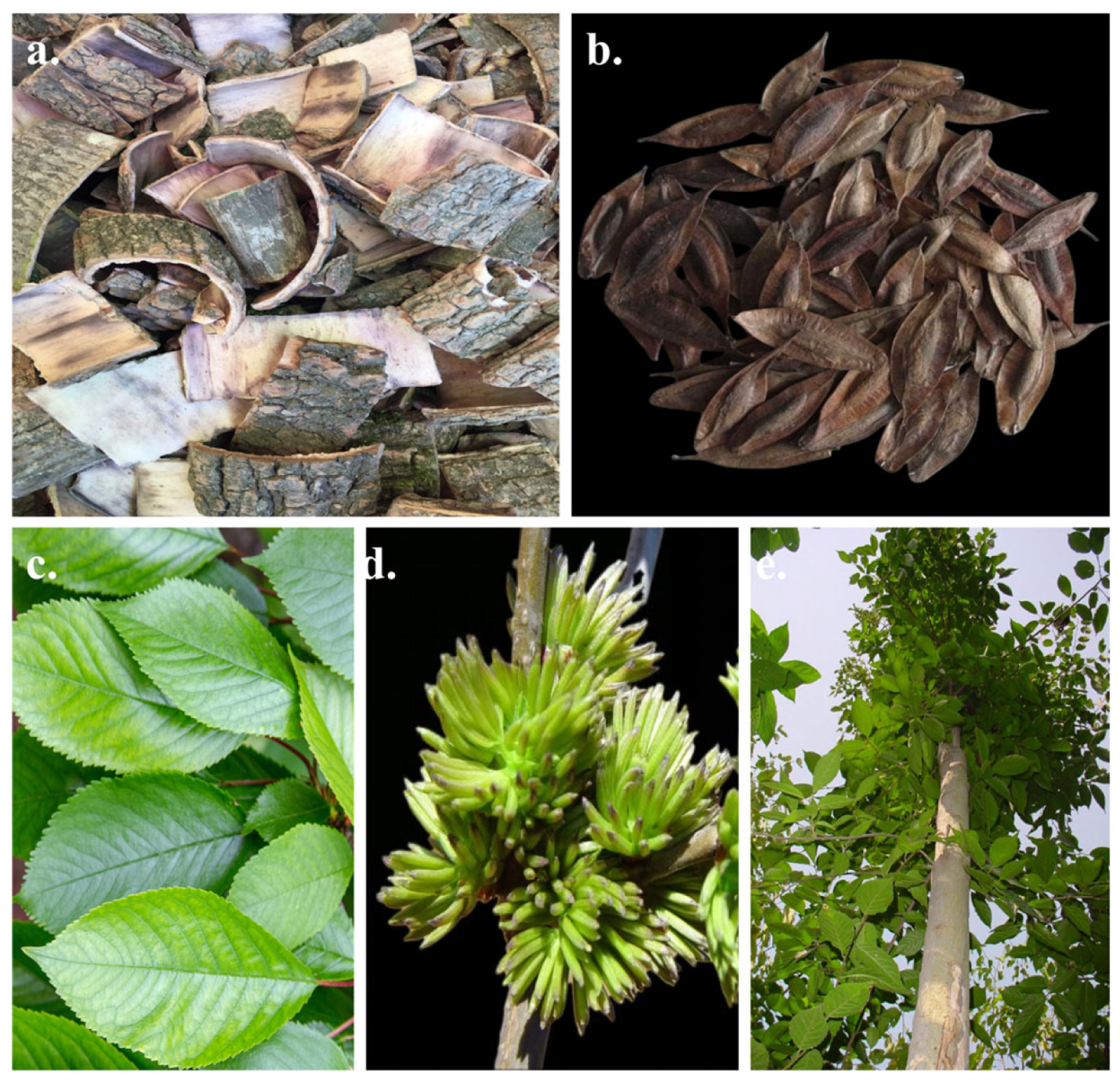
E. ulmoides is used as medicine. It is believed to tonify the liver and kidneys, strengthen bones and muscles, and prevent miscarriage. It is primarily indicated for conditions such as liver and kidney deficiency, lower back and knee pain, weakness of tendons and bones, dizziness, blurred vision, gestational bleeding, and restless fetus [
2]. In addition to the bark, its flowers, seeds, and leaves are also widely used in medicinal diets and health supplements. Modern pharmacological studies have revealed that
E. ulmoides exhibits anticancer and antitumor activities, protects the liver and kidneys, regulates immune and endocrine functions, and promotes bone health [
3]. Its major bioactive compounds include lignans, iridoids, flavonoids, and polysaccharides [
4].
As an important medicinal plant resource, the traditional utilization of
E. ulmoides has long relied on “felling trees or stripping bark,” which often resulted in slow bark regeneration or even tree death after partial harvesting. The rapidly growing market demand led to over exploitation and severe destruction of
E. ulmoides resources. In contrast, other parts of the plant, such as leaves, flowers, fruits, and stems, possess strong regenerative capacity and are abundant in supply. Therefore, comprehensive development of
E. ulmoides resources is of great significance for the sustainable and healthy growth of the
E. ulmoides industry. Studies have shown that non-traditional medicinal parts, including leaves, male flowers, and fruits, are rich in bioactive constituents also found in the bark, such as lignans, iridoids, flavonoids, polysaccharides, and
E. ulmoides gum (EUG) [
5]. These components demonstrate various functions, including antihypertensive, lipid-lowering, antioxidant, anti-inflammatory, immunomodulatory, and bone maturation-promoting effects [
6]. In China,
E. ulmoides leaves have been included in the catalog of substances that are both food and medicinal herbs,
E. ulmoides male flowers and
E. ulmoides seeds oil have been approved as Novel Food Ingredients. These developments signify the expansion of
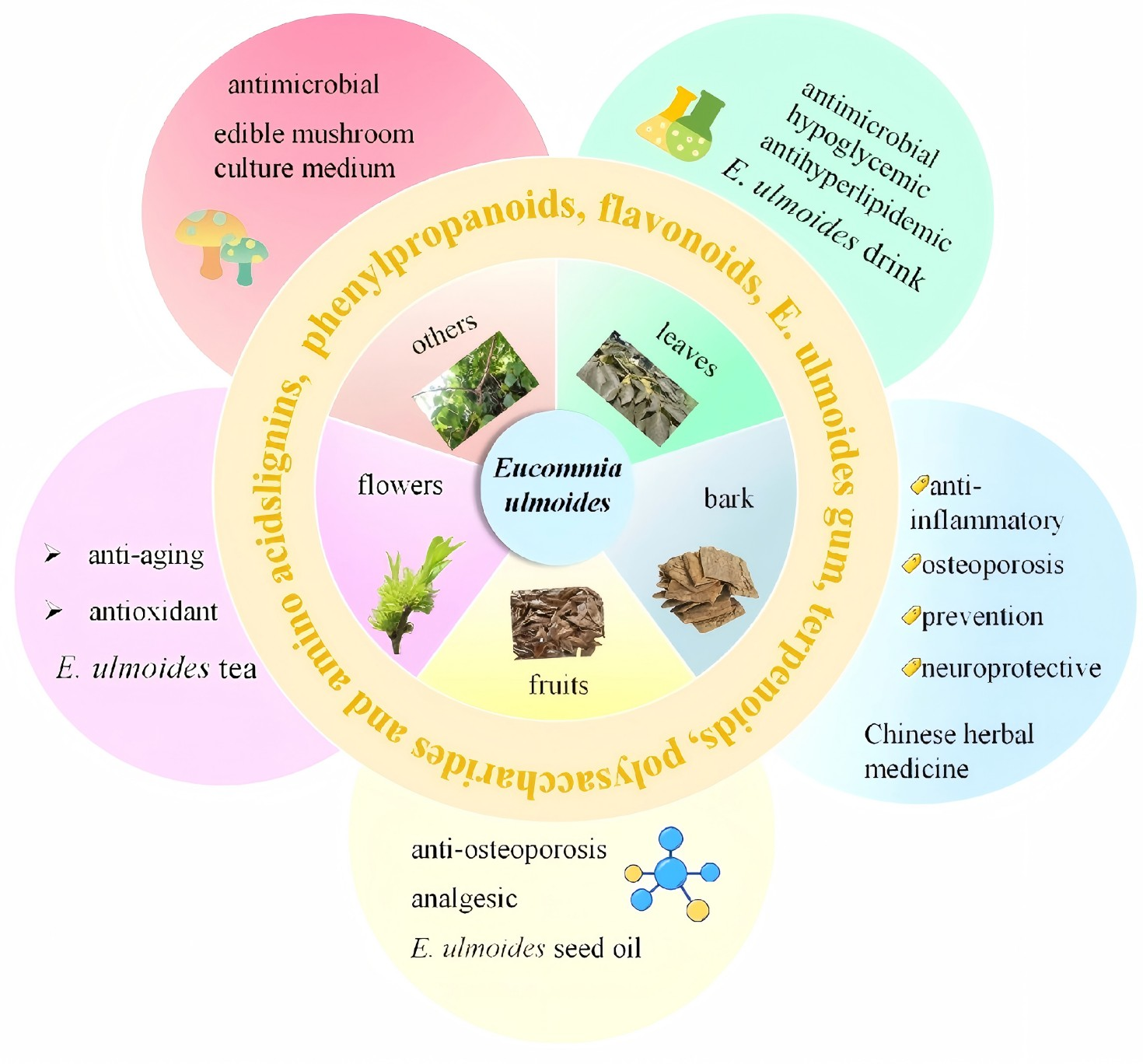
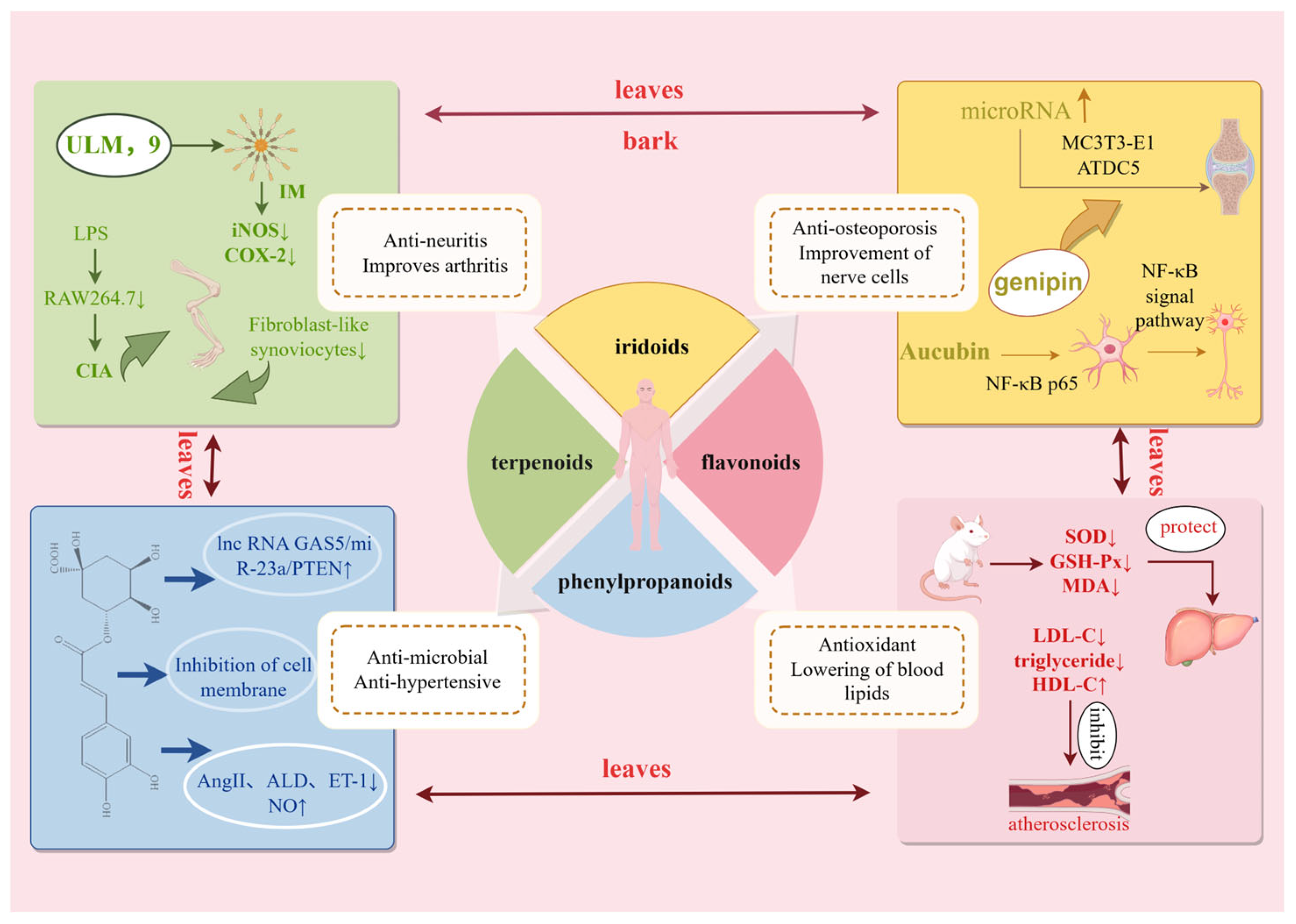
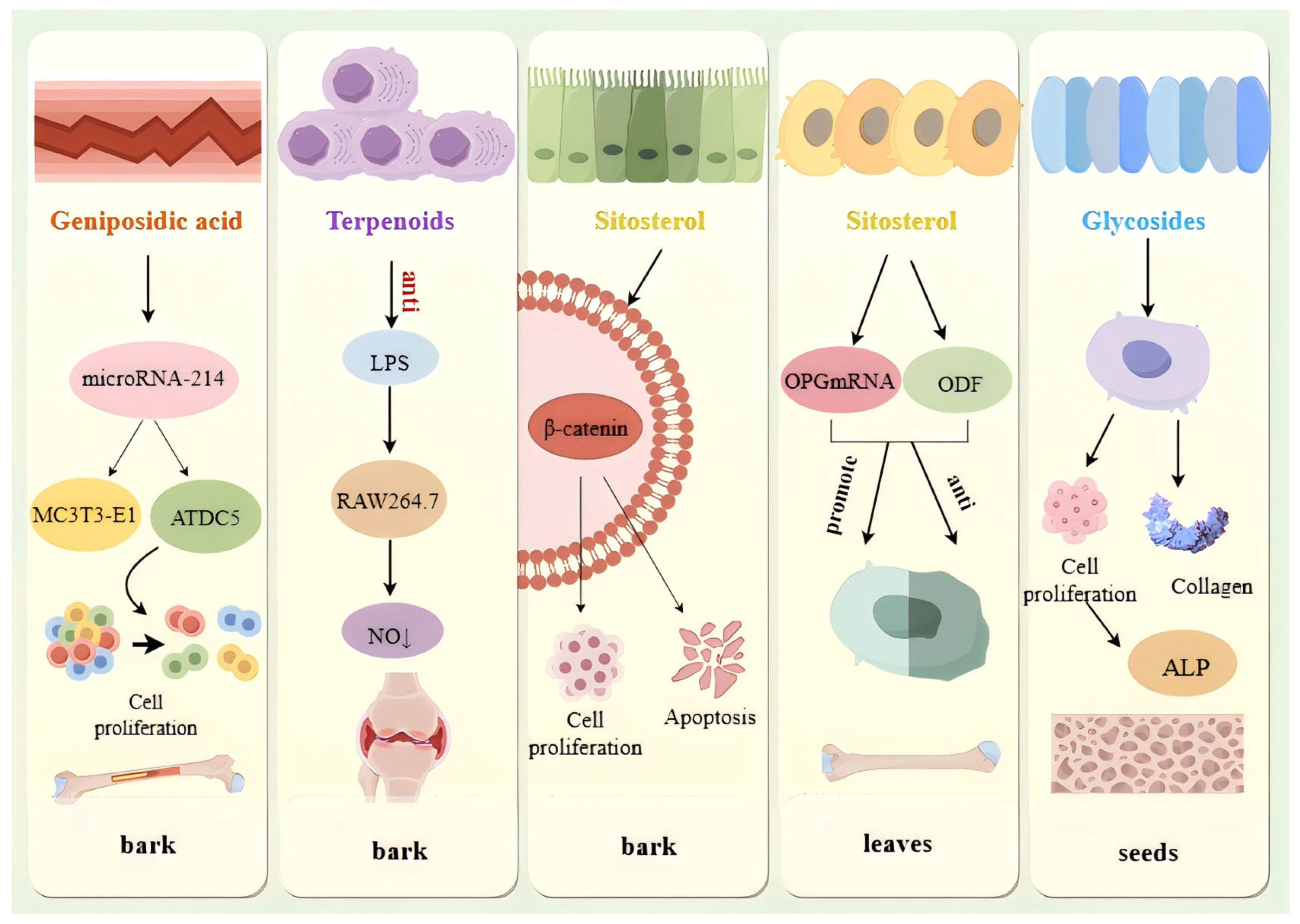
E. ulmoides applications from traditional medicine to broader health-related fields. Based on the recent scientific literature, this review systematically summarizes the advances in the chemistry, pharmacological mechanisms, and innovative food applications of
E. ulmoides. This paper aims to provide a theoretical basis for the high-value, comprehensive utilization of
E. ulmoides resources within the modern health and food industries (
Figure 1). In addition to summarizing the chemical composition and biological activities of different botanical parts, this review attempts to assess the quality and level of available evidence, with particular attention to the translational relevance of preclinical findings to clinical and functional food applications, and highlights potential research gaps that may currently limit clinical validation and industrial utilization.
2. Material and Methods
This review was conducted as a narrative literature review based on a structured search strategy. Relevant studies related to E. ulmoides were retrieved from PubMed, Web of Science, CNKI, Google Scholar, and the Pharmacopoeia of the People’s Republic of China. The literature search covered publications from January 1995 to June 2025 using the keywords “Eucommia ulmoides”, “botany”, “traditional uses”, “chemical constituents”, “bioactive compounds”, “pharmacological activities”, “health functions”, and “comprehensive utilization”, alone or in combination. Original research articles and authoritative reviews published in peer-reviewed journals in English or Chinese that reported on the chemical composition, pharmacological effects, or health-related applications of E. ulmoides and its different botanical parts were included, whereas duplicate publications, studies lacking clear experimental design or outcome description, and non-scientific materials such as conference abstracts or editorials were excluded. Retrieved records were screened based on titles and abstracts, followed by full-text evaluation, and the eligible literature was qualitatively analyzed and synthesized to provide an integrated overview of the chemical basis, pharmacological mechanisms, and utilization potential of E. ulmoides.
3. Compositional Basis of E. ulmoides Resources
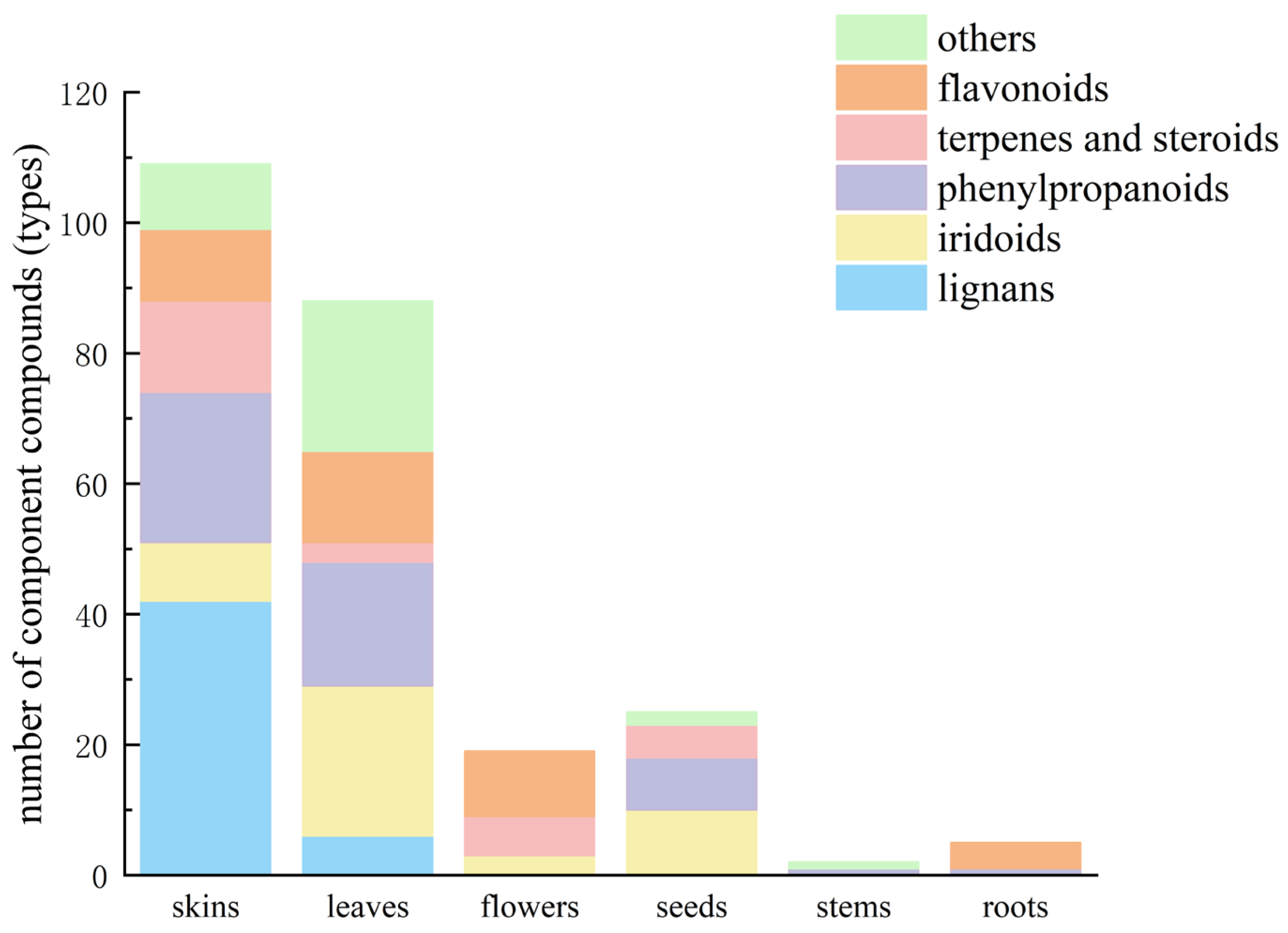
E.ulmoides contained diverse phytochemicals including lignans, iridoids, phenylpropanoids, flavonoids, terpenoids, steroids, polysaccharides, amino acids, vitamins, minerals, and substantial EUG, with compositional distribution across botanical parts illustrated in
Figure 2 [
4]. Traditional analytical efforts predominantly focused on the medicinal bark. However, subsequent investigations have identified rich phytochemical profiles in leaves, flowers, seeds and stems. Iridoids, phenolics, and flavonoids constitute major constituents in leaves, while male flowers are primarily characterized by flavonoid components. The highest lignan and iridoid concentrations were detected in the bark, whereas leaves exhibit peak levels of flavonoids and chlorogenic acid. EUG content is maximal in seeds. Iridoid, lignan, and phenylpropanoid concentrations correlate with plant parts, while flavonoid content associates with tree age [
7]. At the molecular level, we systematically summarize how these compounds exert their pharmacological activities, offering a scientific basis for future drug development and clinical applications.
3.1. Lignans
Lignans, natural products derived from oxidative polymerization of phenylpropanoids, exhibit pharmacological properties including anti-osteoporotic [
8], blood metabolism-regulating [
9], and antihypertensive effects [
10,
11]. Fifty-two lignan compounds have been identified in
E. ulmoides, primarily categorized as bisepoxylignans, monoepoxylignans, neolignans, and cyclolignans [
12]. In the quality control of Eucommia ulmoides bark, pinoresinol diglucoside, which is the active constituent responsible for antihypertensive effects, is specified in the Chinese Pharmacopoeia (2020 edition) as a quality control marker with a required minimum content of 0.10%. The highest lignan concentration was detected in the bark, with lower levels present in fruits and leaves. As the most extensively studied phytochemicals in
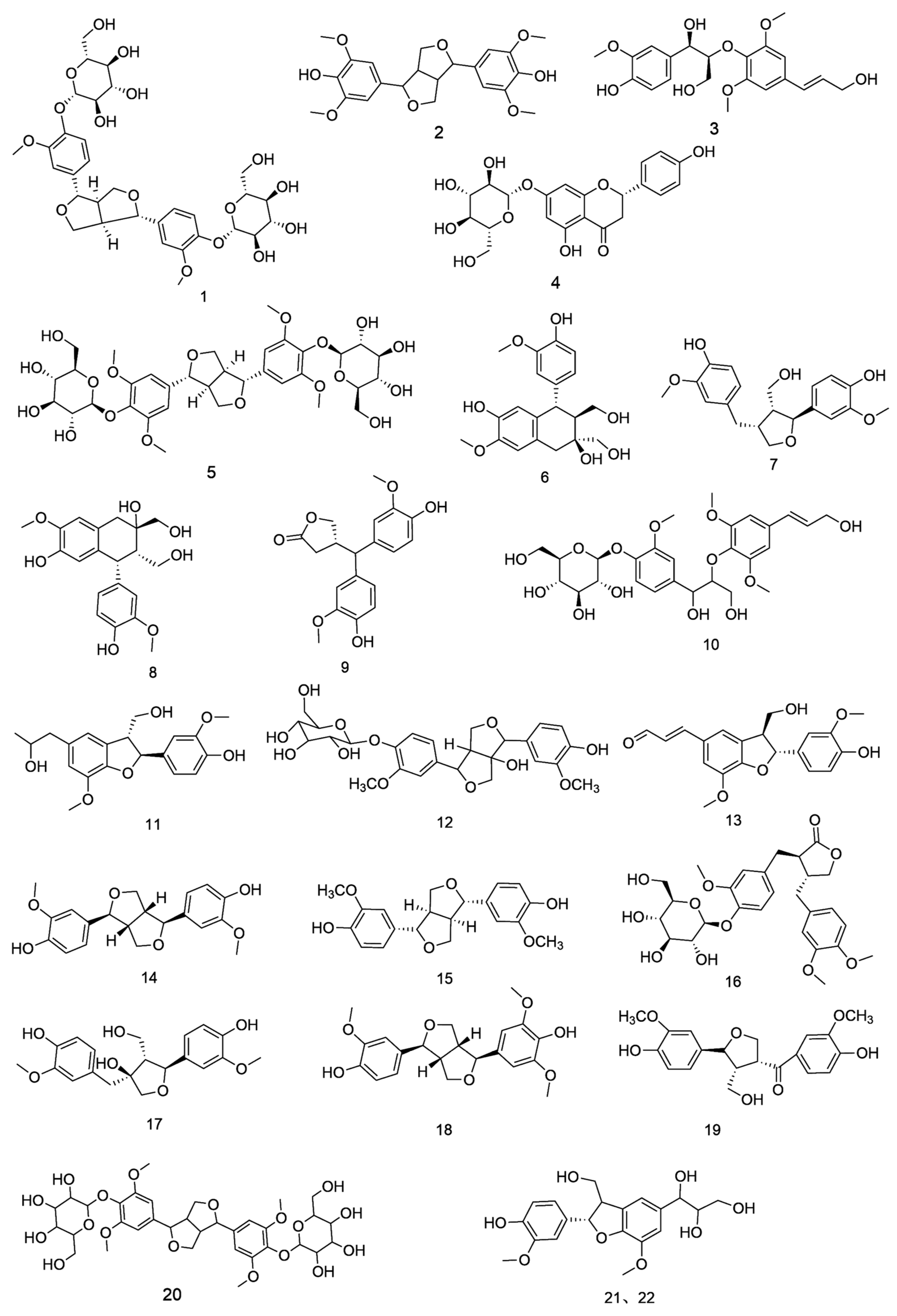
E. ulmoides with well-characterized structures, lignans underlie its antioxidant, hypotensive, and immunomodulatory activities (
Table 1 and
Figure 3) [
13,
14]. However, most of these activities have been demonstrated primarily in cellular or animal models, and direct clinical evidence supporting lignans as independent therapeutic agents remains limited. Therefore, while lignans represent important bioactive markers for quality control, their contribution to clinical efficacy likely depends on multi-component interactions rather than single-compound effects.
3.2. Iridoids
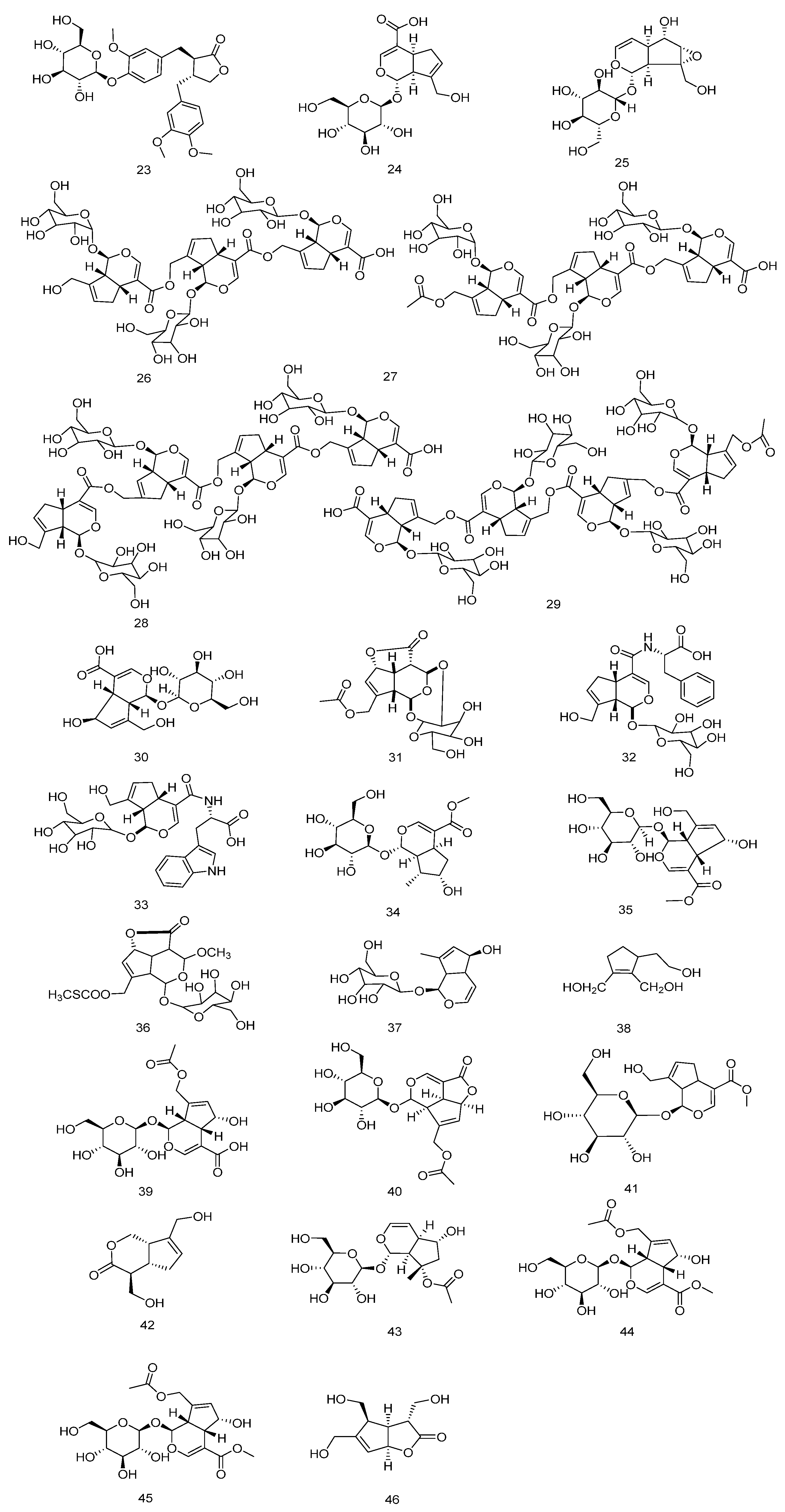
Iridoids are acetal derivatives of iridodial, classified as monoterpenoids characterized by an iridoid alcohol backbone typically stabilized through glycosylation to form iridoid glycosides, featuring hemiactal and cyclopentane ring structures [
4,
20]. The antitumor, antidiabetic (including complication-alleviating), antiarrhythmic, antispasmodic, immunostimulatory, hepatoprotective, and anti-inflammatory properties of
E. ulmoides are closely associated with its iridoid constituents. The bark and leaves contain abundant iridoids (~5.07 mg/g) [
21], primarily genipin, geniposide, geniposidic acid, and aucubin (
Table 2 and
Figure 4).
3.3. Phenylpropanoids
Phenylpropanoids in
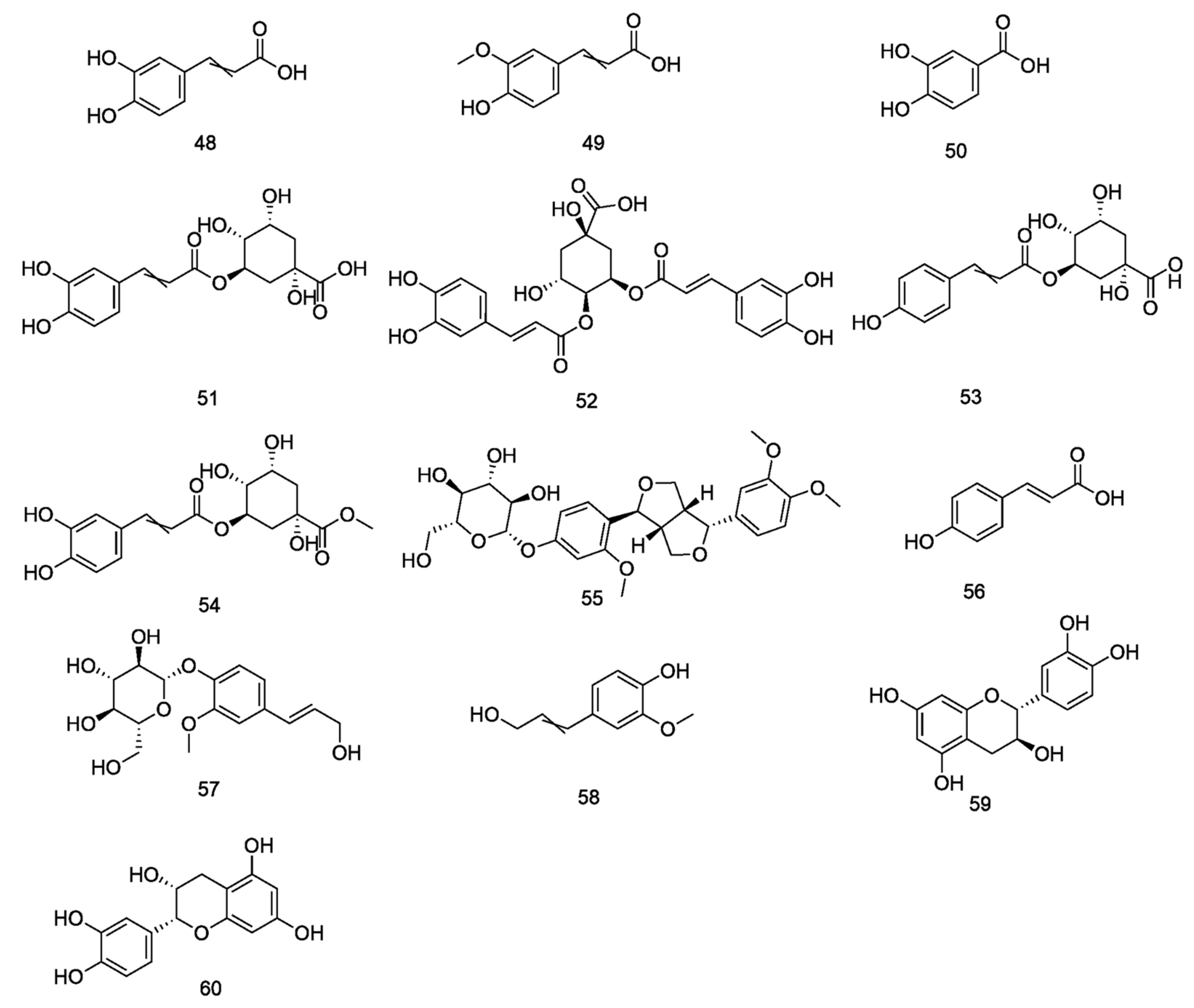
E. ulmoides-precursors to lignan biosynthesis-included caffeic acid, coniferyl alcohol, guaiacylglycerol, coniferin, syringin, chlorogenic acid, methyl chlorogenate, vanillic acid, and coumaroyl glycosides, distributed in the bark, leaves, and rhizomes. Chlorogenic acid is a critical quality control marker for
E. ulmoides leaves, with content specified to exceed 0.08% in the Chinese Pharmacopoeia [
2]. These compounds exhibited antihypertensive, hypolipidemic, immunostimulatory, antibacterial, and anticancer activities. Chlorogenic acid has been observed to reduce blood pressure in spontaneously hypertensive rats (
Table 3 and
Figure 5) [
24]. Nevertheless, these findings are derived from animal models, and their relevance to human blood pressure regulation requires further clinical validation.
3.4. Flavonoids
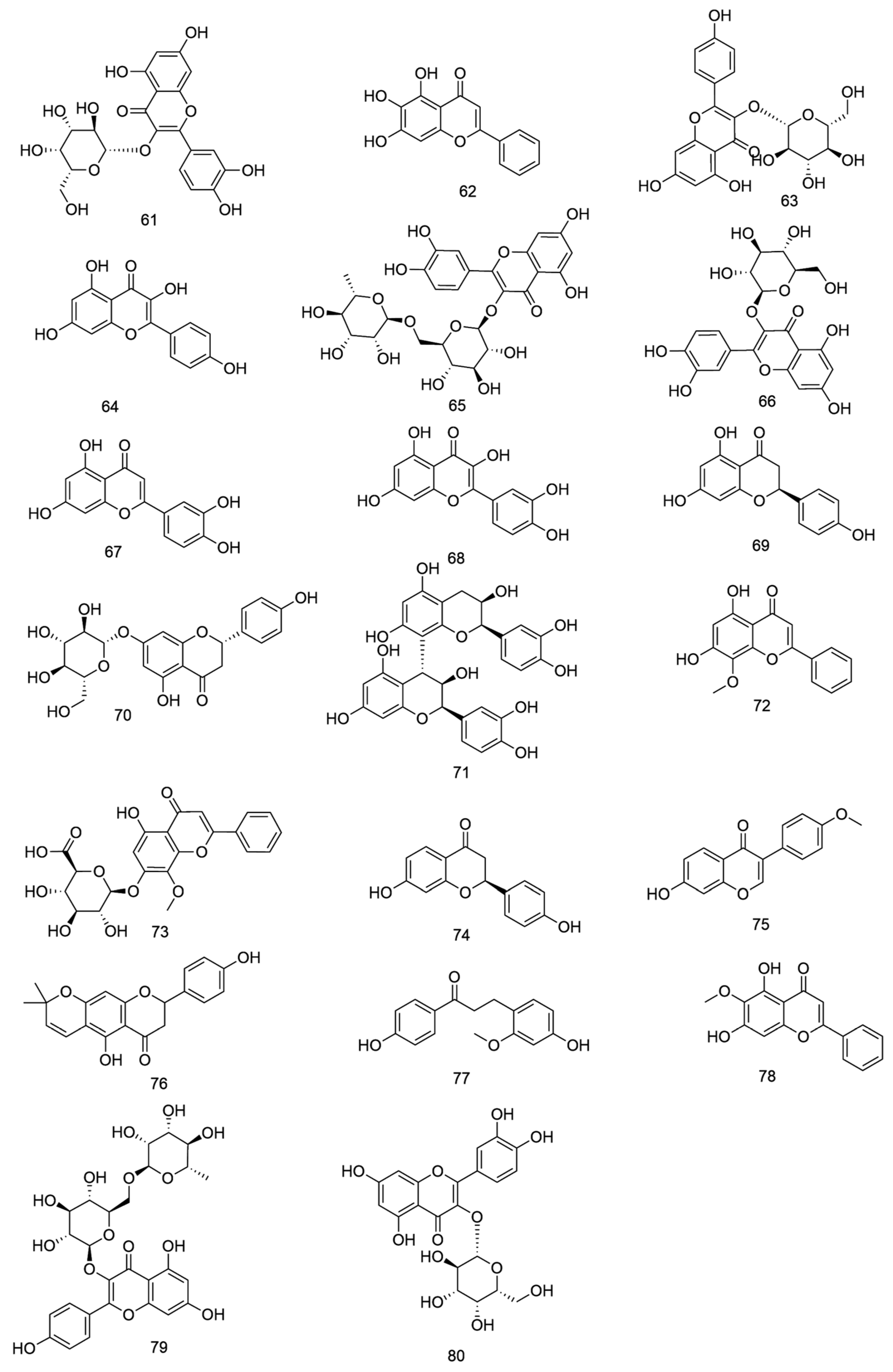
Flavonoids are compounds formed by two phenolic hydroxyl-bearing benzene rings linked via a central three-carbon chain, predominantly constituting derivatives of chromone. As one of the primary active constituents in
E. ulmoides, flavonoids were primarily distributed in male flowers and leaves. Key flavonoid components included quercetin, rutin, kaempferol, astragalin, and hyperoside [
28,
29], which exhibited antioxidant, cardiovascular-regulatory, immunoenhancing, antibacterial, expectorant, and antitussive properties (
Table 4 and
Figure 6) [
30,
31].
3.5. EUG
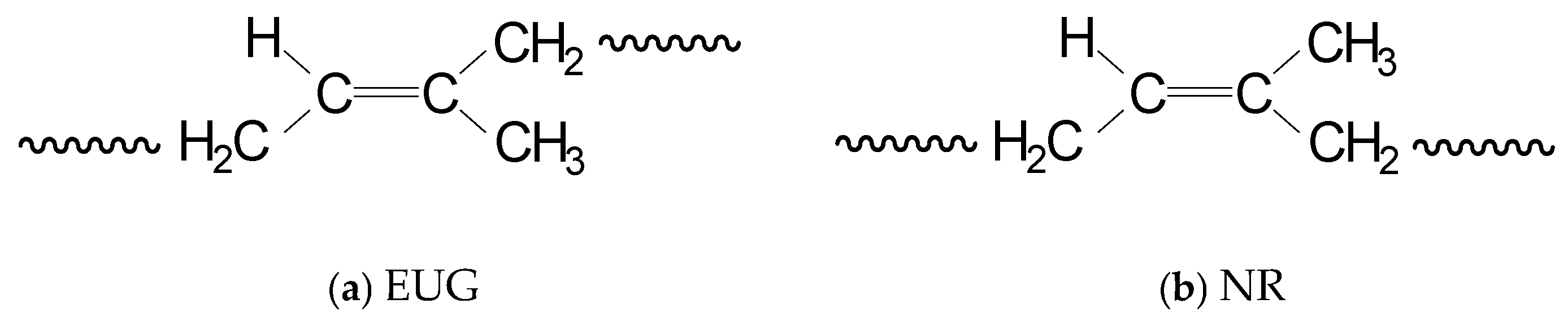
EUG constitutes a renewable natural rubber resource, primarily composed of a high polymer of trans-isoprene. Its molecular structure represents an isomer of natural rubber (
Figure 7). As China’s most promising alternative and supplemental natural rubber resource, the development of the EUG industry not only addresses domestic the development of the EUG industry, but also establishes a new global rubber industry paradigm centered on China’s innovative EUG products. Owing to its combination of low yield strength, rigidity, and toughness, EUG is suitable for manufacturing orthopedic fixation splints [
33]. Concurrently, shape-memory materials based on EUG represent a research focus in this field [
34].
Studies indicated that EUG serves both as a natural rubber supplement and as a synergist for enhancing composite properties. For instance, EUG/natural rubber composites with optimized ratios could modulate stress–strain curve behavior, improved application characteristics, and exhibited dual rubber–plastic properties, yielding superior functional materials with broader utility [
35]. Elasticity improvement was achieved by Yan Ruifang through pervulcanization, creating novel polymeric materials with rubber–plastic duality [
36]. High-performance EMI shielding biocomposites can be fabricated using crystalline EUG as the matrix and CNT/GNP hybrids as conductive fillers, demonstrating attractive mechanical properties and high thermal stability [
37]. Recent research reveals that composite films prepared from lignin and EUG exhibit exceptional UV-shielding capacity, enhanced thermal stability, improved mechanical properties, and superior aging resistance, indicating potential applications in sustainable packaging and agricultural coatings [
38]. Although EUG itself does not function as a pharmacologically active compound, its unique physicochemical properties expand the application scope of
E. ulmoides beyond bioactivity-driven uses toward biomedical materials and health-related technologies.
3.6. Steroids and Other Terpenoids
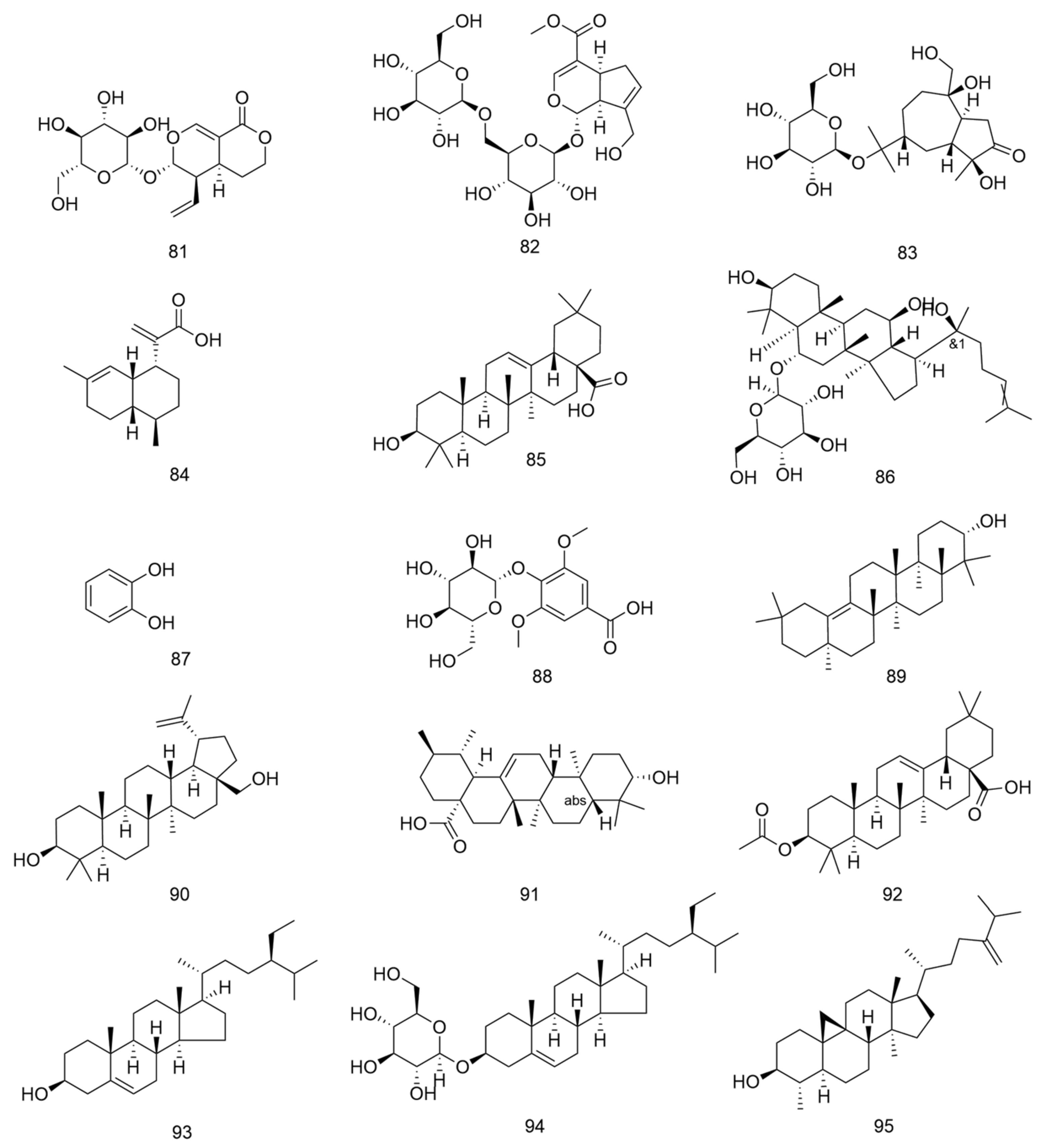
Steroids exhibit diverse structures and extensive applications in pharmaceuticals. Common biologically active steroids include cholesterol, bile acids, sex hormones, vitamin D, and certain antibiotics. They possess anti-inflammatory, antitoxic, antiallergic, and antishock properties, serving as critical adjunct therapies for collagen diseases, anaphylactic shock, Addison’s disease, breast cancer, and prostate cancer (
Table 5 and
Figure 8) [
39].
The terpenoid composition in E. ulmoides is complex, encompassing not only the primary active iridoids but also significant quantities of other terpenoids such as triterpenes. Triterpenes constitute a class of terpenoids polymerized from six isoprene units, featuring a fundamental skeleton of 30 carbon atoms. They existed in plants either in free form or as glycosides/esters, demonstrating diverse biochemical activities.
3.7. Others
Additional components in
E. ulmoides include polysaccharides, amino acids, vitamins, and minerals. Anticarcinogenic effects of
E. ulmoides polysaccharides have been demonstrated through scavenging nitrite (NO
2−), a precursor of N-nitrosamine synthesis [
41]. Exercise-induced fatigue in mice could be alleviated by these polysaccharides via regulation of glucose metabolism and protein-sparing effects [
42]. An antifungal protein isolated from the bark has been shown to effectively inhibit fungal growth, exhibiting significant application potential in pharmaceuticals, food safety, and environmental protection.
In conclusion, the chemical constituents of E. ulmoides are diverse, mainly consisting of lignans, iridoids, flavonoids, and other compounds. These constituents show a broad range of pharmacological activities, including antioxidant, anti-inflammatory, Liver and kidney protection, cardiovascular protective, neuroprotective, and anti-fatigue effects. Overall, these findings support the medicinal value of E. ulmoides.
6. Prospects for Whole-Plant Resource Utilization
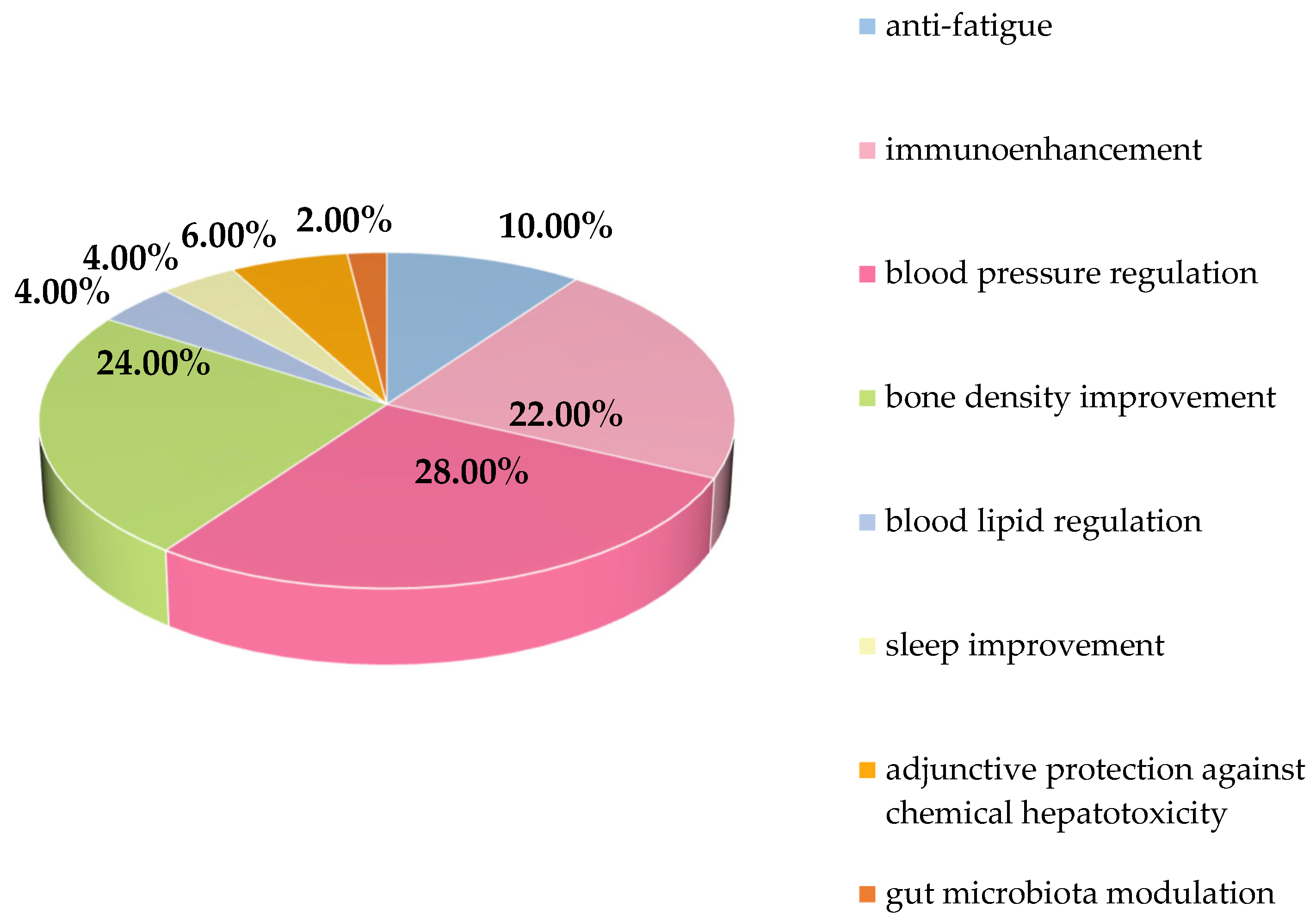
E. ulmoides, as a relict plant and traditional medicinal resource unique to China, contains abundant bioactive compounds in its various tissues with broad pharmacological effects. Extensive studies have confirmed that E. ulmoides extracts and their monomeric compounds exhibit significant efficacy in lowering blood pressure, regulating glucose and lipid metabolism, anti-inflammatory and antioxidant activities, immune modulation, and promoting bone formation, indicating great potential for the prevention and auxiliary intervention of chronic diseases such as hypertension, diabetes, hyperlipidemia, osteoporosis, and inflammation-related disorders. The material basis for these pharmacological activities primarily includes lignans, iridoids, flavonoids, phenylpropanoids, and polysaccharides. Notably, in addition to the aforementioned small-molecule active compounds, various tissues of E. ulmoides are also rich in EUG—a natural polymer that is an isomer of natural rubber, possessing unique dual characteristics of rubber and plastic, shape memory effect, and good biocompatibility. These properties make EUG particularly suitable for applications in biomedical materials, tissue engineering scaffolds, smart responsive materials, and environmentally friendly composites, especially in the context of medical rehabilitation and health-related materials.
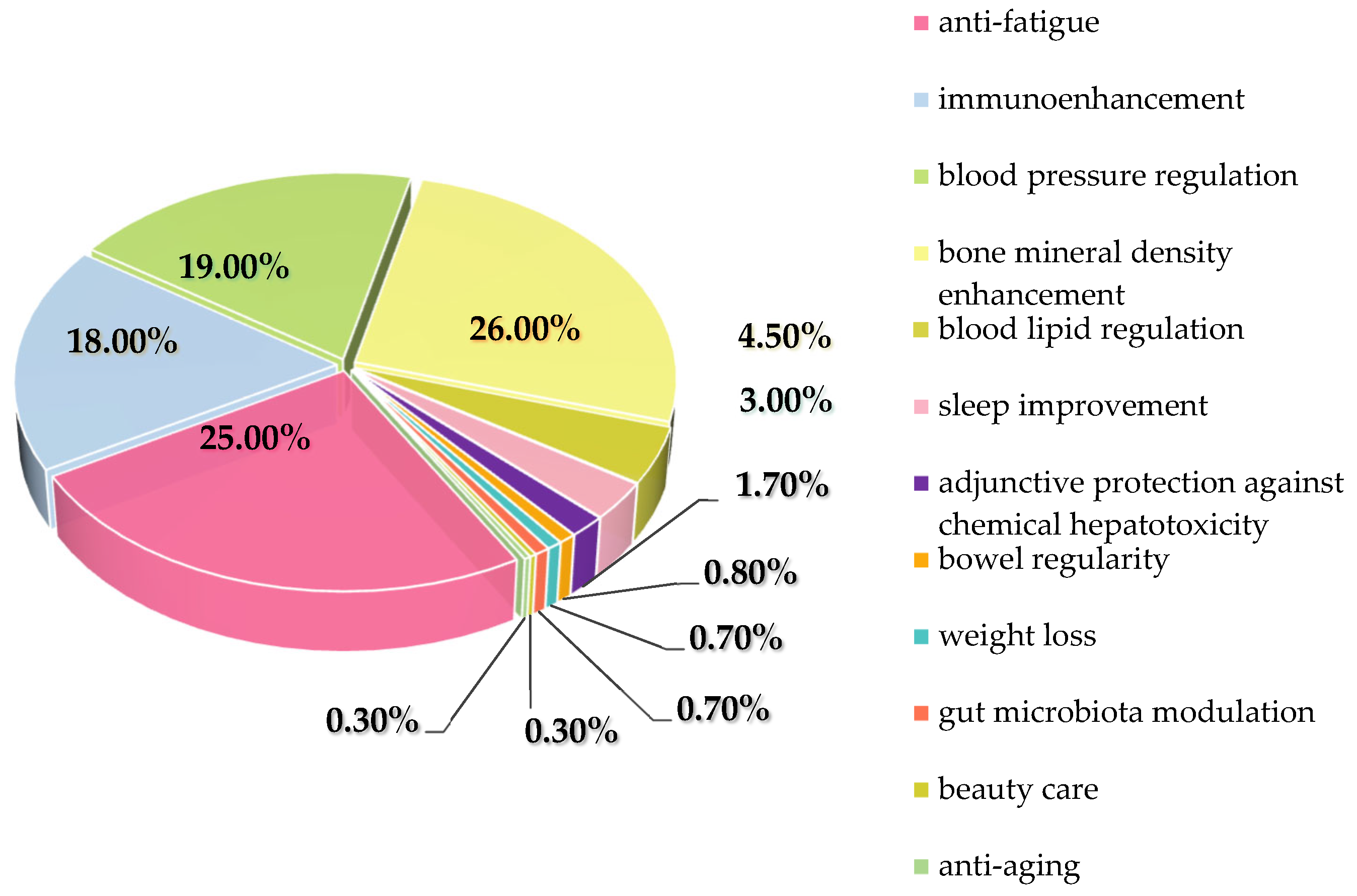
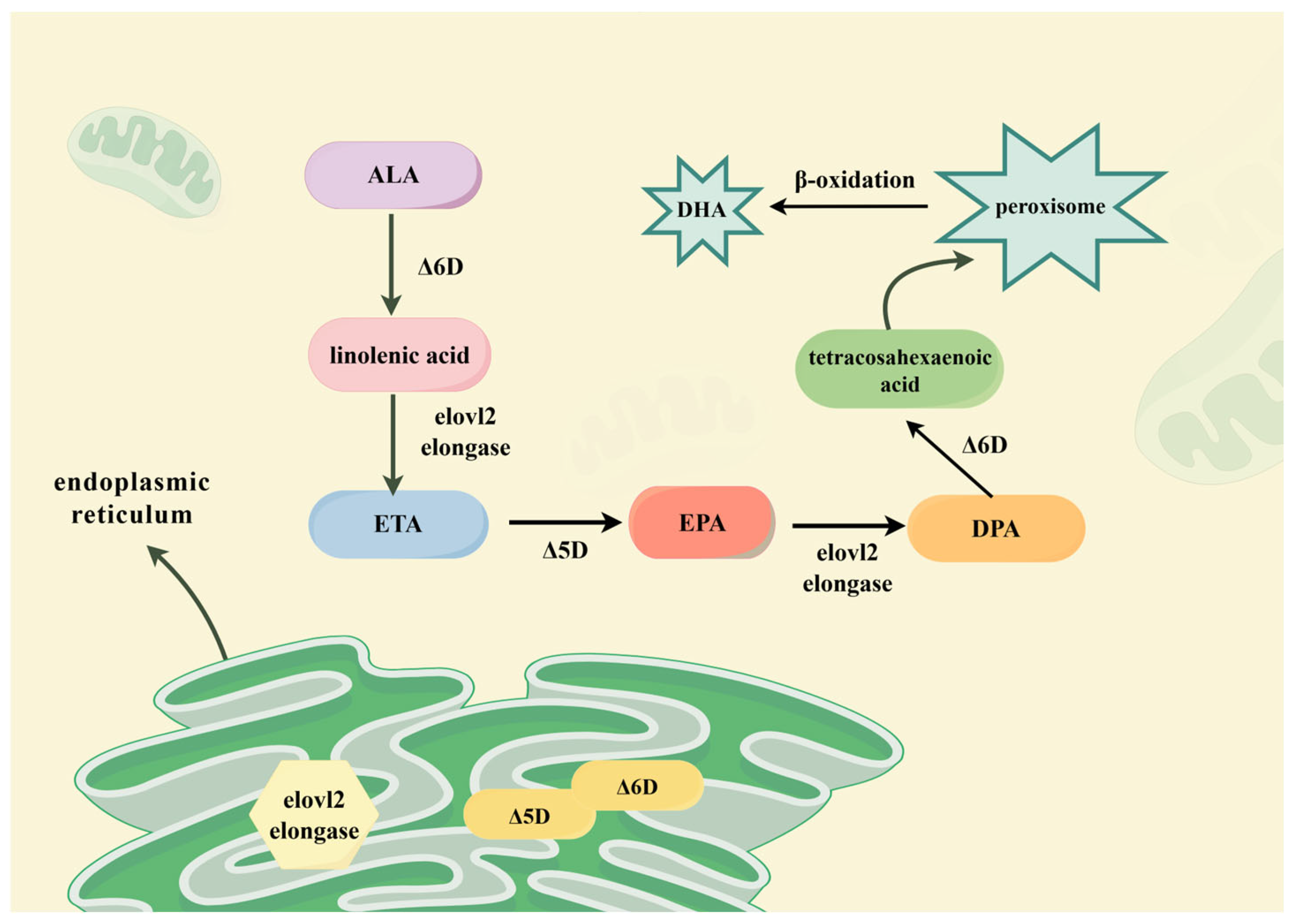
Although E. ulmoides bark has historically been the most extensively utilized medicinal resource, its traditional harvesting practice—removal of bark following tree felling—raises concerns regarding resource depletion, limited renewability, and ecological sustainability. Continued reliance on bark therefore poses long-term challenges for both environmental conservation and industrial development. By contrast, renewable plant tissues such as leaves, male flowers, and fruits provide a more sustainable and safer utilization pathway. E. ulmoides leaves can be harvested on an annual basis without compromising plant vitality and are officially recognized as a medicinal–food homologous resource, supporting their safety for long-term dietary consumption. Similarly, the periodic collection of male flowers and fruits does not interfere with normal growth or reproductive processes, further underscoring their suitability for sustainable exploitation and functional food development. It is particularly important to note that E. ulmoides seeds not only contain extremely high levels of EUG in their shells but are also rich in E. ulmoides seed oil—a functional oil characterized by α-linolenic acid as its main fatty acid, which possesses various physiological functions such as regulating lipid metabolism and improving insulin resistance, suggesting promising applications in the dietary intervention of cardiovascular and metabolic diseases, including atherosclerosis and type 2 diabetes. This provides an important direction for the comprehensive development of E. ulmoides resources. Chemical composition studies have shown that E. ulmoides leaves, flowers, fruits, and bark share high similarity in their active component profiles, all containing lignans, iridoid glycosides, flavonoids, chlorogenic acid, and phenolic acids. Consequently, they exhibit common pharmacological activities in areas such as antihypertensive, hypoglycemic, antioxidant, anti-inflammatory, and bone-protective effects, supporting their potential functional application in chronic disease prevention, bone health maintenance, and metabolic health management. Based on the similarity in composition and function, E. ulmoides leaves, male flowers, and seed oil have been approved as new food ingredients or medicinal and edible substances in China, providing a regulatory basis for their application in health products. Various products, such as E. ulmoides tea, fermented E. ulmoides wine, and E. ulmoides seed oil soft capsules, have been developed, demonstrating promising prospects and market potential.
Despite significant advancements in characterizing the chemical profile and pharmacological properties of E. ulmoides, critical knowledge gaps continue to impede its clinical translation and industrial scalability. While extensive in vitro and in vivo studies underscore its multi-target therapeutic potential, robust clinical evidence remains scarce. Furthermore, standardized toxicological evaluations—particularly regarding long-term, high-dose administration and the safety of bark-derived functional foods—are currently insufficient. These limitations underscore the urgent need for rigorous, systematic research to establish a foundation for evidence-based applications.
Future research should prioritize the clinical validation of standardized extracts and primary bioactive compounds, alongside comprehensive safety assessments to define precise dosage regimens. Concurrently, a comparative functional analysis of renewable tissues (leaves, male flowers, and seeds) is essential to evaluate their potential as sustainable substitutes for bark. Elucidating the synergistic multi-component interactions and structure–function relationships will also be pivotal in providing a scientific rationale for their health-promoting effects.
From a sustainability perspective, prioritizing renewable resources is imperative for future development. E. ulmoides leaves, recognized as a “medicinal-food dual-use” resource, offer a safe and sustainable matrix for long-term dietary intervention, while the α-linolenic acid-rich seed oil holds significant promise for cardiovascular and metabolic health. Additionally, advancing green extraction and modification technologies for EUG could catalyze its application in biomedical and eco-friendly materials. Integrating chemical characterization, functional evaluation, and safety assessments will facilitate the transition of E. ulmoides into high-value products, contributing to both public health and the global bio-based economy.
In summary, the high-value development and utilization of the entire E. ulmoides resource should adhere to the principle of sustainable development, prioritizing the in-depth development and industrial application of renewable parts such as leaves, flowers, and fruits, and constructing a diversified industrial chain covering pharmaceuticals, functional foods, cosmetics, feed, and bio-based materials. By closely linking functional efficacy with disease prevention and health promotion needs, the utilization of E. ulmoides bark in the health product sector must be cautiously advanced based on scientific safety evaluations, while resource-saving and environmentally friendly harvesting and processing models should be explored. Through the synergistic advancement of compositional research, technological innovation, and industrial chain integration, E. ulmoides resources are expected to become an important component of the regional bioeconomy, achieving harmony among ecological, economic, and social benefits.



 ,
,