1. Introduction
Chronic kidney disease (CKD) is a global public health crisis, currently affecting an estimated 850 million people worldwide [
1]. The condition is associated with severe metabolic disturbances, chronic comorbidities, and a significantly increased risk of cardiovascular morbidity and mortality [
2,
3]. In both conservative management without dialysis and across all modalities of renal replacement therapy, Medical Nutrition Therapy (MNT) is recognized as a foundational pillar of care [
4,
5]. Adequate nutritional management is essential to prevent protein-energy wasting (PEW), delay the progression of renal decline, and mitigate uremic symptoms [
6,
7].
Traditional dietary guidelines for CKD have strictly focused on the rigorous monitoring and restriction of specific nutrients, primarily sodium, potassium, phosphorus, fluid, and protein [
8,
9]. Consequently, the renal diet is widely recognized by health professionals and patients alike as one of the most complex, restrictive, and emotionally demanding therapeutic regimens in chronic disease management [
10,
11]. This overwhelming complexity often leads to alarmingly low rates of dietary adherence. Current literature estimates that dietary non-adherence among patients with CKD ranges widely between 20% and 70%, with the weighted mean adherence to end-stage kidney disease (ESKD) dietary recommendations reported as low as 31.5% [
12,
13]. Dietary non-adherence is a multidimensional phenomenon driven by a complex interplay of patient-related, condition-related, socio-economic, and healthcare system factors [
1,
14]. While patients receive extensive educational materials outlining dietary restrictions, a profound gap exists between theoretical nutritional knowledge and practical application [
15,
16].
Studies consistently indicate that mere awareness of dietary principles does not effectively translate into behavior change [
17,
18]. Patients frequently encounter significant barriers to adherence, including taste aversions to modified or boiled foods, lack of familial and social support, and financial constraints that limit access to recommended fresh dietary items [
14,
19]. Furthermore, conventional renal diets often severely compromise the sensory quality and palatability of meals. The strict restriction of sodium and spices, combined with the necessity of utilizing aggressive thermal processing techniques such as prolonged soaking or double-boiling to reduce mineral loads, strips meals of their natural flavors and textures. This profound loss of food enjoyment inevitably leads to ‘dietary fatigue,’ an emotional and sensory exhaustion that drives patients toward therapy abandonment and an increased, dangerous reliance on highly palatable but toxic ultra-processed foods (UPFs) [
20,
21]. These UPFs are highly dangerous in the CKD population, as they are typically loaded with highly bioavailable, hidden phosphorus and potassium additives, and are strongly associated with higher mortality and progression of the disease [
4,
22].
To bridge the gap between theoretical dietary knowledge and actual food consumption, the concept of “food literacy” has gained critical importance. Food literacy encompasses the functional, interactive, and critical knowledge, skills, and behaviors required to plan, select, prepare, and consume a high-quality diet [
11,
23]. Patients and their caregivers who possess higher food literacy demonstrate better adherence to nutritional guidelines, make healthier food choices, and experience a lower burden when managing the multifaceted dietary needs of CKD [
24,
25]. However, a substantial proportion of patients with CKD exhibit limited food and nutritional literacy (up to 46.3% in some hemodialysis cohorts), pointing to an urgent need for interventions that go beyond theoretical education [
26].
In response to these ongoing challenges, “culinary medicine” has emerged as a novel, evidence-based discipline that blends the traditional art of cooking with the science of nutrition and medicine [
27,
28]. The goal of culinary medicine in nephrology is to empower patients and caregivers with practical skills to prepare palatable, kidney-protective meals at home, shifting the focus from isolated nutrient restriction to holistic meal preparation [
6,
27]. This shift is particularly relevant given the recent updates in CKD nutrition guidelines, such as the 2020 National Kidney Foundation Kidney Disease Outcomes Quality Initiative (KDOQI) [
4]. These guidelines advocate for a more personalized approach that embraces plant-dominant low-protein diets (PLADO) and encourages the consumption of fruits and vegetables to reduce metabolic acidosis, lower the acid load, and positively modulate the gut microbiome [
6,
16].
Transitioning to these plant-based dietary patterns while managing potassium and phosphorus safely demands specific culinary techniques. For example, culinary strategies such as leaching vegetables to extract potassium, or substituting salt with aromatic herbs and spices (e.g., garlic or onion powder) to compensate for sodium restriction without sacrificing flavor, are essential skills [
1,
25,
29]. Despite the acknowledged benefits of MNT and the emerging recognition of culinary medicine, the literature currently lacks a comprehensive synthesis of how theoretical dietary knowledge intersects with practical culinary skills to impact clinical outcomes in CKD. Healthcare providers, particularly nephrology nurses who spend hours with patients during dialysis treatments, are uniquely positioned to act as “culinary coaches” [
30,
31]. Yet, their roles in translating nutrition science into practical cooking skills and assessing food literacy remain underexplored [
11,
32].
Therefore, this scoping review aims to systematically map the existing literature to explore the intersection of these three critical domains. By highlighting the fundamental transition from “knowing what to eat” to “knowing how to cook it,” this review seeks to identify gaps in current research and inform future clinical strategies that integrate food literacy and culinary medicine into comprehensive, patient-centered nephrological care.
4. Discussion
This scoping review was developed with the objective of mapping and synthesizing current evidence in response to the question formulated through the PCC framework: to evaluate how, in the Population of patients with CKD, the Concept of nutritional requirements and metabolic control intersects with the acquisition of health literacy and culinary skills, framed within a global context that integrates clinical, community, and home environments.
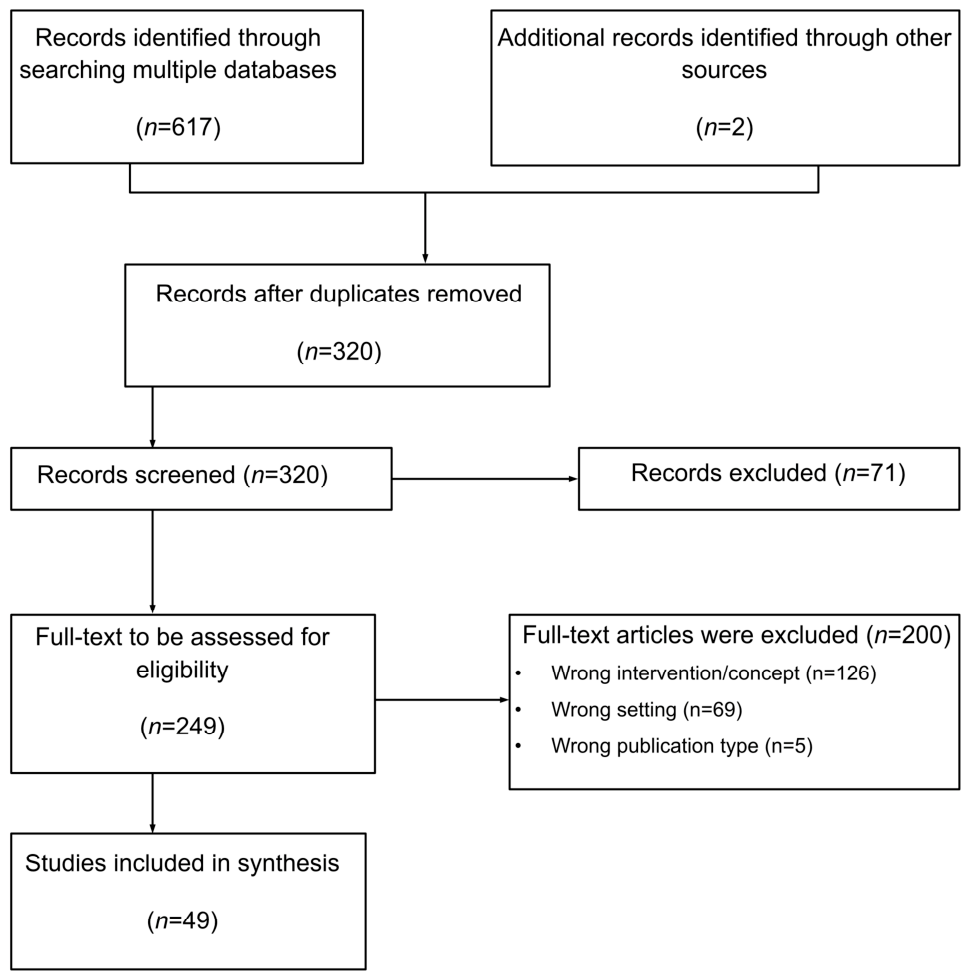
Before synthesising the available evidence, a fundamental caveat must be stated explicitly: the current literature does not yet provide a robust, direct empirical link between the three mapped constructs in the CKD population. Only a limited subset of the 49 included studies was specifically designed to investigate the intersection of dietary knowledge, food literacy, and practical culinary skills simultaneously, and none establish a causal pathway from food literacy to measurable clinical outcomes via culinary skill acquisition. This evidence gap is itself a primary finding of this scoping exercise. The synthesis that follows should therefore be read as a map of what has been investigated and where the critical voids lie—not as confirmation of a well-evidenced clinical model.
Against this backdrop, it is necessary to clarify the operational definitions of the three core constructs examined in this review, given the terminological heterogeneity identified across the included studies. Dietary knowledge (DK) or nutrition knowledge (NK) refers to the declarative, theoretical understanding of nutrient content, dietary restrictions, and clinical guidelines [
79], the cognitive dimension of knowing what to eat or avoid. Dietary knowledge (DK) is considered as one of the factors affecting food intake [
80] and has been reported to be positively associated with diet quality [
81,
82].
Food literacy, a broader and more encompassing construct, integrates the functional, interactive, and critical competencies required to plan, select, prepare, and evaluate food within a specific health context [
83]; it encompasses both cognitive and behavioral dimensions and has been operationalized in CKD research through validated instruments such as food frequency questionnaires, dietary recall interviews, and health literacy scales. Culinary skills, the most practically oriented of the three, refer to the technical and procedural competencies applied during food preparation, including the ability to select appropriate cooking methods, adapt recipes to renal dietary requirements, and apply mineral-reduction techniques (e.g., leaching, double boiling) [
84,
85]. While these three constructs are conceptually distinct, the evidence synthesized in this review consistently demonstrates that they function as an interdependent continuum: dietary knowledge is a necessary but insufficient precondition for food literacy, which in turn provides the cognitive scaffolding upon which practical culinary competencies are built and sustained.
The included studies suggest that dietary management in CKD cannot be understood solely as a prescription of restrictions, but rather as a process of supporting self-care that integrates nutritional education, individualization, behavioral support, and adaptation to the patient’s life context [
13]. This perspective aligns with proposed biopsychosocial and multidisciplinary approaches to chronic kidney disease, especially in advanced stages [
5,
53,
86]. It is essential to acknowledge that the dietary self-management landscape differs fundamentally between patients on maintenance hemodialysis (HD) and those managed conservatively at CKD stages 3–5, and that conflating these two populations risks obscuring clinically meaningful distinctions [
87]. Patients undergoing HD face a life profoundly disrupted by treatment schedules—typically three sessions per week of three to four hours each—which impose rigid temporal, social, and logistical constraints on meal planning, food acquisition, and culinary practice. Their dietary restrictions are particularly stringent with respect to fluid, potassium, and phosphorus, as the intermittent nature of dialysis creates accumulation dynamics that demand strict inter-dialytic compliance [
76,
87,
88,
89,
90,
91]. Conversely, patients in CKD stages 3–5 under conservative management must navigate a sustained, low-protein or very-low-protein dietary prescription over a prolonged and often indefinite timeline, where the primary challenge is long-term behavioral consistency rather than acute inter-session restriction. Adhering to a Low Protein Diet (LPD) or Very Low Protein Diet (VLPD) presents unique and formidable challenges for these patients. The primary difficulty lies in the profound loss of meal palatability and the cultural disruption of eating habits, as animal proteins traditionally anchor the sensory profile (umami) and social commensality of conventional diets. Consequently, patients frequently struggle to maintain adequate total caloric intake, increasing the risk of protein-energy wasting (PEW). Furthermore, successfully substituting animal proteins with plant-based alternatives requires advanced culinary skills to build flavor profiles using herbs and spices, as patients must avoid the compensatory—and dangerous—use of high-sodium condiments or ultra-processed foods. The quality-of-life implications also diverge: conservative management patients retain greater autonomy over daily routines, which shapes both their barriers to and opportunities for culinary skill acquisition differently. The educational interventions and culinary strategies reviewed here must therefore be interpreted within the specific clinical context to which they apply, and future research should systematically distinguish between these populations when designing, implementing, and evaluating nutritional interventions.
From a pathophysiological perspective, the progression of CKD across the CKD3b, CKD5, and CKD5D spectrum severely compromises systemic homeostasis, resulting in the progressive inability to regulate mineral balance, acid–base equilibrium, and uremic toxin excretion [
44,
58]. To manage this metabolic load, official clinical guidelines—such as the KDOQI practice updates—impose rigorous numerical restrictions on protein, sodium, potassium, and phosphorus. Within this strictly regulated framework, food literacy and culinary skills do not substitute clinical guidelines; instead, they function as the indispensable operational bridge to implement them safely at home—a concept that a subset of the included literature has characterised, rhetorically, as an ‘external artificial kidney’ [
69]. The systematic application of certified cooking techniques, such as prolonged soaking and double-boiling with water disposal, constitutes an evidence-based mechanism to fulfill regulated targets, achieving a drastic reduction in mineral bioavailability before ingestion without inducing protein-energy wasting [
42,
43,
59,
69,
92]. This implies that a patient with high health literacy manages to mitigate the solute load entering the body, assuming proactive control of their internal metabolic balance [
46]. The clinical relevance of these culinary strategies rests on concrete bromatological evidence: The clinical management of chronic kidney disease (CKD) requires precise nutritional targets that dynamically adapt to the disease trajectory. In pre-dialysis stages, protein restriction is strictly maintained between 0.6 and 0.8 g/kg/day—or even reduced to 0.3–0.4 g/kg/day in very-low-protein diets (VLPDs) supplemented with ketoanalogues—to minimize renal workload; however, this requirement increases to 1.0–1.3 g/kg/day during dialysis to compensate for treatment-induced catabolism and prevent protein-energy wasting [
37,
58,
60,
61]. Concurrently, phosphorus intake must be rigidly restricted to 800–1000 mg/day, with advanced stages often requiring limits below 400–600 mg/day to maintain mineral homeostasis and prevent cardiovascular complications [
44,
58,
59,
69]. To achieve these delicate balances without compromising protein adequacy, the literature strongly supports the implementation of plant-dominant diets (PLADO) and specific culinary skills. Since plant-based phosphorus (phytate) has a significantly lower bioavailability (20–50%) compared to the highly bioavailable inorganic additives found in ultra-processed foods (~100%), sourcing at least 50% of dietary protein from plants offers a crucial metabolic advantage [
50,
58,
68,
69]. Furthermore, the application of wet-cooking techniques, such as prolonged soaking and boiling, effectively reduces the phosphorus load of foods by 27% to 50% without altering their essential protein content, acting as a practical strategy for patients to control their dietary intake at home [
41,
42,
43,
69].
In this context, available evidence shows that food literacy, self-efficacy, and practical food preparation skills are associated with better adherence and improved diet quality, supporting the need for broader educational interventions beyond simple dietary prescription [
10,
93,
94]. While establishing a single pooled percentage of dietary adherence post-intervention is methodologically unfeasible due to the profound heterogeneity of measurement tools across the included studies—which range from biochemical markers (such as serum phosphorus and 24 h urinary sodium) to self-reported psychometric scales and the Healthy Eating Index—the synthesized evidence demonstrates a consistent, significant improvement. Studies that explicitly integrated practical culinary training and food literacy reported substantial enhancements in these adherence proxies. This contrasts starkly with the 20% to 70% non-adherence rates typically observed under conventional, theory-only dietary counseling, confirming that practical skill acquisition is a primary driver of sustained dietary compliance. Regarding these claims, the current review shows that despite the clinical efficacy of nutritional therapy, its adherence is heavily contingent upon the social determinants of health and the individual’s psychosocial environment. Qualitative and mixed-methods literature highlights that the renal diet profoundly alters commensality, generating feelings of social isolation, guilt, moral dilemmas, and frustration in patients who are unable to participate fully in family eating dynamics [
64].
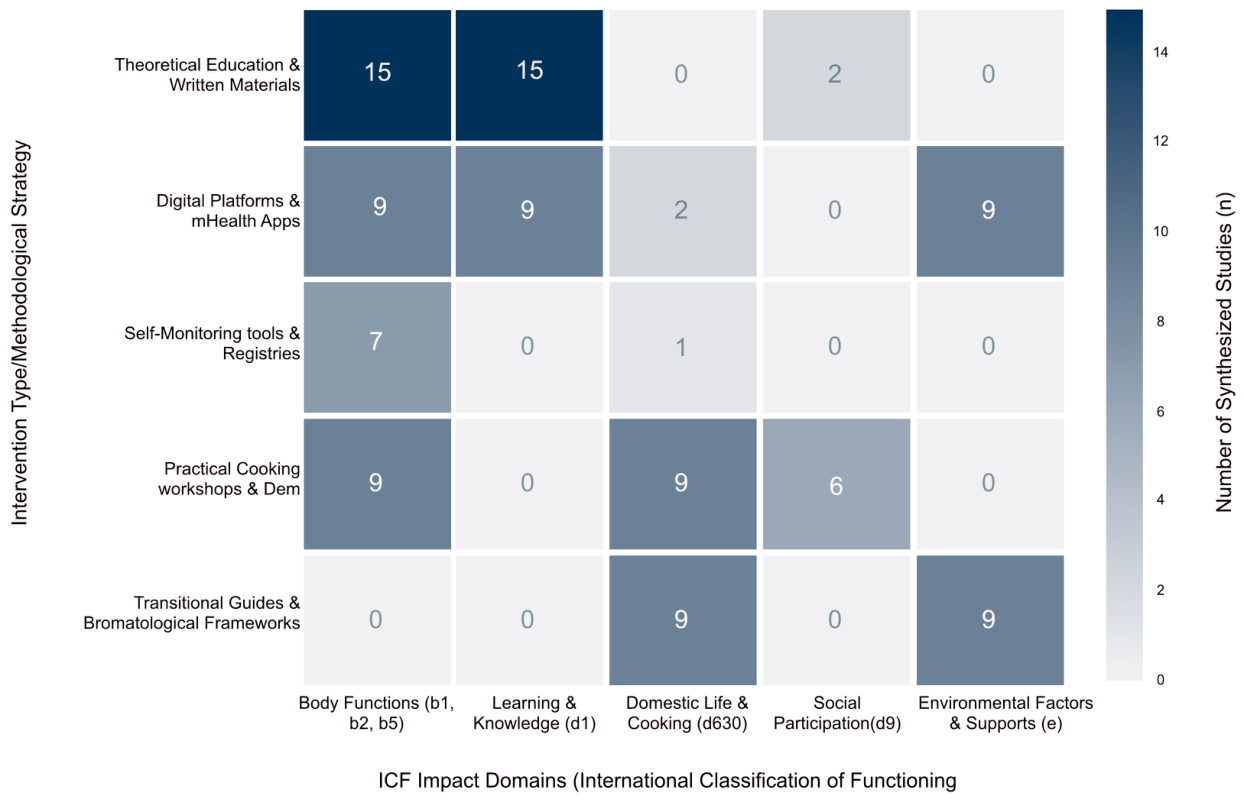
Available evidence suggests that educational interventions in CKD are transitioning from asymmetrical, hospital-centric models toward strategies more focused on the patient and their home environment. In the in-hospital and intra-dialysis settings, the implementation of structured theoretical models—such as the “teach-back” pedagogical method, the use of simulations via decision trees, and multimodal or video-based psychoeducation—has demonstrated superior efficacy in improving self-efficacy, knowledge assimilation, and the reduction in symptom burden [
39,
44,
67,
72]. Along the same lines, various studies show an increase in comprehension, self-efficacy, and quality of life, alongside a decrease in symptom burden [
95,
96]. Beyond the intra-dialytic setting, it is important to acknowledge the broader landscape of in-person intervention opportunities that remain underexplored in the current literature. Multidisciplinary nutrition teams—comprising registered dietitians, nephrology nurses, and social workers—embedded within nephrology outpatient clinics represent a high-impact point of contact for patients in CKD stages 3–5 who are not yet on dialysis and may be more receptive to behavioral change. Primary care physician appointments equally constitute an underutilized venue for early nutritional screening and culinary skills referral, particularly given that most CKD patients in earlier stages are managed in primary care settings rather than specialist nephrology units. Incorporating structured dietary literacy assessments and brief culinary medicine counselling into routine primary care consultations for CKD could extend the reach of these interventions substantially, particularly in healthcare systems where access to specialist nephrology dietitians is limited. Furthermore, community pharmacists, who have frequent contact with CKD patients for medication management, represent an additional underutilized touchpoint for reinforcing dietary and culinary guidance. This diversification of delivery channels is essential to ensure equitable access to nutritional education across healthcare systems with varying levels of specialist infrastructure.
In response to the objectives of this scoping review, the localized evidence underscores that the optimization of clinical parameters in CKD inexorably requires improving patients’ health literacy and culinary skills. However, for these interventions to be effective and sustainable, healthcare professionals must abandon the prescriptive approach based on generic restrictions and move toward a model of individualized nutritional education that is empathetic and adapted to the patient’s psychosocial, economic, and technological context.
Future Research Priorities. To address the empirical gaps identified in this review, future research should prioritise large-scale, cross-sectional survey studies specifically designed and validated to measure the concurrent levels of food literacy and practical culinary skills in the CKD population. These surveys should employ standardised instruments capable of investigating whether higher cognitive food literacy directly correlates with superior procedural cooking competencies at home across diverse demographic cohorts. Establishing this statistical baseline relationship is a prerequisite for designing targeted, scalable culinary medicine interventions. Longitudinal and interventional designs will subsequently be needed to test whether improvements in culinary competence translate into measurable gains in dietary adherence and clinical biomarkers. Future studies should also systematically distinguish between HD and CKD 3–5 conservative management populations, given the fundamentally different dietary demands of each group.
Limitations of the Review
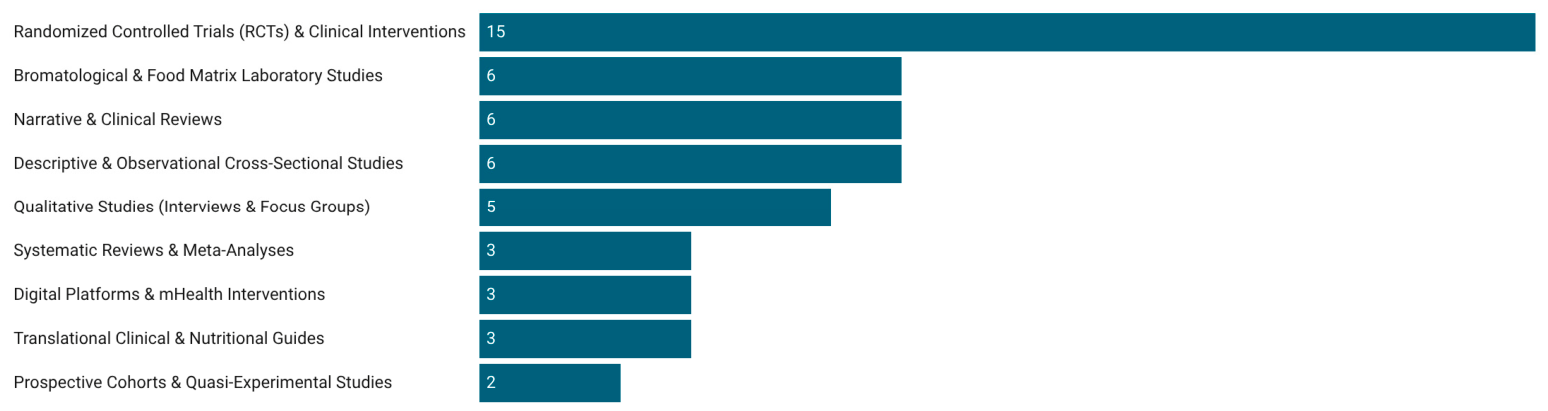
The interpretation of the results of this scoping review should be made considering its inherent methodological limitations. First, the methodological heterogeneity of the included studies—in terms of design, population, measurement instruments, and operationalization of key concepts—limits direct comparability between findings and hinders the extraction of uniform conclusions regarding the efficacy of specific interventions. This heterogeneity is, however, an expected and acceptable characteristic in the context of a scoping review, whose objective is precisely to map the breadth and diversity of available evidence rather than to synthesize comparable results.
Second, variability in the operational definition of terms such as “dietary literacy,” “culinary skills,” and “adherence” among the included studies complicates conceptual synthesis and may have influenced both the inclusion and classification of some records. The absence of a consensus taxonomy for these concepts in the field of CKD is itself a relevant finding of the review, reinforcing the need for conceptual clarification work prior to the development of new interventions.
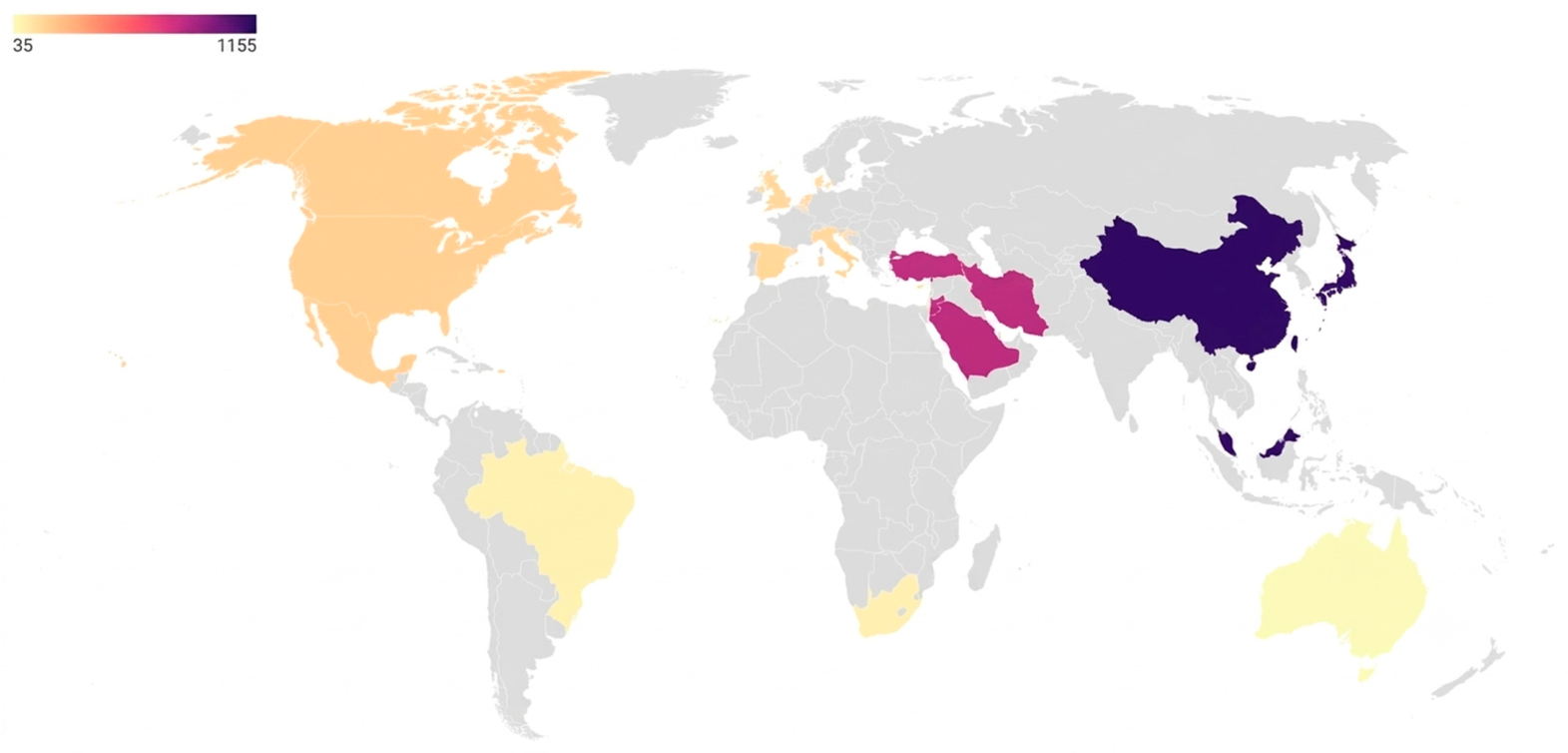
Third, the search was limited to four electronic databases and publications in English and Spanish, which may have excluded relevant studies published in other languages or indexed in sources not consulted, such as regional databases (LILACS, SciELO, CNKI) or relevant gray literature. This limitation is particularly significant concerning the identified geographical gap, as studies conducted in non-Anglophone contexts may be underrepresented in the international databases consulted.