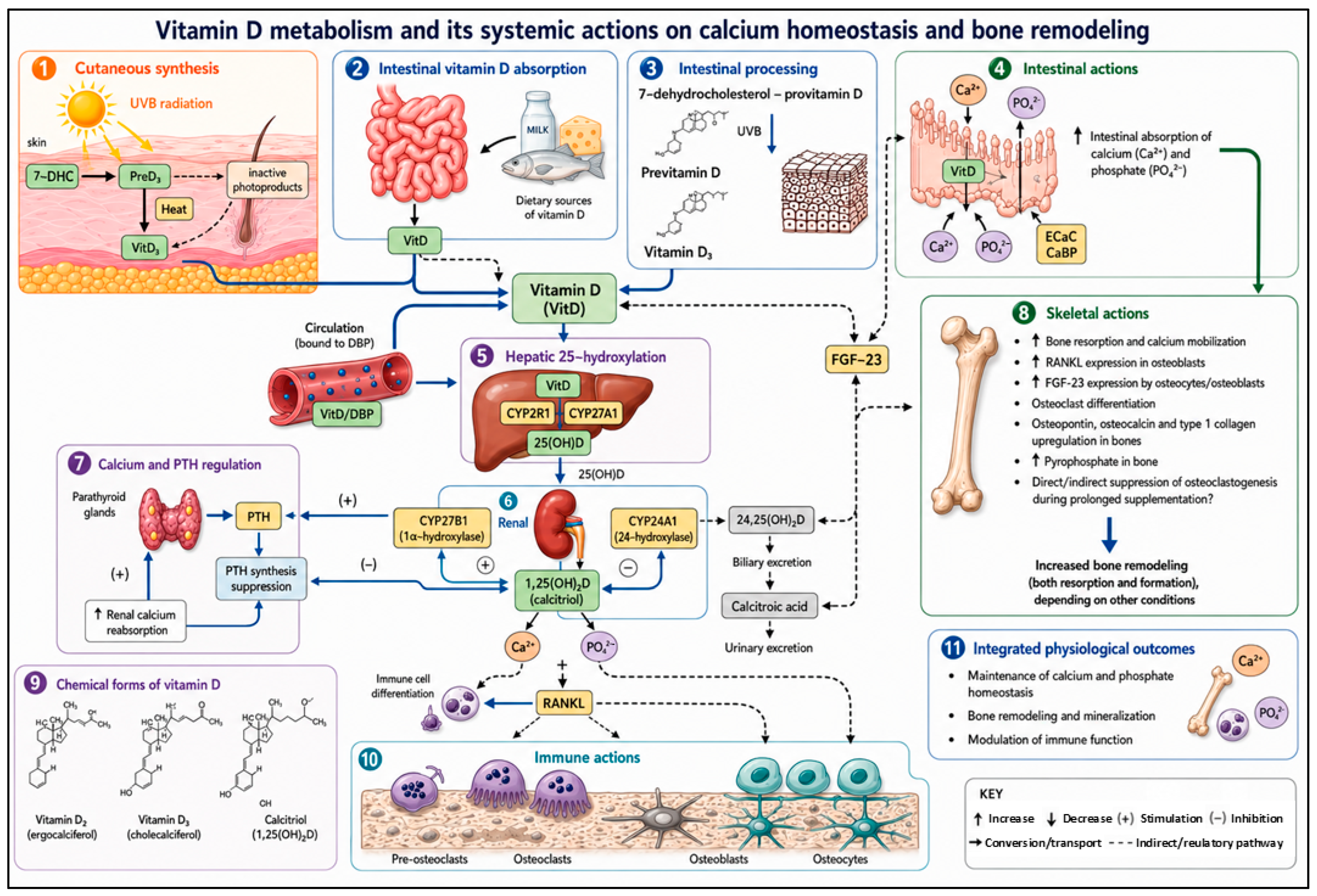
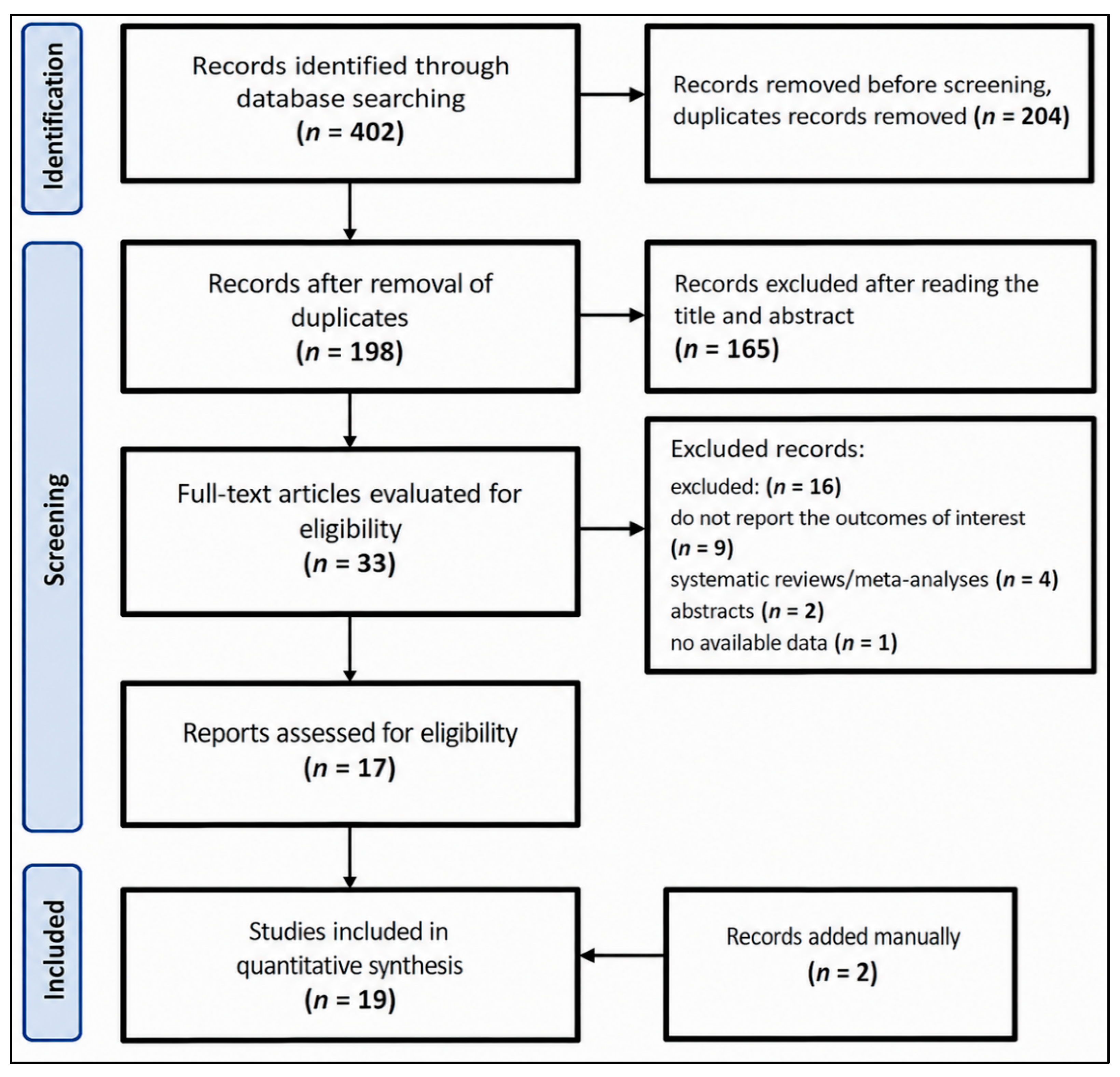
Impact of Vitamin D Concentration on Postoperative Outcomes and Complications Following Total Knee Arthroplasty: A Scoping Review of the Literature

 ,
,  and
and
Abstract
1. Introduction
2. Materials and Methods
3. Results
3.1. Clinical and Functional Outcomes
3.2. Complications
4. Discussion
5. Conclusions
Author Contributions
Funding
Institutional Review Board Statement
Informed Consent Statement
Data Availability Statement
Conflicts of Interest
Abbreviations
| DRF | Distal Radius Fracture |
| DVT | Deep Vein Thrombosis |
| KSS | Knee Society Score |
| OA | Osteoarthritis |
| PROMs | Patient-Reported Outcome Measures |
| TJA | Total Joint Arthroplasty |
| TKA | Total Knee Arthroplasty |
| BMI | Body Mass Index |
| PJI | Periprosthetic Joint Infection |
| SSI | Surgical Site Infection |
| TUGT | Timed Up and Go Test |
| WOMAC | Western Ontario and McMaster Universities Osteoarthritis Index |
References
- DeFrance, M.J.; Scuderi, G.R. Are 20% of Patients Actually Dissatisfied Following Total Knee Arthroplasty? A Systematic Review of the Literature. J. Arthroplast. 2023, 38, 594–599. [Google Scholar] [CrossRef] [PubMed]
- Miura, T.; Yamamoto, N.; Shiroshita, A.; Tsuge, T.; Saitsu, A.; Yoshitani, J.; Nakao, S.; Takami, K. Comparison of Implant Placement Accuracy Between Manual, Robot-Assisted, Computer-Navigated, Augmented Reality Navigated, Patient-Specific Instrumentation, and Accelerometer Navigated Total Hip Arthroplasty: A Systematic Review and Network Meta-Analysis. JBJS Rev. 2024, 12, e24. [Google Scholar] [CrossRef] [PubMed]
- Sveikata, T.; Porvaneckas, N.; Kanopa, P.; Molyte, A.; Klimas, D.; Uvarovas, V.; Venalis, A. Age, Sex, Body Mass Index, Education, and Social Support Influence Functional Results After Total Knee Arthroplasty. Geriatr. Orthop. Surg. Rehabil. 2017, 8, 71–77. [Google Scholar] [CrossRef]
- Ma, L.; Yu, X.; Weng, X.; Lin, J.; Qian, W.; Huang, Y. Obesity paradox among patients undergoing total knee arthroplasty: A retrospective cohort study. BMC Surg. 2022, 22, 373. [Google Scholar] [CrossRef]
- Nakano, N.; Shoman, H.; Olavarria, F.; Matsumoto, T.; Kuroda, R.; Khanduja, V. Why are patients dissatisfied following a total knee replacement? A systematic review. Int. Orthop. 2020, 44, 1971–2007. [Google Scholar] [CrossRef] [PubMed]
- Rosemont, I. American Joint Replacement Registry (AJRR): 2023 Annual Report; American Academy of Orthopaedic Surgeons (AAOS): Rosemont, IL, USA, 2023. [Google Scholar]
- Zhou, Y.; Wall, C.J.; Stevens, J.; Fraval, A.; Lewis, P.L.; McAuliffe, M.J.; Vertullo, C.J.; Gill, D.R.J.; Stoney, J.D.; Bastiras, D.; et al. Data Resource Profile: The Australian Orthopaedic Association National Joint Replacement Registry (AOANJRR). Int. J. Epidemiol. 2025, 54, dyaf078. [Google Scholar] [CrossRef]
- Maier, G.S.; Weissenberger, M.; Rudert, M.; Roth, K.E.; Horas, K. The role of vitamin D and vitamin D deficiency in orthopaedics and traumatology-a narrative overview of the literature. Ann. Transl. Med. 2021, 9, 942. [Google Scholar] [CrossRef]
- Chen, D.; Shen, J.; Zhao, W.; Wang, T.; Han, L.; Hamilton, J.L.; Im, H.J. Osteoarthritis: Toward a comprehensive understanding of pathological mechanism. Bone Res. 2017, 5, 16044. [Google Scholar] [CrossRef]
- Zhang, W.; Robertson, W.B.; Zhao, J.; Chen, W.; Xu, J. Emerging Trend in the Pharmacotherapy of Osteoarthritis. Front. Endocrinol. 2019, 10, 431. [Google Scholar] [CrossRef]
- Gatt, T.; Grech, A.; Arshad, H. The Effect of Vitamin D Supplementation for Bone Healing in Fracture Patients: A Systematic Review. Adv. Orthop. 2023, 2023, 6236045. [Google Scholar] [CrossRef]
- Mayo, B.C.; Massel, D.H.; Yacob, A.; Narain, A.S.; Hijji, F.Y.; Jenkins, N.W.; Parrish, J.M.; Modi, K.D.; Long, W.W.; Hrynewycz, N.M.; et al. A Review of Vitamin D in Spinal Surgery: Deficiency Screening, Treatment, and Outcomes. Int. J. Spine Surg. 2020, 14, 447–454. [Google Scholar] [CrossRef]
- Patton, C.M.; Powell, A.P.; Patel, A.A. Vitamin D in orthopaedics. J. Am. Acad. Orthop. Surg. 2012, 20, 123–129. [Google Scholar] [CrossRef]
- Zargaran, A.; Zargaran, D.; Trompeter, A.J. The role of Vitamin D in orthopaedic infection: A systematic literature review. Bone Jt. Open 2021, 2, 721–727. [Google Scholar] [CrossRef]
- Rejnmark, L. Effects of vitamin d on muscle function and performance: A review of evidence from randomized controlled trials. Ther. Adv. Chronic Dis. 2011, 2, 25–37. [Google Scholar] [CrossRef] [PubMed]
- Jansen, J.; Tahmassebi, J.; Haddad, F.S. Vitamin D Deficiency Is Associated With Longer Hospital Stay And Lower Functional outcome After Total Knee Arthroplasty. Acta Orthop. Belg. 2017, 83, 664–670. [Google Scholar]
- Jansen, J.A.; Haddad, F.S. High prevalence of vitamin D deficiency in elderly patients with advanced osteoarthritis scheduled for total knee replacement associated with poorer preoperative functional state. Ann. R. Coll. Surg. Engl. 2013, 95, 569–572. [Google Scholar] [CrossRef]
- Morrison, R.J.M.; Fishley, W.G.; Rankin, K.S.; Reed, M.R. The effect of vitamin D supplementation on outcomes following total hip or knee arthroplasty surgery: A rapid systematic review of current evidence. EFORT Open Rev. 2022, 7, 305–311. [Google Scholar] [CrossRef]
- Weintraub, M.T.; Guntin, J.; Yang, J.; DeBenedetti, A.; Karas, V.; Della Valle, C.J.; Nam, D. Vitamin D(3) Supplementation Prior to Total Knee Arthroplasty: A Randomized Controlled Trial. J. Arthroplast. 2023, 38, S114–S119. [Google Scholar] [CrossRef] [PubMed]
- Shin, K.Y.; Park, K.K.; Moon, S.H.; Yang, I.H.; Choi, H.J.; Lee, W.S. Vitamin D deficiency adversely affects early post-operative functional outcomes after total knee arthroplasty. Knee Surg. Sports Traumatol. Arthrosc. 2017, 25, 3424–3430. [Google Scholar] [CrossRef]
- Maniar, R.N.; Patil, A.M.; Maniar, A.R.; Gangaraju, B.; Singh, J. Effect of Preoperative Vitamin D Levels on Functional Performance after Total Knee Arthroplasty. Clin. Orthop. Surg. 2016, 8, 153–156. [Google Scholar] [CrossRef] [PubMed]
- Hwang, I.Y.; Park, K.B.; Chang, S.W.; Cho, S.D.; Youm, Y.S. Preoperative vitamin D level does not affect the short-term functional outcome after total knee arthroplasty in elderly women. Knee Surg. Relat. Res. 2020, 32, 30. [Google Scholar] [CrossRef]
- Lee, A.; Chan, S.K.C.; Samy, W.; Chiu, C.H.; Gin, T. Effect of Hypovitaminosis D on Postoperative Pain Outcomes and Short-Term Health-Related Quality of Life After Knee Arthroplasty: A Cohort Study. Medicine 2015, 94, e1812. [Google Scholar] [CrossRef]
- Khan, J.; Ahmed, R.; Akhtar, R. Effect of pre-operative serum vitamin-D levels on post-operative outcome in total knee ar-throplasty. J. Postgrad. Med. Inst. 2019, 33, 74–78. [Google Scholar]
- Mouli, V.H.; Schudrowitz, N.; Carrera, C.X.; Uzosike, A.C.; Fitz, W.; Rajaee, S.S. High-Dose Vitamin D Supplementation Can Correct Hypovitaminosis D Prior to Total Knee Arthroplasty. J. Arthroplast. 2022, 37, 274–278. [Google Scholar] [CrossRef] [PubMed]
- Arshi, A.; Shieh, A.; Adams, J.S.; Bernthal, N.M.; Zeegen, E.N.; Sassoon, A.A. Preoperative Vitamin D Repletion in Total Knee Arthroplasty: A Cost-Effectiveness Model. J. Arthroplast. 2020, 35, 1379–1383. [Google Scholar] [CrossRef]
- Birinci, M.; Hakyemez, O.S.; Geckalan, M.A.; Mutlu, M.; Yildiz, F.; Bilgen, O.F.; Azboy, I. Effect of Vitamin D Deficiency on Periprosthetic Joint Infection and Complications After Primary Total Joint Arthroplasty. J. Arthroplast. 2024, 39, S151–S157. [Google Scholar] [CrossRef]
- Kong, Y.; Han, M.; Lee, M.; Kim, E.H.; Jung, I.; Park, K.K. The Association of Calcium and Vitamin D Use With Implant Survival of Total Knee Arthroplasty: A Nationwide Population-Based Cohort Study. J. Arthroplast. 2021, 36, 542–549 e543. [Google Scholar] [CrossRef]
- Zajonz, D.; Prager, F.; Edel, M.; Mobius, R.; Daikos, A.; Fakler, J.K.; Josten, C.; Kratzsch, J.; Roth, A. The significance of the vitamin D metabolism in the development of periprosthetic infections after THA and TKA: A prospective matched-pair analysis of 240 patients. Clin. Interv. Aging 2018, 13, 1429–1435. [Google Scholar] [CrossRef]
- Liu, C.; Seyok, T.; Moye, S.; Sugita, L.; Eltouny, E.; Carrera, C.; Denagamage, P.; Charles, J.; Fitz, W.; Chen, A.F.; et al. High rates of vitamin D insufficiency among patients presenting for total knee arthroplasty. J. Orthop. Res. 2024, 42, 1501–1508. [Google Scholar] [CrossRef] [PubMed]
- Horas, K.; Hoxha, M.; Heinz, T.; Jakuscheit, A.; List, K.; Maier, G.S.; Weissenberger, M.; Rudert, M. Prevalence and Risk Factors of Vitamin D Deficiency in Patients Scheduled to Undergo Revision Arthroplasty of the Hip, Knee and Shoulder-Data from a Single-Centre Analysis. Nutrients 2024, 16, 3060. [Google Scholar] [CrossRef] [PubMed]
- Maier, G.S.; Horas, K.; Seeger, J.B.; Roth, K.E.; Kurth, A.A.; Maus, U. Is there an association between periprosthetic joint infection and low vitamin D levels? Int. Orthop. 2014, 38, 1499–1504. [Google Scholar] [CrossRef]
- Hegde, V.; Arshi, A.; Wang, C.; Buser, Z.; Wang, J.C.; Jensen, A.R.; Adams, J.S.; Zeegen, E.N.; Bernthal, N.M. Preoperative Vitamin D Deficiency Is Associated With Higher Postoperative Complication Rates in Total Knee Arthroplasty. Orthopedics 2018, 41, e489–e495. [Google Scholar] [CrossRef]
- Pilc, E.M.; Zhao, A.Y.; Kubsad, S.; Thakkar, S.; Patel, N.K. Vitamin D deficiency and periprosthetic fractures. J. Clin. Orthop. Trauma 2025, 70, 103164. [Google Scholar] [CrossRef] [PubMed]
- Pludowski, P.; Kos-Kudla, B.; Walczak, M.; Fal, A.; Zozulinska-Ziolkiewicz, D.; Sieroszewski, P.; Peregud-Pogorzelski, J.; Lauterbach, R.; Targowski, T.; Lewinski, A.; et al. Guidelines for Preventing and Treating Vitamin D Deficiency: A 2023 Update in Poland. Nutrients 2023, 15, 695. [Google Scholar] [CrossRef]
- Morrison, R.J.M.; Bunn, D.; Gray, W.K.; Baker, P.N.; White, C.; Rangan, A.; Rankin, K.S.; Reed, M.R. VASO (Vitamin D and Arthroplasty Surgery Outcomes) study—Supplementation of vitamin D deficiency to improve outcomes after total hip or knee replacement: Study protocol for a randomised controlled feasibility trial. Trials 2017, 18, 514. [Google Scholar] [CrossRef] [PubMed]
- Iglar, P.J.; Hogan, K.J. Vitamin D status and surgical outcomes: A systematic review. Patient Saf. Surg. 2015, 9, 14. [Google Scholar] [CrossRef]
- Aljuhani, W.S.; Aljaian, A.R.; Alyahya, Y.K.; Alanazi, A.M.; Aljaafri, Z.A.; Alanazi, A.M. Timing and risk factors of complications following total knee arthroplasty. Ann. Med. Surg. 2024, 86, 6968–6975. [Google Scholar] [CrossRef]
- Matharu, G.S.; Mouchti, S.; Twigg, S.; Delmestri, A.; Murray, D.W.; Judge, A.; Pandit, H.G. The effect of smoking on outcomes following primary total hip and knee arthroplasty: A population-based cohort study of 117,024 patients. Acta Orthop. 2019, 90, 559–567. [Google Scholar] [CrossRef]
- Kurtz, S.; Ong, K.; Lau, E.; Mowat, F.; Halpern, M. Projections of primary and revision hip and knee arthroplasty in the United States from 2005 to 2030. J. Bone Jt. Surg. Am. 2007, 89, 780–785. [Google Scholar] [CrossRef]
- Dunbar, M.J.; Richardson, G.; Robertsson, O. I can’t get no satisfaction after my total knee replacement: Rhymes and reasons. Bone Jt. J. 2013, 95-B, 148–152. [Google Scholar] [CrossRef]
- Choi, Y.J.; Ra, H.J. Patient Satisfaction after Total Knee Arthroplasty. Knee Surg. Relat. Res. 2016, 28, 1–15. [Google Scholar] [CrossRef] [PubMed]
- Dawson-Hughes, B.; Heaney, R.P.; Holick, M.F.; Lips, P.; Meunier, P.J.; Vieth, R. Estimates of optimal vitamin D status. Osteoporos. Int. 2005, 16, 713–716. [Google Scholar] [CrossRef] [PubMed]
- Holick, M.F.; Binkley, N.C.; Bischoff-Ferrari, H.A.; Gordon, C.M.; Hanley, D.A.; Heaney, R.P.; Murad, M.H.; Weaver, C.M. Evaluation, treatment, and prevention of vitamin D deficiency: An Endocrine Society clinical practice guideline. J. Clin. Endocrinol. Metab. 2011, 96, 1911–1930. [Google Scholar] [CrossRef] [PubMed]



| Author | Country | Study Group Size | Males/Females | Age (Mean or Median with Range) [Years] | Vitamin D Threshold (ng/mL) | % of Patients with Vitamin D Deficiency | Clinical and Functional Scales | Outcomes/Implant Survival | Key Findings |
|---|---|---|---|---|---|---|---|---|---|
| Jansen et al. [16] | United Kingdom | 138 | Deficient group: female, 20; male, 13 Non-deficient group: female, 61; male, 44 | Deficient group: 69.9 years Non-deficient group: 72.8 years | ≤16 ng/mL | 33 out of 138 (~24%) | Length of hospital stay: significantly longer stay by +1.0 day (95% CI: 0.2 to 1.6 days); p = 0.03. WOMAC: significant (p = 0.04) worse functional outcome at long-term follow-up after eight years (WOMAC: +5.0, range: 0.2–9.8). | WOMAC; length of hospital stay. | Preoperative vitamin D deficiency was associated with prolonged hospital stay and worse long-term functional outcomes as measured by WOMAC scores. |
| Jansen et al. [17] | United Kingdom | 139 | Male: 58 Female: 81 | 71.4 (mean), range of 48–88 | Deficiency: <16 ng/mL | 33 out of 139 (~23.74%) | The mean preoperative KSS was lower in the vitamin D-deficient group than in the sufficient group (31.5 vs. 37.1, p = 0.047). The mean postoperative KSS at six months was also lower in the vitamin D-deficient group (74.6 vs. 80.4), but this difference was not statistically significant (p = 0.075). | KSS. | Lower KSS score in vitamin D-deficient group. |
| Morrison et al. [18] | United Kingdom | 413 | N/A | N/A | N/A | N/A | Biomarker response: statistically significant reduction in IL6:IL10 ratio at 24 and 48 h post-op with supplementation. Functional outcomes: no significant improvement in WOMAC scores or falls rate. | WOMAC (self-reported knee function); falls incidence. | Perioperative vitamin D supplementation in TKA patients reduced inflammatory biomarkers (IL6:IL10 ratio), but had no measurable effect on functional outcomes such as the WOMAC scores or postoperative fall rates; evidence quality was limited and heterogeneous. |
| Weintraub et al. [19] | USA | 107 Placebo group: 50 Vitamin D3 group: 57 | Placebo group: male, 23; female, 27 Vitamin D3 group: male, 28; female, 29 | Placebo group: 64.5 Vitamin D3 group: 63.7 | N/A | N/A | No difference in improvement of KSS and Timed Up and Go Test (TUGT) at 3 weeks or 6 weeks from baseline. Four complications in the placebo cohort within the first 90 days post-operatively. Five complications in the vitamin D3 cohort (P 1⁄4 1.0). | KSS; TUGT. | Supplementation with 50,000 international units of vitamin D3 on the day of surgery failed to demonstrate significant differences in functional KSS, TUGT, or complications in the early postoperative period compared to placebo. No differences were found in KSS, TUGT, or complication rates. |
| Shin et al. [20] | South Korea | 92 (87 performed all required assessments) | Deficient: male, 4; female, 39 Non-deficient: male, 5; female, 39 | Deficient: 70.7 ± 6.8 Non-deficient: 72.4 ± 4.2 | Adequate levels, 20 ng/mL; deficiency, <12 ng/mL; insufficiency, 12–20 ng/mL Deficient group, serum 25(OH)D levels: <12 ng/mL; non-deficient group, serum 25(OH)D levels: ≥12 ng/mL | 49.43% (43 out of 87) | Vitamin D-deficient group had significantly poorer postoperative outcomes as assessed by functional KSS, AST, and SMT. Preoperative KSS (31.5 vs. 37.1, p = 0.047) when compared to patients without deficiency. | KSS, AST, SMT, STS, TUGT. | Early postoperative functional outcomes following TKA appear to be adversely affected by vitamin D deficiency. |
| Maniar et al. [21] | India | 120 | 120 | Deficient: male, 14; female, 50 Sufficient: male, 9; female, 47 | Deficient: ~67 Sufficient: ~69 | Deficient, <30 ng/mL; sufficient, ≥30 ng/mL | 53.3% (64 out of 120) | Preoperative function was lower in osteoarthritic patients with vitamin D deficiency (WOMAC score; p = 0.040), but at 3 months, all functional scores were similar. | WOMAC (pain, stiffness, physical function); SF-36 (general health status); KSS. |
| Hwang et al. [22] | South Korea | 704 patients (1013 knees), with a subgroup of 220 patients (220 knees) | 704 patients (1013 knees), subgroup of 220 patients (220 knees) | Male: 76 Female: 628 Subgroup (functional analysis): 220 females only | Non-def: 69.6 (55.0–84.0) Deficient: 67.4 (46.0–86.0) | Deficiency, <20 ng/mL; sufficient, ≥20 ng/mL | 80% (176 out of 220) | The number of vitamin D-deficient patients was 556 (79.0%). The vitamin D level was negatively correlated with weight only (p = 0.033). No significant differences were observed between the groups in terms of the postoperative VAS score, KSKS, KSFS, and WOMAC score. | VAS; KSKS; KSFS; WOMAC. |
| Lee et al. [23] | China | 191 Patients undergoing TKA | Male: 153 Female: 38 | 68 (64–72) | Deficiency: severe, <5 ng/mL; moderate, 5–11.6 ng/mL; mild, 12–19.6 ng/mL; sufficient, 20–88 ng/mL | 7.5–36.4% | There was a vitamin D status–time interaction on EQ-5D VAS (p = 0.02), but not for the EQ-5D index. There was no effect of vitamin D status on the total WOMAC index, WOMAC pain, and stiffness subscales. The effect of vitamin D status groups on WOMAC function was marginally significant (p = 0.07); preoperative WOMAC function was lowest in the moderate-to-severe hypovitaminosis D group compared with the sufficient group (MD: 13.1, 95% CI: 24.1 to 2.0). Preoperative prevalence of mild and moderate-to-severe hypovitaminosis D was 36.4% (95% CI: 30.0–43.3%) and 7.5% (95% CI: 4.3–11.9%). | EQ-5D VAS; WOMAC. | Moderate-to-severe hypovitaminosis D was associated with a transient higher pain intensity at rest scores without affecting the total morphine consumption or the quality of recovery after surgery. The regression analysis suggested a 2- to 3-fold increased risk of moderate-to-severe persistent pain with hypovitaminosis D. Hypovitaminosis D is likely to be a new risk factor for the development of moderate-to-severe persistent pain after a knee arthroplasty. |
| Khan et al. [24] | Pakistan | 110 | Male: 48 Female: 62 | Deficient: 60.87 ± 5.10 Sufficient: 60.09 ± 4.78 | Deficient: <30 ng/mL; sufficient: ≥30 ng/mL | 50% (55 out of 110) | Three months postoperatively: patients with preoperative vitamin D deficiency had significantly lower KSS scores (65.98 ± 5.10 vs. 74.87 ± 5.02; p < 0.01), slower AST times (16.46 ± 2.78 s vs. 15.12 ± 3.37 s; p = 0.02), and slower SWT times (8.48 ± 2.06 s vs. 7.49 ± 1.88 s; p = 0.01) compared to vitamin D-sufficient patients. | KSS; AST; SWT. | Preoperative vitamin D deficiency was associated with poorer postoperative functional outcomes in TKA patients, highlighting the importance of assessing and correcting vitamin D levels before surgery. |
| Authors | Country | Study Group Size | Males/Females | Age (Mean or Median) | Vitamin D Threshold (ng/mL) | % of Patients with Vitamin D Deficiency | Complications | Key Findings |
|---|---|---|---|---|---|---|---|---|
| Shin et al. [20] | USA | 6593 | Deficient: male, 197; female, 671 Sufficient: male, 1402; female, 4323 | N/A | Deficiency defined as <20 ng/mL; sufficient level defined as ≥20 ng/mL | 13.2% (868 out of 6.593 patients) | Tibial/femoral revision (at 3 months) deficient: 4 (0.46%); sufficient: 17 (0.30%). Tibial/femoral revision (at 1 year) deficient: 12 (1.38%); sufficient: 57 (1.00%). Explantation of prosthesis (at 1 year) deficient: 13 (1.50%); sufficient: 26 (0.45%). | A 25D deficiency is associated with a higher risk of postoperative complications: SSI requiring irrigation and debridement along with implant explantation, stiffness requiring manipulation under anesthesia, DVT, cardiocerebrovascular events. |
| Maniar et al. [21] | Germany | 109 | Male: 47 Female: 62 | 65 (±9.2) | Deficiency: <20 ng/mL Insufficient: 20–30 ng/mL Sufficient: >30 ng/mL | 64% (70 out of 109) | Second surgery due to (n = 70): prosthesis loosening, 16 (52%); PJI, 43 (86%). | No significant differences between patients scheduled for a primary TJA and patients with aseptic loosening (p = 0.58). Significant differences in 25OHD levels were found between patients with PJI and patients scheduled for a primary TJA (p < 0.001). |
| Mouli et al. [25] | USA | 174 patients | Male: 79 Female: 95 | 65.33 (±8.59) | Deficiency: <30 ng/mL | 100% | Significantly longer length of stay after elective arthroplasty hypovitaminosis D has been linked to higher risk of 90-day complications and PJI requiring revision surgery. | High-dose vitamin D supplementation (50,000 IU weekly) effectively corrected hypovitaminosis D in patients awaiting a TKA. Most patients reached sufficient vitamin D levels within 4–6 weeks prior to surgery. Preoperative correction of vitamin D deficiency is a simple, low-cost, and low-risk intervention that may contribute to improved postoperative outcomes. |
| Arshi et al. [26] | USA | Cost-effectiveness simulation model based on a cohort of 10,000 TKA patients | Deficiency: <20 ng/mL | PJI. | Preoperative vitamin D repletion, whether selective, is cost-effective in preventing a PJI after a TKA, especially when revision costs exceed $10,636 and the vitamin D-deficiency prevalence is ≥1.1%. | |||
| Birinci et al. [27] | Turkey | Overall, 1080 488: vitamin D deficiency and replacement 592: control group—unknown preoperative serum vitamin D status, no supplementation | Male: 219 Female: 861 | 64.8 (±12.9) | Deficiency: <30 ng/mL | 100% in SG (n = 488 patients), but not defined in the control group (n = 592 patients) | Total complications: 4.3% (supplemented) vs. 8.6% (control); p = 0.005. Superficial wound infection: 0.2% vs. 2.5%; p < 0.001. Postoperative cellulitis: 0% vs. 2.2%; p < 0.001. PJI: Similar rates; p = 0.23. 90-day mortality: similar; p = 0.524. Readmission rate: similar; p = 0.683. | Preoperative correction reduced the rates of superficial wound infections and cellulitis, and halved the overall complication rates (4.3% vs. 8.6%) within 90 days, while the PJI, mortality, and readmission remained unchanged. |
| Kong et al. [28] | Republic of Korea | 142,147 undergoing TKA; 28,403 were calcium and vitamin D users and 113,744 were never users | Male: 33,049 Female: 109,098 | 68.8 | Association between calcium and vitamin D use and the revision rates of primary TKA. | Calcium and vitamin D combination use for more than 1 year was associated with reduced revision risks in both patients with a PJI (aHR: 0.63, 95% CI: 0.42–0.95) and patients without an infection (aHR: 0.70, 95% CI: 0.54–0.91). Implant survival was significantly improved in calcium and vitamin D combination users for more than 1 year compared with never-users (log-rank p < 0.001). | ||
| Zajonz et al. [29] | Germany | 240 patients SG (patients with PPI): 80 CG I (patients with primary implants): 80 CG II (patients undergoing aseptic revision): 80 | SG: male, 39; female, 41 CG I: male, 39; female, 41 CG II: male, 35; female, 45 | SG: 74 (35–92) CG I: 71 (39–87) CG II: 70 (40–85) | Deficiency: <20 ng/mL Insufficiency: 20–29 ng/mL Sufficient: 30–100 ng/mL | SG: 46% CG I: 57% CG II: 47.5% | PJI. | Vitamin D deficiency is common among patients with a PJI, especially in those with acute infections. Patients with an acute PJI had significantly lower levels of 25(OH)D3 compared to patients with chronic PJI (mean: 21.6 ng/mL). |
| Liu et al. [30] | USA | 290 [120 undergoing TKA; 170 isolated distal Darius frac-ture (DRF)] | Male, 58; female, 62 [undergoing TKA] Male, 9; female, 161 [isolated DRF] | Mean: 64.8 [undergoing TKA]; 65.7 [isolated DRF] | <20 ng/mL, deficient; <30 ng/mL, insufficient | TKA: 33.3% deficient, 66.7% insufficient; DRF: 22.9% deficient, 37.1% insufficient | Fragility fractures, DRF, periprosthetic fractures, periprosthetic stem subsidence, aseptic loosening, increased risk of infection, SSI, PJI, septic complications, increased morbidity, increased mortality, DVT, cerebrovascular accidents, postoperative cognitive dysfunction, poorer functional outcomes. | Mean 25OHD levels were significantly lower in DRF (17.5 ng/mL) compared to TKA patients (22.6 ng/mL; p < 0.00001). Deficiency: 33.3% of TKA patients and 22.9% of DRF, DRF cohort showing a significantly higher major osteoporotic fracture risk based on FRAX scores (19.7 vs. 7.9; p < 0.00001). |
| Horas et al. [31] | Germany | 249 [191 without supplementation; 58 with supplementation] | Male: 107 (43%) Female: 142 (57%) | Mean: 68.29 | <20 ng/mL | 81% (155/191) without supplementation (53% deficient, 28% insufficient) | Revision arthroplasty due to: periprosthetic infection: 34%; aseptic loosening of another complication: 64%; periprosthetic fractures: 2%. | High rate of Vitamin D deficiency in patients scheduled for an revision TJA. Low vitamin D levels are associated with poorer outcomes in TJA patients, possibly leading to an revision. |
| Maier et al. [32] | Germany | 109: primary arthroplasty; 50: PJI; 31: aseptic loosening | Primary arthroplasty: male, 47; female, 62 PJI: male, 24; female, 26 Aseptic loosening: male, 13; female, 18 | 65 (± 9.2): primary arthroplasty; 68 (±16): PJI; 68.4 (± 8.6): aseptic loosening | <20 ng/mL | Primary arthroplasty: 64%; PJI: 86%; aseptic loosening: 52% | PJI; aseptic loosening of the prosthesis. | Vitamin D deficiency was significantly severe in patients with: PJI (mean: 13.29 ng/mL); aseptic loosening (p < 0.001); primary arthroplasty (p < 0.001). High rate of vitamin D deficiency in patients scheduled for an revision TJA. |
| Hegde et al. [33] | USA | 6593 Deficient: 868 Sufficient: 5725 | Vit. D-deficient: male, 197; female, 671 Vit. D-sufficient: male, 1402; female, 4323 | Not specified | <20 ng/mL | 13.2% (of TKA patients tested pre-op) | Postoperative complications: prosthesis explantation (OR: 2.97) (<0.001); SSI (OR: 1.76) (p = 0.001); stiffness (MUA) (OR: 1.69) (p < 0.001); DVT (OR: 1.80) (p < 0.001); myocardial infarction (OR: 2.11) (p < 0.001); cerebrovascular accident (OR: 1.73) (p = 0.006); tibial/femoral revision (at 3 months) (OR: 1.47) (p = 0.226); tibial/femoral revision (at 1 year) (OR: 1.26) (p = 0.276). | Vitamin D deficiency is an independent risk factor for both surgical and medical complications following a TKA. |
| Pilc et al. [34] | USA | 8780 Deficient: 4390 Sufficient: 4390 | Male: 4312 Female: 5684 | 69.1 | <30 ng/mL | 50% (matched cohort) | Periprosthetic fracture in deficient group was 0.3% and in sufficient group was 0.5% (p = 0.22). Risks of revision (p = 0.57), PJI (p = 0.20), aseptic loosening (p = 0.80). | No difference in the incidence of vitamin D deficiency between patients who sustained a Periprosthetic fracture, revision arthroplasty, PJI, or aseptic loosening compared to matched controls after a TKA. |
Disclaimer/Publisher’s Note: The statements, opinions and data contained in all publications are solely those of the individual author(s) and contributor(s) and not of MDPI and/or the editor(s). MDPI and/or the editor(s) disclaim responsibility for any injury to people or property resulting from any ideas, methods, instructions or products referred to in the content. |
© 2026 by the authors. Licensee MDPI, Basel, Switzerland. This article is an open access article distributed under the terms and conditions of the Creative Commons Attribution (CC BY) license.
Share and Cite
Jaglarz, D.; Strzemecki, T.; Pankowski, R.; Janowska, N.; Sypień, P.; Tramś, E.; Kamiński, R.; Grzelecki, D. Impact of Vitamin D Concentration on Postoperative Outcomes and Complications Following Total Knee Arthroplasty: A Scoping Review of the Literature. Nutrients 2026, 18, 1828. https://doi.org/10.3390/nu18111828
Jaglarz D, Strzemecki T, Pankowski R, Janowska N, Sypień P, Tramś E, Kamiński R, Grzelecki D. Impact of Vitamin D Concentration on Postoperative Outcomes and Complications Following Total Knee Arthroplasty: A Scoping Review of the Literature. Nutrients. 2026; 18(11):1828. https://doi.org/10.3390/nu18111828
Chicago/Turabian StyleJaglarz, Daniel, Tomasz Strzemecki, Rafał Pankowski, Nina Janowska, Piotr Sypień, Ewa Tramś, Rafał Kamiński, and Dariusz Grzelecki. 2026. "Impact of Vitamin D Concentration on Postoperative Outcomes and Complications Following Total Knee Arthroplasty: A Scoping Review of the Literature" Nutrients 18, no. 11: 1828. https://doi.org/10.3390/nu18111828
APA StyleJaglarz, D., Strzemecki, T., Pankowski, R., Janowska, N., Sypień, P., Tramś, E., Kamiński, R., & Grzelecki, D. (2026). Impact of Vitamin D Concentration on Postoperative Outcomes and Complications Following Total Knee Arthroplasty: A Scoping Review of the Literature. Nutrients, 18(11), 1828. https://doi.org/10.3390/nu18111828