


Abstract
Mesenchymal stem cells (MSCs) are multipotent cells capable of self-renewal and differentiation into specialized cell types, which play an important role in maintaining homeostasis and tissue regeneration in humans. The effectiveness of MSCs depends largely on their immunomodulatory properties and ability to regenerate damaged tissues. Biological activity of MSCs is modulated by environmental factors, including dietary components such as vitamins, minerals, and phytochemicals which influence their proliferation, aging, inflammatory response and resistance to oxidative stress. The article aims to highlight the importance of micronutrients and phytochemicals in modulating the MSCs’ performance and therapeutic potential, with a focus on the role of bioactive food components in regulating metabolism, regenerative efficacy and protective mechanisms of stem cells. Vitamins and trace elements are essential for antioxidant protection by eliminating reactive oxygen species, maintaining mitochondrial function and preserving cell viability under stressful conditions. Micronutrients and phytochemicals can modulate the immunomodulatory activity of MSCs by altering the cytokine secretion profile, reducing pro-inflammatory mediators while enhancing anti-inflammatory factors. However, both deficiency and excessively high concentrations of natural compounds can impair stem cell function. Interdisciplinary knowledge about the impact of micronutrients on the functioning of mesenchymal stem cells creates new opportunities in personalized medicine and nutrition. Understanding the mechanisms regulating MSCs activity under the influence of diet components may contribute to the development of individualized therapeutic strategies aimed at supporting tissue regeneration, delaying aging processes, and improving the prevention and treatment of chronic diseases. This knowledge is applicable in the design of functional foods and dietary supplements, making it particularly valuable for specialists in personalized nutrition and functional food development.
1. Introduction
Stem cells are undifferentiated cells capable of extensive self-renewal and differentiation into specialized tissues, making them essential for organismal development, maintenance, and repair [1,2,3]. Increasing scientific interest has been directed toward mesenchymal stem cells (MSCs). These are a type of adult stem cell that persists throughout all stages of life and is widely distributed across various tissues in the human body (Figure 1) [2]. Due to their relatively high abundance in the body and their regenerative capacity, bold efforts are being made to utilize mesenchymal stem cells in regenerative medicine to restore the function of injured tissues and potentially counteract age-related degeneration [4,5]. In humans, impaired stem cell function is linked to aging and numerous chronic diseases, as the decline of regenerative capacity of the cells limits the body’s ability to recover from damage [1]. Thus, understanding how to preserve and even enhance these stem cells’ function is of great interest for promoting human health and longevity.
Figure 1.
Overview of perinatal and adult tissue sources of MSCs. This schematic representation shows the diverse origins of mesenchymal stem cells. Perinatal sources include birth-associated tissues like the placenta, umbilical cord, and amniotic membrane. Adult sources are found in postnatal tissues such as bone marrow, dental pulp, and peripheral blood.
Emerging evidence indicates that dietary factors and nutritional status can influence stem cell performance in human body [2,6,7,8,9,10]. Micronutrients not only influence cellular metabolism but also are important signaling molecules that can modulate regulatory pathways and determine stem cell activity. In particular, vitamins, minerals and phytochemicals are of critical importance in maintaining stem cell proliferation and self-renewal by influencing gene expression and epigenetic regulation [7,8,9,11,12,13,14]. Growing evidence indicate that nutritional regulation is an emerging target for stem cell function, which could affect not only cell survival but also stem cell pools in tissues. Recent findings indicate a direct link between the action of specific molecules and stem cell–mediated tissue homeostasis and differentiation. Vitamins A, D, C, E, the B vitamins, and minerals such as zinc, selenium, magnesium, and calcium have been highlighted as key micronutrients for stem cell function [13,15,16,17].
Vitamins and minerals can be delivered to human body from natural sources (e.g., fruits, vegetables, nuts, oils, dairy, meat). However, properly designed fortified products may provide selected micronutrient(-s), also in higher concentration than found in foods, targeting specific effects on cellular level [2]. Therefore, the concept of functional foods that provide health benefits beyond basic nutrition is particularly relevant to stem cell biology. Functional food components have been demonstrated to have numerous physiological benefits in humans by improving health or reducing chronic diseases risk [18]. Health-promoting properties of functional foods are mediated by interactions of their components with signaling pathways and gene expression networks. Because of this, functional food micronutrients may be plausible modulators of stem cell function, potentially enhancing regenerative outcomes and protecting stem cells from stress [19]. In this review, we provide a comprehensive analysis of how vitamins, minerals and phytochemicals influence the regulation of mesenchymal stem cells. We place particular emphasis on their multifaceted roles in promoting proliferation, self-renewal, and differentiation, controlling senescence, tissue regeneration and remodeling, immunoregulation, and maintaining redox homeostasis. Furthermore, we explore their indispensable contribution to epigenetic regulation and the cellular adaptation to stress. Within this context, we especially examine the roles of vitamins and essential minerals in regulating the biology of mesenchymal stem cells, which are critical for the body’s renewal processes.
Embryonic Stem Cells vs. Adult Stem Cells
Stem cells can proliferate and differentiate into a variety of cells in human body. Early embryo cells (2- to 4-cell stage blastomeres) are totipotent and capable of differentiating into every cell type in a new organism (Figure 2). Embryonic stem cells (ESCs), derived from the inner cell mass of the blastocyst, are pluripotent. This means they are capable of self-renewal and can differentiate into all three primary germ layers (ectoderm, mesoderm, and endoderm), thereby forming any cell type of the body, but not the extra-embryonic tissues like the placenta [1,20]. Adult (somatic) stem cells are defined by their ability to differentiate into tissue-specific cells, have a limited self-renewal capability (they can be multipotent or unipotent) and can regenerate selected tissues. Due to their therapeutic potential, they have recently gained significant interest from researchers, and many attempts are being made to use them in clinical practice [4]. Therefore, much attention is currently being paid to study environmental and internal factors that may influence the function of these cells.
Figure 2.
Developmental hierarchy and sources of stem cells. The figure illustrates the origins and differentiation potential of various stem cell types. The process begins with pluripotent embryonic stem cells (ESCs) derived from the inner cell mass of the blastocyst. These cells can differentiate into the three primary germ layers (ectoderm, mesoderm, and endoderm) during the gastrulation stage. Mesenchymal stem cells (MSCs) are multipotent cells that originate from the mesodermal layer. In contrast to embryonic sources, there are also postnatal sources, including adult (somatic) stem cells residing in tissue-specific niches and perinatal stem cells isolated from the umbilical cord of a newborn.
Adult stem cells remain active throughout the human lifespan because their pool can be replenished through a specific type of cell division—asymmetric division. This process ensures that one daughter cell retains the properties of the original stem cell, thereby maintaining the stem cell population. Therefore, stem cells play a particularly vital role in tissue renewal. In the human body, adult stem cells reside in specific microenvironments known as niches, which, as recent studies have shown, regulate their activity and fate. Moreover, nutrient availability is one of the most important factors that shape stem cells microenvironment [21,22].
Mesenchymal stem cells, among other types of stem cells, deserve particular attention due to their high self-renewal capacity and their beneficial effects in human body. MSCs acting through multiple mechanisms exhibit remarkable regenerative potential and contribute to tissue repair, immunomodulation and homeostasis [4,23]. In this review, we focus on the processes through which micronutrients may influence the functions of MSCs.
2. Materials and Methods
The bibliography included in this review was compiled because of a comprehensive search of the PubMed/MEDLINE, Embase, and Scopus databases. The strategy focused on original research articles and review papers by using keywords such as mesenchymal stem cells, human stem cells, stem cell differentiation, stem cell proliferation, MSC function, stem cell nutrition regulation, functional foods, bioactive compounds, phytochemicals, nutraceuticals, vitamins, minerals, polyphenols, antioxidants, flavonoids, dietary supplements, oxidative stress, inflammation, epigenetic regulation, signaling pathways in MSCs, Wnt signaling and MSCs, MAPK pathway, PI3K/Akt, autophagy, mitochondrial function in MSCs, regenerative medicine, tissue engineering, aging and stem cells, bone regeneration, adipogenesis/osteogenesis, immunomodulation by MSCs. A block search strategy was used with the use of the Boolean operators “AND” and “OR”. Following searching of the database, duplicate records were removed. A rigorous selection procedure was then carried out, excluding papers according to three main criteria: unclear or inadequately reported research methodology, unimportance to the mechanisms of action investigated, and research conducted on stem cell types other than mesenchymal stem cells, which were the subject of this review. This stringent screening process yielded the final set of studies covered in this paper. The selection process is illustrated in the PRISMA diagram (Scheme 1).
Scheme 1.
Diagram illustrating the selection process of scientific publications for the literature review. Based on https://www.prisma-statement.org/prisma-2020, accessed on 18 October 2025.
3. Therapeutic Properties of Mesenchymal Stem Cells
MSCs, besides their ability to self-renew, are characterized by a capacity to differentiate into a variety of cell types, particularly those of mesodermal origin, such as osteoblasts (bone cells), adipocytes (fat cells), and chondrocytes (cartilage cells) [24,25]. Consistent with this, MSCs are distributed throughout the body in tissues such as bone marrow, adipose tissue, dental pulp (Figure 1) [25,26,27,28]. In particular, perinatal tissues such as the placenta, umbilical cord, Wharton’s jelly, and amniotic fluid are rich in highly potent stem cells. They demonstrate a strong capacity to differentiate into several cell lineages, including muscle, neural, chondrogenic, bone and adipose cells [2,3,5,7,17,29,30,31,32,33]. Recently, it was reported that human breast milk may serve not only as a nutrition supply, but it may also contain a relatively large population of MSCs [34]. These cells display stem cell properties and differentiate into various lineages in response to stimulation by microenvironmental factors. The cells isolated from fresh breastmilk express typical MSC markers (CD90, CD105, CD73) [35] and the cell population depends on, among others, the nutritional status of the mother and baby. It has been shown that the cells cultured from human breast milk can secrete molecules typical of adult MSCs, such as growth factors (vascular endothelial growth factor and hepatocyte growth factor), which are essential for the proliferation, migration, and angiogenesis of stem cells and other cells in the body [36]. Further studies revealed that milk derived-MSCs may be involved in the development of tissues and organs in the infant. Abd Allah SH et al. demonstrated in rabbits that orally administered MSCs pass through the gastrointestinal tract mucosa, integrate into the organs of offspring and even have the potential to proliferate in situ [37]. Nevertheless, more studies are needed to determine the functional benefits of milk-derived MSCs, whether they may cause an increase in cell proliferation and growth of newborn tissues. Recent in vitro experiments have provided interesting results showing that MSCs isolated from human breast milk can differentiate into neural lineages [38]. This highlights that breast milk is a source of stem cells with high differentiation potential and is available without any ethical concern.
One of the most important features of MSCs are their immunomodulatory properties that can influence the activity of various immune cell types, in particular, promoting the polarization of macrophages from a pro-inflammatory (M1) to an anti-inflammatory (M2) phenotype, and enhancing regulatory T cell populations [39,40,41,42]. This makes MSCs particularly useful in conditions of inflammation developing during tissue damage. As mentioned, MSCs secrete an array of bioactive factors, including cytokines and growth factors, which not only support tissue repair and regeneration but also modulate the local immune response [43,44]. Their regenerative capacity is enhanced by their involvement in angiogenesis, the process of new blood vessel formation, which is vital for supplying injured tissues with nutrients and oxygen [45]. Studies have demonstrated that MSCs can promote wound healing also by facilitating cellular communication and extracellular matrix remodeling [43,46]. Their ability to migrate to sites of injury even from distant organs and capacity to exert paracrine effects in situ underlines their potential particularly to counteract chronic diseases and degenerative conditions [47,48].
Growing body of evidence shows that vitamins and minerals are important modulators of MSCs function, playing essential roles in proliferation, differentiation, and cellular homeostasis [8,9,17,33,49,50,51]. The interplay between MSCs and micronutrients present in the microenvironment is increasingly recognized as a key determinant of cell fate. Within a particular niche, the microenvironment can be modulated to maintain stem cells in an undifferentiated state (preserving their stemness) and retain their potential to transform into defined cell types. Alternatively, the differentiation processes can be directed toward specific cell types needed to counteract a particular disorder.
4. Vitamins and Trace Elements Shape MSCs Fate—Regulation of Proliferation, Self-Renewal, and Senescence in Mesenchymal Stem Cells
4.1. The Influence of Vitamins on MSC Fate
The therapeutic utility of mesenchymal stem cells is intrinsically linked to their capacity for robust proliferation, effective self-renewal, and resistance to cellular senescence. A growing body of evidence indicates that various vitamins and minerals are key modulators of these cellular processes (Table 1) [17]. Their influence is often characterized by a dose-dependent and context-specific nature, highlighting the necessity for precise optimization in both clinical and in vitro settings. Among the vitamins, vitamin C (ascorbic acid) is a well-established promoter of MSC proliferation and self-renewal [52,53]. This vitamin can accelerate cell population doubling and upregulate the expression of pluripotency-related genes, thereby preserving the stemness of MSCs [8,54]. Conversely, excessive concentrations can inhibit cell growth and may even induce apoptosis [8]. Furthermore, vitamin C contributes to delaying cellular senescence, partly by supporting telomere maintenance and modulating key signaling pathways associated with aging [55,56,57]. Vitamin D (1,25-dihydroxyvitamin D3) also exerts a complex, modulatory influence on MSCs fate. Its active metabolite has been reported to support the maintenance of stemness by enhancing the expression of pluripotency markers while concurrently reducing the prevalence of senescent cells [58,59]. The effects of vitamin D are markedly dose-dependent, both deficiency and excessive supplementation lead to the suppression of MSC proliferation [60]. It has also been implicated in improving MSC resistance to metabolic stress-induced dysfunction [61]. Other lipid soluble vitamins including vitamin E also play a regulatory role in MSCs growth regulation. It can act synergistically with vitamin D to modulate proliferation and influences signaling pathways related to cell survival [9,54,62]. The B-group vitamins are fundamental as cofactors enzymes catalyzing the core metabolic pathways. Notably, vitamins B6, B9, and B12 are integral to one-carbon metabolism, thereby influencing epigenetic mechanisms such as DNA and histone methylation and therefore are crucial for self-renewal processes and lineage commitment [63,64]. Furthermore, nicotinamide (vitamin B3) has been shown to delay replicative senescence in MSCs [65].
4.2. The Role of Trace Elements in MSC Maintenance
In addition to vitamins, several trace elements are critical for maintaining the functional integrity of MSCs. Magnesium, for instance, has been demonstrated to promote MSCs viability and proliferation, with dose-dependent effect [66,67,68,69]. Magnesium deficiency can accelerate cellular aging and stem cell exhaustion, while excessively high concentrations can be inhibitory or even cytotoxic, as presented in Table 1 [70]. Similarly, zinc is crucial for MSCs maintenance, as optimal levels support proliferation and enhance the expression of key pluripotency and telomerase-related genes, whereas high concentrations are cytotoxic [10]. Selenium also shows a double effect, supporting MSC viability and mitigating senescence at low concentrations, but becoming detrimental at higher levels [49,69]. The impact of iron is also highly dependent on its concentration and chemical form [71,72]. Lastly, there are experimental evidence that calcium, particularly when delivered through specific compounds, can effectively promote the proliferation of various MSCs populations [73,74,75,76].
Table 1.
The influence of vitamins and trace elements in MSCs fate and maintenance.
5. Modulation and Control of MSC Differentiation by Vitamins and Minerals
The differentiation of mesenchymal stem cells can be effectively modulated by a range of vitamins and minerals. As discussed below, micronutrients may preferentially direct MSCs toward the osteogenic lineage while concurrently suppressing adipogenesis and chondrogenesis, thereby playing a critical role in tissue homeostasis and regenerative applications [49,50,57,73,81,82,83] (Figure 2 and Table 2).
5.1. Modulation of Osteogenesis
In cell cultures, ascorbic acid (vitamin C) is a key component of osteogenic differentiation media, essential for promoting the osteogenic potential of MSCs. It supports collagen synthesis and upregulates the master transcription factor Runx2, which in turn drives the expression of downstream osteogenic genes [32,57,84,85]. Likewise, 1,25-dihydroxyvitamin D3 robustly drives MSCs toward osteogenesis by activating vitamin D receptor (VDR). This activation enhances the expression of key osteogenic markers and simultaneously inhibits adipogenic differentiation [49,61]. The pro-osteogenic effects of vitamin D are strengthened by co-treatment with growth factors or dexamethasone and are mediated through signaling pathways such as Wnt/β-catenin and BMP2 [49,61,86,87,88,89,90,91,92,93]. Vitamin E and vitamin K2 also contribute to osteogenesis, often acting synergistically with vitamin D to promote the differentiation of MSCs towards the osteogenic lineage and enhance the expression of key osteogenic transcription factors [9]. Furthermore, calcium is a recognized promoter of osteogenic differentiation, with calcium deposition and alkaline phosphatase (ALP) activity serving as key indicators of osteoblastic maturation [70,94].
5.2. Regulation of Adipogenesis and Chondrogenesis
Reflecting this dual function, several vitamins that promote osteogenesis concurrently suppress adipogenic differentiation, thereby maintaining a crucial balance in skeletal tissue homeostasis [50,95]. Vitamin D3, for instance, exerts a dose-dependent anti-adipogenic effect by reducing lipid accumulation and downregulating the expression of adipocyte-specific genes, a mechanism involving the inhibition of the transcription factor PPARγ2 [50,95,96,97]. Similarly, vitamin C typically inhibits adipogenesis in MSCs but can, under certain conditions, preserve their multilineage potential [8,81]. Vitamin C was demonstrated to enhance chondrogenic differentiation and protect chondrocytes from oxidative stress [98,99].
5.3. Influence of Inorganic Ions on MSC Differentiation
Magnesium (Mg2+) is a critical regulator of bone formation, where elevated extracellular concentrations enhance osteogenic differentiation through the activation of signaling pathways, in particular mediated by Notch and Wnt proteins, as presented in Table 2 [67,100,101,102,103]. However, its role appears to be biphasic, as excessively high concentrations may impair late-stage matrix mineralization [68]. Magnesium also promotes chondrogenesis by supporting the synthesis of cartilage-specific extracellular matrix [67,104,105,106]. Other inorganic ions also strongly promote osteogenesis. Calcium and phosphate ions, often delivered via mineralized matrices, drive the expression of key osteogenic markers through various signaling pathways [73,107,108]. Zinc ions enhance osteoblast differentiation and matrix mineralization, and the effect was particularly observed in cell cultures grown on scaffolds with element incorporated to the structure [73,109]. Finally, selenium has been shown to shift MSCs’ fate toward the osteogenic lineage while simultaneously inhibiting adipogenesis [49].
Table 2.
Modulation and control of MSC differentiation by vitamins and inorganic ions.
6. Vitamins and Micronutrients in MSC-Mediated Tissue Regeneration and Remodeling
The capacity of mesenchymal stem cells to facilitate tissue repair is significantly influenced by the local biochemical environment, with various vitamins and minerals playing a direct role in modulating their regenerative functions.
6.1. Vitamins Enhancing Tissue Regeneration
Among the vitamins, the role of vitamin C in tissue remodeling is particularly well-established (Table 3). As an enzyme cofactor for critical importance in collagen synthesis, it strongly supports extracellular matrix (ECM) formation, which is essential for tissue integrity and the regeneration of bone defects [32,114]. Vitamin C has also been shown to improve neovascularization and overall tissue repair in vivo [115]. Similarly, vitamin D directly enhances the regenerative potential of MSCs. It promotes MSC-mediated bone regeneration by directing osteogenic differentiation and modulating the local immune environment [50,116]. Furthermore, it contributes to vascular repair and angiogenesis by improving the function of endothelial progenitor cells and has been shown to support proper lung development in perinatal models [60,117]. In vitro studies shown that MSCs pretreatment with vitamin E protects the cells from oxidative stress-induced damage, thereby enhancing their survival and preserving regenerative functionality [77]. These data are promising for cartilage regeneration, since vitamin E-treated MSCs promote chondrogenic differentiation and may slow the progression of osteoarthritis by inhibiting apoptosis and senescence [118,119]. In contrast to the supportive roles of other vitamins, it is noteworthy that treatment with vitamin B6 has been observed to accelerate the clearance of administered MSCs from the body in a murine model. These phenomena should be thoughtfully considered in therapeutic applications [120].
6.2. Mineral Compounds in MSC-Mediated Tissue Regeneration
Beyond vitamins, essential minerals are also integral to MSC-mediated repair. Magnesium is crucial for both bone homeostasis and cartilage regeneration. According to Shimaya et al. (2010) it enhances the adhesion of synovial MSCs to injured sites, promotes cartilage matrix synthesis, and induces apatite crystal growth on surfaces, a key step in in vivo bone formation and remodeling [104,121]. Likewise, zinc improves the therapeutic efficacy of MSCs by enhancing their migration and adhesion, which are critical processes for homing to sites of injury [10]. Zinc-containing biomaterials have been engineered to simultaneously promote osteogenesis and angiogenesis, thereby supporting complex tissue repair [109]. It was shown that iron delivered via iron oxide nanoparticles (IONPs) enhances the migration of MSCs to injury sites. This improved homing facilitates wound healing and angiogenesis, and IONP-labeled MSCs have also been successfully used to improve bone repair and reduce liver fibrosis in preclinical models [122,123,124].
Table 3.
The vitamins and micronutrients in MSC-mediated tissue regeneration and remodeling.
7. Modulation of MSC Immunoregulatory Functions by Vitamins and Minerals
Mesenchymal stem cells possess profound immunomodulatory capabilities that are critical for their therapeutic potential in inflammatory and autoimmune diseases. These functions are not static but can be modulated by microenvironmental factors, including vitamins C, D, A and B6, along with minerals like magnesium, zinc, and iron which can modulate the immunosuppressive and anti-inflammatory properties of MSCs by altering their cytokine secretion profiles, surface marker expression, and intracellular signaling (Table 4).
Immunomodulation by Micronutrients
Vitamin C contributes to immune regulation by suppressing the senescence-associated secretory phenotype (SASP) in MSCs. This action reduces the production of proinflammatory cytokines, thereby helping to maintain the functional integrity of MSCs and support the activity of immune effector cells [115,129]. Vitamin D exerts potent immunomodulatory effects by reducing the secretion of proinflammatory cytokines from MSCs, a process mediated by the inhibition of NF-κB signaling [42,130,131,132]. This mechanism also enhances the ability of MSCs to suppress T cell proliferation, further strengthening their immunosuppressive capacity [130,133,134]. Vitamin B6 has been shown to modulate the immunogenic and immunoregulatory profile of MSCs by increasing the surface expression of HLA molecules while also upregulating the immunomodulatory molecule PD-L1 and the anti-inflammatory factor IL-1RA [120]. Retinoic acid (RA) can enhance the ability of MSCs to suppress T cell proliferation and acts synergistically with vitamin B6 to boost PD-L1 expression [120]. However, in other contexts, RA can also activate pro-inflammatory pathways within MSCs [135].
The anti-inflammatory properties of magnesium are well-documented. It significantly reduces the production of proinflammatory cytokines by MSCs while simultaneously increasing levels of anti-inflammatory mediators like IL-10 and PGE2. This effect is associated with the modulation of key inflammation-related transcription factors, including NF-κB, thereby enhancing the overall immunosuppressive function of MSCs [136]. Zinc is also essential for regulating the immune response, as its deficiency is linked to enhanced inflammation. Conversely, zinc supplementation exerts anti-inflammatory effects and modulates the expression of genes involved in key inflammatory signaling pathways in MSCs [137]. It was found, MSCs treated with iron delivered to cells as oxide nanoparticles (IONPs) exhibit enhanced anti-inflammatory properties, characterized by a shift in their cytokine profile toward reduced secretion of proinflammatory factors and increased levels of anti-inflammatory cytokines [138].
Table 4.
Modulation of MSC immunoregulatory functions by vitamins and minerals.
8. Antioxidant Regulation and Redox Homeostasis in MSC Biology
The therapeutic efficacy of mesenchymal stem cells is intrinsically linked to the maintenance of redox homeostasis. Oxidative stress, resulting from an imbalance between reactive oxygen species (ROS) and antioxidant defense systems, impairs mitochondrial function, accelerates senescence, and compromises the regenerative capacity of MSCs [55,139,140]. Consequently, MSCs rely on antioxidant enzymes, supported by both endogenous mechanisms (e.g., glutathione regeneration) and exogenous factors. In particular, vitamins and minerals protect against cellular damage by several mechanisms, on one hand, by reducing intracellular ROS levels and, on the other hand, by activating multiple protective signaling pathways, as shown in Table 5 [61,77,141,142,143,144].
The Role of Vitamins in Redox Regulation
As a potent antioxidant, vitamin C directly scavenges ROS and supports mitochondrial homeostasis, thereby protecting MSCs from oxidative damage and resulting enhanced senescence. It also exerts its protective effects by inhibiting ROS production through key signaling pathways (Table 5) [14,32,55,77,125,145]. Vitamin D contributes to redox balance by activating the vitamin D receptor (VDR), which leads to the upregulation of antioxidant enzymes. This mechanism helps preserve mitochondrial function, reduce ROS accumulation, and protects MSCs from oxidative injury [59,61]. It can also promote autophagy and enhance resistance to oxidative stress, especially when combined with other metabolic modulators [55,146,147,148,149]. As a major fat-soluble antioxidant, vitamin E is crucial for protecting cell membranes from lipid peroxidation, thereby shielding the MSC lipid bilayer from oxidative stress and exerting anti-aging protection [77,82,150]. This helps maintain MSC viability and function, particularly under the challenging conditions found in damaged tissues.
Trace elements are essential for antioxidant defense. Selenium, particularly in nanoparticle form, exerts a potent, dose-dependent protective effect against oxidative stress (Table 5). At optimal concentrations, it reduces intracellular ROS and activates signaling pathways that increase the expression of key antioxidant enzymes, thereby improving MSCs viability [49]. Zinc enhances cellular defense by modulating pathways that promote the transcription of antioxidant genes [137,151]. Iron exhibits a dualistic role, while low levels can stimulate adaptive repair mechanisms, excessive iron can lead to toxic ROS accumulation, underscoring the importance of tightly regulated iron homeostasis [122,152,153,154].
Table 5.
The micronutrients in antioxidant regulation and redox homeostasis in MSC biology.
9. Epigenetic Regulation of Genomic Stability in Mesenchymal Stem Cells by Vitamins and Minerals
The genomic stability of MSCs is maintained through tightly regulated epigenetic mechanisms, including DNA methylation and histone modifications. Various micronutrients, such as vitamins A, C, and B3 as well as minerals like iron, zinc, and selenium, are crucial for this process (Table 6). They act as cofactors or modulators for key epigenetic enzymes, thereby preserving the epigenetic integrity of MSCs and enhancing their therapeutic potential [13,55,61,71,139,156,157,158]. Vitamin C is a direct epigenetic modulator, serving as an essential cofactor for both TET enzymes, which initiate active DNA demethylation, and Jumonji C-domain-containing histone demethylases, which regulate gene expression [8,159]. Its function is closely linked to iron availability, which is required for the optimal activity of these enzymes [159]. Vitamin B3 (nicotinamide) contributes to epigenetic regulation by activating SIRT1, a NAD+-dependent histone deacetylase that is involved in delaying senescence and maintaining telomere integrity [65].
Zinc regulates epigenetic function by activating histone deacetylases like SIRT3 and by serving as an essential structural component for numerous DNA-binding proteins, including transcription factors and chromatin remodelers. Therefore, the supplementation with zinc can support telomeric stability by influencing the expression of key genes [160]. Selenium plays an indirect yet crucial role in epigenetic maintenance by supporting the methylation cycle. As a key component of selenoproteins, it ensures the availability of S-adenosylmethionine, the universal methyl donor required for DNA and histone methylation. This function is vital for preserving chromatin integrity and reducing DNA damage in MSCs [140].
Table 6.
The role of selected micronutrients in MSC epigenetic regulation.
10. Regulation of MSC Activity by Phytochemicals
Mesenchymal stem cells, due to their multipotency, immunomodulatory properties, and paracrine activity, are a valuable therapeutic tool in the treatment of inflammatory, degenerative, and post-traumatic conditions. Nevertheless, their therapeutic potential largely depends on the local microenvironment, including biochemical, metabolic, and nutritional factors that can modulate their biological functions. With the rapid development of regenerative medicine and new strategies, there is growing interest in nutritional strategies aimed at increasing MSC activity and improving the effectiveness of cell-based therapies. Particular attention has been paid to natural phytochemicals such as curcumin, epigallocatechin gallate (EGCG), resveratrol, allicin, coenzyme Q10, and melatonin (Figure 3). The phytochemicals have antioxidant, anti-inflammatory, mitochondria-protecting, and metabolism-activating properties, and they also influence key signaling pathways related to MSC survival, differentiation, migration, and regenerative capacities [161,162,163,164,165,166,167,168,169,170,171,172,173,174,175,176].
Figure 3.
Key modulators of mesenchymal stem cell function. This schematic provides an overview of essential micronutrients, categorized as vitamins and minerals, and phytochemicals that regulate the activity of mesenchymal stem cells. Each substance plays a specific role in influencing stem cell fate and supporting the body’s regenerative processes. The collective action of these molecules is crucial for creating an optimal microenvironment to maintain the health and function of the MSC pool (the blue arrow upwards (↑) indicates stimulation or an increase, the yellow arrow downwards (↓) indicates inhibition or a decrease).
Epigallocatechin gallate (EGCG), the main polyphenol found in green tea, is also found in fruits (cranberries, strawberries, blackberries, apples, avocados) and several nuts (pistachios). It has strong antioxidant and anti-inflammatory properties. EGCG modulates biological processes beyond basic nutritional functions. Research confirm that EGCG can have an effect on mesenchymal stem cells (MSCs) by regulating their proliferation, differentiation, and immunomodulatory properties, indicating its potential role in regenerative therapies and in the treatment of inflammatory and degenerative diseases [161,162,163]. The study conducted by Shin et al. (2016) showed that EGCG prevents hydrogen peroxide (H2O2)-induced aging of human MSCs [161]. This protective effect is mediated by the activation of the Nrf2 transcription factor, which regulates the expression of antioxidant genes, and by the downregulation of acetylated p53 and p21 proteins, which have been implicated in cellular aging. In MSCs with silenced Nrf2, EGCG did not show a protective effect, resulting in high levels of acetylated p53 and p21 despite prior administration of EGCG. This underlines the key role of the Nrf2 pathway in mediating the antioxidant and anti-aging effects of EGCG [161,162].
Similarly to EGCG, curcumin, a naturally occurring polyphenol found in the roots of Curcuma longa, exerts a protective effect on human mesenchymal stem cells under conditions of oxidative stress. A study conducted by Yagi et al. (2013) showed that both EGCG and curcumin inhibited the production of reactive oxygen species (ROS) and reactive nitrogen species (RNS), acting as potent modulators of inflammation [164]. In this study, an evaluation was conducted to assess the effect of polyphenols on hMSCs exposed to oxidative stress induced by hydrogen peroxide and S-nitroso-N-acetylpenicylamine (SNAP). The parameters evaluated included colony formation activity, apoptosis, antioxidant enzyme levels, and the presence of reactive oxygen species. The polyphenols reversed the H2O2-induced loss of colony formation activity in hMSCs. They dose-dependently inhibited the elevated levels of ROS and NO generated by H2O2 and SNAP, respectively. Remarkably, the polyphenols rapidly and almost completely blocked H2O2-induced ROS without directly neutralizing H2O2 itself. In addition, they preserved the function of antioxidant enzymes and reduced cell apoptosis caused by exposure to H2O2. Likewise, Wang et al. (2016) demonstrated that EGCG protects bone marrow-derived mesenchymal stem cells (BM-MSCs) from H2O2-induced inhibition of osteogenic differentiation. EGCG not only reversed the negative effects of oxidative stress, but also independently enhanced osteogenesis by upregulating β-catenin and cyclin D1, indicating the involvement of Wnt signaling. This effect was inhibited by the Wnt pathway inhibitor DKK-1, confirming the action of EGCG through Wnt modulation. Together, these findings highlight the potential of EGCG in promoting bone regeneration under oxidative conditions [165].
Allicin, a phytochemical found in garlic extract, has the potential to modulate hMSC function by influencing their differentiation into osteoblasts, which is crucial for bone regeneration and is important in bone tissue engineering and osteogenesis. As a result, allicin becomes a valuable dietary component that supports skeletal health. Bose et al. (2023) showed that garlic extract, allicin released from bioceramic calcium phosphate scaffolds, significantly enhances osteogenesis in co-cultures of hMSCs and monocytes [166]. A threefold increase in ALP (alkaline phosphatase) and a 1.6-fold increase in BGLAP (bone gamma-carboxyglutamic acid) were observed. Protein expression after 14 days indicated accelerated differentiation of osteoblasts. Elevated expression of the receptor activator of nuclear factor κB (RANKL) and transient expression of tartrate-resistant acid phosphatase (ACP5) suggest active bone remodeling, later balanced by increased expression of OPG (osteoprotegerin). The pro-osteogenic effect was corroborated by a fourfold increase in phosphatase activity and increased collagen accumulation in vivo in rats.
Resveratrol occurs naturally in many plants. Major dietary sources include the skins of red grapes (and thus red wine), blueberries, cranberries, peanuts, blackcurrants, and Japanese knotweed (Polygonum cuspidatum), plant widely used in traditional Chinese medicine. Resveratrol promotes the proliferation and differentiation of human mesenchymal stem cells derived from bone marrow (hBM-MSCs). In vitro studies Dai et al. (2007) have shown that resveratrol increases alkaline phosphatase (ALP) activity, calcium deposition in the extracellular matrix, and the expression of osteoblastic markers such as RUNX2, Osterix, and Osteocalcin [167]. These effects are mediated through activation of the ERK1/2 signaling pathway via estrogen receptors, as confirmed using antagonists and specific pathway inhibitors. The data suggest that RSVL stimulates osteogenesis in hBM-MSCs in an estrogen receptor- and ERK1/2-dependent manner, with additional involvement of the p38 MAPK pathway.
Coenzyme Q10 (CoQ10), also known as ubiquinone, is a lipophilic compound with a quinone structure, naturally occurring in the mitochondrial membranes of eukaryotic organisms, where it plays a key role in electron transport and protection against oxidative stress. Exogenous sources of CoQ10 mainly include animal products such as meat, offal (especially liver), and fatty fish. It is also found in plant products, including vegetable oils and nuts, but its content in vegetables, fruits, dairy products, and eggs is relatively low. CoQ10 is also present in breast milk. Studies have shown that its concentration is higher in women who have given birth to full-term babies than in mothers of premature babies [168,169,170]. The concentration of CoQ10 in breast milk decreases as lactation progresses. In vitro studies have shown that CoQ10 can counteract the aging of MSCs induced by D-galactose [172]. D-galactose increases the production of reactive oxygen species (ROS), which leads to an increase in the number of cells exhibiting SA-β-galactosidase activity and increased expression of senescence-related genes such as p53, p21, and p16. CoQ10 supplementation significantly reduced ROS levels and the expression of these aging markers. In addition, CoQ10 was observed to affect the expression of genes involved in MSC adipogenic differentiation (e.g., PPARγ) and genes encoding antioxidant enzymes, suggesting its ability to modulate the phenotype and metabolic activity of these cells. Mechanistically, the anti-aging effect of CoQ10 may be mediated by inhibition of the Akt/mTOR signaling pathway, which plays a central role in the regulation of cellular homeostasis and senescence processes [173].
Another important phytochemical is melatonin (MLT). MLT is an endogenous indoleamine compound with a broad spectrum of biological activity, also found in various plants and animal foods. Among plant sources of melatonin, nuts (especially walnuts) deserve special attention, as they contain the highest amounts. Melatonin is also present in fruits (e.g., mangoes, pineapples, kiwis, white mulberries), vegetables (e.g., peppers), grains, some mushrooms, as well as in sprouting seeds and legumes. Among animal products, higher concentrations of melatonin are found in eggs and fish [174]. In addition to regulating the circadian rhythm, MLT has metabolism-regulating properties and acts as an anti-inflammatory and antioxidant agent. In recent years, there has been growing interest in the effects of melatonin on mesenchymal stem cells, not only regarding their survival, but also their paracrine signaling activity and secretion of extracellular vehicles (EVs) [175]. Li B et al. (2021) reported that MLT stimulates the viability of adipose-derived mesenchymal stem cells (ADMSCs) by upregulating the TGF-β pathway and decreasing ER stress in metabolic disease models [176]. MLT enhanced ADMSC proliferation, reduced ER stress signals, and increased their therapeutic capacity in type 2 diabetes mellitus (T2DM) models (pancreatic regeneration, reducing inflammatory and metabolic stress). Melatonin at 0–10 μM during 24 h incubation can effectively alleviate excessive apoptosis and mitochondrial dysfunction in mesenchymal stem cells derived from the nucleus pulposus induced by oxidative stress via the PI3K/Akt pathway, which may provide a new concept for the treatment of intervertebral disc degeneration [171].
As stimulators, phytochemicals significantly influence proliferation and differentiation and accurately regulate MSCs via a variety of protein pathways. In an addition, they exhibit fewer toxic effects, are cost-effective, and have the potential to enhance the efficacy of cell therapies using MSCs for both non-illnesses and communicable diseases. Moreover, phytochemicals may exert synergistic or additive effects in cells. The regular intake of phytochemicals such as curcumin, EGCG, resveratrol, allicin, coenzyme Q10, and melatonin might significantly enhance the efficacy of regenerative therapies involving MSCs. Curcumin and EGCG, as well as curcumin and coenzyme Q10, have shown potential to improve the resilience of MSCs to oxidative stress, chronic inflammation, and tissue injury [177,178,179]. Curcumin and resveratrol modulate the expression of genes involved in antioxidant defense and inflammatory signaling [180,181,182]. On the other hand, EGCG and allicin contribute to mitochondrial stabilization by limiting the excessive production of ROS [179,183]. Evaluating dietary patterns and adjusting nutrition to increase bioactive phytochemical intake should be considered an integral part of therapeutic planning, especially for regenerative strategies targeting bone, cardiovascular, and skeletal muscle tissues [184]. The detailed mechanisms underlying the regulation of mesenchymal stem cell activity by plant-derived phytochemicals are summarized in Table 7, which provides an overview of their biological effects and molecular pathways involved.
Table 7.
Regulations of MSC activity by plant-derived phytochemicals.
11. Critical Assessment and Translational Challenges in the Application of Bioactive Compounds for Mesenchymal Stem Cell Therapy
Recent studies underscore the importance of adequate and balanced nutrient intake in strategies aiming at optimizing the therapeutic potential of MSCs. More broadly, the integration of biochemical signals derived from vitamins, minerals, and other bioactive compounds forms a complex regulatory network that governs stem cell behavior across adult stem cells lineages, including mesenchymal stem cells. A deeper understanding of these molecular mechanisms is critical for translating fundamental insights into clinical applications.
Vitamins and mineral components are integral constituents of stem cell growth conditions. Additionally, selected secondary metabolites derived from plants may also elicit specific biological effects on stem cells (Figure 3). Finally, the precise influence of vitamins and minerals on MSCs underscores their potential for optimized preconditioning strategies aimed at maximizing therapeutic performance in regenerative medicine. Food fortification is a practical and clinically relevant strategy for improving patients’ nutritional status and facilitating regenerative medicine research. The practice of voluntarily fortifying commonly consumed foods can reduce the population-level risk of suboptimal micronutrient intake while improving intake and biochemical status of key micronutrients, including folate, vitamin D, and riboflavin, in both children and adults [185]. In Austria, fortified products significantly contribute to daily micronutrient intake without the risk of excessive consumption, demonstrating the safety and effectiveness of this approach [186]. Maintaining optimal micronutrient status is crucial. While the direct clinical evidence linking micronutrient concentrations to the efficacy of MSC therapy is scarce, data from hematopoietic stem cell transplantation indicate that common vitamin and mineral deficiencies may influence recovery, immune function, and worsen clinical outcomes in patients [187,188]. These findings underscore the potential role of fortified foods and personalized nutritional strategies to support micronutrient availability in humans and create a favorable environment for MSC survival, proliferation, and differentiation.
Although promising findings have been obtained from cellular and animal models, they cannot be directly extrapolated to human physiology. Therefore, there is a pressing need for comprehensive clinical studies in humans to validate these mechanisms in vivo. Furthermore, these studies must also establish precise relationships between specific doses of vitamins or minerals and their biological effects, considering the context of bioavailability for these bioactive compounds. Such detailed knowledge would be instrumental in the targeted design of functional foods aimed at modulating specific stem cell populations in vivo. A key translational challenge is the fact that promising in vitro results do not always translate to in vivo success. Many studies are exclusively in vitro and require in vivo validation. For example, while iron particles stimulated MSC proliferation and differentiation in vitro, the resulting in vivo bone formation was not significantly altered [189]. The benefits of confirming the results of in vitro studies on the effect of minerals on MSCs in in vivo models would be obvious, especially in cases where the mineral has a positive effect on physiological processes through several mechanisms. Such a study should be performed to find out if magnesium may enhance chondrogenic differentiation by inhibiting macrophage-induced inflammation in humans [190]. Similarly, the study showing that elevated extracellular calcium (6–10 mM) promotes MSC proliferation and migration was done in vitro only, and the results require further in vivo investigation [80].
A recurring gap is the lack of reliable data on optimal concentrations and combinations for many bioactive compounds that modulate MSCs function in vivo [191]. We can note significant obstacles in determining the appropriate dose, the risk of adverse effects (including tumorigenicity) and the need for standardized safety studies [118]. In particular, it should be emphasized that MSCs exhibit significant heterogeneity depending on their tissue origin [191]. This is a critical gap in current knowledge, as a preconditioning strategy may not be universally effective. For instance, resveratrol at 0.1 µM promotes proliferation, yet 5 µM inhibits self-renewal and increases senescence [7]. The in vivo efficacy of vitamin C priming was found for hES-MSCs and hUC-MSCs, but its efficacy for hBM-MSCs was not confirmed in that study [192]. Furthermore, many researchers (e.g., [14,70,193,194]) explicitly point out a lack of information on the impact of the donor’s or recipient’s nutritional status on therapeutic outcomes. There is a distinct lack of direct data correlating dietary components or the intake of vitamins and minerals with the quality and quantity of MSCs from a given patient or donor.
However, the findings presented in this review, even with limitations, carry significant clinical implications for clinical use of MSCs, especially in regenerative medicine. For example, several approaches target bone and cartilage repair directly. Zinc supplementation is a promising support for pharmaceutical therapies for osteoporosis and other bone loss conditions [195]. In parallel, Vitamin E shows potential for improving cartilage repair in conditions like osteoarthritis [118,191]. Beyond its direct repair ability, Vitamin C can enhance the immunomodulatory functions of MSCs with direct clinical relevance for inflammatory and autoimmune disorders treatment (e.g., GVHD and asthma) [192]. Similarly, magnesium’s capacity to inhibit macrophage-induced inflammation suggests its potential use in inflammatory joint diseases [190]. These elements are also central to developing tissue engineering solutions, where biomaterials incorporating minerals like zinc [193], magnesium [70,190] and calcium [80] are pivotal.
When planning the use of MSCs in regenerative medicine, it should be considered that optimizing the ex vivo expansion phase of MSCs is clinically significant. The ability of several micronutrients to enhance proliferation is crucial during that process. The addition of Vitamin C at 0.1–3 mM promotes MSC proliferation and leads to more efficient cell preparation [196]. Moreover, Vitamin C helps maintain the “stemness” or plasticity of MSCs and prevents premature senescence during culture by modulating the epigenome (e.g., TET enzyme) [14].
To sum up, currently the biggest challenge is the validation in vivo of promising in vitro findings. This includes translating observations of complex processes like the anti-inflammatory effects into relevant preclinical animal models. To support this, future work must also focus on standardization and optimization, developing reliable platforms to assess the safety and efficacy of MSCs preconditioning while determining optimal doses and combinations [118,191]. However, obtaining deeper mechanistic insights is also essential. For mineral-based therapies, the design of novel biomaterials that offer controlled degradation and ion release, is crucial [70]. This must be coupled with further investigation to elucidate the detailed molecular mechanisms, including the identification of significant signaling pathways involved in the process [70].
Finally, the research needs to focus on humans. The great challenge is to tailor particular strategies for specific diseases and cell therapies, rather than using a one-size-fits-all approach. To achieve this goal, the problems of bioavailability of particular micronutrients should be addressed. For example, novel strategies to enhance absorption should be developed. Functional foods offer a wide range of opportunities in this area. Simultaneously using a micronutrient and a specific ingredient that improves its absorption would be a perfect example of such an approach.
At the same time, it should be emphasized that micronutrients may lead to adverse health effects if consumed in excess. The European Food Safety Authority (EFSA) [197] confirmed that the tolerable upper intake level (UL) for vitamin A (retinol) is 3000 micrograms (µg) retinol equivalent (RE)/day for adults, including pregnant and lactating women. The critical toxic effect is teratogenicity—excess vitamin A can lead to fetal abnormalities. EFSA has deemed β-carotene from food safe, but no UL has been established for -carotene due to a lack of dose–response data. In particular, high doses of β-carotene found in supplements may increase the risk of lung cancer in smokers and are therefore not recommended for this population [198]. However, vitamin A derivatives, particularly all-trans retinoic acid (ATRA), have emerged as some of the most thoroughly studied agents in the context of targeting cancer stem cells (CSC). ATRA primarily exerts its anti-CSC effects by inducing differentiation in stem-like cancer cells, effectively pushing them toward terminal maturation [199,200]. This loss of stemness translates into reduced tumor-initiating capacity and increased susceptibility to conventional chemotherapies. Preclinical models, including glioblastoma [201], hepatocellular carcinoma (HCC) [202], osteosarcoma [203], and gastric cancer [204], consistently demonstrate that ATRA not only induces differentiation but also disrupts self-renewal pathways and suppresses the expression of critical CSC markers [205,206,207]. In vivo validation in xenograft and orthotopic mouse models confirms its therapeutic relevance in reducing tumor initiation and CSC-related phenotypes [200]. However, more studies focused on off-target effects should be performed in relation to doses used in experiments.
A deeper understanding of the nutritional modulation of stem cell biology holds promising translational potential for the development of targeted dietary strategies to enhance regenerative capacity, prevent stem cell exhaustion, and improve outcomes in regenerative medicine, age-related diseases, chronic health conditions, and even for cancer stem cell inhibition. In future studies, the impact of controlled nutritional interventions on the outcomes of MSC-based therapies should be systematically investigated. In these evaluations, the importance of both food intake and biochemical markers of micronutrients should be considered. Furthermore, clinical research should aim to determine the optimal dosage ranges, modes of administration and recognize potential interactions between selected micronutrients and phytochemicals. Questions arise: how can nutrition support regenerative therapies? How can nutrition enable a more complete utilization of the bioactive potential of phytochemicals? The protocols should be developed to modulate MSC function under both physiological and pathological conditions. Consequently, future studies should form a solid basis for the development of more evidence-based clinical practices.
12. Conclusions
Nutritional interventions specifically targeting the enhancement of stem cell functionality hold considerable promise, especially in the context of mitigating age-associated physiological decline (i.e., promoting healthy aging), as well as in the therapeutic management of chronic inflammatory conditions, osteoporosis, and neurodegenerative disorders. Recent studies suggest that these alterations may be, at least in part, modifiable through dietary strategies that influence proper epigenetic regulation, redox–inflammatory pathways and cellular metabolism. However, realization of the full potential of such strategies necessitates rigorously designed translational and clinical studies to elucidate their efficacy in vivo. Unfortunately, the limited number of advanced human studies makes it difficult to develop evidence-based, reliable nutritional strategies. The incorporation of specifically targeted functional foods as adjunctive agents in therapeutic approaches aimed at supporting tissue regeneration and maintaining cellular homeostasis represents a promising, yet underexplored, avenue.
Author Contributions
Conceptualization, M.T.-C. and M.K.; investigation, M.K., M.T.-C. and P.B.-A.; data curation, M.K., M.T.-C. and P.B.-A.; writing—original draft preparation, M.K., M.T.-C. and P.B.-A.; writing—review and editing, M.K., M.T.-C. and P.B.-A.; visualization, M.K. and M.T.-C.; supervision, M.T.-C.; funding acquisition, M.K., M.T.-C. and P.B.-A. All authors have read and agreed to the published version of the manuscript.
Funding
This study was supported by internal statutory research grants from the Jagiellonian University Medical College, grant number N41/DBS/00436 (to M.T.-C.), N41/DBS/001344 (to M.K.), N41/DBS/001387 (to P.B.-A.).
Institutional Review Board Statement
Not applicable.
Informed Consent Statement
Not applicable.
Data Availability Statement
Data sharing is not applicable to this article as no datasets were generated.
Acknowledgments
The figures were designed using Adobe Illustrator 2025 (version 29.8.3), incorporating graphic elements sourced from Servier Medical Art.
Conflicts of Interest
The authors declare no conflicts of interest.
Abbreviations
The following abbreviations are used in this manuscript:
| ALP | Alkaline phosphatase |
| BMP2 | Bone morphogenetic protein 2 |
| CaMKII | Calcium/calmodulin-dependent protein kinase II |
| CD | Cluster of differentiation |
| COL1A1 | Collagen type I alpha 1 chain |
| ECM | Extracellular matrix |
| EGCG | Epigallocatechin gallate |
| ESC | Embryonic stem cell |
| hBM-MSCs | Human bone marrow-derived mesenchymal stem cells |
| hESC | Human embryonic stem cell |
| hUC-MSCs | Human umbilical cord-derived mesenchymal stem cells |
| hUM-MSCs | Human umbilical cord matrix-derived mesenchymal stem cells |
| IL-1RA | Interleukin-1 receptor antagonist |
| IONPs | Iron oxide nanoparticles |
| LDH | Lactate dehydrogenase |
| MSC | Mesenchymal stem cell |
| NF-κB | Nuclear factor kappa-light-chain-enhancer of activated B cells |
| Notch | Notch signaling pathway |
| Nrf2 | Nuclear factor erythroid 2-related factor 2 |
| OCN | Osteocalcin |
| PD-L1 | Programmed death-ligand 1 |
| PGE2 | Prostaglandin E2 |
| PPARγ2 | Peroxisome proliferator-activated receptor gamma 2 |
| RA | Retinoic acid |
| ROS | Reactive oxygen species |
| RSVL | Resveratrol |
| RUNX2 | Runt-related transcription factor 2 |
| SIRT1 | Sirtuin 1 |
| SIRT3 | Sirtuin 3 |
| STAT3 | Signal transducer and activator of transcription 3 |
| TET | Ten-eleven translocation |
| TGF-β | Transforming growth factor-beta |
| TNF-α | Tumor necrosis factor-alpha |
| VDR | Vitamin D receptor |
| VEGF | Vascular endothelial growth factor |
| Wnt | Wnt signaling pathway |
References
- Weatherbee, B.A.T.; Cui, T.; Zernicka-Goetz, M. Modeling Human Embryo Development with Embryonic and Extra-Embryonic Stem Cells. Dev. Biol. 2021, 474, 91–99. [Google Scholar] [CrossRef] [Scilit]
- Musiał-Wysocka, A.; Kot, M.; Majka, M. The Pros and Cons of Mesenchymal Stem Cell-Based Therapies. Cell Transplant. 2019, 28, 801–812. [Google Scholar] [CrossRef] [Scilit]
- Musiał-Wysocka, A.; Kot, M.; Sułkowski, M.; Badyra, B.; Majka, M. Molecular and Functional Verification of Wharton’s Jelly Mesenchymal Stem Cells (WJ-MSCs) Pluripotency. Int. J. Mol. Sci. 2019, 20, 1807. [Google Scholar] [CrossRef] [Scilit]
- Huang, Y.; Wu, Q.; Tam, P.K.H. Immunomodulatory Mechanisms of Mesenchymal Stem Cells and Their Potential Clinical Applications. Int. J. Mol. Sci. 2022, 23, 10023. [Google Scholar] [CrossRef] [Scilit]
- Musiał-Wysocka, A.; Kot, M.; Sułkowski, M.; Majka, M. Regenerative Potential of the Product “CardioCell” Derived from the Wharton’s Jelly Mesenchymal Stem Cells for Treating Hindlimb Ischemia. Int. J. Mol. Sci. 2019, 20, 4632. [Google Scholar] [CrossRef] [Scilit] [PubMed]
- Brandhorst, S.; Choi, I.Y.; Wei, M.; Cheng, C.W.; Sedrakyan, S.; Navarrete, G.; Dubeau, L.; Yap, L.P.; Park, R.; Vinciguerra, M.; et al. A Periodic Diet That Mimics Fasting Promotes Multi-System Regeneration, Enhanced Cognitive Performance, and Healthspan. Cell Metab. 2015, 22, 86–99. [Google Scholar] [CrossRef] [Scilit]
- Saud, B.; Malla, R.; Shrestha, K. A Review on the Effect of Plant Extract on Mesenchymal Stem Cell Proliferation and Differentiation. Stem Cells Int. 2019, 2019, 7513404. [Google Scholar] [CrossRef] [Scilit]
- Van Pham, P.; Tran, N.Y.; Phan, N.L.-C.; Vu, N.B.; Phan, N.K. Vitamin C Stimulates Human Gingival Stem Cell Proliferation and Expression of Pluripotent Markers. Vitr. Cell. Dev. Biol.—Anim. 2016, 52, 218–227. [Google Scholar] [CrossRef] [Scilit] [PubMed]
- Escobar, L.M.; Bendahan, Z.; Bayona, A.; Castellanos, J.E.; González, M.-C. Effect of Vitamins D and E on the Proliferation, Viability, and Differentiation of Human Dental Pulp Stem Cells: An In Vitro Study. Int. J. Dent. 2020, 2020, 8860840. [Google Scholar] [CrossRef] [Scilit] [PubMed]
- Sahibdad, I.; Khalid, S.; Chaudhry, G.R.; Salim, A.; Begum, S.; Khan, I. Zinc Enhances the Cell Adhesion, Migration, and Self-Renewal Potential of Human Umbilical Cord Derived Mesenchymal Stem Cells. World J. Stem Cells 2023, 15, 751–767. [Google Scholar] [CrossRef] [Scilit]
- Khillan, J. Vitamin A/Retinol and Maintenance of Pluripotency of Stem Cells. Nutrients 2014, 6, 1209–1222. [Google Scholar] [CrossRef] [Scilit]
- Zipori, D. The Nature of Stem Cells: State Rather than Entity. Nat. Rev. Genet. 2004, 5, 873–878. [Google Scholar] [CrossRef] [Scilit] [PubMed]
- D’Aniello, C.; Cermola, F.; Patriarca, E.J.; Minchiotti, G. Vitamin C in Stem Cell Biology: Impact on Extracellular Matrix Homeostasis and Epigenetics. Stem Cells Int. 2017, 2017, 8936156. [Google Scholar] [CrossRef] [Scilit] [PubMed]
- Lee Chong, T.; Ahearn, E.L.; Cimmino, L. Reprogramming the Epigenome with Vitamin C. Front. Cell Dev. Biol. 2019, 7, 128. [Google Scholar] [CrossRef] [Scilit]
- Hart, D.A. The Use of MSCs, iPSCs, and EVs in the Repair of Human MSK Tissues: Is Ultimate Success Dependent on Developing Excellent Implant Materials as Well as Creating an Optimal Environment for Implantation? What Is the Rationale for These Choices? Int. J. Mol. Sci. 2025, 26, 6250. [Google Scholar] [CrossRef] [Scilit]
- Zong, Q.; Bundkirchen, K.; Neunaber, C.; Noack, S. Are the Properties of Bone Marrow-Derived Mesenchymal Stem Cells Influenced by Overweight and Obesity? Int. J. Mol. Sci. 2023, 24, 4831. [Google Scholar] [CrossRef] [Scilit]
- Godoy-Parejo, C.; Deng, C.; Zhang, Y.; Liu, W.; Chen, G. Roles of Vitamins in Stem Cells. Cell. Mol. Life Sci. 2020, 77, 1771–1791. [Google Scholar] [CrossRef] [Scilit] [PubMed]
- Fekete, N.; Rojewski, M.T.; Lotfi, R.; Schrezenmeier, H. Essential Components for Ex Vivo Proliferation of Mesenchymal Stromal Cells. Tissue Eng. Part C Methods 2014, 20, 129–139. [Google Scholar] [CrossRef] [Scilit]
- Adefegha, S.A. Functional Foods and Nutraceuticals as Dietary Intervention in Chronic Diseases; Novel Perspectives for Health Promotion and Disease Prevention. J. Diet. Suppl. 2018, 15, 977–1009. [Google Scholar] [CrossRef] [Scilit]
- Evans, N.; Swain, R.; Gentleman, E.; Gentleman, M.; Stevens, M. Gene-Expression Analysis Reveals That Embryonic Stem Cells Cultured under Osteogenic Conditions Produce Mineral Non-Specifically Compared to Marrow Stromal Cells or Osteoblasts. Eur. Cell. Mater. 2012, 24, 211–223. [Google Scholar] [CrossRef] [Scilit]
- Bacakova, L.; Zarubova, J.; Travnickova, M.; Musilkova, J.; Pajorova, J.; Slepicka, P.; Kasalkova, N.S.; Svorcik, V.; Kolska, Z.; Motarjemi, H.; et al. Stem Cells: Their Source, Potency and Use in Regenerative Therapies with Focus on Adipose-Derived Stem Cells—A Review. Biotechnol. Adv. 2018, 36, 1111–1126. [Google Scholar] [CrossRef] [Scilit] [PubMed]
- Li, W.; Peregrina, K.; Houston, M.; Augenlicht, L.H. Vitamin D and the Nutritional Environment in Functions of Intestinal Stem Cells: Implications for Tumorigenesis and Prevention. J. Steroid Biochem. Mol. Biol. 2020, 198, 105556. [Google Scholar] [CrossRef] [Scilit] [PubMed]
- Bruno, A.; Milillo, C.; Anaclerio, F.; Buccolini, C.; Dell’Elice, A.; Angilletta, I.; Gatta, M.; Ballerini, P.; Antonucci, I. Perinatal Tissue-Derived Stem Cells: An Emerging Therapeutic Strategy for Challenging Neurodegenerative Diseases. Int. J. Mol. Sci. 2024, 25, 976. [Google Scholar] [CrossRef] [Scilit] [PubMed]
- Kassem, M.; Kristiansen, M.; Abdallah, B.M. Mesenchymal Stem Cells: Cell Biology and Potential Use in Therapy. Basic Clin. Pharmacol. Toxicol. 2004, 95, 209–214. [Google Scholar] [CrossRef] [Scilit]
- Meirelles, L.D.S.; Chagastelles, P.C.; Nardi, N.B. Mesenchymal Stem Cells Reside in Virtually All Post-Natal Organs and Tissues. J. Cell Sci. 2006, 119, 2204–2213. [Google Scholar] [CrossRef] [Scilit]
- Jing, W.; Zhiguo, W.; Xia, C.; Kun, L.; Rongan, H.; Yu, A. Research Progress on Exosomes Derived from Human Adipose Mesenchymal Stem Cells. Int. J. Sci. 2019, 8, 114–117. [Google Scholar] [CrossRef] [Scilit]
- Bunnell, B.A. Adipose Tissue-Derived Mesenchymal Stem Cells. Cells 2021, 10, 3433. [Google Scholar] [CrossRef] [Scilit]
- Zhang, P.; Cui, Y.; Li, Z.; Liu, L.; Liu, X.; Ding, X.; Ding, G. Senescence of Dental Pulp Stem Cells: Phenotypes, Underlying Mechanisms and Regulatory Molecules. Hum. Cell 2025, 38, 127. [Google Scholar] [CrossRef] [Scilit]
- Beeravolu, N.; McKee, C.; Alamri, A.; Mikhael, S.; Brown, C.; Perez-Cruet, M.; Chaudhry, G.R. Isolation and Characterization of Mesenchymal Stromal Cells from Human Umbilical Cord and Fetal Placenta. J. Vis. Exp. 2017, 122, 55224. [Google Scholar] [CrossRef] [Scilit]
- Kwiecien, E.; Kot, M.; Czyz, L.; Drabik, L.; Mazurek, A.; Sikorska, M.; Skubera, M.; Tekieli, L.; Majka, M.; Musialek, P. Umbilical Cord Matrix (Wharton Jelly) Mesenchymal Stem Cells in Next-Generation Myocardial Repair and Regeneration: Mechanisms and Pre-Clinical Evidence. Curr. Cardiol. Rev. 2025, 21, e1573403X372908. [Google Scholar] [CrossRef] [Scilit] [PubMed]
- Seyyedin, S.; Ezzatabadipour, M.; Nematollahi-Mahani, S.N. The Role of Various Factors in Neural Differentiation of Human UmbilicalCord Mesenchymal Stem Cells with a Special Focus on the Physical Stimulants. Curr. Stem Cell Res. Ther. 2024, 19, 166–177. [Google Scholar] [CrossRef] [Scilit]
- Shotorbani, B.B.; André, H.; Barzegar, A.; Zarghami, N.; Salehi, R.; Alizadeh, E. Cell Sheet Biofabrication by Co-Administration of Mesenchymal Stem Cells Secretome and Vitamin C on Thermoresponsive Polymer. J. Mater. Sci. Mater. Med. 2018, 29, 170. [Google Scholar] [CrossRef] [Scilit]
- Wang, S.-H.; Lee, S.-P.; Yang, C.-W.; Lo, C.-M. Surface Modification of Biodegradable Mg-Based Scaffolds for Human Mesenchymal Stem Cell Proliferation and Osteogenic Differentiation. Materials 2021, 14, 441. [Google Scholar] [CrossRef] [Scilit]
- Pacheco, C.M.R.; Ferreira, P.E.; Saçaki, C.S.; Tannous, L.A.; Zotarelli-Filho, I.J.; Guarita-Souza, L.C.; Carvalho, K.A.T.D. In Vitro Differentiation Capacity of Human Breastmilk Stem Cells: A Systematic Review. World J. Stem Cells 2019, 11, 1005–1019. [Google Scholar] [CrossRef] [Scilit] [PubMed]
- Rahmani-Moghadam, E.; Zarrin, V.; Mahmoodzadeh, A.; Owrang, M.; Talaei-Khozani, T. Comparison of the Characteristics of Breast Milk-Derived Stem Cells with the Stem Cells Derived from the Other Sources: A Comparative Review. Curr. Stem Cell Res. Ther. 2022, 17, 71–90. [Google Scholar] [CrossRef] [Scilit] [PubMed]
- Kaingade, P.M.; Somasundaram, I.; Nikam, A.B.; Sarang, S.A.; Patel, J.S. Assessment of Growth Factors Secreted by Human Breastmilk Mesenchymal Stem Cells. Breastfeed. Med. 2016, 11, 26–31. [Google Scholar] [CrossRef] [Scilit] [PubMed]
- Abd Allah, S.H.; Shalaby, S.M.; El-Shal, A.S.; El Nabtety, S.M.; Khamis, T.; Abd El Rhman, S.A.; Ghareb, M.A.; Kelani, H.M. Breast Milk MSCs: An Explanation of Tissue Growth and Maturation of Offspring: Breast Milk MSCs. IUBMB Life 2016, 68, 935–942. [Google Scholar] [CrossRef] [Scilit]
- Hosseini, S.M.; Talaei-khozani, T.; Sani, M.; Owrangi, B. Differentiation of Human Breast-Milk Stem Cells to Neural Stem Cells and Neurons. Neurol. Res. Int. 2014, 2014, 807896. [Google Scholar] [CrossRef] [Scilit]
- Chen, T.; Jiang, Y.; Xu, S.; Cheuk, Y.C.; Wang, J.; Yang, C.; Rong, R. Poly(I:C)-Induced Mesenchymal Stem Cells Protect the Kidney Against Ischemia/Reperfusion Injury via the TLR3/PI3K Pathway. Front. Med. 2021, 8, 755849. [Google Scholar] [CrossRef] [Scilit]
- Johnson, V.; Webb, T.; Norman, A.; Coy, J.; Kurihara, J.; Regan, D.; Dow, S. Activated Mesenchymal Stem Cells Interact with Antibiotics and Host Innate Immune Responses to Control Chronic Bacterial Infections. Sci. Rep. 2017, 7, 9575. [Google Scholar] [CrossRef] [Scilit]
- Nauta, A.J.; Fibbe, W.E. Immunomodulatory Properties of Mesenchymal Stromal Cells. Blood 2007, 110, 3499–3506. [Google Scholar] [CrossRef] [Scilit] [PubMed]
- Wasnik, S.; Rundle, C.H.; Baylink, D.J.; Yazdi, M.S.; Carreon, E.E.; Xu, Y.; Qin, X.; Lau, K.-H.W.; Tang, X. 1,25-Dihydroxyvitamin D Suppresses M1 Macrophages and Promotes M2 Differentiation at Bone Injury Sites. JCI Insight 2018, 3, e98773. [Google Scholar] [CrossRef] [Scilit] [PubMed]
- Hanson, S.E.; Bentz, M.L.; Hematti, P. Mesenchymal Stem Cell Therapy for Nonhealing Cutaneous Wounds. Plast. Reconstr. Surg. 2010, 125, 510–516. [Google Scholar] [CrossRef] [Scilit]
- Chade, A.R. VEGF: Potential Therapy for Renal Regeneration. F1000 Med. Rep. 2012, 4, 1. [Google Scholar] [CrossRef]
- Soetartio, I.M.; Damayanti, T. Mesenchymal Stem Cells and Clinical Application in Chronic Lung Diseases. J. Respirasi 2021, 7, 145. [Google Scholar] [CrossRef] [Scilit]
- Ryan, J.M.; Barry, F.P.; Murphy, J.M.; Mahon, B.P. Mesenchymal Stem Cells Avoid Allogeneic Rejection. J. Inflamm. 2005, 2, 8. [Google Scholar] [CrossRef] [Scilit]
- Department of Rheumatology and Immunology, No.3. People’s Hospital Affiliated to Shanghai Jiao Tong University School of Medicine, Shanghai, China; Zhao, F.; Yin, J.; Liu, Q.; Xu, S. Effect of Bone Marrow Mesenchymal Stem Cell Transplant on Synovial Proliferation in Rats with Type II Collagen-Induced Arthritis. Exp. Clin. Transplant. 2013, 11, 352–357. [Google Scholar] [CrossRef] [Scilit]
- Babaei, S.; Mirzaei, M.; Maleki, N.; Alizadeh, Z.; Yasari, F.; Novin, M.G. Isolation and Evaluation of Biological Properties and Differentiation Potential of Human Umbilical Cord-Derived Mesenchymal Stem Cells in Covid-19 Positive Patients. LAPLAGE EM Rev. 2021, 7, 542–551. [Google Scholar] [CrossRef] [Scilit]
- Fatima, S.; Alfrayh, R.; Alrashed, M.; Alsobaie, S.; Ahmad, R.; Mahmood, A. Selenium Nanoparticles by Moderating Oxidative Stress Promote Differentiation of Mesenchymal Stem Cells to Osteoblasts. Int. J. Nanomed. 2021, 16, 331–343. [Google Scholar] [CrossRef] [Scilit]
- Borojević, A.; Jauković, A.; Kukolj, T.; Mojsilović, S.; Obradović, H.; Trivanović, D.; Živanović, M.; Zečević, Ž.; Simić, M.; Gobeljić, B.; et al. Vitamin D3 Stimulates Proliferation Capacity, Expression of Pluripotency Markers, and Osteogenesis of Human Bone Marrow Mesenchymal Stromal/Stem Cells, Partly through SIRT1 Signaling. Biomolecules 2022, 12, 323. [Google Scholar] [CrossRef] [Scilit]
- Sharifi, S.; Moghaddam, F.A.; Abedi, A.; Maleki Dizaj, S.; Ahmadian, S.; Abdolahinia, E.D.; Khatibi, S.M.H.; Samiei, M. Phytochemicals Impact on Osteogenic Differentiation of Mesenchymal Stem Cells. BioFactors 2020, 46, 874–893. [Google Scholar] [CrossRef] [Scilit]
- Cao, N.; Liu, Z.; Chen, Z.; Wang, J.; Chen, T.; Zhao, X.; Ma, Y.; Qin, L.; Kang, J.; Wei, B.; et al. Ascorbic Acid Enhances the Cardiac Differentiation of Induced Pluripotent Stem Cells through Promoting the Proliferation of Cardiac Progenitor Cells. Cell Res. 2012, 22, 219–236. [Google Scholar] [CrossRef] [Scilit] [PubMed]
- Potdar, P.D.; D’Souza, S.B. Ascorbic Acid Induces in Vitro Proliferation of Human Subcutaneous Adipose Tissue Derived Mesenchymal Stem Cells with Upregulation of Embryonic Stem Cell Pluripotency Markers Oct4 and SOX 2: Ascorbic Acid Induces Pluripotency. Hum. Cell 2010, 23, 152–155. [Google Scholar] [CrossRef] [Scilit] [PubMed]
- Hou, Y.-C.; Lu, C.-L.; Zheng, C.-M.; Liu, W.-C.; Yen, T.-H.; Chen, R.-M.; Lin, Y.-F.; Chao, C.-T.; Lu, K.-C. The Role of Vitamin D in Modulating Mesenchymal Stem Cells and Endothelial Progenitor Cells for Vascular Calcification. Int. J. Mol. Sci. 2020, 21, 2466. [Google Scholar] [CrossRef] [Scilit] [PubMed]
- Yang, M.; Teng, S.; Ma, C.; Yu, Y.; Wang, P.; Yi, C. Ascorbic Acid Inhibits Senescence in Mesenchymal Stem Cells through ROS and AKT/mTOR Signaling. Cytotechnology 2018, 70, 1301–1313. [Google Scholar] [CrossRef] [Scilit]
- Breu, A.; Sprinzing, B.; Merkl, K.; Bechmann, V.; Kujat, R.; Jenei-Lanzl, Z.; Prantl, L.; Angele, P. Estrogen Reduces Cellular Aging in Human Mesenchymal Stem Cells and Chondrocytes. J. Orthop. Res. 2011, 29, 1563–1571. [Google Scholar] [CrossRef] [Scilit]
- Wang, Y.; Singh, A.; Xu, P.; Pindrus, M.A.; Blasioli, D.J.; Kaplan, D.L. Expansion and Osteogenic Differentiation of Bone Marrow-Derived Mesenchymal Stem Cells on a Vitamin C Functionalized Polymer. Biomaterials 2006, 27, 3265–3273. [Google Scholar] [CrossRef] [Scilit]
- Zhou, S.; Glowacki, J. Chronic Kidney Disease and Vitamin D Metabolism in Human Bone Marrow–Derived MSCs. Ann. N. Y. Acad. Sci. 2017, 1402, 43–55. [Google Scholar] [CrossRef] [Scilit]
- Klotz, B.; Mentrup, B.; Regensburger, M.; Zeck, S.; Schneidereit, J.; Schupp, N.; Linden, C.; Merz, C.; Ebert, R.; Jakob, F. 1,25-Dihydroxyvitamin D3 Treatment Delays Cellular Aging in Human Mesenchymal Stem Cells While Maintaining Their Multipotent Capacity. PLoS ONE 2012, 7, e29959. [Google Scholar] [CrossRef] [Scilit]
- Sakurai, R.; Singh, H.; Wang, Y.; Harb, A.; Gornes, C.; Liu, J.; Rehan, V.K. Effect of Perinatal Vitamin D Deficiency on Lung Mesenchymal Stem Cell Differentiation and Injury Repair Potential. Am. J. Respir. Cell Mol. Biol. 2021, 65, 521–531. [Google Scholar] [CrossRef] [Scilit]
- Chen, J.; Kuang, S.; Cen, J.; Zhang, Y.; Shen, Z.; Qin, W.; Huang, Q.; Wang, Z.; Gao, X.; Huang, F.; et al. Multiomics Profiling Reveals VDR as a Central Regulator of Mesenchymal Stem Cell Senescence with a Known Association with Osteoporosis after High-Fat Diet Exposure. Int. J. Oral Sci. 2024, 16, 41. [Google Scholar] [CrossRef] [Scilit]
- Samant, G.V.; Sylvester, P.W. γ-Tocotrienol Inhibits ErbB3-dependent PI3K/Akt Mitogenic Signalling in Neoplastic Mammary Epithelial Cells. Cell Prolif. 2006, 39, 563–574. [Google Scholar] [CrossRef] [Scilit]
- Depeint, F.; Bruce, W.R.; Shangari, N.; Mehta, R.; O’Brien, P.J. Mitochondrial Function and Toxicity: Role of B Vitamins on the One-Carbon Transfer Pathways. Chem. Biol. Interact. 2006, 163, 113–132. [Google Scholar] [CrossRef] [Scilit]
- Malavolta, M.; Mocchegiani, E. Molecular Basis of Nutrition and Aging; Academic Press: Cambridge, MA, USA, 2016; ISBN 978-0-12-801816-3. [Google Scholar]
- Ok, J.S.; Song, S.B.; Hwang, E.S. Enhancement of Replication and Differentiation Potential of Human Bone Marrow Stem Cells by Nicotinamide Treatment. Int. J. Stem Cells 2018, 11, 13–25. [Google Scholar] [CrossRef] [Scilit]
- Siti Noor Fazliah, M.N.; Yusuf, M.M.; Abdullah, T.K.; Zuhailawati, H. Human Mesenchymal Stem Cells Response to Magnesium-Based Biomaterials. Procedia Chem. 2016, 19, 75–82. [Google Scholar] [CrossRef] [Scilit]
- Díaz-Tocados, J.M.; Herencia, C.; Martínez-Moreno, J.M.; Montes De Oca, A.; Rodríguez-Ortiz, M.E.; Vergara, N.; Blanco, A.; Steppan, S.; Almadén, Y.; Rodríguez, M.; et al. Magnesium Chloride Promotes Osteogenesis through Notch Signaling Activation and Expansion of Mesenchymal Stem Cells. Sci. Rep. 2017, 7, 7839. [Google Scholar] [CrossRef] [Scilit]
- Ballouze, R.; Marahat, M.H.; Mohamad, S.; Saidin, N.A.; Kasim, S.R.; Ooi, J.P. Biocompatible Magnesium-Doped Biphasic Calcium Phosphate for Bone Regeneration. J. Biomed. Mater. Res. B Appl. Biomater. 2021, 109, 1426–1435. [Google Scholar] [CrossRef] [Scilit] [PubMed]
- Jayaraman, P.; Gandhimathi, C.; Venugopal, J.R.; Becker, D.L.; Ramakrishna, S.; Srinivasan, D.K. Controlled Release of Drugs in Electrosprayed Nanoparticles for Bone Tissue Engineering. Adv. Drug Deliv. Rev. 2015, 94, 77–95. [Google Scholar] [CrossRef] [Scilit]
- Qi, T.; Weng, J.; Yu, F.; Zhang, W.; Li, G.; Qin, H.; Tan, Z.; Zeng, H. Insights into the Role of Magnesium Ions in Affecting Osteogenic Differentiation of Mesenchymal Stem Cells. Biol. Trace Elem. Res. 2021, 199, 559–567. [Google Scholar] [CrossRef] [Scilit] [PubMed]
- Lee, E.S.M.; Chan, J.; Shuter, B.; Tan, L.G.; Chong, M.S.K.; Ramachandra, D.L.; Dawe, G.S.; Ding, J.; Teoh, S.H.; Beuf, O.; et al. Microgel Iron Oxide Nanoparticles for Tracking Human Fetal Mesenchymal Stem Cells Through Magnetic Resonance Imaging. Stem Cells 2009, 27, 1921–1931. [Google Scholar] [CrossRef] [Scilit] [PubMed]
- Borriello, A.; Caldarelli, I.; Speranza, M.C.; Scianguetta, S.; Tramontano, A.; Bencivenga, D.; Stampone, E.; Negri, A.; Nobili, B.; Locatelli, F.; et al. Iron Overload Enhances Human Mesenchymal Stromal Cell Growth and Hampers Matrix Calcification. Biochim. Biophys. Acta BBA—Gen. Subj. 2016, 1860, 1211–1223. [Google Scholar] [CrossRef] [Scilit]
- Patil, S.; Paul, S. A Comprehensive Review on the Role of Various Materials in the Osteogenic Differentiation of Mesenchymal Stem Cells with a Special Focus on the Association of Heat Shock Proteins and Nanoparticles. Cells Tissues Organs 2014, 199, 81–102. [Google Scholar] [CrossRef] [Scilit]
- Barradas, A.M.C.; Fernandes, H.A.M.; Groen, N.; Chai, Y.C.; Schrooten, J.; Van De Peppel, J.; Van Leeuwen, J.P.T.M.; Van Blitterswijk, C.A.; De Boer, J. A Calcium-Induced Signaling Cascade Leading to Osteogenic Differentiation of Human Bone Marrow-Derived Mesenchymal Stromal Cells. Biomaterials 2012, 33, 3205–3215. [Google Scholar] [CrossRef] [Scilit]
- Shie, M.-Y.; Chiang, W.-H.; Chen, I.-W.P.; Liu, W.-Y.; Chen, Y.-W. Synergistic Acceleration in the Osteogenic and Angiogenic Differentiation of Human Mesenchymal Stem Cells by Calcium Silicate–Graphene Composites. Mater. Sci. Eng. C 2017, 73, 726–735. [Google Scholar] [CrossRef] [Scilit]
- Ruparel, N.B.; Teixeira, F.B.; Ferraz, C.C.R.; Diogenes, A. Direct Effect of Intracanal Medicaments on Survival of Stem Cells of the Apical Papilla. J. Endod. 2012, 38, 1372–1375. [Google Scholar] [CrossRef] [Scilit]
- Bhatti, F.U.; Mehmood, A.; Latief, N.; Zahra, S.; Cho, H.; Khan, S.N.; Riazuddin, S. Vitamin E Protects Rat Mesenchymal Stem Cells against Hydrogen Peroxide-Induced Oxidative Stress in Vitro and Improves Their Therapeutic Potential in Surgically-Induced Rat Model of Osteoarthritis. Osteoarthr. Cartil. 2017, 25, 321–331. [Google Scholar] [CrossRef] [Scilit] [PubMed]
- El Alami, M.; Viña-Almunia, J.; Gambini, J.; Mas-Bargues, C.; Siow, R.C.M.; Peñarrocha, M.; Mann, G.E.; Borrás, C.; Viña, J. Activation of P38, P21, and NRF-2 Mediates Decreased Proliferation of Human Dental Pulp Stem Cells Cultured under 21% O2. Stem Cell Rep. 2014, 3, 566–573. [Google Scholar] [CrossRef] [Scilit] [PubMed]
- Kim, J.-H.; Kim, M.; Hwa, S.; Ko, Y.; Park, J.-B. Vitamin E Enhances Cell Viability and the Osteogenic Differentiation of Cell Spheroids Made of Gingiva-Derived Stem Cells. Medicina 2023, 59, 736. [Google Scholar] [CrossRef] [Scilit]
- Lee, M.N.; Hwang, H.-S.; Oh, S.-H.; Roshanzadeh, A.; Kim, J.-W.; Song, J.H.; Kim, E.-S.; Koh, J.-T. Elevated Extracellular Calcium Ions Promote Proliferation and Migration of Mesenchymal Stem Cells via Increasing Osteopontin Expression. Exp. Mol. Med. 2018, 50, 1–16. [Google Scholar] [CrossRef] [Scilit] [PubMed]
- Rahman, F.; Bordignon, B.; Culerrier, R.; Peiretti, F.; Spicuglia, S.; Djabali, M.; Landrier, J.F.; Fontes, M. Ascorbic Acid Drives the Differentiation of Mesoderm-derived Embryonic Stem Cells. Involvement of P38 MAPK/CREB and SVCT2 Transporter. Mol. Nutr. Food Res. 2017, 61, 1600506. [Google Scholar] [CrossRef] [Scilit]
- Casado-Díaz, A.; Túnez-Fiñana, I.; Mata-Granados, J.M.; Ruiz-Méndez, M.V.; Dorado, G.; Romero-Sánchez, M.C.; Navarro-Valverde, C.; Quesada-Gómez, J.M. Serum from Postmenopausal Women Treated with a By-Product of Olive-Oil Extraction Process Stimulates Osteoblastogenesis and Inhibits Adipogenesis in Human Mesenchymal Stem-Cells (MSC). Exp. Gerontol. 2017, 90, 71–78. [Google Scholar] [CrossRef] [Scilit] [PubMed]
- Lou, Y.-R.; Toh, T.C.; Tee, Y.H.; Yu, H. 25-Hydroxyvitamin D3 Induces Osteogenic Differentiation of Human Mesenchymal Stem Cells. Sci. Rep. 2017, 7, 42816. [Google Scholar] [CrossRef] [Scilit]
- Weng, Z.; Wang, Y.; Ouchi, T.; Liu, H.; Qiao, X.; Wu, C.; Zhao, Z.; Li, L.; Li, B. Mesenchymal Stem/Stromal Cell Senescence: Hallmarks, Mechanisms, and Combating Strategies. Stem Cells Transl. Med. 2022, 11, 356–371. [Google Scholar] [CrossRef] [Scilit]
- Burgess, K.A.; Herrick, A.L.; Watson, R.E.B. Systemic Sclerosis Skin Is a Primed Microenvironment for Soft Tissue Calcification—A Hypothesis. Rheumatology 2021, 60, 2517–2527. [Google Scholar] [CrossRef] [Scilit]
- González-Casanova, J.E.; Navarro-Marquez, M.; Saez-Tamayo, T.; Angarita, L.; Durán-Agüero, S.; Fuentes-Barría, H.; Bermúdez, V.; Rojas-Gómez, D.M. New Perspectives on the Molecular Action of Metformin in the Context of Cellular Transduction and Adipogenesis. Int. J. Mol. Sci. 2025, 26, 3690. [Google Scholar] [CrossRef] [Scilit]
- Valenti, M.; Dalle Carbonare, L.; Mottes, M. Osteogenic Differentiation in Healthy and Pathological Conditions. Int. J. Mol. Sci. 2016, 18, 41. [Google Scholar] [CrossRef] [Scilit]
- Zhou, S.; LeBoff, M.S.; Glowacki, J. Vitamin D Metabolism and Action in Human Bone Marrow Stromal Cells. Endocrinology 2010, 151, 14–22. [Google Scholar] [CrossRef] [Scilit] [PubMed]
- Kim, S.; Lee, S.; Kim, K. Bone Tissue Engineering Strategies in Co-Delivery of Bone Morphogenetic Protein-2 and Biochemical Signaling Factors. In Cutting-Edge Enabling Technologies for Regenerative Medicine; Chun, H.J., Park, C.H., Kwon, I.K., Khang, G., Eds.; Advances in Experimental Medicine and Biology; Springer: Singapore, 2018; Volume 1078, pp. 233–244. ISBN 978-981-13-0949-6. [Google Scholar]
- Piek, E.; Sleumer, L.S.; Van Someren, E.P.; Heuver, L.; De Haan, J.R.; De Grijs, I.; Gilissen, C.; Hendriks, J.M.; Van Ravestein-van Os, R.I.; Bauerschmidt, S.; et al. Osteo-Transcriptomics of Human Mesenchymal Stem Cells: Accelerated Gene Expression and Osteoblast Differentiation Induced by Vitamin D Reveals c-MYC as an Enhancer of BMP2-Induced Osteogenesis. Bone 2010, 46, 613–627. [Google Scholar] [CrossRef] [Scilit] [PubMed]
- Zhao, L.; Tang, M.; Weir, M.D.; Detamore, M.S.; Xu, H.H.K. Osteogenic Media and rhBMP-2-Induced Differentiation of Umbilical Cord Mesenchymal Stem Cells Encapsulated in Alginate Microbeads and Integrated in an Injectable Calcium Phosphate-Chitosan Fibrous Scaffold. Tissue Eng. Part A 2011, 17, 969–979. [Google Scholar] [CrossRef] [Scilit]
- Song, I.; Kim, B.-S.; Kim, C.-S.; Im, G.-I. Effects of BMP-2 and Vitamin D3 on the Osteogenic Differentiation of Adipose Stem Cells. Biochem. Biophys. Res. Commun. 2011, 408, 126–131. [Google Scholar] [CrossRef] [Scilit]
- Lu, C.-L.; Shyu, J.-F.; Wu, C.-C.; Hung, C.-F.; Liao, M.-T.; Liu, W.-C.; Zheng, C.-M.; Hou, Y.-C.; Lin, Y.-F.; Lu, K.-C. Association of Anabolic Effect of Calcitriol with Osteoclast-Derived Wnt 10b Secretion. Nutrients 2018, 10, 1164. [Google Scholar] [CrossRef] [Scilit]
- Castano-Izquierdo, H.; Álvarez-Barreto, J.; Dolder, J.V.D.; Jansen, J.A.; Mikos, A.G.; Sikavitsas, V.I. Pre-culture Period of Mesenchymal Stem Cells in Osteogenic Media Influences Their in Vivo Bone Forming Potential. J. Biomed. Mater. Res. A 2007, 82A, 129–138. [Google Scholar] [CrossRef] [Scilit]
- Duque, G.; Rivas, D. Alendronate Has an Anabolic Effect on Bone Through the Differentiation of Mesenchymal Stem Cells. J. Bone Miner. Res. 2007, 22, 1603–1611. [Google Scholar] [CrossRef] [Scilit]
- Muruganandan, S.; Roman, A.A.; Sinal, C.J. Adipocyte Differentiation of Bone Marrow-Derived Mesenchymal Stem Cells: Cross Talk with the Osteoblastogenic Program. Cell. Mol. Life Sci. 2009, 66, 236–253. [Google Scholar] [CrossRef] [Scilit] [PubMed]
- Pesarini, J.R.; Oliveira, R.J.; Pessatto, L.R.; Antoniolli-Silva, A.C.M.B.; Felicidade, I.; Nardi, N.B.; Camassola, M.; Mantovani, M.S.; Ribeiro, L.R. Vitamin D: Correlation with Biochemical and Body Composition Changes in a Southern Brazilian Population and Induction of Cytotoxicity in Mesenchymal Stem Cells Derived from Human Adipose Tissue. Biomed. Pharmacother. 2017, 91, 861–871. [Google Scholar] [CrossRef] [Scilit] [PubMed]
- Barlian, A.; Judawisastra, H.; Alfarafisa, N.M.; Wibowo, U.A.; Rosadi, I. Chondrogenic Differentiation of Adipose-Derived Mesenchymal Stem Cells Induced by L-Ascorbic Acid and Platelet Rich Plasma on Silk Fibroin Scaffold. PeerJ 2018, 6, e5809. [Google Scholar] [CrossRef] [Scilit]
- Chang, Z.; Huo, L.; Li, P.; Wu, Y.; Zhang, P. Ascorbic Acid Provides Protection for Human Chondrocytes against Oxidative Stress. Mol. Med. Rep. 2015, 12, 7086–7092. [Google Scholar] [CrossRef] [Scilit]
- Yoshizawa, S.; Brown, A.; Barchowsky, A.; Sfeir, C. Magnesium Ion Stimulation of Bone Marrow Stromal Cells Enhances Osteogenic Activity, Simulating the Effect of Magnesium Alloy Degradation. Acta Biomater. 2014, 10, 2834–2842. [Google Scholar] [CrossRef] [Scilit] [PubMed]
- Rude, R.K.; Gruber, H.E. Magnesium Deficiency and Osteoporosis: Animal and Human Observations. J. Nutr. Biochem. 2004, 15, 710–716. [Google Scholar] [CrossRef] [Scilit]
- Castiglioni, S.; Cazzaniga, A.; Albisetti, W.; Maier, J. Magnesium and Osteoporosis: Current State of Knowledge and Future Research Directions. Nutrients 2013, 5, 3022–3033. [Google Scholar] [CrossRef] [Scilit]
- Sargenti, A.; Castiglioni, S.; Olivi, E.; Bianchi, F.; Cazzaniga, A.; Farruggia, G.; Cappadone, C.; Merolle, L.; Malucelli, E.; Ventura, C.; et al. Magnesium Deprivation Potentiates Human Mesenchymal Stem Cell Transcriptional Remodeling. Int. J. Mol. Sci. 2018, 19, 1410. [Google Scholar] [CrossRef] [Scilit]
- Shimaya, M.; Muneta, T.; Ichinose, S.; Tsuji, K.; Sekiya, I. Magnesium Enhances Adherence and Cartilage Formation of Synovial Mesenchymal Stem Cells through Integrins. Osteoarthr. Cartil. 2010, 18, 1300–1309. [Google Scholar] [CrossRef] [Scilit]
- Dou, Y.; Li, N.; Zheng, Y.; Ge, Z. Effects of Fluctuant Magnesium Concentration on Phenotype of the Primary Chondrocytes. J. Biomed. Mater. Res. A 2014, 102, 4455–4463. [Google Scholar] [CrossRef] [Scilit] [PubMed]
- Park, K.-S.; Kim, B.-J.; Lih, E.; Park, W.; Lee, S.-H.; Joung, Y.K.; Han, D.K. Versatile Effects of Magnesium Hydroxide Nanoparticles in PLGA Scaffold–Mediated Chondrogenesis. Acta Biomater. 2018, 73, 204–216. [Google Scholar] [CrossRef] [Scilit]
- Shih, Y.-R.V.; Hwang, Y.; Phadke, A.; Kang, H.; Hwang, N.S.; Caro, E.J.; Nguyen, S.; Siu, M.; Theodorakis, E.A.; Gianneschi, N.C.; et al. Calcium Phosphate-Bearing Matrices Induce Osteogenic Differentiation of Stem Cells through Adenosine Signaling. Proc. Natl. Acad. Sci. USA 2014, 111, 990–995. [Google Scholar] [CrossRef] [Scilit]
- Phadke, A.; Shih, Y.V.; Varghese, S. Mineralized Synthetic Matrices as an Instructive Microenvironment for Osteogenic Differentiation of Human Mesenchymal Stem Cells. Macromol. Biosci. 2012, 12, 1022–1032. [Google Scholar] [CrossRef] [Scilit]
- Telgerd, M.D.; Sadeghinia, M.; Birhanu, G.; Daryasari, M.P.; Zandi-Karimi, A.; Sadeghinia, A.; Akbarijavar, H.; Karami, M.H.; Seyedjafari, E. Enhanced Osteogenic Differentiation of Mesenchymal Stem Cells on Metal–Organic Framework Based on Copper, Zinc, and Imidazole Coated Poly-l-lactic Acid Nanofiber Scaffolds. J. Biomed. Mater. Res. A 2019, 107, 1841–1848. [Google Scholar] [CrossRef] [Scilit] [PubMed]
- Poon, C.C.W.; Li, R.W.S.; Seto, S.W.; Kong, S.K.; Ho, H.P.; Hoi, M.P.M.; Lee, S.M.Y.; Ngai, S.M.; Chan, S.W.; Leung, G.P.H.; et al. In Vitro Vitamin K2 and 1α,25-Dihydroxyvitamin D3 Combination Enhances Osteoblasts Anabolism of Diabetic Mice. Eur. J. Pharmacol. 2015, 767, 30–40. [Google Scholar] [CrossRef] [Scilit] [PubMed]
- Gonzalez-McQuire, R.; Green, D.W.; Partridge, K.A.; Oreffo, R.O.C.; Mann, S.; Davis, S.A. Coating of Human Mesenchymal Cells in 3D Culture with Bioinorganic Nanoparticles Promotes Osteoblastic Differentiation and Gene Transfection. Adv. Mater. 2007, 19, 2236–2240. [Google Scholar] [CrossRef] [Scilit]
- Hu, Q.; Tan, Z.; Liu, Y.; Tao, J.; Cai, Y.; Zhang, M.; Pan, H.; Xu, X.; Tang, R. Effect of Crystallinity of Calcium Phosphate Nanoparticles on Adhesion, Proliferation, and Differentiation of Bone Marrow Mesenchymal Stem Cells. J. Mater. Chem. 2007, 17, 4690. [Google Scholar] [CrossRef] [Scilit]
- Müller, P.; Bulnheim, U.; Diener, A.; Lüthen, F.; Teller, M.; Klinkenberg, E.; Neumann, H.; Nebe, B.; Liebold, A.; Steinhoff, G.; et al. Calcium Phosphate Surfaces Promote Osteogenic Differentiation of Mesenchymal Stem Cells. J. Cell. Mol. Med. 2008, 12, 281–291. [Google Scholar] [CrossRef] [Scilit]
- Sarkar, N.; Morton, H.; Bose, S. Effects of Vitamin C on Osteoblast Proliferation and Osteosarcoma Inhibition Using Plasma Coated Hydroxyapatite on Titanium Implants. Surf. Coat. Technol. 2020, 394, 125793. [Google Scholar] [CrossRef] [Scilit] [PubMed]
- Qu, Y.-N.; Zhang, L.; Wang, T.; Zhang, H.-Y.; Yang, Z.-J.; Yuan, F.-F.; Wang, Y.; Li, S.-W.; Jiang, X.-X.; Xie, X.-H. Vitamin C Treatment Rescues Prelamin A-Induced Premature Senescence of Subchondral Bone Mesenchymal Stem Cells. Stem Cells Int. 2020, 2020, 3150716. [Google Scholar] [CrossRef] [Scilit] [PubMed]
- Rathinavelu, S.; Guidry-Elizondo, C.; Banu, J. Molecular Modulation of Osteoblasts and Osteoclasts in Type 2 Diabetes. J. Diabetes Res. 2018, 2018, 6354787. [Google Scholar] [CrossRef] [Scilit] [PubMed]
- Schröder-Heurich, B.; Hardenberg, S.; Brodowski, L.; Kipke, B.; Meyer, N.; Borns, K.; Kaisenberg, C.S.; Brinkmann, H.; Claus, P.; Versen-Höynck, F. Vitamin D Improves Endothelial Barrier Integrity and Counteracts Inflammatory Effects on Endothelial Progenitor Cells. FASEB J. 2019, 33, 9142–9153. [Google Scholar] [CrossRef] [Scilit]
- Hu, C.; Li, L. Preconditioning Influences Mesenchymal Stem Cell Properties in Vitro and in Vivo. J. Cell. Mol. Med. 2018, 22, 1428–1442. [Google Scholar] [CrossRef] [Scilit]
- Kornicka, K.; Babiarczuk, B.; Krzak, J.; Marycz, K. The Effect of a Sol–Gel Derived Silica Coating Doped with Vitamin E on Oxidative Stress and Senescence of Human Adipose-Derived Mesenchymal Stem Cells (AMSCs). RSC Adv. 2016, 6, 29524–29537. [Google Scholar] [CrossRef] [Scilit]
- De Witte, S.F.H.; Merino, A.M.; Franquesa, M.; Strini, T.; Van Zoggel, J.A.A.; Korevaar, S.S.; Luk, F.; Gargesha, M.; O’Flynn, L.; Roy, D.; et al. Cytokine Treatment Optimises the Immunotherapeutic Effects of Umbilical Cord-Derived MSC for Treatment of Inflammatory Liver Disease. Stem Cell Res. Ther. 2017, 8, 140. [Google Scholar] [CrossRef] [Scilit]
- Kim, D.-H.; Shin, K.-K.; Jung, J.S.; Chun, H.H.; Park, S.S.; Lee, J.K.; Park, H.-C.; Yoon, S.-Y. The Role of Magnesium Ion Substituted Biphasic Calcium Phosphate Spherical Micro-Scaffolds in Osteogenic Differentiation of Human Adipose Tissue-Derived Mesenchymal Stem Cells. J. Nanosci. Nanotechnol. 2015, 15, 5520–5523. [Google Scholar] [CrossRef] [Scilit]
- Kim, Y.H.; Jung, E.; Im, G.-B.; Kim, Y.-J.; Kim, S.-W.; Jeong, G.-J.; Jang, Y.C.; Park, K.M.; Kim, D.-I.; Yu, T.; et al. Regulation of Intracellular Transition Metal Ion Level with a pH-Sensitive Inorganic Nanocluster to Improve Therapeutic Angiogenesis by Enriching Conditioned Medium Retrieved from Human Adipose Derived Stem Cells. Nano Converg. 2020, 7, 34. [Google Scholar] [CrossRef] [Scilit]
- Khalifa, Y.H.; Mourad, G.M.; Stephanos, W.M.; Omar, S.A.; Mehanna, R.A. Bone Marrow-Derived Mesenchymal Stem Cell Potential Regression of Dysplasia Associating Experimental Liver Fibrosis in Albino Rats. BioMed Res. Int. 2019, 2019, 5376165. [Google Scholar] [CrossRef] [Scilit] [PubMed]
- Im, G.-B.; Kim, Y.H.; Kim, Y.-J.; Kim, S.-W.; Jung, E.; Jeong, G.-J.; Wang, K.; Kim, J.; Kim, D.-I.; Kim, T.-H.; et al. Enhancing the Wound Healing Effect of Conditioned Medium Collected from Mesenchymal Stem Cells with High Passage Number Using Bioreducible Nanoparticles. Int. J. Mol. Sci. 2019, 20, 4835. [Google Scholar] [CrossRef] [Scilit] [PubMed]
- Cimmino, L.; Neel, B.G.; Aifantis, I. Vitamin C in Stem Cell Reprogramming and Cancer. Trends Cell Biol. 2018, 28, 698–708. [Google Scholar] [CrossRef] [Scilit]
- Wei, C.; Liu, X.; Tao, J.; Wu, R.; Zhang, P.; Bian, Y.; Li, Y.; Fang, F.; Zhang, Y. Effects of Vitamin C on Characteristics Retaining of in Vitro-Cultured Mouse Adipose-Derived Stem Cells. Vitr. Cell. Dev. Biol.–Anim. 2014, 50, 75–86. [Google Scholar] [CrossRef] [Scilit]
- Serpooshan, V.; Julien, M.; Nguyen, O.; Wang, H.; Li, A.; Muja, N.; Henderson, J.E.; Nazhat, S.N. Reduced Hydraulic Permeability of Three-Dimensional Collagen Scaffolds Attenuates Gel Contraction and Promotes the Growth and Differentiation of Mesenchymal Stem Cells. Acta Biomater. 2010, 6, 3978–3987. [Google Scholar] [CrossRef] [Scilit]
- Virdee, S.S.; Bashir, N.; Camilleri, J.; Cooper, P.R.; Tomson, P.L. Exploiting Dentine Matrix Proteins in Cell-Free Approaches for Periradicular Tissue Engineering. Tissue Eng. Part B Rev. 2022, 28, 707–732. [Google Scholar] [CrossRef] [Scilit] [PubMed]
- Carr, A.; Maggini, S. Vitamin C and Immune Function. Nutrients 2017, 9, 1211. [Google Scholar] [CrossRef] [Scilit]
- Behm, C.; Blufstein, A.; Gahn, J.; Kubin, B.; Nemec, M.; Moritz, A.; Rausch-Fan, X.; Andrukhov, O. 1,25(OH)2D3 Differently Affects Immunomodulatory Activities of Mesenchymal Stem Cells Depending on the Presence of TNF-α, IL-1β and IFN-γ. J. Clin. Med. 2019, 8, 2211. [Google Scholar] [CrossRef] [Scilit]
- Marcotorchino, J.; Gouranton, E.; Romier, B.; Tourniaire, F.; Astier, J.; Malezet, C.; Amiot, M.; Landrier, J. Vitamin D Reduces the Inflammatory Response and Restores Glucose Uptake in Adipocytes. Mol. Nutr. Food Res. 2012, 56, 1771–1782. [Google Scholar] [CrossRef] [Scilit]
- Karkeni, E.; Marcotorchino, J.; Tourniaire, F.; Astier, J.; Peiretti, F.; Darmon, P.; Landrier, J.-F. Vitamin D Limits Chemokine Expression in Adipocytes and Macrophage Migration In Vitro and in Male Mice. Endocrinology 2015, 156, 1782–1793. [Google Scholar] [CrossRef] [Scilit]
- Di Tinco, R.; Bertani, G.; Pisciotta, A.; Bertoni, L.; Pignatti, E.; Maccaferri, M.; Bertacchini, J.; Sena, P.; Vallarola, A.; Tupler, R.; et al. Role of PD-L1 in Licensing Immunoregulatory Function of Dental Pulp Mesenchymal Stem Cells. Stem Cell Res. Ther. 2021, 12, 598. [Google Scholar] [CrossRef] [Scilit] [PubMed]
- Ahmadi, P.; Yan, M.; Bauche, A.; Smeets, R.; Müller, C.E.; Koch-Nolte, F.; Haag, F.; Fliegert, R.; Kluwe, L.; Schulze Zur Wiesch, J.; et al. Human Dental Pulp Cells Modulate CD8+ T Cell Proliferation and Efficiently Degrade Extracellular ATP to Adenosine in Vitro. Cell. Immunol. 2022, 380, 104589. [Google Scholar] [CrossRef] [Scilit]
- Guo, L.; Zhang, Y.; Liu, H.; Cheng, Q.; Yang, S.; Yang, D. All-Trans Retinoic Acid Inhibits the Osteogenesis of Periodontal Ligament Stem Cells by Promoting IL-1β Production via NF-κB Signaling. Int. Immunopharmacol. 2022, 108, 108757. [Google Scholar] [CrossRef] [Scilit]
- Da Silva Lima, F.; Da Rocha Romero, A.B.; Hastreiter, A.; Nogueira-Pedro, A.; Makiyama, E.; Colli, C.; Fock, R.A. An Insight into the Role of Magnesium in the Immunomodulatory Properties of Mesenchymal Stem Cells. J. Nutr. Biochem. 2018, 55, 200–208. [Google Scholar] [CrossRef] [Scilit]
- Xiaodan, L.; Yifan, L.; Xiuying, L.; Qiang, Z.; Zihang, W.; Xuguang, M.; Ruobing, W.; Xiaofang, Z.; Xu, L.; Yan, L.; et al. Anti-Oxidative Effect of Zinc in Human Umbilical Cord Mesenchymal Stem Cells. Biophys. Rep. 2021, 7, 142–151. [Google Scholar] [CrossRef] [Scilit]
- Li, X.; Wei, Z.; Li, B.; Li, J.; Lv, H.; Wu, L.; Zhang, H.; Yang, B.; Zhu, M.; Jiang, J. In Vivo Migration of Fe3O4 @polydopamine Nanoparticle-Labeled Mesenchymal Stem Cells to Burn Injury Sites and Their Therapeutic Effects in a Rat Model. Biomater. Sci. 2019, 7, 2861–2872. [Google Scholar] [CrossRef] [Scilit]
- Wei, F.; Qu, C.; Song, T.; Ding, G.; Fan, Z.; Liu, D.; Liu, Y.; Zhang, C.; Shi, S.; Wang, S. Vitamin C Treatment Promotes Mesenchymal Stem Cell Sheet Formation and Tissue Regeneration by Elevating Telomerase Activity. J. Cell. Physiol. 2012, 227, 3216–3224. [Google Scholar] [CrossRef] [Scilit]
- Ebert, R.; Ulmer, M.; Zeck, S.; Meissner-Weigl, J.; Schneider, D.; Stopper, H.; Schupp, N.; Kassem, M.; Jakob, F. Selenium Supplementation Restores the Antioxidative Capacity and Prevents Cell Damage in Bone Marrow Stromal Cells In Vitro. Stem Cells 2006, 24, 1226–1235. [Google Scholar] [CrossRef] [Scilit]
- Rahimi, B.; Panahi, M.; Lotfi, H.; Khalili, M.; Salehi, A.; Saraygord-Afshari, N.; Alizadeh, E. Sodium Selenite Preserves rBM-MSCs’ Stemness, Differentiation Potential, and Immunophenotype and Protects Them against Oxidative Stress via Activation of the Nrf2 Signaling Pathway. BMC Complement. Med. Ther. 2023, 23, 131. [Google Scholar] [CrossRef] [Scilit] [PubMed]
- Liu, M.; Jeong, E.-M.; Liu, H.; Xie, A.; So, E.Y.; Shi, G.; Jeong, G.E.; Zhou, A.; Dudley, S.C. Magnesium Supplementation Improves Diabetic Mitochondrial and Cardiac Diastolic Function. JCI Insight 2019, 4, e123182. [Google Scholar] [CrossRef] [Scilit] [PubMed]
- Liu, M.; Liu, H.; Feng, F.; Xie, A.; Kang, G.; Zhao, Y.; Hou, C.R.; Zhou, X.; Dudley, S.C. Magnesium Deficiency Causes a Reversible, Metabolic, Diastolic Cardiomyopathy. J. Am. Heart Assoc. 2021, 10, e020205. [Google Scholar] [CrossRef] [Scilit] [PubMed]
- Liu, H.; Bian, W.; Liu, S.; Huang, K. Selenium Protects Bone Marrow Stromal Cells Against Hydrogen Peroxide-Induced Inhibition of Osteoblastic Differentiation by Suppressing Oxidative Stress and ERK Signaling Pathway. Biol. Trace Elem. Res. 2012, 150, 441–450. [Google Scholar] [CrossRef] [Scilit] [PubMed]
- Bhatti, F.U.R.; Kim, S.J.; Yi, A.-K.; Hasty, K.A.; Cho, H. Cytoprotective Role of Vitamin E in Porcine Adipose-Tissue-Derived Mesenchymal Stem Cells against Hydrogen-Peroxide-Induced Oxidative Stress. Cell Tissue Res. 2018, 374, 111–120. [Google Scholar] [CrossRef] [Scilit]
- Khorraminejad-Shirazi, M.; Sani, M.; Talaei-Khozani, T.; Dorvash, M.; Mirzaei, M.; Faghihi, M.A.; Monabati, A.; Attar, A. AICAR and Nicotinamide Treatment Synergistically Augment the Proliferation and Attenuate Senescence-Associated Changes in Mesenchymal Stromal Cells. Stem Cell Res. Ther. 2020, 11, 45. [Google Scholar] [CrossRef] [Scilit]
- Cruciani, S.; Garroni, G.; Pala, R.; Cossu, M.L.; Ginesu, G.C.; Ventura, C.; Maioli, M. Metformin and Vitamin D Modulate Inflammation and Autophagy during Adipose-Derived Stem Cell Differentiation. Int. J. Mol. Sci. 2021, 22, 6686. [Google Scholar] [CrossRef] [Scilit]
- Cruciani, S.; Garroni, G.; Pala, R.; Coradduzza, D.; Cossu, M.L.; Ginesu, G.C.; Capobianco, G.; Dessole, S.; Ventura, C.; Maioli, M. Metformin and Vitamin D Modulate Adipose-Derived Stem Cell Differentiation towards the Beige Phenotype. Adipocyte 2022, 11, 356–365. [Google Scholar] [CrossRef] [Scilit] [PubMed]
- Le Pelletier, L.; Mantecon, M.; Gorwood, J.; Auclair, M.; Foresti, R.; Motterlini, R.; Laforge, M.; Atlan, M.; Fève, B.; Capeau, J.; et al. Metformin Alleviates Stress-Induced Cellular Senescence of Aging Human Adipose Stromal Cells and the Ensuing Adipocyte Dysfunction. eLife 2021, 10, e62635. [Google Scholar] [CrossRef] [Scilit]
- Casati, L.; Pagani, F.; Limonta, P.; Vanetti, C.; Stancari, G.; Sibilia, V. Beneficial Effects of δ-Tocotrienol against Oxidative Stress in Osteoblastic Cells: Studies on the Mechanisms of Action. Eur. J. Nutr. 2020, 59, 1975–1987. [Google Scholar] [CrossRef] [Scilit]
- Moon, M.-Y.; Kim, H.J.; Choi, B.Y.; Sohn, M.; Chung, T.N.; Suh, S.W. Zinc Promotes Adipose-Derived Mesenchymal Stem Cell Proliferation and Differentiation towards a Neuronal Fate. Stem Cells Int. 2018, 2018, 5736535. [Google Scholar] [CrossRef] [Scilit]
- Novotna, B.; Jendelova, P.; Kapcalova, M.; Rossner, P.; Turnovcova, K.; Bagryantseva, Y.; Babic, M.; Horak, D.; Sykova, E. Oxidative Damage to Biological Macromolecules in Human Bone Marrow Mesenchymal Stromal Cells Labeled with Various Types of Iron Oxide Nanoparticles. Toxicol. Lett. 2012, 210, 53–63. [Google Scholar] [CrossRef] [Scilit]
- Li, X.; Wei, Z.; Lv, H.; Wu, L.; Cui, Y.; Yao, H.; Li, J.; Zhang, H.; Yang, B.; Jiang, J. Iron Oxide Nanoparticles Promote the Migration of Mesenchymal Stem Cells to Injury Sites. Int. J. Nanomed. 2019, 14, 573–589. [Google Scholar] [CrossRef] [Scilit]
- Zhang, C.; Liu, Z.; Zhang, Y.; Ma, L.; Song, E.; Song, Y. “Iron Free” Zinc Oxide Nanoparticles with Ion-Leaking Properties Disrupt Intracellular ROS and Iron Homeostasis to Induce Ferroptosis. Cell Death Dis. 2020, 11, 183. [Google Scholar] [CrossRef] [Scilit]
- Bourebaba, L.; Michalak, I.; Röcken, M.; Marycz, K. Cladophora Glomerata Methanolic Extract Decreases Oxidative Stress and Improves Viability and Mitochondrial Potential in Equine Adipose Derived Mesenchymal Stem Cells (ASCs). Biomed. Pharmacother. 2019, 111, 6–18. [Google Scholar] [CrossRef] [Scilit]
- Jung, J.-W.; Lee, S.; Seo, M.-S.; Park, S.-B.; Kurtz, A.; Kang, S.-K.; Kang, K.-S. Histone Deacetylase Controls Adult Stem Cell Aging by Balancing the Expression of Polycomb Genes and Jumonji Domain Containing 3. Cell. Mol. Life Sci. 2010, 67, 1165–1176. [Google Scholar] [CrossRef] [Scilit]
- Takaya, J.; Iharada, A.; Okihana, H.; Kaneko, K. Magnesium Deficiency in Pregnant Rats Alters Methylation of Specific Cytosines in the Hepatic Hydroxysteroid Dehydrogenase-2 Promoter of the Offspring. Epigenetics 2011, 6, 573–578. [Google Scholar] [CrossRef] [Scilit]
- Newell-Price, J.; Clark, A.J.L.; King, P. DNA Methylation and Silencing of Gene Expression. Trends Endocrinol. Metab. 2000, 11, 142–148. [Google Scholar] [CrossRef] [Scilit]
- Thienpont, B.; Steinbacher, J.; Zhao, H.; D’Anna, F.; Kuchnio, A.; Ploumakis, A.; Ghesquière, B.; Van Dyck, L.; Boeckx, B.; Schoonjans, L.; et al. Tumour Hypoxia Causes DNA Hypermethylation by Reducing TET Activity. Nature 2016, 537, 63–68. [Google Scholar] [CrossRef] [Scilit] [PubMed]
- Fathi, E.; Farahzadi, R.; Rahbarghazi, R.; Samadi Kafil, H.; Yolmeh, R. Rat Adipose-Derived Mesenchymal Stem Cells Aging Reduction by Zinc Sulfate under Extremely Low Frequency Electromagnetic Field Exposure Is Associated with Increased Telomerase Reverse Transcriptase Gene Expression. Vet. Res. Forum Int. Q. J. 2017, 8, 89–96. [Google Scholar]
- Shin, J.-H.; Jeon, H.-J.; Park, J.; Chang, M.-S. Epigallocatechin-3-Gallate Prevents Oxidative Stress-Induced Cellular Senescence in Human Mesenchymal Stem Cells via Nrf2. Int. J. Mol. Med. 2016, 38, 1075–1082. [Google Scholar] [CrossRef] [Scilit]
- Khan, I.M.; Gul, H.; Khan, S.; Nassar, N.; Khalid, A.; Swelum, A.A.; Wang, Z. Green Tea Polyphenol Epigallocatechin-3-Gallate Mediates an Antioxidant Response via Nrf2 Pathway in Heat-Stressed Poultry: A Review. Poult. Sci. 2025, 104, 105071. [Google Scholar] [CrossRef] [Scilit] [PubMed]
- Valle-Prieto, A.; Conget, P.A. Human Mesenchymal Stem Cells Efficiently Manage Oxidative Stress. Stem Cells Dev. 2010, 19, 1885–1893. [Google Scholar] [CrossRef] [Scilit] [PubMed]
- Yagi, H.; Tan, J.; Tuan, R.S. Polyphenols Suppress Hydrogen Peroxide-induced Oxidative Stress in Human Bone-marrow Derived Mesenchymal Stem Cells. J. Cell. Biochem. 2013, 114, 1163–1173. [Google Scholar] [CrossRef] [Scilit]
- Wang, D.; Wang, Y.; Xu, S.; Wang, F.; Wang, B.; Han, K.; Sun, D.; Li, L. Epigallocatechin-3-gallate Protects against Hydrogen Peroxide-Induced Inhibition of Osteogenic Differentiation of Human Bone Marrow-Derived Mesenchymal Stem Cells. Stem Cells Int. 2016, 2016, 7532798. [Google Scholar] [CrossRef] [Scilit]
- Bose, S.; Robertson, S.F.; Vu, A.A. Garlic Extract Enhances Bioceramic Bone Scaffolds through Upregulating ALP & BGLAP Expression in hMSC-Monocyte Co-Culture. Biomater. Adv. 2023, 154, 213622. [Google Scholar] [CrossRef] [Scilit]
- Dai, Z.; Li, Y.; Quarles, L.D.; Song, T.; Pan, W.; Zhou, H.; Xiao, Z. Resveratrol Enhances Proliferation and Osteoblastic Differentiation in Human Mesenchymal Stem Cells via ER-Dependent ERK1/2 Activation. Phytomedicine 2007, 14, 806–814. [Google Scholar] [CrossRef] [Scilit]
- Quiles, J.L.; Ochoa, J.J.; Ramirez-Tortosa, M.C.; Linde, J.; Bompadre, S.; Battino, M.; Narbona, E.; Maldonado, J.; Mataix, J. Coenzyme Q Concentration and Total Antioxidant Capacity of Human Milk at Different Stages of Lactation in Mothers of Preterm and Full-Term Infants. Free Radic. Res. 2006, 40, 199–206. [Google Scholar] [CrossRef] [Scilit]
- National Institute of Child Health and Human Development. Coenzyme Q10. In Drugs and Lactation Database (LactMed®); National Institute of Child Health and Human Development: Bethesda, MD, USA, 2006. [Google Scholar]
- Tang, P.H.; Miles, M.V.; Steele, P.; Davidson, B.S.; Geraghty, S.R.; Morrow, A.L. Determination of Coenzyme Q10 in Human Breast Milk by High-performance Liquid Chromatography. Biomed. Chromatogr. 2006, 20, 1336–1343. [Google Scholar] [CrossRef] [Scilit] [PubMed]
- Huang, Z.-N.; Wang, Z.-Y.; Cheng, X.-F.; Huang, Z.-Z.; Han, Y.-L.; Cui, Y.-Z.; Liu, B.; Tian, W. Melatonin Alleviates Oxidative Stress-Induced Injury to Nucleus Pulposus-Derived Mesenchymal Stem Cells through Activating PI3K/Akt Pathway. J. Orthop. Transl. 2023, 43, 66–84. [Google Scholar] [CrossRef] [Scilit] [PubMed]
- Zhang, D.; Yan, B.; Yu, S.; Zhang, C.; Wang, B.; Wang, Y.; Wang, J.; Yuan, Z.; Zhang, L.; Pan, J. Coenzyme Q10 Inhibits the Aging of Mesenchymal Stem Cells Induced by D-Galactose through Akt/mTOR Signaling. Oxid. Med. Cell. Longev. 2015, 2015, 867293. [Google Scholar] [CrossRef] [Scilit]
- Xue, R.; Yang, J.; Wu, J.; Meng, Q.; Hao, J. Coenzyme Q10 Inhibits the Activation of Pancreatic Stellate Cells through PI3K/AKT/mTOR Signaling Pathway. Oncotarget 2017, 8, 92300–92311. [Google Scholar] [CrossRef] [Scilit]
- Meng, X.; Li, Y.; Li, S.; Zhou, Y.; Gan, R.-Y.; Xu, D.-P.; Li, H.-B. Dietary Sources and Bioactivities of Melatonin. Nutrients 2017, 9, 367. [Google Scholar] [CrossRef] [Scilit]
- Feng, Z.-Y.; Yang, S.-D.; Wang, T.; Guo, S. Effect of Melatonin for Regulating Mesenchymal Stromal Cells and Derived Extracellular Vesicles. Front. Cell Dev. Biol. 2021, 9, 717913. [Google Scholar] [CrossRef] [Scilit]
- Li, B.; Cheng, X.; Aierken, A.; Du, J.; He, W.; Zhang, M.; Tan, N.; Kou, Z.; Peng, S.; Jia, W.; et al. Melatonin Promotes the Therapeutic Effect of Mesenchymal Stem Cells on Type 2 Diabetes Mellitus by Regulating TGF-β Pathway. Front. Cell Dev. Biol. 2021, 9, 722365. [Google Scholar] [CrossRef] [Scilit]
- Aggarwal, B.B.; Harikumar, K.B. Potential Therapeutic Effects of Curcumin, the Anti-Inflammatory Agent, against Neurodegenerative, Cardiovascular, Pulmonary, Metabolic, Autoimmune and Neoplastic Diseases. Int. J. Biochem. Cell Biol. 2009, 41, 40–59. [Google Scholar] [CrossRef] [Scilit]
- Han, X.; Shen, T.; Lou, H. Dietary Polyphenols and Their Biological Significance. Int. J. Mol. Sci. 2007, 8, 950–988. [Google Scholar] [CrossRef] [Scilit]
- Mandel, S.; Amit, T.; Reznichenko, L.; Weinreb, O.; Youdim, M.B.H. Green Tea Catechins as Brain-permeable, Natural Iron Chelators--antioxidants for the Treatment of Neurodegenerative Disorders. Mol. Nutr. Food Res. 2006, 50, 229–234. [Google Scholar] [CrossRef] [Scilit] [PubMed]
- Gorabi, A.M.; Kiaie, N.; Hajighasemi, S.; Jamialahmadi, T.; Majeed, M.; Sahebkar, A. The Effect of Curcumin on the Differentiation of Mesenchymal Stem Cells into Mesodermal Lineage. Molecules 2019, 24, 4029. [Google Scholar] [CrossRef] [Scilit]
- Rauf, A.; Imran, M.; Butt, M.S.; Nadeem, M.; Peters, D.G.; Mubarak, M.S. Resveratrol as an Anti-Cancer Agent: A Review. Crit. Rev. Food Sci. Nutr. 2018, 58, 1428–1447. [Google Scholar] [CrossRef] [Scilit]
- Scalbert, A.; Johnson, I.T.; Saltmarsh, M. Polyphenols: Antioxidants and Beyond. Am. J. Clin. Nutr. 2005, 81, 215S–217S. [Google Scholar] [CrossRef] [Scilit] [PubMed]
- Ding, G.; Zhao, J.; Jiang, D. Allicin Inhibits Oxidative Stress-Induced Mitochondrial Dysfunction and Apoptosis by Promoting PI3K/AKT and CREB/ERK Signaling in Osteoblast Cells. Exp. Ther. Med. 2016, 11, 2553–2560. [Google Scholar] [CrossRef] [Scilit]
- Hanga-Farcaș, A.; Miere (Groza), F.; Filip, G.A.; Clichici, S.; Fritea, L.; Vicaș, L.G.; Marian, E.; Pallag, A.; Jurca, T.; Filip, S.M.; et al. Phytochemical Compounds Involved in the Bone Regeneration Process and Their Innovative Administration: A Systematic Review. Plants 2023, 12, 2055. [Google Scholar] [CrossRef] [Scilit]
- Hennessy, Á.; Walton, J.; Flynn, A. The Impact of Voluntary Food Fortification on Micronutrient Intakes and Status in European Countries: A Review. Proc. Nutr. Soc. 2013, 72, 433–440. [Google Scholar] [CrossRef] [Scilit]
- Wagner, K.-H.; Blauensteiner, D.; Schmid, I.; Elmadfa, I. The Role of Fortified Foods—Situation in Austria. Forum Nutr. 2005, 57, 84–90. [Google Scholar] [CrossRef] [Scilit]
- Segon, B.; Lam, L.; Chan, H.Y.; Andersen, S.; Brown, T.; Kenway, D.; Bauer, J. Vitamin Requirements during Stem Cell Transplantation: A Systematic Review. Support. Care Cancer 2022, 30, 10391–10405. [Google Scholar] [CrossRef] [Scilit]
- Pedersen, L.L.; Sørum, M.E.; Nissen, A.; Gerbek, T.; Kok, K.; Sørensen, K.; Fridh, M.K.; Mølgaard, C.; Müller, K.G. Dietary Micronutrient Intake in Long-Term Survivors of Pediatric Hematopoietic Stem Cell Transplantation. Nutrients 2025, 17, 1663. [Google Scholar] [CrossRef] [Scilit] [PubMed]
- Dhivya, S.; Keshav Narayan, A.; Logith Kumar, R.; Viji Chandran, S.; Vairamani, M.; Selvamurugan, N. Proliferation and Differentiation of Mesenchymal Stem Cells on Scaffolds Containing Chitosan, Calcium Polyphosphate and Pigeonite for Bone Tissue Engineering. Cell Prolif. 2018, 51, e12408. [Google Scholar] [CrossRef] [Scilit] [PubMed]
- Hu, T.; Xu, H.; Wang, C.; Qin, H.; An, Z. Magnesium Enhances the Chondrogenic Differentiation of Mesenchymal Stem Cells by Inhibiting Activated Macrophage-Induced Inflammation. Sci. Rep. 2018, 8, 3406. [Google Scholar] [CrossRef] [Scilit]
- Li, M.; Jiang, Y.; Hou, Q.; Zhao, Y.; Zhong, L.; Fu, X. Potential Pre-Activation Strategies for Improving Therapeutic Efficacy of Mesenchymal Stem Cells: Current Status and Future Prospects. Stem Cell Res. Ther. 2022, 13, 146. [Google Scholar] [CrossRef] [Scilit] [PubMed]
- Lim, J.; Heo, J.; Ju, H.; Shin, J.-W.; Kim, Y.; Lee, S.; Yu, H.Y.; Ryu, C.-M.; Yun, H.; Song, S.; et al. Glutathione Dynamics Determine the Therapeutic Efficacy of Mesenchymal Stem Cells for Graft-versus-Host Disease via CREB1-NRF2 Pathway. Sci. Adv. 2020, 6, eaba1334. [Google Scholar] [CrossRef] [Scilit]
- Khader, A.; Arinzeh, T.L. Biodegradable Zinc Oxide Composite Scaffolds Promote Osteochondral Differentiation of Mesenchymal Stem Cells. Biotechnol. Bioeng. 2020, 117, 194–209. [Google Scholar] [CrossRef] [Scilit]
- Watanabe, J.; Yamada, M.; Niibe, K.; Zhang, M.; Kondo, T.; Ishibashi, M.; Egusa, H. Preconditioning of Bone Marrow-Derived Mesenchymal Stem Cells with N-Acetyl-L-Cysteine Enhances Bone Regeneration via Reinforced Resistance to Oxidative Stress. Biomaterials 2018, 185, 25–38. [Google Scholar] [CrossRef] [Scilit]
- Park, K.H.; Choi, Y.; Yoon, D.S.; Lee, K.-M.; Kim, D.; Lee, J.W. Zinc Promotes Osteoblast Differentiation in Human Mesenchymal Stem Cells Via Activation of the cAMP-PKA-CREB Signaling Pathway. Stem Cells Dev. 2018, 27, 1125–1135. [Google Scholar] [CrossRef] [Scilit]
- Fujisawa, K.; Hara, K.; Takami, T.; Okada, S.; Matsumoto, T.; Yamamoto, N.; Sakaida, I. Evaluation of the Effects of Ascorbic Acid on Metabolism of Human Mesenchymal Stem Cells. Stem Cell Res. Ther. 2018, 9, 93. [Google Scholar] [CrossRef] [Scilit]
- EFSA Panel on Nutrition, Novel Foods and Food Allergens (NDA); Turck, D.; Bohn, T.; Cámara, M.; Castenmiller, J.; de Henauw, S.; Hirsch-Ernst, K.; Jos, A.; Maciuk, A.; Mangelsdorf, I.; et al. Guidance for Establishing and Applying Tolerable Upper Intake Levels for Vitamins and Essential Minerals. EFSA J. 2024, 22, e9052. [Google Scholar] [CrossRef] [Scilit]
- EFSA Panel on Nutrition, Novel Foods and Food Allergens (NDA); Turck, D.; Bohn, T.; Castenmiller, J.; de Henauw, S.; Hirsch-Ernst, K.; Knutsen, H.K.; Maciuk, A.; Mangelsdorf, I.; McArdle, H.J.; et al. Scientific Opinion on the Tolerable Upper Intake Level for Preformed Vitamin A and Β-carotene. EFSA J. 2024, 22, e8814. [Google Scholar] [CrossRef] [Scilit]
- Tang, X.-H.; Gudas, L.J. Retinoids, Retinoic Acid Receptors, and Cancer. Annu. Rev. Pathol. Mech. Dis. 2011, 6, 345–364. [Google Scholar] [CrossRef] [Scilit]
- Toledo-Guzmán, M.E.; Hernández, M.I.; Gómez-Gallegos, Á.A.; Ortiz-Sánchez, E. ALDH as a Stem Cell Marker in Solid Tumors. Curr. Stem Cell Res. Ther. 2019, 14, 375–388. [Google Scholar] [CrossRef] [Scilit]
- Chen, H.; Shi, Y.; Sun, L.; Ni, S. Electrospun Composite Nanofibers with All-Trans Retinoic Acid and MWCNTs-OH against Cancer Stem Cells. Life Sci. 2020, 378, 118152. [Google Scholar] [CrossRef] [Scilit]
- Wang, S.; Liu, J.; Wu, H.; Jiang, A.; Zhao, K.; Yan, K.; Wu, W.; Han, H.; Zhang, Y.; Yang, W.; et al. All-Trans Retinoic Acid (ATRA) Inhibits Insufficient Radiofrequency Ablation (IRFA)-Induced Enrichment of Tumor-Initiating Cells in Hepatocellular Carcinoma. Chin. J. Cancer Res. 2021, 33, 694–707. [Google Scholar] [CrossRef] [Scilit] [PubMed]
- Shao, X.; Xiang, S.; Chen, Y.; Zhang, N.; Cao, J.; Zhu, H.; Yang, B.; Zhou, Q.; Ying, M.; He, Q. Inhibition of M2-like Macrophages by All-Trans Retinoic Acid Prevents Cancer Initiation and Stemness in Osteosarcoma Cells. Acta Pharmacol. Sin. 2019, 40, 1343–1350. [Google Scholar] [CrossRef] [Scilit] [PubMed]
- Chiodi, I.; Mondello, C. Life Style Factors, Tumor Cell Plasticity and Cancer Stem Cells. Mutat. Res. Mutat. Res. 2020, 784, 108308. [Google Scholar] [CrossRef] [Scilit] [PubMed]
- Yao, W.; Wang, L.; Huang, H.; Li, X.; Wang, P.; Mi, K.; Cheng, J.; Liu, H.; Gu, C.; Huang, L.; et al. All-Trans Retinoic Acid Reduces Cancer Stem Cell-like Cell-Mediated Resistance to Gefitinib in NSCLC Adenocarcinoma Cells. BMC Cancer 2020, 20, 315. [Google Scholar] [CrossRef] [Scilit] [PubMed]
- Lim, Y.C.; Kang, H.J.; Kim, Y.S.; Choi, E.C. All-Trans-Retinoic Acid Inhibits Growth of Head and Neck Cancer Stem Cells by Suppression of Wnt/β-Catenin Pathway. Eur. J. Cancer 2012, 48, 3310–3318. [Google Scholar] [CrossRef] [Scilit]
- Nguyen, P.H.; Giraud, J.; Staedel, C.; Chambonnier, L.; Dubus, P.; Chevret, E.; Bœuf, H.; Gauthereau, X.; Rousseau, B.; Fevre, M.; et al. All-Trans Retinoic Acid Targets Gastric Cancer Stem Cells and Inhibits Patient-Derived Gastric Carcinoma Tumor Growth. Oncogene 2016, 35, 5619–5628. [Google Scholar] [CrossRef] [Scilit] [PubMed]
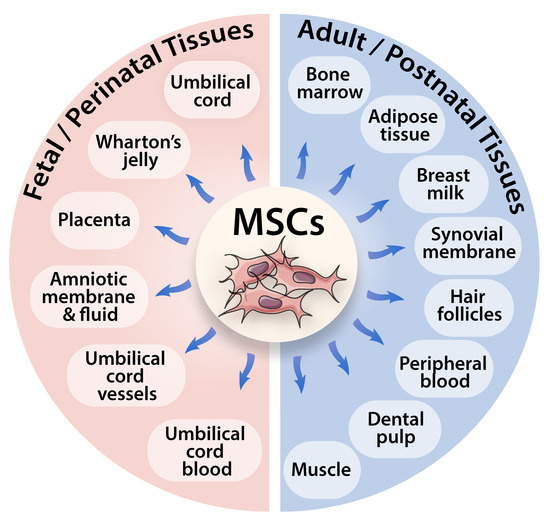
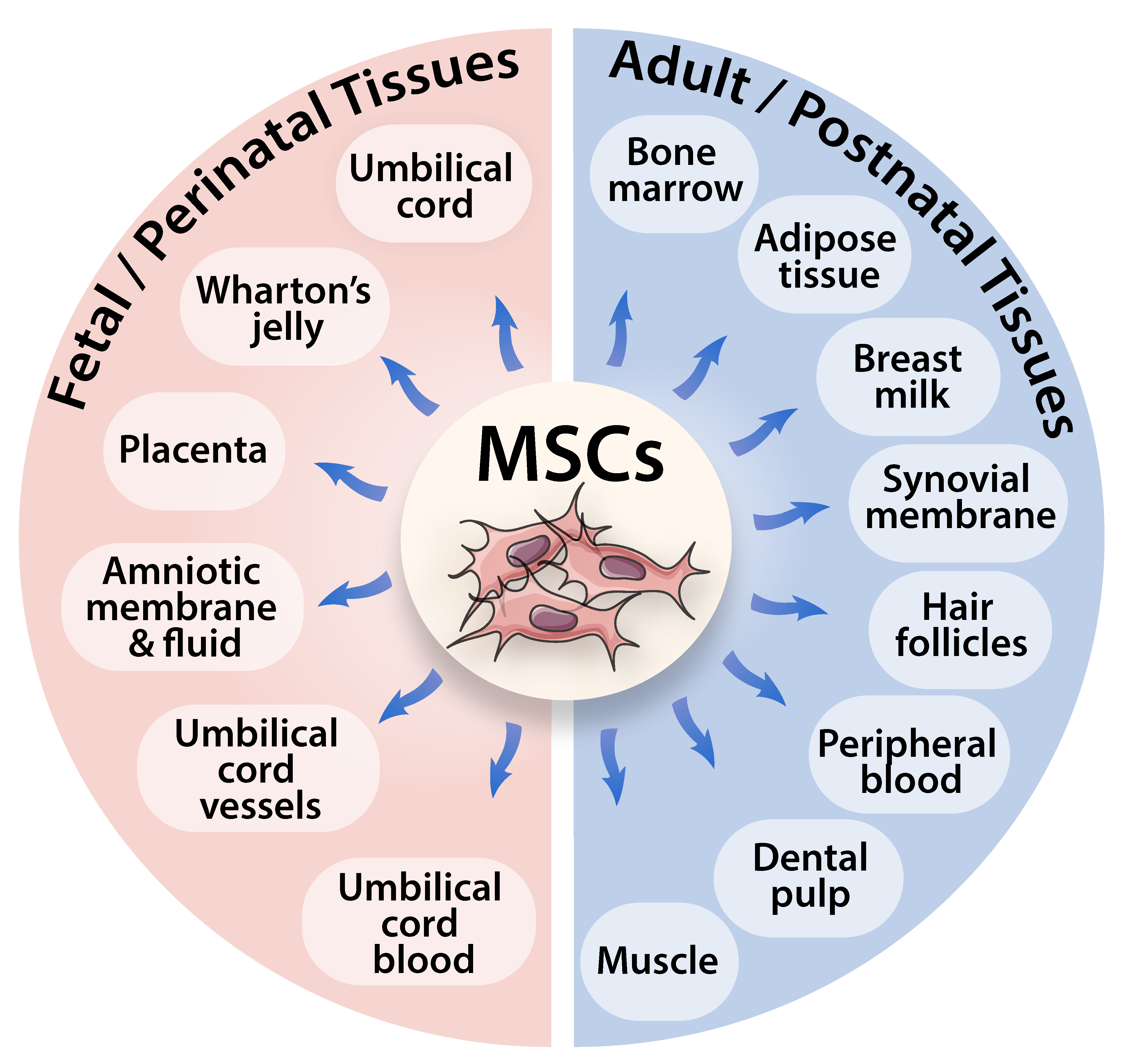
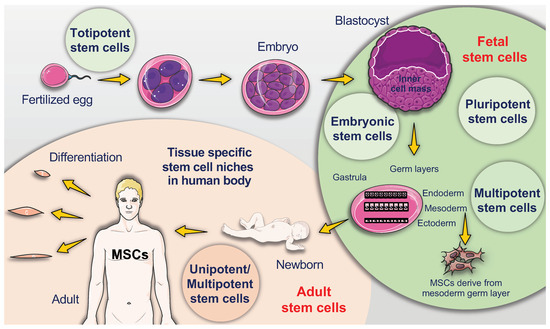
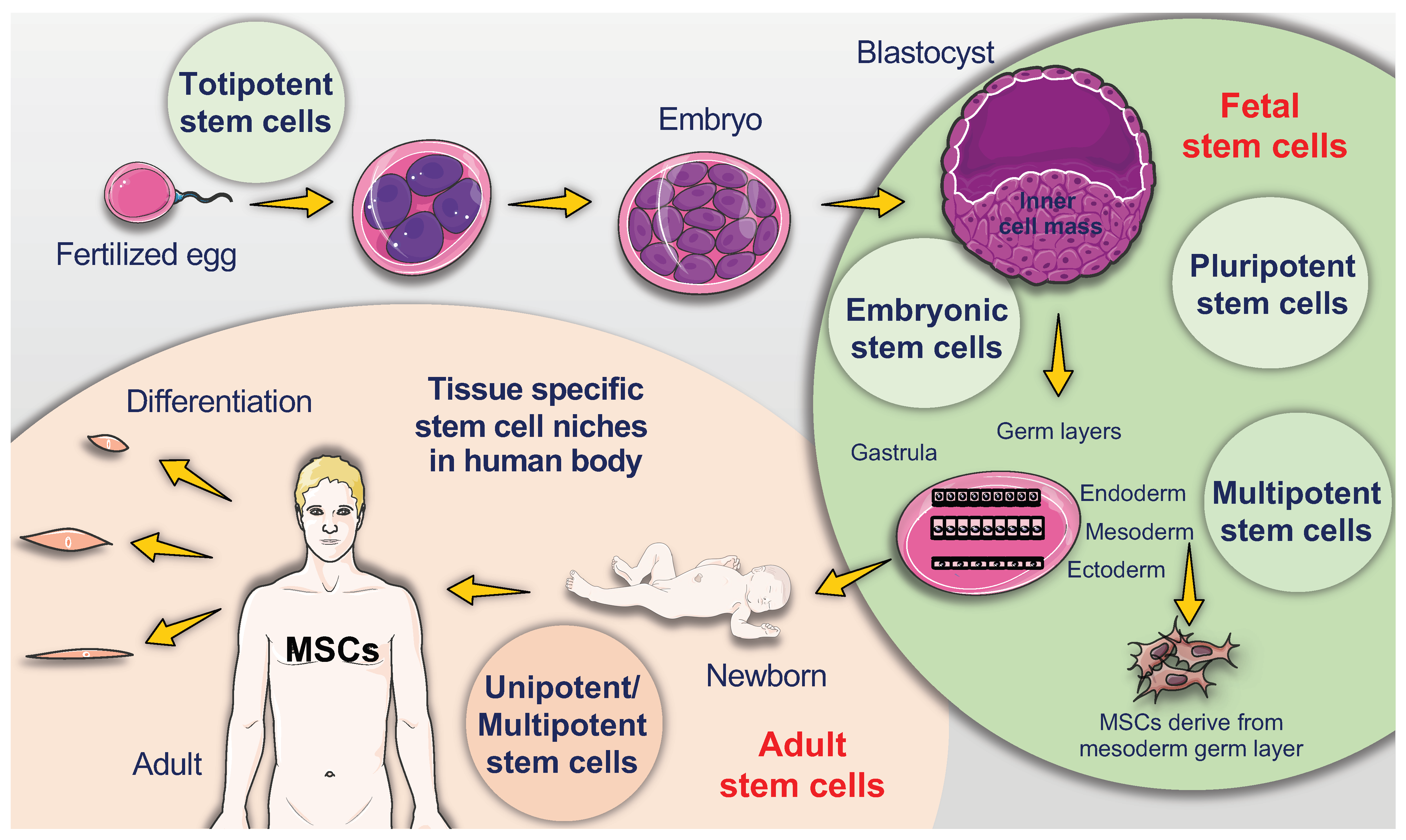
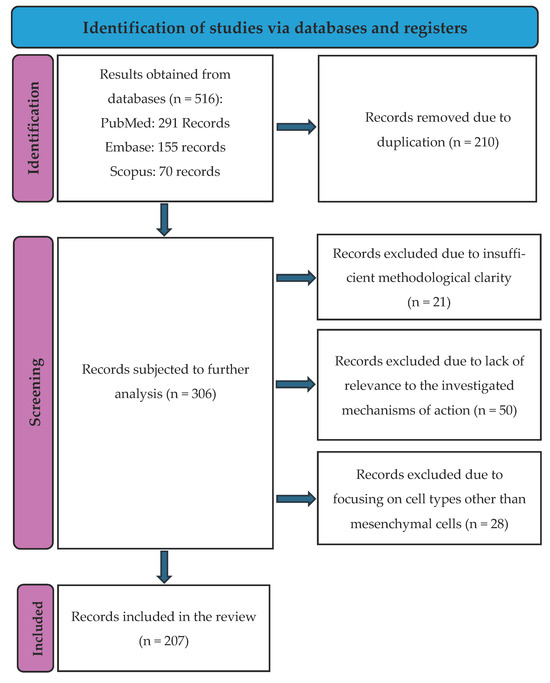
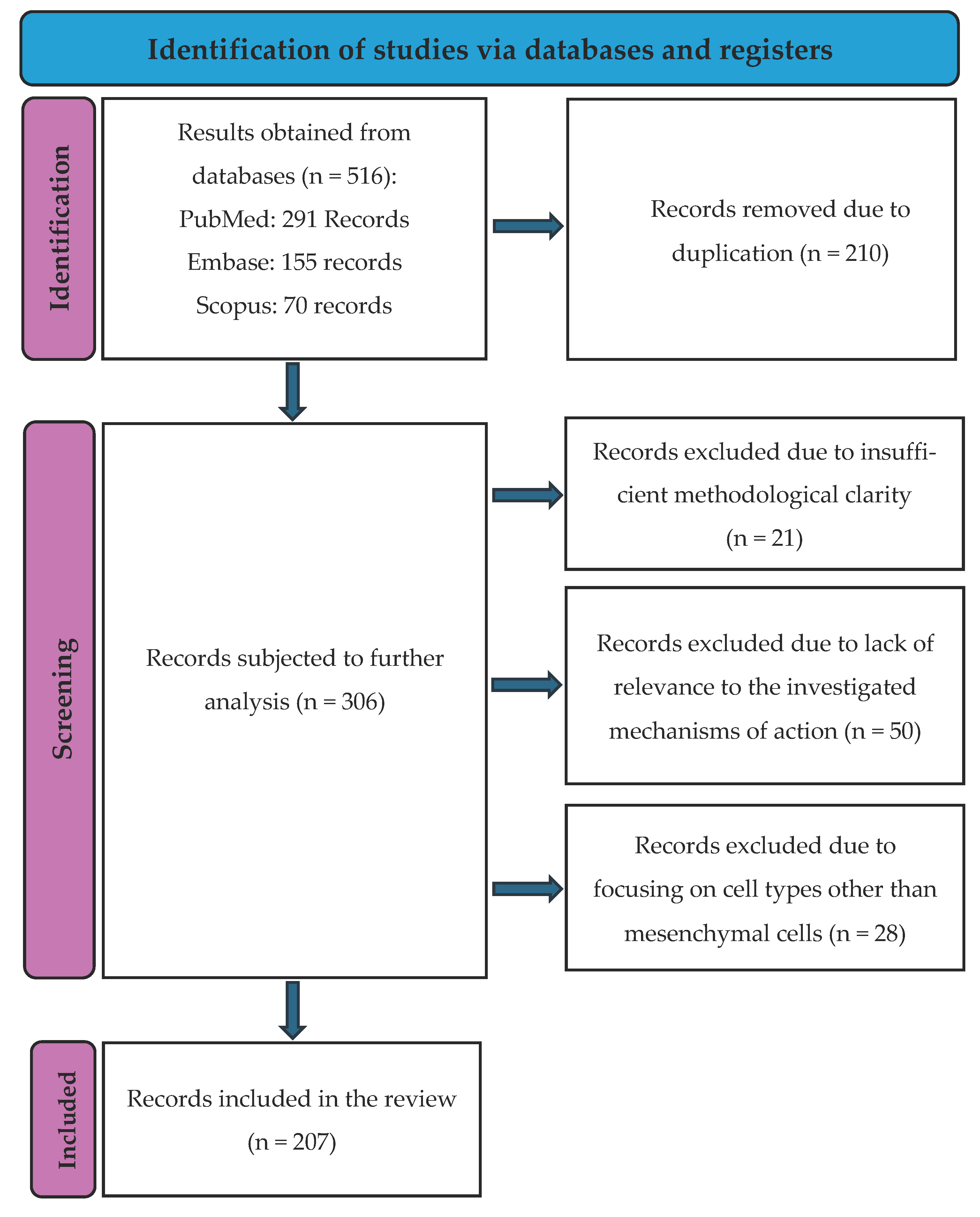
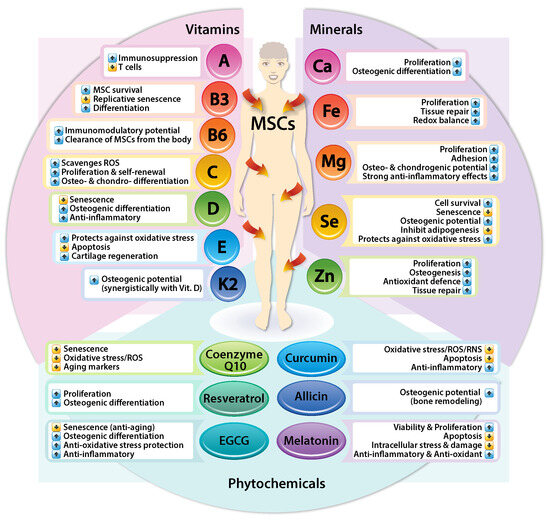
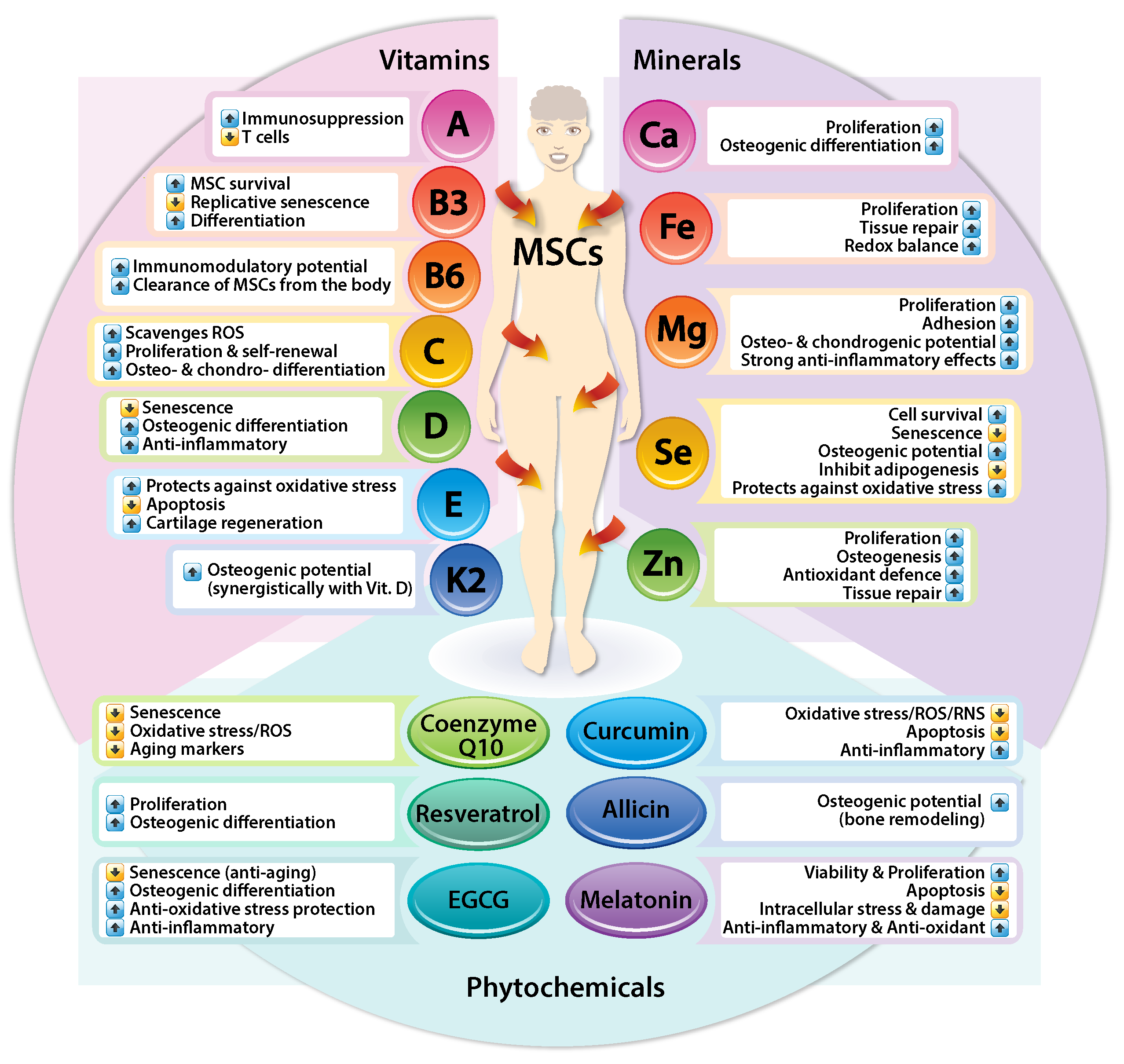
Disclaimer/Publisher’s Note: The statements, opinions and data contained in all publications are solely those of the individual author(s) and contributor(s) and not of MDPI and/or the editor(s). MDPI and/or the editor(s) disclaim responsibility for any injury to people or property resulting from any ideas, methods, instructions or products referred to in the content. |
© 2025 by the authors. Licensee MDPI, Basel, Switzerland. This article is an open access article distributed under the terms and conditions of the Creative Commons Attribution (CC BY) license (https://creativecommons.org/licenses/by/4.0/).