Article

Role of Increasing Body Mass Index in Gut Barrier Dysfunction, Systemic Inflammation, and Metabolic Dysregulation in Obesity


by
Fatima Maqoud
1,†,
Francesco Maria Calabrese
2,*,†,
Giuseppe Celano
2,
Domenica Mallardi
1,
Francesco Goscilo
1,
Benedetta D’Attoma
1,
Antonia Ignazzi
1,
Michele Linsalata
1,
Gabriele Bitetto
3,
Martina Di Chito
3,
Pasqua Letizia Pesole
4,
Arianna Diciolla
5,
Carmen Aurora Apa
2,
Giovanni De Pergola
3,
Gianluigi Giannelli
6,
Maria De Angelis
2 and
Francesco Russo
1,*
1
Functional Gastrointestinal Disorders Research Group, National Institute of Gastroenterology IRCCS “Saverio de Bellis”, Castellana Grotte, 70013 Bari, Italy
2
Department of Soil, Plant and Food Science, University of Bari Aldo Moro, 70126 Bari, Italy
3
Center of Nutrition for the Research and the Care of Obesity and Metabolic Diseases, National Institute of Gastroenterology IRCCS “Saverio de Bellis”, Castellana Grotte, 70013 Bari, Italy
4
Core Facility Biobank, National Institute of Gastroenterology IRCCS “Saverio de Bellis”, Castellana Grotte, 70013 Bari, Italy
5
Laboratory of Clinical Pathology, National Institute of Gastroenterology IRCCS “Saverio de Bellis”, Castellana Grotte, 70013 Bari, Italy
6
Scientific Direction, National Institute of Gastroenterology IRCCS “Saverio de Bellis”, Castellana Grotte, 70013 Bari, Italy
*
Authors to whom correspondence should be addressed.
These authors contributed equally to this work.
Nutrients 2025, 17(1), 72; https://doi.org/10.3390/nu17010072
Submission received: 2 December 2024 / Revised: 24 December 2024 / Accepted: 26 December 2024 / Published: 28 December 2024
(This article belongs to the Section Nutrition and Obesity)

Abstract

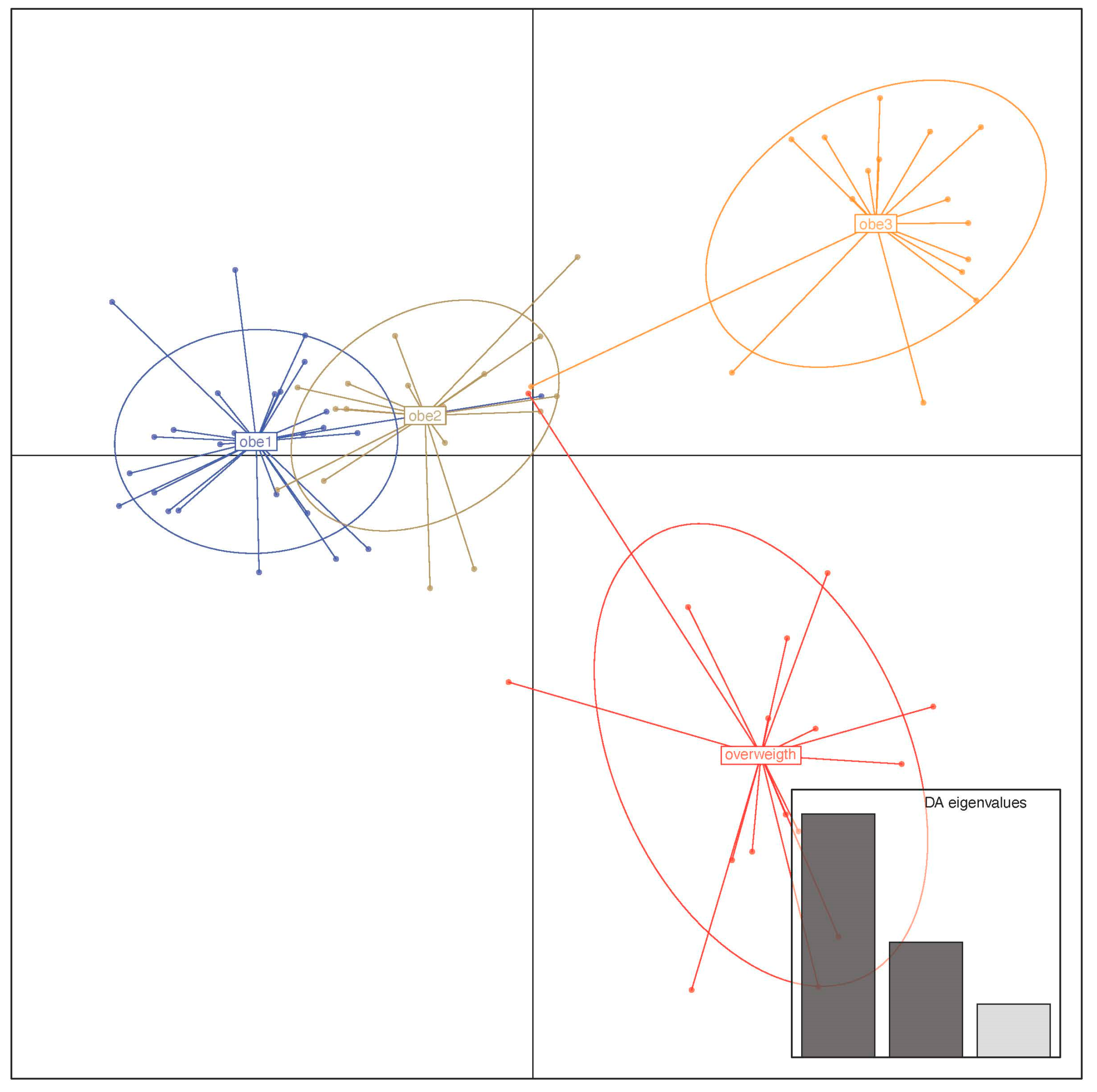
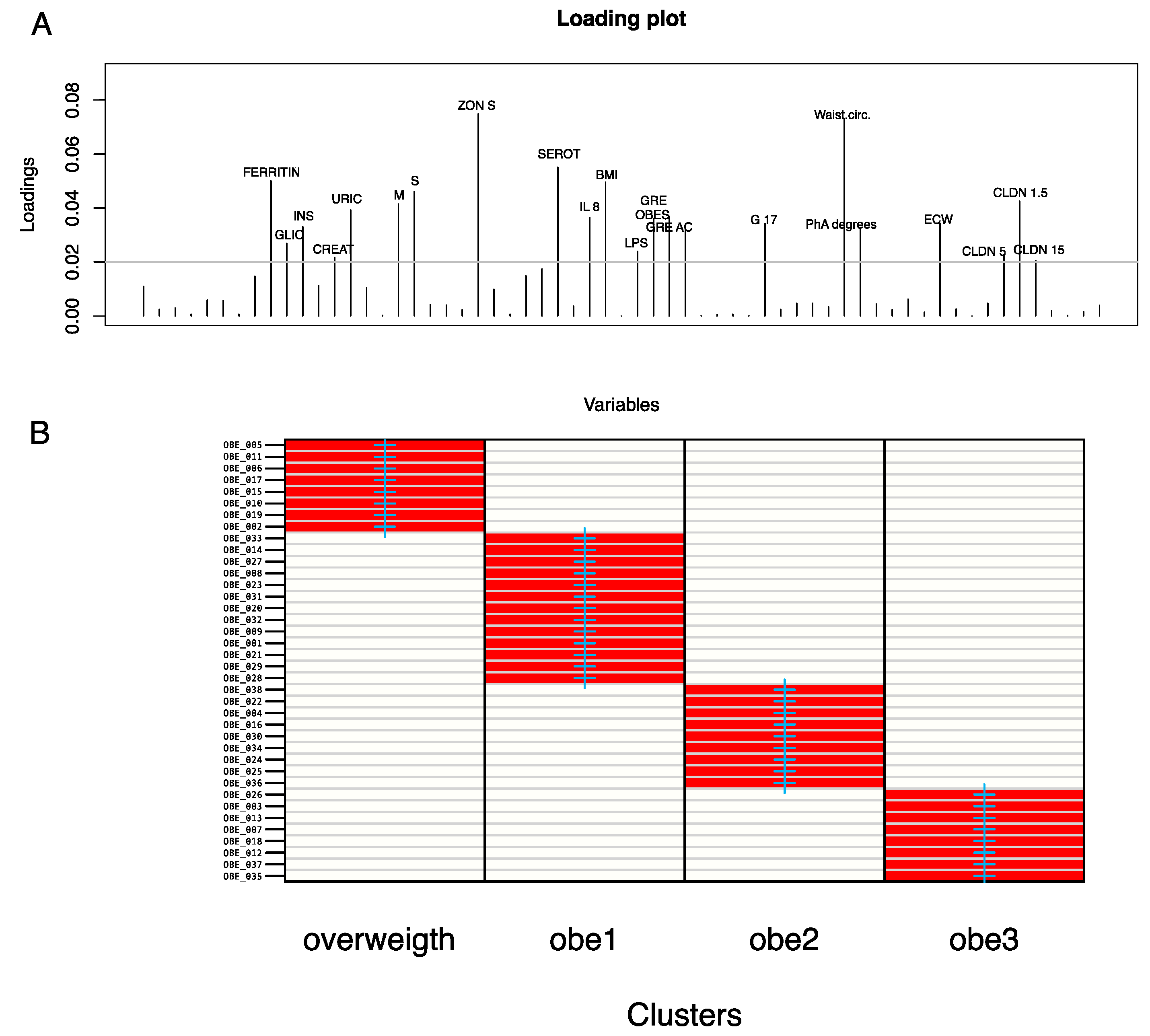
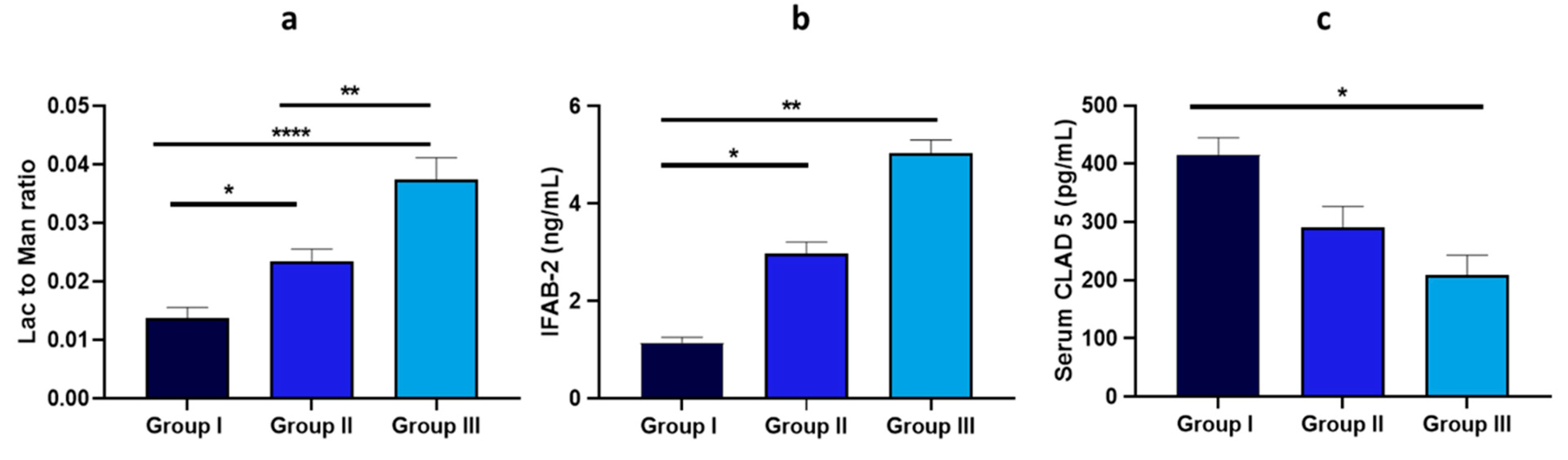
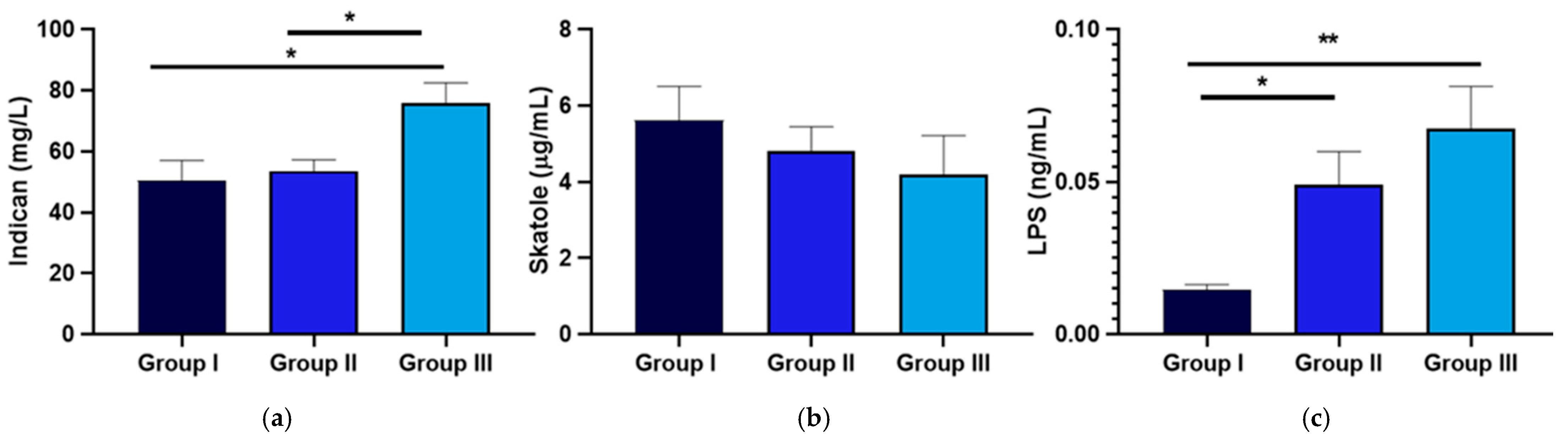
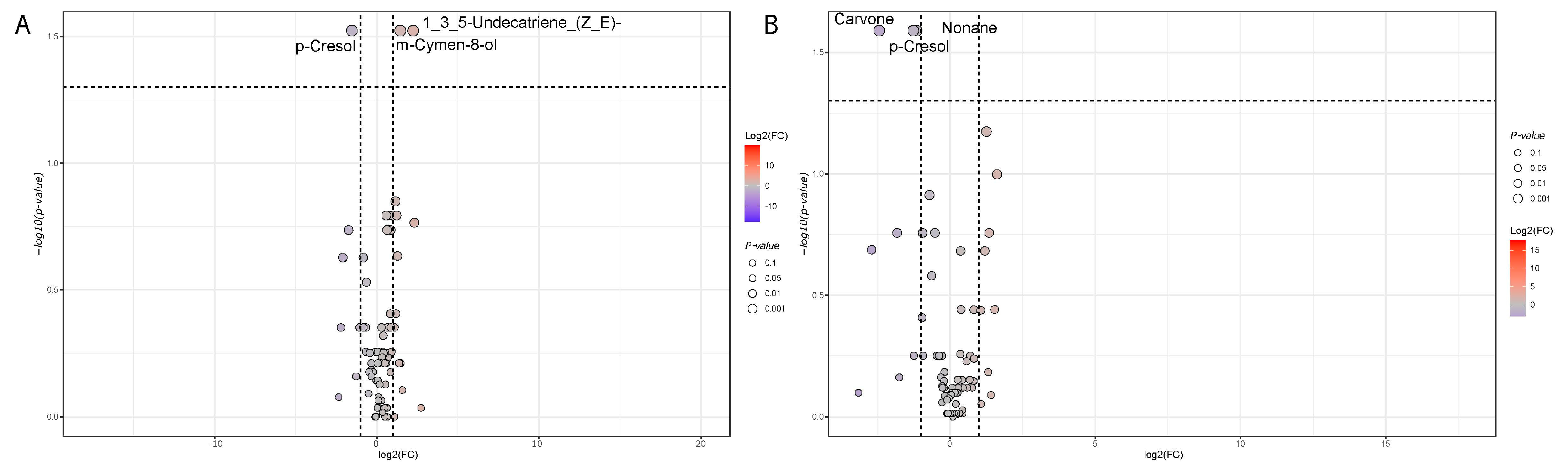
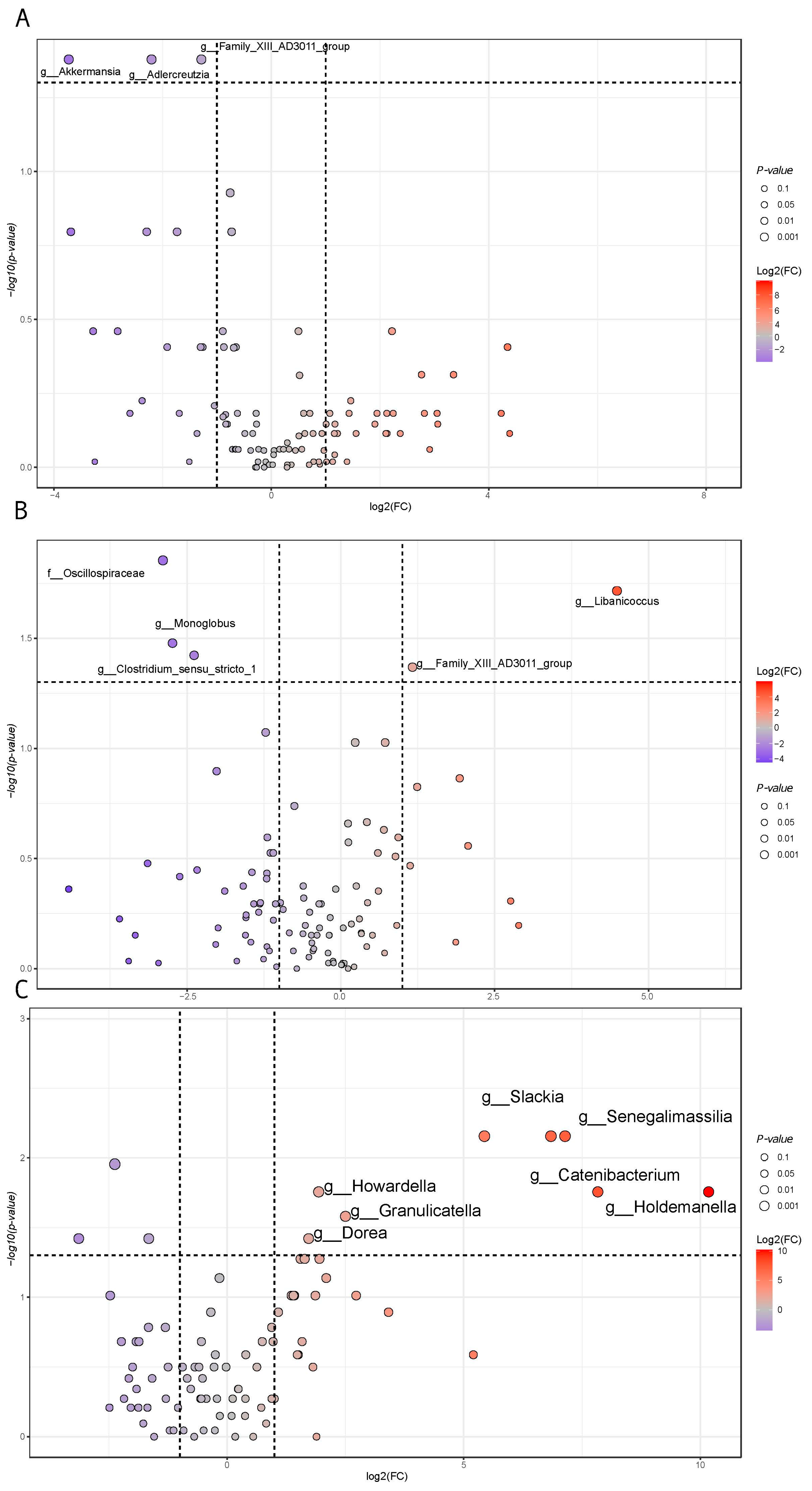
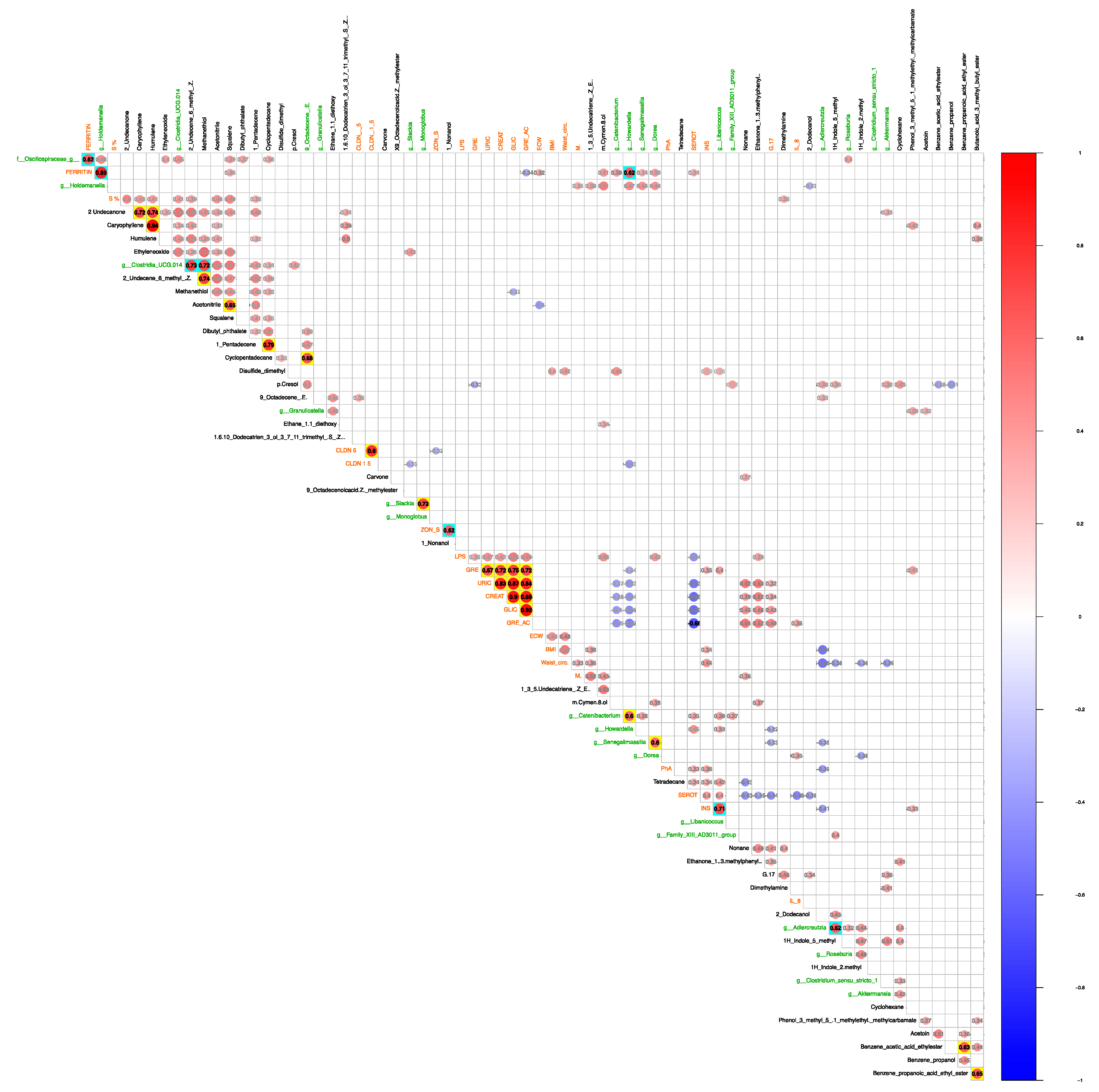
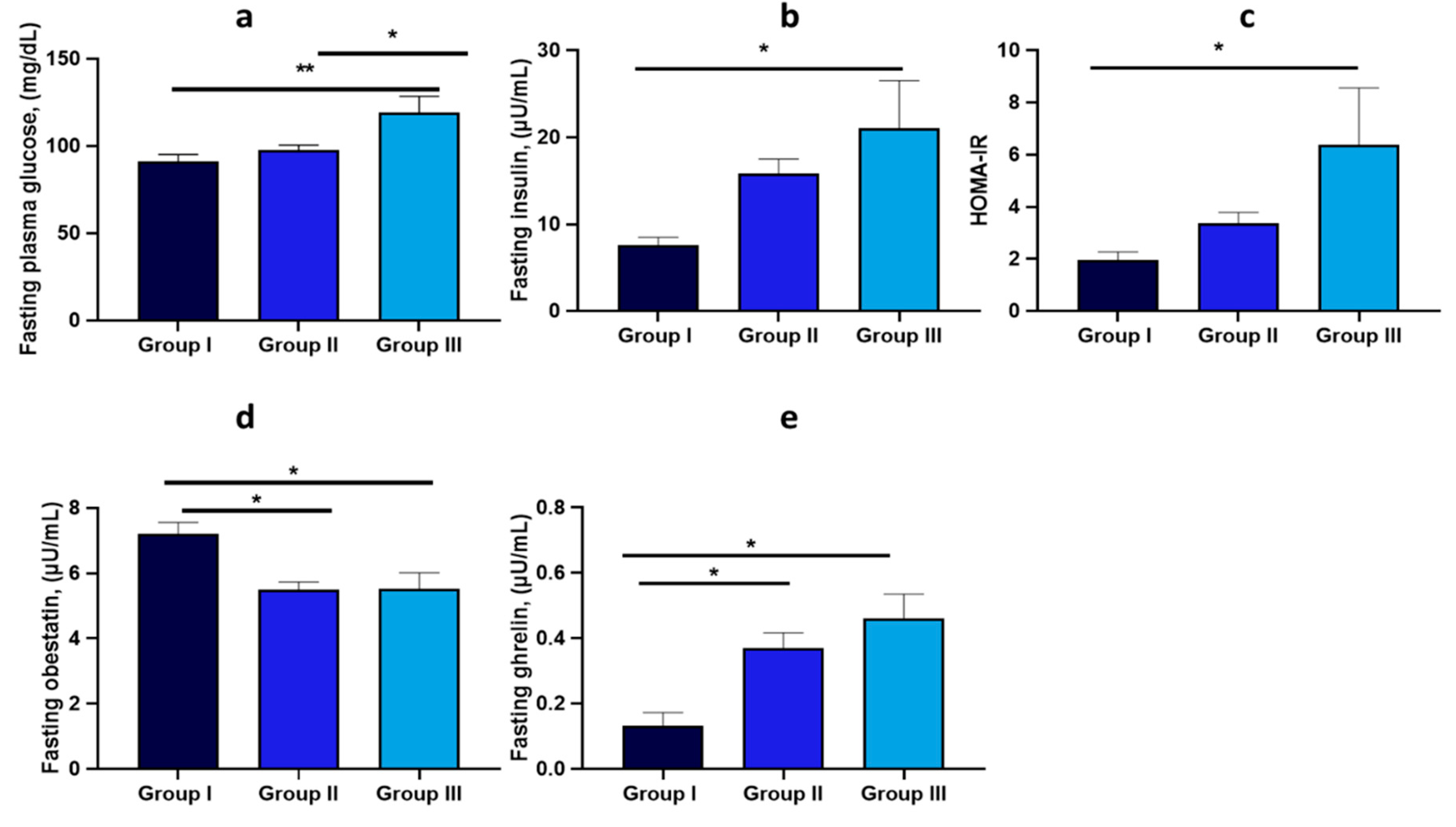
Aims: This study explores the link between body mass index (BMI), intestinal permeability, and associated changes in anthropometric and impedance parameters, lipid profiles, inflammatory markers, fecal metabolites, and gut microbiota taxa composition in participants having excessive body mass. Methods: A cohort of 58 obese individuals with comparable diet, age, and height was divided into three groups based on a priori clustering analyses that fit with BMI class ranges: Group I (25–29.9), Group II (30–39.9), and Group III (>40). Anthropometric and clinical parameters were assessed, including plasma C-reactive protein and cytokine profiles as inflammation markers. Intestinal permeability was measured using a multisaccharide assay, with fecal/serum zonulin and serum claudin-5 and claudin-15 levels. Fecal microbiota composition and metabolomic profiles were analyzed using a phylogenetic microarray and GC-MS techniques. Results: The statistical analyses of the clinical parameters were based on the full sample set, whereas a subset composed of 37 randomized patients was inspected for the GC/MS metabolite profiling of fecal specimens. An increase in potentially pro-inflammatory bacterial genera (e.g., Slackia, Dorea, Granulicatella) and a reduction in beneficial genera (e.g., Adlercreutzia, Clostridia UCG-014, Roseburia) were measured. The gas chromatography/mass spectrometry analysis of urine samples evidenced a statistically significant increase in m-cymen-8-ol, 1,3,5-Undecatriene, (E, Z) and a decreased concentration of p-cresol, carvone, p-cresol, and nonane. Conclusions: Together, these data demonstrated how an increased BMI led to significant changes in inflammatory markers, intestinal barrier metabolites, glucose metabolism, endocrine indicators, and fecal metabolomic profiles that can indicate a different metabolite production from gut microbiota. Our findings suggest that targeting intestinal permeability may offer a therapeutic approach to prevent and manage obesity and related metabolic complications, reinforcing the link between gut barrier function and obesity.
Keywords: obesity; body mass index (BMI); intestinal permeability; zonulin; inflammatory markers; fecal metabolomics; fecal microbiota obesity; body mass index (BMI); intestinal permeability; zonulin; inflammatory markers; fecal metabolomics; fecal microbiota