Review

Review on the Role of Polyphenols in Preventing and Treating Type 2 Diabetes: Evidence from In Vitro and In Vivo Studies


Department of Biochemistry, Memorial University of Newfoundland, St. John’s, NL A1C 5S7, Canada
*
Author to whom correspondence should be addressed.
Nutrients 2024, 16(18), 3159; https://doi.org/10.3390/nu16183159
Submission received: 19 August 2024 / Revised: 8 September 2024 / Accepted: 10 September 2024 / Published: 19 September 2024
(This article belongs to the Special Issue The Role of Bioactive Compounds in Blood Glucose Control)

Abstract

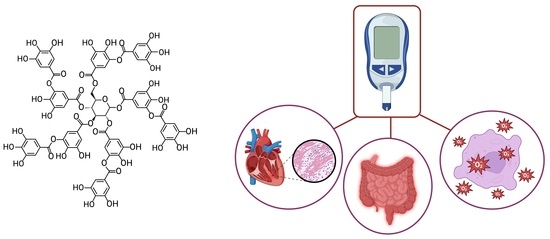
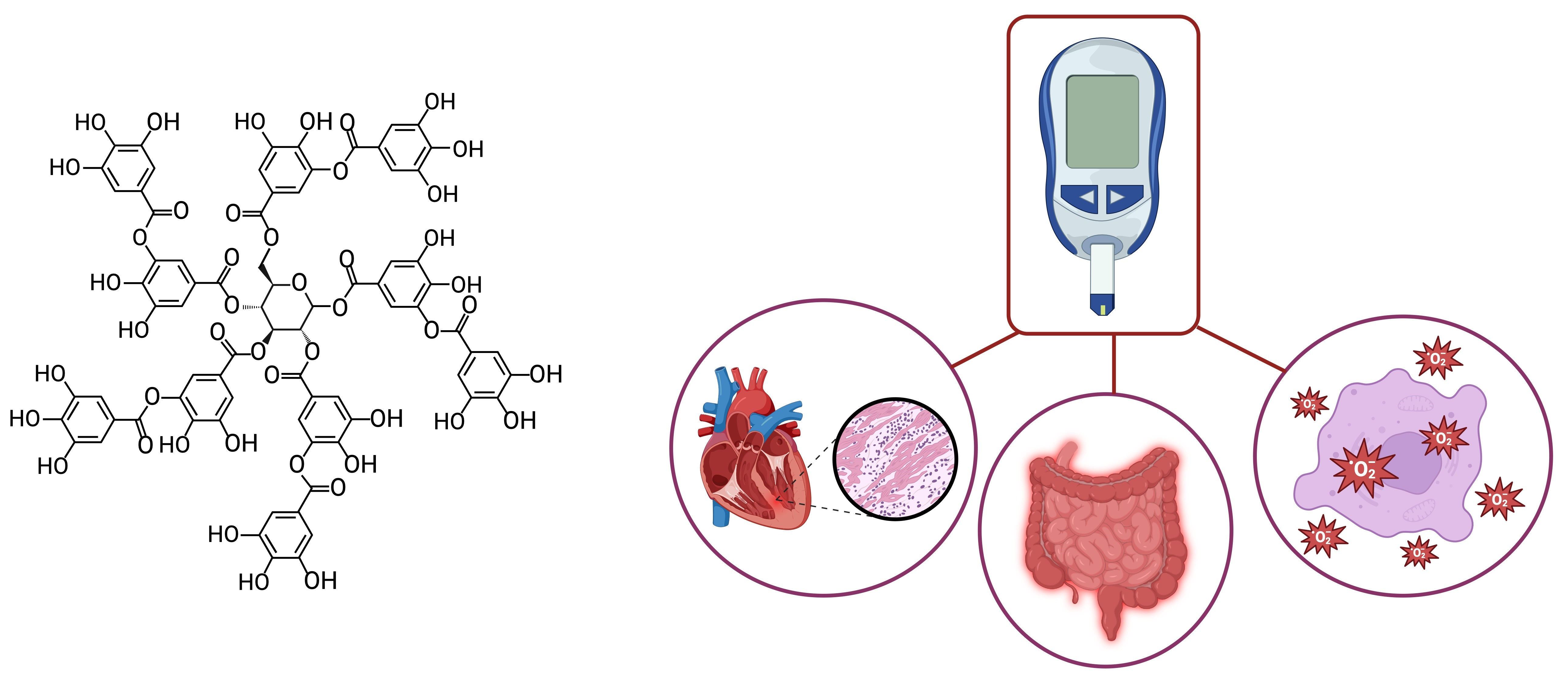
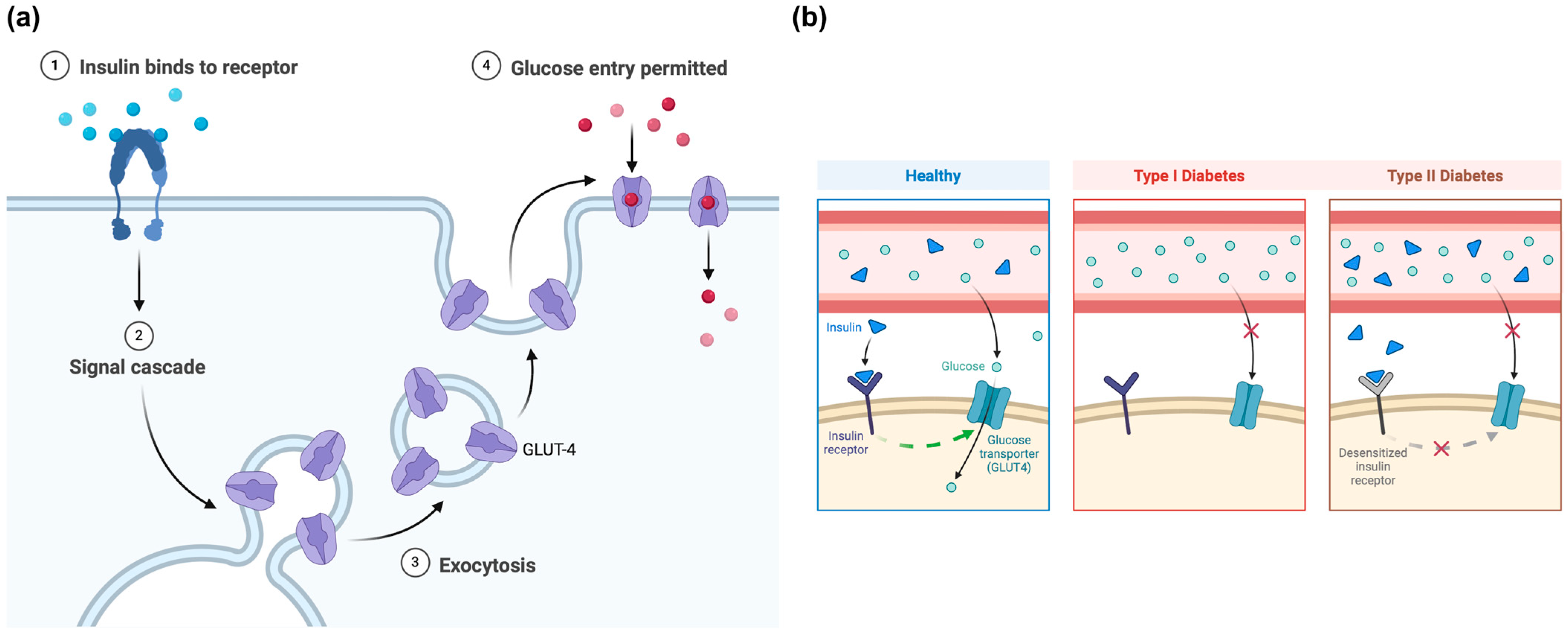
Type 2 diabetes (T2D) is one of the leading causes of death globally. There was a 70% increase in diabetes-related deaths between 2000 and 2020, particularly among males. This non-communicable disease is characterized by increased insulin resistance, leading to elevated blood sugar levels and, if untreated, resulting in complications such as nerve damage, kidney disease, blindness, and poor wound healing. T2D management includes dietary intervention, physical exercise, and the administration of blood sugar-lowering medication. However, these medications often have side effects related to intestinal discomfort. Therefore, natural alternatives to standard diabetes medications are being sought to improve the quality of life for individuals with this condition. Polyphenols, which are naturally occurring plant metabolites, have emerged as strong candidates for T2D control. Various phenolic acids (e.g., chlorogenic acid), flavonoids (e.g., quercetin), proanthocyanidins (e.g., procyanidin B2), gallotannins (e.g., monogalloyl hexoside), and ellagitannins (e.g., ellagic acid hexoside) can enhance insulin sensitivity in tissues, reduce chronic inflammation, scavenge free radicals, improve insulin secretion, inhibit enzymes involved in carbohydrate digestion, regulate glucose transport across cell membranes, and modulate gut microbiota. This contribution compiles up-to-date evidence from in vitro and in vivo studies on the role of polyphenols in the prevention and management of T2D, emphasizing the mechanisms of action underlying these effects.
Keywords: enzymatic inhibition; cholesterol-lowering; gut microbiota; inflammation; oxidative stress enzymatic inhibition; cholesterol-lowering; gut microbiota; inflammation; oxidative stress
Graphical Abstract