Article

High Fructose Causes More Prominent Liver Steatohepatitis with Leaky Gut Similar to High Glucose Administration in Mice and Attenuation by Lactiplantibacillus plantarum dfa1


by
Thunnicha Ondee
1,
Krit Pongpirul
1,2,3,4,5,*,
Kanyarat Udompornpitak
6,
Warumphon Sukkummee
7,
Thanapat Lertmongkolaksorn
8,
Sayamon Senaprom
1 and
Asada Leelahavanichkul
9,10,*
1
Department of Preventive and Social Medicine, Faculty of Medicine, Chulalongkorn University, Bangkok 10330, Thailand
2
School of Global Health, Faculty of Medicine, Chulalongkorn University, Bangkok 10330, Thailand
3
Department of International Health, Johns Hopkins Bloomberg School of Public Health, Baltimore, MD 21205, USA
4
Clinical Research Center, Bumrungrad International Hospital, Bangkok 10110, Thailand
5
Department of Infection Biology & Microbiomes, Faculty of Health and Life Sciences, University of Liverpool, Liverpool L69 3GB, UK
6
Department of Microbiology, Faculty of Medicine, Chulalongkorn University, Bangkok 10330, Thailand
7
Center of Excellence in Clinical Pharmacokinetics and Pharmacogenomics, Department of Pharmacology, Faculty of Medicine Chulalongkorn University, Bangkok 10330, Thailand
8
Research Management and Development Division, Office of the President, Mahidol University, Nakhon Pathom 73170, Thailand
9
Center of Excellence in Translational Research in Inflammation and Immunology Research Unit (CETRII), Department of Microbiology, Chulalongkorn University, Bangkok 10330, Thailand
10
Nephrology Unit, Department of Medicine, Faculty of Medicine, Chulalongkorn University, Bangkok 10330, Thailand
*
Authors to whom correspondence should be addressed.
Nutrients 2023, 15(6), 1462; https://doi.org/10.3390/nu15061462
Submission received: 16 February 2023 / Revised: 2 March 2023 / Accepted: 7 March 2023 / Published: 17 March 2023
(This article belongs to the Special Issue Prebiotics and Probiotics in Metabolism Disorder)

Abstract

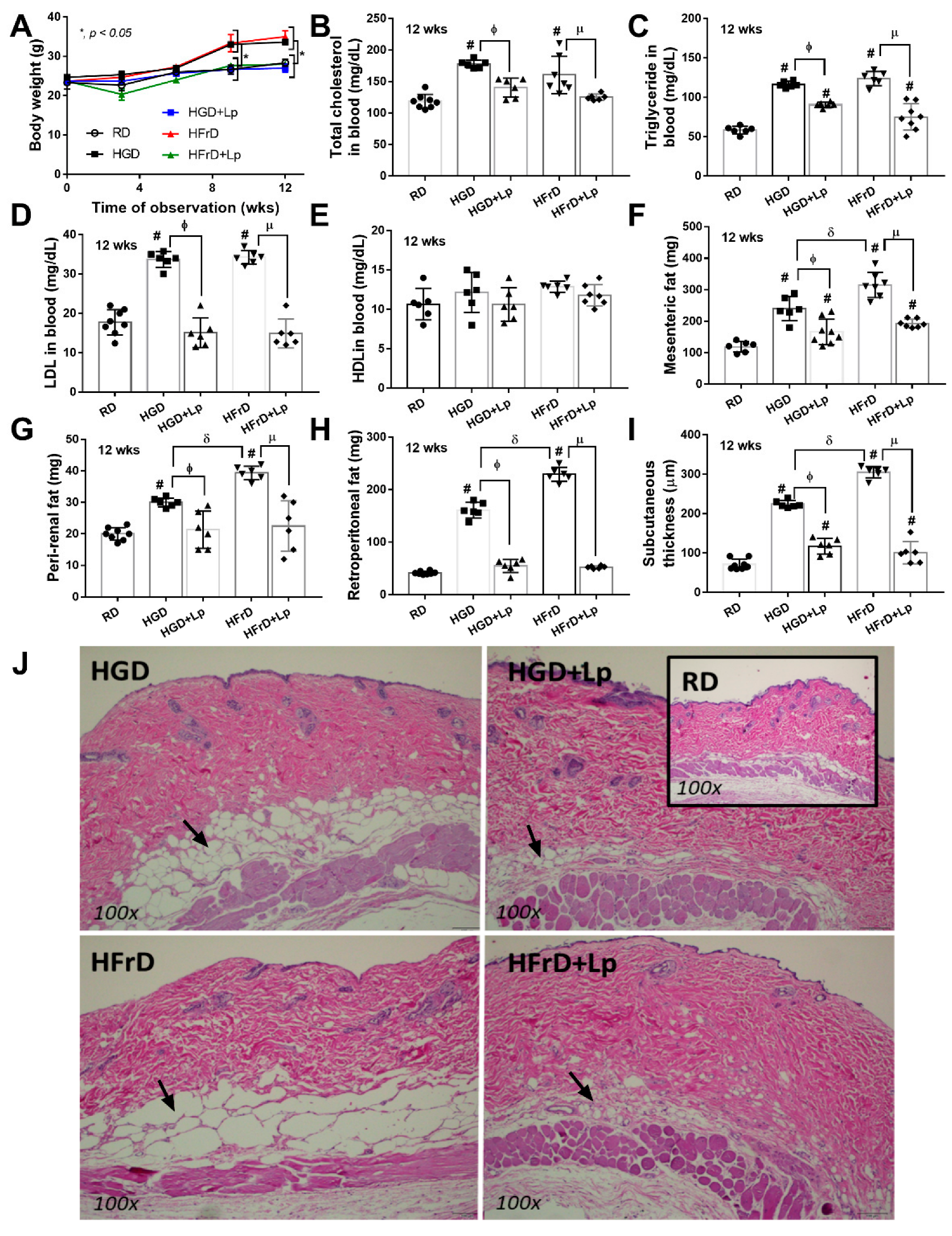
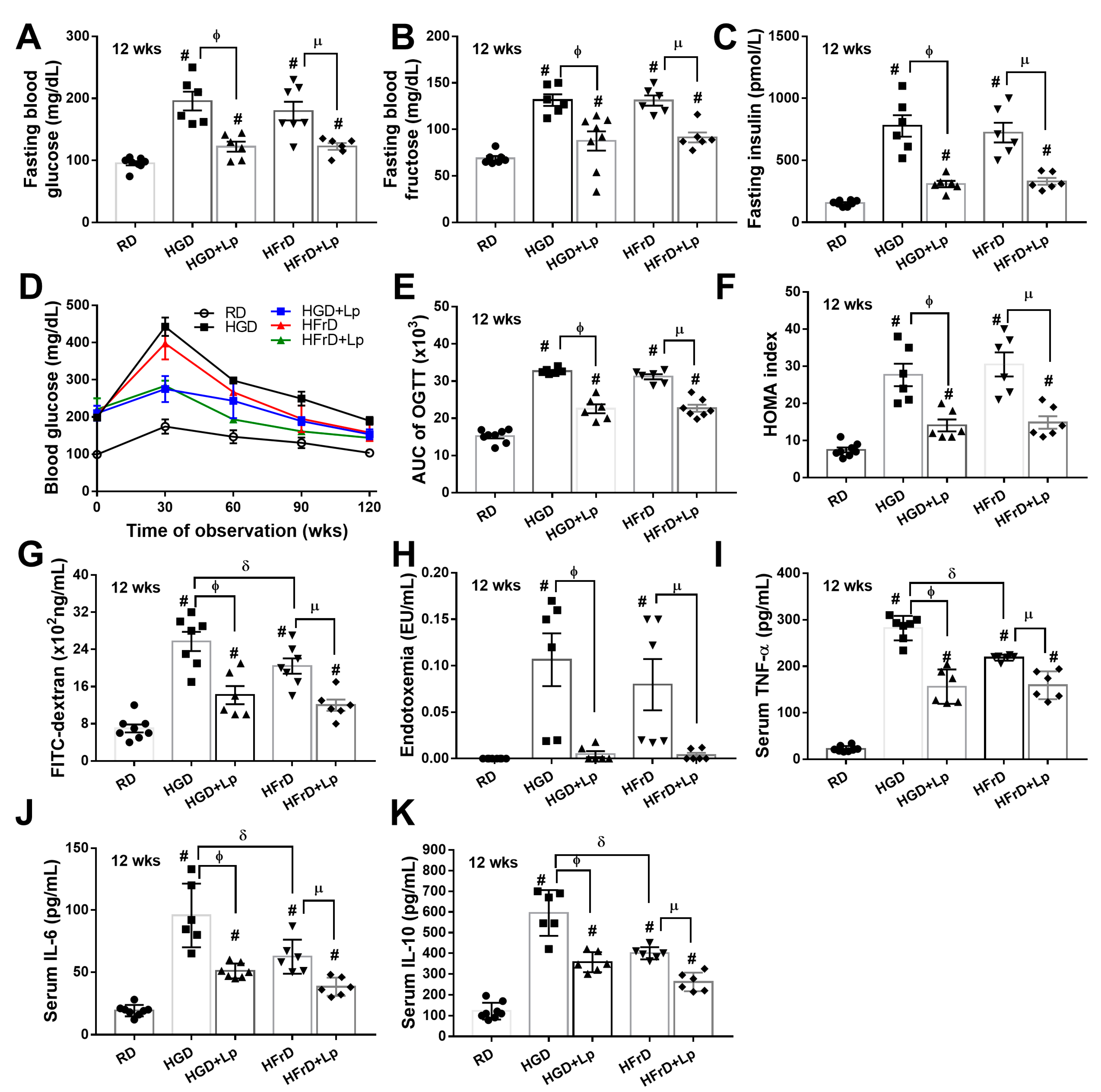
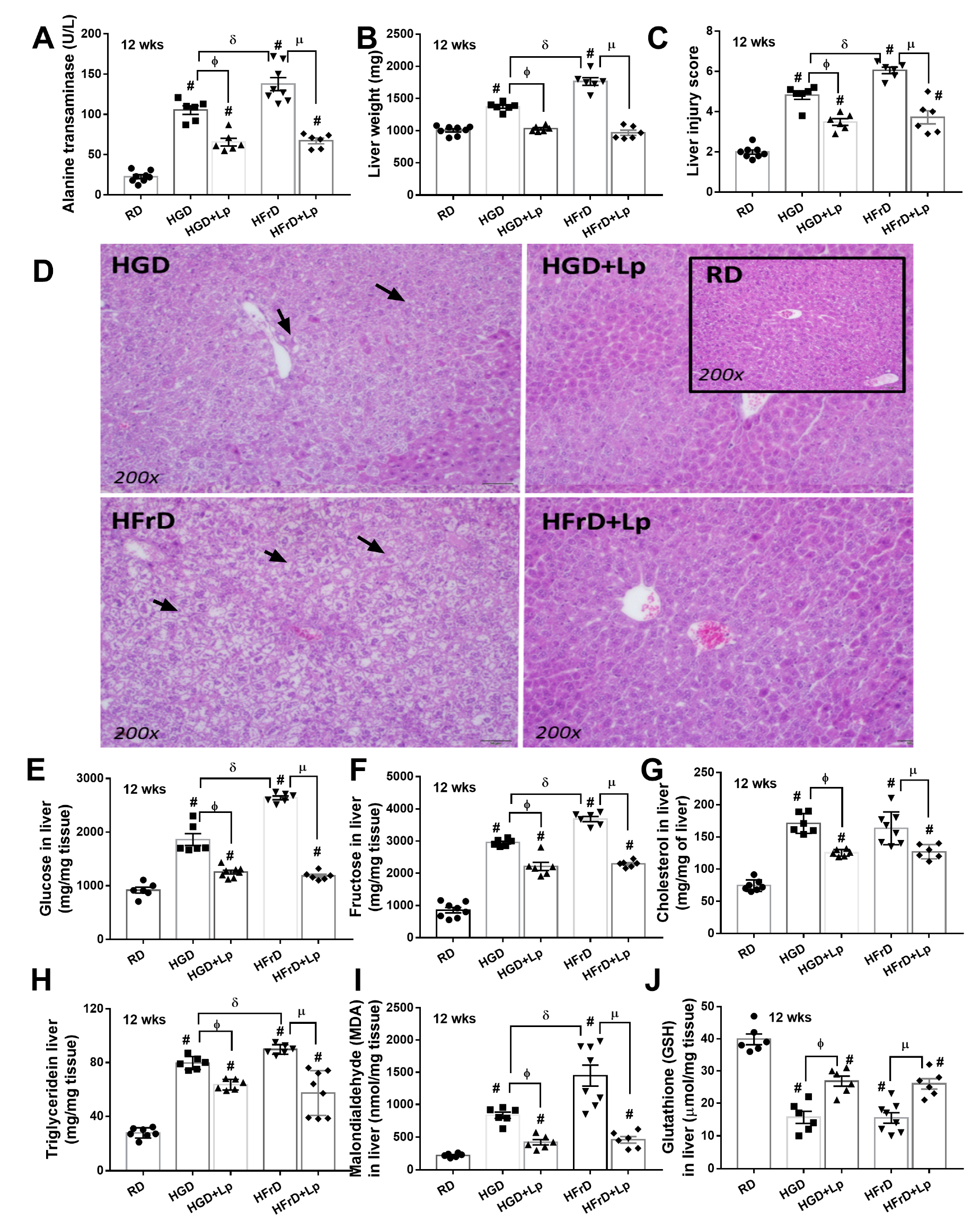
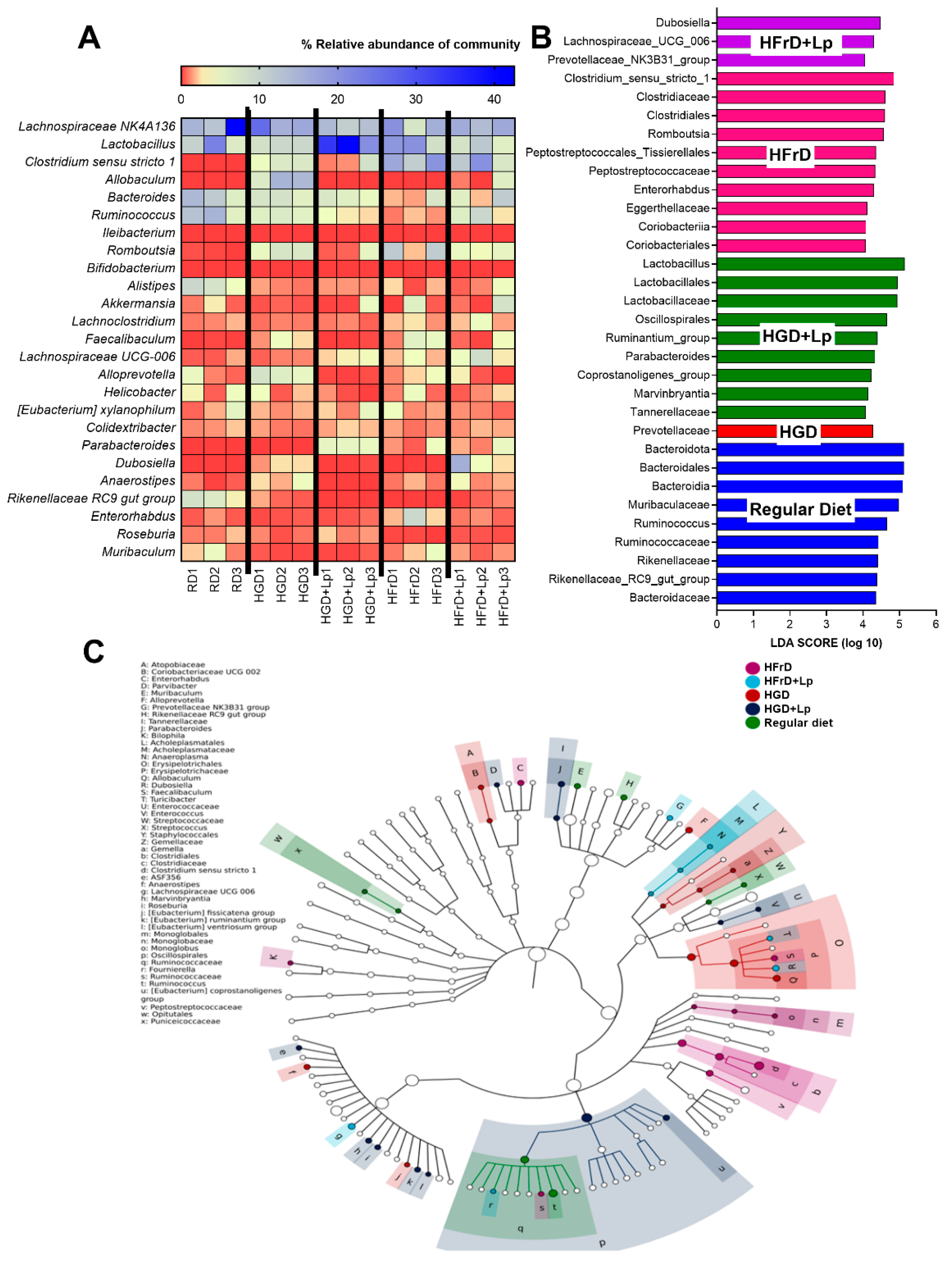
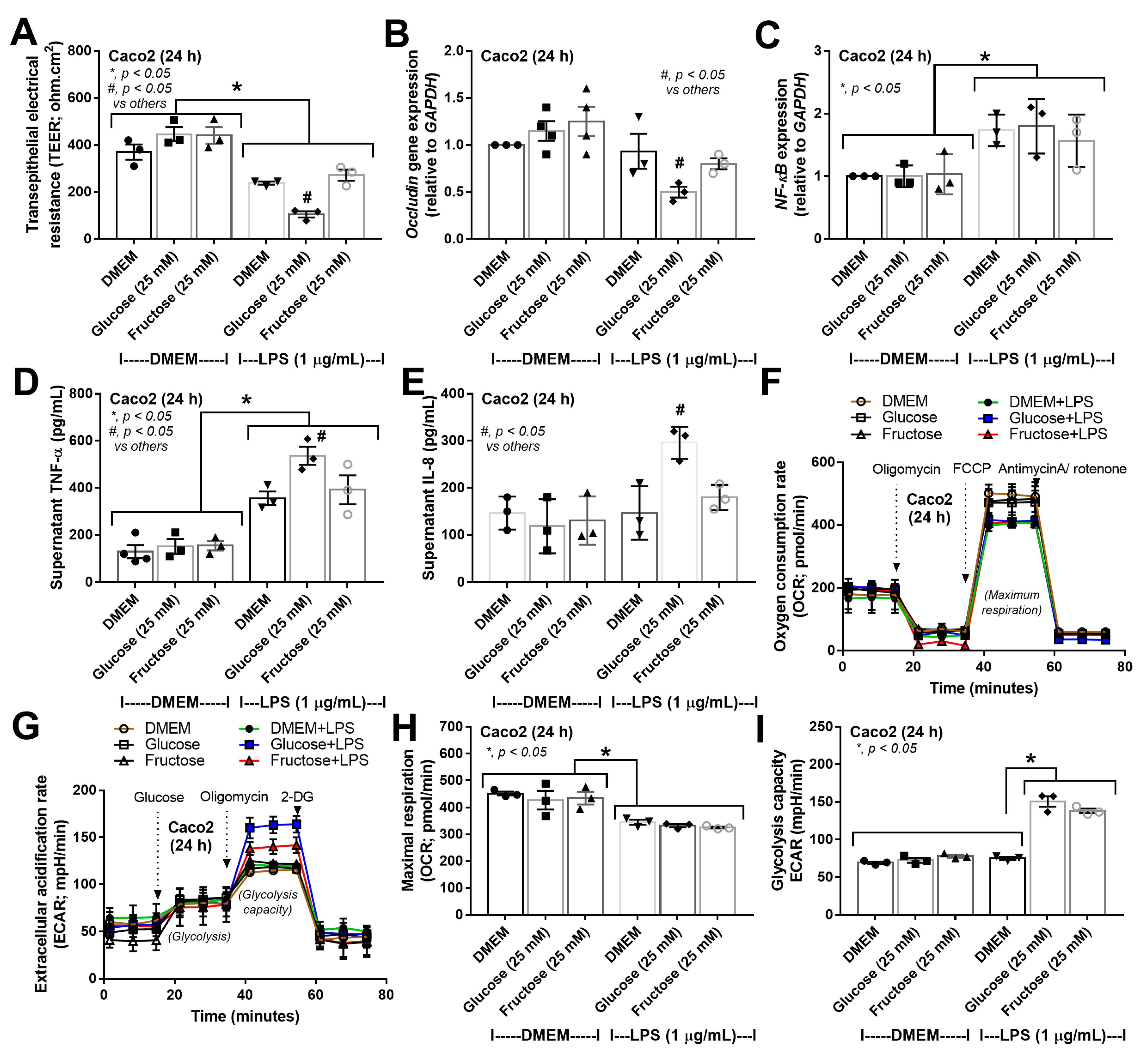
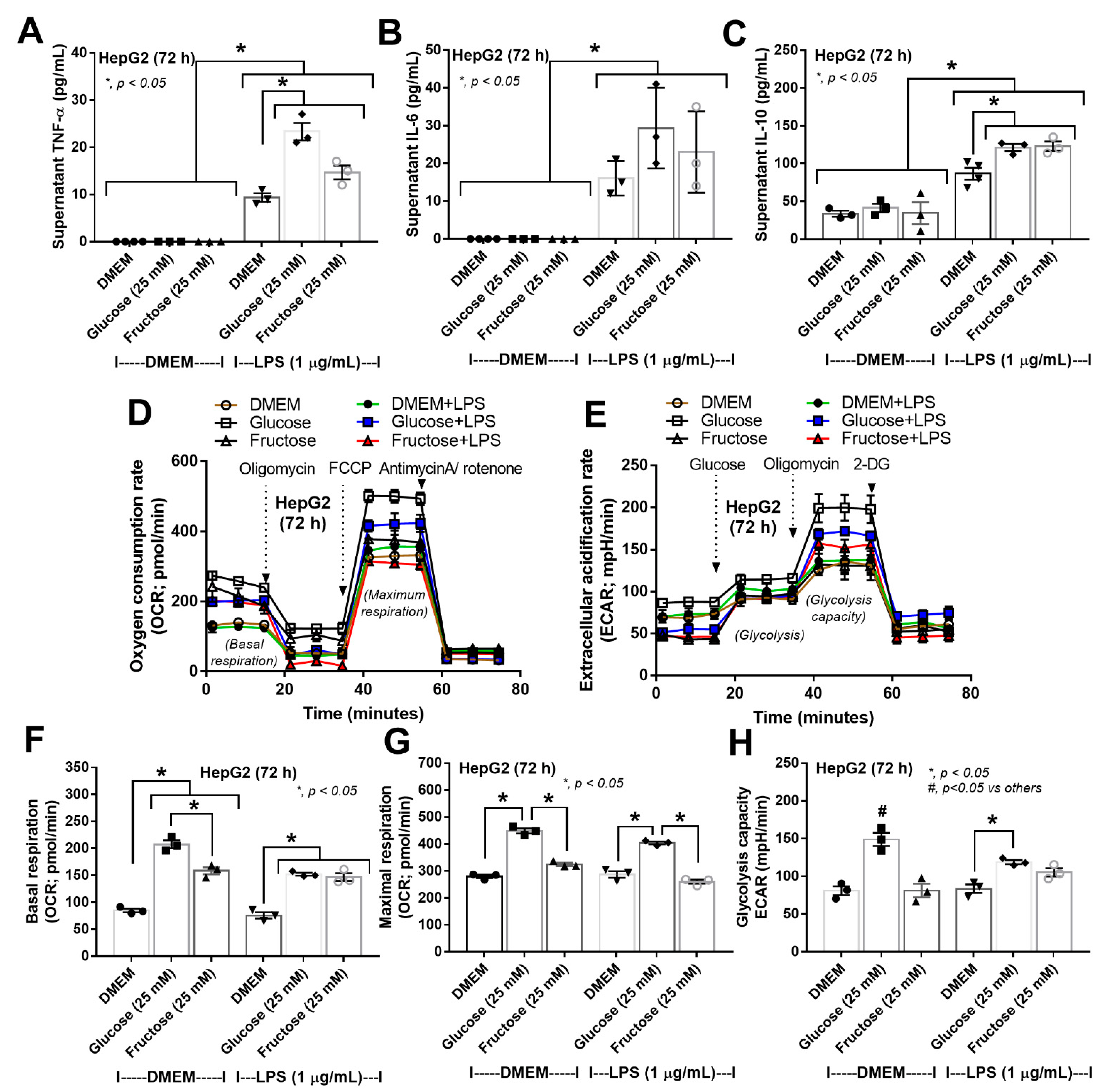
High-sugar diet-induced prediabetes and obesity are a global current problem that can be the result of glucose or fructose. However, a head-to-head comparison between both sugars on health impact is still lacking, and Lactiplantibacillus plantarum dfa1 has never been tested, and has recently been isolated from healthy volunteers. The mice were administered with the high glucose or fructose preparation in standard mouse chaw with or without L. plantarum dfa1 gavage, on alternate days, and in vitro experiments were performed using enterocyte cell lines (Caco2) and hepatocytes (HepG2). After 12 weeks of experiments, both glucose and fructose induced a similar severity of obesity (weight gain, lipid profiles, and fat deposition at several sites) and prediabetes condition (fasting glucose, insulin, oral glucose tolerance test, and Homeostatic Model Assessment for Insulin Resistance (HOMA score)). However, fructose administration induced more severe liver damage (serum alanine transaminase, liver weight, histology score, fat components, and oxidative stress) than the glucose group, while glucose caused more prominent intestinal permeability damage (FITC-dextran assay) and serum cytokines (TNF-α, IL-6, and IL-10) compared to the fructose group. Interestingly, all of these parameters were attenuated by L. plantarum dfa1 administration. Because there was a subtle change in the analysis of the fecal microbiome of mice with glucose or fructose administration compared to control mice, the probiotics altered only some microbiome parameters (Chao1 and Lactobacilli abundance). For in vitro experiments, glucose induced more damage to high-dose lipopolysaccharide (LPS) (1 µg/mL) to enterocytes (Caco2 cell) than fructose, as indicated by transepithelial electrical resistance (TEER), supernatant cytokines (TNF-α and IL-8), and glycolysis capacity (by extracellular flux analysis). Meanwhile, both glucose and fructose similarly facilitated LPS injury in hepatocytes (HepG2 cell) as evaluated by supernatant cytokines (TNF-α, IL-6, and IL-10) and extracellular flux analysis. In conclusion, glucose possibly induced a more severe intestinal injury (perhaps due to LPS-glucose synergy) and fructose caused a more prominent liver injury (possibly due to liver fructose metabolism), despite a similar effect on obesity and prediabetes. Prevention of obesity and prediabetes with probiotics was encouraged.
Keywords: glucose; fructose; obesity; prediabetes; Lactiplantibacillus plantarum glucose; fructose; obesity; prediabetes; Lactiplantibacillus plantarum