Article

Perceptions of Tailored Dietary Advice to Improve the Nutrient Adequacy of the Diet in French Pregnant Women
1
AgroParisTech, INRAE, UMR PNCA, Université Paris-Saclay, 75005 Paris, France
2
AgroParisTech, INRAE, UMR SayFood, Université Paris-Saclay, 91700 Massy, France
3
Alimentation Science Department, Danone Nutricia Research, Centre Daniel Carasso, RD 128, 91737 Palaiseau, France
4
MoISA, University Montpellier, CIRAD, CIHEAM-IAMM, INRAE, Institut Agro, IRD, 34394 Montpellier, France
*
Author to whom correspondence should be addressed.
Nutrients 2022, 14(1), 85; https://doi.org/10.3390/nu14010085
Submission received: 6 December 2021 / Revised: 19 December 2021 / Accepted: 22 December 2021 / Published: 25 December 2021
(This article belongs to the Special Issue Advances in Nutrition during Pregnancy)

Abstract

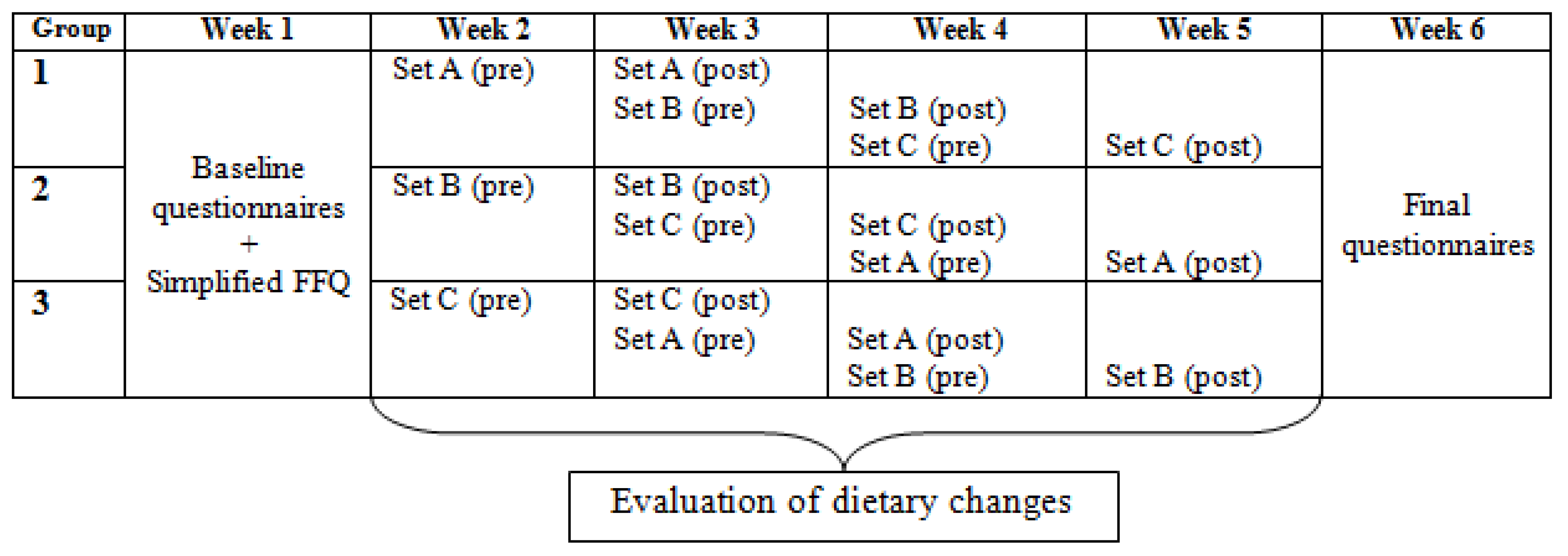
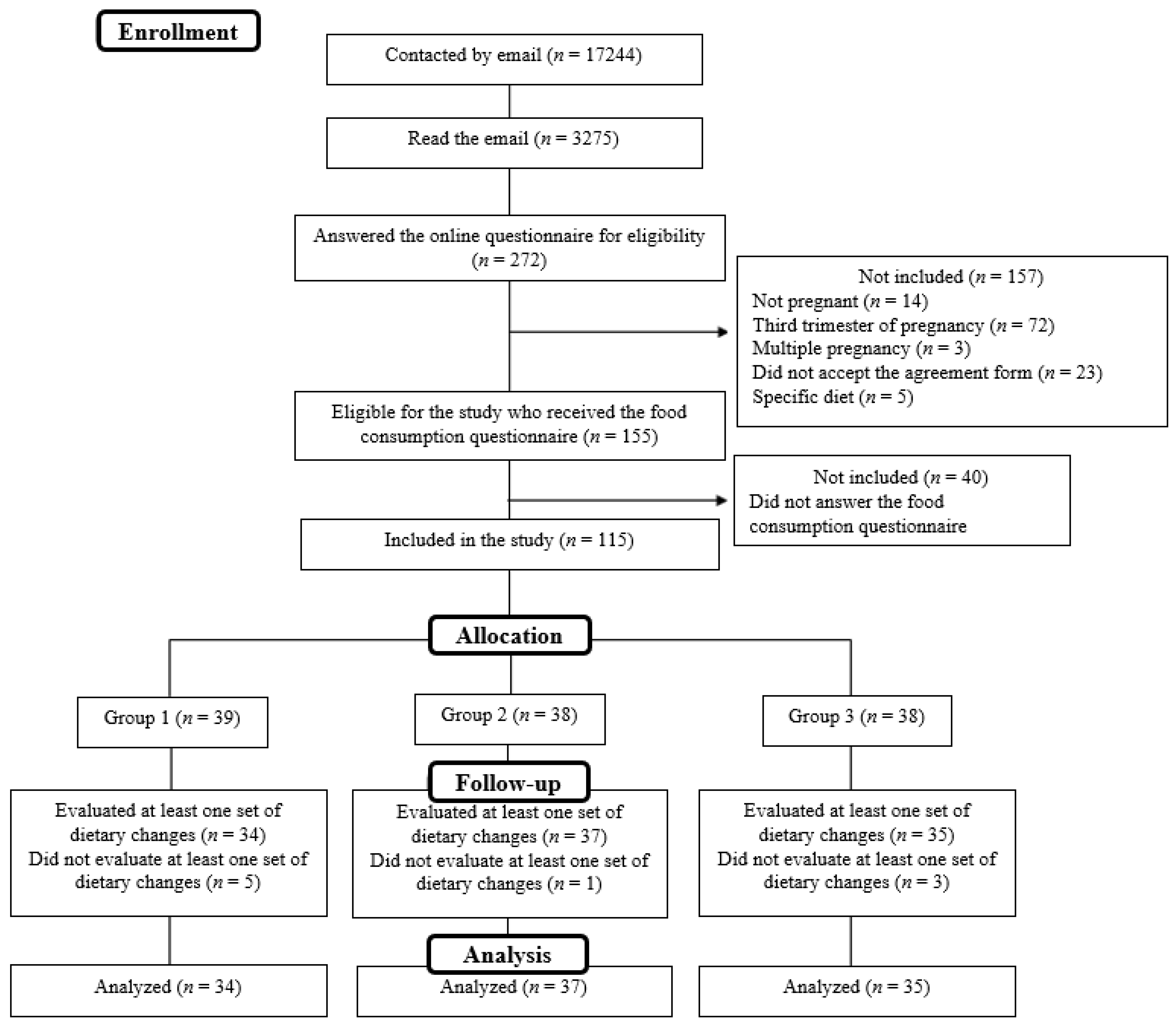
Tailored dietary counseling could be specifically efficient during pregnancy, a period accompanied by a rise in nutrition awareness, but little is known about the expectations of pregnant women in this regard. We studied these expectations regarding tailored dietary advice in French women during their pregnancy, as well as their motivations and the perceived barriers and enablers. In French pregnant women, we evaluated the perceptions of tailored dietary advice provided by stepwise dietary counseling based on three types of dietary changes, consisting of: (1) a modification of the amounts consumed, (2) substitutions within the food subgroups, and (3) substitutions between food subgroups. A sequential explanatory mixed-method approach was designed. Using qualitative data from a focus group study (n = 40), we intended to explore in depth the women’s expectations regarding dietary advice and adherence to a tailored approach. These were combined with quantitative and qualitative data from a 6-week online longitudinal study (n = 115), using questionnaires designed to assess the modifications of dietary habits during pregnancy and to evaluate each type of dietary change. Both studies confirmed that most women in our samples did indeed intend to institute changes regarding healthier dietary practices during pregnancy. The principal motivation behind changes to their habits was to ensure the health and well-being of both their babies and themselves. The proposal of dietary advice that is tailored to both the current diet and the specific needs of pregnant women, but that is also positive and credible, was perceived as enabling implementing healthier dietary practices during pregnancy. Regarding the implementation of the dietary changes proposed, the enablers and barriers identified differed between modifications of the amounts consumed and substitutions. The women displayed interest in all types of dietary changes. This gave relevance to combining different types of changes in order to propose dietary counseling during pregnancy. Tailored dietary counseling was identified by French pregnant women in our samples as enabling them to adopt a healthier diet. However, perceived barriers might limit the implementation of dietary changes, especially when they involved marked modifications to their usual diet.
Keywords: pregnancy; tailored dietary counseling; mixed methods; dietary modifications; motivations; barriers and enablers pregnancy; tailored dietary counseling; mixed methods; dietary modifications; motivations; barriers and enablers