Article

TPDTC-Net-DRA: Enhancing Nowcasting of Heavy Precipitation via Dynamic Region Attention

1
School of Computer Science, China University of Geosciences, Wuhan 430074, China
2
College of Meteorology and Oceanography, National University of Defense Technology, Changsha 410073, China
*
Author to whom correspondence should be addressed.
Remote Sens. 2026, 18(3), 490; https://doi.org/10.3390/rs18030490
Submission received: 17 December 2025 / Revised: 30 January 2026 / Accepted: 31 January 2026 / Published: 3 February 2026
(This article belongs to the Special Issue Improving Meteorological Forecasting Models Using Remote Sensing Data)

Abstract

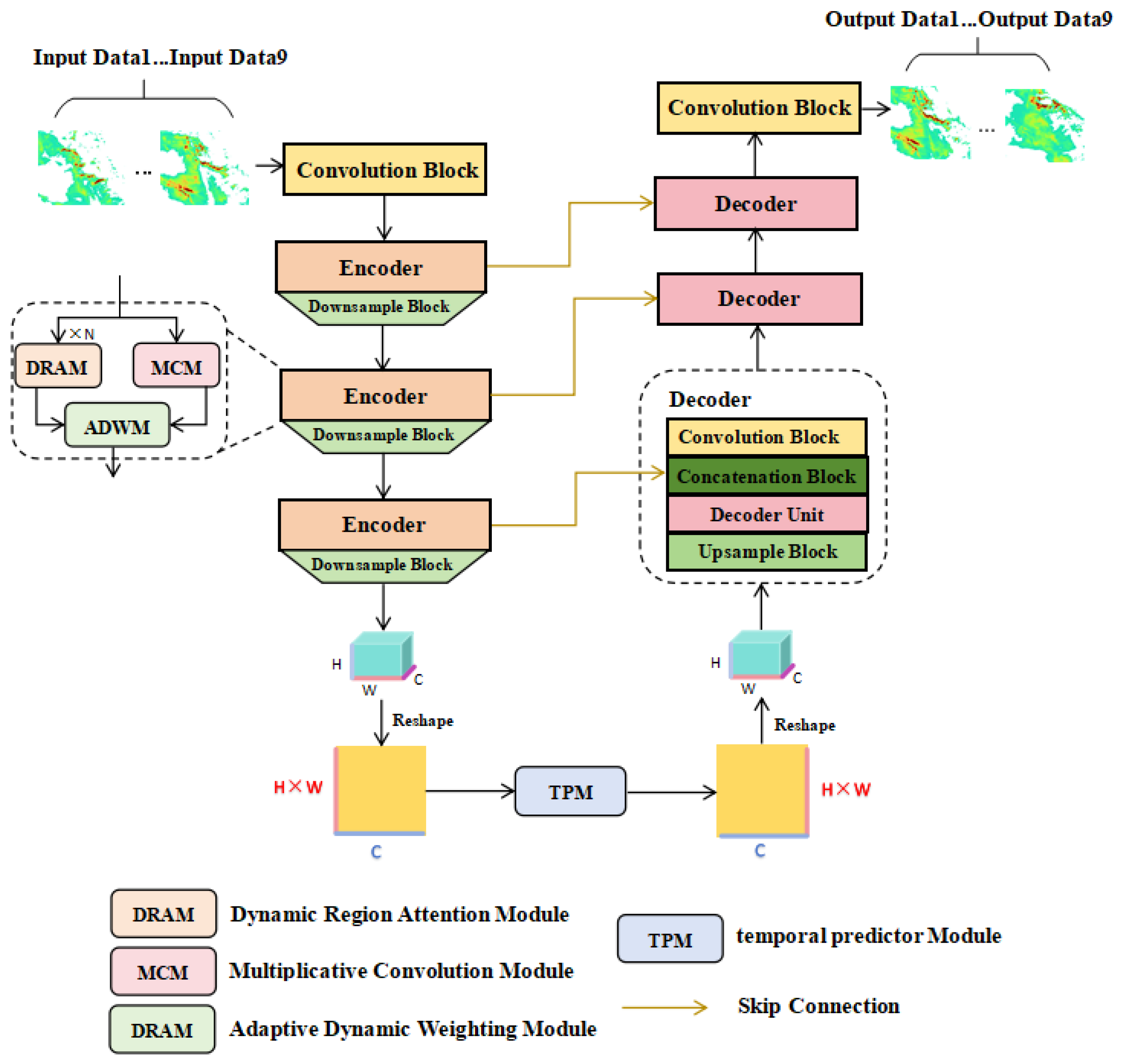
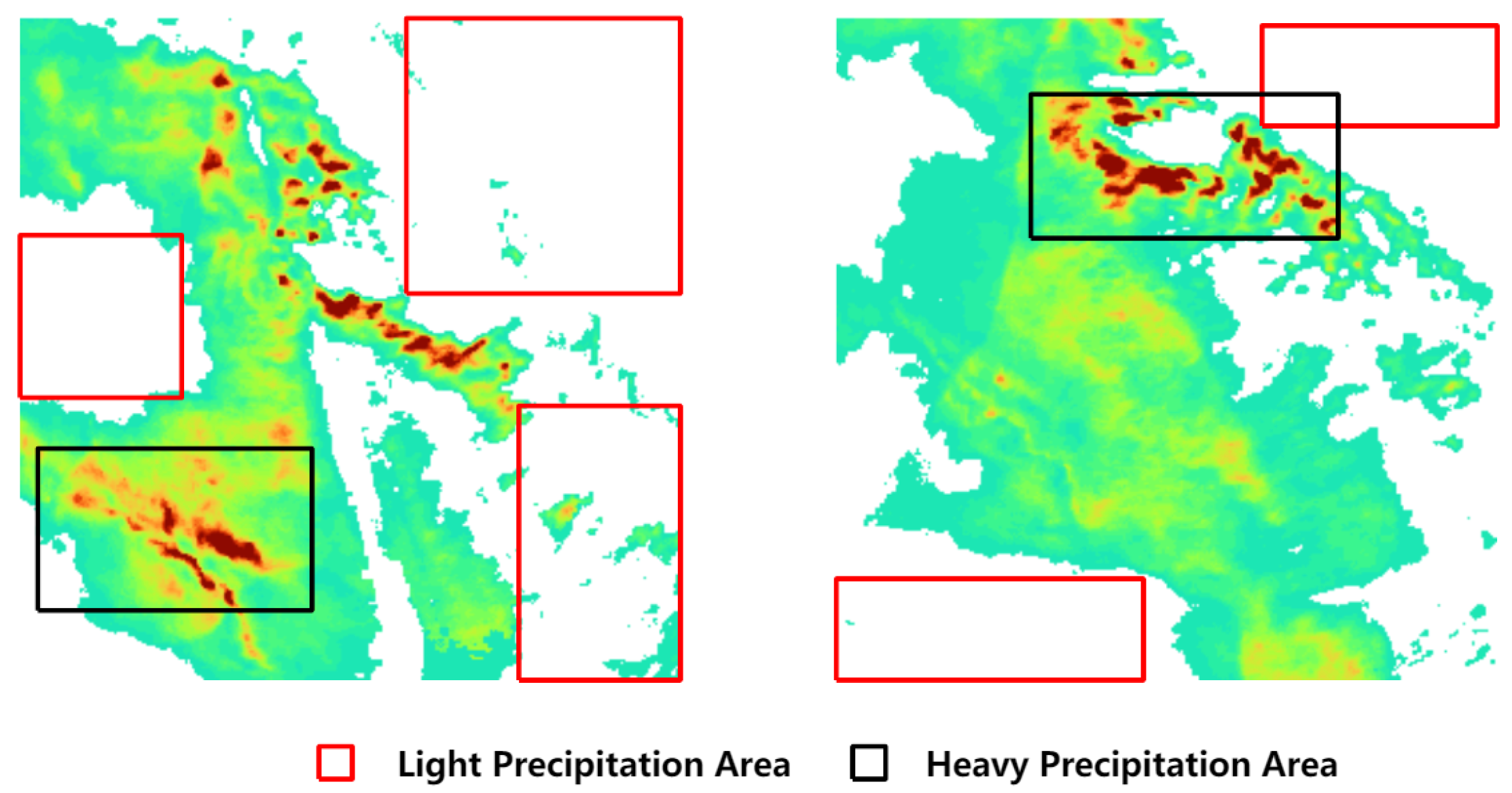
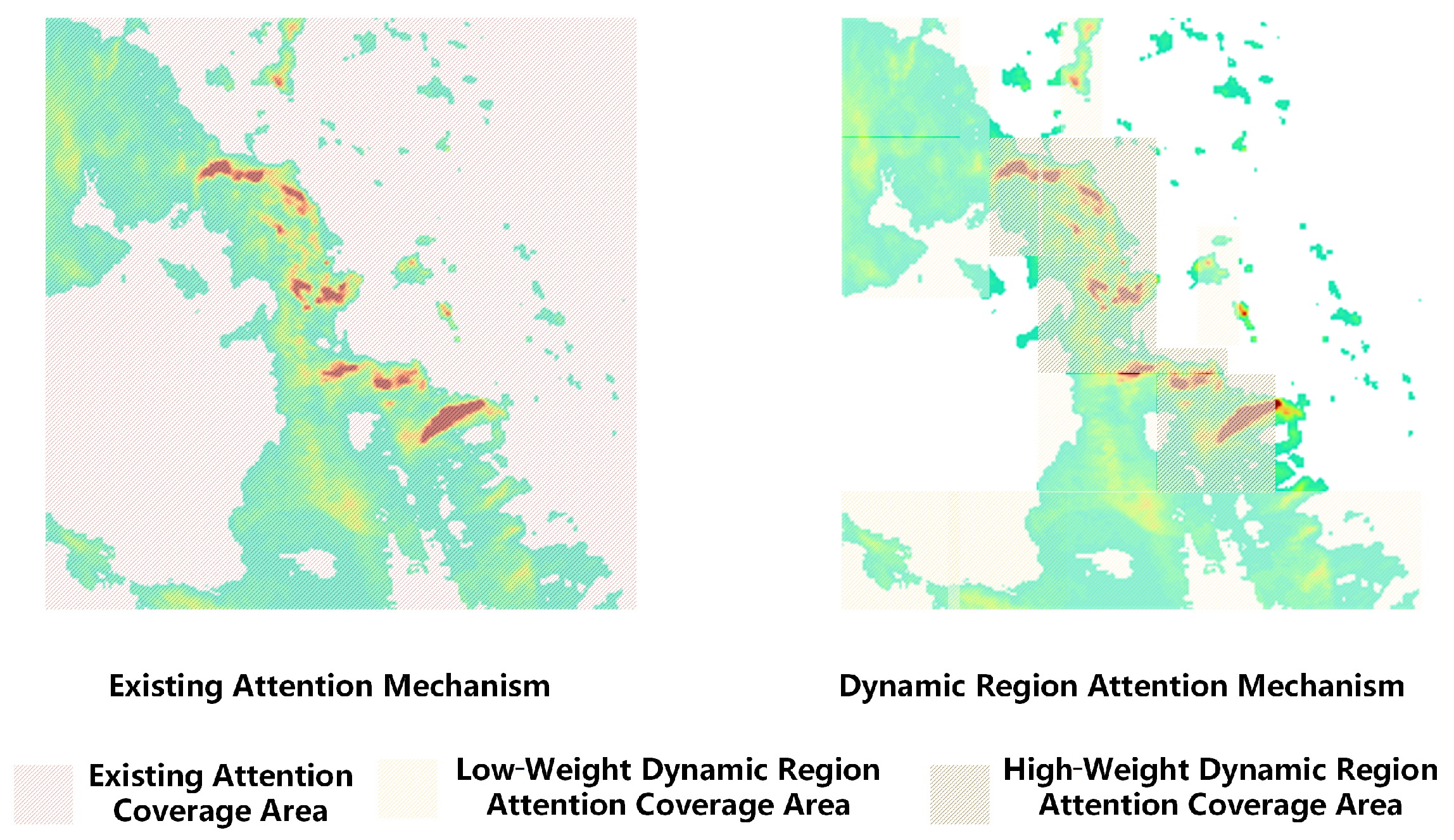
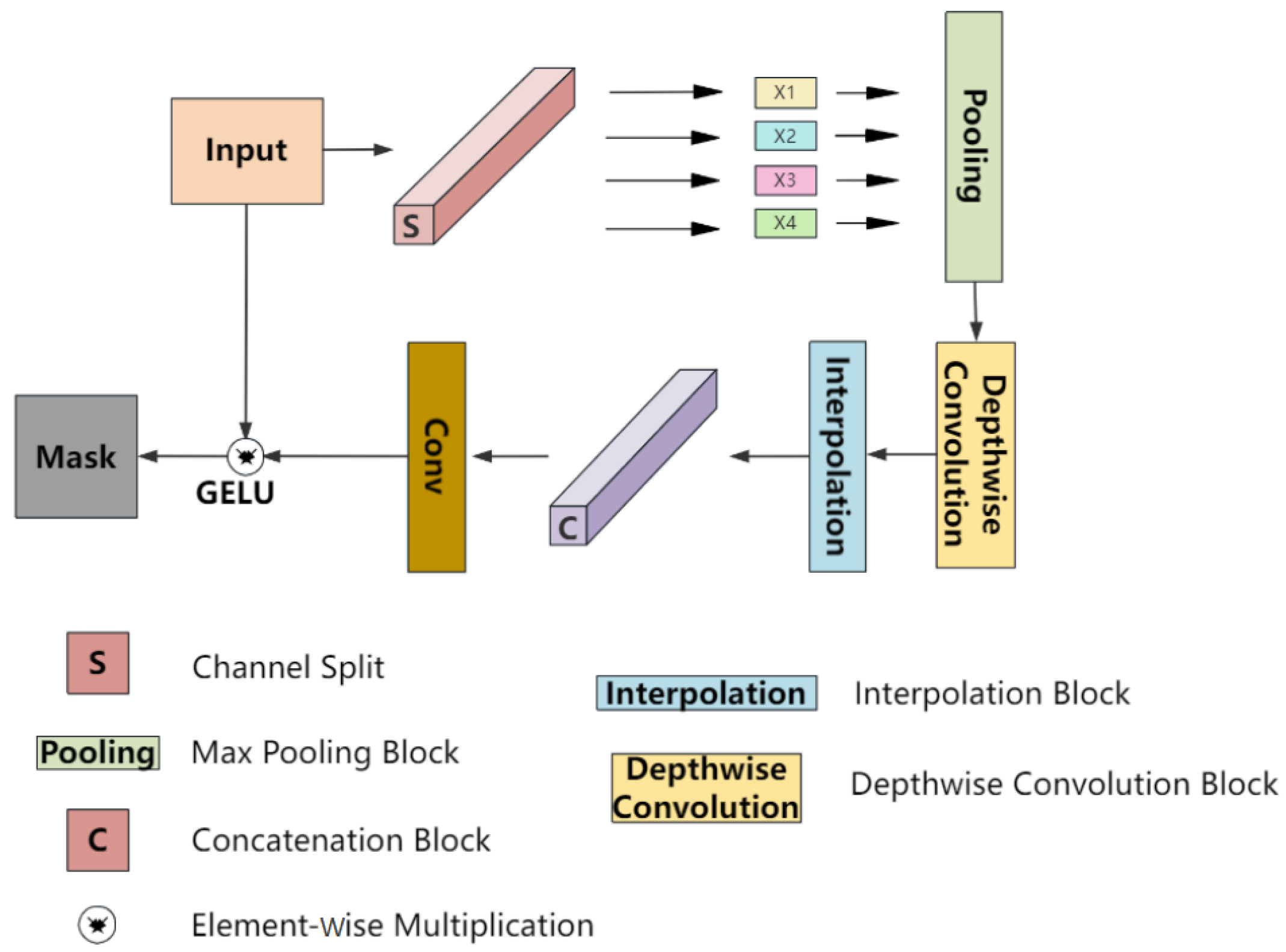
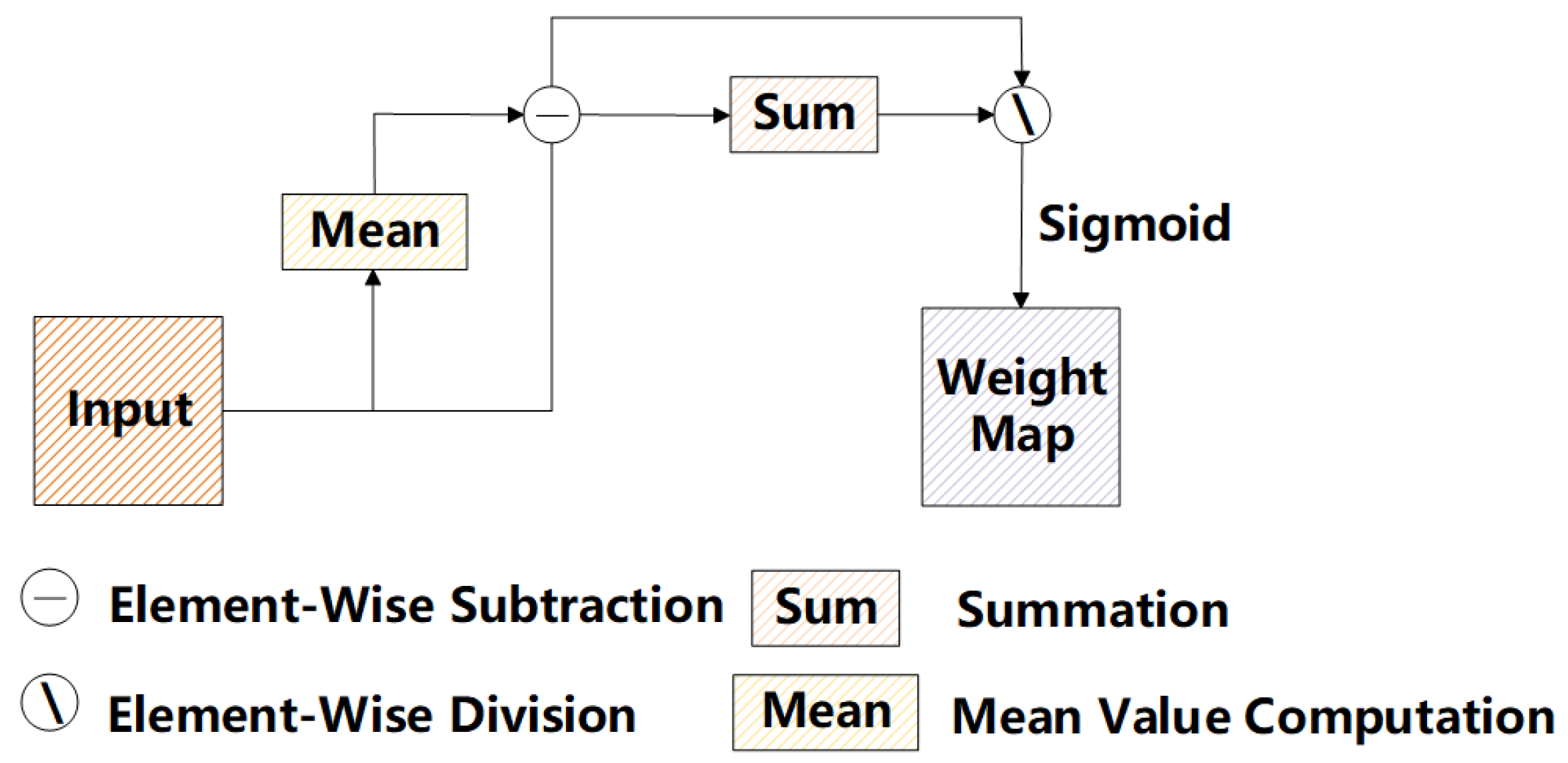
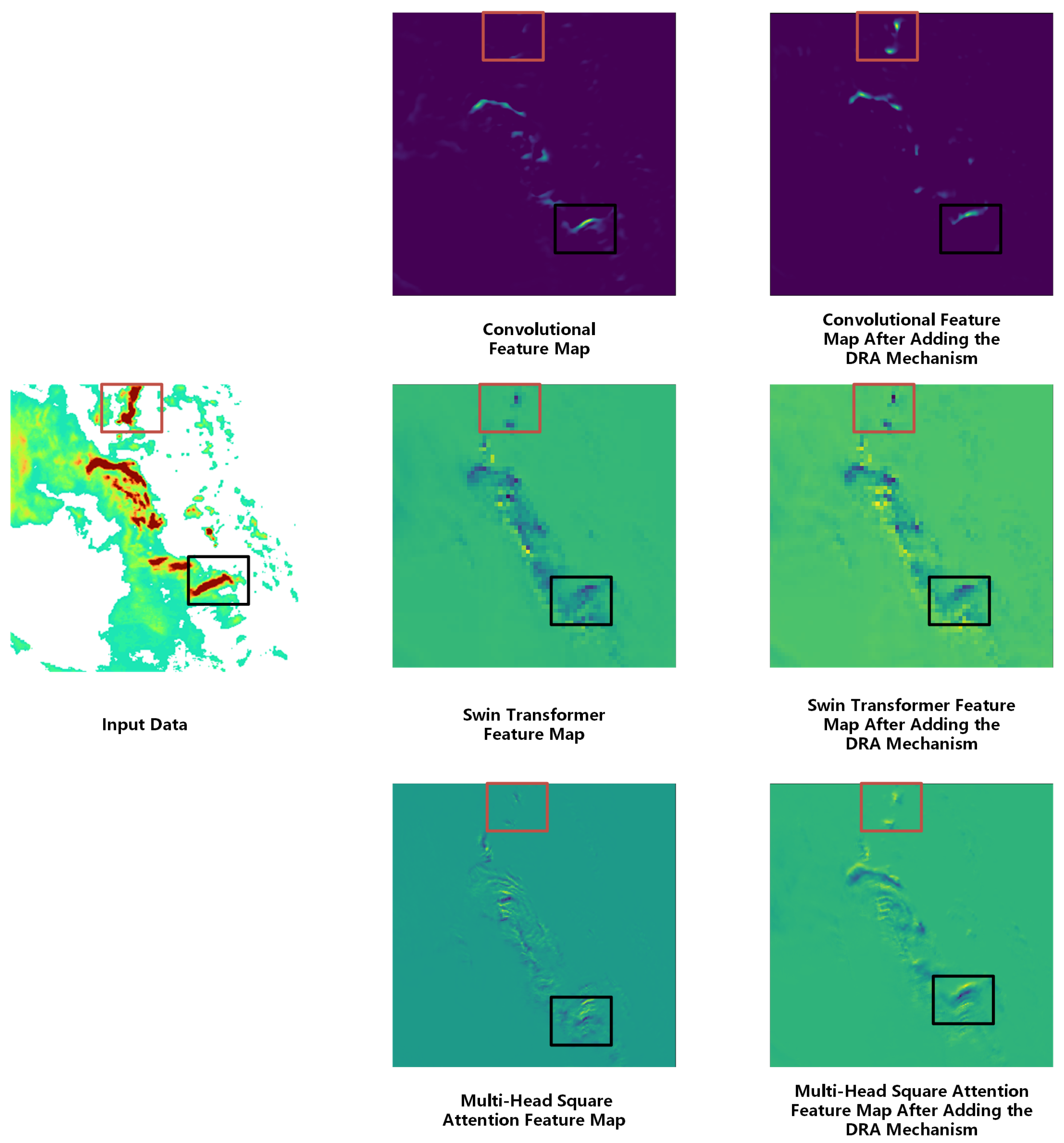
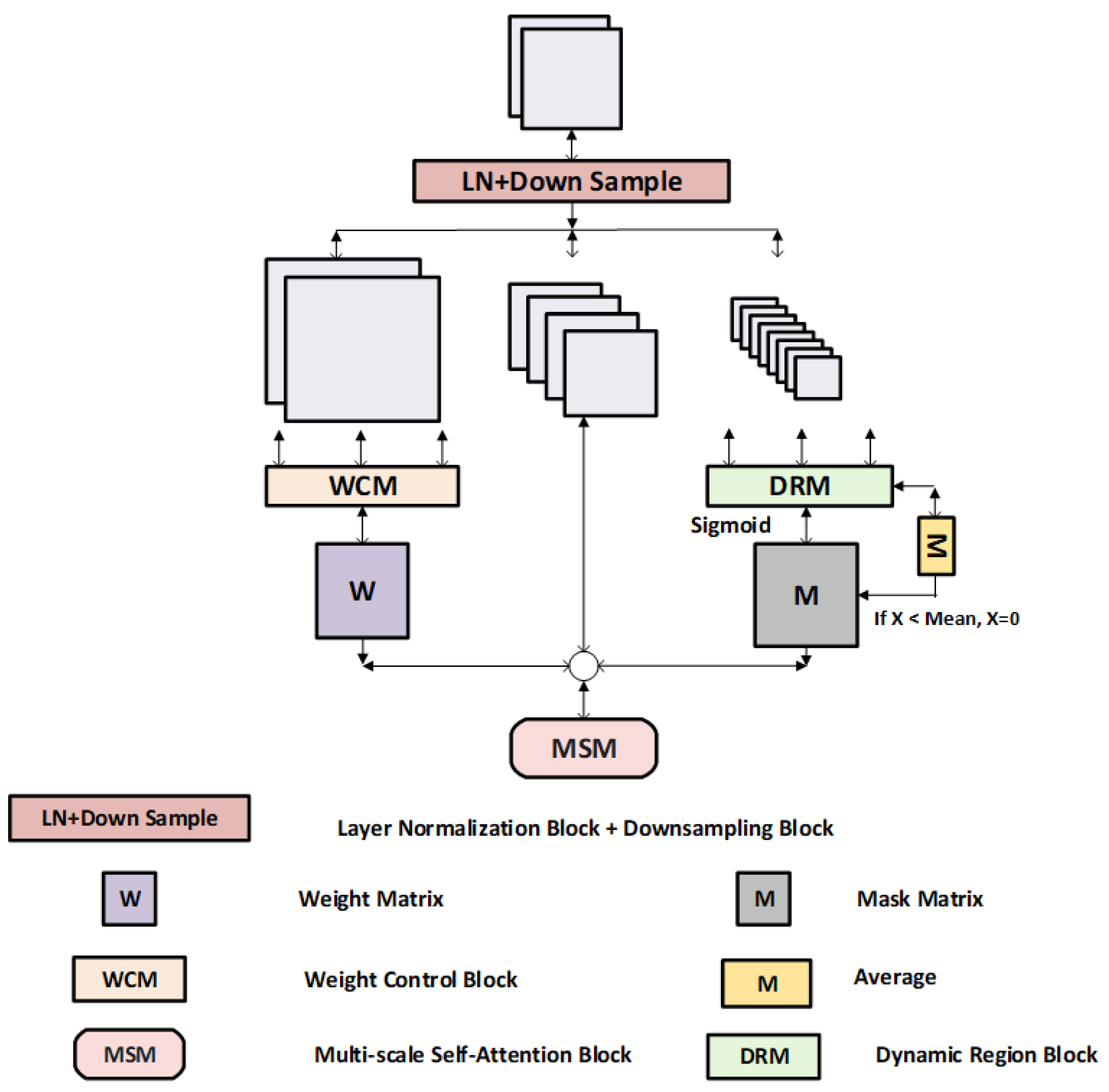
Heavy precipitation events are characterized by sudden onset, limited spatiotemporal scales, rapid evolution, and high disaster potential, posing long-standing challenges in weather forecasting. With the development of deep learning, an increasing number of researchers have leveraged its powerful feature representation and non-linear modeling capabilities to address the challenge of precipitation nowcasting. Despite recent advances in deep learning for precipitation nowcasting, most existing methods do not explicitly separate precipitation from non-precipitation regions. This often leads to the extraction of redundant or irrelevant features, thereby causing models to learn misleading patterns and ultimately reducing their predictive capability for heavy precipitation events. To address this issue, we propose a novel dynamic region attention (DRA) mechanism, and an improved model TPDTC-Net-DRA, based on our previously introduced TPDTC-Net. The proposed TPDTC-Net-DRA applies the DRA mechanism and incorporates its two key components: a dynamic region module and a weight control module. The dynamic region module generates a mask matrix that is applied to the feature maps, guiding the attention mechanism to focus only on precipitation areas. Meanwhile, the weight control module produces a location-sensitive weight matrix to direct the model’s attention toward regions with intense precipitation. Extensive experiments demonstrate that TPDTC-Net-DRA achieves superior performance for heavy precipitation, outperforming current state-of-the-art methods, and indicate that the proposed DRA mechanism exhibits strong generalization ability across diverse model architectures.
Keywords: heavy precipitation; nowcasting; dynamic region attention; TPDTC-Net-DRA heavy precipitation; nowcasting; dynamic region attention; TPDTC-Net-DRA