Article

Spatial-Temporal Analysis of the Effects of Frost and Temperature on Vegetation in the Third Pole Based on Remote Sensing

1
Qinghai Institute of Technology, Xining 810016, China
2
Key Laboratory of Remote Sensing of Gansu Province, Heihe Remote Sensing Experimental Research Station, Northwest Institute of Eco-Environment and Resources, Chinese Academy of Sciences, Lanzhou 730000, China
3
Key Laboratory of Ecohydrology of Inland River Basin/Gansu Qilian Mountains Ecology Research Center, Northwest Institute of Eco-Environment and Resources, Chinese Academy of Sciences, Lanzhou 730000, China
4
Earth Systems Research Center, Institute for the Study of Earth, Oceans, and Space, University of New Hampshire, Durham, NH 03824, USA
5
Key Laboratory of Western China’s Environmental Systems (Ministry of Education), Lanzhou University, Lanzhou 730000, China
6
School of Geography and Planning, Sun Yat-sen University, Guangzhou 510006, China
*
Author to whom correspondence should be addressed.
Remote Sens. 2024, 16(19), 3565; https://doi.org/10.3390/rs16193565
Submission received: 11 August 2024 / Revised: 18 September 2024 / Accepted: 20 September 2024 / Published: 25 September 2024

Abstract

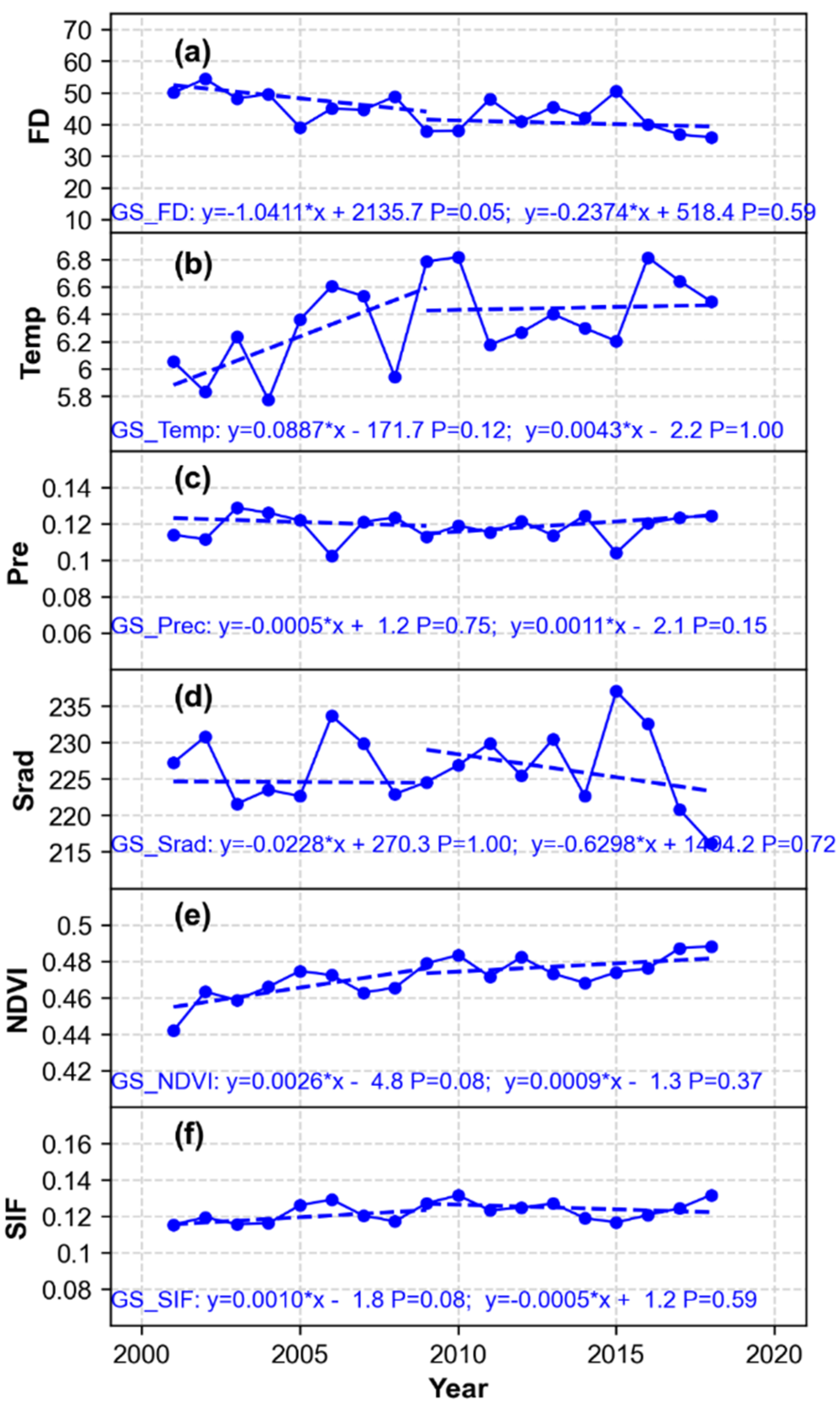
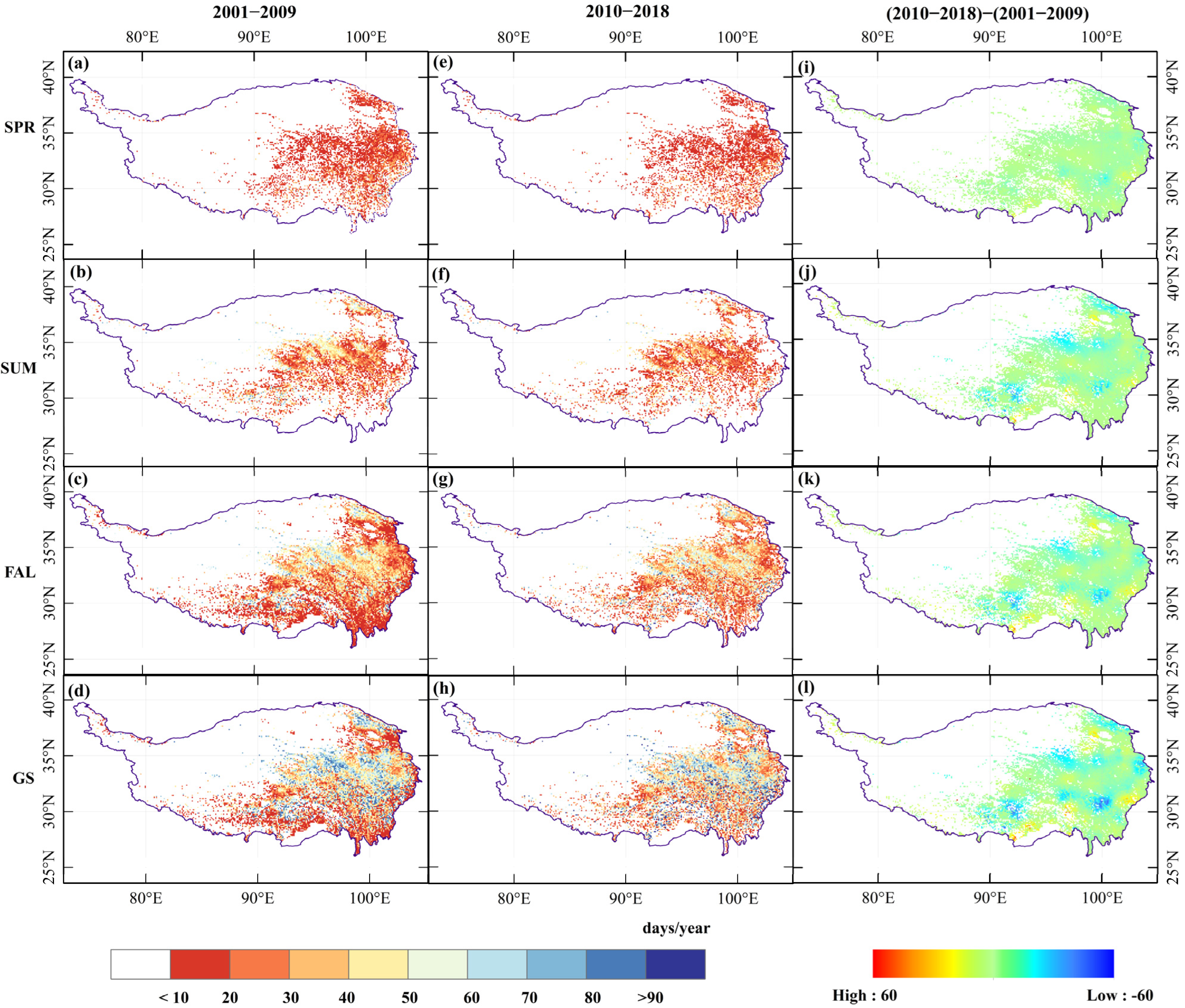
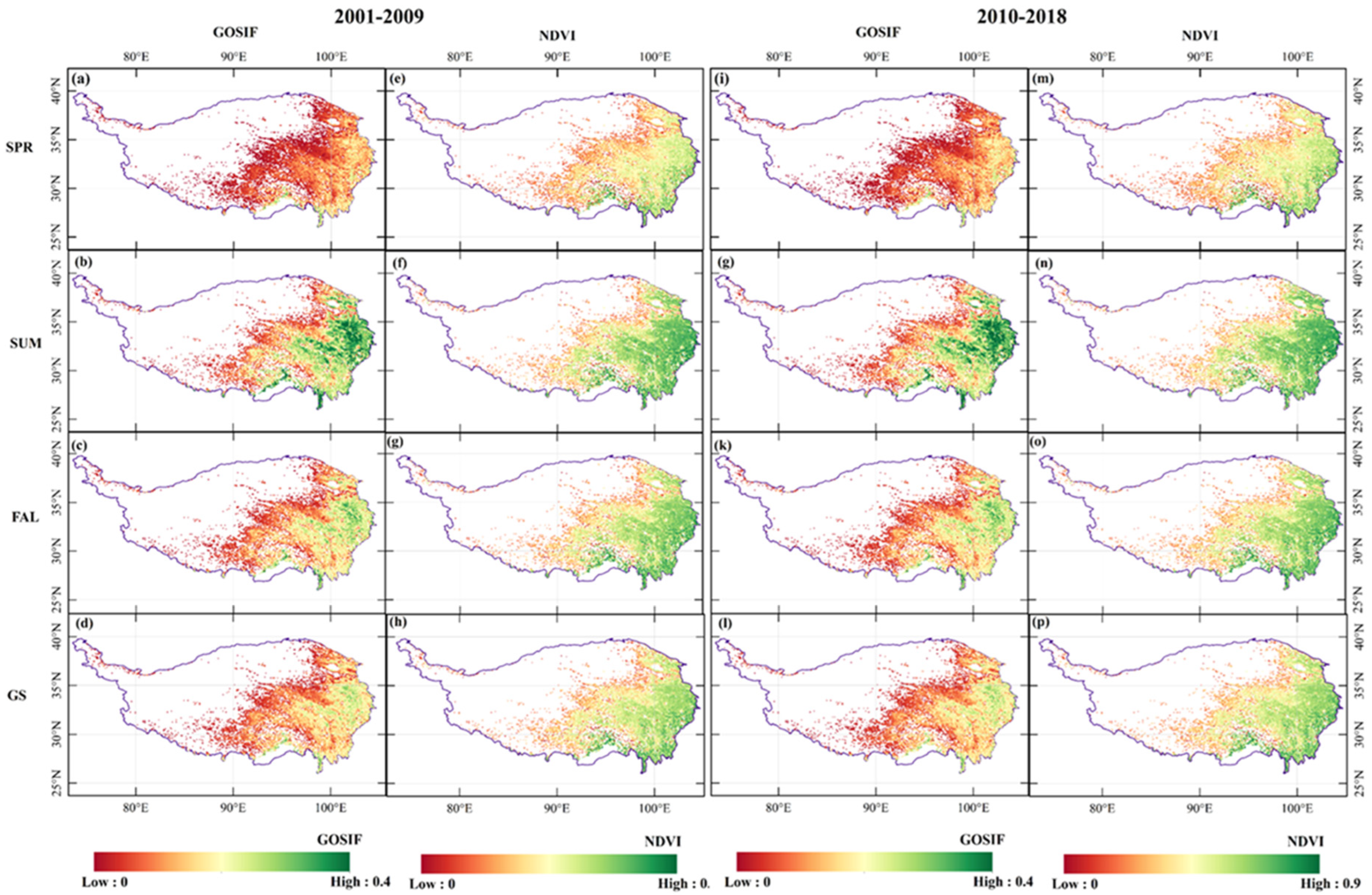
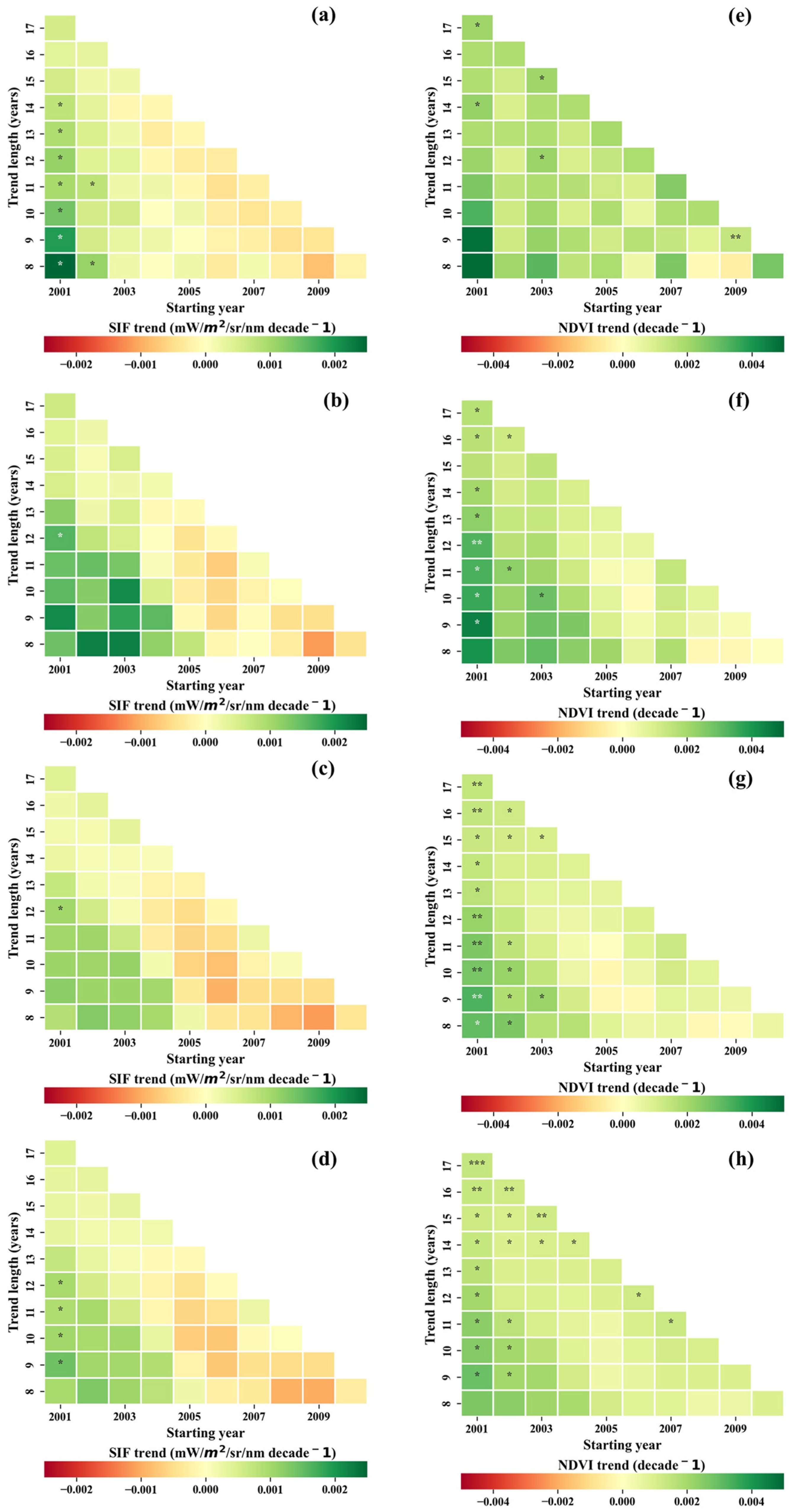
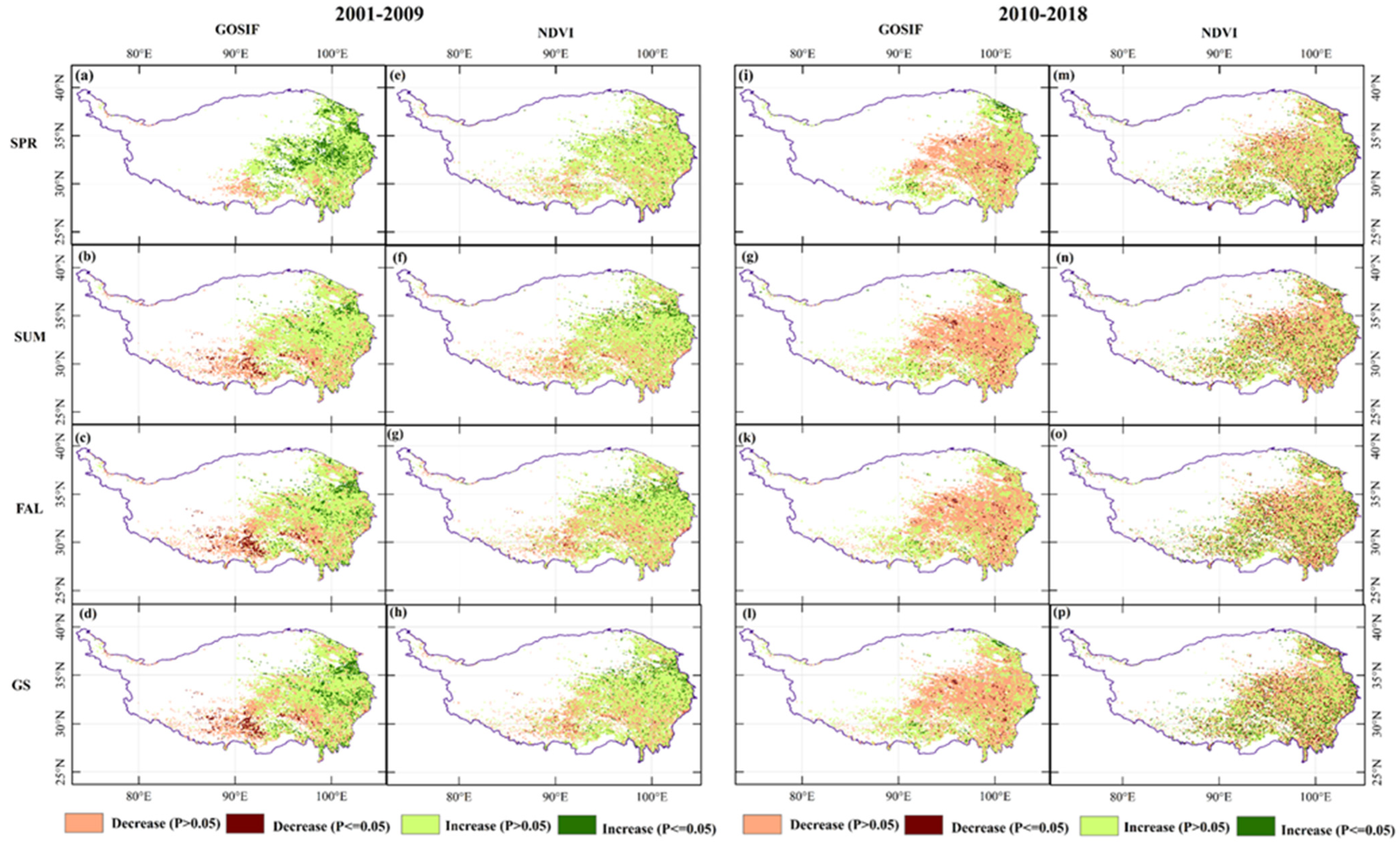
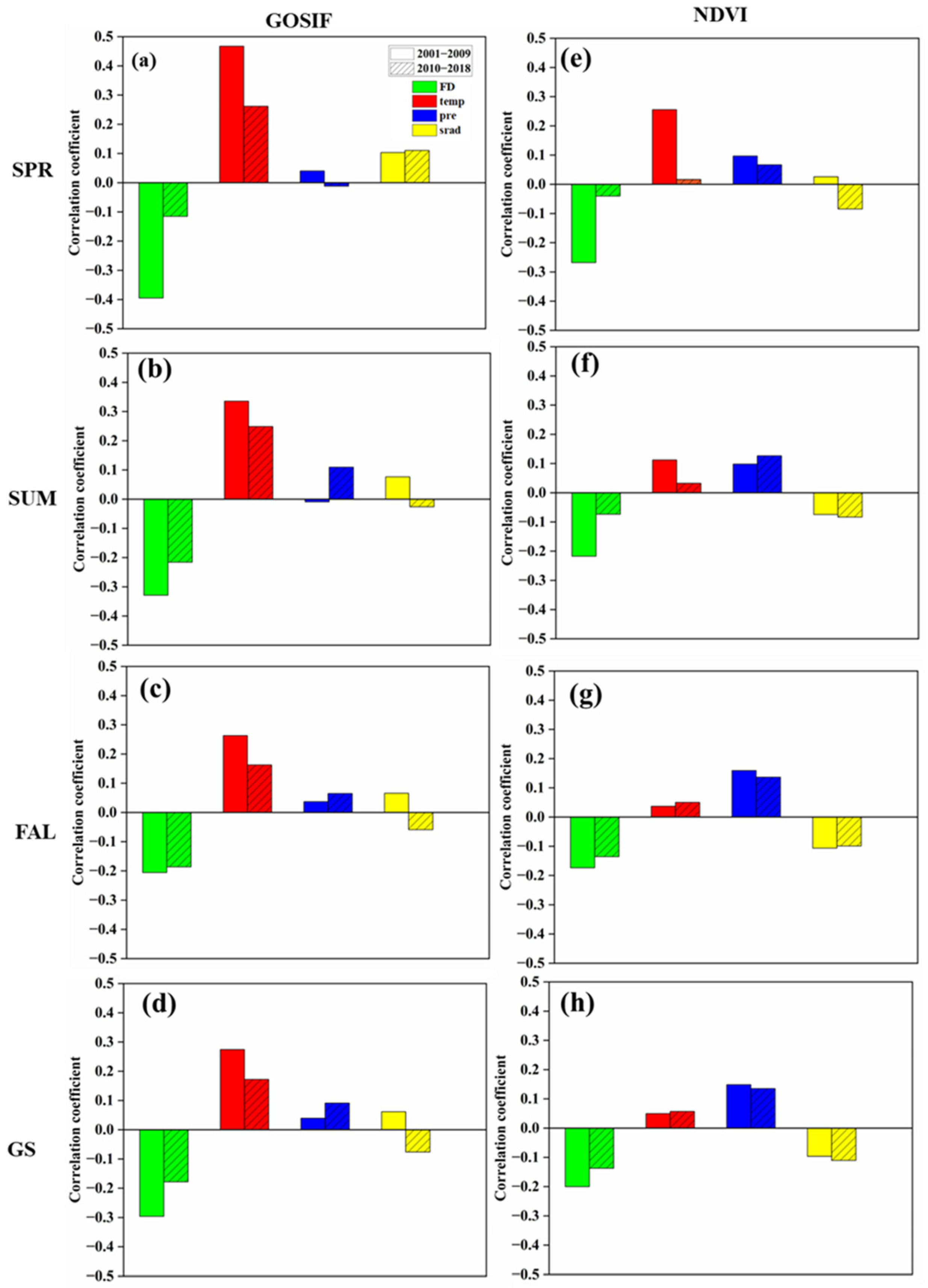
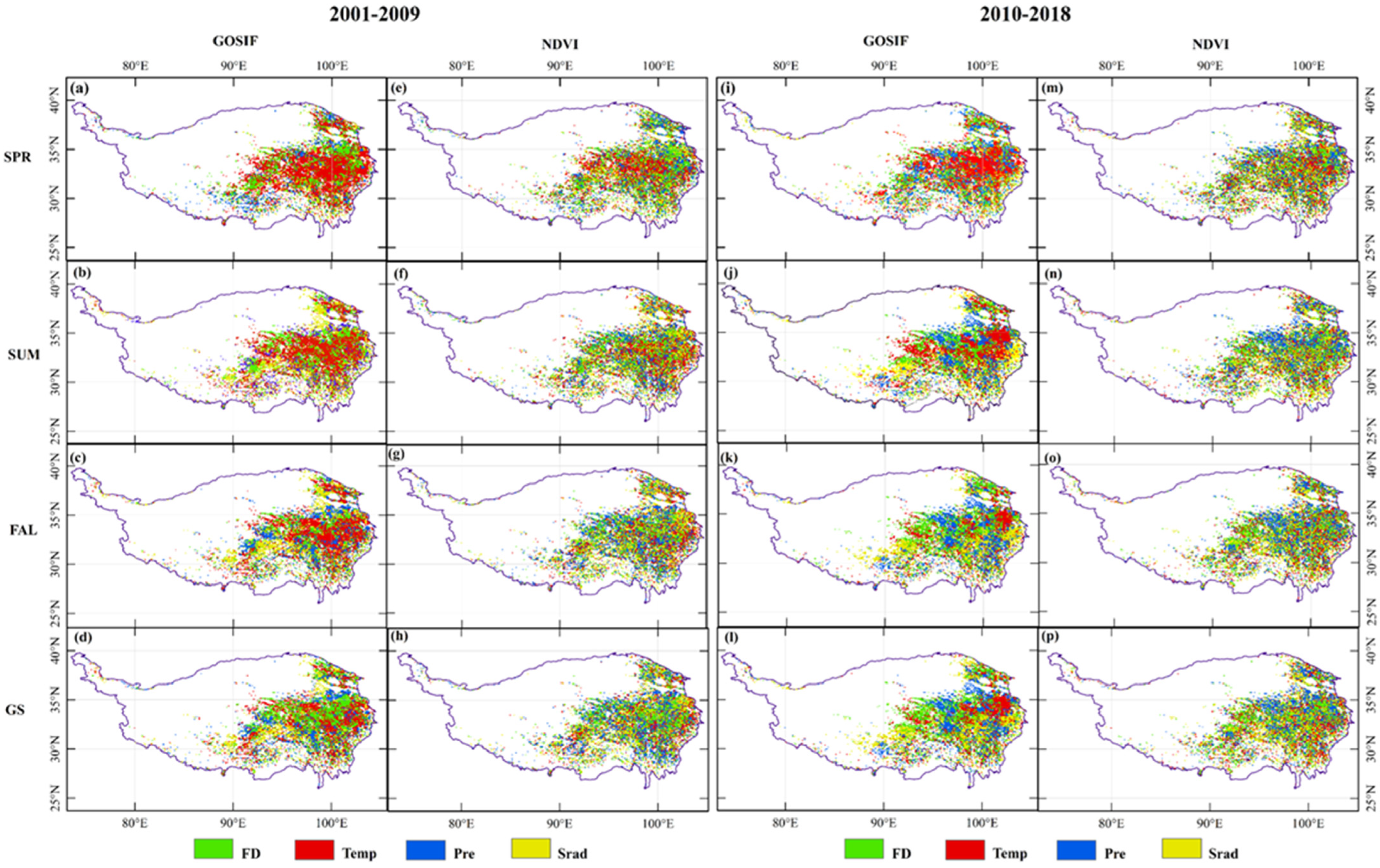
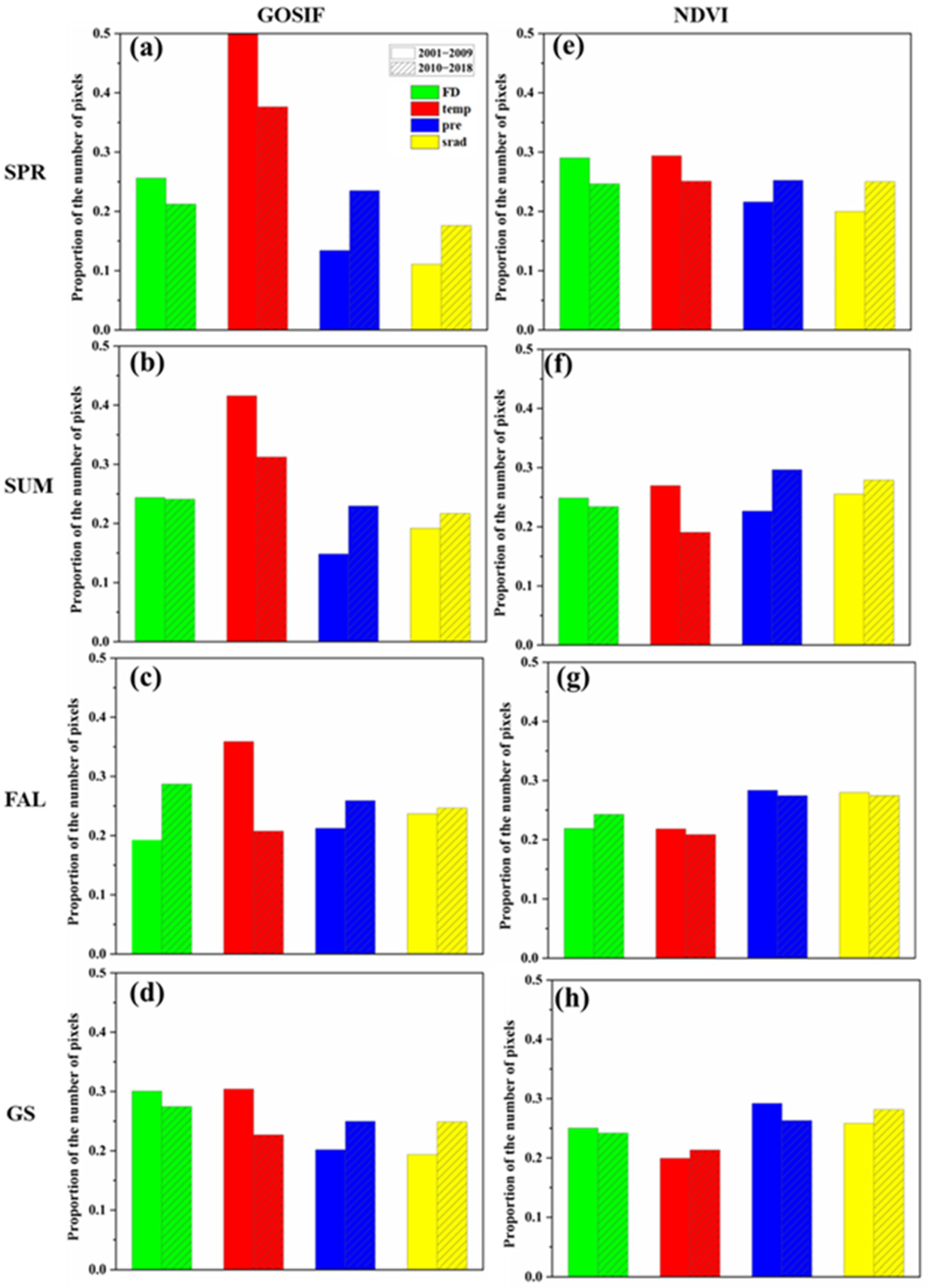
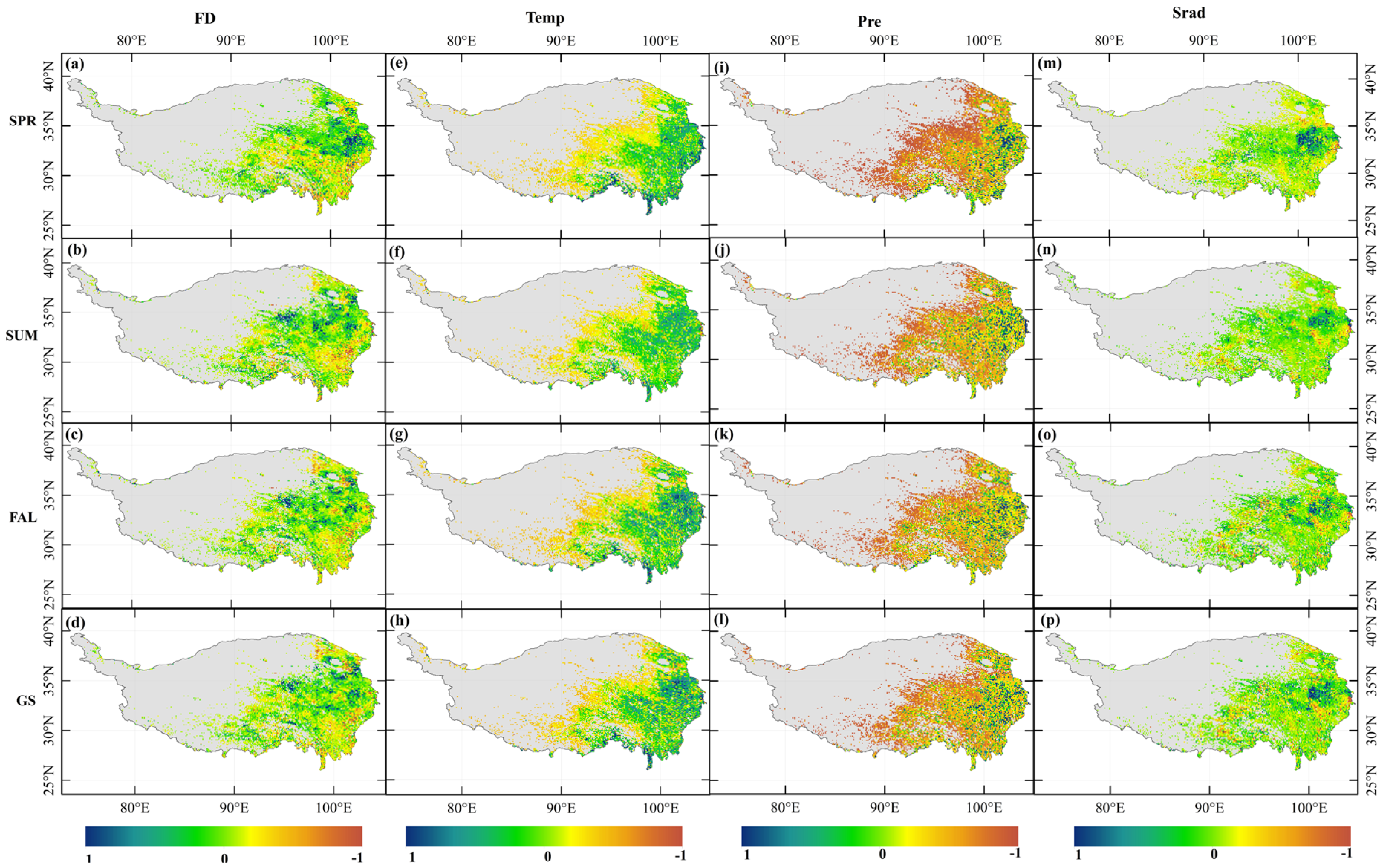
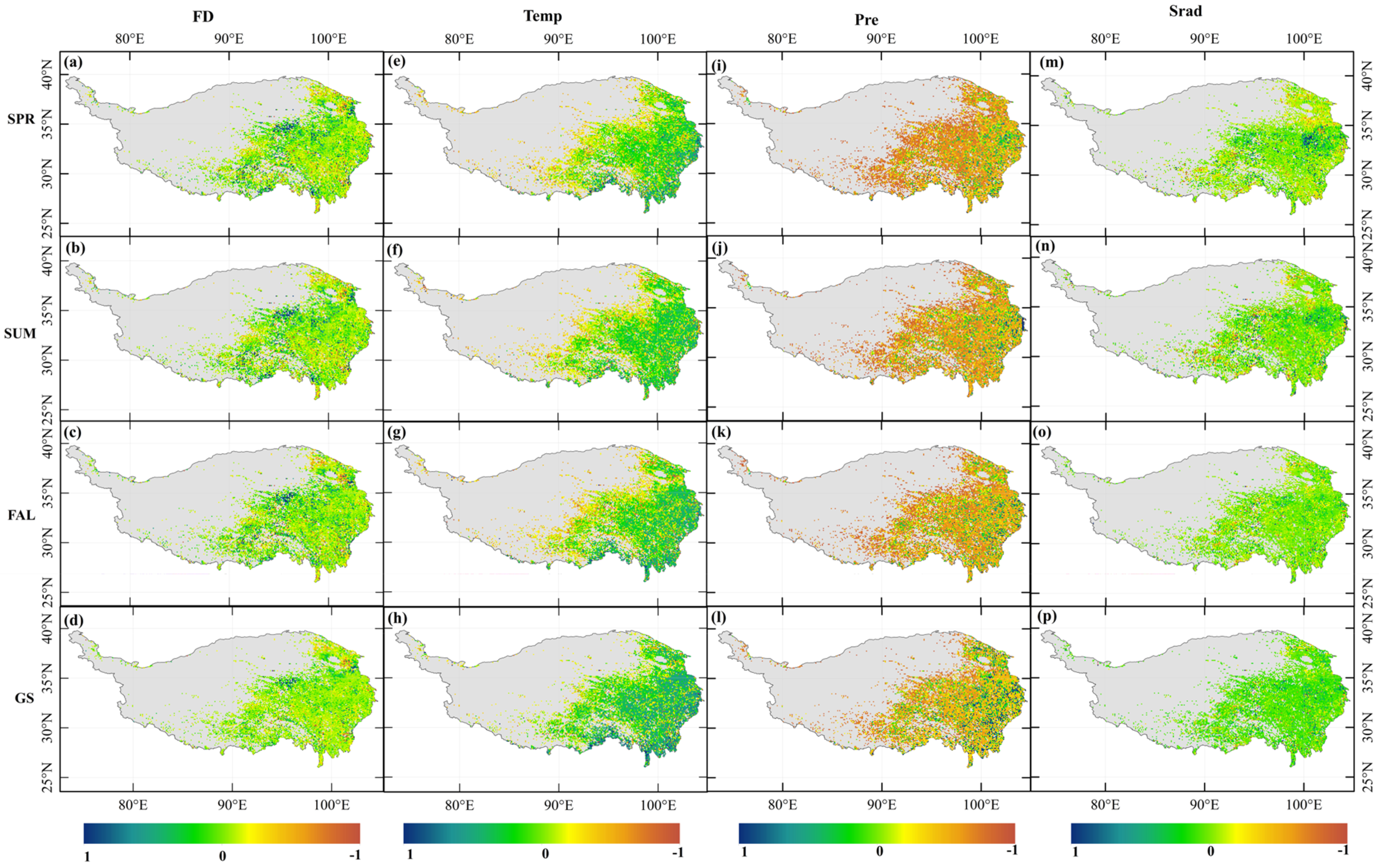
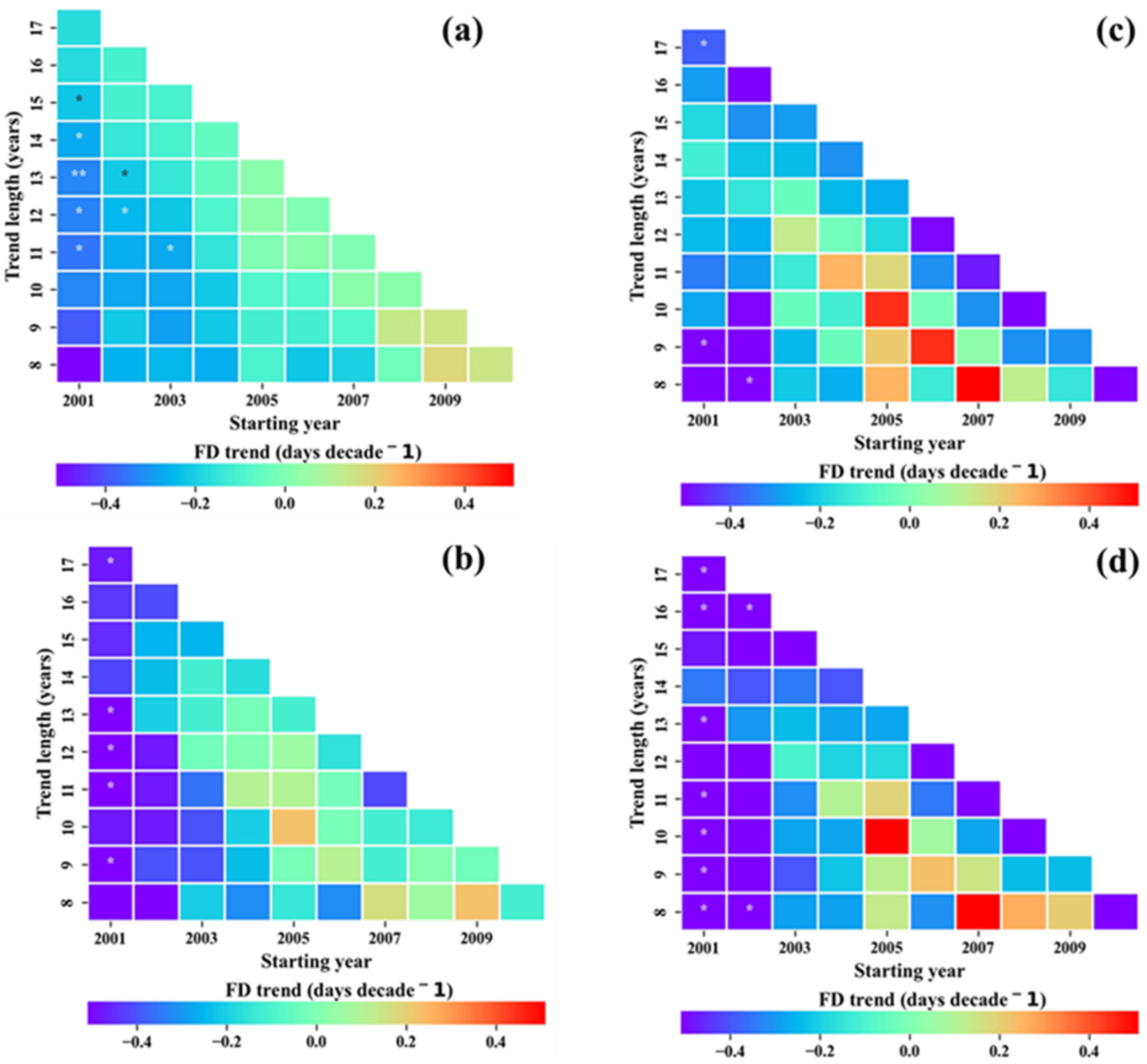
Frost events during the growing season can significantly impact vegetation function and structure. Solar-induced chlorophyll fluorescence (SIF) and the normalized difference vegetation index (NDVI) are two widely used proxies for measuring vegetation growth. However, the extent to which NDVI and SIF respond to frost events and how the responses vary under different temperature, precipitation, and shortwave radiation conditions are still unclear. In this study, spatially gridded meteorological data were employed to identify frost events during the growing season in the Third Pole. Subsequently, vegetation responses to the frost events were examined using remotely sensed SIF and NDVI data in different seasons in the Third Pole. During the growing season, the number of frost events declined faster from 2001 to 2009 than from 2010 to 2018. From 2001 to 2009, most alpine vegetation areas in the Third Pole exhibited greening trends. SIF exhibited a strong correlation with environmental factors and showed higher sensitivity to environmental factors compared to the NDVI. Over the past two decades, the impact of temperature and frost days on alpine vegetation has decreased while the impact of precipitation and radiation has increased. This suggests that the control mechanisms governing alpine vegetation are gradually shifting in response to ongoing climate change in the Third Pole. This study enhances our comprehension of frost changes in alpine regions during the growing season and enriches our understanding of how alpine vegetation responds to climate change.
Keywords: frost days; Alpine vegetation; GOSIF; NDVI; Third Pole frost days; Alpine vegetation; GOSIF; NDVI; Third Pole