Article

Combining KAN with CNN: KonvNeXt’s Performance in Remote Sensing and Patent Insights

1
Center for Sustainable Environment Research, Korea Institute of Science and Technology, 5 Hwarang-ro 14-gil, Wolgok-dong, Seongbuk-gu, Seoul 02792, Republic of Korea
2
Department of Electrical, Electronic & Communication Engineering, Hanyang Cyber University, Seoul 04764, Republic of Korea
*
Author to whom correspondence should be addressed.
Remote Sens. 2024, 16(18), 3417; https://doi.org/10.3390/rs16183417
Submission received: 8 July 2024 / Revised: 12 August 2024 / Accepted: 10 September 2024 / Published: 14 September 2024

Abstract

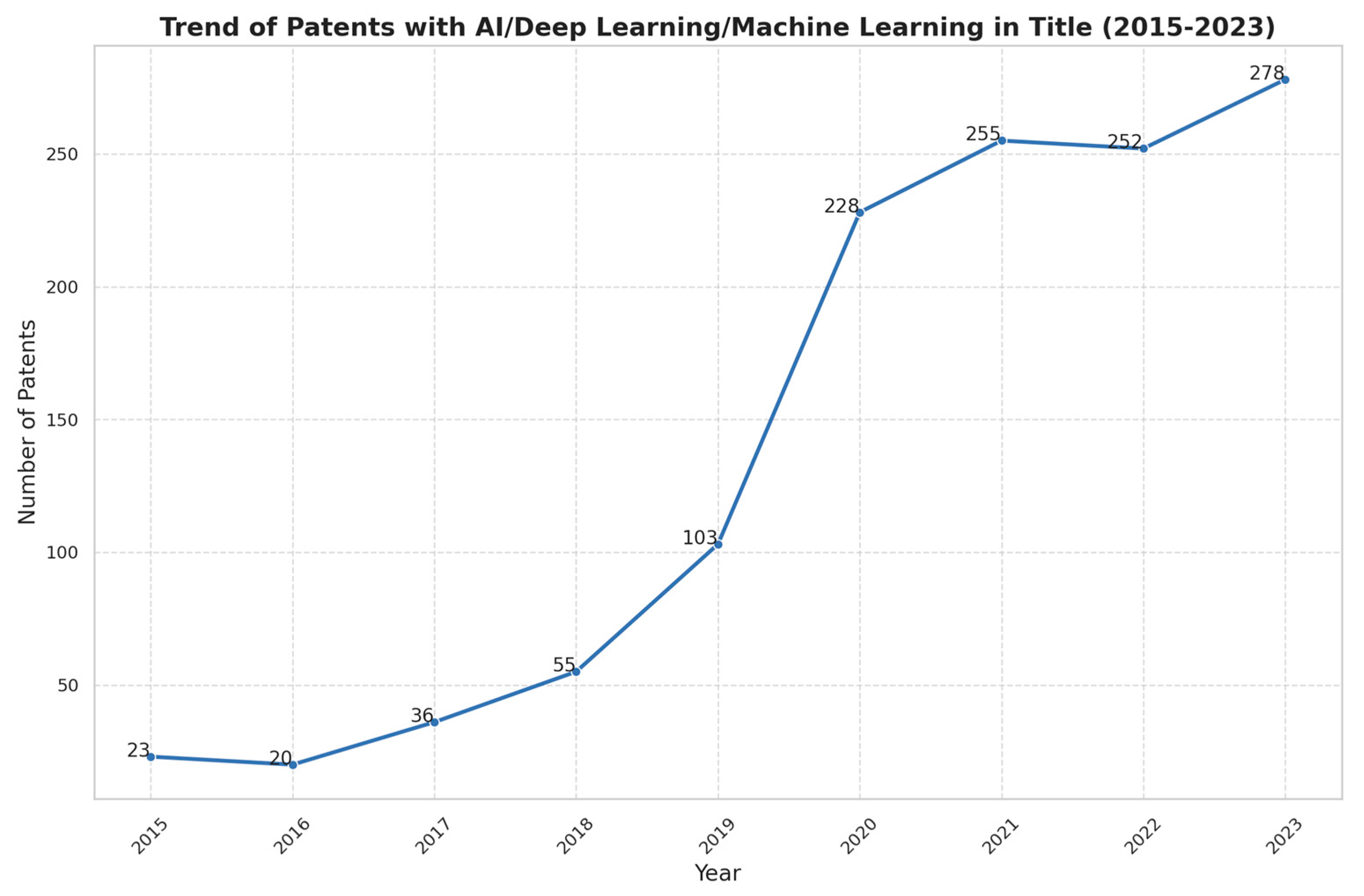
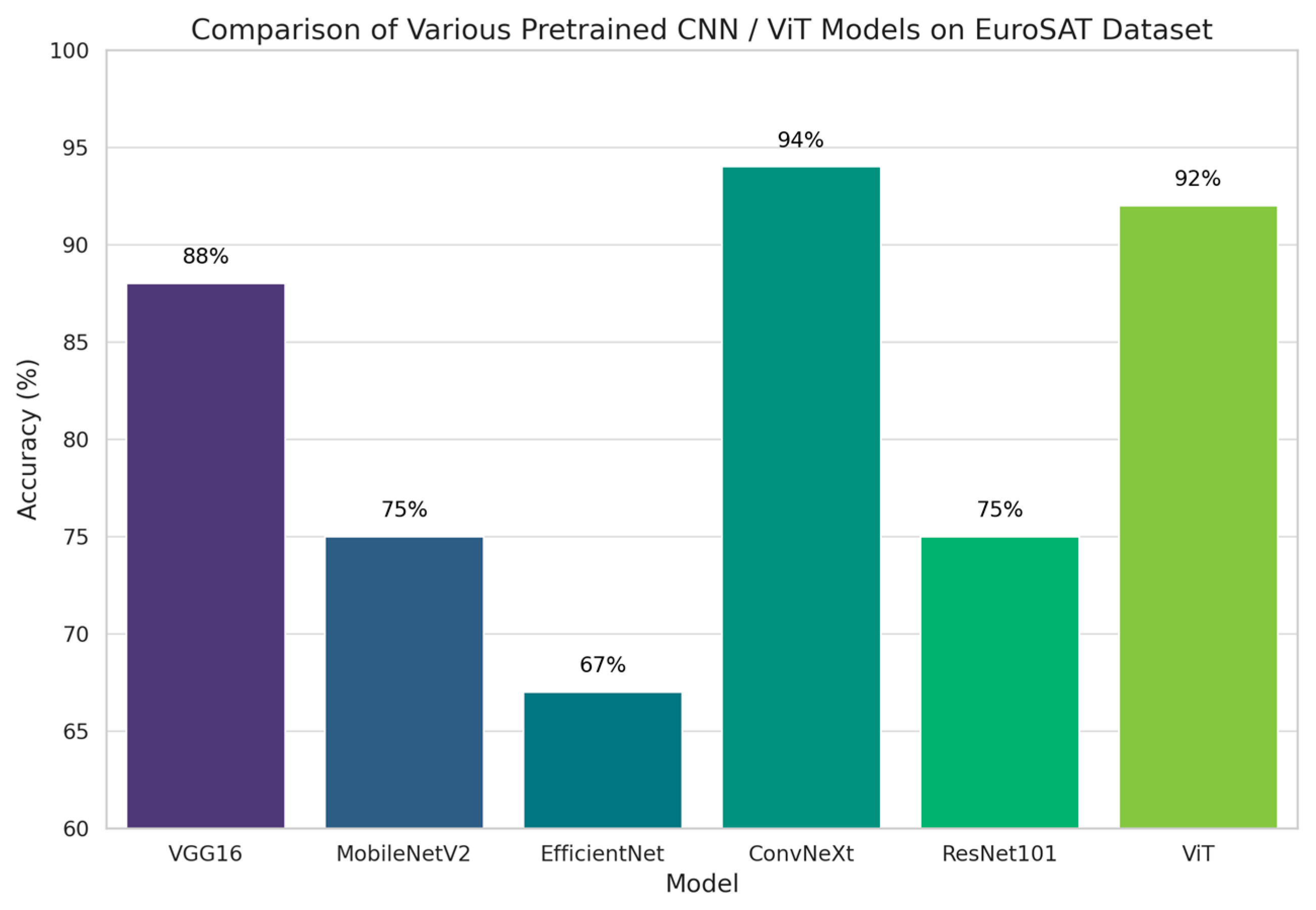
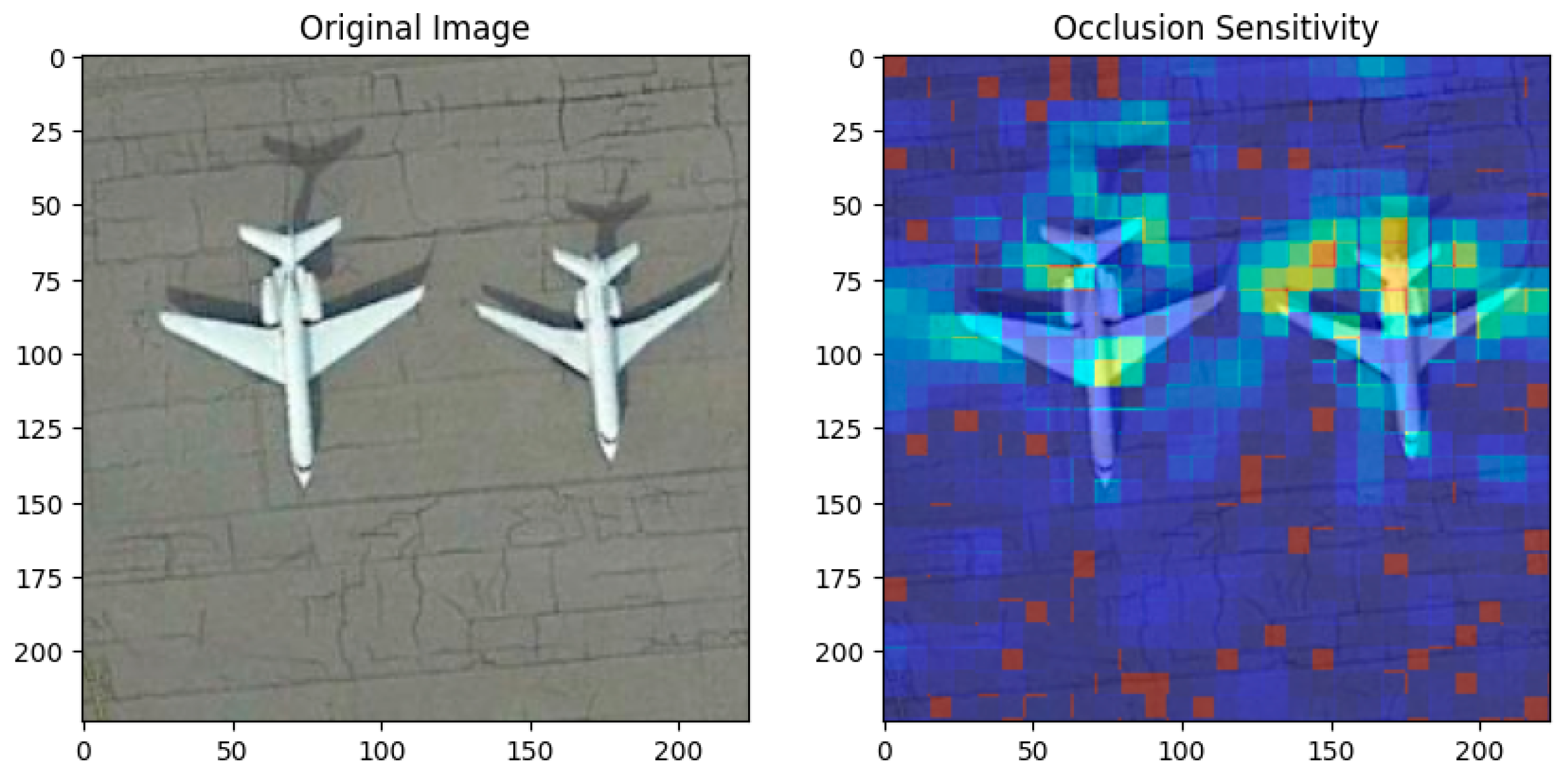
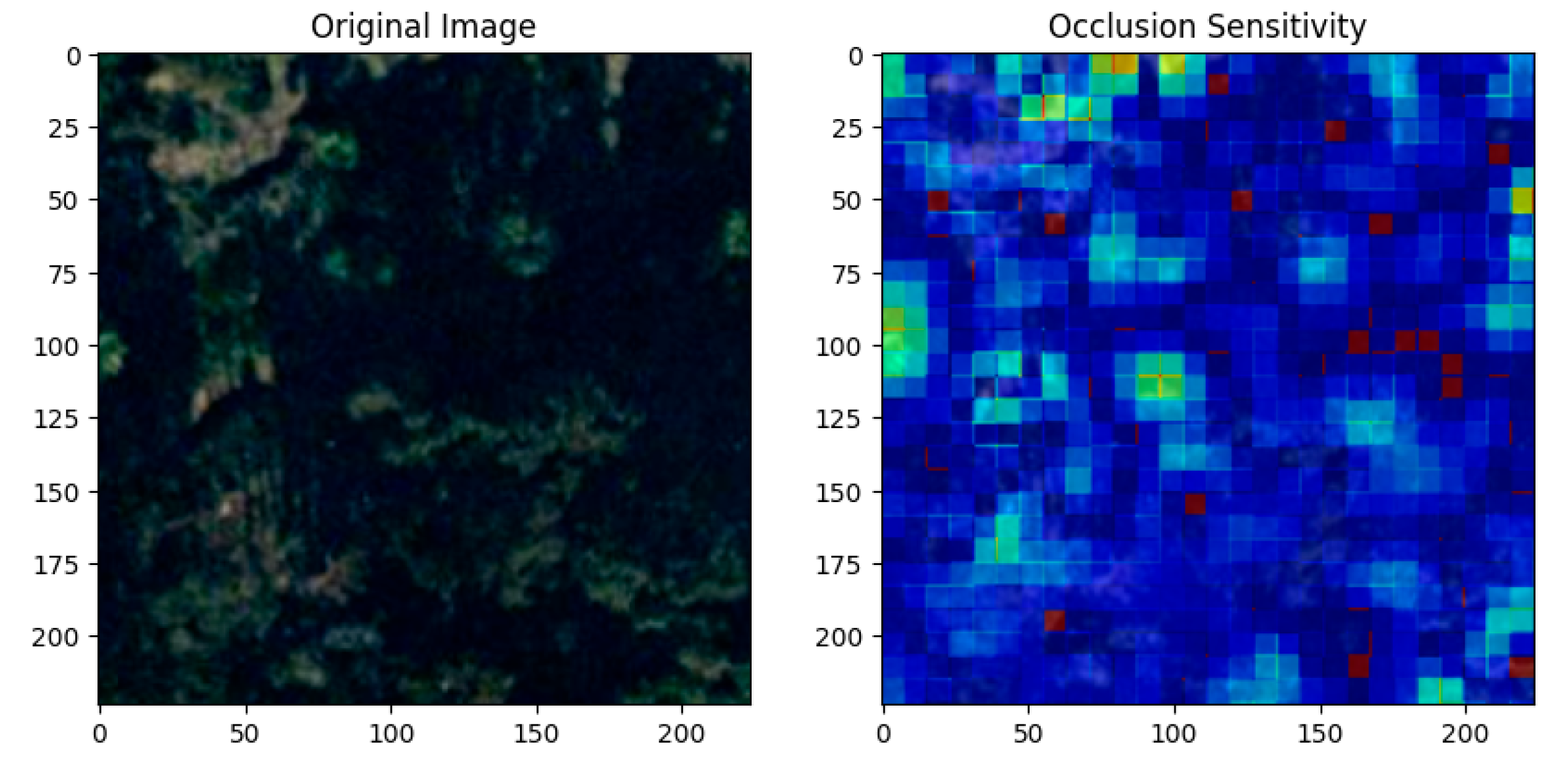
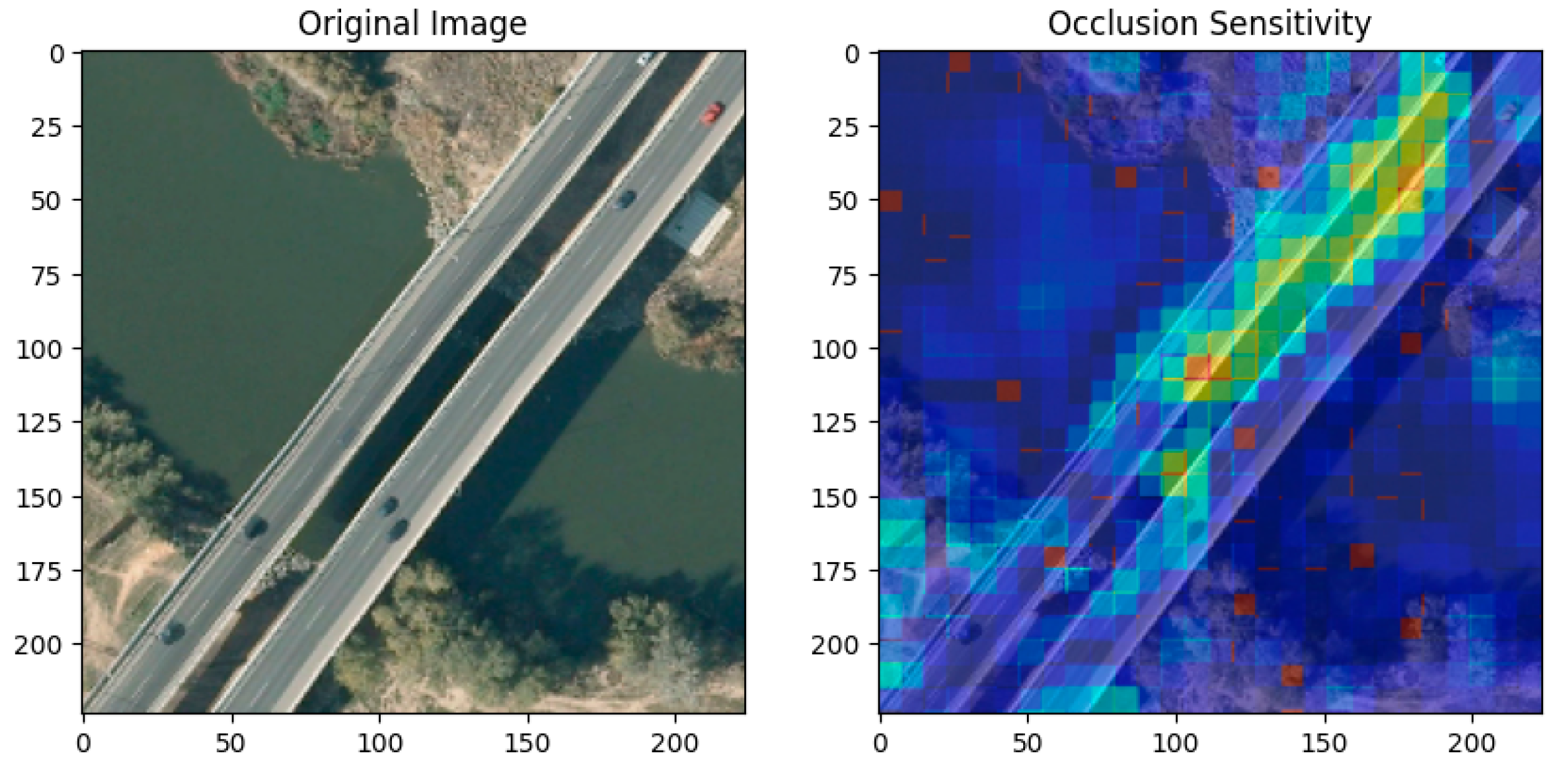
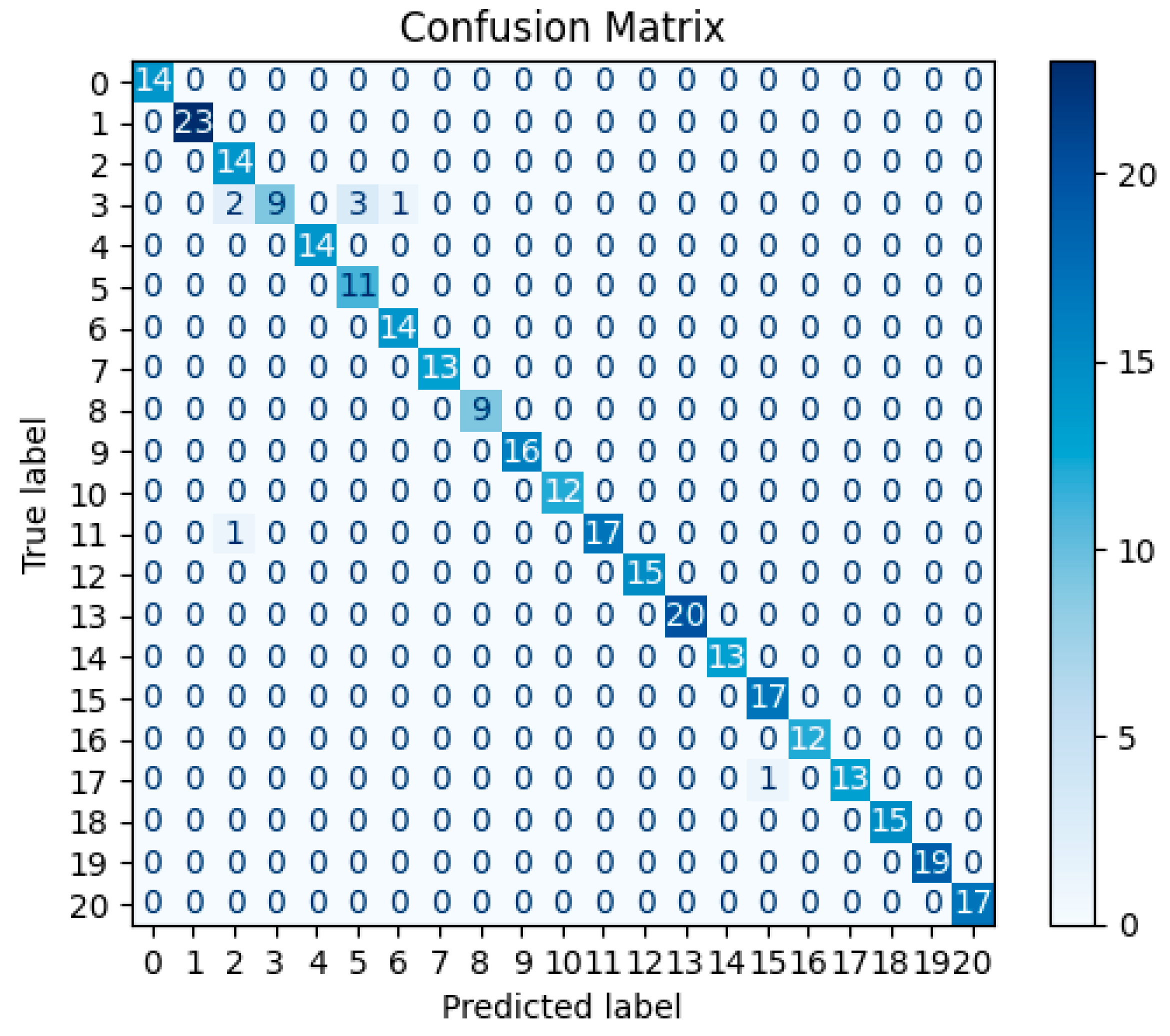
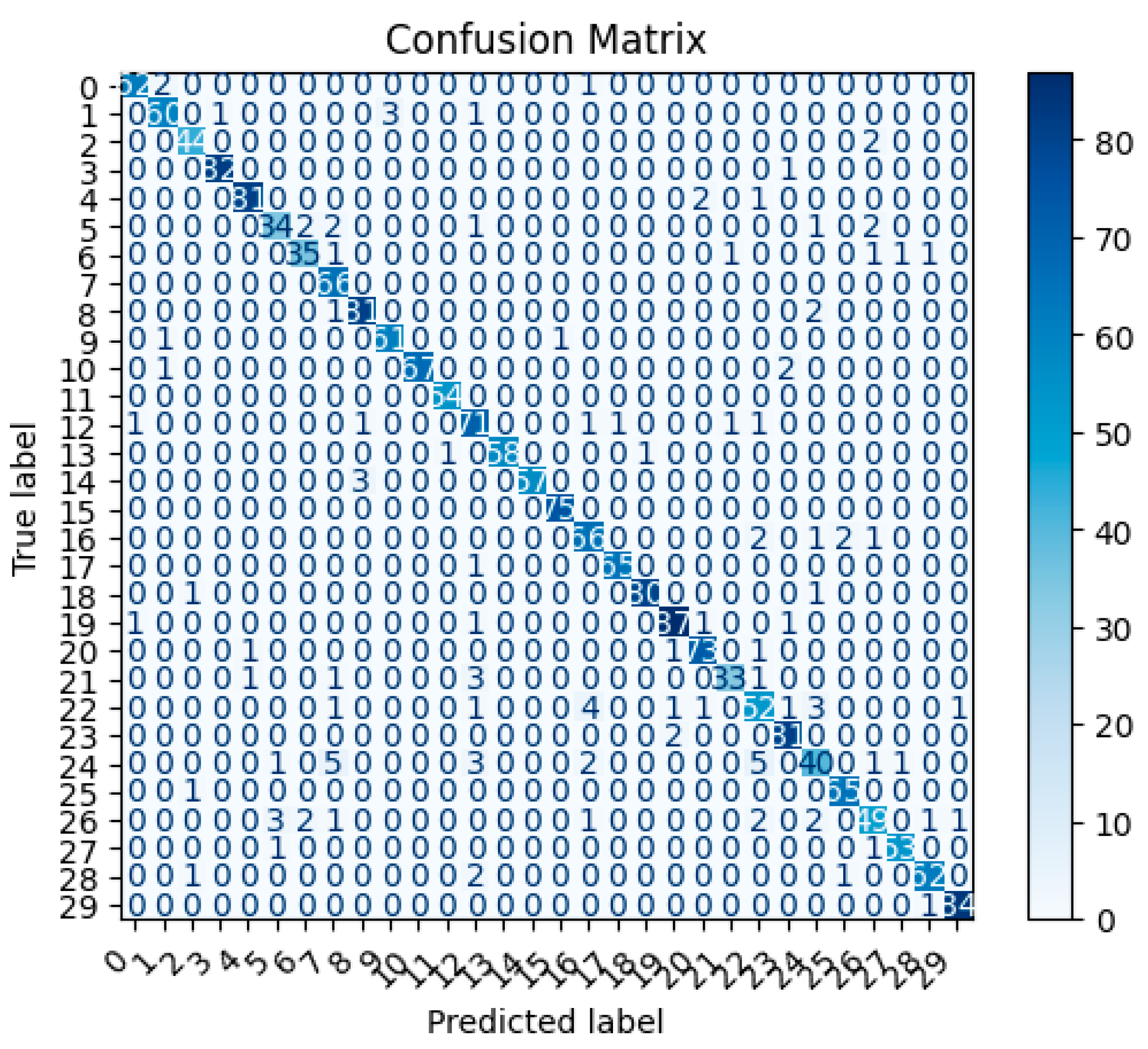
Rapid advancements in satellite technology have led to a significant increase in high-resolution remote sensing (RS) images, necessitating the use of advanced processing methods. Additionally, patent analysis revealed a substantial increase in deep learning and machine learning applications in remote sensing, highlighting the growing importance of these technologies. Therefore, this paper introduces the Kolmogorov-Arnold Network (KAN) model to remote sensing to enhance efficiency and performance in RS applications. We conducted several experiments to validate KAN’s applicability, starting with the EuroSAT dataset, where we combined the KAN layer with multiple pre-trained CNN models. Optimal performance was achieved using ConvNeXt, leading to the development of the KonvNeXt model. KonvNeXt was evaluated on the Optimal-31, AID, and Merced datasets for validation and achieved accuracies of 90.59%, 94.1%, and 98.1%, respectively. The model also showed fast processing speed, with the Optimal-31 and Merced datasets completed in 107.63 s each, while the bigger and more complicated AID dataset took 545.91 s. This result is meaningful since it achieved faster speeds and comparable accuracy compared to the existing study, which utilized VIT and proved KonvNeXt’s applicability for remote sensing classification tasks. Furthermore, we investigated the model’s interpretability by utilizing Occlusion Sensitivity, and by displaying the influential regions, we validated its potential use in a variety of domains, including medical imaging and weather forecasting. This paper is meaningful in that it is the first to use KAN in remote sensing classification, proving its adaptability and efficiency.
Keywords: ConvNeXt; Kolmogorov-Arnold Network (KAN); KonvNeXt; occlusion sensitivity; remote sensing; satellite technology ConvNeXt; Kolmogorov-Arnold Network (KAN); KonvNeXt; occlusion sensitivity; remote sensing; satellite technology