Article

FCNet: Flexible Convolution Network for Infrared Small Ship Detection
1
School of Computer Science and Technology, Xinjiang University, Urumqi 830046, China
2
Key Laboratory of Signal Detection and Processing, Xinjiang University, Urumqi 830046, China
3
Department of Electronic Engineering, Tsinghua University, Beijing 100084, China
4
School of Information and Electronics, Beijing Institute of Technology, Beijing 100081, China
*
Author to whom correspondence should be addressed.
Remote Sens. 2024, 16(12), 2218; https://doi.org/10.3390/rs16122218
Submission received: 26 April 2024 / Revised: 22 May 2024 / Accepted: 13 June 2024 / Published: 19 June 2024
(This article belongs to the Topic Ship Dynamics, Stability and Safety)

Abstract

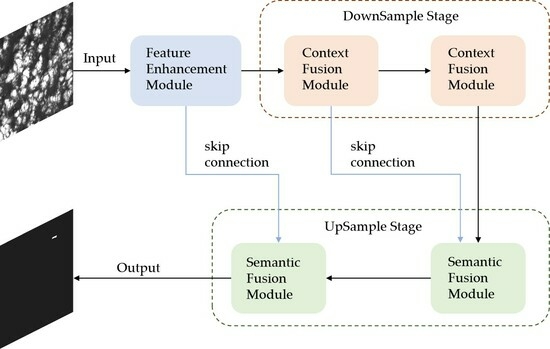
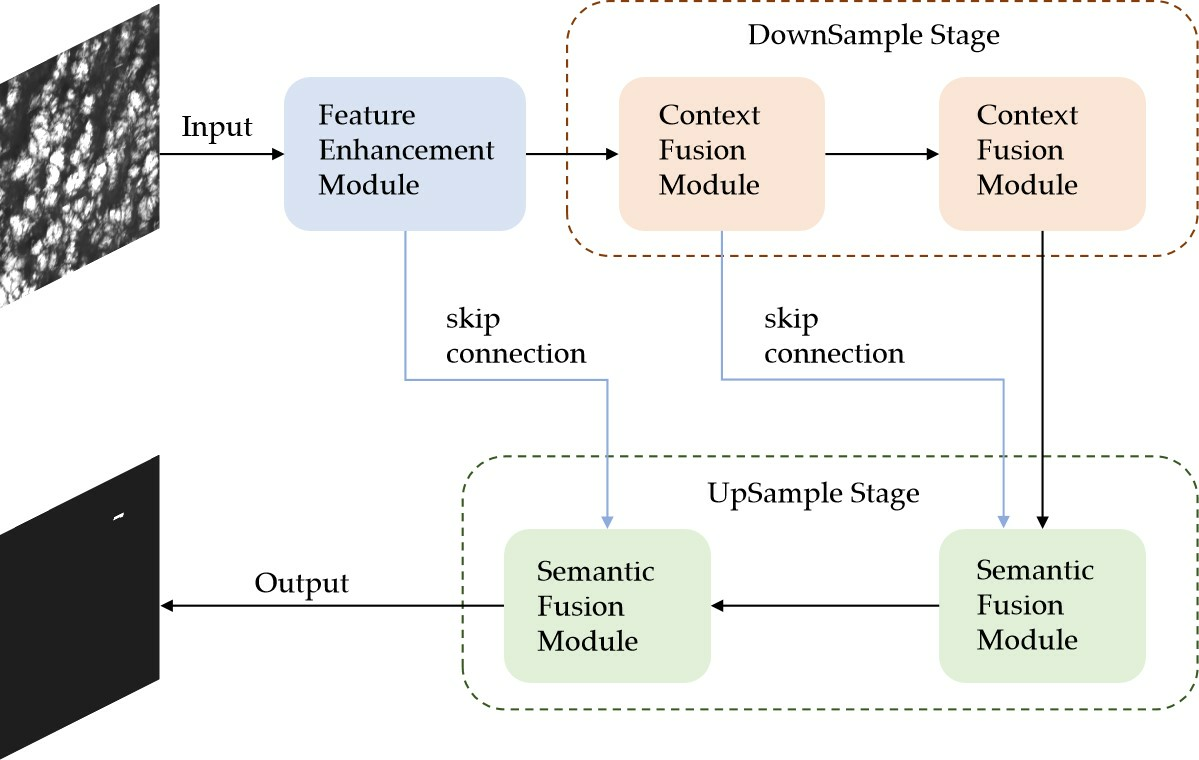
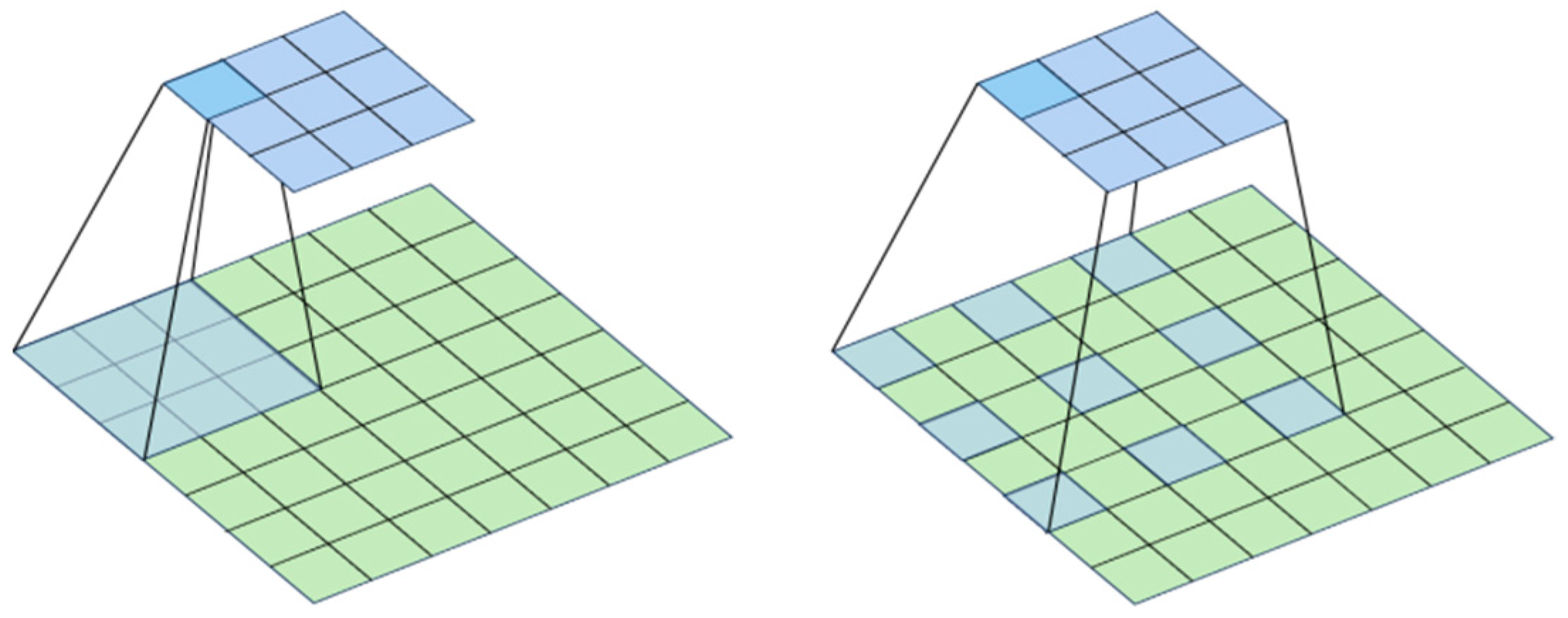
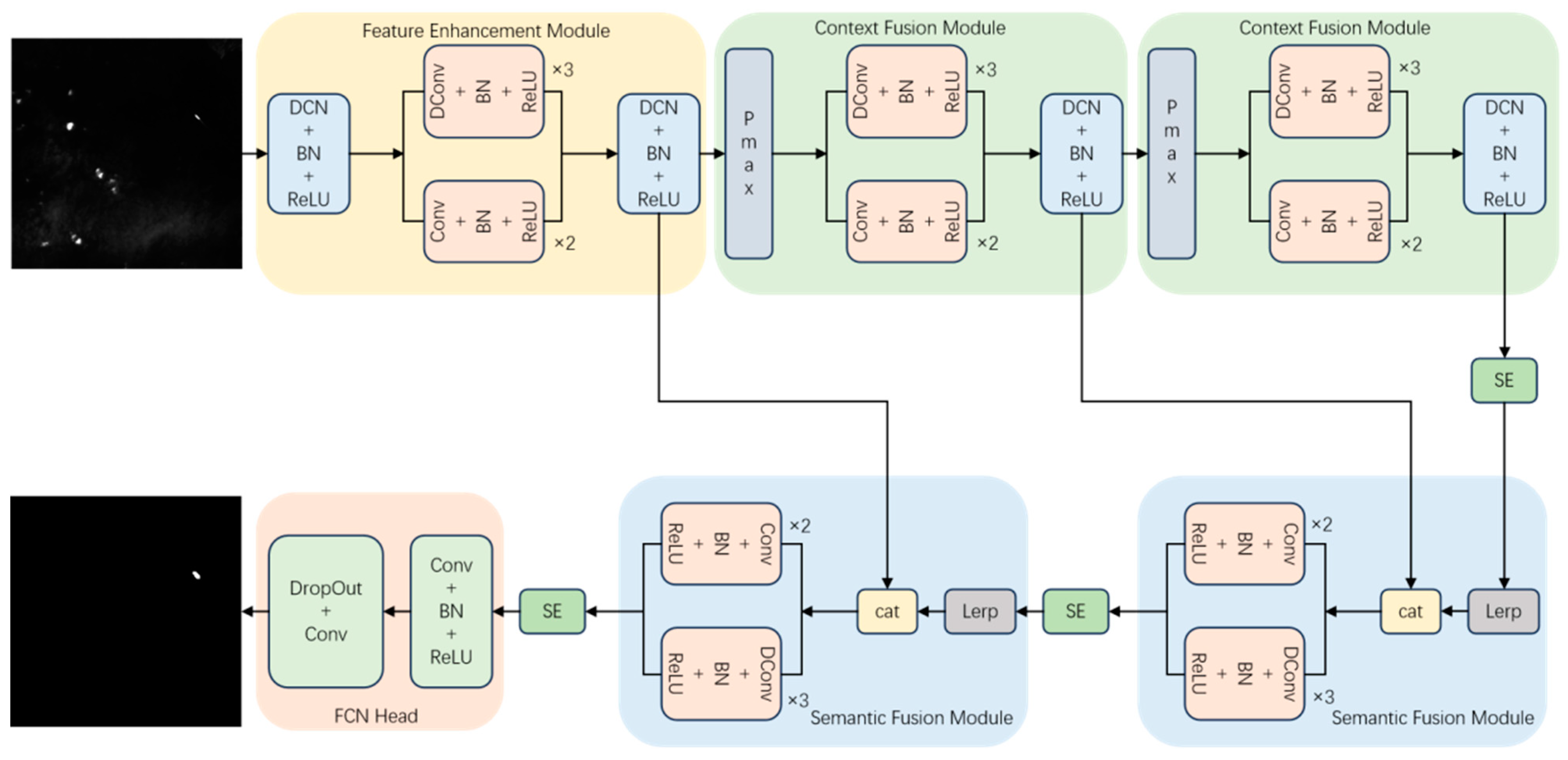
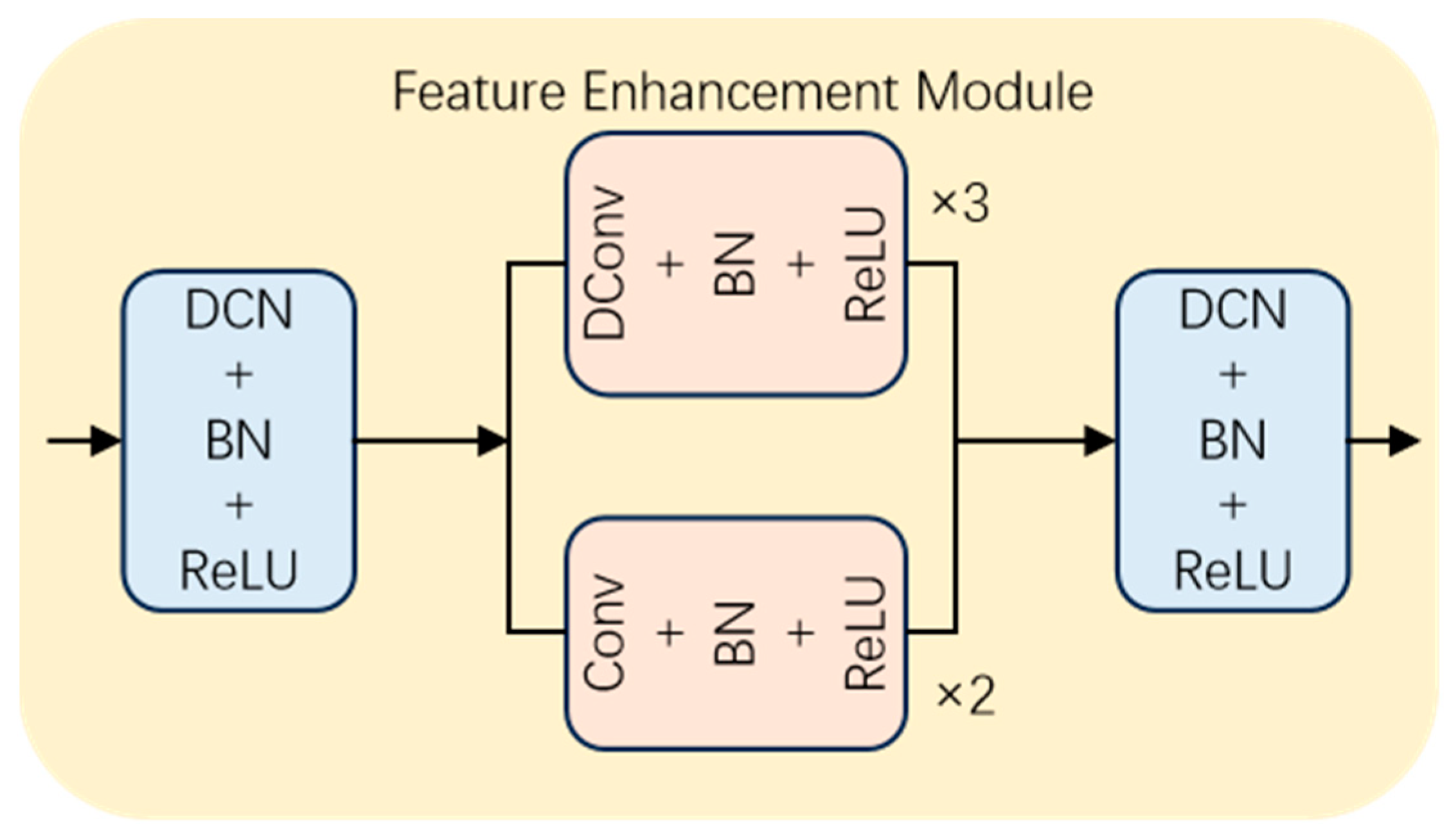
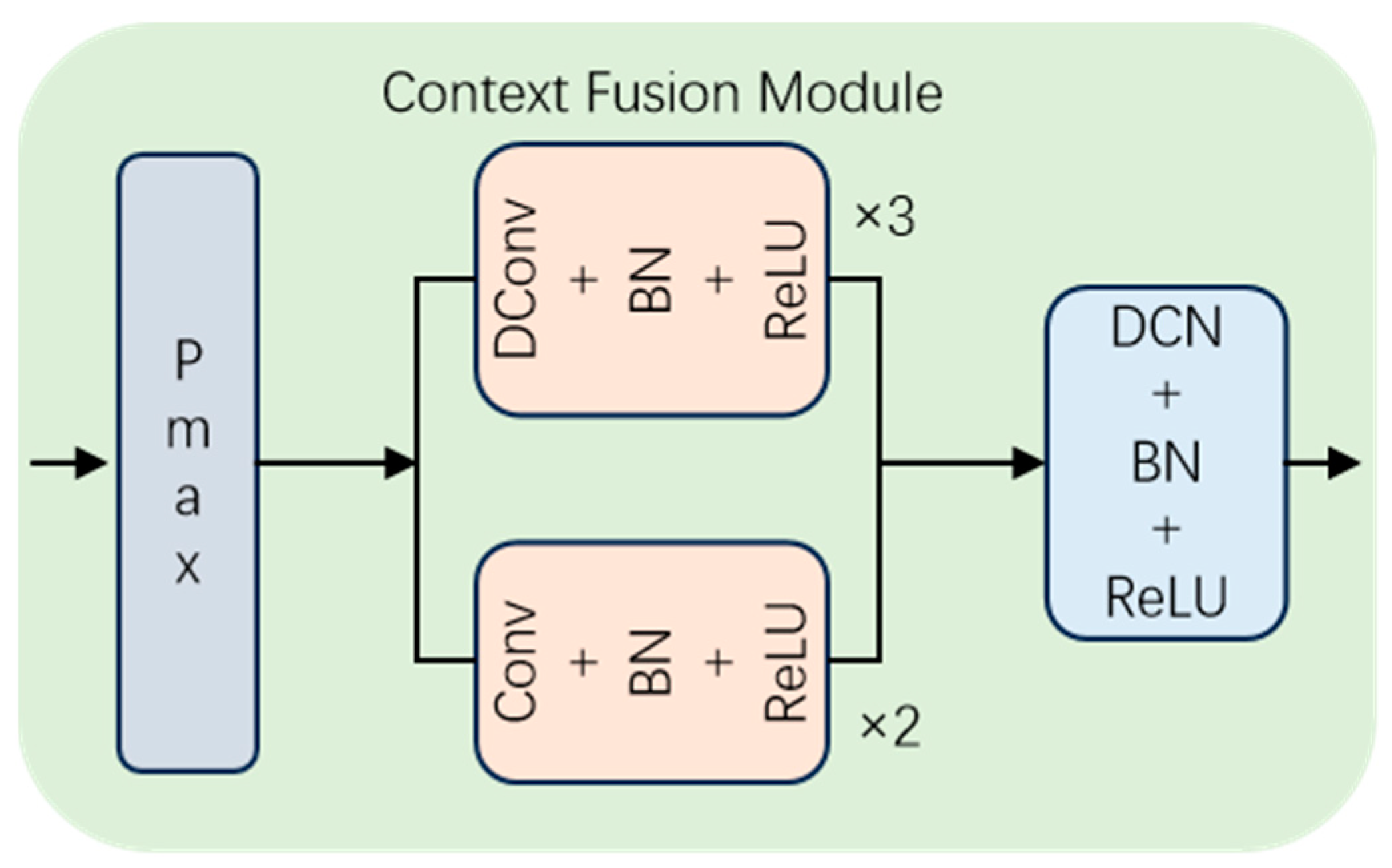
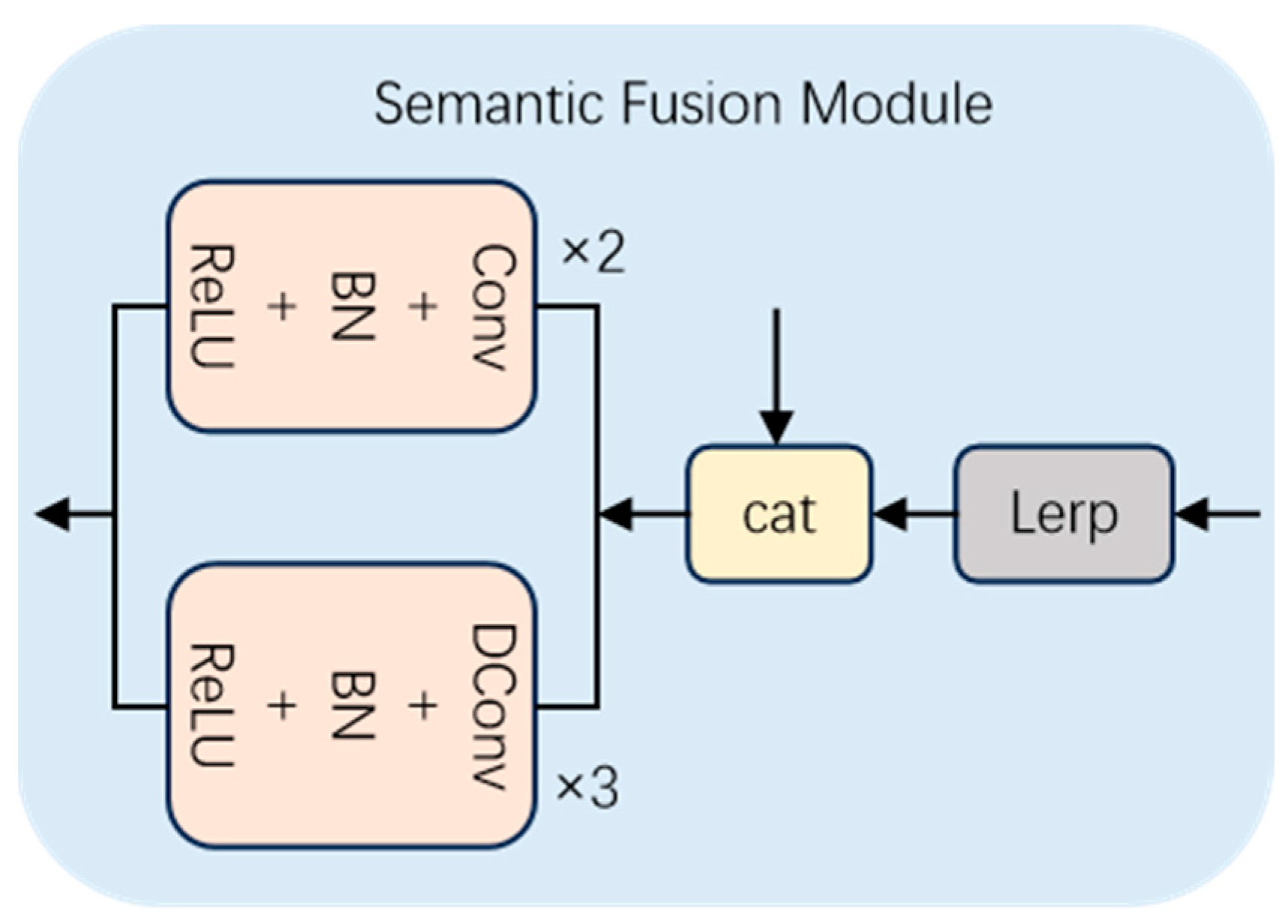
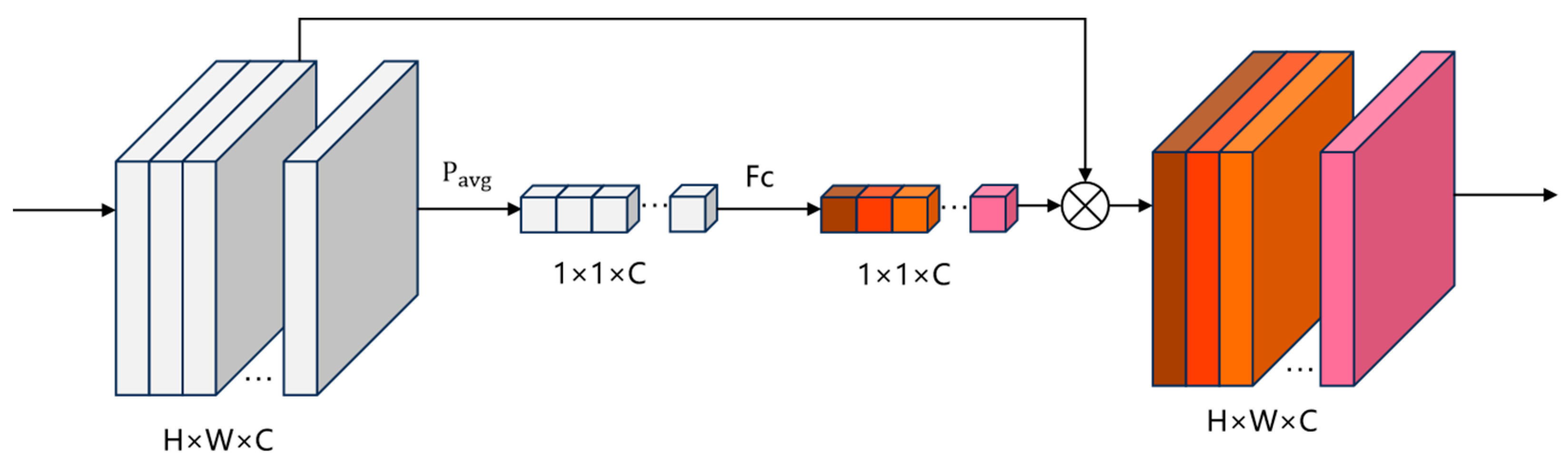
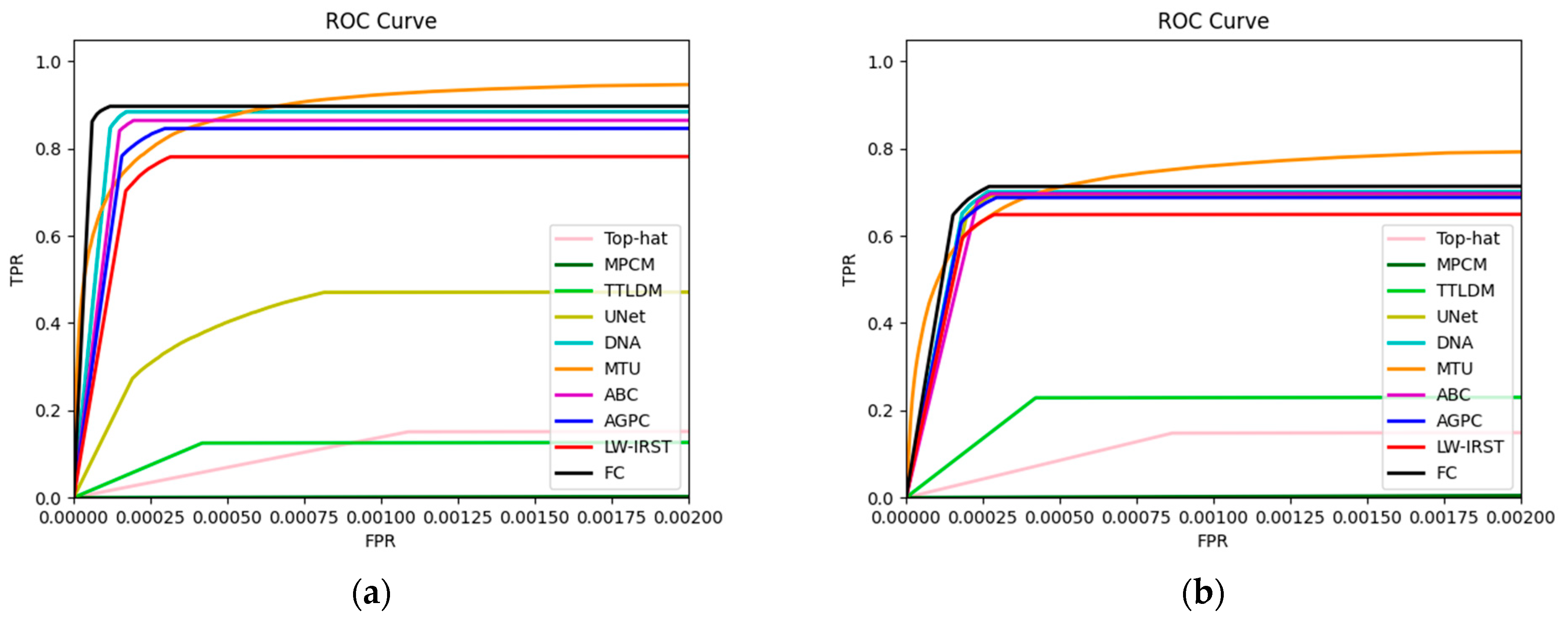
The automatic monitoring and detection of maritime targets hold paramount significance in safeguarding national sovereignty, ensuring maritime rights, and advancing national development. Among the principal means of maritime surveillance, infrared (IR) small ship detection technology stands out. However, due to their minimal pixel occupancy and lack of discernible color and texture information, IR small ships have persistently posed a formidable challenge in the realm of target detection. Additionally, the intricate maritime backgrounds often exacerbate the issue by inducing high false alarm rates. In an effort to surmount these challenges, this paper proposes a flexible convolutional network (FCNet), integrating dilated convolutions and deformable convolutions to achieve flexible variations in convolutional receptive fields. Firstly, a feature enhancement module (FEM) is devised to enhance input features by fusing standard convolutions with dilated convolutions, thereby obtaining precise feature representations. Subsequently, a context fusion module (CFM) is designed to integrate contextual information during the downsampling process, mitigating information loss. Furthermore, a semantic fusion module (SFM) is crafted to fuse shallow features with deep semantic information during the upsampling process. Additionally, squeeze-and-excitation (SE) blocks are incorporated during upsampling to bolster channel information. Experimental evaluations conducted on two datasets demonstrate that FCNet outperforms other algorithms in the detection of IR small ships on maritime surfaces. Moreover, to propel research in deep learning-based IR small ship detection on maritime surfaces, we introduce the IR small ship dataset (Maritime-SIRST).
Keywords: infrared small ship detection; dilated convolution; deformable convolution; deep learning infrared small ship detection; dilated convolution; deformable convolution; deep learning
Graphical Abstract