Article

Spatiotemporal Patterns and Regional Differences in Soil Thermal Conductivity on the Qinghai–Tibet Plateau


1
Cryosphere Research Station on the Qinghai-Tibet Plateau, State Key Laboratory of Cryospheric Science, Northwest Institute of Eco-Environment and Resources, Chinese Academy of Sciences, Lanzhou 730000, China
2
University of Chinese Academy of Sciences, Beijing 100049, China
3
PetroChina Research Institute of Petroleum Exploration and Development-Northwest, Lanzhou 730020, China
4
School of Geographical Sciences, Nanjing University of Information Science & Technology, Nanjing 210044, China
*
Author to whom correspondence should be addressed.
Remote Sens. 2023, 15(4), 1168; https://doi.org/10.3390/rs15041168
Submission received: 20 January 2023 / Revised: 15 February 2023 / Accepted: 17 February 2023 / Published: 20 February 2023
(This article belongs to the Special Issue Remote Sensing and Land Surface Process Models for Permafrost Studies)

Abstract

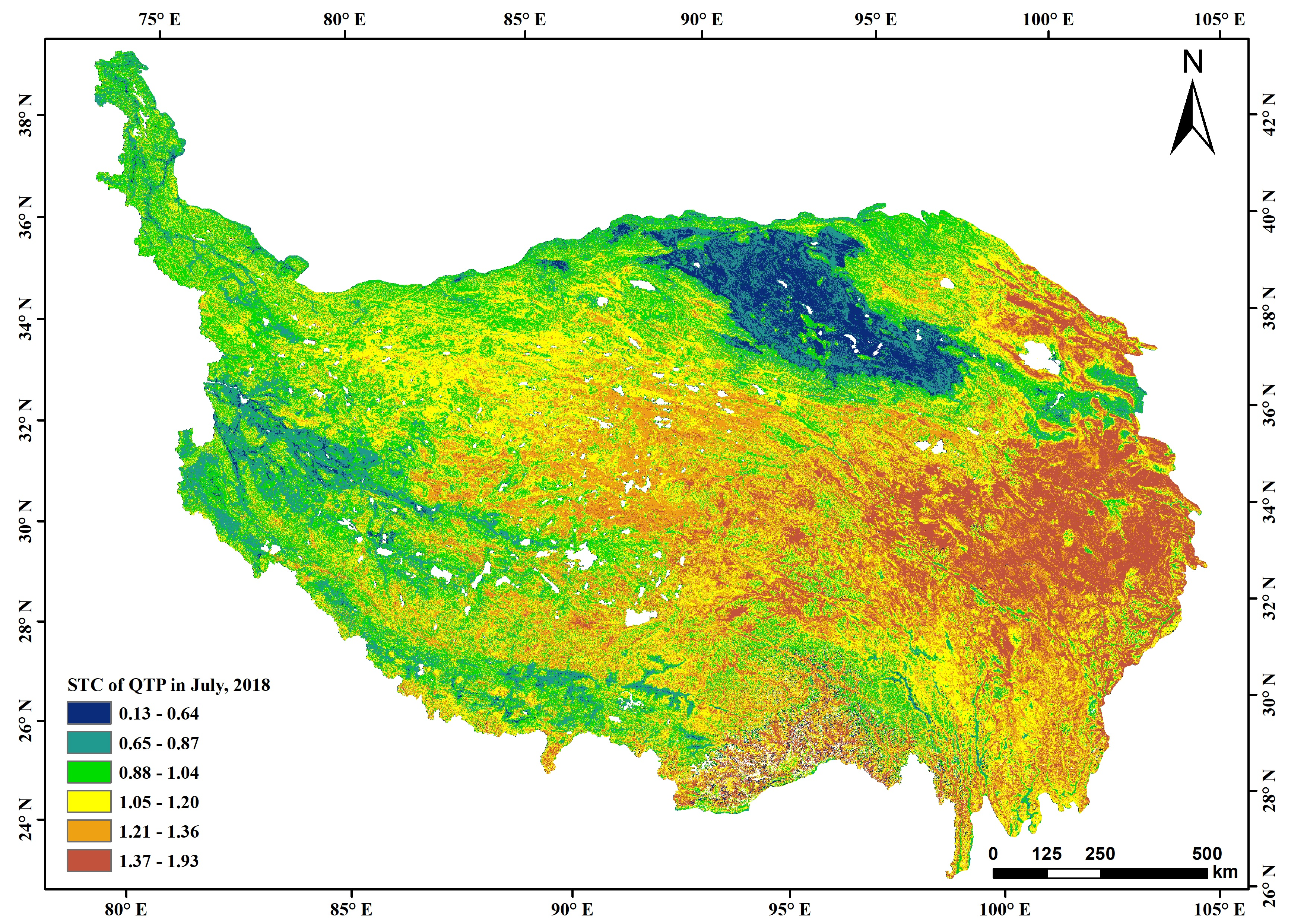
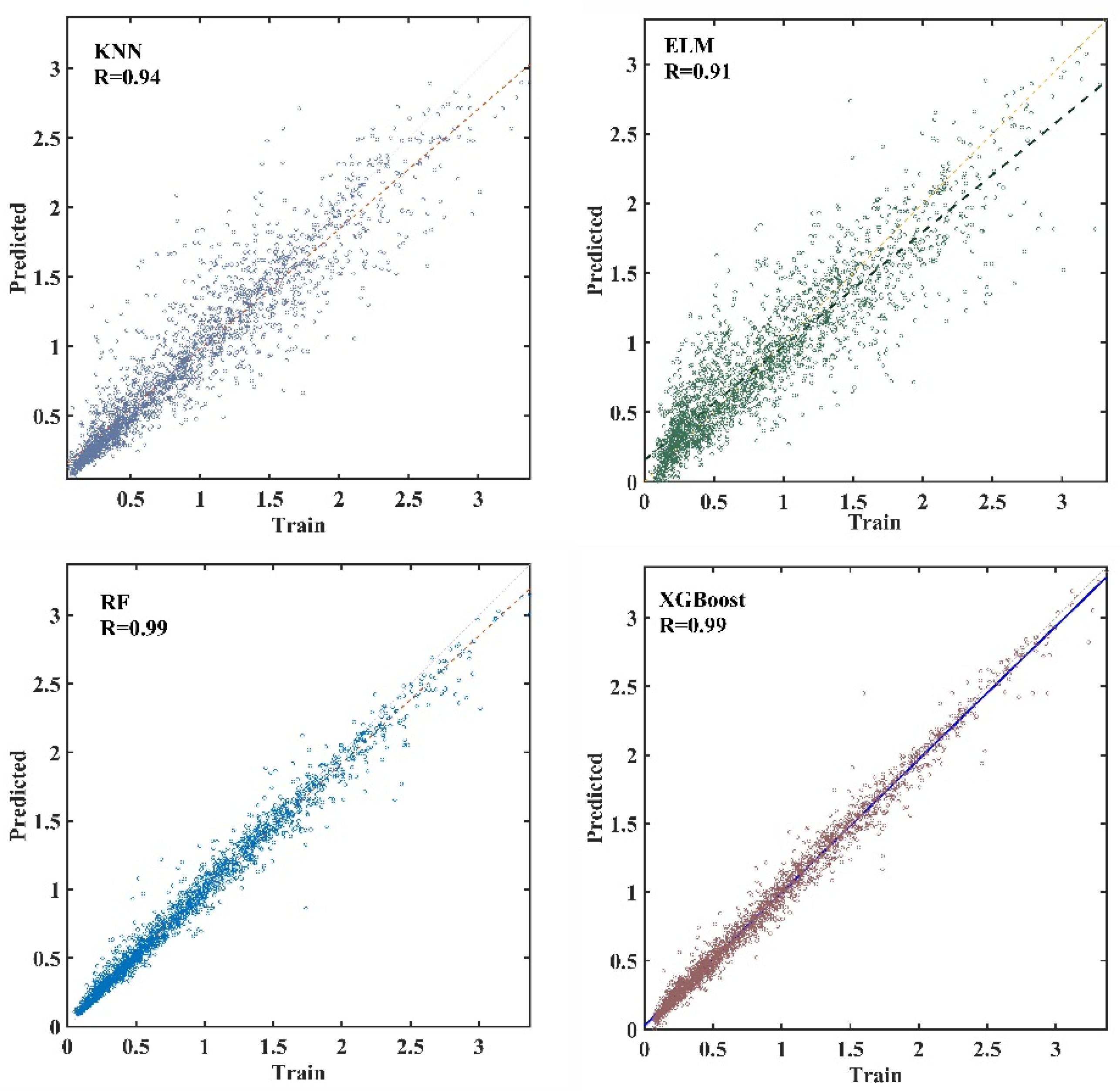
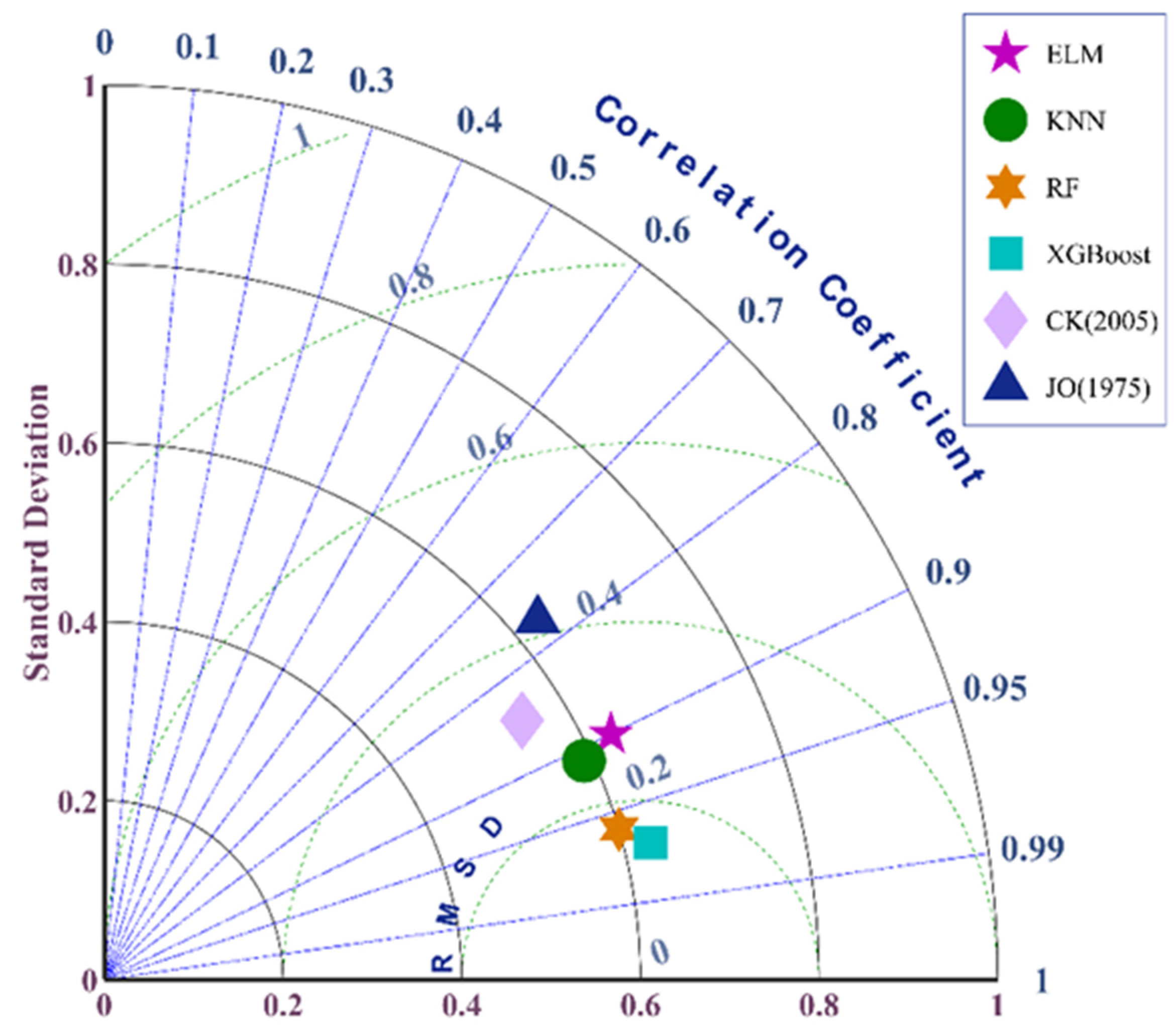
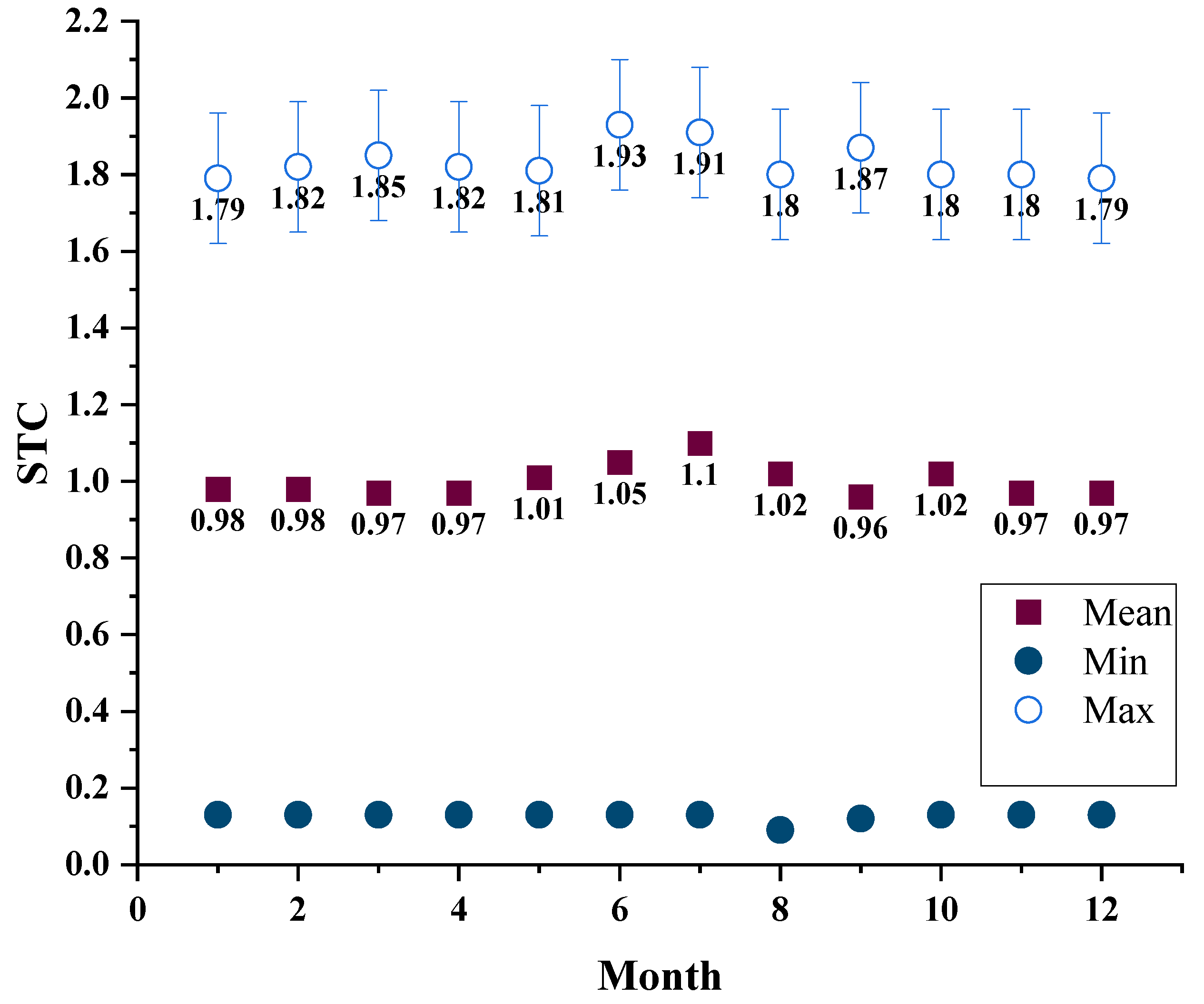
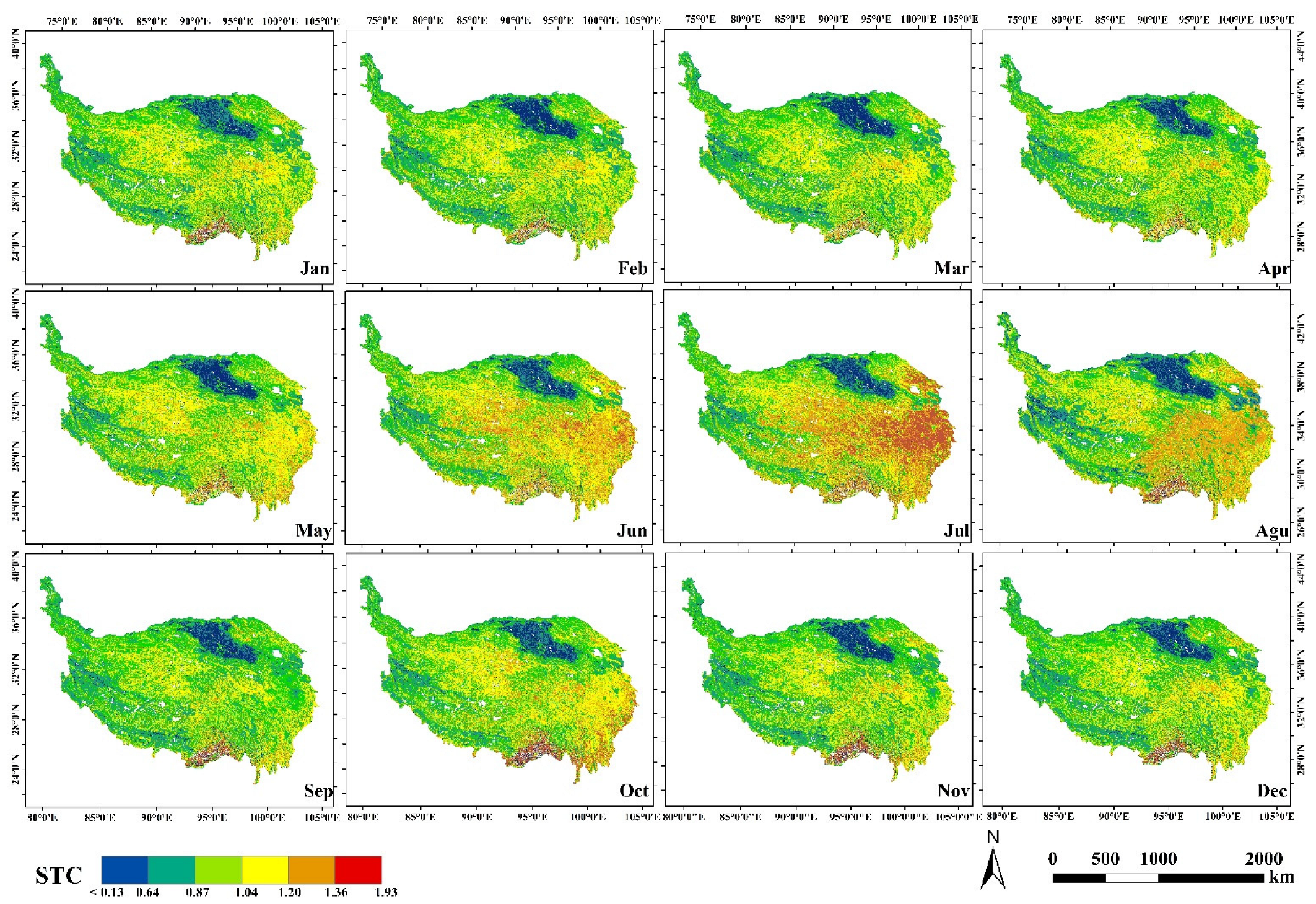
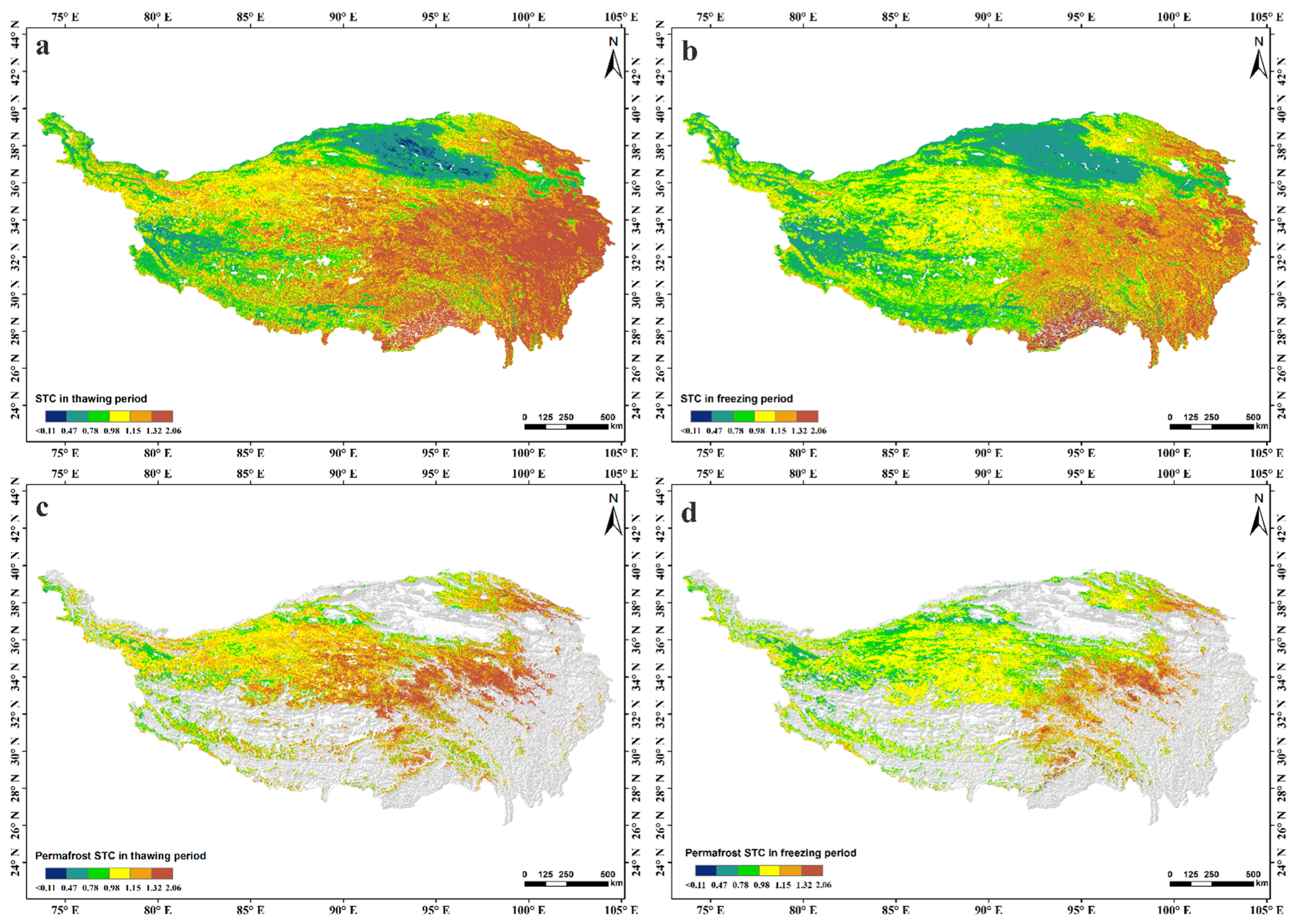
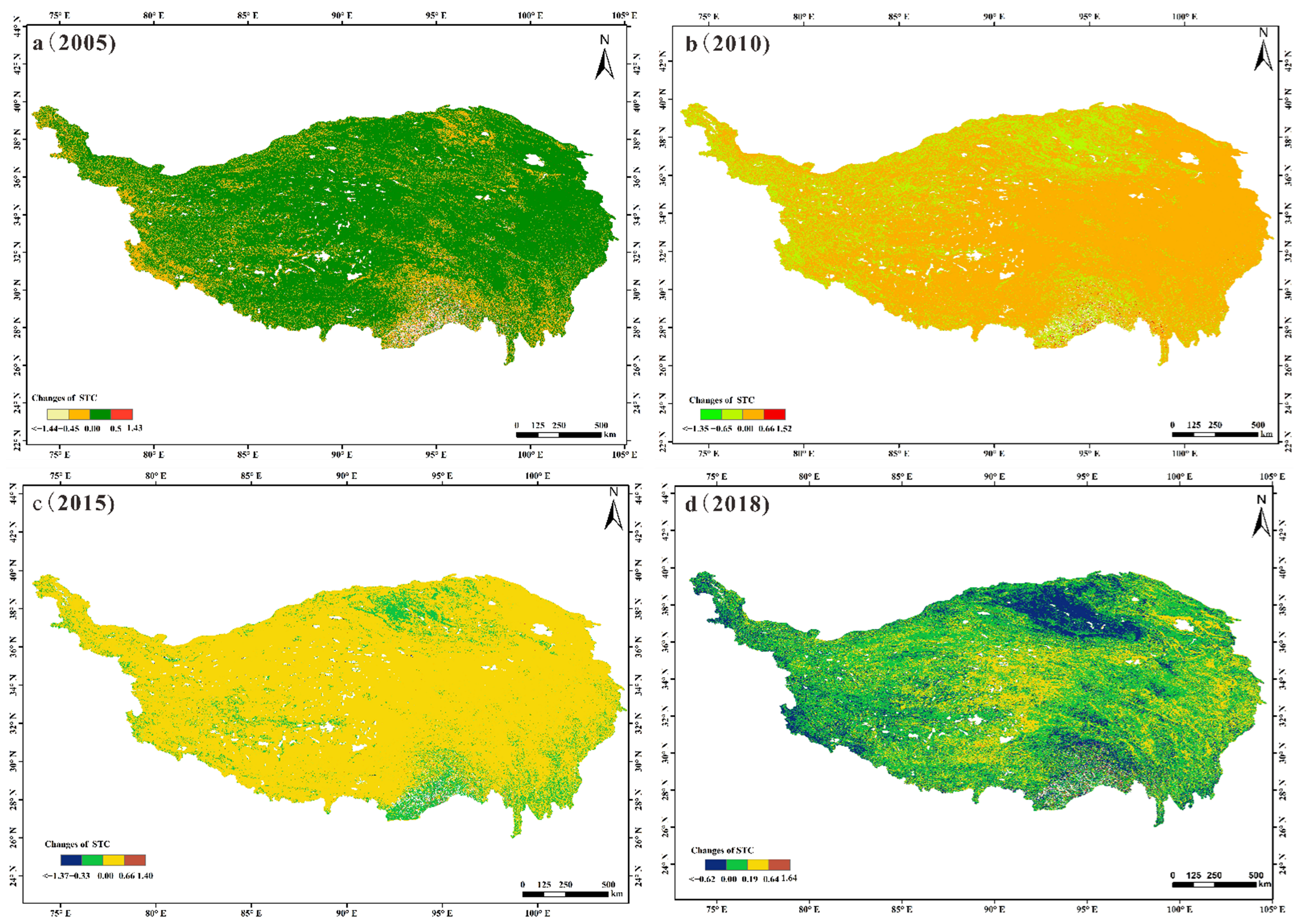
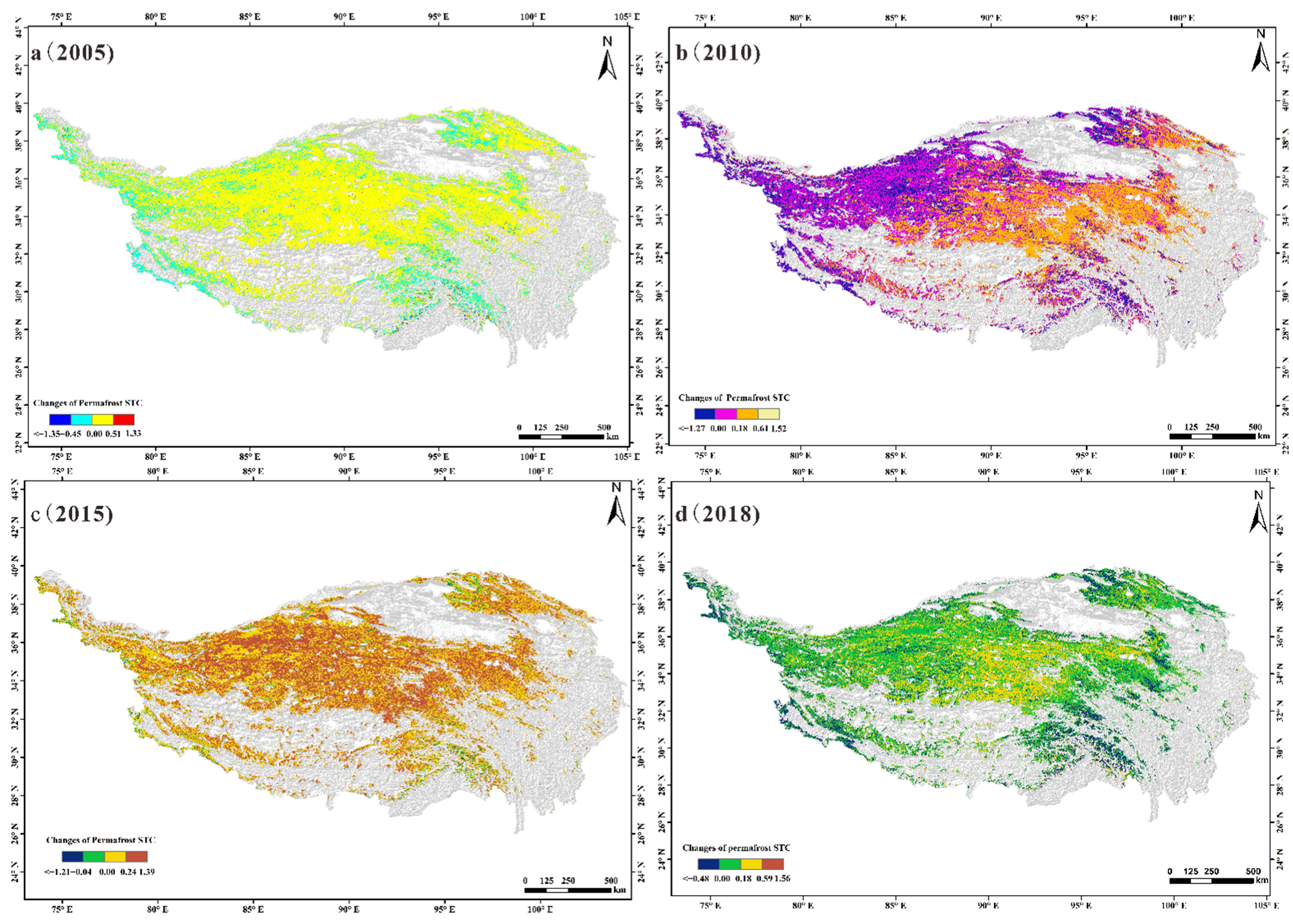
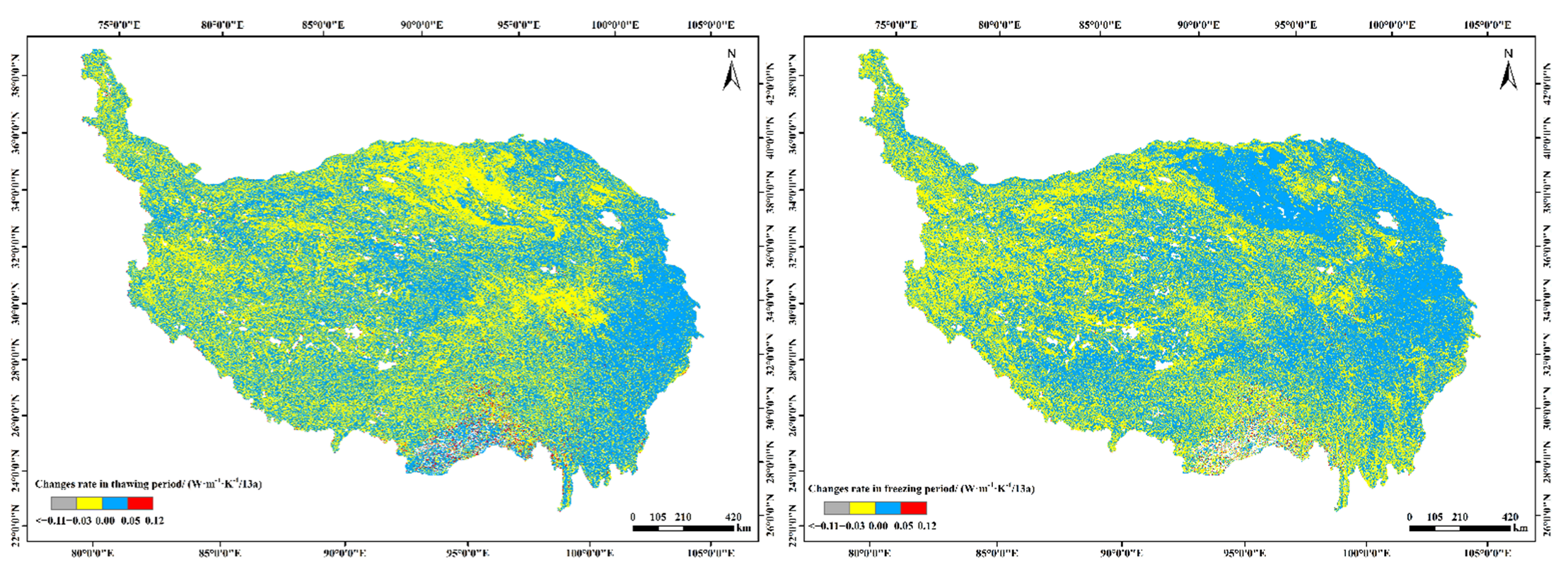
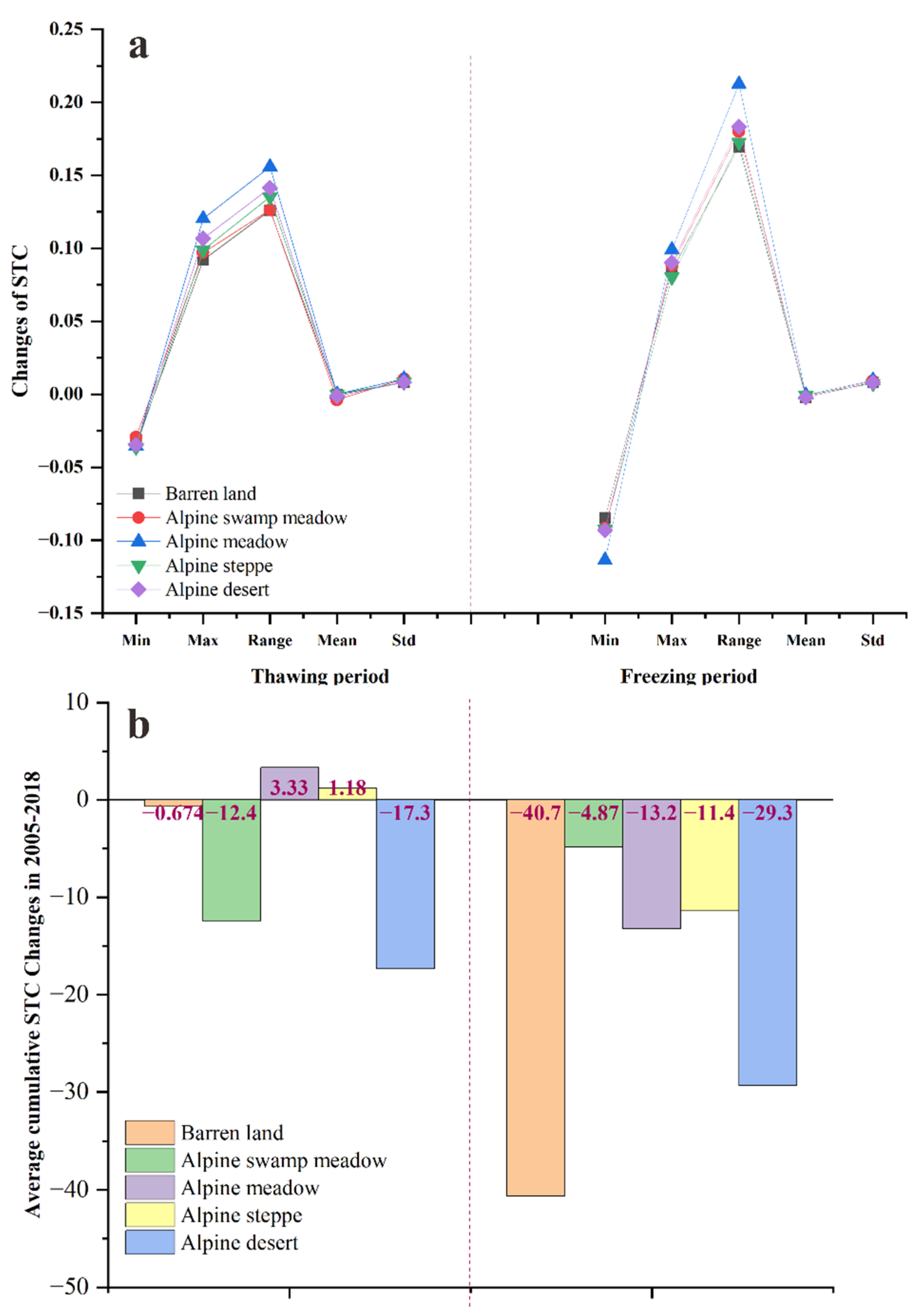
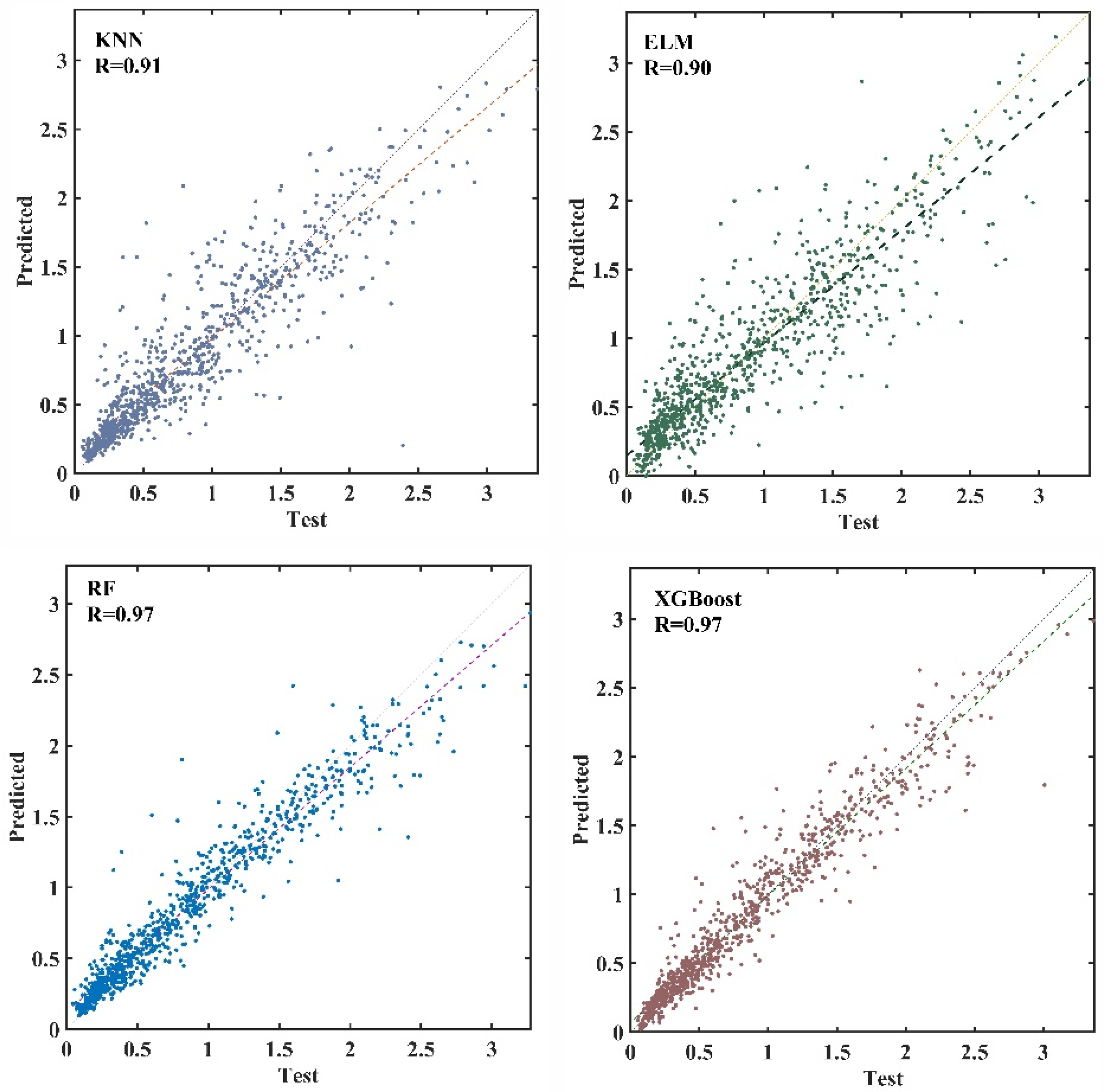
The Qinghai–Tibet Plateau is an area known to be sensitive to global climate change, and the problems caused by permafrost degradation in the context of climate warming potentially have far-reaching effects on regional hydrogeological processes, ecosystem functions, and engineering safety. Soil thermal conductivity (STC) is a key input parameter for temperature and surface energy simulations of the permafrost active layer. Therefore, understanding the spatial distribution patterns and variation characteristics of STC is important for accurate simulation and future predictions of permafrost on the Qinghai–Tibet Plateau. However, no systematic research has been conducted on this topic. In this study, based on a dataset of 2972 STC measurements, we simulated the spatial distribution patterns and spatiotemporal variation of STC in the shallow layer (5 cm) of the Qinghai–Tibet Plateau and the permafrost area using a machine learning model. The monthly analysis results showed that the STC was high from May to August and low from January to April and from September to December. In addition, the mean STC in the permafrost region of the Qinghai–Tibet Plateau was higher during the thawing period than during the freezing period, while the STC in the eastern and southeastern regions is generally higher than that in the western and northwestern regions. From 2005 to 2018, the difference between the STC in the permafrost region during the thawing and freezing periods gradually decreased, with a slight difference in the western hinterland region and a large difference in the eastern region. In areas with specific landforms such as basins and mountainous areas, the changes in the STC during the thawing and freezing periods were different or even opposite. The STC of alpine meadow was found to be most sensitive to the changes during the thawing and freezing periods within the permafrost zone, while the STC for bare land, alpine desert, and alpine swamp meadow decreased overall between 2005 and 2018. The results of this study provide important baseline data for the subsequent analysis and simulation of the permafrost on the Qinghai–Tibet Plateau.
Keywords: soil thermal conductivity; permafrost; climate change; freeze–thaw period; Qinghai–Tibet Plateau; machine learning soil thermal conductivity; permafrost; climate change; freeze–thaw period; Qinghai–Tibet Plateau; machine learning
Graphical Abstract