Article

SDRSwin: A Residual Swin Transformer Network with Saliency Detection for Infrared and Visible Image Fusion

1
School of Information and Communication Engineering, Hainan University, Haikou 570228, China
2
State Key Laboratory of Marine Resource Utilization in South China Sea, Hainan University, Haikou 570228, China
3
Key Laboratory of Genetics and Germplasm Innovation of Tropical Special Forest Trees and Ornamental Plants (Hainan University), Ministry of Education, School of Forestry, Hainan University, Haikou 570228, China
*
Author to whom correspondence should be addressed.
Remote Sens. 2023, 15(18), 4467; https://doi.org/10.3390/rs15184467
Submission received: 3 July 2023 / Revised: 30 August 2023 / Accepted: 7 September 2023 / Published: 11 September 2023
(This article belongs to the Special Issue Remote Sensing Applications to Ecology: Opportunities and Challenges)

Abstract

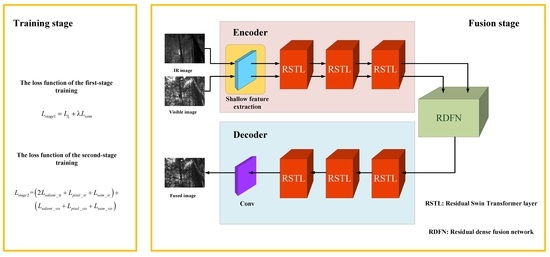
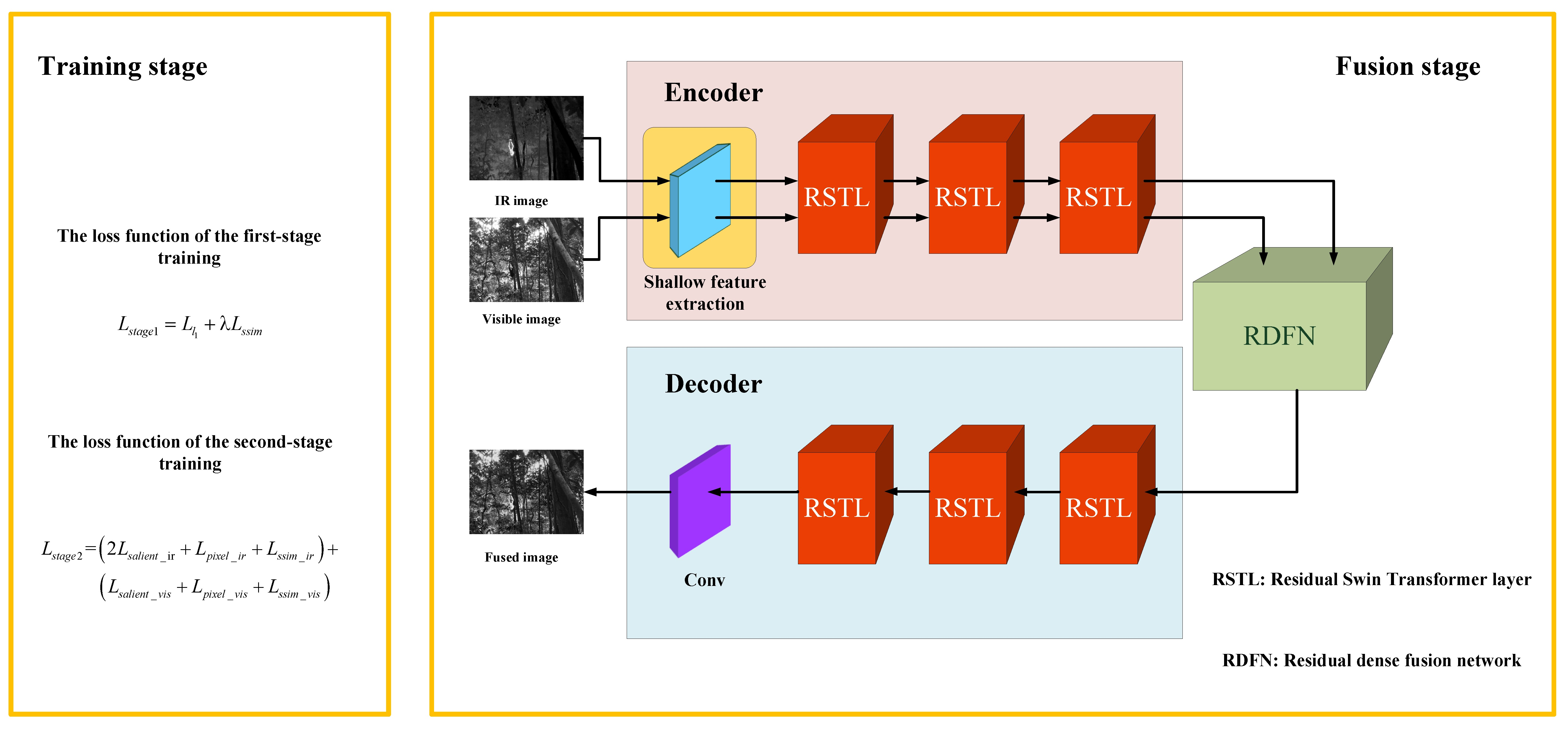
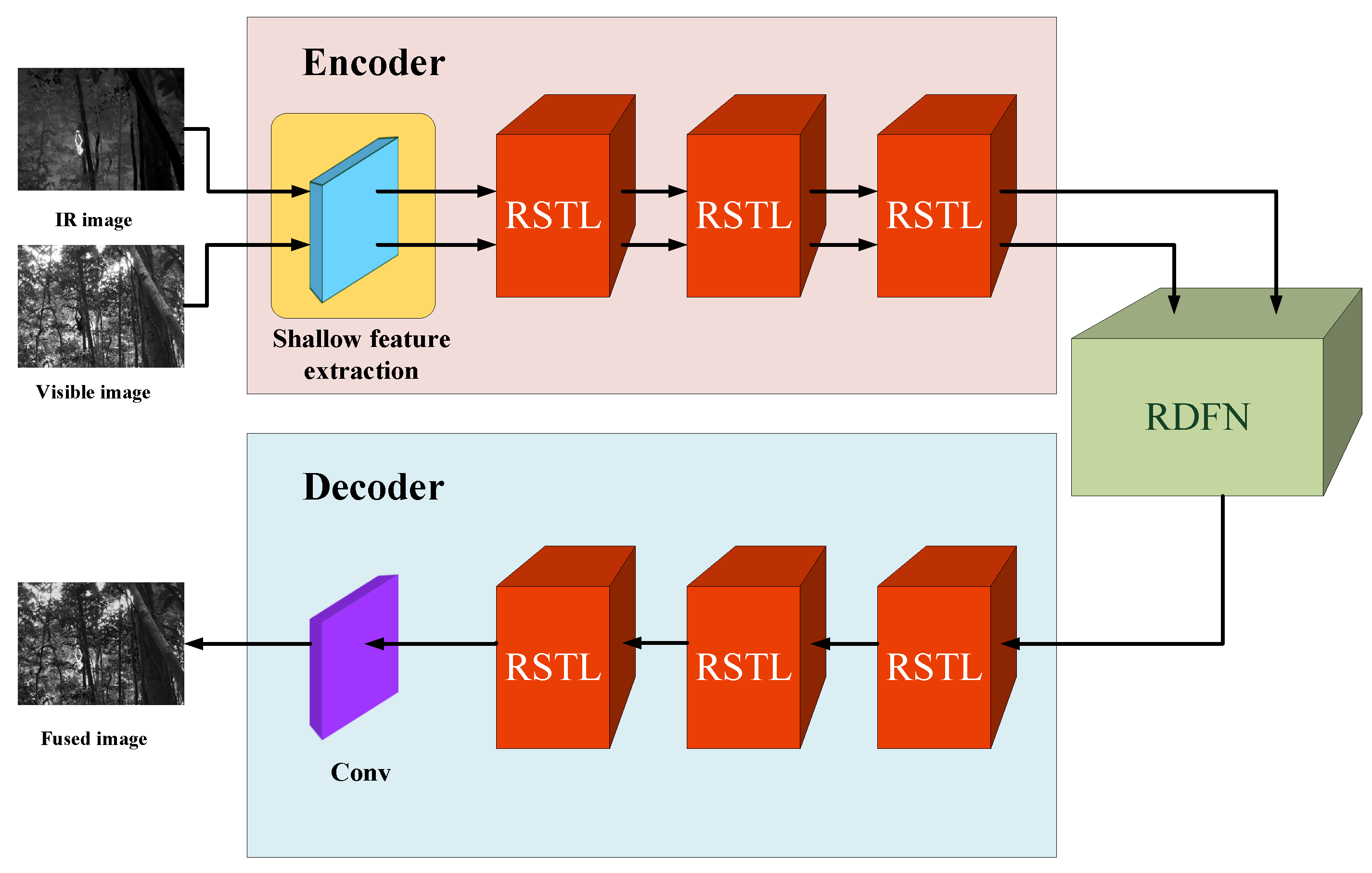
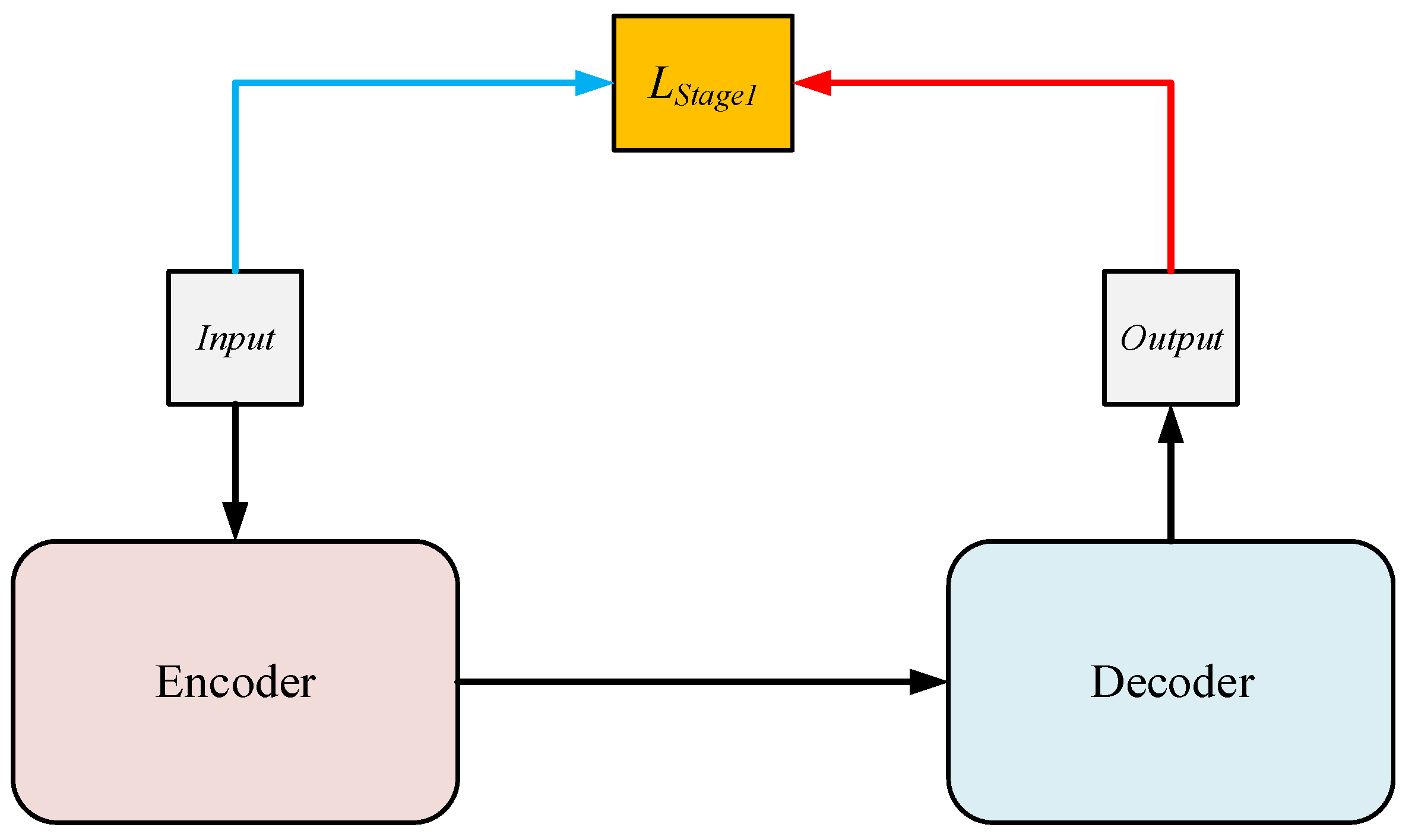
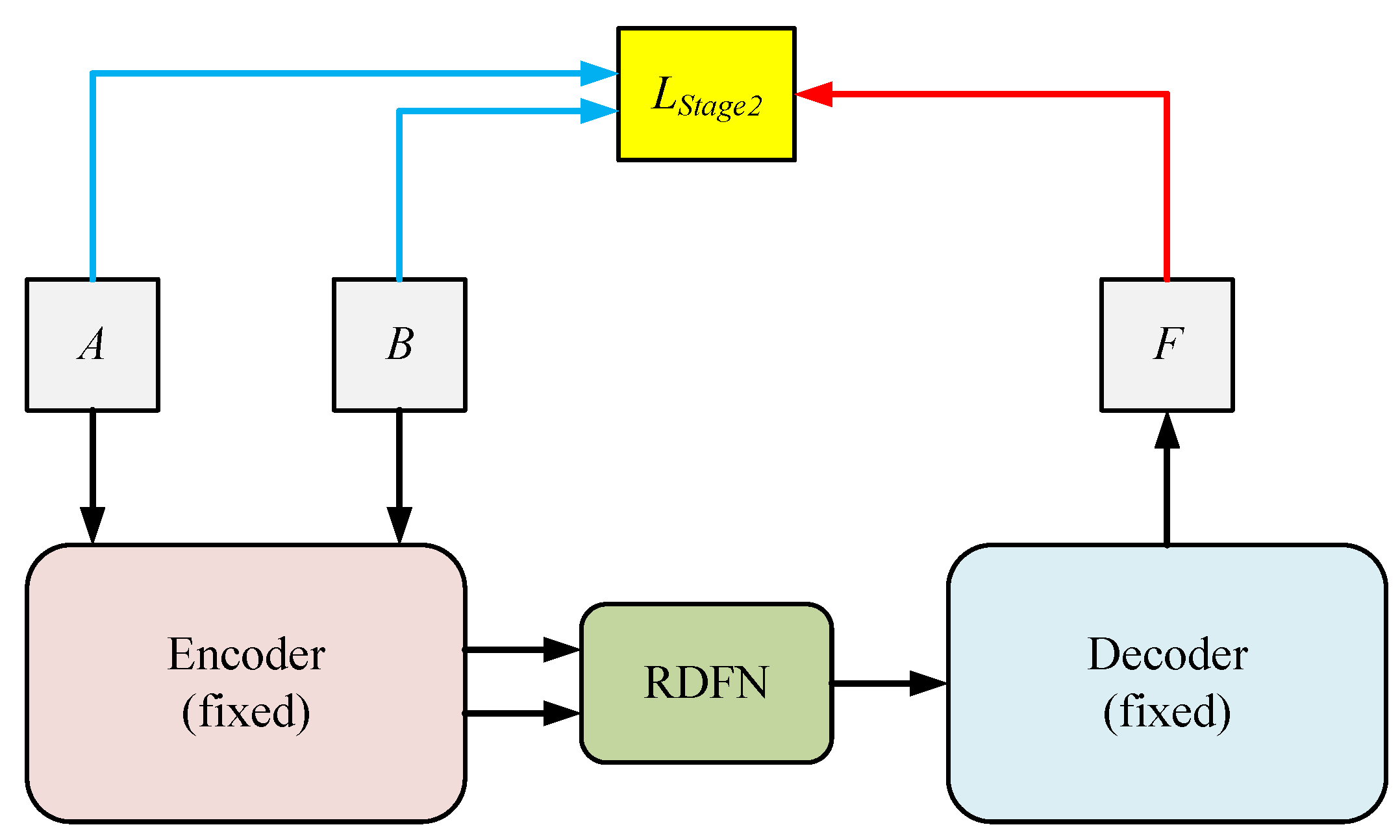
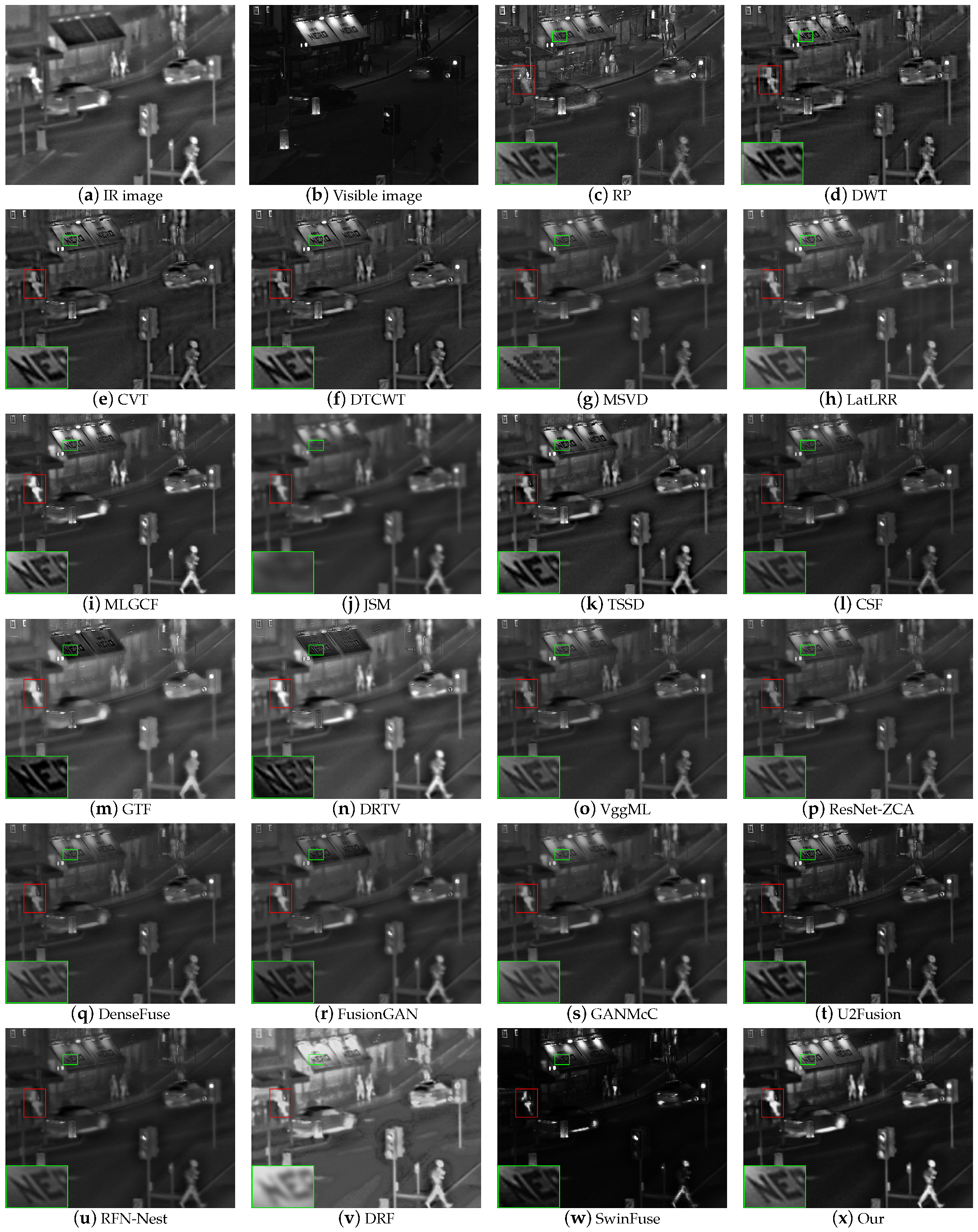
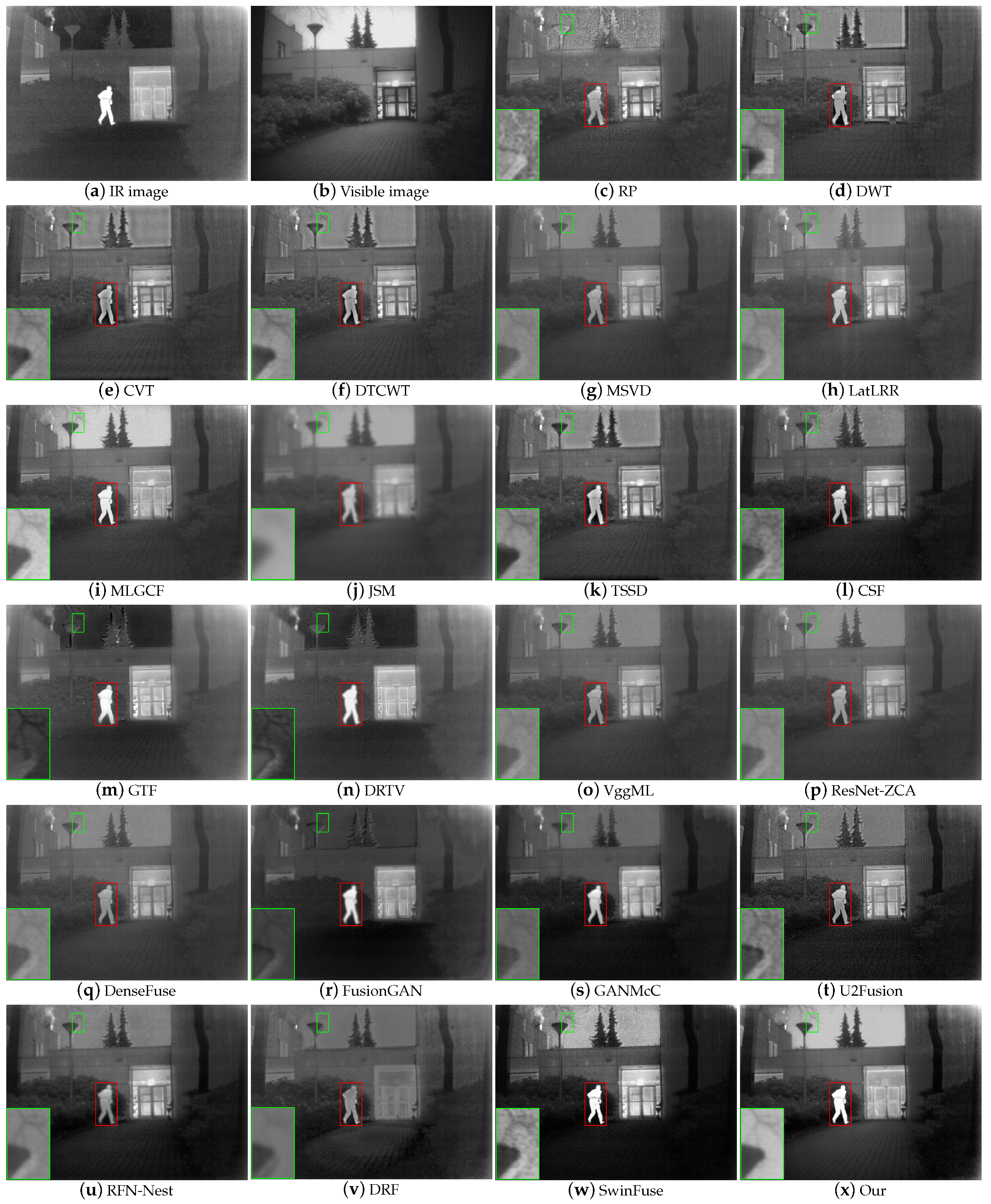
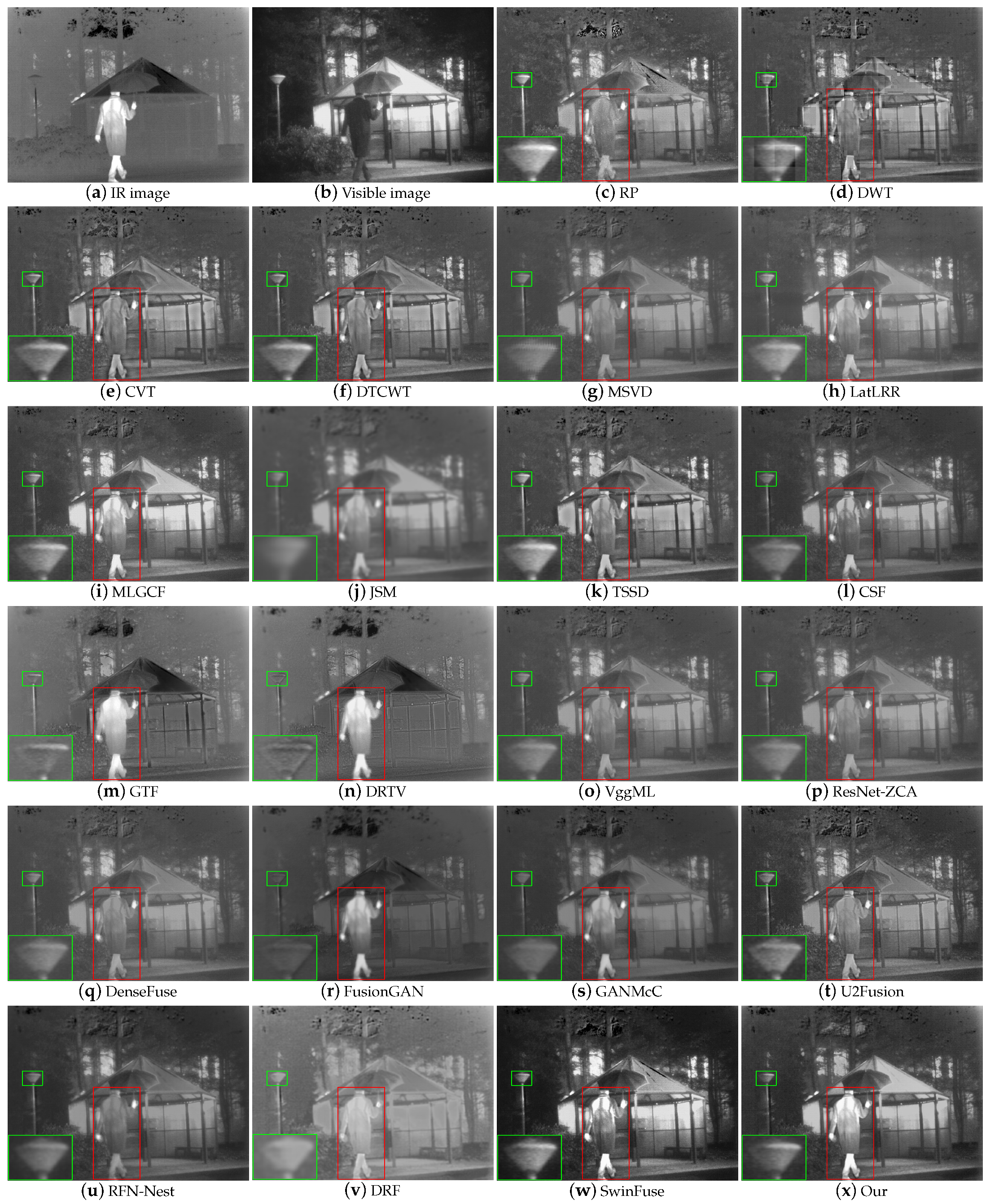
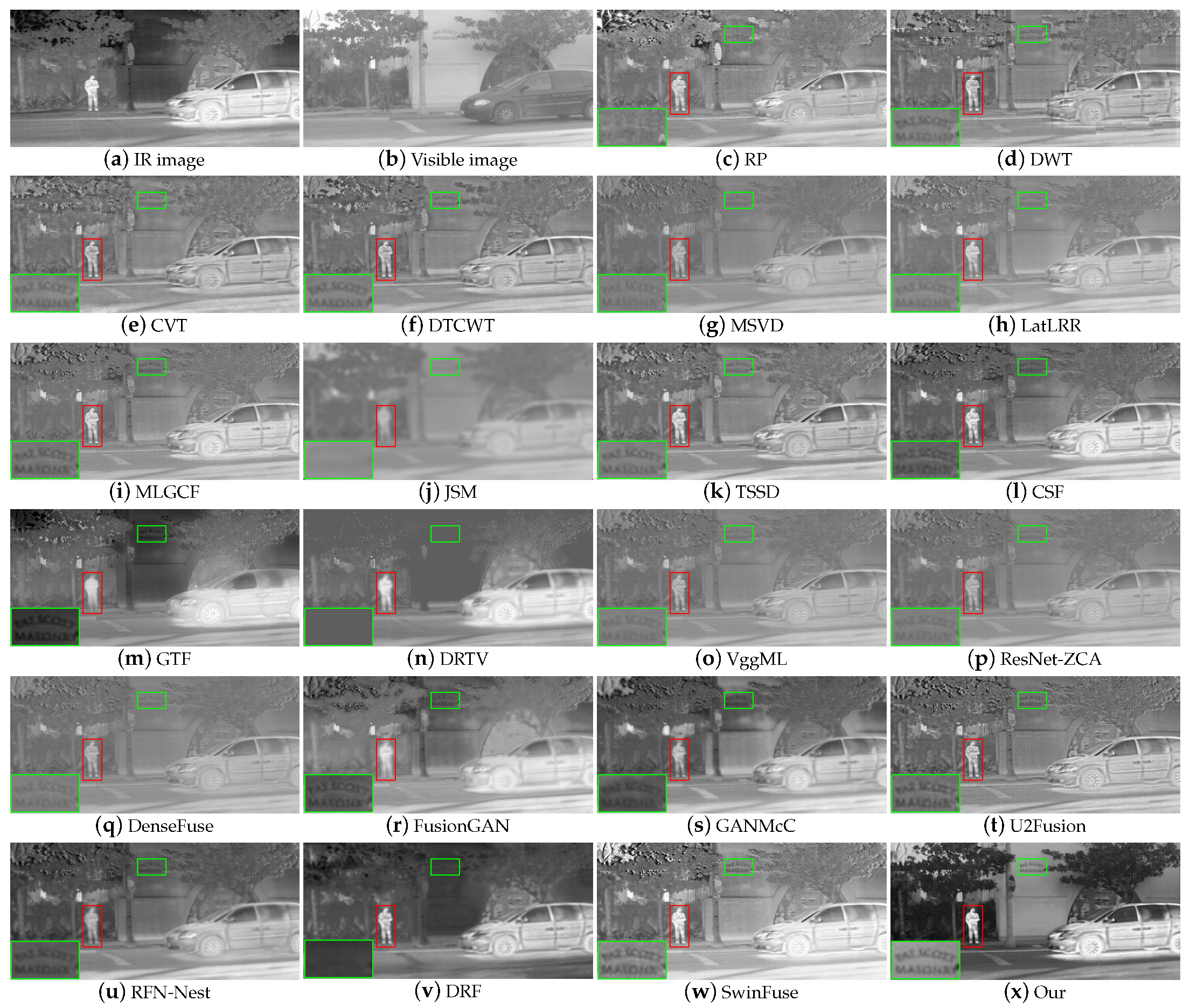
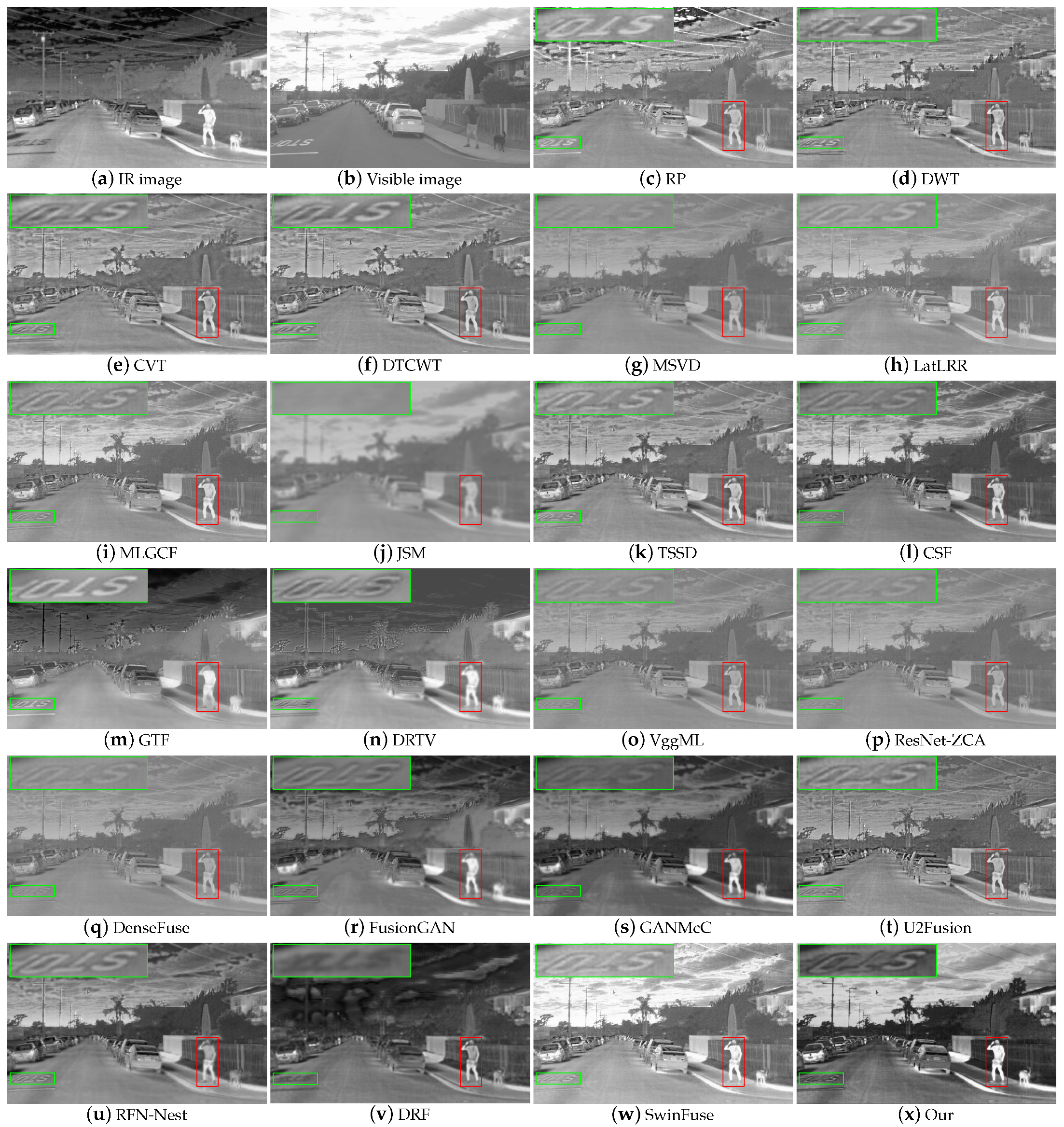
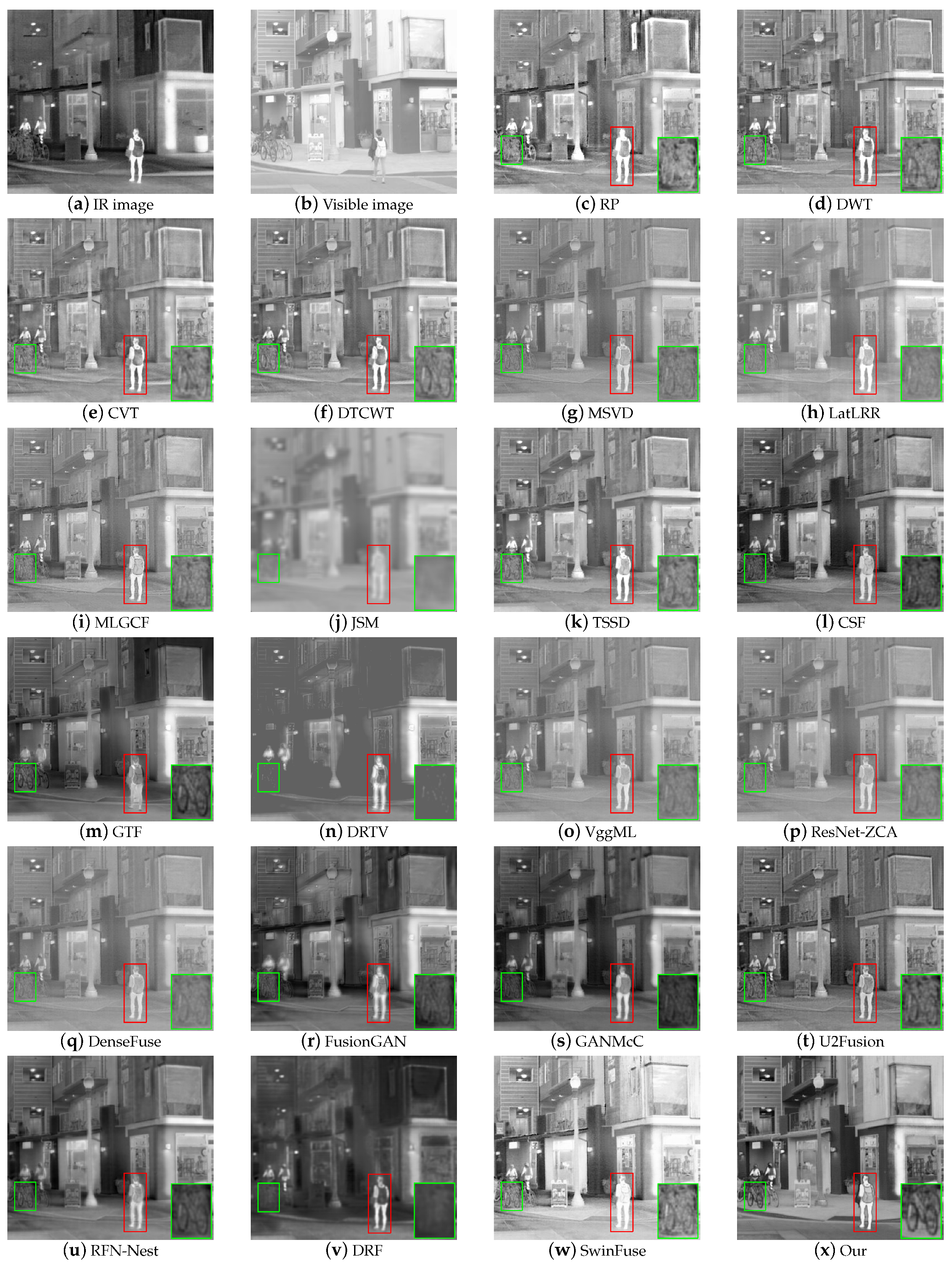
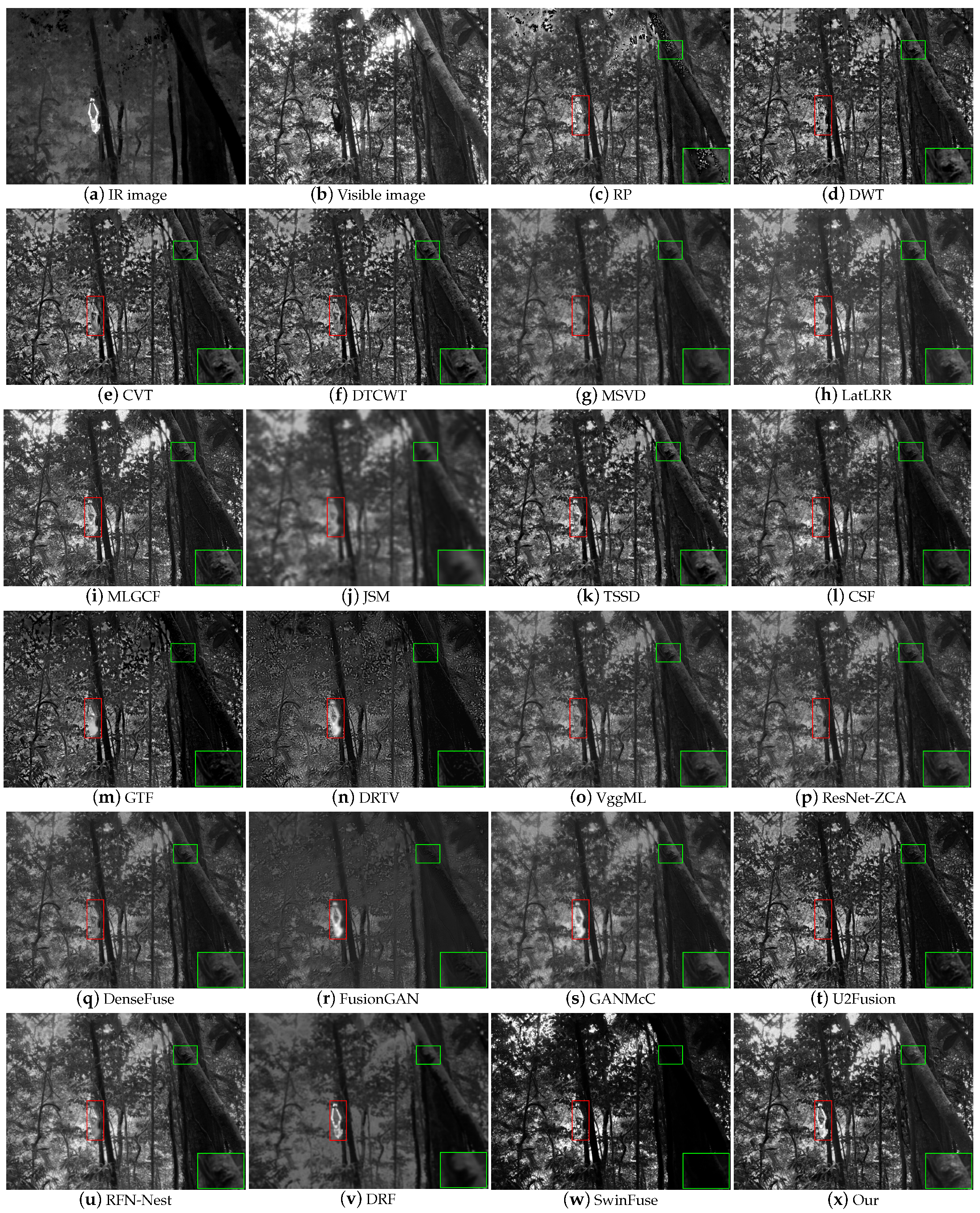
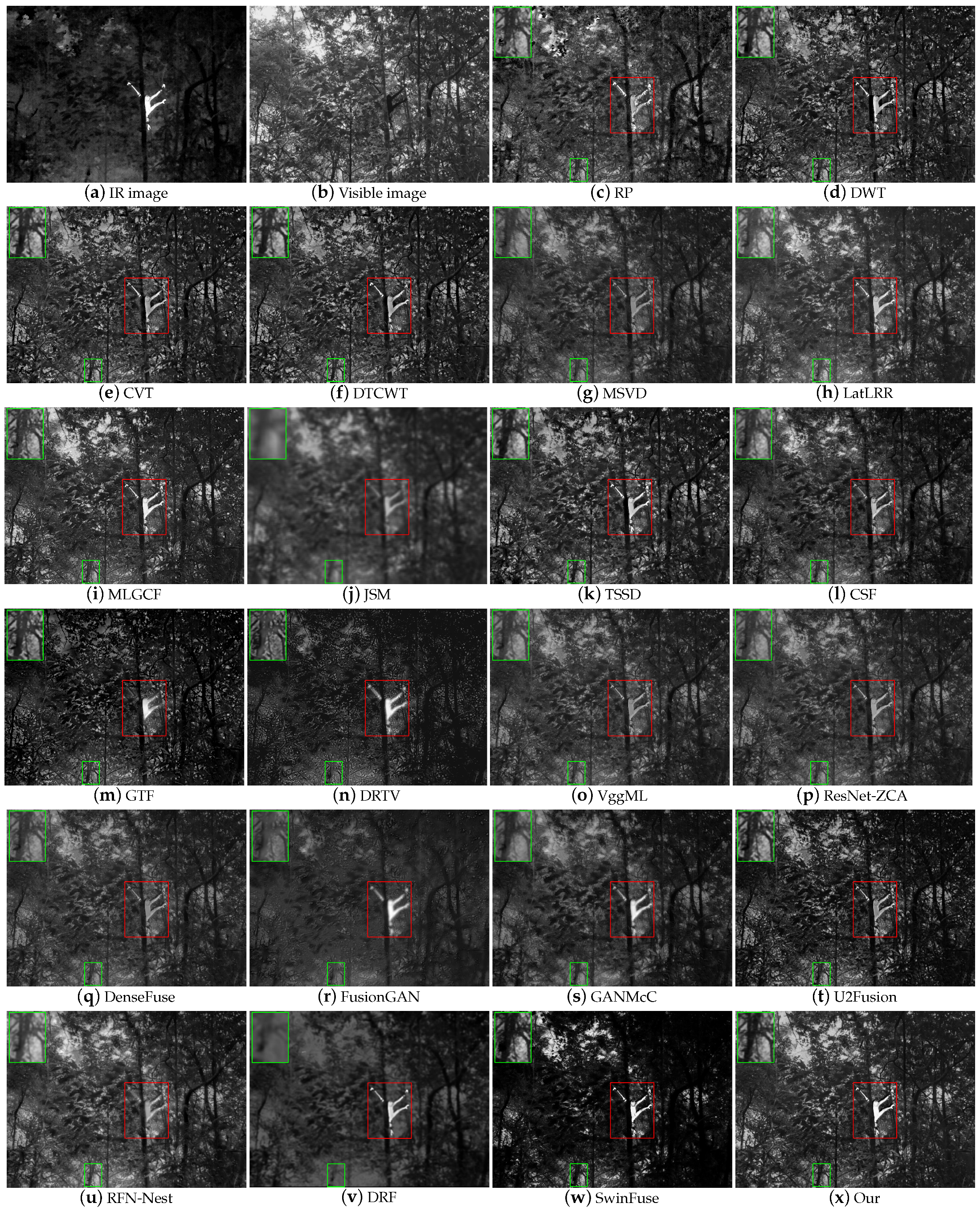
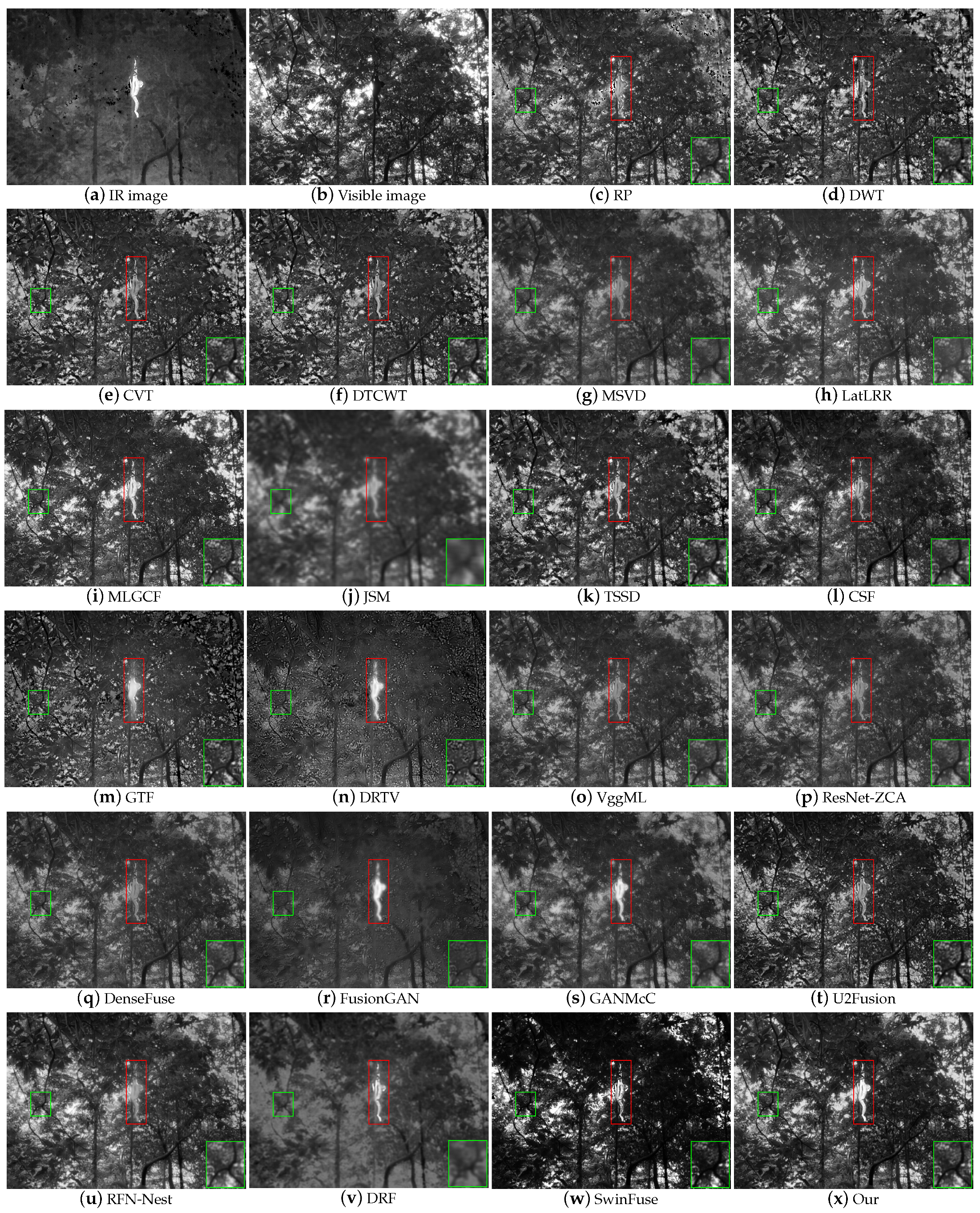
Infrared and visible image fusion is a solution that generates an information-rich individual image with different modal information by fusing images obtained from various sensors. Salient detection can better emphasize the targets of concern. We propose a residual Swin Transformer fusion network based on saliency detection, termed SDRSwin, aiming to highlight the salient thermal targets in the infrared image while maintaining the texture details in the visible image. The SDRSwin network is trained with a two-stage training approach. In the first stage, we train an encoder–decoder network based on residual Swin Transformers to achieve powerful feature extraction and reconstruction capabilities. In the second stage, we develop a novel salient loss function to guide the network to fuse the salient targets in the infrared image and the background detail regions in the visible image. The extensive results indicate that our method has abundant texture details with clear bright infrared targets and achieves a better performance than the twenty-one state-of-the-art methods in both subjective and objective evaluation.
Keywords: image fusion; saliency detection; residual Swin Transformer; infrared image; Hainan gibbon image fusion; saliency detection; residual Swin Transformer; infrared image; Hainan gibbon
Graphical Abstract