Article

Impacts of Climate Oscillation on Offshore Wind Resources in China Seas

1
College of Marine Technology, Faculty of Information Science and Engineering, Ocean University of China, Qingdao 266100, China
2
Zhejiang Huadong Mapping and Engineering Safety Technology Co., Ltd., Hangzhou 310030, China
3
Southern Marine Science and Engineering Guangdong Laboratory, Guangzhou 511458, China
4
PIESAT Information Technology Co., Ltd., Beijing 100195, China
5
Satellite Ocean Application Service, Beijing 100081, China
6
National Meteorological Center, China Meteorological Administration, Beijing 100081, China
*
Author to whom correspondence should be addressed.
Remote Sens. 2022, 14(8), 1879; https://doi.org/10.3390/rs14081879
Submission received: 16 March 2022 / Revised: 9 April 2022 / Accepted: 11 April 2022 / Published: 14 April 2022

Abstract

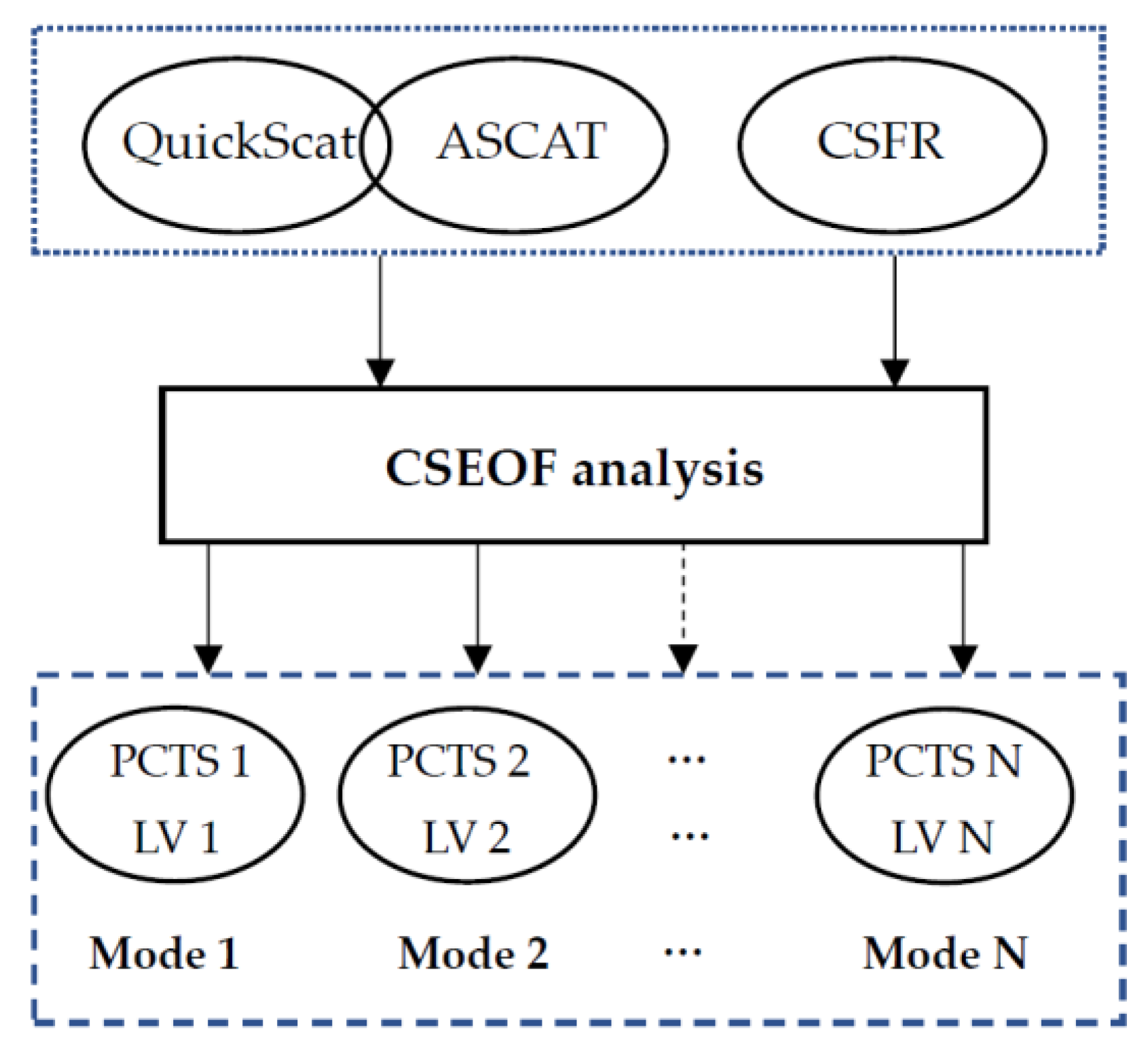
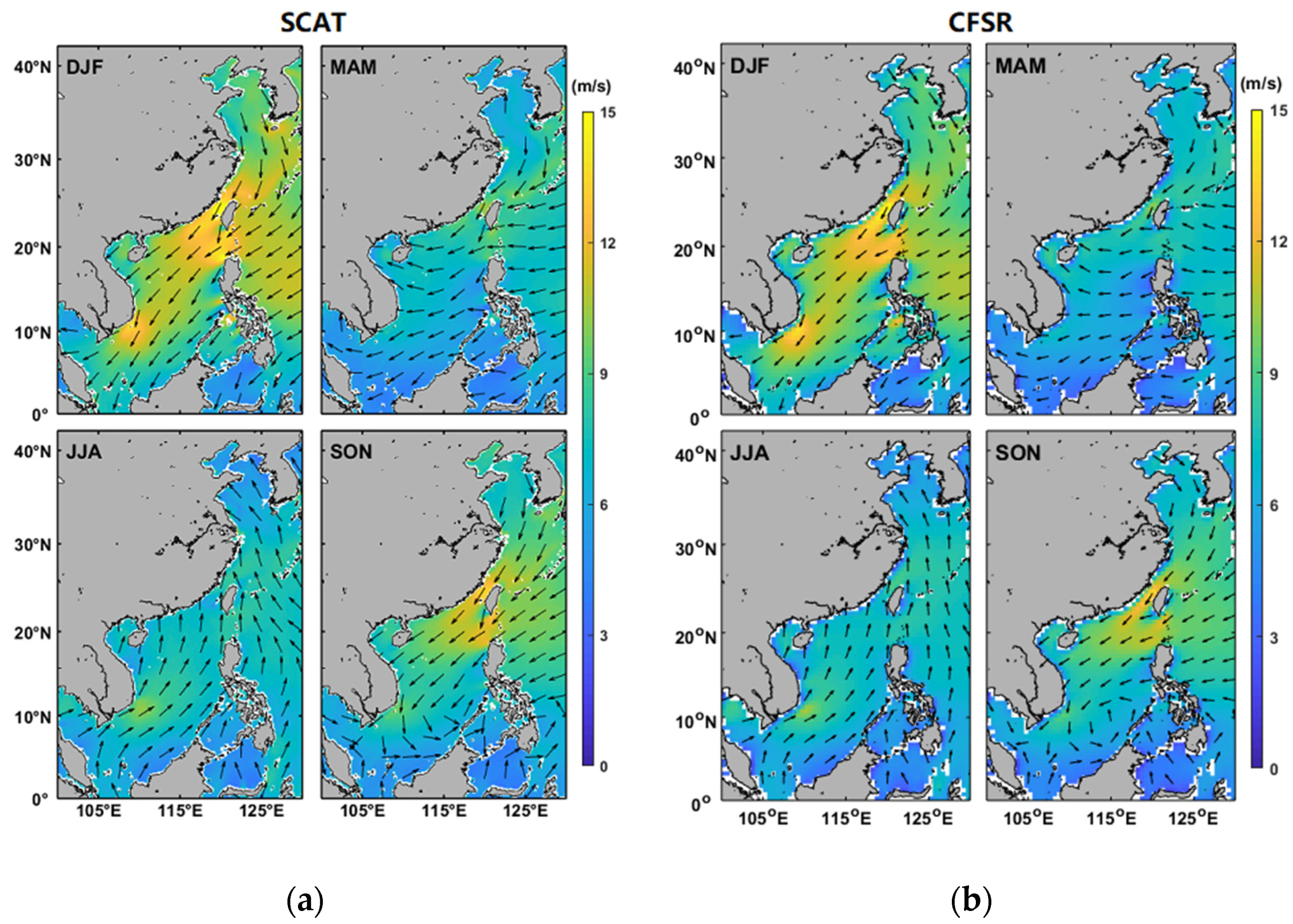
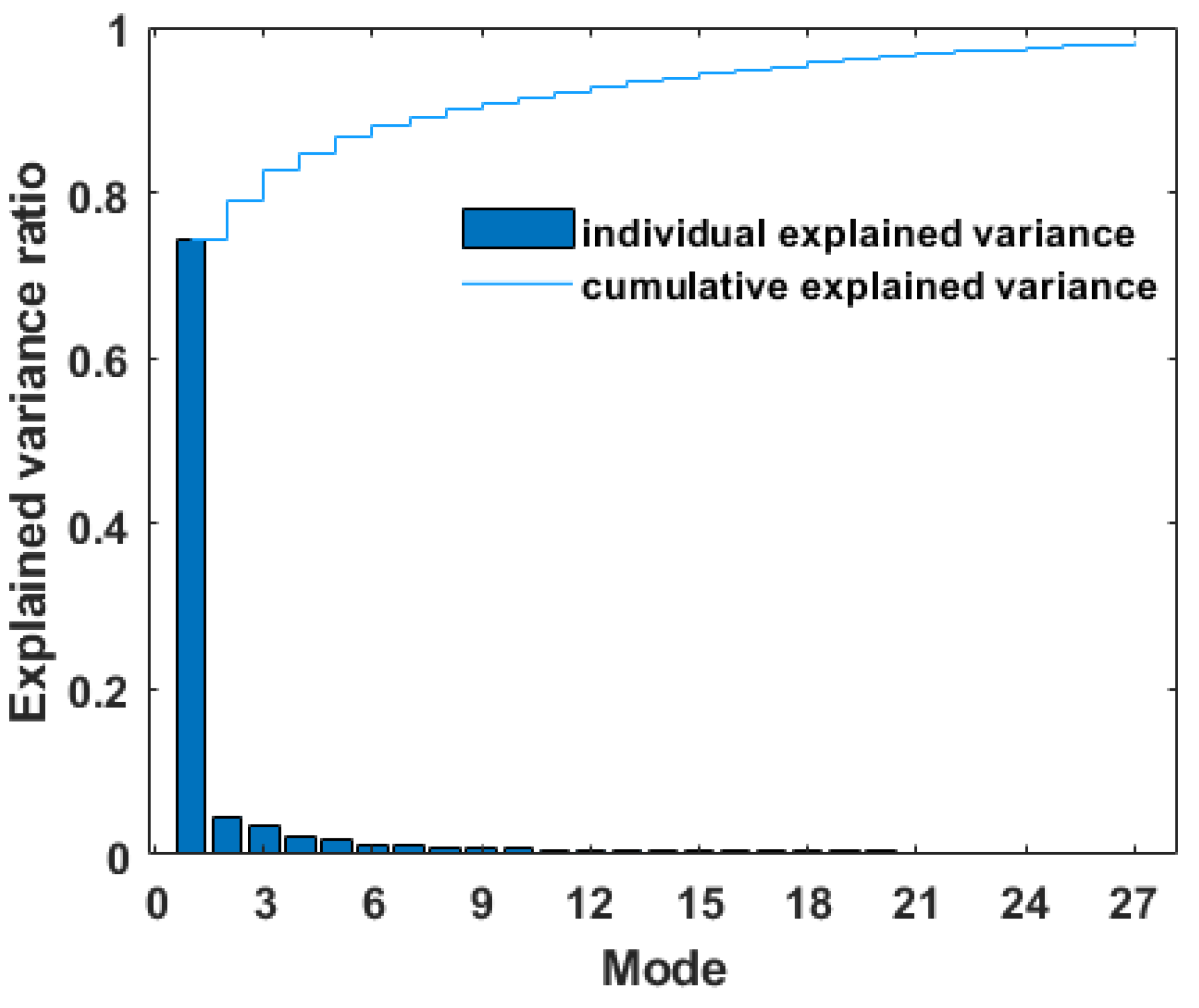
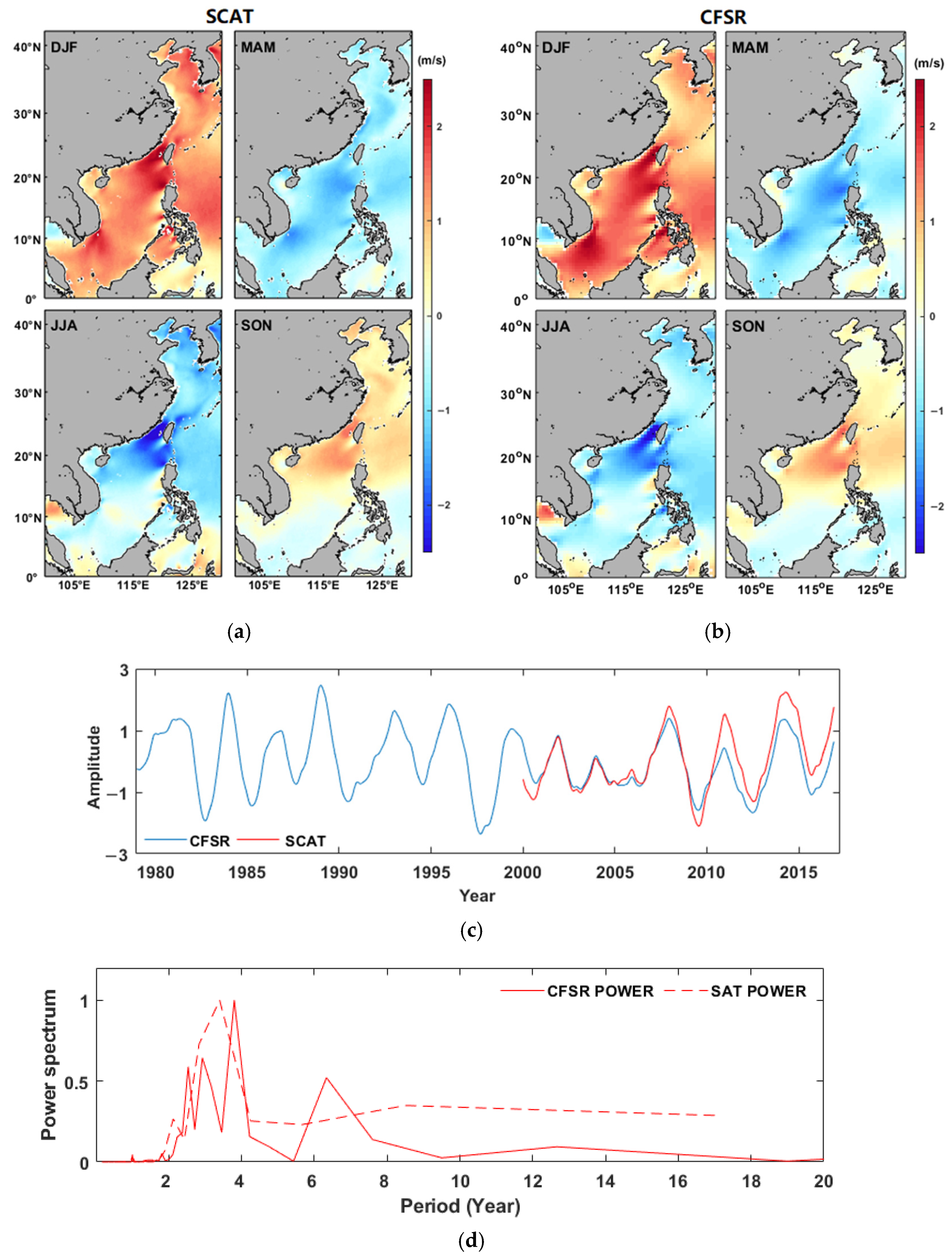
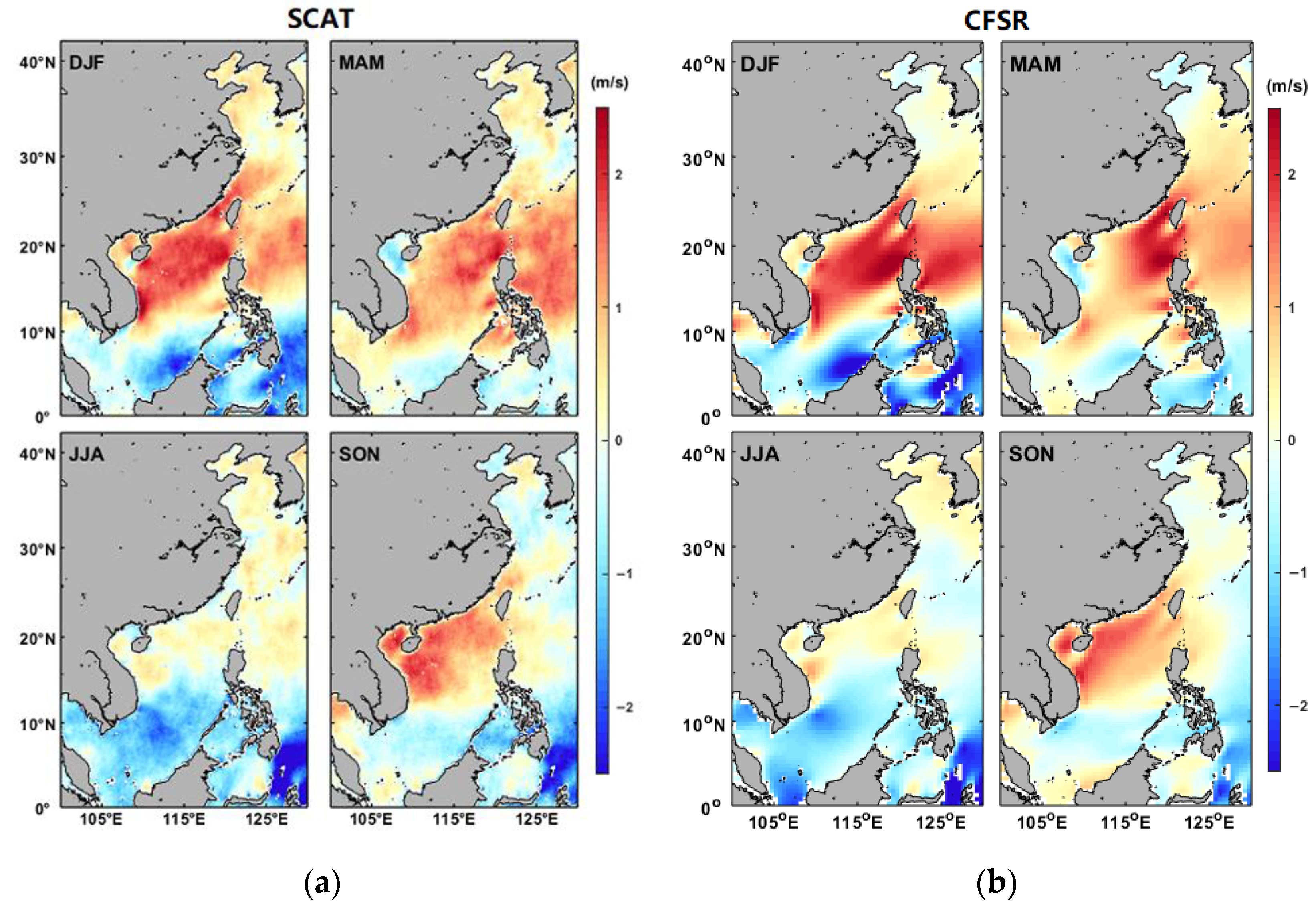
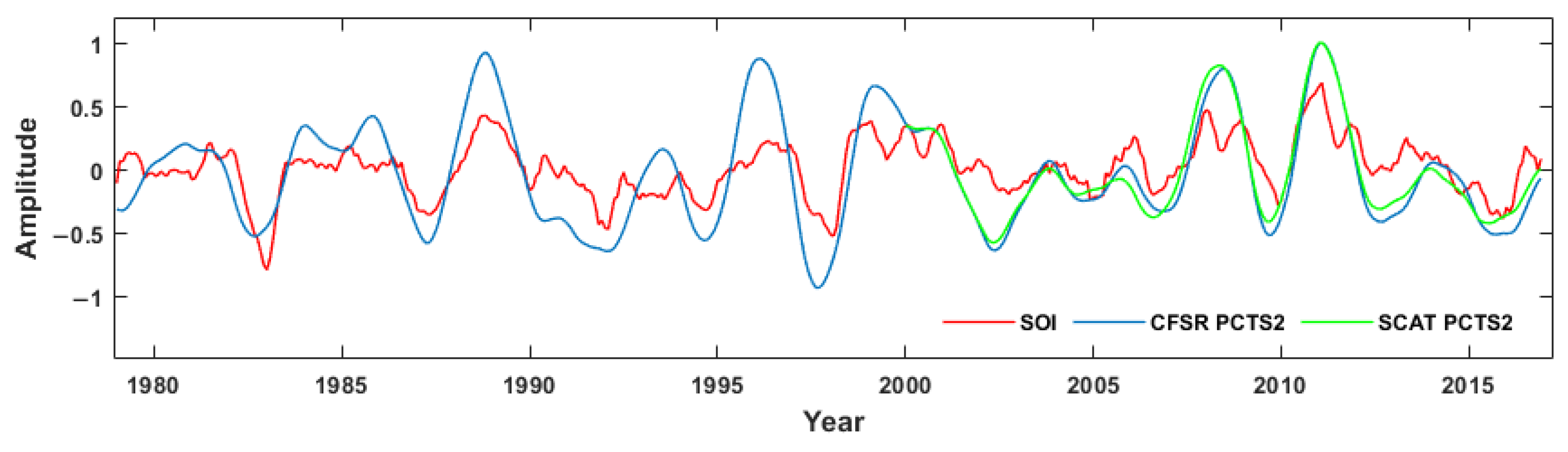
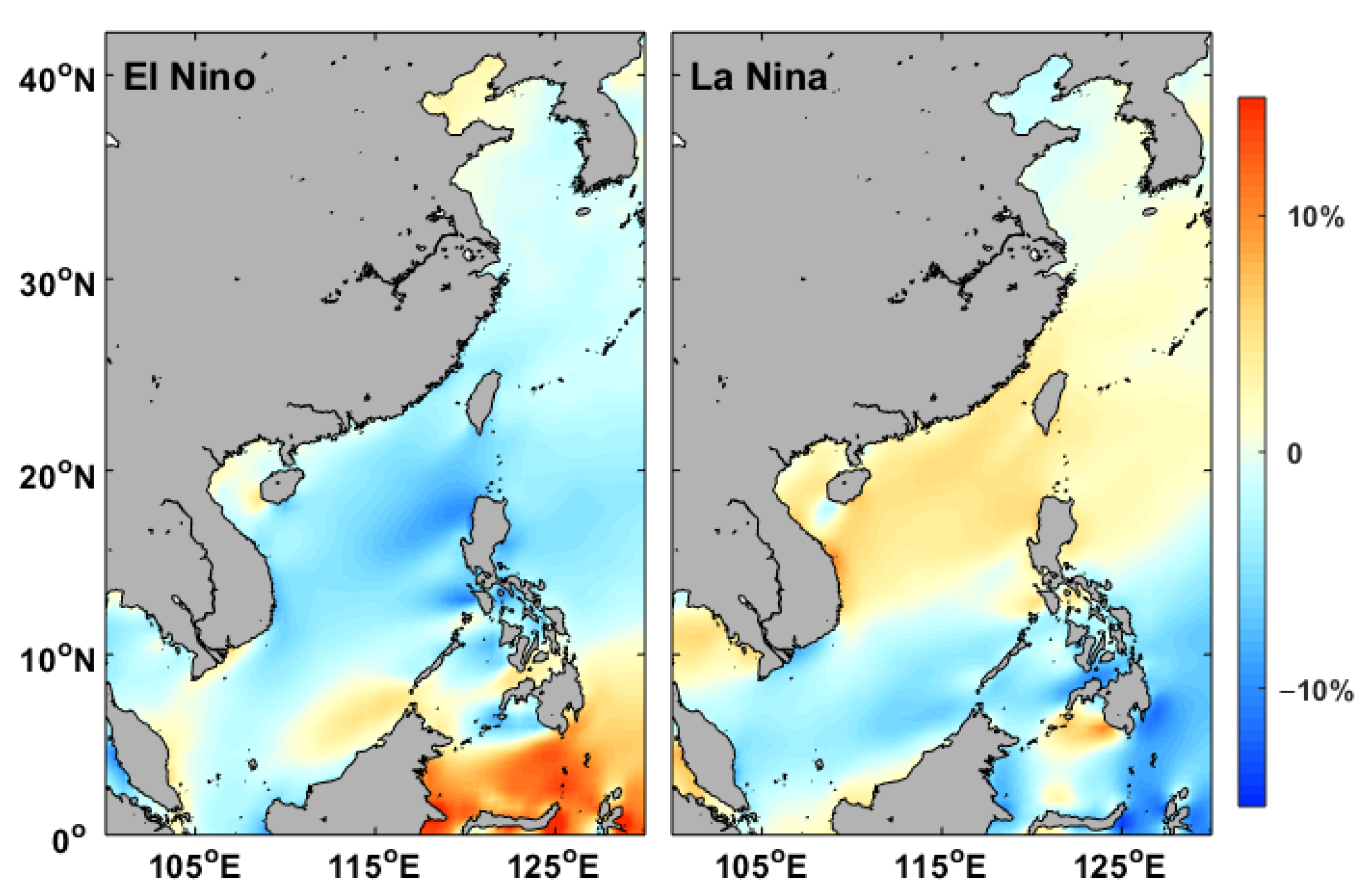
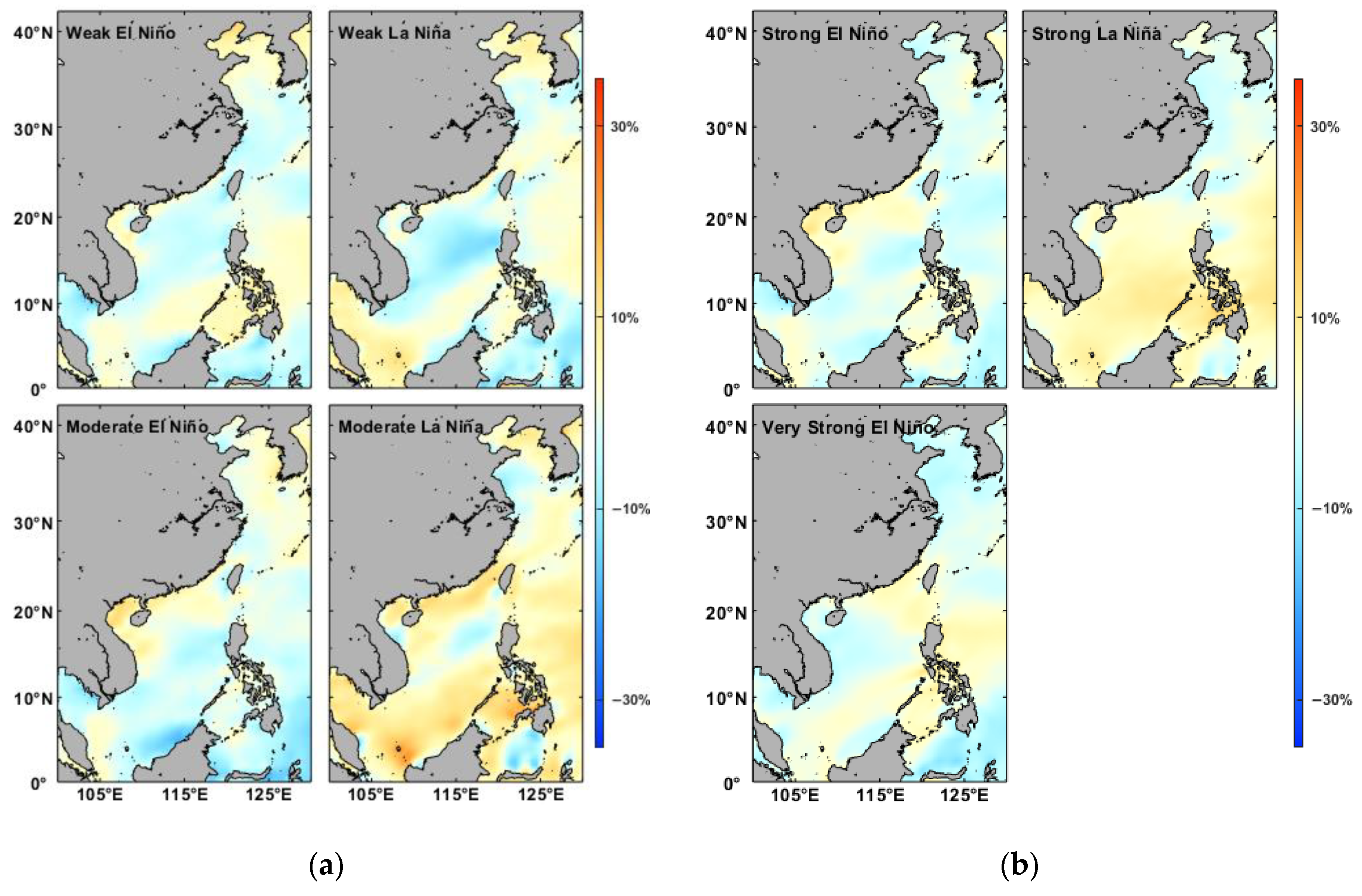
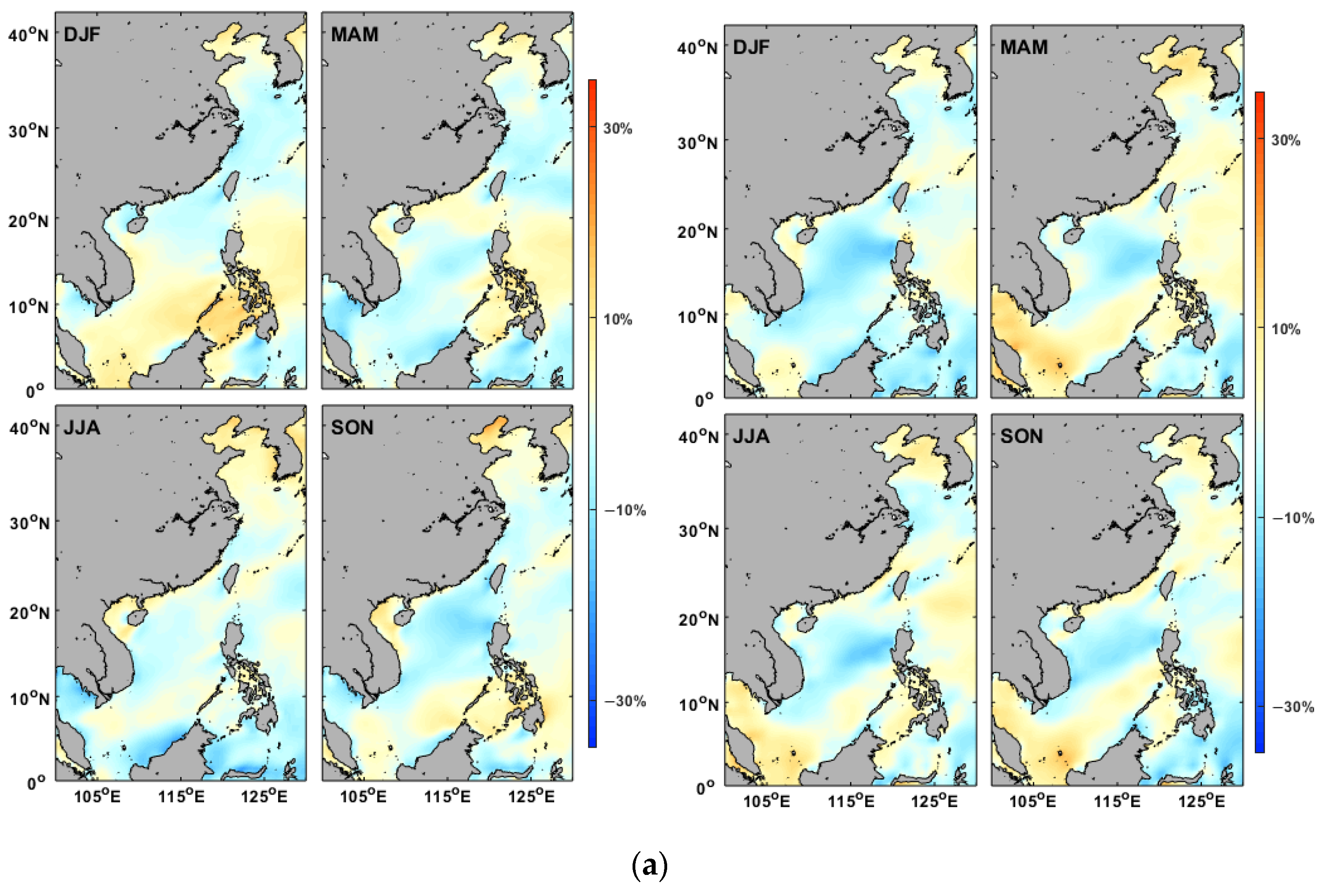
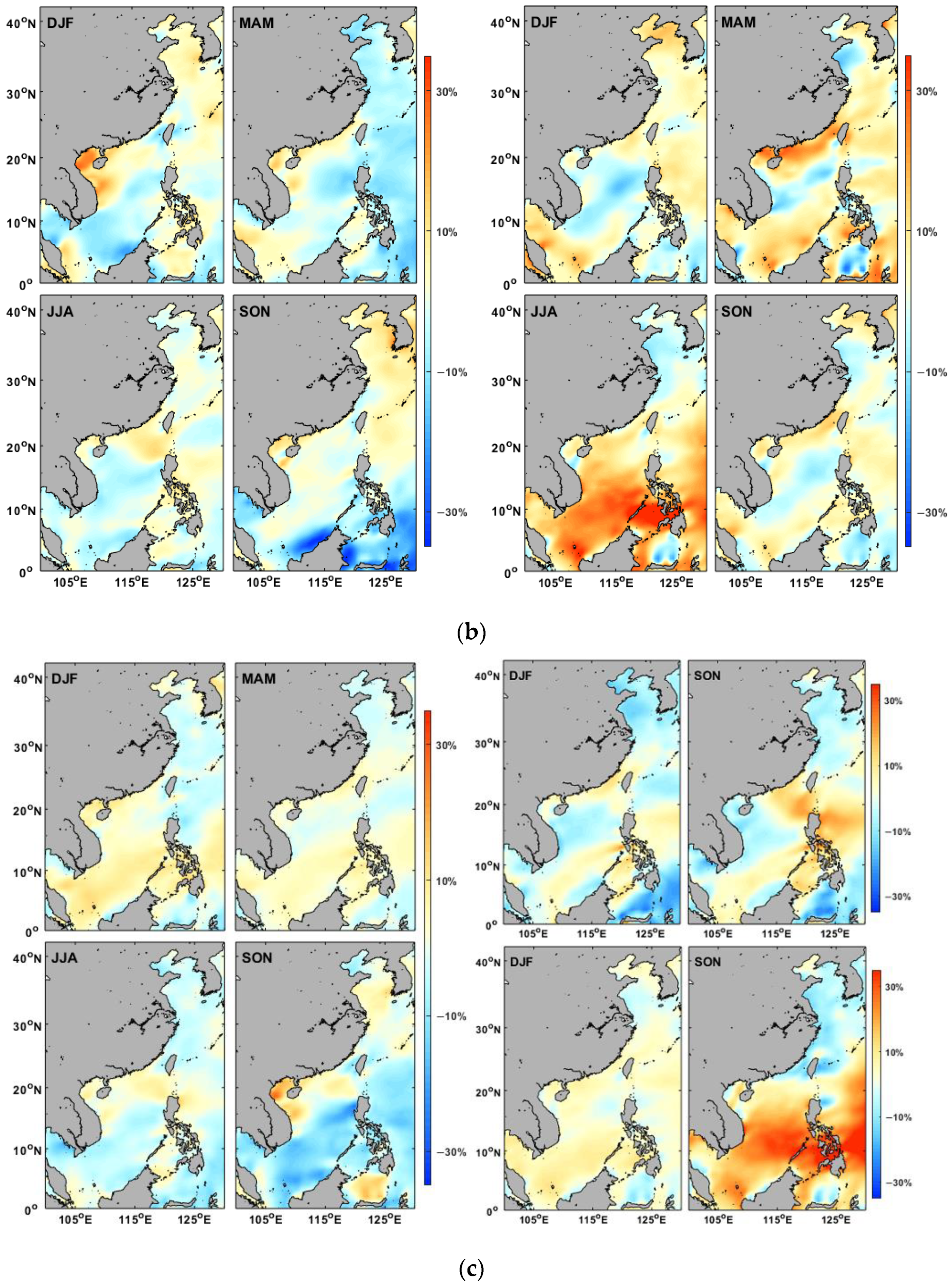
The long-term stability and sustainability of offshore wind energy resources are very important for wind energy exploration. In this study, the Cyclostationary Empirical Orthogonal Function (CSEOF) method, which can determine the time varying spatial distributions and long-term fluctuations in the cyclostationary geophysical process, was adopted to investigate the geographical and temporal variability of offshore wind resources in China Seas. The CSEOF analysis was performed on wind speeds at 70 m height above the sea surface from a validated combined Quick Scatterometer (QuikSCAT) and Advanced Scatterometer (ASCAT) wind product (2000–2016) with high spatial resolution of 12.5 km, and Climate Forecast System Reanalysis (CFSR) wind data (1979–2016) with a grid size of 0.5° × 0.5°. The decomposition results of the two datasets indicate that the first CSEOF mode represents the variability of wind annual cycle signal and contributes 77.7% and 76.5% to the wind energy variability, respectively. The principal component time series (PCTS) shows an interannual variability of annual wind cycle with a period of 3–4 years. The second mode accounts for 4.3% and 4.7% of total wind speed variability, respectively, and captures the spatiotemporal contribution of El Niño Southern Oscillation (ENSO) on regional wind energy variability. The correlations between the mode-2 PCTS of scatterometer or CFSR winds and the Southern Oscillation Index (SOI) are greater than 0.7, illustrating that ENSO has a significant impact on China’s offshore wind resources. Moreover, the mode-1 or mode-2 spatial pattern of CFSR winds is basically consistent with that of scatterometer data, but CFSR underestimates the temporal variability of annual wind speed cycle and the spatial changes of wind speed related to ENSO. Compared with reanalysis data, scatterometer winds always demonstrate a finer structure of wind energy variability due to their higher spatial resolution. For ENSO events with different intensities, the impact of ENSO on regional wind resources varies with time and space. In general, El Niño has reduced wind energy in most regions of China Seas except for the Bohai Sea and Beibu Bay, while La Niña has strengthened the winds in most areas except for the Bohai Sea and southern South China Sea.
Keywords: offshore wind resource; scatterometer wind; China Seas; CSEOF; ENSO offshore wind resource; scatterometer wind; China Seas; CSEOF; ENSO