Article

Oriented Object Detection in Remote Sensing Images with Anchor-Free Oriented Region Proposal Network

School of Electronic Information and Communications, Huazhong University of Science and Technology, Wuhan 430074, China
*
Author to whom correspondence should be addressed.
Remote Sens. 2022, 14(5), 1246; https://doi.org/10.3390/rs14051246
Submission received: 19 January 2022 / Revised: 20 February 2022 / Accepted: 1 March 2022 / Published: 3 March 2022
(This article belongs to the Special Issue Deep Learning and Computer Vision in Remote Sensing)

Abstract

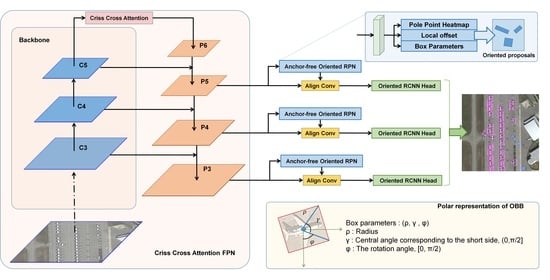
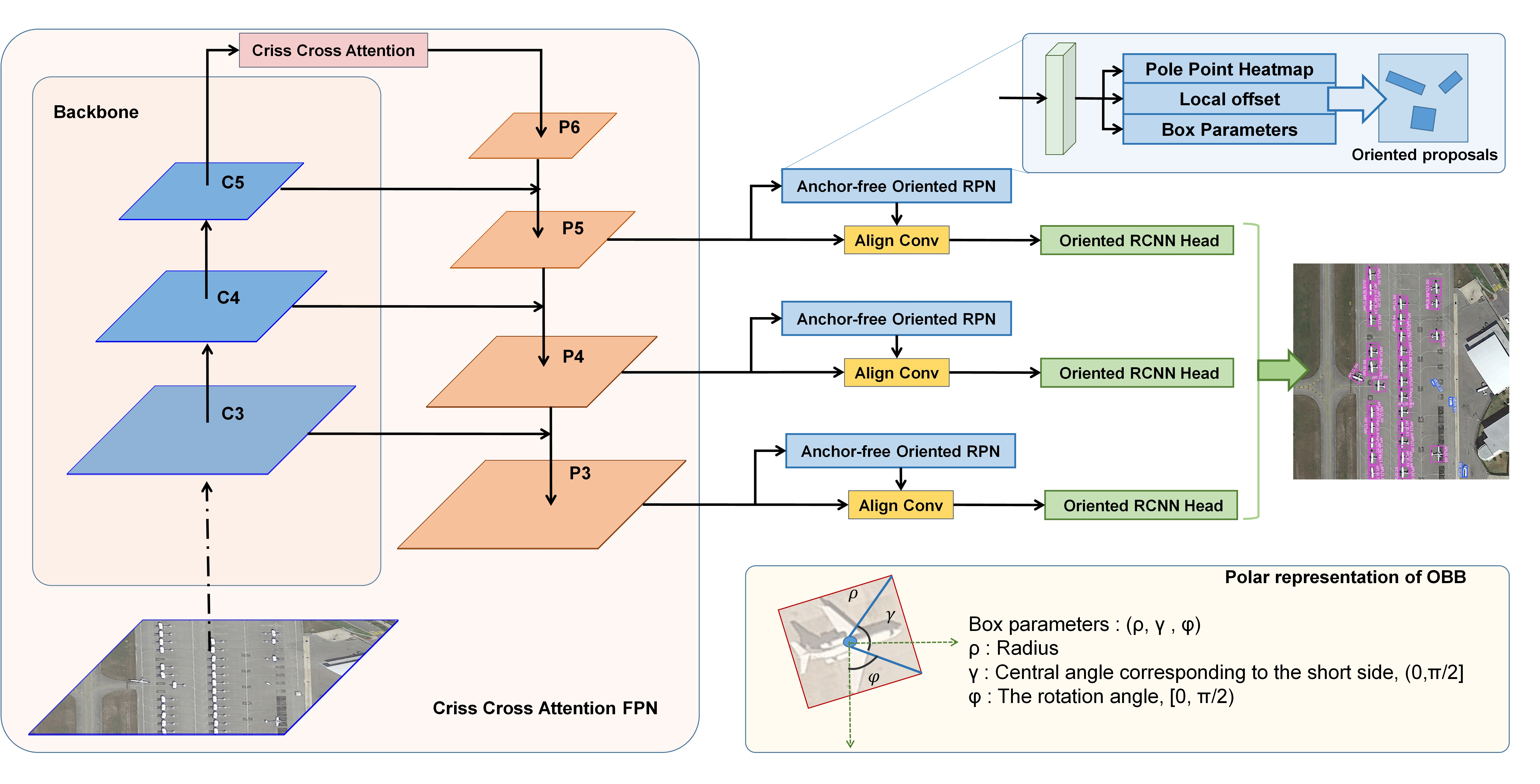
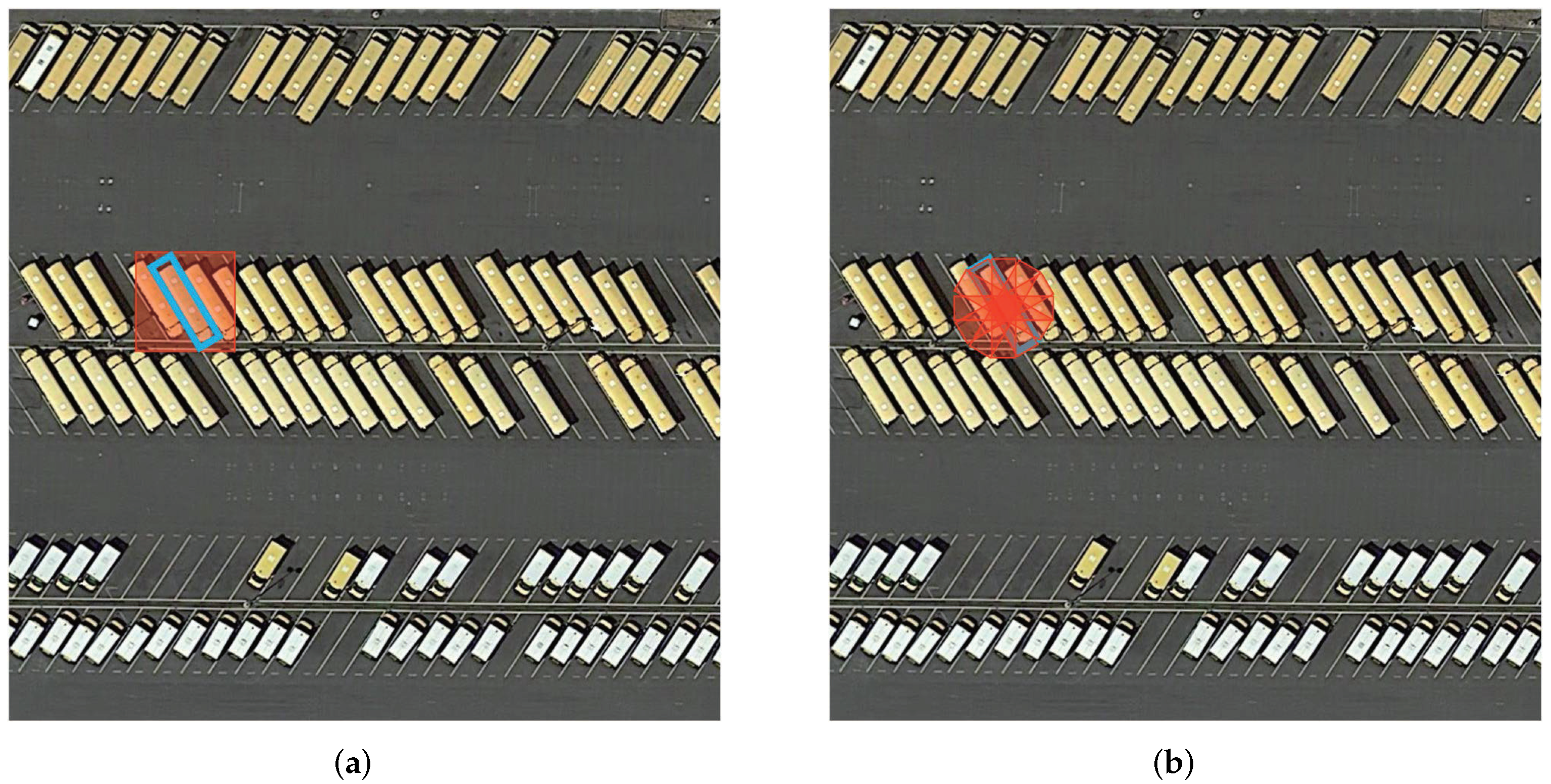
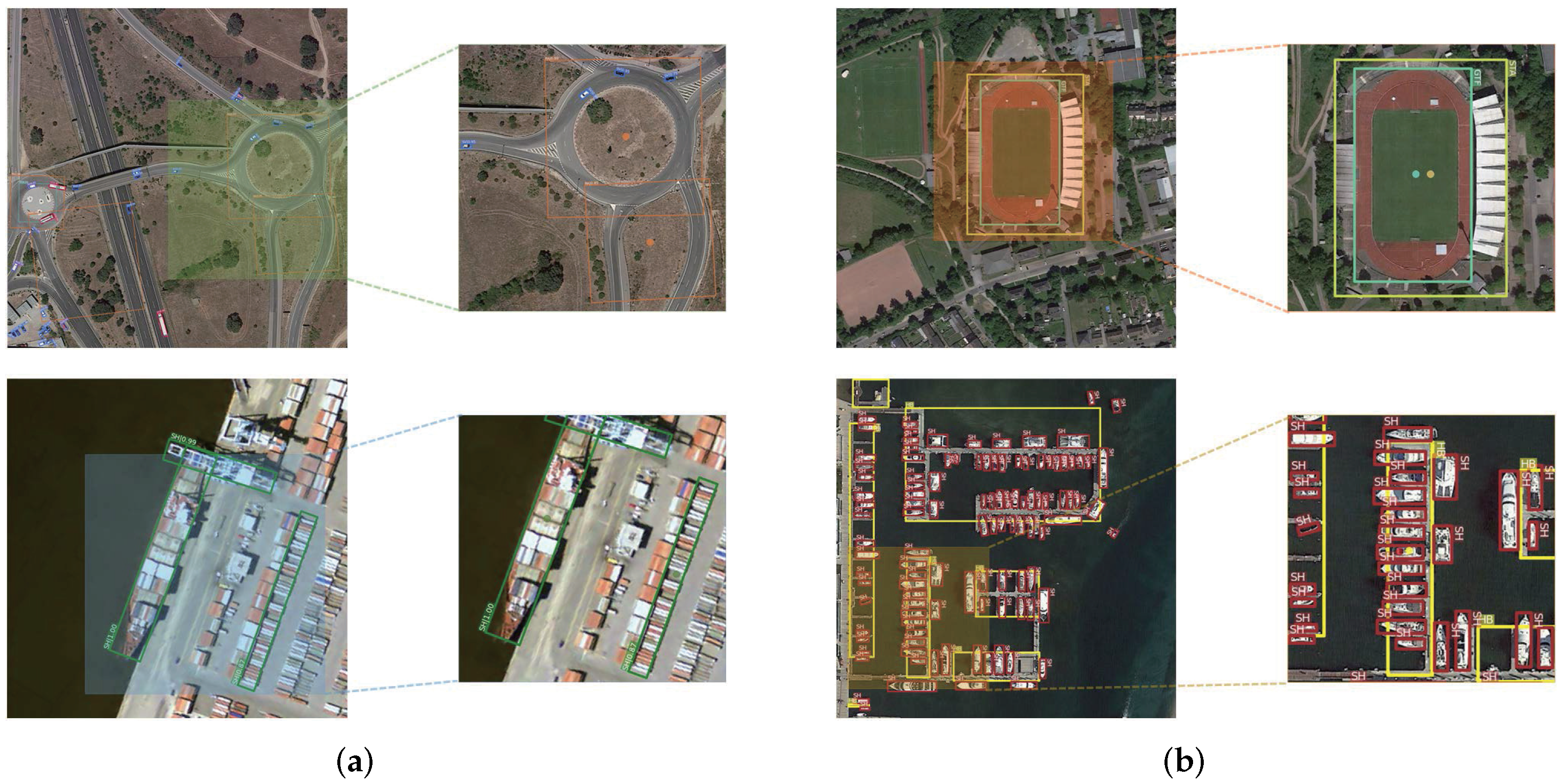
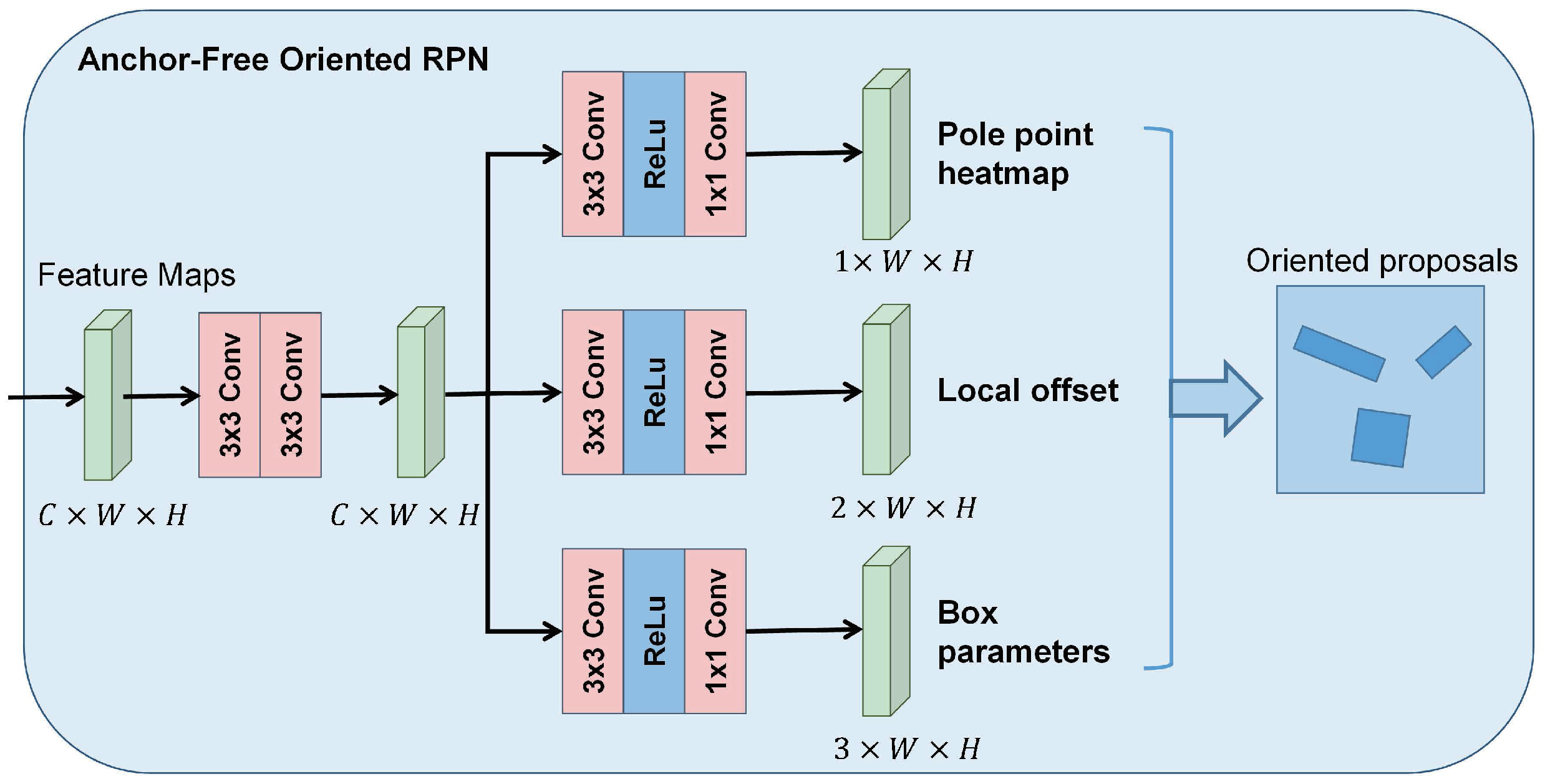
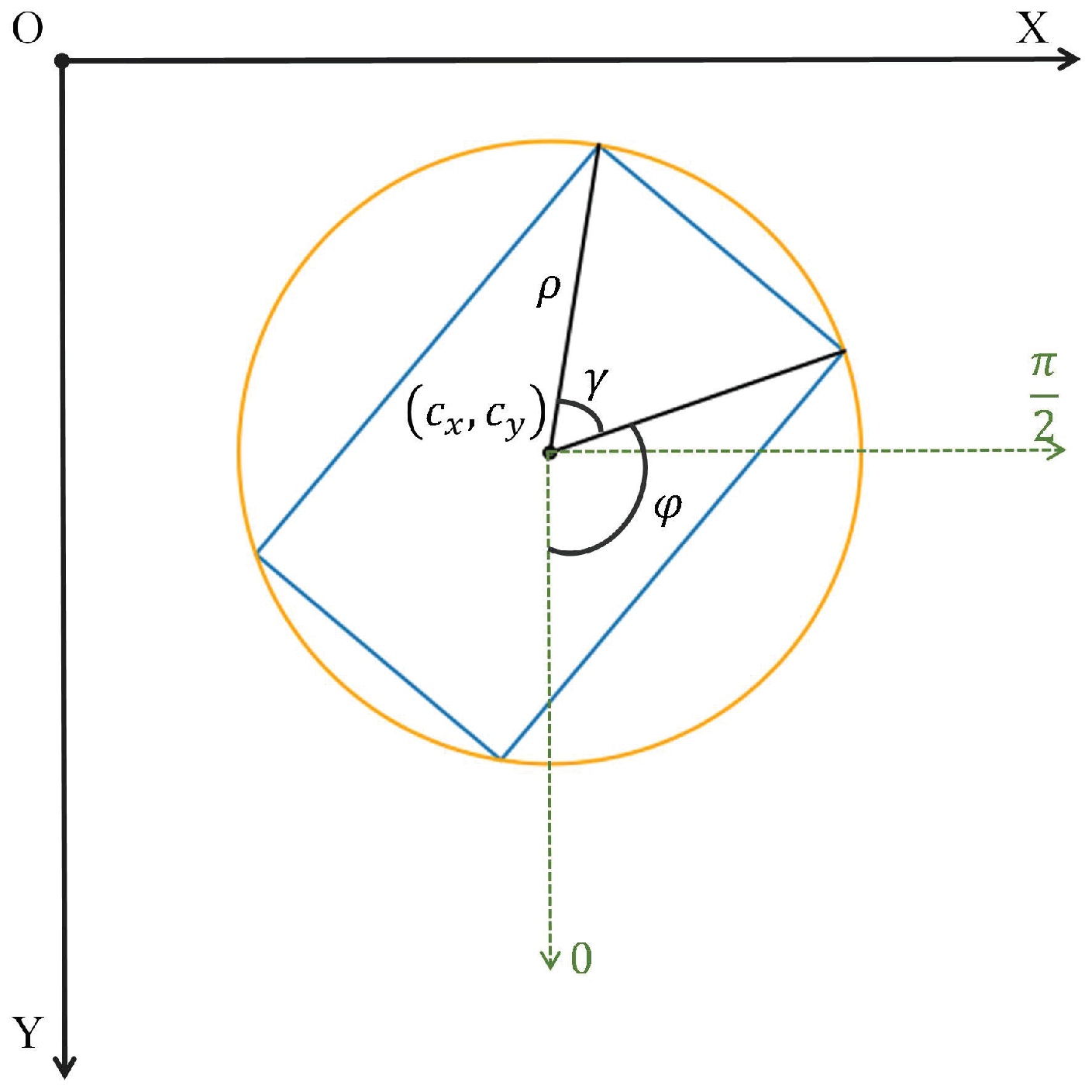
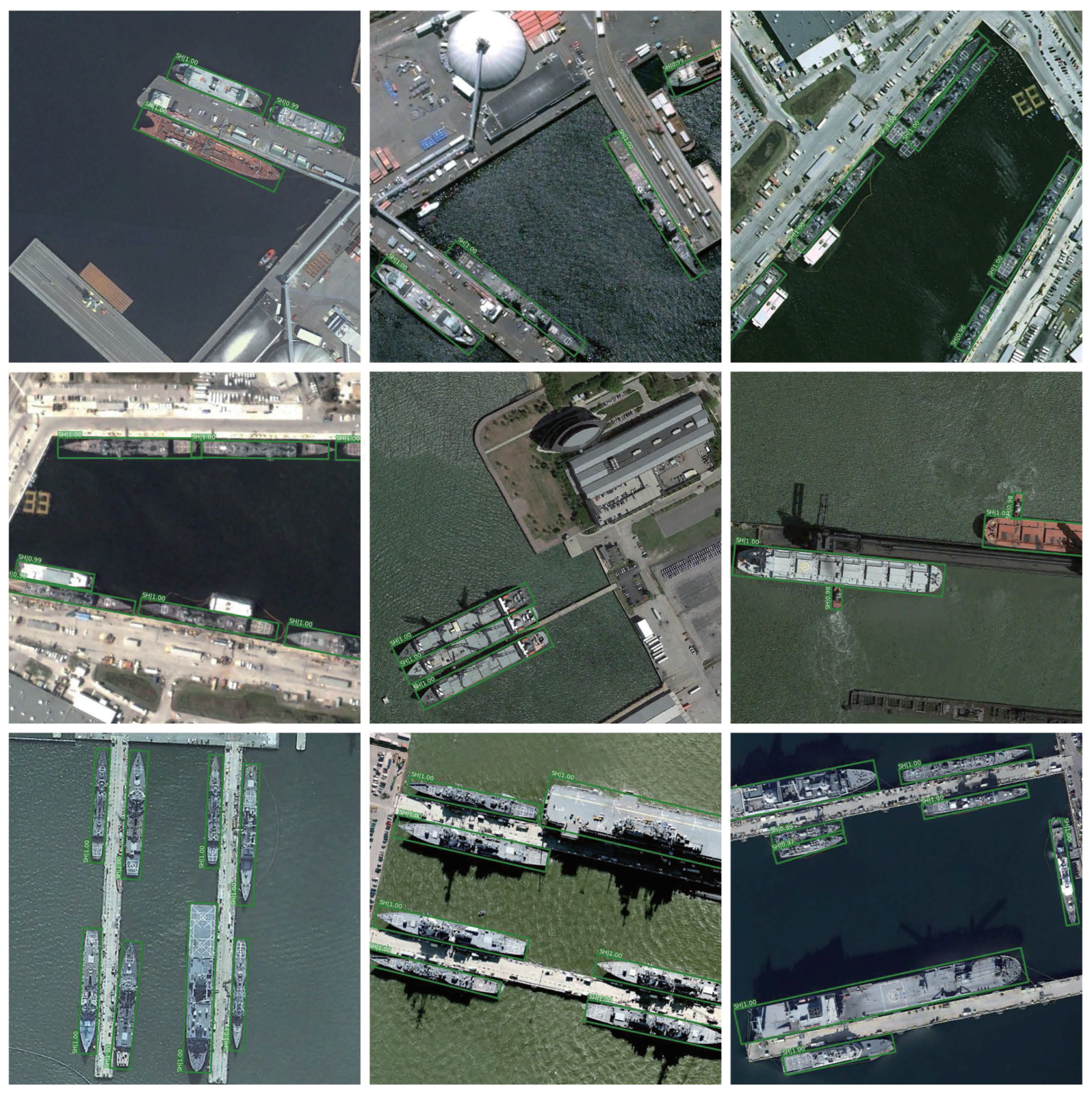
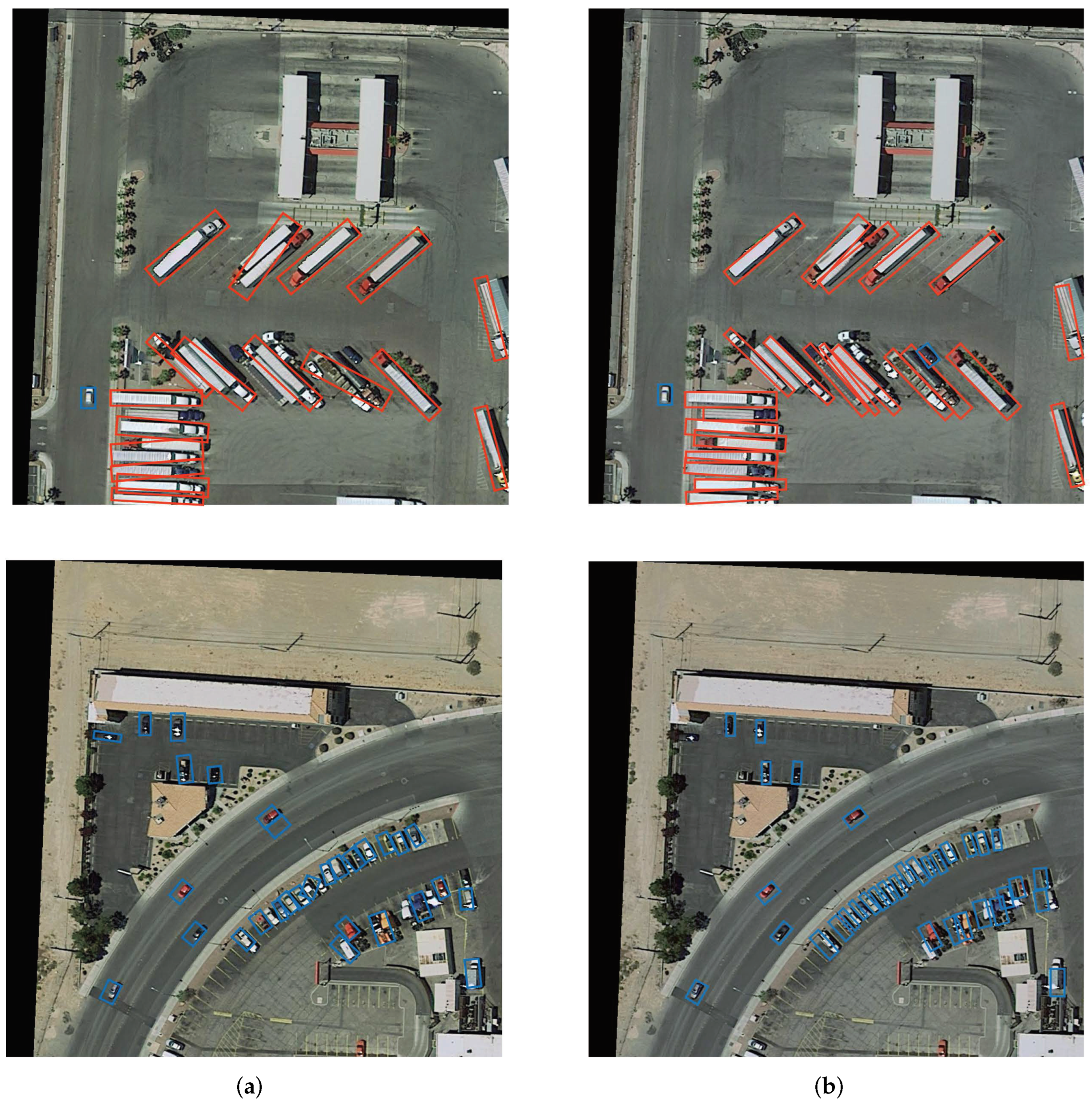
Oriented object detection is a fundamental and challenging task in remote sensing image analysis that has recently drawn much attention. Currently, mainstream oriented object detectors are based on densely placed predefined anchors. However, the high number of anchors aggravates the positive and negative sample imbalance problem, which may lead to duplicate detections or missed detections. To address the problem, this paper proposes a novel anchor-free two-stage oriented object detector. We propose the Anchor-Free Oriented Region Proposal Network (AFO-RPN) to generate high-quality oriented proposals without enormous predefined anchors. To deal with rotation problems, we also propose a new representation of an oriented box based on a polar coordinate system. To solve the severe appearance ambiguity problems faced by anchor-free methods, we use a Criss-Cross Attention Feature Pyramid Network (CCA-FPN) to exploit the contextual information of each pixel and its neighbors in order to enhance the feature representation. Extensive experiments on three public remote sensing benchmarks—DOTA, DIOR-R, and HRSC2016—demonstrate that our method can achieve very promising detection performance, with a mean average precision (mAP) of 80.68%, 67.15%, and 90.45%, respectively, on the benchmarks.
Keywords: remote sensing images; oriented object detection; contextual information; Anchor Free Region Proposal Network; polar representation remote sensing images; oriented object detection; contextual information; Anchor Free Region Proposal Network; polar representation
Graphical Abstract