Article

Assessment of the Impact of Rubber Plantation Expansion on Regional Carbon Storage Based on Time Series Remote Sensing and the InVEST Model


1
State Key Laboratory of Resources and Environmental Information System, Institute of Geographic Sciences and Natural Resources Research, Chinese Academy of Sciences, Beijing 100101, China
2
CAS Engineering Laboratory for Yellow River Delta Modern Agriculture, Institute of Geographic Sciences and Natural Resources Research, Chinese Academy of Sciences, Beijing 100101, China
*
Author to whom correspondence should be addressed.
These authors contributed equally to this work.
Remote Sens. 2022, 14(24), 6234; https://doi.org/10.3390/rs14246234
Submission received: 15 October 2022 / Revised: 26 November 2022 / Accepted: 5 December 2022 / Published: 9 December 2022
(This article belongs to the Special Issue Monitoring Forest Carbon Sequestration with Remote Sensing)

Abstract

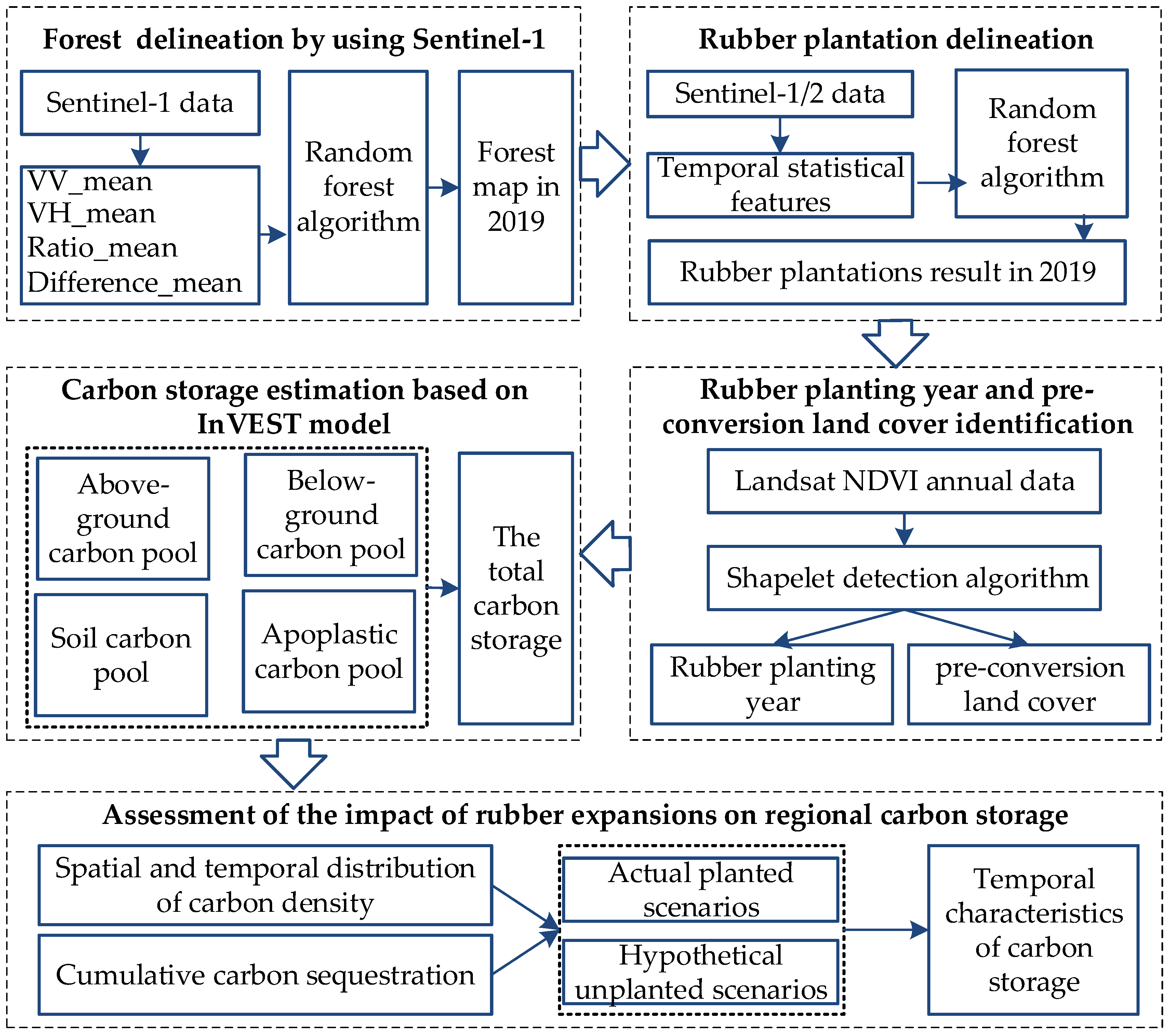
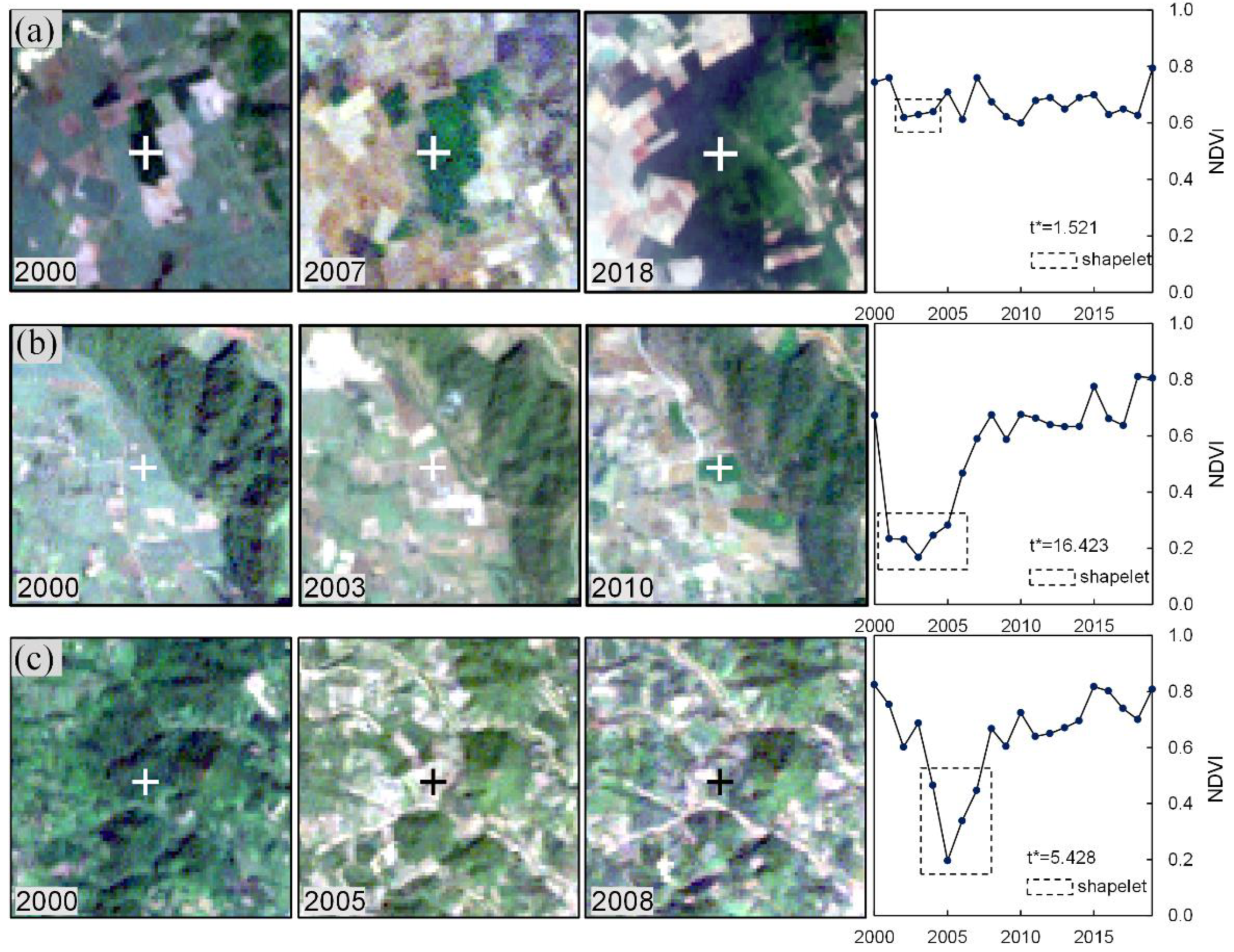
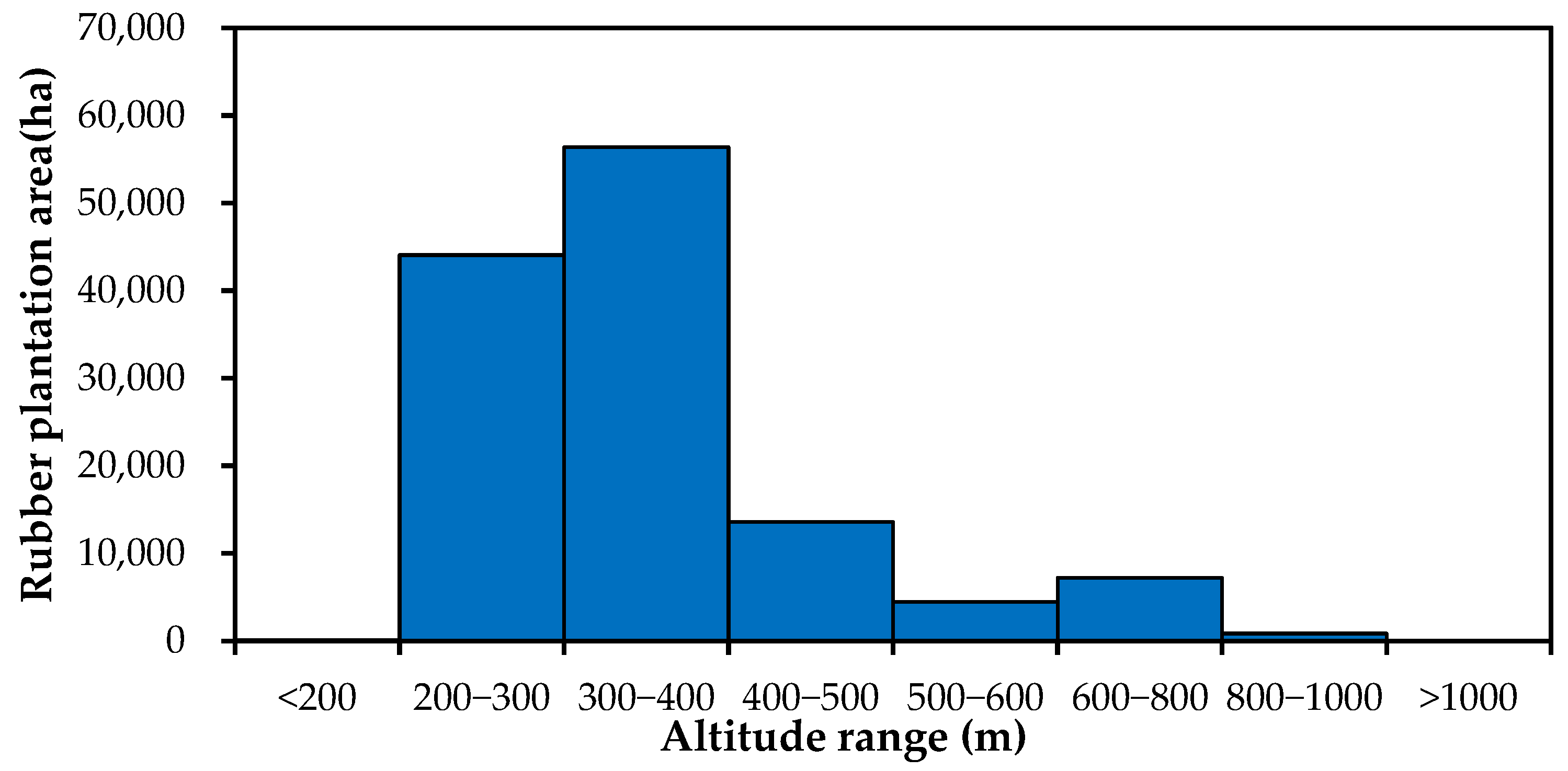
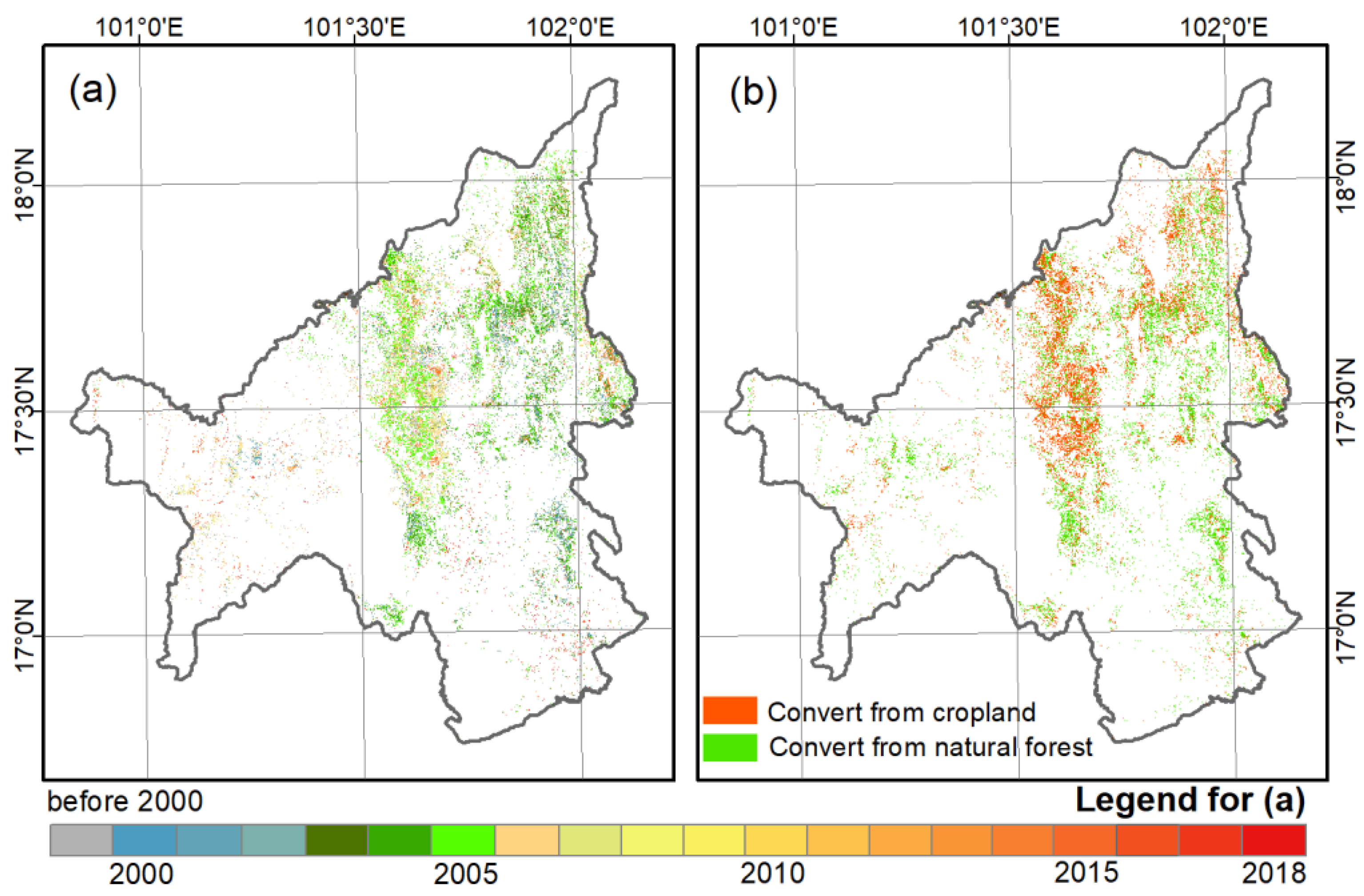
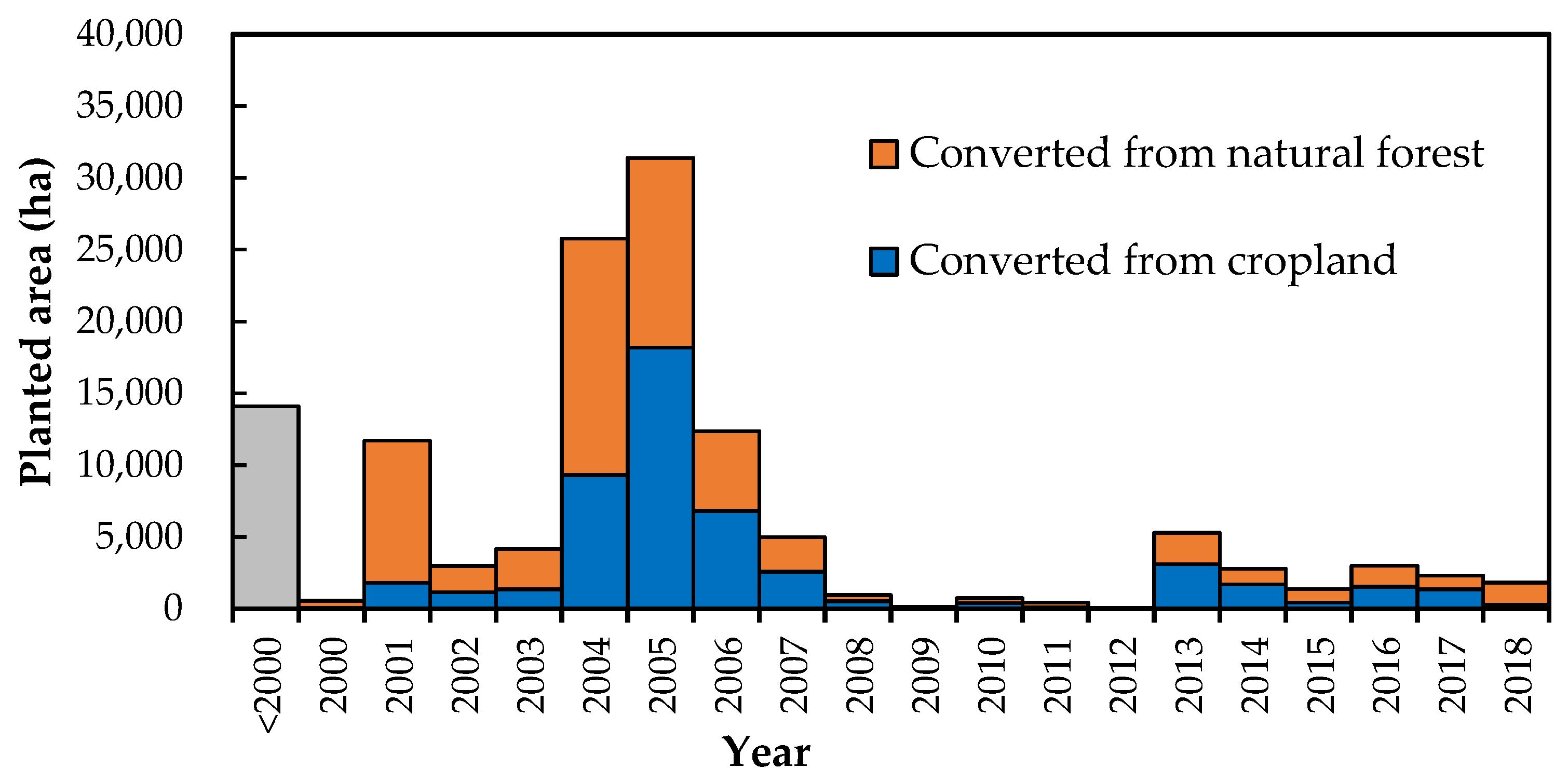
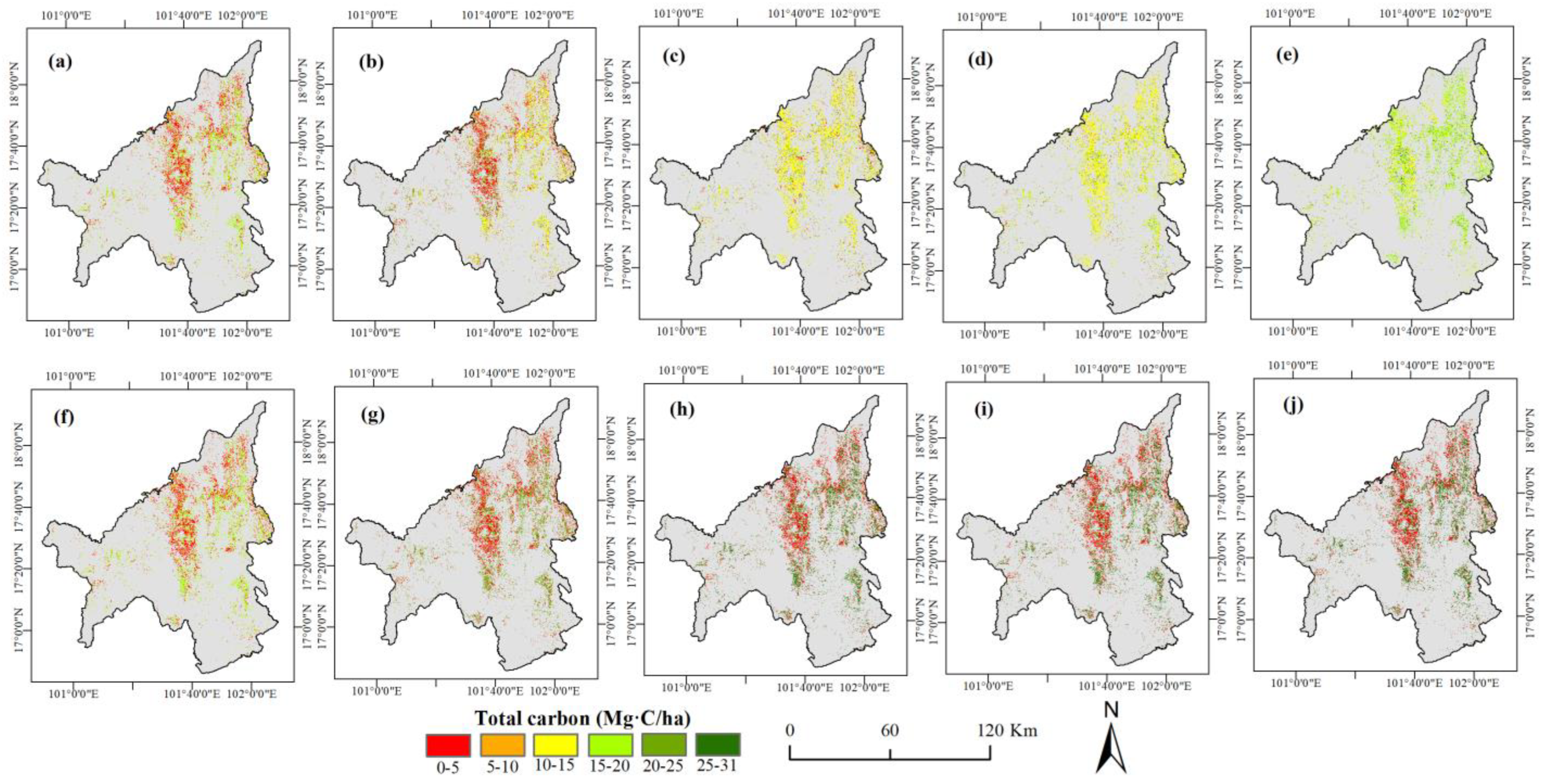
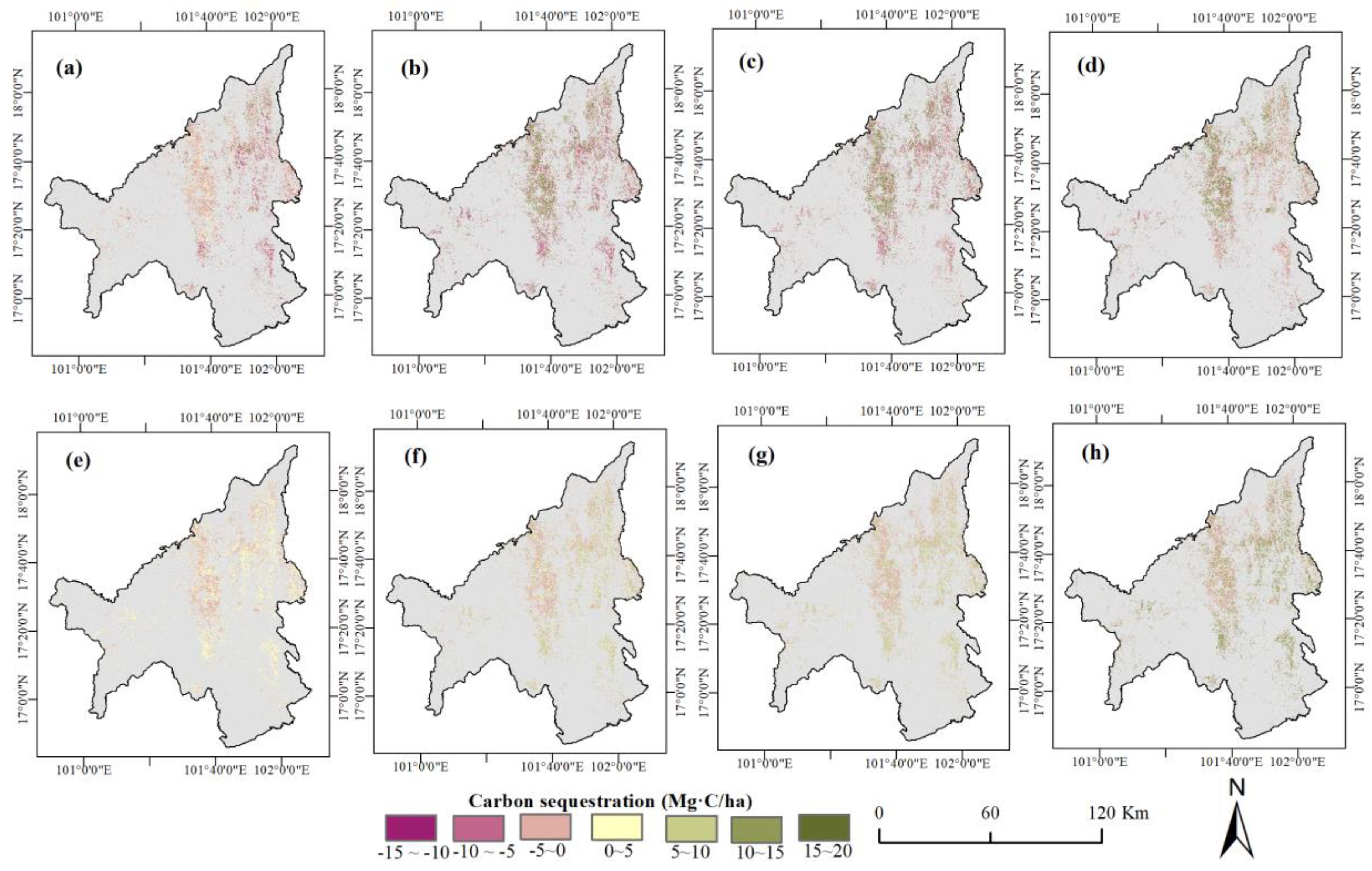
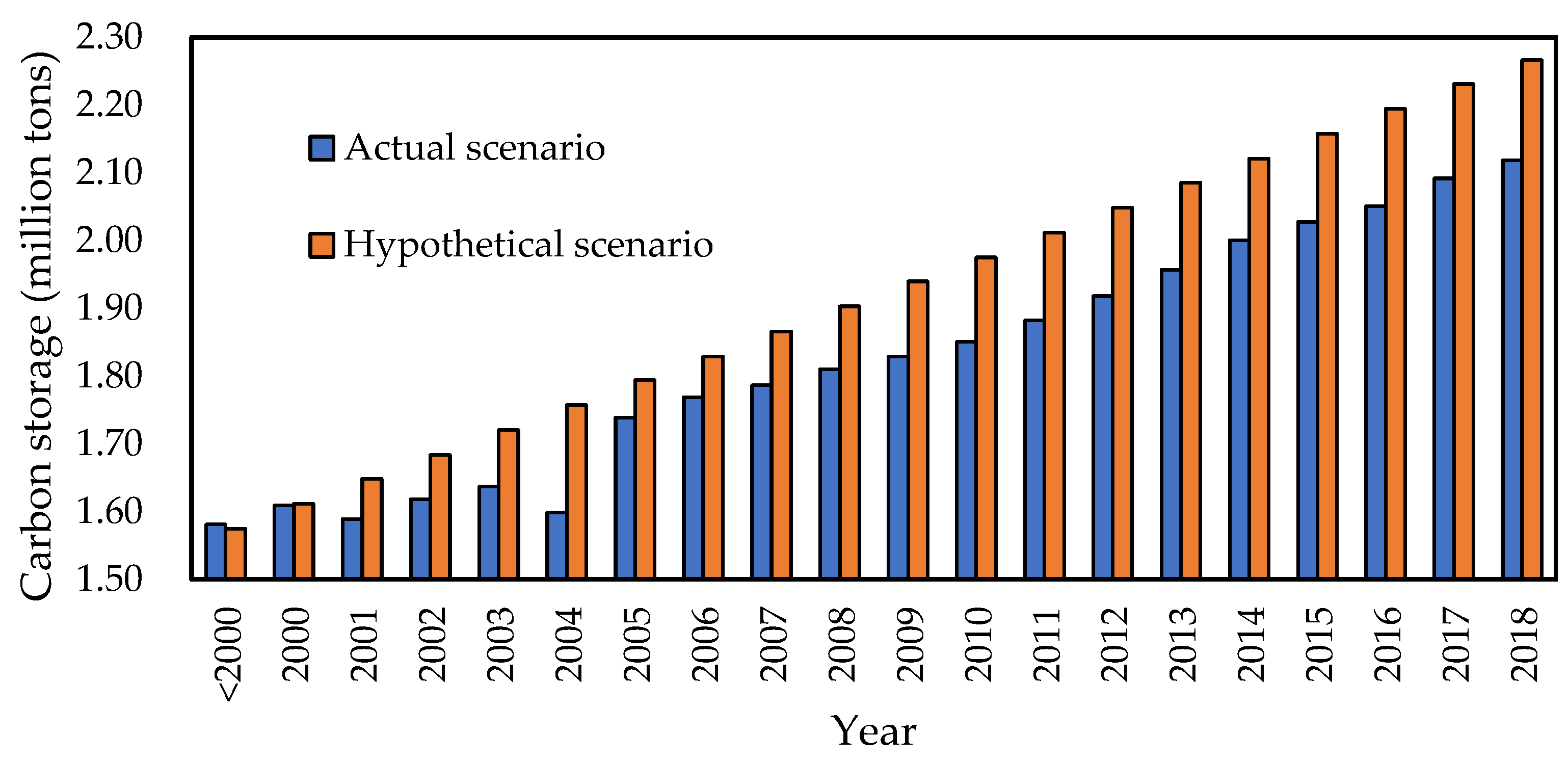
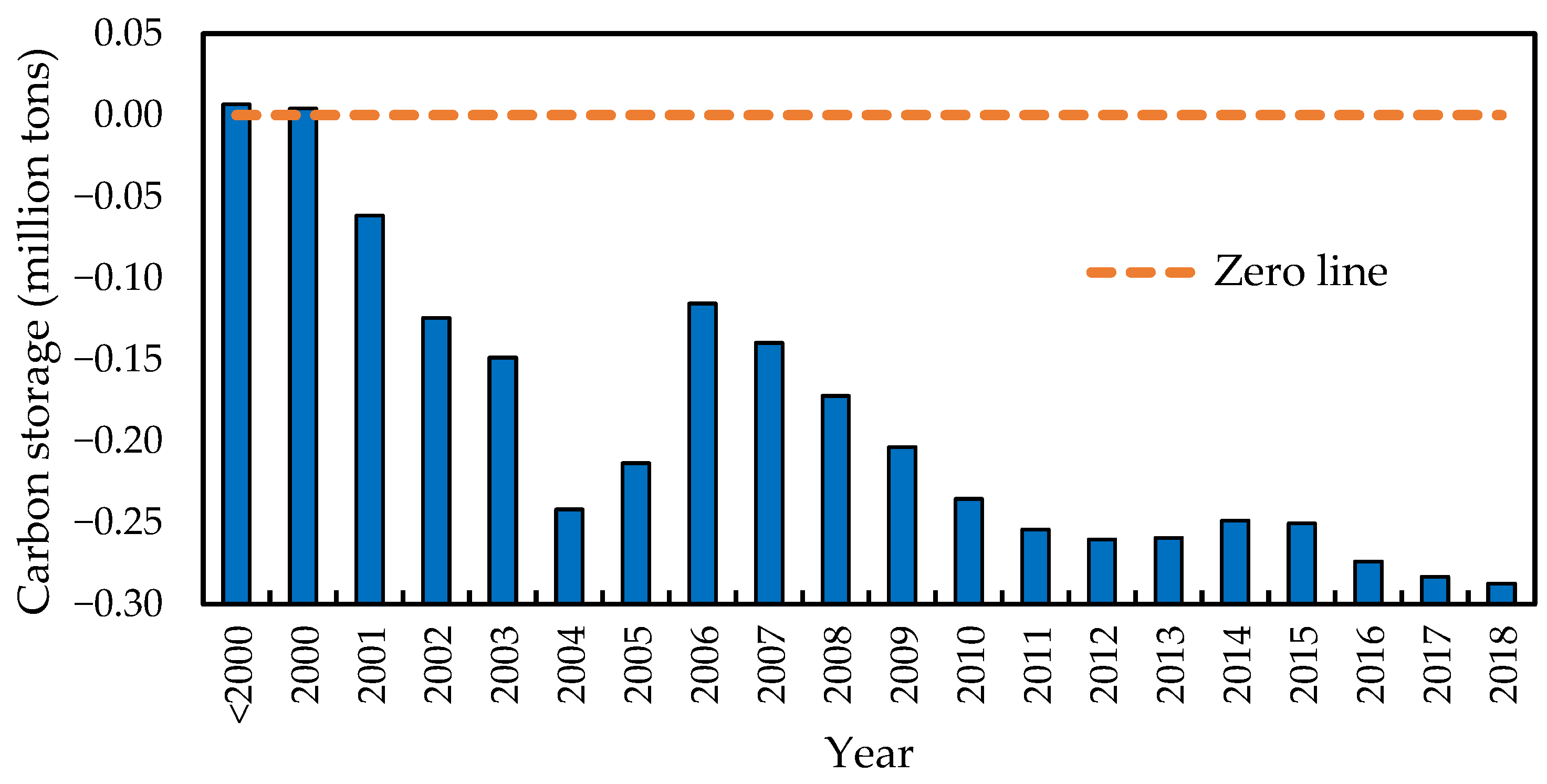
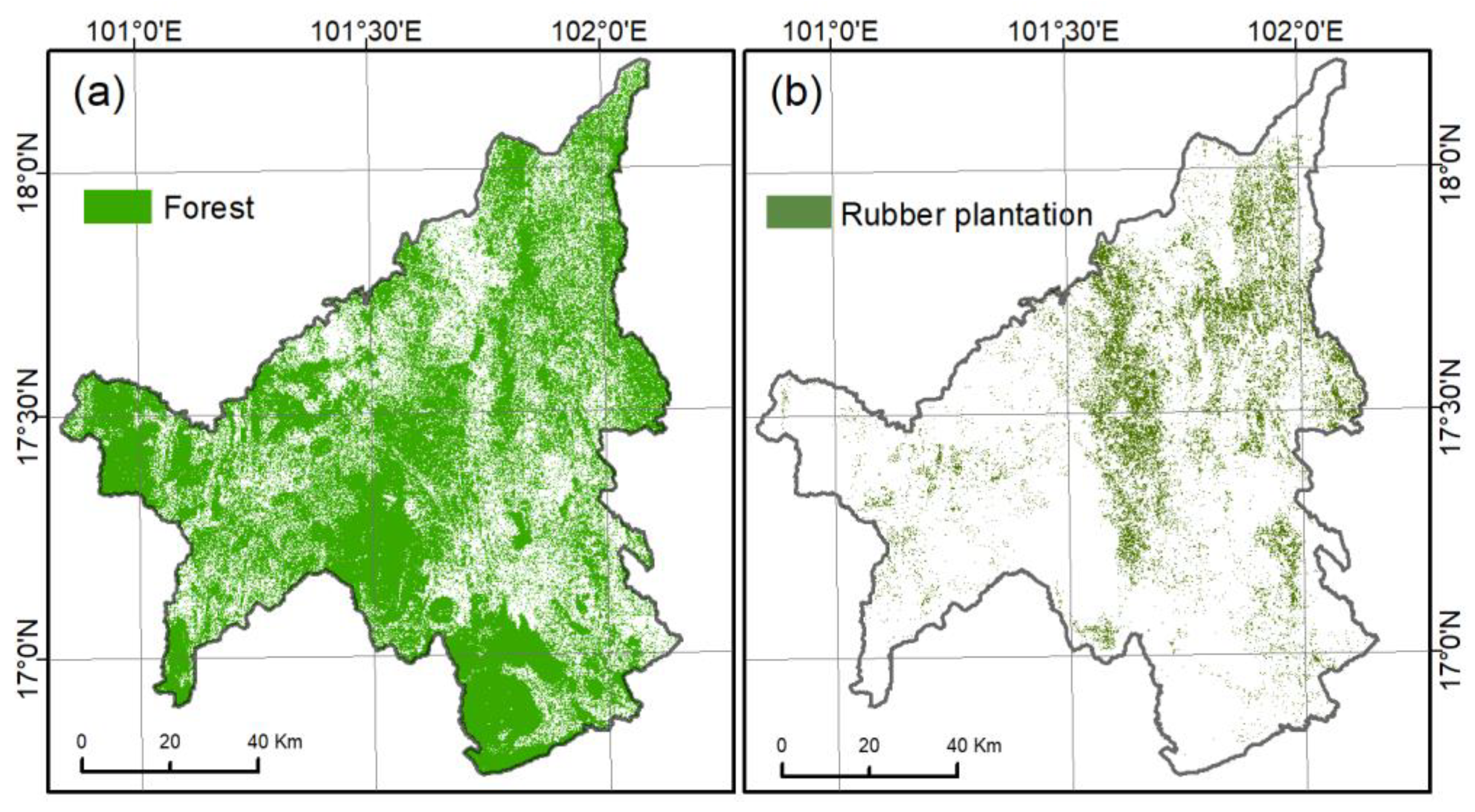
Rubber plantations in southeast Asia have grown at an unprecedented rate in recent decades, leading to drastic changes in regional carbon storage. To this end, this study proposes a systematic approach for quantitatively estimating and assessing the impact of rubber expansions on regional carbon storage. First, using Sentinel-1 and Sentinel-2 satellite data, the distributions of forest and rubber, respectively, were extracted. Then, based on the Landsat time series (1999–2019) remote sensing data, the stand age estimation of rubber plantations was studied with the improved shapelet algorithm. On this basis, the Ecosystem Services and Tradeoffs model (InVEST) was applied to assess the regional carbon density and storage. Finally, by setting up two scenarios of actual planting and hypothetical non-planting of rubber forests, the impact of the carbon storage under these two scenarios was explored. The results of the study showed the following: (1) The area of rubber was 1.28 × 10⁵ ha in 2019, mainly distributed at an elevation of 200–400 m (accounting for 78.47% of the total of rubber). (2) The average age of rubber stands was 13.85 years, and the total newly established rubber plantations were converted from cropland and natural forests, accounting for 54.81% and 45.19%, respectively. (3) With the expansion of rubber plantations, the carbon density increased from only 2.25 Mg·C/ha in 1999 to more than 15 Mg·C/ha in 2018. Among them, the carbon sequestration increased dramatically when the cropland was replaced by rubber, while deforestation and replacement of natural forests will cause a significant decrease. (4) The difference between the actual and the hypothetical carbon storage reached −0.15 million tons in 2018, which means that the expansion of rubber led to a decline in carbon storage in our study area. These research findings can provide a theoretical basis and practical application for sustainable regional rubber forest plantation and management, carbon balance maintenance, and climate change stabilization.
Keywords: rubber plantation; time series; shapelet; carbon storage; InVEST model rubber plantation; time series; shapelet; carbon storage; InVEST model