Article

An Improved Cloud Gap-Filling Method for Longwave Infrared Land Surface Temperatures through Introducing Passive Microwave Techniques

1
National Centre for Earth Observation (NCEO), Department of Geography, King’s College London, London WC2B 4BG, UK
2
Key Laboratory of Water Cycle and Related Land Surface Processes, Institute of Geographic Sciences and Natural Resources Research, The Chinese Academy of Sciences, Beijing 100101, China
3
Mazingira Centre, International Livestock Research Institute (ILRI), Nairobi P.O. Box 30709, Kenya
4
Institute of Applied Remote Sensing and Information Technology, Zhejiang University, Hangzhou 310058, China
*
Author to whom correspondence should be addressed.
Now at Agroscope, Research Division Agroecology & Environment, Reckenholzstrasse 191, 8046 Zurich, Switzerland.
Remote Sens. 2021, 13(17), 3522; https://doi.org/10.3390/rs13173522
Submission received: 31 July 2021 / Revised: 1 September 2021 / Accepted: 2 September 2021 / Published: 5 September 2021

Abstract

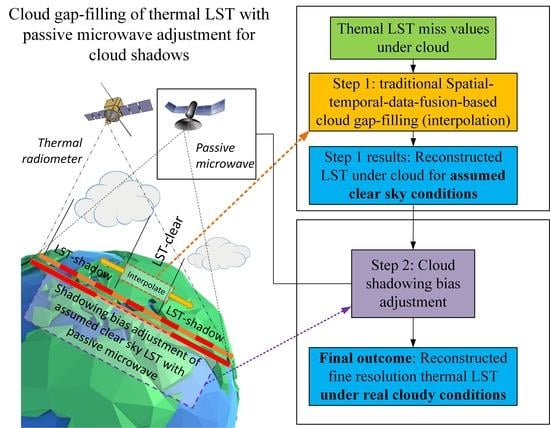
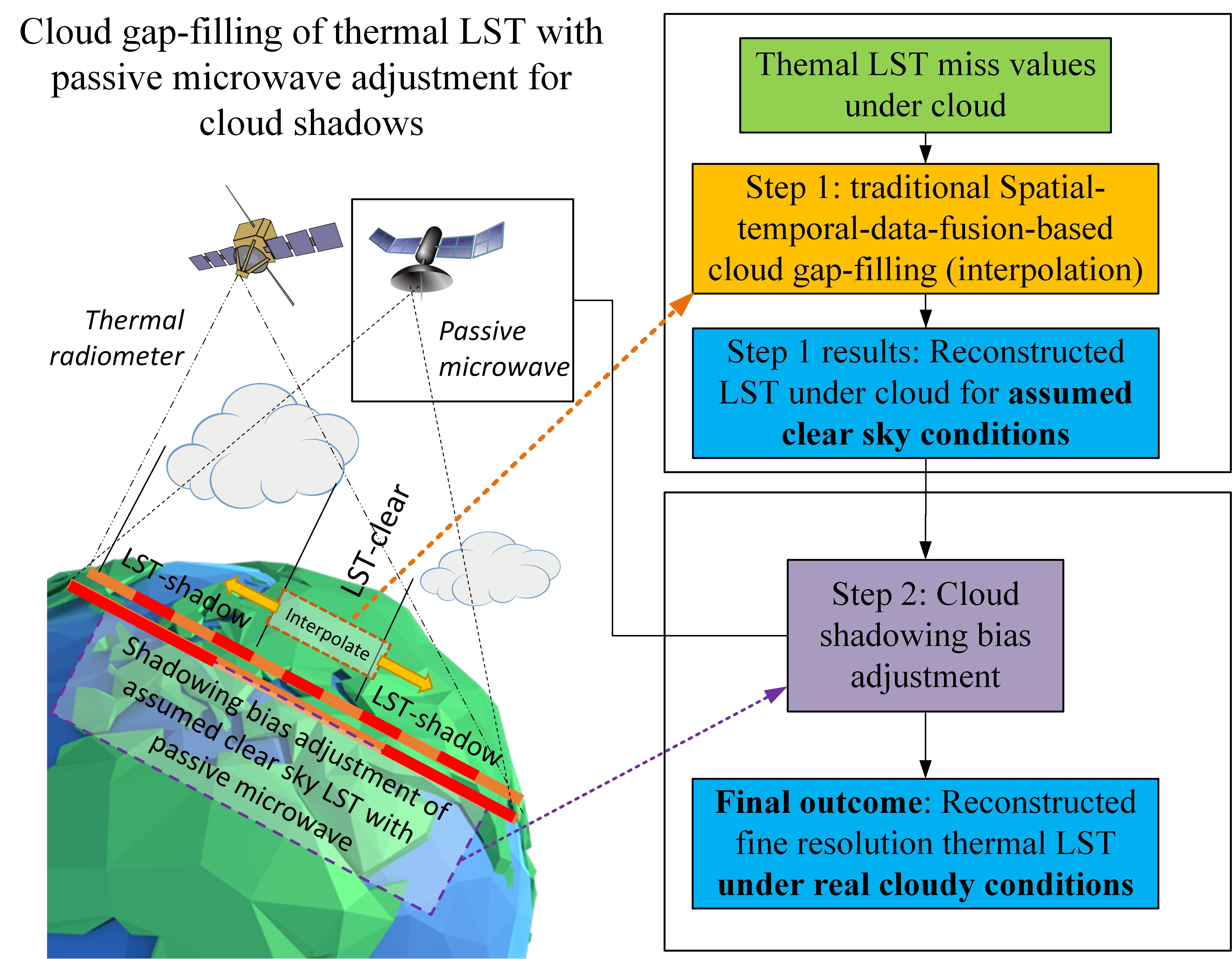
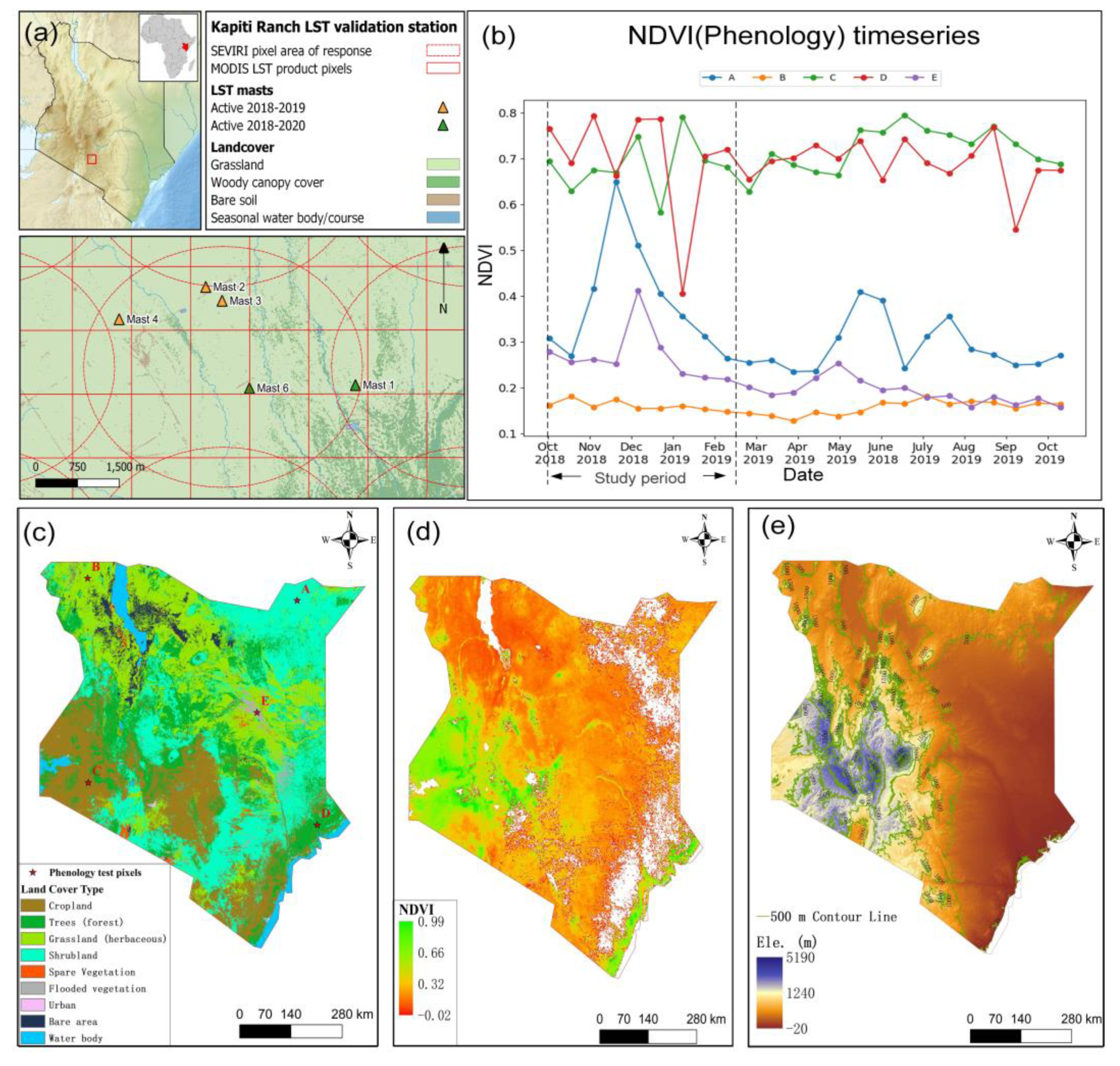
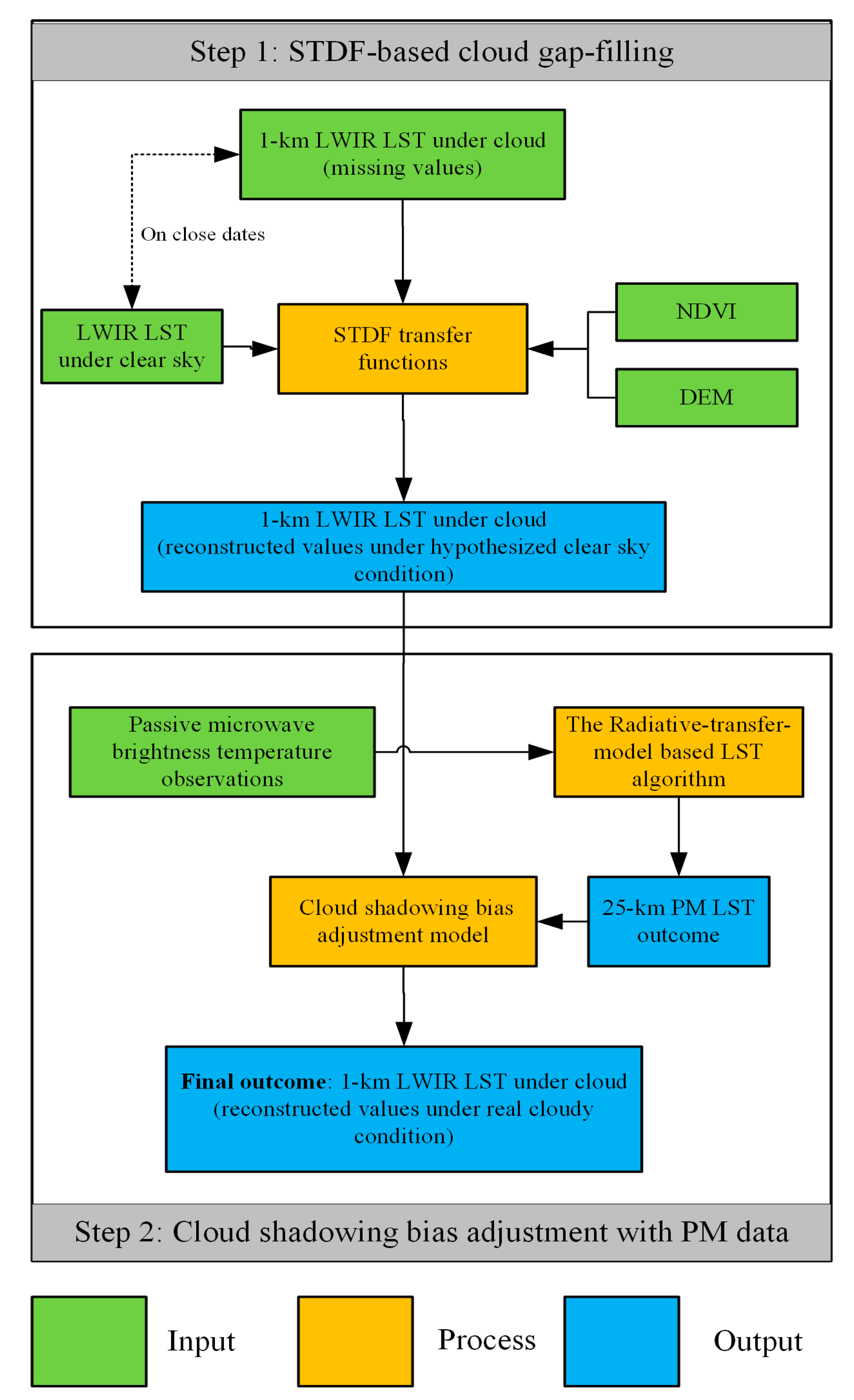
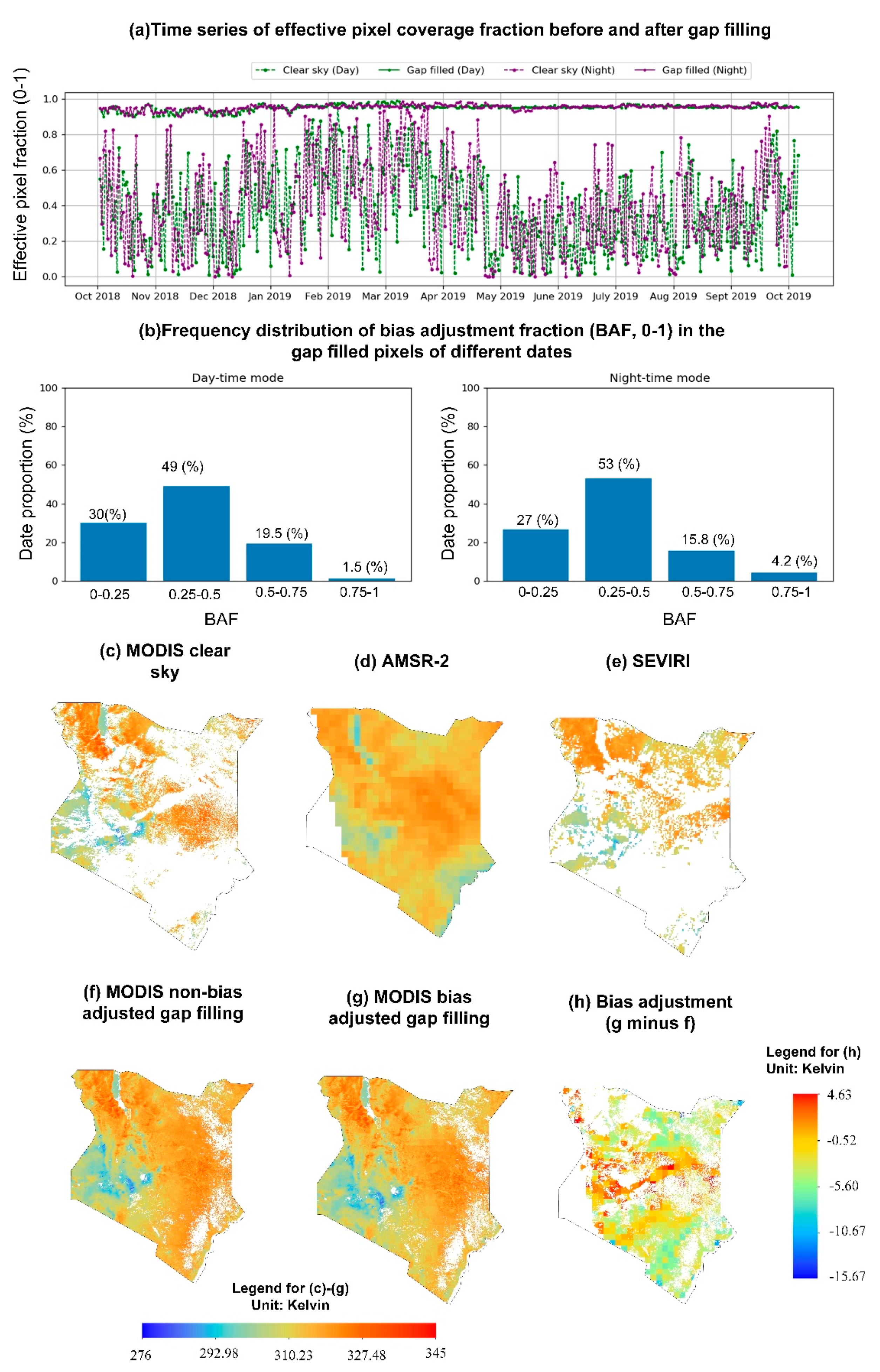
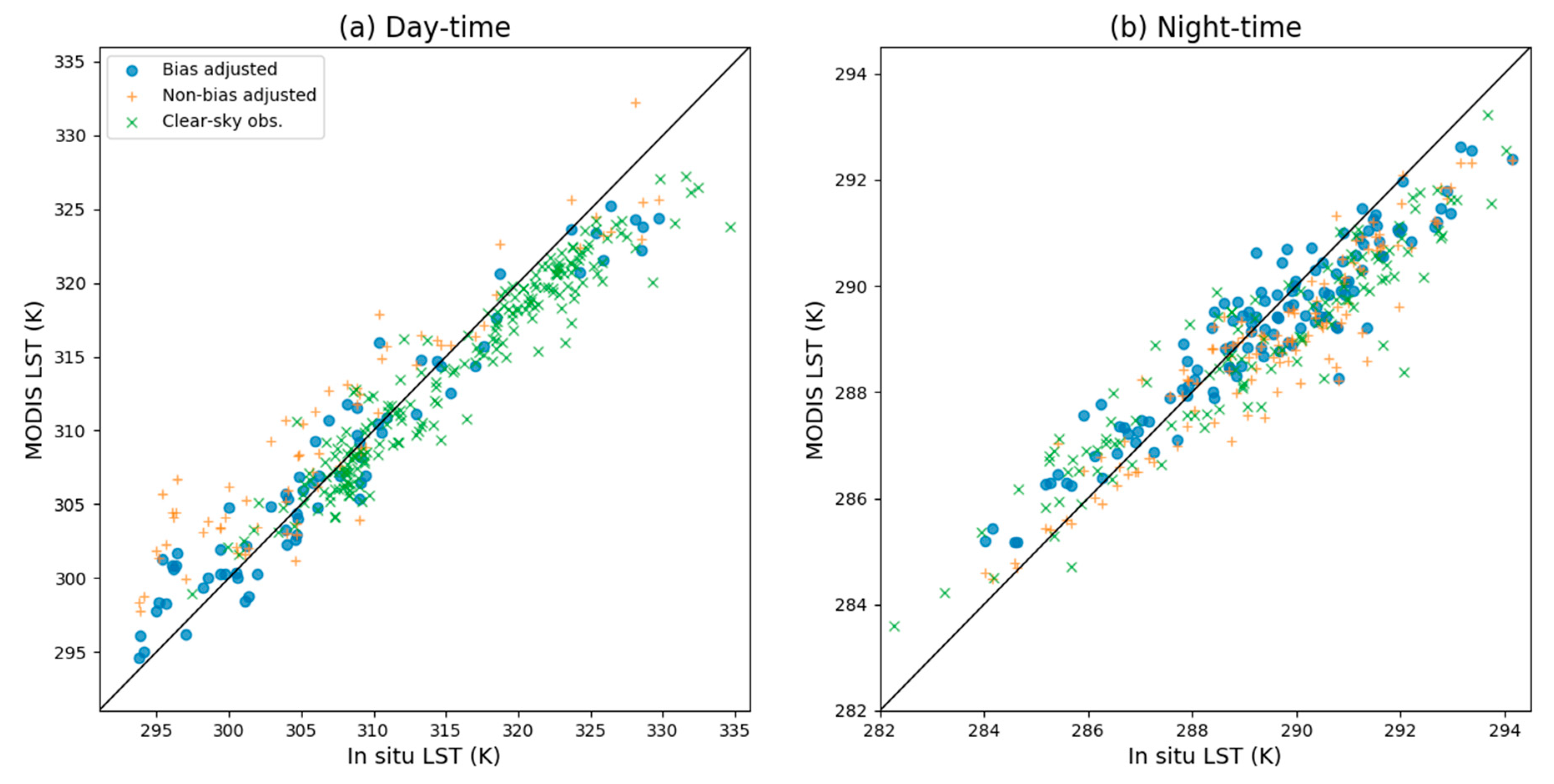
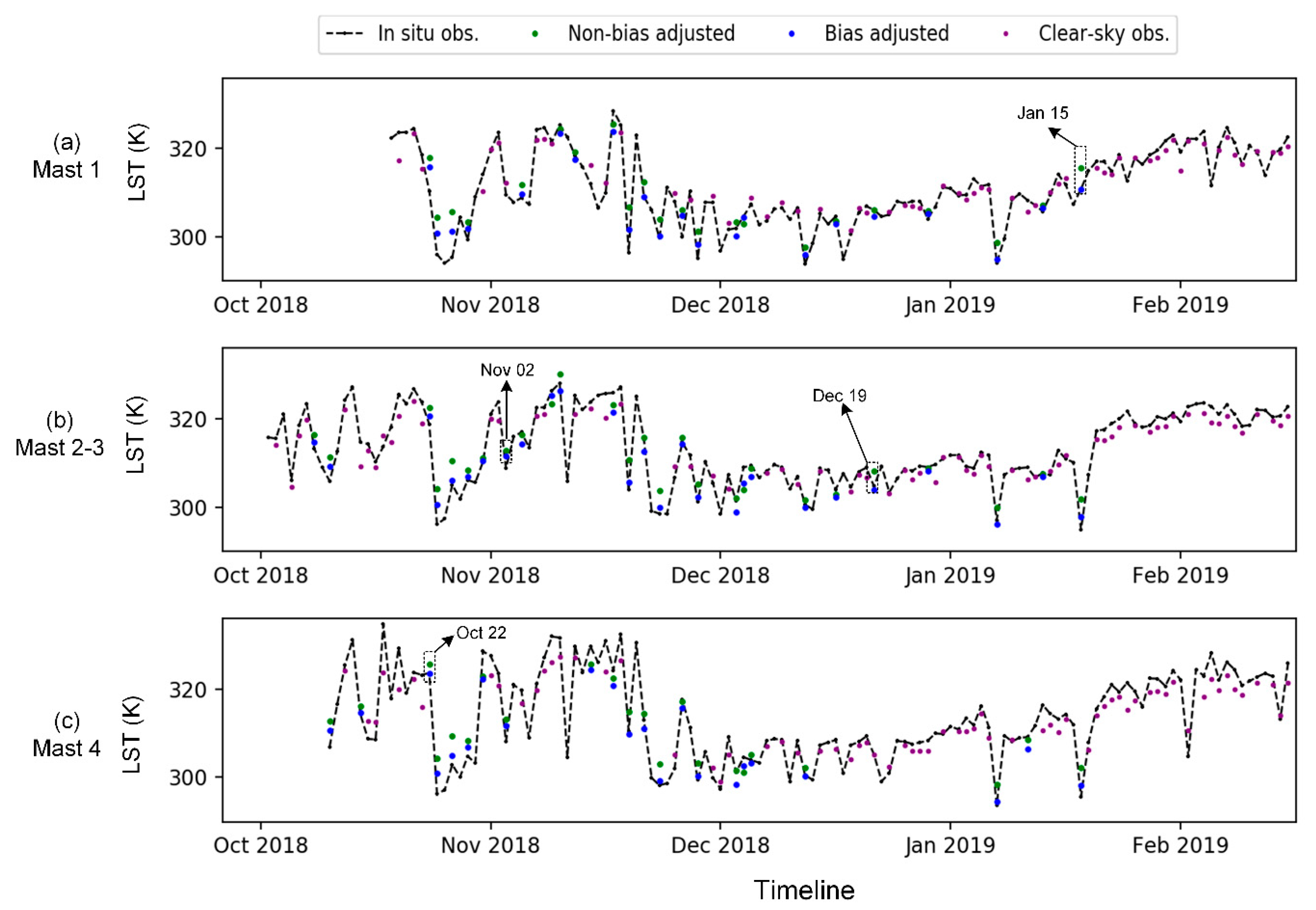
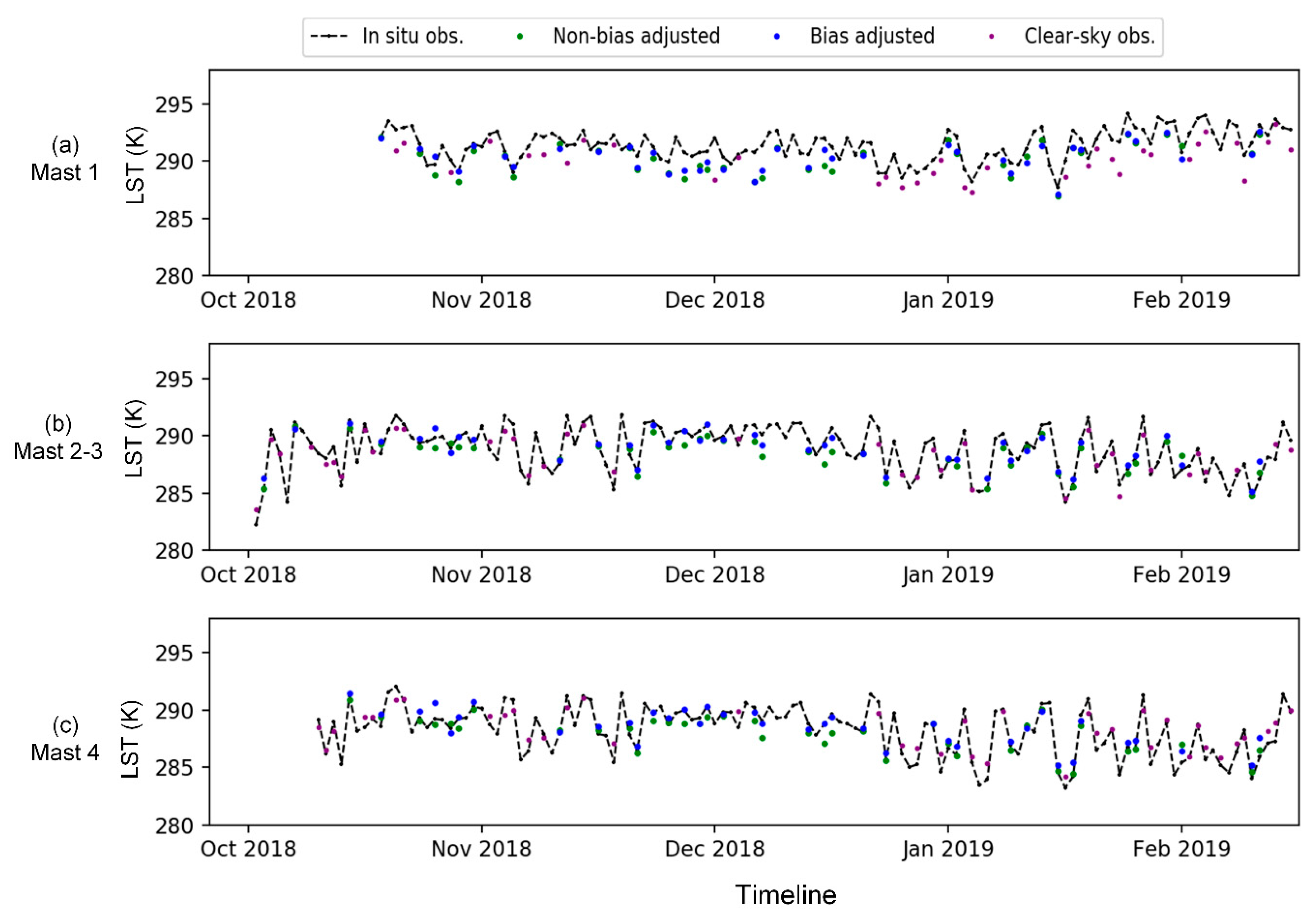
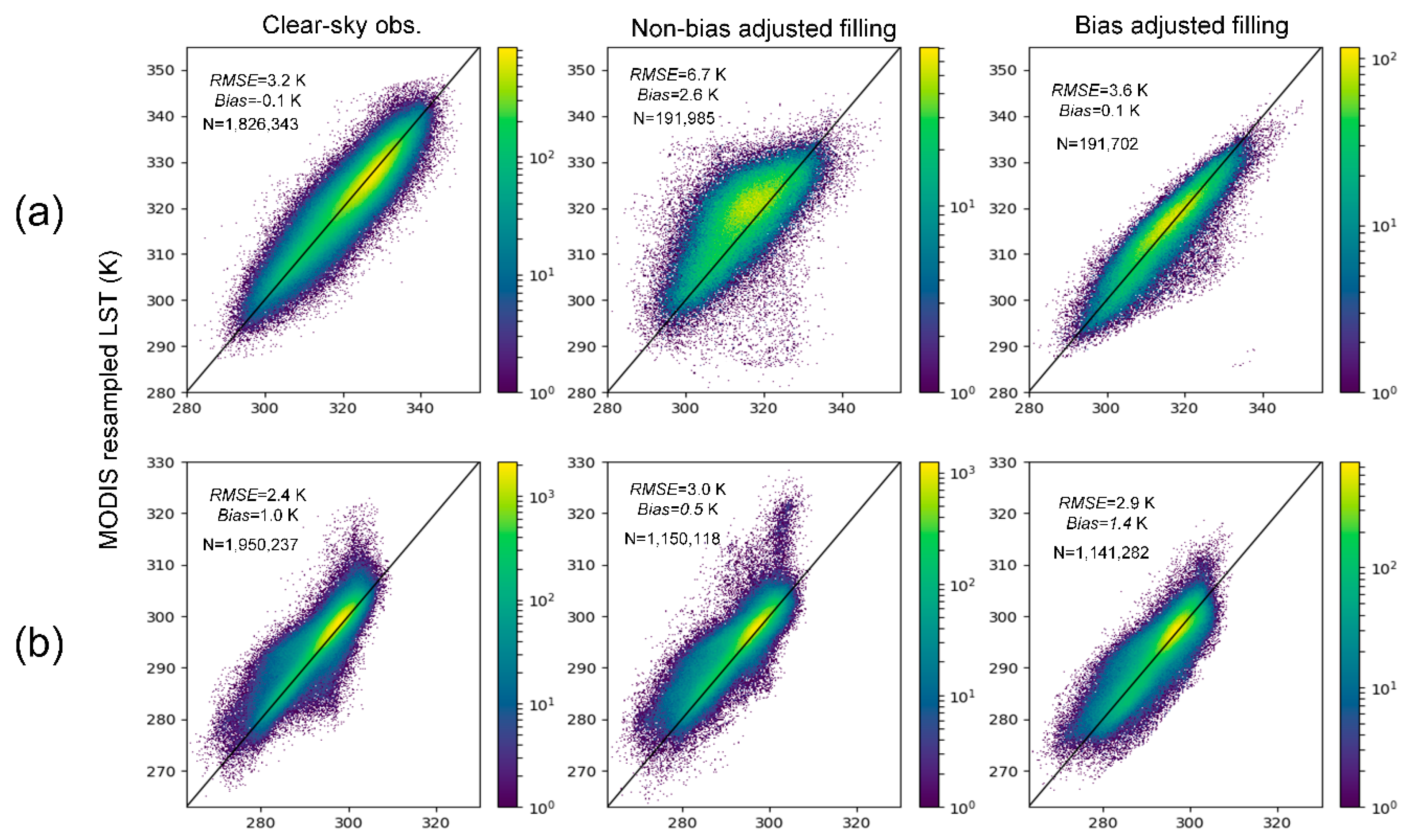
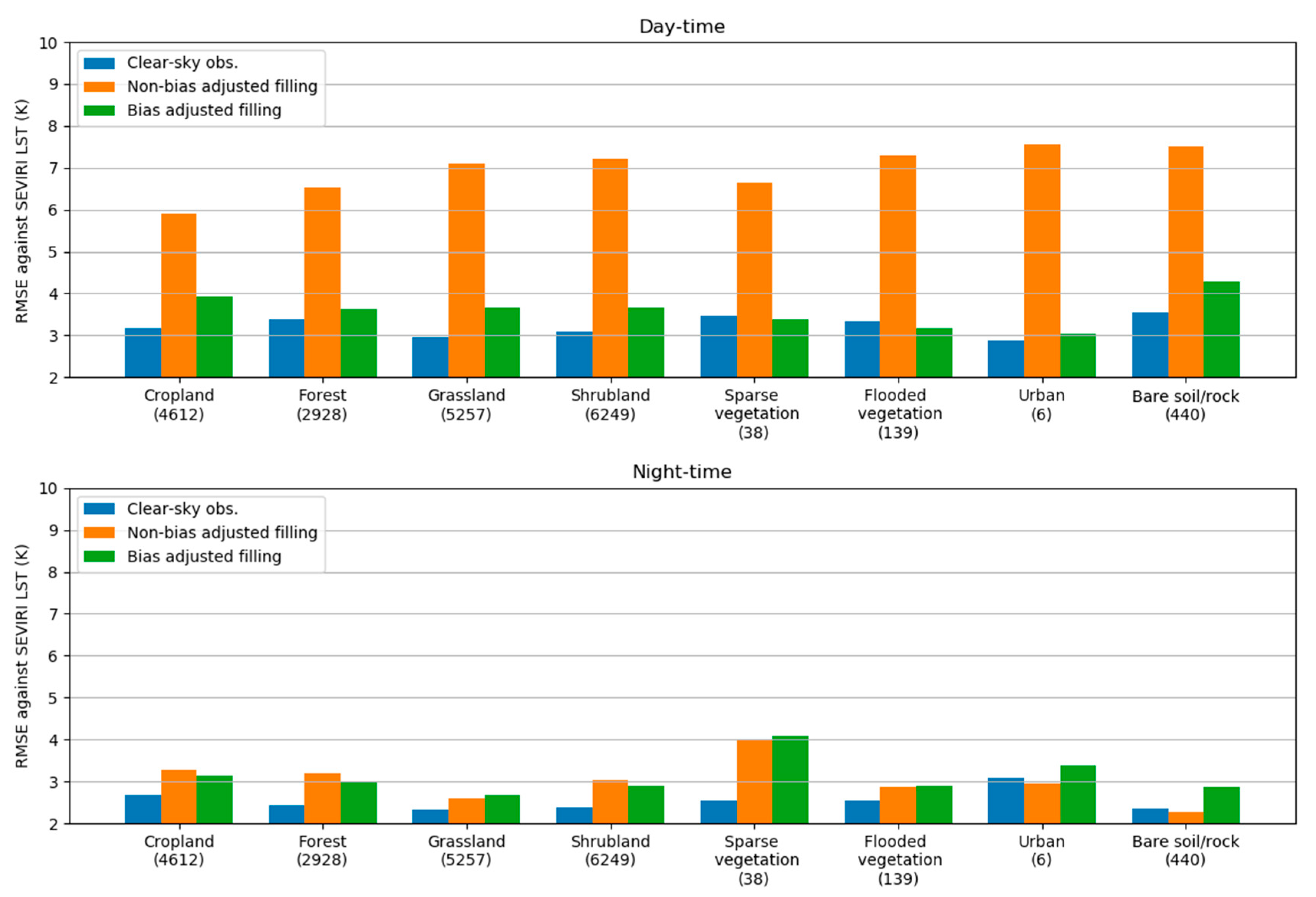
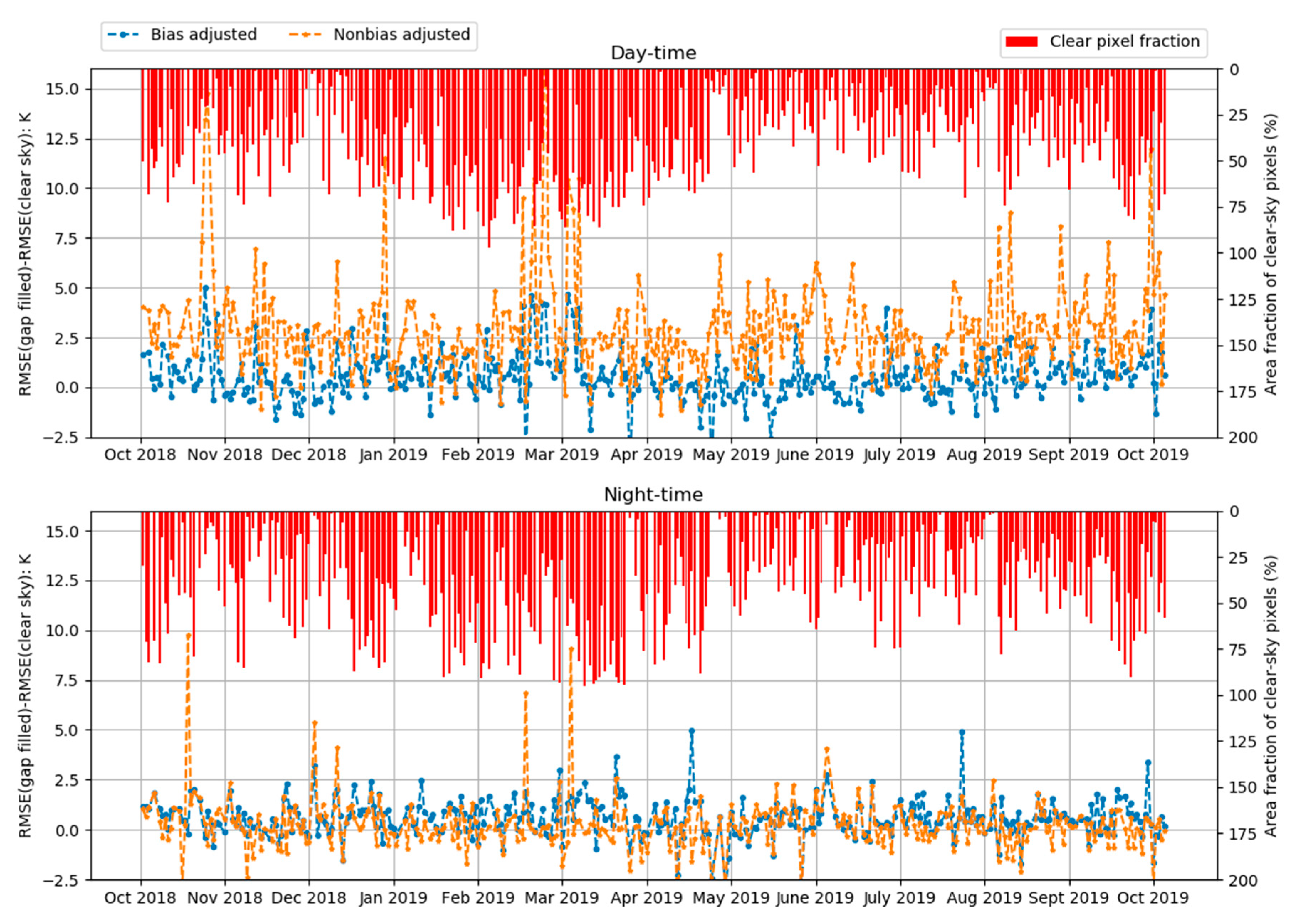
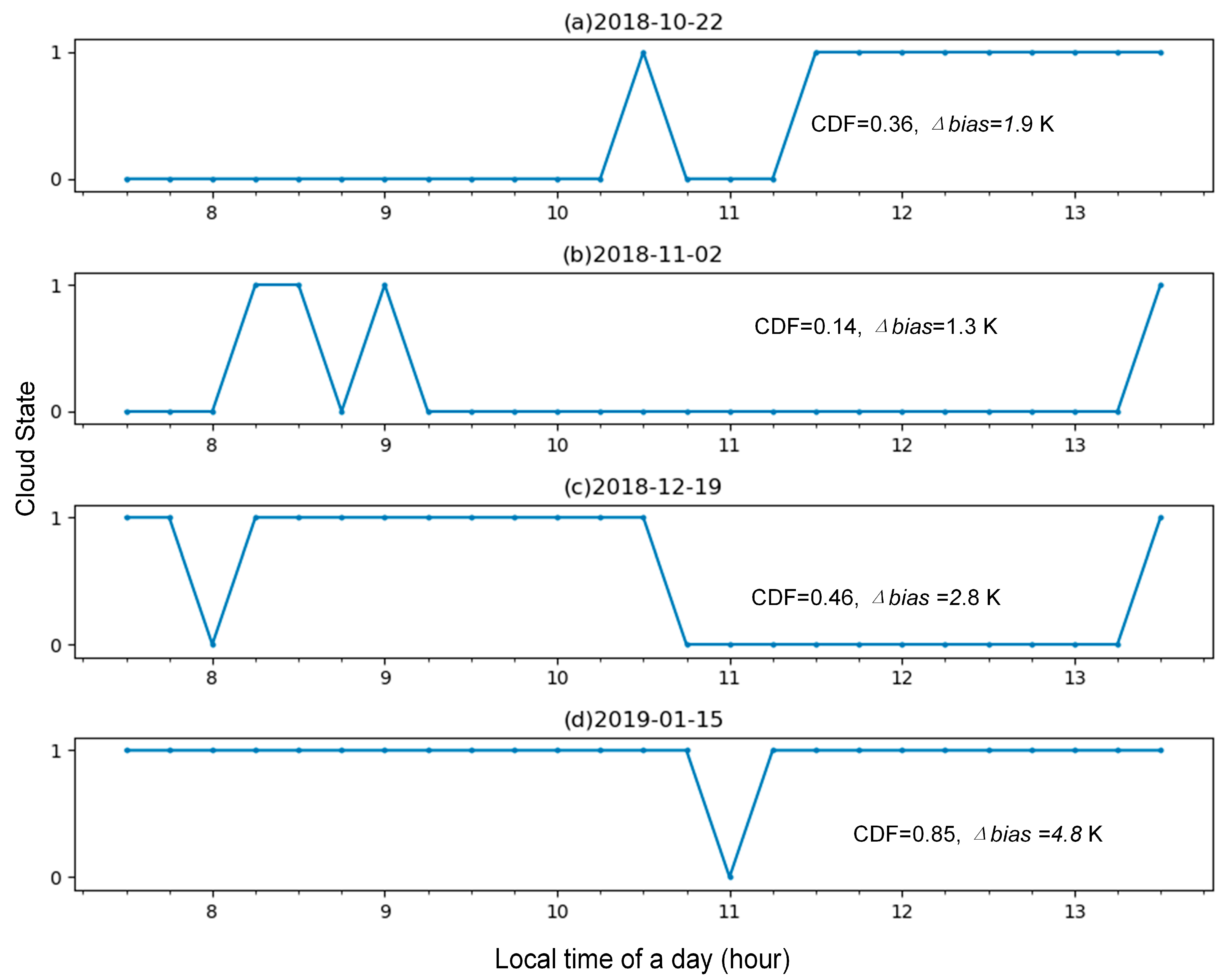
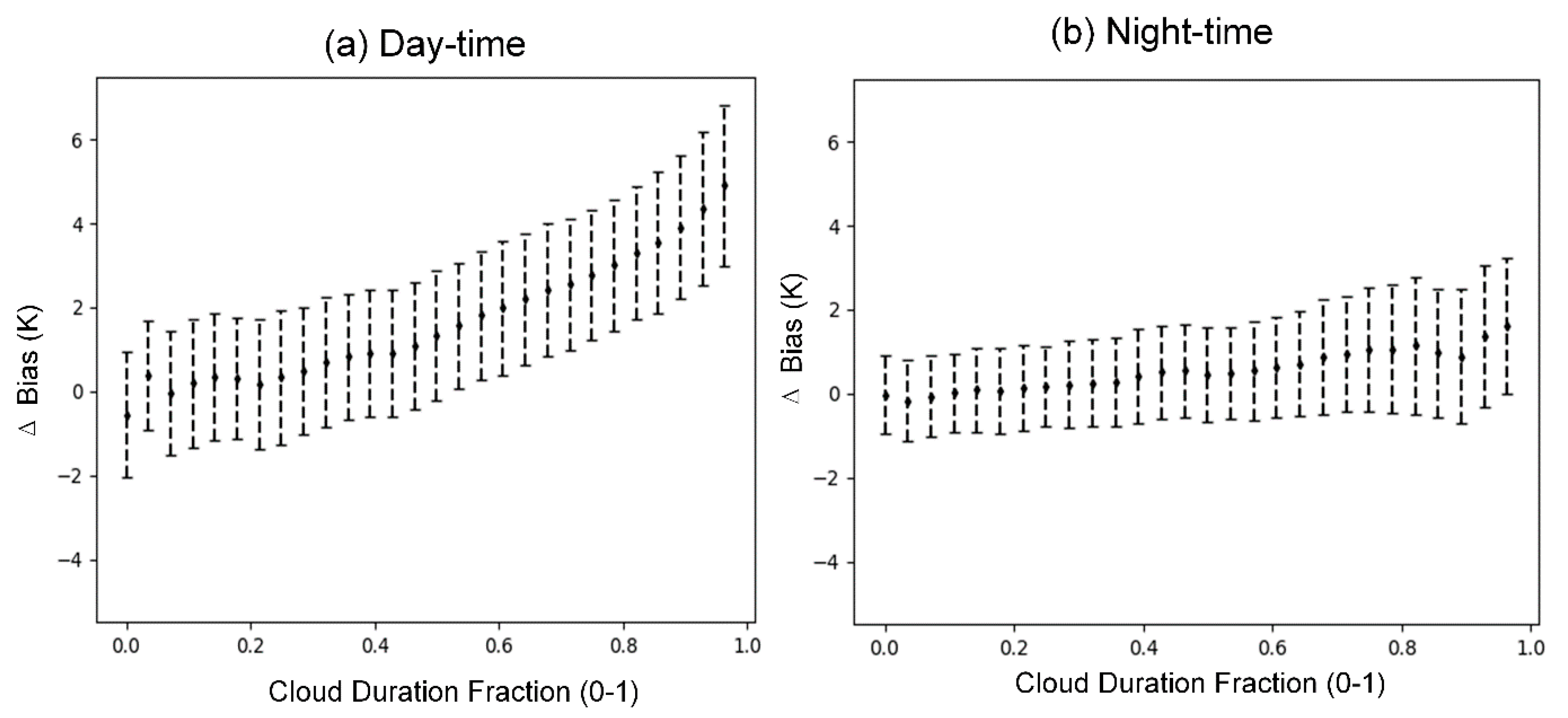
Satellite-derived land surface temperature (LST) data are most commonly observed in the longwave infrared (LWIR) spectral region. However, such data suffer frequent gaps in coverage caused by cloud cover. Filling these ‘cloud gaps’ usually relies on statistical re-constructions using proximal clear sky LST pixels, whilst this is often a poor surrogate for shadowed LSTs insulated under cloud. Another solution is to rely on passive microwave (PM) LST data that are largely unimpeded by cloud cover impacts, the quality of which, however, is limited by the very coarse spatial resolution typical of PM signals. Here, we combine aspects of these two approaches to fill cloud gaps in the LWIR-derived LST record, using Kenya (East Africa) as our study area. The proposed “cloud gap-filling” approach increases the coverage of daily Aqua MODIS LST data over Kenya from <50% to >90%. Evaluations were made against the in situ and SEVIRI-derived LST data respectively, revealing root mean square errors (RMSEs) of 2.6 K and 3.6 K for the proposed method by mid-day, compared with RMSEs of 4.3 K and 6.7 K for the conventional proximal-pixel-based statistical re-construction method. We also find that such accuracy improvements become increasingly apparent when the total cloud cover residence time increases in the morning-to-noon time frame. At mid-night, cloud gap-filling performance is also better for the proposed method, though the RMSE improvement is far smaller (<0.3 K) than in the mid-day period. The results indicate that our proposed two-step cloud gap-filling method can improve upon performances achieved by conventional methods for cloud gap-filling and has the potential to be scaled up to provide data at continental or global scales as it does not rely on locality-specific knowledge or datasets.
Keywords: cloud gap-filling; land surface temperature; thermal infrared; passive microwave; Kenya cloud gap-filling; land surface temperature; thermal infrared; passive microwave; Kenya
Graphical Abstract