Article

On the Use of the OptD Method for Building Diagnostics


by
Czesław Suchocki
1,
Wioleta Błaszczak-Bąk
2,*,
Marzena Damięcka-Suchocka
1,
Marcin Jagoda
1 and
Andrea Masiero
3
1
Faculty of Civil Engineering Environmental and Geodetic Sciences, Koszalin University of Technology, Śniadeckich 2, 75-453 Koszalin, Poland
2
Faculty of Geoengineering, University of Warmia and Mazury in Olsztyn, Oczapowskiego 2, 10-719 Olsztyn, Poland
3
Interdepartmental Research Center of Geomatics (CIRGEO), University of Padova, via dell’Università 16, 35020 Legnaro (PD), Italy
*
Author to whom correspondence should be addressed.
Remote Sens. 2020, 12(11), 1806; https://doi.org/10.3390/rs12111806
Submission received: 18 May 2020 / Revised: 27 May 2020 / Accepted: 1 June 2020 / Published: 3 June 2020
(This article belongs to the Special Issue Geoinformation Technologies in Civil Engineering and the Environment)

Abstract

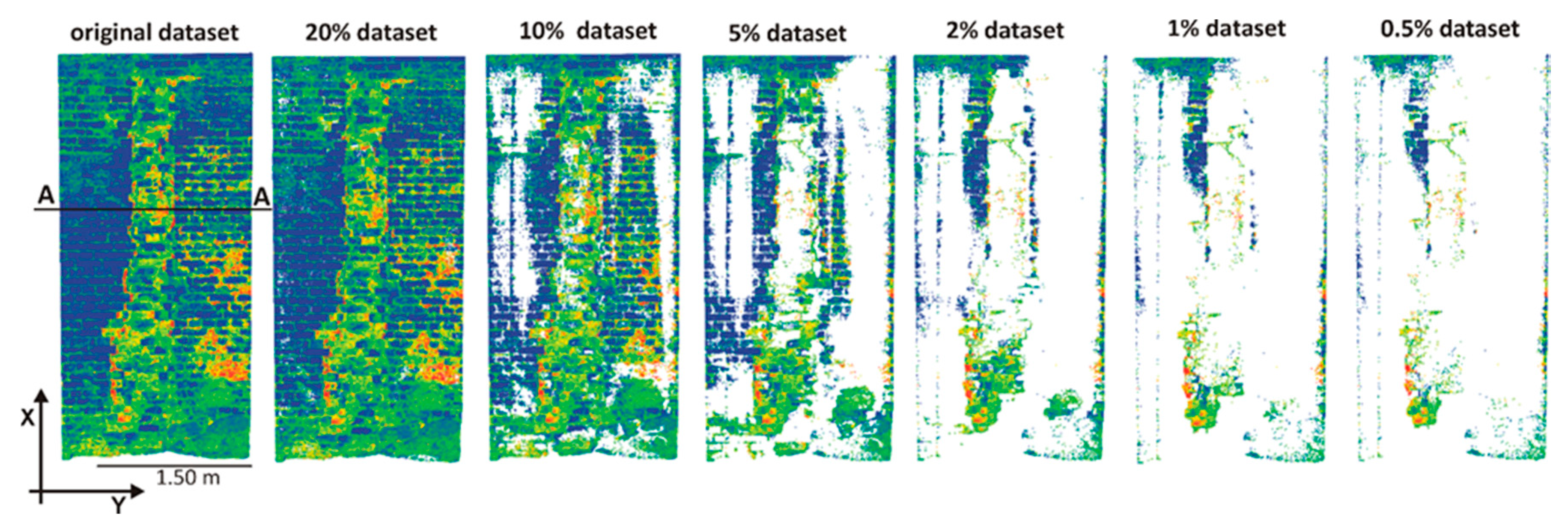
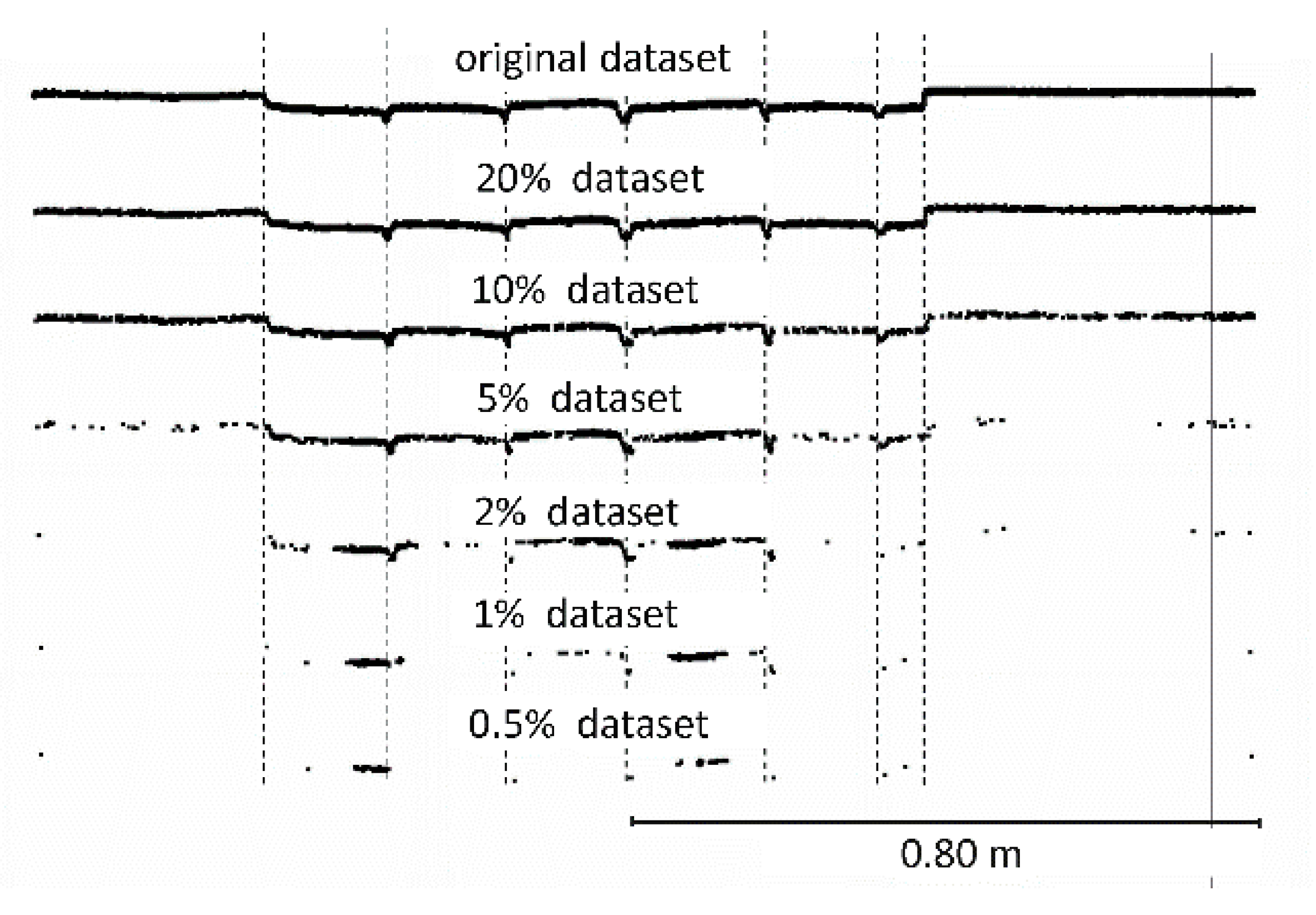
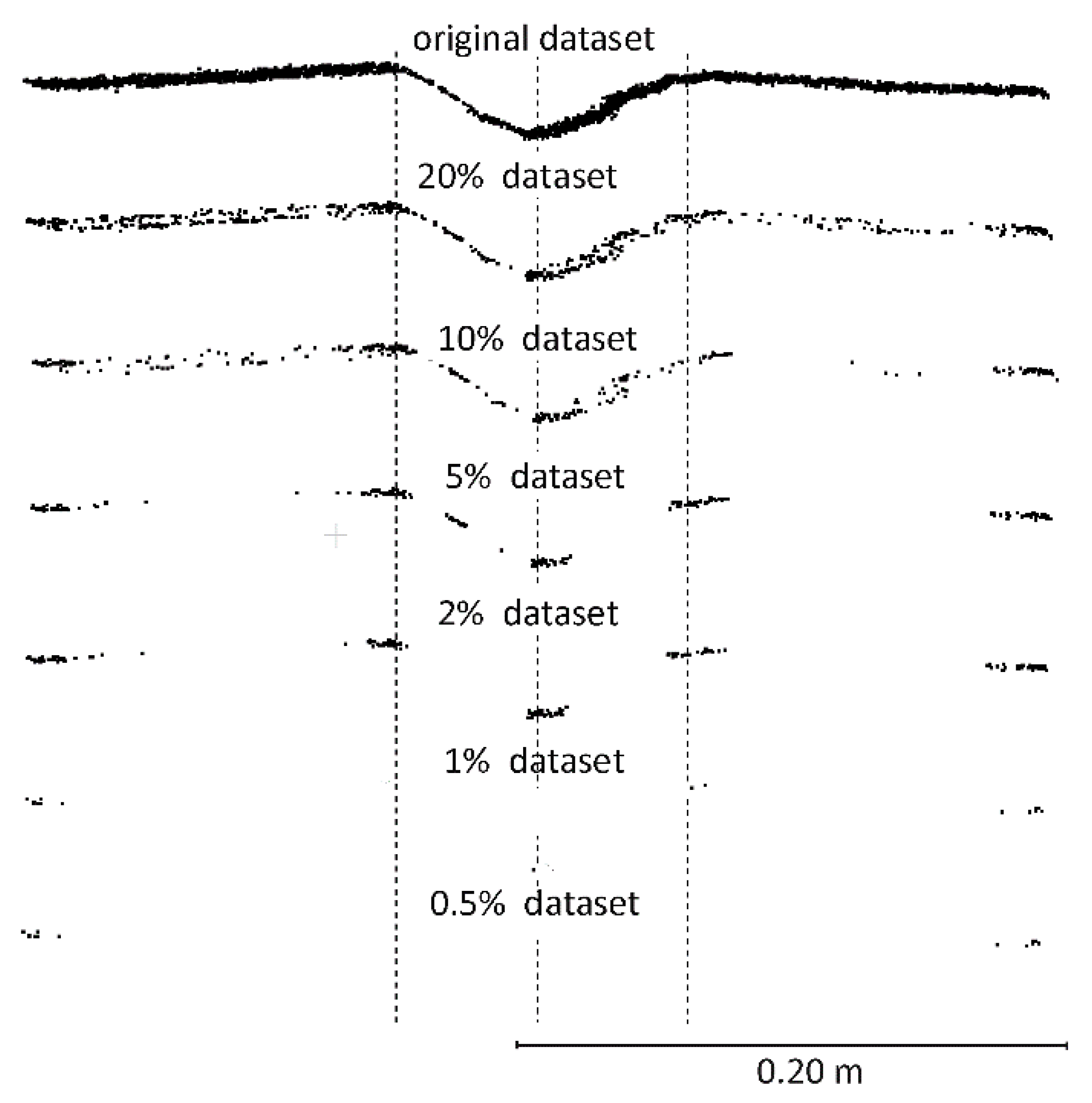
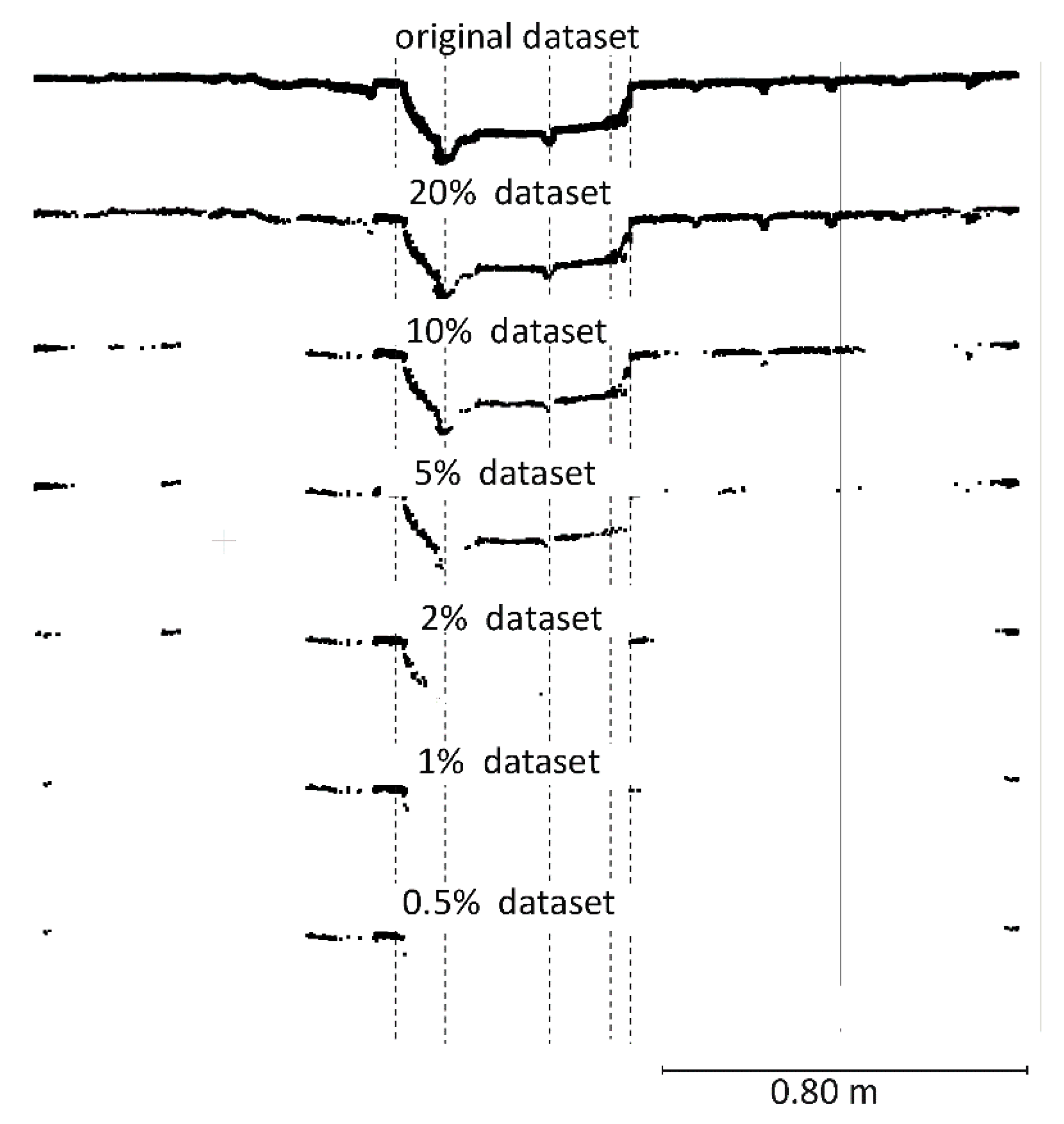
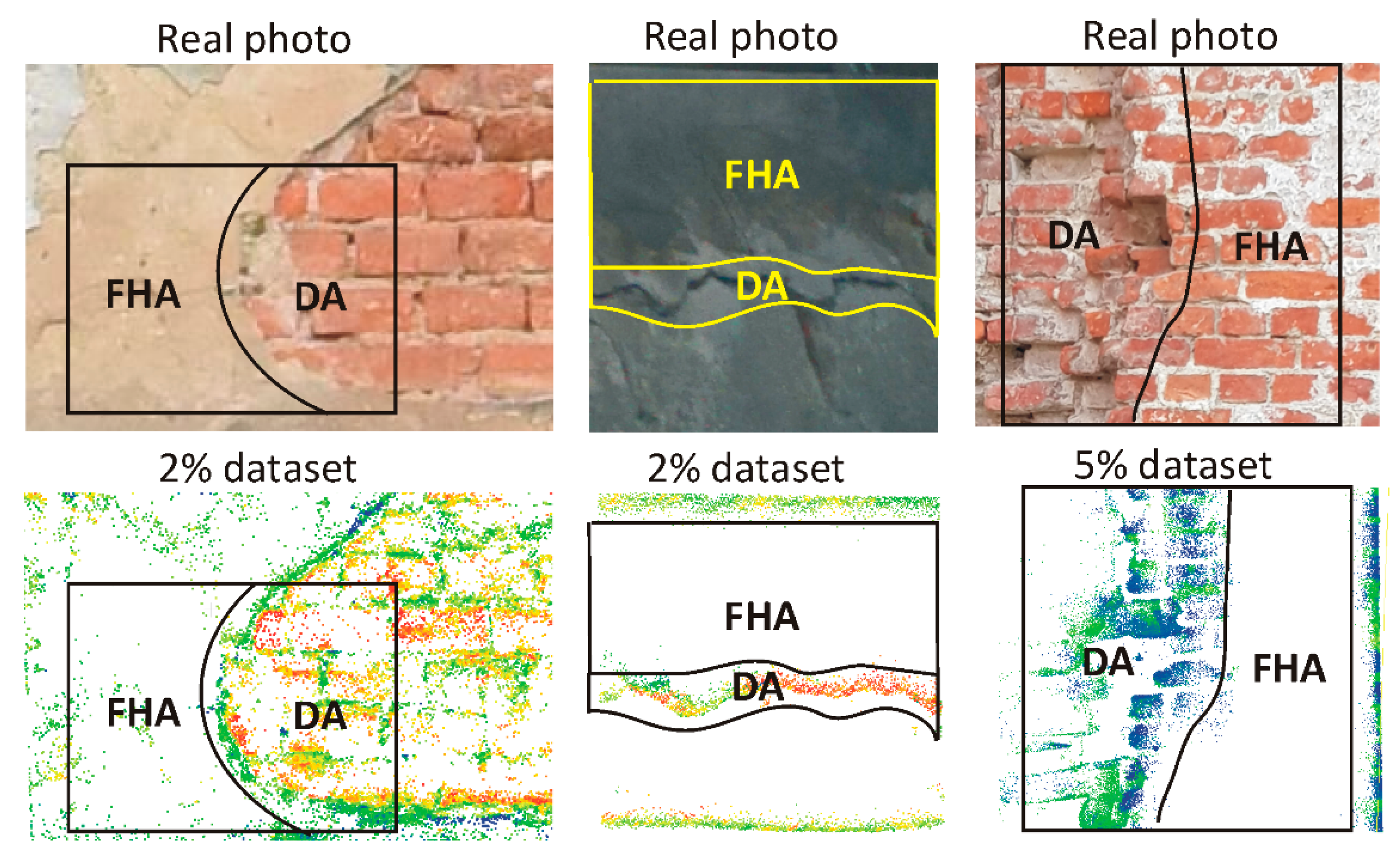
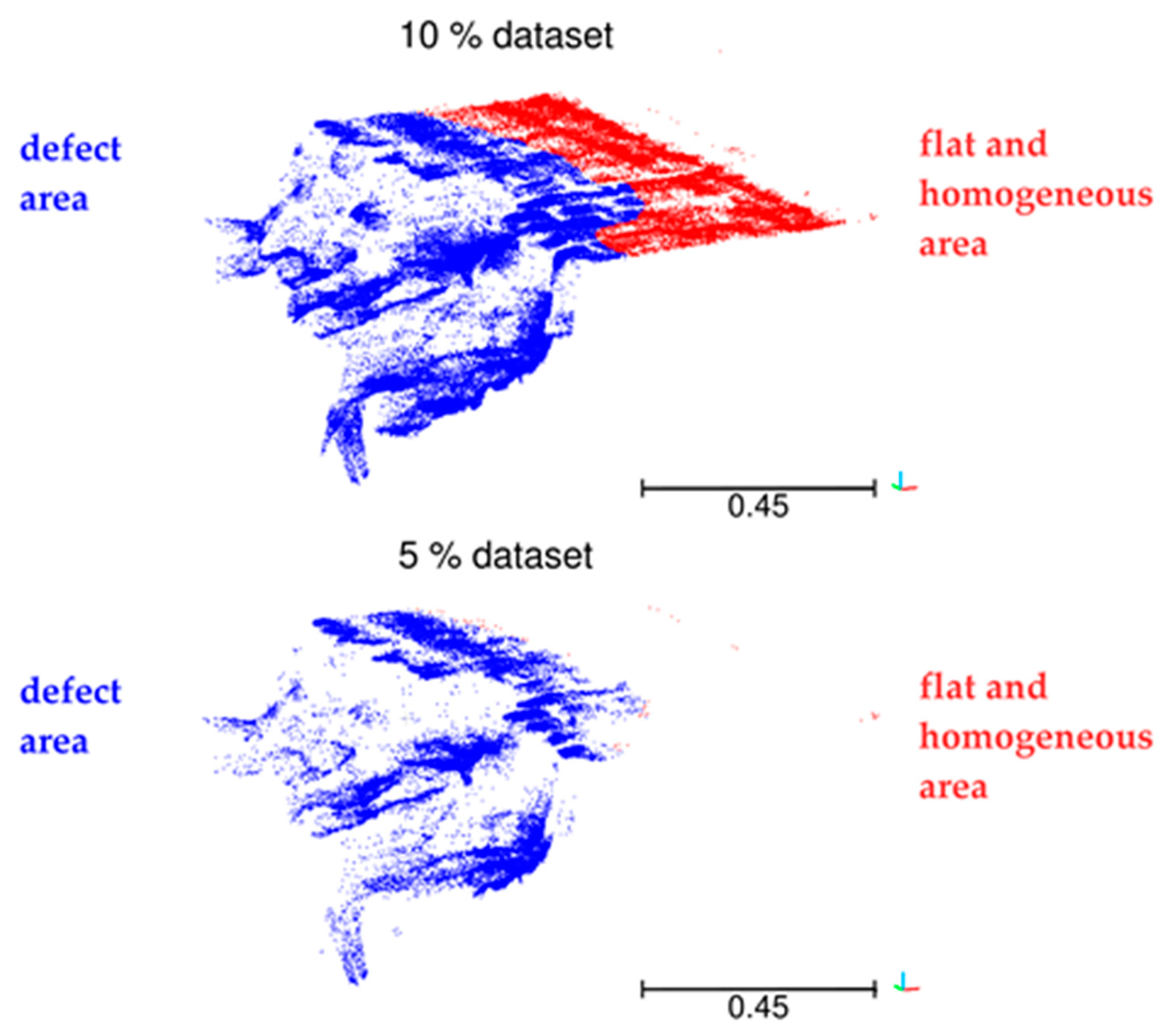
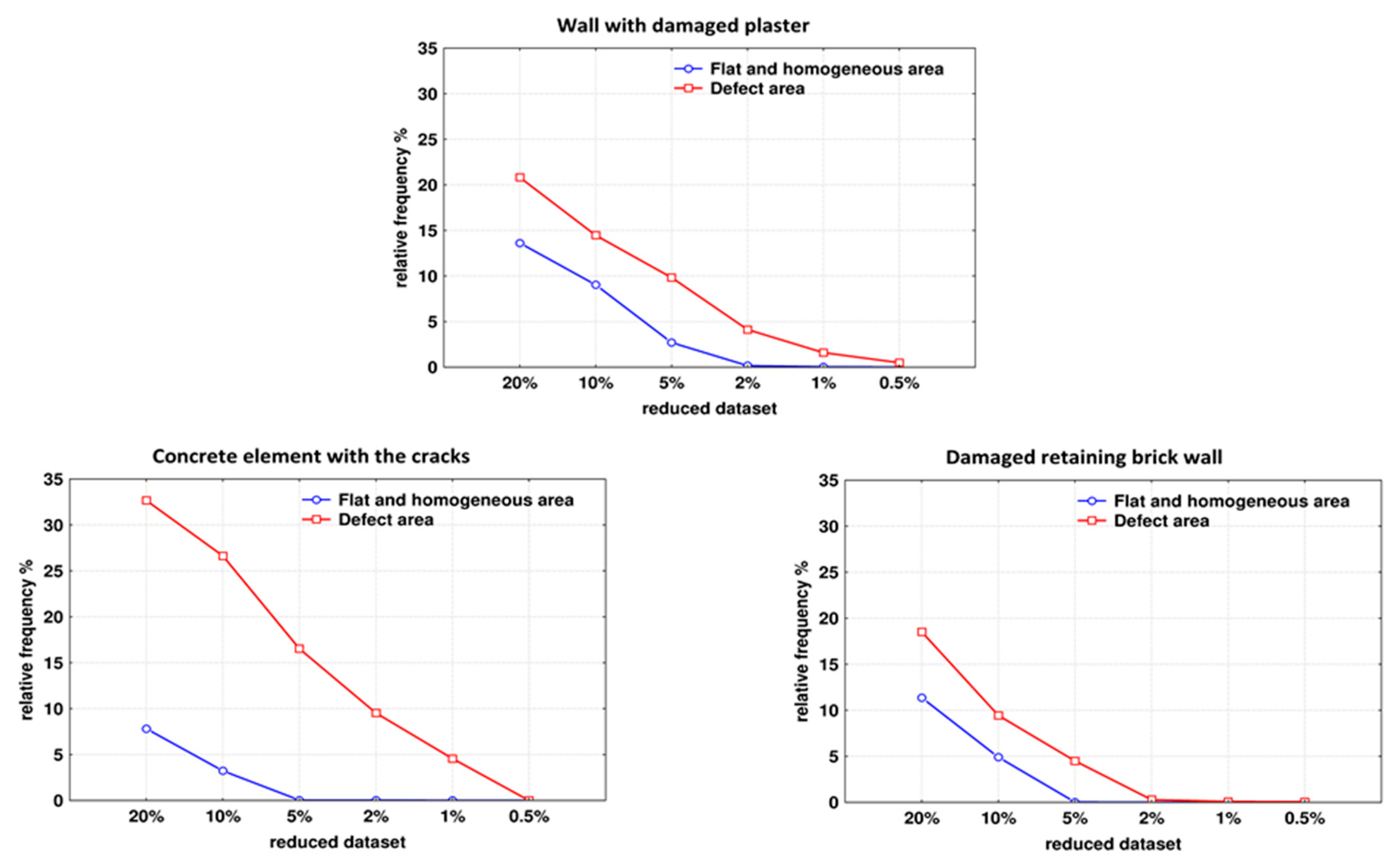
Terrestrial laser scanner (TLS) measurements can be used to assess the technical condition of buildings and structures; in particular, high-resolution TLS measurements should be taken in order to detect defects in building walls. This consequently results in the creation of a huge amount of data in a very short time. Despite high-resolution measurements typically being needed in certain areas of interest, e.g., to detect cracks, reducing redundant information on regions of low interest is of fundamental importance in order to enable computationally efficient and effective analysis of the dataset. In this work, data reduction is made by using the Optimum Dataset (OptD) method, which allows to significantly reduce the amount of data while preserving the geometrical information of the region of interest. As a result, more points are retained on areas corresponding to cracks and cavities than on flat and homogeneous surfaces. This approach allows for a thorough analysis of the surface discontinuity in building walls. In this investigation, the TLS dataset was acquired by means of the time-of-flight scanners Riegl VZ-400i and Leica ScanStation C10. The results obtained by reducing the TLS dataset by means of OptD show that this method is a viable solution for data reduction in building and structure diagnostics, thus enabling the implementation of computationally more efficient diagnostic strategies.
Keywords: OptD method; TLS; optimization of the dataset; defect detection OptD method; TLS; optimization of the dataset; defect detection
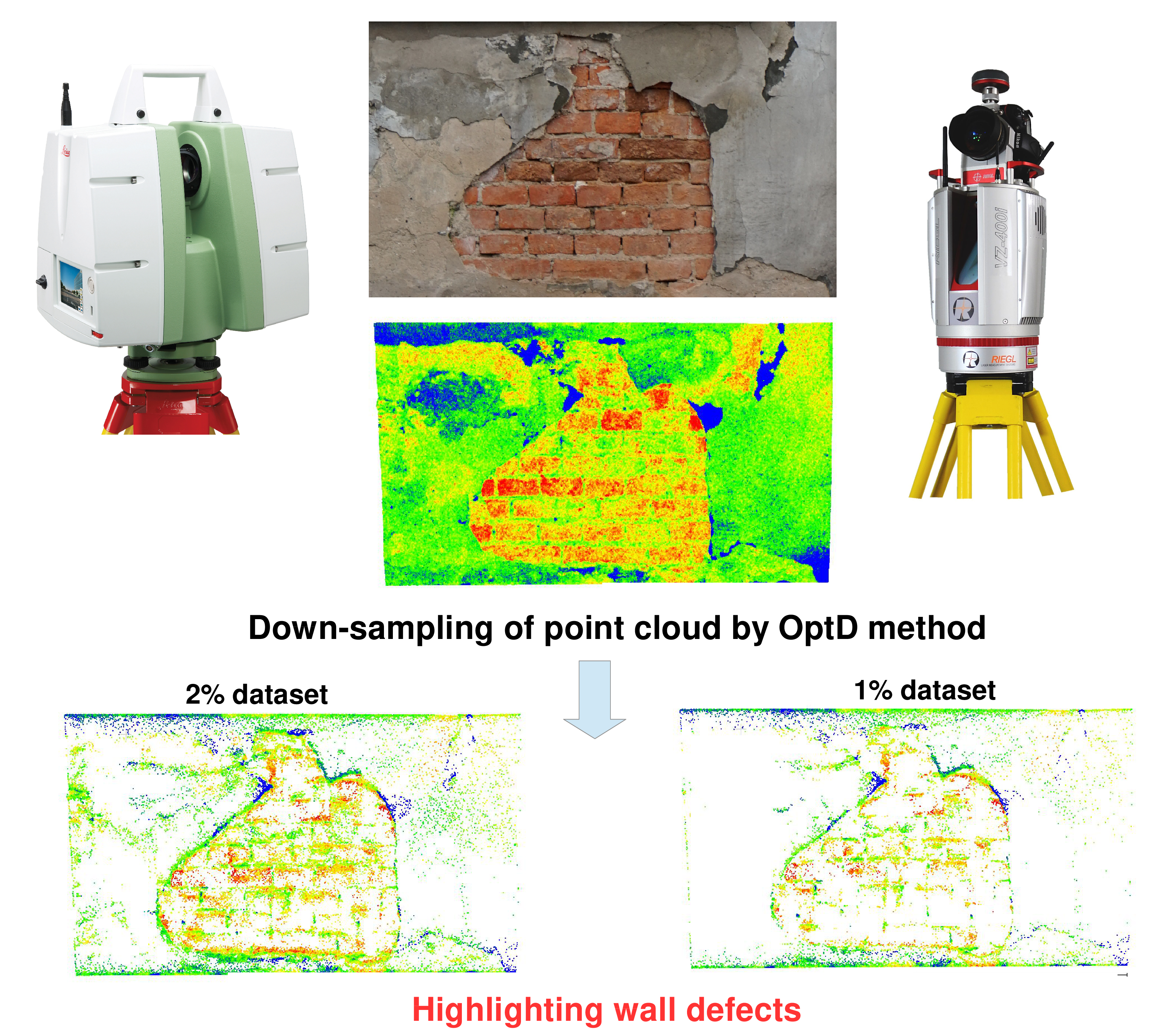
Graphical Abstract